Flamingo Cruise Missiles Hit Progress Center in Samara
Ukrainian President Volodymyr Zelensky confirmed on Saturday, Aug. 15, that Flamingo cruise missiles struck the Progress Rocket Space Center in Samara, approximately 900 kilometres from the Ukrainian border. The facility is one of Russia’s most important rocket manufacturing sites, producing Soyuz family launch vehicles and military satellites.
“In Russia’s Samara region, one of the key enterprises within Roscosmos – the Progress Center, which was involved, among other things, in electronics production – was hit,” Zelensky wrote on X. “Flamingo missiles were used. A good achievement.”
The Kyiv Post, citing the General Staff of the Armed Forces of Ukraine, reported a “direct hit” that caused a fire. Anatoly Zak of RussianSpaceWeb.com, citing imagery analysis from the Ukrainian group CyberBoroshno, wrote that the missiles apparently struck a clean-room facility for avionics adjacent to a vehicle integration building.
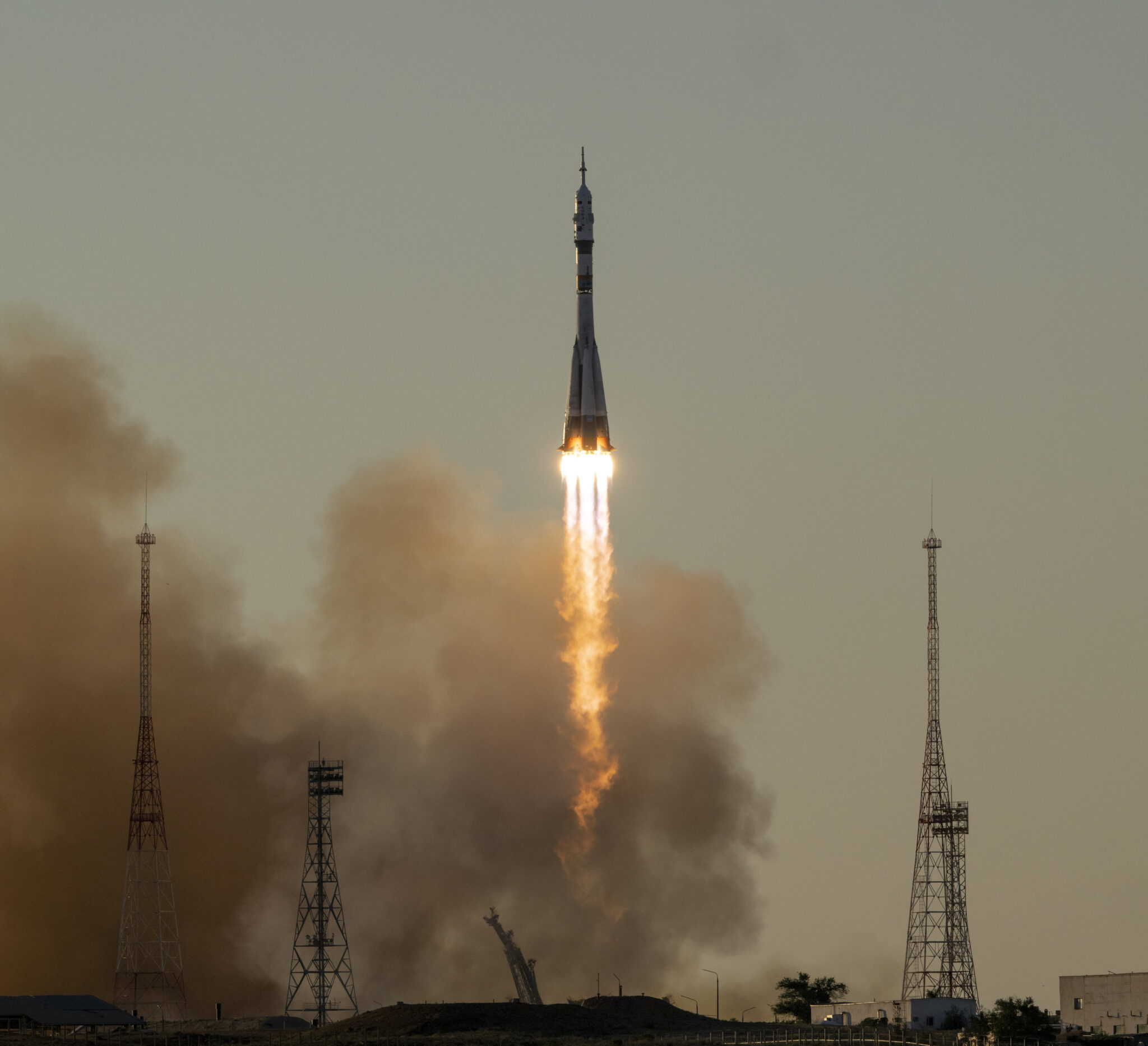
The Progress Center assembles the Soyuz-2, Russia’s workhorse launch vehicle with a lift capacity of about 8 metric tons to low-Earth orbit, as well as the newer Soyuz-5 rocket. The Soyuz-2.1a variant launches crews and cargo to the International Space Station. The most recent crewed flight, Soyuz MS-29 carrying Roscosmos’s Pyotr Dubrov and Anna Kikina and NASA’s Anil Menon, lifted off July 14 for an eight-month mission.
The strike arrives at a particularly strained moment for Russian launch production. Zak noted that Soyuz rocket orders were already exceeding production capacity at the plant by “as much as 30 or even 50 percent for a planned launch campaign period from 2027 to 2030.”
NASA Readies Commercial Orbiter to Replace LRO
NASA plans to award three more lunar missions before the end of the year through its Commercial Lunar Payload Services program, including an orbiter that would eventually replace the aging Lunar Reconnaissance Orbiter.
Executives with Firefly Aerospace and Intuitive Machines disclosed the upcoming awards during earnings calls this week. Two of the three task orders will be lander missions. The third will be an “orbiter imaging service,” Firefly chief executive Jason Kim said during his company’s Aug. 12 call.
Intuitive Machines chief executive Steve Altemus, speaking on an Aug. 14 call, described the task order as “the orbiter surveyor to map the moon in replacement of the Lunar Reconnaissance Orbiter.”
LRO launched in 2009 with a high-resolution camera and other instruments for studying the Moon. The spacecraft continues to operate under an extended mission running through 2028, but scientists have pushed for years for a successor. “Plans for a next-generation long-lived integrated orbiter with modern instruments that can replace the highly productive LRO (launched in 2009) are long overdue,” a 2022 Lunar Exploration Analysis Group report concluded.
NASA has not formally disclosed plans for an LRO successor and provides few details about upcoming CLPS task orders. A timeline of CLPS missions on the NASA website does not include several recent awards and lacks updated dates for others.
Firefly Among Three Companies Tapped for Deorbit-as-a-Service Study
The Defense Innovation Unit and the Space Development Agency selected D-Orbit, Firefly Aerospace, and Katalyst Space to study options for a commercial “deorbit-as-a-service” capability. The work focuses on rendezvousing with, capturing, and de-orbiting unprepared or non-cooperative satellites — spacecraft not designed to be serviced.
“Through this effort, SDA and DIU are developing a scalable commercial capability to safely rendezvous with, capture and de-orbit unprepared or non-cooperative satellites,” the agencies said. The companies will begin with preliminary design and risk-reduction activities before the agencies evaluate technical maturity, schedule, and affordability.
The awards expand an SDA effort that began in 2024 with feasibility studies to six companies, including Starfish Space. Starfish subsequently won a $52.5 million contract to deorbit up to seven spacecraft.
Each of the three new participants brings a different approach. Firefly proposed using its Elytra maneuvering spacecraft, which incorporates hardware and software derived from its Blue Ghost lunar program but has yet to fly its first mission. Katalyst Space is pursuing the most directly relevant on-orbit test: its Link robotic servicing vehicle launched July 3 on NASA’s Swift Boost mission, intended to rendezvous with the Neil Gehrels Swift Observatory, secure it with robotic arms, and raise it to a higher orbit. Link encountered attitude-control problems during commissioning in late July, but the company uploaded new flight software that restored control using the spacecraft’s remaining actuators.
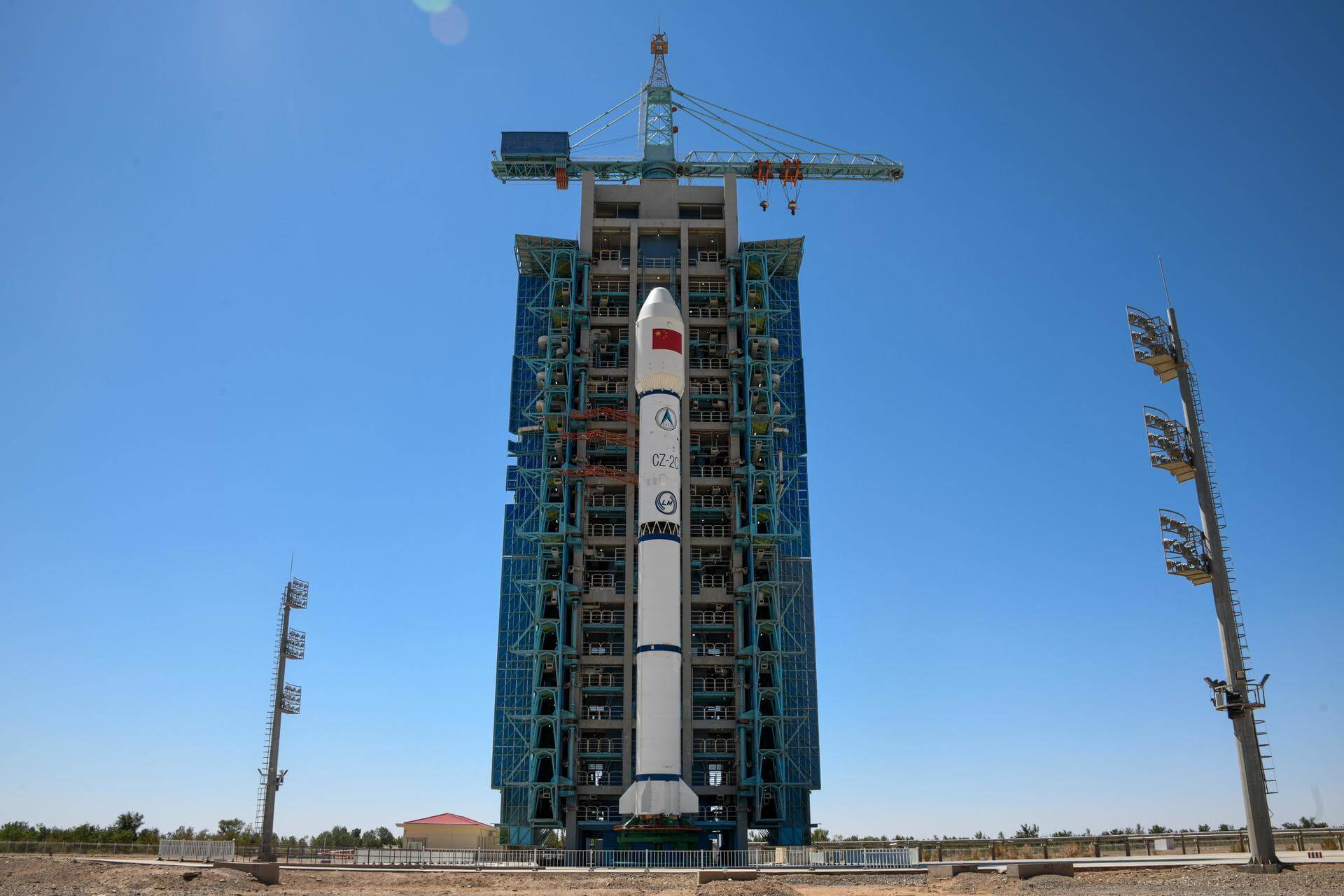
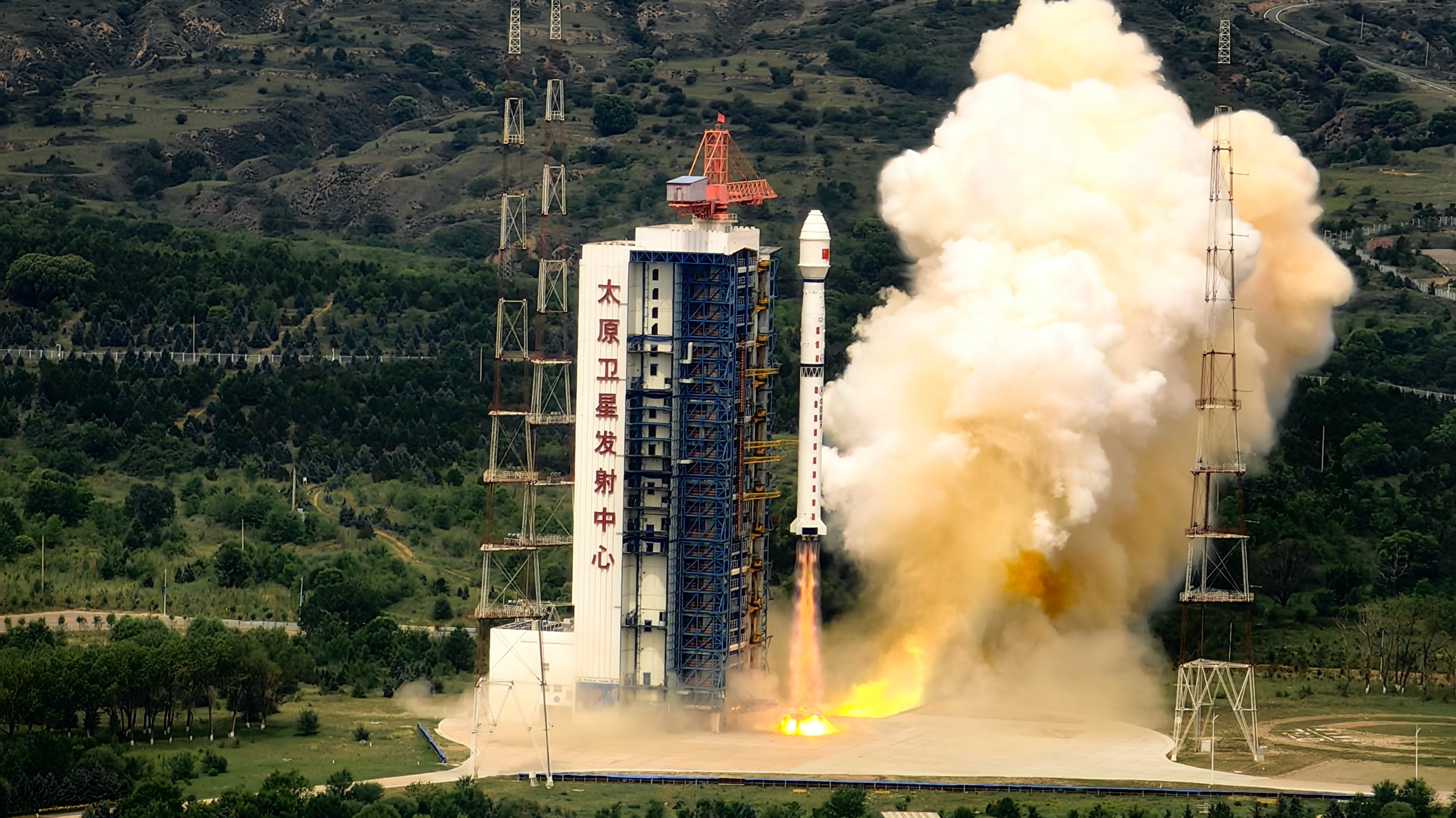
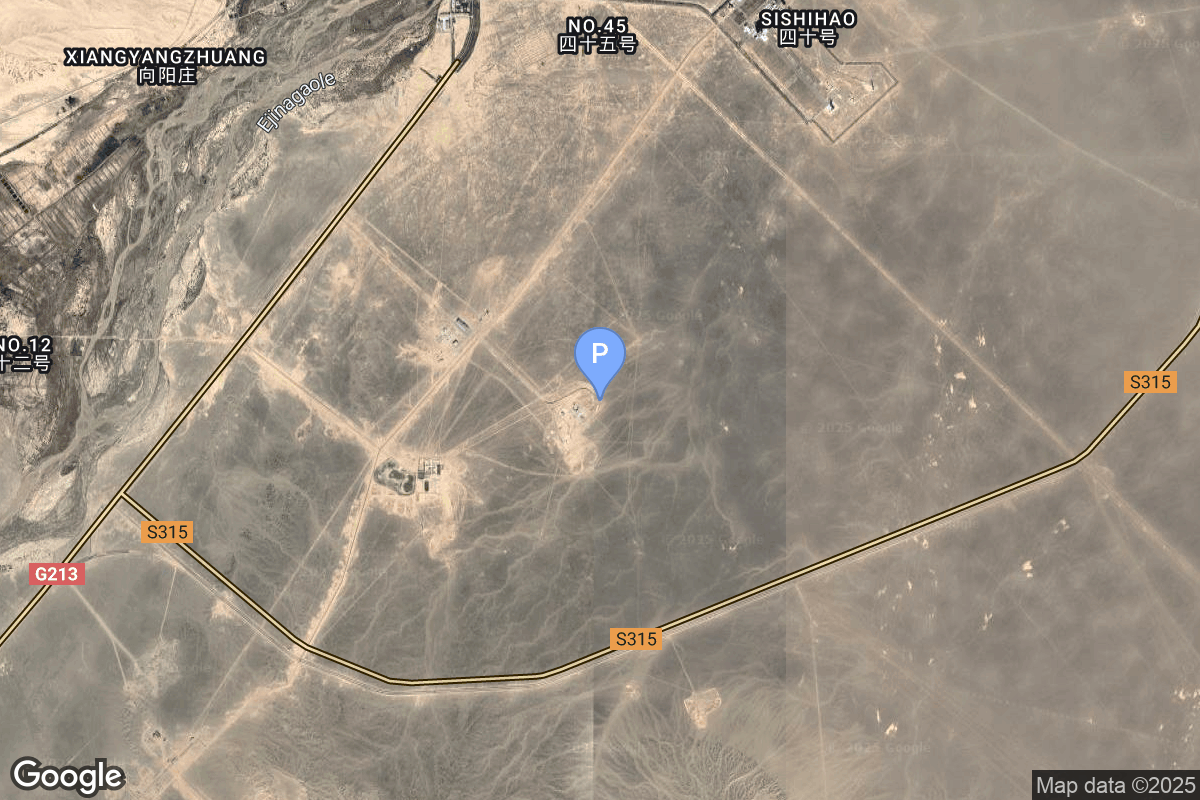
The Long March 2C is a family of expendable launch vehicles made and operated by China. It is a two stage launch vehicle with storable propellants, consisting of Nitrogen Tetroxide and Unsymmetrical Dimethylhydrazine.
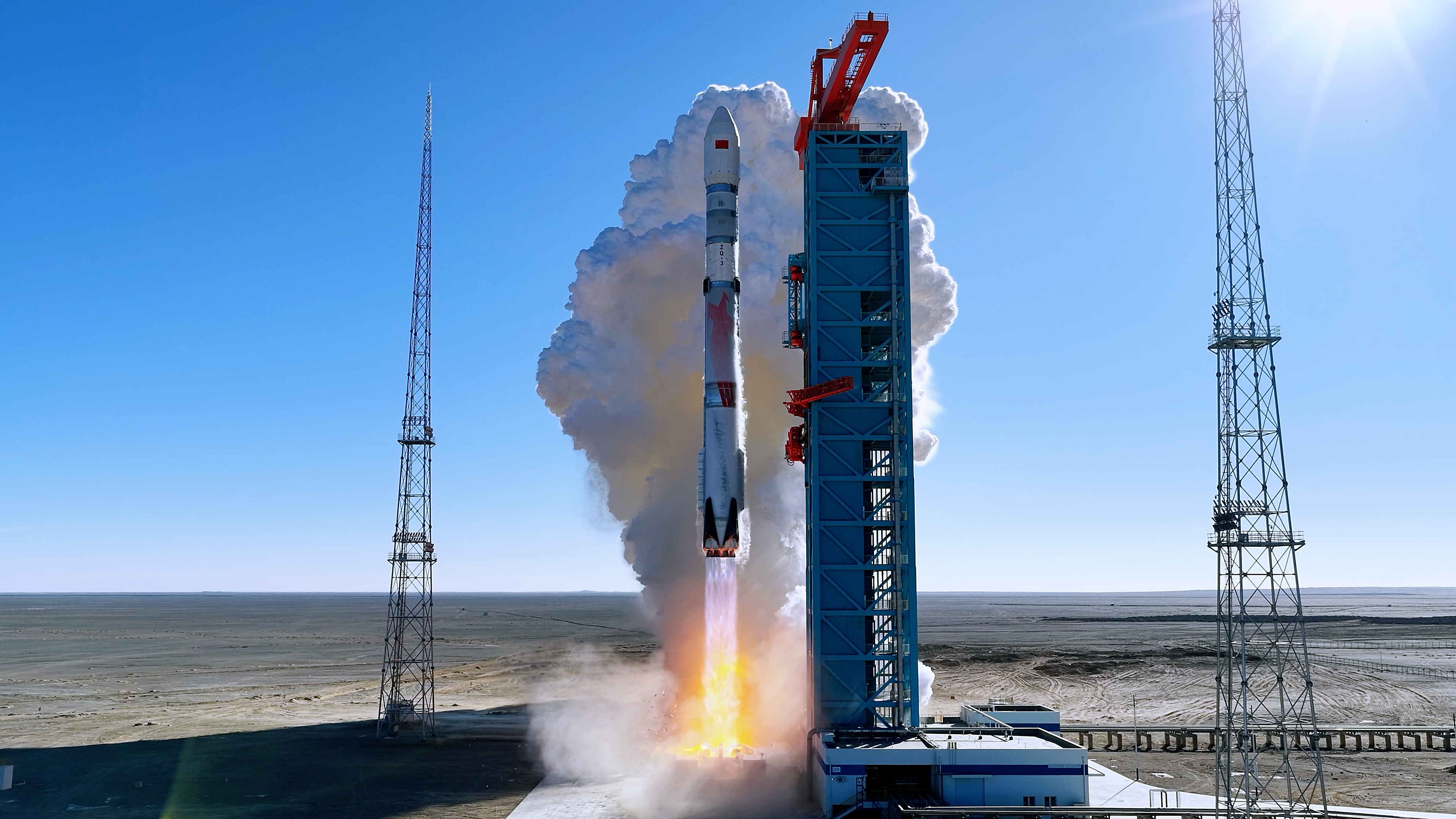
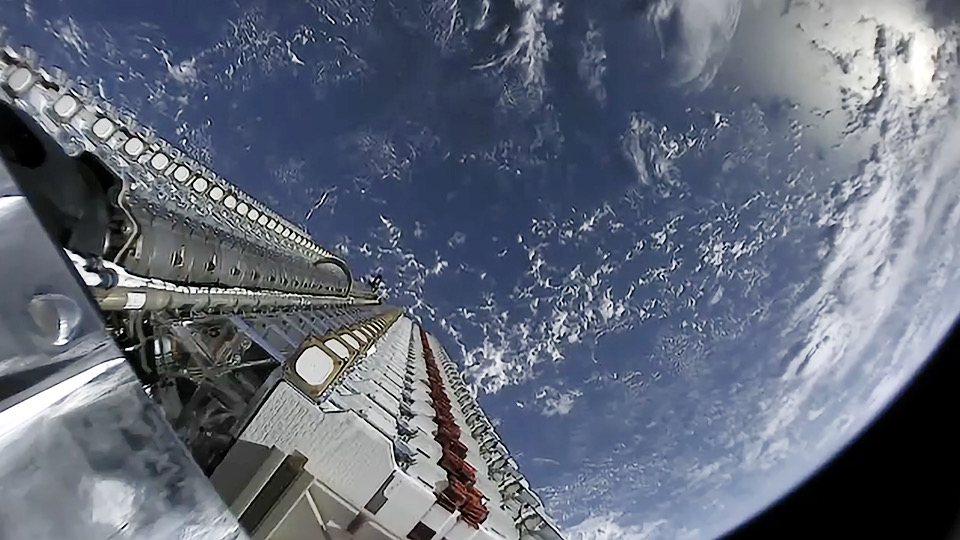
Zhuque-3 (ZQ-3) is a reusable orbital launch vehicle developed by Chinese private company LandSpace. The rocket is built using stainless steel and shares the same series of gas generator cycle methane/liquid oxygen powered rocket engines as in the currently active ZQ-2E rocket.
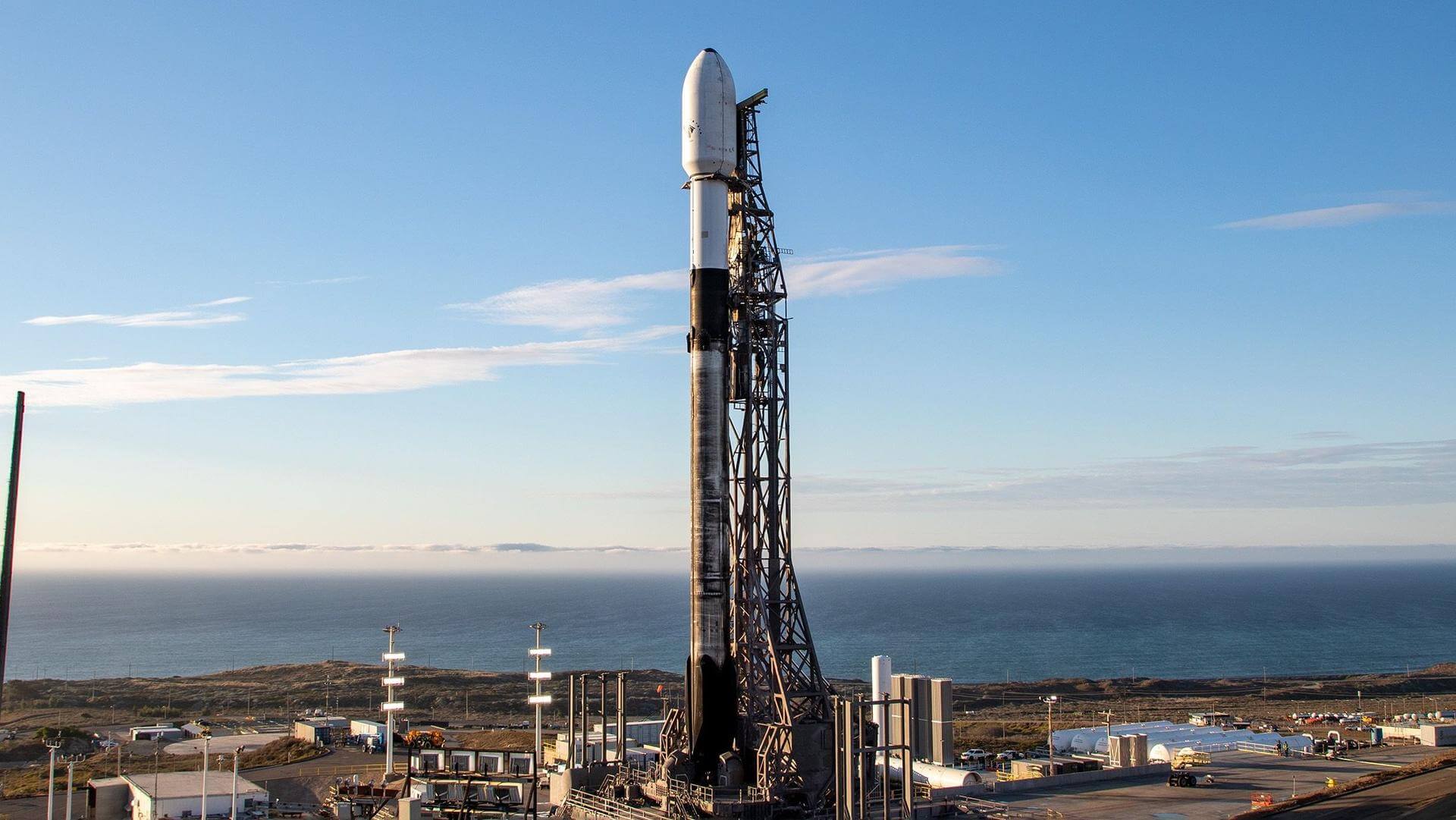
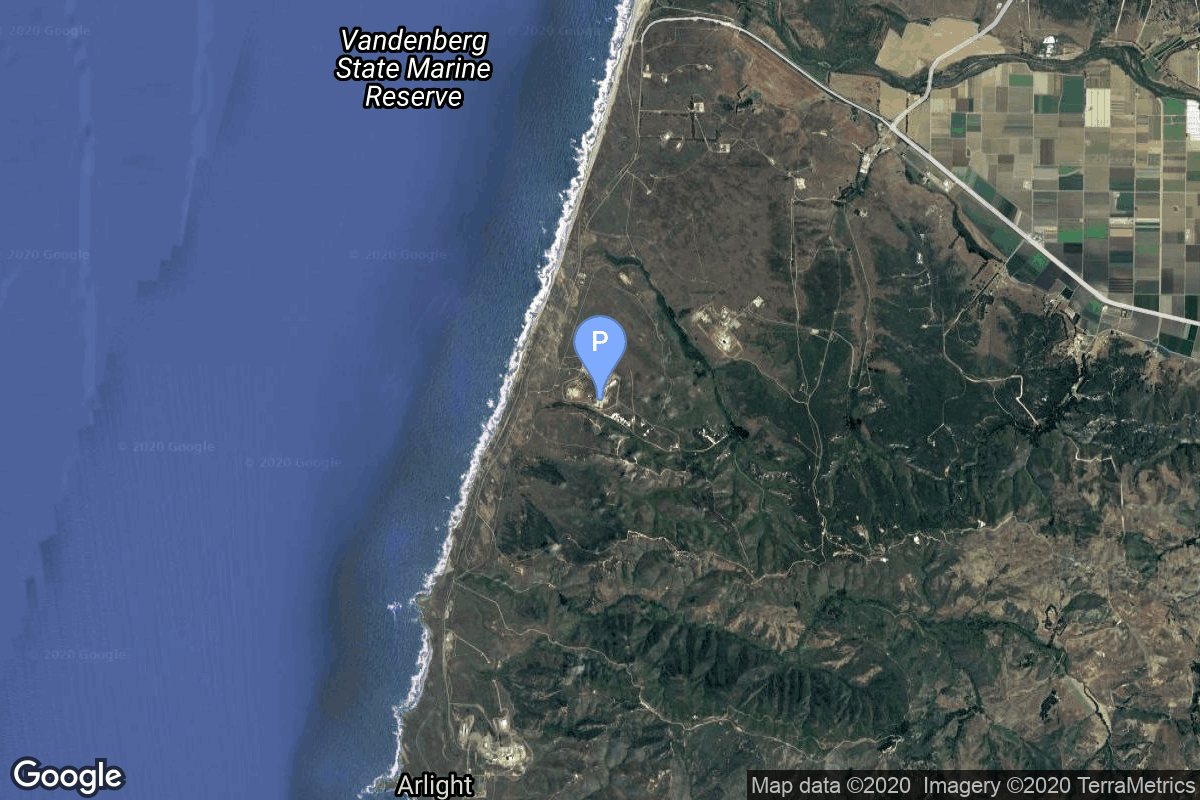
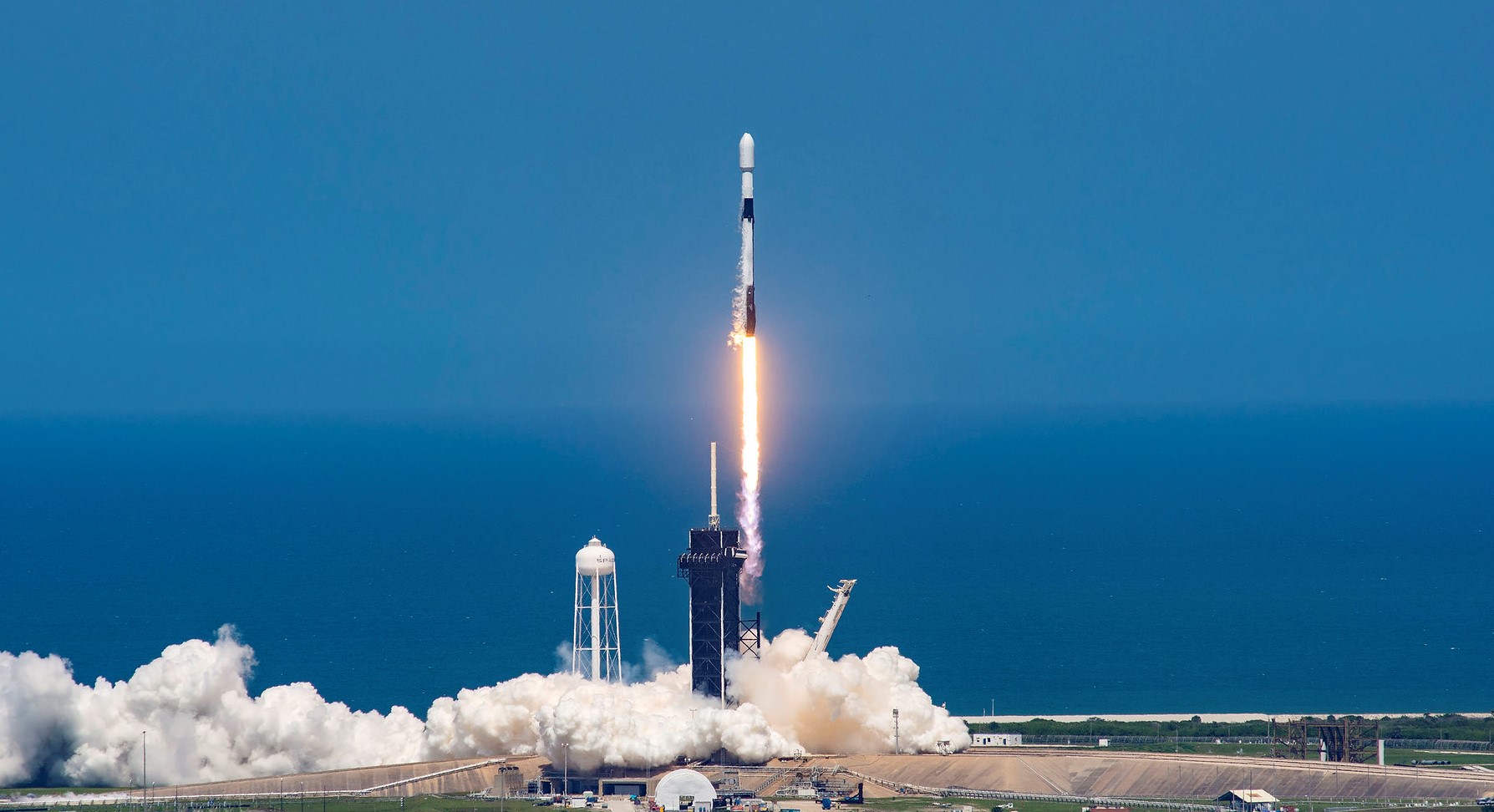
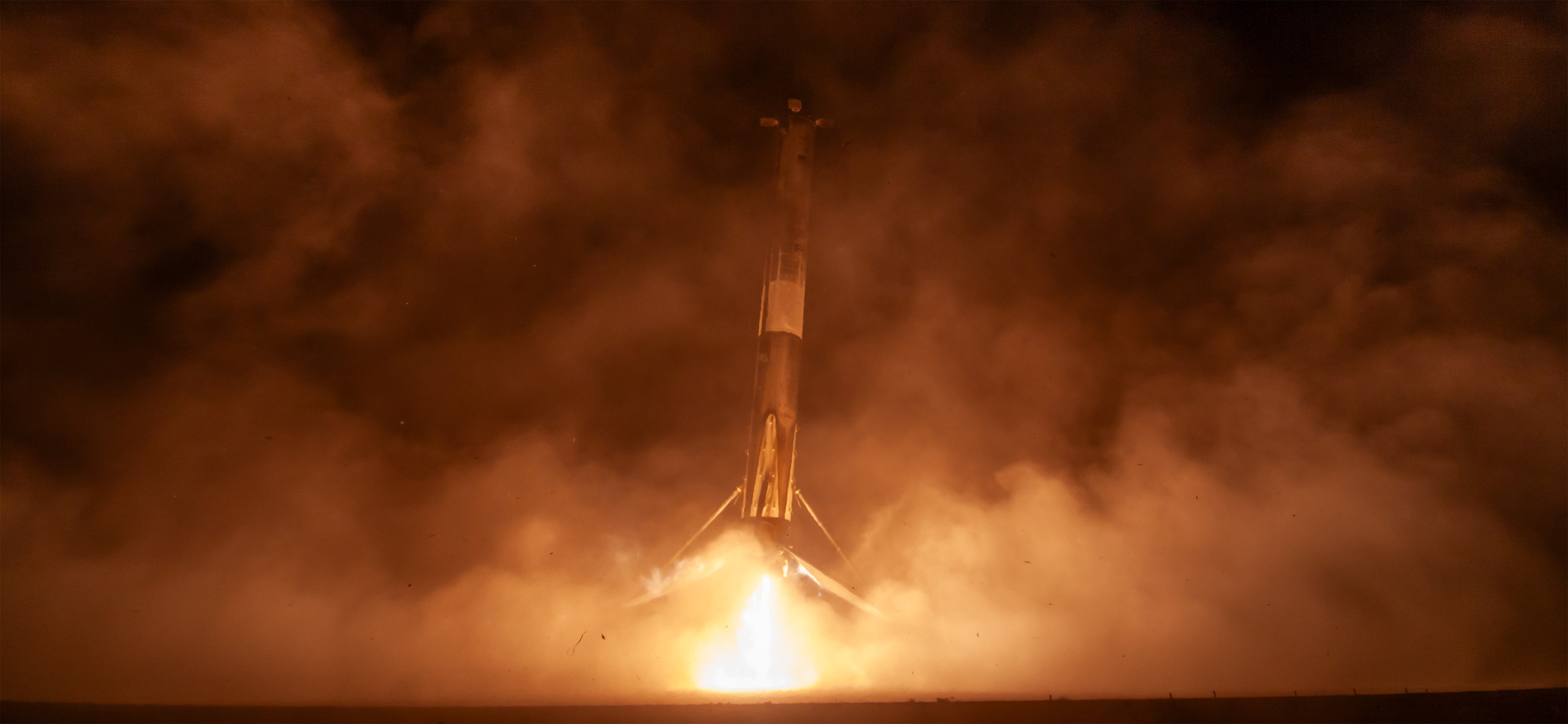
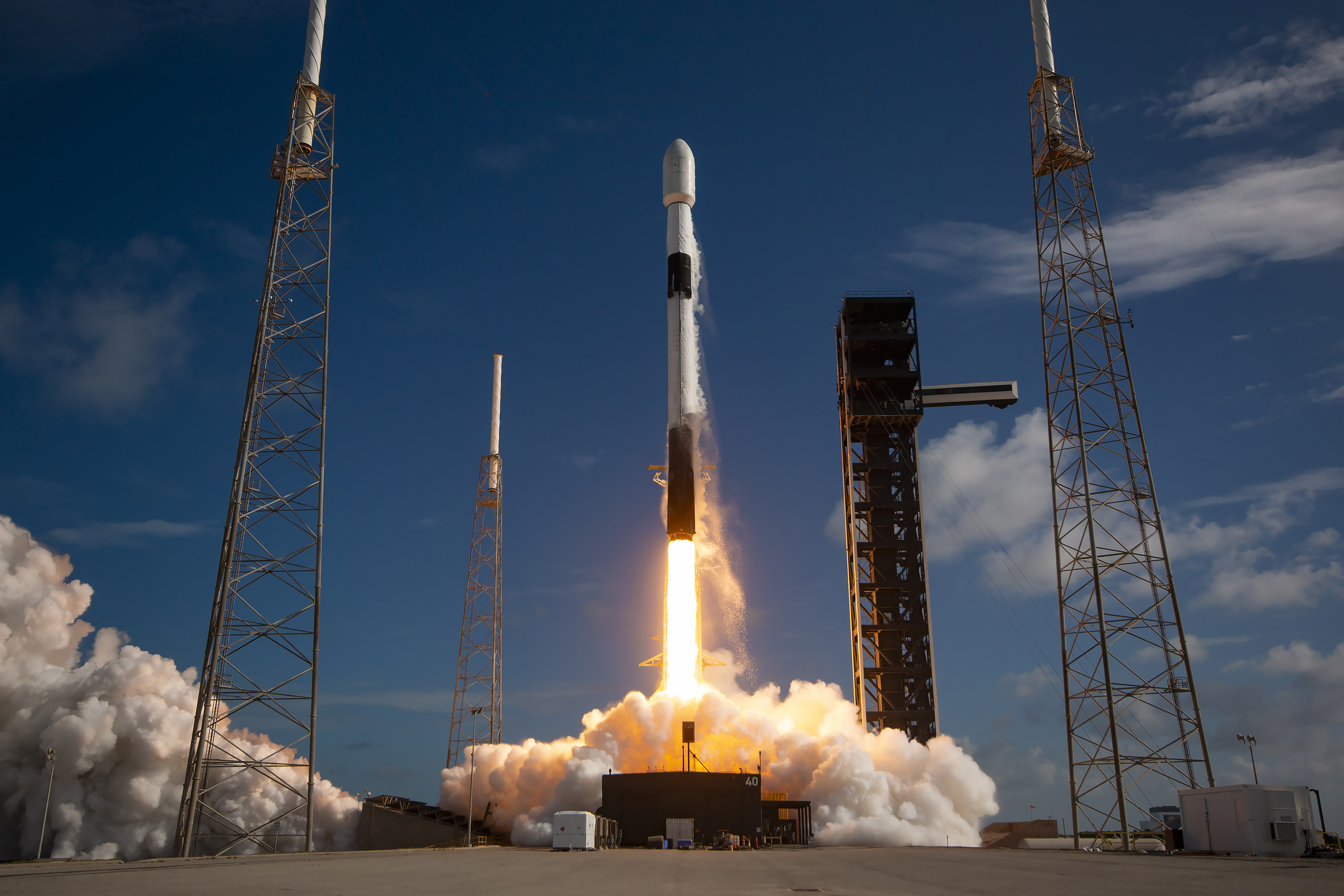
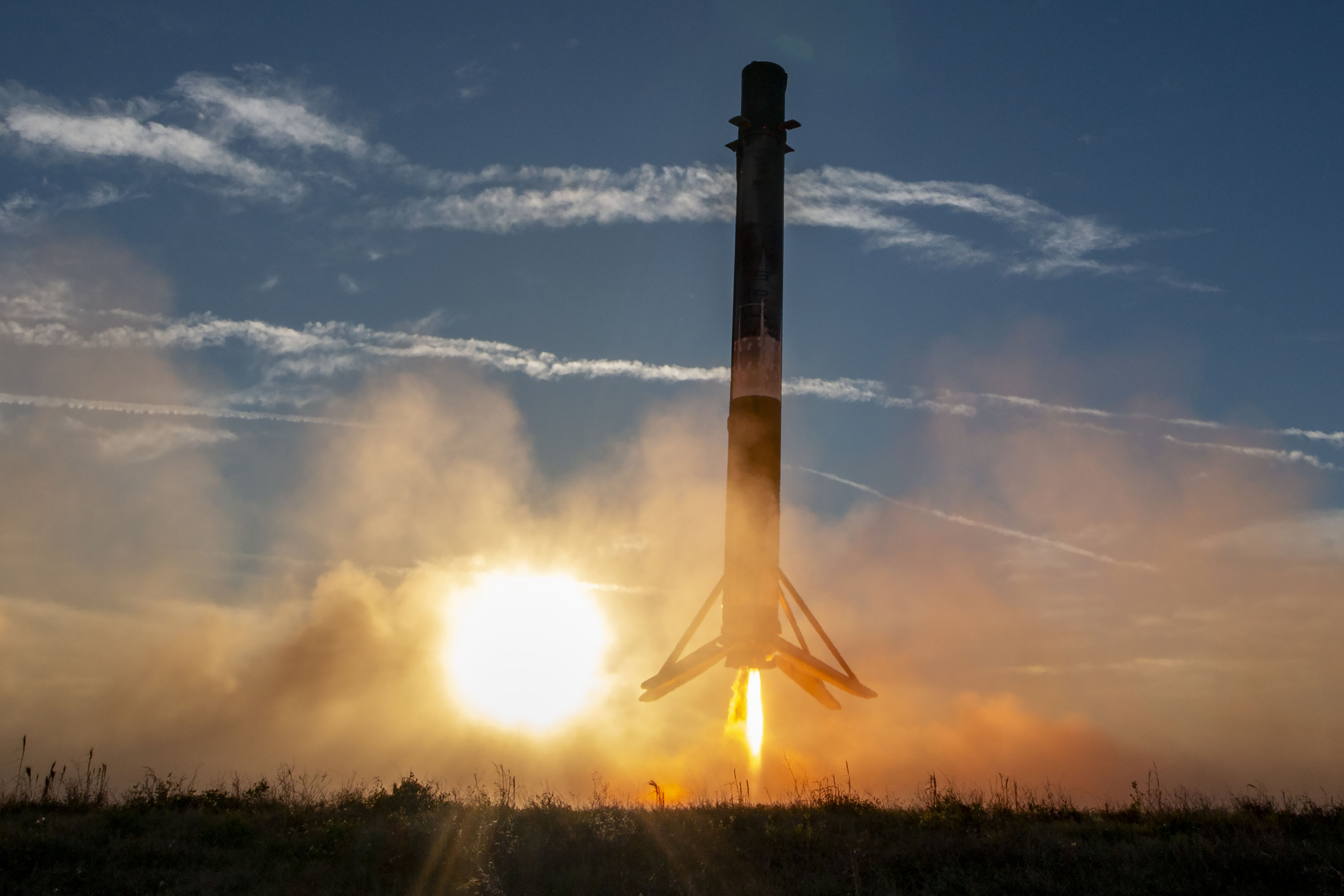
Falcon 9 is a two-stage rocket designed and manufactured by SpaceX for the reliable and safe transport of satellites and the Dragon spacecraft into orbit. The Block 5 variant is the fifth major interval aimed at improving upon the ability for rapid reusability.
Falcon 9 is a two-stage rocket designed and manufactured by SpaceX for the reliable and safe transport of satellites and the Dragon spacecraft into orbit. The Block 5 variant is the fifth major interval aimed at improving upon the ability for rapid reusability.
Falcon 9 is a two-stage rocket designed and manufactured by SpaceX for the reliable and safe transport of satellites and the Dragon spacecraft into orbit. The Block 5 variant is the fifth major interval aimed at improving upon the ability for rapid reusability.
Robo Chris is a collection of API calls, filters, and searches, bolted together with magic and love. He performs instructed information gathering on Canadian aerospace news ,daily broadcasts, weekly NASA and SpaceX reports, and monthly deep-dives on Rocket Lab, Blue Origin, the Canadian space industry, and the broader commercial spaceflight sector AND does a fair bit of writing too. Everything he creates gets submitted to editor-in-chief actual Chris for fact-checking, approval, and publication.