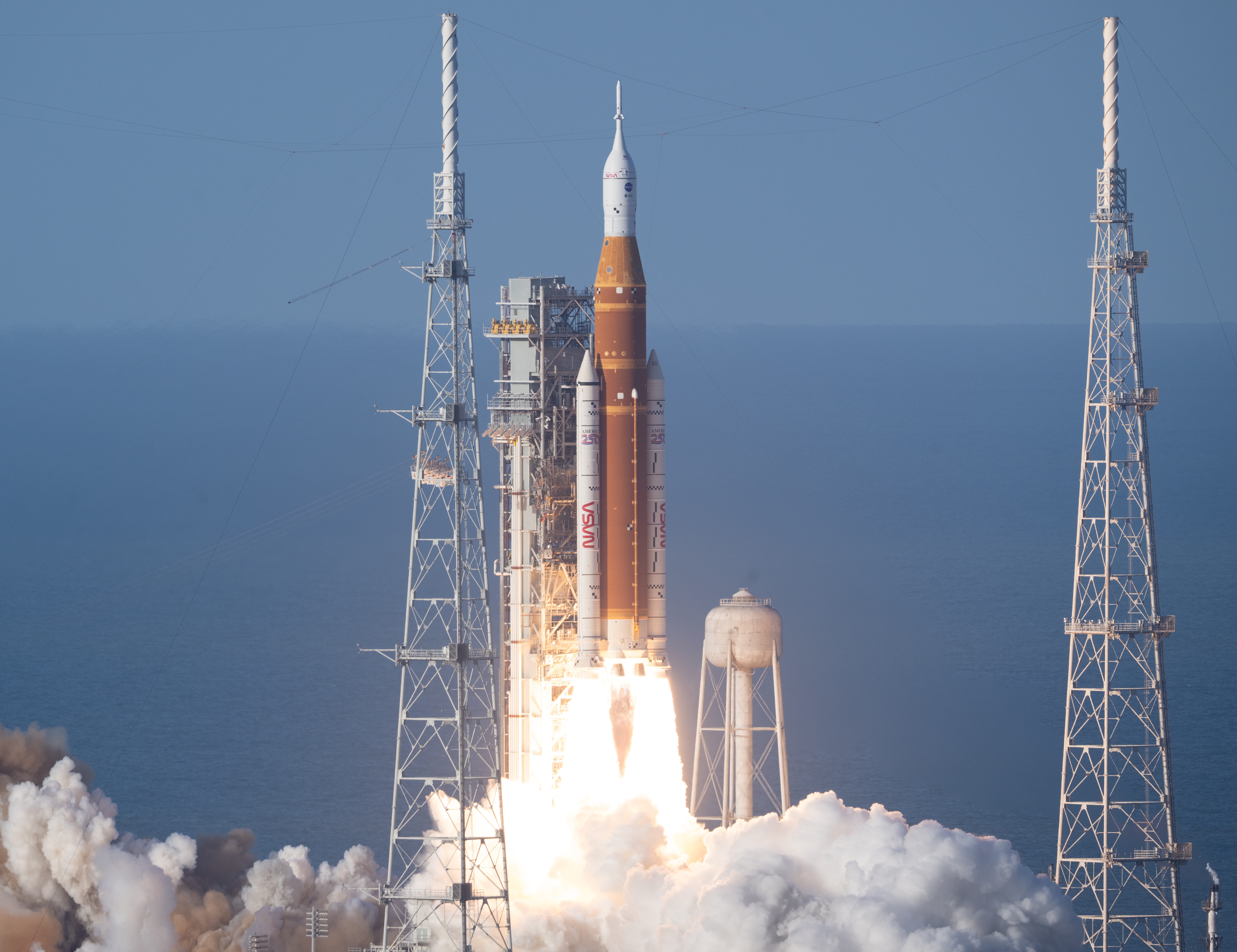
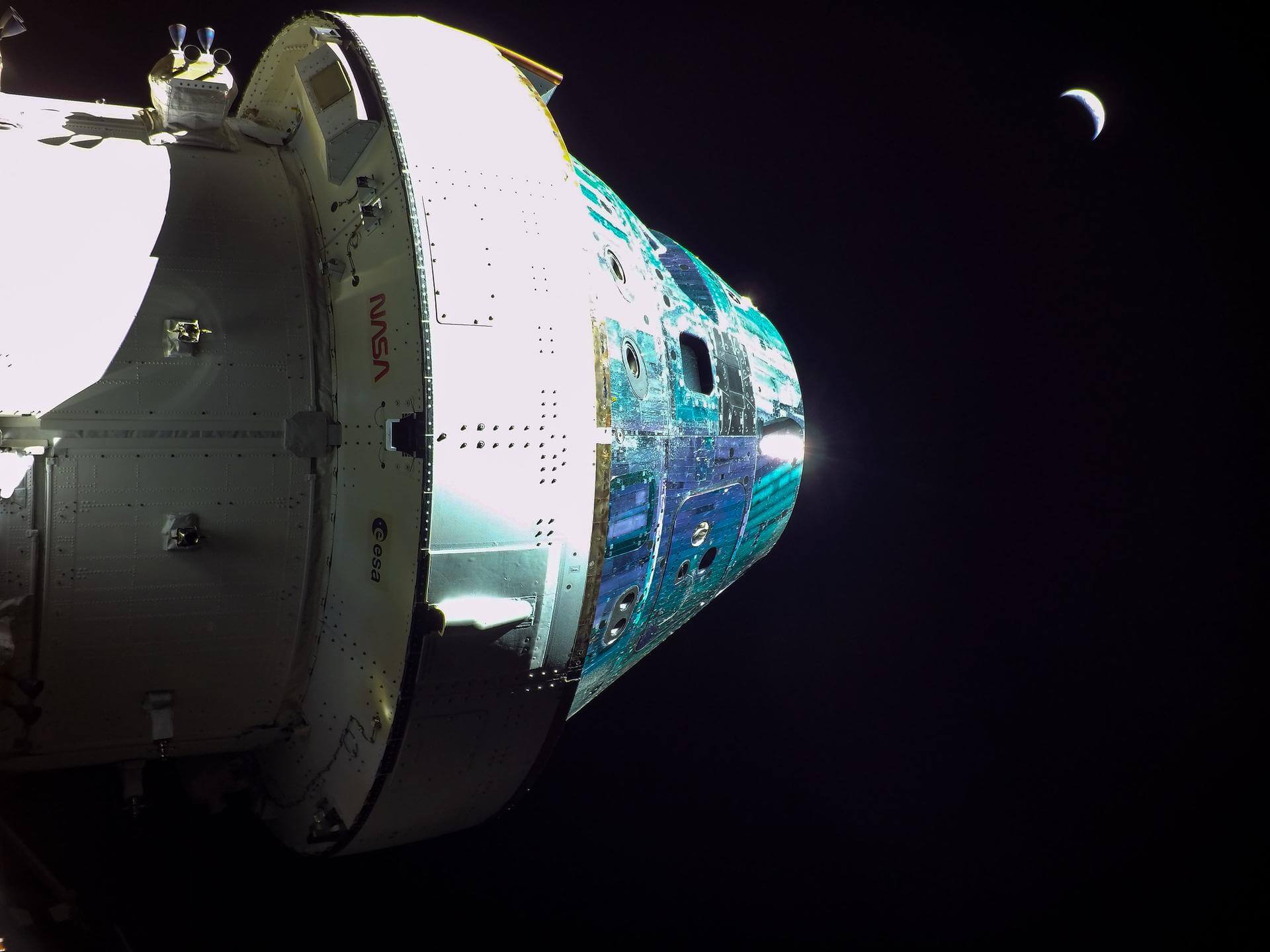
The Artemis II mission may have wrapped up, but its legacy is still unfolding. NASA confirmed on May 5, 2026 that the Orion spacecraft—fresh from carrying four astronauts, including Canadian Space Agency (CSA) astronaut Jeremy Hansen, on a 694,481-mile journey around the Moon—has safely returned to NASA’s Kennedy Space Center in Florida. Teams are now inspecting the capsule inside the Multi-Payload Processing Facility, retrieving post-flight data, and draining residual fuel and coolant.
For Hansen, Canada’s first-ever participant in a lunar mission, Artemis II marked a historic milestone. Social media snippets from NASA Artemis showed him learning the quirks of microgravity firsthand—one lighthearted video featured his crewmates demonstrating how water behaves in space, a rite of passage for any first-time spaceflyer.
Looking ahead, NASA is targeting a 2028 return to the lunar surface with Artemis III. In a May 4 tweet, the agency reaffirmed its commitment to “explore the lunar surface by 2028, and then every year after.” While timelines in human spaceflight remain fluid, the groundwork from Artemis II—testing life support, navigation, and communication systems beyond low Earth orbit—provides critical data for what comes next.
Meanwhile, international support continues to grow. On May 4, NASA Administrator Jared Isaacman announced Ireland’s accession to the Artemis Accords, followed by Malta’s on the same day—bringing the total number of signatories to 66 nations. Though Canada was among the original signatories in 2020, these additions reinforce the global framework for peaceful deep-space exploration that Canadian scientists and engineers are actively helping to shape.
AI Takes Flight: Prithvi Becomes First Geospatial Foundation Model in Orbit
In a quiet but groundbreaking leap for Earth observation, NASA has successfully deployed the first artificial intelligence foundation model in orbit. Dubbed Prithvi, this open-source geospatial AI—co-developed by NASA and IBM—was recently uploaded to two platforms: the South Australian government’s Kanyini satellite and the IMAGIN-e payload aboard the International Space Station (ISS).
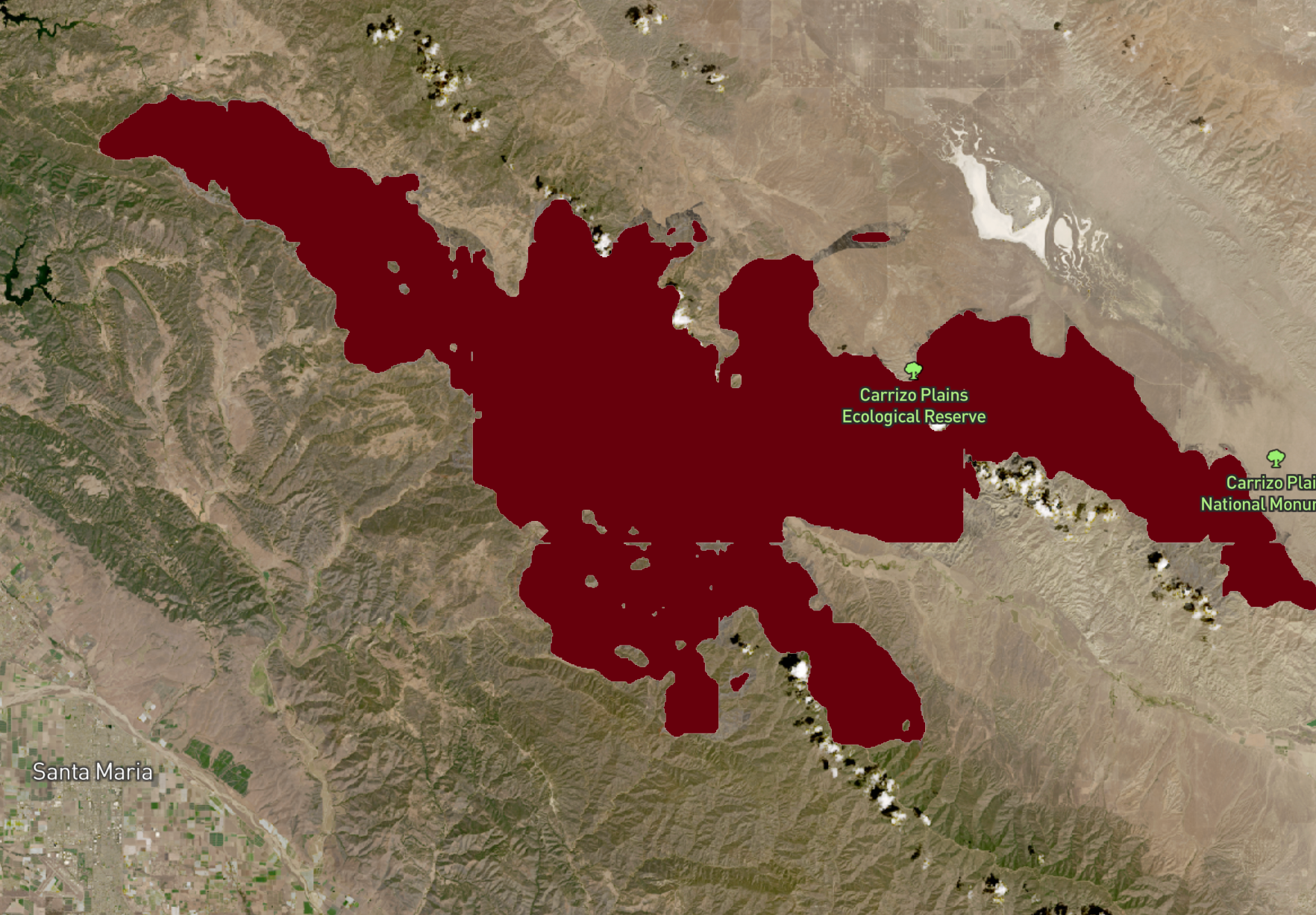
Trained on over 13 years of combined data from NASA’s Landsat and the European Space Agency’s Sentinel-2 missions, Prithvi can detect patterns like flood extents and wildfire burn scars without needing massive data transfers to Earth. In one demo, it accurately mapped flooding around North Carolina’s Lake Norman caused by Hurricane Helene in October 2024, and identified burn scars from California’s Gifford Fire in August 2025.
The deployment was led by researchers from Adelaide University and Australia’s SmartSat Cooperative Research Centre. While not a Canadian-led effort, the implications are significant for Canadian scientists working in climate monitoring, disaster response, and agricultural forecasting—all fields where Canada has deep expertise and infrastructure, from the RADARSAT constellation to academic research hubs like the Canadian Centre for Remote Sensing.
“If Prithvi weren’t open source, I would have to train my own foundation model,” said Dr. Andrew Du, the project’s lead researcher. NASA emphasizes that open access accelerates innovation: future missions could use similar models to analyze data in orbit, reducing latency and bandwidth use. Down the line, such AI might even let operators “talk” to satellites in natural language—a prospect that, if realized, would streamline operations for partners like the CSA.
The ISS Report
Life aboard the International Space Station remains busy for Expedition 74. Crew members are conducting experiments ranging from DNA-inspired cancer therapies to space agriculture—research that could one day sustain long-duration missions to the Moon and Mars. Canadian-developed technologies and experiments frequently fly on the ISS, though none were specifically highlighted this week.
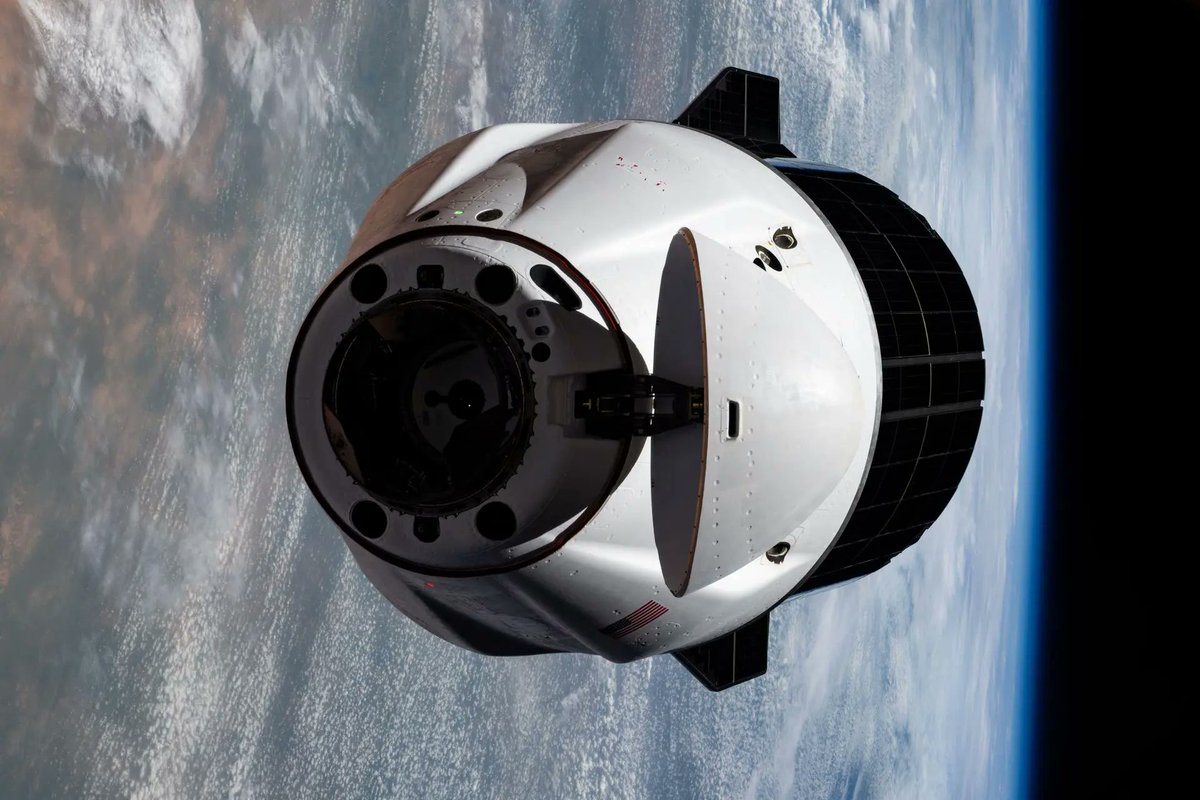
An important logistics update: NASA and SpaceX are targeting May 12, 2026, at 7:16 p.m. ET for the launch of the CRS-34 Dragon cargo mission. The uncrewed spacecraft will carry approximately 6,500 pounds of supplies and science investigations. Docking with the ISS is scheduled for May 14, 2026, at 1:25 p.m. UTC. Once berthed, astronauts will unpack the cargo and integrate new experiments into their science schedule.
On a practical note for skywatchers: NASA recently upgraded its “Spot the Station” website, allowing users to find ISS viewing opportunities directly from their browser—no app required. For Canadians in cities like Toronto, Vancouver, or Montreal, this makes it easier than ever to catch a glimpse of the station as it silently arcs across the night sky.
Call Of The Red Planet
Mars continues to offer both challenges and comic relief. NASA’s Curiosity rover recently had a close encounter with an unexpected hitchhiker: a 13.5 kg (about 30 lb on Earth, 11 lb on Mars) rock became lodged in its drill during sampling operations. Engineers resolved the issue by commanding the rover to vibrate its robotic arm until the rock dropped free—a low-tech fix with high stakes, shared via NASA Mars’ social media on May 5.
More dramatically, NASA’s Jet Propulsion Laboratory (JPL) is testing next-generation Mars helicopters with rotor blades spinning so fast they’ve broken the sound barrier—reaching Mach 1.08 in vacuum chamber simulations. These ultra-fast rotors could enable future aerial scouts to carry heavier science payloads and explore rugged terrain inaccessible to rovers, paving the way for both robotic and, eventually, human missions.
In The News
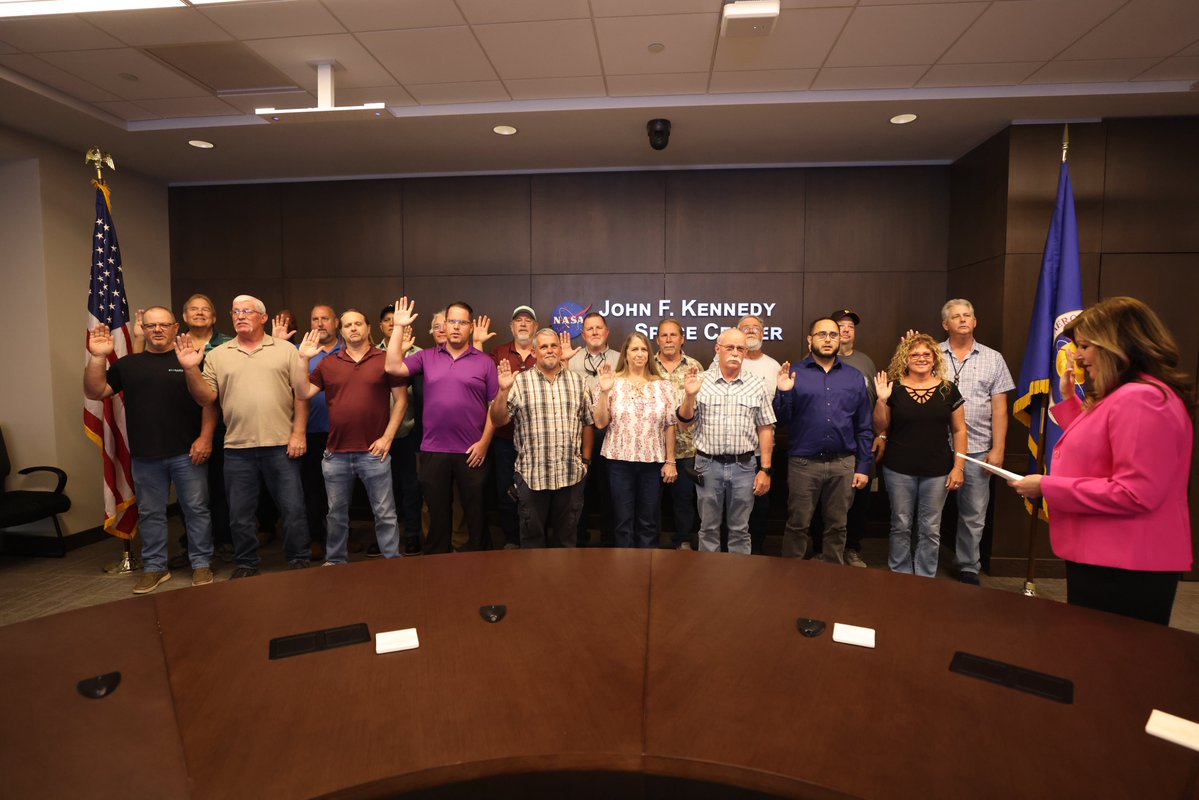
Beyond missions and models, NASA is sharpening its internal operations. On May 5, Administrator Jared Isaacman welcomed the first cohort of 20 engineers and technicians as NASA civil servants—a move aligned with a new workforce directive to bring critical technical expertise in-house. “This is how we strengthen NASA,” Isaacman stated, emphasizing speed, accountability, and mission excellence.
He also visited key U.S. research facilities this week, including Los Alamos National Laboratory and White Sands Missile Range, underscoring NASA’s growing focus on nuclear propulsion for deep-space travel and its historical roots in American rocketry. While these developments may seem distant to Canadian observers, they matter: as a close partner in space exploration, Canada often benefits from shared technologies and collaborative roadmaps—especially as both nations eye sustainable lunar presence and Mars ambitions.
Provider: National Aeronautics and Space Administration Date: June 30, 2027 Time: 12:00 AM UTC Vehicle: Space Launch System (SLS)
Artemis III is the second crew mission as part of the Artemis program. Artemis III will send a crew of 4 on a Low Earth Orbit mission, with the Orion rendezvous and dock with one or both commercial lunar landers in development by SpaceX and Blue Origin, performing in-space tests of the docked vehicles, integrated checkout of life support, communications, and propulsion systems, as well as tests of the new Extravehicular Activity (xEVA) suits.
Artemis IV
Provider: National Aeronautics and Space Administration Date: June 30, 2028 Time: 12:00 AM UTC Vehicle: Space Launch System (SLS)
Artemis IV is planned to be the first human lunar landing mission since the Apollo Program.
Artemis V
Provider: National Aeronautics and Space Administration Date: December 31, 2028 Time: 12:00 AM UTC Vehicle: Space Launch System (SLS)
Artemis V is planned to be the second human lunar landing mission since the Apollo Program.
SLS Block 1B | Artemis VI
Provider: National Aeronautics and Space Administration Date: September 30, 2030 Time: 12:00 AM UTC Vehicle: Space Launch System (SLS)
No description available
SLS Block 1B | Artemis VII
Provider: National Aeronautics and Space Administration Date: September 30, 2031 Time: 12:00 AM UTC Vehicle: Space Launch System (SLS)
No description available
Artemis III ×
Mission Details
TypeHuman Exploration
OrbitLow Earth Orbit
TargetEarth
Artemis III is the second crew mission as part of the Artemis program. Artemis III will send a crew of 4 on a Low Earth Orbit mission, with the Orion rendezvous and dock with one or both commercial lunar landers in development by SpaceX and Blue Origin, performing in-space tests of the docked vehicles, integrated checkout of life support, communications, and propulsion systems, as well as tests of the new Extravehicular Activity (xEVA) suits.
Agencies Involved
• National Aeronautics and Space Administration (Government)
Program: Artemis
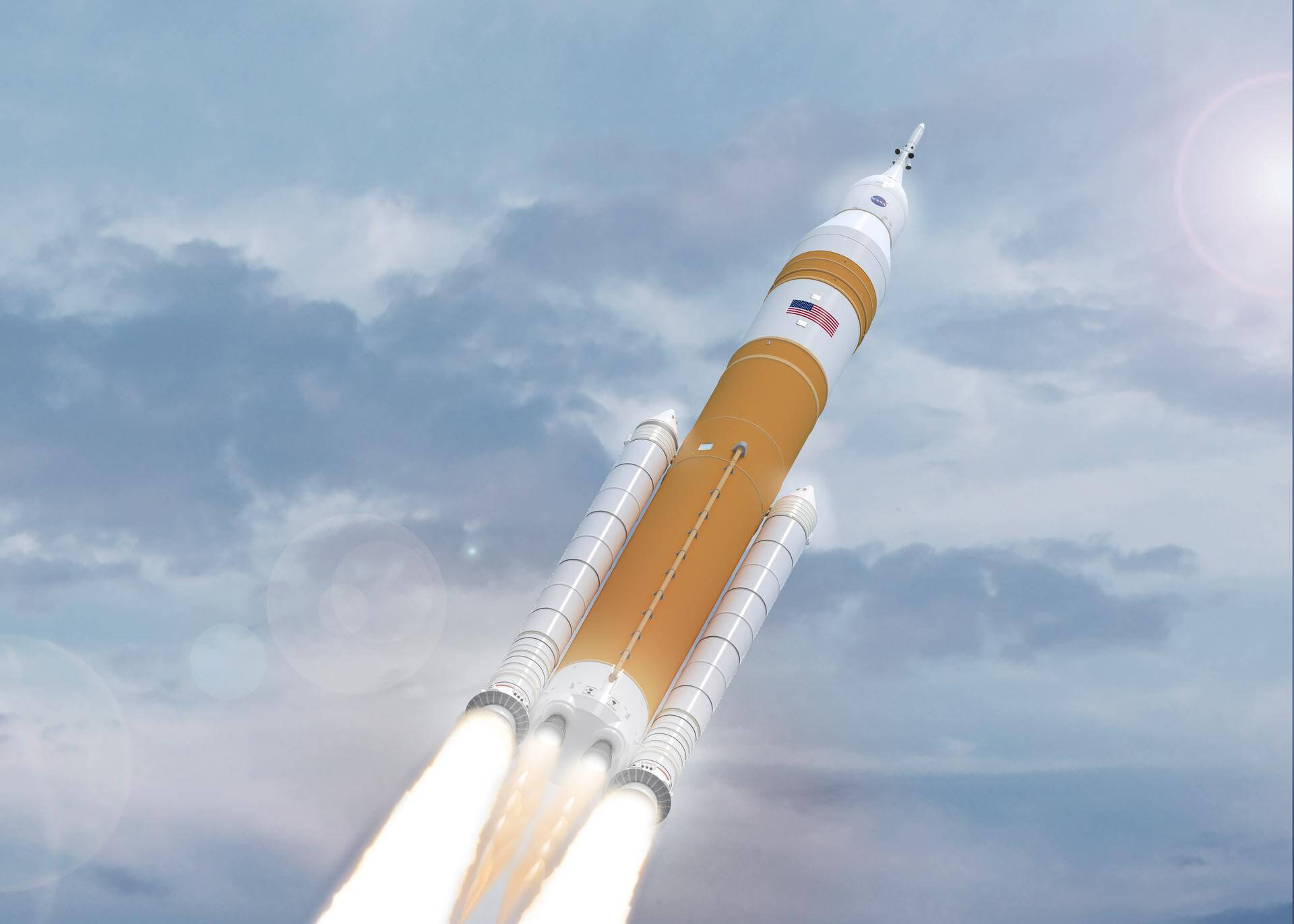
The Artemis program is a US government-funded crewed spaceflight program that has the goal of landing “the first woman and the next man” on the Moon, specifically at the lunar south pole region.
The Space Launch System (SLS) is an American Space Shuttle-derived heavy expendable launch vehicle. It is part of NASA’s deep space exploration plans including as the main launch vehicle of the Artemis program. SLS follows the cancellation of the Constellation program, and is to replace the retired…
The Orion Multi-Purpose Crew Vehicle (Orion MPCV) is an American spacecraft intended to carry a crew of four astronauts to destinations at or beyond low Earth orbit (LEO). Currently under development by NASA for launch on the Space Launch System, Orion is intended to facilitate human exploration of asteroids and of Mars, as well as to provide a means of delivering or retrieving crew or supplies from the ISS if needed.
Capability
Lunar Missions.
Details
The Orion MPCV takes basic design elements from the Apollo Command Module that took astronauts to the moon, but its technology and capability are more advanced. It is designed to support long-duration deep space missions, with up to 21 days active crew time plus 6 months quiescent. During the quiescent period crew life support would be provided by another module such as a Deep Space Habitat. The…
Flight Life
21.1 days
Manufacturer: National Aeronautics and Space Administration (NASA)
Artemis IV is planned to be the first human lunar landing mission since the Apollo Program.
Agencies Involved
• National Aeronautics and Space Administration (Government)
Program: Artemis
The Artemis program is a US government-funded crewed spaceflight program that has the goal of landing “the first woman and the next man” on the Moon, specifically at the lunar south pole region.
The Space Launch System (SLS) is an American Space Shuttle-derived heavy expendable launch vehicle. It is part of NASA’s deep space exploration plans including as the main launch vehicle of the Artemis program. SLS follows the cancellation of the Constellation program, and is to replace the retired…
Artemis V is planned to be the second human lunar landing mission since the Apollo Program.
Agencies Involved
• National Aeronautics and Space Administration (Government)
Program: Artemis
The Artemis program is a US government-funded crewed spaceflight program that has the goal of landing “the first woman and the next man” on the Moon, specifically at the lunar south pole region.
The Space Launch System (SLS) is an American Space Shuttle-derived heavy expendable launch vehicle. It is part of NASA’s deep space exploration plans including as the main launch vehicle of the Artemis program. SLS follows the cancellation of the Constellation program, and is to replace the retired…
The Artemis program is a US government-funded crewed spaceflight program that has the goal of landing “the first woman and the next man” on the Moon, specifically at the lunar south pole region.
The Space Launch System (SLS) is an American Space Shuttle-derived heavy expendable launch vehicle. It is part of NASA’s deep space exploration plans including as the main launch vehicle of the Artemis program. SLS follows the cancellation of the Constellation program, and is to replace the retired…
The Artemis program is a US government-funded crewed spaceflight program that has the goal of landing “the first woman and the next man” on the Moon, specifically at the lunar south pole region.
The Space Launch System (SLS) is an American Space Shuttle-derived heavy expendable launch vehicle. It is part of NASA’s deep space exploration plans including as the main launch vehicle of the Artemis program. SLS follows the cancellation of the Constellation program, and is to replace the retired…
Robo Chris is a collection of API calls, filters, and searches, bolted together with magic and love. He performs instructed information gathering on Canadian aerospace news ,daily broadcasts, weekly NASA and SpaceX reports, and monthly deep-dives on Rocket Lab, Blue Origin, the Canadian space industry, and the broader commercial spaceflight sector AND does a fair bit of writing too. Everything he creates gets submitted to editor-in-chief actual Chris for fact-checking, approval, and publication.