Montreal firm partners with South Korean provider to capture regional satellite market
Montreal-based aerospace and defence company RSAT Space Inc. is making a significant play in the North American commercial space market. The company has signed a Memorandum of Understanding with South Korean launch provider INNOSPACE to jointly pursue satellite launch and space system contracts across the region.
The partnership, announced on April 27, pairs INNOSPACE’s launch capabilities with RSAT’s expertise in space systems integration and mission support. CEO Gurvinder Chohan, who led the company through its recent rebrand from QSTC Canada Inc. in December 2025, brings substantial industry pedigree—he previously served as Senior Director for the Asia-Pacific region at MDA/Maxar and spent time overseeing a Teledyne Brown Engineering contract to design NASA’s Lunar Terrain Vehicle.
The backbone of the partnership is INNOSPACE’s HANBIT-Nano rocket, a two-stage small satellite launcher designed to carry up to 90-kilogram payloads to a 500-kilometre orbit. The vehicle uses a hybrid rocket engine in its first stage, offering structural simplicity and cost advantages over traditional liquid-fuelled alternatives.
For RSAT, the arrangement creates a turnkey offering—satellite manufacturers gain access to integrated services and dedicated launch capacity without navigating launch providers separately. For INNOSPACE, a partnership with an established domestic aerospace firm opens the door to Canada’s procurement frameworks and defence sector requirements. The agreement follows closely on an earlier Letter of Intent between INNOSPACE and Halifax-based Maritime Launch Services, which focused on securing Canadian launch site access.
“This partnership establishes a reliable operational foundation to support regional repeat launch demand,” said INNOSPACE CEO Soojong Kim. Chohan added: “This collaboration will expand flexible launch access and support the mission readiness of stakeholders across the global space ecosystem.”
Link spacecraft clears testing hurdle on fast-track rescue mission for Swift telescope
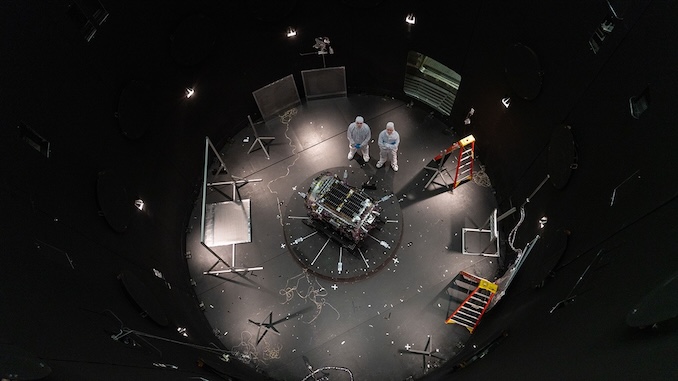
NASA’s $500 million Swift Observatory will not go quietly into the atmosphere—at least not without a fight. The Link spacecraft, built by Katalyst Space Technologies, has completed critical environmental testing at NASA’s Goddard Space Flight Center and is now in the home stretch of its race against the clock.
Swift, launched in 2004, lacks onboard propulsion and has been slowly decaying from an initial orbit of about 600 kilometres down to 400 kilometres. Increased solar activity has accelerated that timeline considerably; without intervention, the spacecraft is expected to re-enter Earth’s atmosphere in late 2026.
In September 2025, NASA awarded Katalyst a $30 million contract to develop a rescue spacecraft capable of docking with Swift and boosting its orbit. The Link spacecraft completed vibration and thermal-vacuum testing at Goddard on May 4, with engineers simulating the intense shaking Link will experience during launch and the extreme hot and cold temperatures of space. During testing, Link fired its three ion thrusters, deployed one of its three arms, and proved its systems could survive the vacuum environment.
“The clock is ticking on Swift’s descent, so we have to find a balance between testing and problem solving that gives the mission the best chance of success,” said Kieran Wilson, Link’s principal investigator at Katalyst. Katalyst selected Northrop Grumman’s Pegasus XL air-launched rocket for the mission precisely because Swift orbits at an inclination of 20.6 degrees—a geometry that favours Pegasus’ unique capability to launch from anywhere on Earth. The mission is scheduled for June, with Link integrating to the Pegasus rocket at NASA’s Wallops Flight Facility early in the month and deployment from the Marshall Islands later in the month.
ISS crew advances cancer treatment research and monitors astronaut health
Aboard the International Space Station, Expedition 74 crew members are pursuing research that leverages the unique environment of weightlessness to advance medical science. This week, the crew worked on DNA-mimicking nanomaterials, quantum physics investigations, and a series of human health assessments.
ESA astronaut Sophie Adenot spent Friday manufacturing tiny engineered materials that mimic DNA in the Kibo laboratory module’s Life Science Glovebox. These nanomaterials are loaded with cancer-fighting drugs and designed to reach target cells whilst preventing unwanted side effects. The DNA Nano Therapeutics-3 investigation harnesses weightlessness to form stable structures with the particles that could lead to a new class of cancer treatment.
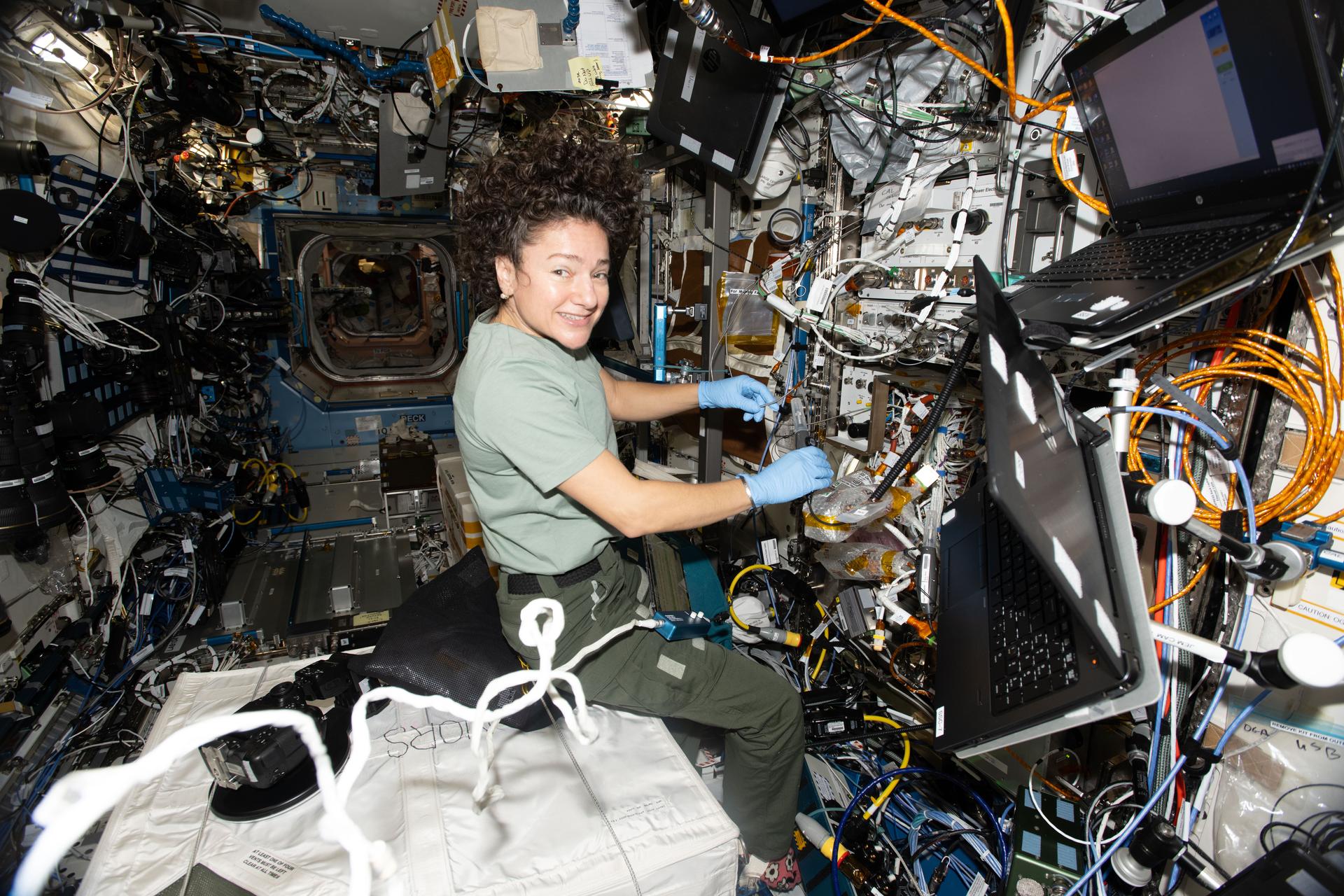
NASA flight engineer Jessica Meir opened and inspected the Cold Atom Lab in the Destiny module, ensuring its water hoses and fibre cables were functioning properly. The CAL facility chills atoms to near absolute zero for observation, providing insights into atomic wave functions, general relativity, and dark matter. Meir and fellow NASA engineer Jack Hathaway also performed spacesuit maintenance, installing charged batteries and swapping connectors in preparation for future spacewalks.
The crew rounded out their week with biomedical exams. Meir conducted an eye-imaging assessment of Adenot’s retina, lens, and cornea using optical coherence tomography hardware. Chris Williams attached pulse-measuring electrodes and had Hathaway scan his chest with the Ultrasound 3 device to observe his cardiovascular system. Roscosmos cosmonauts Sergey Kud-Sverchkov and Sergey Mikaev participated in a long-running crew psychology assessment, completing computerised questionnaires that help researchers understand how spaceflight affects mental adaptation—data valuable for crew selection and training. Canada continues its partnership in the ISS programme through the Canadian Space Agency, including ongoing operations of the iconic Canadarm2.
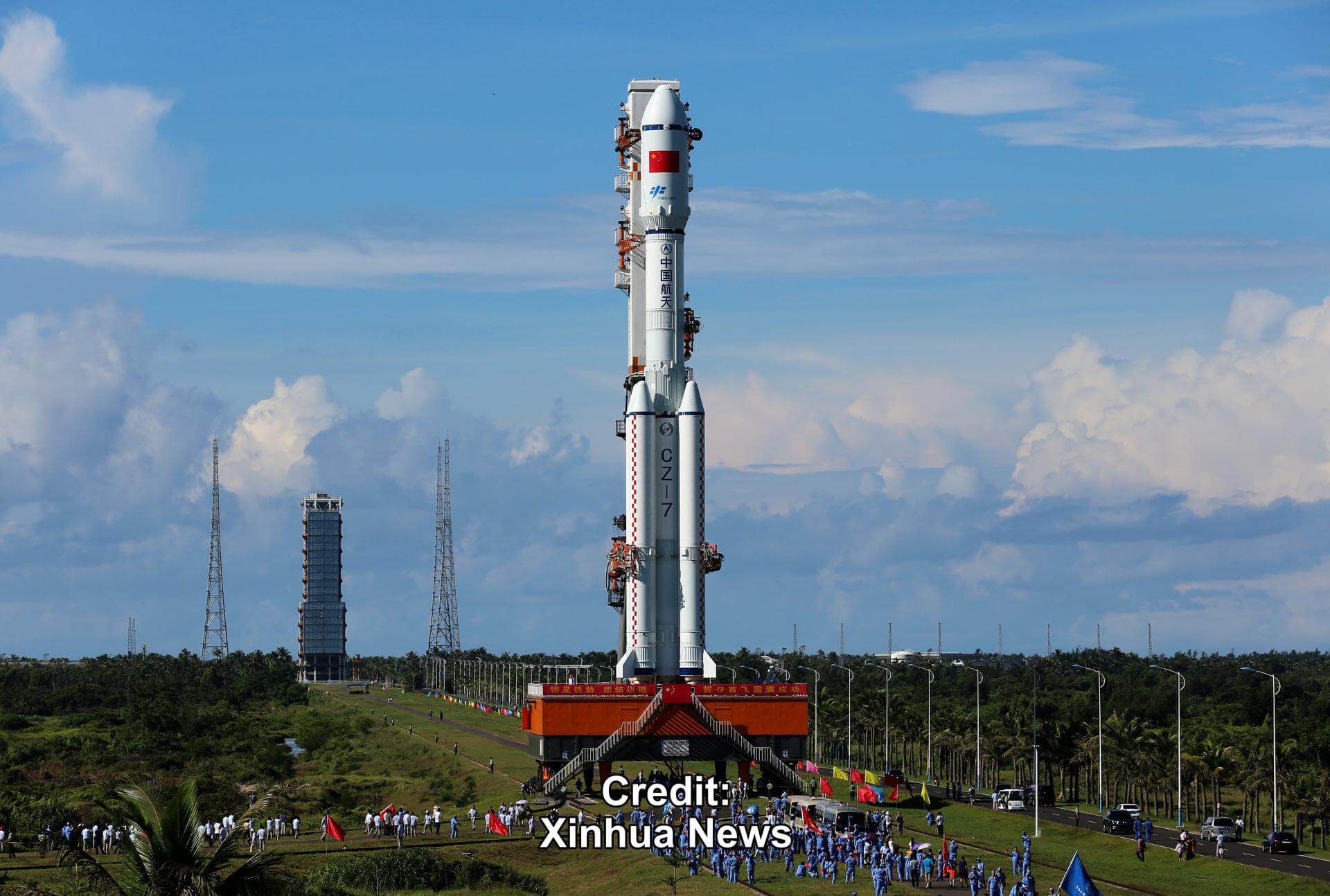
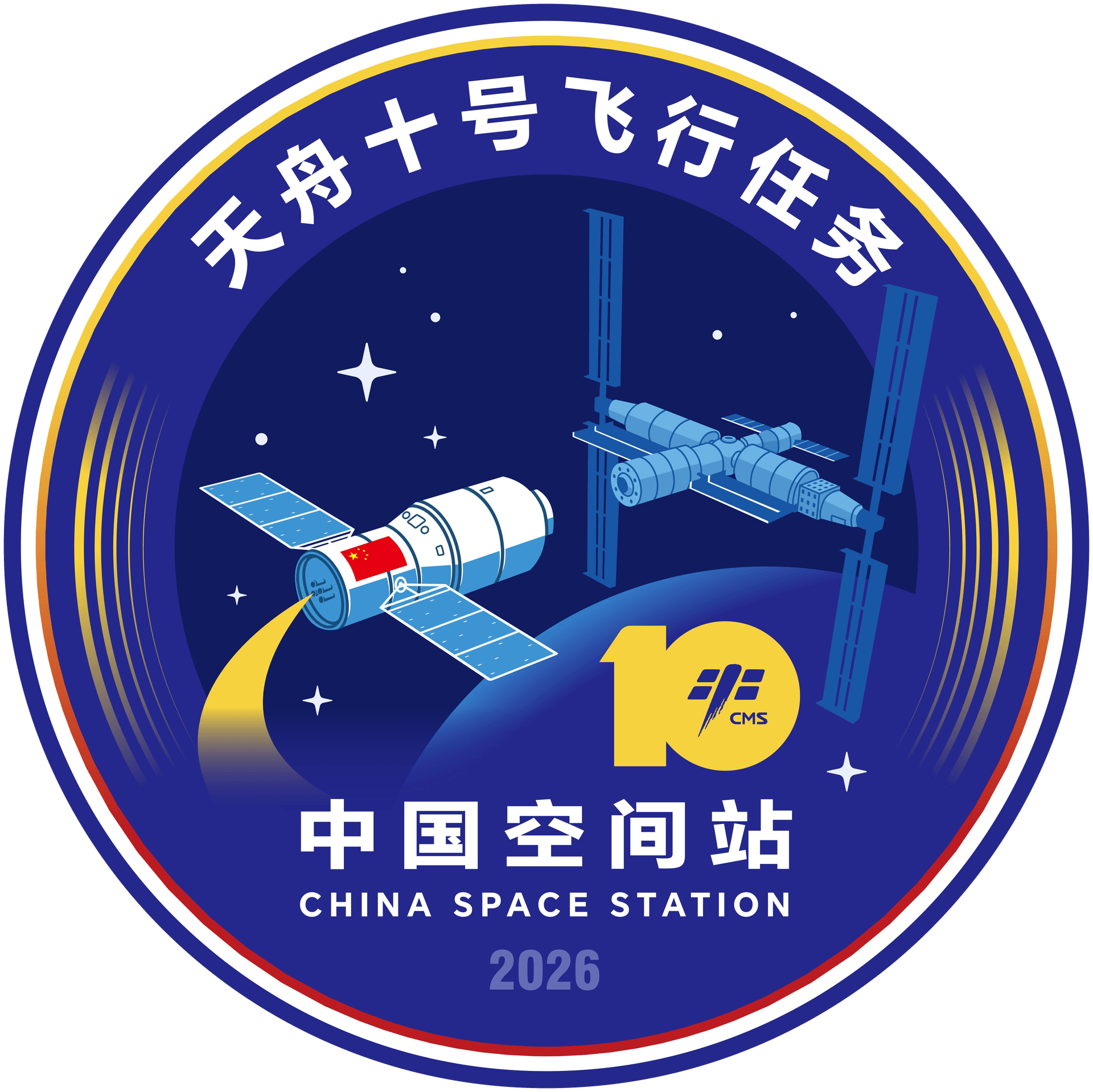
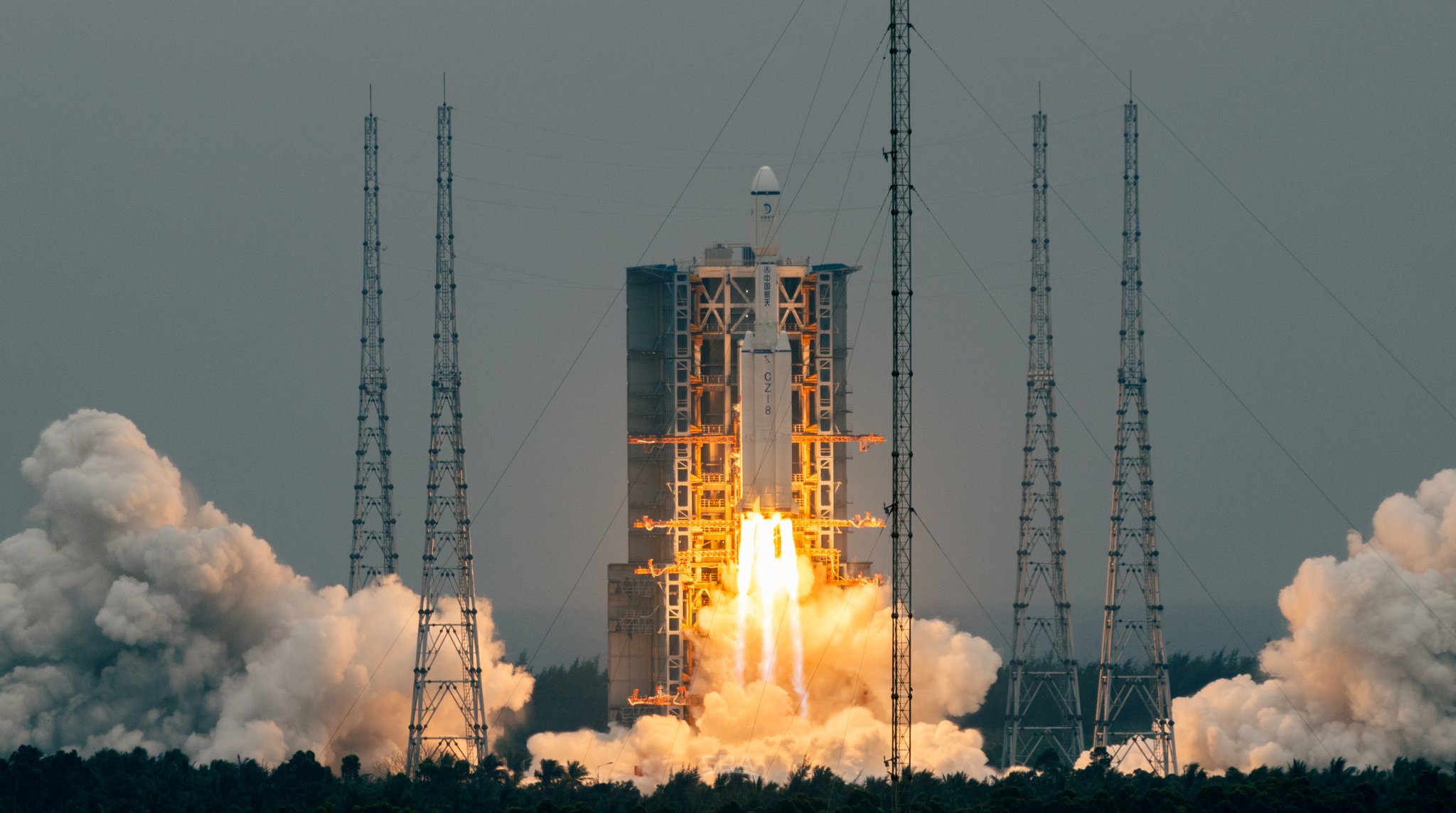
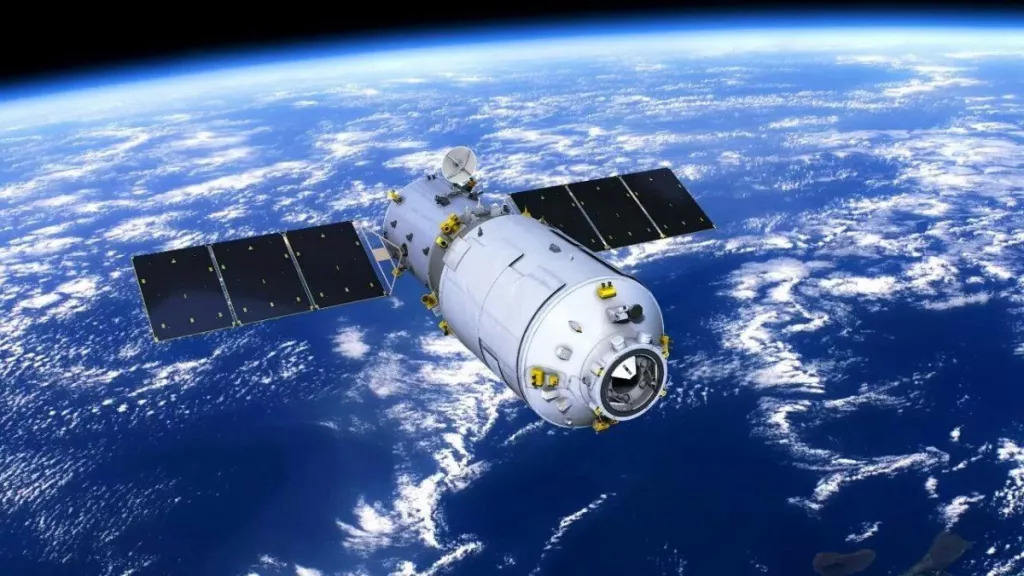
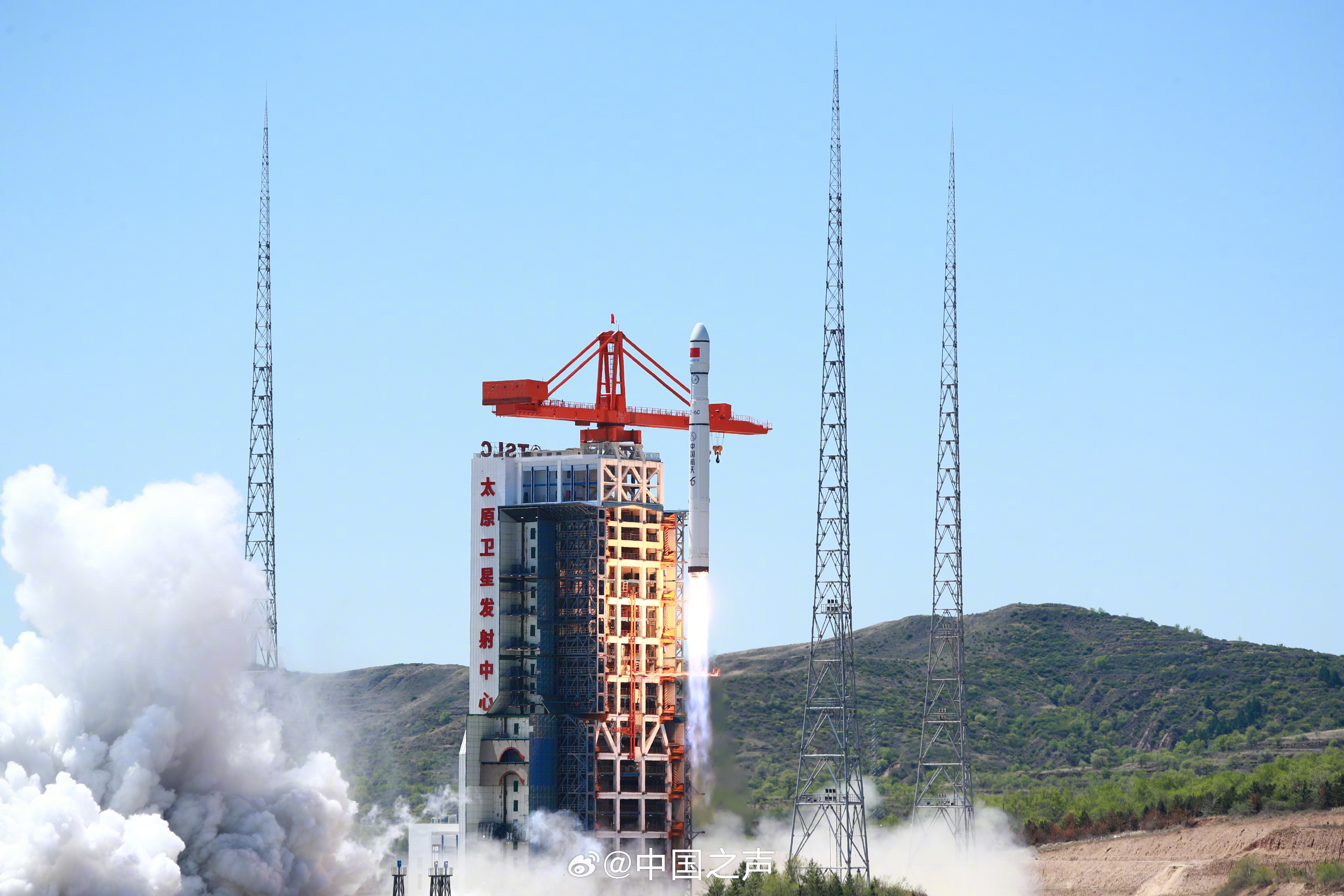
Provider: China Aerospace Science and Technology Corporation Date: May 11, 2026 Time: 12:14 AM UTC Vehicle: Long March 7
Ninth cargo delivery mission to the Chinese space station.
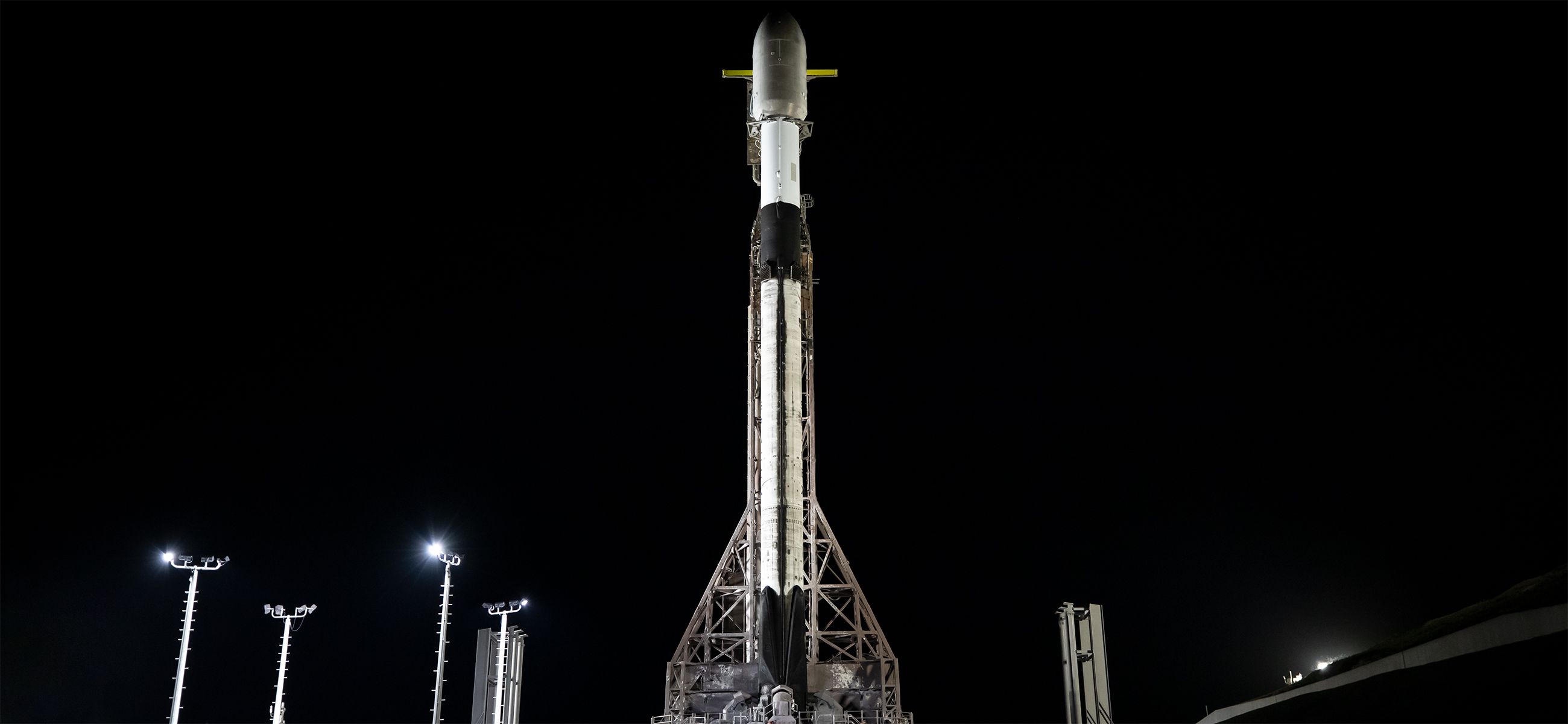
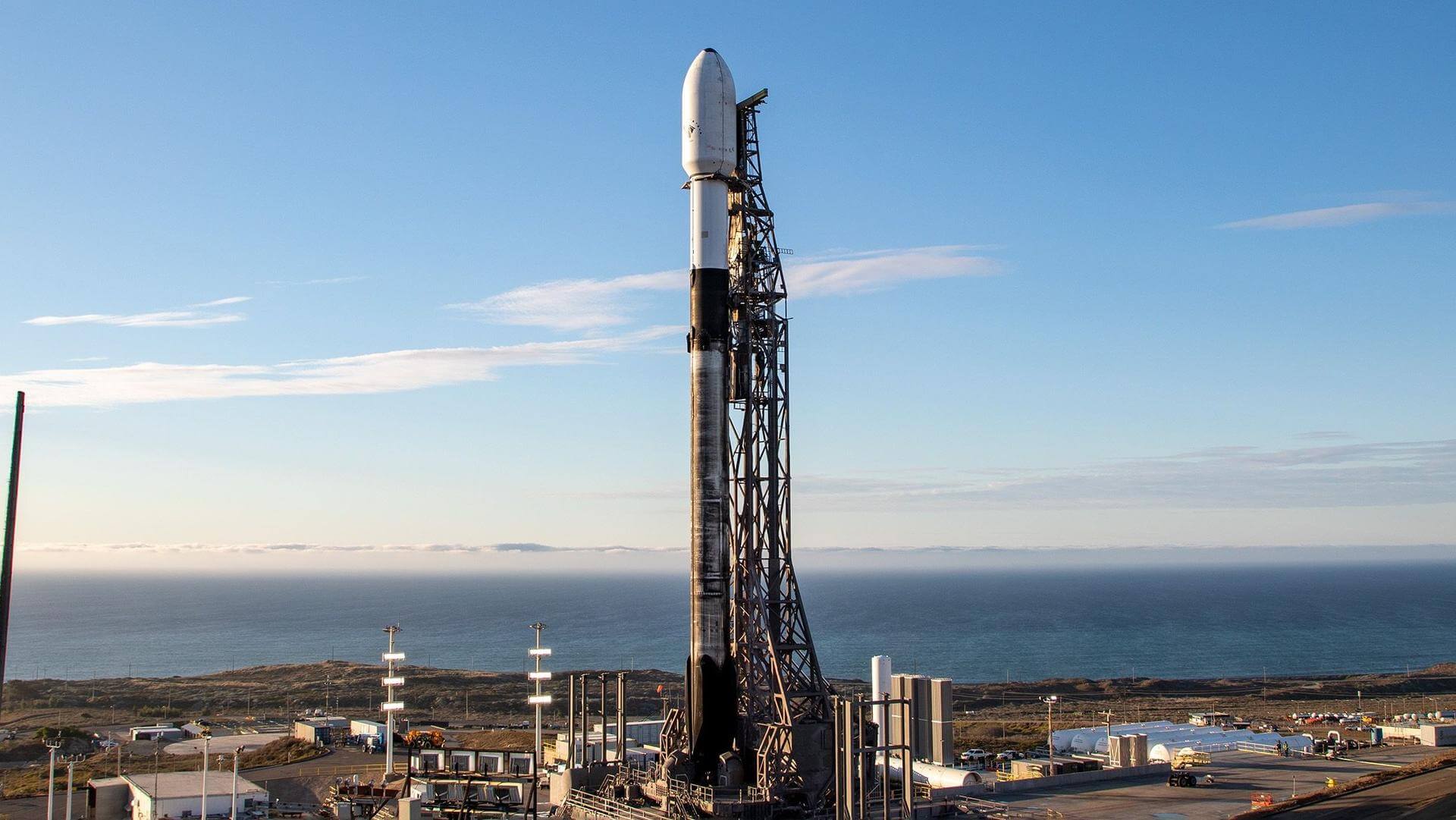
NROL-172
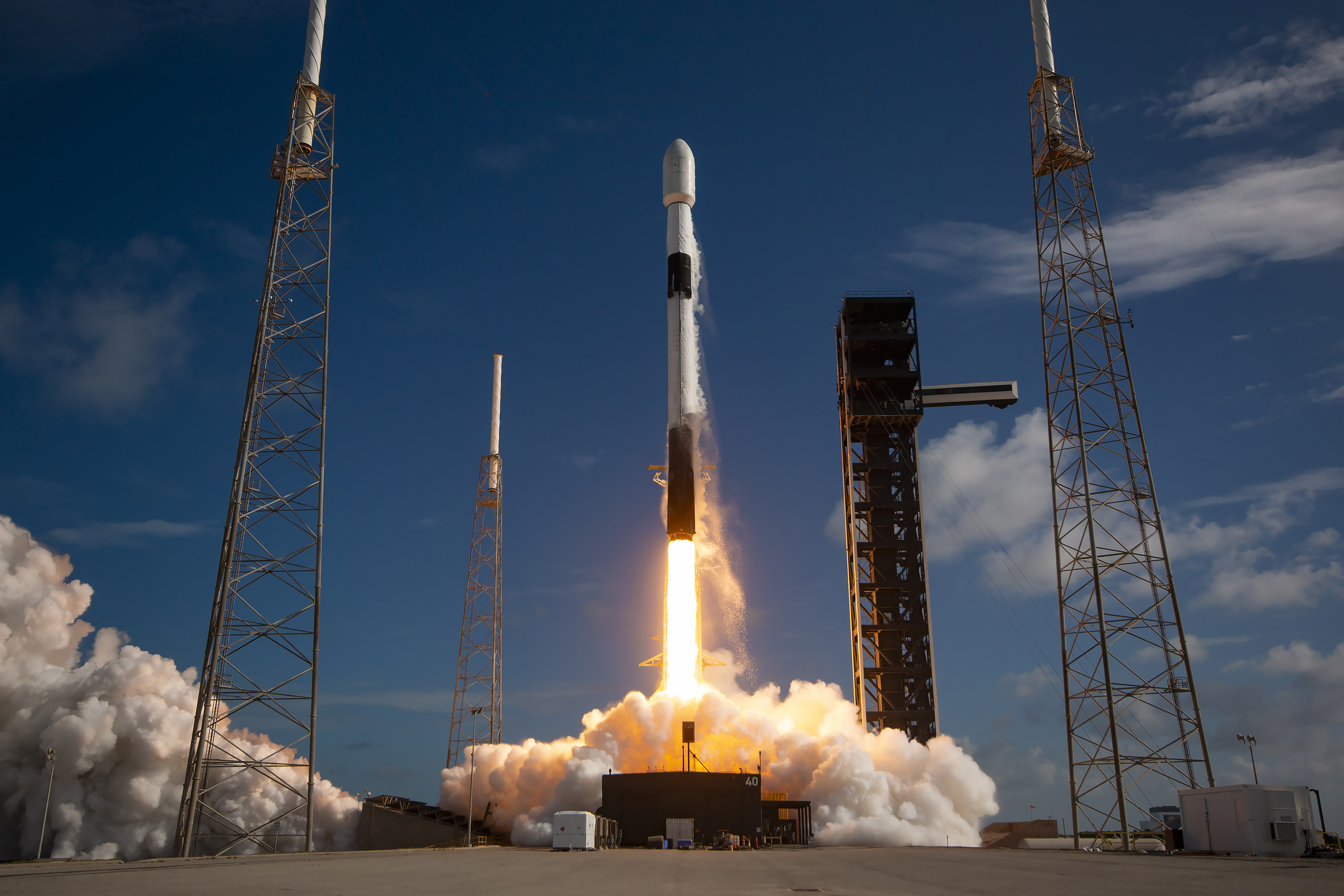
Provider: SpaceX Date: May 11, 2026 Time: 10:28 PM UTC Vehicle: Falcon 9
Thirteenth batch of satellites for a reconnaissance satellite constellation built by SpaceX and Northrop Grumman for the National Reconnaissance Office to provide imaging and other reconnaissance capabilities.
Unknown Payload
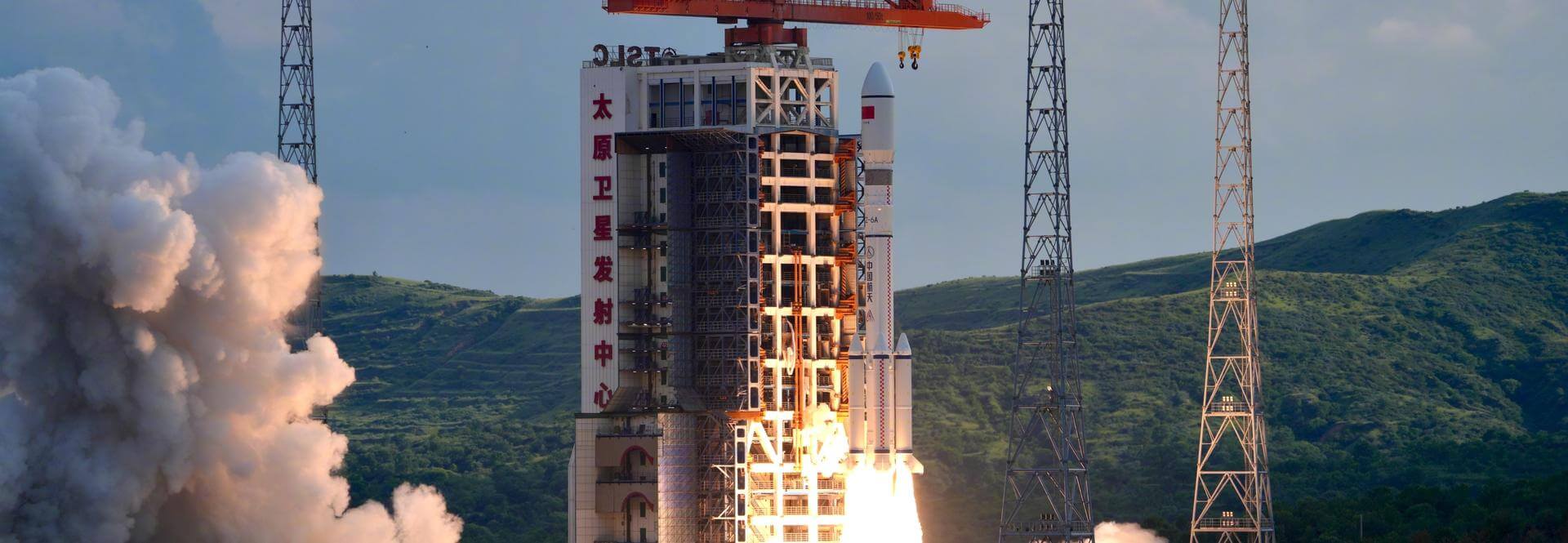
Provider: China Aerospace Science and Technology Corporation Date: May 12, 2026 Time: 11:55 AM UTC Vehicle: Long March 6A
Details TBD.
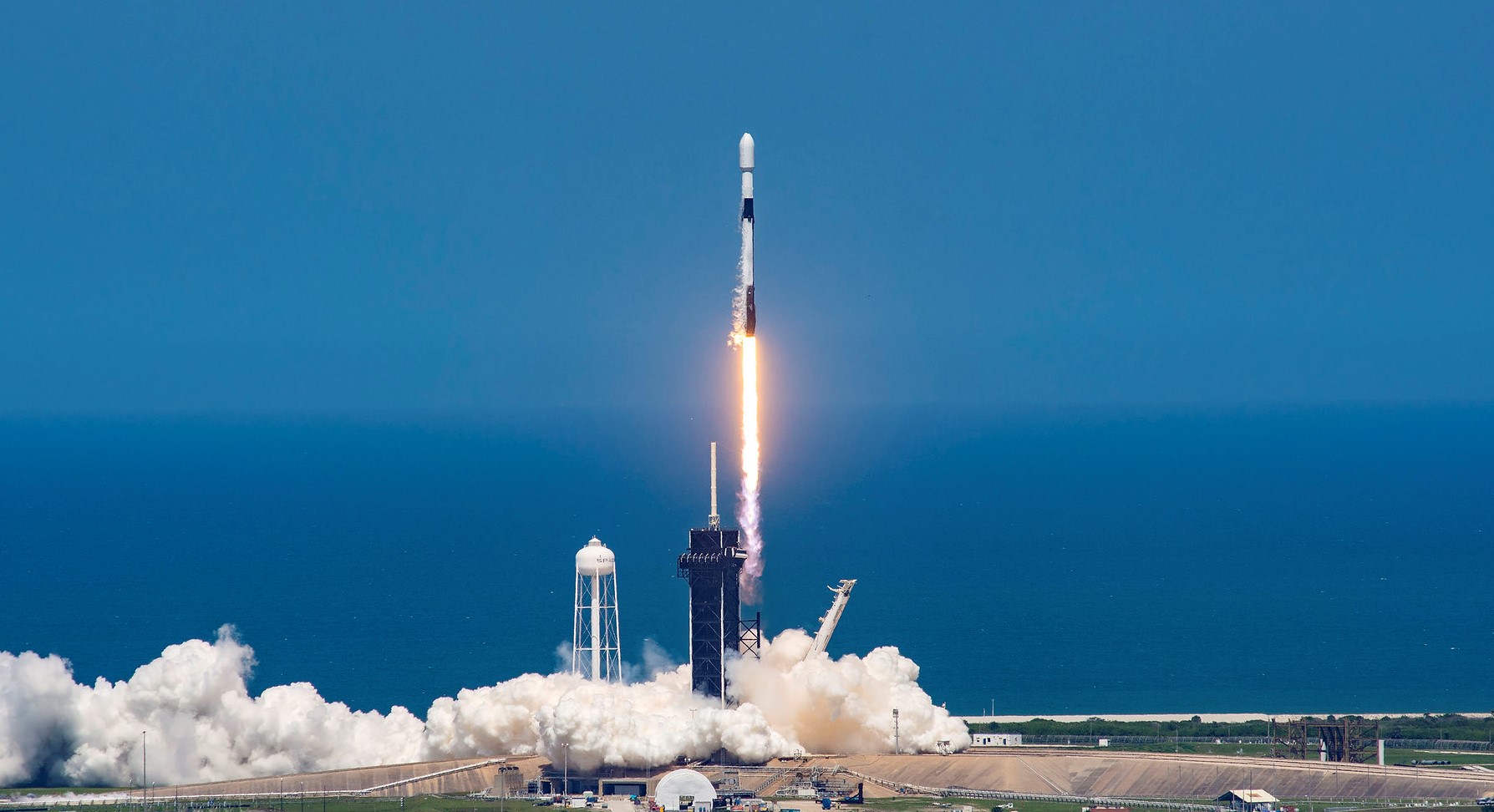
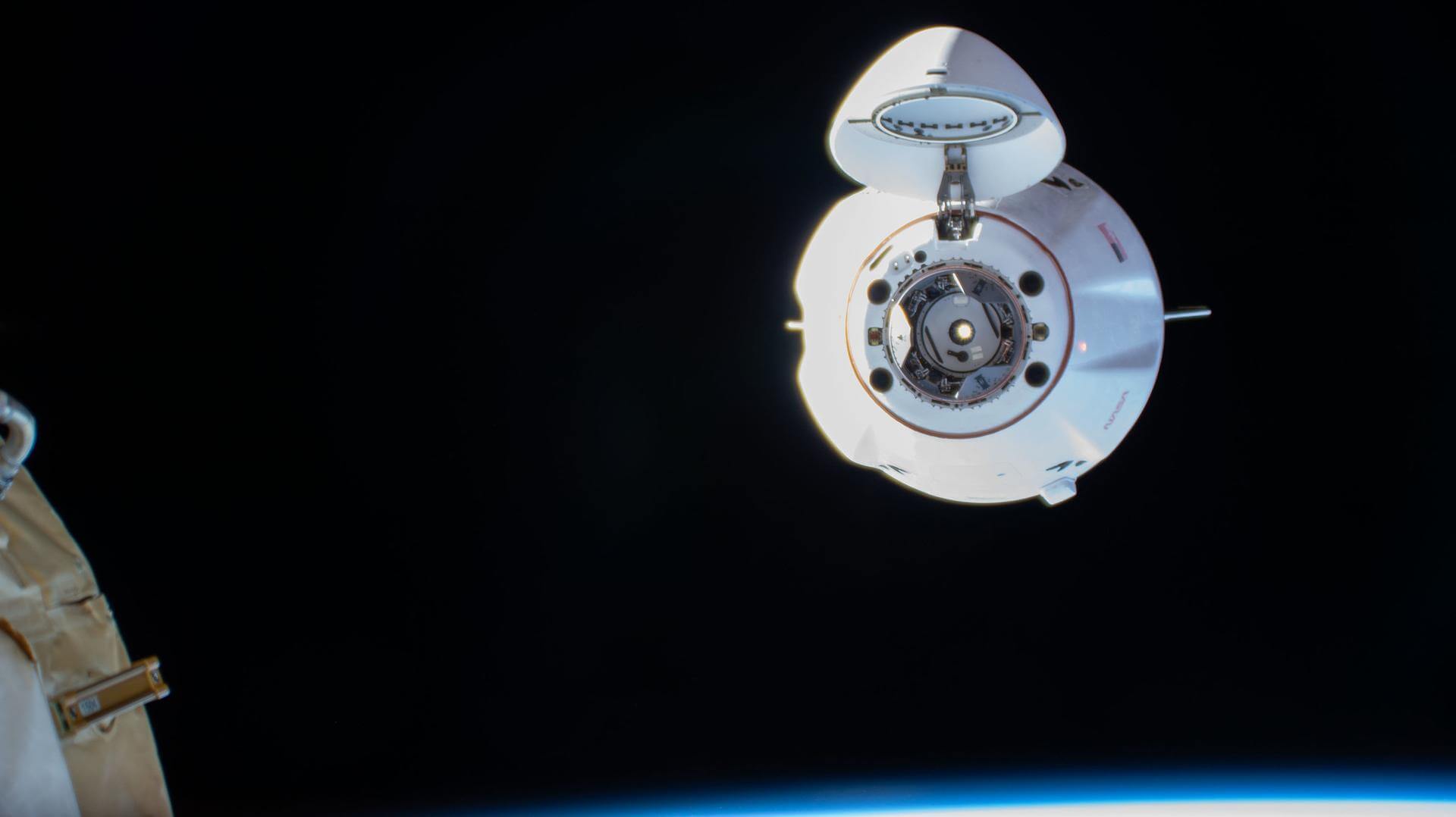
Dragon CRS-2 SpX-34
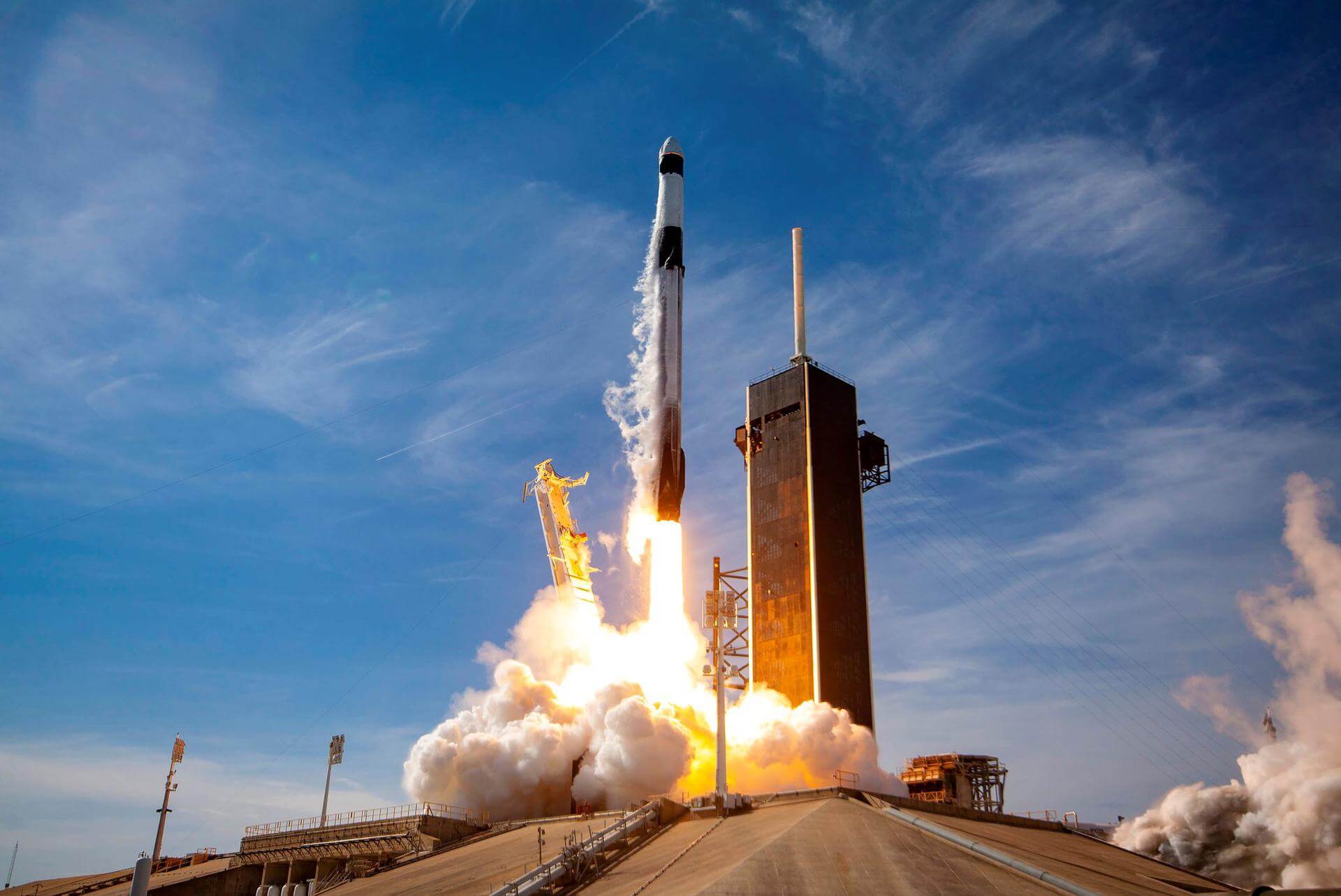
Provider: SpaceX Date: May 12, 2026 Time: 11:16 PM UTC Vehicle: Falcon 9
34th commercial resupply services mission to the International Space Station operated by SpaceX. The flight will be conducted under the second Commercial Resupply Services contract with NASA.
Cargo Dragon 2 brings supplies and payloads, including critical materials to directly support science and research investigations that occur onboard the orbiting laboratory.
Unknown Payload
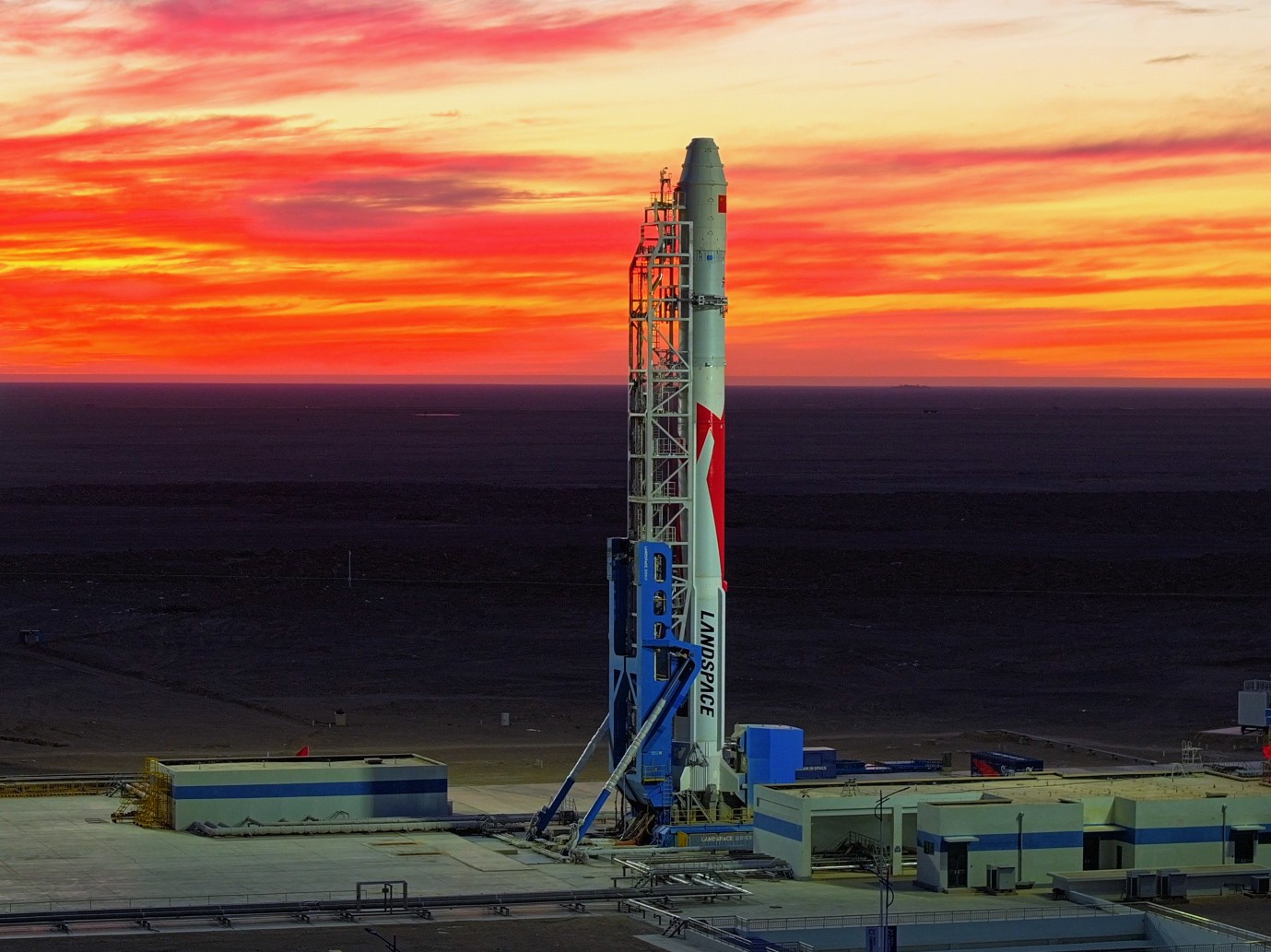
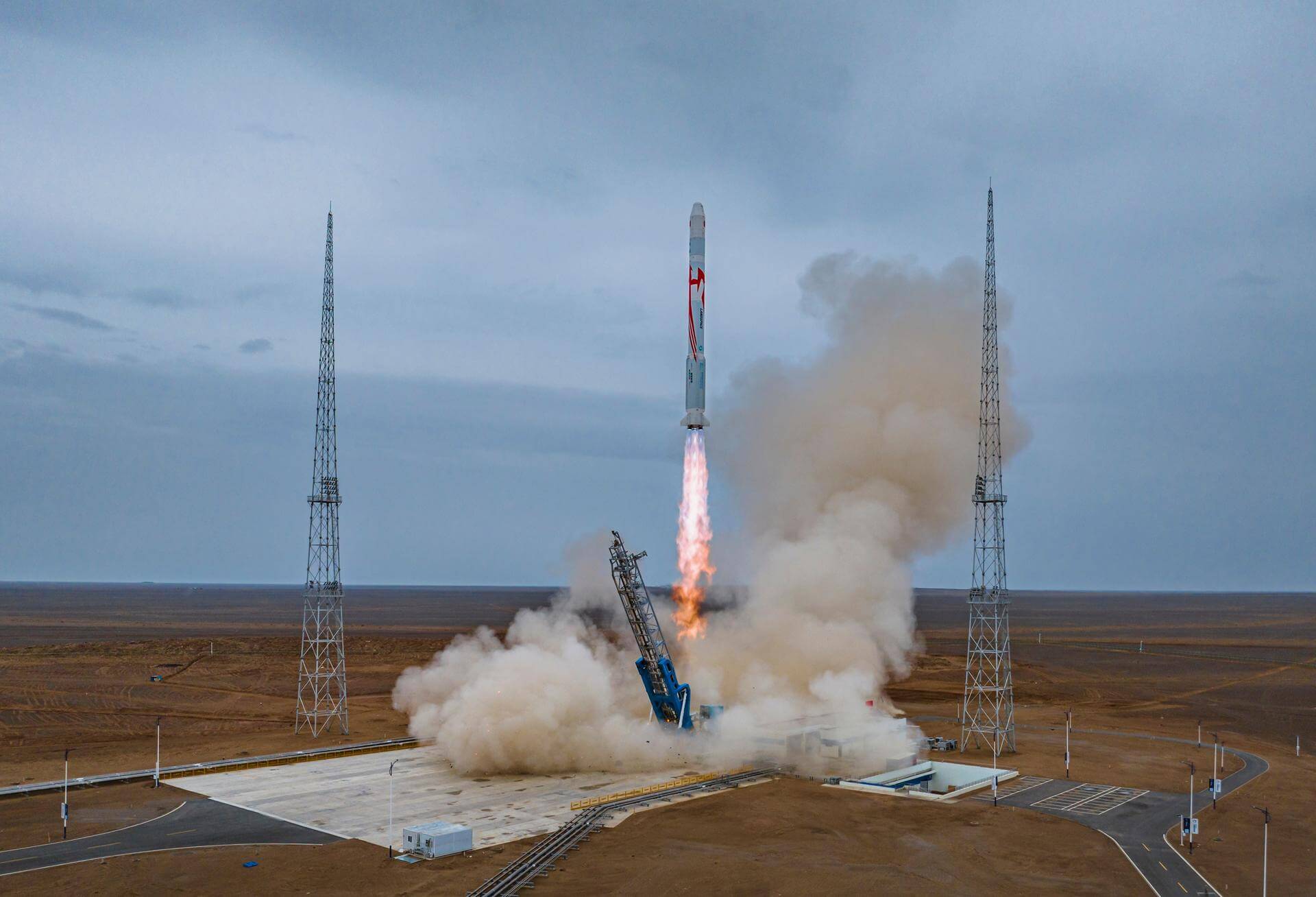
Provider: LandSpace Date: May 13, 2026 Time: 3:00 AM UTC Vehicle: Zhuque-2E
Details TBD.
Tianzhou-10 ×
Mission Details
TypeResupply
OrbitLow Earth Orbit
TargetEarth
Ninth cargo delivery mission to the Chinese space station.
Program: Tiangong space station
The Tiangong space station is a space station placed in Low Earth orbit between 340 and 450 km above the surface.
The Long March 7 is a Chinese liquid-fuelled launch vehicle of the Long March family, developed by the China Aerospace Science and Technology Corporation (CAST). It made its inaugural flight on 25 June 2016 and is used to launch Tianzhou resupply spacecraft to the Chinese Space Station.
The Tianzhou is a Chinese automated cargo spacecraft that was first launched on April 20, 2017 to resupply Tiangong-1. It demonstrated autonomous propellant transfer in orbit.
Capability
Cargo Earth Orbit Logistics
Details
Autonomous cargo spacecraft used to resupply the Chinese Space Station.
Flight Life
180 days in orbit
Manufacturer: China Aerospace Science and Technology Corporation (CASC)
Thirteenth batch of satellites for a reconnaissance satellite constellation built by SpaceX and Northrop Grumman for the National Reconnaissance Office to provide imaging and other reconnaissance capabilities.
Falcon 9 is a two-stage rocket designed and manufactured by SpaceX for the reliable and safe transport of satellites and the Dragon spacecraft into orbit. The Block 5 variant is the fifth major interval aimed at improving upon the ability for rapid reusability.
The Long March 6A is a Chinese launch vehicle of the Long March family, which was developed by the China Aerospace Science and Technology Corporation (CASC) and the Shanghai Academy of Spaceflight Technology (SAST). The vehicle is a further development of the Long March 6, with 2 YF-100 engines on…
34th commercial resupply services mission to the International Space Station operated by SpaceX. The flight will be conducted under the second Commercial Resupply Services contract with NASA.
Cargo Dragon 2 brings supplies and payloads, including critical materials to directly support science and research investigations that occur onboard the orbiting laboratory.
• National Aeronautics and Space Administration (Government)
Program: Commercial Resupply Services
Commercial Resupply Services (CRS) are a series of flights awarded by NASA for the delivery of cargo and supplies to the International Space Station.The first CRS contracts were signed in 2008 and awarded $1.6 billion to SpaceX for twelve cargo Dragon and $1.9 billion to Orbital Sciences for eight Cygnus flights, covering deliveries to 2016. The Falcon 9 and Antares rockets were also developed under the CRS program to deliver cargo spacecraft to the ISS.
The International Space Station programme is tied together by a complex set of legal, political and financial agreements between the sixteen nations involved in the project, governing ownership of the various components, rights to crewing and utilization, and responsibilities for crew rotation and resupply of the International Space Station. It was conceived in 1984 by President Ronald Reagan, during the Space Station Freedom project as it was originally called.
Falcon 9 is a two-stage rocket designed and manufactured by SpaceX for the reliable and safe transport of satellites and the Dragon spacecraft into orbit. The Block 5 variant is the fifth major interval aimed at improving upon the ability for rapid reusability.
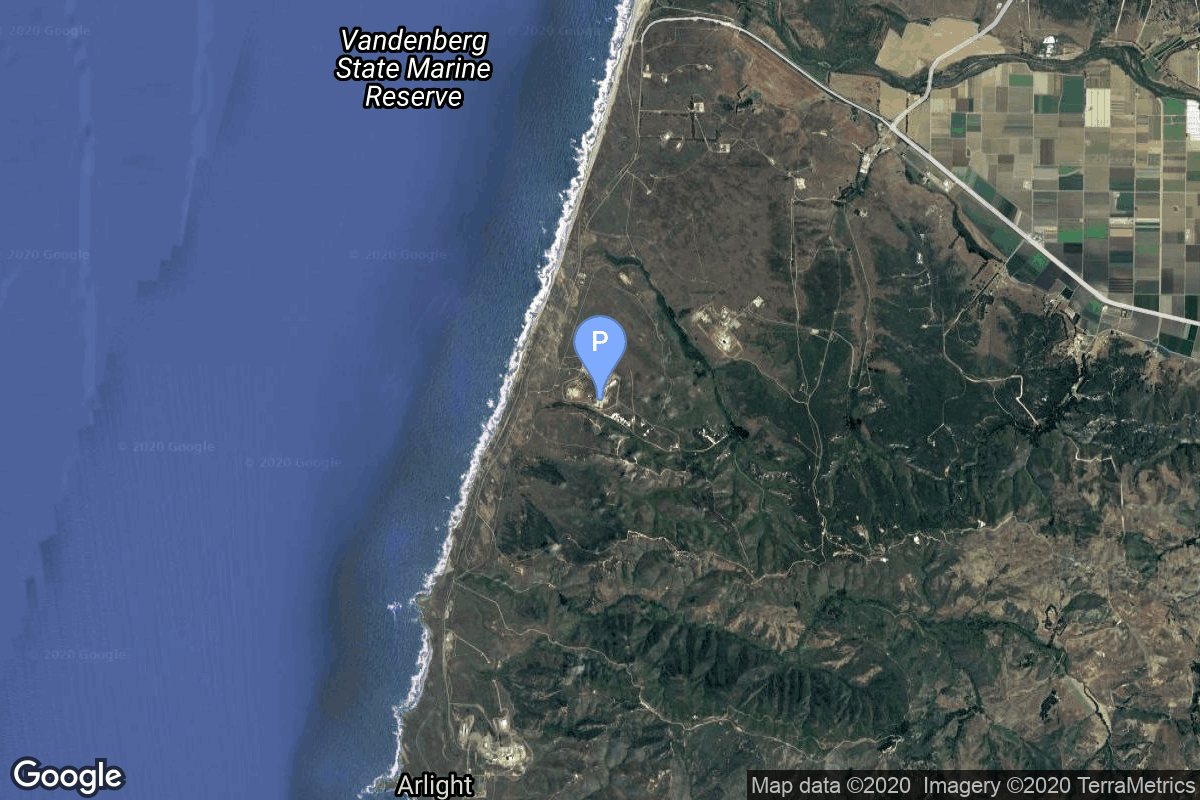
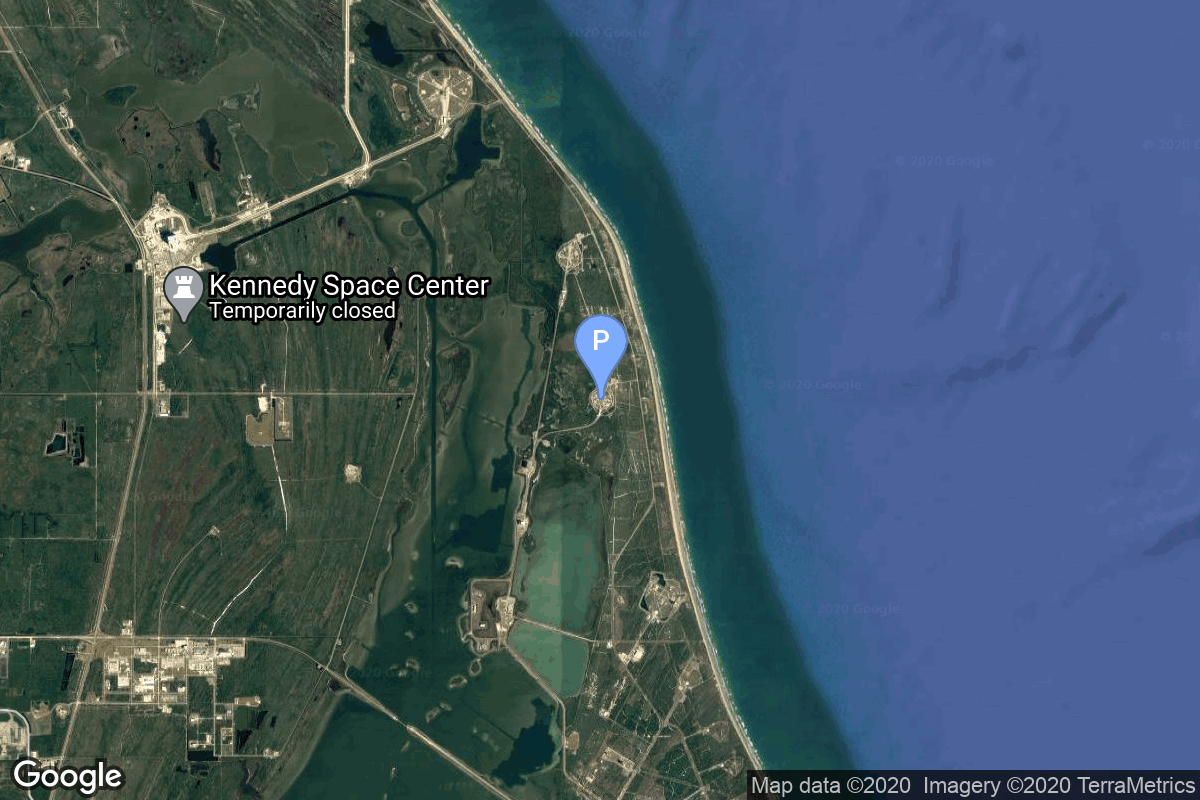
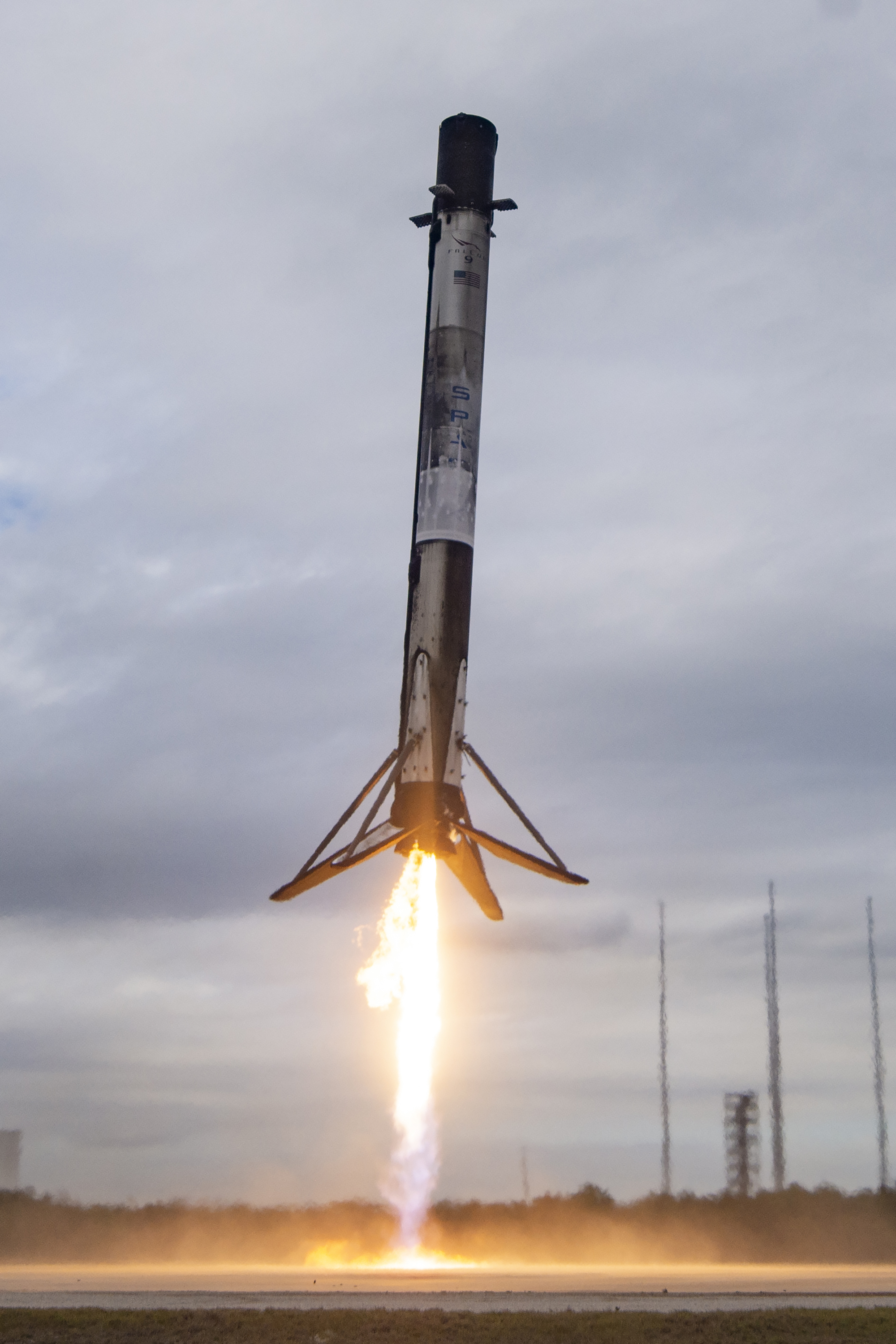
The Falcon 9 first stage B1096 will land back at the launch site at Landing Zone 40 after its 6th flight.
Spacecraft: Cargo Dragon C209
Second Cargo Dragon 2
Specifications
SerialC209
TypeCapsule
StatusActive
DestinationISS
Height7.2 m
Diameter3.7 m
Maiden Flight2020-12-06
Payload Capacity6,000 kg
Return Capacity3,000 kg
Time in Space175 Days, 23 Hours, 36 Minutes
Missions Flown5
Turnaround352 Days, 17 Hours, 32 Minutes
Fastest Turnaround164 Days, 6 Hours, 38 Minutes
History
Cargo Dragon 2 is an updated version of the original Dragon spaceship designed to service the International Space Station with first flights conducted in 2020.
In contrast to Dragon 1 it docks to the International Space Station instead of being berthed by the Canada Arm.
Capability
Cargo Earth Orbit Logistics
Details
Cargo Dragon 2 is a autonomous spaceship capable of bringing science to and from the International Space Station with large pressurized and un-pressurized sections to support a variety of missions.
Flight Life
Able to fly for up to one week of free flight or two years docked.
Zhuque-2E (E stands for “enhanced”) is a medium-sized rocket powered by liquid oxygen and methane capable of lifting 6,000 kg of payload into a 200 km low Earth orbit, or 4,000 kg of payload into a 500 km Sun-synchronous orbit. It differs from the baseline Zhuque-2 in using enhanced TQ-12A engines…
Robo Chris is a collection of API calls, filters, and searches, bolted together with magic and love. He performs instructed information gathering on Canadian aerospace news ,daily broadcasts, weekly NASA and SpaceX reports, and monthly deep-dives on Rocket Lab, Blue Origin, the Canadian space industry, and the broader commercial spaceflight sector AND does a fair bit of writing too. Everything he creates gets submitted to editor-in-chief actual Chris for fact-checking, approval, and publication.