Canadian Space Leaders Chart Bold Course at Launch Conference
Hundreds of industry leaders, entrepreneurs, and government officials gathered in Ottawa this week for the Canadian Space Launch Conference, and the mood was unmistakably bullish. The May 5 event at the Canada Aviation and Space Museum brought together executives from NordSpace, Space Canada, Maritime Launch Services, and Mission Control—all of them outlining how Canada plans to capitalize on historic government investment and the momentum from Artemis II’s successful lunar mission.
The theme was clear: 2026 is a turning point. “There is economic opportunity in space again,” said Brian Gallant, CEO of Space Canada, emphasising that this message needs to resonate far beyond the conference room, all the way to Canadian decision-makers.
NordSpace CEO Rahul Goel laid out an ambitious 10-year roadmap that includes sovereign launch from Newfoundland and Labrador later this year, a lunar rover called TERRY (named after Terry Fox) slated for launch no earlier than 2027, and plans to scale the company to at least 230 people through advanced manufacturing and satellite constellation work. NordSpace also announced new investments totalling $18 million for Phase 2 of the Atlantic Spaceport Complex and advanced manufacturing capabilities.
Gallant painted a broader strategic canvas, arguing that Canada’s space priorities—sovereignty, environment, Indigenous affairs, and the North—remain intact but must adapt to a changing geopolitical landscape. Defence will be central to upcoming U.S. trade discussions, he suggested, and the new NATO requirement for 5 percent of GDP in defence spending could unlock substantial space investment if Canada acts strategically.
Mission Control CEO Ewan Reid zeroed in on Canada’s role in the lunar economy. With decades of experience building the Canadarm on the International Space Station, Canada is well-positioned to contribute the lunar utility rover—a logistics platform expected around 2033 to move hundreds of tons of payload on the Moon. NASA’s push for a “lunar launch every month” by 2032 means Canada needs to move fast, Reid said, and programmes like the Canadian Space Agency’s Lunar Exploration Accelerator Program show the government and industry can work together at speed and accept risk.
Melissa Quinn, VP of spaceport operations at Maritime Launch Services (on secondment from MDA Space), reframed the conversation around infrastructure. Spaceports are not merely cool launch facilities—they are “foundational, critical, national infrastructure,” similar to airports or train stations. Drawing on 17 years in the UK and her role leading Spaceport Cornwall’s first licensed orbital launch, Quinn noted that sovereignty threats in space are real and defence-critical. The challenge: Canada needs deeper public and private investment to scale up closer to U.S. capabilities.
MDA Space Reports Surging Growth and Strong Backlog
One day after the conference, MDA Space (TSX: MDA, NYSE: MDA) reinforced the bullish outlook with robust first-quarter 2026 results. The company reported consolidated revenues of $464.1 million, a 32.2 percent increase year-over-year, driven by higher volumes on commercial satellite constellations and the Canadarm3 programme.
The Satellite Systems segment led the charge, with revenues rising 41.0 percent to $313.1 million, reflecting increased work on Telesat Lightspeed and Globalstar’s next-generation Low Earth Orbit constellation programmes. The Robotics & Space Operations segment, home to Canadarm3 work, grew 18.5 percent year-over-year to $91.6 million.
CEO Mike Greenley highlighted early execution wins: the first set of Globalstar satellites signed off and delivered to Florida for launch, and the first shipments of space-grade chips received for integration into MDA Aurora. The company ended Q1 with a $3.7 billion backlog—lower than the $4.8 billion in Q1 2025, but that reflects strong conversion of existing backlog into revenue. Looking ahead, MDA identified a $40 billion opportunity pipeline across commercial and government sectors.
For full-year 2026, MDA reaffirmed guidance for total revenues between $1.7 billion and $1.9 billion (roughly 10 percent growth at the mid-point) and adjusted EBITDA between $320 million and $370 million. The company plans to deploy $225 million to $275 million in capital expenditure to support production expansion in Montreal and ongoing chip development investment.
Rocket Lab Lands Record Neutron Contract as Late 2026 Debut Looms
Across the aerospace landscape, Rocket Lab announced a significant multi-launch agreement: five Neutron rocket flights and three Electron missions to an undisclosed customer. While Rocket Lab did not disclose the contract value, it said the deal exceeded the company’s previous record—a $190 million contract with the Department of Defense for 20 hypersonic test flights.
The announcement came during Rocket Lab’s first-quarter 2026 earnings call on May 7. Chief Financial Officer Adam Spice reported the company ended the quarter with approximately $2.2 billion in backlog, with launches representing 41.5 percent of that total. “These larger, needle-moving opportunities can introduce lumpiness and backlog growth, but they are critical drivers of long-term value and scale,” Spice said.
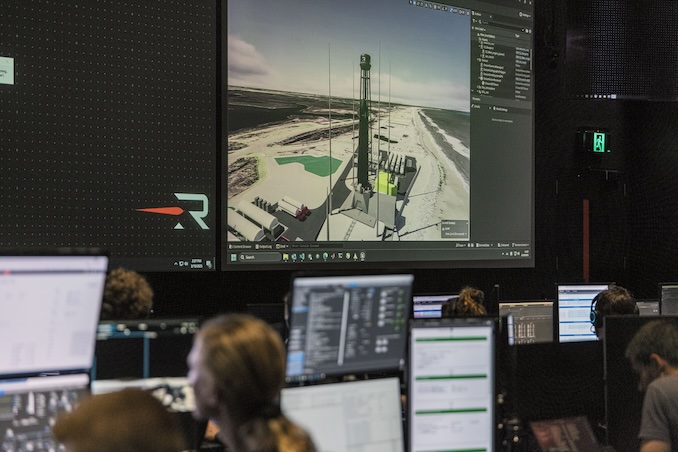
Founder and CEO Sir Peter Beck confirmed Rocket Lab is on track for a first Neutron launch in the fourth quarter of 2026. Progress benchmarks include “placing of items on test stands,” he said. The team has refined the first stage tank design, improving both strength margins and manufacturability after an earlier unintended rupture during testing. Separation testing at full flight loads on the second stage is complete; future broken components on test stands will be intentional.
The Neutron will be powered by nine liquid methane-fueled Archimedes engines generating nearly 1.5 million pounds of thrust at liftoff—comparable to a Falcon 9. Beck reported “non-stop hot fires” across both test stands at NASA’s Stennis Space Centre in Mississippi, with extensive gimbal and performance testing underway for both first-stage and vacuum-optimised variants.
Once operational, Rocket Lab plans to fly Neutron once in year one, three times in year two, and five times in year three—mirroring the Electron’s scaled deployment model. Electron completed 2025 with 21 launches after its May 2017 debut.
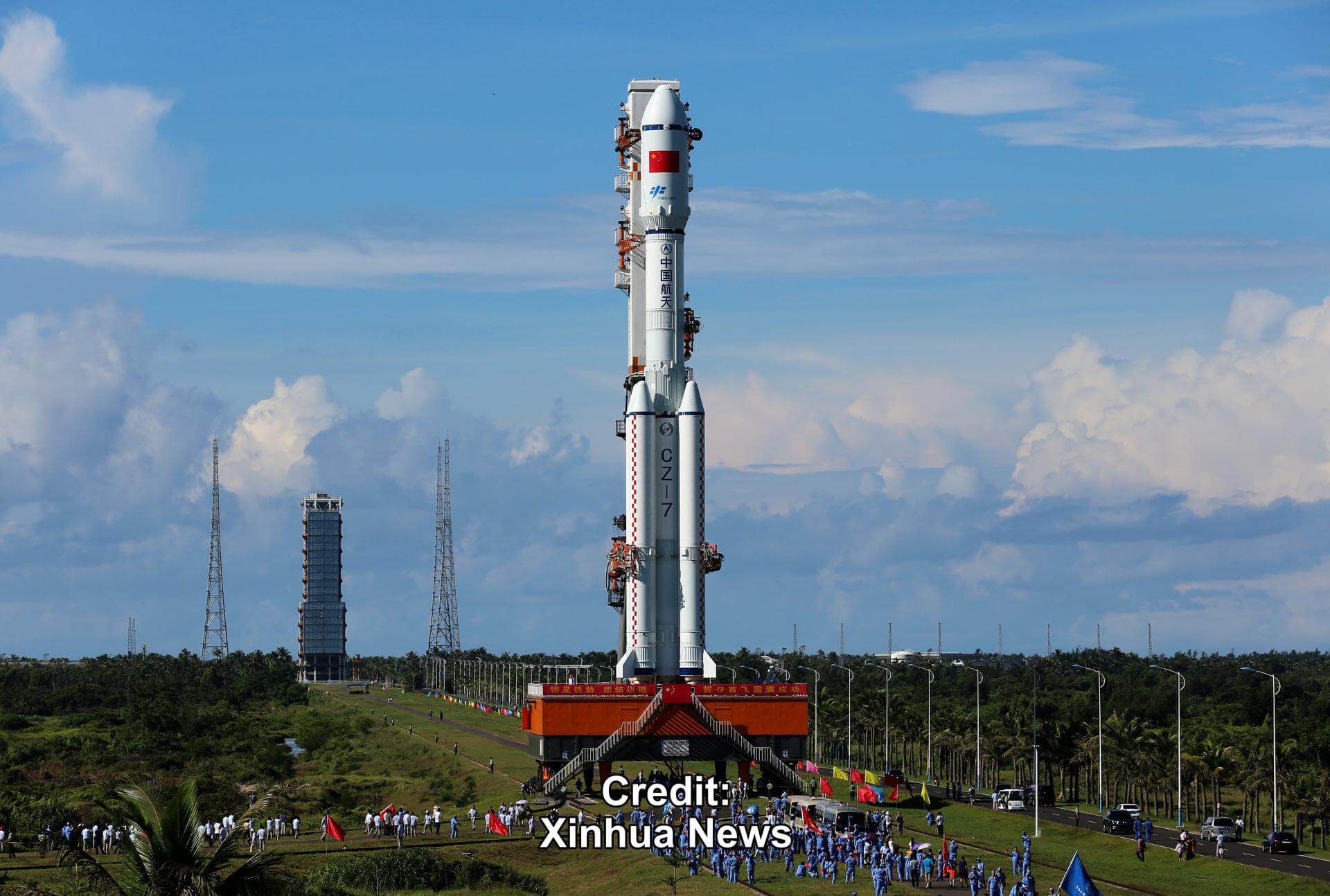
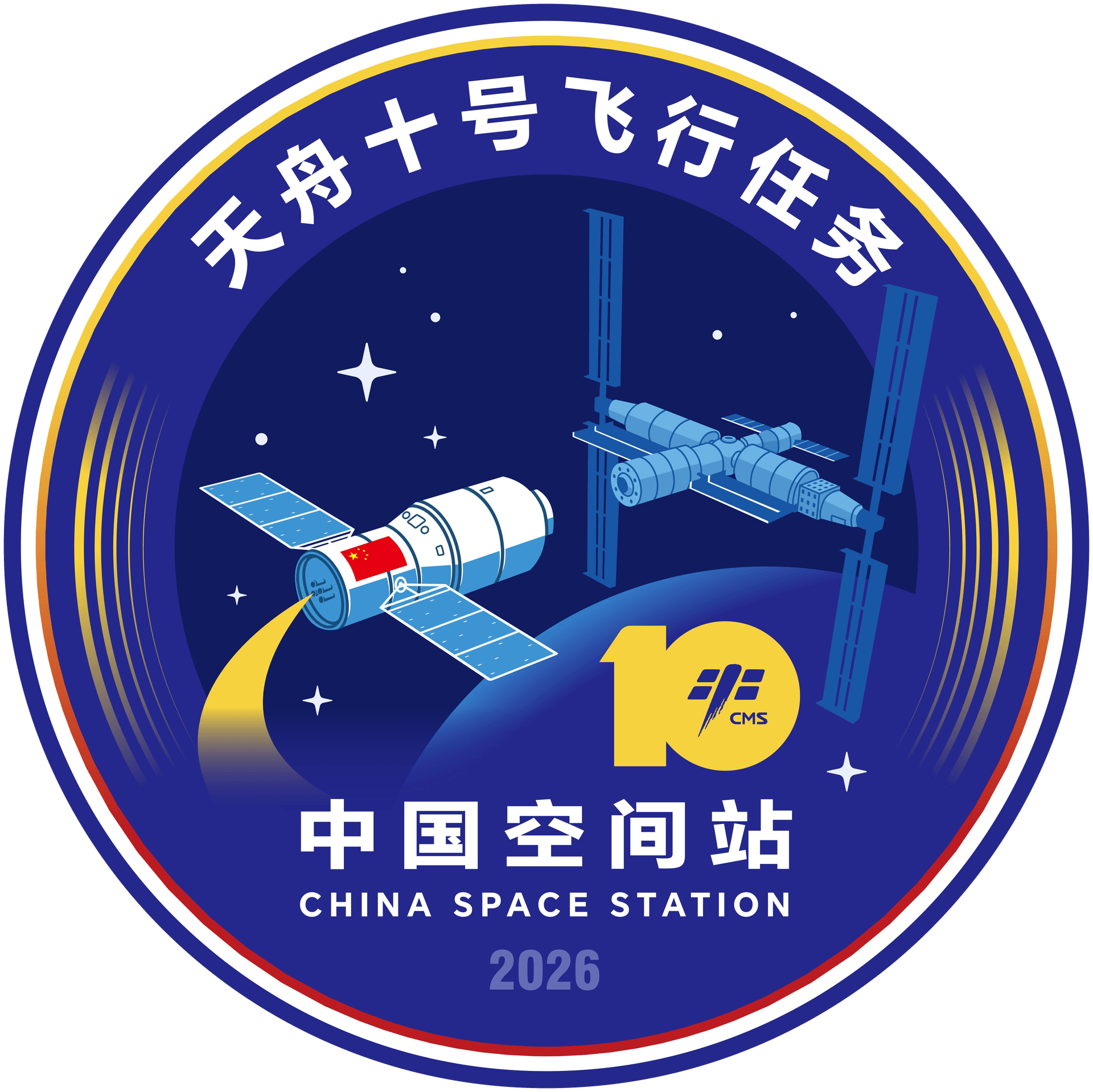
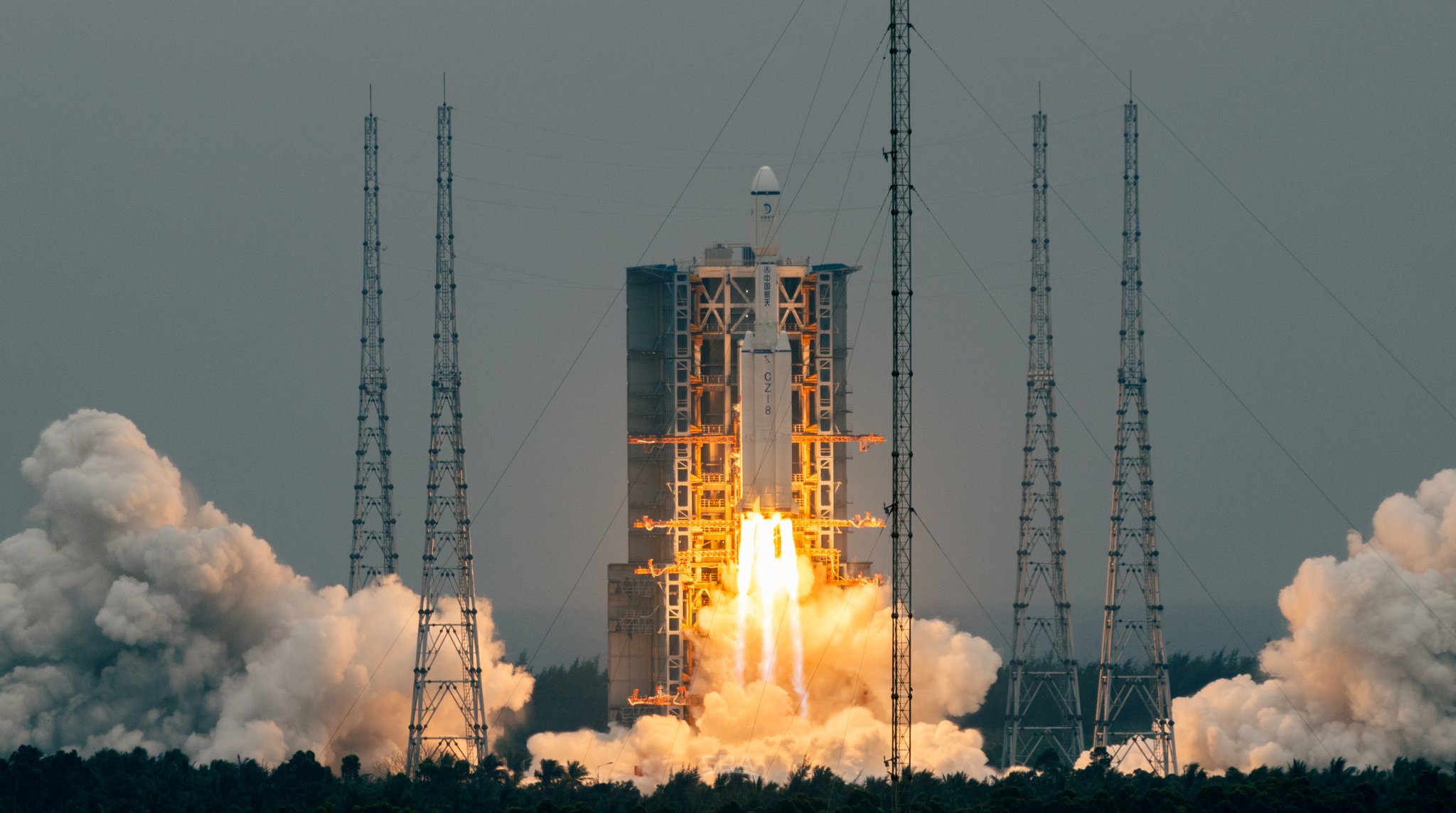
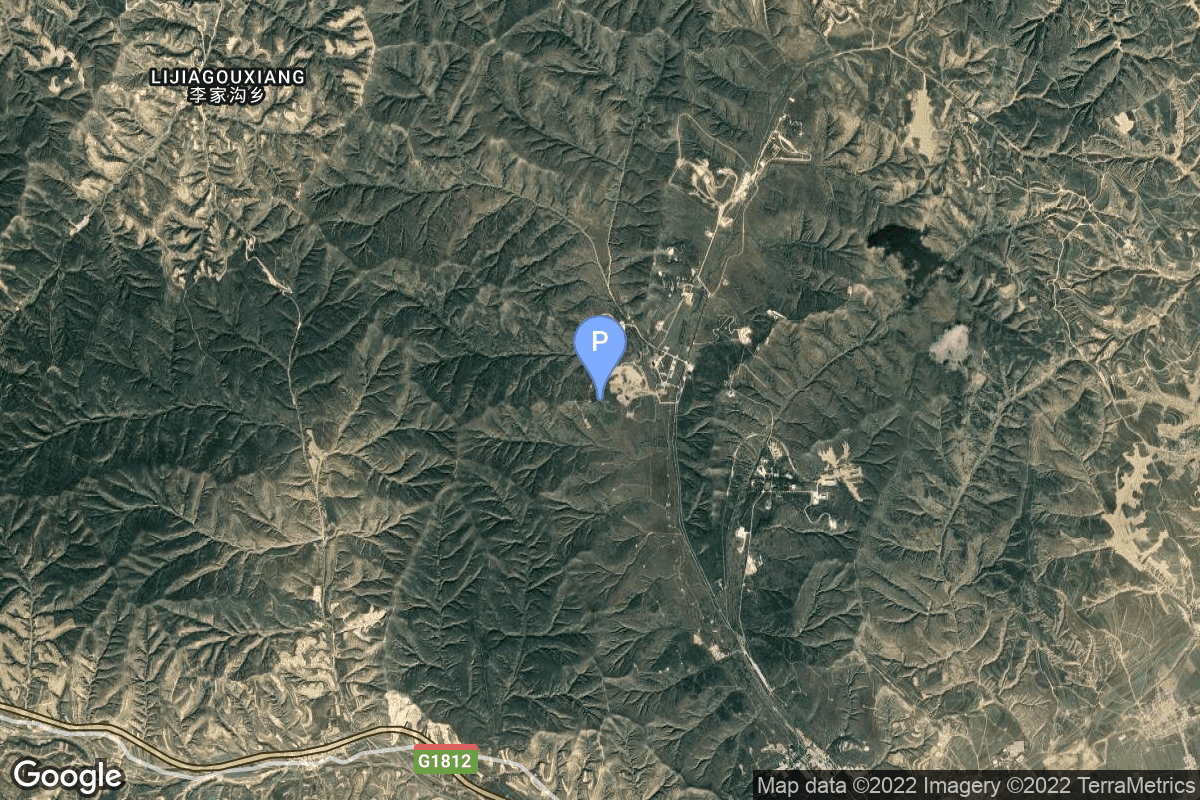
Provider: China Aerospace Science and Technology Corporation Date: May 11, 2026 Time: 12:14 AM UTC Vehicle: Long March 7
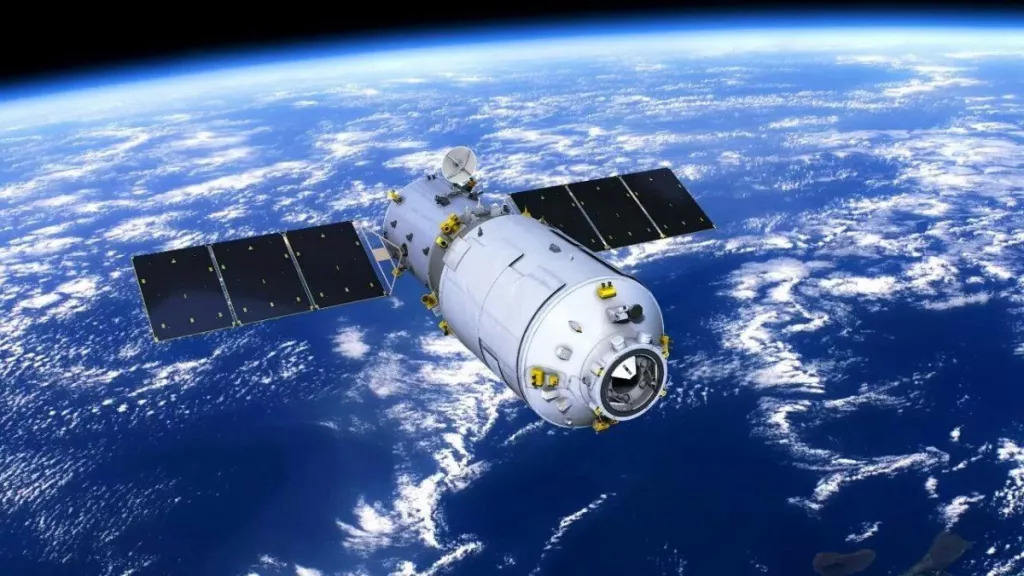
Ninth cargo delivery mission to the Chinese space station.
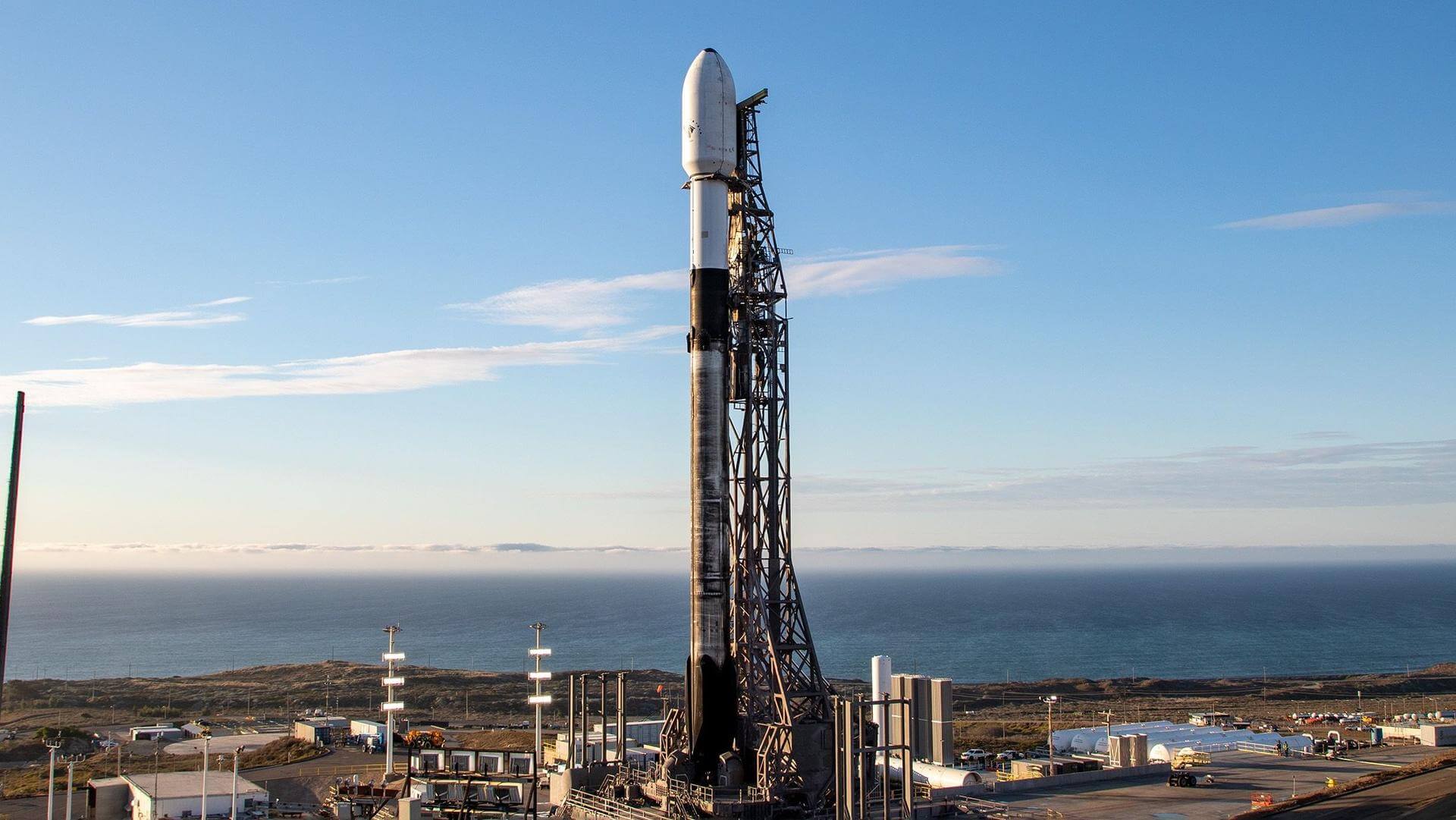
NROL-172
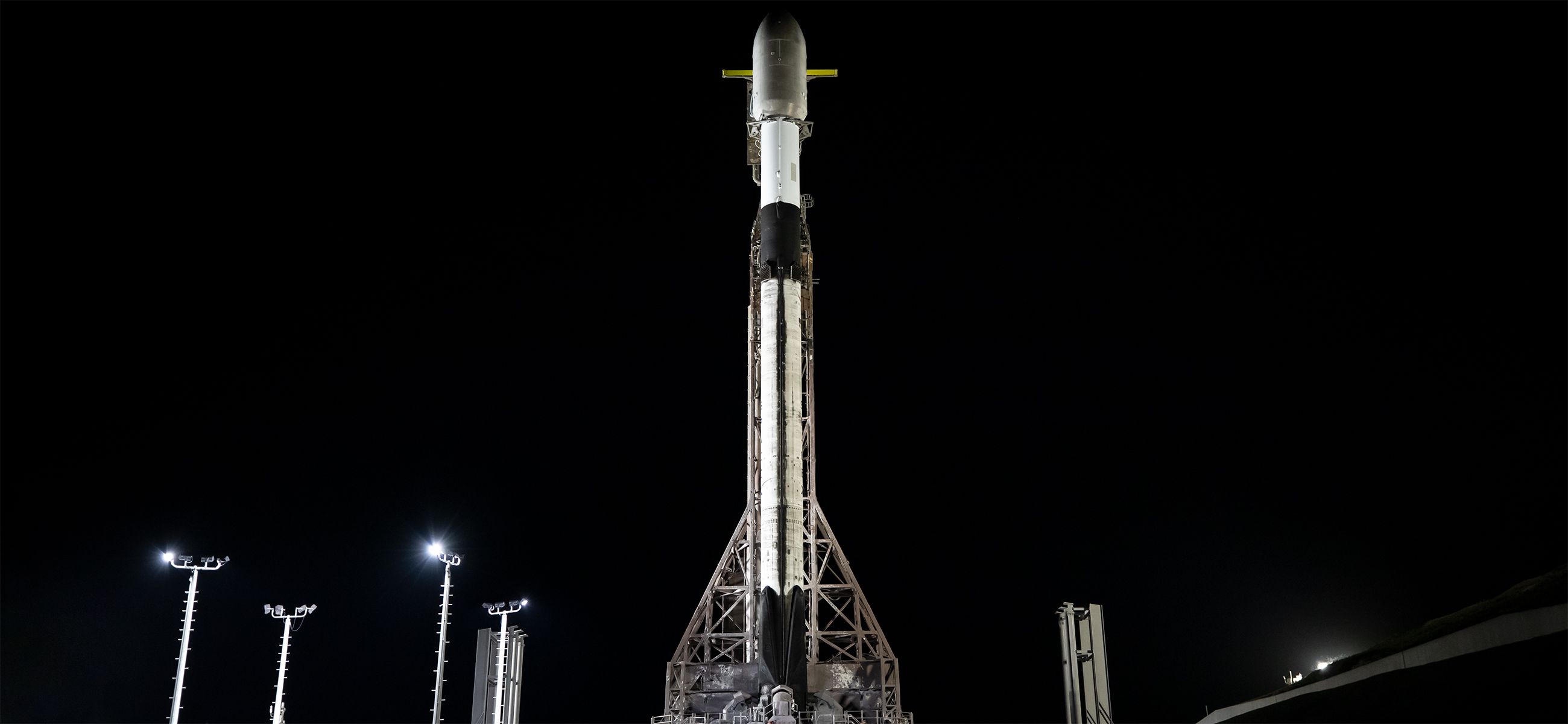
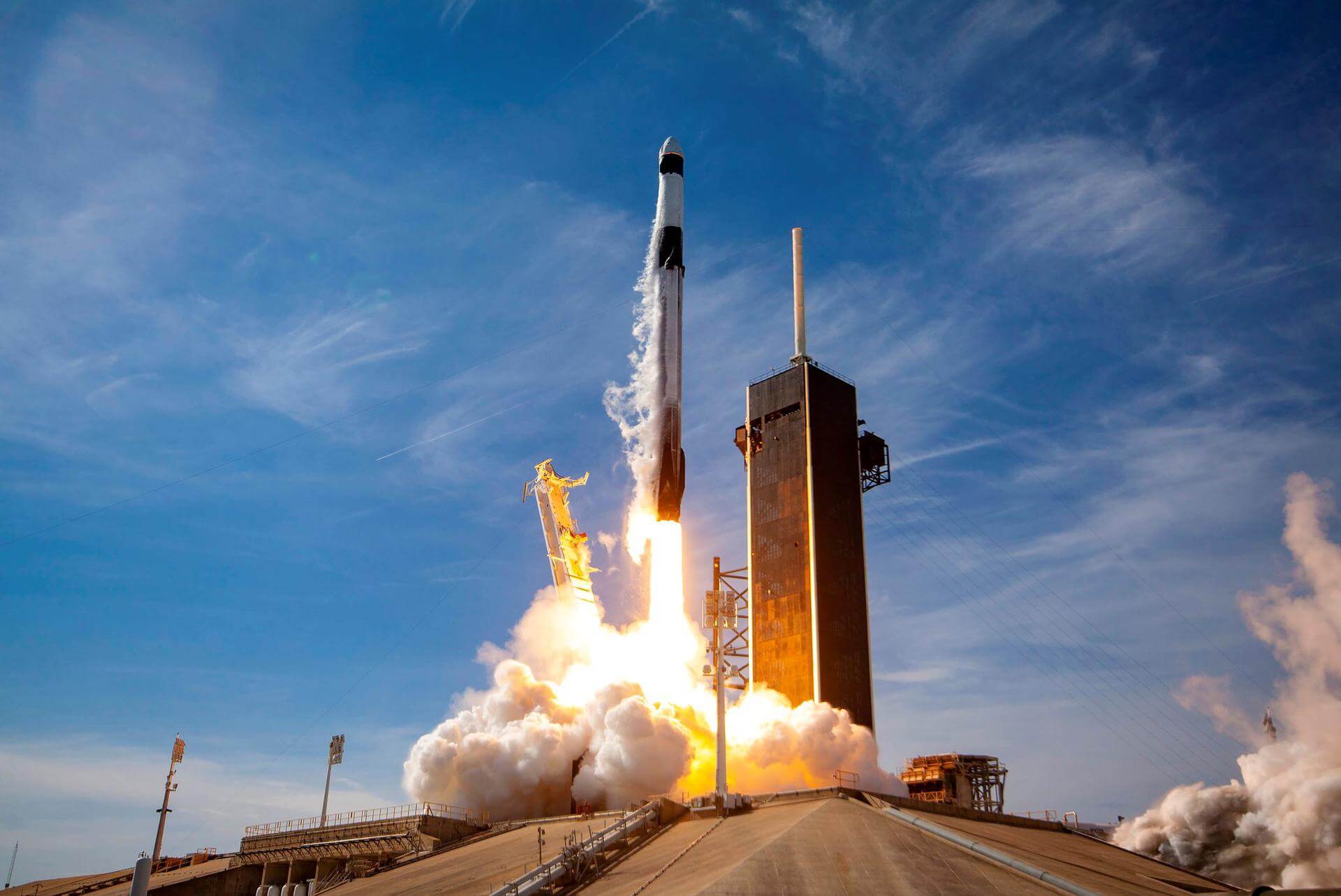
Provider: SpaceX Date: May 11, 2026 Time: 10:28 PM UTC Vehicle: Falcon 9
Thirteenth batch of satellites for a reconnaissance satellite constellation built by SpaceX and Northrop Grumman for the National Reconnaissance Office to provide imaging and other reconnaissance capabilities.
Unknown Payload
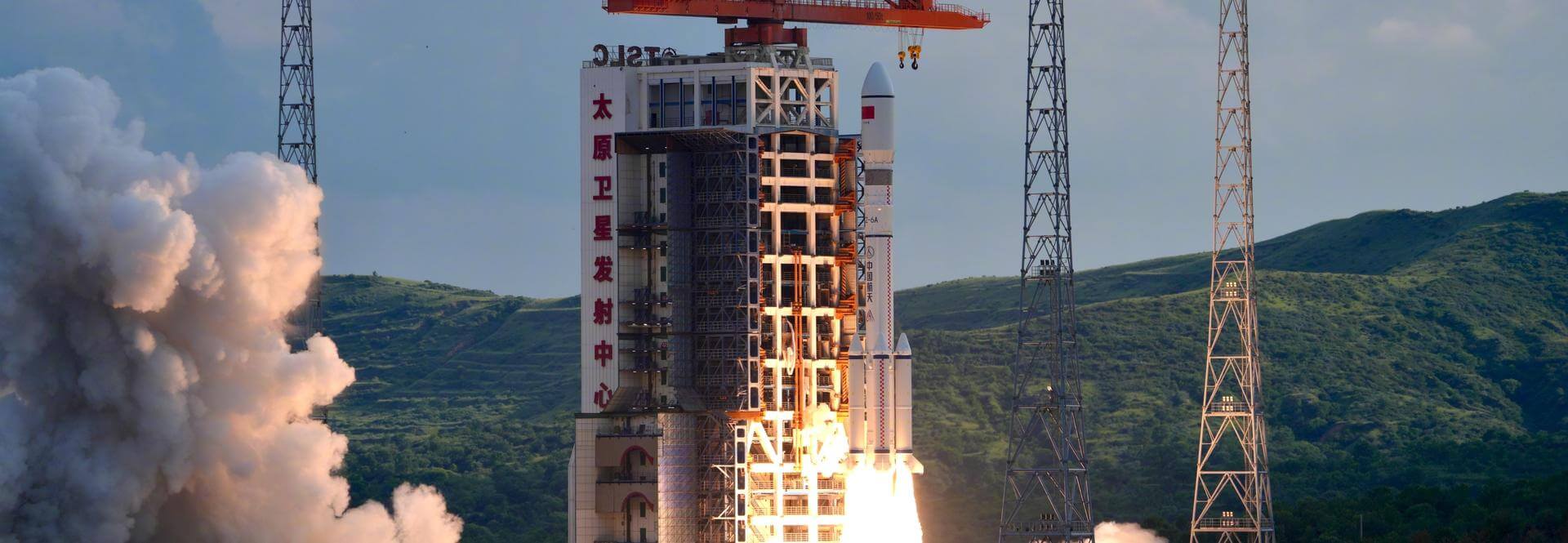
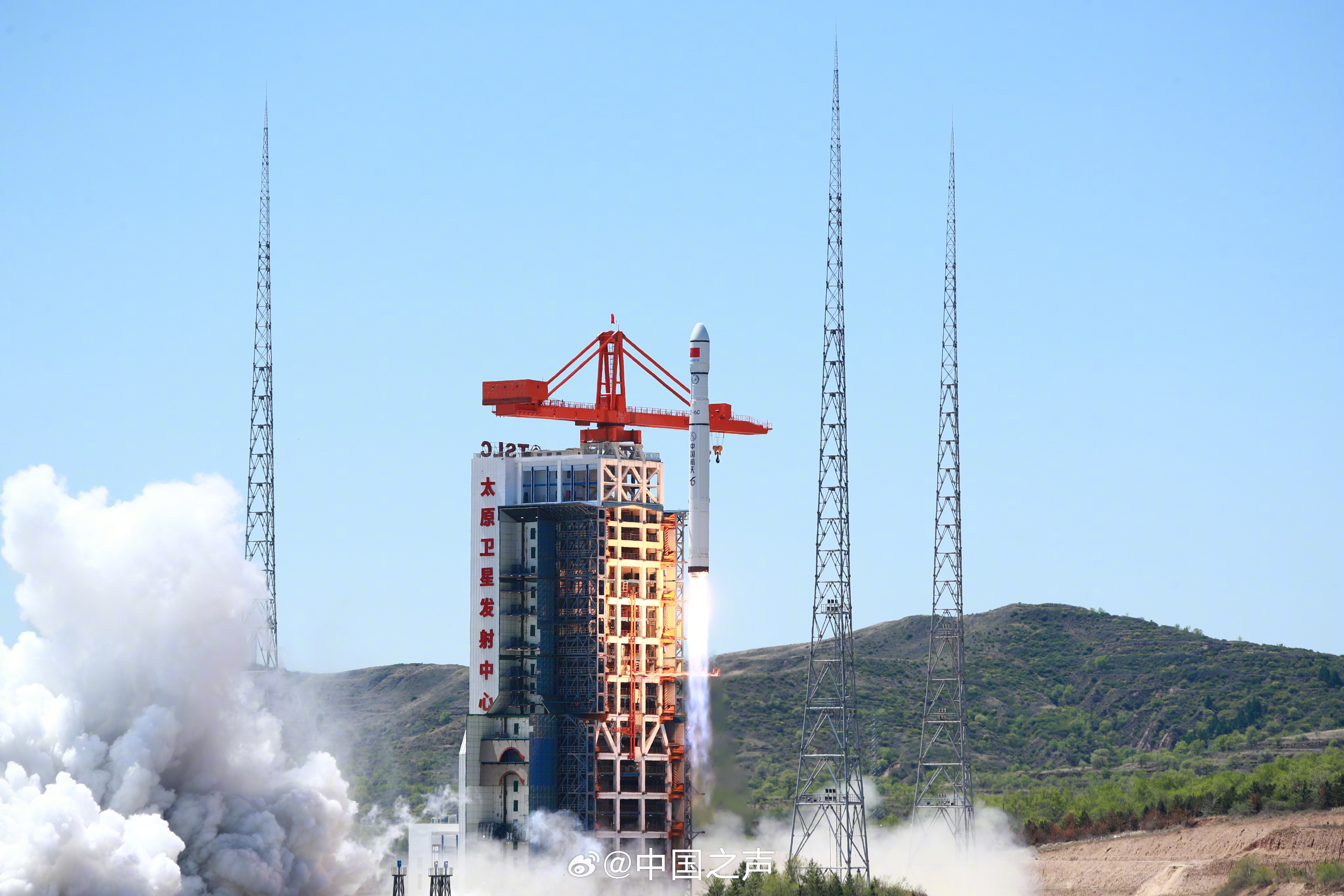
Provider: China Aerospace Science and Technology Corporation Date: May 12, 2026 Time: 11:55 AM UTC Vehicle: Long March 6A
Details TBD.
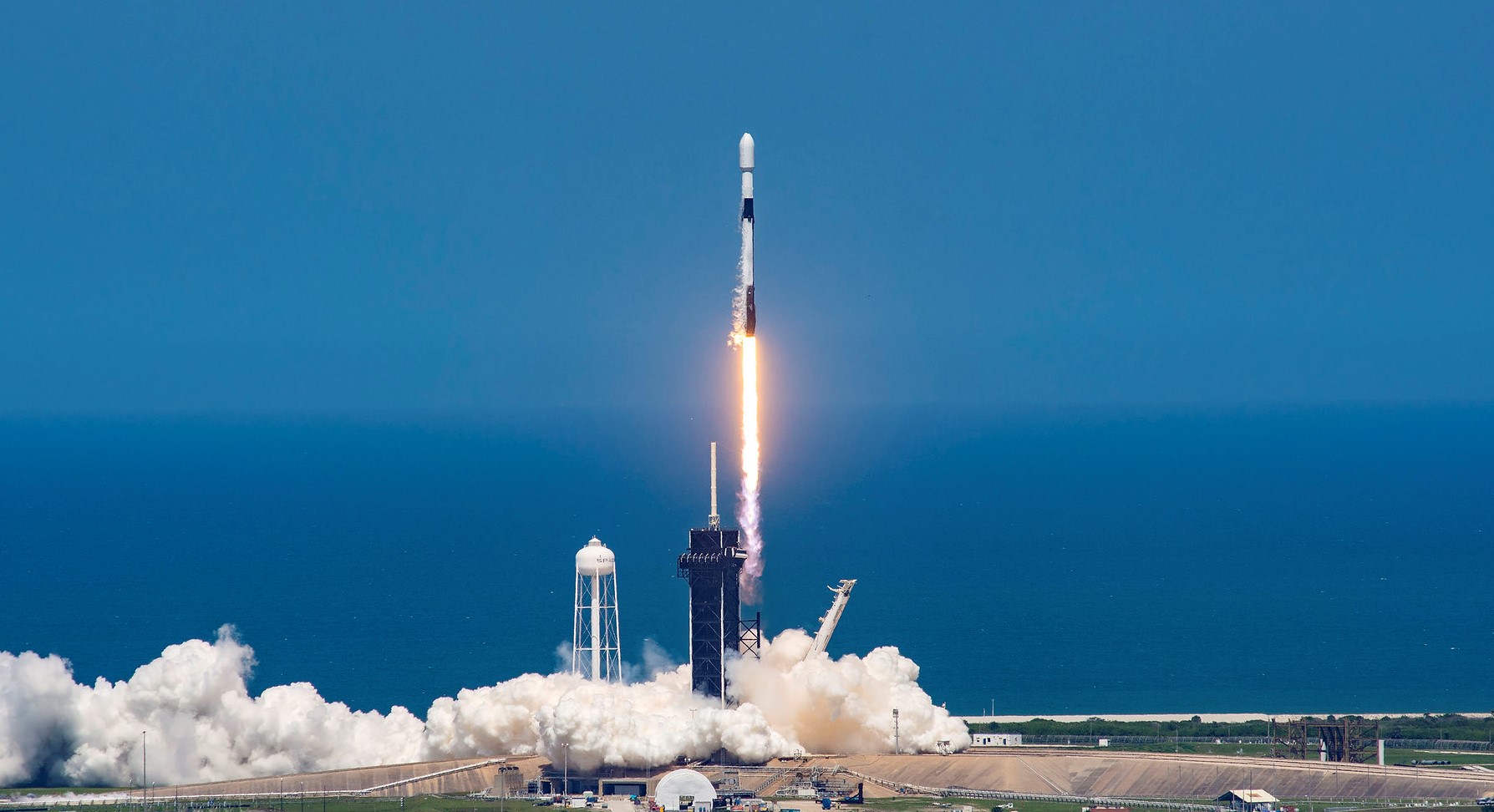
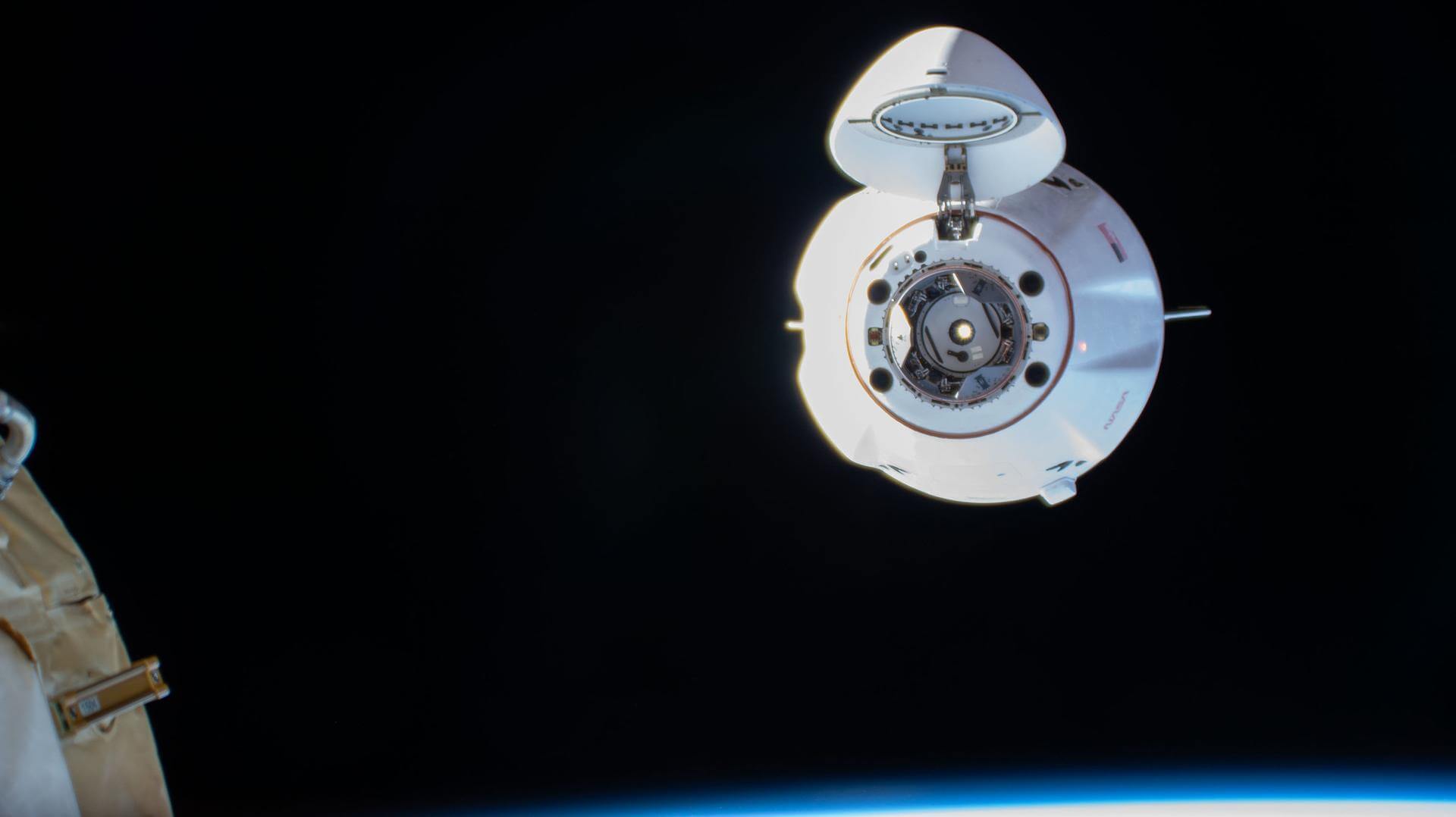
Dragon CRS-2 SpX-34
Provider: SpaceX Date: May 12, 2026 Time: 11:16 PM UTC Vehicle: Falcon 9
34th commercial resupply services mission to the International Space Station operated by SpaceX. The flight will be conducted under the second Commercial Resupply Services contract with NASA.
Cargo Dragon 2 brings supplies and payloads, including critical materials to directly support science and research investigations that occur onboard the orbiting laboratory.
Unknown Payload
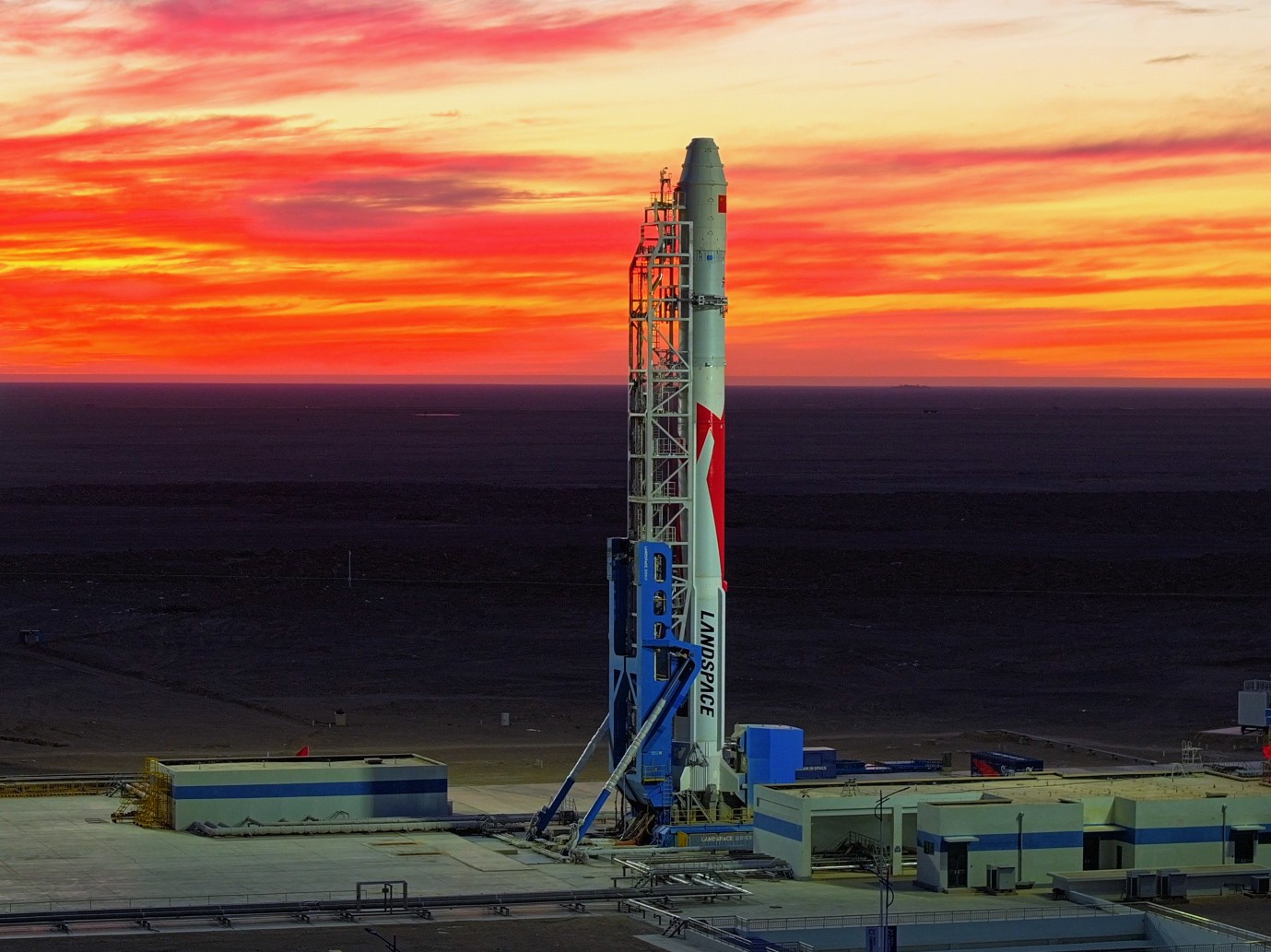
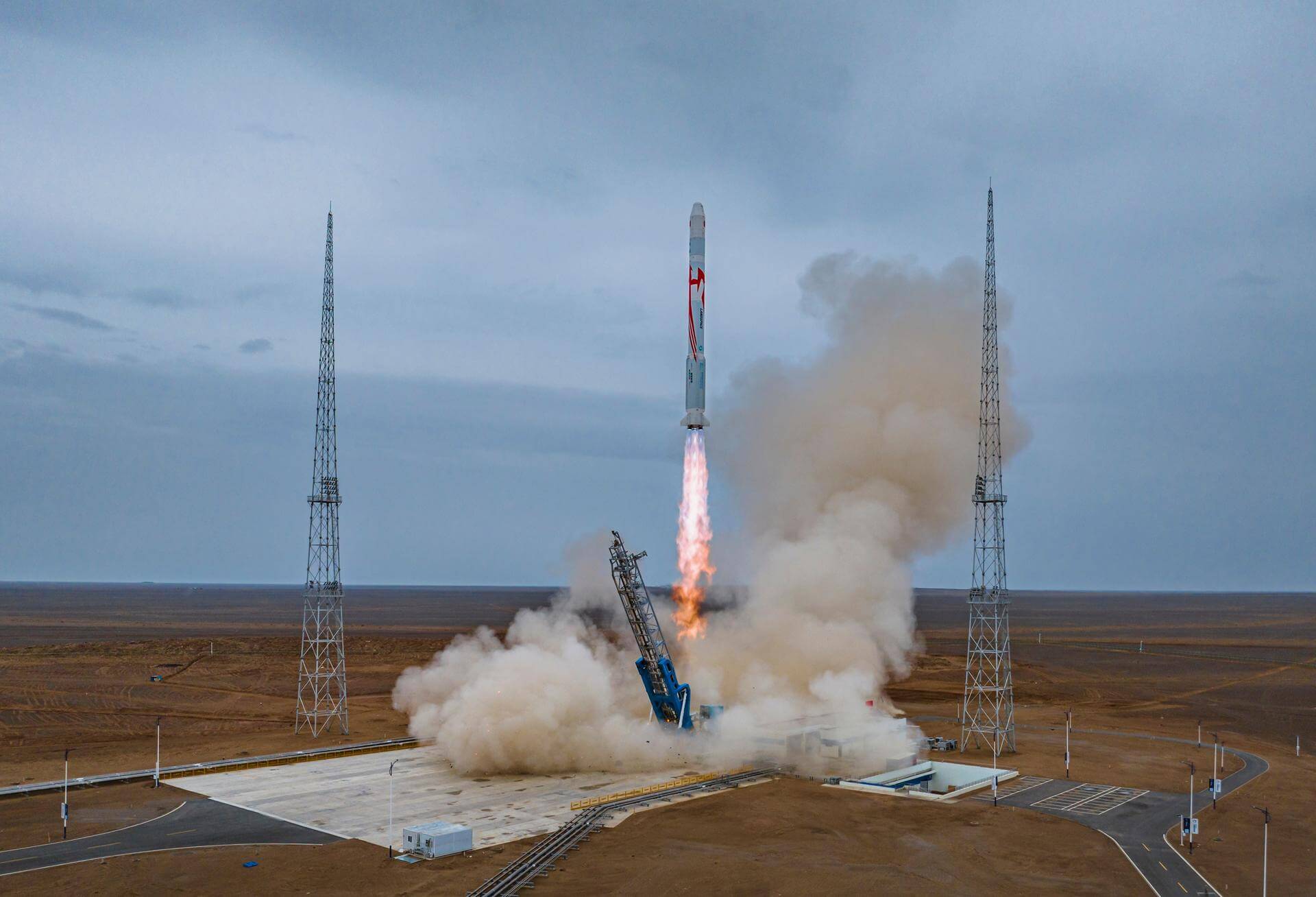
Provider: LandSpace Date: May 13, 2026 Time: 3:00 AM UTC Vehicle: Zhuque-2E
Details TBD.
Tianzhou-10 ×
Mission Details
TypeResupply
OrbitLow Earth Orbit
TargetEarth
Ninth cargo delivery mission to the Chinese space station.
Program: Tiangong space station
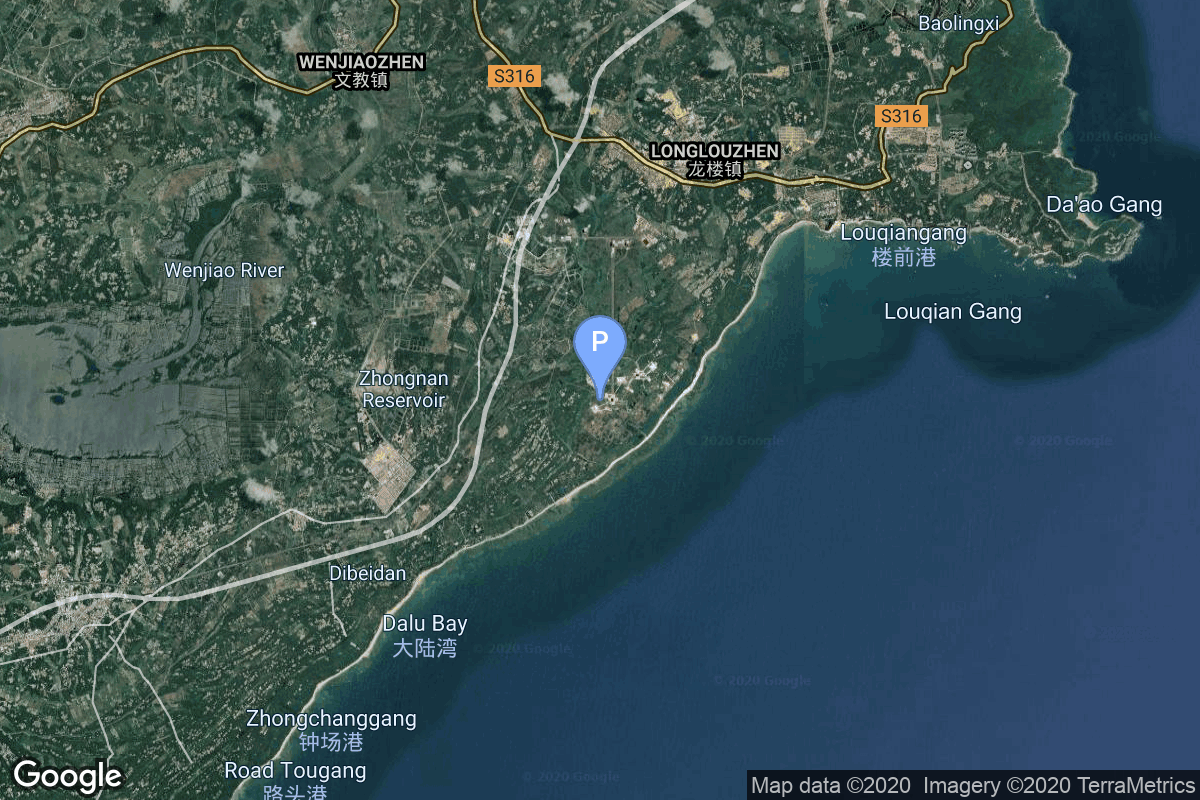
The Tiangong space station is a space station placed in Low Earth orbit between 340 and 450 km above the surface.
The Long March 7 is a Chinese liquid-fuelled launch vehicle of the Long March family, developed by the China Aerospace Science and Technology Corporation (CAST). It made its inaugural flight on 25 June 2016 and is used to launch Tianzhou resupply spacecraft to the Chinese Space Station.
The Tianzhou is a Chinese automated cargo spacecraft that was first launched on April 20, 2017 to resupply Tiangong-1. It demonstrated autonomous propellant transfer in orbit.
Capability
Cargo Earth Orbit Logistics
Details
Autonomous cargo spacecraft used to resupply the Chinese Space Station.
Flight Life
180 days in orbit
Manufacturer: China Aerospace Science and Technology Corporation (CASC)
Thirteenth batch of satellites for a reconnaissance satellite constellation built by SpaceX and Northrop Grumman for the National Reconnaissance Office to provide imaging and other reconnaissance capabilities.
Falcon 9 is a two-stage rocket designed and manufactured by SpaceX for the reliable and safe transport of satellites and the Dragon spacecraft into orbit. The Block 5 variant is the fifth major interval aimed at improving upon the ability for rapid reusability.
The Long March 6A is a Chinese launch vehicle of the Long March family, which was developed by the China Aerospace Science and Technology Corporation (CASC) and the Shanghai Academy of Spaceflight Technology (SAST). The vehicle is a further development of the Long March 6, with 2 YF-100 engines on…
34th commercial resupply services mission to the International Space Station operated by SpaceX. The flight will be conducted under the second Commercial Resupply Services contract with NASA.
Cargo Dragon 2 brings supplies and payloads, including critical materials to directly support science and research investigations that occur onboard the orbiting laboratory.
• National Aeronautics and Space Administration (Government)
Program: Commercial Resupply Services
Commercial Resupply Services (CRS) are a series of flights awarded by NASA for the delivery of cargo and supplies to the International Space Station.The first CRS contracts were signed in 2008 and awarded $1.6 billion to SpaceX for twelve cargo Dragon and $1.9 billion to Orbital Sciences for eight Cygnus flights, covering deliveries to 2016. The Falcon 9 and Antares rockets were also developed under the CRS program to deliver cargo spacecraft to the ISS.
The International Space Station programme is tied together by a complex set of legal, political and financial agreements between the sixteen nations involved in the project, governing ownership of the various components, rights to crewing and utilization, and responsibilities for crew rotation and resupply of the International Space Station. It was conceived in 1984 by President Ronald Reagan, during the Space Station Freedom project as it was originally called.
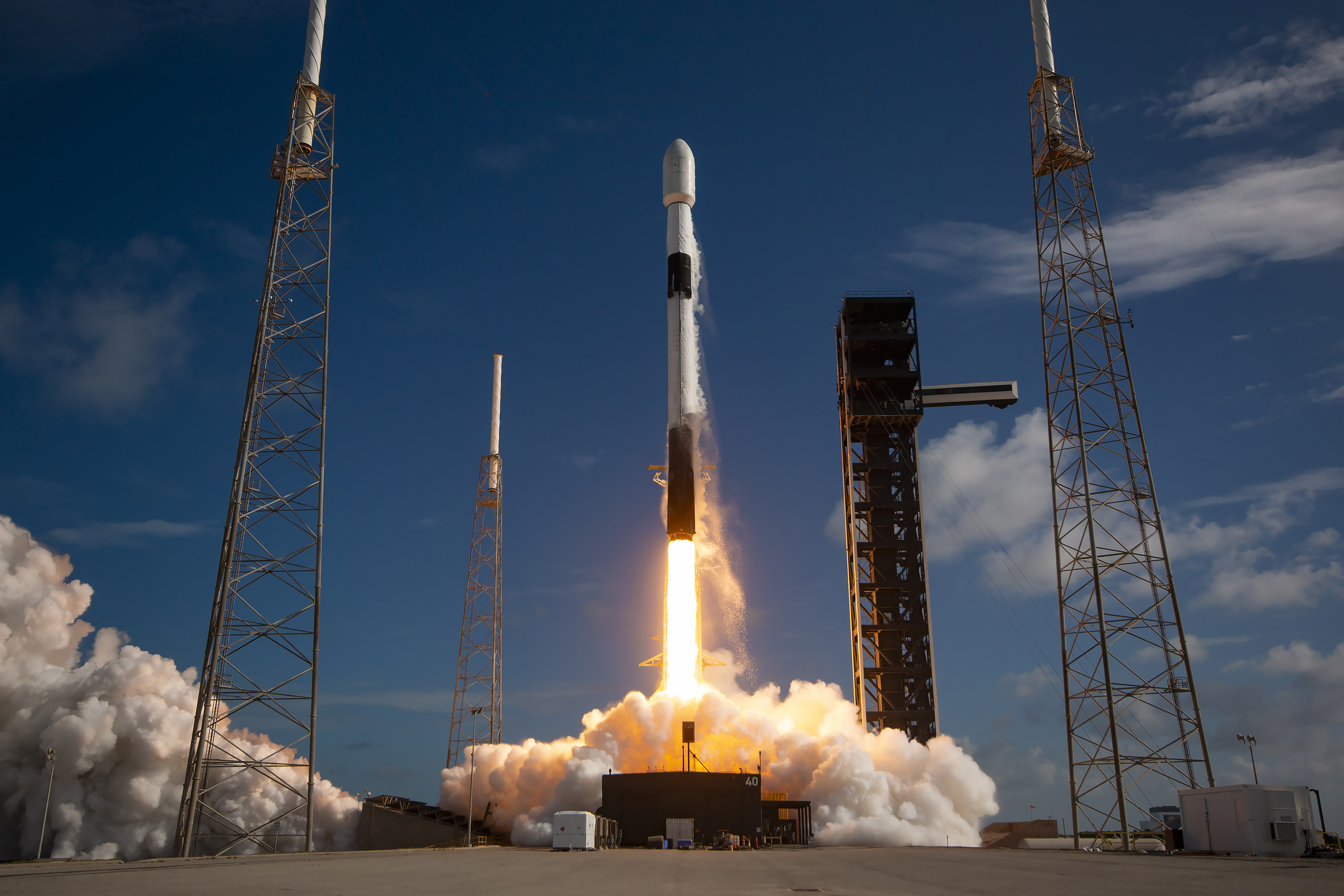
Falcon 9 is a two-stage rocket designed and manufactured by SpaceX for the reliable and safe transport of satellites and the Dragon spacecraft into orbit. The Block 5 variant is the fifth major interval aimed at improving upon the ability for rapid reusability.
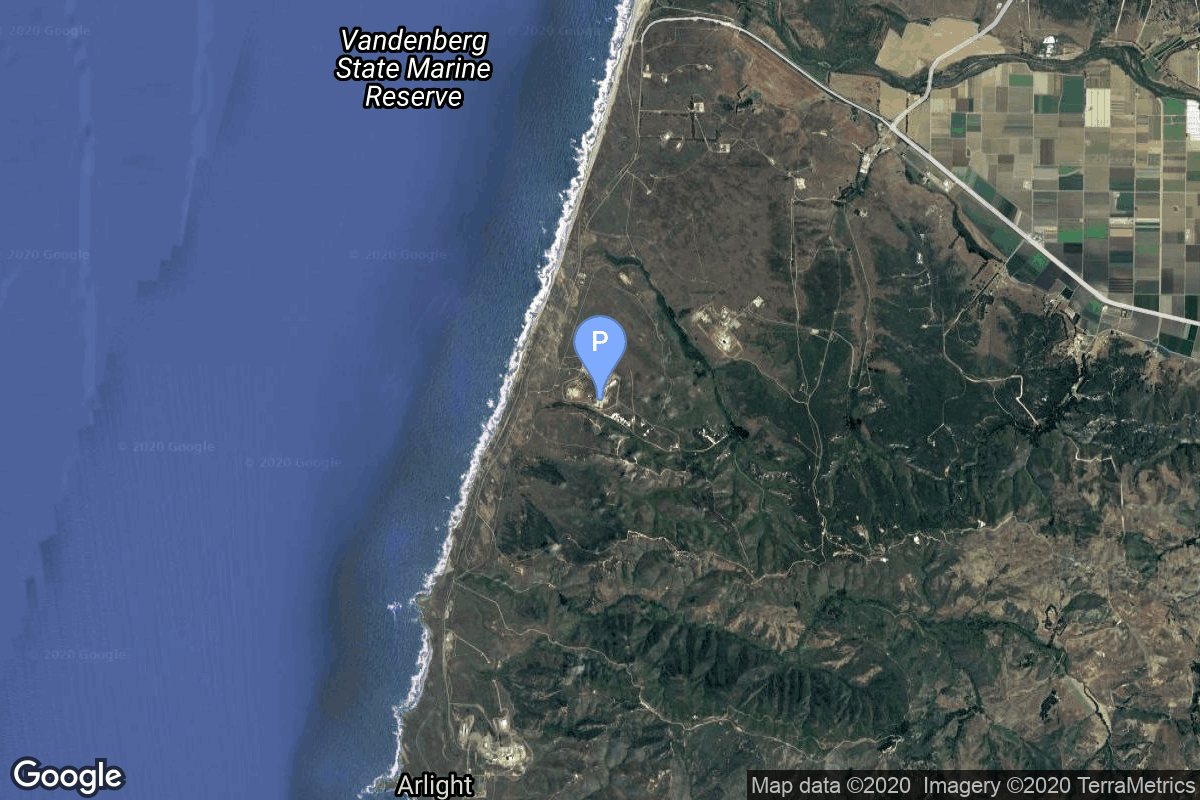
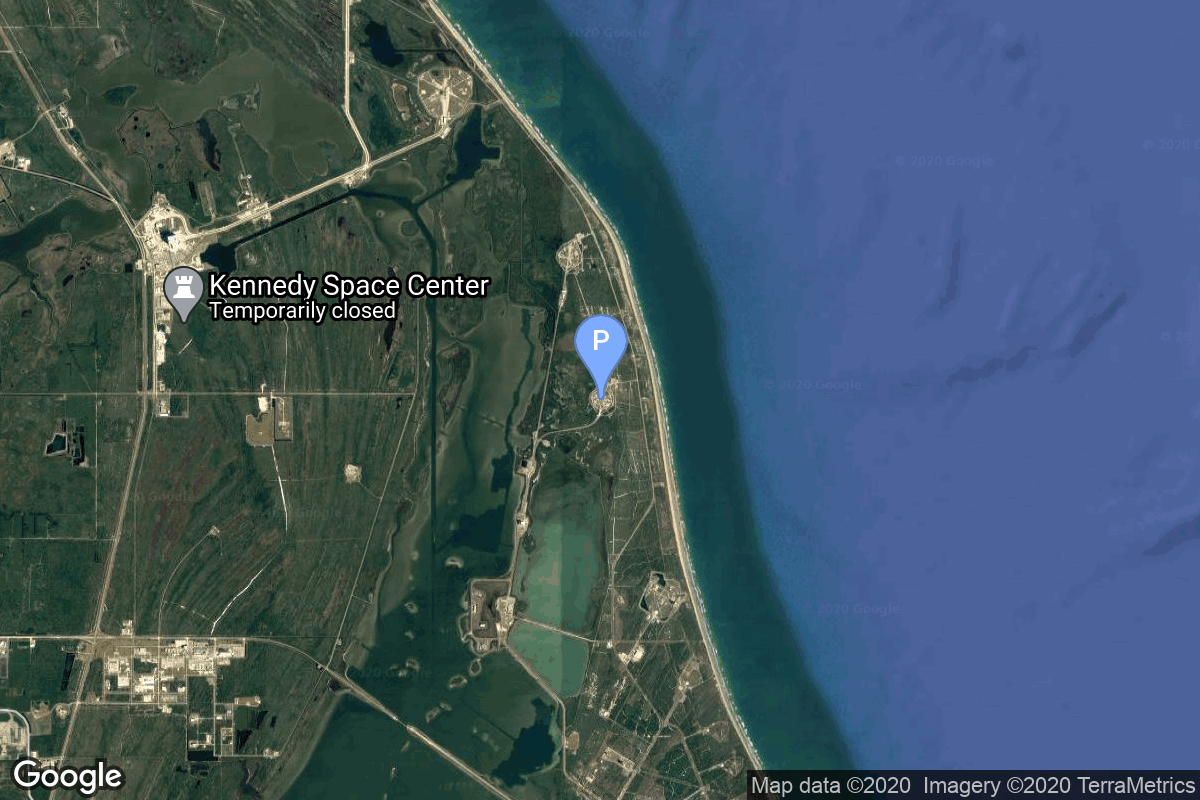
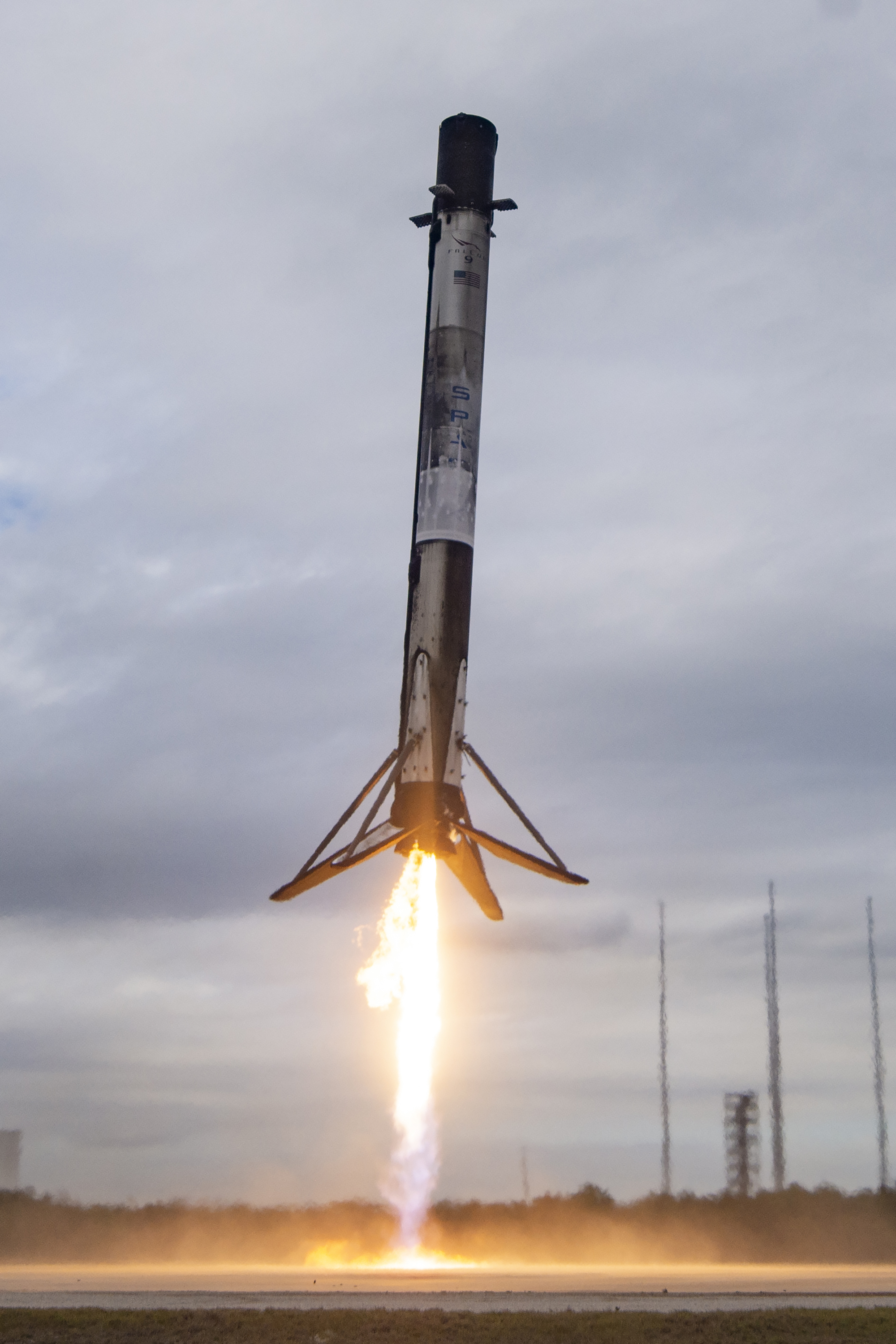
The Falcon 9 first stage B1096 will land back at the launch site at Landing Zone 40 after its 6th flight.
Spacecraft: Cargo Dragon C209
Second Cargo Dragon 2
Specifications
SerialC209
TypeCapsule
StatusActive
DestinationISS
Height7.2 m
Diameter3.7 m
Maiden Flight2020-12-06
Payload Capacity6,000 kg
Return Capacity3,000 kg
Time in Space175 Days, 23 Hours, 36 Minutes
Missions Flown5
Turnaround352 Days, 17 Hours, 32 Minutes
Fastest Turnaround164 Days, 6 Hours, 38 Minutes
History
Cargo Dragon 2 is an updated version of the original Dragon spaceship designed to service the International Space Station with first flights conducted in 2020.
In contrast to Dragon 1 it docks to the International Space Station instead of being berthed by the Canada Arm.
Capability
Cargo Earth Orbit Logistics
Details
Cargo Dragon 2 is a autonomous spaceship capable of bringing science to and from the International Space Station with large pressurized and un-pressurized sections to support a variety of missions.
Flight Life
Able to fly for up to one week of free flight or two years docked.
Zhuque-2E (E stands for “enhanced”) is a medium-sized rocket powered by liquid oxygen and methane capable of lifting 6,000 kg of payload into a 200 km low Earth orbit, or 4,000 kg of payload into a 500 km Sun-synchronous orbit. It differs from the baseline Zhuque-2 in using enhanced TQ-12A engines…
Robo Chris is a collection of API calls, filters, and searches, bolted together with magic and love. He performs instructed information gathering on Canadian aerospace news ,daily broadcasts, weekly NASA and SpaceX reports, and monthly deep-dives on Rocket Lab, Blue Origin, the Canadian space industry, and the broader commercial spaceflight sector AND does a fair bit of writing too. Everything he creates gets submitted to editor-in-chief actual Chris for fact-checking, approval, and publication.