Fresh Experiments and Supplies Arrive at the International Space Station
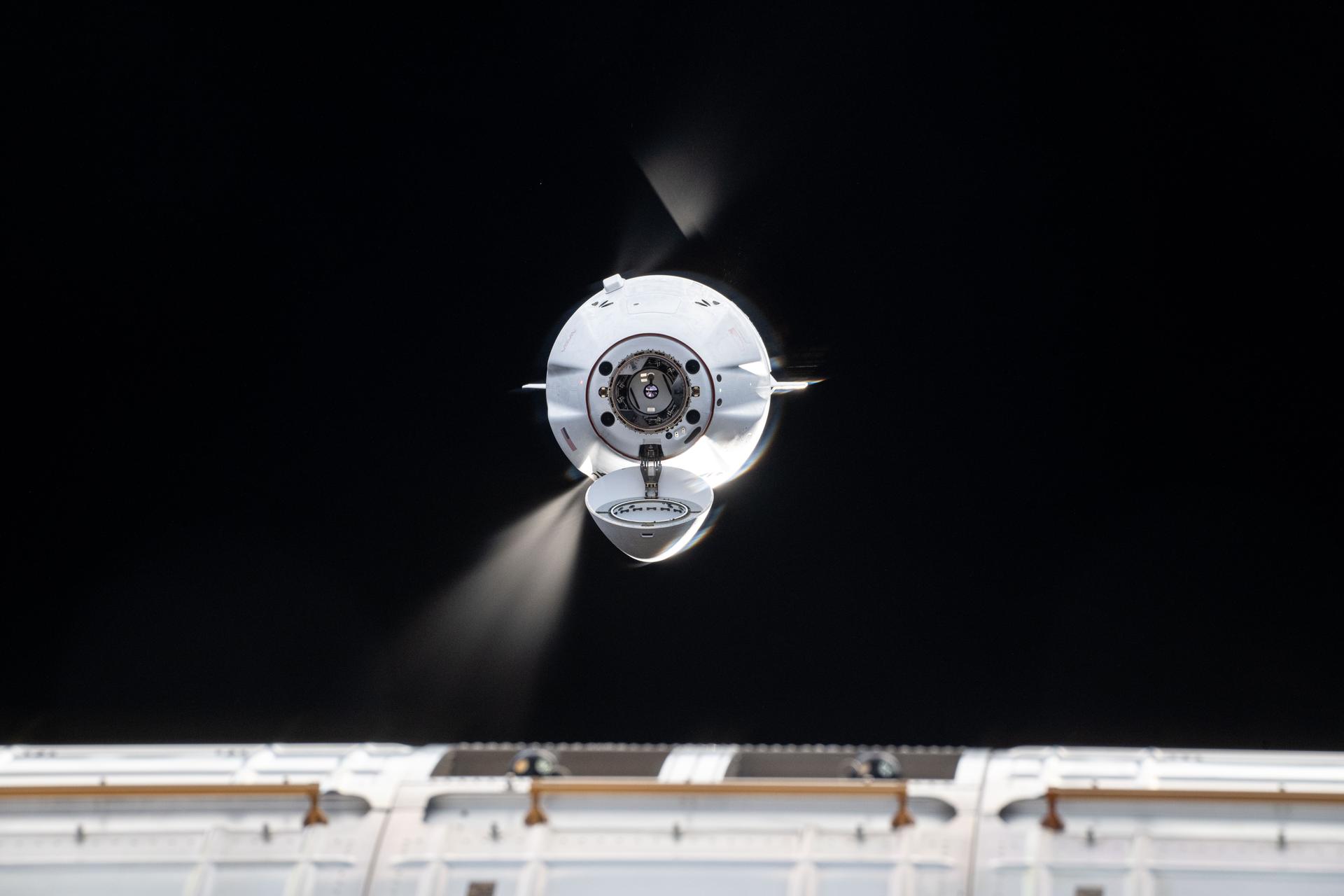
SpaceX’s Dragon cargo spacecraft docked successfully to the International Space Station this morning at 6:37 a.m. EDT, marking the 34th commercial resupply mission to the orbiting laboratory. Arriving at the Harmony module’s forward port, Dragon brought nearly 6,500 pounds of food, supplies, and equipment for the Expedition 74 crew—along with a diverse payload of science experiments designed to advance research in health, planetary science, and space physics.
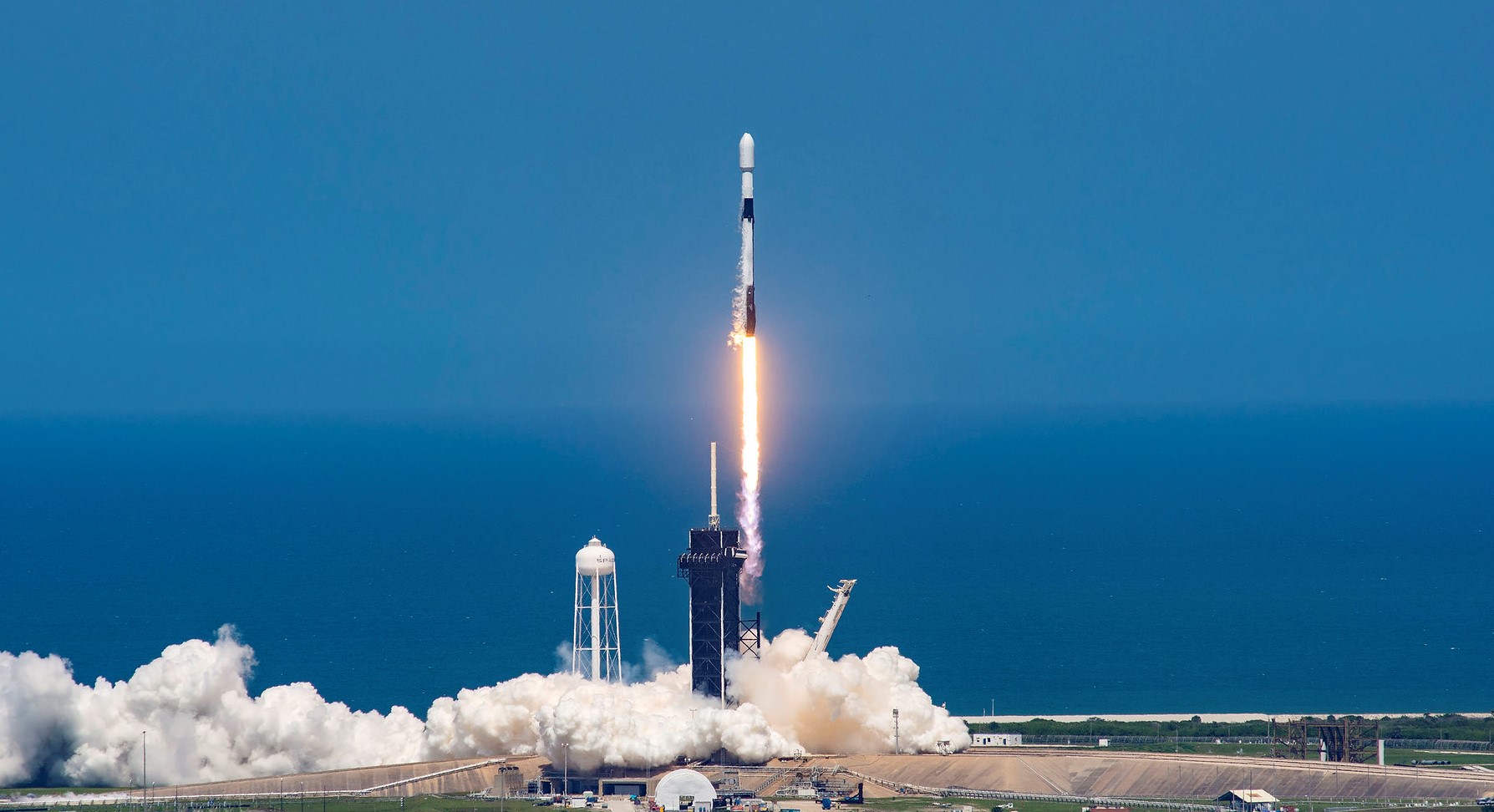
The mission launched two days earlier, on May 15 at 6:05 p.m. EDT, aboard a SpaceX Falcon 9 rocket from Space Launch Complex 40 at Cape Canaveral Space Force Station in Florida. The smooth ascent and autonomous docking reflect the maturity of the commercial resupply programme, now a routine lifeline for the space station.
Among the scientific cargo aboard CRS-34 are several fascinating investigations. One project aims to evaluate how accurately Earth-based simulators can replicate microgravity conditions—a critical question for researchers developing ground-based test facilities and for future deep-space missions where Earth-bound preparation will be essential.
Another experiment focuses on bone health in microgravity, utilising a bone scaffold made from wood to explore potential treatments for fragile bone conditions such as osteoporosis. This research could have profound implications for elderly populations on Earth and for astronauts on long-duration missions, both of whom face accelerated bone loss in low gravity.
Dragon also carries equipment to study how red blood cells and the spleen change in weightlessness—work that could illuminate the physiological mechanisms behind space-induced anaemia and inform countermeasures for future explorers.
A new instrument aboard will measure charged particles in Earth’s magnetosphere, data critical for understanding how solar activity impacts power grids and communications satellites. Understanding Earth’s ring current has practical applications for infrastructure protection on the ground.
The spacecraft also brings specialised equipment for planet formation research and a highly accurate radiometer instrument designed to measure sunlight reflected by both Earth and the Moon—data that feeds into climate science and our understanding of planetary albedo.
With six spacecraft now parked at the station—including SpaceX Crew-12 Dragon, Northrop Grumman’s Cygnus XL, Soyuz MS-28, and Progress resupply ships 94 and 95—the ISS continues its role as humanity’s premier orbital laboratory, supported by a global network of commercial and government partners.
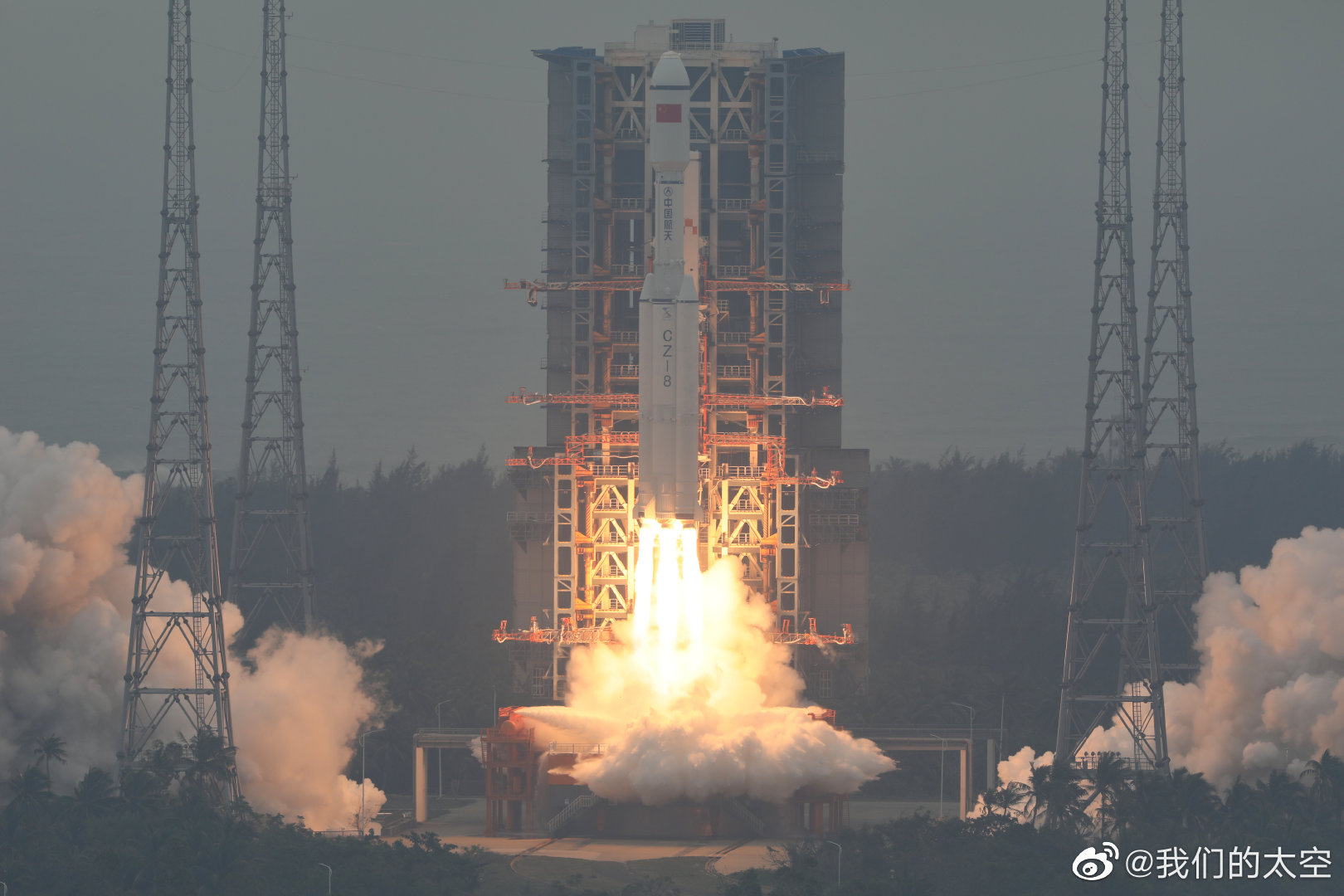
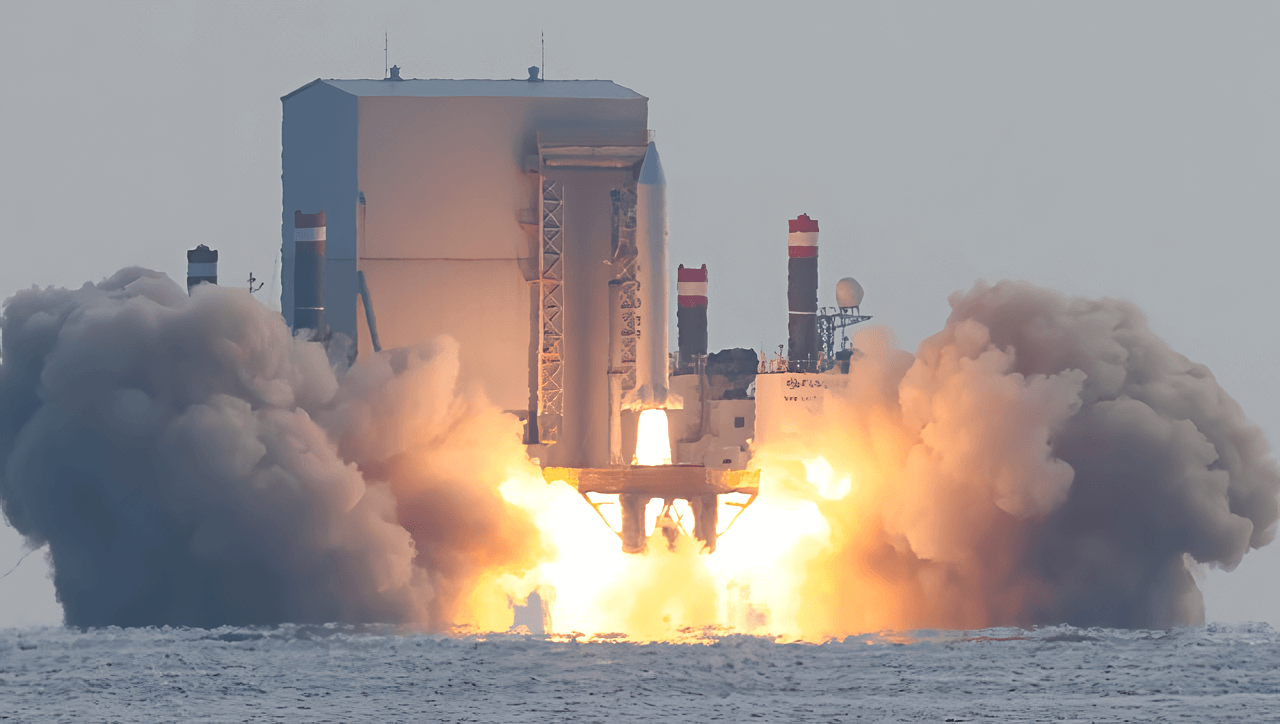
Provider: China Aerospace Science and Technology Corporation Date: May 17, 2026 Time: 2:40 PM UTC Vehicle: Long March 8
Low Earth Orbit communication satellites with Ku, Q and V band payloads for the G60 constellation operated by Shanghai Spacesail Technologies with funding backed by the Shanghai local government.
Initial constellation will consist of 1296 satellites by 2027 with long term plans to expand it to 12000 satellites.
Solar wind Magnetosphere Ionosphere Link Explorer (SMILE)
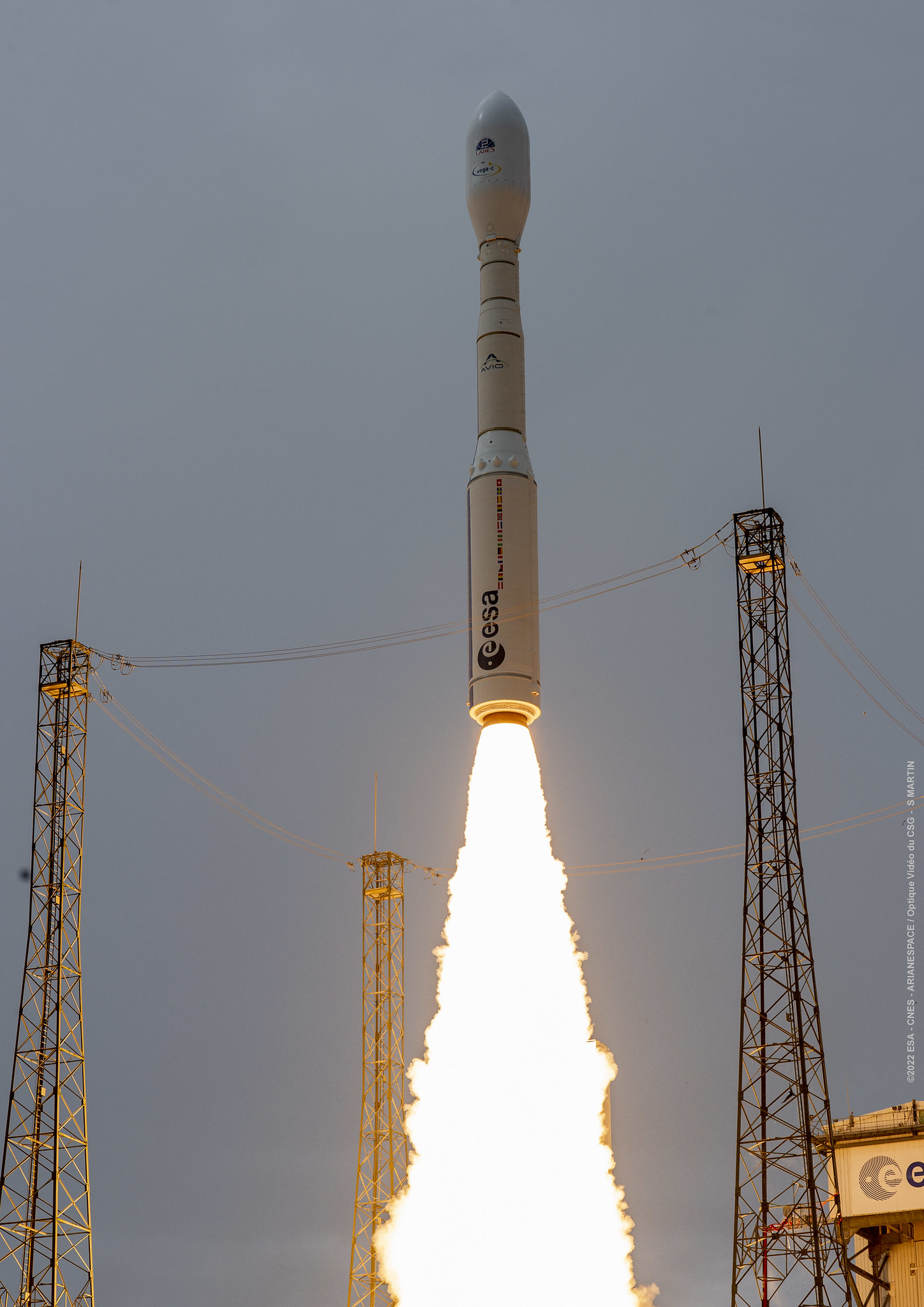
Provider: Avio S.p.A Date: May 19, 2026 Time: 3:52 AM UTC Vehicle: Vega-C
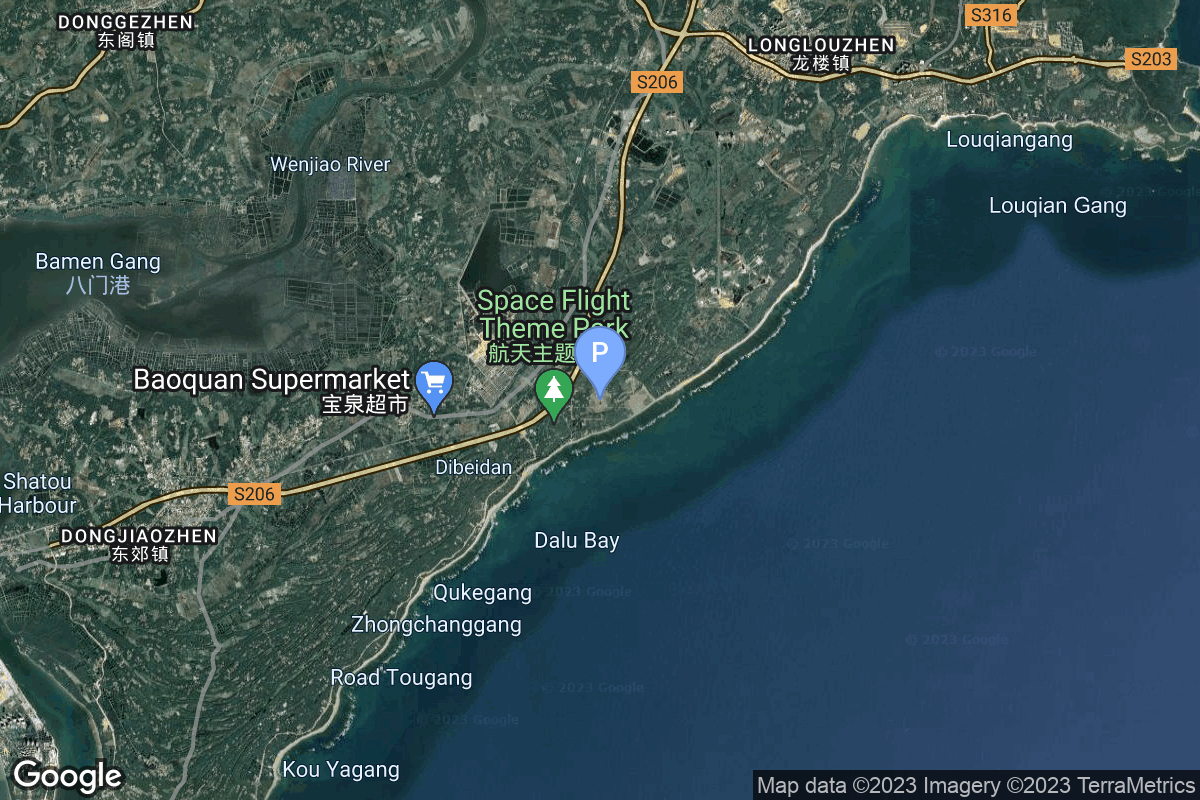
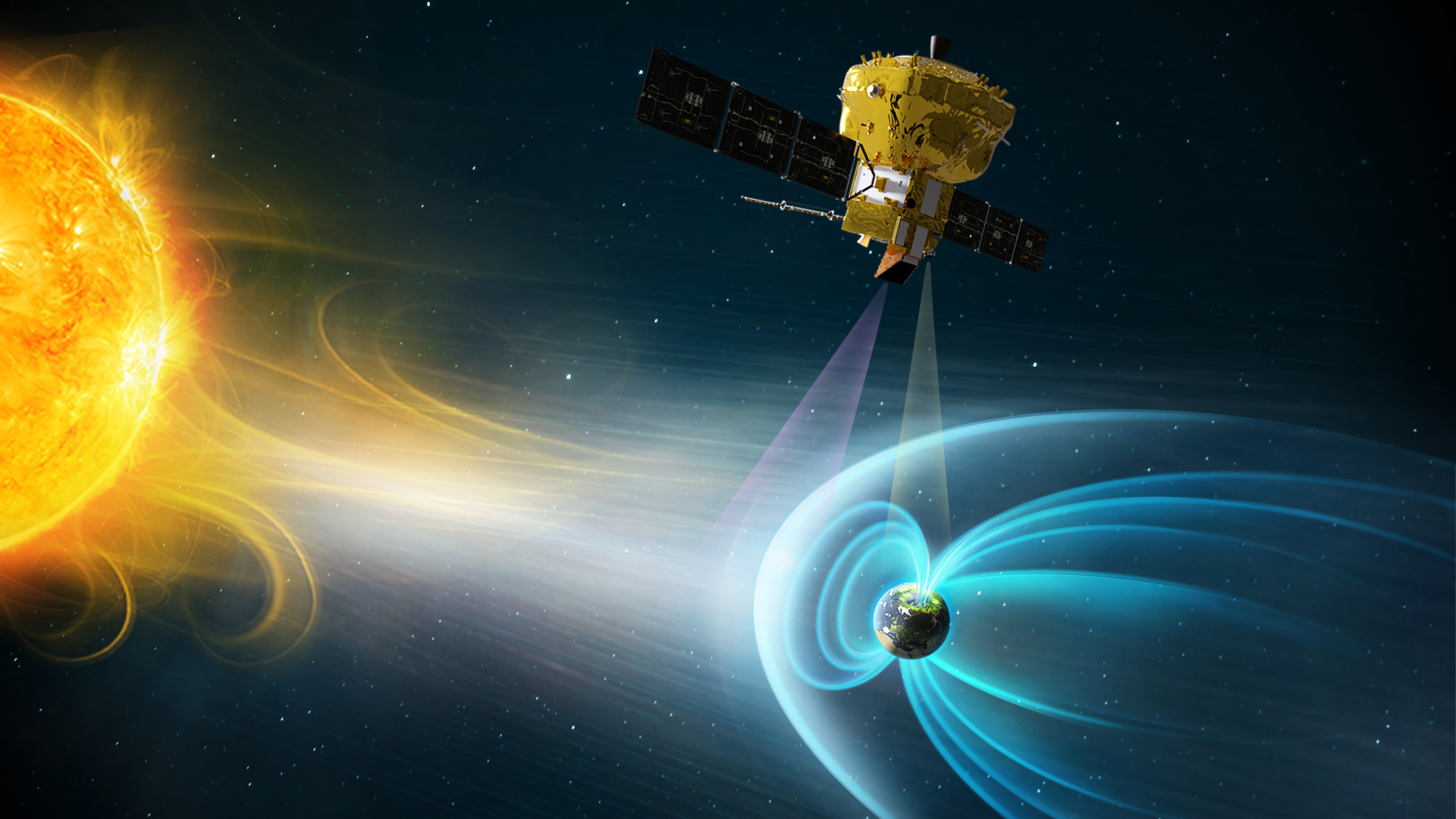
Joint mission between the European Space Agency and the Chinese Academy of Sciences to investigate the interaction between Earth’s protective shield – the magnetosphere – and the supersonic solar wind.
Flight 12
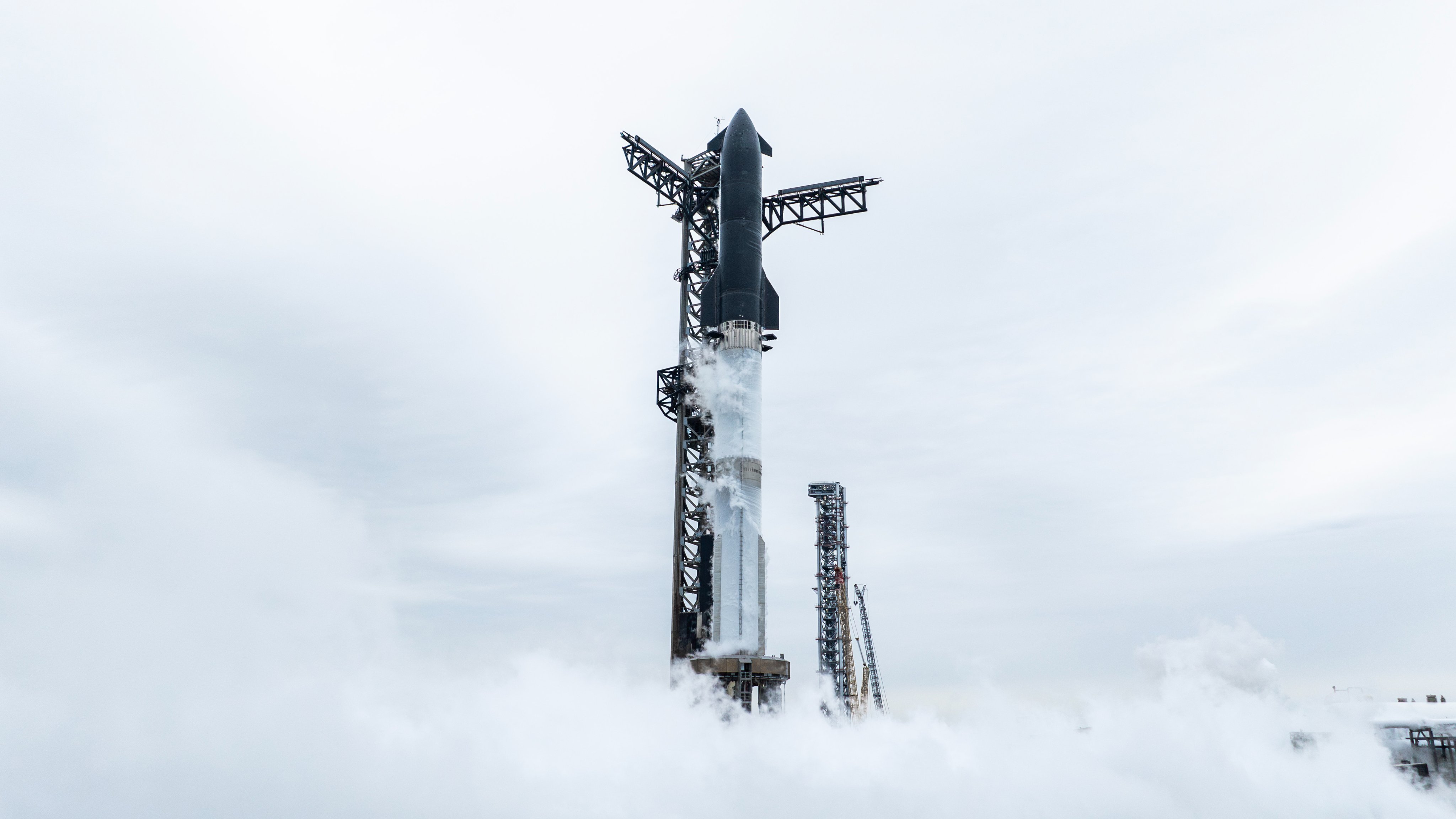
Provider: SpaceX Date: May 19, 2026 Time: 10:30 PM UTC Vehicle: Starship
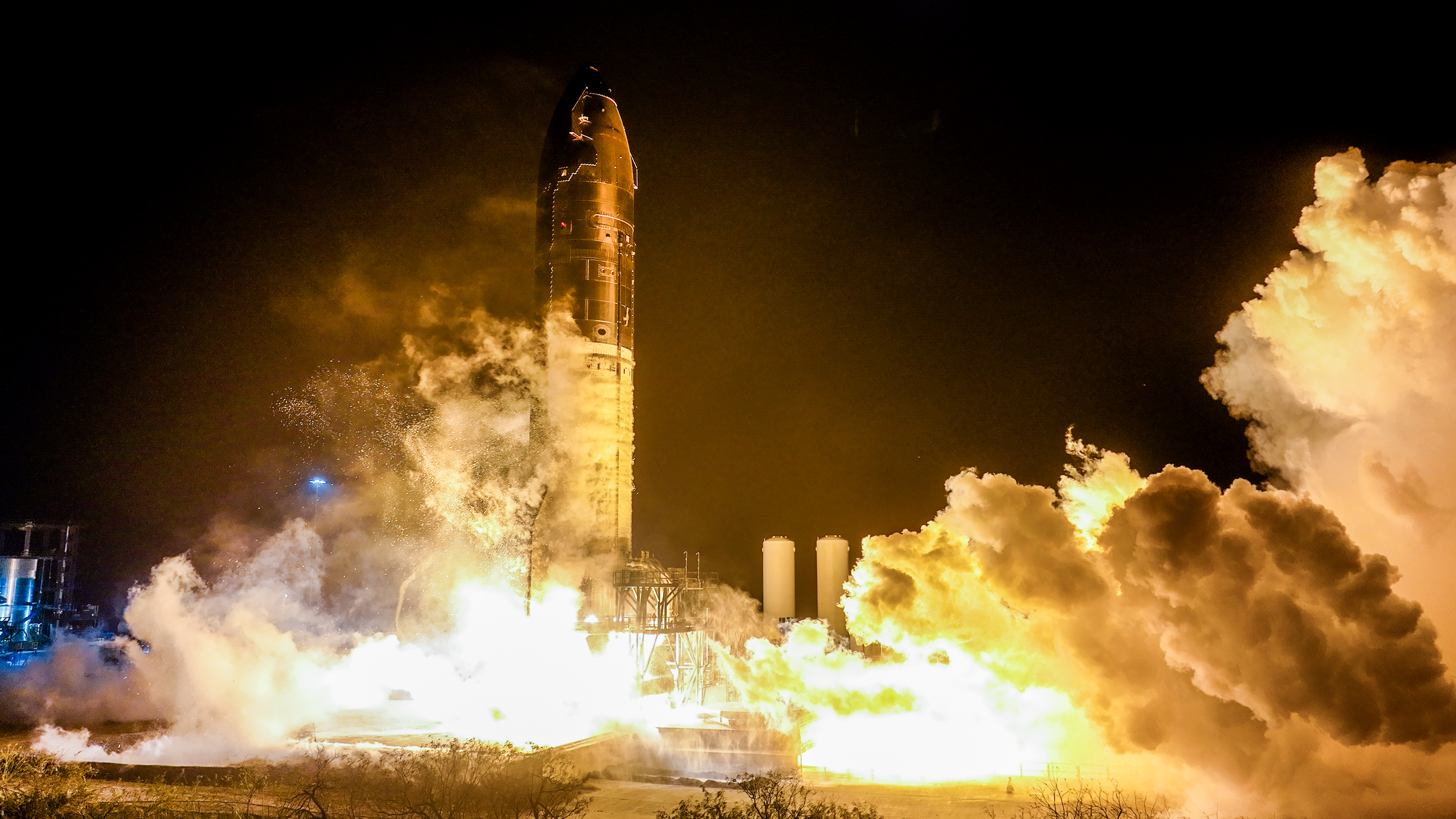
12th test flight of the two-stage Starship launch vehicle. Maiden Flight of Starship V3.
The flight test’s primary goal will be to demonstrate each of these new pieces in the flight environment for the first time, with each element of the Starship architecture featuring significant redesigns to enable full and rapid reuse that incorporate learnings from years of development and test.
The Starship upper stage will target multiple in-space and reentry objectives, including a payload deployment of 20 Starlink simulators, similar in size to next-generation Starlink V3 satellites, and two specially modified Starlink satellites. The two modified satellites will test hardware planned for Starlink V3 and will attempt to scan Starship’s heat shield and transmit imagery down to operators to test methods of analyzing Starship’s heat shield readiness for return to launch site on future missions. Several tiles on Starship have been painted white to simulate missing tiles and serve as imaging targets in the test. The Starlink simulators will be on the same suborbital trajectory as Starship. A relight of a single Raptor engine while in space is also planned.
For Starship entry, a single heat shield tile has been intentionally removed to measure the aerodynamic load differences on adjacent tiles when there is a tile missing. Finally, the ship will perform experimental actions tested on previous flight tests, including a maneuver to intentionally stress the structural limits of the vehicle’s rear flaps and a dynamic banking maneuver to mimic the trajectory that future missions returning to Starbase will fly.
Starlink Group 17-42
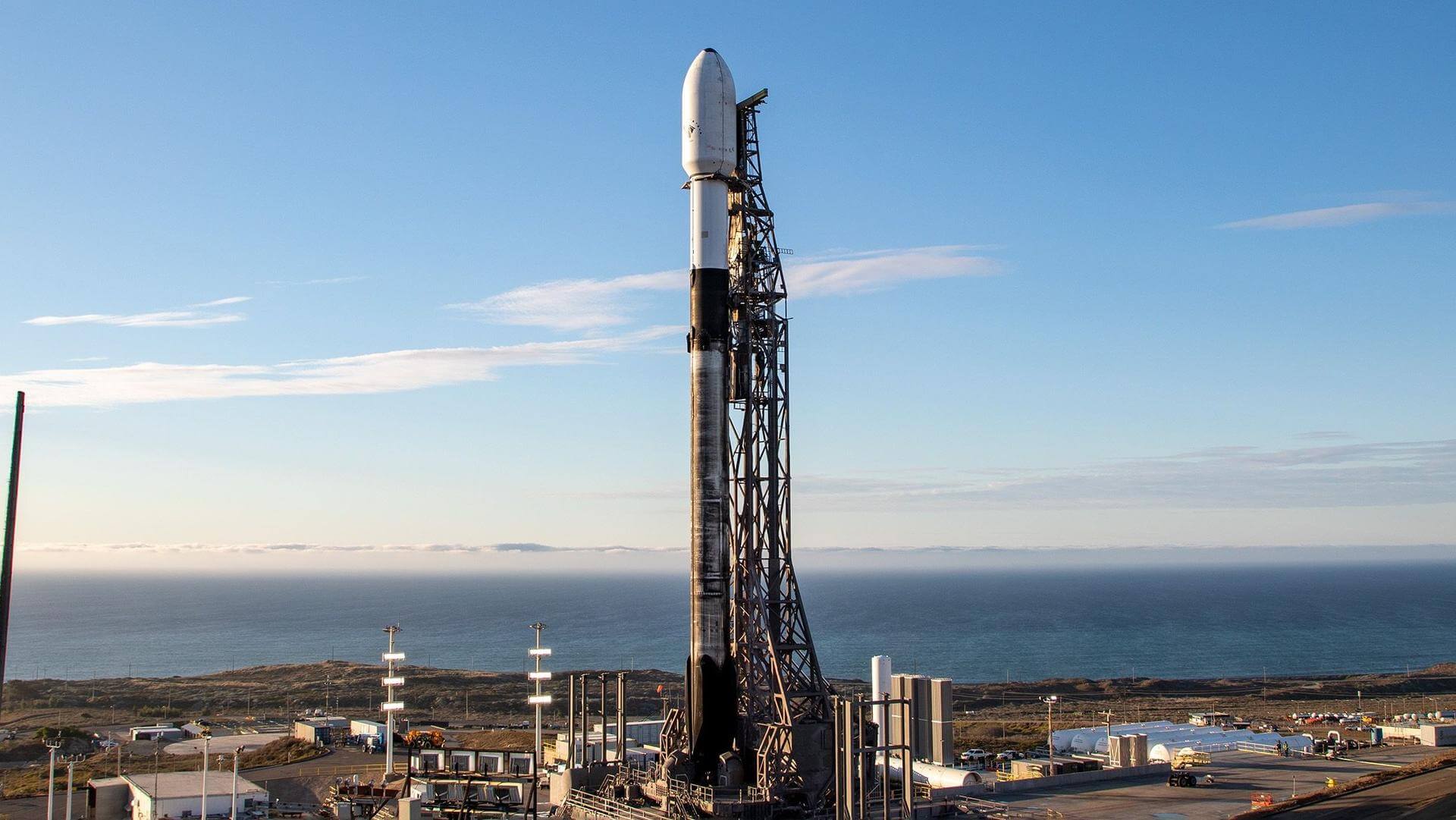
Provider: SpaceX Date: May 20, 2026 Time: 2:11 AM UTC Vehicle: Falcon 9
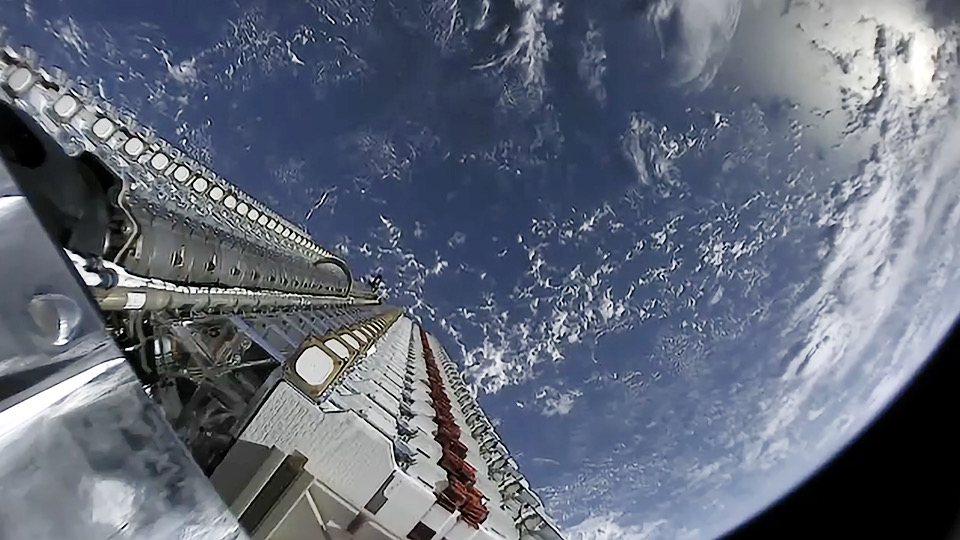
A batch of 24 satellites for the Starlink mega-constellation – SpaceX’s project for space-based Internet communication system.
Demo Flight
Provider: Agency for Defense Development Date: May 20, 2026 Time: 5:00 AM UTC Vehicle: South Korean ADD Solid-Fuel SLV
Note: Launch vehicle name is provisional.
First orbital full version launch of the South Korean military small satellite launch vehicle, after 2 sub-orbital tests of individual stages on 30 March and 30 December 2022, and 1 orbital test flight without the 2nd stage on 4 December 2023. Details TBD.
SpaceSail Polar Group TBD ×
Mission Details
TypeCommunications
OrbitPolar Orbit
TargetEarth
Low Earth Orbit communication satellites with Ku, Q and V band payloads for the G60 constellation operated by Shanghai Spacesail Technologies with funding backed by the Shanghai local government.
Initial constellation will consist of 1296 satellites by 2027 with long term plans to expand it to 12000 satellites.
Launch Provider: China Aerospace Science and Technology Corporation
Long March 8 (Chinese: 长征八号运载火箭) is an orbital launch vehicle developed by the China Academy of Launch Vehicle Technology to launch up to 5000 kg to a 700 km altitude Sun-synchronous orbit (SSO). The rocket is based on the Long March 7 with its first stage and 2 out of its 4 boosters, along with…
Solar wind Magnetosphere Ionosphere Link Explorer (SMILE) ×
Mission Details
TypeAstrophysics
OrbitElliptical Orbit
TargetEarth
Joint mission between the European Space Agency and the Chinese Academy of Sciences to investigate the interaction between Earth’s protective shield – the magnetosphere – and the supersonic solar wind.
Solar wind Magnetosphere Ionosphere Link Explorer (SMILE) is a joint venture mission between the European Space Agency and the Chinese Academy of Sciences. SMILE is designed to image for the first time the magnetosphere of the Earth in soft X-rays and UV during up to 40 hours per orbit, improving…
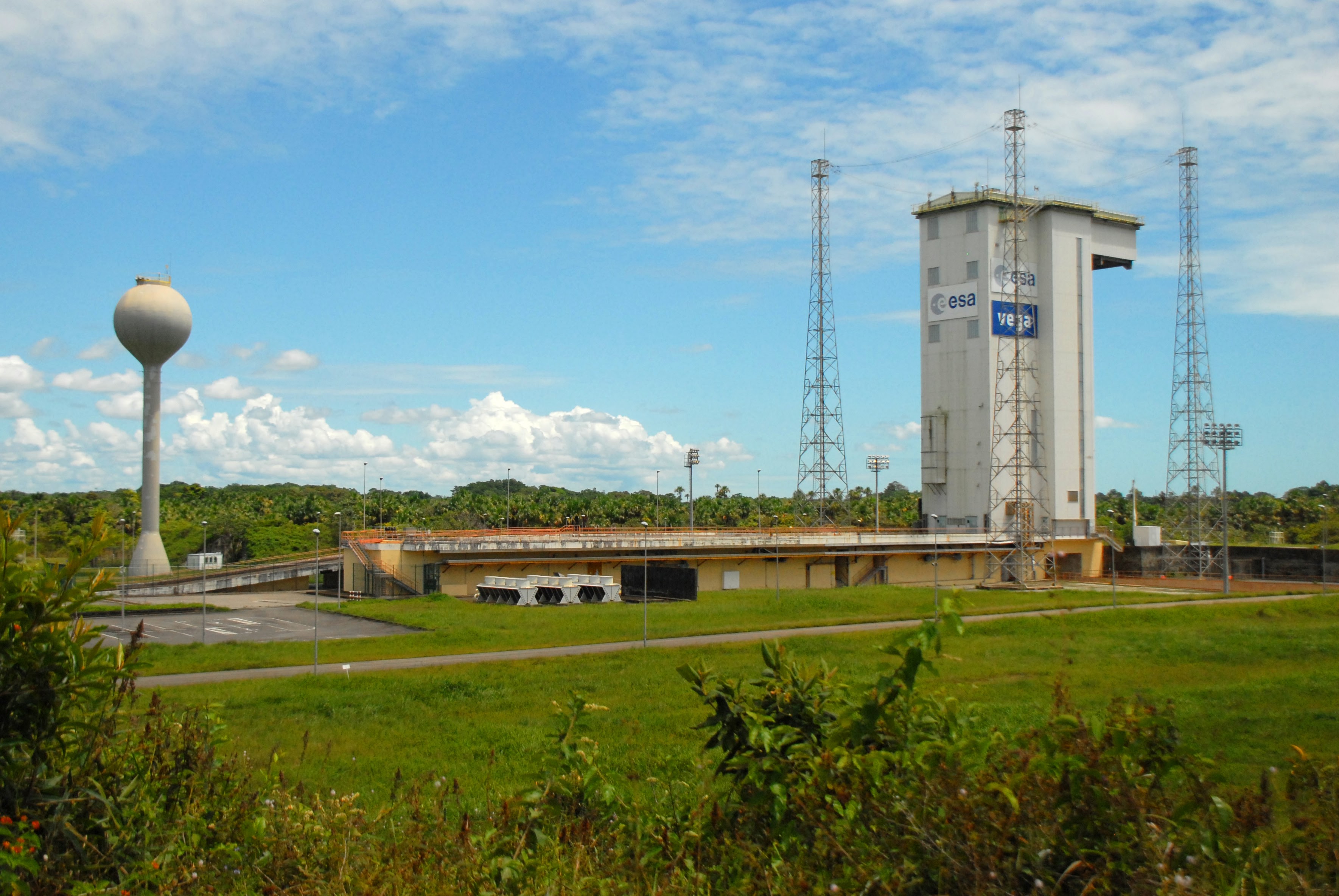
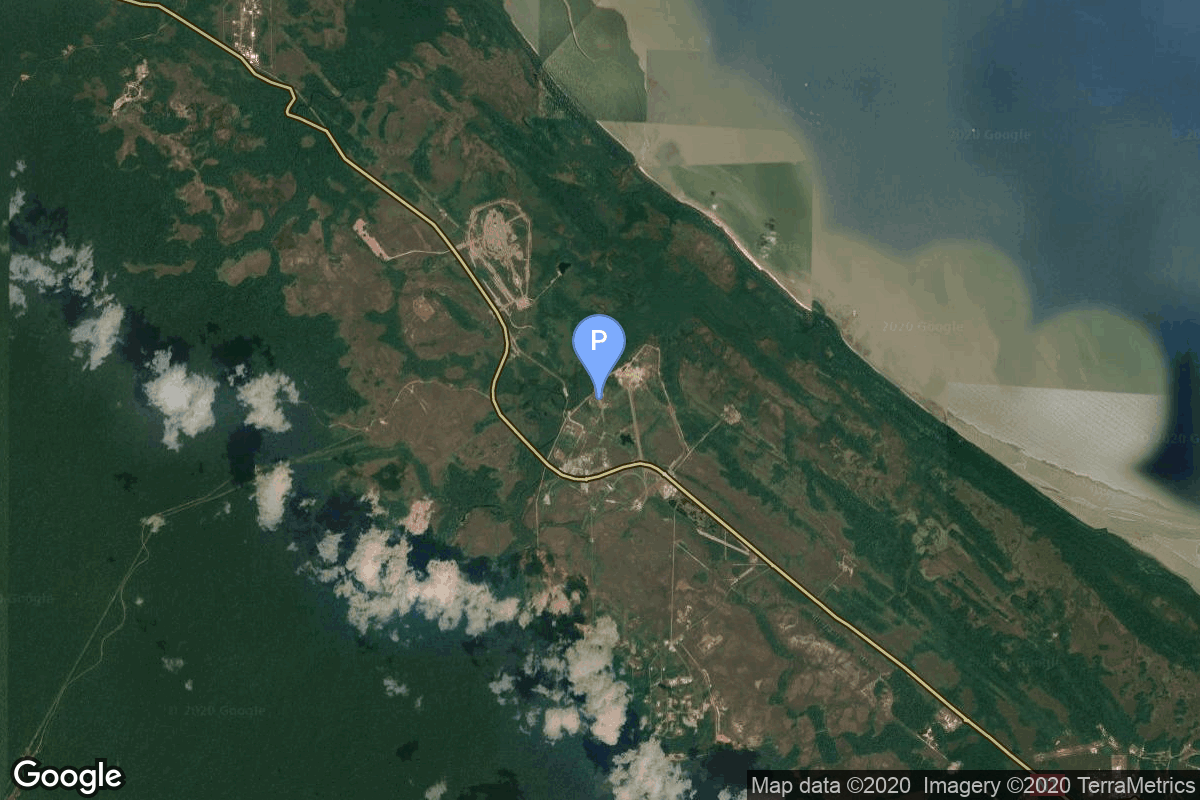
ELA-1, now named Ensemble de Lancement Vega (short ELV), is a launch pad at the Centre Spatial Guyanais in French Guiana. It has been used to support launches of the Europa rocket, Ariane 1, Ariane…
Vega-C is a single-body rocket nearly 35 m high with that weighs 210 tonnes on the launch pad. As with Vega, its main elements are three solid-propellant stages, an upper stage powered by a reignitable liquid-propellant engine and a payload fairing. Vega-C’s P120C first stage replaces Vega’s…
12th test flight of the two-stage Starship launch vehicle. Maiden Flight of Starship V3.
The flight test’s primary goal will be to demonstrate each of these new pieces in the flight environment for the first time, with each element of the Starship architecture featuring significant redesigns to enable full and rapid reuse that incorporate learnings from years of development and test.
The Starship upper stage will target multiple in-space and reentry objectives, including a payload deployment of 20 Starlink simulators, similar in size to next-generation Starlink V3 satellites, and two specially modified Starlink satellites. The two modified satellites will test hardware planned for Starlink V3 and will attempt to scan Starship’s heat shield and transmit imagery down to operators to test methods of analyzing Starship’s heat shield readiness for return to launch site on future missions. Several tiles on Starship have been painted white to simulate missing tiles and serve as imaging targets in the test. The Starlink simulators will be on the same suborbital trajectory as Starship. A relight of a single Raptor engine while in space is also planned.
For Starship entry, a single heat shield tile has been intentionally removed to measure the aerodynamic load differences on adjacent tiles when there is a tile missing. Finally, the ship will perform experimental actions tested on previous flight tests, including a maneuver to intentionally stress the structural limits of the vehicle’s rear flaps and a dynamic banking maneuver to mimic the trajectory that future missions returning to Starbase will fly.
The SpaceX Starship is a fully reusable super heavy-lift launch vehicle under development by SpaceX since 2012, as a self-funded private spaceflight project. The second stage of the Starship — is designed as a long-duration cargo and passenger-carrying spacecraft. It is expected to be initially used without any booster stage at all, as part of an extensive development program to prove out launch-and-landing and iterate on a variety of design details, particularly with respect to the vehicle’s atmospheric reentry.
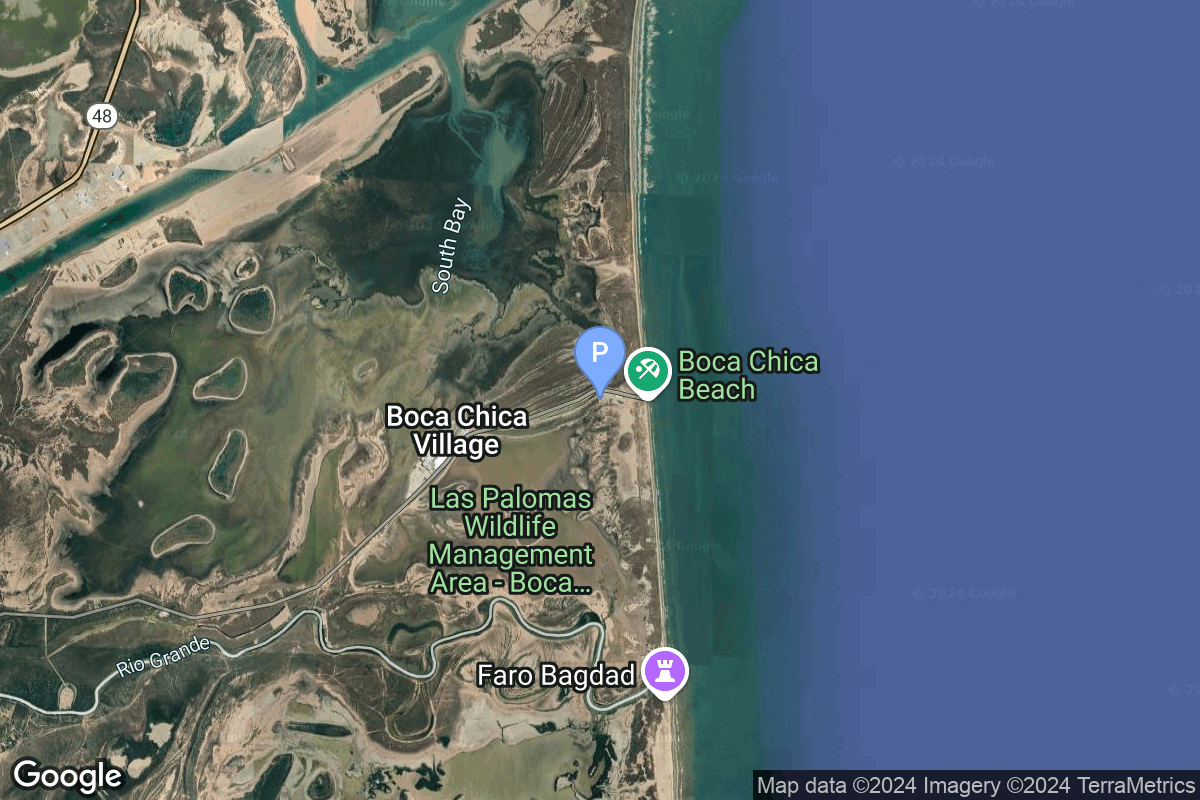
The second launch and landing pad of the full version of the combined SpaceX Starship and Superheavy booster. To be first used for launch in 2025 with version 3 of Starship and the Superheavy…
Falcon 9 is a two-stage rocket designed and manufactured by SpaceX for the reliable and safe transport of satellites and the Dragon spacecraft into orbit. The Block 5 variant is the fifth major interval aimed at improving upon the ability for rapid reusability.
The Falcon 9 first stage B1103 will land on ASDS OCISLY after its 2nd flight.
Demo Flight ×
Mission Details
TypeTest Flight
OrbitLow Earth Orbit
TargetEarth
Note: Launch vehicle name is provisional.
First orbital full version launch of the South Korean military small satellite launch vehicle, after 2 sub-orbital tests of individual stages on 30 March and 30 December 2022, and 1 orbital test flight without the 2nd stage on 4 December 2023. Details TBD.
Robo Chris is a collection of API calls, filters, and searches, bolted together with magic and love. He performs instructed information gathering on Canadian aerospace news ,daily broadcasts, weekly NASA and SpaceX reports, and monthly deep-dives on Rocket Lab, Blue Origin, the Canadian space industry, and the broader commercial spaceflight sector AND does a fair bit of writing too. Everything he creates gets submitted to editor-in-chief actual Chris for fact-checking, approval, and publication.