Canada Must Race into Lunar Surface Robotics, Says Former NASA Economist
Speaking at the Space Canada Horizons conference at Canadian Space Agency headquarters in Longueuil, Québec, on May 20, Alex MacDonald—former NASA Chief Economist and a dual Canadian-U.S. citizen—delivered an urgent message to Canada’s space sector: adapt now or fall behind. With NASA abandoning the Lunar Gateway Program after its recent “Ignition” strategic shift, Canadarm3 has been left on indefinite pause, leaving Canada at a crossroads.
MacDonald, who spent approximately 17 years at NASA before December 2024 and is currently a candidate to replace Lisa Campbell as President of the CSA, laid out a clear path forward. “NASA no longer has a clear near-term use for the Canadarm3,” he stated. “We need to rapidly pivot away from our gateway activities and focus immediately and with urgency on lunar surface robotics.”
The case is compelling. Canada’s Lunar Utility Vehicle has already secured a spot in Phase 3 of NASA’s new Moon base architecture, but MacDonald stressed that earlier integration is critical. He recommended immediate action on three fronts: purchasing or negotiating two to three rides on Commercial Lunar Payload Services (CLPS) landers for 2027–2028 testing; integrating Canadian robotics as the primary unloading mechanism for large infrastructure payloads; and accelerating the down-select process for two Lunar Utility Vehicle teams on a highly compressed timeline.
Beyond traditional robotic strength, MacDonald identified emerging sectors where Canada could establish foundational roles: space nuclear power (leveraging Canada’s uranium reserves and CANDU reactor heritage), space medical systems, and space agricultural systems drawing on Nunavut-based research like the Narvik project. The window, he emphasized, is extremely tight. “If Canada can respond this spring and summer to the challenge of urgency laid out by NASA, then we can demonstrate that not only were we excellent partners on Artemis II, but that we fully intend to keep up with our American colleagues,” he concluded.
Starship Flight 12 Launches Tomorrow: Block 3 Era Begins
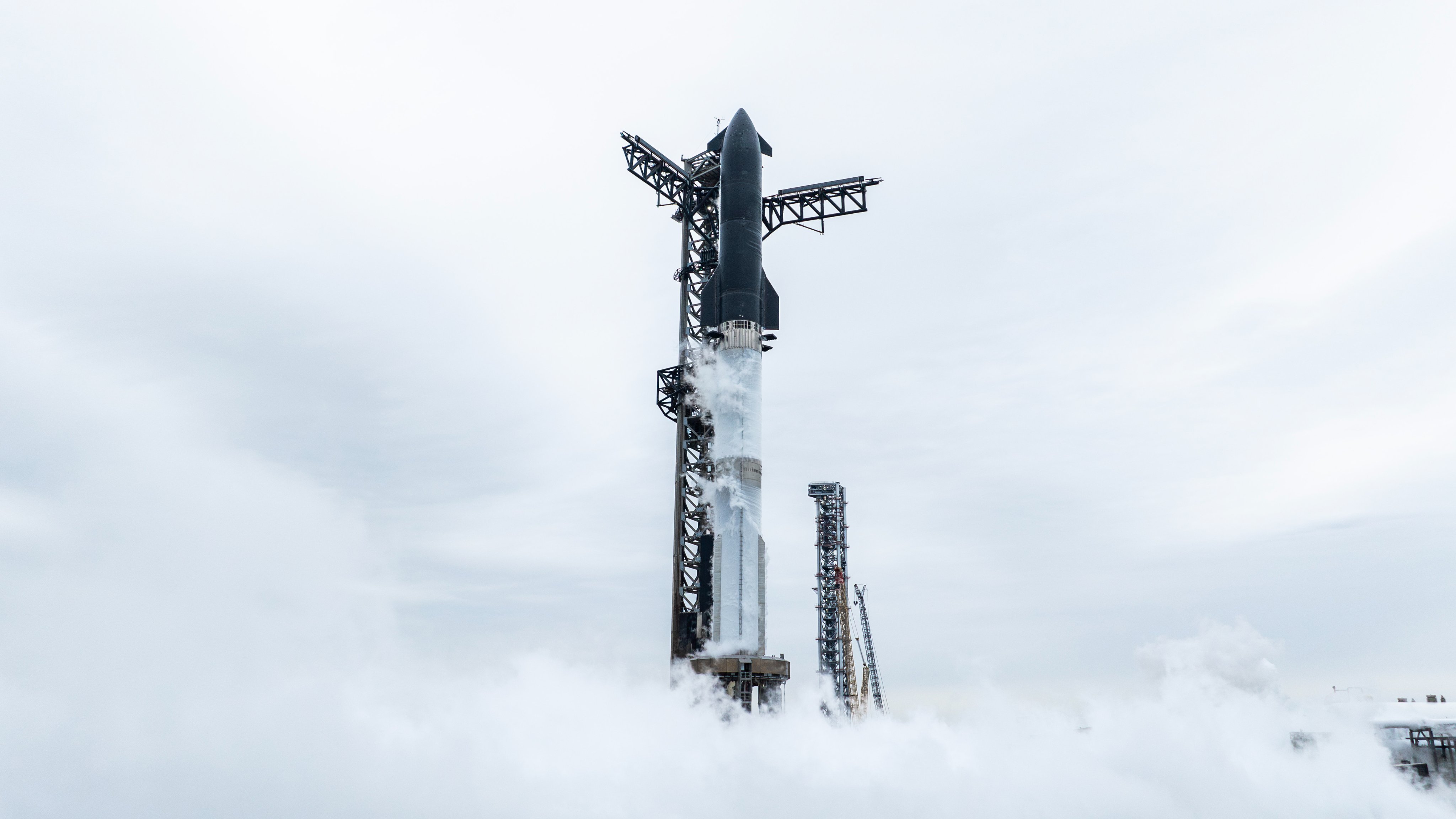
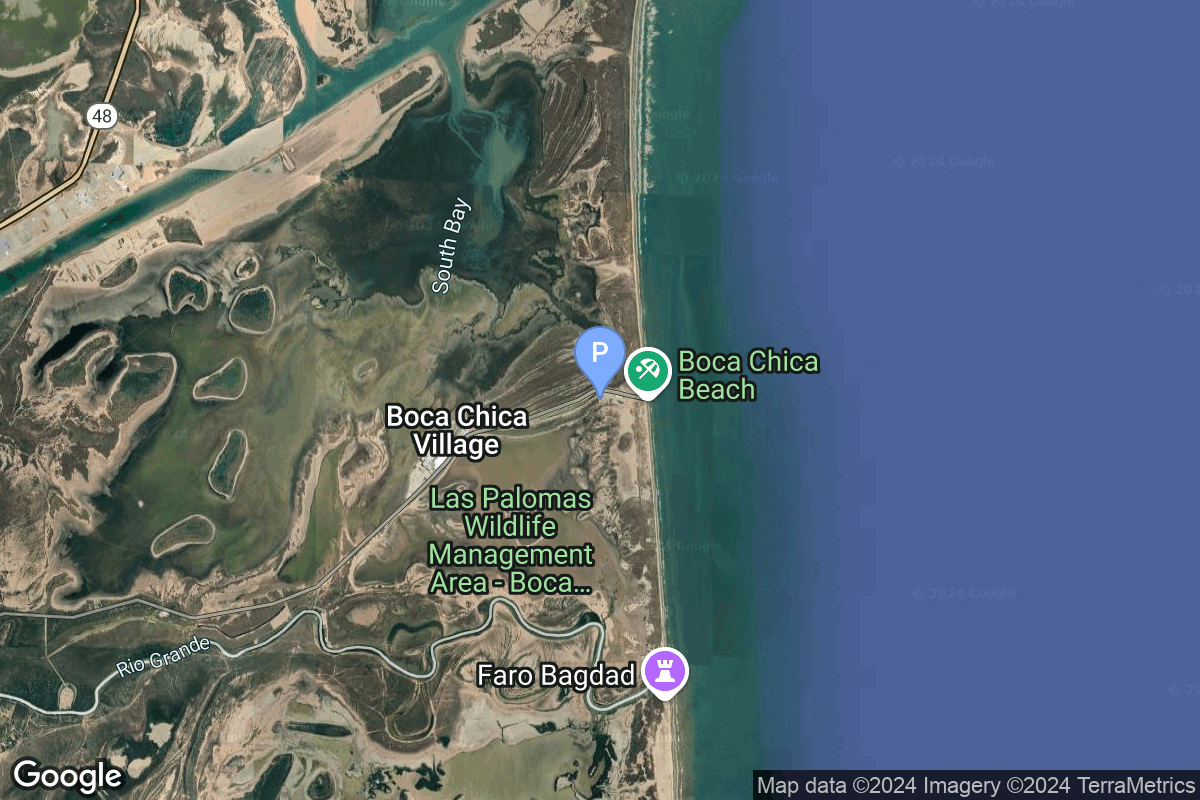
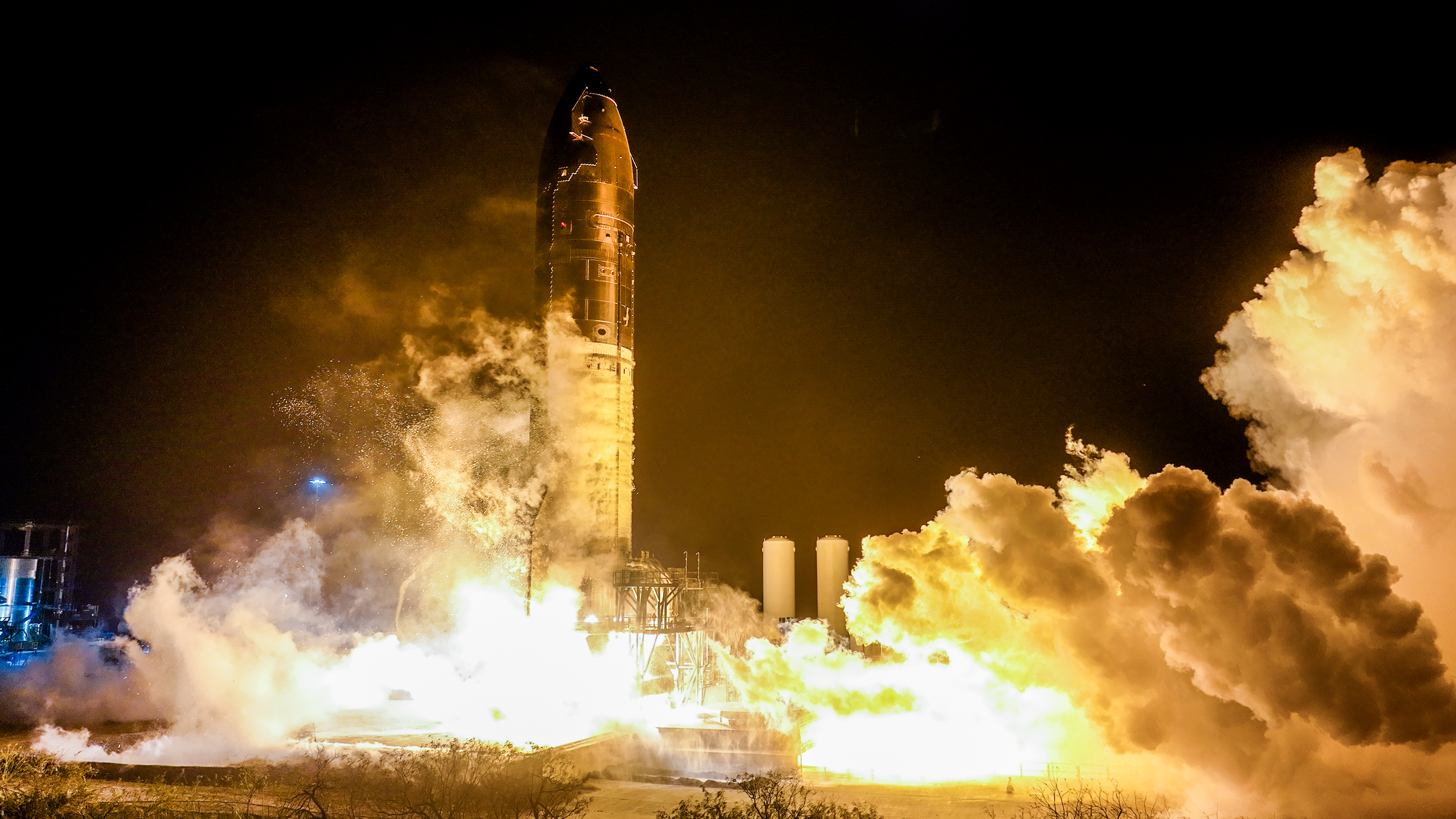
While Canada reckons with its lunar pivot, SpaceX is poised for a watershed moment. Starship Flight 12 is scheduled to launch no earlier than Thursday, May 21, at 5:30 pm CDT from Pad 2 at Starbase, Texas—tomorrow morning from an East Coast perspective. This flight marks the debut of Block 3 architecture and introduces three revolutionary systems: a completely redesigned launch pad, the new Super Heavy Block 3 booster, and the next-generation Raptor 3 engine.
The new Pad 2 represents a clean-sheet redesign compared to its predecessor. Rather than six legs with 360-degree exhaust, it directs the exhaust through a pair of openings via a flame trench and water deflector system. The upgraded tank farm now includes four pumps per propellant (compared to one previously), reducing the overall fuel loading time to just 36 minutes and 43 seconds—nearly as fast as Falcon 9.
Booster 19 embodies the lessons learned across seven years of Starship development. The Block 3 design features an integrated hotstage ring and truss, three grid fins instead of the previous configuration, and a completely redesigned aft section. Ship 39 relocates its common and aft domes to accommodate more propellant and introduces drogue docking ports and a thoroughly overhauled Reaction Control System.
But the headline innovation is Raptor 3. This engine represents a major leap forward, with sea-level variants starting at 250 tonnes of thrust (headed toward 280 tonnes) and vacuum engines at 275 tonnes. SpaceX eliminated turbopump flanges, simplified manufacturing, and adopted an entirely new acoustic igniter system that requires no moving parts or electrical spark. Raptor 3 also switched from helium or nitrogen spin-up gases to gaseous oxygen and methane, reducing overall engine weight from 1,630 kg to 1,525 kg and saving about 907 kg per engine on the vehicle itself due to deleted shielding.
Flight 12 will deploy 22 satellites—20 dummy payloads plus two modified Starlinks equipped to photograph Ship 39’s heat shield before re-entry. SpaceX will perform a Raptor relight demonstration with Raptor 3 for the first time and conduct experimental maneuvers to simulate a booster catch trajectory. The booster will splash down in the Gulf (no catch attempt yet), and Ship 39 will land in the Indian Ocean after completing dynamic banking manoeuvres during re-entry. Mission duration is expected to be approximately 1 hour and 5 minutes. Launch windows exist on May 21 and May 22; if delays occur, the next opportunity is May 26, as May 23–25 fall on Memorial Day weekend.
SpaceX Files for IPO, Reveals Ambitions Beyond Launch
In a separate bombshell, SpaceX filed a 400-page S-1 document with the U.S. Securities and Exchange Commission on May 20, paving the way for an initial public offering as early as June 12, 2026. The filing pulls back the curtain on a company that has operated in private since its 2002 founding, revealing both stellar achievements and ambitious bets on an uncertain future.
The numbers are striking. SpaceX reported revenues of $18.67 billion in 2025, up from $14.02 billion the prior year. However, the company posted a loss of $4.94 billion in 2025, largely due to spending on artificial intelligence development—a swing from a small profit in 2024. Elon Musk will retain 85.1 per cent of combined voting power post-IPO and serve as CEO and chairman. His 2025 salary was $54,080 (pegged to California’s exempt minimum); by contrast, Gwynne Shotwell, president and COO, earned $1.08 million in salary plus $85.8 million in total compensation including stock awards.
The filing claims SpaceX is pursuing a “total addressable market” of $28.5 trillion—the largest in human history, according to company statements. Of that, only about $2 trillion is directly space or Starlink related; the remaining $26.5 trillion is projected to come from AI, primarily enterprise applications. SpaceX asserts it is “the only company with a commercially viable path to building orbital AI compute at scale,” and plans to launch 100 gigawatts of compute to space annually, with orbital AI deployment expected as early as 2028.
On the core space business, SpaceX reiterated its target to reduce the price per kilogram to orbit via Starship to at least $185 and plans to begin launching Version 3 Starlink satellites in the second half of 2026—contingent on continued successful test flights. The filing acknowledges significant work remains: “Solving these challenges will require developing solutions that are novel or untested and will require substantial capital investment.”
Provider: SpaceX Date: May 21, 2026 Time: 10:30 PM UTC Vehicle: Starship
12th test flight of the two-stage Starship launch vehicle. Maiden Flight of Starship V3.
The flight test’s primary goal will be to demonstrate each of these new pieces in the flight environment for the first time, with each element of the Starship architecture featuring significant redesigns to enable full and rapid reuse that incorporate learnings from years of development and test.
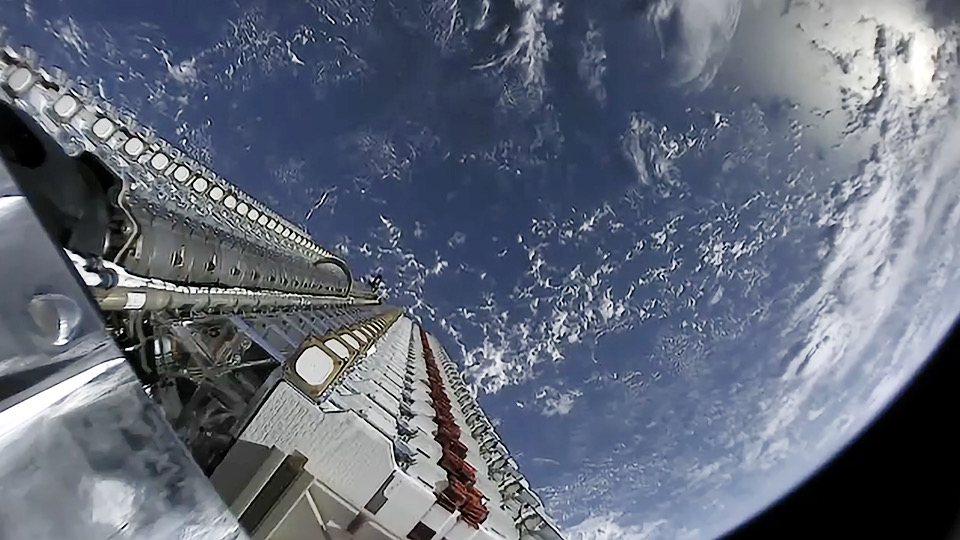
The Starship upper stage will target multiple in-space and reentry objectives, including a payload deployment of 20 Starlink simulators, similar in size to next-generation Starlink V3 satellites, and two specially modified Starlink satellites. The two modified satellites will test hardware planned for Starlink V3 and will attempt to scan Starship’s heat shield and transmit imagery down to operators to test methods of analyzing Starship’s heat shield readiness for return to launch site on future missions. Several tiles on Starship have been painted white to simulate missing tiles and serve as imaging targets in the test. The Starlink simulators will be on the same suborbital trajectory as Starship. A relight of a single Raptor engine while in space is also planned.
For Starship entry, a single heat shield tile has been intentionally removed to measure the aerodynamic load differences on adjacent tiles when there is a tile missing. Finally, the ship will perform experimental actions tested on previous flight tests, including a maneuver to intentionally stress the structural limits of the vehicle’s rear flaps and a dynamic banking maneuver to mimic the trajectory that future missions returning to Starbase will fly.
Viva La StriX (StriX Launch 9)
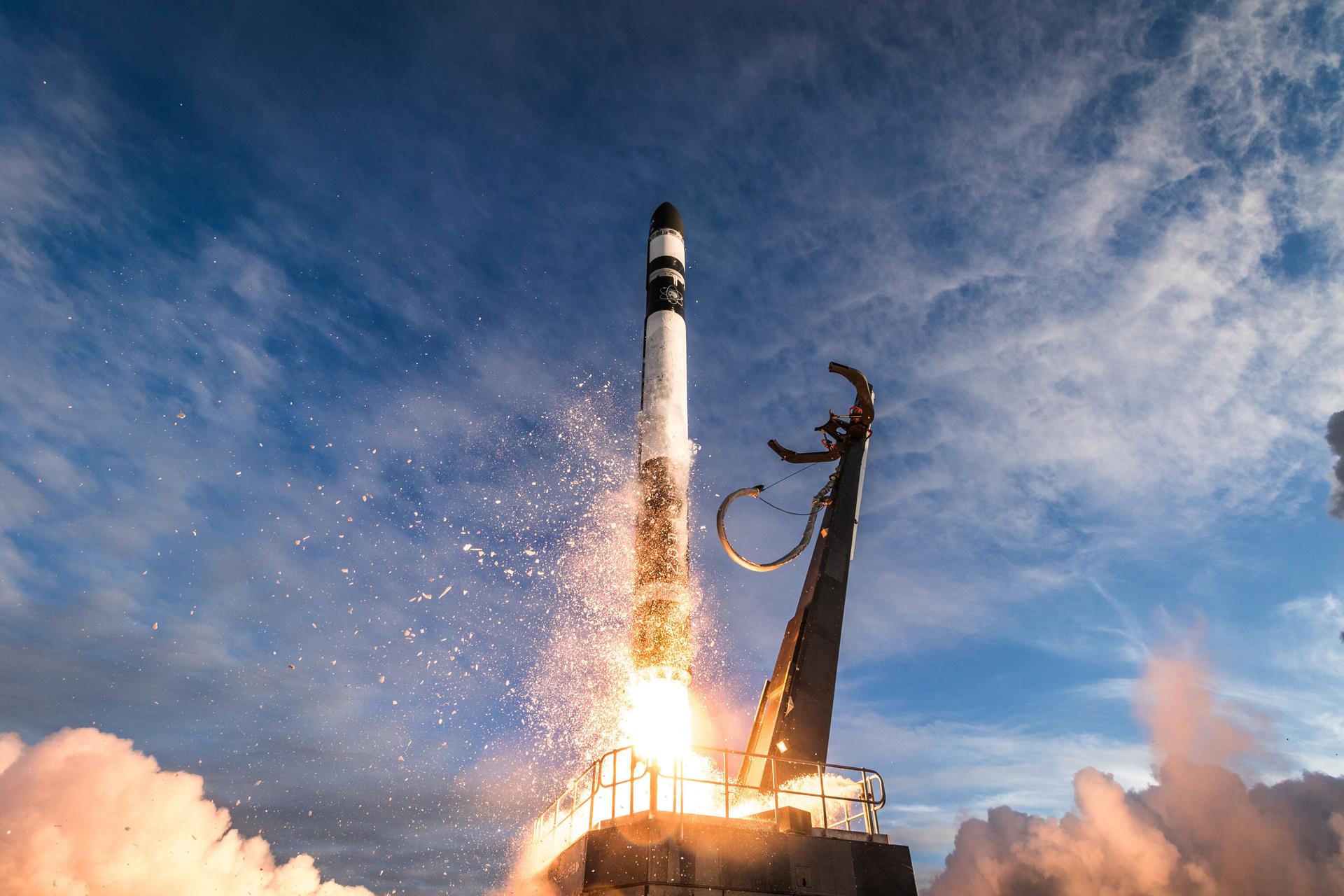
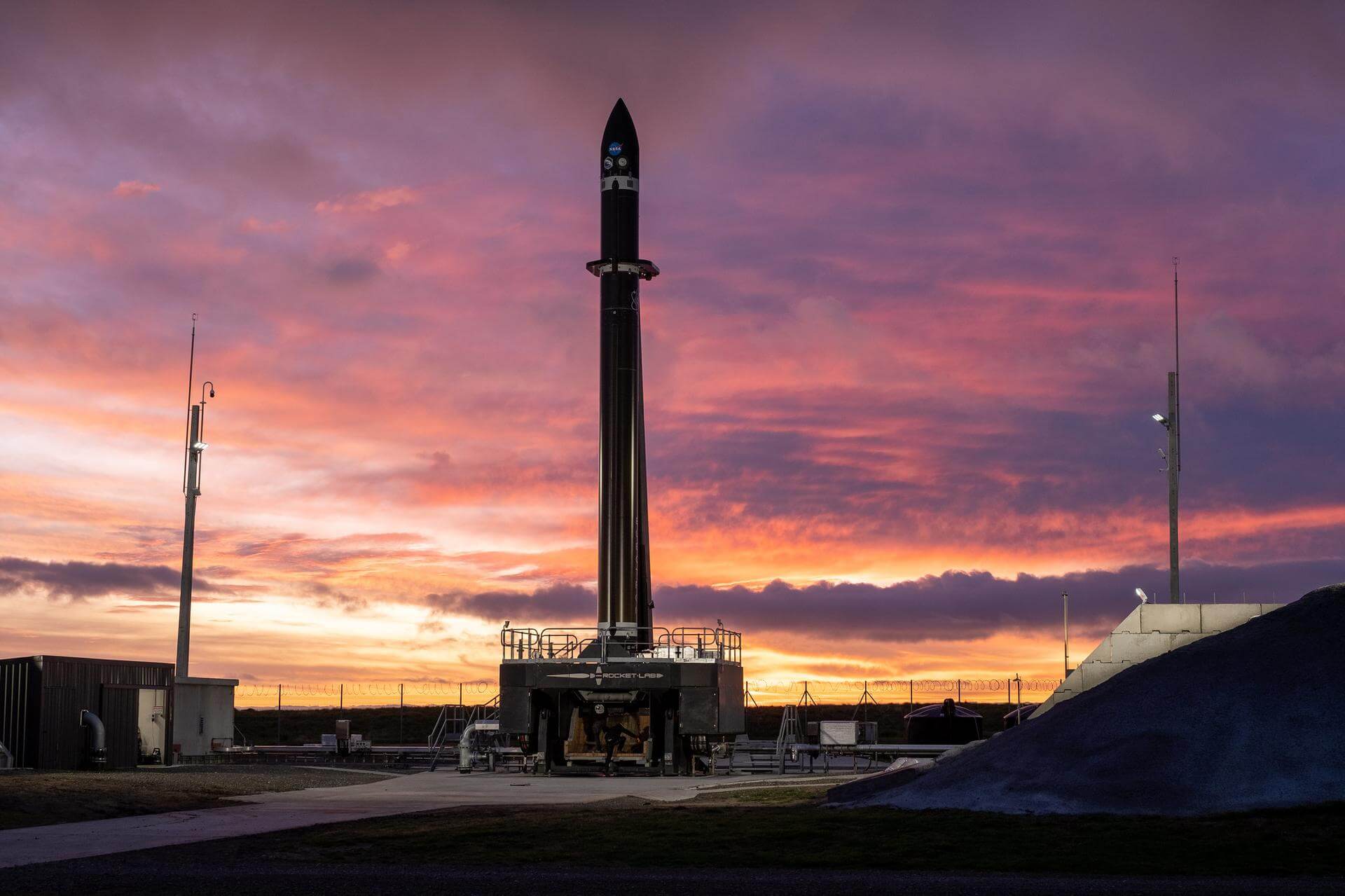
Provider: Rocket Lab Date: May 22, 2026 Time: 9:30 AM UTC Vehicle: Electron
Synthetic aperture radar satellite for Japanese Earth imaging company Synspective.
Starlink Group 17-37
Provider: SpaceX Date: May 24, 2026 Time: 2:00 PM UTC Vehicle: Falcon 9
A batch of 24 satellites for the Starlink mega-constellation – SpaceX’s project for space-based Internet communication system.
Shenzhou 23
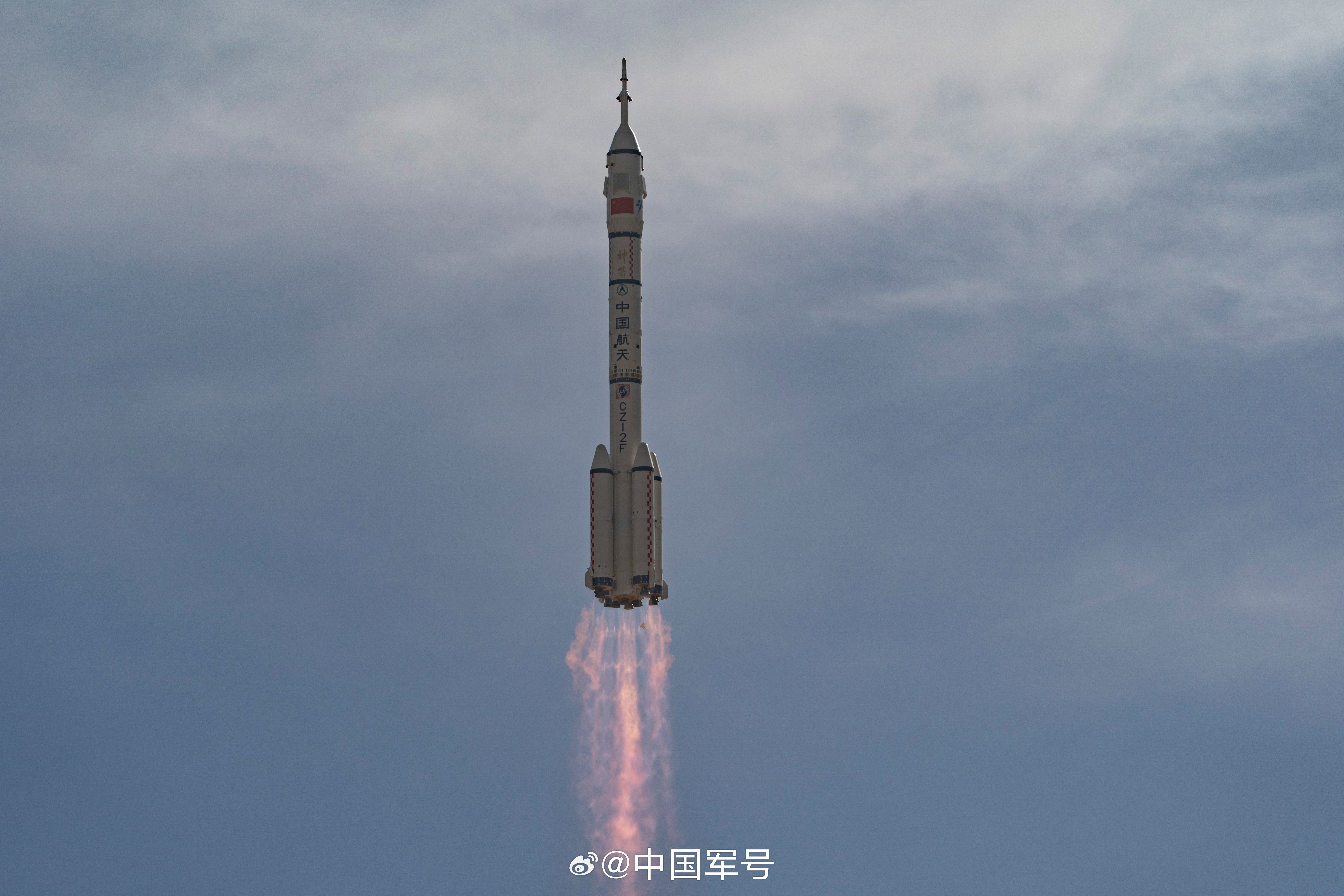
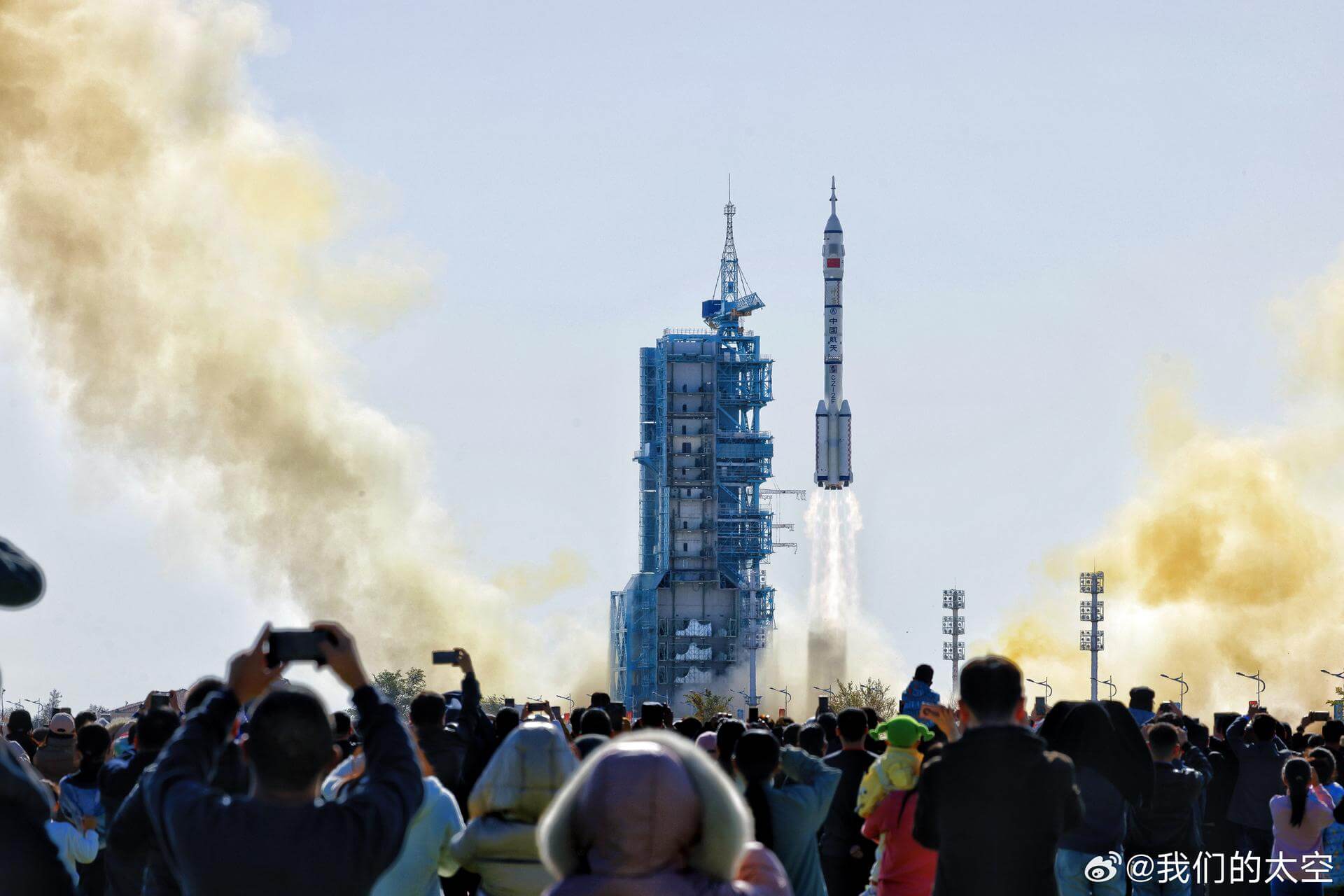
Provider: China Aerospace Science and Technology Corporation Date: May 24, 2026 Time: 3:08 PM UTC Vehicle: Long March 2F/G
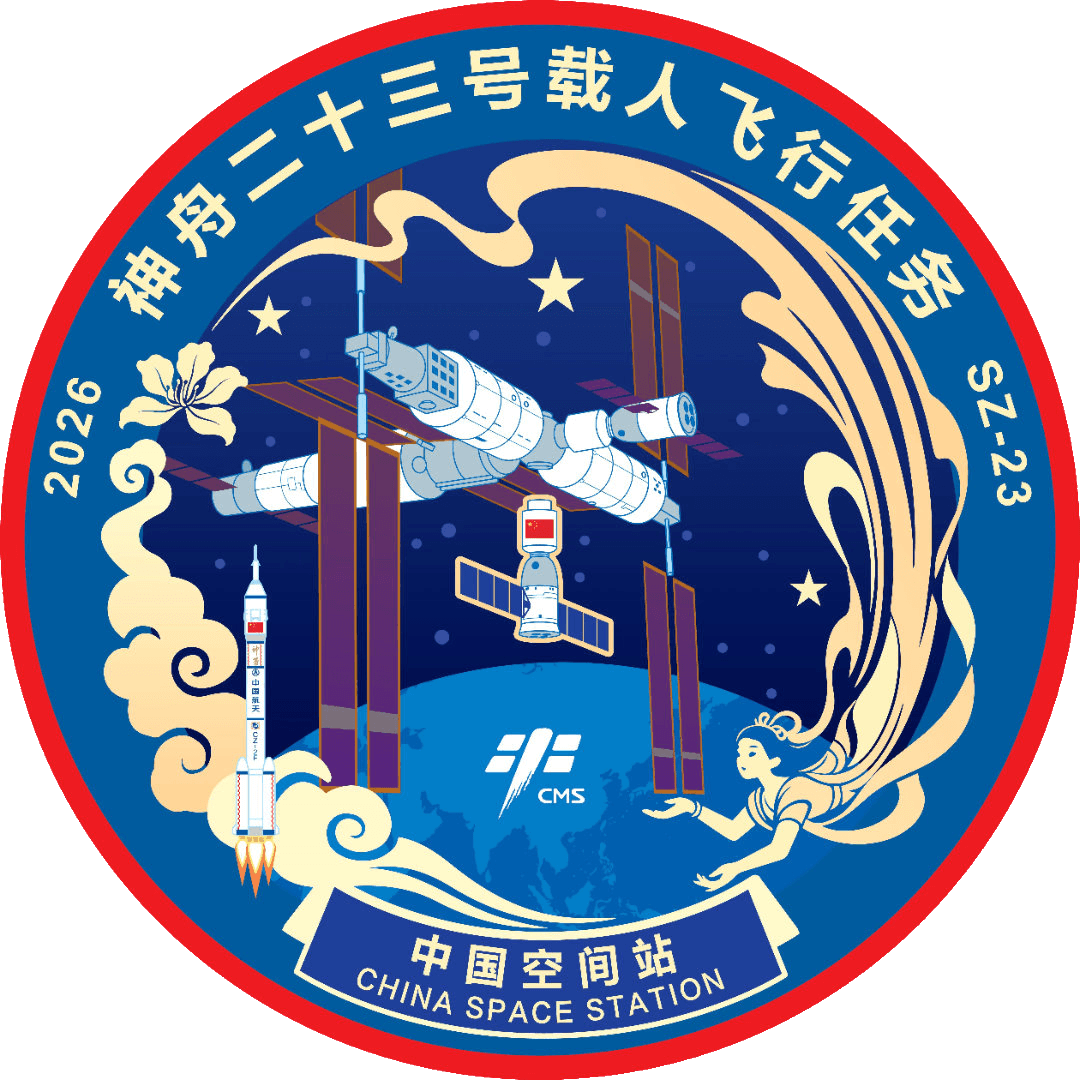
Shenzhou 23 will be the 23rd flight of the Shenzhou program.
Starlink Group 10-47
Provider: SpaceX Date: May 25, 2026 Time: 11:41 AM UTC Vehicle: Falcon 9
A batch of 29 satellites for the Starlink mega-constellation – SpaceX’s project for space-based Internet communication system.
Flight 12 ×
Mission Details
TypeTest Flight
OrbitSuborbital
TargetEarth
12th test flight of the two-stage Starship launch vehicle. Maiden Flight of Starship V3.
The flight test’s primary goal will be to demonstrate each of these new pieces in the flight environment for the first time, with each element of the Starship architecture featuring significant redesigns to enable full and rapid reuse that incorporate learnings from years of development and test.
The Starship upper stage will target multiple in-space and reentry objectives, including a payload deployment of 20 Starlink simulators, similar in size to next-generation Starlink V3 satellites, and two specially modified Starlink satellites. The two modified satellites will test hardware planned for Starlink V3 and will attempt to scan Starship’s heat shield and transmit imagery down to operators to test methods of analyzing Starship’s heat shield readiness for return to launch site on future missions. Several tiles on Starship have been painted white to simulate missing tiles and serve as imaging targets in the test. The Starlink simulators will be on the same suborbital trajectory as Starship. A relight of a single Raptor engine while in space is also planned.
For Starship entry, a single heat shield tile has been intentionally removed to measure the aerodynamic load differences on adjacent tiles when there is a tile missing. Finally, the ship will perform experimental actions tested on previous flight tests, including a maneuver to intentionally stress the structural limits of the vehicle’s rear flaps and a dynamic banking maneuver to mimic the trajectory that future missions returning to Starbase will fly.
The SpaceX Starship is a fully reusable super heavy-lift launch vehicle under development by SpaceX since 2012, as a self-funded private spaceflight project. The second stage of the Starship — is designed as a long-duration cargo and passenger-carrying spacecraft. It is expected to be initially used without any booster stage at all, as part of an extensive development program to prove out launch-and-landing and iterate on a variety of design details, particularly with respect to the vehicle’s atmospheric reentry.
The second launch and landing pad of the full version of the combined SpaceX Starship and Superheavy booster. To be first used for launch in 2025 with version 3 of Starship and the Superheavy…
Electron is a two-stage orbital expendable launch vehicle (with an optional third stage) developed by the American aerospace company Rocket Lab. Electron is a small-lift launch vehicle designed to launch small satellites and cubesats to sun-synchronous orbit and low earth orbit. The Electron is the…
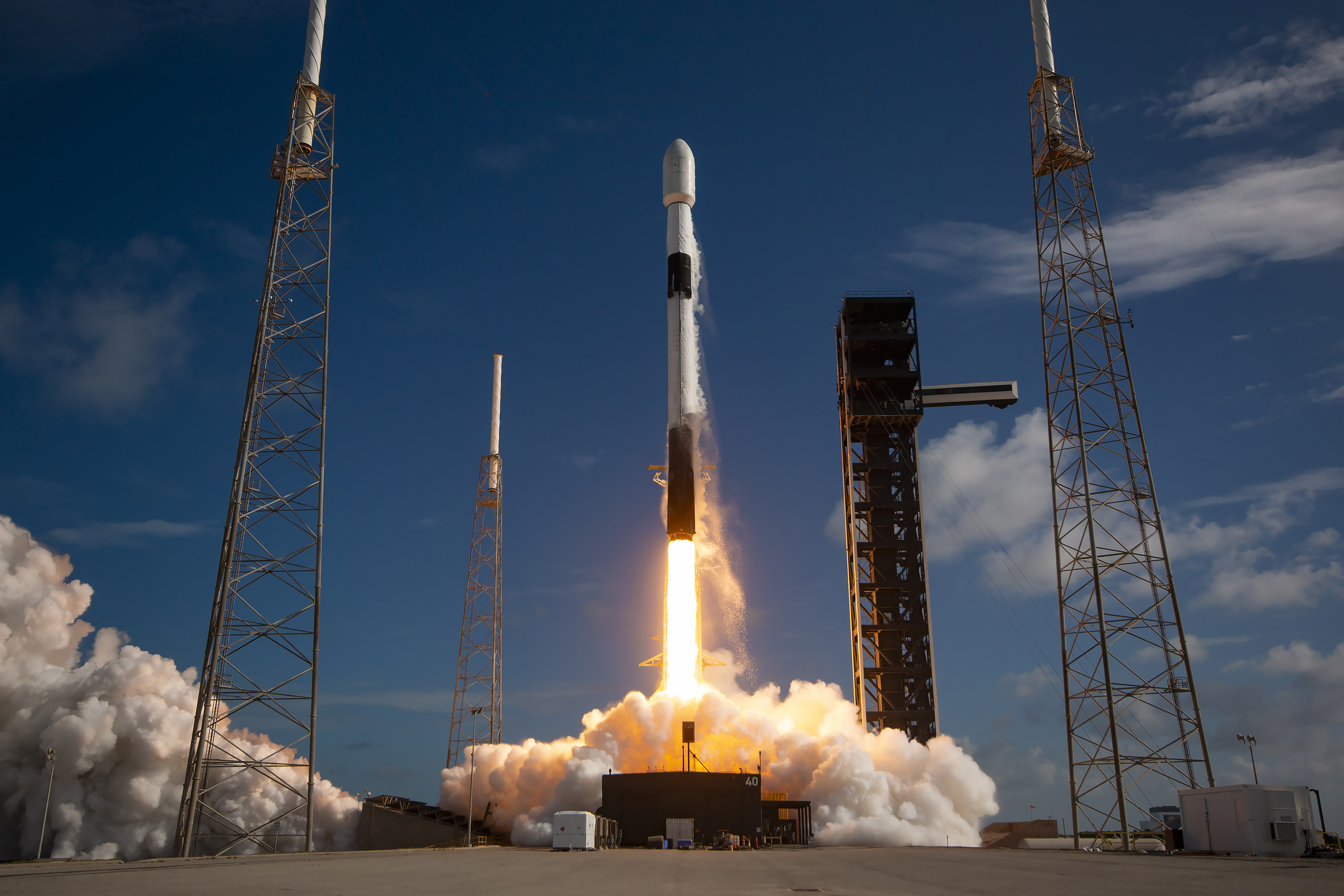
Falcon 9 is a two-stage rocket designed and manufactured by SpaceX for the reliable and safe transport of satellites and the Dragon spacecraft into orbit. The Block 5 variant is the fifth major interval aimed at improving upon the ability for rapid reusability.
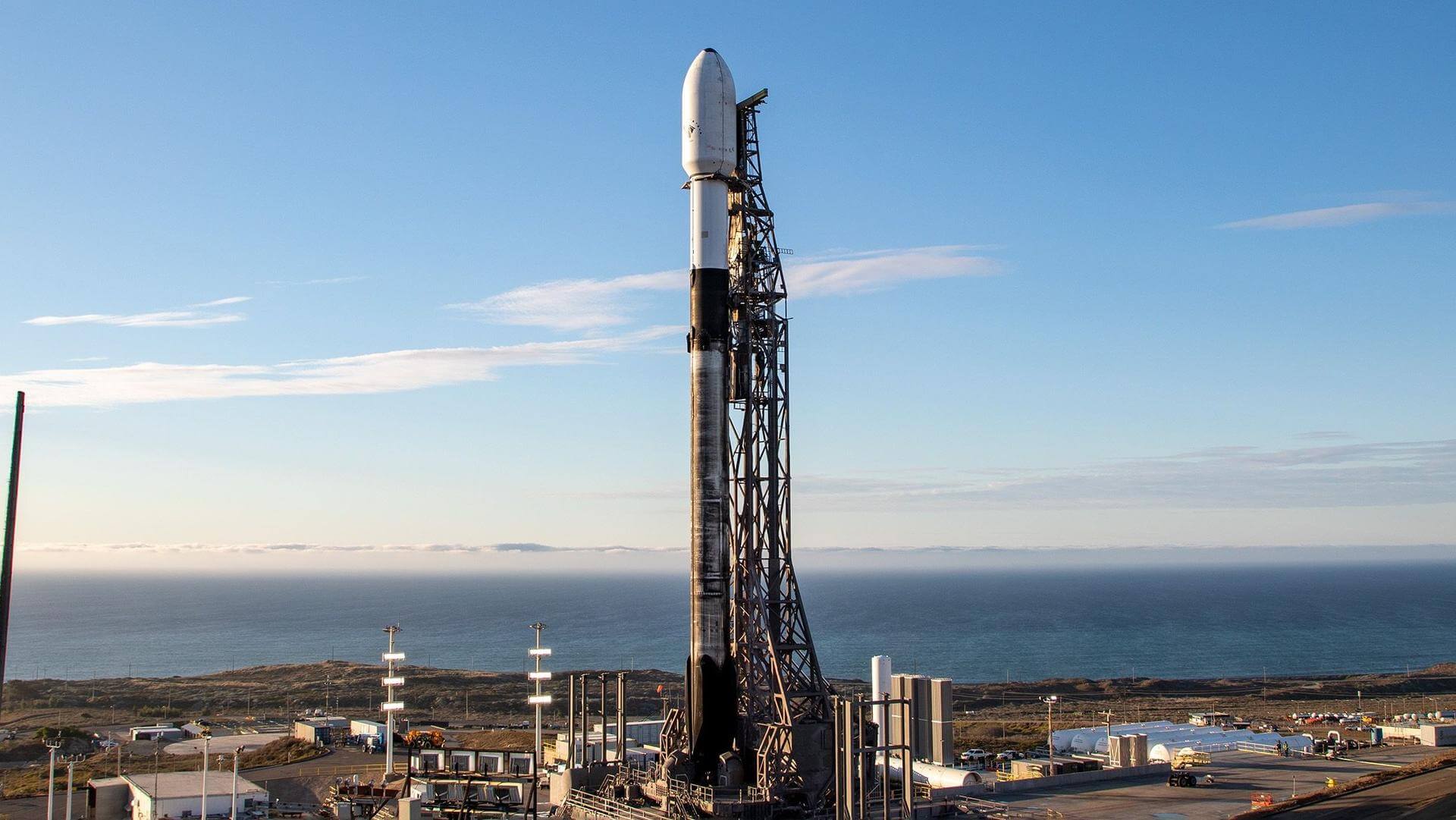
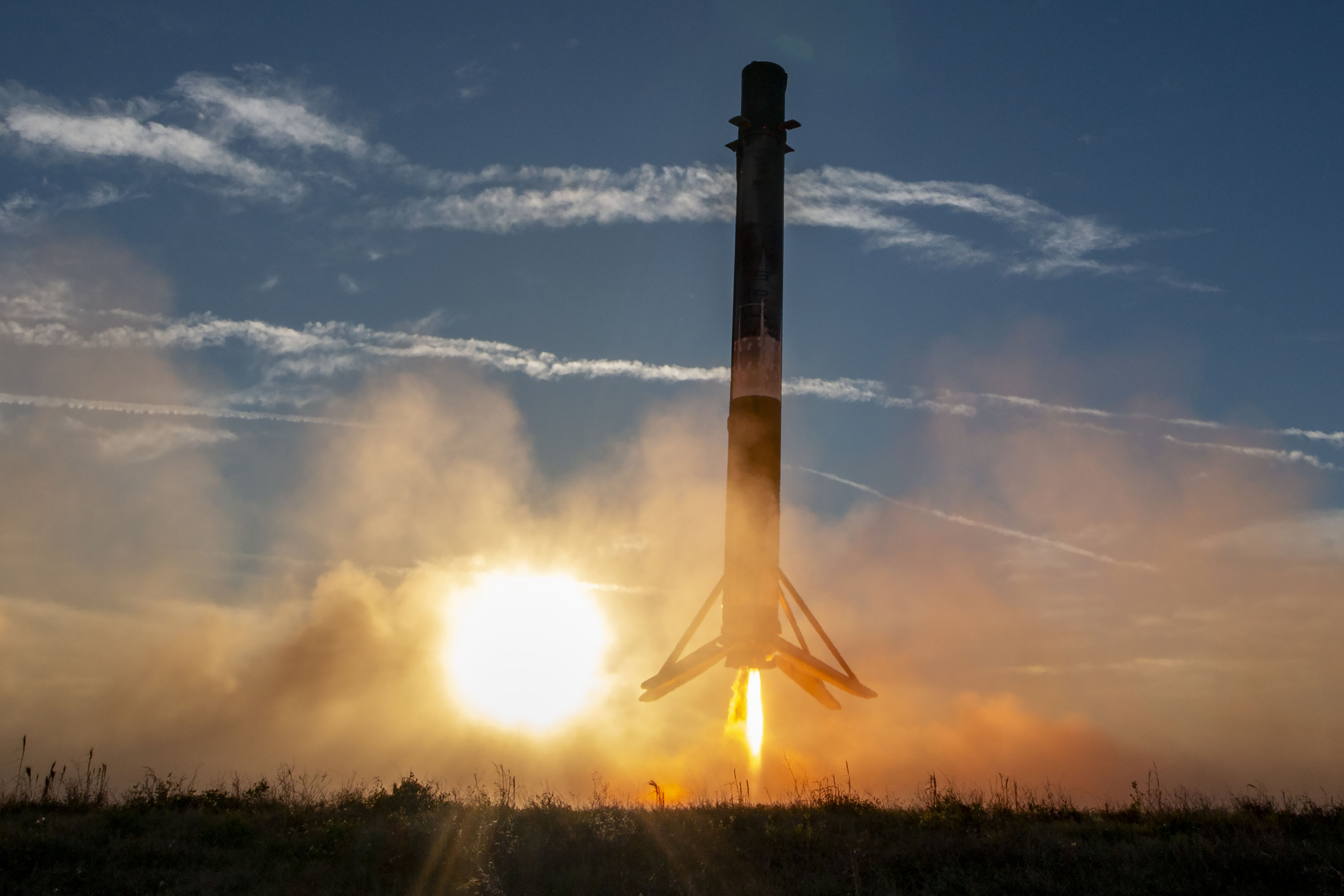
The Falcon 9 first stage B1100 will land on ASDS OCISLY after its 6th flight.
Shenzhou 23 ×
Mission Details
TypeHuman Exploration
OrbitLow Earth Orbit
TargetEarth
Shenzhou 23 will be the 23rd flight of the Shenzhou program.
Agencies Involved
• China National Space Administration (Government)
Program: Shenzhou
The Shenzhou program is a crewed spaceflight initiative by China. The program put the first Chinese citizen, Yang Liwei, into orbit on 15 October 2003.
The Long March 2F is a Chinese orbital carrier rocket, part of the Long March 2 rocket family. Designed to launch the crewed Shenzhou spacecraft, the Long March 2F is a human-rated two-stage version of the Long March 2E rocket, which in turn was based on the Long March 2C launch vehicle. It is…
Falcon 9 is a two-stage rocket designed and manufactured by SpaceX for the reliable and safe transport of satellites and the Dragon spacecraft into orbit. The Block 5 variant is the fifth major interval aimed at improving upon the ability for rapid reusability.
Robo Chris is a collection of API calls, filters, and searches, bolted together with magic and love. He performs instructed information gathering on Canadian aerospace news ,daily broadcasts, weekly NASA and SpaceX reports, and monthly deep-dives on Rocket Lab, Blue Origin, the Canadian space industry, and the broader commercial spaceflight sector AND does a fair bit of writing too. Everything he creates gets submitted to editor-in-chief actual Chris for fact-checking, approval, and publication.