The NASA Overview: NASA’s May Overview: Artemis Accords, Moon Base Blueprints, and a New Deputy Leading the Way
Artemis Accords Reshape Global Lunar Partnership as CubeSat Rideshare Opens
NASA and the Artemis program took a significant step toward its broader vision of coordinated international lunar exploration this past week. The fourth annual Artemis Accords workshop convened in Lima, Peru, on May 13–14, drawing representatives from 30 countries. The gathering showcased accelerating global buy-in for NASA’s framework governing safe, transparent, and responsible exploration of the Moon, Mars, and beyond. Six countries — Latvia, Jordan, Morocco, Malta, Ireland, and Paraguay — formally joined the Accords during ceremonies at NASA Headquarters and abroad, bringing the total number of signatories to 67.
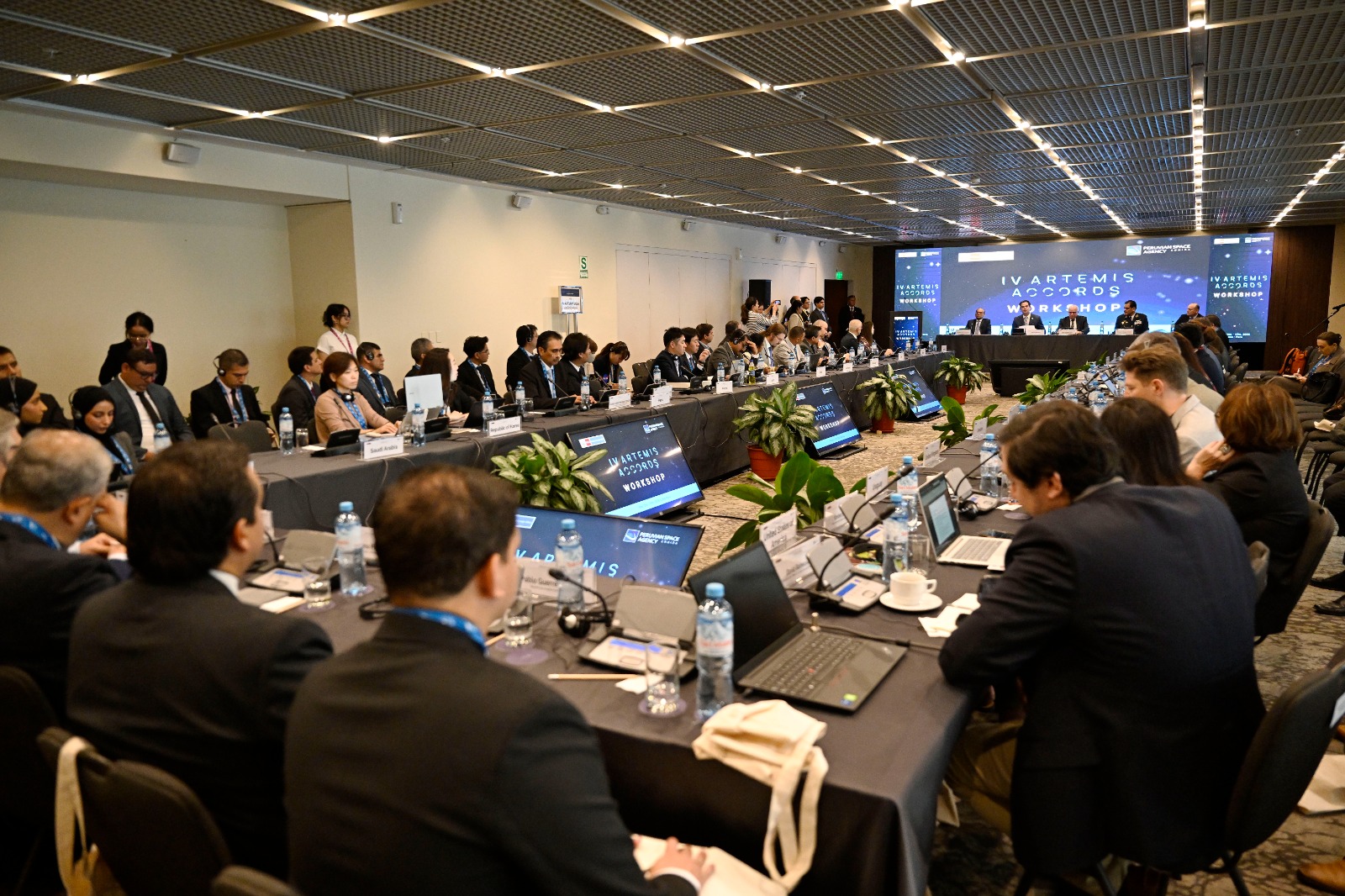
NASA Administrator Jared Isaacman framed the moment as a turning point. “By aligning our capabilities, acting with urgency, and moving forward as partners, these signatory countries will help shape the future, not from the sidelines, but as essential contributors to humanity’s first permanent outpost on the Moon,” he said. The Lima workshop focused on operational coordination for a busy lunar landscape: more than a dozen landing and orbiting missions are expected over the next 18 months. Participants conducted tabletop exercises on complex challenges including non-interference protocols, scientific data sharing, orbital debris mitigation, and interoperability — all critical as multiple national and commercial entities converge on the lunar surface.
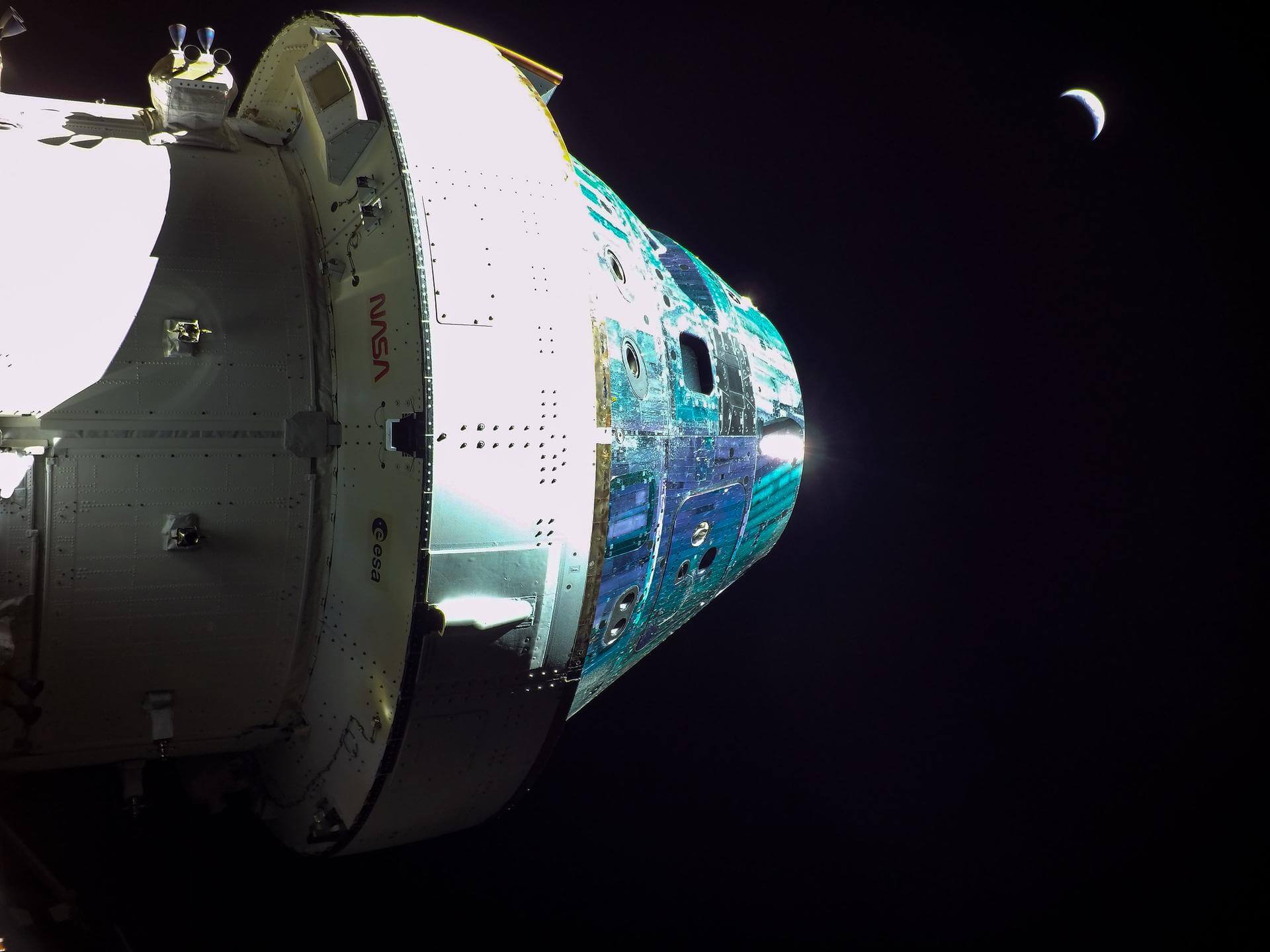
Parallel to this diplomatic momentum, NASA is opening a direct pipeline for science and technology to reach the Moon aboard future Artemis missions. On May 21, the agency announced a request for information (RFI) seeking CubeSat payloads for Artemis III, IV, and V. NASA expects to accommodate 6U and 12U-sized CubeSats deploying in Earth orbit or on heliocentric disposal trajectories after Orion separates from the Space Launch System rocket. Interested organisations have until June 1 to submit proposals. The agency flew 10 CubeSats on the uncrewed Artemis I mission in 2022 and four on the crewed Artemis II mission — which lifted off on April 1, carrying Canadian Space Agency astronaut Jeremy Hansen on a historic journey around the Moon alongside NASA astronauts Reid Wiseman, Victor Glover, and Christina Koch.
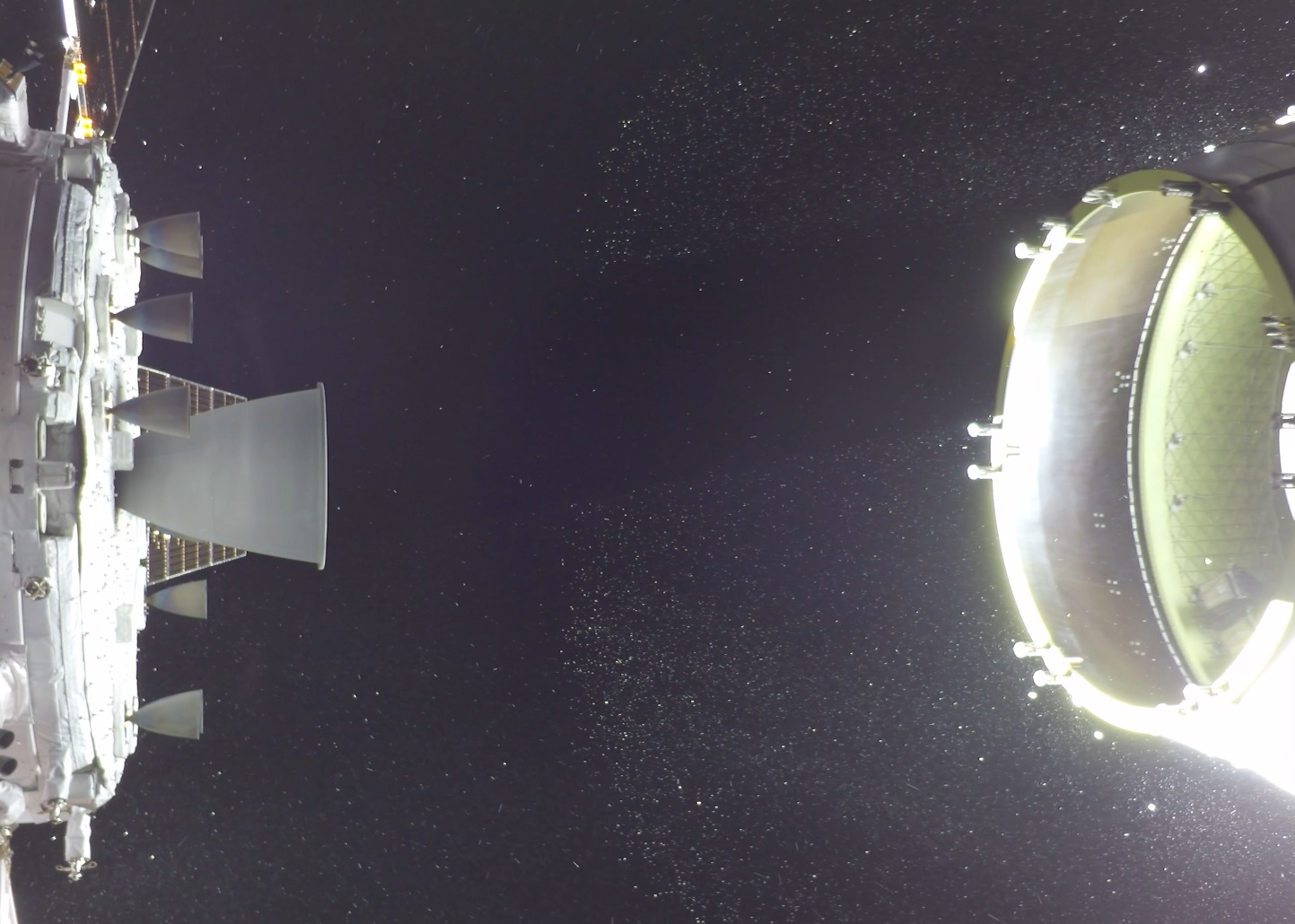
Courtney Ryals, acting manager of SLS payload integration at NASA’s Marshall Space Flight Center, noted that the SLS rocket and Artemis missions represent rare, high-value rides for teams seeking to conduct critical science and technology investigations. This partnership model — international frameworks, commercial rideshare, open science protocols — reflects how NASA is reshaping lunar exploration from a national competition into a coordinated global endeavour.
Building Moon Base: Robotics and the Path Forward
If the Artemis Accords frame the diplomacy, NASA’s Moon Base initiative represents the engineering backbone. On May 20, NASA Administrator Isaacman signalled the imminent unveiling of details on “surface capabilities and mobility” ahead of a formal news conference scheduled for Tuesday, May 26, at 2 p.m. EDT. The agency plans to share updates on lunar exploration strategy and progress toward a sustained human presence on the Moon — the Moon Base itself.
NASA seized the moment to engage the next generation of engineers at the 2026 FIRST Robotics World Championship in Houston (April 29–May 2). Over 51,000 students, parents, and mentors visited NASA’s interactive exhibits, where a centrepiece Moon Base model illustrated the vision of a permanent lunar outpost serving as a hub for exploration, scientific research, and technology demonstration. More than 1,000 student teams competed, and NASA sponsored over 160 of those teams, with 50 receiving direct NASA mentorship. Johnson Space Center mentored six teams, two of which advanced to the FIRST Championship finals.
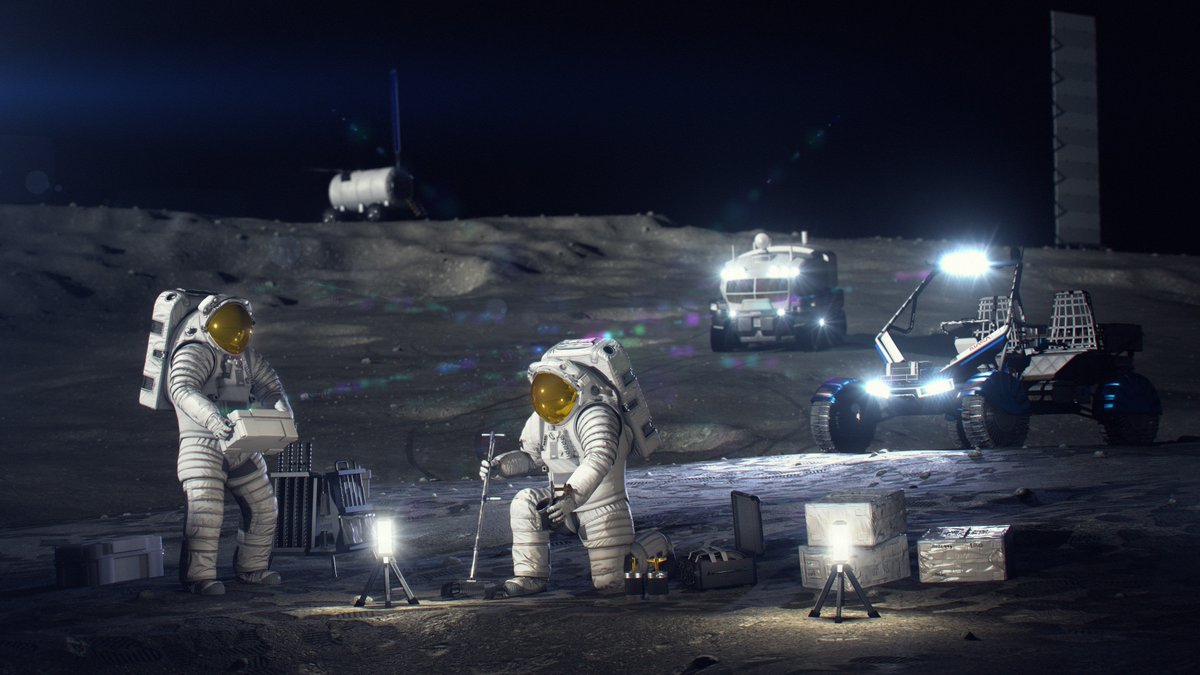
The Moon Base roadmap centres on Phase 1: a rapid sequence of robotic and uncrewed missions to scout, experiment, and prepare for crewed operations. NASA is targeting up to 30 robotic lunar landings through the Commercial Lunar Payload Services (CLPS) programme in 2027 — an aggressive cadence designed to accelerate the delivery of rovers, hoppers, drones, and other payloads. The FIRST Robotics exhibit showcased complementary technologies poised to enable this vision: Automated Reconfigurable Mission Adaptive Digital Assembly Systems (ARMADAS), a modular construction system of small robots that can autonomously assemble large-scale infrastructure in space; Cooperative Autonomous Distributed Robotic Exploration (CADRE), a trio of small rovers designed to work together autonomously; and, building on the success of Ingenuity at Mars, the SkyFall Mars Helicopters, which could serve as aerial scouts for scientists and future human explorers.

Over 600 repairs were completed by NASA machinists in the Mobile Machine Shop during the championship, underscoring the agency’s commitment to hands-on partnership with the robotics and engineering communities. By connecting students directly to NASA’s boldest ambitions — and equipping them with mentorship and technical support — the agency is laying groundwork not just for Moon Base, but for the culture of innovation that will sustain deep space exploration for decades to come.
Psyche Swings Past Mars; MAVEN Observes Rare Atmospheric Effect
Mars had a visitor this month that wasn’t carrying astronauts or even staying long. On May 15, NASA’s Psyche spacecraft executed a gravity-assist flyby of the Red Planet, using Mars’s gravitational pull to gain a 1,000-mph speed boost en route to its final destination: the metal-rich asteroid Psyche. The manoeuvre provided a rare opportunity for the mission team to test the spacecraft’s science instruments — imagers, magnetometers, and a gamma-ray and neutron spectrometer — capturing stunning imagery of Mars in crescent form as the probe sped past.

While Psyche moved on, another NASA asset at Mars made a notable discovery. The MAVEN orbiter observed an atmospheric phenomenon never before seen at the Red Planet: the Zwan-Wolf effect. This space-weather-related phenomenon expands our understanding of how the Martian atmosphere responds to solar and interplanetary conditions — essential knowledge as NASA plans sustained human presence on Mars in the coming decades. The finding reinforces how even routine orbital operations can yield unexpected insights into planetary behaviour.
Ending an Era for Atmospheric Waves: AWE Mission Powers Down After 30 Months
On May 21, NASA’s Atmospheric Waves Experiment (AWE) instrument completed its primary mission. Ground controllers powered down the device, which had been mounted on the exterior of the International Space Station since November 2023, after surpassing its planned two-year operational window. In that 30-month residency, AWE captured over 80 million nighttime infrared images, fundamentally reshaping how scientists understand the connection between Earth’s weather and space weather.
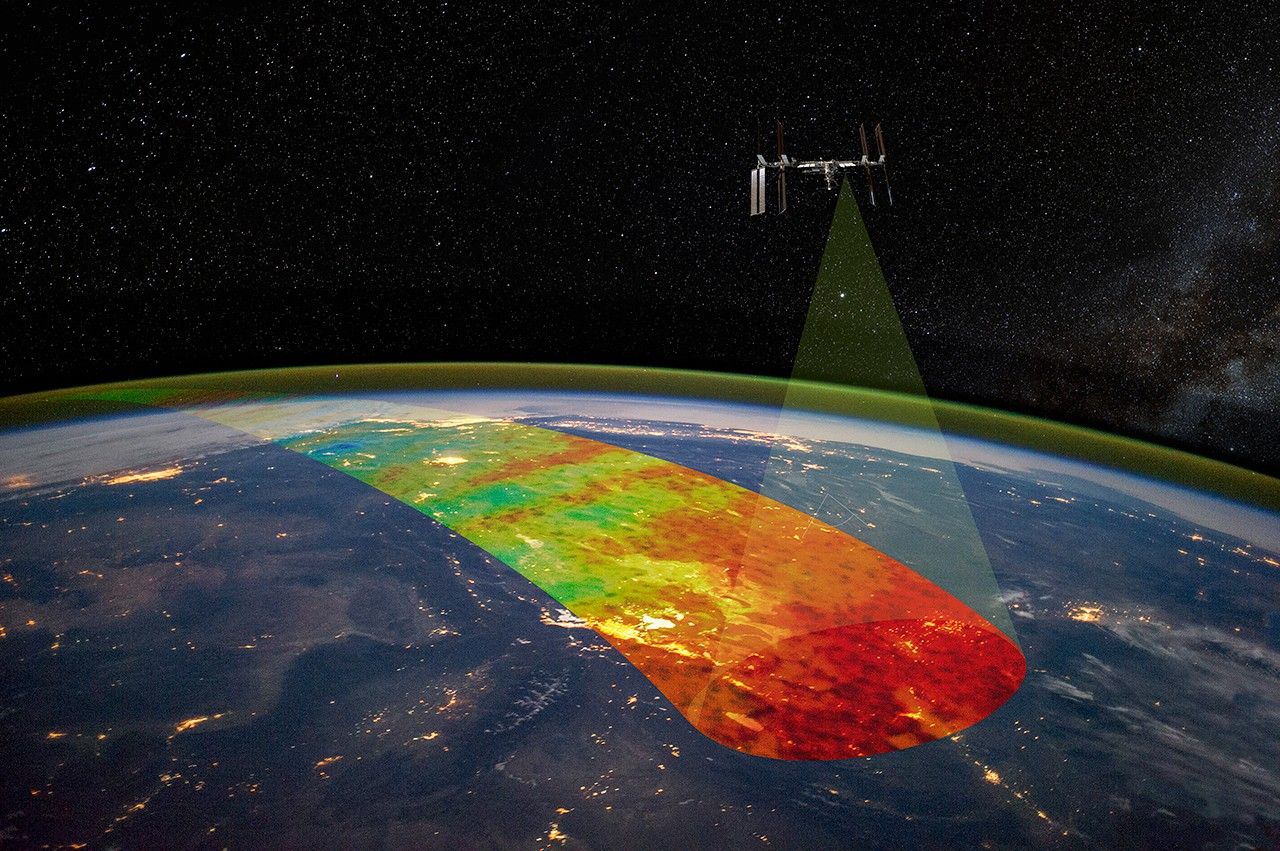
AWE’s mission was to observe atmospheric gravity waves — giant ripples in the atmosphere triggered by strong winds flowing over mountains or violent weather events such as tornadoes, thunderstorms, and hurricanes. These waves propagate upward into space, where they can disturb the density of plasma in Earth’s upper atmosphere, degrading radio signals between satellites and the ground. For the first time, scientists could directly see how a thunderstorm in the Midwest, a hurricane over Florida, or a wind gust over the Andes sends invisible ripples crashing into space.
AWE’s observations revealed critical details: atmospheric gravity waves with the greatest influence on the upper atmosphere have horizontal wavelengths between 30 and 300 kilometres — precisely the range AWE was engineered to measure. During May 2024, the instrument captured concentric rings of gravity waves spreading across Texas and Mexico following a severe weather event including a tornado near the U.S.–Mexico border, a pattern rarely observed with such clarity before AWE’s mission. Similarly, AWE tracked gravity waves generated by Hurricane Helene in September 2024.
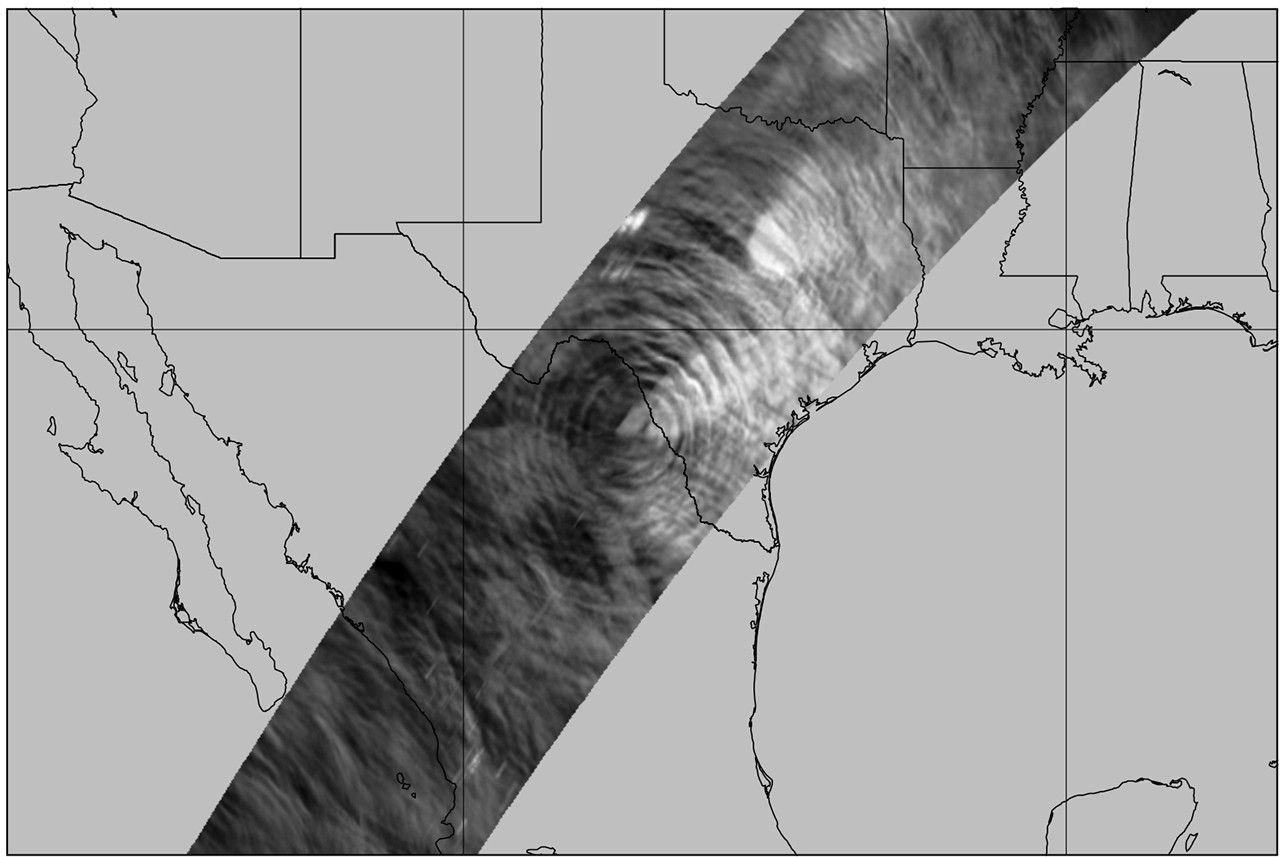
With AWE’s data-collection phase complete, Canadarm2 — the robotic arm aboard the ISS — will extract the instrument to make room for a successor: CLARREO Pathfinder. This new instrument will measure sunlight reflected by Earth and the Moon with five to 10 times greater accuracy than existing sensors, continuing the station’s role as an orbiting laboratory for transformative science. All of AWE’s data will be made public, enabling researchers and citizen scientists to conduct ongoing research into how Earth’s atmosphere reaches beyond our planet to shape space weather.
Expedition 74 Unpacks Science and Prepares for Spacewalk
Aboard the International Space Station, Expedition 74 has settled into a productive routine of cargo operations and experiment deployment. On May 17, a SpaceX Dragon spacecraft docked to the station after launching on May 15 (a day delayed by inclement weather). The Dragon carried several tonnes of supplies and science payloads, including new studies designed to take advantage of weightlessness to develop advanced treatments for both Earth ailments and space-caused conditions.
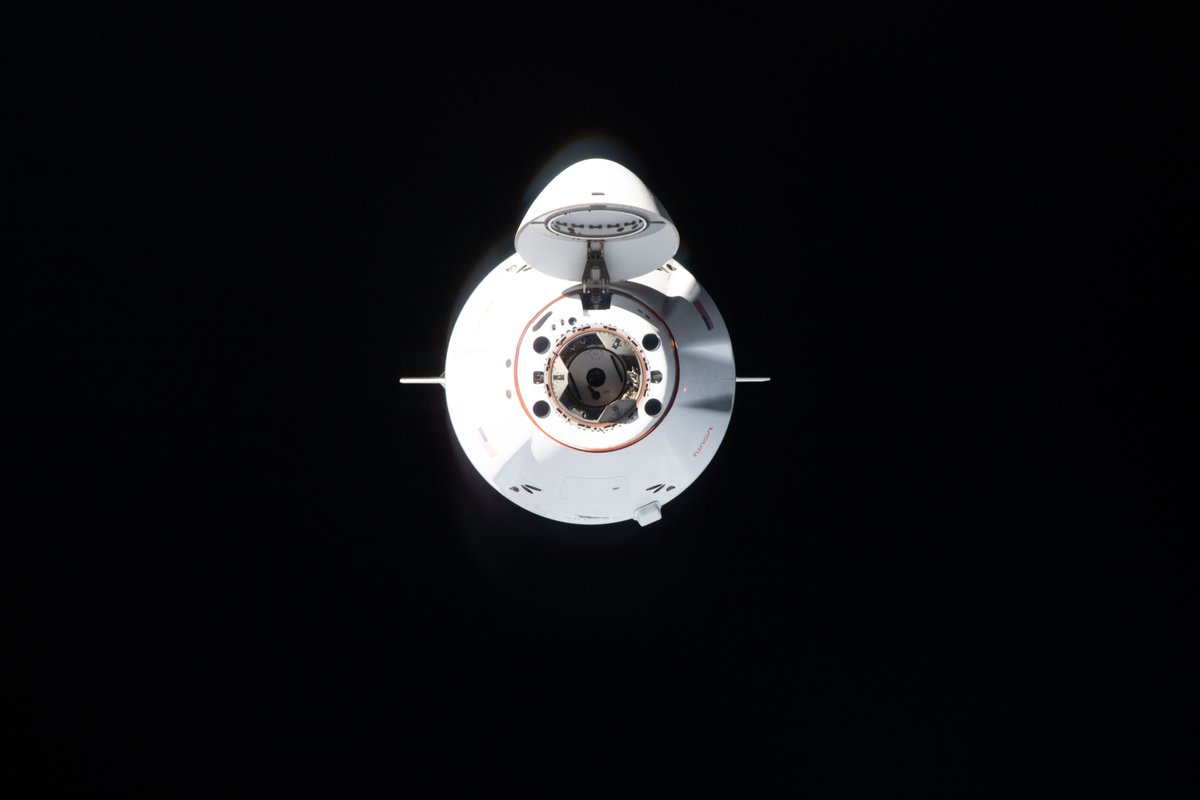
Expedition 74 has been tackling cancer and blood-clotting research, cartilage regeneration studies, and robotic surgery experiments — all leveraging the unique microgravity environment to generate insights applicable to medical practice on Earth. Crew members have also been preparing for an upcoming spacewalk scheduled later this month. In a notable milestone, astronaut Jessica Meir officially reached 300 cumulative days in space across two missions, completing four spacewalks and numerous experiments aboard the ISS — a testament to her sustained contributions to human spaceflight and scientific discovery.
The station continues to demonstrate its enduring value as an orbital laboratory. In 2025 alone, hundreds of experiments aboard the ISS advanced knowledge in regenerative medicine, astronaut protection, and robotic surgery — each contributing to understanding how humans can live and work off-planet while solving pressing challenges on Earth.
Awards, Leadership Transitions, and the Next Generation
NASA’s commitment to telling its story effectively was recognised this month when the agency won four Telly Awards for outstanding video production and storytelling. The agency’s 24/7 livestream of Artemis II — which broadcast the first crewed lunar mission in over 50 years — earned gold in the Science and Technology category and silver for Live Events and Experiences. The coverage reached nearly 290 million combined views across NASA’s platforms alone, with commercial streaming partners extending the audience to hundreds of millions more globally. A documentary on geology training for Artemis astronauts earned silver, and a screenwriting award went to a documentary on NASA’s space telescopes (Hubble, James Webb, and Nancy Grace Roman) narrated by actor John Rhys-Davies.
Behind the scenes, NASA’s leadership structure solidified on May 21 when Matt Anderson was sworn in as the agency’s 16th Deputy Administrator. Anderson brings technical expertise and strategic vision to a pivotal moment: as NASA accelerates its return to the Moon, establishes the Moon Base, and prepares for Mars. NASA Administrator Isaacman voiced confidence in the appointment, emphasising that “NASA’s future will be built by strong leadership, technical excellence, and the talented people willing to take on and achieve the near-impossible.”
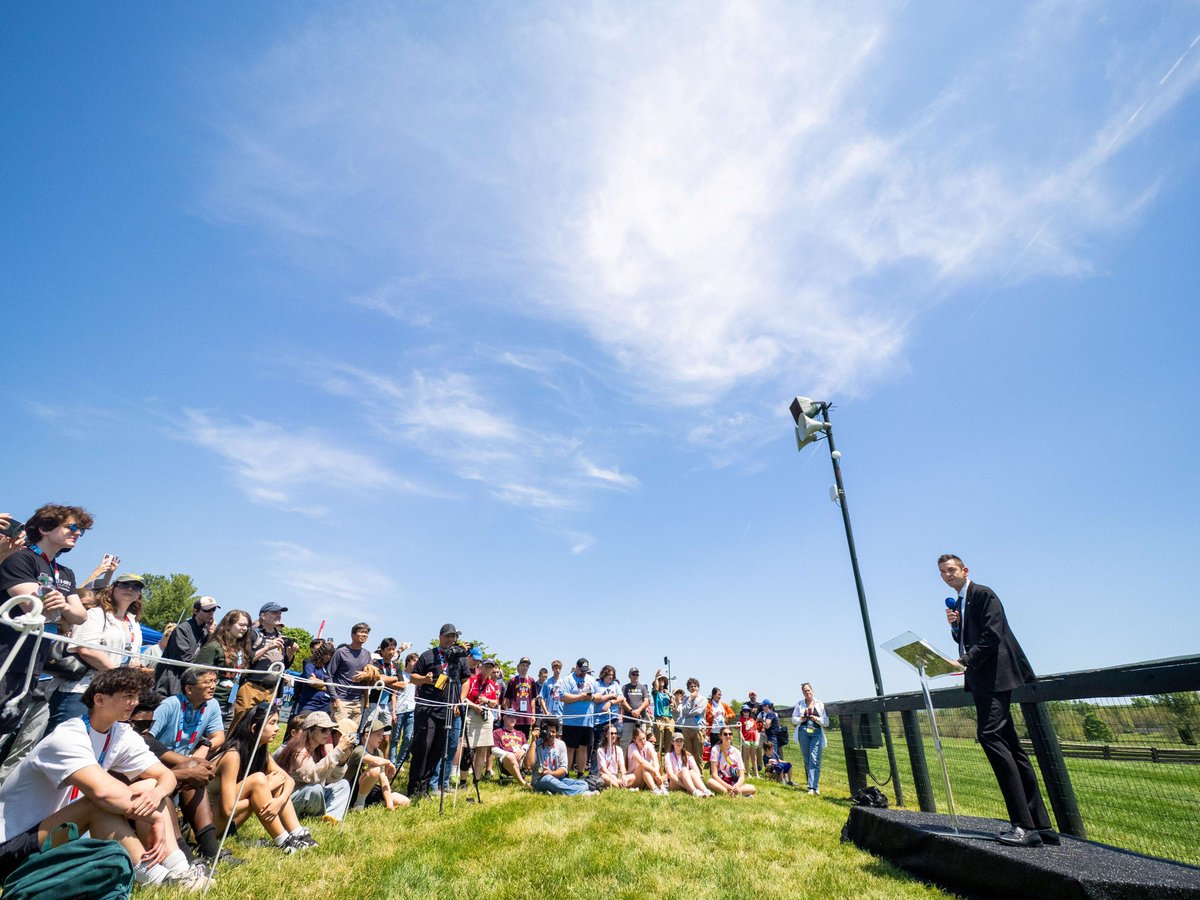
That philosophy extends to students. Earlier in May, Isaacman visited the American Rocketry Challenge Finals, where he witnessed firsthand the ingenuity and determination of young engineers working on tomorrow’s technologies. “As we build toward a sustained return to the Moon through Artemis,” he said, “we’re helping lay the foundation for a future this generation will help lead.” With over 51,000 students engaged at FIRST Robotics, NASA’s mentorship of 160+ teams, and a new Deputy Administrator steering the agency’s technical priorities, the pipeline of talent and ambition feeding NASA’s missions has never been fuller. The future, as Isaacman observed, is in very good hands.
Citations
- “NASA Joins Artemis Accords Workshop as Global Signings Rise” — https://www.nasa.gov/news-release/nasa-joins-artemis-accords-workshop-as-global-signings-rise/
- “NASA Seeks Interest for Artemis Mission CubeSats” — https://www.nasa.gov/missions/artemis/nasa-seeks-interest-for-artemis-mission-cubesats/
- “Lunar Robots: NASA Spotlights Moon Base at 2026 FIRST Robotics Competition” — https://www.nasa.gov/centers-and-facilities/johnson/lunar-robots-nasa-spotlights-moon-base-at-2026-first-robotics-competition/
- “NASA’s AWE Completes Mission to Study Earth’s Effect on Space Weather” — https://science.nasa.gov/science-research/heliophysics/nasas-awe-completes-mission-to-study-earths-effect-on-space-weather/
- “NASA Wins Four Telly Awards for Artemis Moon Coverage, More” — https://www.nasa.gov/general/nasa-wins-four-telly-awards-for-artemis-moon-coverage-more/
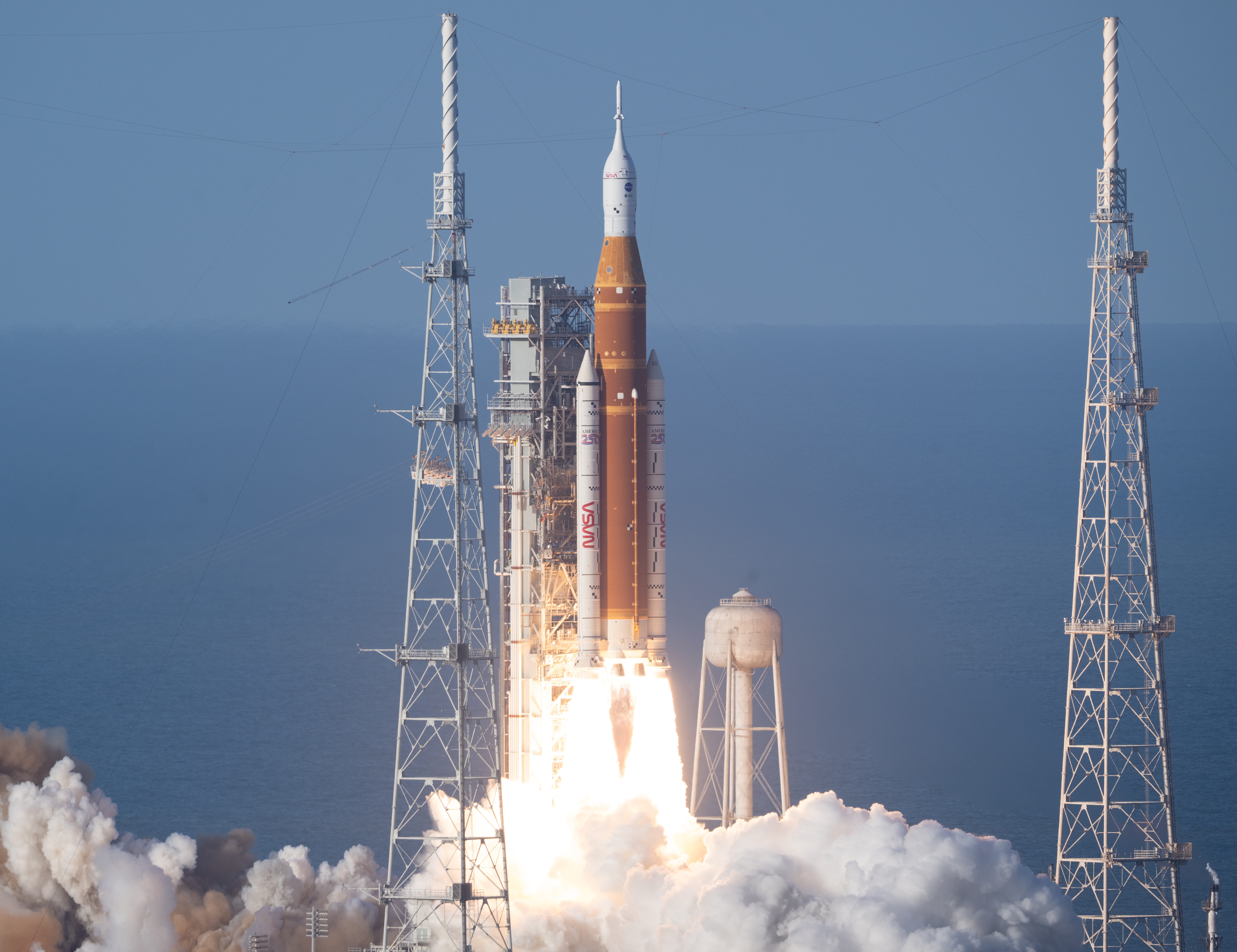
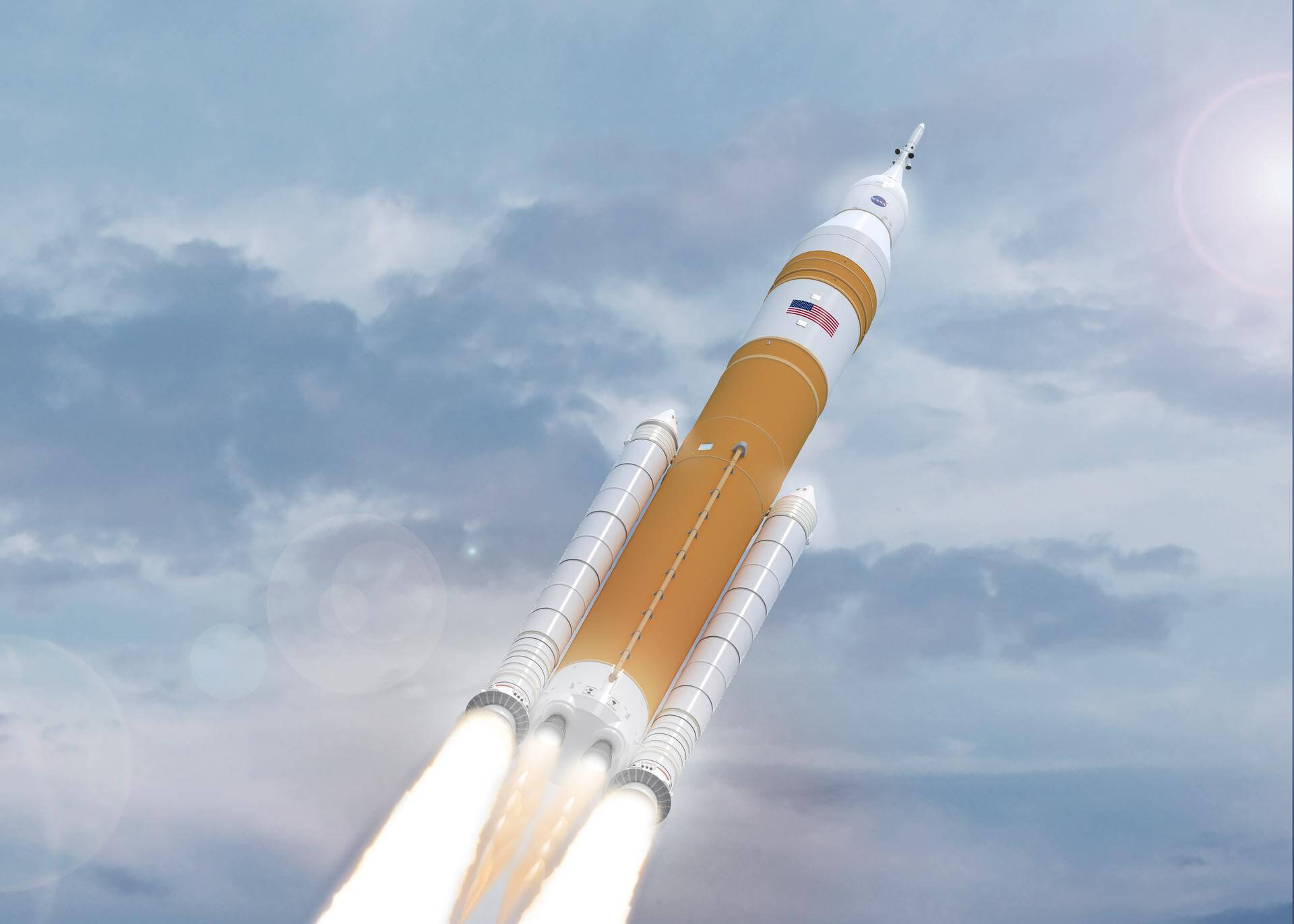
Artemis III
Provider: National Aeronautics and Space Administration
Date: June 30, 2027
Time: 12:00 AM UTC
Vehicle: Space Launch System (SLS)
Artemis III is the second crew mission as part of the Artemis program. Artemis III will send a crew of 4 on a Low Earth Orbit mission, with the Orion rendezvous and dock with one or both commercial lunar landers in development by SpaceX and Blue Origin, performing in-space tests of the docked vehicles, integrated checkout of life support, communications, and propulsion systems, as well as tests of the new Extravehicular Activity (xEVA) suits.
Artemis IV
Provider: National Aeronautics and Space Administration
Date: June 30, 2028
Time: 12:00 AM UTC
Vehicle: Space Launch System (SLS)
Artemis IV is planned to be the first human lunar landing mission since the Apollo Program.
Artemis V
Provider: National Aeronautics and Space Administration
Date: December 31, 2028
Time: 12:00 AM UTC
Vehicle: Space Launch System (SLS)
Artemis V is planned to be the second human lunar landing mission since the Apollo Program.
SLS Block 1B | Artemis VI
Provider: National Aeronautics and Space Administration
Date: September 30, 2030
Time: 12:00 AM UTC
Vehicle: Space Launch System (SLS)
No description available
SLS Block 1B | Artemis VII
Provider: National Aeronautics and Space Administration
Date: September 30, 2031
Time: 12:00 AM UTC
Vehicle: Space Launch System (SLS)
No description available