Canadian Space Sector Races to Finalize Budget Priorities Ahead of May 22 Deadline
Canada’s space industry has just over a week to make its pitch for federal funding. The House of Commons Standing Committee on Finance (FINA) is accepting written briefs for the 2026 federal budget (covering the 2027-28 fiscal year), with a deadline of Friday, May 22, 2026, at 11:59 p.m. EST. The accelerated timeline reflects Ottawa’s shift to a fall budgeting cycle introduced in 2025.
This annual consultation is the primary mechanism through which Canada’s space sector formalises funding priorities, identifies technology gaps, and proposes new initiatives to federal policymakers. Submissions are capped at 2,000 words and organisations are limited to one brief each. More importantly, submitting a brief automatically positions an organisation to potentially testify before the committee—a rare opportunity to answer MPs’ questions directly and advocate for space priorities at the highest political level.
Space defence appears poised to dominate this year’s submissions. With orbital domains becoming increasingly congested and contested, domestic space capabilities are increasingly being framed as essential infrastructure for national sovereignty and security. Previous consultation cycles have focused on commercial space funding, Earth observation, education, and exploration robotics, but the geopolitical urgency around space systems has shifted the conversation.
All submitted briefs will be published publicly on the committee’s website, giving the space sector a platform to articulate its vision and concerns. For Canadian space companies, service providers, and research institutions, the May 22 deadline represents a critical moment to shape the government’s approach to space in the next budget cycle.
NASA Redesigns Artemis III: From Lunar Landing to Earth Orbit Proving Ground
NASA has confirmed preliminary operational details for Artemis III, a mission that has undergone a significant architectural shift. The flight, now scheduled for 2027, will serve as a low Earth orbit (LEO) demonstration of rendezvous and docking procedures with commercial lunar landers—rather than a crewed lunar surface landing, which has been pushed to Artemis IV in 2028.
The mission will validate hardware from NASA, SpaceX, and Blue Origin before deep space deployment. To maintain compatibility with the Space Launch System (SLS) Block 1 configuration, Artemis III will launch with a structural “spacer” rather than a functional upper propulsion stage. Once the SLS delivers the stack to orbit, the Orion spacecraft’s European Service Module will handle orbit circularisation.
Operating in LEO rather than lunar orbit expands launch windows and allows for better alignment with the deployment of SpaceX’s Starship and Blue Origin’s Blue Moon pathfinder vehicles. The four-person crew will spend an extended period aboard Orion to evaluate life support systems, execute docking demonstrations with the commercial landers, and may enter at least one lander test article. NASA is also evaluating options to test how Axiom Space’s AxEMU lunar spacesuits interface with the lander cabins.
“Artemis III is one of the most highly complex missions NASA has undertaken,” said Jeremy Parsons, acting assistant deputy administrator for NASA’s Exploration Systems Development Mission Directorate. “For the first time, NASA will coordinate a launch campaign involving multiple spacecraft integrating new capabilities into Artemis operations.” The mission will conclude with Orion testing an upgraded heat shield designed to allow for more flexible reentry profiles on future missions.
ULA Charts Path to Vulcan Return to Flight Amid SRB Investigation
United Launch Alliance has completed a critical milestone in its push to return Vulcan to flight. On April 15, Northrop Grumman conducted a successful static fire test of a Graphite Epoxy Motor (GEM) 63XL Solid Rocket Booster, demonstrating nozzle design enhancements and advanced propellant technology. The test data will help validate analytical models and support Vulcan’s return to flight timeline.
The test came in the wake of the February 12 USSF-87 mission, during which one of Vulcan’s four solid rocket boosters experienced a nozzle problem before SRB separation, causing the rocket to roll more than intended. ULA’s engine control systems compensated successfully, delivering the Space Force payload to its intended geosynchronous orbit, but the anomaly prompted a thorough investigation.
Gary Wentz, vice president of Government and Commercial Programs at ULA, told Spaceflight Now that the company expects Vulcan to return to flight by the end of 2026. The customer for the return-to-flight mission is expected to be Amazon, which has ordered 38 Vulcan rockets to launch its broadband internet satellites. On May 14, ULA hoisted the first Vulcan booster into its newly finished Vertical Integration Facility – Amazon (VIF-A) at Cape Canaveral Space Force Station, marking the first operational hardware to be tested in the facility.
The milestone gives ULA two operational stacking lanes at Cape Canaveral—the original VIF-G (Government), which can handle both Atlas 5 and Vulcan rockets, and the new VIF-A dedicated to Vulcan. Satellites are already stacked for the first Amazon Leo Vulcan mission (LV-01) and subsequent flights on the manifest. Meanwhile, Amazon Leo’s next Atlas 5 flight, Leo Atlas 07 (LA-07), is scheduled for no earlier than May 22, 2026.
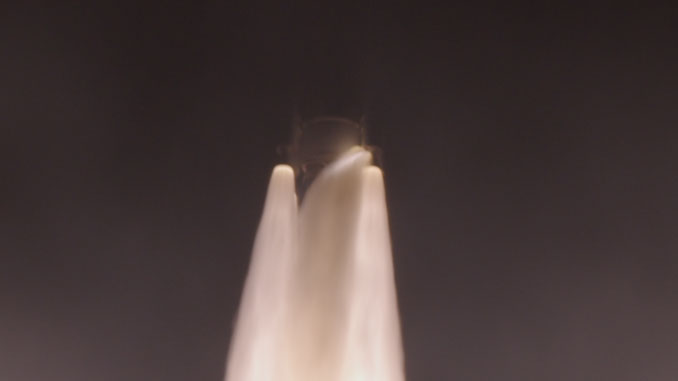
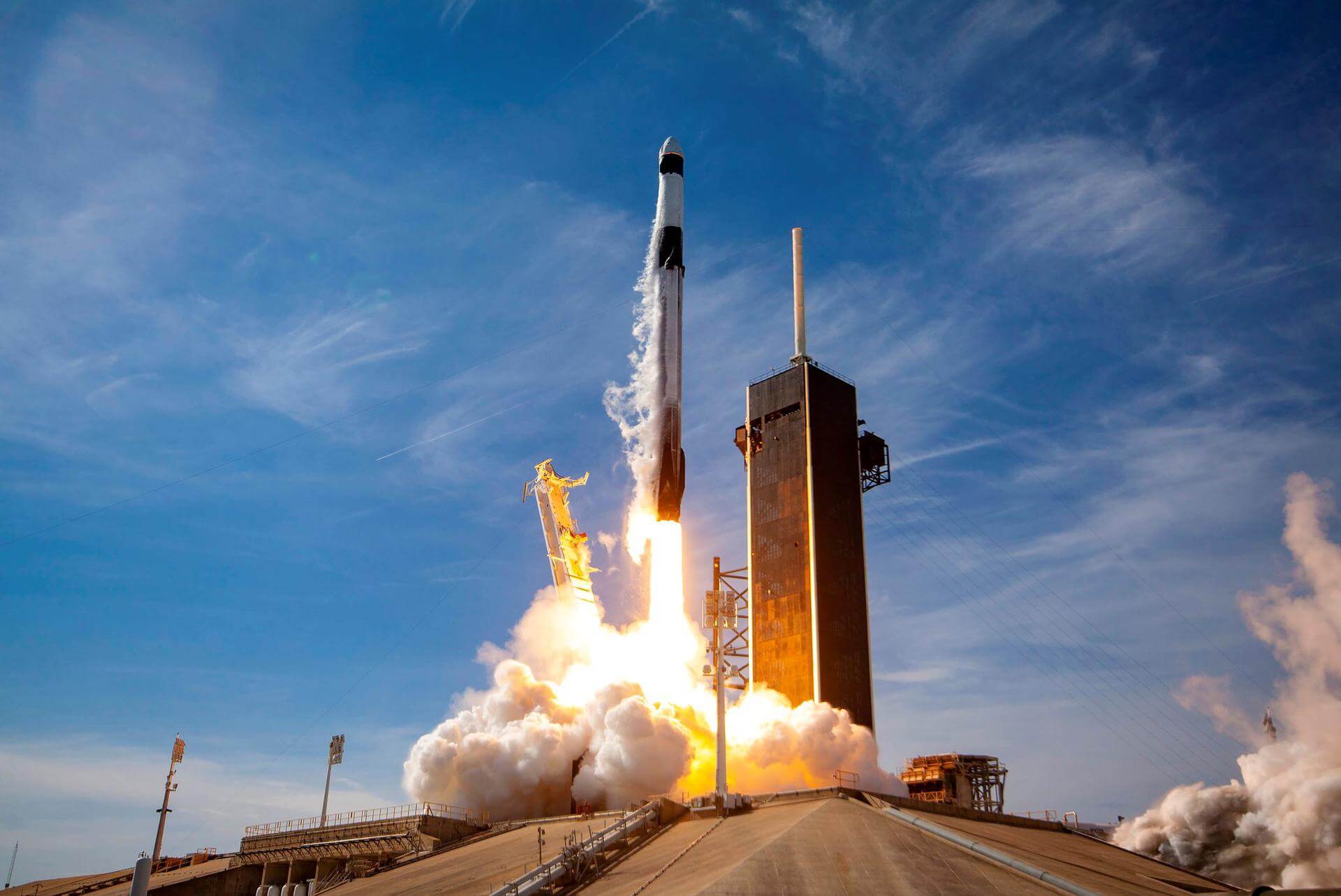
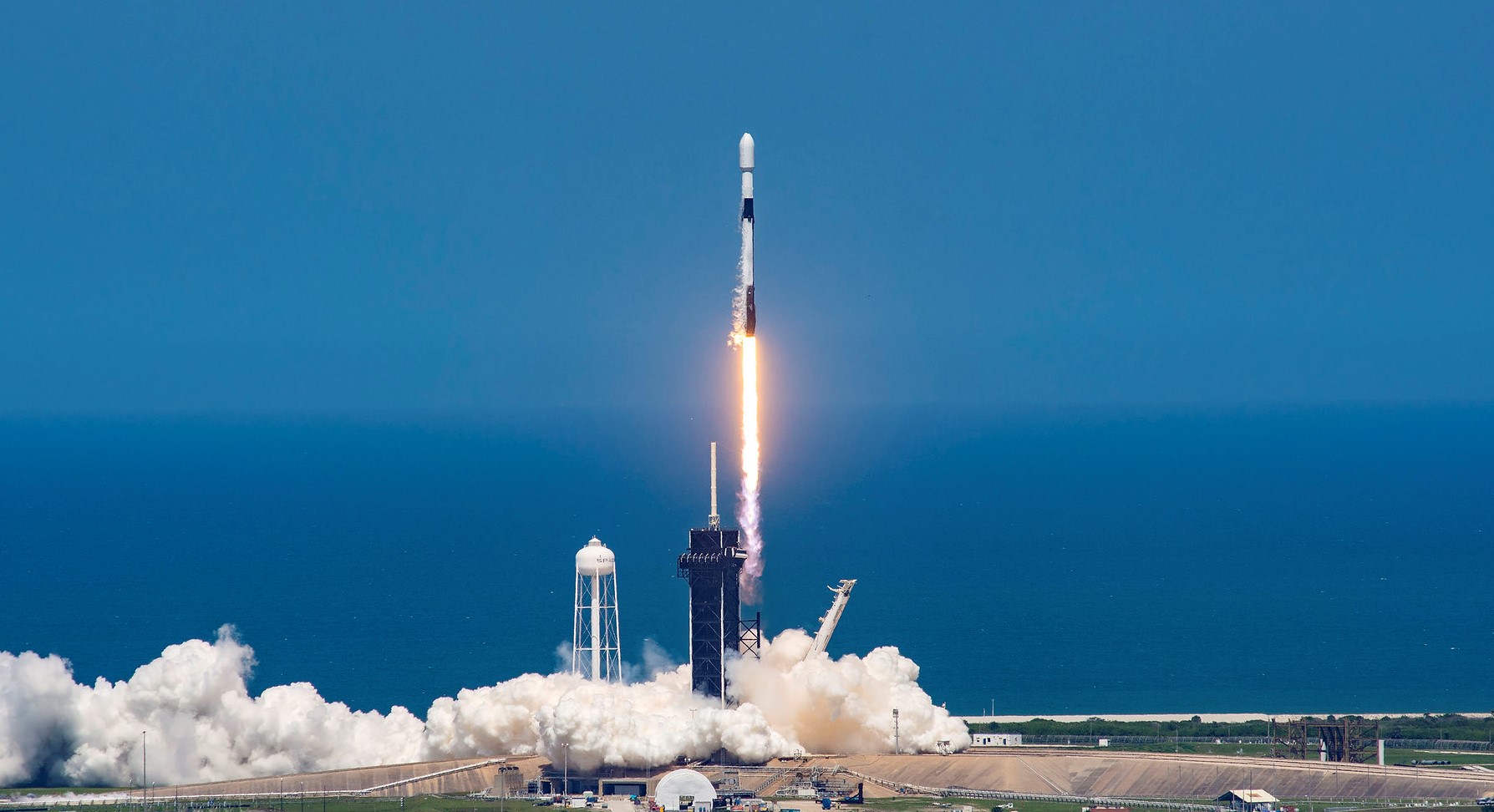
Provider: SpaceX Date: May 15, 2026 Time: 10:05 PM UTC Vehicle: Falcon 9
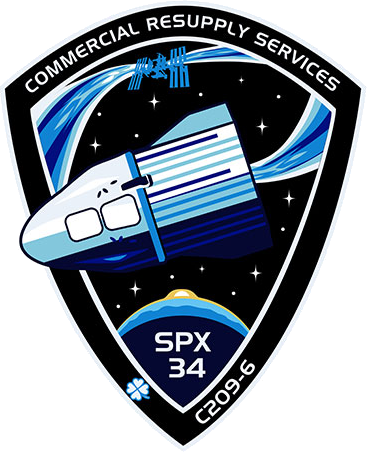
34th commercial resupply services mission to the International Space Station operated by SpaceX. The flight will be conducted under the second Commercial Resupply Services contract with NASA.
Cargo Dragon 2 brings supplies and payloads, including critical materials to directly support science and research investigations that occur onboard the orbiting laboratory.
Starlink Group 17-37
Provider: SpaceX Date: May 16, 2026 Time: 2:00 PM UTC Vehicle: Falcon 9
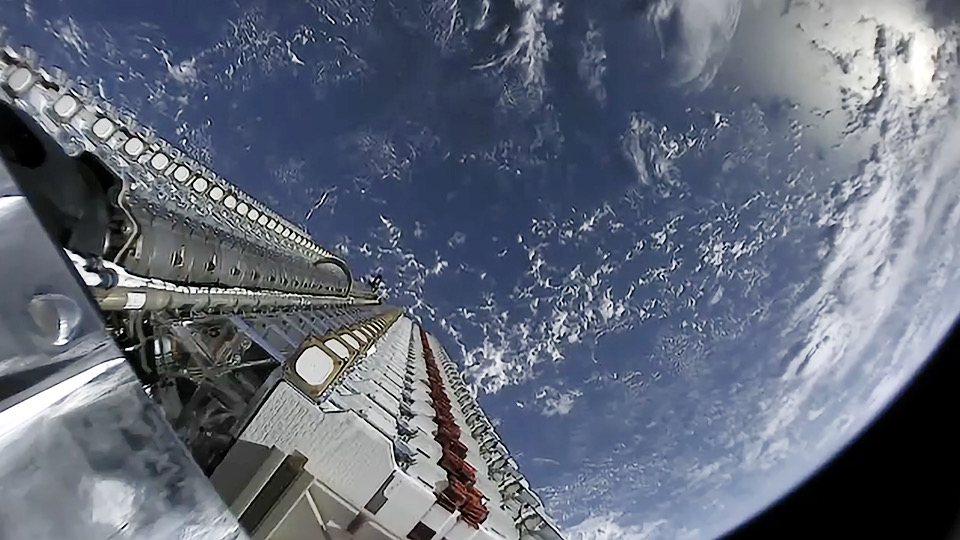
A batch of 24 satellites for the Starlink mega-constellation – SpaceX’s project for space-based Internet communication system.
SpaceSail Polar Group TBD
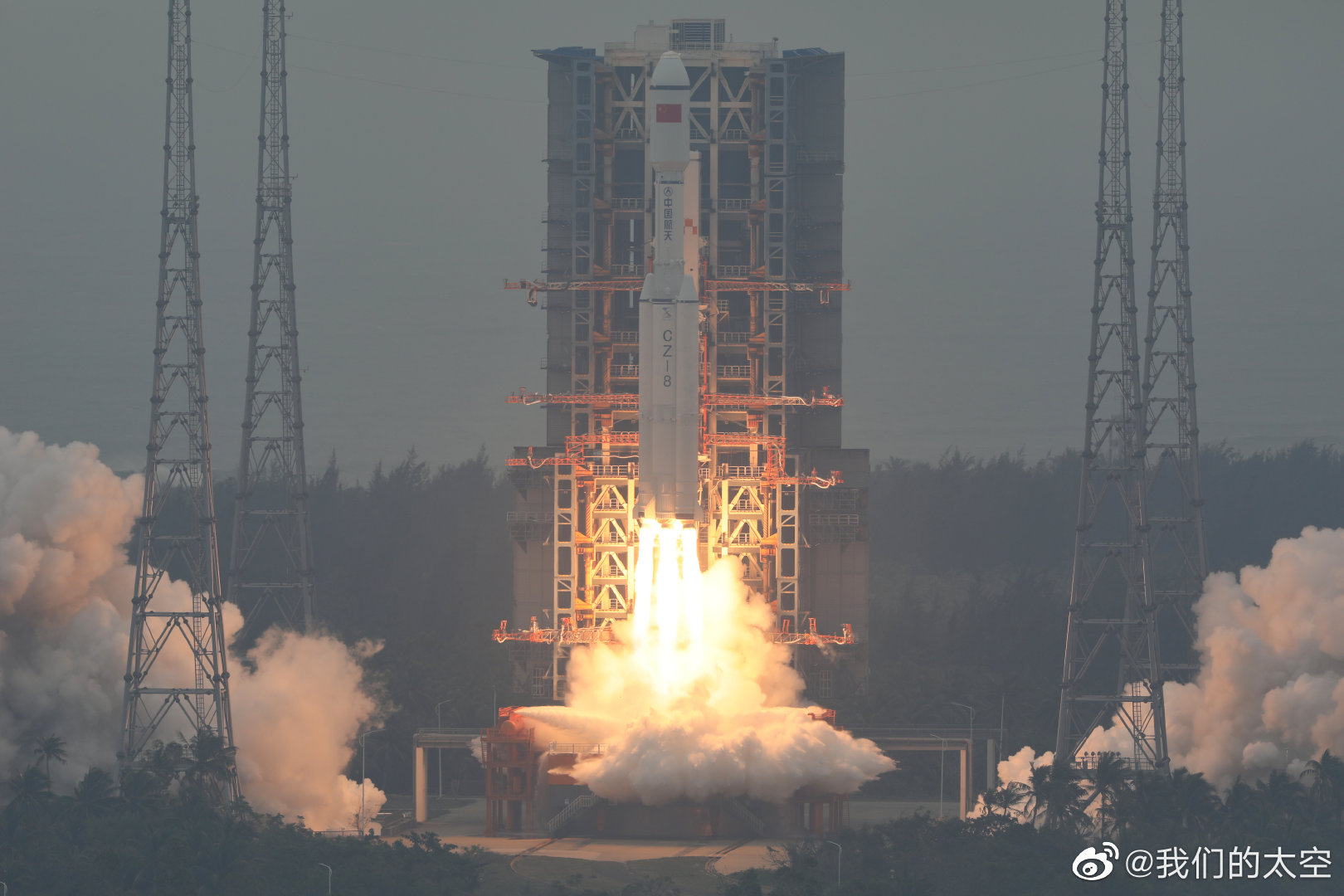
Provider: China Aerospace Science and Technology Corporation Date: May 17, 2026 Time: 2:40 PM UTC Vehicle: Long March 8
Low Earth Orbit communication satellites with Ku, Q and V band payloads for the G60 constellation operated by Shanghai Spacesail Technologies with funding backed by the Shanghai local government.
Initial constellation will consist of 1296 satellites by 2027 with long term plans to expand it to 12000 satellites.
Starlink Group 17-42
Provider: SpaceX Date: May 19, 2026 Time: 2:11 AM UTC Vehicle: Falcon 9
A batch of 24 satellites for the Starlink mega-constellation – SpaceX’s project for space-based Internet communication system.
Solar wind Magnetosphere Ionosphere Link Explorer (SMILE)
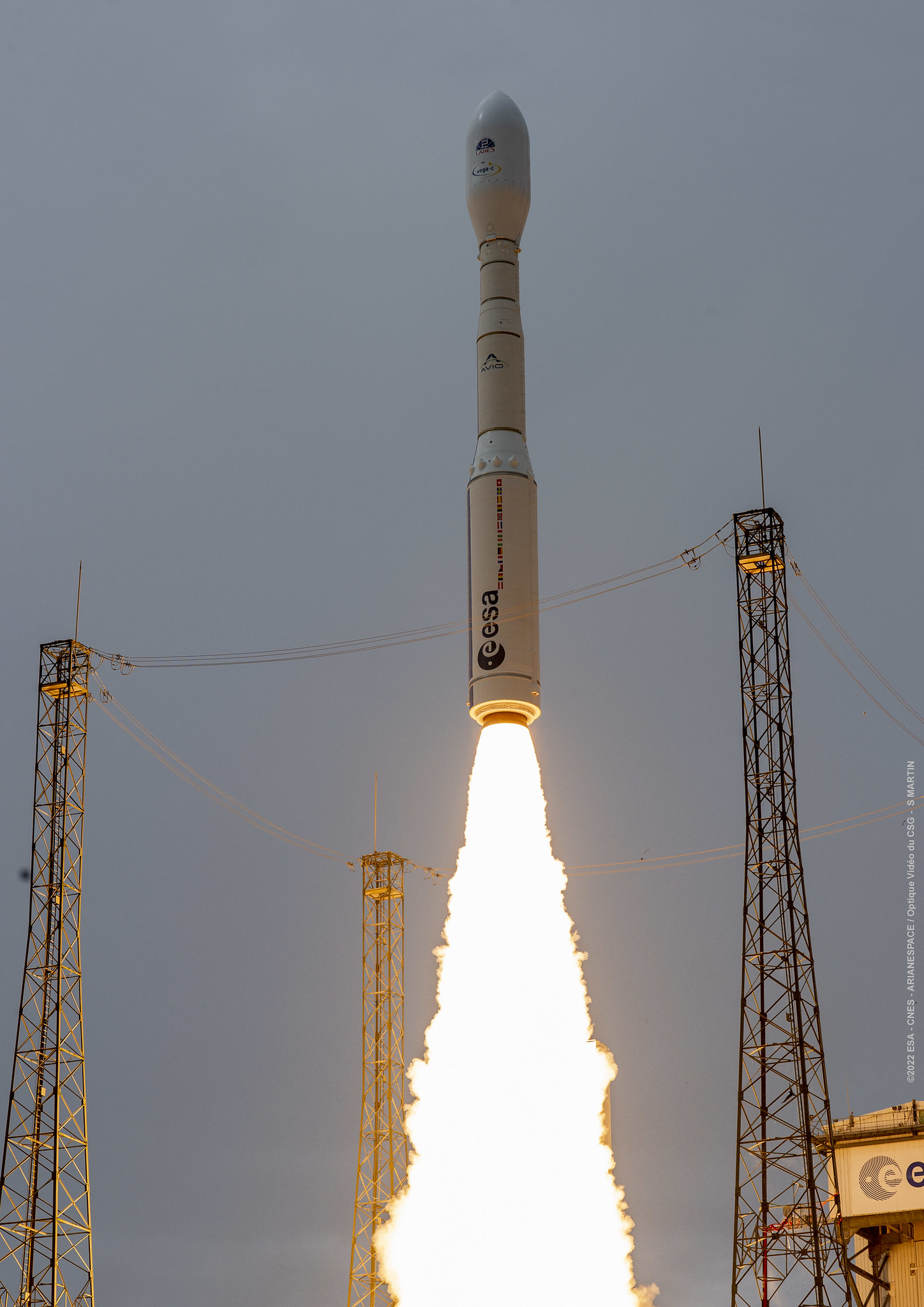
Provider: Avio S.p.A Date: May 19, 2026 Time: 3:52 AM UTC Vehicle: Vega-C
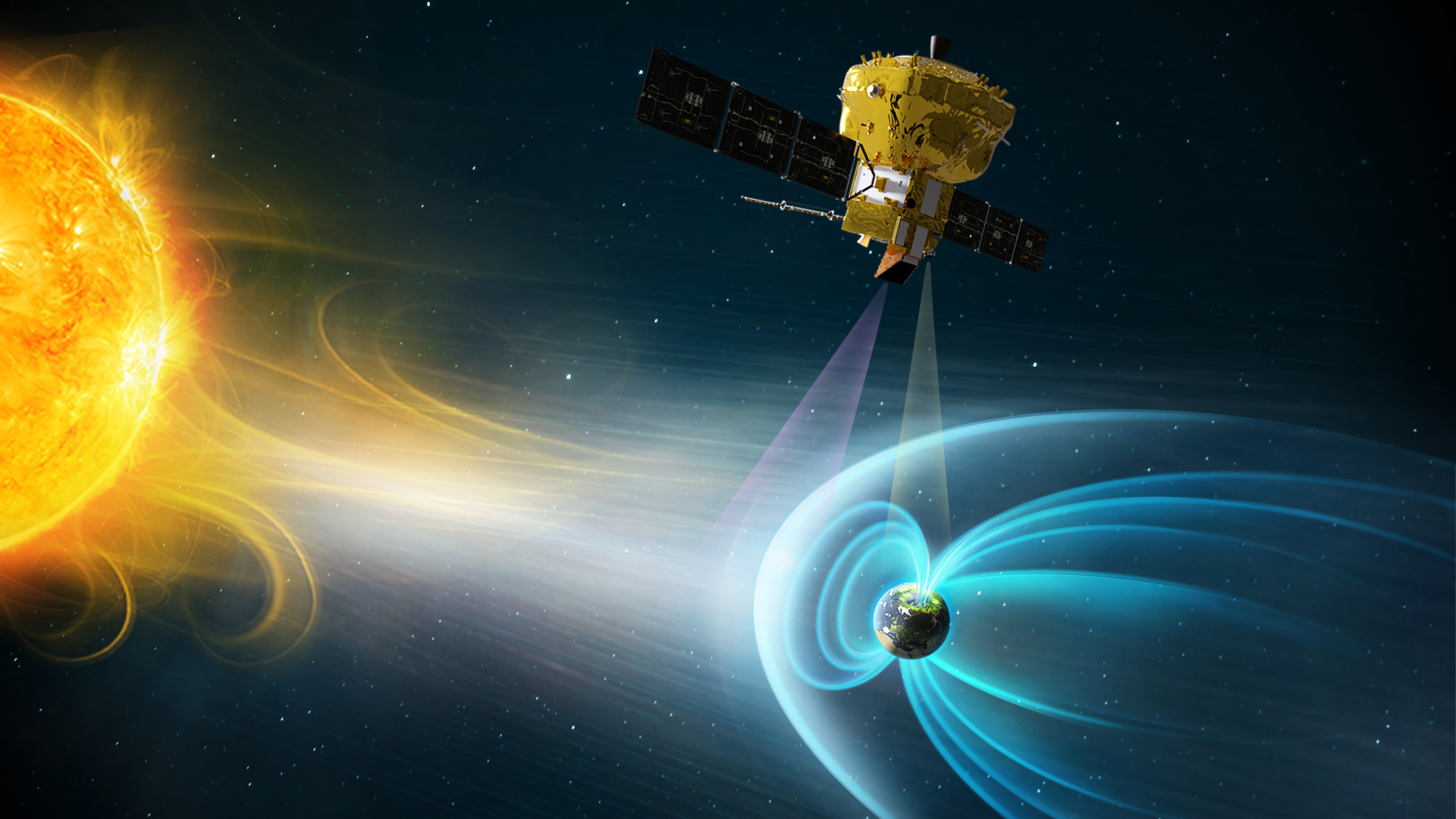
Joint mission between the European Space Agency and the Chinese Academy of Sciences to investigate the interaction between Earth’s protective shield – the magnetosphere – and the supersonic solar wind.
Dragon CRS-2 SpX-34 ×
Mission Details
TypeResupply
OrbitLow Earth Orbit
TargetEarth
34th commercial resupply services mission to the International Space Station operated by SpaceX. The flight will be conducted under the second Commercial Resupply Services contract with NASA.
Cargo Dragon 2 brings supplies and payloads, including critical materials to directly support science and research investigations that occur onboard the orbiting laboratory.
• National Aeronautics and Space Administration (Government)
Program: Commercial Resupply Services
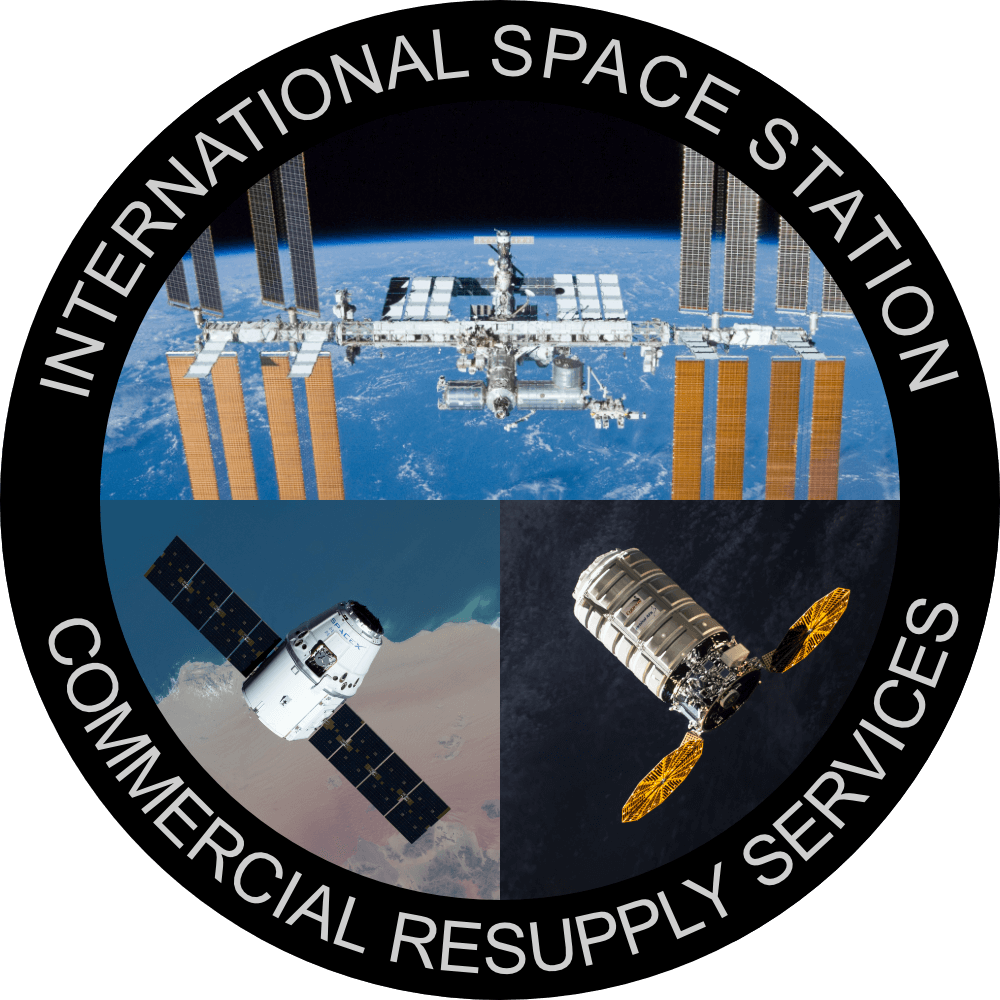
Commercial Resupply Services (CRS) are a series of flights awarded by NASA for the delivery of cargo and supplies to the International Space Station.The first CRS contracts were signed in 2008 and awarded $1.6 billion to SpaceX for twelve cargo Dragon and $1.9 billion to Orbital Sciences for eight Cygnus flights, covering deliveries to 2016. The Falcon 9 and Antares rockets were also developed under the CRS program to deliver cargo spacecraft to the ISS.
The International Space Station programme is tied together by a complex set of legal, political and financial agreements between the sixteen nations involved in the project, governing ownership of the various components, rights to crewing and utilization, and responsibilities for crew rotation and resupply of the International Space Station. It was conceived in 1984 by President Ronald Reagan, during the Space Station Freedom project as it was originally called.
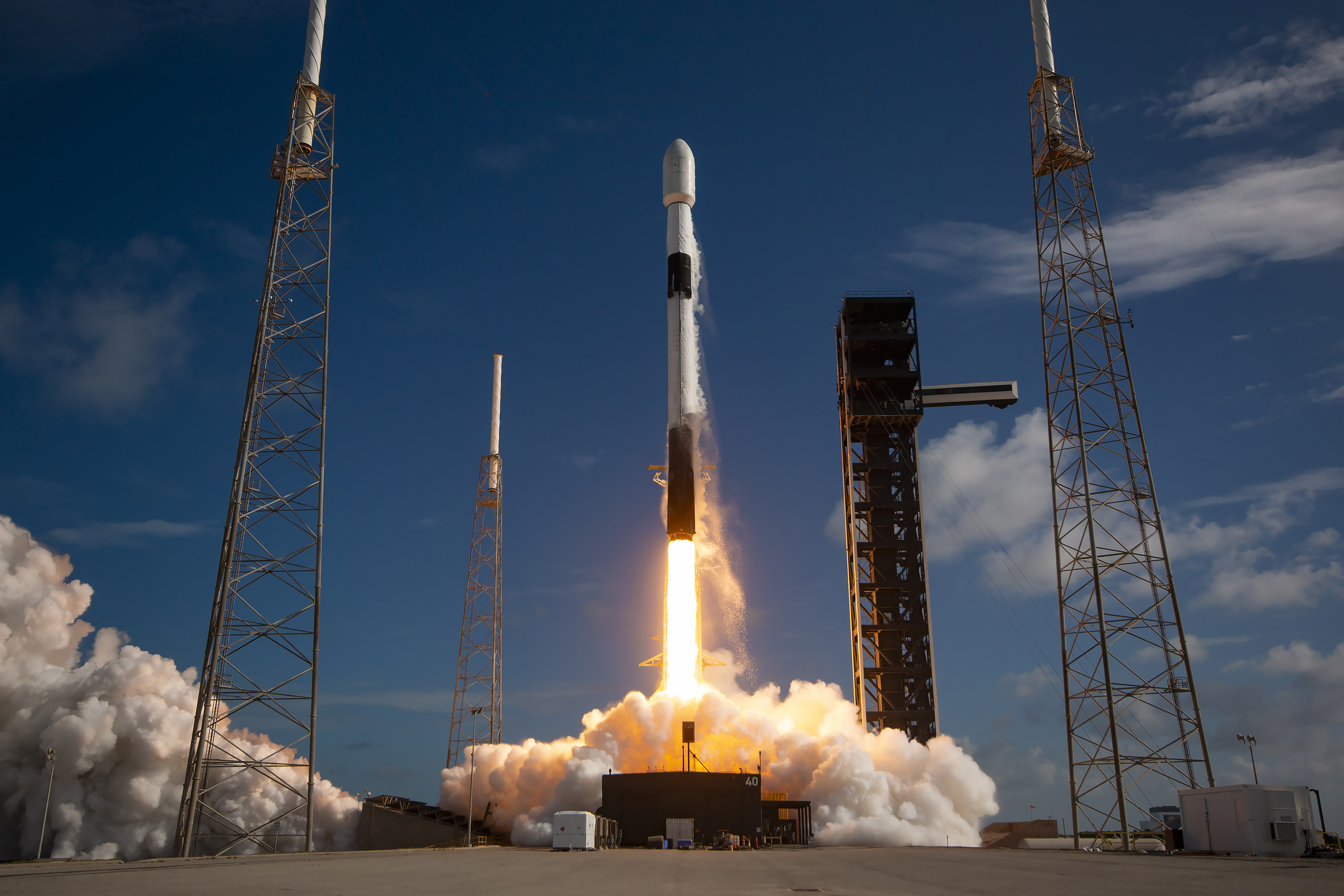
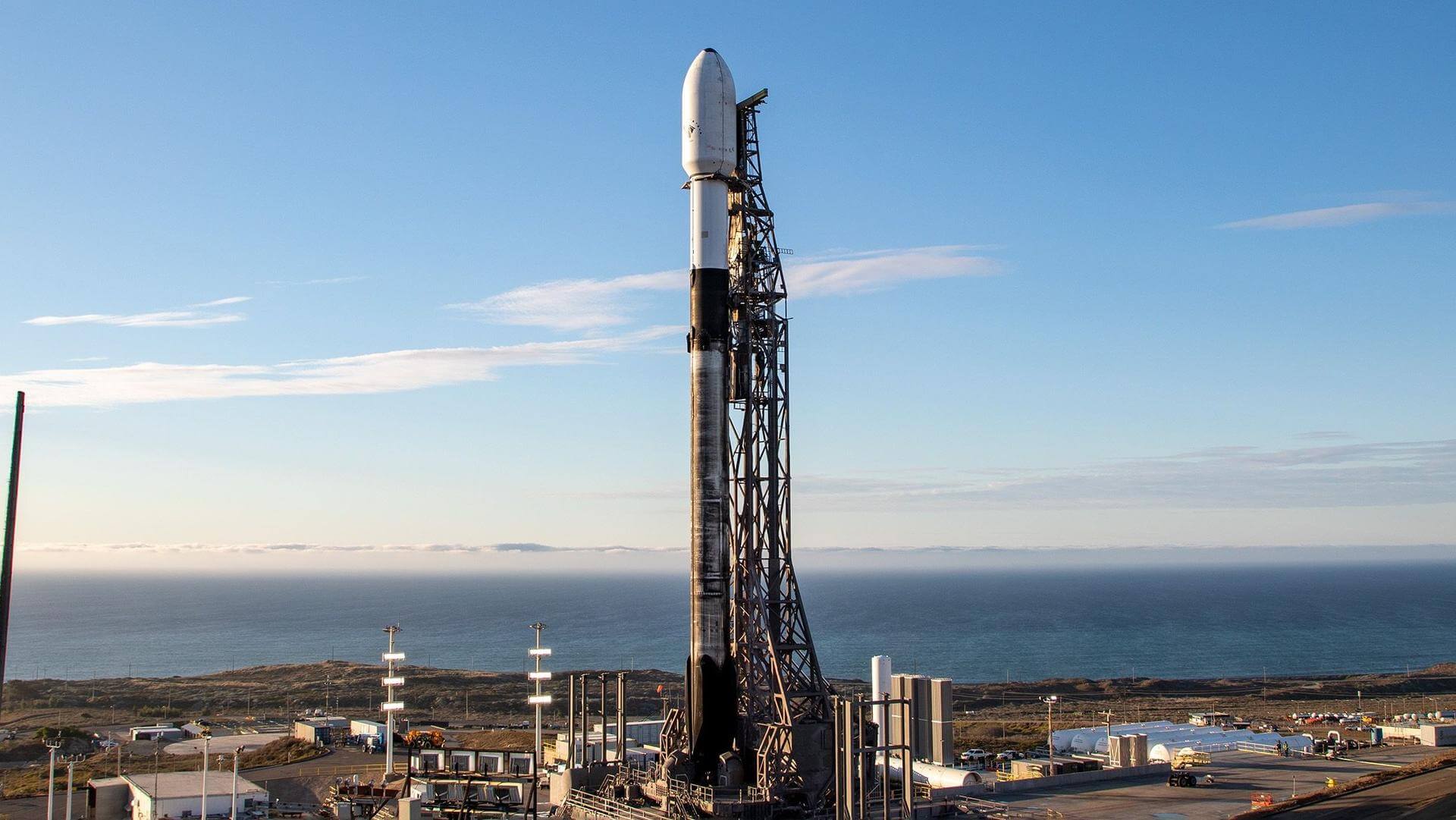
Falcon 9 is a two-stage rocket designed and manufactured by SpaceX for the reliable and safe transport of satellites and the Dragon spacecraft into orbit. The Block 5 variant is the fifth major interval aimed at improving upon the ability for rapid reusability.
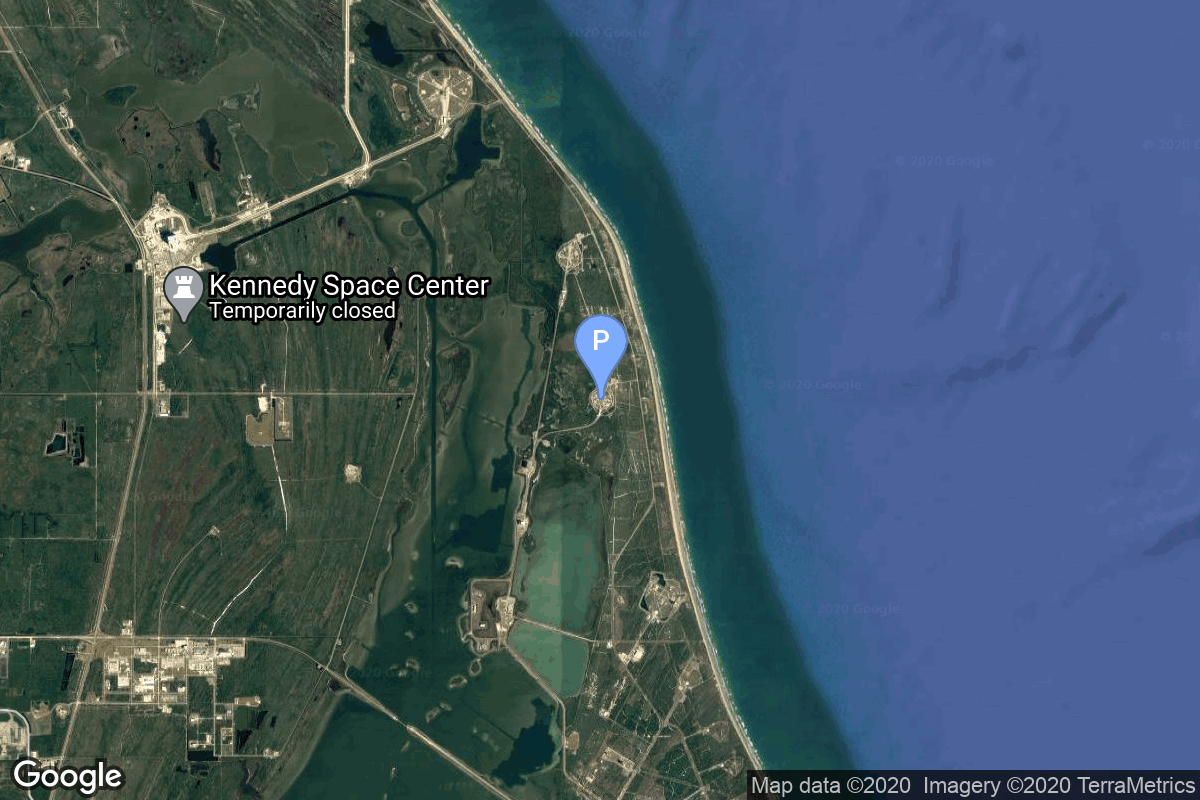
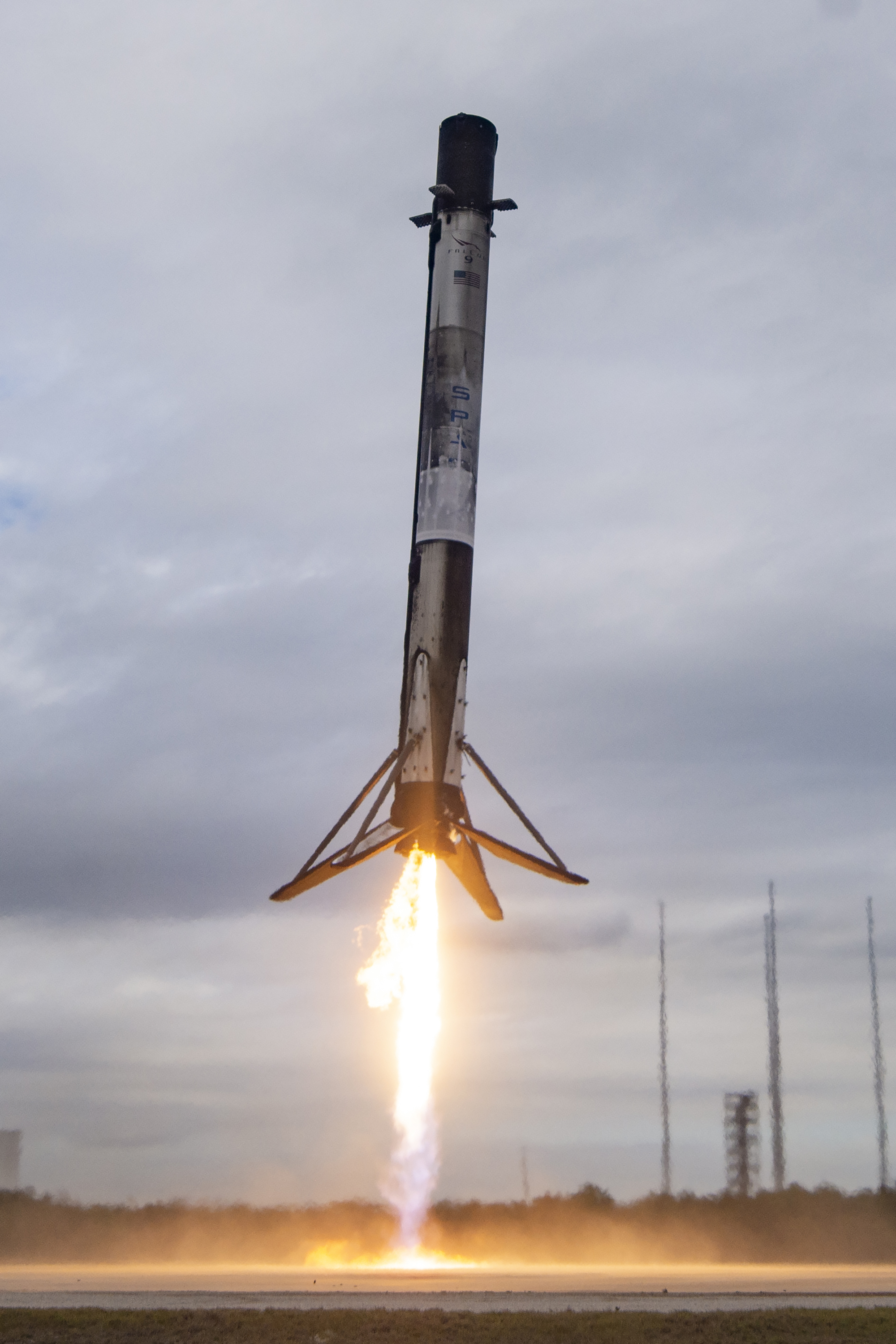
The Falcon 9 first stage B1096 will land back at the launch site at Landing Zone 40 after its 6th flight.
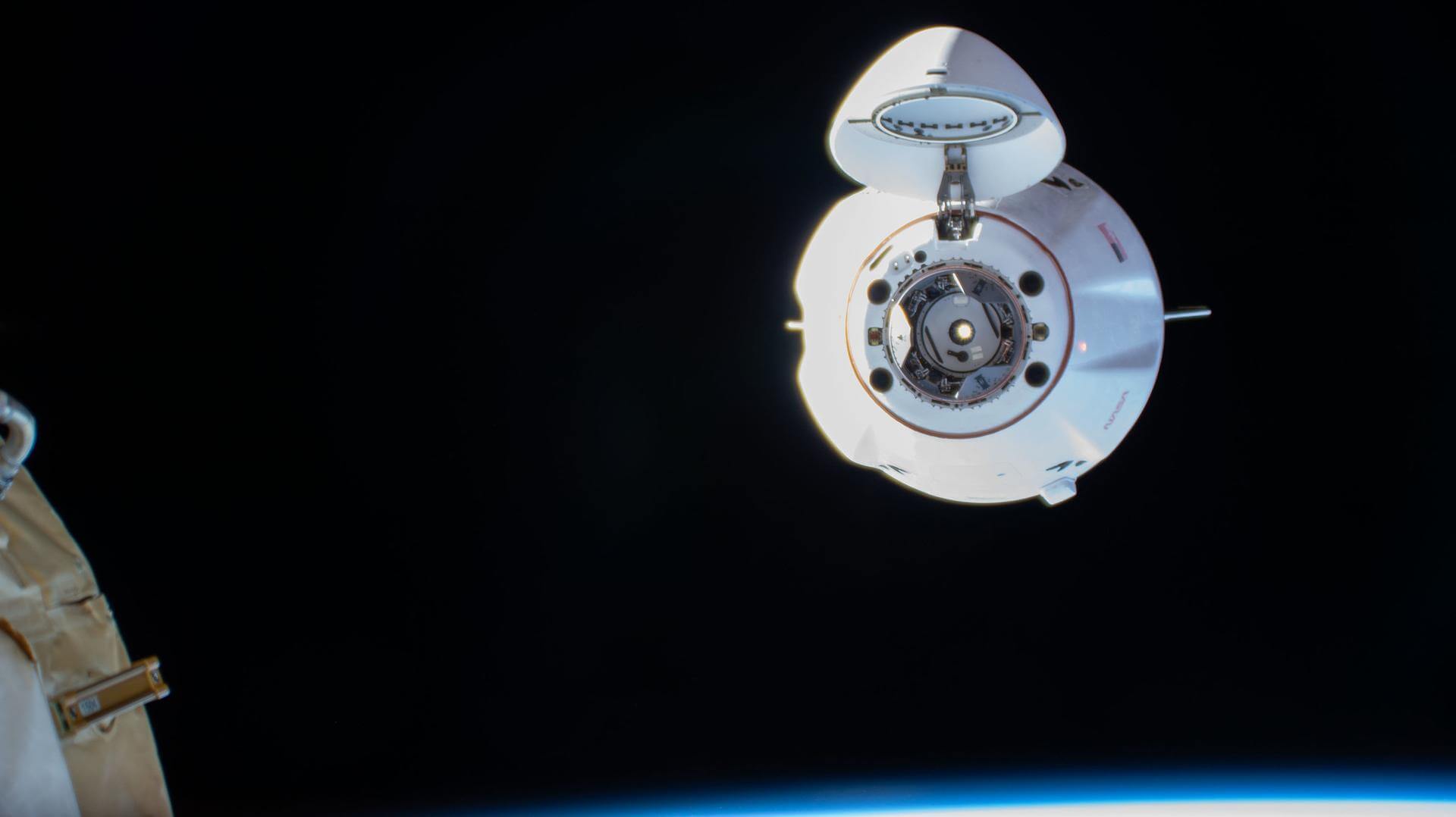
Spacecraft: Cargo Dragon C209
Second Cargo Dragon 2
Specifications
SerialC209
TypeCapsule
StatusActive
DestinationISS
Height7.2 m
Diameter3.7 m
Maiden Flight2020-12-06
Payload Capacity6,000 kg
Return Capacity3,000 kg
Time in Space175 Days, 23 Hours, 36 Minutes
Missions Flown5
Turnaround355 Days, 16 Hours, 21 Minutes
Fastest Turnaround164 Days, 6 Hours, 38 Minutes
History
Cargo Dragon 2 is an updated version of the original Dragon spaceship designed to service the International Space Station with first flights conducted in 2020.
In contrast to Dragon 1 it docks to the International Space Station instead of being berthed by the Canada Arm.
Capability
Cargo Earth Orbit Logistics
Details
Cargo Dragon 2 is a autonomous spaceship capable of bringing science to and from the International Space Station with large pressurized and un-pressurized sections to support a variety of missions.
Flight Life
Able to fly for up to one week of free flight or two years docked.
Falcon 9 is a two-stage rocket designed and manufactured by SpaceX for the reliable and safe transport of satellites and the Dragon spacecraft into orbit. The Block 5 variant is the fifth major interval aimed at improving upon the ability for rapid reusability.
The Falcon 9 first stage B1103 will land on ASDS OCISLY after its 2nd flight.
SpaceSail Polar Group TBD ×
Mission Details
TypeCommunications
OrbitPolar Orbit
TargetEarth
Low Earth Orbit communication satellites with Ku, Q and V band payloads for the G60 constellation operated by Shanghai Spacesail Technologies with funding backed by the Shanghai local government.
Initial constellation will consist of 1296 satellites by 2027 with long term plans to expand it to 12000 satellites.
Launch Provider: China Aerospace Science and Technology Corporation
Long March 8 (Chinese: 长征八号运载火箭) is an orbital launch vehicle developed by the China Academy of Launch Vehicle Technology to launch up to 5000 kg to a 700 km altitude Sun-synchronous orbit (SSO). The rocket is based on the Long March 7 with its first stage and 2 out of its 4 boosters, along with…
Falcon 9 is a two-stage rocket designed and manufactured by SpaceX for the reliable and safe transport of satellites and the Dragon spacecraft into orbit. The Block 5 variant is the fifth major interval aimed at improving upon the ability for rapid reusability.
The Falcon 9 first stage B1100 will land on ASDS OCISLY after its 6th flight.
Solar wind Magnetosphere Ionosphere Link Explorer (SMILE) ×
Mission Details
TypeAstrophysics
OrbitElliptical Orbit
TargetEarth
Joint mission between the European Space Agency and the Chinese Academy of Sciences to investigate the interaction between Earth’s protective shield – the magnetosphere – and the supersonic solar wind.
Solar wind Magnetosphere Ionosphere Link Explorer (SMILE) is a joint venture mission between the European Space Agency and the Chinese Academy of Sciences. SMILE is designed to image for the first time the magnetosphere of the Earth in soft X-rays and UV during up to 40 hours per orbit, improving…
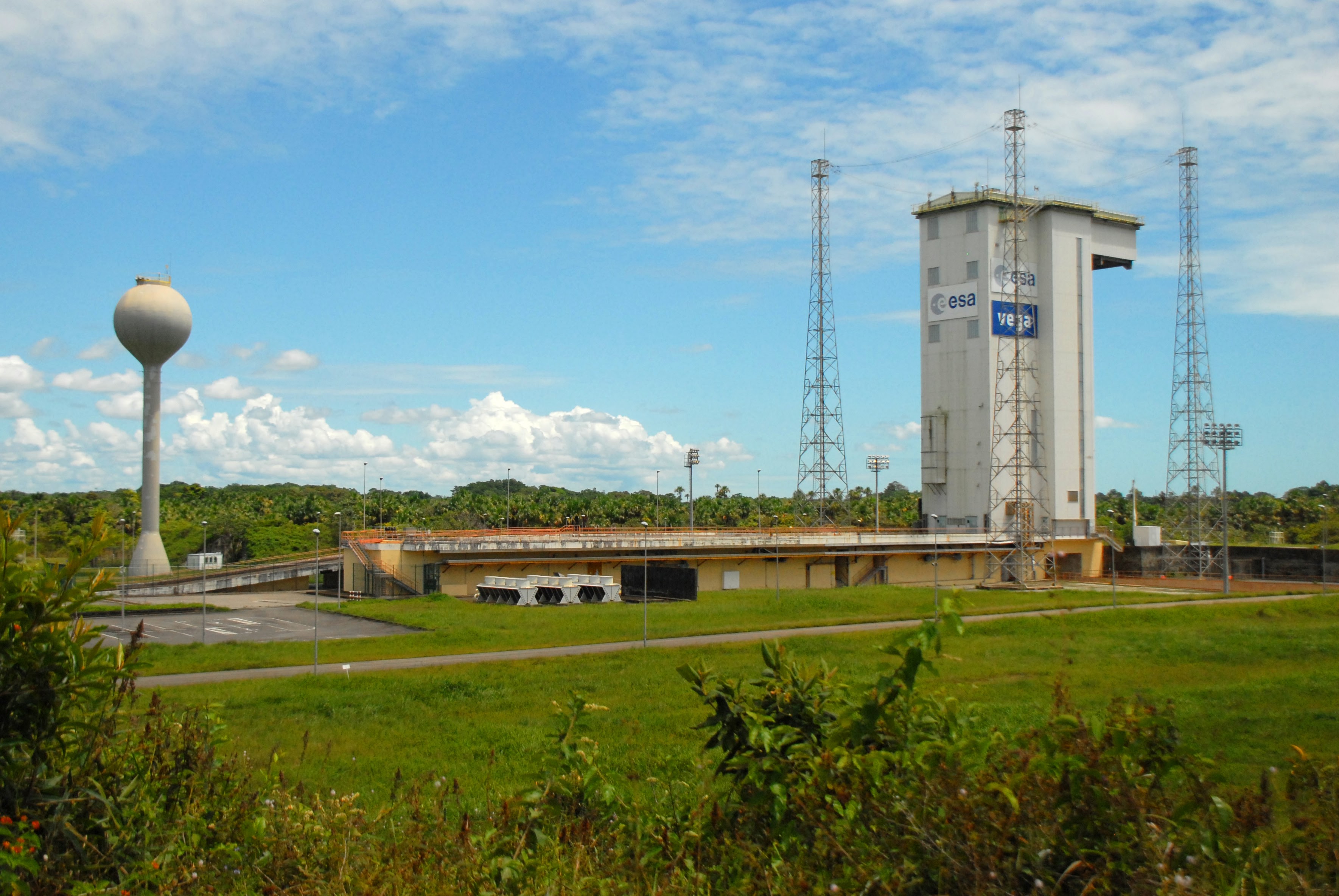
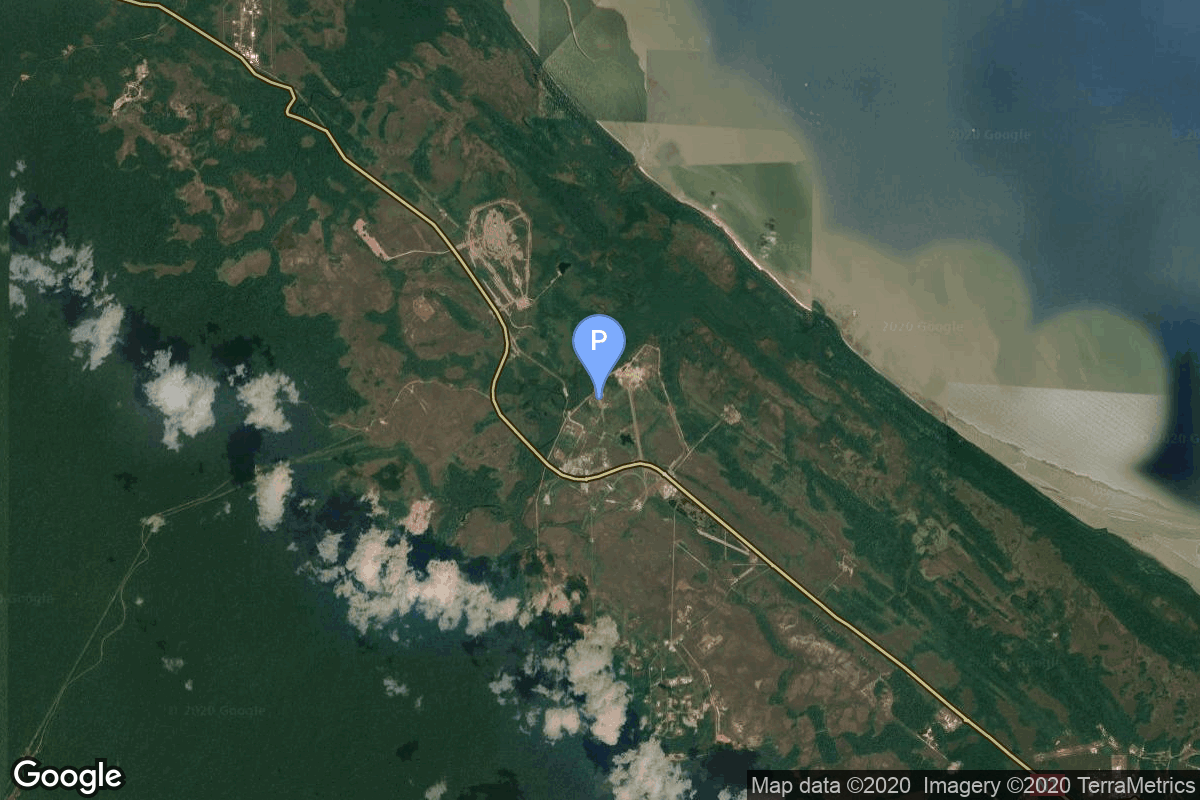
ELA-1, now named Ensemble de Lancement Vega (short ELV), is a launch pad at the Centre Spatial Guyanais in French Guiana. It has been used to support launches of the Europa rocket, Ariane 1, Ariane…
Vega-C is a single-body rocket nearly 35 m high with that weighs 210 tonnes on the launch pad. As with Vega, its main elements are three solid-propellant stages, an upper stage powered by a reignitable liquid-propellant engine and a payload fairing. Vega-C’s P120C first stage replaces Vega’s…
Robo Chris is a collection of API calls, filters, and searches, bolted together with magic and love. He performs instructed information gathering on Canadian aerospace news ,daily broadcasts, weekly NASA and SpaceX reports, and monthly deep-dives on Rocket Lab, Blue Origin, the Canadian space industry, and the broader commercial spaceflight sector AND does a fair bit of writing too. Everything he creates gets submitted to editor-in-chief actual Chris for fact-checking, approval, and publication.