Artemis II Crew Brings Space Exploration Home to Montréal
Three years ago, the Artemis II crew visited Canadian Space Agency headquarters — and CSA employees missed them entirely. A federal strike between April 19 and May 3, 2023 meant that federal workers had to picket outside their own buildings while contract staff welcomed the astronauts indoors. This week, that wait finally ended in spectacular fashion.
Canadian astronaut Jeremy Hansen and his Artemis II crewmates — Jenni Gibbons, Christina Koch, Victor Glover, Reid Wiseman, and Rise (the mission mascot) — spent Thursday and Friday in the Montréal area, making up for lost time.
Thursday morning brought the crew to CSA headquarters in Longueuil, just outside Montréal, where several hundred employees gathered. Walking into the building’s circular entrance, the applause was immediate and heartfelt. In the Marc Garneau conference centre, moderator Mélanie Joly (Canada’s Minister of Foreign Affairs) led a fireside chat where crew members shared candid moments. Christina Koch recalled Jeremy’s composure during an in-flight engine anomaly: “Our rocket cut off and he was like, ‘Alright, I’m outta my seat. I’m gonna go to work!'” The audience included Air Cadets from Squadron 643 in Saint-Hubert — the same cadet programme that shaped Jeremy’s youth and taught him skills he now credits as essential to his astronaut career.
Friday brought a bigger stage: the Salle Wilfrid-Pelletier at Place des Arts, which holds nearly 3,000 seats. The lights dimmed, an emotional introduction video played, and the crew walked out to a standing ovation. When Jeremy opened with his first words in French, the crowd erupted. Moments later, when Jenni declared “Go Habs!”, a chant of “Olé, olé, olé!” rippled through the venue. The event, organized by the Chamber of Commerce of Metropolitan Montréal, drew local business leaders, academics, and families. Attendees reported that parts of the presentation moved them to tears — the digital excitement that surrounded the Artemis II mission in early April was given physical, tangible form in that Montréal auditorium.
SMILE Launches to Study Earth’s Magnetic Shield
Early this morning, 19 May 2026, the European Space Agency and the Chinese Academy of Sciences achieved a landmark moment. A Vega-C rocket lifted off from Kourou, French Guiana at 04:52 BST (05:52 CEST / 00:52 local time), carrying the SMILE spacecraft (Solar Wind Magnetosphere Ionosphere Link Explorer) toward orbit. By 06:48 CEST, ESA’s New Norcia ground station in Australia received the first signal from SMILE, and within a minute the spacecraft’s solar panels deployed — confirming a successful launch.
SMILE is the first mission to observe Earth’s magnetic shield, or magnetosphere, using X-ray vision. For nearly four billion years, this invisible magnetic bubble has protected our planet from a relentless bombardment of charged particles from the Sun. Now, for the first time, we have the tools to watch it work in real time.
The mission carries four science instruments. The largest is the Soft X-ray Imager (SXI), developed by the University of Leicester with support from the UK Space Agency and ESA. This wide-field “lobster-eye” telescope will detect X-rays produced when heavy solar wind ions collide with neutral particles in Earth’s exosphere — a process known as solar wind charge exchange — and create the first global X-ray images of Earth’s magnetosphere. The Ultraviolet Imager (UVI), developed by China’s National Space Science Center with ESA contributions, will capture the glowing aurora for 45 consecutive hours at a time — far longer than any previous mission. Complementing these remote sensors is the Light Ion Analyzer (LIA) and a magnetometer (MAG) that will measure charged particle properties and magnetic field strength in real time.
Over the next month, SMILE will conduct eleven engine burns to reach an extremely elliptical orbit: 121,000 km above the North Pole (about a third of the distance to the Moon) to watch the northern lights, and 5,000 km above the South Pole to transmit its data to the O’Higgins Antarctic ground station. Data collection will begin in earnest in July. The spacecraft was developed through genuine international collaboration — European contributions came from 14 countries, with the United Kingdom and Spain taking the largest roles. ESA’s financial contribution was €130 million.
NASA’s MAVEN Discovers Unexpected Atmospheric Effect at Mars
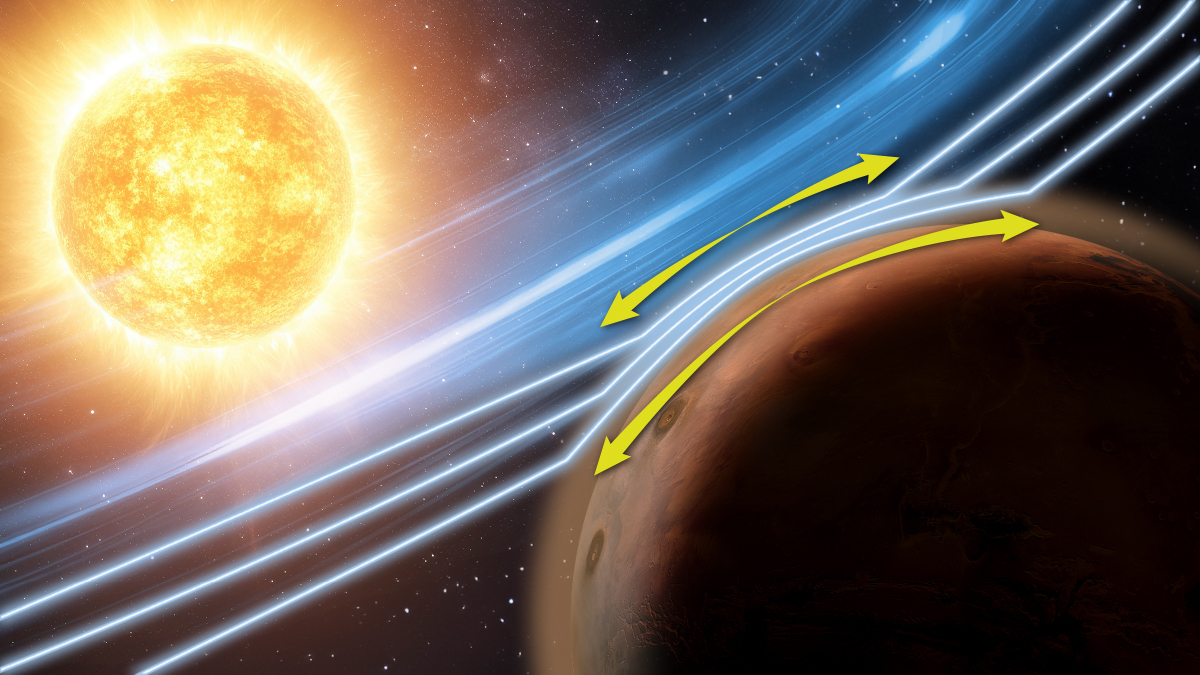
In December 2023, scientists sifting through data from NASA’s MAVEN (Mars Atmosphere and Volatile Evolution) orbiter stumbled upon something no one expected: the Zwan-Wolf effect, a phenomenon that occurs in planetary magnetospheres, appearing for the first time ever in a planetary atmosphere.
Christopher Fowler, a research assistant professor at West Virginia University and lead author of the study published in Nature Communications, recalled: “I all of a sudden noticed some very interesting wiggles… I would never have guessed it would be this effect, since it’s never been seen in a planetary atmosphere before.”
The Zwan-Wolf effect, first identified in 1976, describes a process where charged particles are squeezed and redistributed around magnetic structures — much like toothpaste being squeezed from a tube. On Earth, this helps deflect the solar wind. At Mars, it occurs deep in the ionosphere (below 200 km altitude) and affects how charged particles behave in the planet’s thin atmosphere.
Unlike Earth, Mars lacks a global magnetic field. Instead, it has an induced magnetosphere created by solar wind interacting with its ionosphere. During large solar storms, this induced field shifts dramatically in size and shape. When such a storm hit Mars, MAVEN detected the Zwan-Wolf effect — the scientists’ careful analysis of magnetic field measurements, charged particle data, and other observations ruled out alternative explanations and pointed to this previously unknown atmospheric phenomenon. “That’s what makes this even more exciting,” Fowler said. “It introduces interesting physics that we haven’t yet explored and a new way the Sun and space weather can change the dynamics in the Martian atmosphere.”
Understanding how this effect operates at Mars has broader implications. It may help explain atmospheric dynamics at other unmagnetised bodies such as Venus and Saturn’s moon Titan. For Mars exploration specifically, it highlights how geomagnetic storms directly influence conditions in the Martian atmosphere — knowledge that will be critical as humans plan future missions to the Red Planet.
Provider: SpaceX Date: May 20, 2026 Time: 2:36 AM UTC Vehicle: Falcon 9
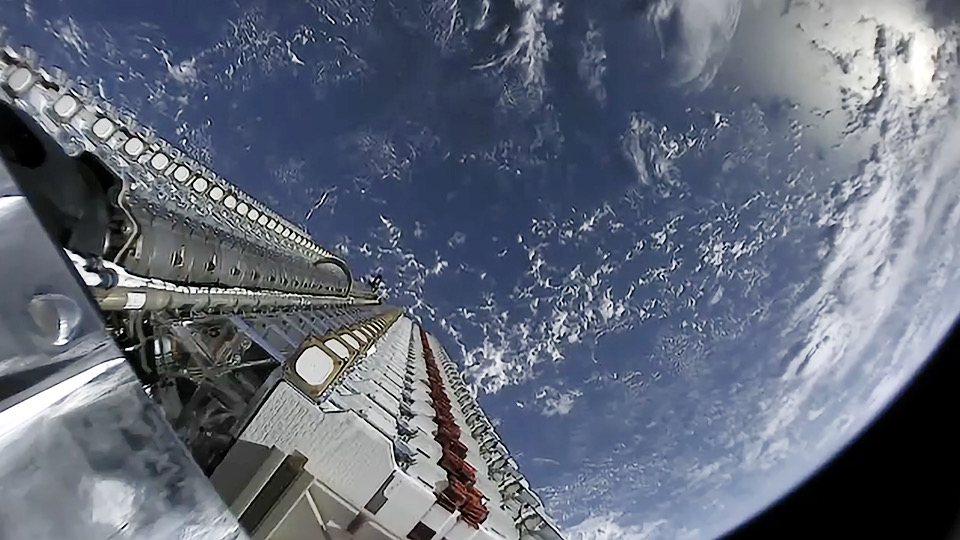
A batch of 24 satellites for the Starlink mega-constellation – SpaceX’s project for space-based Internet communication system.
Starlink Group 10-31
Provider: SpaceX Date: May 21, 2026 Time: 9:26 AM UTC Vehicle: Falcon 9
A batch of 29 satellites for the Starlink mega-constellation – SpaceX’s project for space-based Internet communication system.
Flight 12
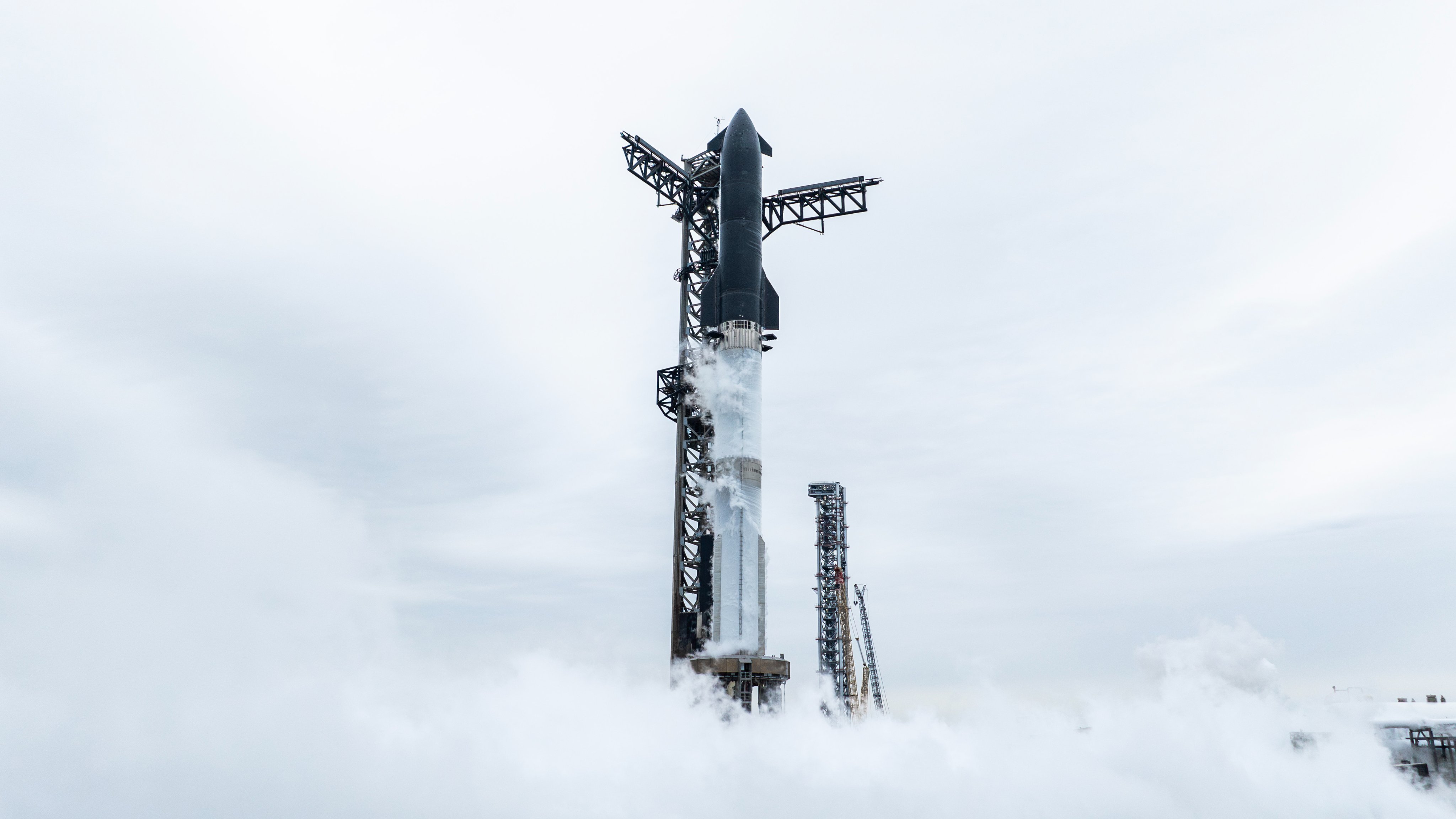
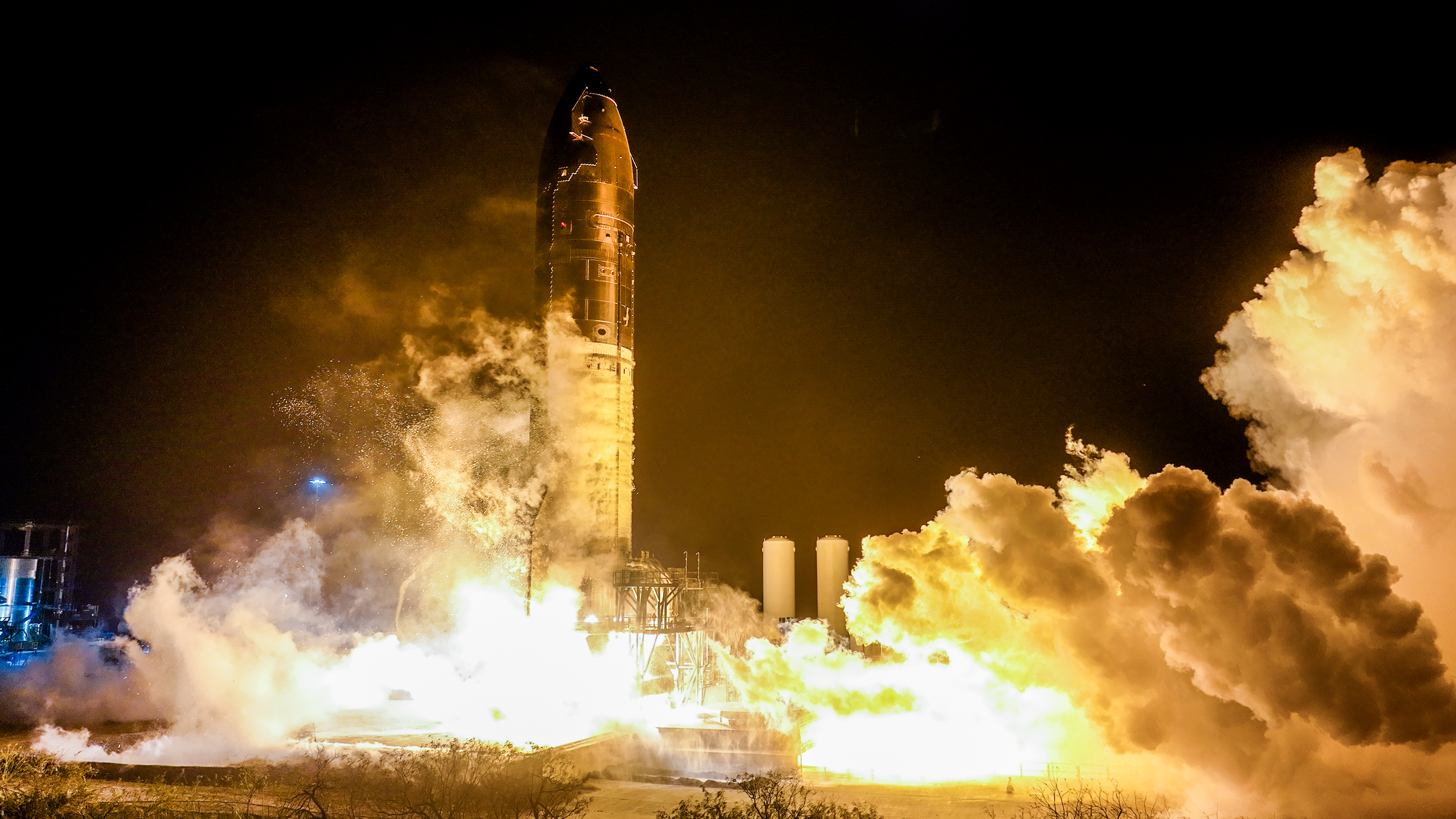
Provider: SpaceX Date: May 21, 2026 Time: 10:30 PM UTC Vehicle: Starship
12th test flight of the two-stage Starship launch vehicle. Maiden Flight of Starship V3.
The flight test’s primary goal will be to demonstrate each of these new pieces in the flight environment for the first time, with each element of the Starship architecture featuring significant redesigns to enable full and rapid reuse that incorporate learnings from years of development and test.
The Starship upper stage will target multiple in-space and reentry objectives, including a payload deployment of 20 Starlink simulators, similar in size to next-generation Starlink V3 satellites, and two specially modified Starlink satellites. The two modified satellites will test hardware planned for Starlink V3 and will attempt to scan Starship’s heat shield and transmit imagery down to operators to test methods of analyzing Starship’s heat shield readiness for return to launch site on future missions. Several tiles on Starship have been painted white to simulate missing tiles and serve as imaging targets in the test. The Starlink simulators will be on the same suborbital trajectory as Starship. A relight of a single Raptor engine while in space is also planned.
For Starship entry, a single heat shield tile has been intentionally removed to measure the aerodynamic load differences on adjacent tiles when there is a tile missing. Finally, the ship will perform experimental actions tested on previous flight tests, including a maneuver to intentionally stress the structural limits of the vehicle’s rear flaps and a dynamic banking maneuver to mimic the trajectory that future missions returning to Starbase will fly.
Viva La StriX (StriX Launch 9)
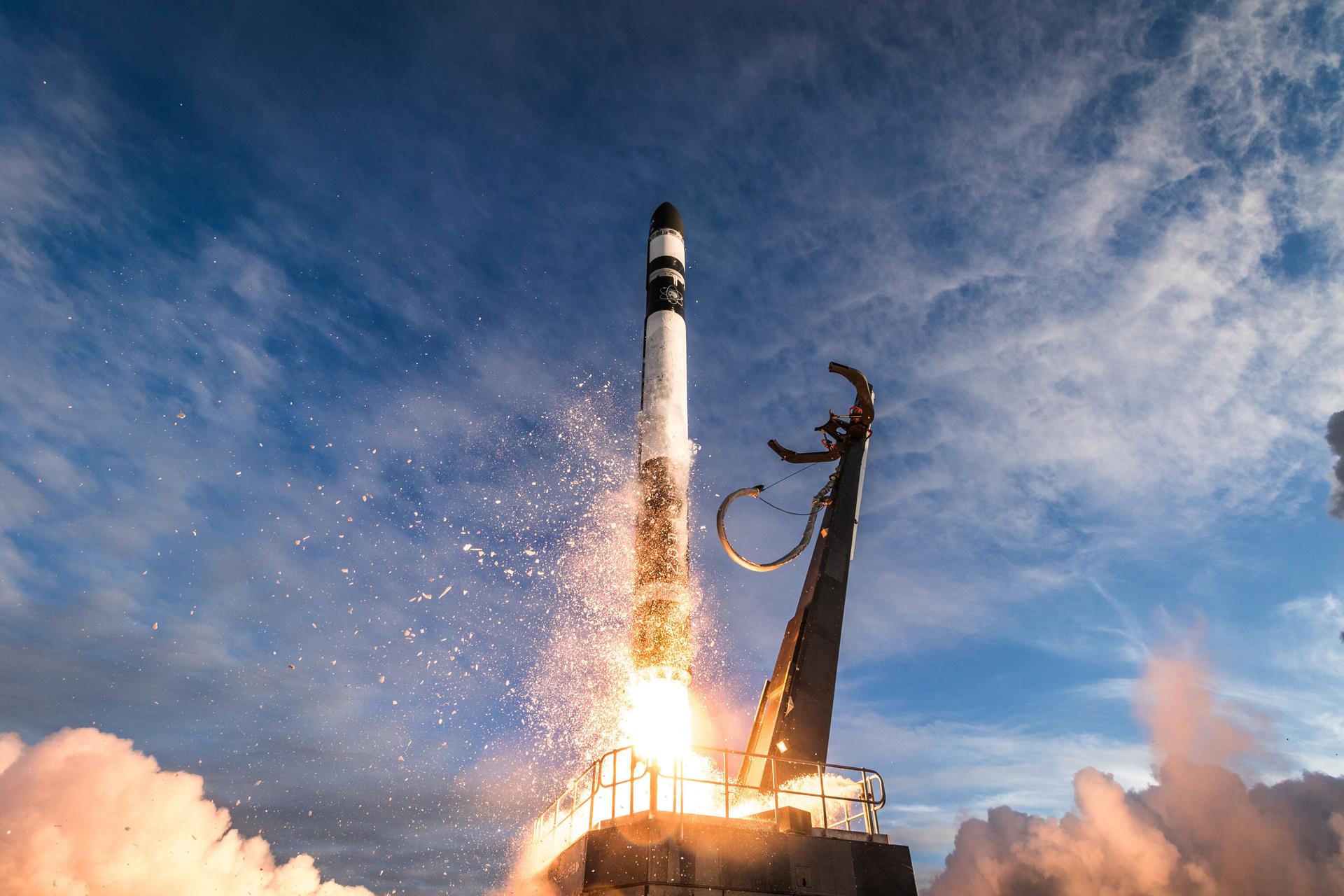
Provider: Rocket Lab Date: May 22, 2026 Time: 9:30 AM UTC Vehicle: Electron
Synthetic aperture radar satellite for Japanese Earth imaging company Synspective.
Starlink Group 17-37
Provider: SpaceX Date: May 23, 2026 Time: 2:00 PM UTC Vehicle: Falcon 9
A batch of 24 satellites for the Starlink mega-constellation – SpaceX’s project for space-based Internet communication system.
Starlink Group 17-42 ×
Mission Details
TypeCommunications
OrbitLow Earth Orbit
TargetEarth
A batch of 24 satellites for the Starlink mega-constellation – SpaceX’s project for space-based Internet communication system.
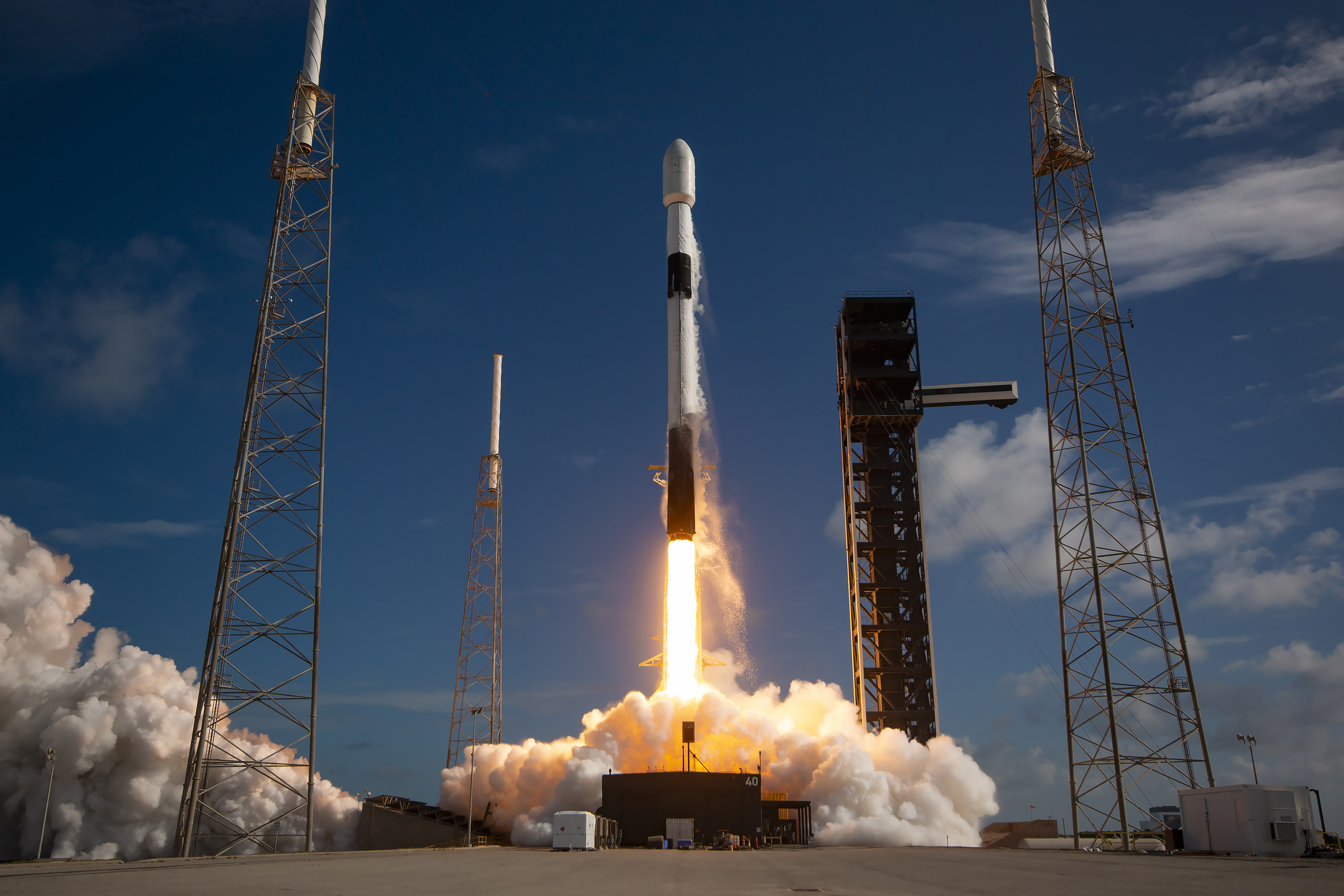
Falcon 9 is a two-stage rocket designed and manufactured by SpaceX for the reliable and safe transport of satellites and the Dragon spacecraft into orbit. The Block 5 variant is the fifth major interval aimed at improving upon the ability for rapid reusability.
Falcon 9 is a two-stage rocket designed and manufactured by SpaceX for the reliable and safe transport of satellites and the Dragon spacecraft into orbit. The Block 5 variant is the fifth major interval aimed at improving upon the ability for rapid reusability.
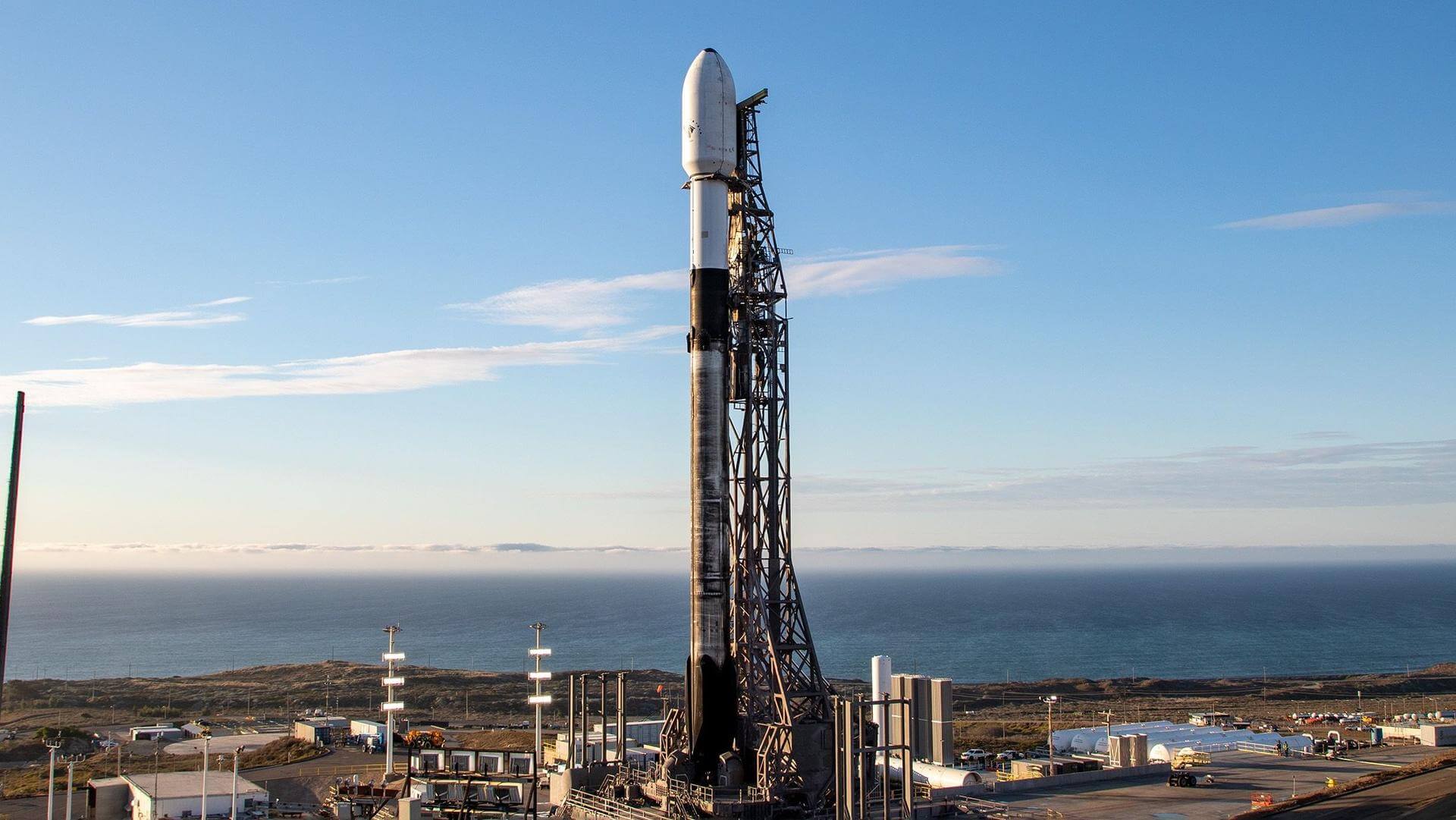
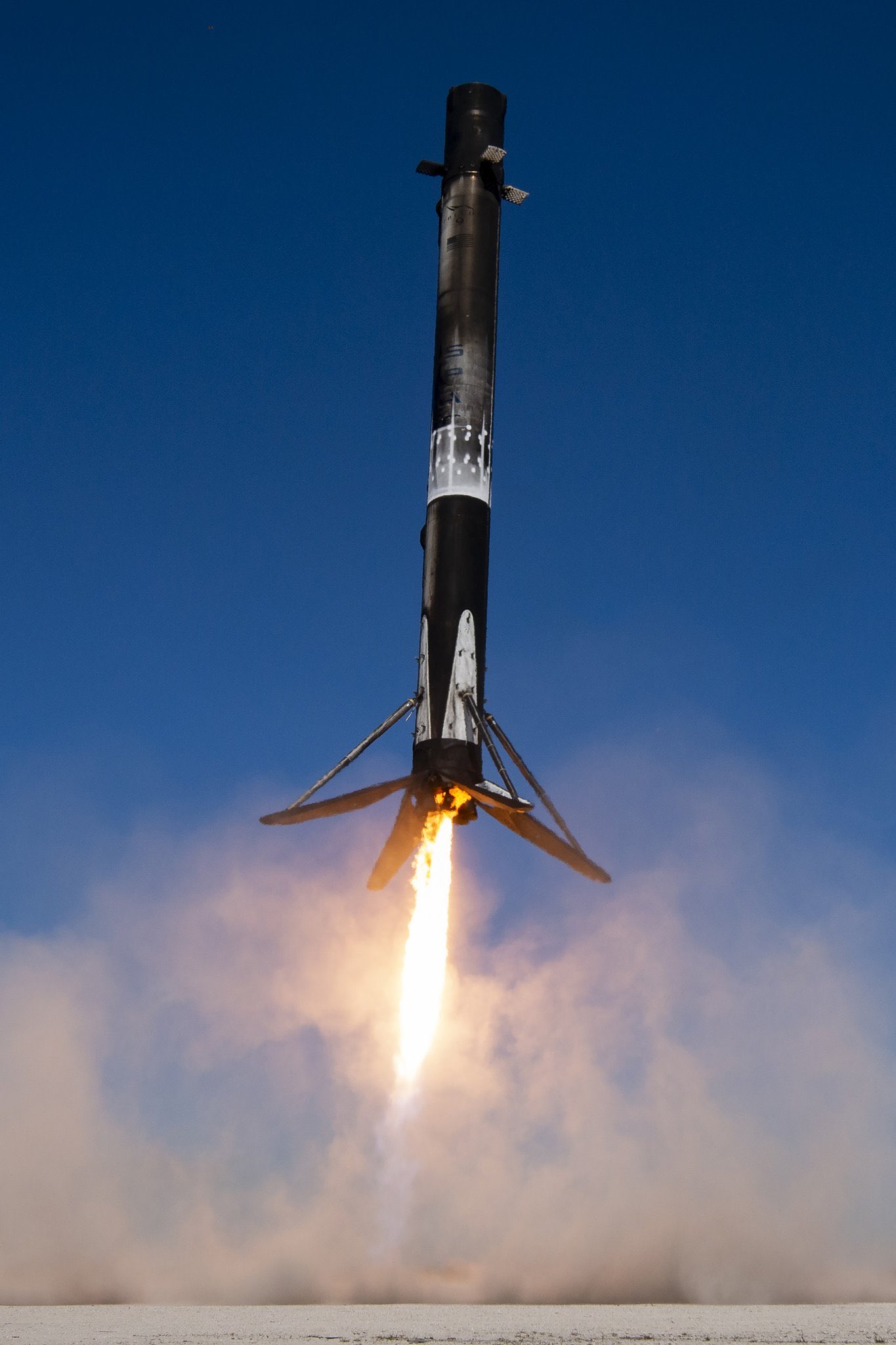
The Falcon 9 first stage B1077 will land on ASDS ASOG after its 28th flight.
Flight 12 ×
Mission Details
TypeTest Flight
OrbitSuborbital
TargetEarth
12th test flight of the two-stage Starship launch vehicle. Maiden Flight of Starship V3.
The flight test’s primary goal will be to demonstrate each of these new pieces in the flight environment for the first time, with each element of the Starship architecture featuring significant redesigns to enable full and rapid reuse that incorporate learnings from years of development and test.
The Starship upper stage will target multiple in-space and reentry objectives, including a payload deployment of 20 Starlink simulators, similar in size to next-generation Starlink V3 satellites, and two specially modified Starlink satellites. The two modified satellites will test hardware planned for Starlink V3 and will attempt to scan Starship’s heat shield and transmit imagery down to operators to test methods of analyzing Starship’s heat shield readiness for return to launch site on future missions. Several tiles on Starship have been painted white to simulate missing tiles and serve as imaging targets in the test. The Starlink simulators will be on the same suborbital trajectory as Starship. A relight of a single Raptor engine while in space is also planned.
For Starship entry, a single heat shield tile has been intentionally removed to measure the aerodynamic load differences on adjacent tiles when there is a tile missing. Finally, the ship will perform experimental actions tested on previous flight tests, including a maneuver to intentionally stress the structural limits of the vehicle’s rear flaps and a dynamic banking maneuver to mimic the trajectory that future missions returning to Starbase will fly.
The SpaceX Starship is a fully reusable super heavy-lift launch vehicle under development by SpaceX since 2012, as a self-funded private spaceflight project. The second stage of the Starship — is designed as a long-duration cargo and passenger-carrying spacecraft. It is expected to be initially used without any booster stage at all, as part of an extensive development program to prove out launch-and-landing and iterate on a variety of design details, particularly with respect to the vehicle’s atmospheric reentry.
The second launch and landing pad of the full version of the combined SpaceX Starship and Superheavy booster. To be first used for launch in 2025 with version 3 of Starship and the Superheavy…
Rocket Lab Launch Complex 1, Mahia Peninsula, New Zealand
Total launches from this pad: 0
Vehicle: Electron
Electron is a two-stage orbital expendable launch vehicle (with an optional third stage) developed by the American aerospace company Rocket Lab. Electron is a small-lift launch vehicle designed to launch small satellites and cubesats to sun-synchronous orbit and low earth orbit. The Electron is the…
Falcon 9 is a two-stage rocket designed and manufactured by SpaceX for the reliable and safe transport of satellites and the Dragon spacecraft into orbit. The Block 5 variant is the fifth major interval aimed at improving upon the ability for rapid reusability.
Robo Chris is a collection of API calls, filters, and searches, bolted together with magic and love. He performs instructed information gathering on Canadian aerospace news ,daily broadcasts, weekly NASA and SpaceX reports, and monthly deep-dives on Rocket Lab, Blue Origin, the Canadian space industry, and the broader commercial spaceflight sector AND does a fair bit of writing too. Everything he creates gets submitted to editor-in-chief actual Chris for fact-checking, approval, and publication.