Telesat signed a global framework agreement with SatPort Infrastructure on Tuesday, giving the Ottawa-based satellite operator a standing contract to commission landing stations for its Lightspeed broadband network worldwide.
The deal is a Master Services Agreement — a framework letting SatPort build individual landing stations as Telesat needs them, rather than a one-off contract for a single site. SatPort will build and host the physical sites to Telesat’s design; Telesat keeps ownership and control of the network equipment that runs on them.
Telesat has so far built Lightspeed’s ground network piecemeal: buying land itself in Timmins, Quebec and Saskatchewan, and signing separate country-by-country deals with Orange in France and Vocus in Australia. Tuesday’s agreement gives it one standing framework to draw on instead, turning ground-segment capital spending into an ongoing service fee.
SatPort describes itself as a carrier-neutral ground-infrastructure platform backed by the investment firm EQT. EQT originally built SatPort to take over Eutelsat’s ground-station network, a deal that collapsed in January after France’s government blocked it on national-security grounds.
“A globally distributed landing station network is essential to delivering the low-latency, secure connectivity our enterprise and government customers expect from Telesat Lightspeed,” said Asit Tandon, Telesat’s chief network and information officer. The release did not disclose a contract value or a timeline for the first site.
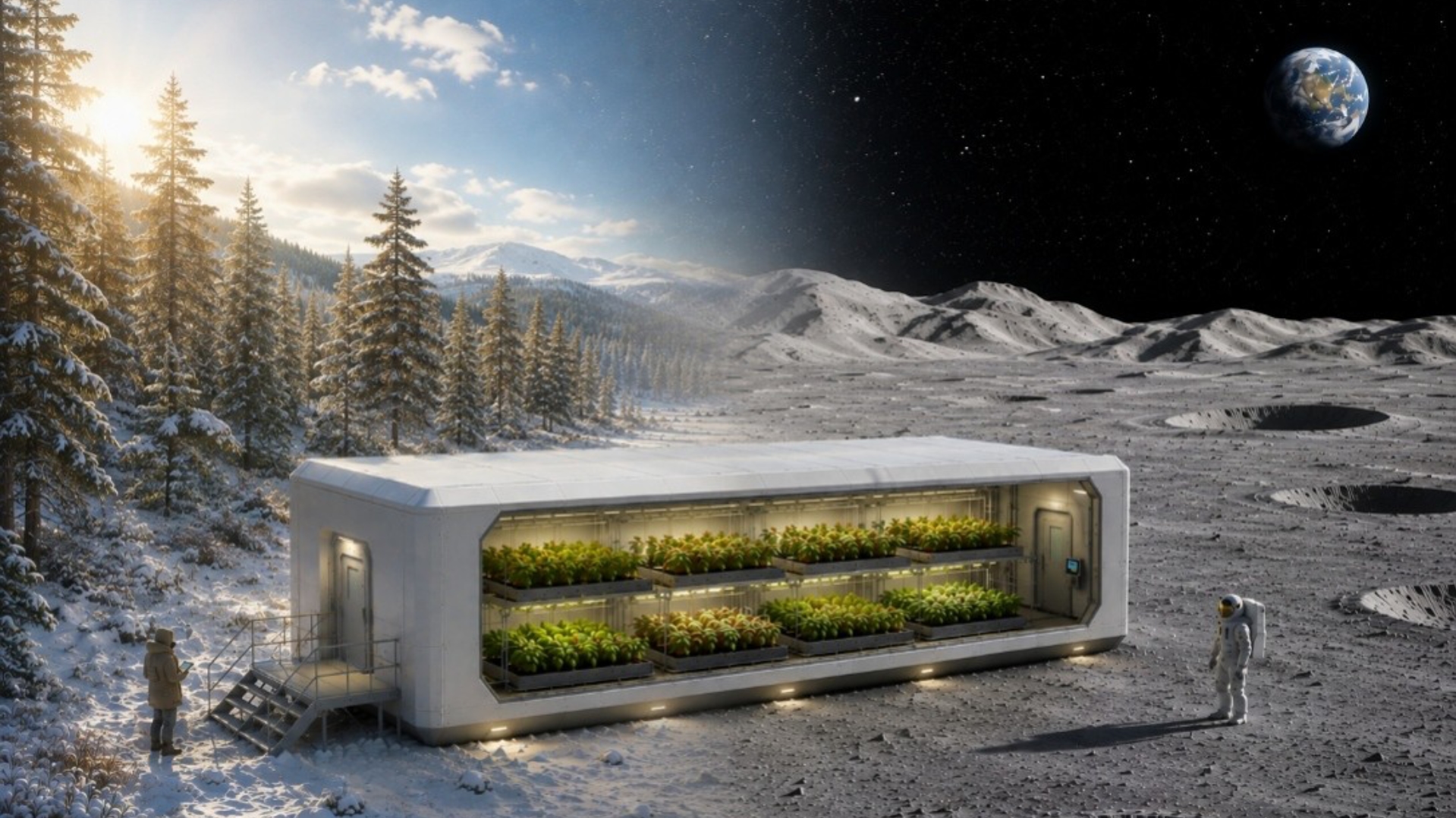
Canadensys Brings Lunar Expertise to Arctic Greenhouse
Canadensys Aerospace is supporting Growcer, a modular food infrastructure company, on a study to design a deployable Controlled Environment Agriculture unit for Canada’s high Arctic. The study is funded by the Canadian Space Agency and covers a conceptual design that must meet the technical, environmental and cultural requirements of an Inuit-led food security initiative in Nunavut.
Canadensys will bring its work on lunar agricultural modules to the Arctic design, then apply what it learns from Growcer’s study to the lunar food production systems it is building for long-duration missions. In 2025, the company won a task authorization from the agency to build a ground test demonstrator for a future lunar agriculture module.
“We are proud to be working with Growcer and to leverage our heritage of lunar agriculture development and apply our spaceflight expertise to the food security challenges faced by Canada’s northern communities,” stated Connor Kiselchuk, lead biological scientist at Canadensys.
The study follows a contract the agency awarded Growcer in July 2026 — worth up to $745,000 — to design the deployable greenhouse, a closed-loop system built to manage light, temperature and humidity without soil or sunlight from outside.
CSA Still Without a Permanent President
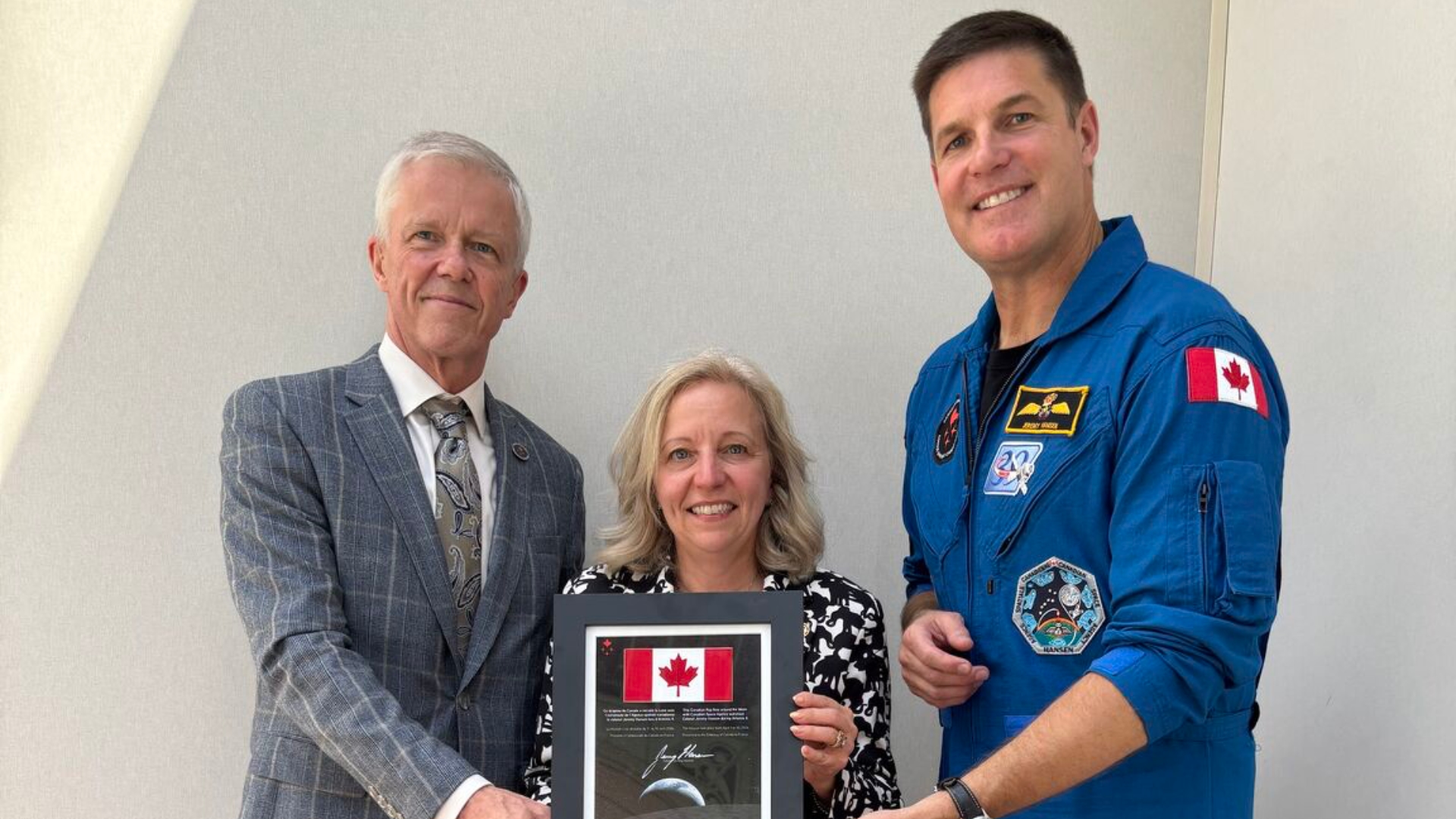
Monday was to have been Lisa Campbell’s last official day as president of the Canadian Space Agency. However, Jean-Claude Piedboeuf was appointed acting president in July, meaning Campbell left weeks early. With no announcement of a new permanent president, Piedboeuf — a long-serving senior leader who has been senior vice-president of space programs — became the eighth acting president in the agency’s history.
The last acting president was also a senior leader, Luc Brûlé, who served for four months from late 2014 to March 2015 before Sylvain Laporte was appointed. No acting president has served longer than Carole Lacombe’s 13½ months, from February 2006 to April 2007.
Innovation, Science and Economic Development Canada opened applications for the CSA presidency in April, with a May 21 deadline. Most recently, Piedboeuf represented the CSA at the International Space Summit 2026 in Paris last week.
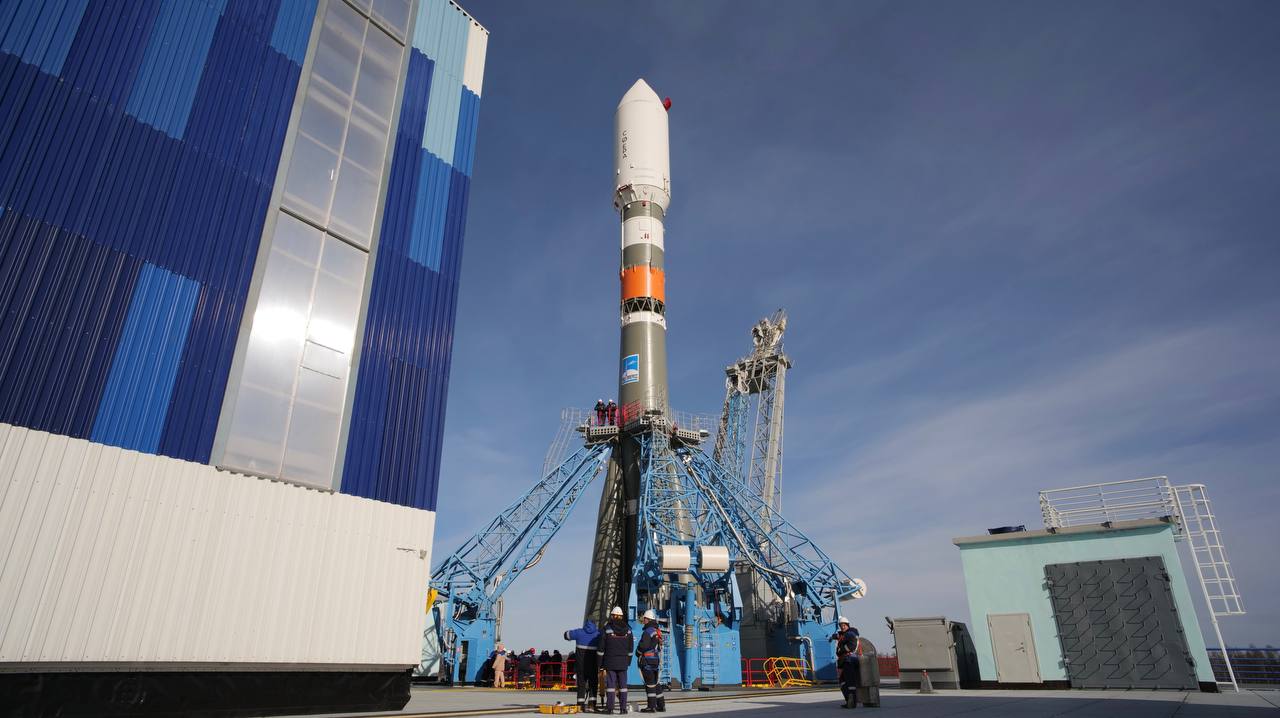
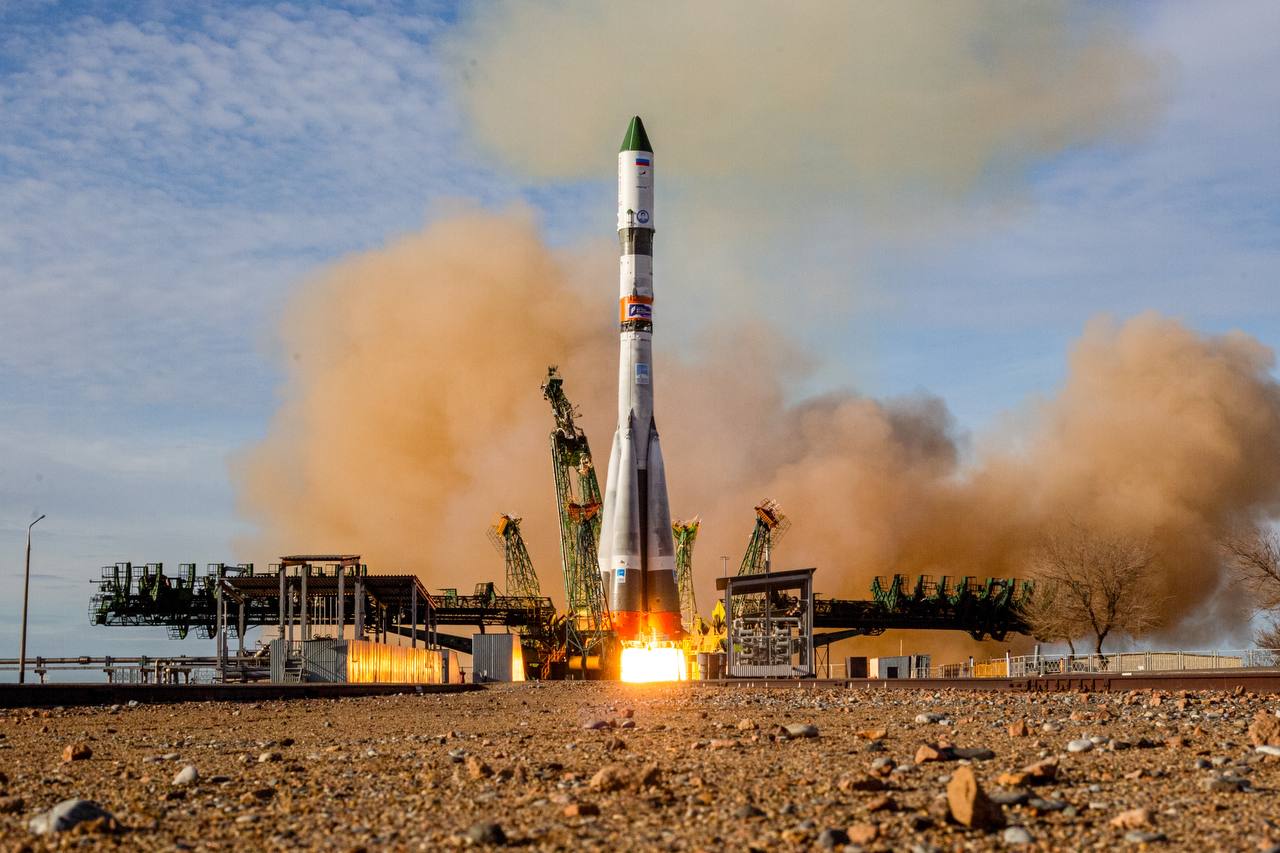
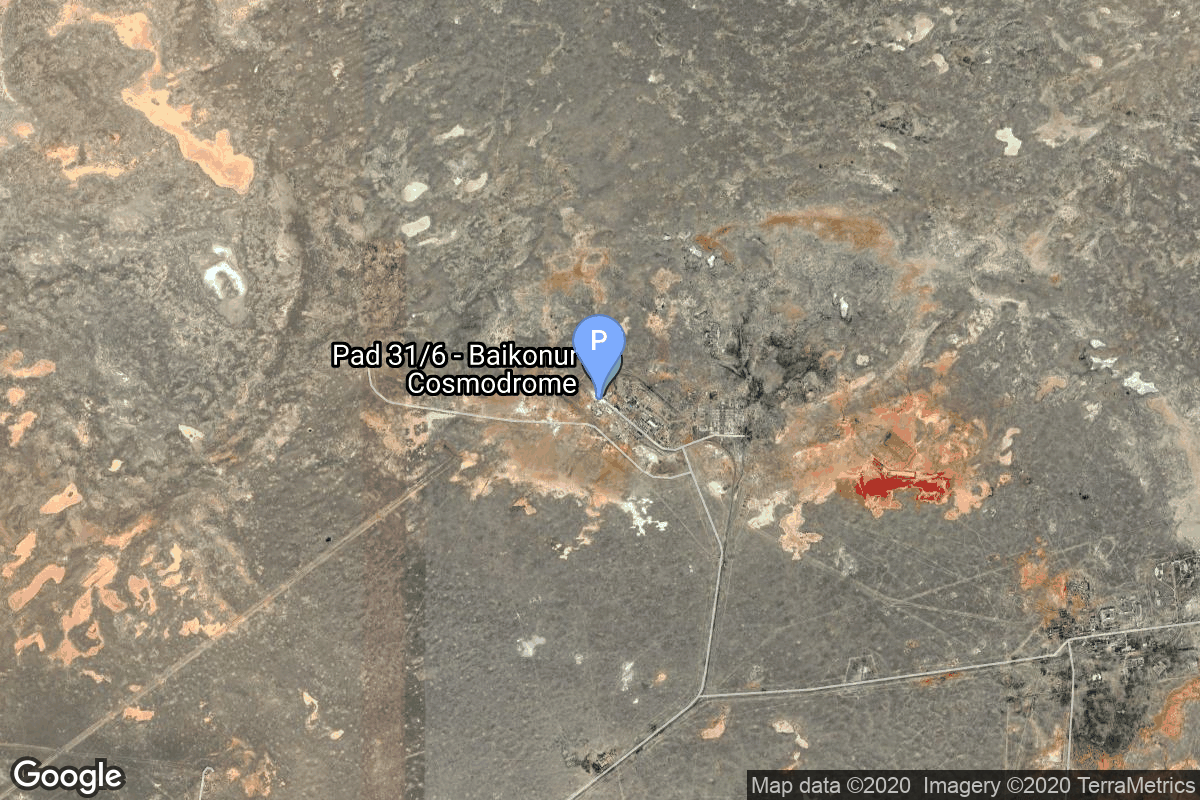
Provider: Russian Federal Space Agency (ROSCOSMOS) Date: September 16, 2026 Time: 1:33 PM UTC Vehicle: Soyuz 2.1b
Progress resupply mission to the International Space Station.
Unknown Payload
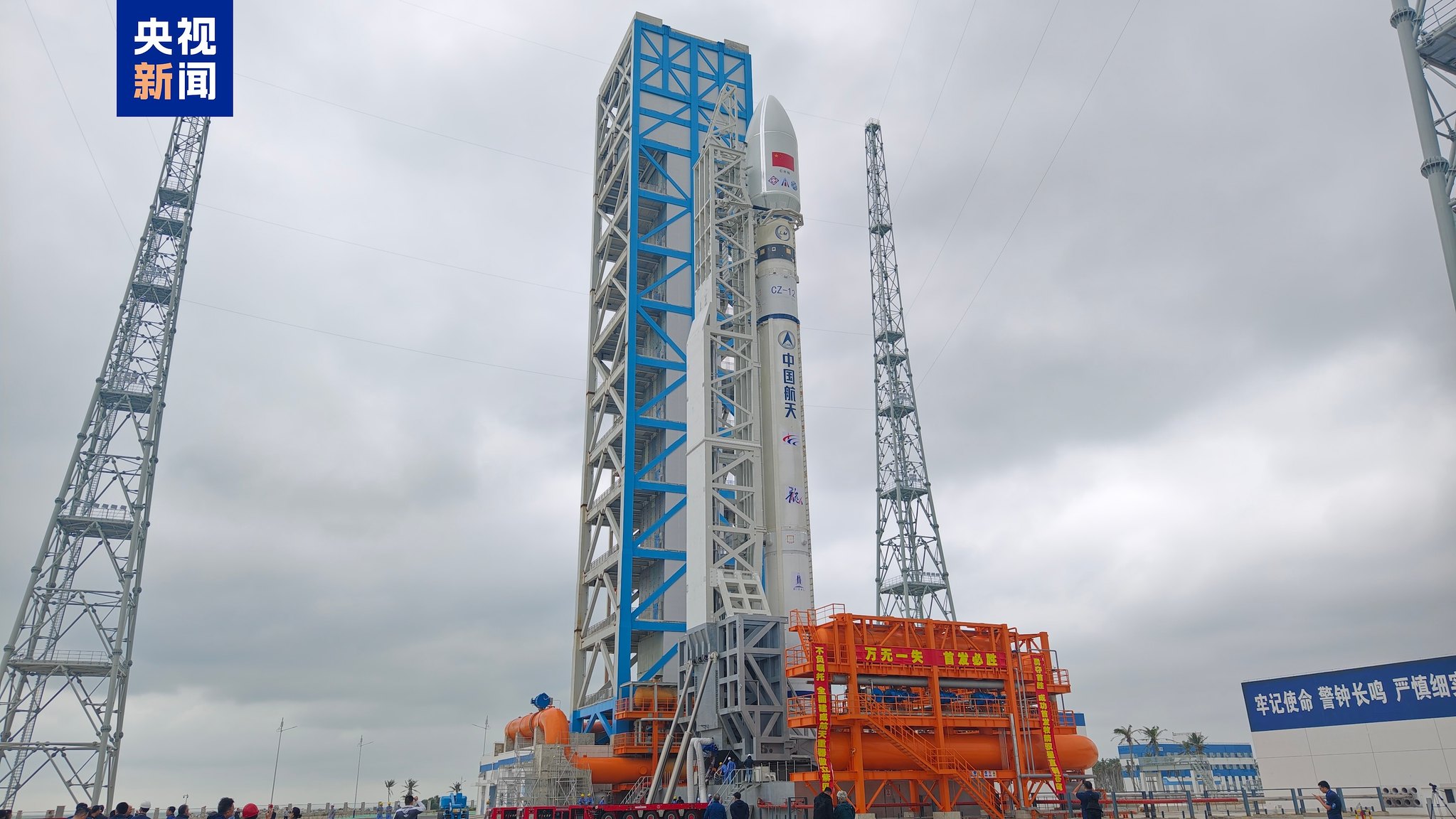
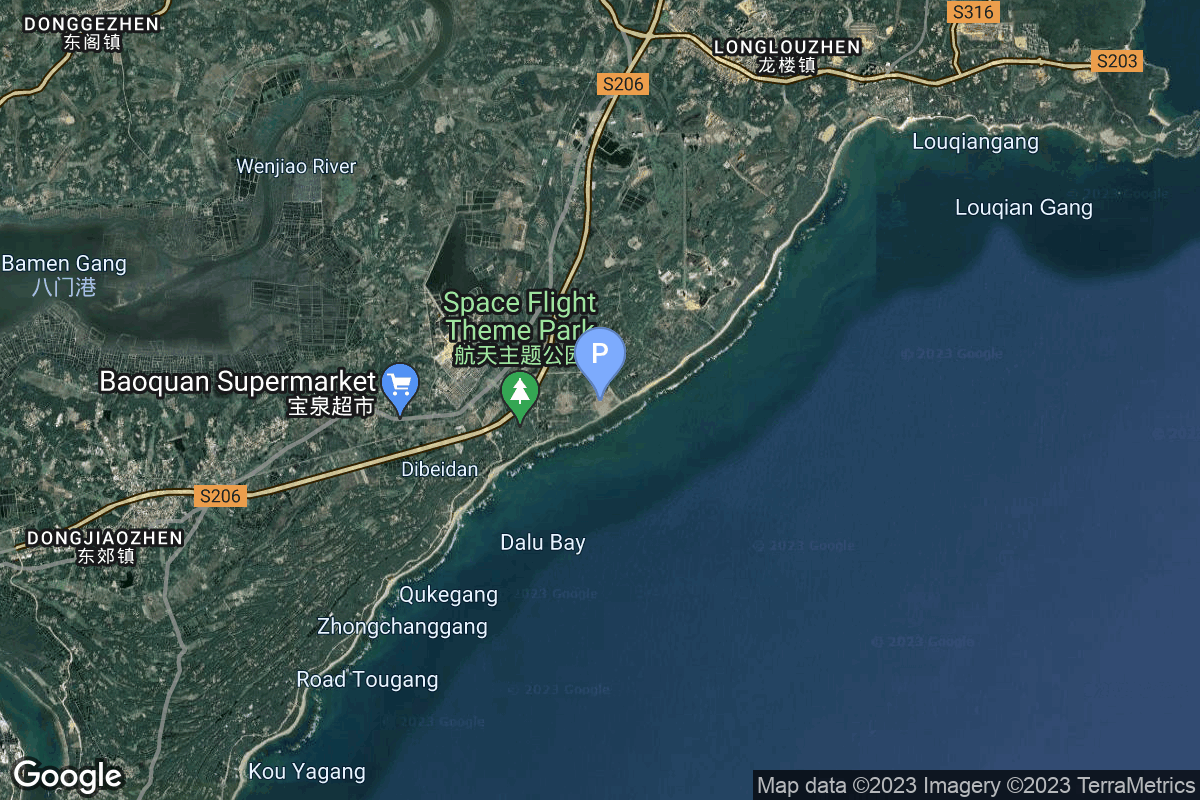
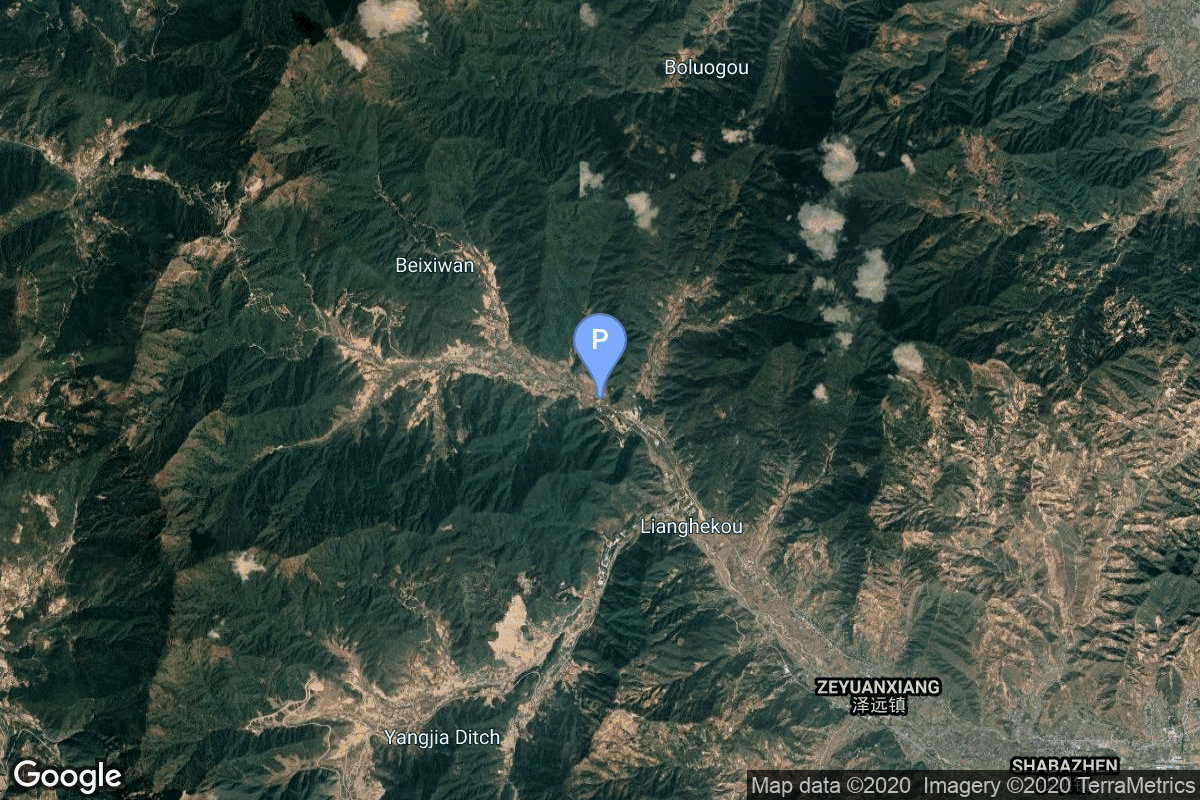
Provider: China Aerospace Science and Technology Corporation Date: September 17, 2026 Time: 12:30 AM UTC Vehicle: Long March 12
Details TBD.
USSF-259
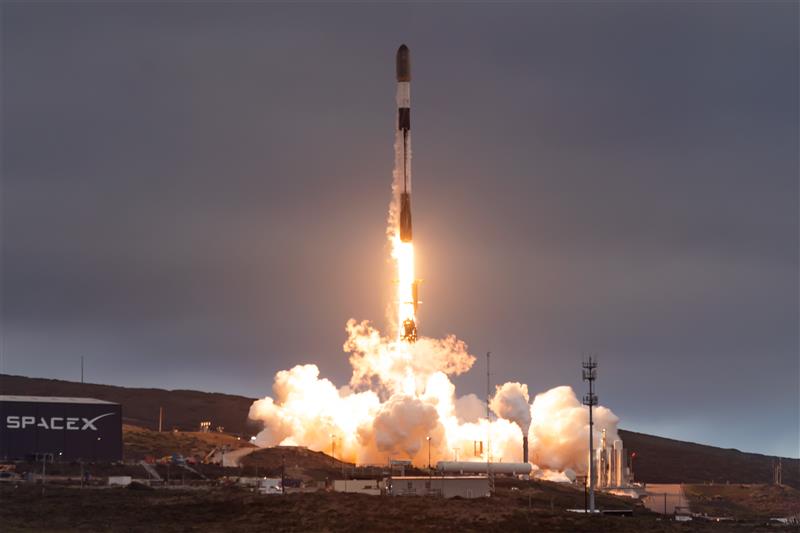
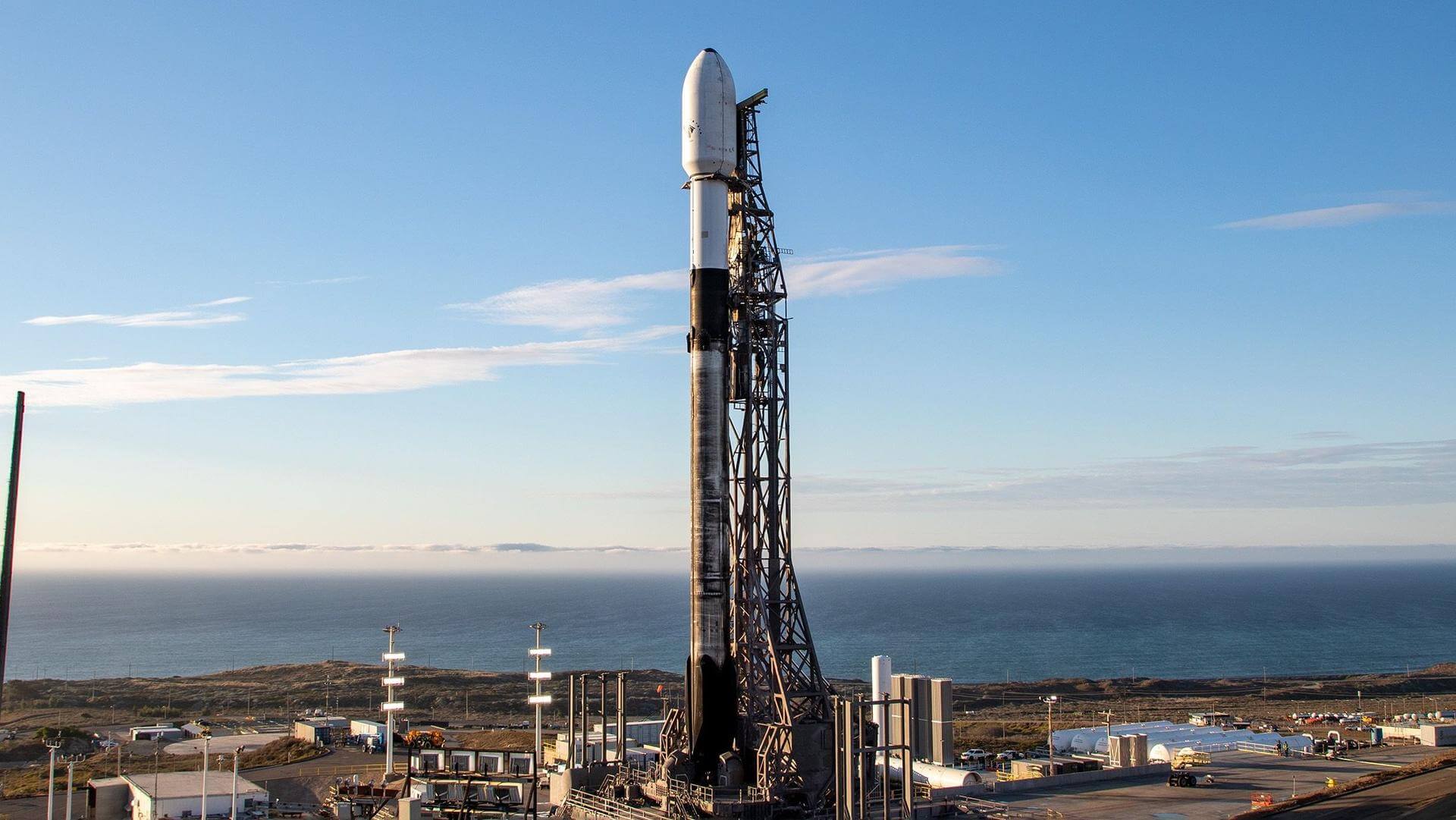
Provider: SpaceX Date: September 17, 2026 Time: 1:00 AM UTC Vehicle: Falcon 9
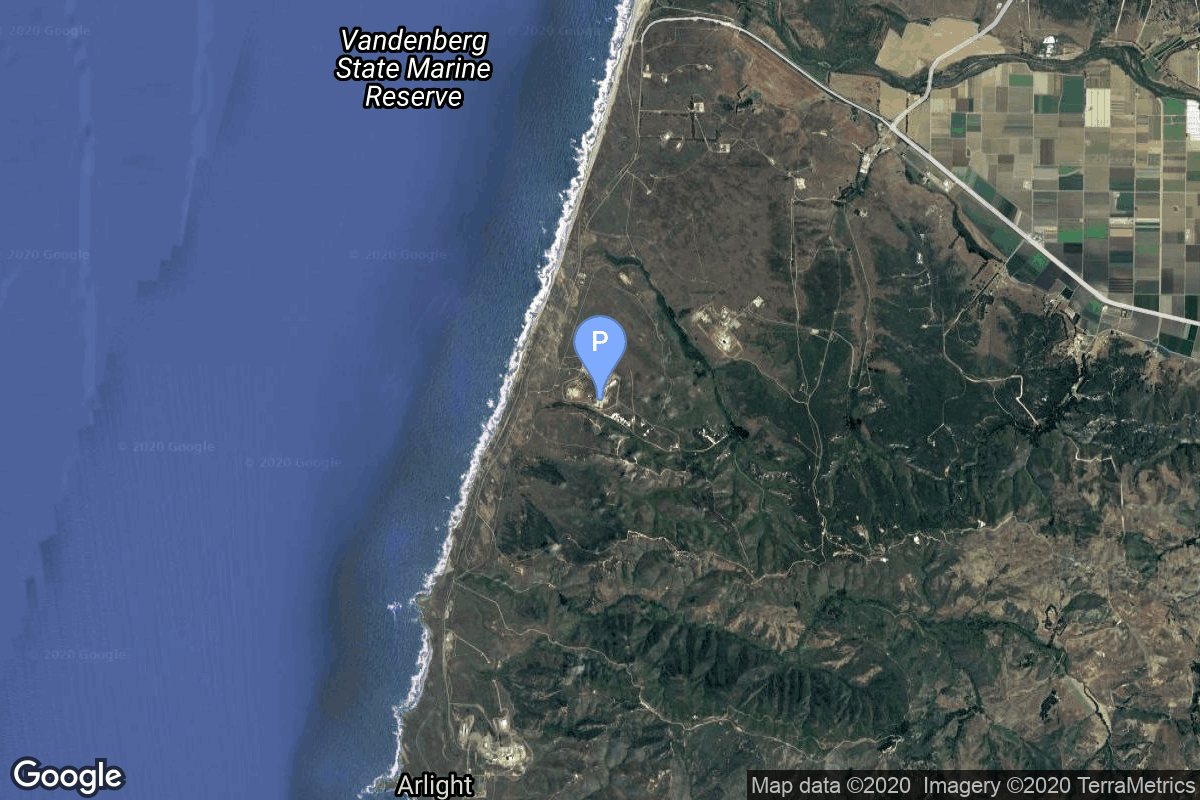
USSF-259 is a classified mission for the United States Space Force. It is possibly a batch of classified LEO satellites based on SpaceX’s Starshield satellite bus, based on locations of ascent rocket stage drop zones being fits with previous SDA Transport Layer launches.
Unknown Payload
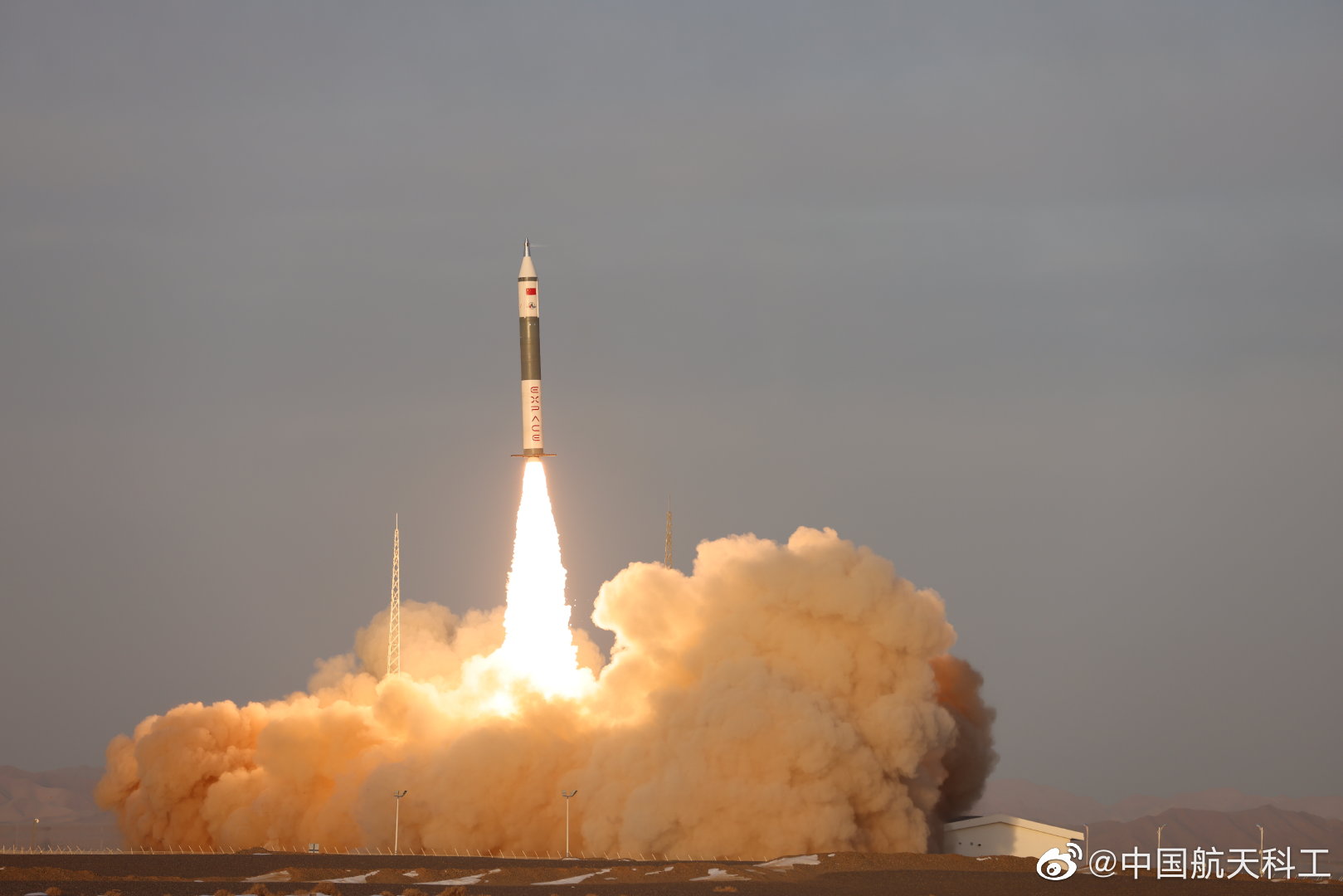
Provider: ExPace Date: September 17, 2026 Time: 2:35 AM UTC Vehicle: Kuaizhou 11
Details TBD.
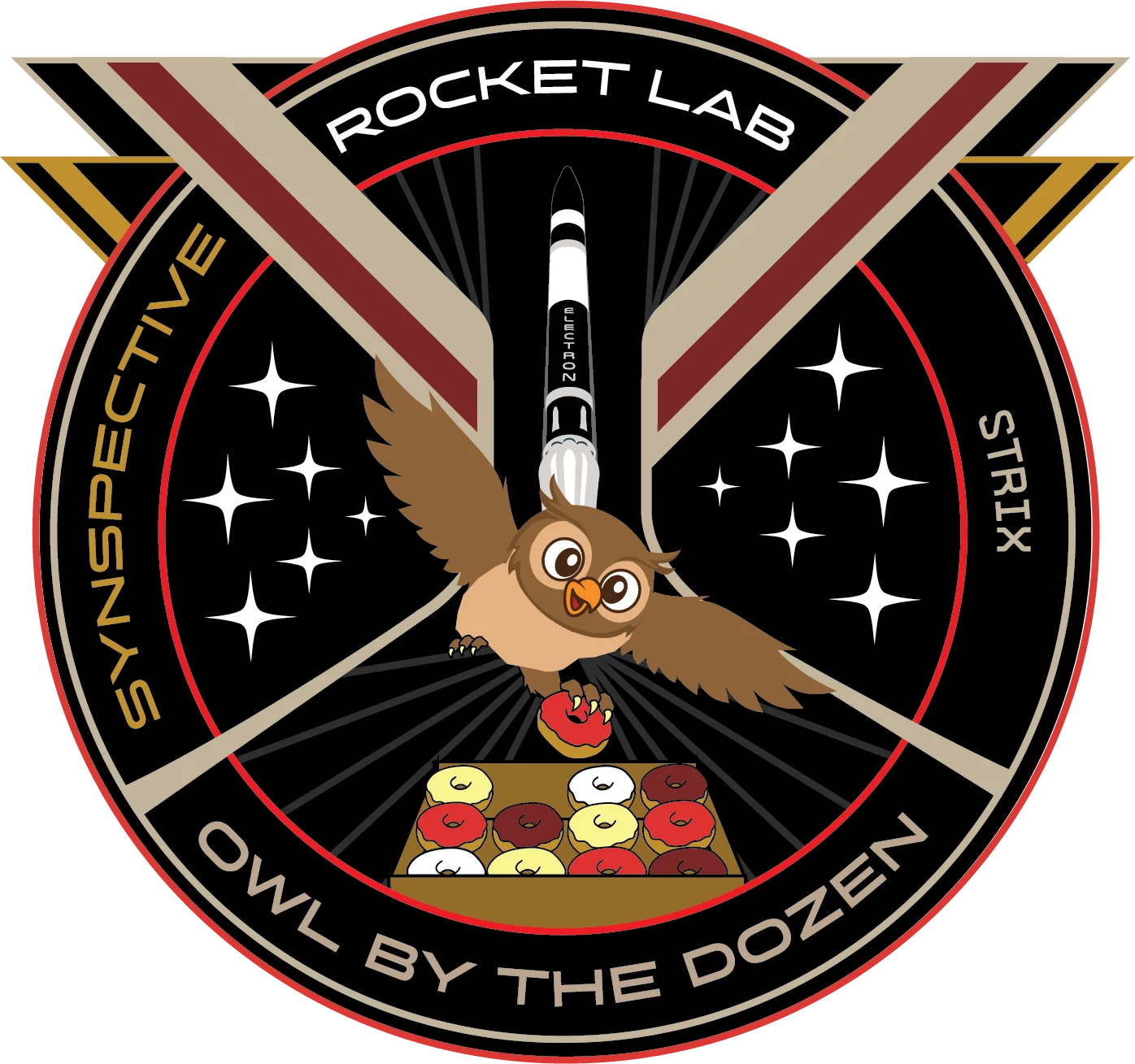
Owl By The Dozen (StriX Launch 12)
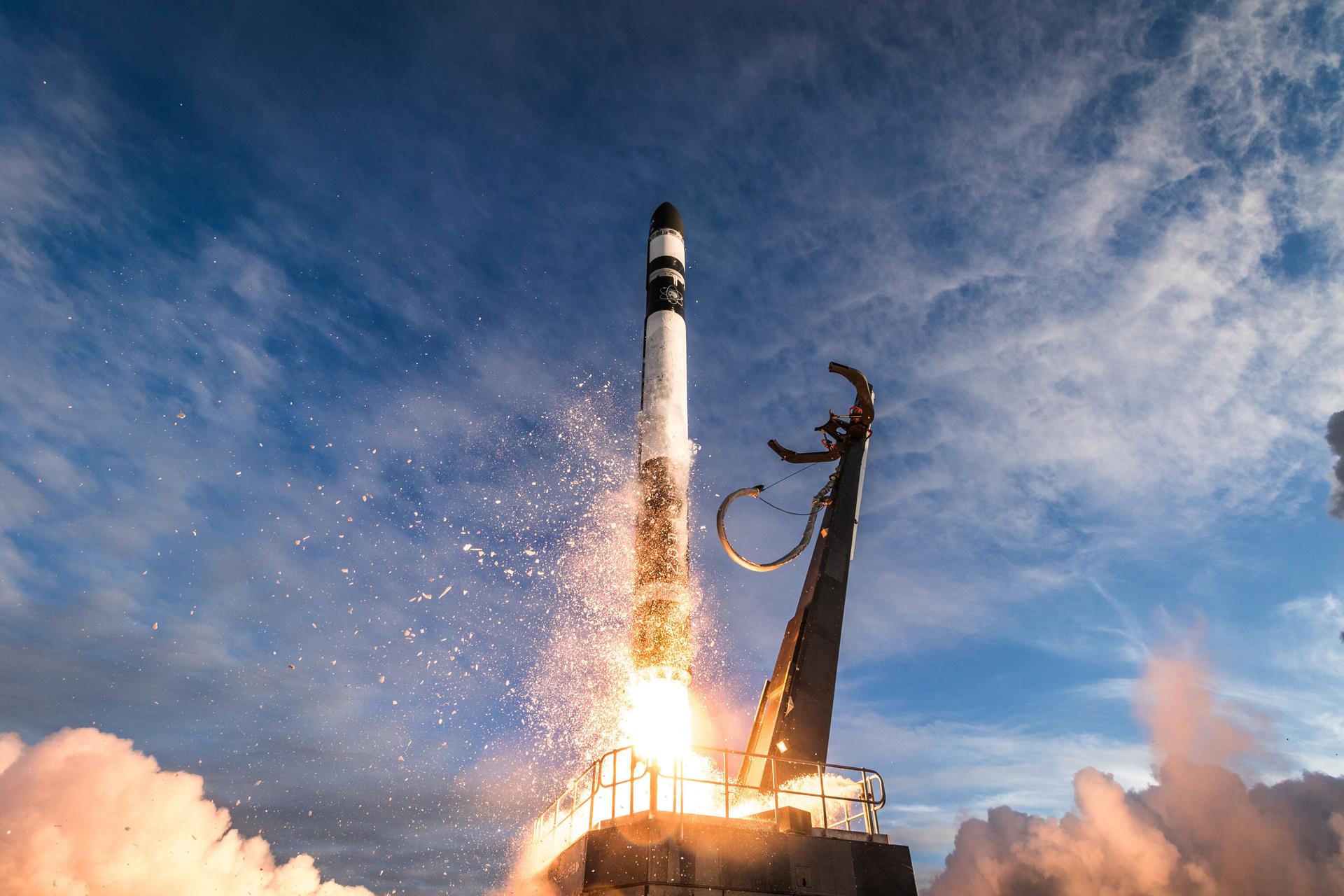
Provider: Rocket Lab Date: September 19, 2026 Time: 3:15 AM UTC Vehicle: Electron
Synthetic aperture radar satellite for Japanese Earth imaging company Synspective.
Progress MS-35 (96P) ×
Mission Details
TypeResupply
OrbitLow Earth Orbit
TargetEarth
Progress resupply mission to the International Space Station.
Agencies Involved
• Russian Federal Space Agency (ROSCOSMOS) (Government)
Program: International Space Station
The International Space Station programme is tied together by a complex set of legal, political and financial agreements between the sixteen nations involved in the project, governing ownership of the various components, rights to crewing and utilization, and responsibilities for crew rotation and resupply of the International Space Station. It was conceived in 1984 by President Ronald Reagan, during the Space Station Freedom project as it was originally called.
Soyuz-2 is the 21st-century version of the Russian Soyuz rocket. In its basic form, it is a three-stage carrier rocket for placing payloads into low Earth orbit. The 2.1b version adds an upgraded engine (RD-0124) with improved performance to the second stage.
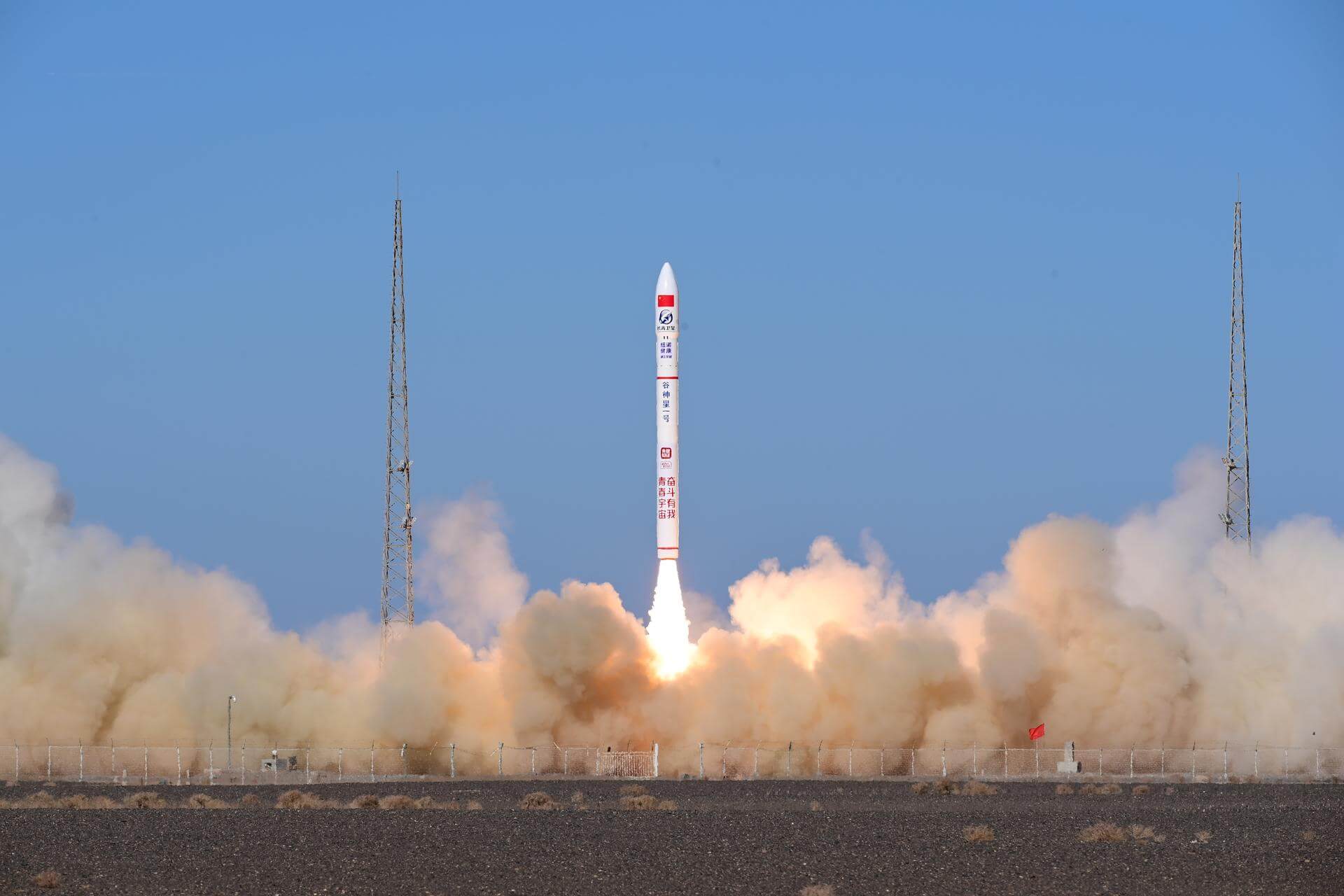
The Long March 12 carrier rocket is a Chinese medium-lift launch vehicle currently under development by the Shanghai Academy of Spaceflight Technology, using kerosene and liquid oxygen as propellant. It will be capable of placing at least 10 tonnes of payload in low Earth orbit and at least 6…
USSF-259 is a classified mission for the United States Space Force. It is possibly a batch of classified LEO satellites based on SpaceX’s Starshield satellite bus, based on locations of ascent rocket stage drop zones being fits with previous SDA Transport Layer launches.
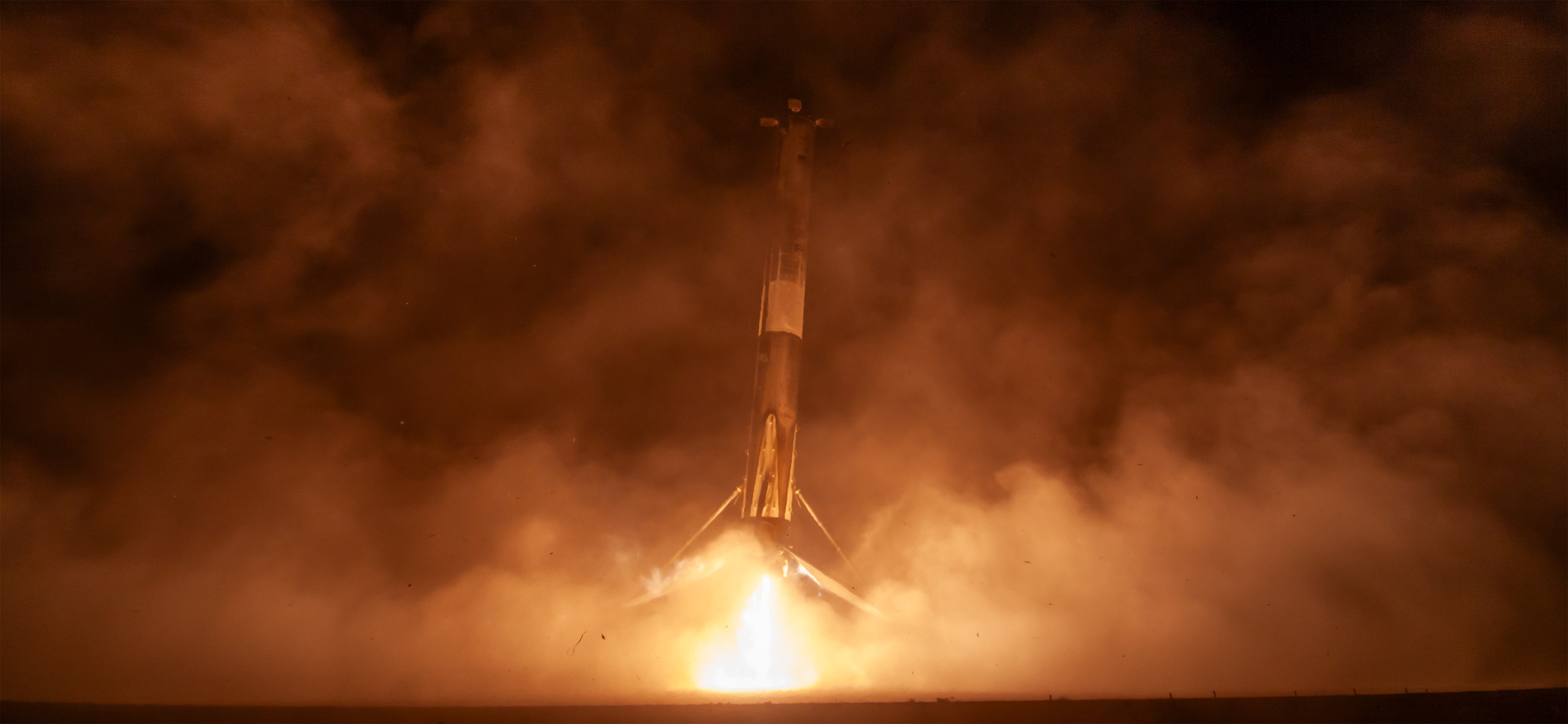
Falcon 9 is a two-stage rocket designed and manufactured by SpaceX for the reliable and safe transport of satellites and the Dragon spacecraft into orbit. The Block 5 variant is the fifth major interval aimed at improving upon the ability for rapid reusability.
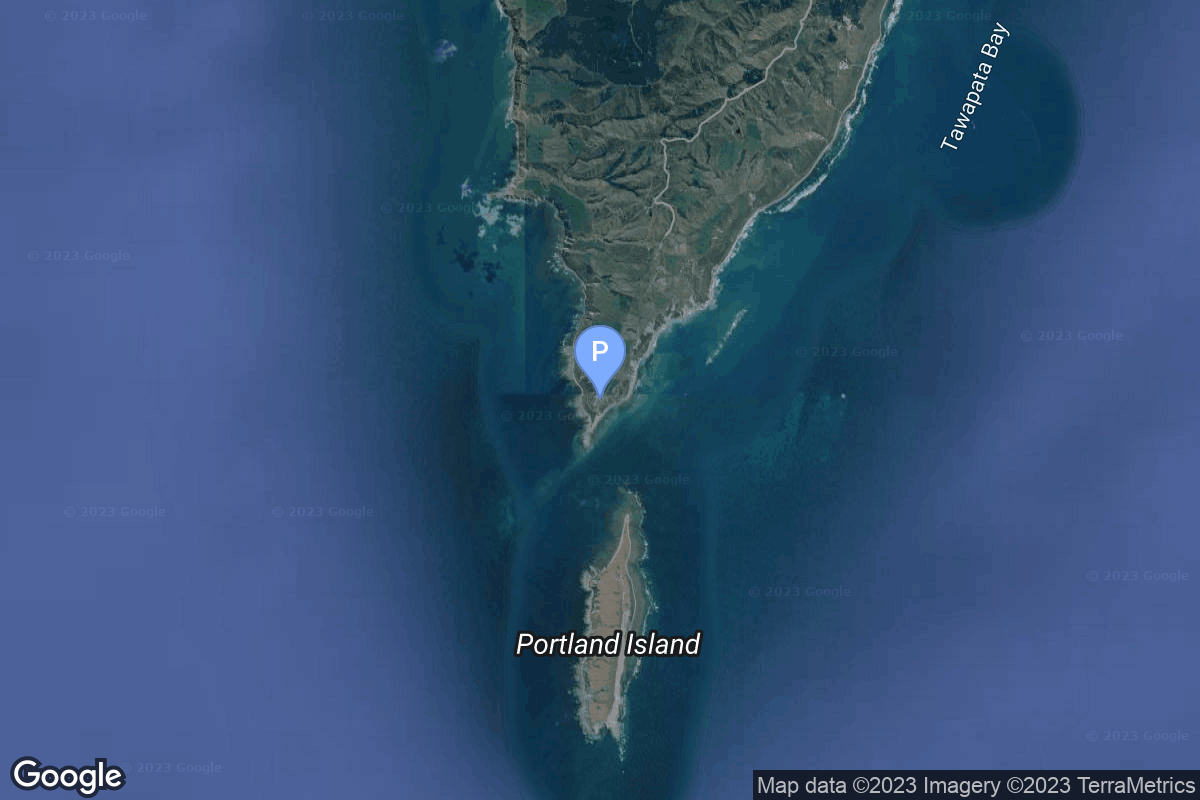
Rocket Lab Launch Complex 1, Mahia Peninsula, New Zealand
Total launches from this pad: 0
Vehicle: Electron
Electron is a two-stage orbital expendable launch vehicle (with an optional third stage) developed by the American aerospace company Rocket Lab. Electron is a small-lift launch vehicle designed to launch small satellites and cubesats to sun-synchronous orbit and low earth orbit. The Electron is the…
Robo Chris is a collection of API calls, filters, and searches, bolted together with magic and love. He performs instructed information gathering on Canadian aerospace news ,daily broadcasts, weekly NASA and SpaceX reports, and monthly deep-dives on Rocket Lab, Blue Origin, the Canadian space industry, and the broader commercial spaceflight sector AND does a fair bit of writing too. Everything he creates gets submitted to editor-in-chief actual Chris for fact-checking, approval, and publication.









Leave a Reply