Telesat GEO Inc. stands to collect US$189 million in incentive payments under a Federal Communications Commission order setting out a plan to clear the Upper C-band for next-generation wireless services. The payout, available to the subsidiary of Ottawa-based Telesat Corporation, is tied to the company’s obligation to vacate 160 megahertz of Upper C-band spectrum from the contiguous United States.
The FCC is distributing a broader US$6.3 billion incentive pool across satellite operators willing to clear the band. Securing the payment depends entirely on Telesat GEO hitting transition deadlines set by the regulator; the FCC will also reimburse the company for reasonable transition costs approved by a designated clearinghouse. Industry estimates place the sector’s hardware and operational burden for the move at between US$4 billion and US$5 billion.
“The FCC’s Order establishes a clear path forward for the Upper C-band transition and will help accelerate the availability of spectrum needed to expand next-generation wireless services,” Telesat president and CEO Dan Goldberg said. “Building on our successful execution of the previous C-band transition, we look forward to working closely with customers, earth station operators, and regulators to efficiently clear this spectrum while ensuring continuity of services.”
Satellite operators must submit transition plans to the FCC by Nov. 5, 2026, outlining the technical procedures needed to clear the spectrum without disrupting customer networks. The main transition deadline falls in December 2030, with full completion expected by June 2031.
ISED Opens Space Launch and In-Orbit Servicing Consultation
Innovation, Science and Economic Development Canada has launched a public consultation to modernize spectrum regulations for the country’s space sector, specifically targeting space launch vehicles and variable trajectory spacecraft. The proposal arrives alongside the government’s domestic launch push through the Launch the North challenge.
Under the proposed framework, a launch provider would receive a single licence covering all vehicles flying a specific flight path from a given Canadian spaceport, rather than obtaining a new spectrum licence for every individual flight. Canada currently has two spaceports under development. Providers must still submit ITU filings, but would be exempt from ISED-specific space debris mitigation plans on the grounds that Transport Canada holds primary authority over launch and re-entry safety under the Aeronautics Act.
Until the framework is finalized, ISED commits to a stable transition and will grant Interim Authorizations on a case-by-case basis, subject to the technical limits outlined in the consultation.
The consultation also defines a licensing approach for variable trajectory spacecraft, which cover In-Orbit Servicing and In-space Servicing, Assembly, and Manufacturing. Those missions will be licensed on a per-mission, per-agreement basis, and operators will be required to maintain a licence for an interim orbital position during gaps between service contracts. VTS operators must submit a comprehensive space debris mitigation plan and meet strict de-orbit requirements at end of mission.
ArianeGroup Marks Major Themis Rehearsal at Esrange
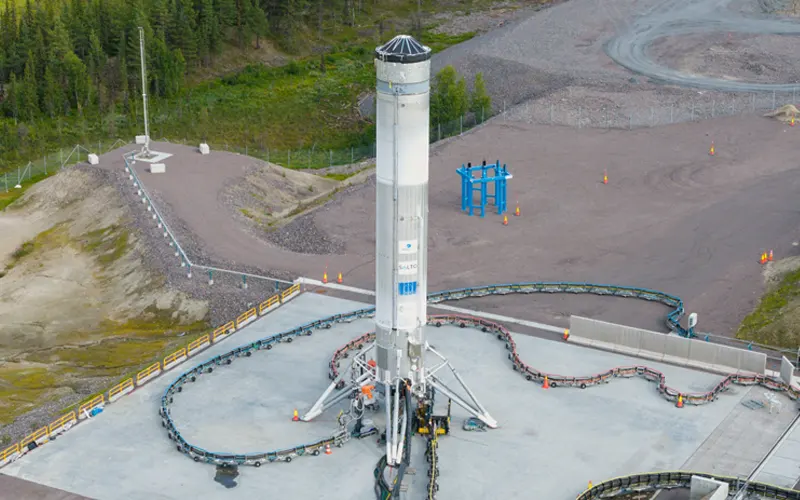
ArianeGroup has completed a wet dress rehearsal of the Themis reusable booster demonstrator at the Esrange Space Centre in Sweden, marking the programme’s most significant publicly announced milestone in more than ten months. The rehearsal, carried out on July 23 by teams from ArianeGroup and SSC Space, was announced on July 30.
During the test, the 28-metre-tall demonstrator ran through a simulated pre-flight sequence under cryogenic conditions. According to ArianeGroup, operations over the course of one day covered preparations for both vehicle and launch pad, the countdown, and the procedures needed to make the site safe after a simulated flight and recovery.
The test did not use the liquid oxygen and liquid methane that will be loaded during powered testing. Instead, liquid nitrogen flowed through the vehicle’s cryogenic tanks and lines, reproducing flight-representative pressures and temperatures that fell as low as -200°C.
The rehearsal is the clearest sign of progress since September 2025, when the T1H demonstrator was erected on its four landing legs at Esrange. In January 2026, the then-director of ESA’s space transportation programme explained that Kiruna remained under snow and teams were “waiting for spring.” With the wet dress now complete, Themis moves toward its first low-altitude hop test. ArianeGroup said teams are “now working to define the window for the next test.”
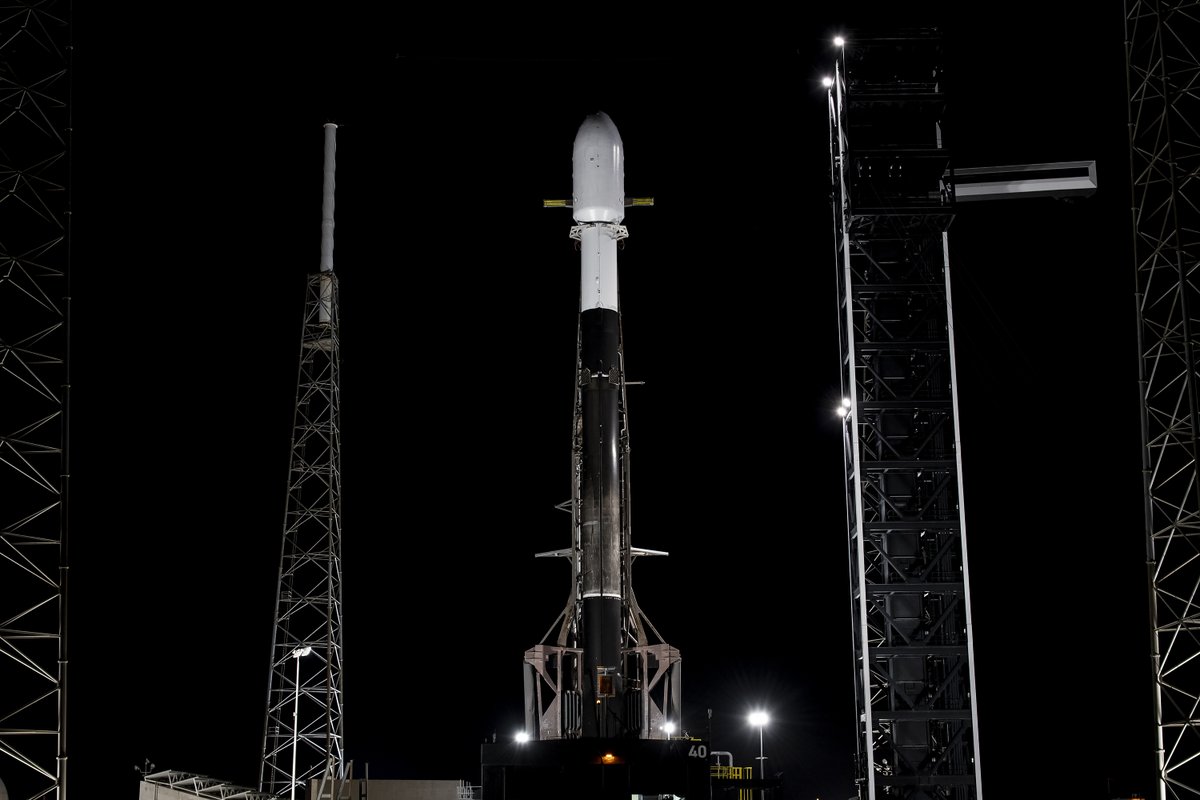
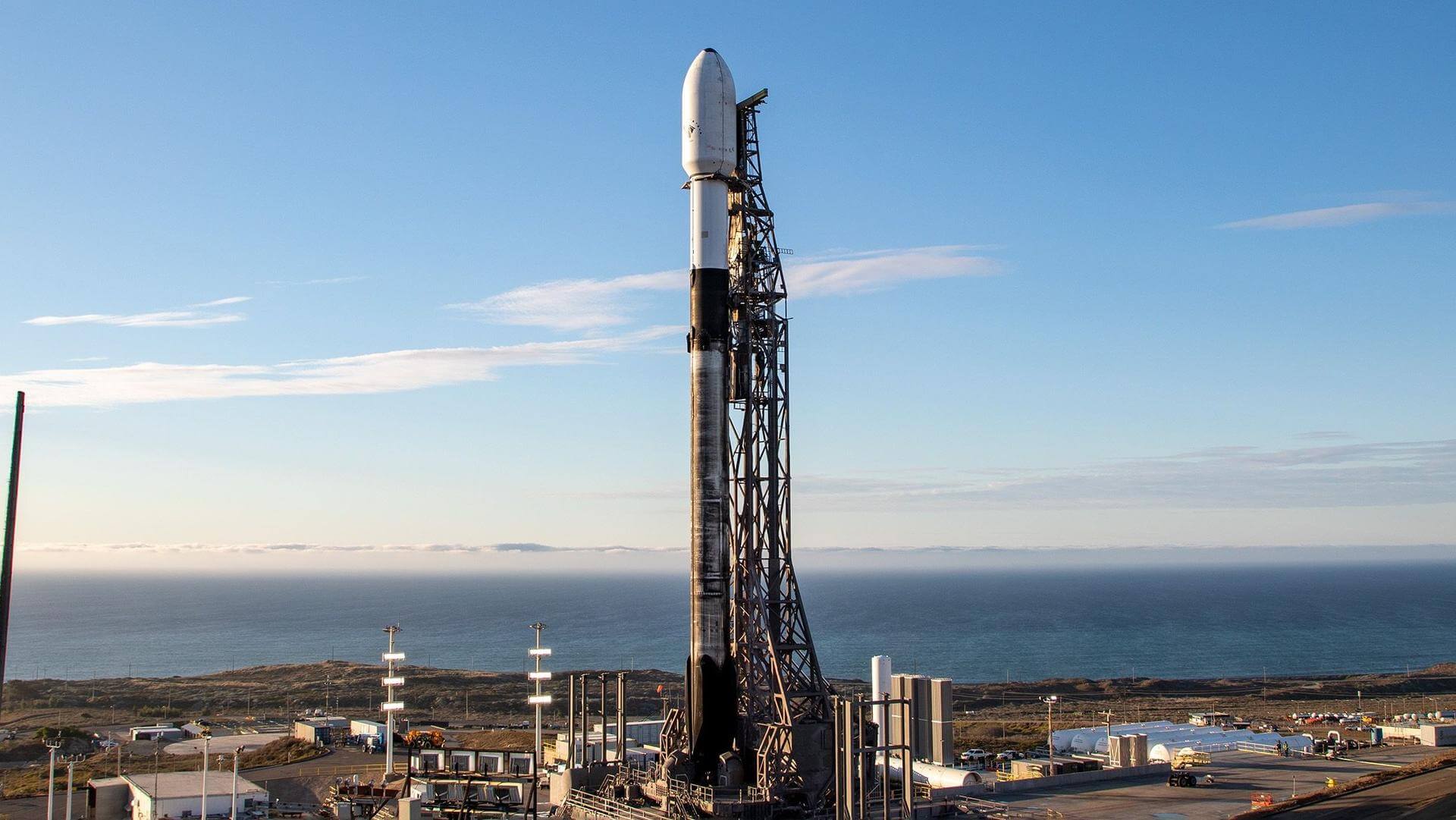
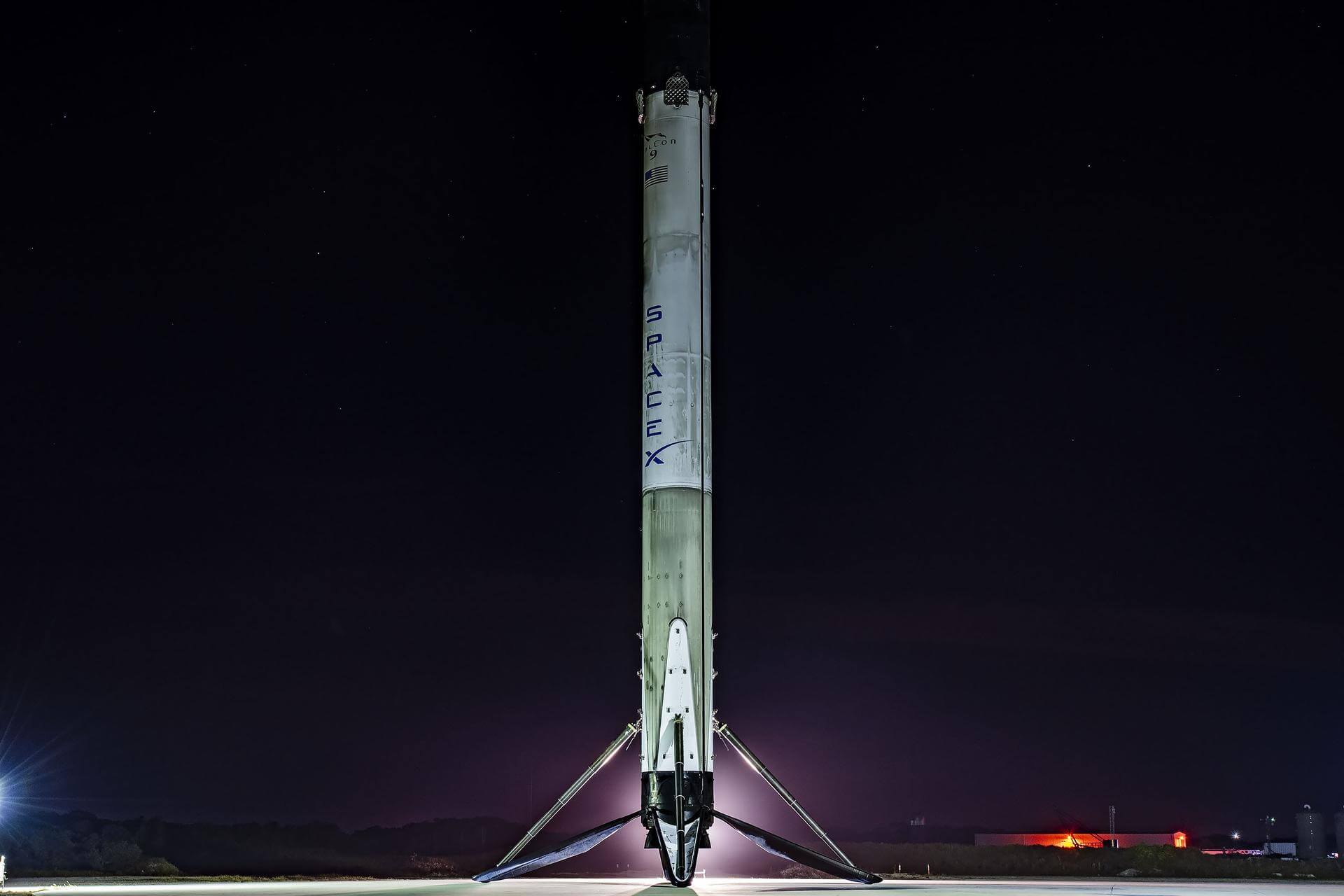
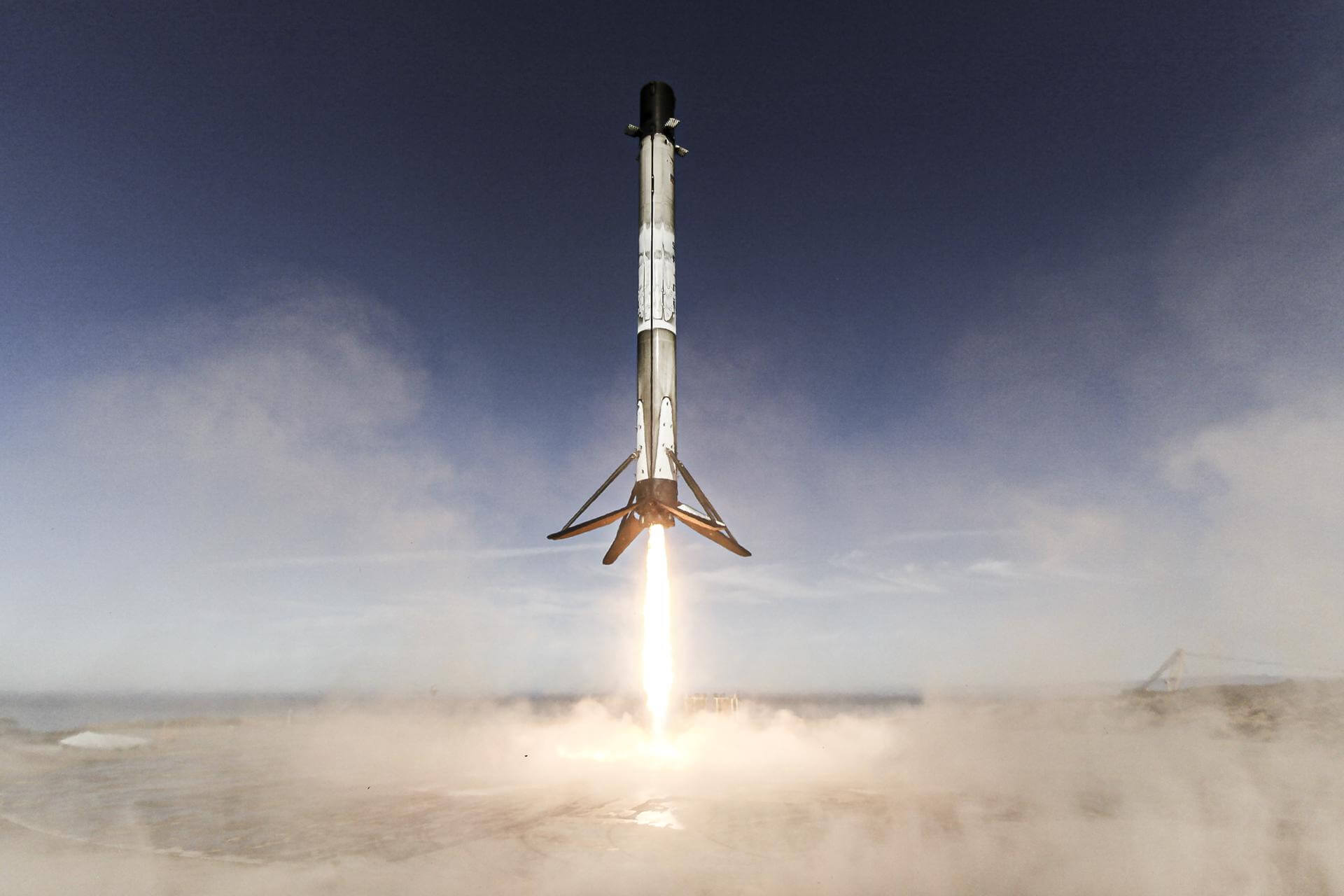
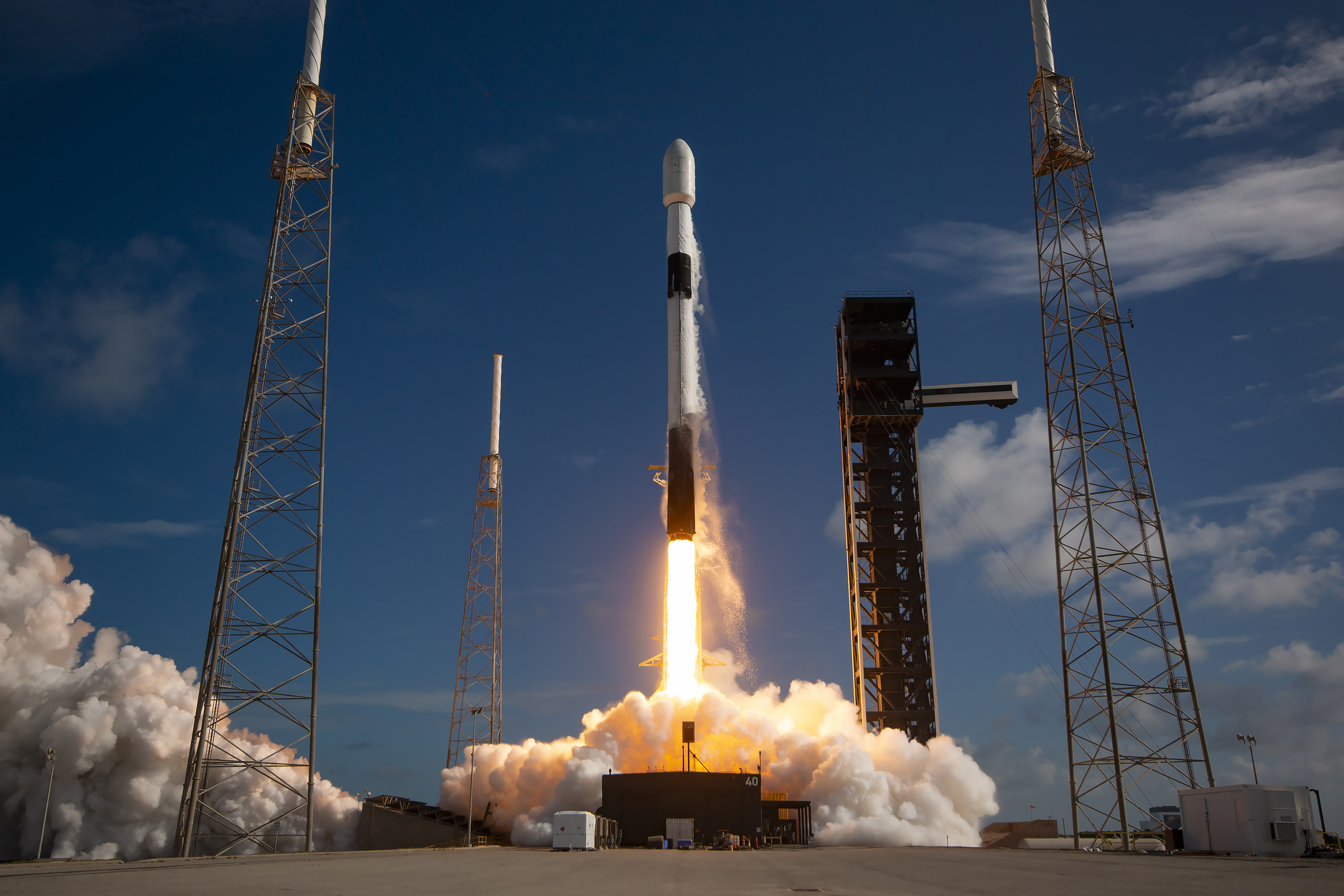
Provider: SpaceX Date: August 1, 2026 Time: 2:00 AM UTC Vehicle: Falcon 9
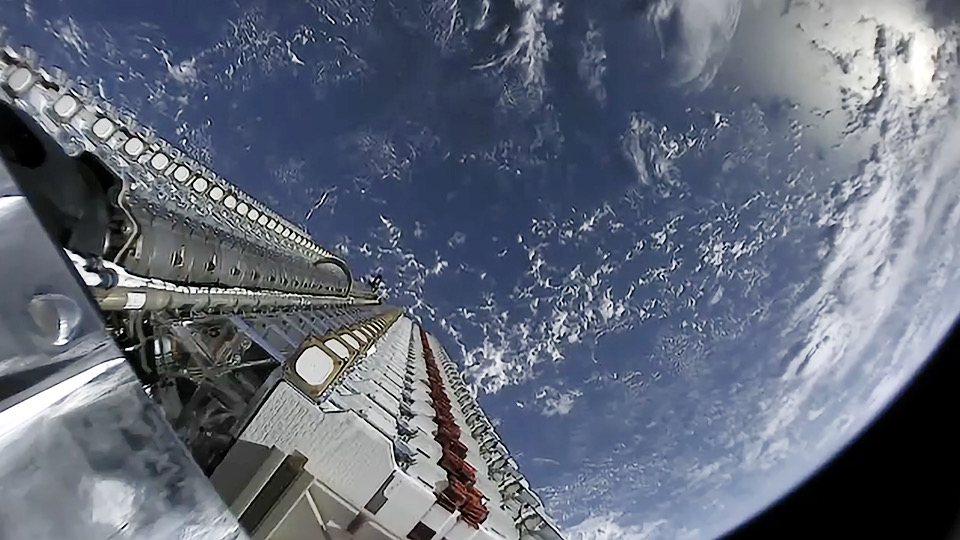
A batch of 24 satellites for the Starlink mega-constellation – SpaceX’s project for space-based Internet communication system.
Unknown Payload
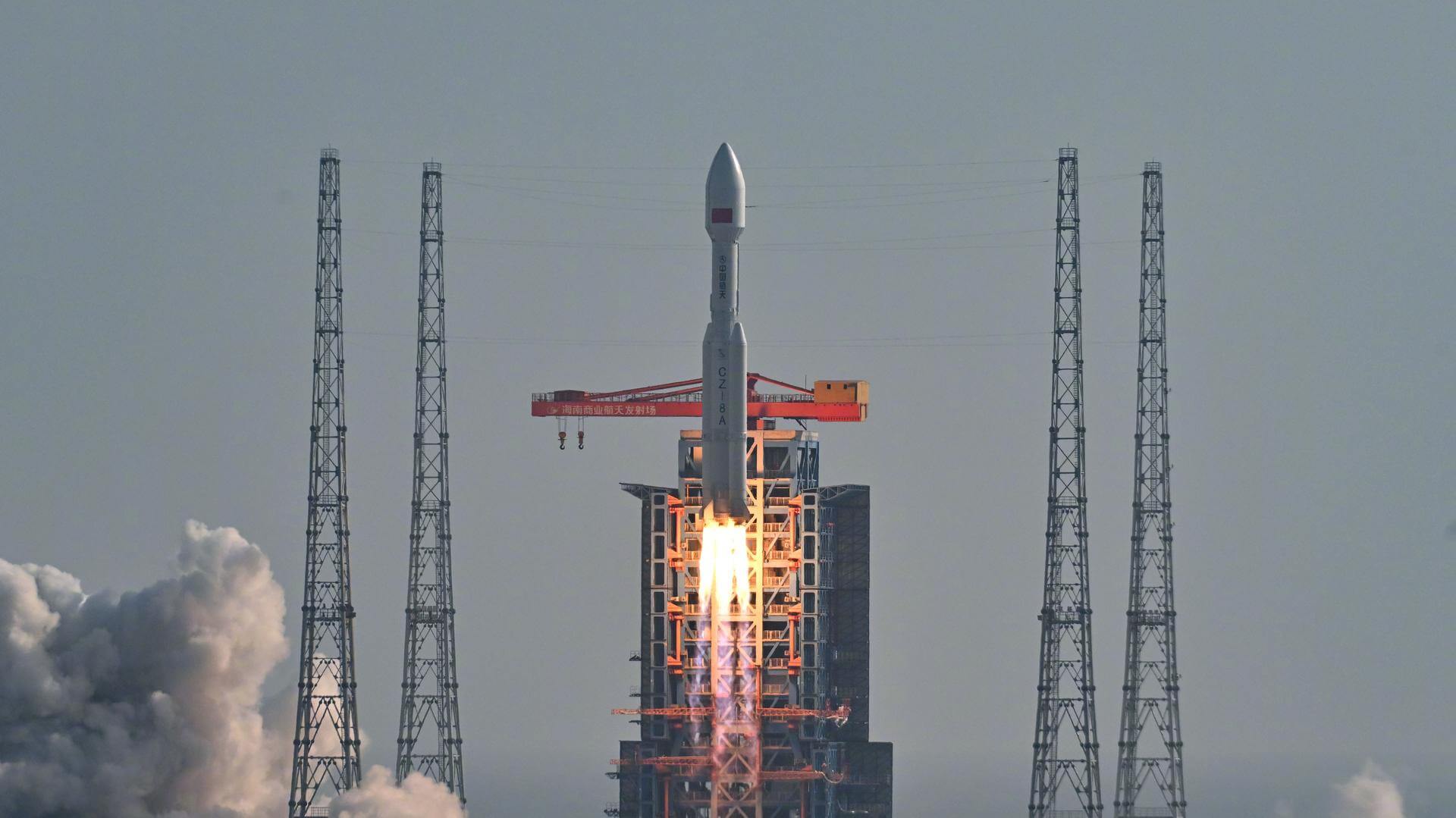
Provider: China Aerospace Science and Technology Corporation Date: August 4, 2026 Time: 8:50 AM UTC Vehicle: Long March 8A
Details TBD.
Starlink Group 17-53
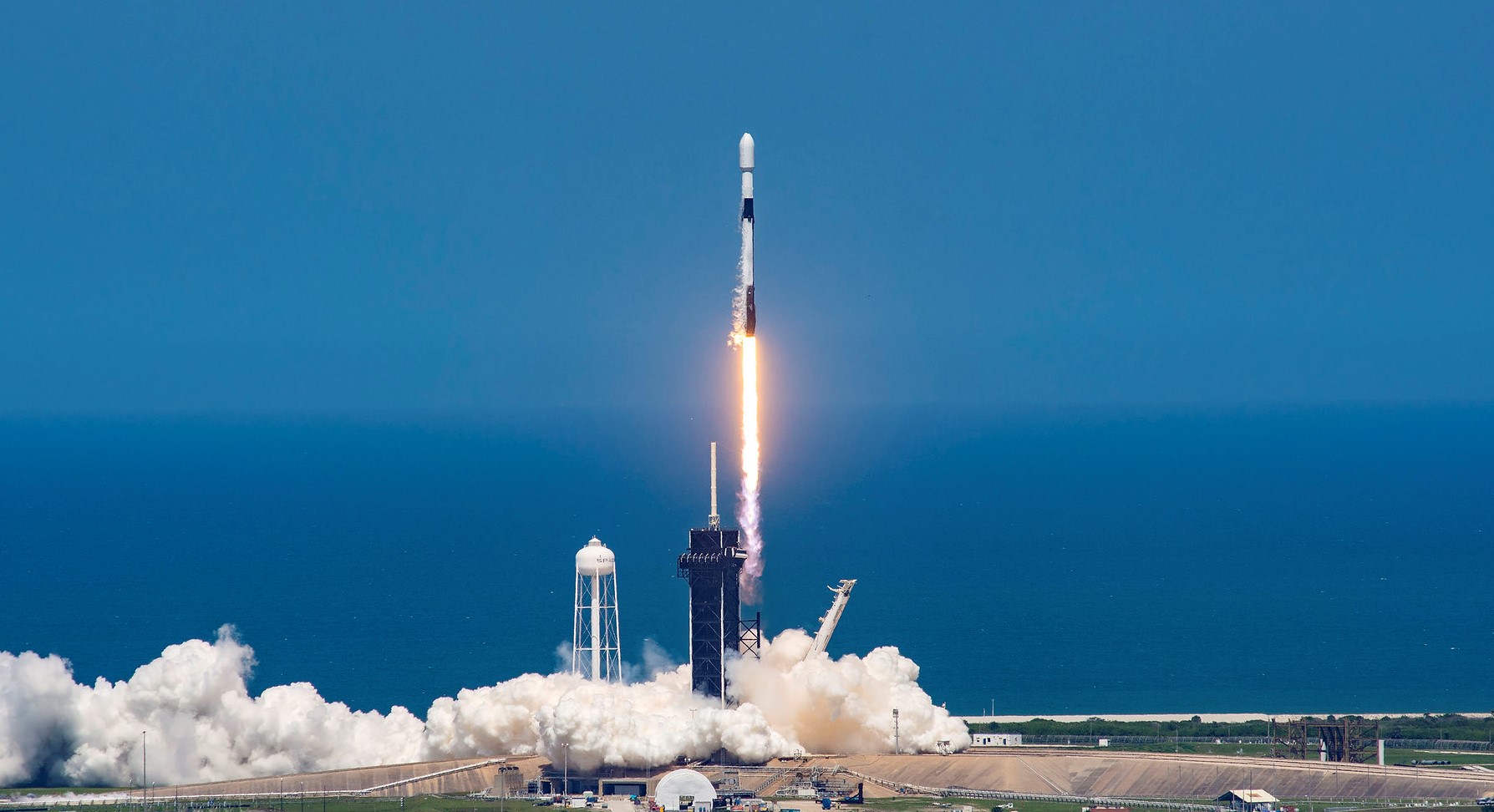
Provider: SpaceX Date: August 4, 2026 Time: 2:00 PM UTC Vehicle: Falcon 9
A batch of 24 satellites for the Starlink mega-constellation – SpaceX’s project for space-based Internet communication system.
Unknown Payload
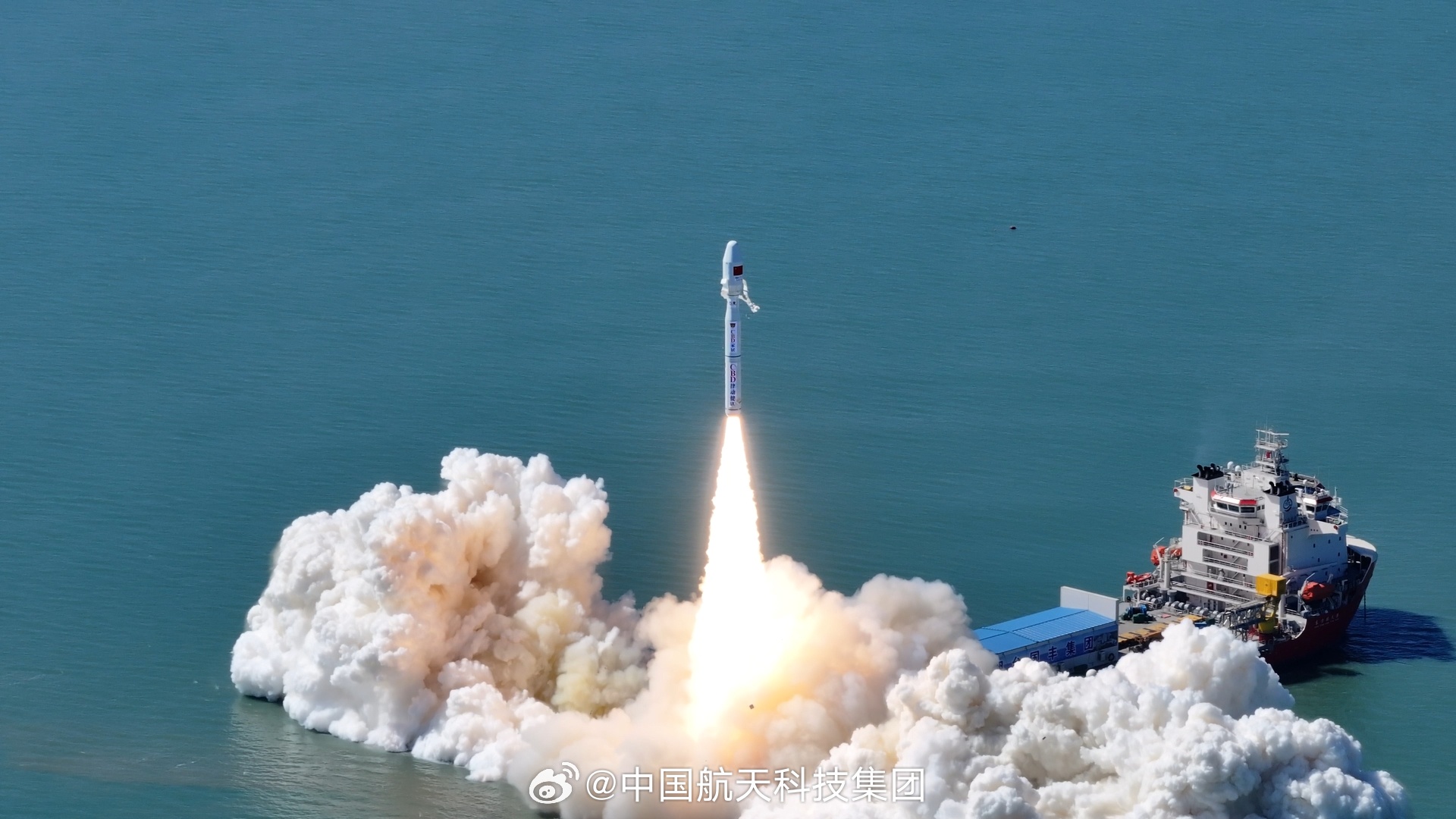
Provider: China Rocket Co. Ltd. Date: August 5, 2026 Time: 2:35 AM UTC Vehicle: Smart Dragon 3
Details TBD.
BlueBird 11-13 (Block 2 #6-8)
Provider: SpaceX Date: August 5, 2026 Time: 7:42 AM UTC Vehicle: Falcon 9
AST SpaceMobile’s Block 2 BlueBird satellites are designed to deliver up to 10 times the bandwidth capacity of the BlueBird Block 1 satellites, required to achieve 24/7 continuous cellular broadband service coverage in the United States, with beams designed to support a capacity of up to 40 MHz, enabling peak data transmission speeds up to 120 Mbps, supporting voice, full data and video applications. The Block 2 BlueBirds, featuring as large as 2400 square foot communications arrays, will be the largest satellites ever commercially deployed in Low Earth orbit once launched.
This launch will feature 3 satellites.
Starlink Group 17-52 ×
Mission Details
TypeCommunications
OrbitLow Earth Orbit
TargetEarth
A batch of 24 satellites for the Starlink mega-constellation – SpaceX’s project for space-based Internet communication system.
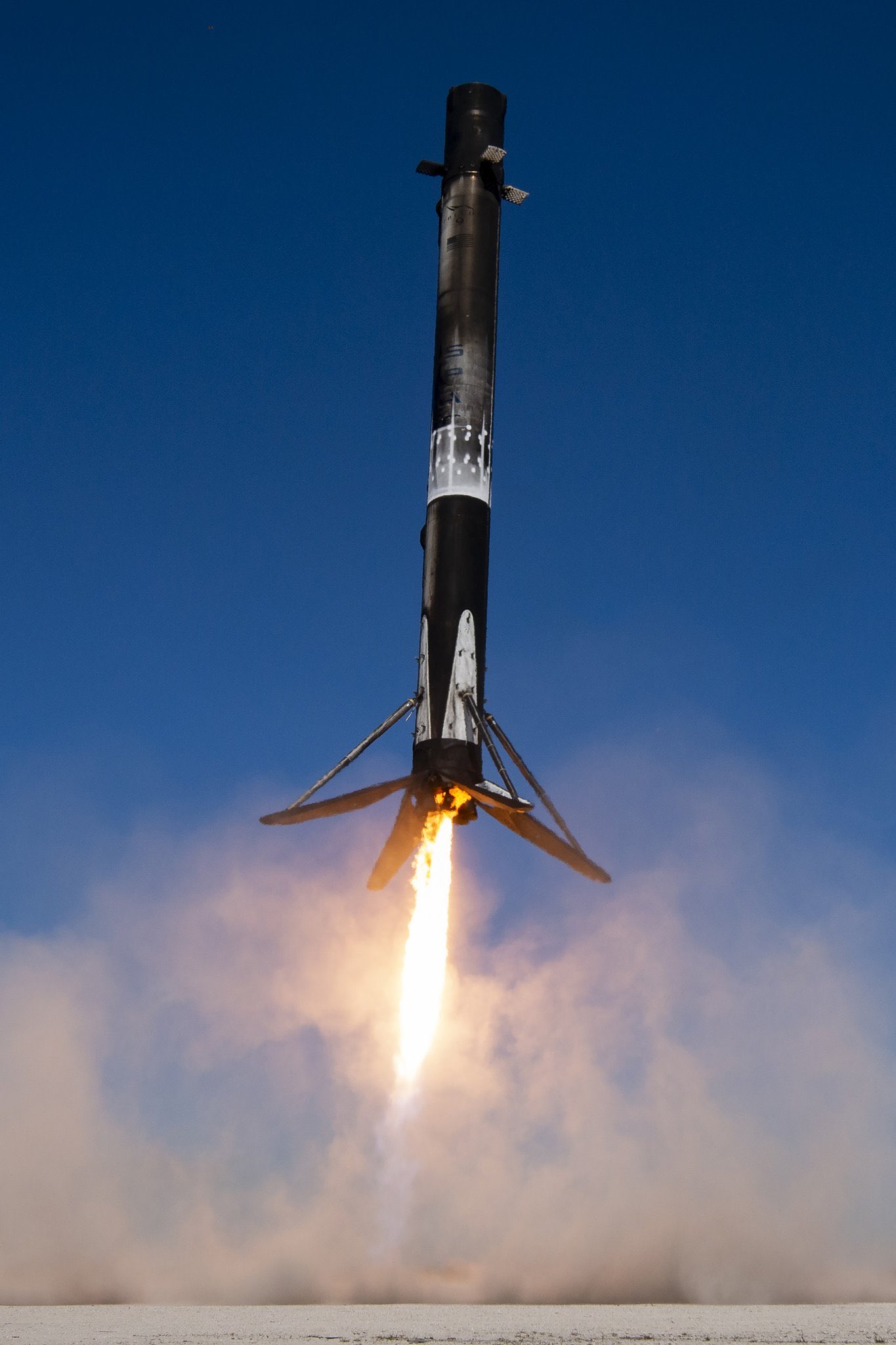
Falcon 9 is a two-stage rocket designed and manufactured by SpaceX for the reliable and safe transport of satellites and the Dragon spacecraft into orbit. The Block 5 variant is the fifth major interval aimed at improving upon the ability for rapid reusability.
The Long March 8A is an orbital launch vehicle developed by the China Academy of Launch Vehicle Technology based on the Long March 8. It has an increased capability of up to 7 tonnes to a 700 km altitude sun-synchronous orbit. It implements a larger 3.35 meters diameter liquid hydrogen/liquid…
Falcon 9 is a two-stage rocket designed and manufactured by SpaceX for the reliable and safe transport of satellites and the Dragon spacecraft into orbit. The Block 5 variant is the fifth major interval aimed at improving upon the ability for rapid reusability.
Smart Dragon-3 is a solid fuel orbital rocket designed by a subsidiary of the state-owned CASC group built for the commercial market.
Specifications
Length32 m
Diameter2.64 m
Launch Mass140 t
SSO Capacity1,500 kg
ReusableNo
Maiden Flight2022-12-09
Launch Record
11 successful / 11 total launches
Current streak: 11 successful
BlueBird 11-13 (Block 2 #6-8) ×
Mission Details
TypeCommunications
OrbitLow Earth Orbit
TargetEarth
AST SpaceMobile’s Block 2 BlueBird satellites are designed to deliver up to 10 times the bandwidth capacity of the BlueBird Block 1 satellites, required to achieve 24/7 continuous cellular broadband service coverage in the United States, with beams designed to support a capacity of up to 40 MHz, enabling peak data transmission speeds up to 120 Mbps, supporting voice, full data and video applications. The Block 2 BlueBirds, featuring as large as 2400 square foot communications arrays, will be the largest satellites ever commercially deployed in Low Earth orbit once launched.
Falcon 9 is a two-stage rocket designed and manufactured by SpaceX for the reliable and safe transport of satellites and the Dragon spacecraft into orbit. The Block 5 variant is the fifth major interval aimed at improving upon the ability for rapid reusability.
Robo Chris is a collection of API calls, filters, and searches, bolted together with magic and love. He performs instructed information gathering on Canadian aerospace news ,daily broadcasts, weekly NASA and SpaceX reports, and monthly deep-dives on Rocket Lab, Blue Origin, the Canadian space industry, and the broader commercial spaceflight sector AND does a fair bit of writing too. Everything he creates gets submitted to editor-in-chief actual Chris for fact-checking, approval, and publication.