
The Daily Broadcast: SpaceX Rideshare Freeze, Blue Origin Fault, IRIS² Expansion

SpaceX Rideshare Freeze Squeezes Canadian SmallSat Operators
SpaceX has stopped accepting bookings for its Transporter and Bandwagon rideshare missions beyond late 2028, citing a fully booked Falcon 9 launch manifest. The company has not issued an official statement, but the freeze carries immediate consequences for Canadian small satellite operators who have relied heavily on SpaceX’s rideshare capacity.
Canadian companies and government programmes have been frequent customers. Montreal-based GHGSat launched methane-monitoring satellites on Transporter-1, Transporter-5, and Transporter-15. Toronto-based Kepler Communications used the Twilight mission in January to deploy the first 10 satellites of its Aether optical relay constellation. The Canadian Space Agency’s QEYSSat payload, flying aboard a Loft Orbital host satellite, is manifested for a Transporter mission later this year. NordSpace has its Terra Nova satellite booked for Transporter-18 this fall.
By SpaceQ’s count, 2026 was on track to be a record year for Canadian payloads, almost all riding on SpaceX rideshare capacity.
The pricing gap is stark. SpaceX charges roughly $7,000 per kilogram for rideshare. The closest alternatives — Rocket Lab’s Electron and Firefly’s Alpha — charge $15,000 to $25,000 per kilogram to low Earth orbit, and more to the sun-synchronous orbits that Transporter missions target.
Two major rideshare integrators, Exolaunch and SEOPS, have purchased their own dedicated Falcon 9 missions, effectively becoming rideshare operators themselves. Rocket Lab’s Neutron, still working toward commercial service, and India’s ISRO, already flying PSLV and SSLV, are positioned to absorb remaining demand over the next two to three years.
Blue Origin Traces New Glenn Explosion to BE-4 Engine Valve
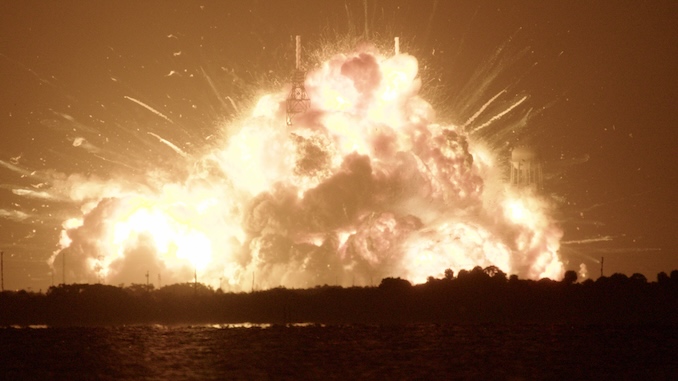
Blue Origin CEO Dave Limp confirmed that the main oxygen valve on one of the rocket’s BE-4 engines was the source of the explosion that destroyed a New Glenn rocket during a static fire test on May 28 at Launch Complex 36 at Cape Canaveral Space Force Station.
“The anomaly originated at the main oxygen valve on one of the BE-4 engines, which was later confirmed by hardware recovery and inspections,” Limp wrote in a social media post published more than two months after the blast. “Extensive component-level and engine hotfire tests have been conducted to understand the failure mode better and inform mitigations.”
The test was in preparation for the company’s fourth orbital flight, planned as soon as June 4.
Limp said the company is making small modifications to the valve that can be quickly retrofitted to existing engines, with updated hardware ready by the end of August. However, Blue Origin has not yet identified the root cause and is still working through fault tree analysis.
Blue Origin has been clearing debris and rebuilding a launch tower at the Launch Complex 36-A site. Founder Jeff Bezos wants New Glenn flying before the end of the year. Tory Bruno, the company’s president of national security, indicated the next flight could carry the Blue Ring spacecraft, saying “She’s in final build now for a flight this year.”
Europe Adds 66 Satellites, Boosts IRIS² Cost to €15.6 Billion

The European Commission signed an implementation agreement with the SpaceRISE consortium on August 7, adding 66 satellites to the IRIS² secure connectivity constellation and pushing the programme’s cost to 15.6 billion euros ($18 billion).
SpaceRISE, led by satellite operators Eutelsat, Hispasat, and SES, was selected in December 2024 for a one-year design phase. The revised constellation now totals 348 satellites: 330 in low Earth orbit and 18 in medium Earth orbit. The additional 66 high-LEO satellites will provide improved defence, security, and safety services.
The European Commission estimates the additional satellites will increase capacity for secure government services by 60% within the European Union and 54% outside it.
“By accelerating the delivery of early defense and security services and reinforcing the IRIS² architecture, we will not only bring the network into operation ahead of schedule but also boost secure governmental capacity by more than 60% within the Union,” said Andrius Kubilius, the EU commissioner for defence and space.
The new cost estimate represents a 47% increase from the 10.6 billion euro figure provided in December 2024. Earlier planning had proposed the constellation would cost just 6 billion euros. Under the agreement, SpaceRISE will provide 4 billion euros, with the commission and ESA providing the remaining 11.6 billion euros.
Satellite launches are targeted to begin in 2029. ESA will oversee the constellation’s development, qualification, and in-orbit validation.
Citations
- “SpaceX’s rideshare freeze: What it means for the SmallSat market and Canada” — https://spaceq.ca/spacexs-rideshare-freeze-what-it-means-for-the-smallsat-market-and-canada/
- “Europe increases size and cost of IRIS² constellation” — https://spacenews.com/europe-increases-size-and-cost-of-iris²-constellation/
- “IRIS² reinforced and accelerated as implementation advances” — https://www.esa.int/Applications/Connectivity_and_Secure_Communications/IRIS2_reinforced_and_accelerated_as_implementation_advances
- “Blue Origin identifies engine issue behind New Glenn explosion” — https://spaceflightnow.com/2026/08/06/blue-origin-identifies-engine-issue-behind-new-glenn-explosion/
- “Blue Origin narrowing in on root cause of catastrophic rocket accident” — https://arstechnica.com/space/2026/08/blue-origin-narrowing-in-on-root-cause-of-catastrophic-rocket-accident/

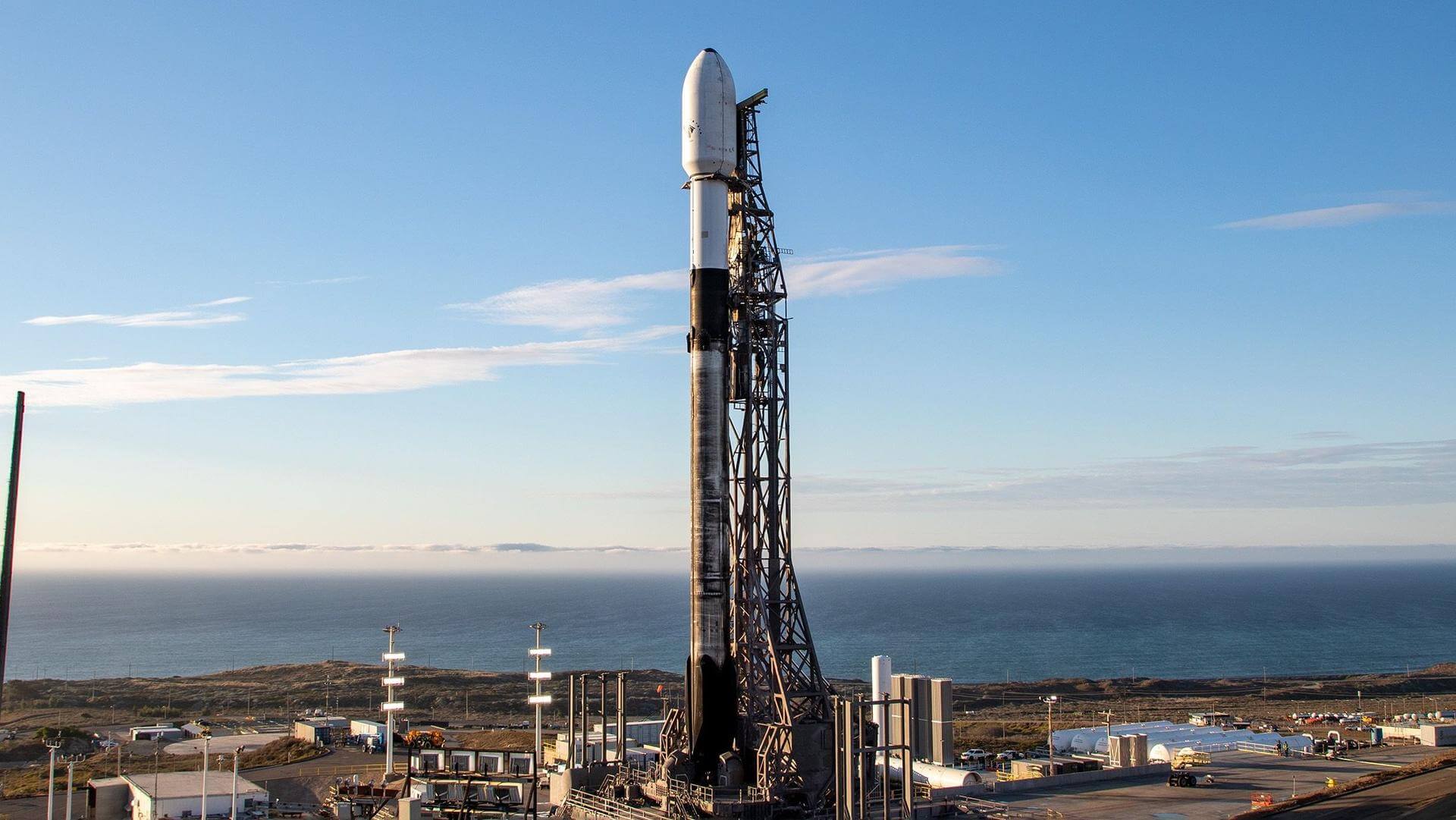
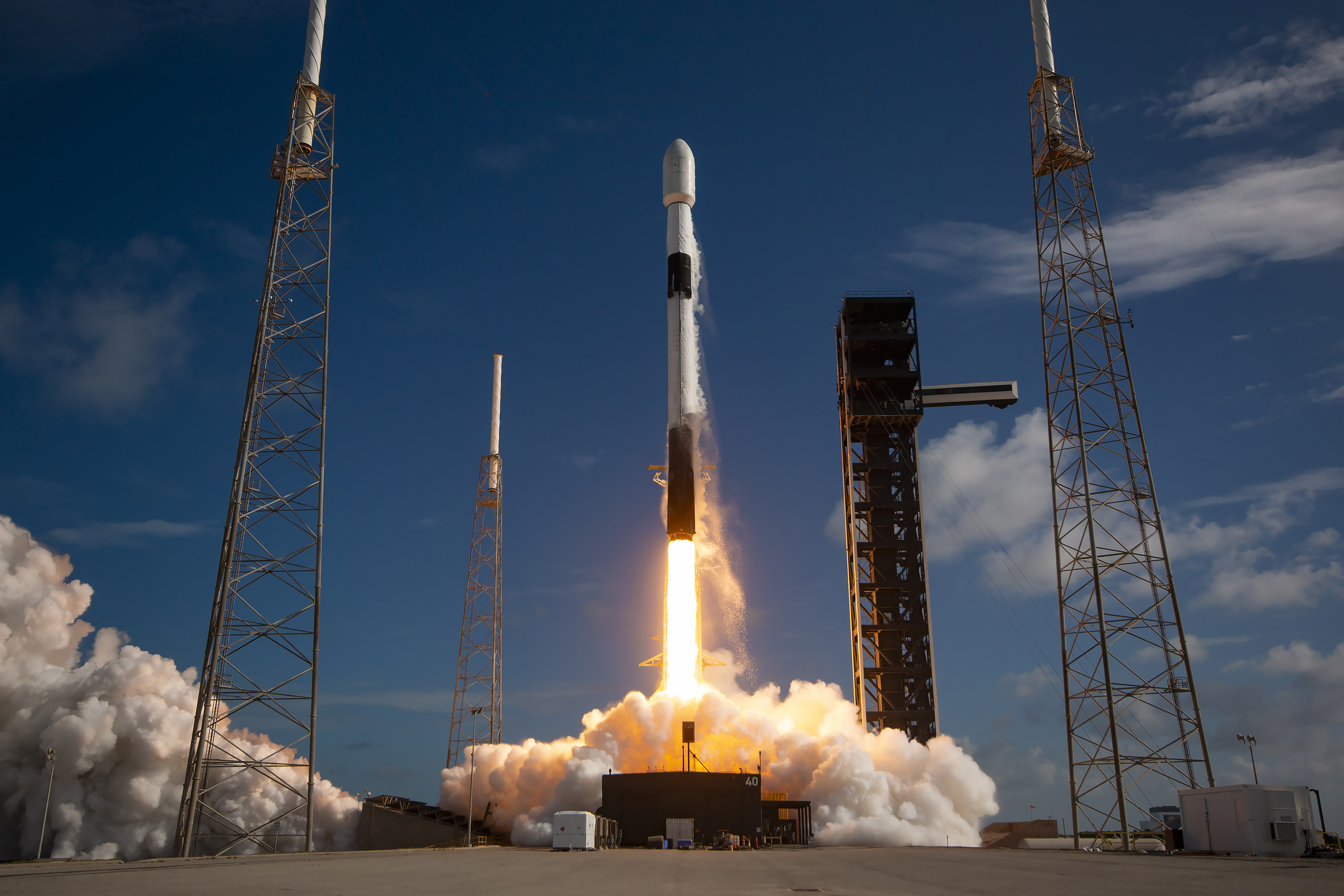
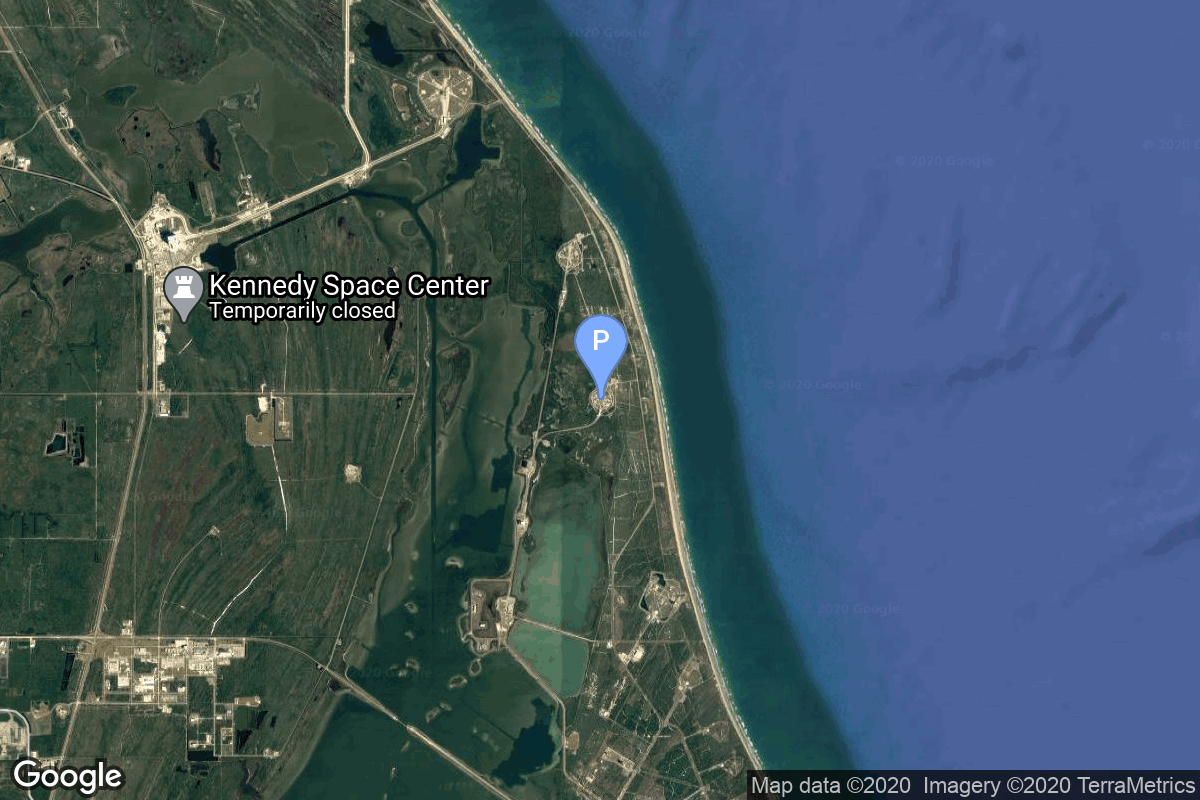
Starlink Group 17-38
Provider: SpaceX
Date: August 8, 2026
Time: 2:00 PM UTC
Vehicle: Falcon 9
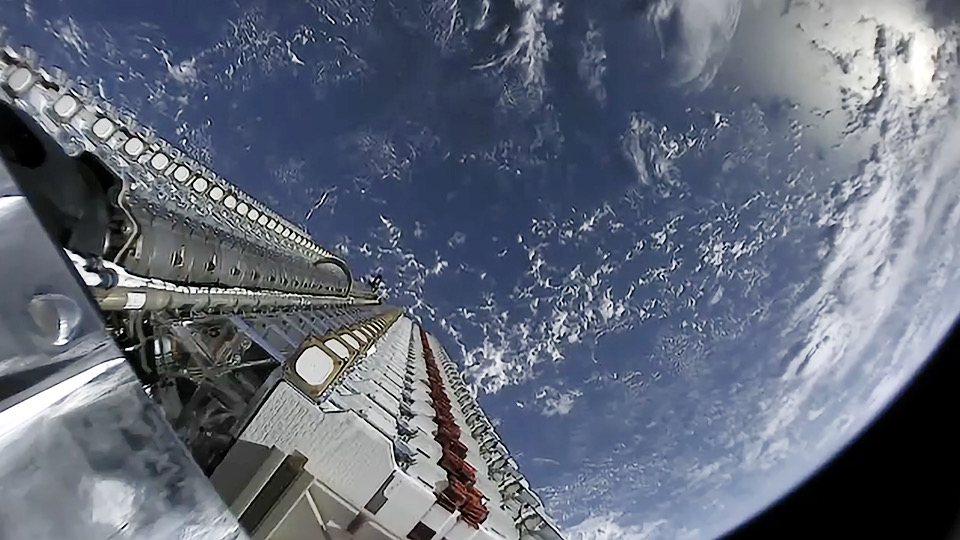
A batch of 24 satellites for the Starlink mega-constellation – SpaceX’s project for space-based Internet communication system.
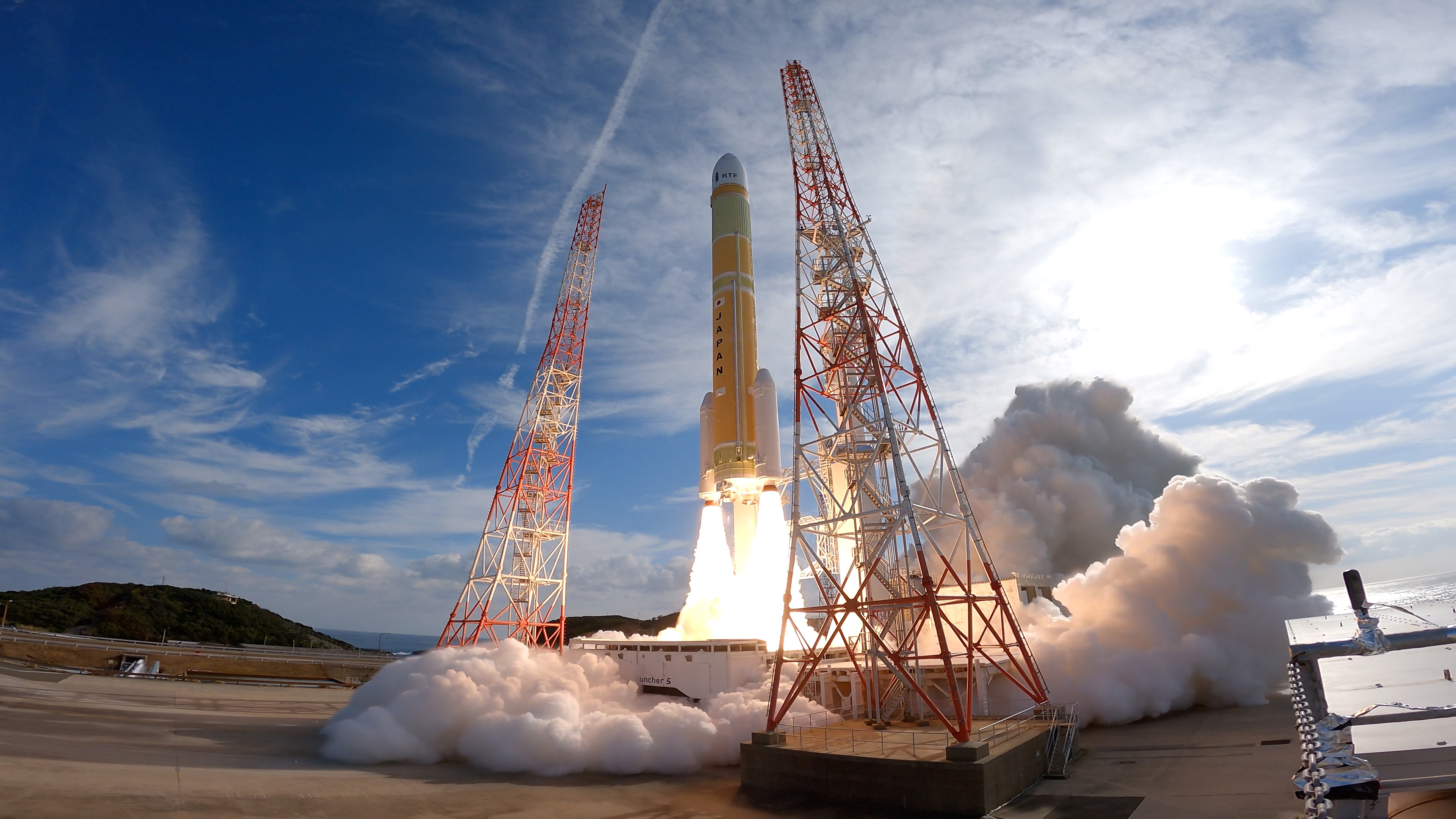
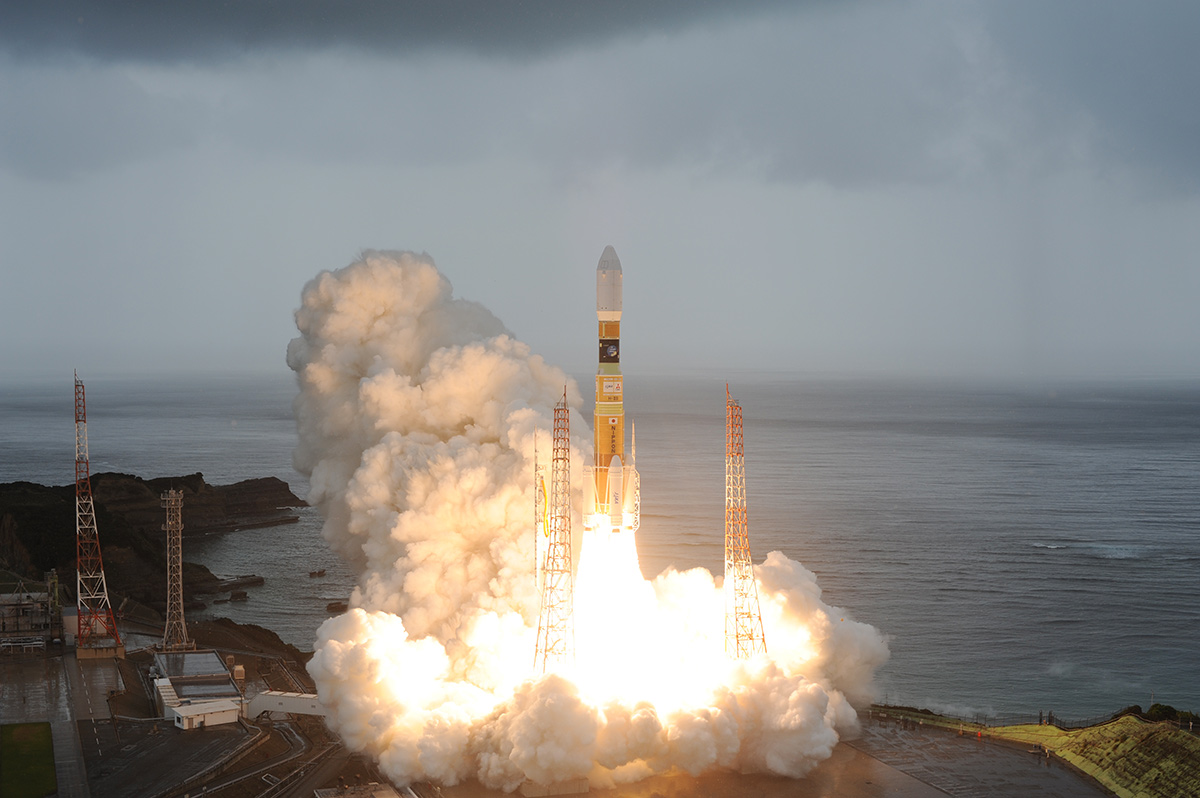
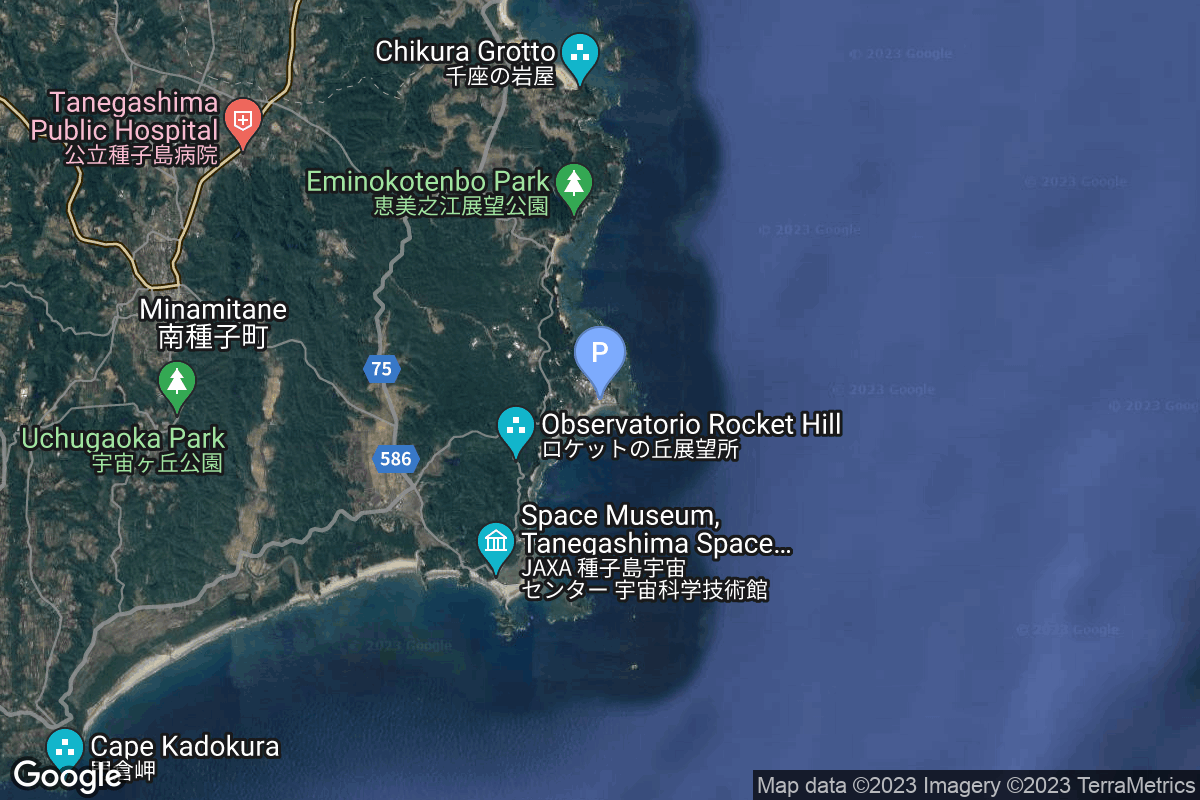
Michibiki 7 (QZS-7)
Provider: Mitsubishi Heavy Industries
Date: August 9, 2026
Time: 7:00 PM UTC
Vehicle: H3-22
QZSS (Quasi Zenith Satellite System) is a Japanese satellite navigation system operating from inclined, elliptical geosynchronous orbits to achieve optimal high-elevation visibility in urban canyons and mountainous areas. The navigation system objective is to broadcast GPS-interoperable and augmentation signals as well as original Japanese (QZSS) signals from a three-spacecraft constellation.
The navigation system objective is to broadcast GPS-interoperable and augmentation signals as well as original Japanese (QZSS) signals from a three-spacecraft constellation in inclined, elliptical geosynchronous orbits.
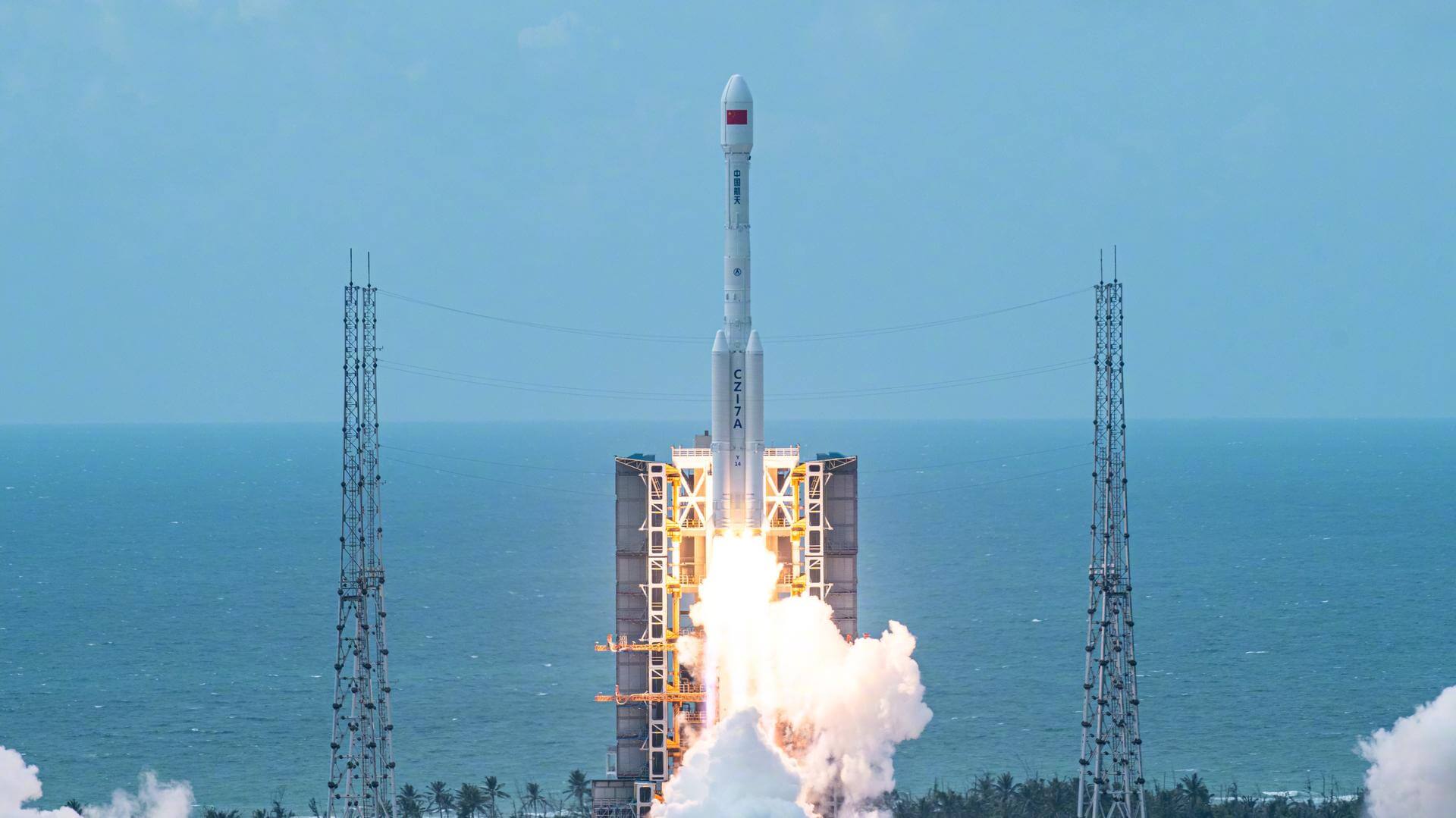
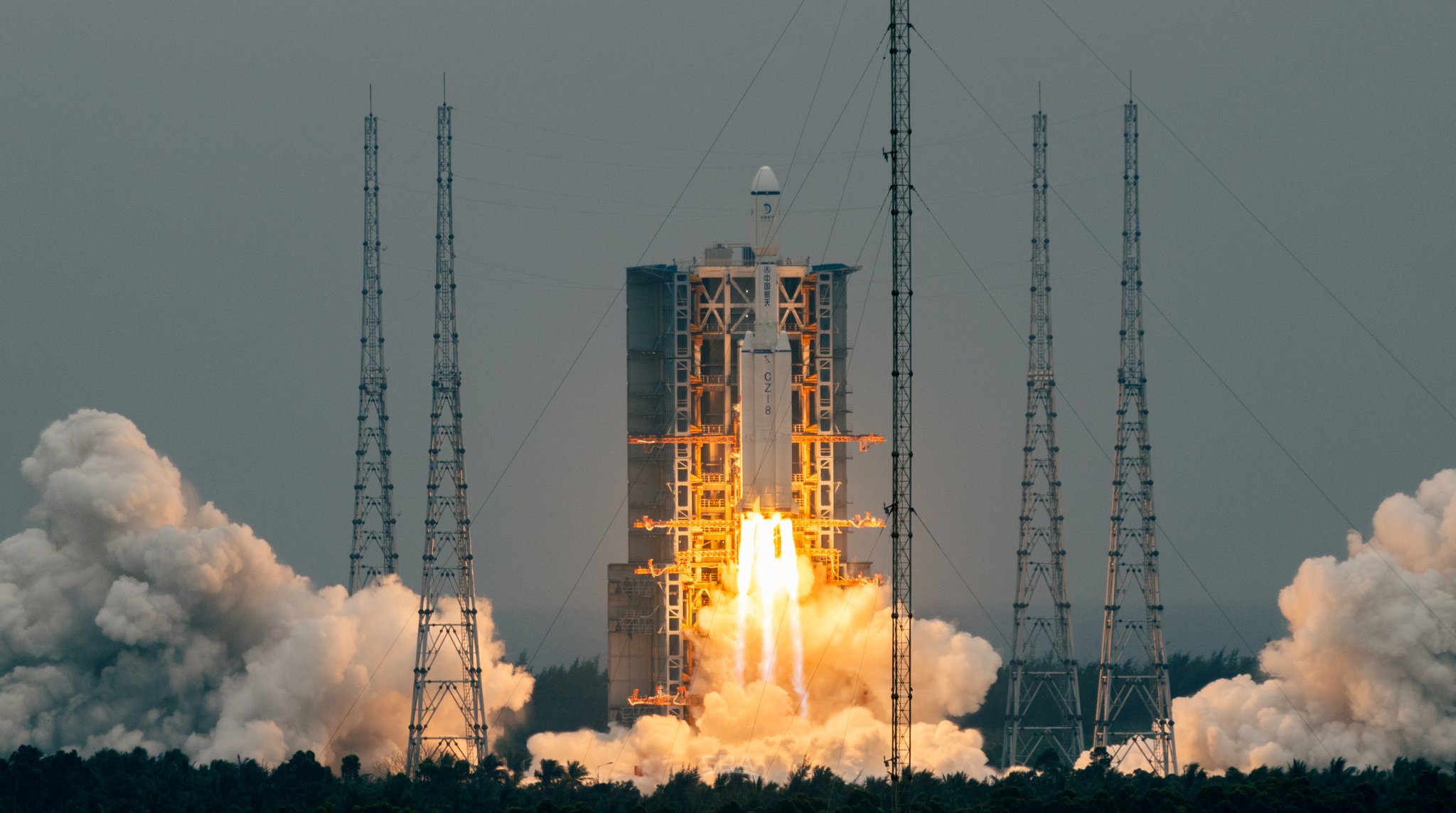
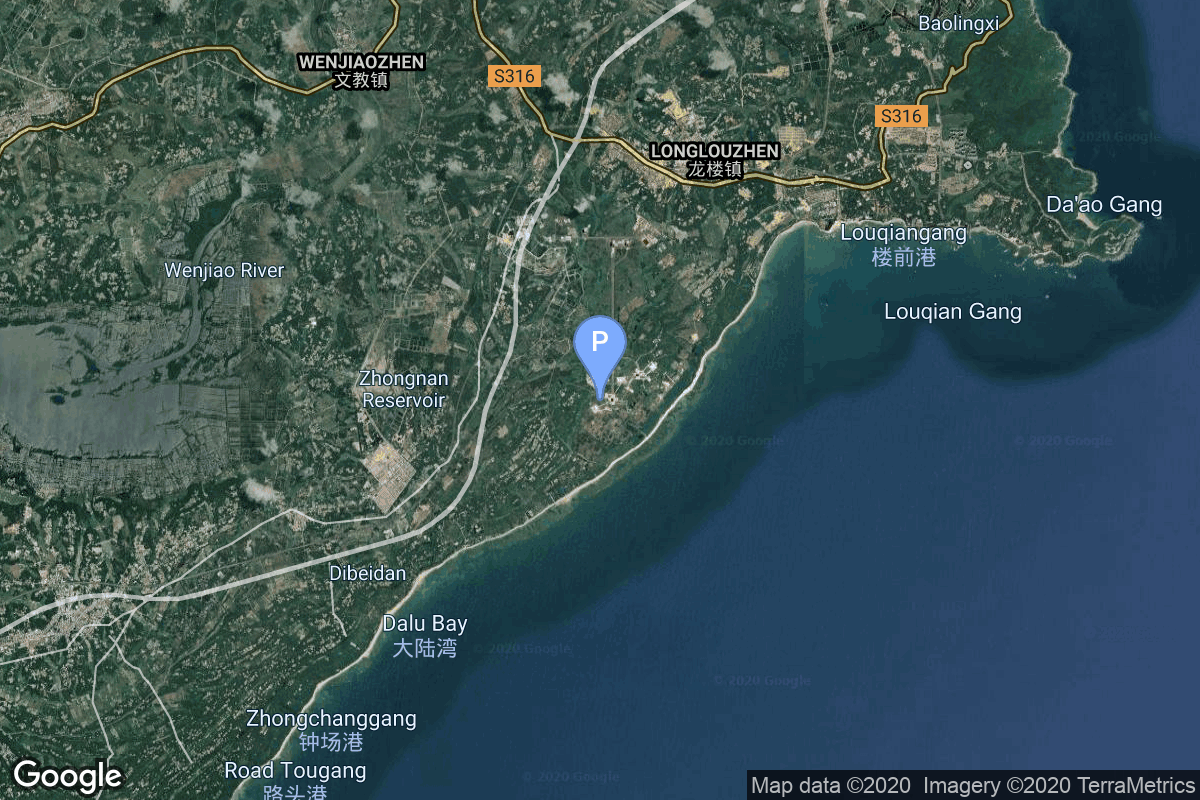
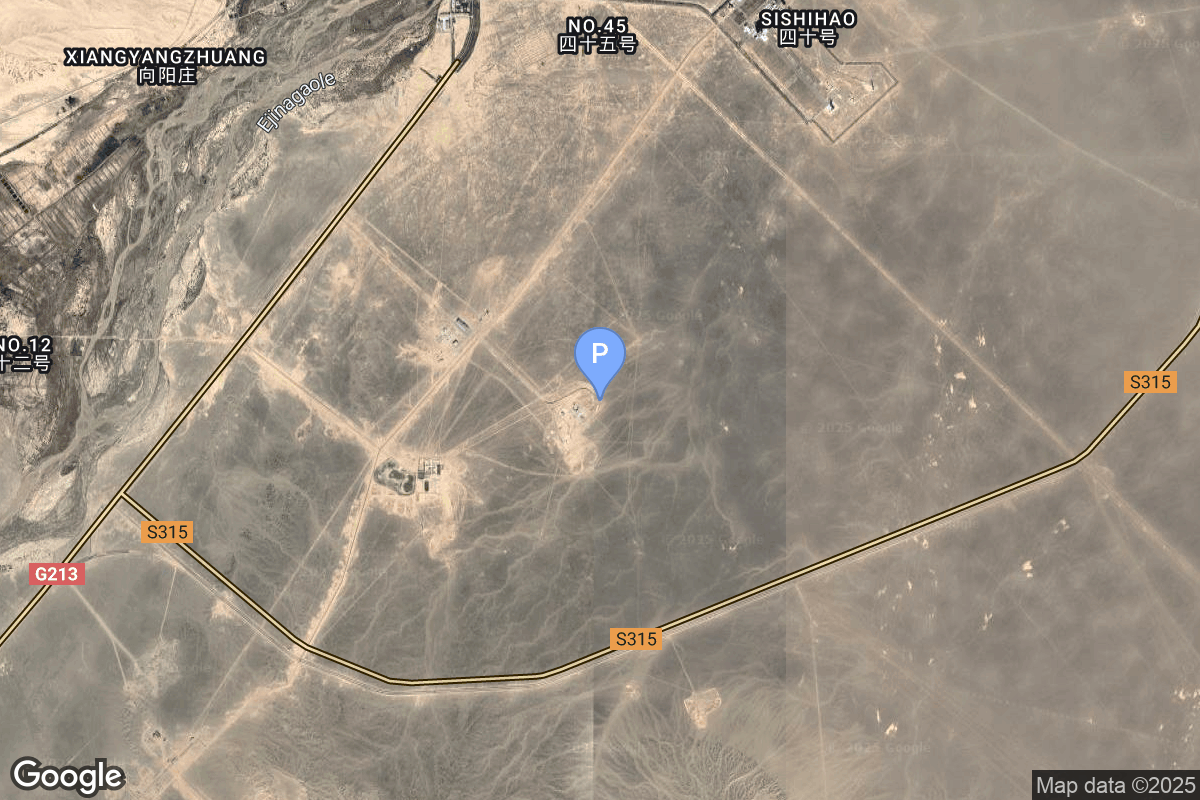
Unknown Payload
Provider: China Aerospace Science and Technology Corporation
Date: August 10, 2026
Time: 12:00 PM UTC
Vehicle: Long March 7A
Details TBD.
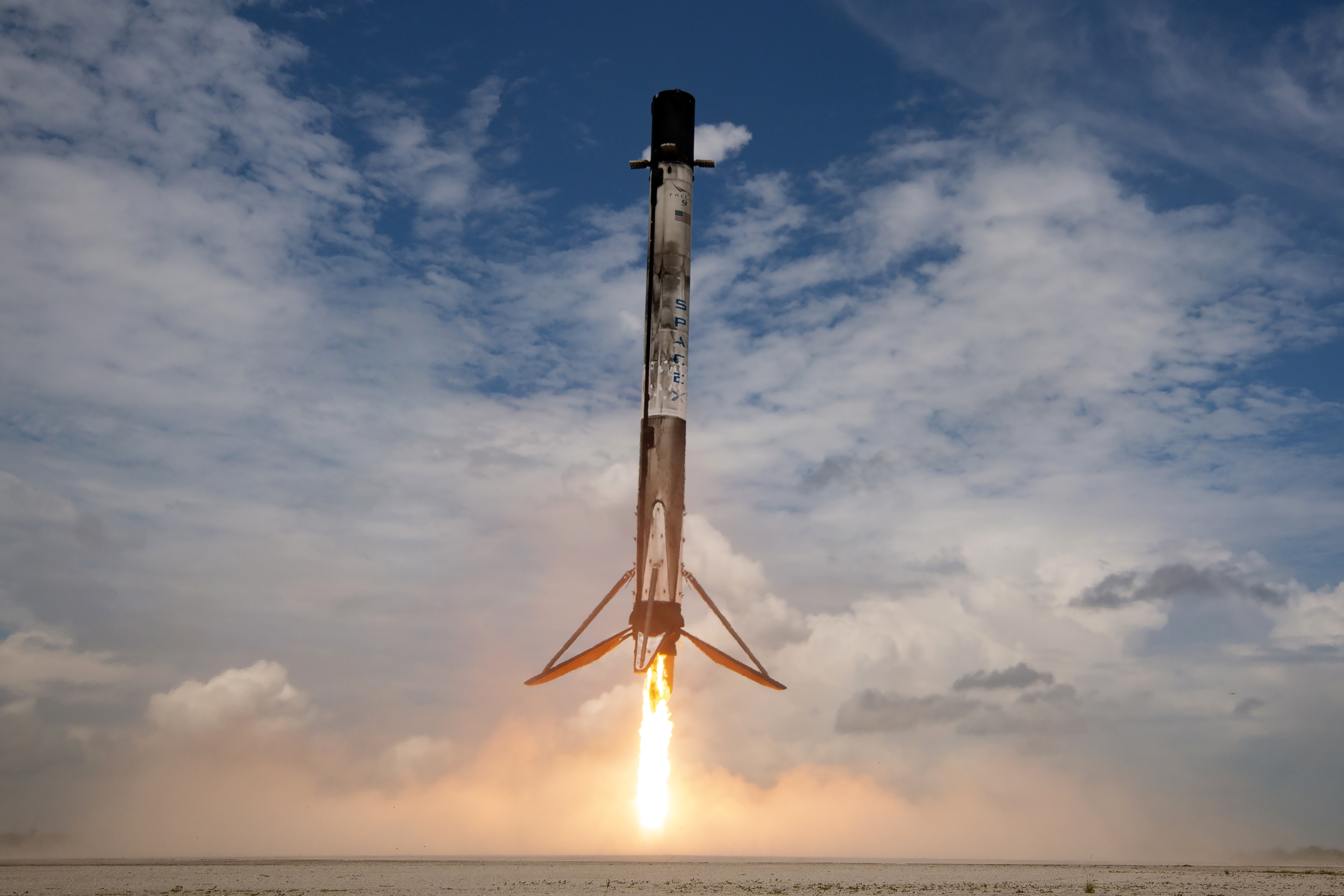
Starlink Group 10-19
Provider: SpaceX
Date: August 10, 2026
Time: 2:49 PM UTC
Vehicle: Falcon 9
A batch of 29 satellites for the Starlink mega-constellation – SpaceX’s project for space-based Internet communication system.
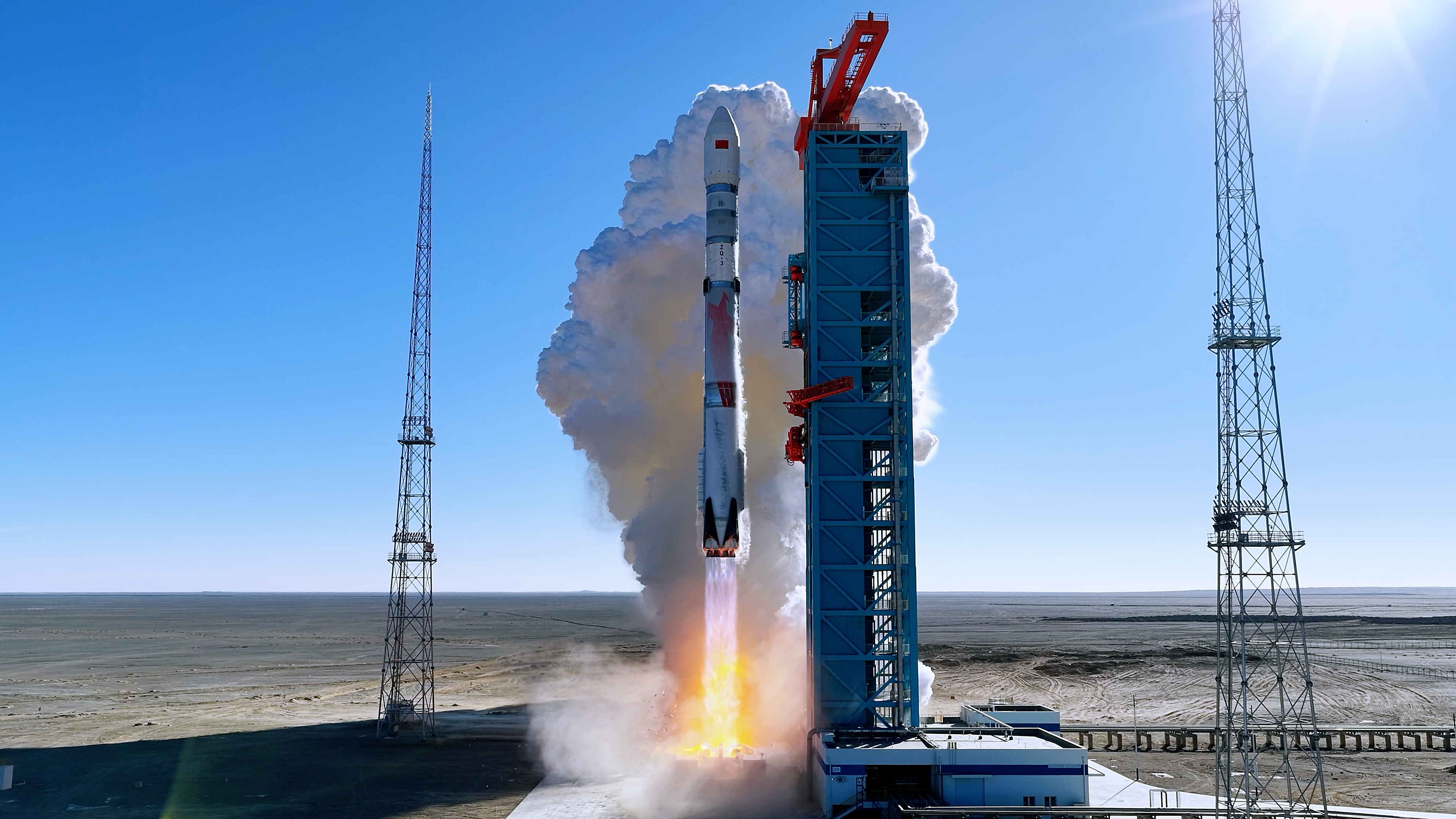
Flight 2
Provider: LandSpace
Date: August 10, 2026
Time: 11:45 PM UTC
Vehicle: Zhuque-3
Second test launch of LandSpace’s ZQ-3 rocket. Payload identities are TBD.







Enjoying the content? Stay up to date on everything happening behind the scenes by following our Patreon!

