SpaceX has told Canadian regulators it will offer its Starlink Mobile service to every interested wireless carrier in Canada and will not deal exclusively with any one of them. The company also confirmed it “does not plan to offer its own standalone service” in the country, according to a filing with Innovation, Science and Economic Development Canada (ISED).
Rogers chief executive Tony Staffieri said on the company’s third-quarter results call that SpaceX plans to bring Starlink Mobile to Canada through wireless carriers rather than compete with them. Staffieri said Rogers was deepening its work with SpaceX and that “Rogers intends to lead Canada as we work with Starlink Mobile.”
The offer opens the door for Bell and Telus to add Starlink alongside their existing satellite-to-phone plans, which are built around rival AST SpaceMobile. SpaceX’s filing notes that hundreds of thousands of Canadians used the first-generation service through Rogers in its first year. Rogers launched Rogers Satellite, a texting and light-data service carried by Starlink satellites, as a trial in July 2025 and took it commercial in December 2025.
SpaceX’s second-generation system would run on the 2 GHz mobile-satellite band and be at least 20 times faster, using spectrum rights SpaceX has agreed to buy from EchoStar. Those rights transfer in November 2027, and SpaceX told ISED it expects service to start by late that year. ISED has frozen new licensing in the satellite bands the next system needs while it reviews its rules, and has said a stand-alone satellite phone service could change the structure of the Canadian wireless market.
Staffieri noted Canada has much less spectrum available than the United States, where SpaceX is assembling its own, and that the bands behind the most recent U.S. purchases are extremely limited or unavailable in Canada, where the public sector largely uses them.
Russian Satellite Makes Unprecedented Close Approach to Ukrainian Support Satellite
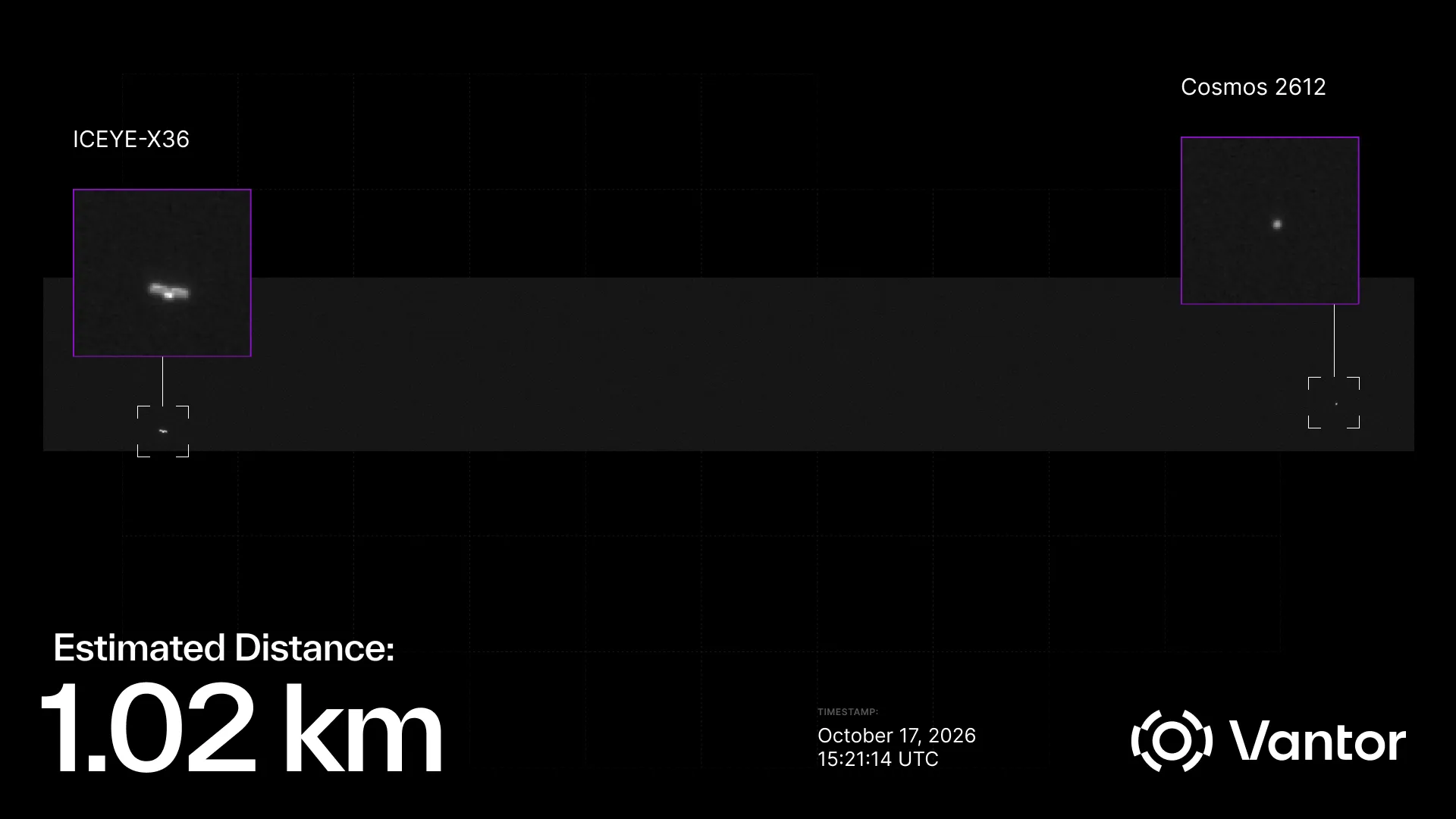
A Russian military satellite maneuvered dangerously close to ICEYE-X36, an American-registered radar imaging satellite with ties to the Ukrainian war effort, on October 17. The maneuver may have brought Kosmos 2612 as close as a few hundred meters from the target without the express consent of ICEYE’s operators.
Space Scout reports this is the first known instance of a satellite conducting a close rendezvous with a non-consenting target, and likely represents a serious violation of international law. Kosmos 2612 has since distanced itself from ICEYE-X36. It remains unknown whether the Russian satellite undertook any hostile action during the encounter, as the current status or functionality of ICEYE-X36 remains unclear.
ICEYE-X36 is an American-registered radar imaging satellite owned by the Finnish firm ICEYE. Publicly available information indicates it has a total mass of around 90 kg and a hard-body radius of around 1.6 m. Launched on March 4, 2024 on SpaceX’s Transporter-10 rideshare mission, it is one of more than 70 satellites in ICEYE’s constellation of synthetic aperture radar imaging satellites, which ICEYE advertises as capable of SAR imaging at resolutions as high as 25 cm per pixel.
The incident comes in the wake of western intelligence assessments indicating that Moscow is working to develop its own anti-satellite capabilities as a counter to western dominance in space.
Hera Resolves Didymos and Dimorphos as Two Asteroids for the First Time
The European Space Agency’s Hera spacecraft has resolved its two target asteroids separately for the very first time, revealing the binary nature of the Didymos system, currently some 197 million km away from Earth. Hera imaged Didymos and Dimorphos with its monochromatic Asteroid Framing Camera on the evening of Friday, October 18, at a distance of 1,280 km from the asteroid pair.
“With this image the smaller Dimorphos asteroid becomes visible for the first time,” explains Michael Kueppers. “Before this acquisition the spacecraft was still resolving the Didymos system as a single dot. But now, even though Dimorphos is made up of only around one pixel in this initial image, it is clearly well separated from its parent body.”
At 151 m across, Dimorphos is about the size of the Great Pyramid of Giza, while the 780-m diameter Didymos asteroid is a little smaller than Dubai’s Burj Khalifa skyscraper. The pair orbit an average 1.15 km apart, with Dimorphos orbiting its parent at about 18 cm/s. The image followed a pair of thruster firings a week apart that slowed the spacecraft to just 20 m/s relative to the asteroid pair.
Mission manager Ian Carnelli said detailed images of Dimorphos — the first object in the Solar System to have had its orbit measurably shifted by human action — are expected on 25 November. On 26 September 2022, NASA’s DART spacecraft impacted Dimorphos at a velocity of 6.1 km/s, slowing the asteroid’s orbit by around 33 minutes. Hera will now perform a close-up investigation of the impact site over the coming months.
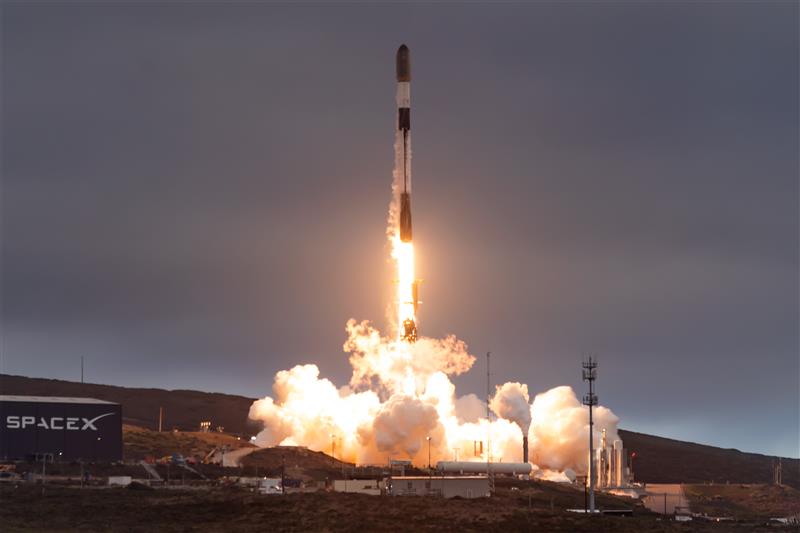
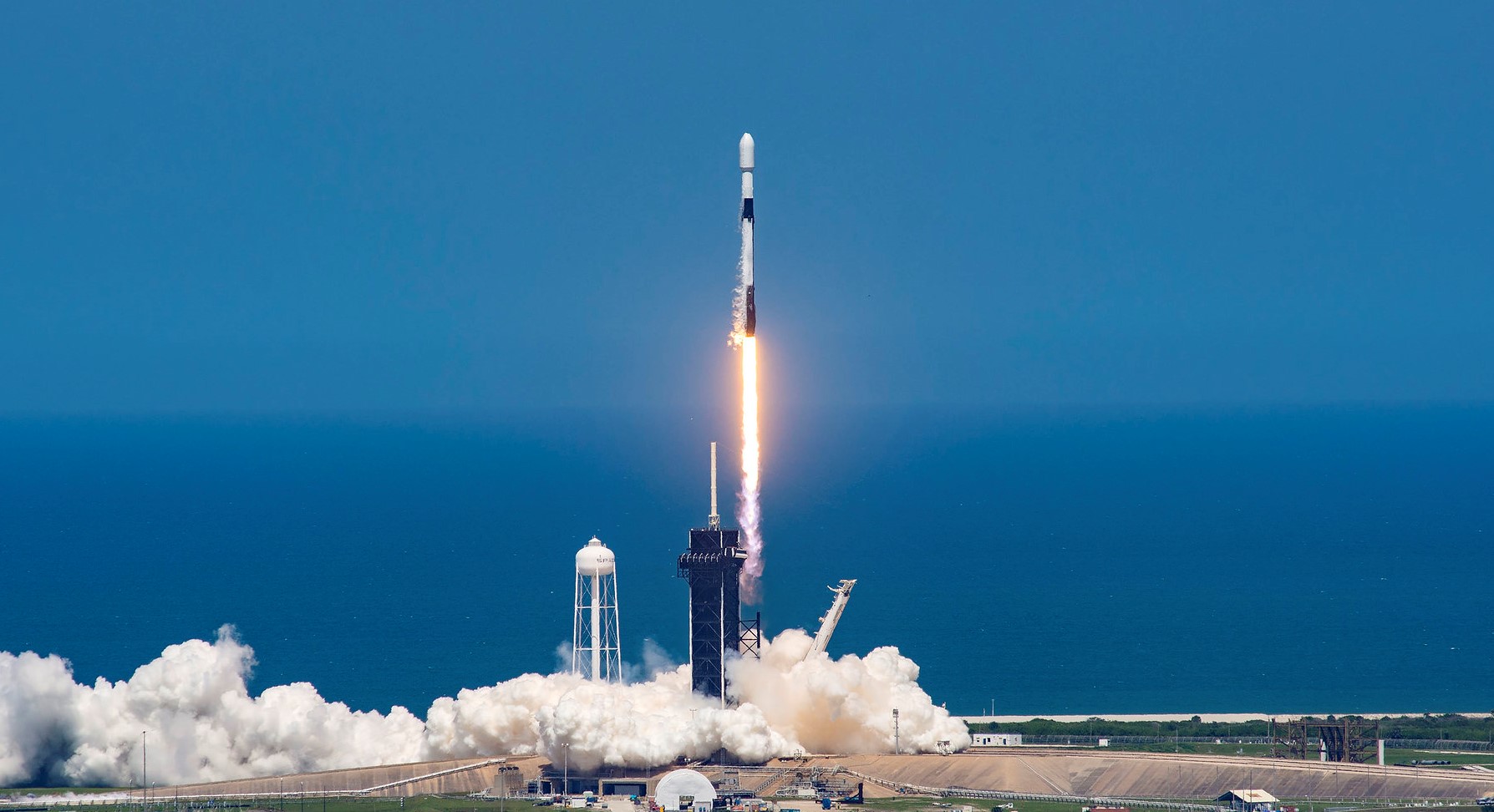
Provider: SpaceX Date: October 30, 2026 Time: 4:02 AM UTC Vehicle: Falcon 9
A batch of 27 satellites for the Starlink mega-constellation – SpaceX’s project for space-based Internet communication system.
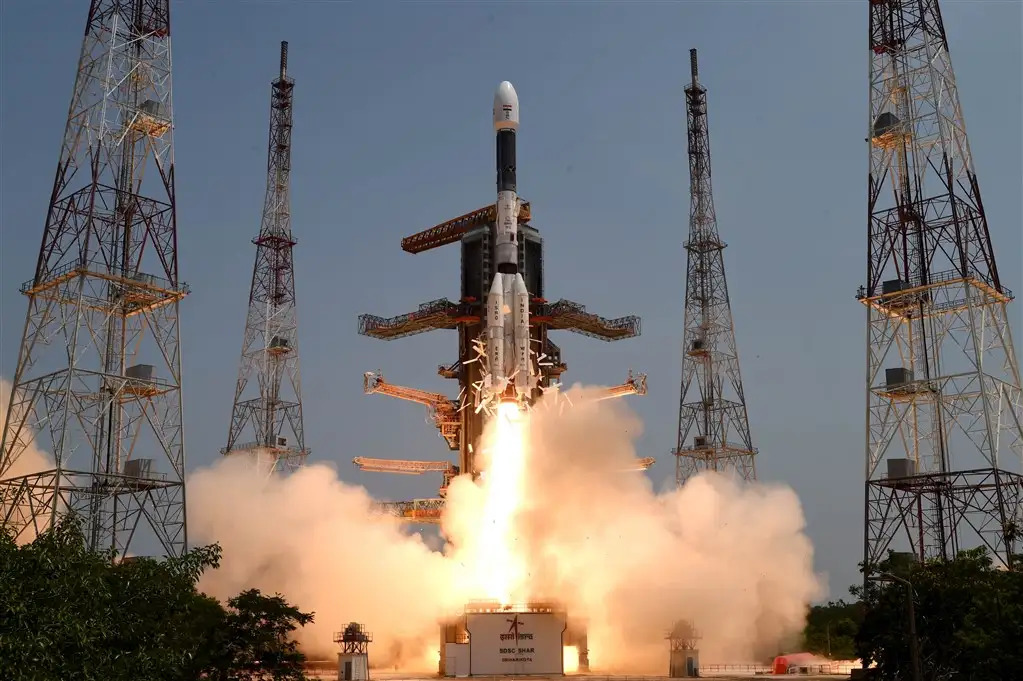
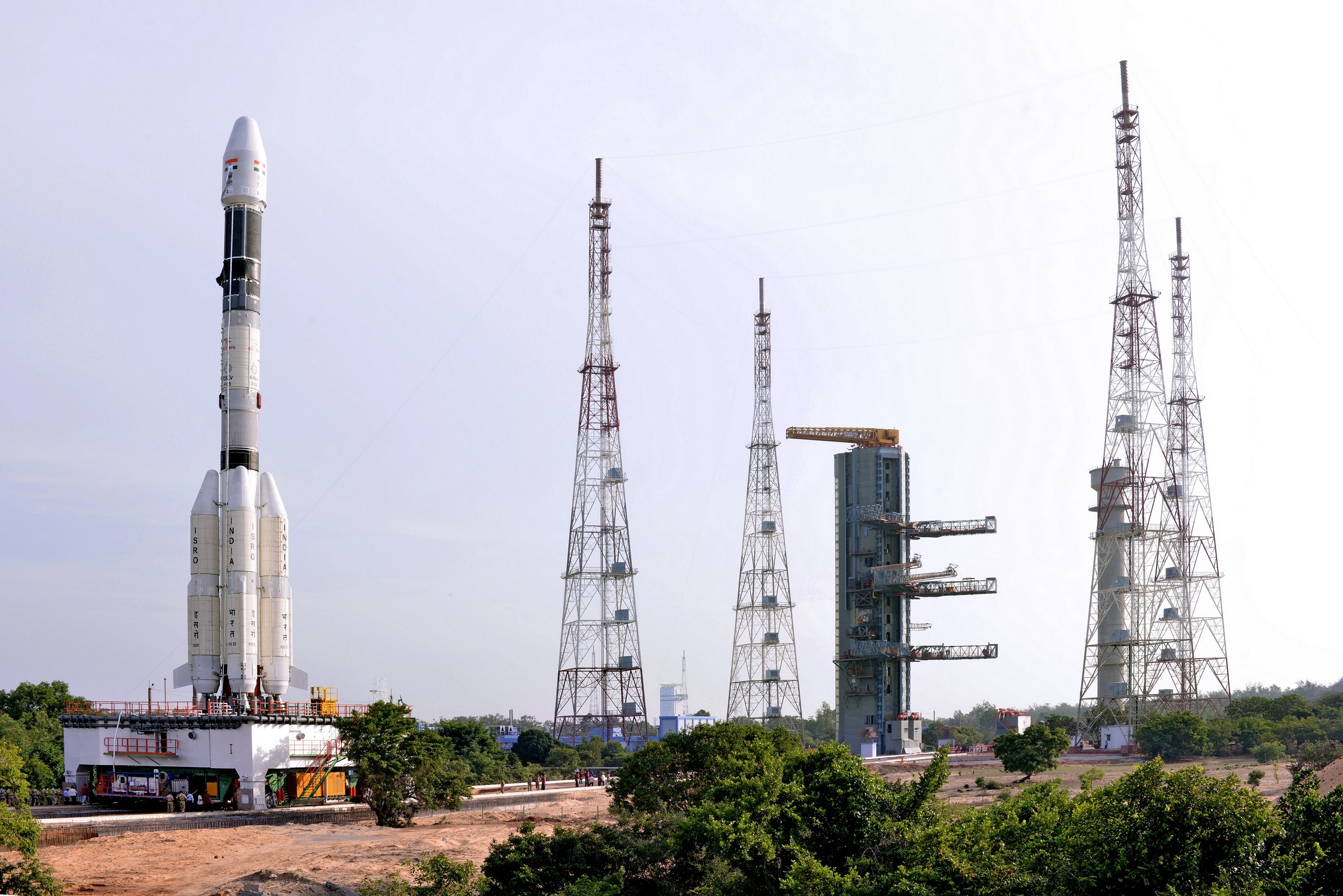
IRNSS-1L (NVS-03)
Provider: Indian Space Research Organization Date: October 30, 2026 Time: 6:21 PM UTC Vehicle: GSLV Mk II
This is a replacement satellite for the Indian Regional Navigation Satellite System. The constellation will provide India with an alternative to GPS and will be used for military and civilian use. Located at a geosynchronous orbit, the system will be operated by the Indian government.
USSF-432
Provider: SpaceX Date: November 2, 2026 Time: 1:56 AM UTC Vehicle: Falcon 9
A classified mission for the United States Space Force. It is possibly a batch of classified LEO satellites based on SpaceX’s Starshield satellite bus, based on locations of rocket stage drop zones being exact fits with previous Starlink Group 15 launches.
The Sea God Surveys (iQPS Launch 9)
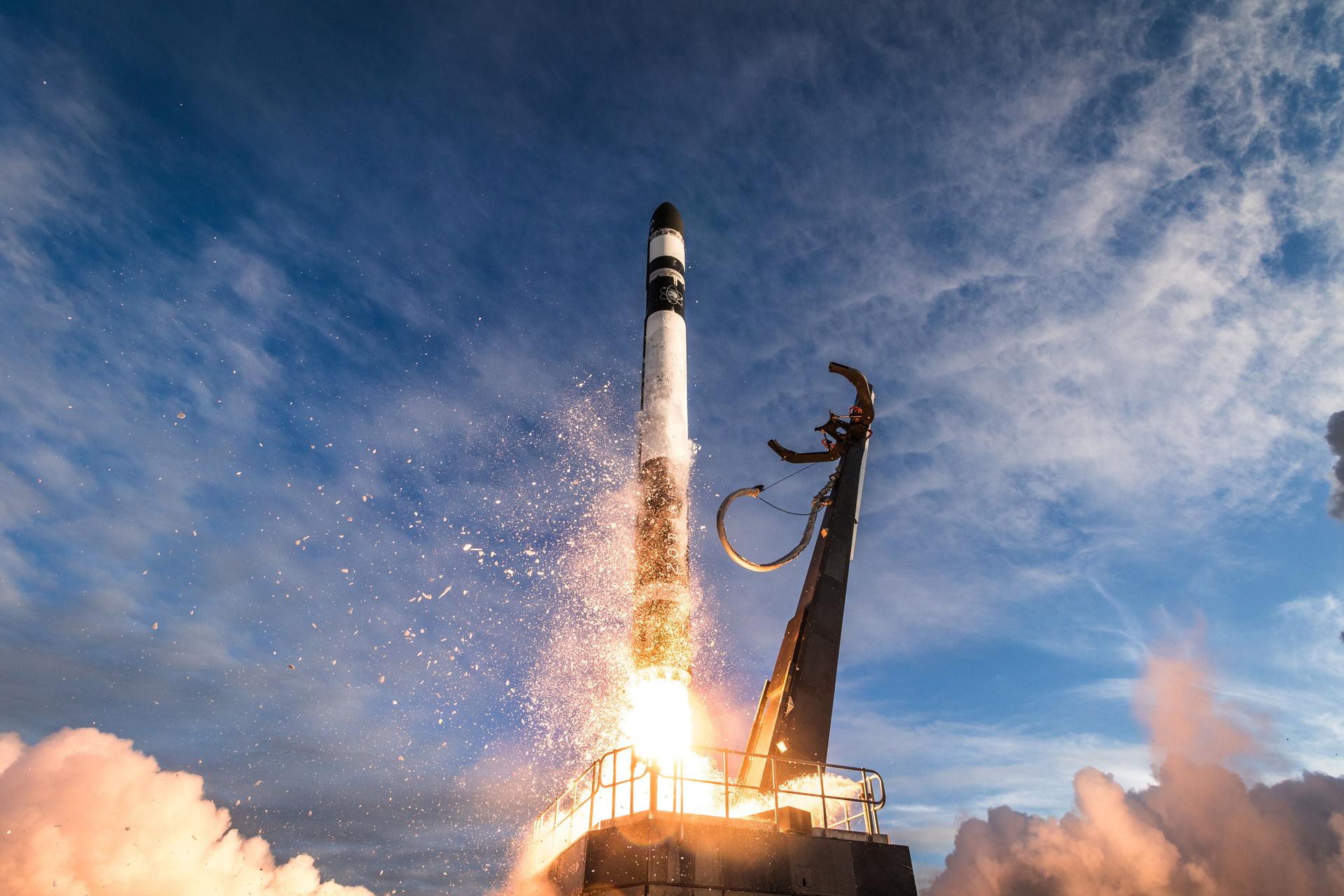
Provider: Rocket Lab Date: November 3, 2026 Time: 12:00 AM UTC Vehicle: Electron
Synthetic aperture radar Earth observation satellite for Japanese Earth imaging company iQPS.
Starlink Group 15-21
Provider: SpaceX Date: November 5, 2026 Time: 2:35 AM UTC Vehicle: Falcon 9
A batch of 27 satellites for the Starlink mega-constellation – SpaceX’s project for space-based Internet communication system.
Starlink Group 15-18 ×
Mission Details
TypeCommunications
OrbitLow Earth Orbit
TargetEarth
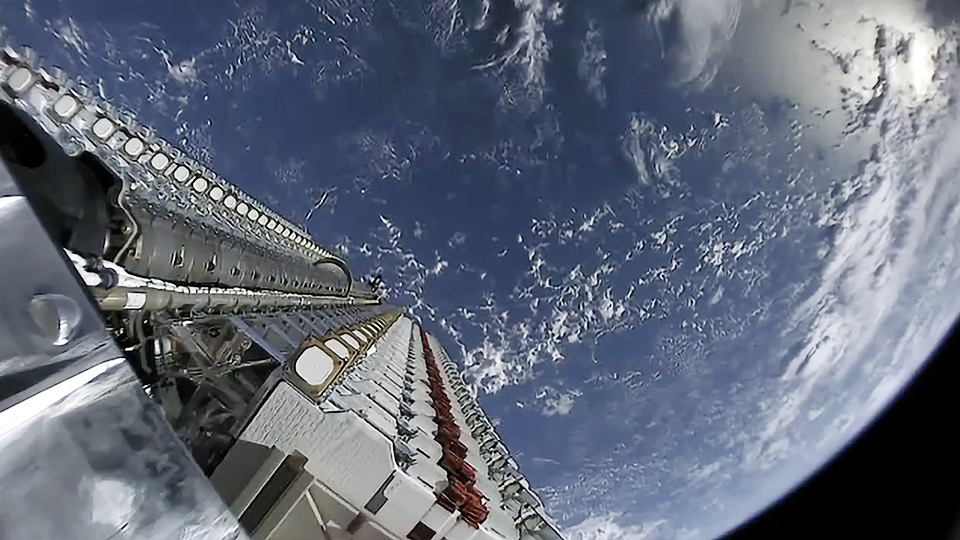
A batch of 27 satellites for the Starlink mega-constellation – SpaceX’s project for space-based Internet communication system.
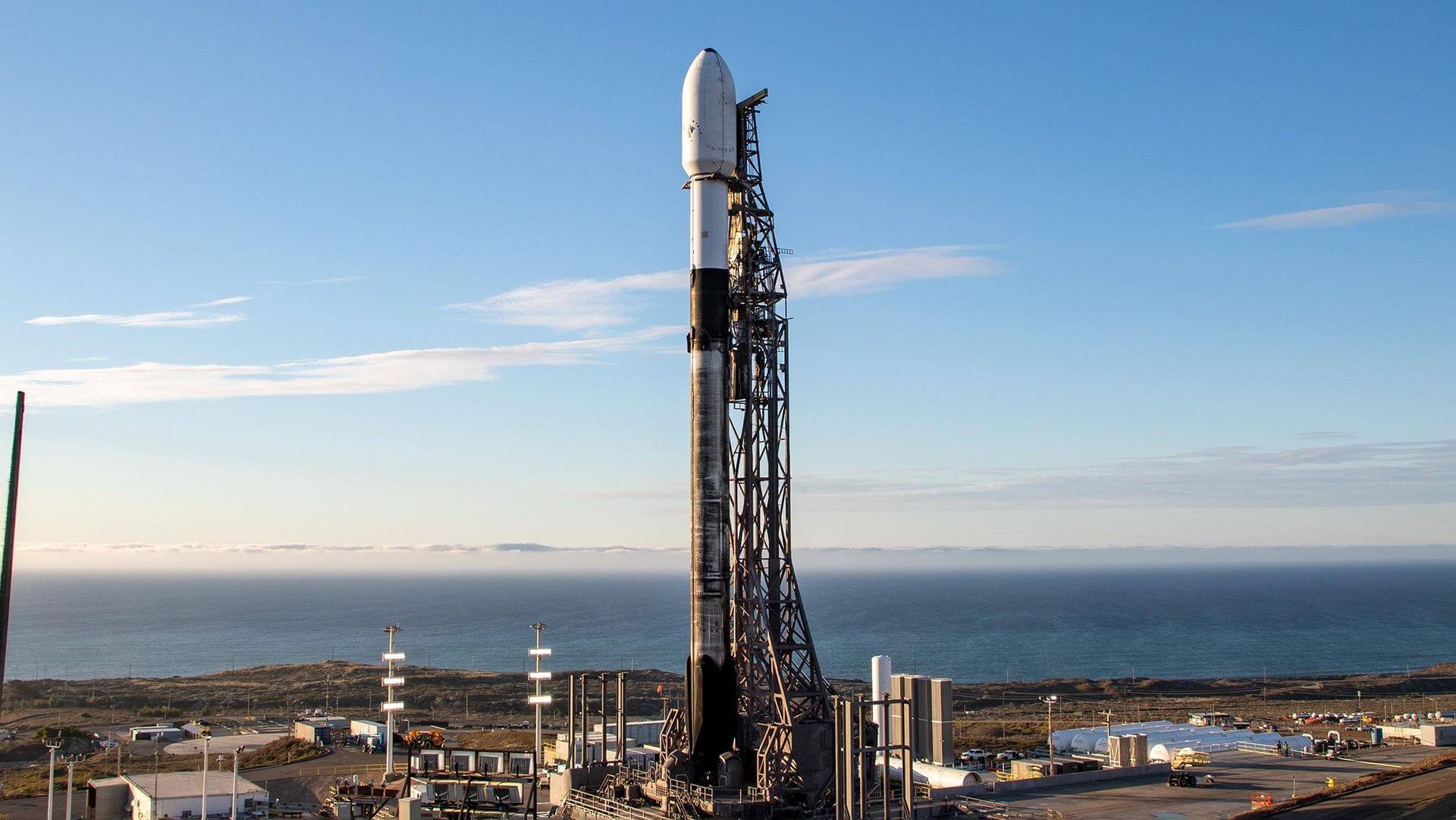
Falcon 9 is a two-stage rocket designed and manufactured by SpaceX for the reliable and safe transport of satellites and the Dragon spacecraft into orbit. The Block 5 variant is the fifth major interval aimed at improving upon the ability for rapid reusability.
The Falcon 9 first stage B1093 will land on ASDS OCISLY after its 18th flight.
IRNSS-1L (NVS-03) ×
Mission Details
TypeNavigation
OrbitGeostationary Transfer Orbit
TargetEarth
This is a replacement satellite for the Indian Regional Navigation Satellite System. The constellation will provide India with an alternative to GPS and will be used for military and civilian use. Located at a geosynchronous orbit, the system will be operated by the Indian government.
Agencies Involved
• Indian Space Research Organization (Government)
Launch Provider: Indian Space Research Organization
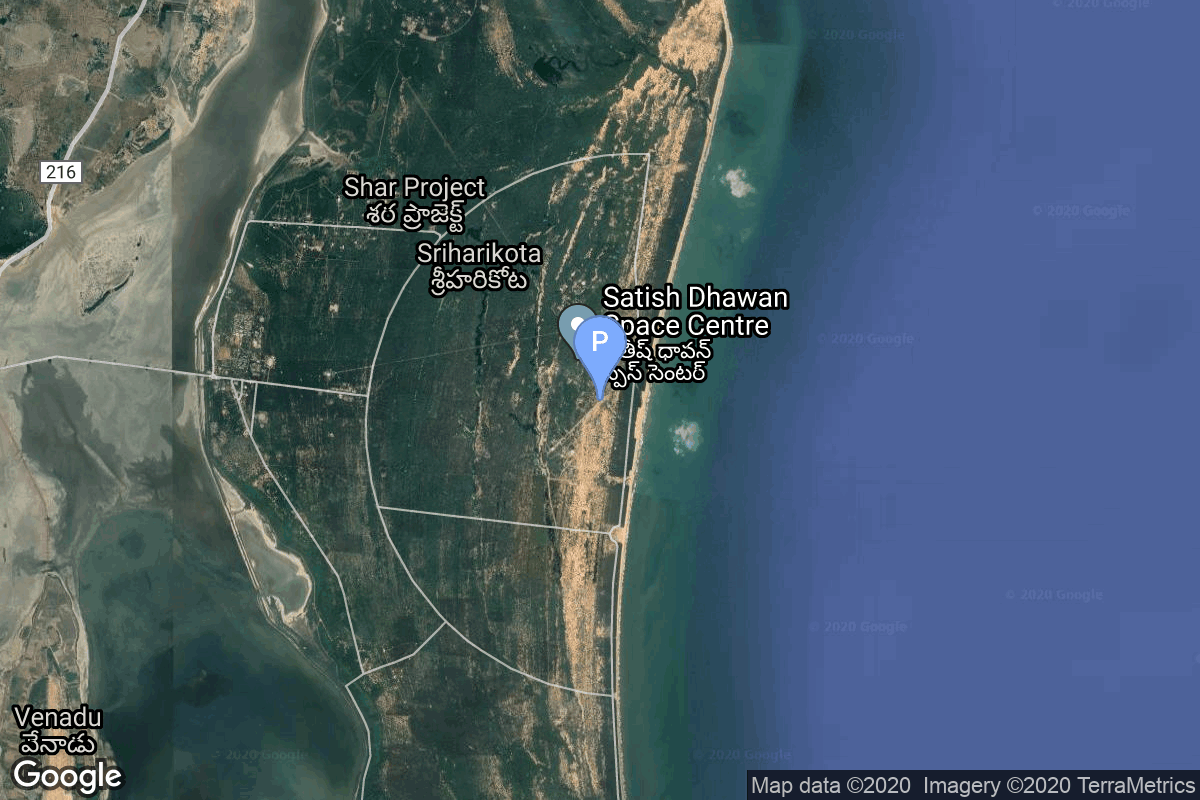
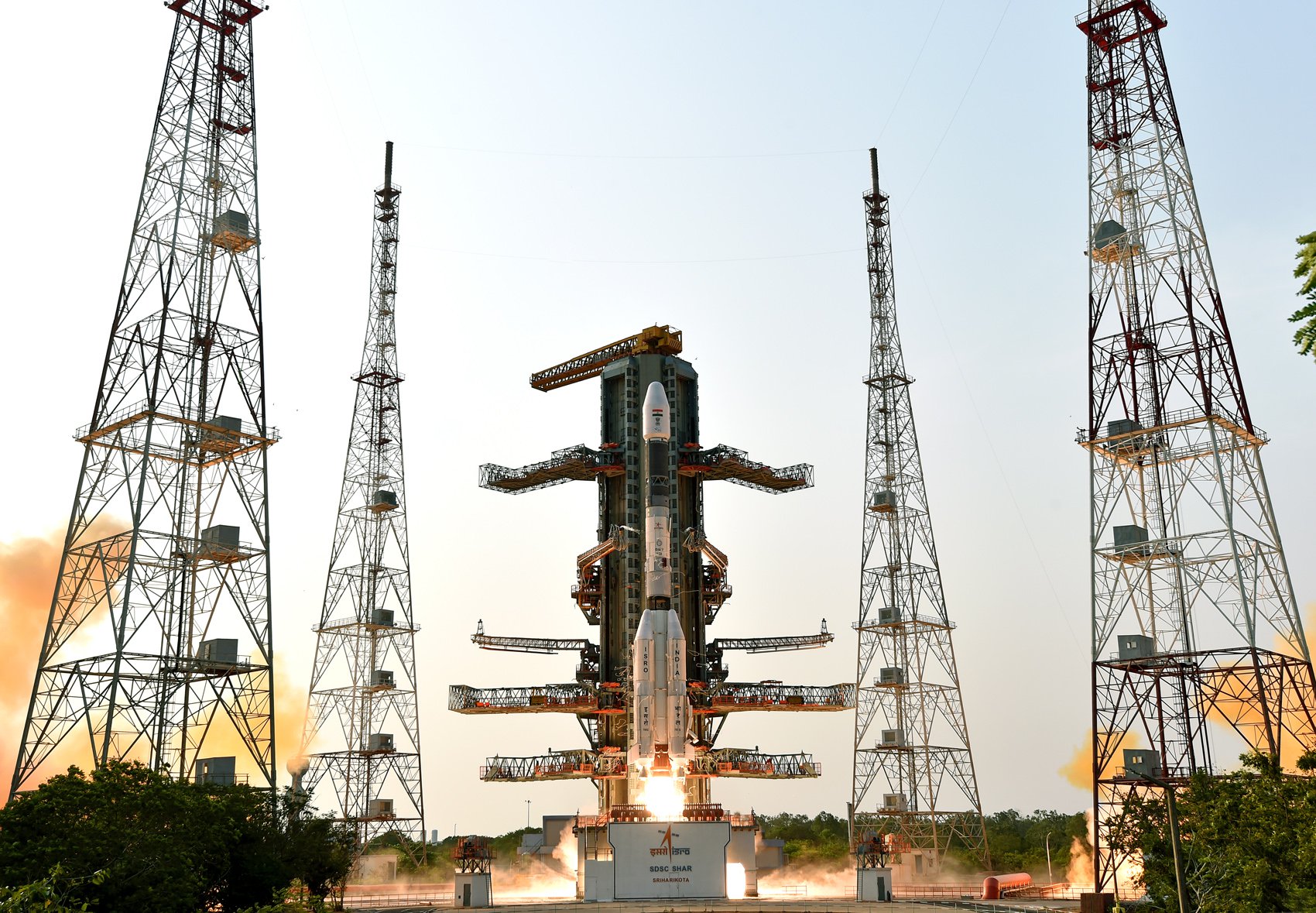
Launch Pad: Satish Dhawan Space Centre Second Launch Pad
Satish Dhawan Space Centre, India
The second launch pad was built between 1999 and 2003. It became functional in 2005 and has since been used for various rockets. This launch pad supports missions by PSLV, GSLV, LVM3 rockets and is…
Geosynchronous Satellite Launch Vehicle Mark II (GSLV Mk II) is the largest launch vehicle developed by India, which is currently in operation. This fourth generation launch vehicle is a three stage vehicle with four liquid strap-ons. The indigenously developed cryogenic Upper Stage (CUS), which is…
A classified mission for the United States Space Force. It is possibly a batch of classified LEO satellites based on SpaceX’s Starshield satellite bus, based on locations of rocket stage drop zones being exact fits with previous Starlink Group 15 launches.
Falcon 9 is a two-stage rocket designed and manufactured by SpaceX for the reliable and safe transport of satellites and the Dragon spacecraft into orbit. The Block 5 variant is the fifth major interval aimed at improving upon the ability for rapid reusability.
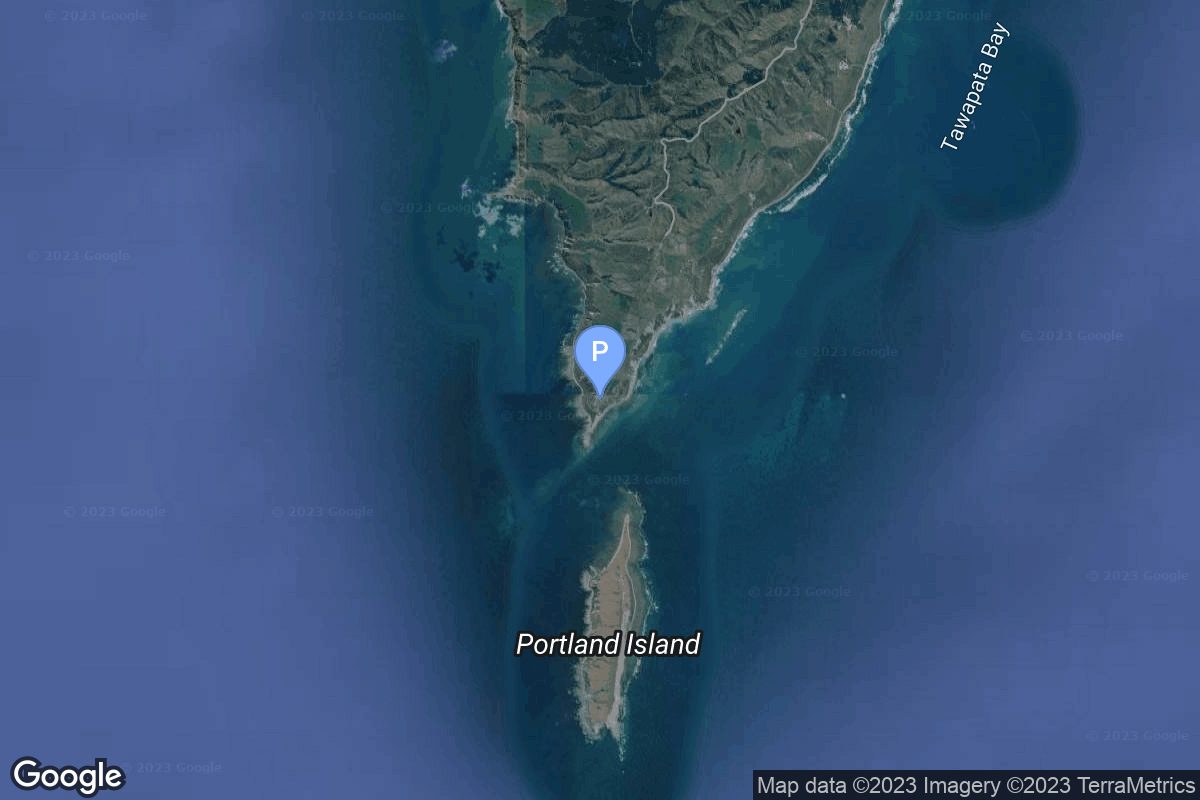
Rocket Lab Launch Complex 1, Mahia Peninsula, New Zealand
Total launches from this pad: 0
Vehicle: Electron
Electron is a two-stage orbital expendable launch vehicle (with an optional third stage) developed by the American aerospace company Rocket Lab. Electron is a small-lift launch vehicle designed to launch small satellites and cubesats to sun-synchronous orbit and low earth orbit. The Electron is the…
Falcon 9 is a two-stage rocket designed and manufactured by SpaceX for the reliable and safe transport of satellites and the Dragon spacecraft into orbit. The Block 5 variant is the fifth major interval aimed at improving upon the ability for rapid reusability.
Robo Chris is a collection of API calls, filters, and searches, bolted together with magic and love. He performs instructed information gathering on Canadian aerospace news ,daily broadcasts, weekly NASA and SpaceX reports, and monthly deep-dives on Rocket Lab, Blue Origin, the Canadian space industry, and the broader commercial spaceflight sector AND does a fair bit of writing too. Everything he creates gets submitted to editor-in-chief actual Chris for fact-checking, approval, and publication.











Leave a Reply