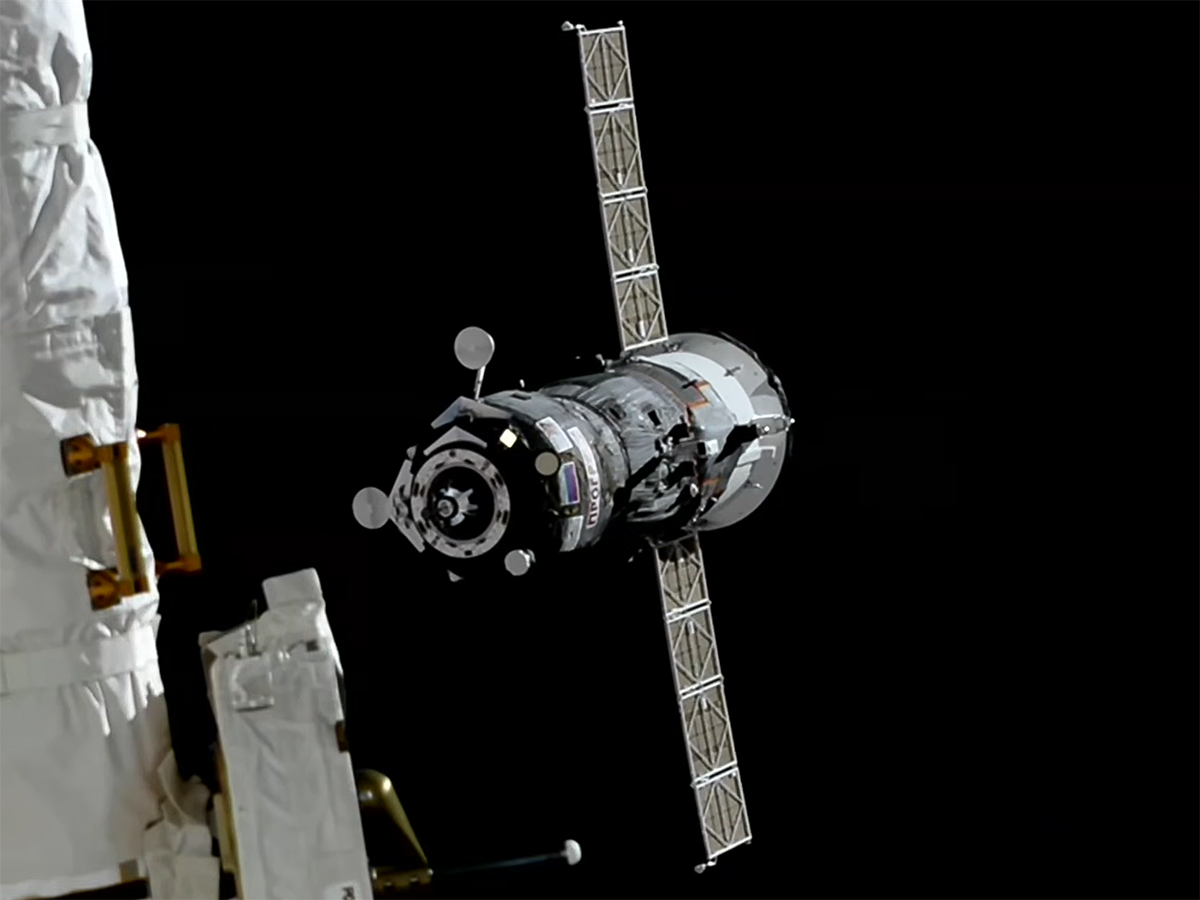
The Roscosmos Progress 96 cargo spacecraft docked to the space-facing port of the International Space Station’s Poisk module at 9:44 a.m. EDT Saturday, delivering about three tons of food, fuel and supplies to the Expedition 75 crew.
The uncrewed freighter launched at 9:33 a.m. EDT on Sept. 16 aboard a Soyuz-2-1b rocket from the Baikonur Cosmodrome in Kazakhstan. The launch was delayed a week due to a problem with the rocket’s third stage that required the vehicle to be rolled off the pad and returned to its hangar. It was the first time the Soyuz-2-1b variant had been used to launch a Progress mission.
The spacecraft used the automated Kurs rendezvous system for its final approach, 260 miles above the Black Sea. Russian cosmonauts Pyotr Dubrov and Anna Kikina were standing by to take manual control using remote controls, but the docking proceeded without intervention. A series of hooks inside the docking mechanism were driven closed to complete the operation.
Progress 96 will remain at the station for about five months before departing for a planned destructive re-entry to dispose of trash.
Crew-13 Enters Quarantine Ahead of October Launch
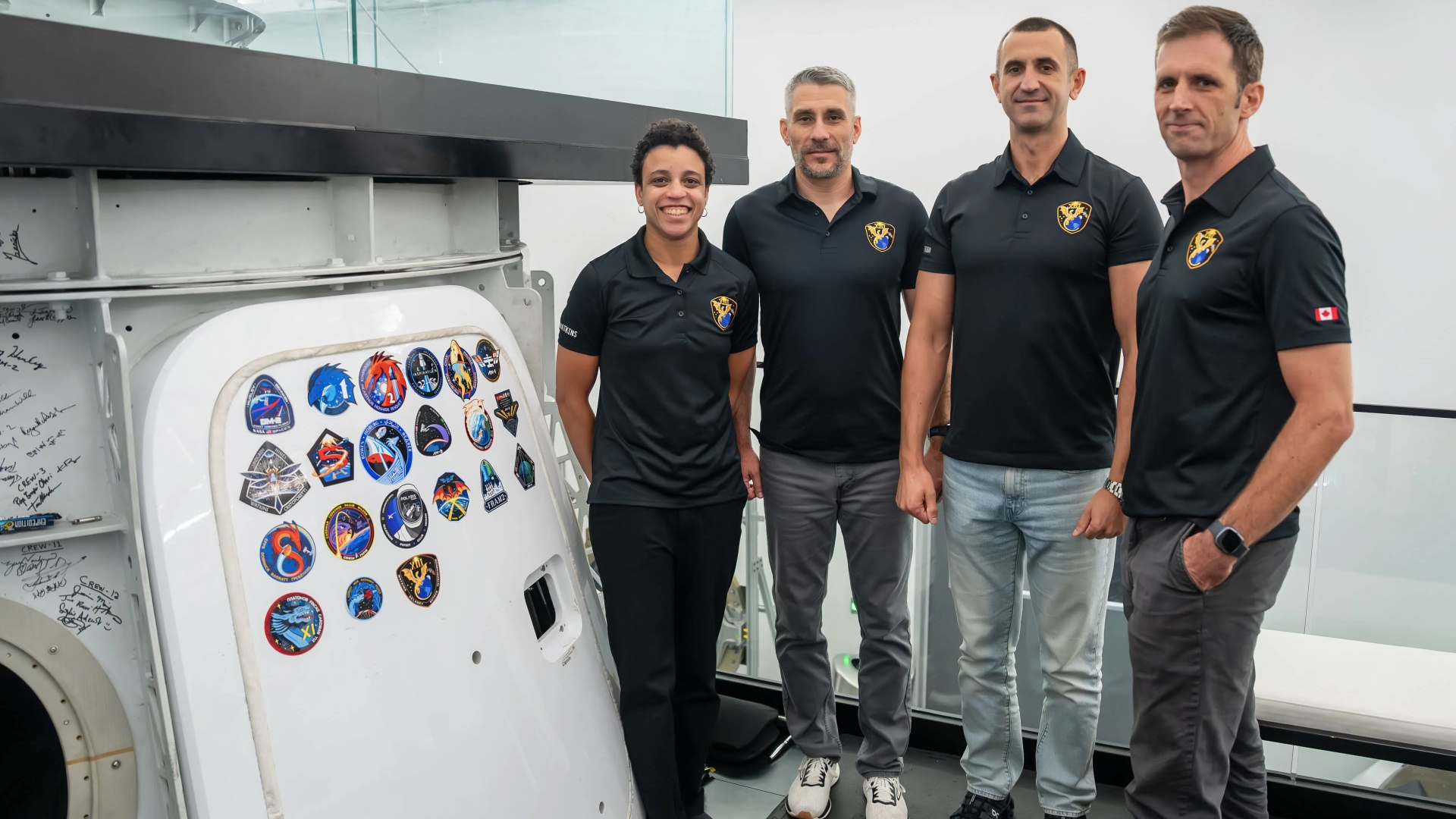
Canada’s Joshua Kutryk and his three Crew-13 crewmates entered pre-flight quarantine on Sept. 17 at NASA’s Johnson Space Center in Houston, the standard isolation period before launch. NASA and SpaceX are targeting an early October launch date for the mission.
Kutryk will fly alongside NASA astronauts Jessica Watkins and Luke Delaney and Roscosmos cosmonaut Sergey Teteryatnikov. Before quarantine began, the crew completed equipment interface testing at Cape Canaveral — checking spacesuit fit, verifying their seats aboard the Dragon spacecraft and running communications tests. Once launched, Kutryk will join Expedition 75 for a six-month stay aboard the station.
Aboard the station, the Expedition 75 crew kept up a full research schedule this week. NASA astronaut Jessica Meir and ESA astronaut Sophie Adenot processed cartilage cell samples in the MERLIN research incubator before loading them into the Auxilium bioprinter in the Kibo laboratory module’s Life Science Glovebox — work aimed at growing higher-quality tissue for personalized implants using a patient’s own cells. Flight engineer Anil Menon soldered components onto a circuit board using a lead-free technique for the MIYOKA experiment, testing whether electronics can be safely repaired in microgravity.
Astronaut Pikachu Floats in the Cupola
A special Astronaut Pikachu plush floated through the Cupola this week as part of a collaboration between ESA and The Pokémon Company International. The plush joined ESA astronaut Sophie Adenot aboard the station.
Adenot has spent more than 200 days in space as part of her εepsilon mission, conducting scientific research and completing three spacewalks over the summer to help maintain the orbiting laboratory. The Cupola, the European-built observation module, offers views of Earth from the station, which orbits about 400 km above the planet and circles it every 90 minutes — treating its crew to around 16 sunrises and sunsets each day.
ESA and The Pokémon Company International are teaming up to inspire the next generation of explorers, with a Europe-wide exhibition and the Astronaut Pikachu experience.
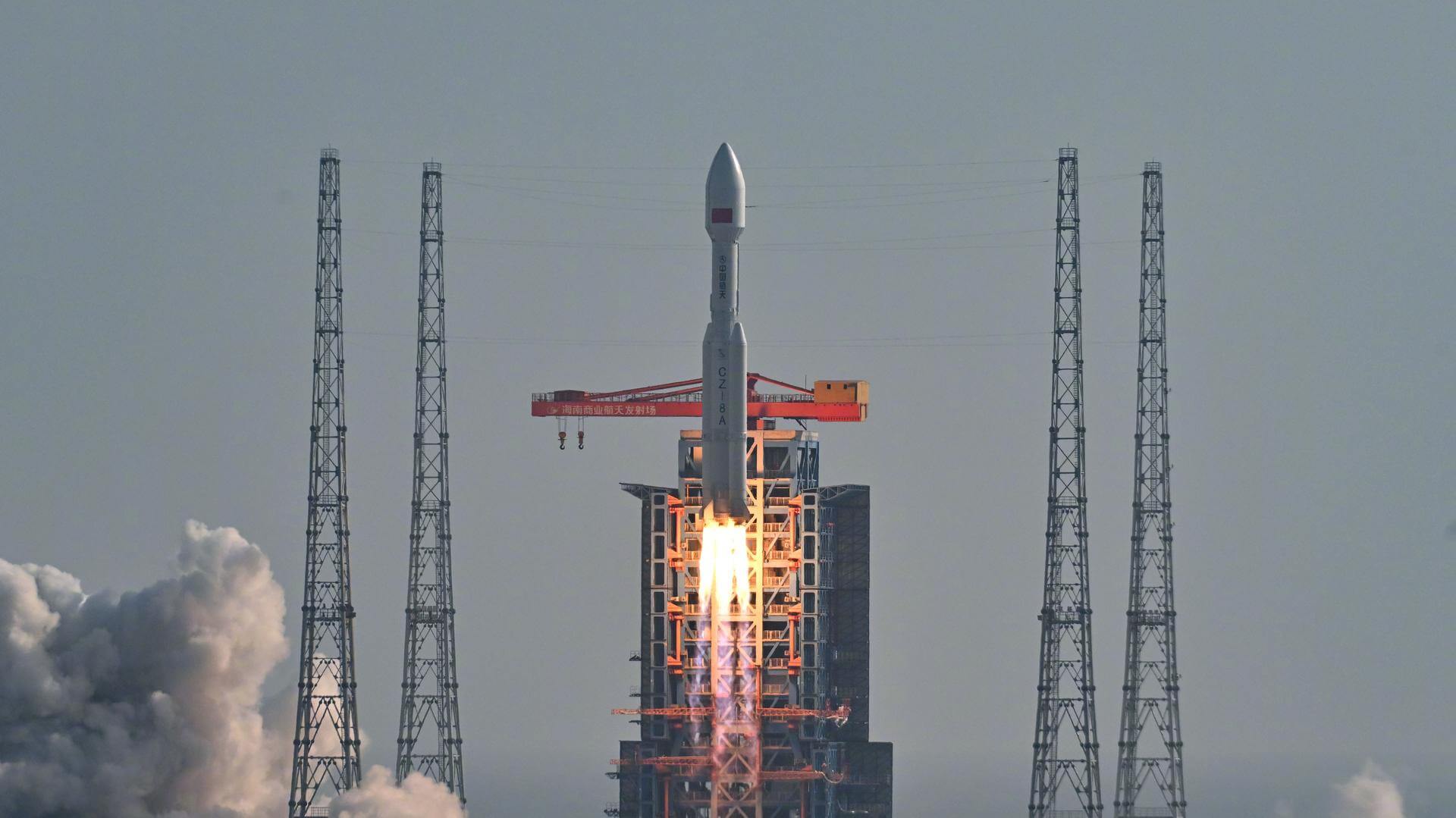
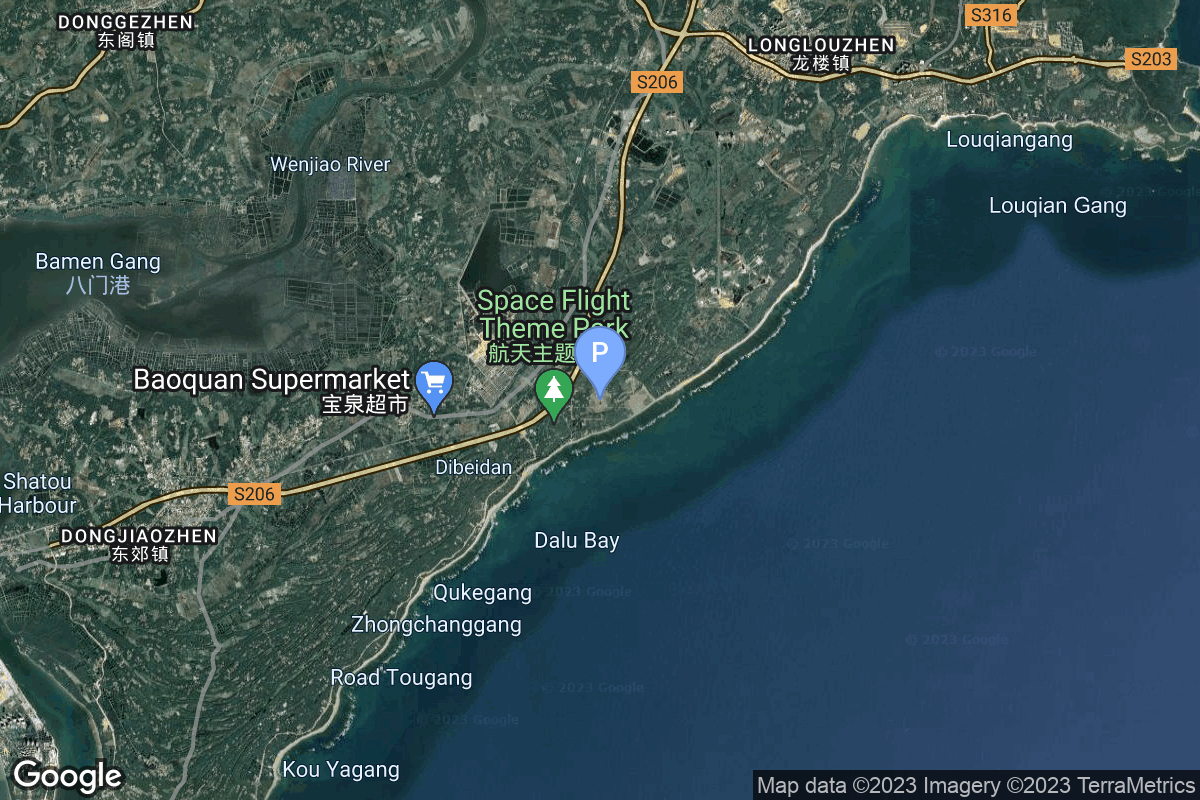
Provider: China Aerospace Science and Technology Corporation Date: September 23, 2026 Time: 1:30 PM UTC Vehicle: Long March 8A
Details TBD.
Unknown Payload
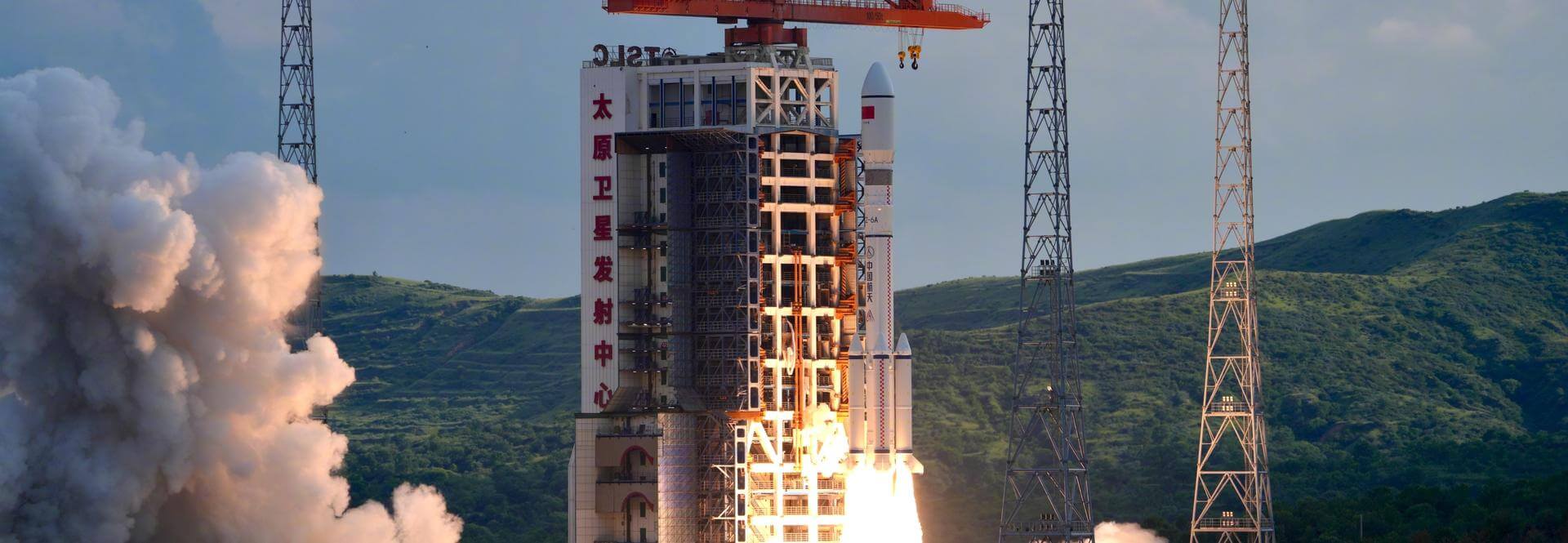
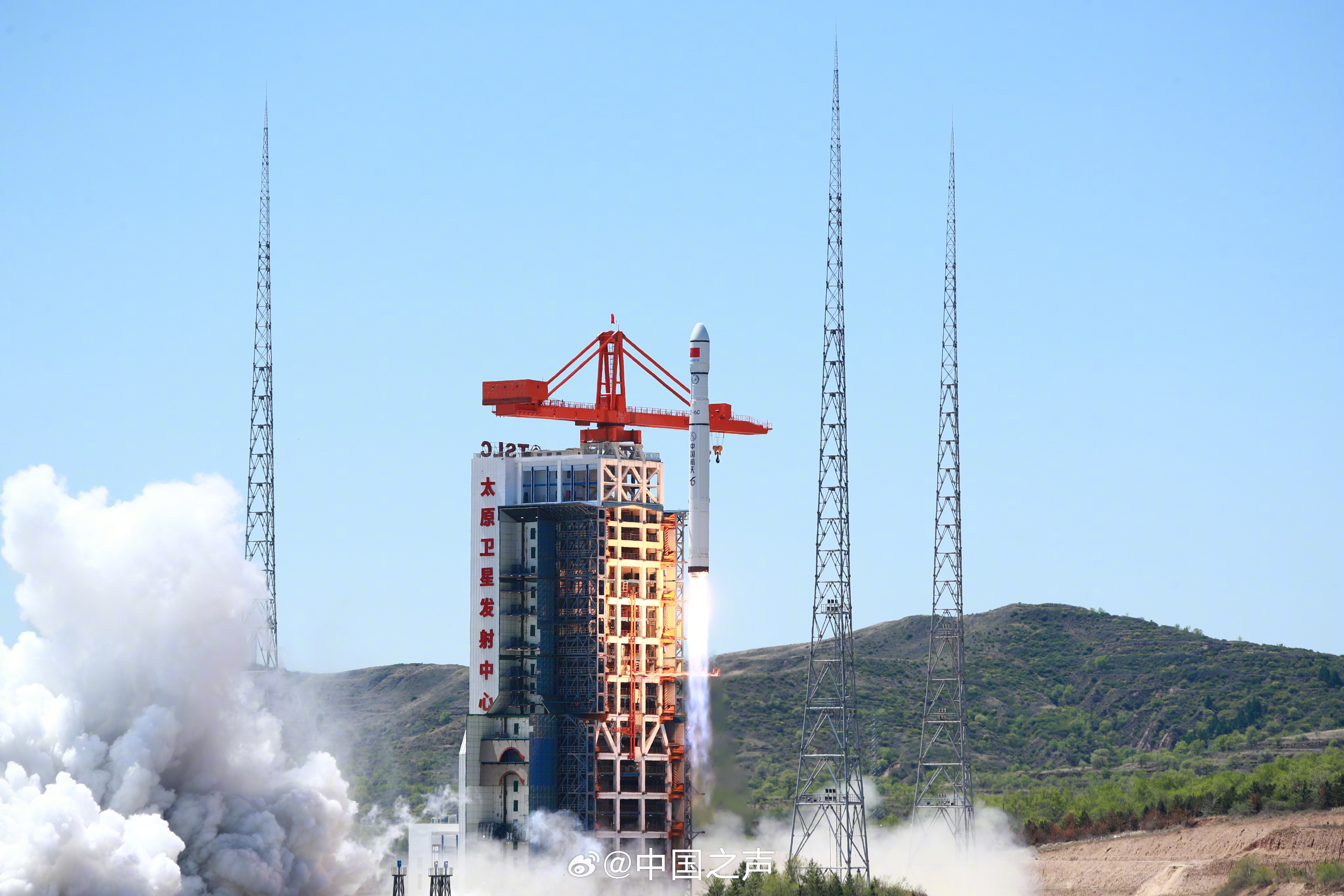
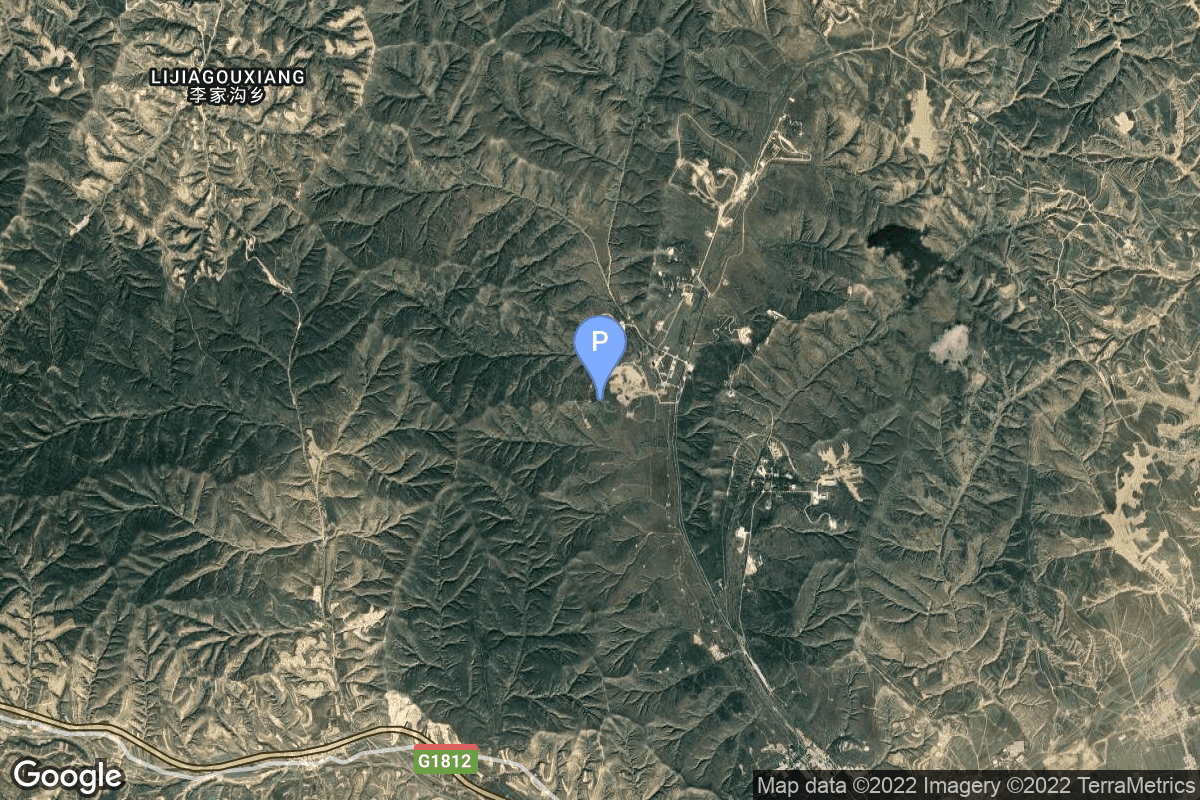
Provider: China Aerospace Science and Technology Corporation Date: September 24, 2026 Time: 8:45 AM UTC Vehicle: Long March 6A
Details TBD.
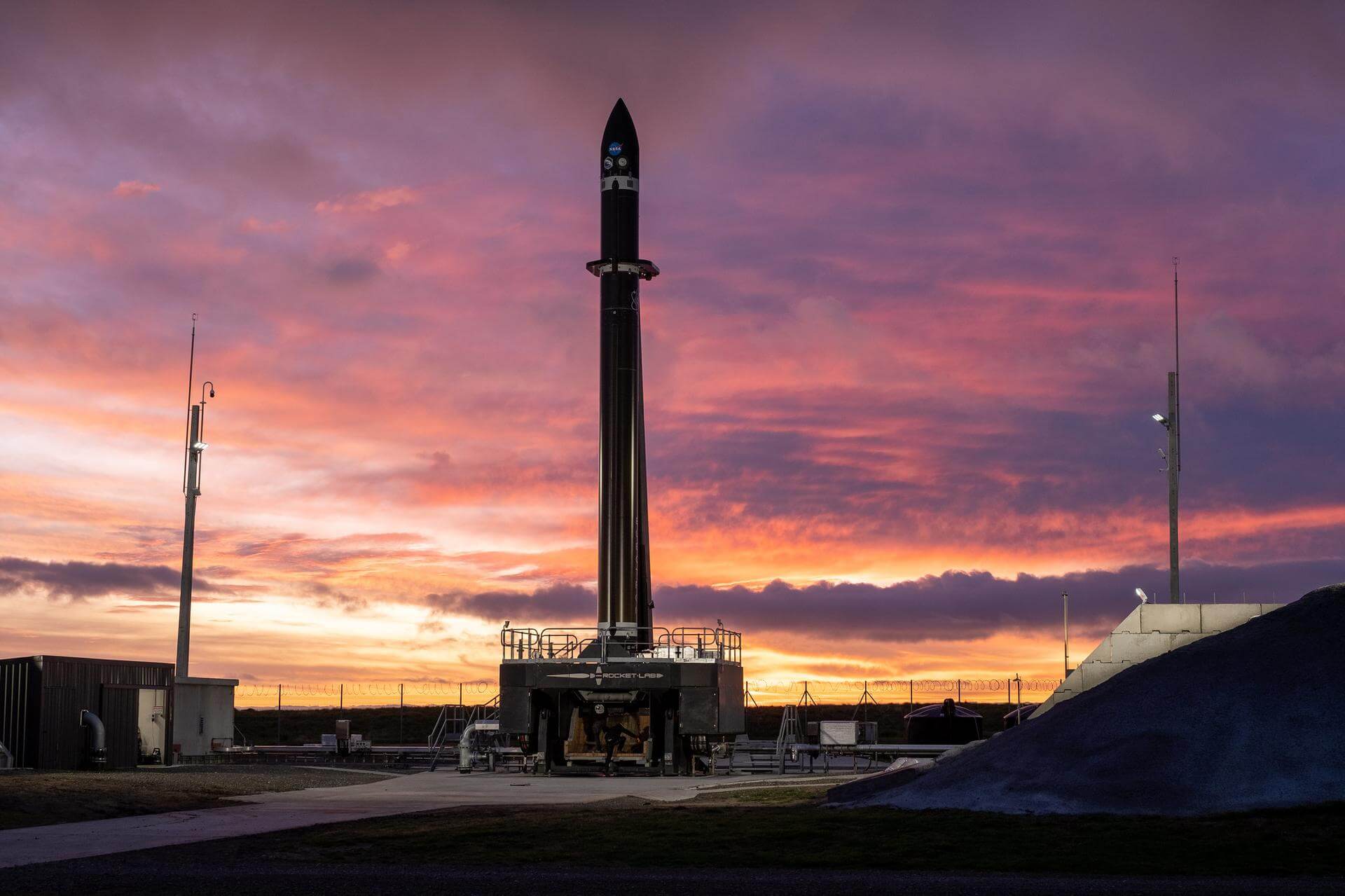
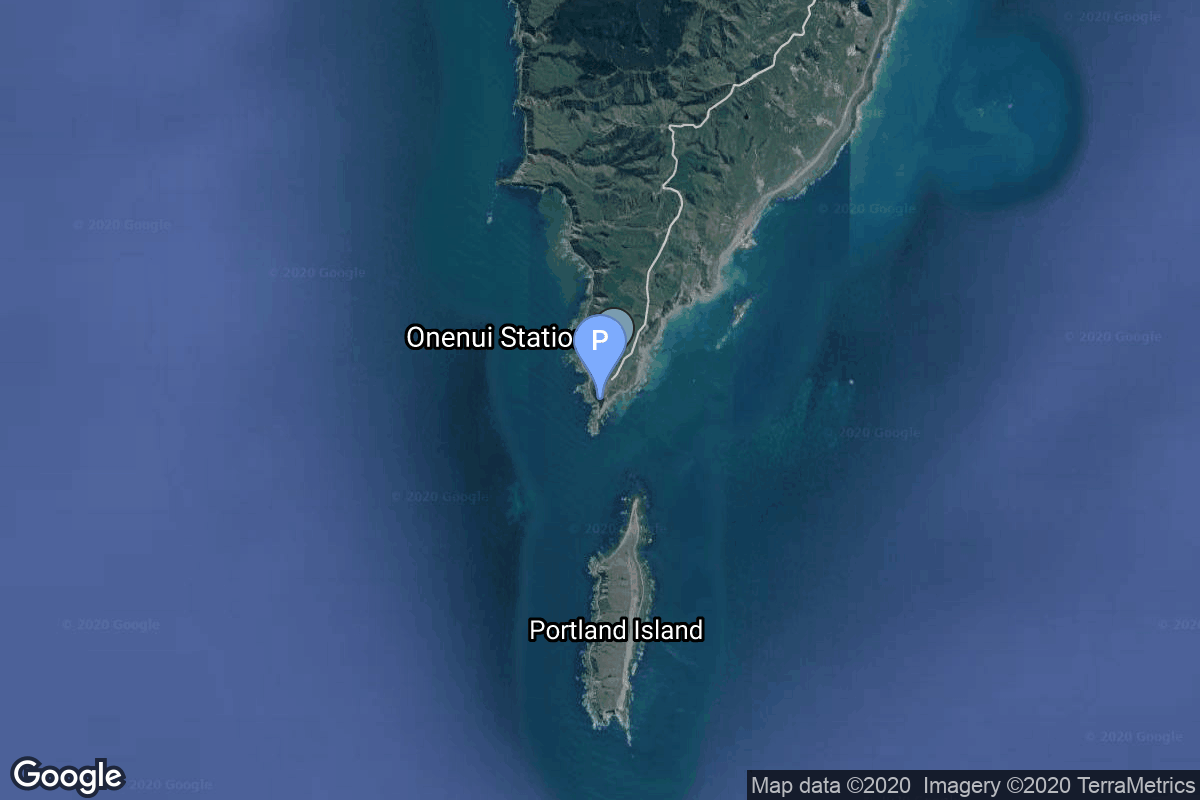
Owlright, Owlright, Owlright (StriX Launch 13)
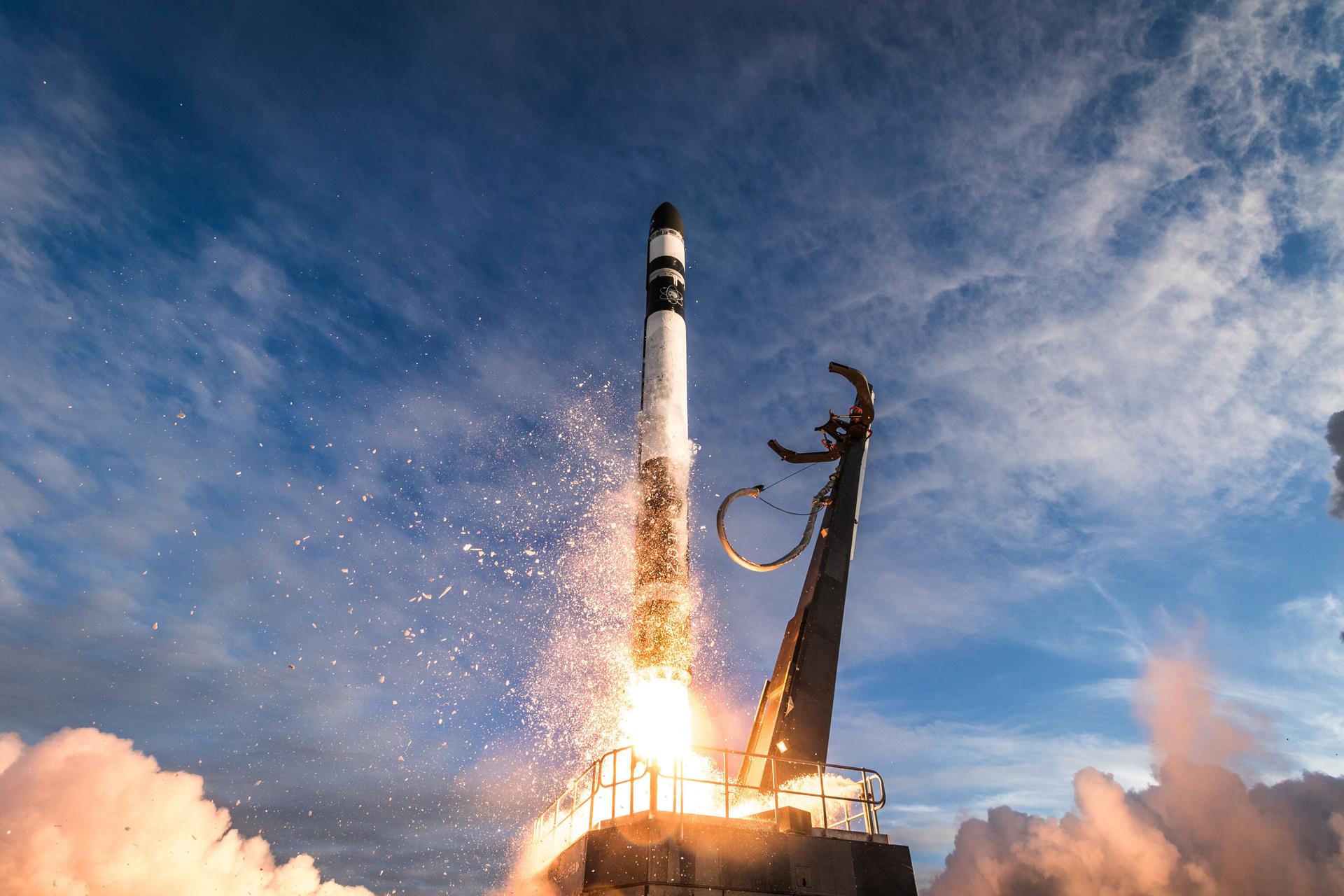
Provider: Rocket Lab Date: September 26, 2026 Time: 12:15 AM UTC Vehicle: Electron
Synthetic aperture radar satellite for Japanese Earth imaging company Synspective.
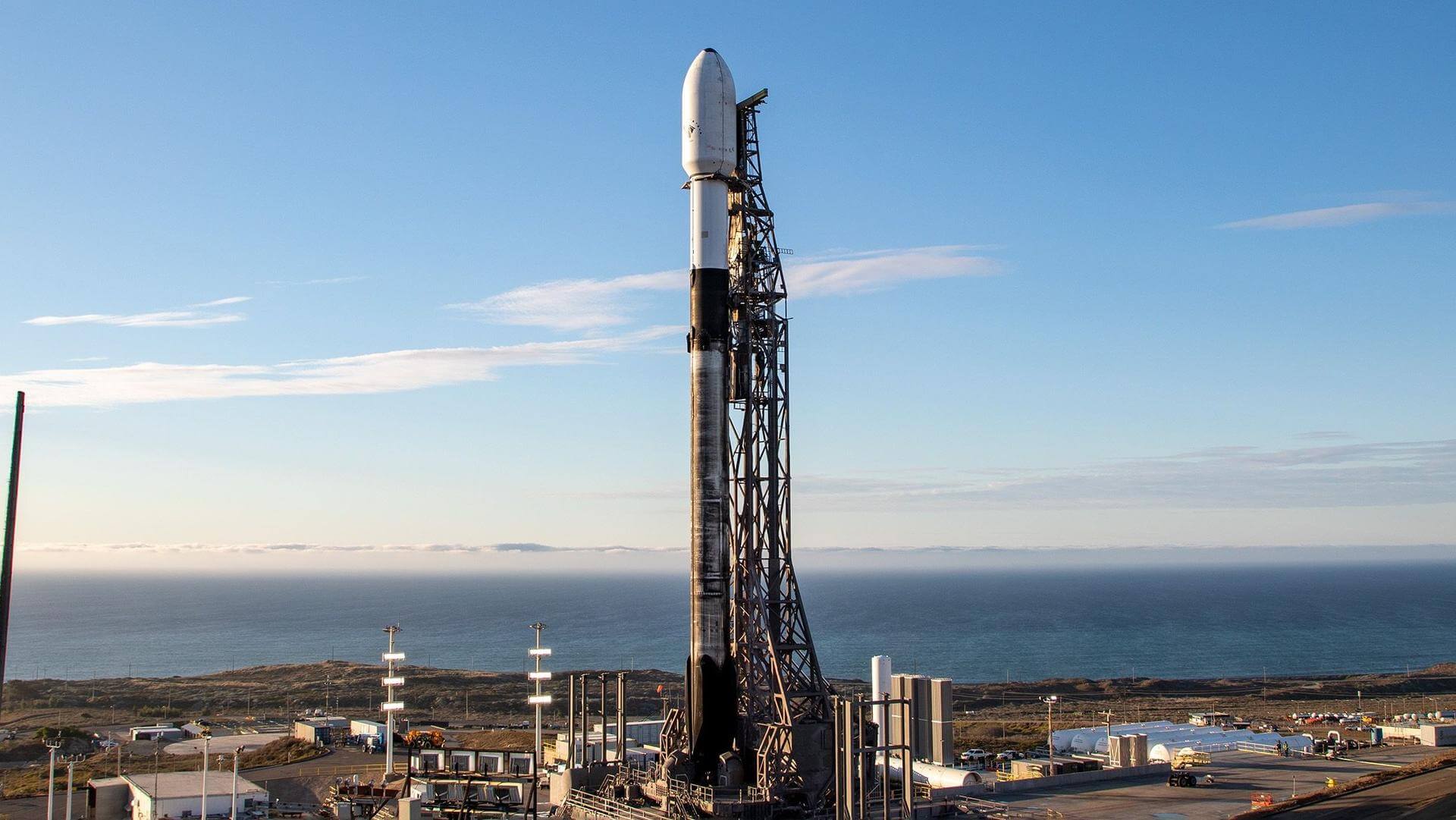
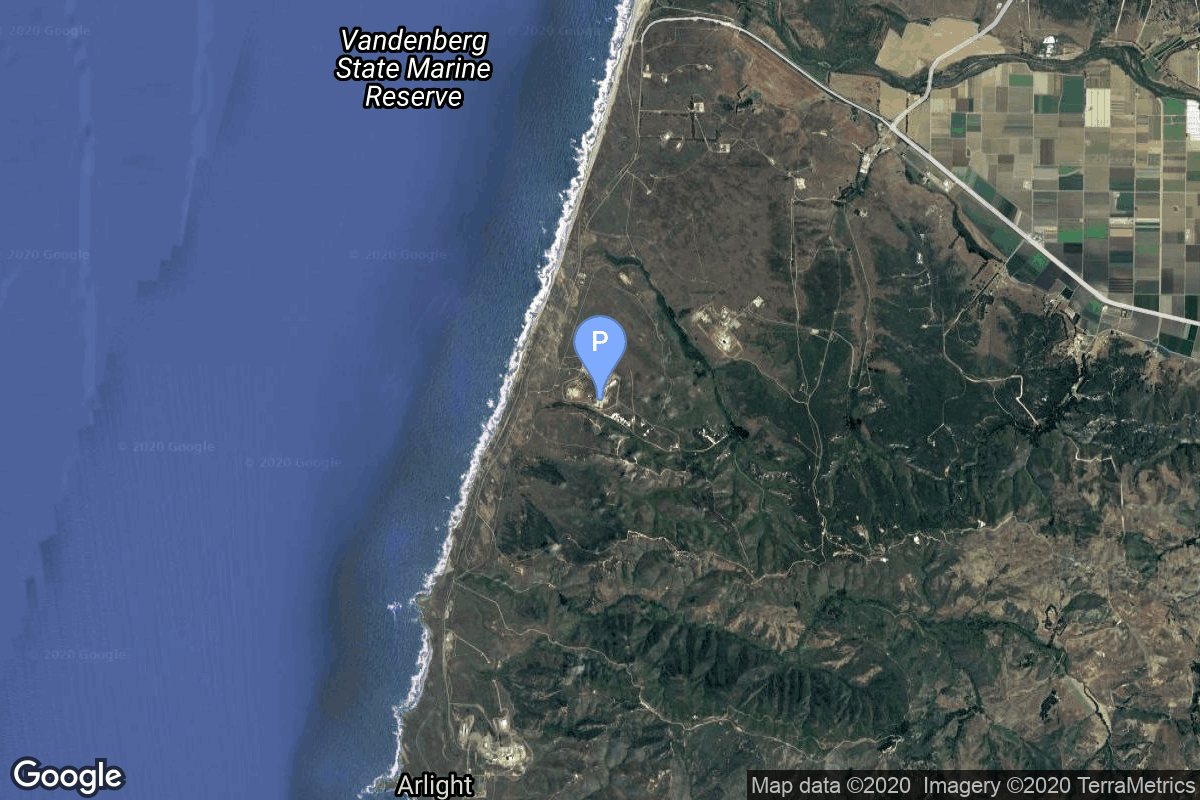
USSF-385
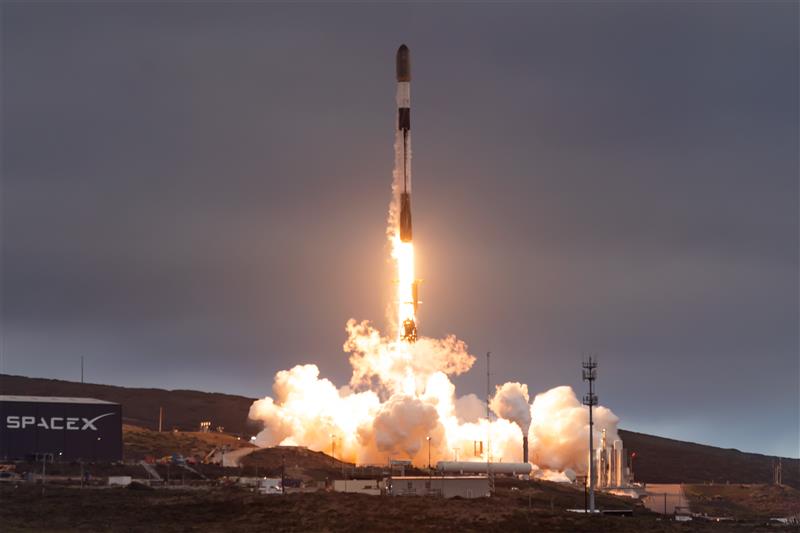
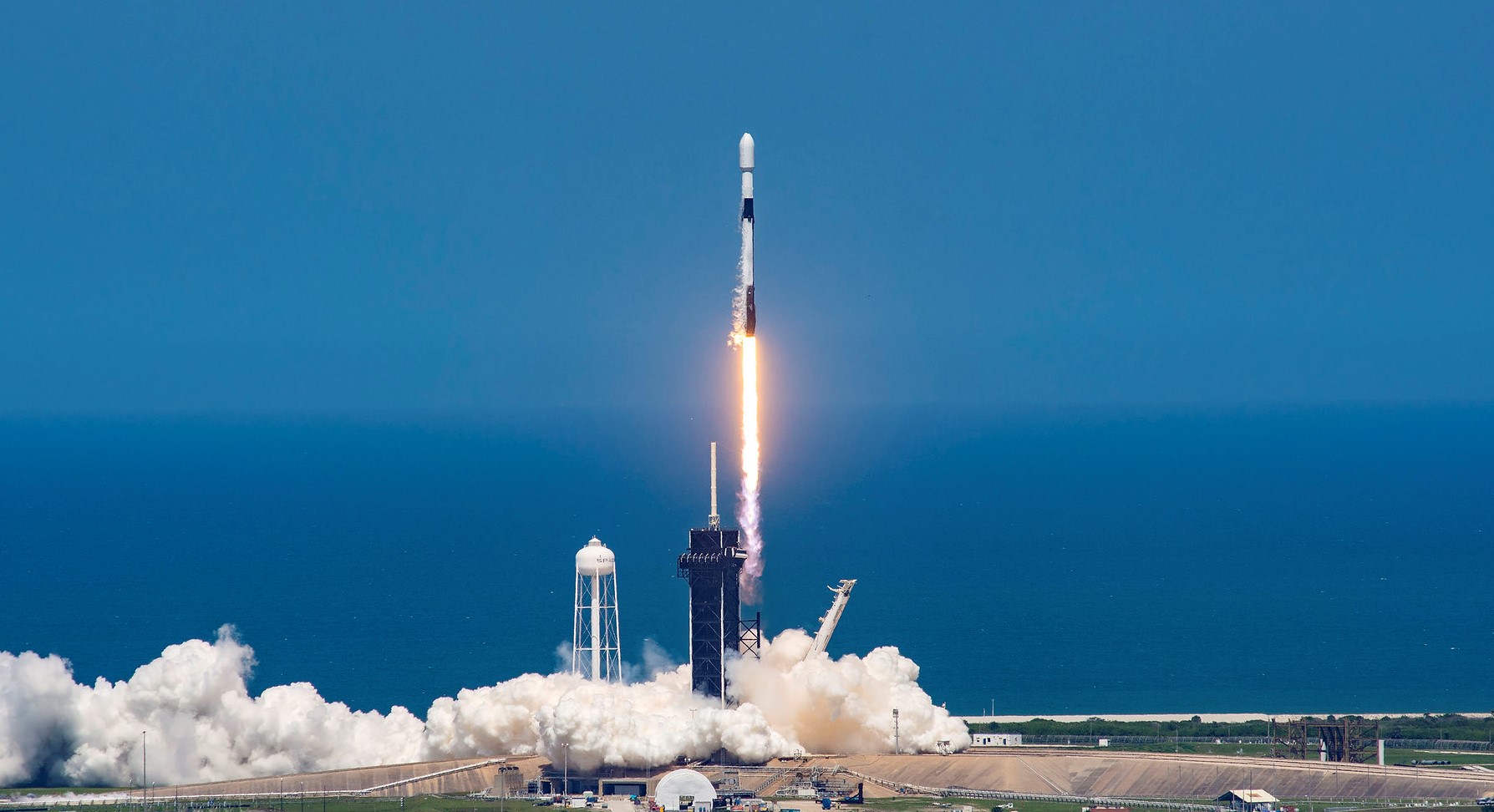
Provider: SpaceX Date: September 26, 2026 Time: 11:56 AM UTC Vehicle: Falcon 9
A classified mission for the United States Space Force. It is possibly a batch of classified LEO satellites based on SpaceX’s Starshield satellite bus, based on locations of rocket stage drop zones being exact fits with previous Starlink Group 15 launches.
Starlink Group 31-1 (Starship Flight 14)
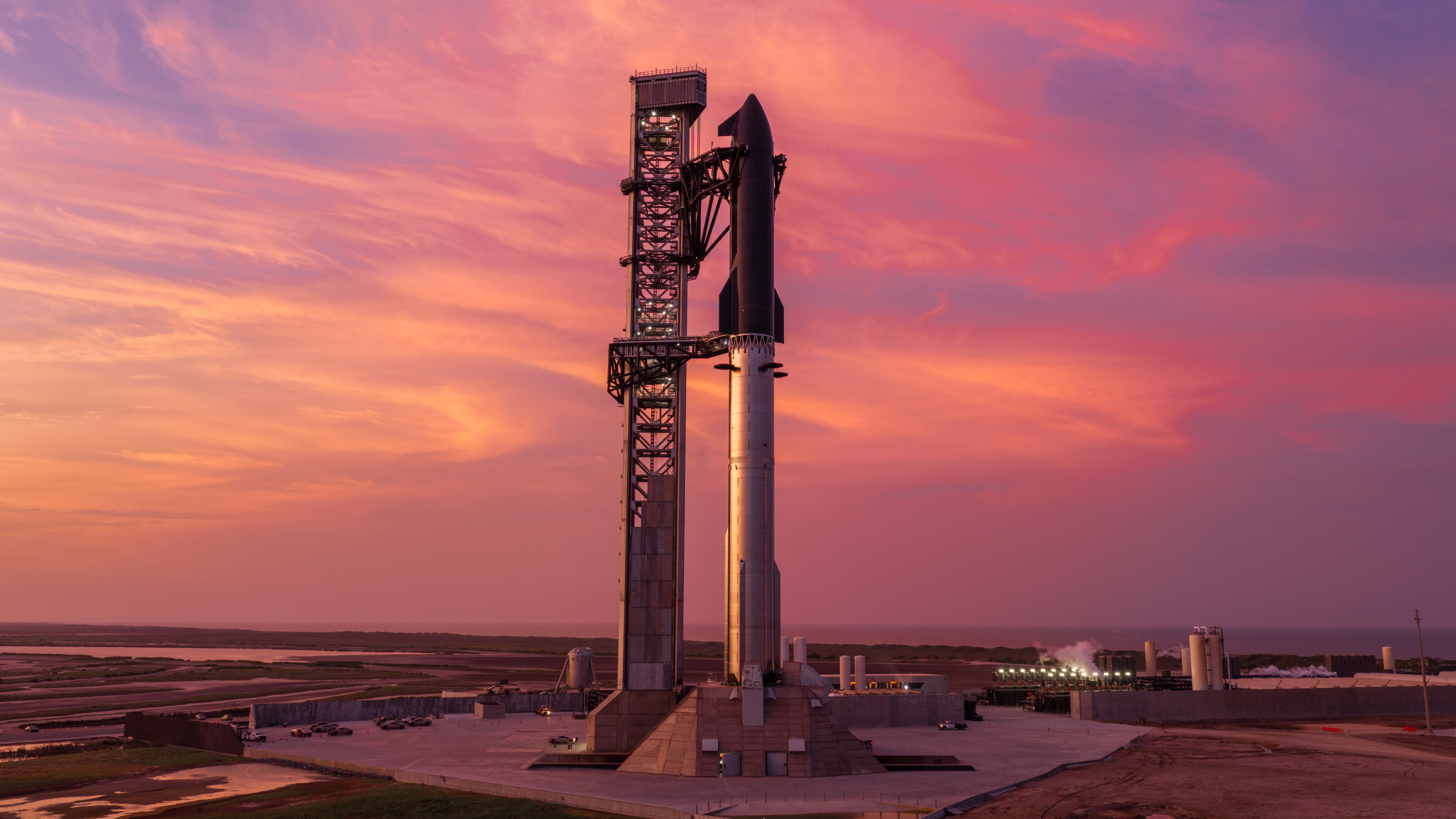
Provider: SpaceX Date: September 28, 2026 Time: 12:15 PM UTC Vehicle: Starship
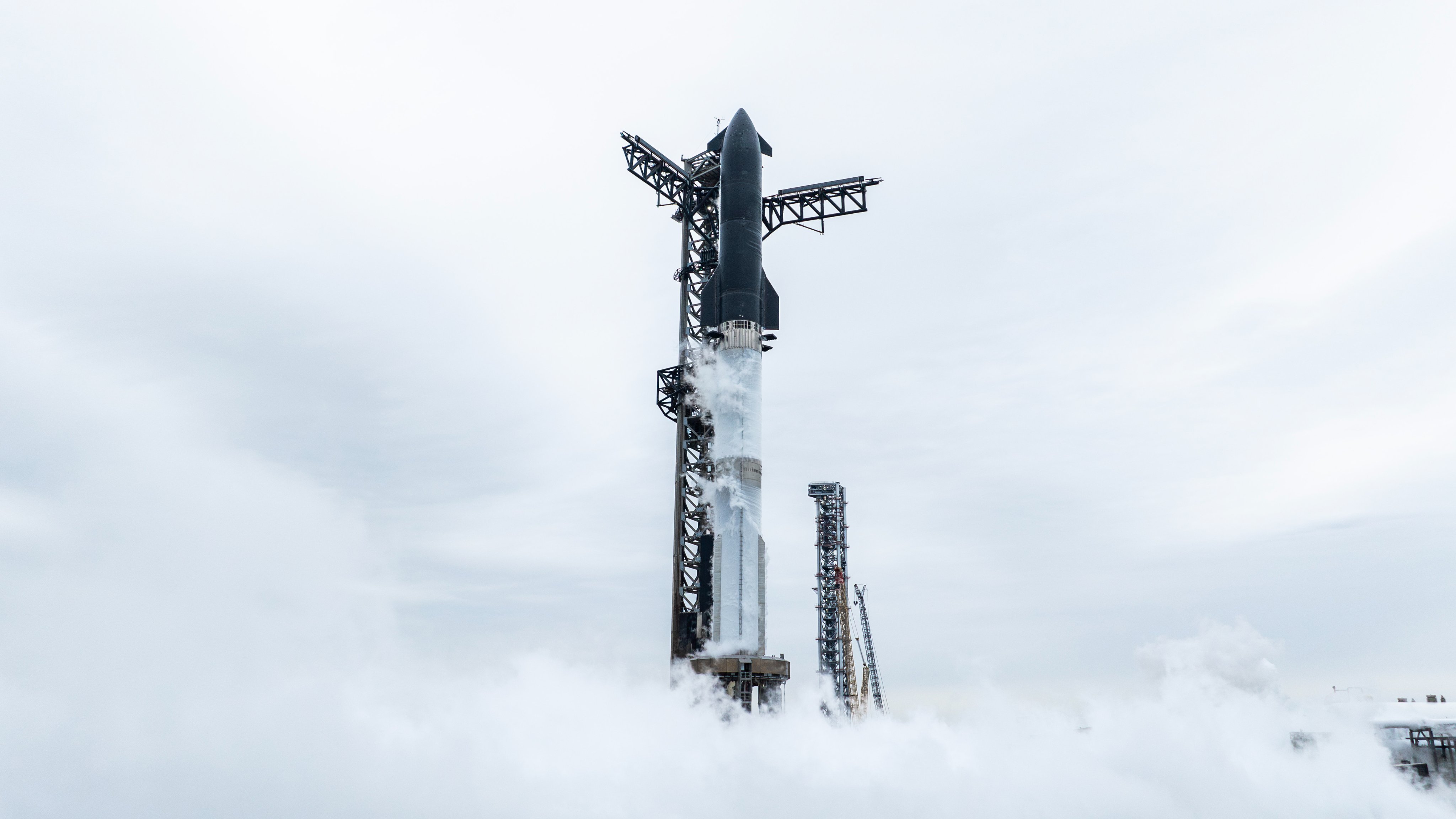
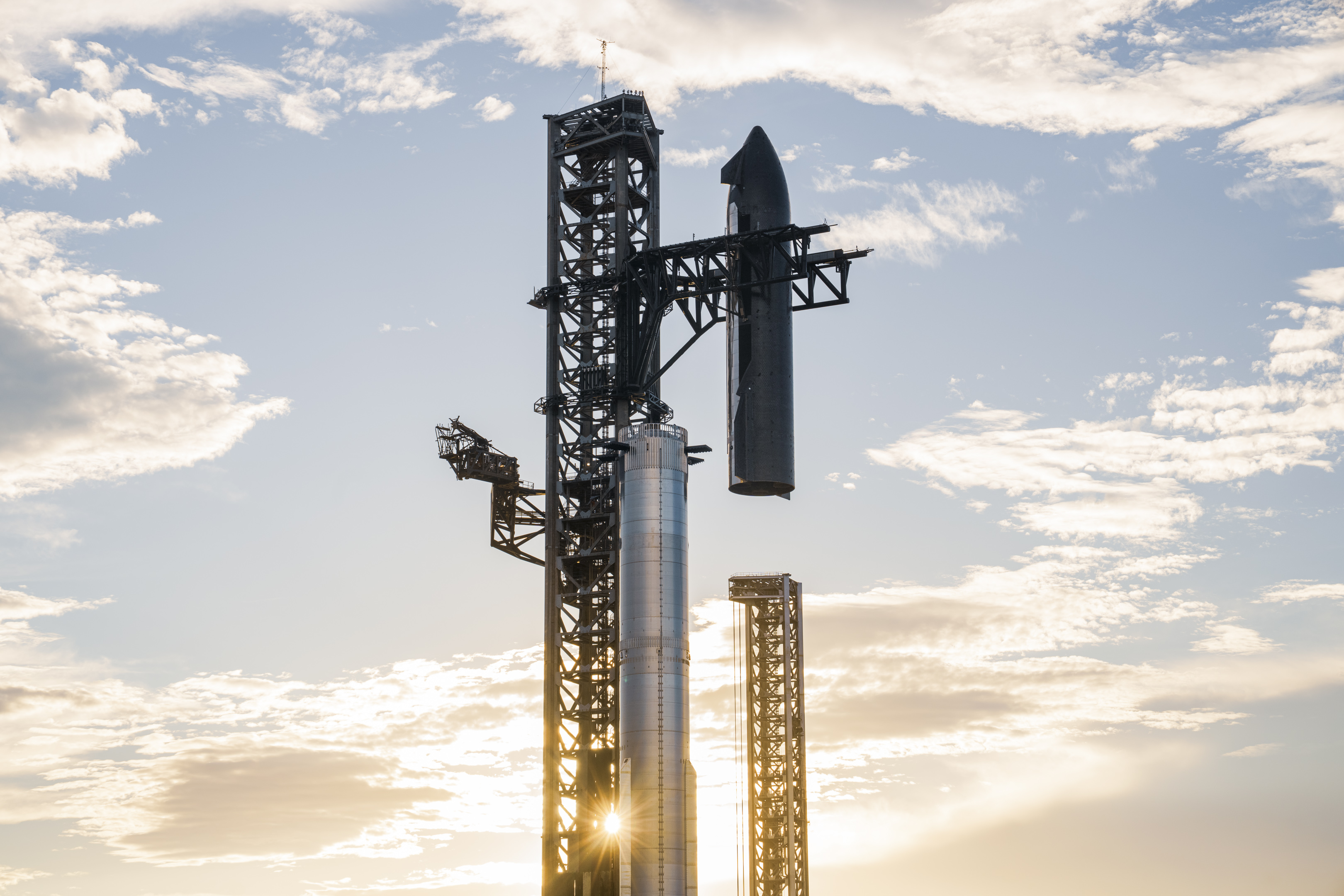
14th test flight of the two-stage Starship launch vehicle. 3rd flight of Starship V3 and the first Starship flight to deploy satellites (a group of Starlink satellites known as Starlink Group 31-1) into stable Low Earth Orbit.
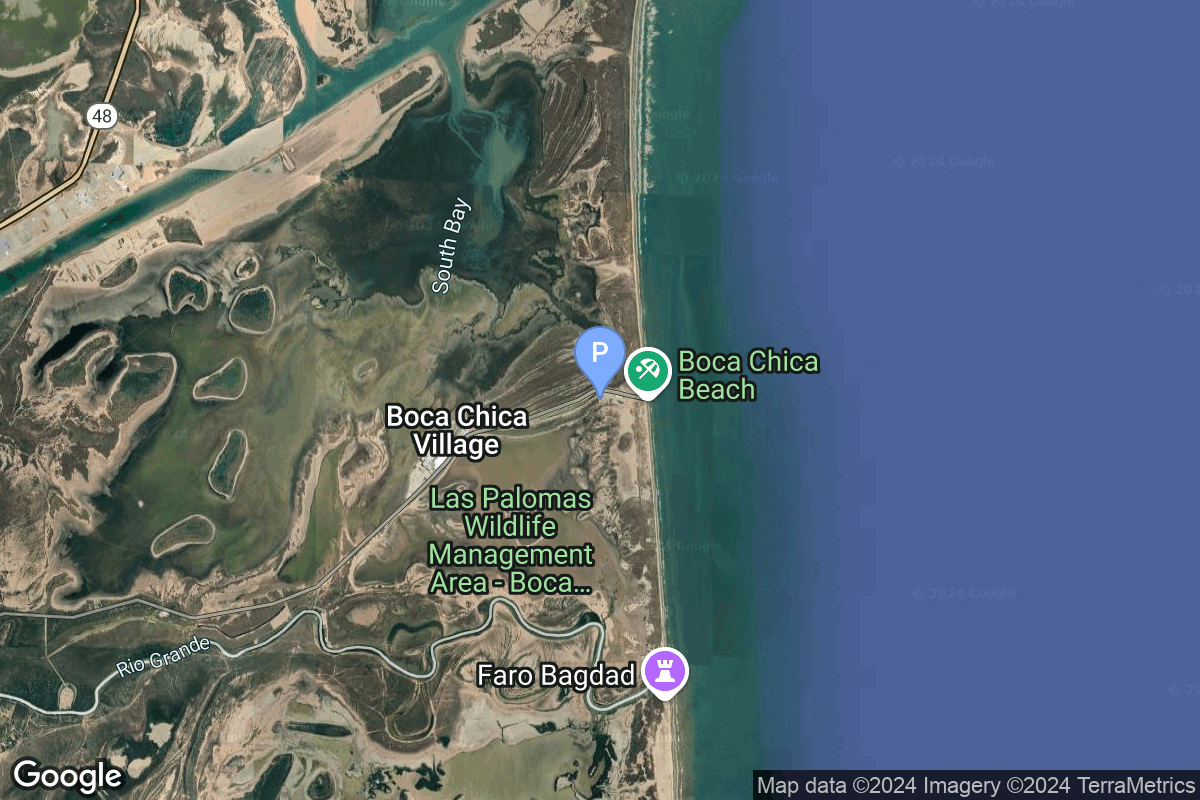
The ship is expected to fly at an altitude approximately 275 km above Earth and complete approximately 6 orbits around the planet for nearly 10 hours, with splashdown targeted in the Pacific Ocean west of Chile.
The booster’s primary test objective on Flight 14 will be executing a successful launch, ascent, stage separation, boostback burn, and landing burn at an offshore landing point in the Gulf.
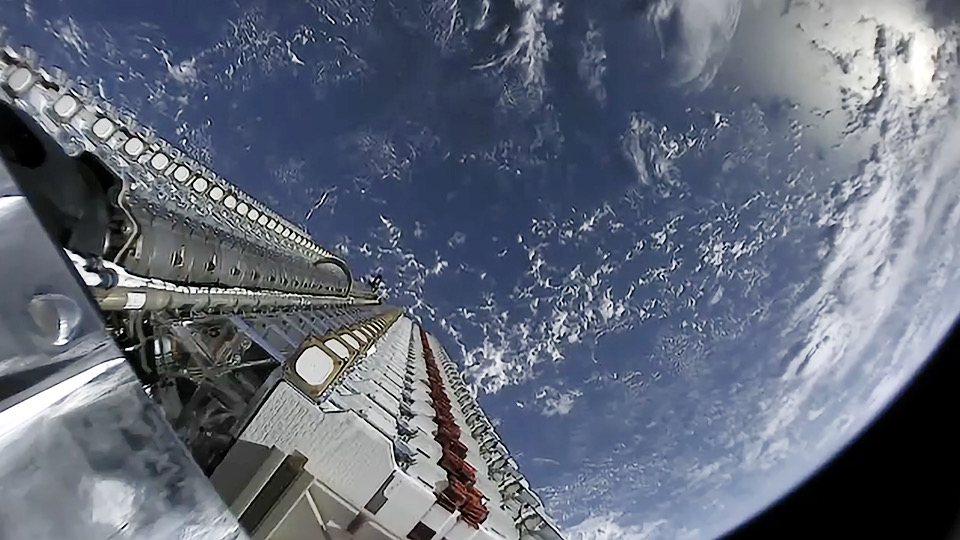
Starship will deliver 26 Starlink V3 satellites to orbit for the first time, which aim to greatly expand the network’s capacity and user speeds. Each Starlink V3 satellite will add 1 Tbps of capacity to the constellation.
Unknown Payload ×
Mission Details
TypeUnknown
OrbitUnknown
TargetEarth
Details TBD.
Launch Provider: China Aerospace Science and Technology Corporation
The Long March 8A is an orbital launch vehicle developed by the China Academy of Launch Vehicle Technology based on the Long March 8. It has an increased capability of up to 7 tonnes to a 700 km altitude sun-synchronous orbit. It implements a larger 3.35 meters diameter liquid hydrogen/liquid…
The Long March 6A is a Chinese launch vehicle of the Long March family, which was developed by the China Aerospace Science and Technology Corporation (CASC) and the Shanghai Academy of Spaceflight Technology (SAST). The vehicle is a further development of the Long March 6, with 2 YF-100 engines on…
Electron is a two-stage orbital expendable launch vehicle (with an optional third stage) developed by the American aerospace company Rocket Lab. Electron is a small-lift launch vehicle designed to launch small satellites and cubesats to sun-synchronous orbit and low earth orbit. The Electron is the…
A classified mission for the United States Space Force. It is possibly a batch of classified LEO satellites based on SpaceX’s Starshield satellite bus, based on locations of rocket stage drop zones being exact fits with previous Starlink Group 15 launches.
Falcon 9 is a two-stage rocket designed and manufactured by SpaceX for the reliable and safe transport of satellites and the Dragon spacecraft into orbit. The Block 5 variant is the fifth major interval aimed at improving upon the ability for rapid reusability.
The Falcon 9 first stage B1100 will land on ASDS OCISLY after its 10th flight.
Starlink Group 31-1 (Starship Flight 14) ×
Mission Details
TypeCommunications
OrbitLow Earth Orbit
TargetEarth
14th test flight of the two-stage Starship launch vehicle. 3rd flight of Starship V3 and the first Starship flight to deploy satellites (a group of Starlink satellites known as Starlink Group 31-1) into stable Low Earth Orbit.
The ship is expected to fly at an altitude approximately 275 km above Earth and complete approximately 6 orbits around the planet for nearly 10 hours, with splashdown targeted in the Pacific Ocean west of Chile.
The booster’s primary test objective on Flight 14 will be executing a successful launch, ascent, stage separation, boostback burn, and landing burn at an offshore landing point in the Gulf.
Starship will deliver 26 Starlink V3 satellites to orbit for the first time, which aim to greatly expand the network’s capacity and user speeds. Each Starlink V3 satellite will add 1 Tbps of capacity to the constellation.
The SpaceX Starship is a fully reusable super heavy-lift launch vehicle under development by SpaceX since 2012, as a self-funded private spaceflight project. The second stage of the Starship — is designed as a long-duration cargo and passenger-carrying spacecraft. It is expected to be initially used without any booster stage at all, as part of an extensive development program to prove out launch-and-landing and iterate on a variety of design details, particularly with respect to the vehicle’s atmospheric reentry.
The second launch and landing pad of the full version of the combined SpaceX Starship and Superheavy booster. To be first used for launch in 2025 with version 3 of Starship and the Superheavy…
The Super Heavy Booster 21 will attempt to perform a soft splashdown in the Gulf of Mexico.
Spacecraft: Ship 41
Third V3 Starship to fly with various enhancements, to be used on the 14th Starship test flight, the first Starship flight to deploy satellites into stable Low Earth Orbit.
Specifications
SerialS41
TypeReuseable Upper Stage
StatusActive
DestinationLow Earth Orbit
Height52.1 m
Diameter9 m
Maiden Flight2026-05-22
History
The third-generation Starship upper stage will be introduced on flight 12.
Capability
More than 100 tons to Earth orbit
Details
Third-generation second stage of the two-stage Starship super heavy-lift launch vehicle.
Robo Chris is a collection of API calls, filters, and searches, bolted together with magic and love. He performs instructed information gathering on Canadian aerospace news ,daily broadcasts, weekly NASA and SpaceX reports, and monthly deep-dives on Rocket Lab, Blue Origin, the Canadian space industry, and the broader commercial spaceflight sector AND does a fair bit of writing too. Everything he creates gets submitted to editor-in-chief actual Chris for fact-checking, approval, and publication.







Leave a Reply