
Photon-IV STDP Award, Swift Ends, NASA Preps Artemis

Photon-IV Wins CSA Award for Satellite Pass AI
Cambridge, Ont.-based Photon-IV has won a $350,000 award (the Photon-IV STDP award) from the Canadian Space Agency’s Space Technology Development Program to develop artificial intelligence that predicts when low Earth orbit satellites will be available to communicate with ground devices.
The project, called “AI Predictor pLEO Networks,” aims to build a system that can predict when LEO satellites will be within range of remotely located Internet of Things devices. According to the CSA’s project summary, the work could “support environmental monitoring in remote regions, including the Arctic, while strengthening Canada’s sovereign capabilities in satellite communications.” The award was posted in mid-October as part of the CSA’s latest STDP selections.
Photon-IV’s tool, called “Predict,” addresses a specific problem: IoT devices in remote locations have limited power and processing capability. With the growing number of satellites in proliferated LEO networks, individual devices cannot model all satellite orbits to determine when they are within range. The devices instead burn scarce battery power continually attempting to connect, reducing their usable lifespan and potentially creating gaps in data.
Photon-IV is also a qualified supplier under the Government of Canada’s Defence Drone Initiative and has received a $250,000 contract from National Defence’s IDEaS program for “defence-grade satellite and terrestrial network orchestration.”

At Space Canada’s SpaceBound conference on Oct. 21, a panel on Canada’s North highlighted the challenges of operating in the Arctic. Panelist Des Power, vice-president of remote sensing at C-CORE, noted less competition leads to higher prices and less infrastructure in the Arctic compared with nations such as Norway and Denmark.
Panelist Tom Zubko, owner of New North Networks, cited regulation, power costs of $1 per kilowatt-hour for commercial businesses, and communications costs 50 times those of other jurisdictions. Madeleine Redfern, CEO of the Native Women’s Association of Canada, pointed to power costs of $2 per kilowatt-hour for government to provide it and fewer backups, citing a 2011 incident in which a Telesat satellite was unavailable and “the whole entire northern part of Canada went black.”
NASA Details Dual Lander Paths for Artemis Return

NASA released its October Artemis update on Friday, outlining the status of SLS stacking, a lighter “sortie” version of the lunar spacesuit, and two parallel architectures for delivering astronauts to the lunar surface.
Inside the Vehicle Assembly Building, teams have completed the initial phase of stacking the twin solid rocket boosters. The Core Stage is scheduled to be integrated between the boosters next week. Unlike the full stacks prepared for Artemis I and II, this vehicle will not receive an upper stage or the Orion spacecraft. The resulting “stubby” configuration will roll to Launch Complex 39B for tanking tests intended to address hydrogen leakage issues experienced at the Tail Service Mast Umbilical interfaces during preparations for the first two missions. Those interfaces have undergone redesign work since April.
Artemis III is a low-Earth-orbit mission targeted for no earlier than summer 2027. On that flight, Orion is planned to dock with prototype versions of both Blue Origin’s Blue Moon and SpaceX’s Starship.
For the SpaceX architecture, Starship will be fueled in low-Earth orbit before docking with Orion in high-Earth orbit. The crew will fly to the Moon inside Orion before two of four astronauts transfer into Starship for a lunar landing. For Blue Origin, the mission architecture includes four launches of the New Glenn rocket with no spacecraft-to-spacecraft refuelings, and the Blue Moon lander could rendezvous with Orion in low-lunar orbit.
NASA has selected United Launch Alliance’s Centaur V as the standardized upper stage going forward, with a stretched-tank variant confirmed. Artemis IV could fly either the final ICPS or a stretched Centaur V, with the decision point expected next summer near the Artemis III launch window.
Axiom Space is building the suits. NASA Administrator Jared Isaacman said: “This is an achievable path we are on right now. We have the mandate, we have the resources, and the support from our stakeholders to be able to execute, and that’s what we intend to do.” Both landers are expected to deliver crews to the surface by the end of 2028.
Separately, teams at NASA’s Stennis Space Center tested RS-25 engine No. 10001 on Oct. 21. The hot fire test lasted almost eight-and-a-half minutes at 111% power level.
NASA’s Swift Observatory Ends Science Mission
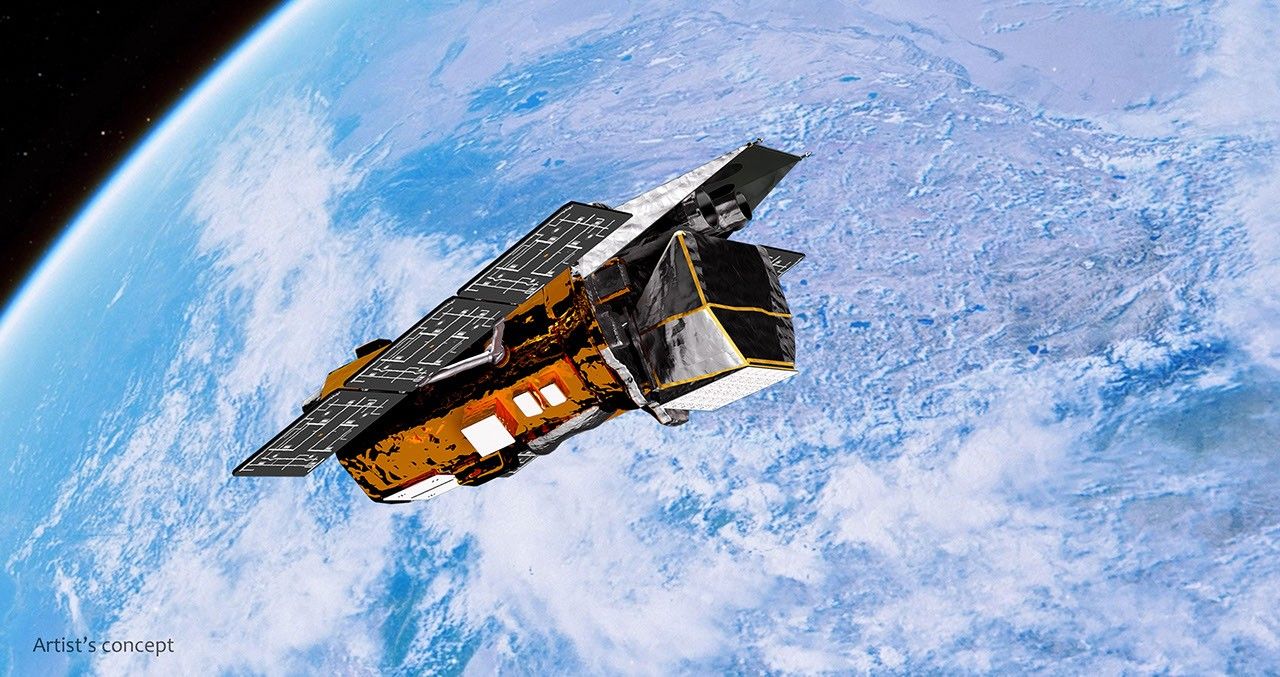
NASA’s Neil Gehrels Swift Observatory has ended its science mission now that the spacecraft is orbiting less than 171 miles (275 kilometers) above Earth’s surface. The greater atmospheric drag at that altitude prevents the satellite’s telescopes from steadily observing their targets.
Swift conducted its final observation on Oct. 20 and is expected to re-enter the atmosphere in the coming weeks.
Launched on Nov. 20, 2004, the mission was designed for a two-year primary mission but remained productive for more than 10 times as long. In its career, Swift observed more than 2,000 gamma-ray bursts, studied more than 1,400 supernova explosions, witnessed stars shredded by black holes, monitored active galaxies, conducted an all-sky X-ray survey, and studied asteroids and comets. Swift data has contributed to about 7,000 published scientific papers.
“Swift delivered an incredible, lasting return on investment for the nation, designed for a two-year primary mission but productive for more than 10 times as long,” said Shawn Domagal-Goldman, director of the Astrophysics Division at NASA Headquarters. “Swift played a major role in advancing our understanding of the changing universe and was part of a revolution in astrophysics that showed how critical rapid-response observations are to the entire community.”
Swift was born as a multiwavelength observatory with co-aligned Optical/Ultraviolet and X-ray telescopes that could quickly image and refine a burst’s position. The mission was renamed in 2018 to honour its first principal investigator, Neil Gehrels, following his death.
Citations
- Photon-IV wins STDP award for AI that times satellite passes — spaceq.ca
- The Arctic advantage: Panelists call for more investments while celebrating successes — spaceq.ca
- NASA Artemis Update: SLS Stacking, Sortie Suit, Dual 2028 Paths — nasaspaceflight.com
- NASA updates lander plans for Moon landings, finally solves long-festering Orion issue — arstechnica.com
- NASA is Full Steam Ahead on Artemis III, IV and V — spacepolicyonline.com
- RS-25 Engine Tests at NASA Stennis — nasa.gov
- NASA’s Swift Mission Ends, Leaves Behind Scientific Bonanza — science.nasa.gov
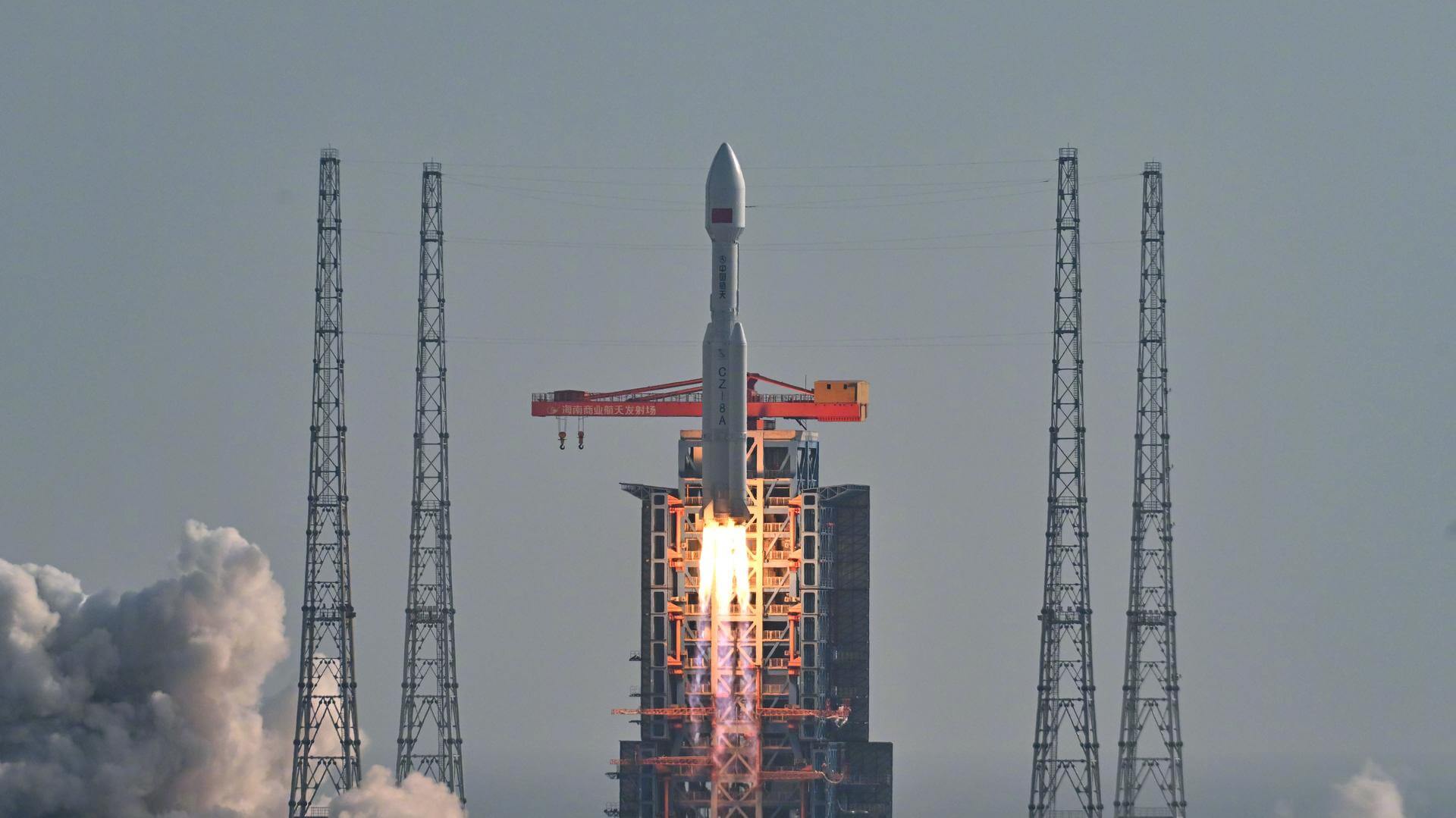
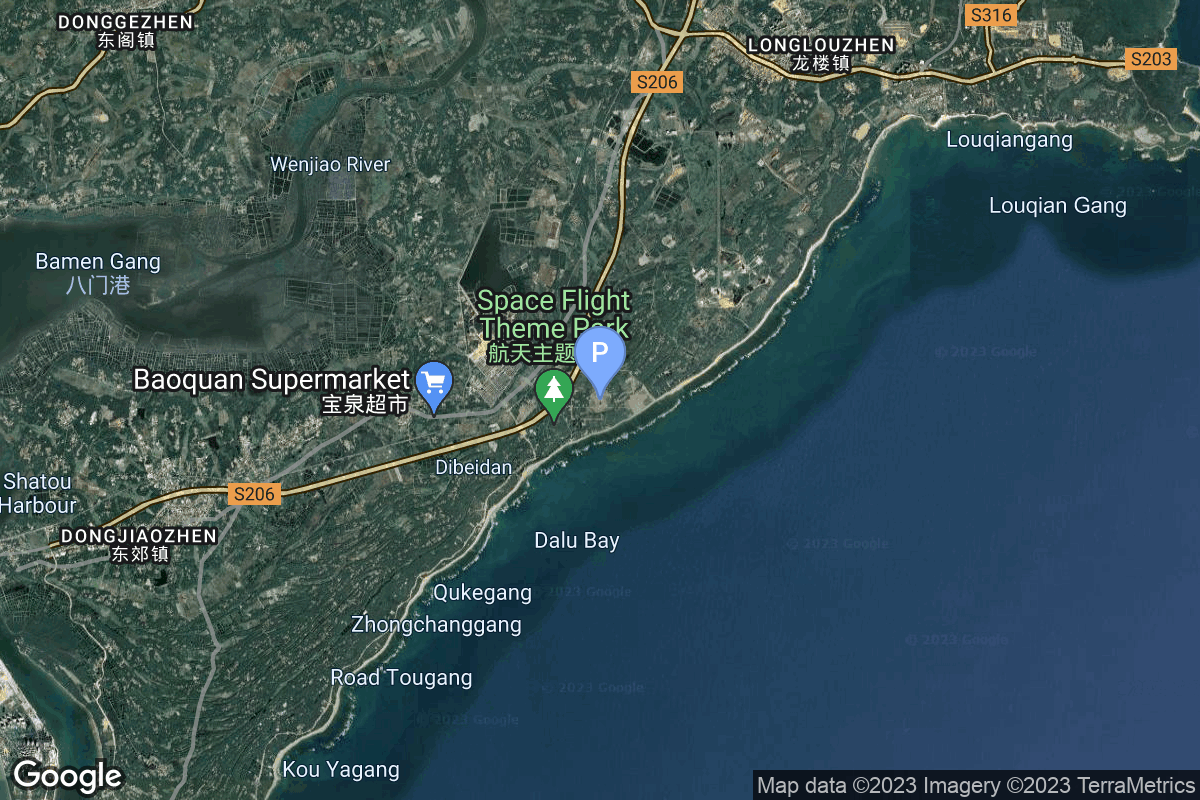
Unknown Payload
Provider: China Aerospace Science and Technology Corporation
Date: October 25, 2026
Time: 1:50 AM UTC
Vehicle: Long March 8A
Details TBD.

Starlink Group 15-16
Provider: SpaceX
Date: October 27, 2026
Time: 4:45 AM UTC
Vehicle: Falcon 9
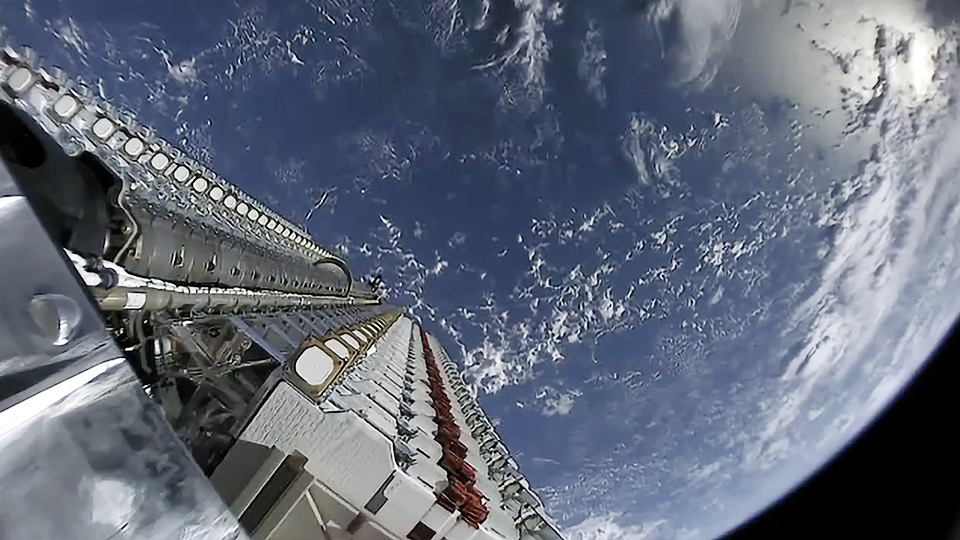
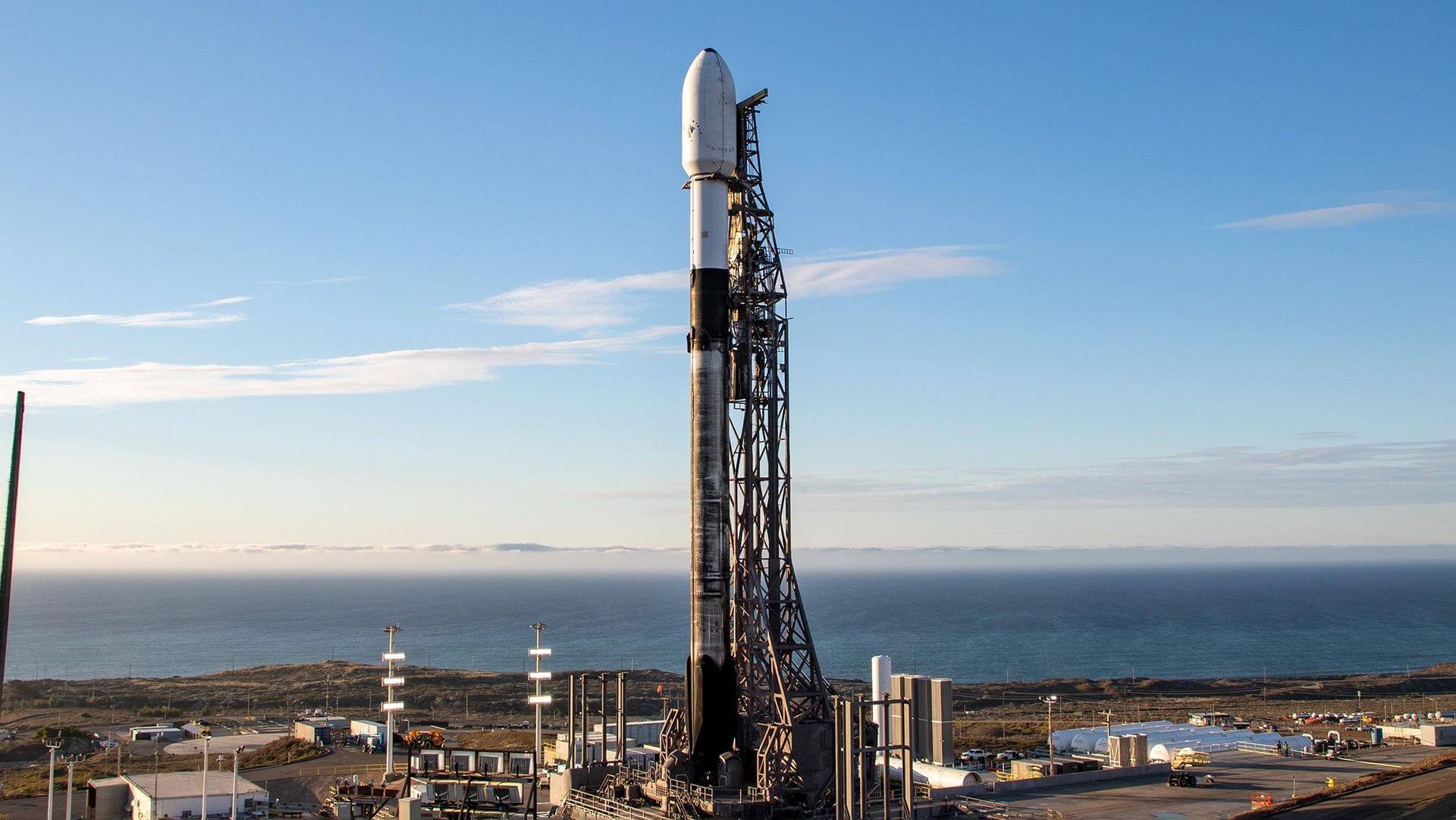
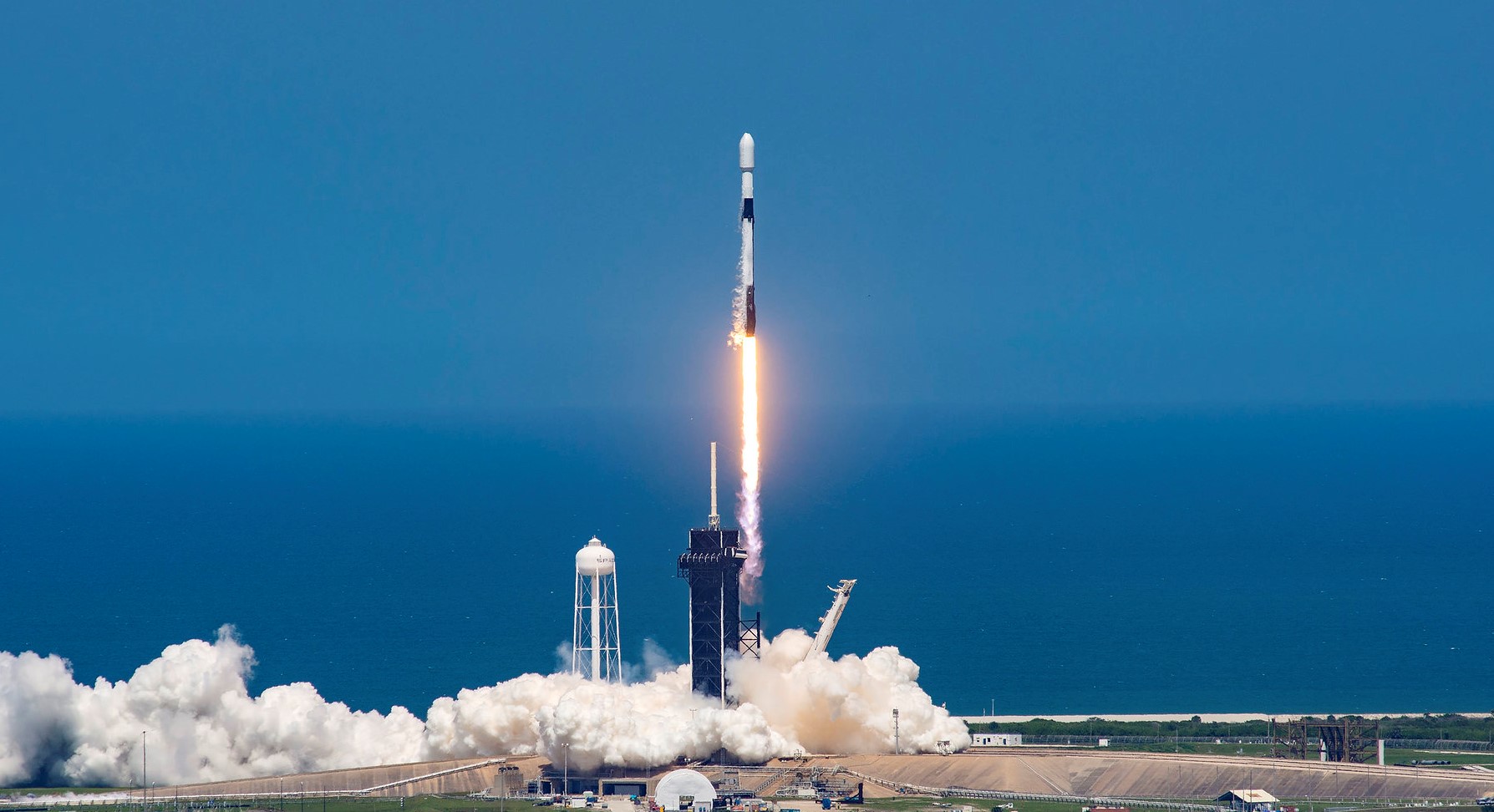
A batch of 27 satellites for the Starlink mega-constellation – SpaceX’s project for space-based Internet communication system.
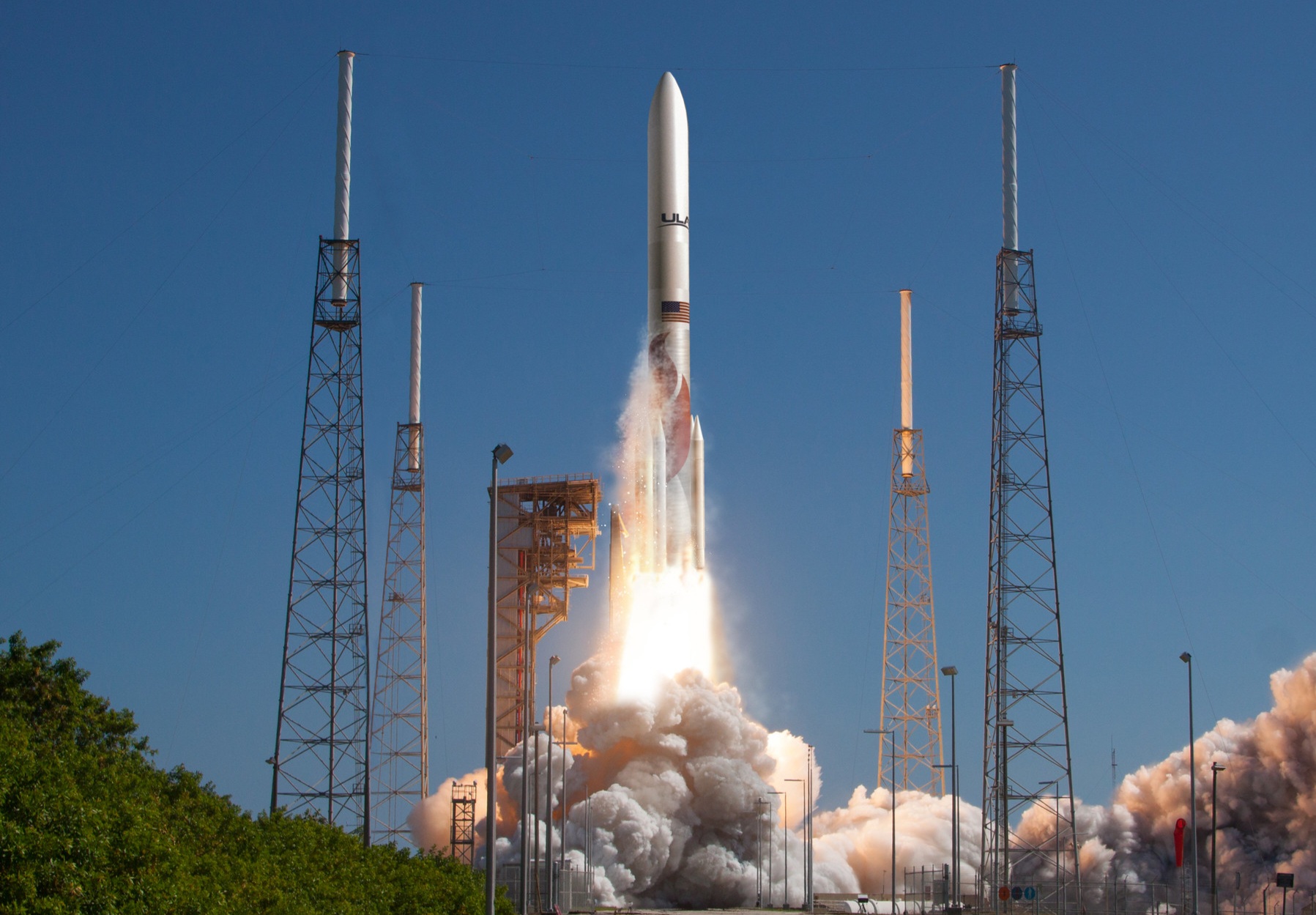
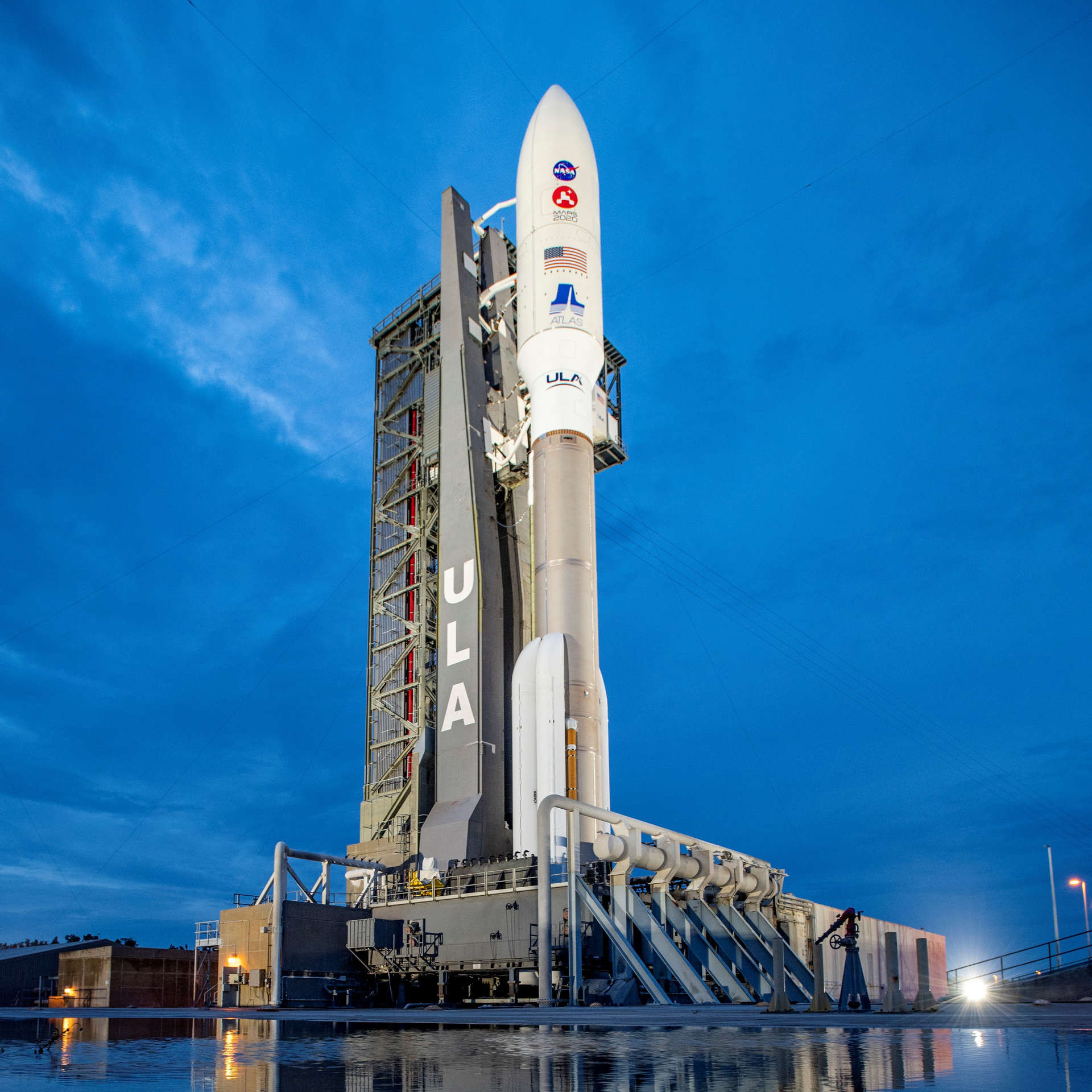
Amazon Leo (LV-01)
Provider: United Launch Alliance
Date: October 29, 2026
Time: 12:00 AM UTC
Vehicle: Vulcan VC6L
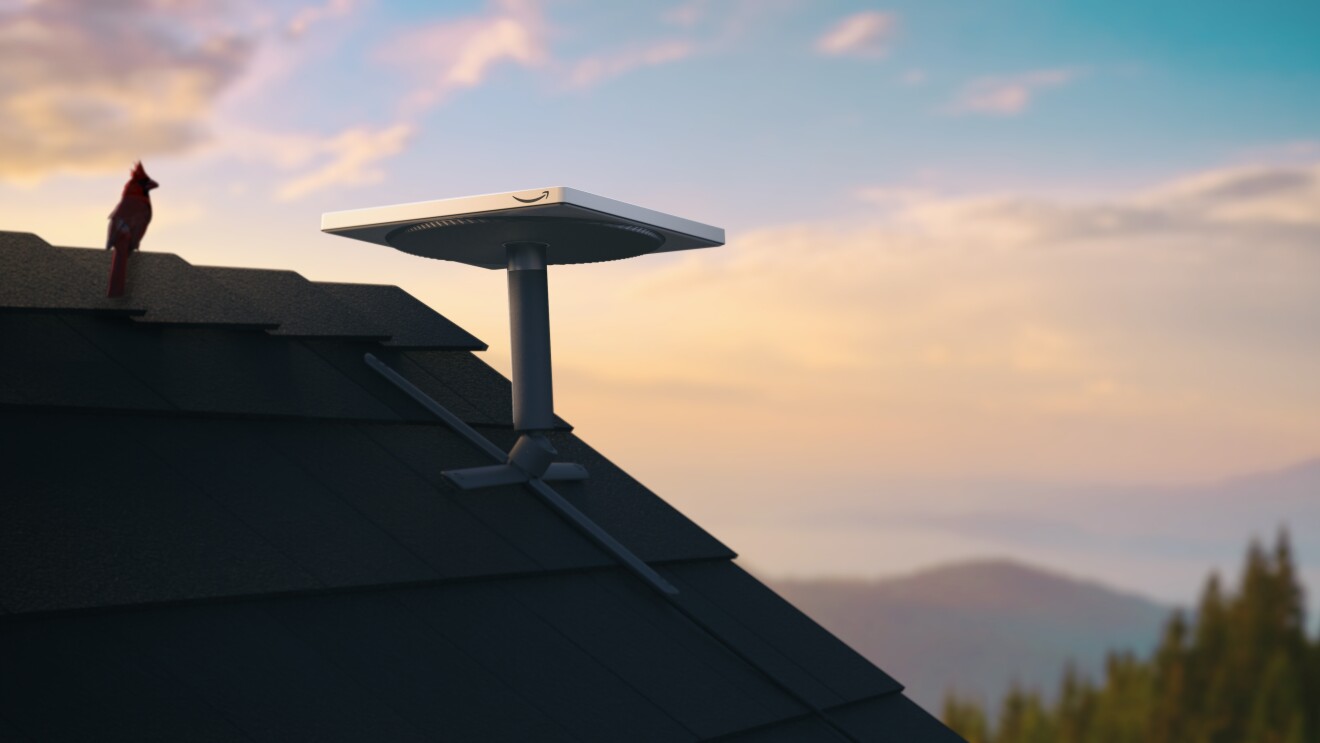
Amazon Leo, formerly known as Project Kuiper, is a mega constellation of satellites in Low Earth Orbit that will offer broadband internet access, this constellation will be managed by Kuiper Systems LLC, a subsidiary of Amazon. This constellation is planned to be composed of 3,276 satellites. The satellites are projected to be placed in 98 orbital planes in three orbital layers, one at 590 km, 610 km and 630 km altitude.
45 satellites will be carried on each Vulcan launch.
Starlink Group 15-18
Provider: SpaceX
Date: October 30, 2026
Time: 4:02 AM UTC
Vehicle: Falcon 9
A batch of 27 satellites for the Starlink mega-constellation – SpaceX’s project for space-based Internet communication system.
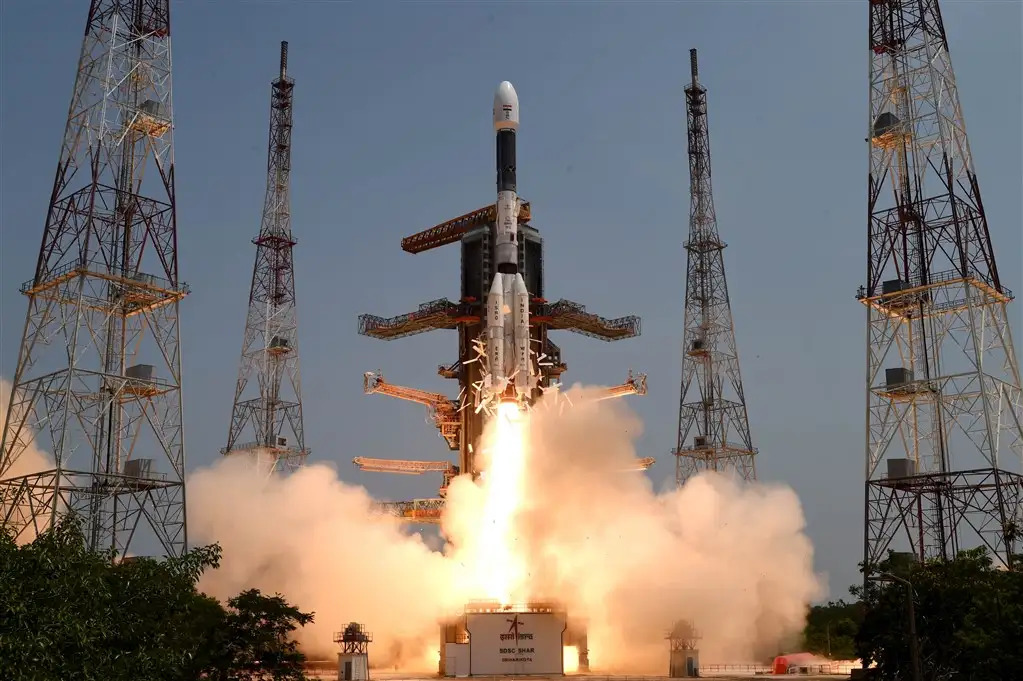
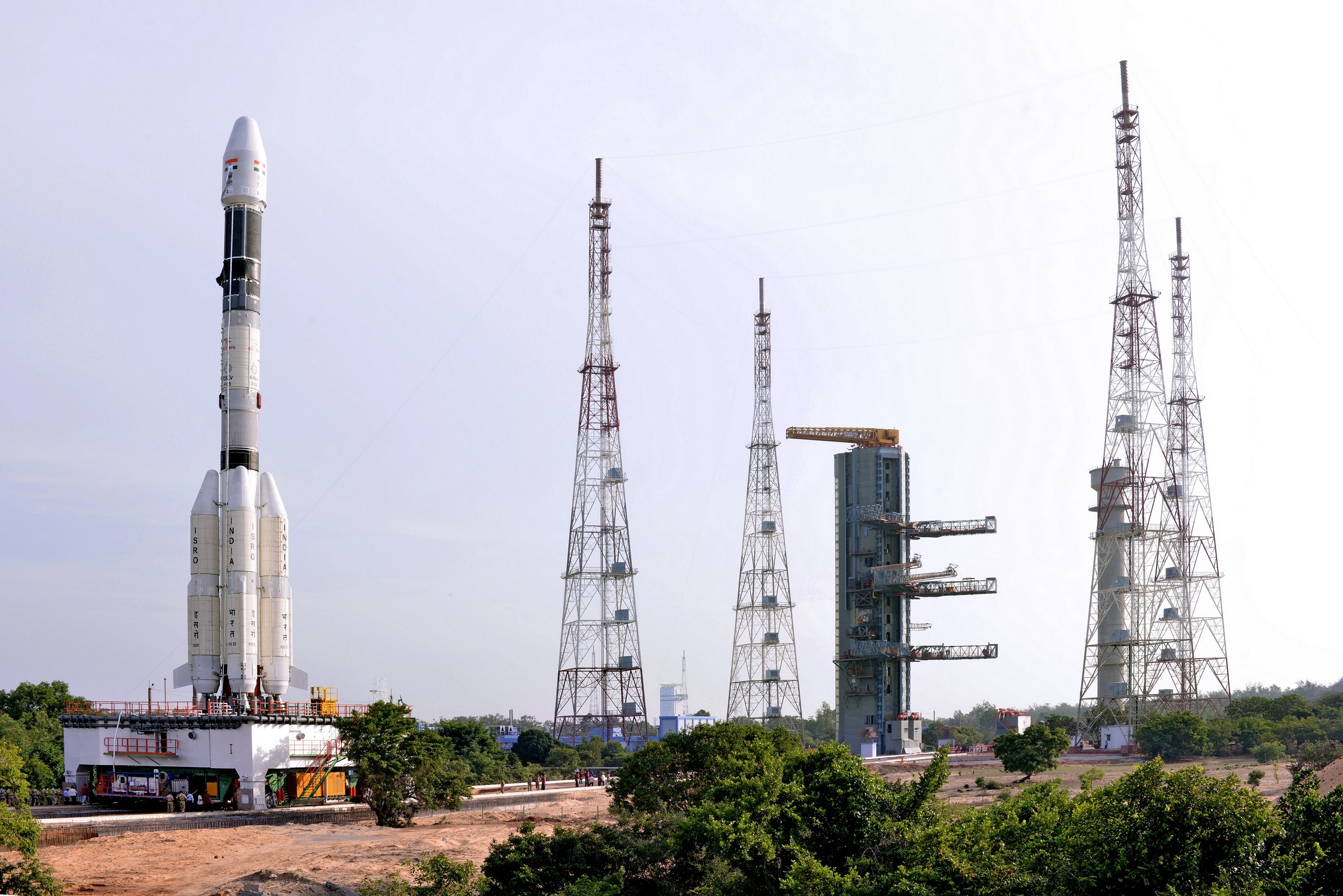
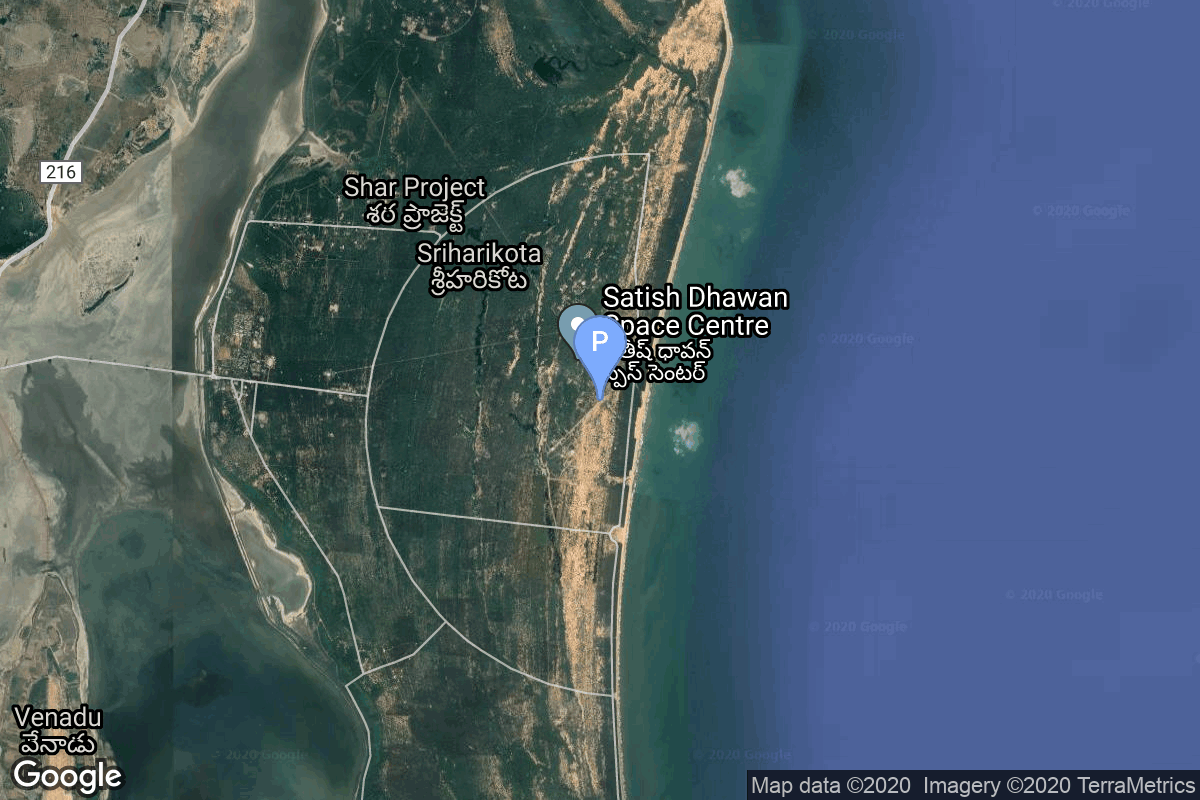
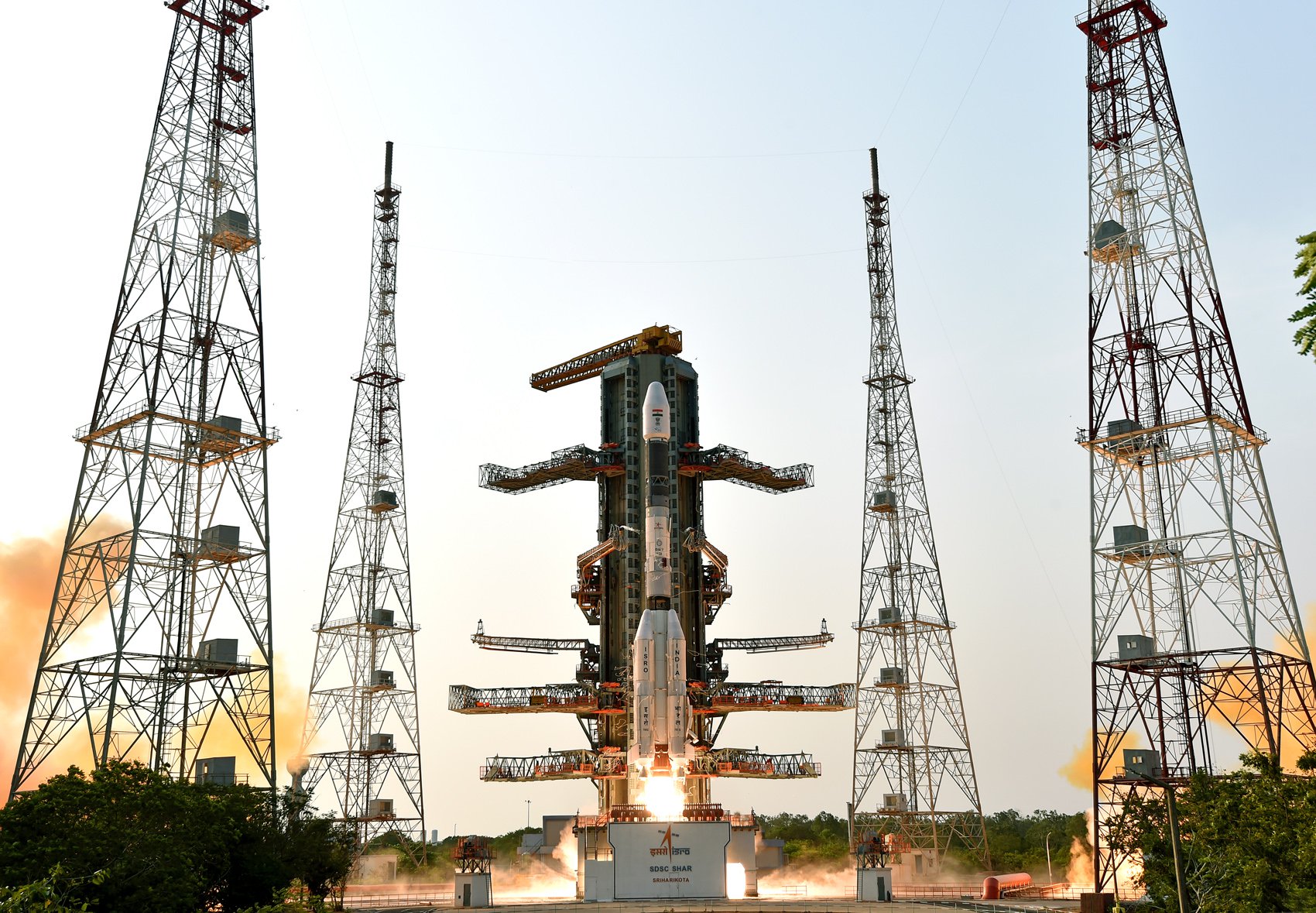
IRNSS-1L (NVS-03)
Provider: Indian Space Research Organization
Date: October 30, 2026
Time: 5:00 PM UTC
Vehicle: GSLV Mk II
This is a replacement satellite for the Indian Regional Navigation Satellite System. The constellation will provide India with an alternative to GPS and will be used for military and civilian use. Located at a geosynchronous orbit, the system will be operated by the Indian government.




Enjoying the content? Stay up to date on everything happening behind the scenes by following our Patreon!


Leave a Reply