The global space economy approached $600 billion USD in 2025, according to the Organisation for Economic Co-operation and Development’s newly released Space Economy at a Glance 2026 report. The findings underscore how space activities now underpin critical infrastructure worldwide — but the rapid expansion brings new risks that governments must actively manage, including for Canada.
OECD civil space budgets reached $46.4 billion USD in 2025, an increase from $40.5 billion USD in 2022. Private investment is also playing a significant role, with capital flows to the sector estimated between $11 billion USD and $13 billion USD in 2025.
A second major finding points to the changing nature of orbital activity. Private operators, meaning mostly SpaceX, accounted for 88 per cent of satellites launched in 2025, a steep increase from 23 per cent in 2010. Telecommunications networks drive this surge, such as Starlink (SpaceX), OneWeb (Eutelsat) and Amazon LEO (Amazon), with low-Earth orbit constellations reshaping demand. However, this rapid growth introduces serious sustainability challenges. The report shows that nearly $200 USD billion of economic activity is exposed to space debris risks.
Galileo Achieves First Authenticated Position Fix
For two hours on the afternoon of Wednesday, September 16, five operational Galileo satellites broadcasting over Europe transmitted a new encrypted signal for testing. On the ground in Andøya, Norway, and at ESA’s navigation laboratory at ESTEC in the Netherlands, receivers successfully established their location using these encrypted signals, marking the first real-world positioning using Galileo’s upcoming Signal Authentication Service (SAS).
Satellite navigation has become essential in daily life, and consequently it has also become an increasingly attractive target for disruption. Interference with Global Navigation Satellite Systems such as jamming and spoofing is reported daily in many regions, including in Europe, particularly in or near conflict zones.
One of Galileo’s most significant innovations is the Signal Authentication Service, that together with the already available Open Service Navigation Message Authentication (OSNMA) will unlock a new level of protection against interference. “By combining signal authentication and navigation message authentication, users will know they can trust the position their device is showing,” explained ESA’s Galileo Head of Engineering Joerg Hahn.
NASA Orbiter Spots Largest New Crater in Solar System
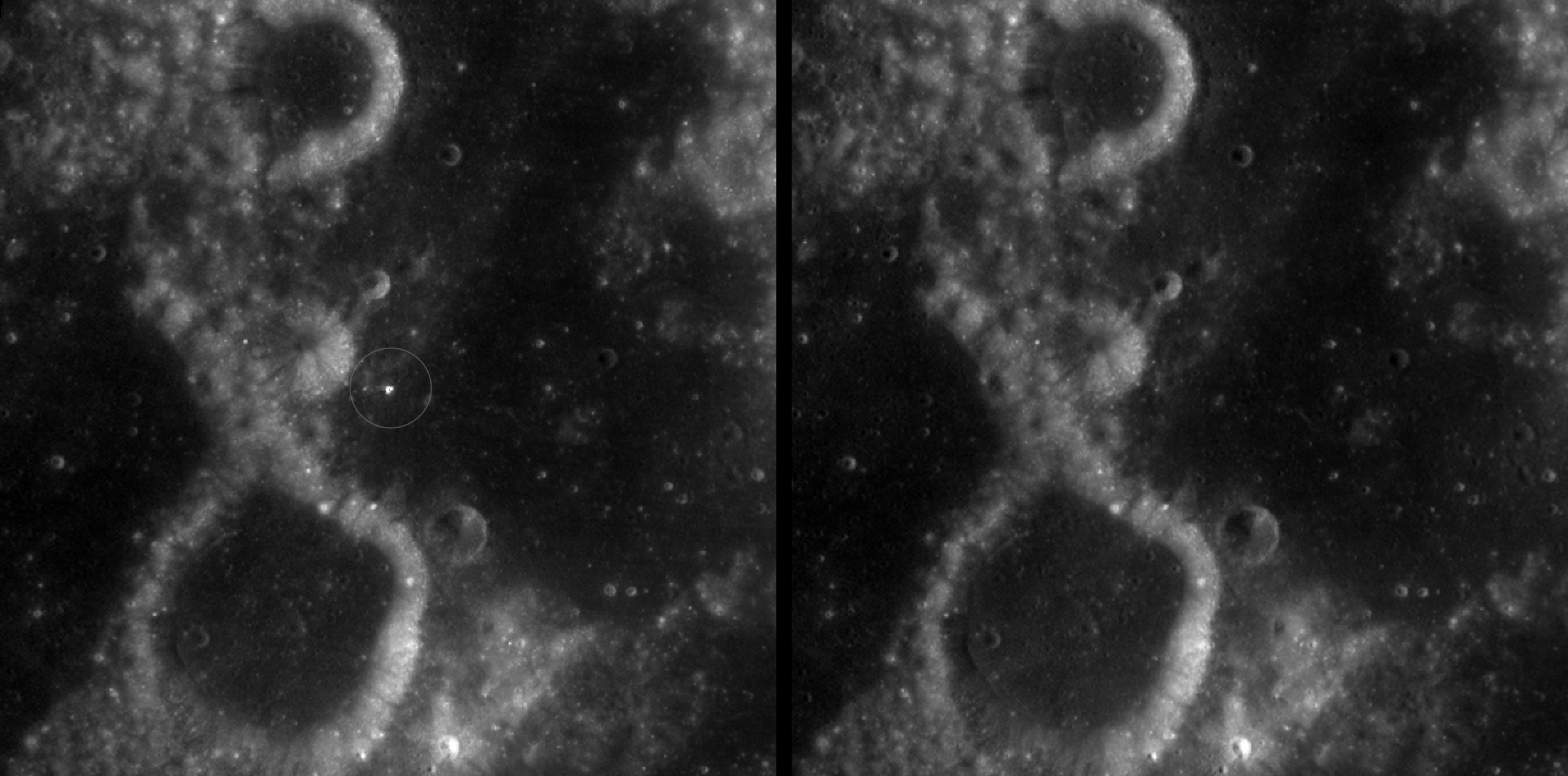
It started as a routine data-quality check. But as Robert Wagner, a scientist with NASA’s Lunar Reconnaissance Orbiter (LRO), scanned a giant Moon map on his computer screen, an unusually large bright spot circled by a dark halo caught his eye, as it implied that surface material in that area had been shaken up.
“I just stopped, dropped everything, and started looking into what that spot was,” said Wagner, an image-processing specialist from Intuitive Machines who works with data from the Lunar Reconnaissance Orbiter Camera (LROC) system.
By comparing before and after images of the Moon, Wagner realized he had discovered the largest, newly formed crater ever found in the solar system, as scientists reported in Science Advances. The crater formed when a rock, possibly the size of a three- to six-story building, crashed into the Moon between April 11 and May 22, 2024 — a once-in-a-century event.
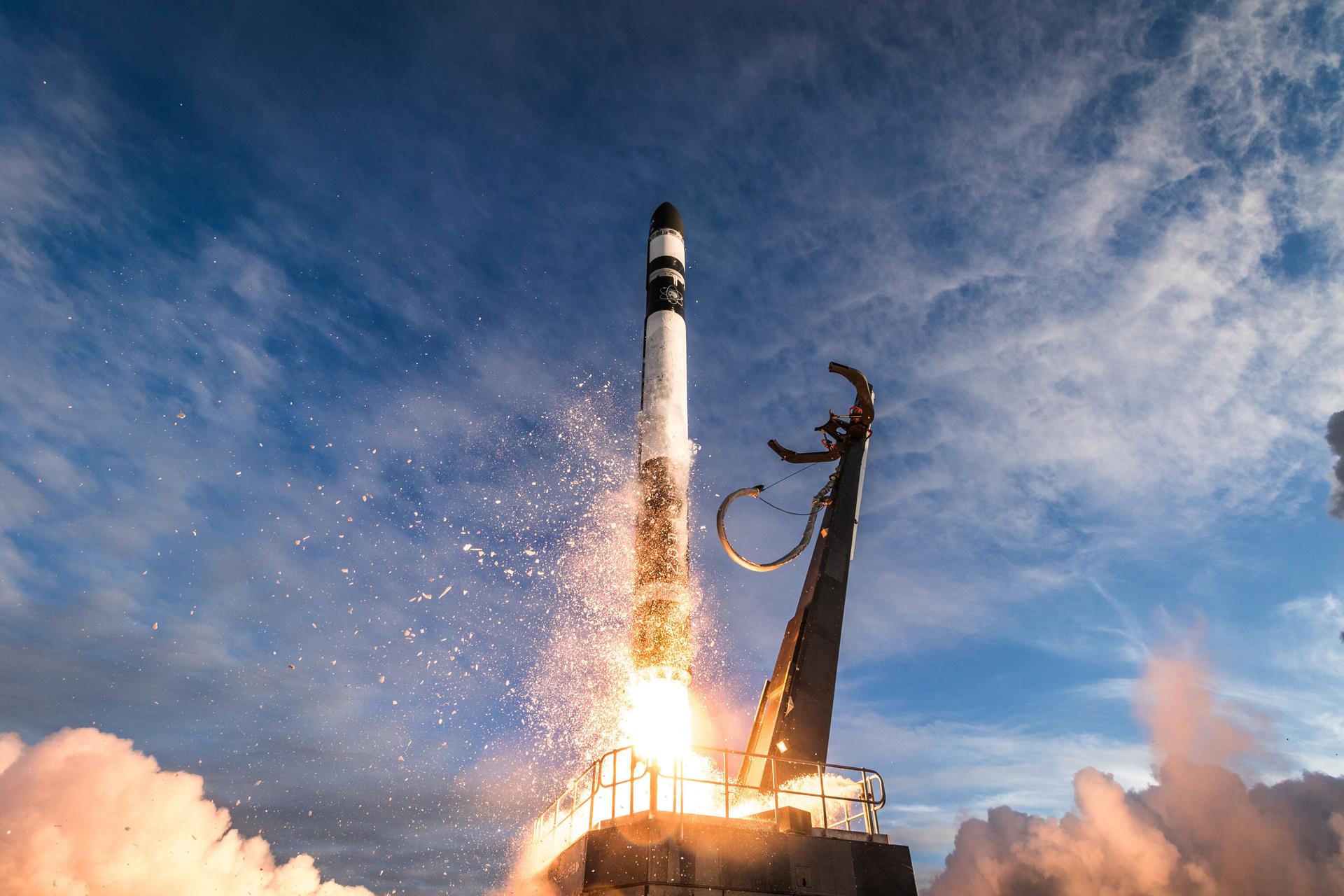
Provider: Rocket Lab Date: September 19, 2026 Time: 3:15 AM UTC Vehicle: Electron
Synthetic aperture radar satellite for Japanese Earth imaging company Synspective.
Unknown Payload
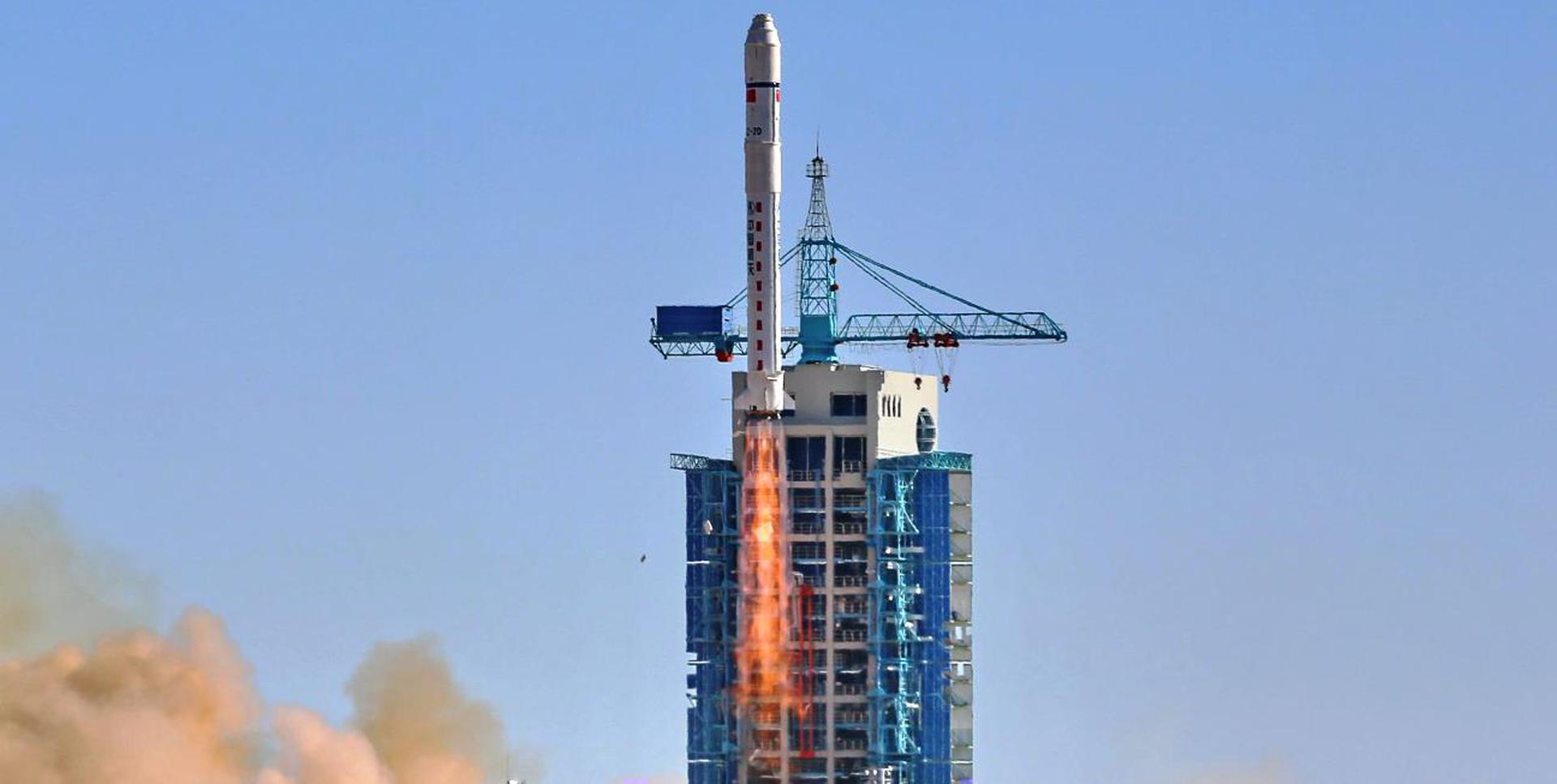
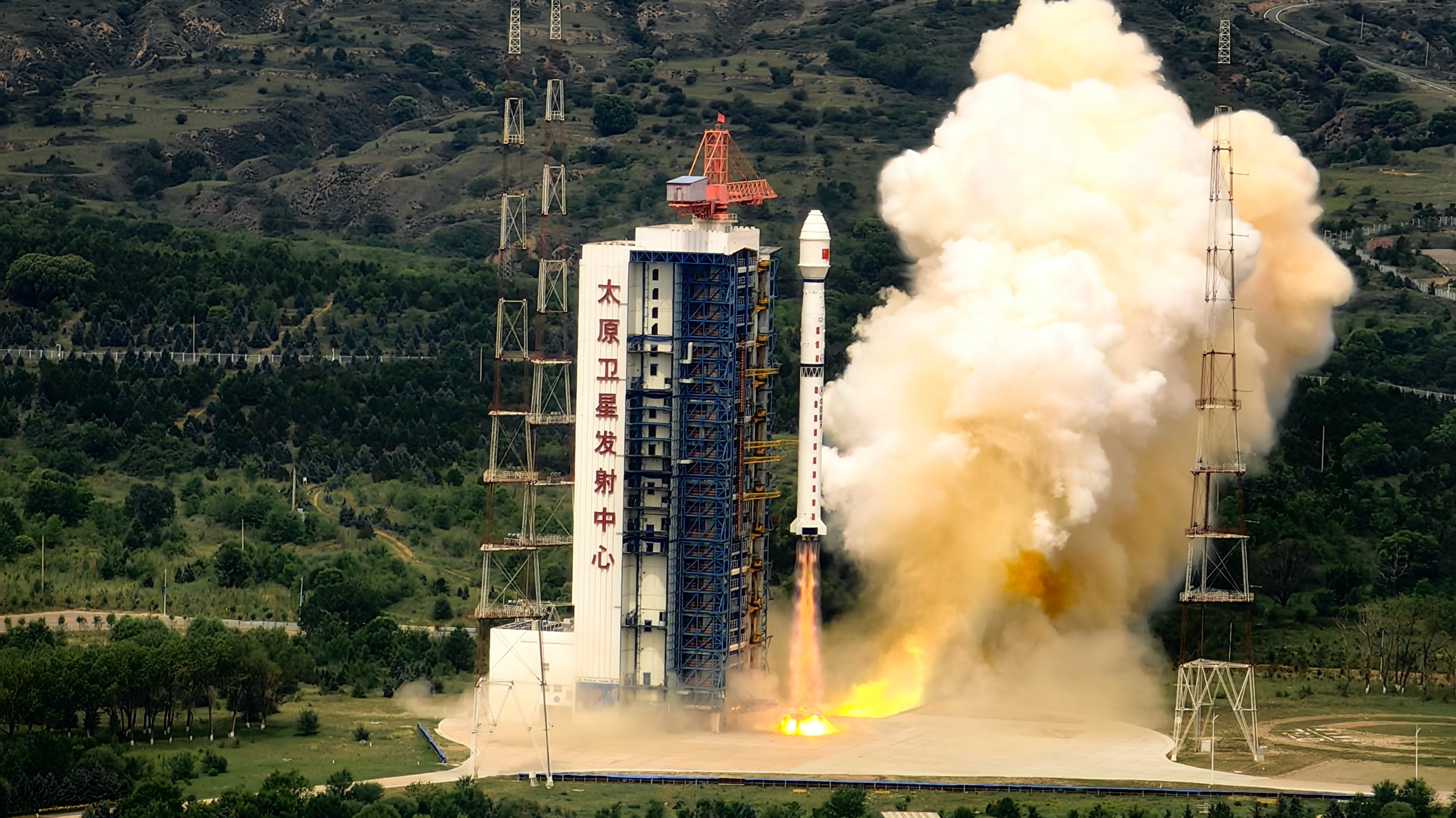
Provider: China Aerospace Science and Technology Corporation Date: September 19, 2026 Time: 10:50 AM UTC Vehicle: Long March 2D
Details TBD.
Starlink Group 15-27
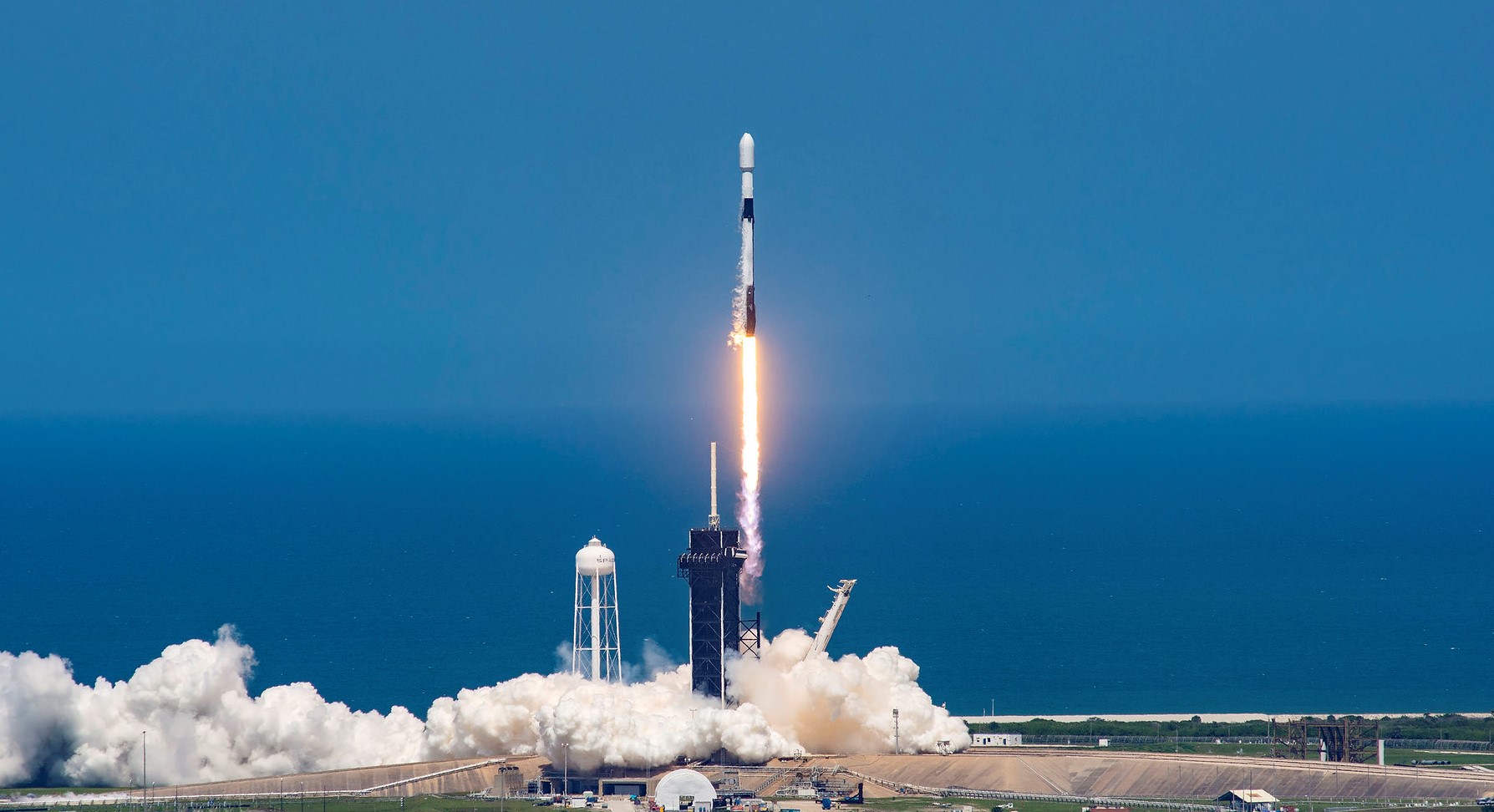
Provider: SpaceX Date: September 20, 2026 Time: 1:47 AM UTC Vehicle: Falcon 9
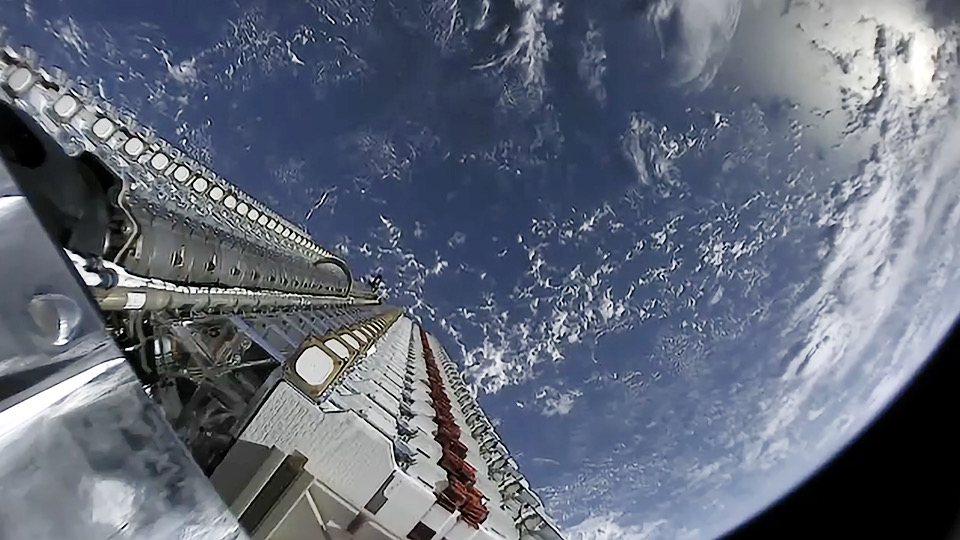
A batch of 27 satellites for the Starlink mega-constellation – SpaceX’s project for space-based Internet communication system.
Unknown Payload
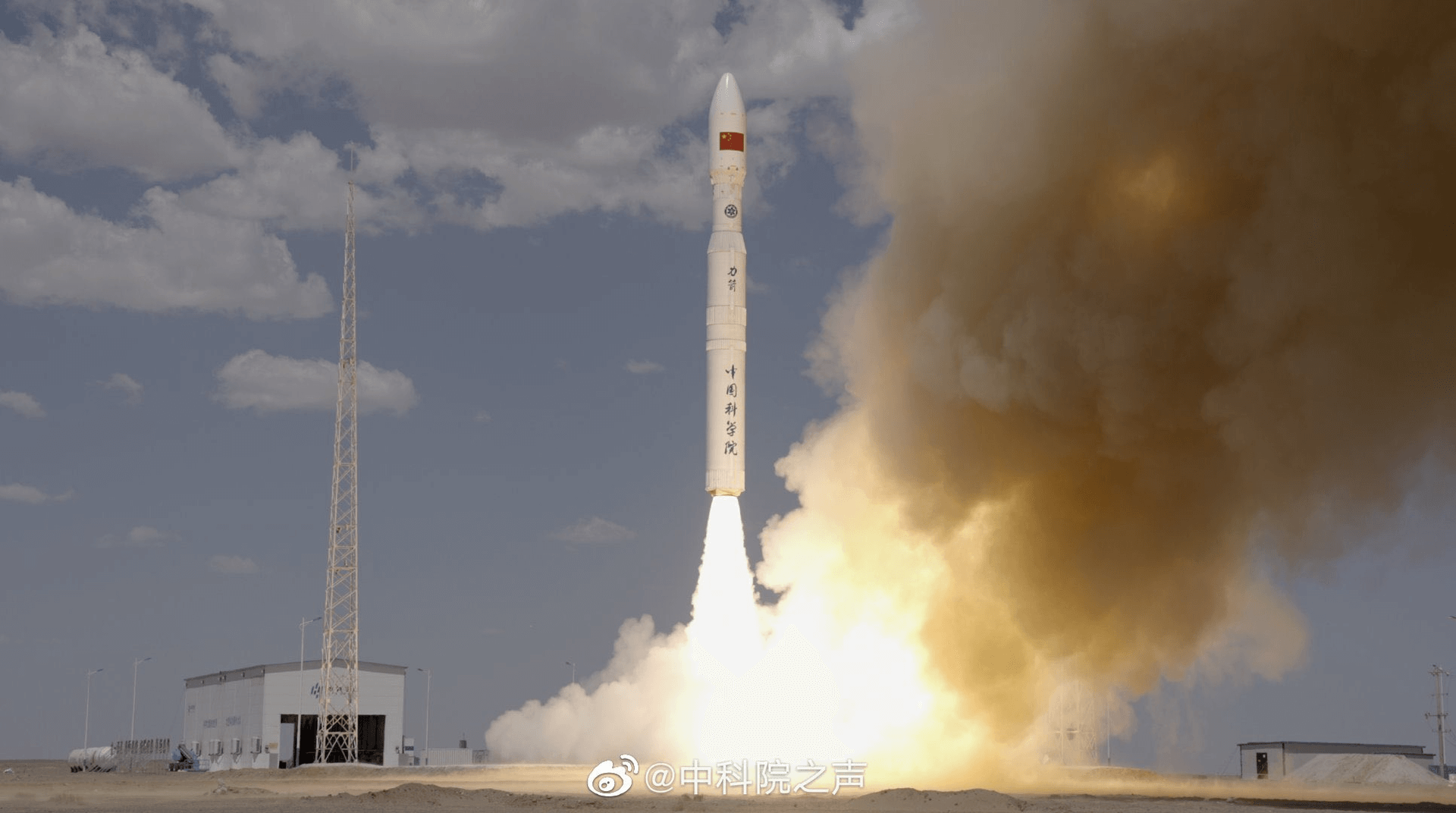
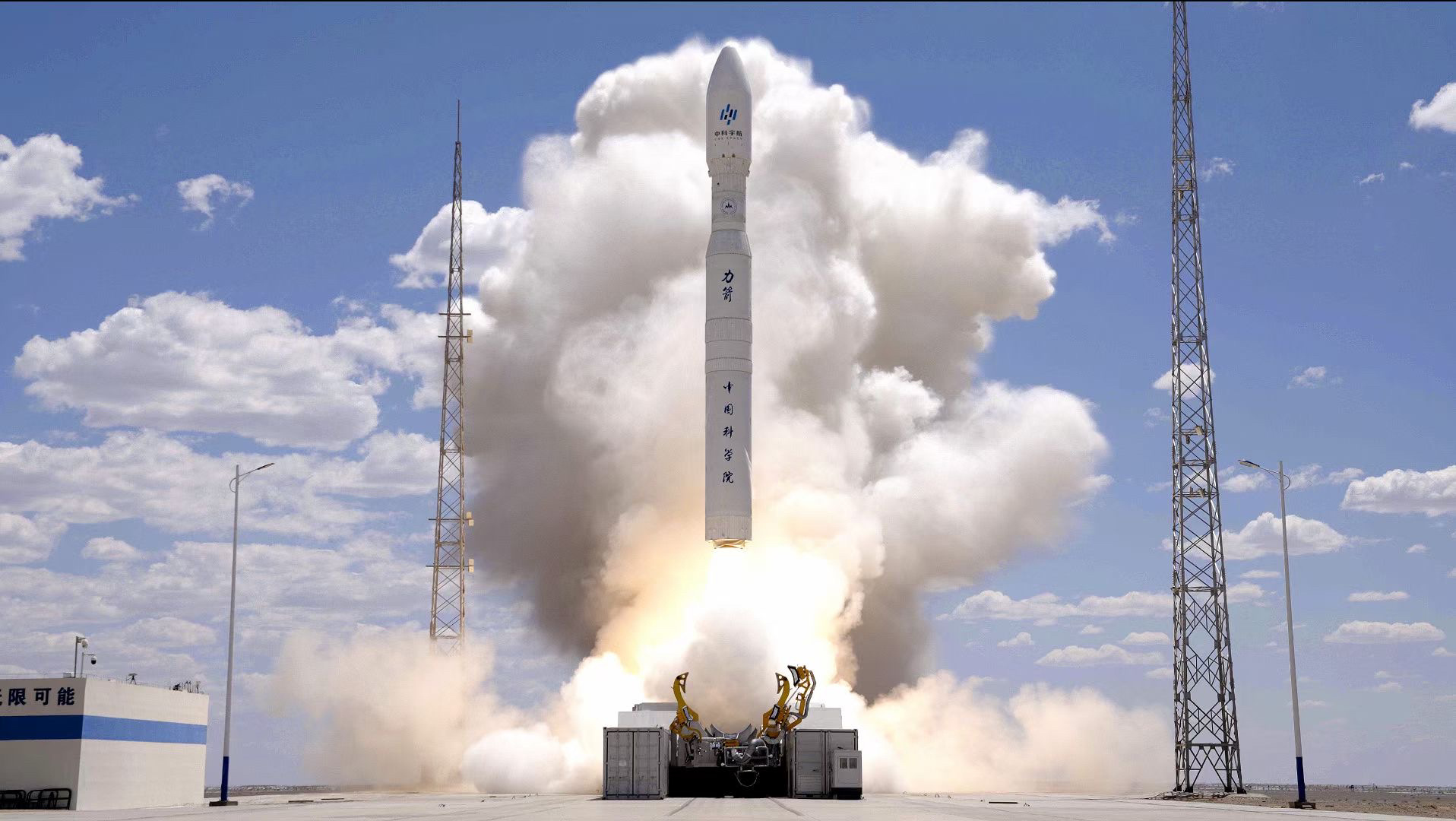
Provider: CAS Space Date: September 20, 2026 Time: 4:00 AM UTC Vehicle: Kinetica 1
Details TBD.
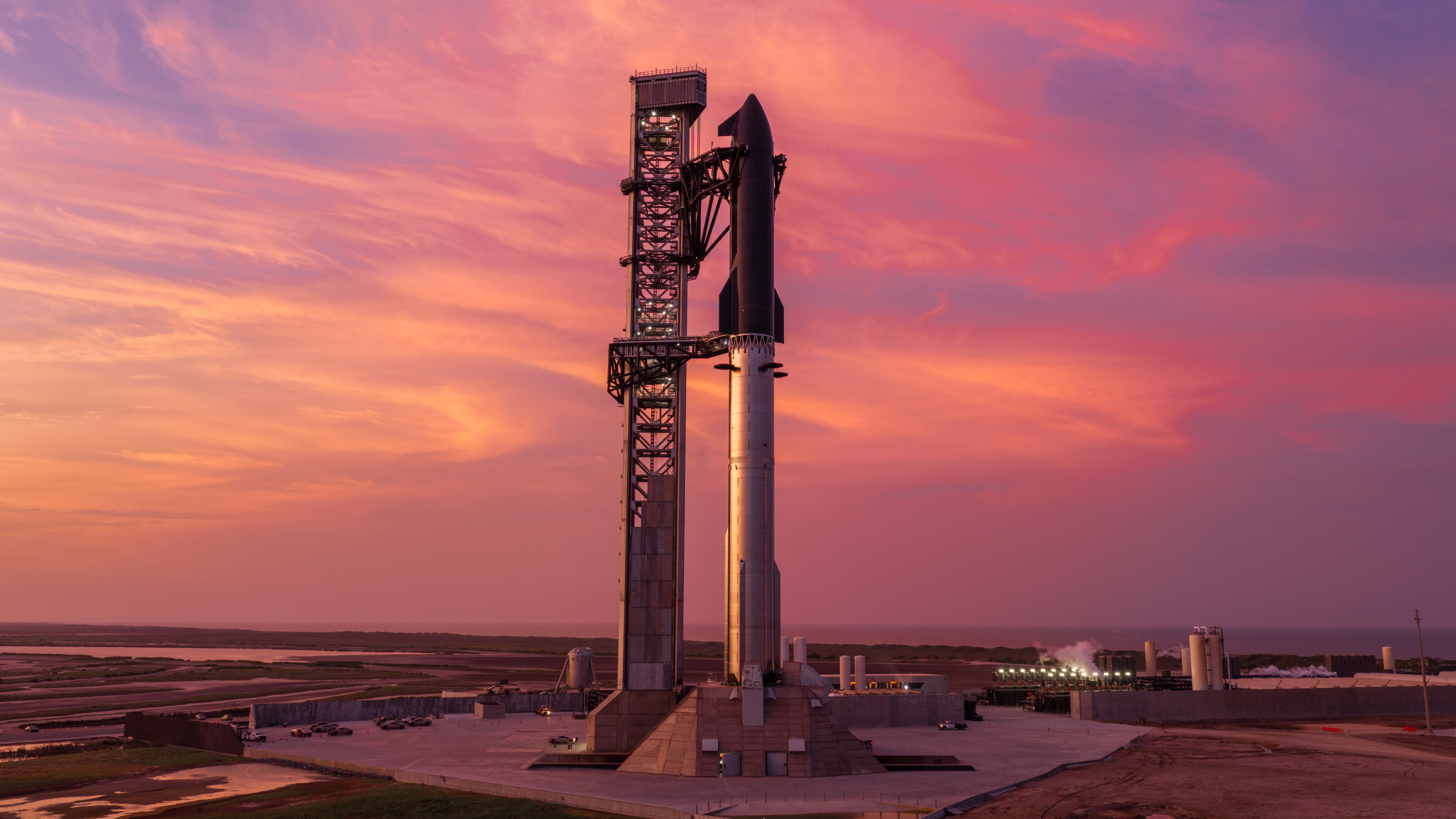
Starlink Group 31-1 (Starship Flight 14)
Provider: SpaceX Date: September 22, 2026 Time: 12:15 PM UTC Vehicle: Starship
14th test flight of the two-stage Starship launch vehicle. 3rd flight of Starship V3 and the first Starship flight to deploy satellites (a group of Starlink satellites known as Starlink Group 31-1) into stable Low Earth Orbit.
The ship is expected to fly at an altitude approximately 275 km above Earth and complete approximately 6 orbits around the planet for nearly 10 hours, with splashdown targeted in the Pacific Ocean west of Chile.
The booster’s primary test objective on Flight 14 will be executing a successful launch, ascent, stage separation, boostback burn, and landing burn at an offshore landing point in the Gulf.
Starship will deliver 26 Starlink V3 satellites to orbit for the first time, which aim to greatly expand the network’s capacity and user speeds. Each Starlink V3 satellite will add 1 Tbps of capacity to the constellation.
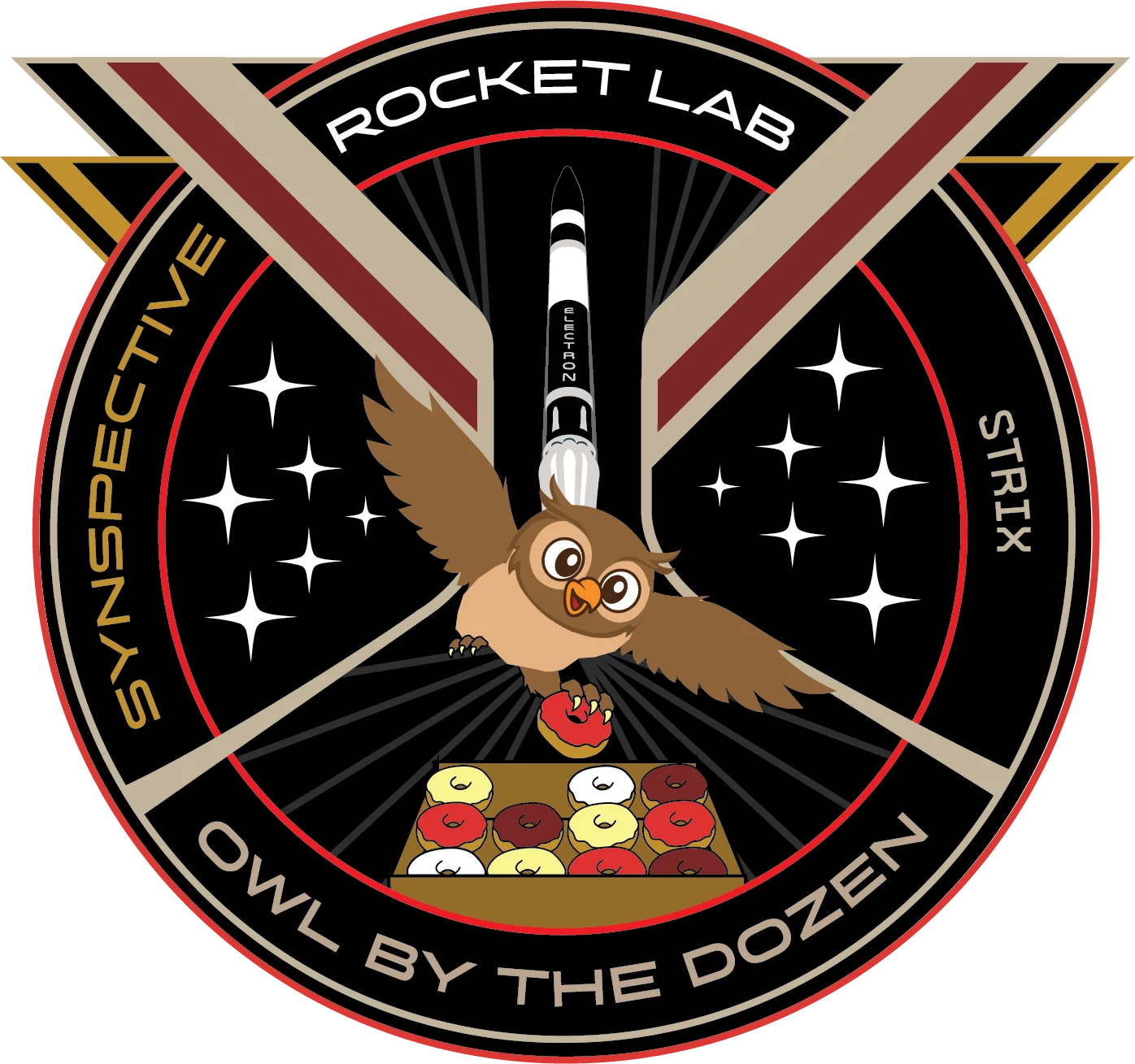
Owl By The Dozen (StriX Launch 12) ×
Mission Details
TypeEarth Science
OrbitLow Earth Orbit
TargetEarth
Synthetic aperture radar satellite for Japanese Earth imaging company Synspective.
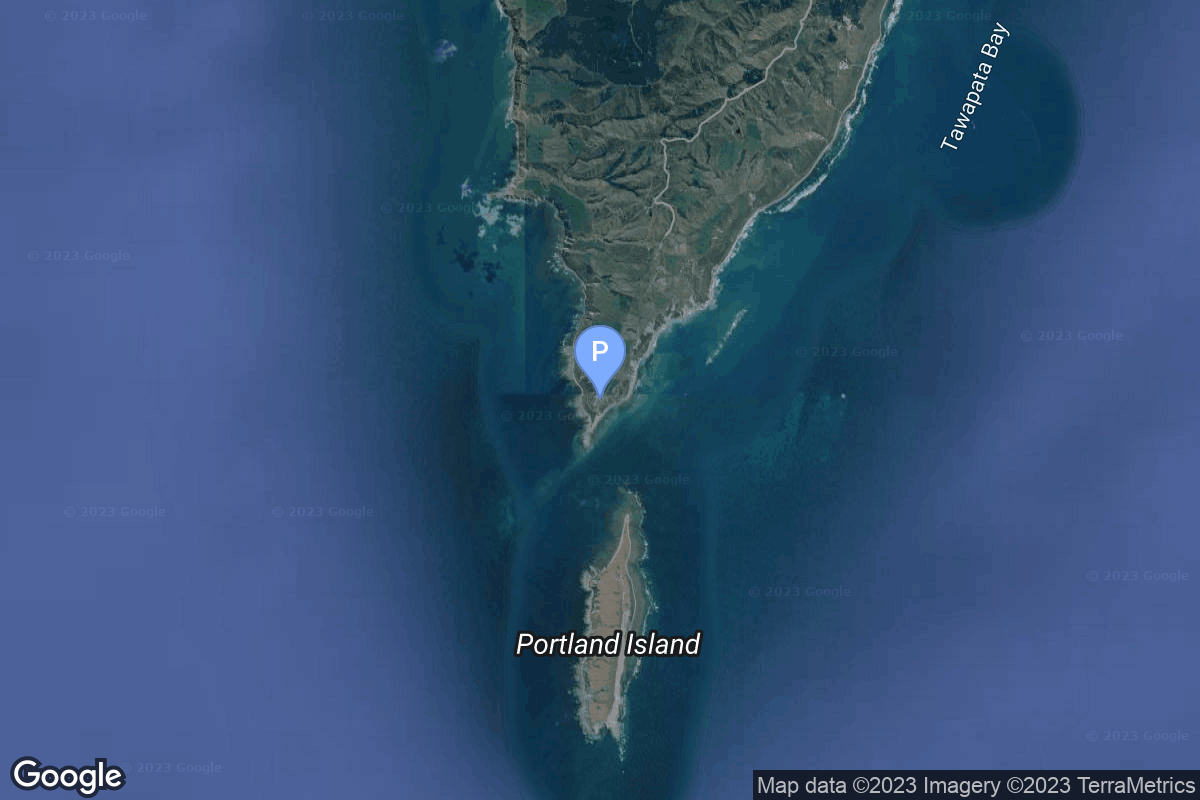
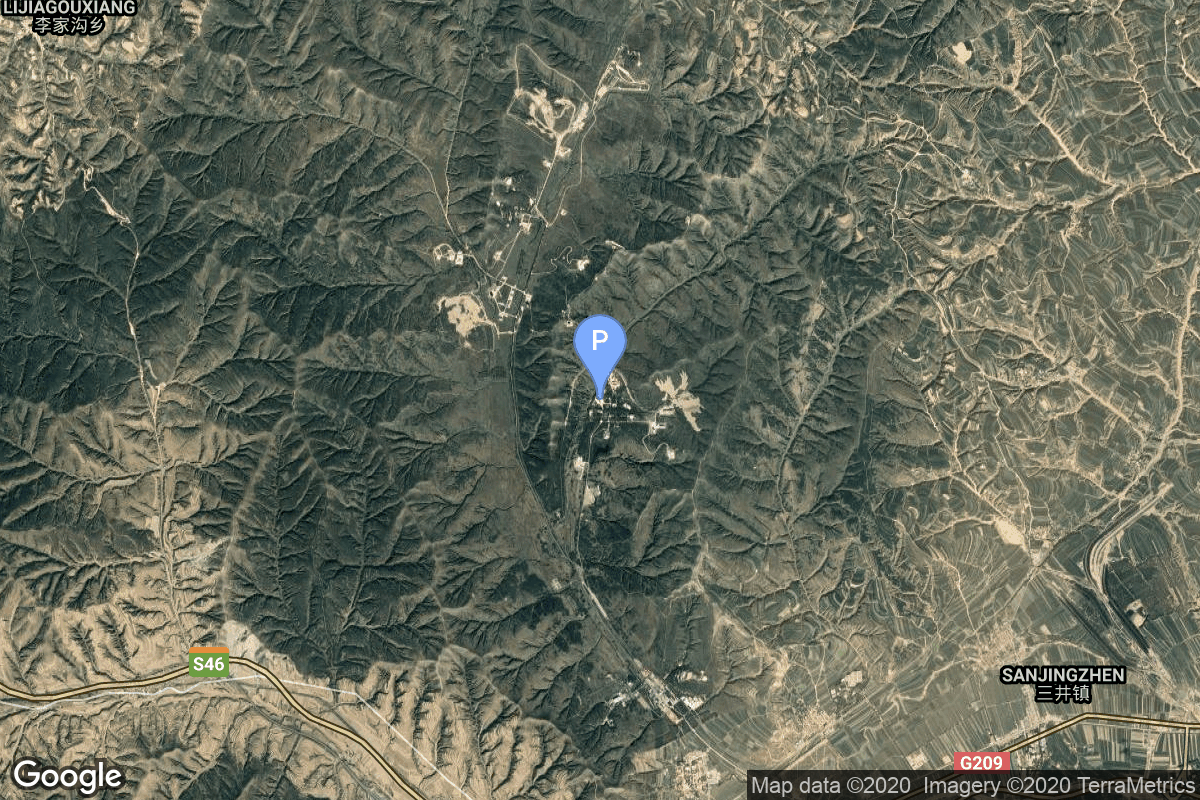
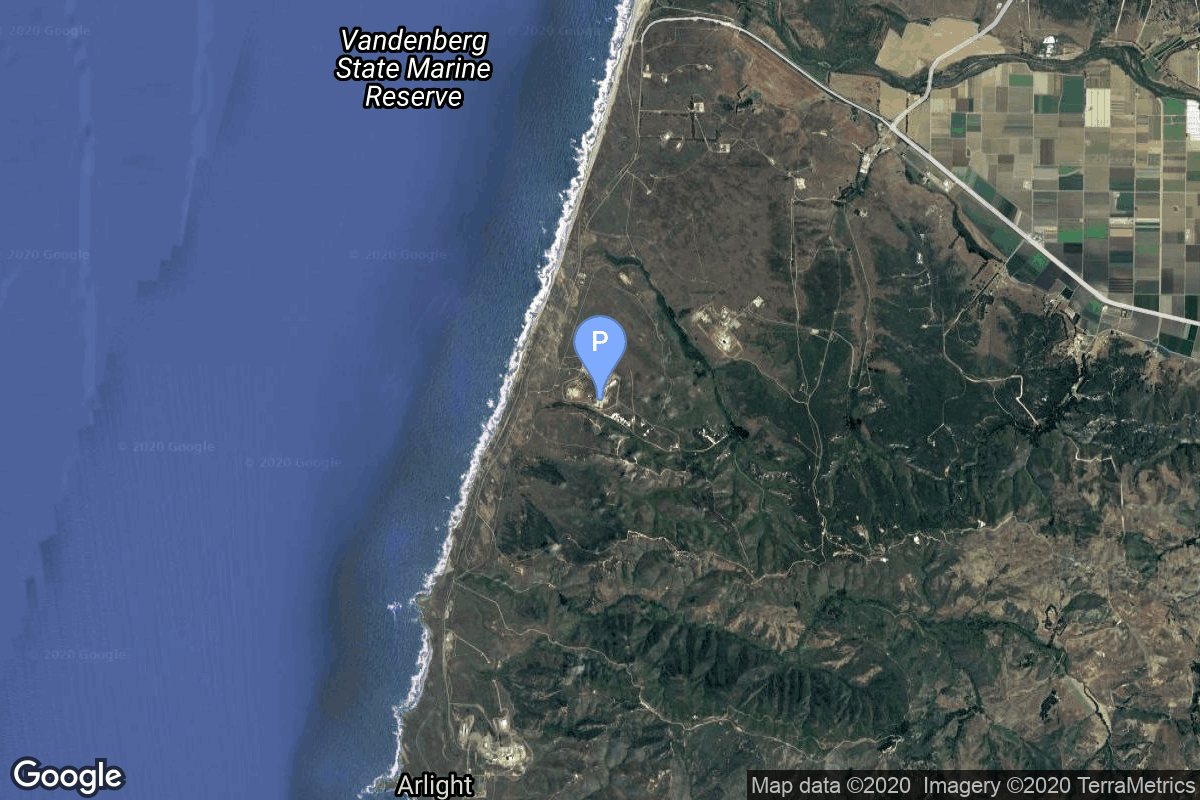
Rocket Lab Launch Complex 1, Mahia Peninsula, New Zealand
Total launches from this pad: 0
Vehicle: Electron
Electron is a two-stage orbital expendable launch vehicle (with an optional third stage) developed by the American aerospace company Rocket Lab. Electron is a small-lift launch vehicle designed to launch small satellites and cubesats to sun-synchronous orbit and low earth orbit. The Electron is the…
The Long March 2D, also known as the Chang Zheng 2D, CZ-2D and LM-2D, is a Chinese orbital carrier rocket. It is a 2-stage carrier rocket mainly used for launching LEO and SSO satellites.
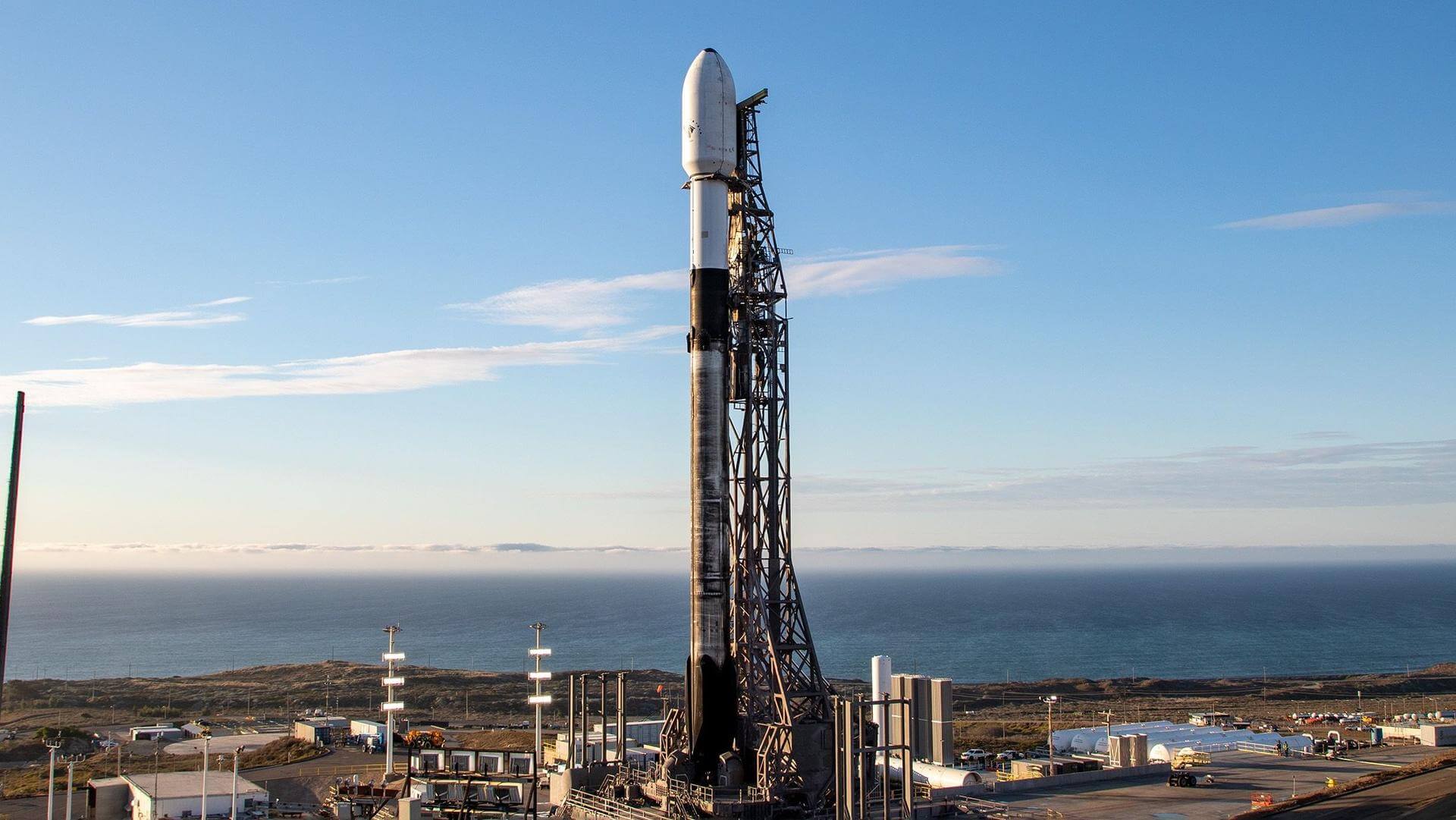
Falcon 9 is a two-stage rocket designed and manufactured by SpaceX for the reliable and safe transport of satellites and the Dragon spacecraft into orbit. The Block 5 variant is the fifth major interval aimed at improving upon the ability for rapid reusability.
Kinetica 1 (also known as Lijian-1, Chinese: 力箭一号) is a Chinese solid-propellant light launch vehicle. It is capable of placing about 2 tons into low earth orbit and 1.5 tons into sun-synchronous orbit. It is developed by CAS Space, a subsidiary of the Chinese Academy of Sciences. Kinetica 1 is a…
Specifications
Length30 m
Diameter2.65 m
Launch Mass135 t
Liftoff Thrust1,961 kN
LEO Capacity2,000 kg
SSO Capacity1,500 kg
ReusableNo
Maiden Flight2022-07-27
Launch Record
14 successful / 15 total launches
Current streak: 9 successful
Starlink Group 31-1 (Starship Flight 14) ×
Mission Details
TypeCommunications
OrbitLow Earth Orbit
TargetEarth
14th test flight of the two-stage Starship launch vehicle. 3rd flight of Starship V3 and the first Starship flight to deploy satellites (a group of Starlink satellites known as Starlink Group 31-1) into stable Low Earth Orbit.
The ship is expected to fly at an altitude approximately 275 km above Earth and complete approximately 6 orbits around the planet for nearly 10 hours, with splashdown targeted in the Pacific Ocean west of Chile.
The booster’s primary test objective on Flight 14 will be executing a successful launch, ascent, stage separation, boostback burn, and landing burn at an offshore landing point in the Gulf.
Starship will deliver 26 Starlink V3 satellites to orbit for the first time, which aim to greatly expand the network’s capacity and user speeds. Each Starlink V3 satellite will add 1 Tbps of capacity to the constellation.
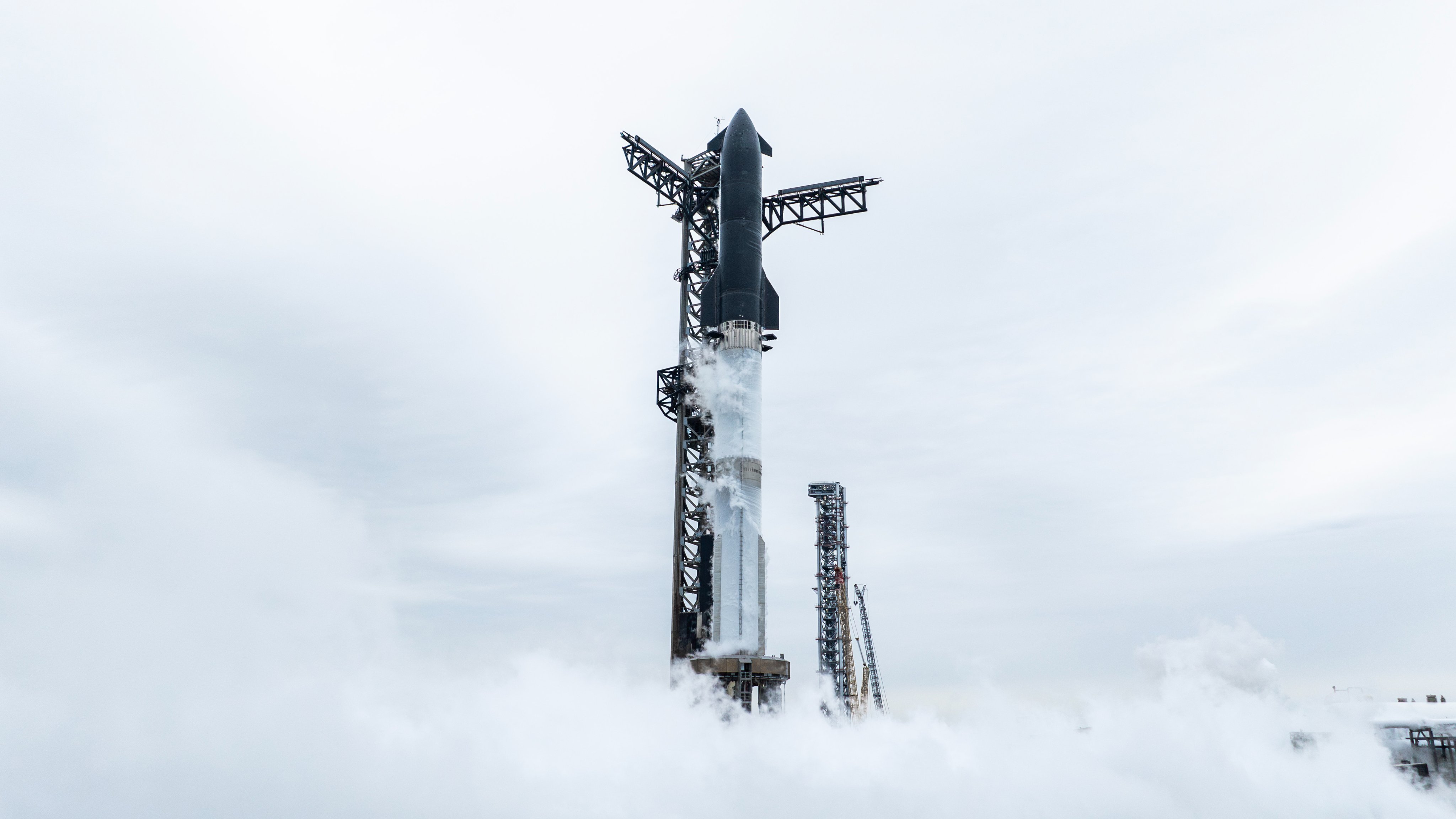
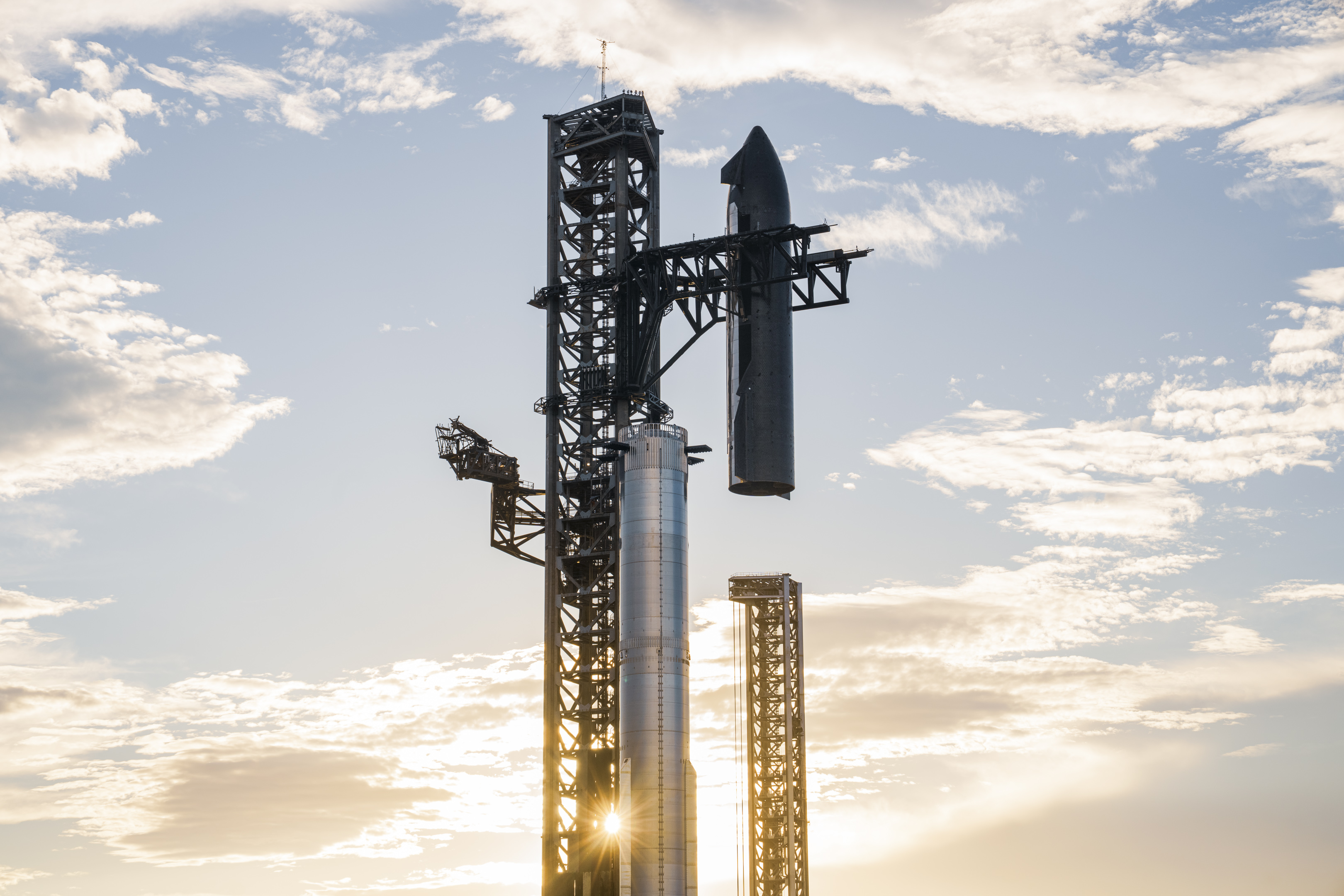
The SpaceX Starship is a fully reusable super heavy-lift launch vehicle under development by SpaceX since 2012, as a self-funded private spaceflight project. The second stage of the Starship — is designed as a long-duration cargo and passenger-carrying spacecraft. It is expected to be initially used without any booster stage at all, as part of an extensive development program to prove out launch-and-landing and iterate on a variety of design details, particularly with respect to the vehicle’s atmospheric reentry.
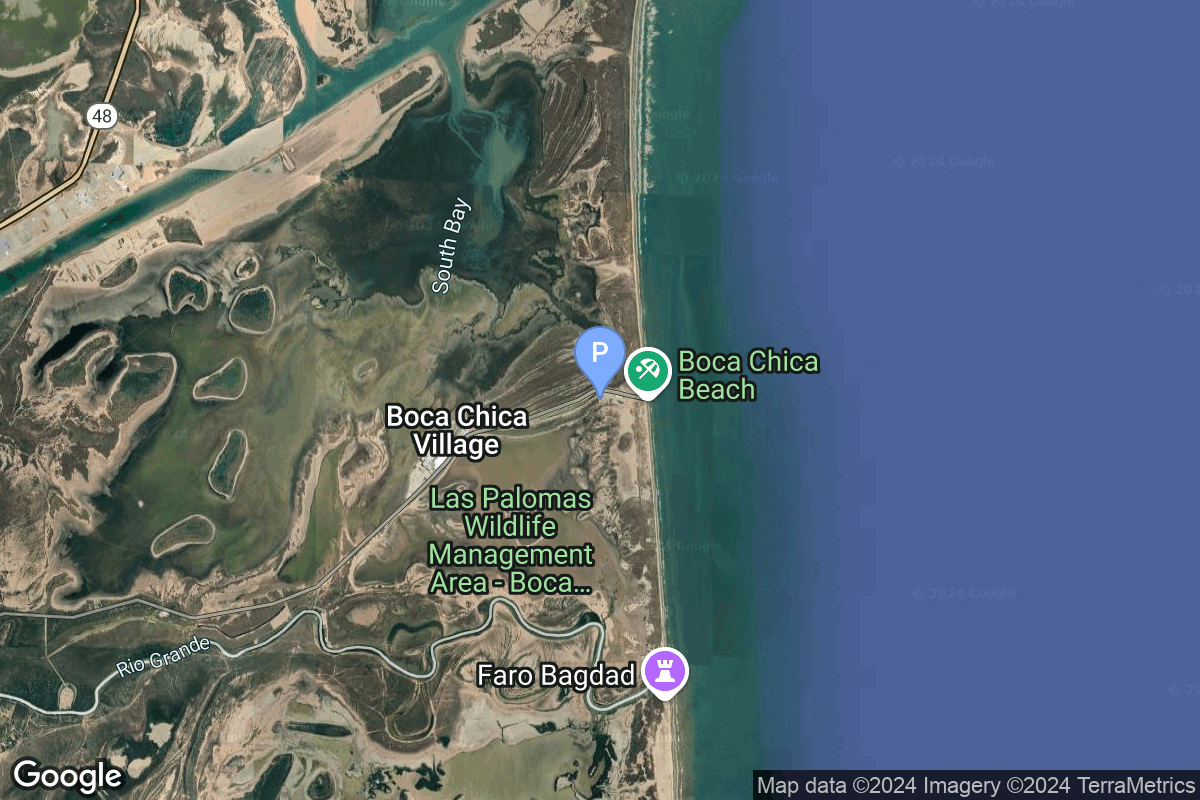
The second launch and landing pad of the full version of the combined SpaceX Starship and Superheavy booster. To be first used for launch in 2025 with version 3 of Starship and the Superheavy…
The Super Heavy Booster 21 will attempt to perform a soft splashdown in the Gulf of Mexico.
Spacecraft: Ship 41
Third V3 Starship to fly with various enhancements, to be used on the 14th Starship test flight, the first Starship flight to deploy satellites into stable Low Earth Orbit.
Specifications
SerialS41
TypeReuseable Upper Stage
StatusActive
DestinationLow Earth Orbit
Height52.1 m
Diameter9 m
Maiden Flight2026-05-22
History
The third-generation Starship upper stage will be introduced on flight 12.
Capability
More than 100 tons to Earth orbit
Details
Third-generation second stage of the two-stage Starship super heavy-lift launch vehicle.
Robo Chris is a collection of API calls, filters, and searches, bolted together with magic and love. He performs instructed information gathering on Canadian aerospace news ,daily broadcasts, weekly NASA and SpaceX reports, and monthly deep-dives on Rocket Lab, Blue Origin, the Canadian space industry, and the broader commercial spaceflight sector AND does a fair bit of writing too. Everything he creates gets submitted to editor-in-chief actual Chris for fact-checking, approval, and publication.












Leave a Reply