North Vector Dynamics Raises More Than US$20 Million for CM-70 Interceptor
Calgary’s North Vector Dynamics announced Monday it has closed a Series A round of more than $29 million (US$20 million) to move its CM-70 counter-drone interceptor from testing toward production. Tech Horizons, a European defence venture fund set up with Czech industrial group CSG, led the round after backing North Vector’s seed round earlier this year.
ONE9, Garage Capital, CSG, Ripple Ventures, Feld Ventures and Conconi Growth Partners also participated. Chief executive Paul Ziadé told The Globe and Mail that Canadian investors made up a “sizable minority” of the round, with the rest American and European. The round values the company at more than $125 million (US$90 million) — the same valuation North Vector gave in August, when CSG took a strategic stake of undisclosed size.
The CM-70 is a small, low-cost guided missile built to shoot down fast, manoeuvring drones and to plug into existing layered air defences. North Vector says it is free of ITAR, the U.S. International Traffic in Arms Regulations that govern exports of American military technology — a feature that matters to allies wary of U.S. export controls. “Allied forces need affordable, producible air defence at scale,” Ziadé said in the company release.
The money will pay for manufacturing and assembly, more in-house production, a more secure supply chain, new offices in the United States and Europe, and hiring. Defence Research and Development Canada provided early funding and testing support; SpaceQ reported in July that the company also holds a $4.2 million DRDC contract for high-speed propulsion work. CSG’s reach into the Canadian sector keeps growing — this month the Prague-based group bought a 9.5 per cent stake in MDA Space, becoming its largest shareholder.
Ottawa Opens Consultations on a Canadian Space Act
Industry Minister Mélanie Joly opened consultations at SpaceBound last week on a Canadian space act that would put in-space activity — and the ground segment that controls it — under one authorization. Innovation, Science and Economic Development Canada published the consultation document and Canada’s first Positioning, Navigation and Timing Resilience Framework on Oct. 20; submissions on the act are due Dec. 21.
The consultation builds on a 2023 CSA consultation on a modern regulatory framework and a 2022 independent review of the Remote Sensing Space Systems Act, which found Canada’s space regulation complex and fragmented and recommended consolidating it under a general space act. It comes six months after the government tabled Bill C-28, the Canadian Space Launch Act.
ISED is proposing a new act because Canada currently regulates space one activity at a time, under statutes written for each. A company launching a radar satellite from Canada today applies to ISED for spectrum under the Radiocommunication Act and to Global Affairs for a remote-sensing licence under the Remote Sensing Space Systems Act, and once C-28 passes it will apply to Transport for a launch permit under the Aeronautics Act. Each act has its own minister, regulations and enforcement. Refuelling or repairing satellites in orbit, removing debris, manufacturing in space, running a commercial space station and mining the Moon or asteroids are all poorly regulated or not regulated at all in Canada today.
ESA Orders Four More Galileo Second Generation Satellites
The European Space Agency extended contracts on Oct. 23 and Oct. 26 to build four additional Galileo Second Generation satellites, bringing the G2 fleet to 16. Thales Alenia Space (Italy) and Airbus Defence and Space (Germany) — already under contract with ESA since 2021 to build six G2 satellites each — received the new contracts, signed in Rome and Ottobrunn, respectively.
The four additional satellites are scheduled for delivery in 2031 and launch right after, and will be identical to the ones already under development. Equipped with fully digital navigation payloads, a better-performing navigation antenna, inter-satellite link capacity and an advanced atomic clock configuration, G2 satellites will provide more robust and reliable positioning, navigation and timing.
The first twelve G2 satellites are well under way, with development and qualification activities approaching completion. System integration and compatibility testing campaigns are now in full swing, paving the way for integration and flight testing of the first satellites in 2027, ahead of the first G2 launch in 2028. Second Generation satellites will join the 38 First Generation satellites, all but four of which have already been launched.
“With these contracts, ESA and European industry are safeguarding the continuity of Europe’s satellite navigation services, responding to the evolving needs of users, and strengthening Europe’s strategic autonomy” said ESA Director of Resilience, Navigation and Connectivity Laurent Jaffart.
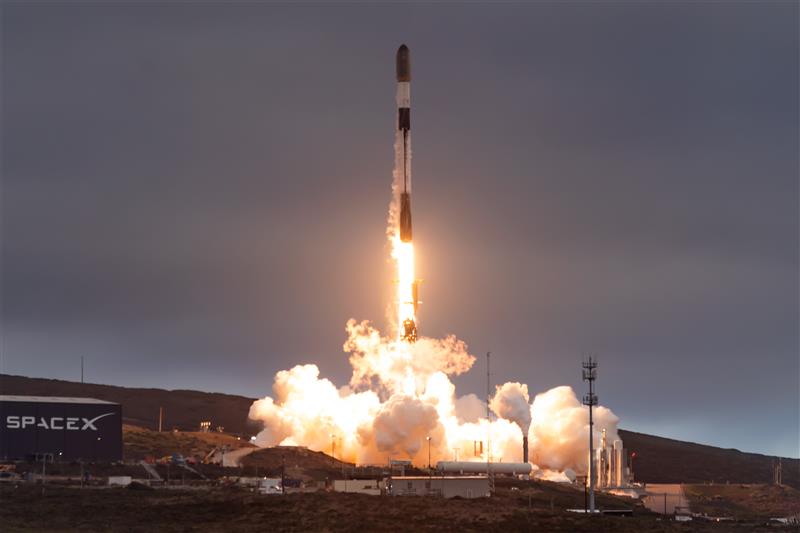
Provider: SpaceX Date: October 30, 2026 Time: 4:02 AM UTC Vehicle: Falcon 9
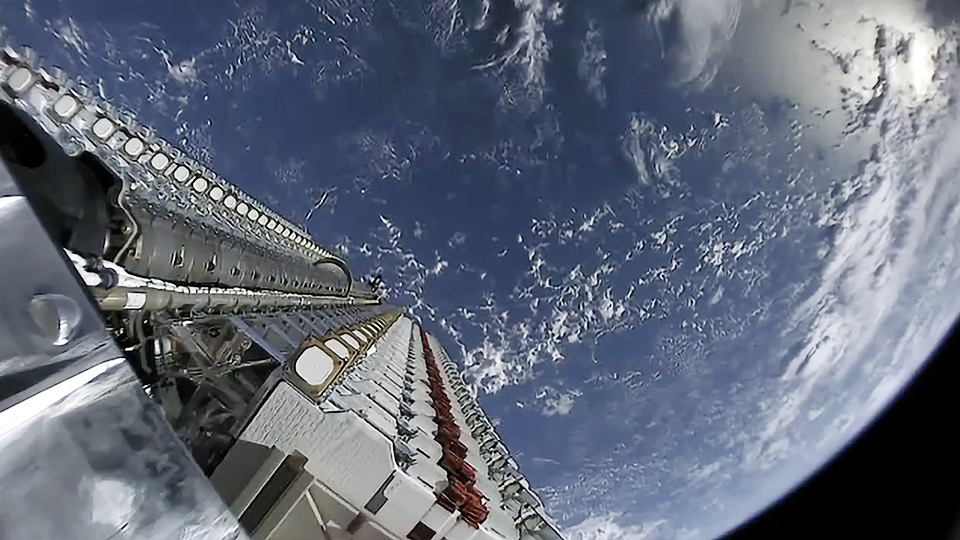
A batch of 27 satellites for the Starlink mega-constellation – SpaceX’s project for space-based Internet communication system.
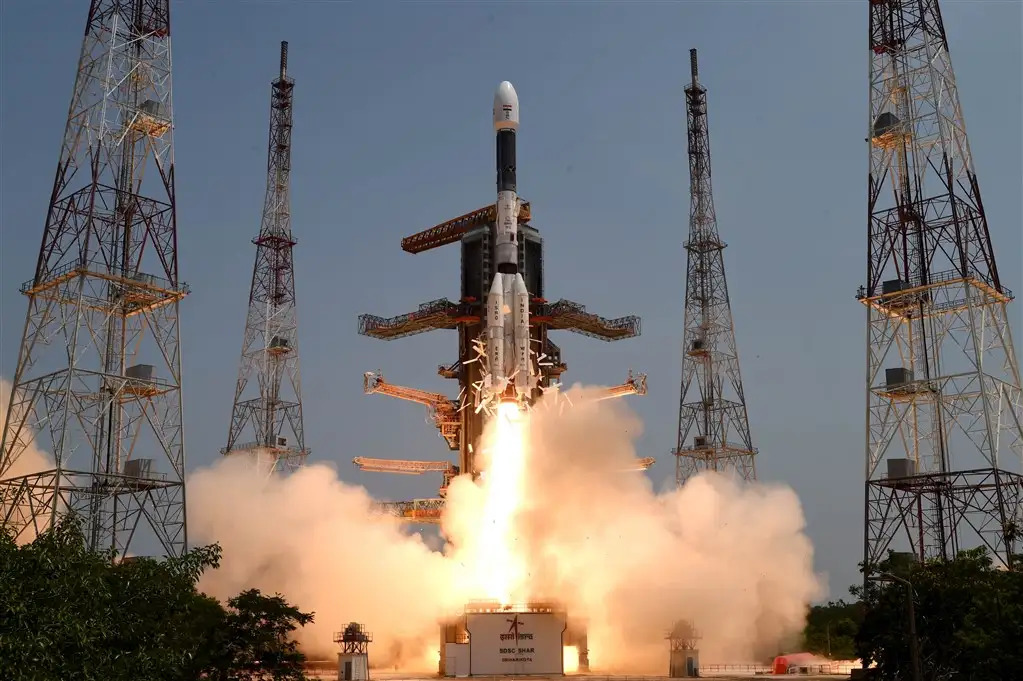
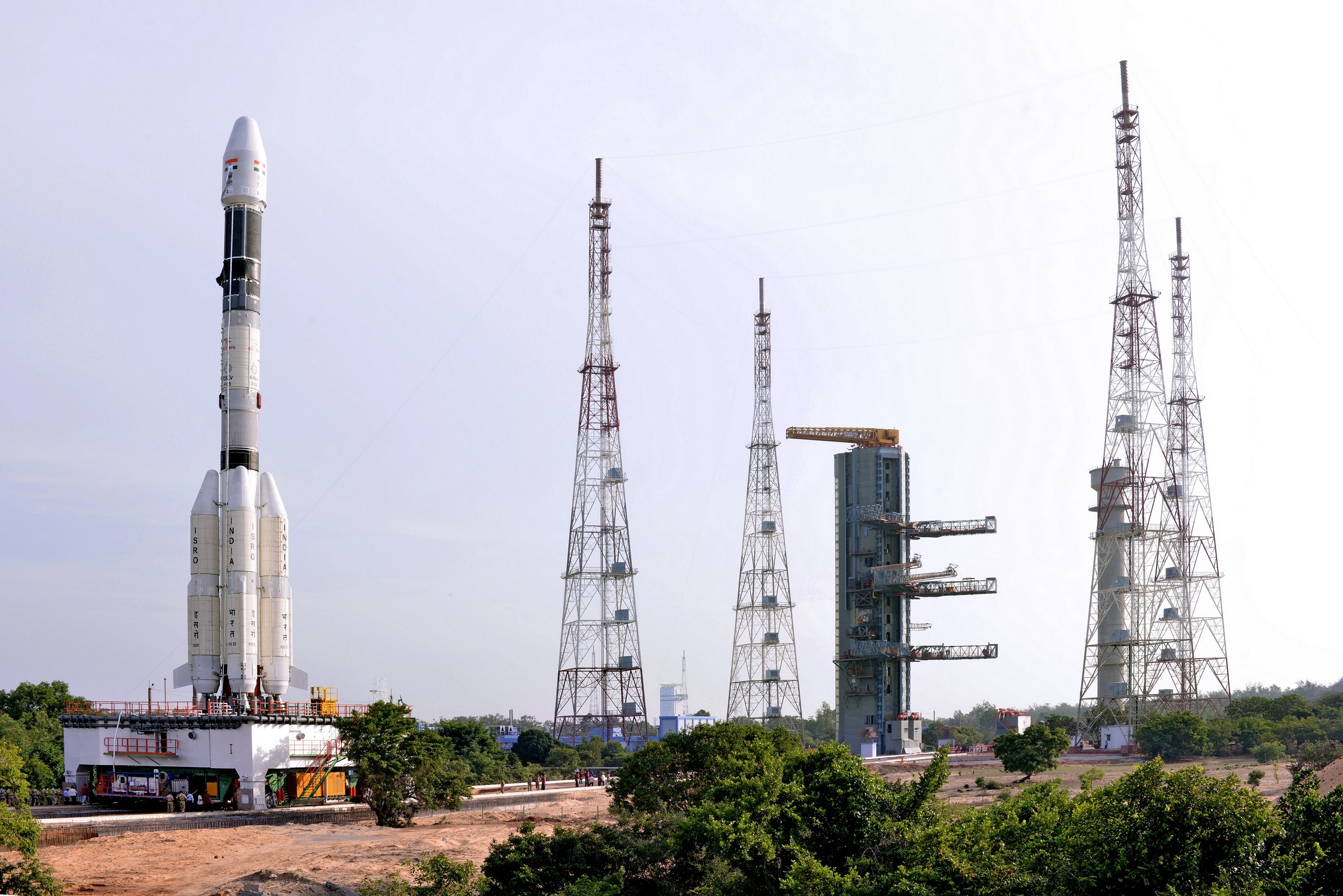
IRNSS-1L (NVS-03)
Provider: Indian Space Research Organization Date: October 30, 2026 Time: 6:21 PM UTC Vehicle: GSLV Mk II
This is a replacement satellite for the Indian Regional Navigation Satellite System. The constellation will provide India with an alternative to GPS and will be used for military and civilian use. Located at a geosynchronous orbit, the system will be operated by the Indian government.
USSF-432
Provider: SpaceX Date: November 2, 2026 Time: 1:56 AM UTC Vehicle: Falcon 9
A classified mission for the United States Space Force. It is possibly a batch of classified LEO satellites based on SpaceX’s Starshield satellite bus, based on locations of rocket stage drop zones being exact fits with previous Starlink Group 15 launches.
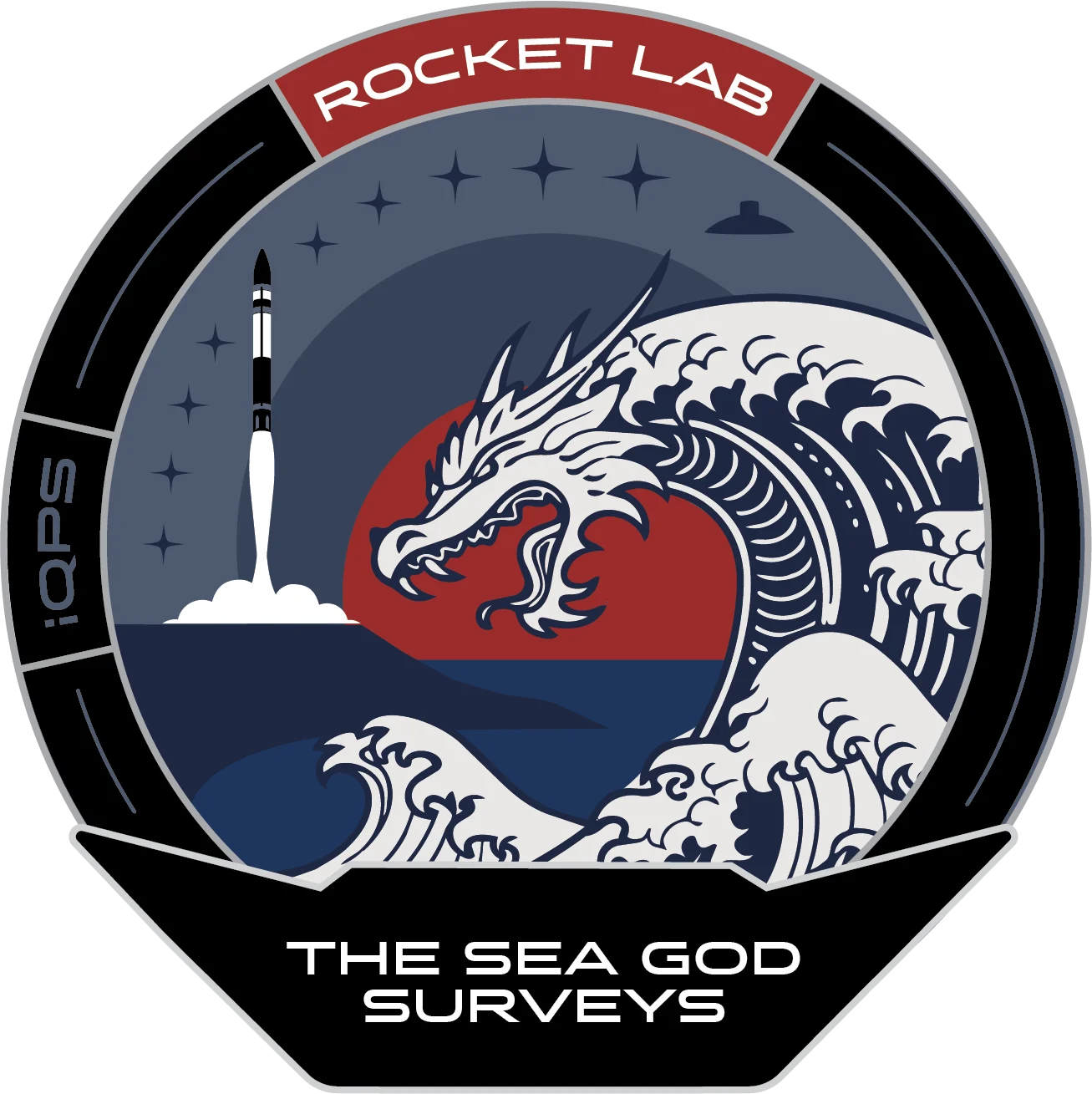
The Sea God Surveys (iQPS Launch 9)
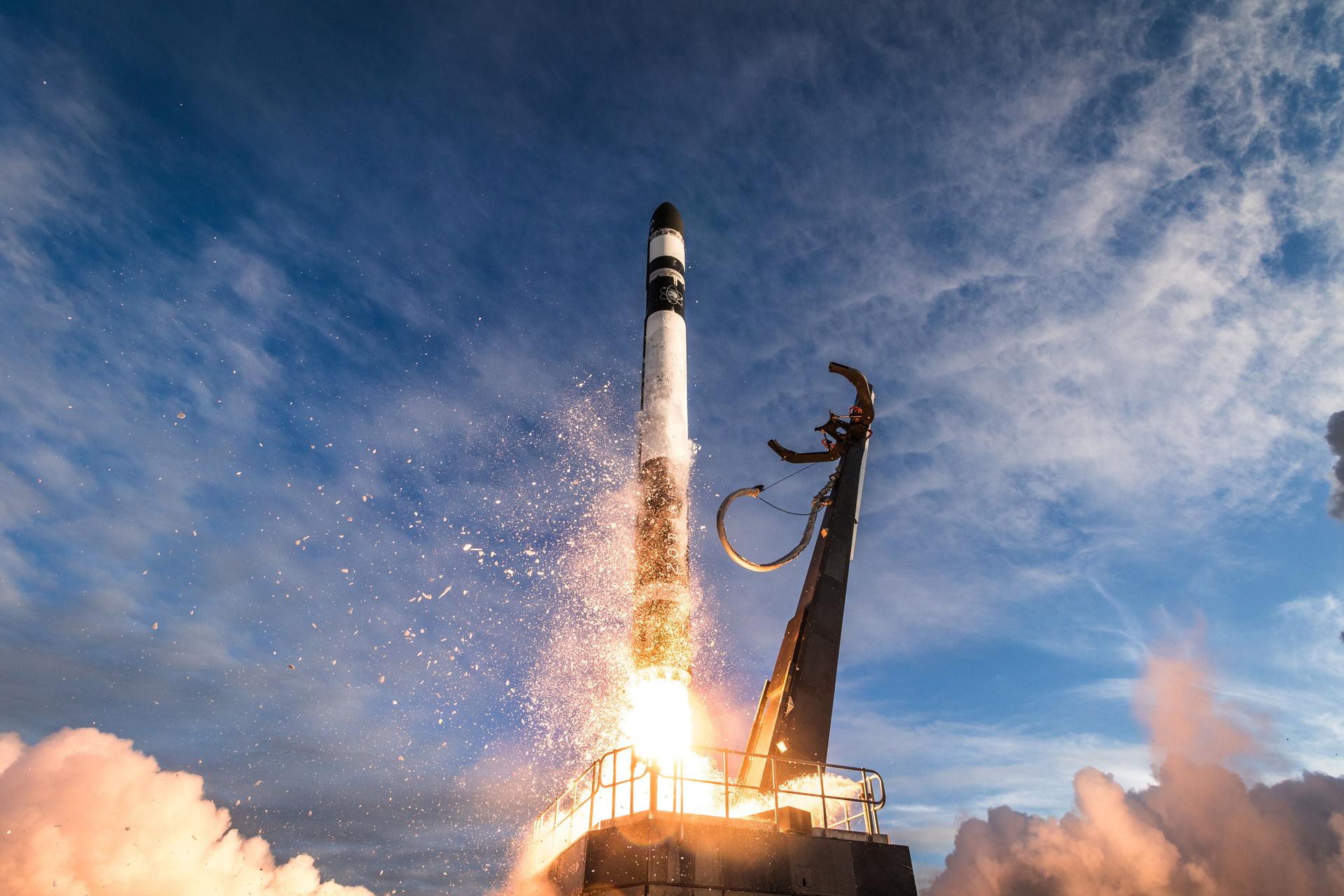
Provider: Rocket Lab Date: November 3, 2026 Time: 12:00 AM UTC Vehicle: Electron
Synthetic aperture radar Earth observation satellite for Japanese Earth imaging company iQPS.
Starlink Group 15-21
Provider: SpaceX Date: November 5, 2026 Time: 5:14 AM UTC Vehicle: Falcon 9
A batch of 27 satellites for the Starlink mega-constellation – SpaceX’s project for space-based Internet communication system.
Starlink Group 15-18 ×
Mission Details
TypeCommunications
OrbitLow Earth Orbit
TargetEarth
A batch of 27 satellites for the Starlink mega-constellation – SpaceX’s project for space-based Internet communication system.
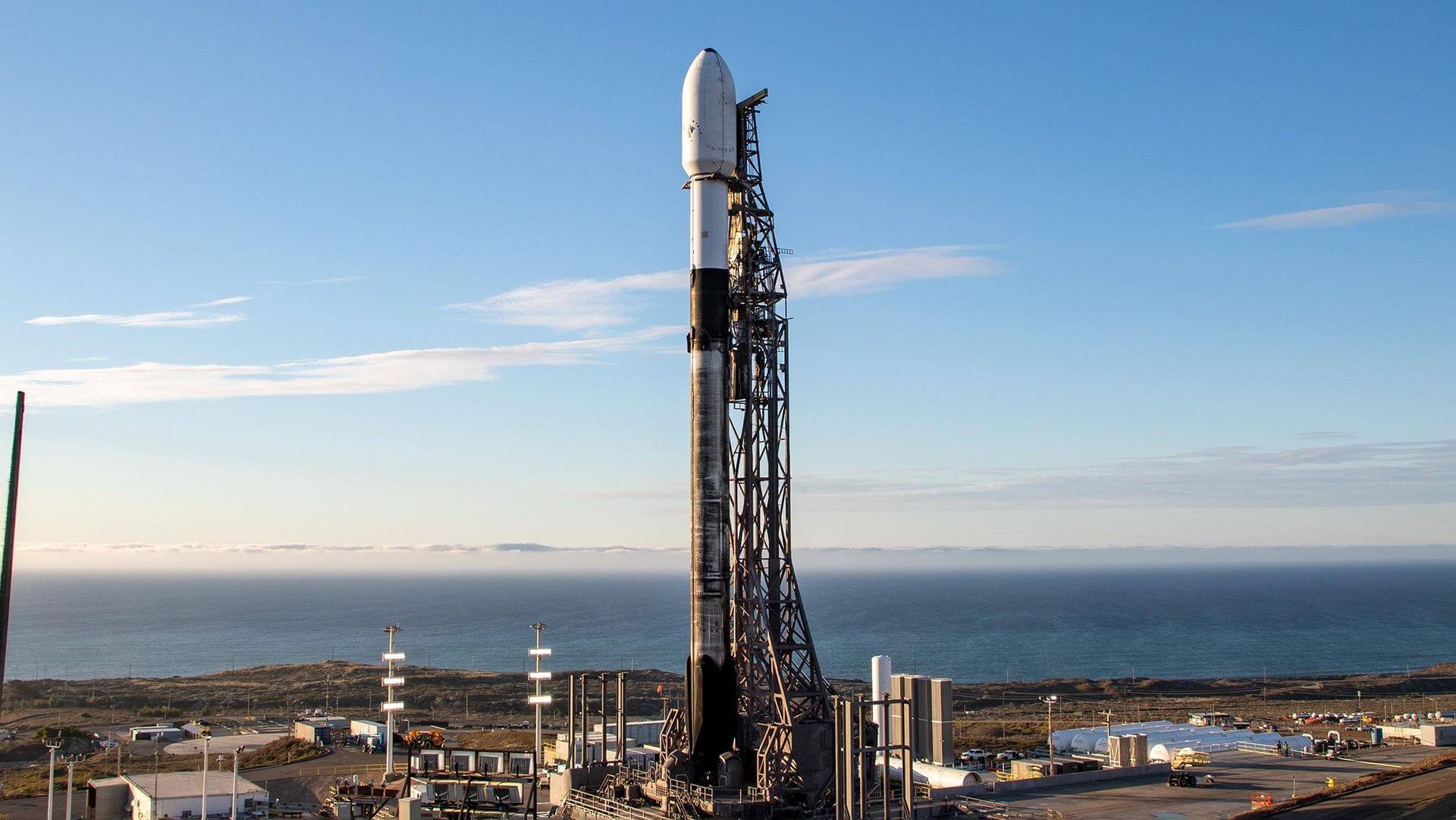
Falcon 9 is a two-stage rocket designed and manufactured by SpaceX for the reliable and safe transport of satellites and the Dragon spacecraft into orbit. The Block 5 variant is the fifth major interval aimed at improving upon the ability for rapid reusability.
The Falcon 9 first stage B1093 will land on ASDS OCISLY after its 18th flight.
IRNSS-1L (NVS-03) ×
Mission Details
TypeNavigation
OrbitGeostationary Transfer Orbit
TargetEarth
This is a replacement satellite for the Indian Regional Navigation Satellite System. The constellation will provide India with an alternative to GPS and will be used for military and civilian use. Located at a geosynchronous orbit, the system will be operated by the Indian government.
Agencies Involved
• Indian Space Research Organization (Government)
Launch Provider: Indian Space Research Organization
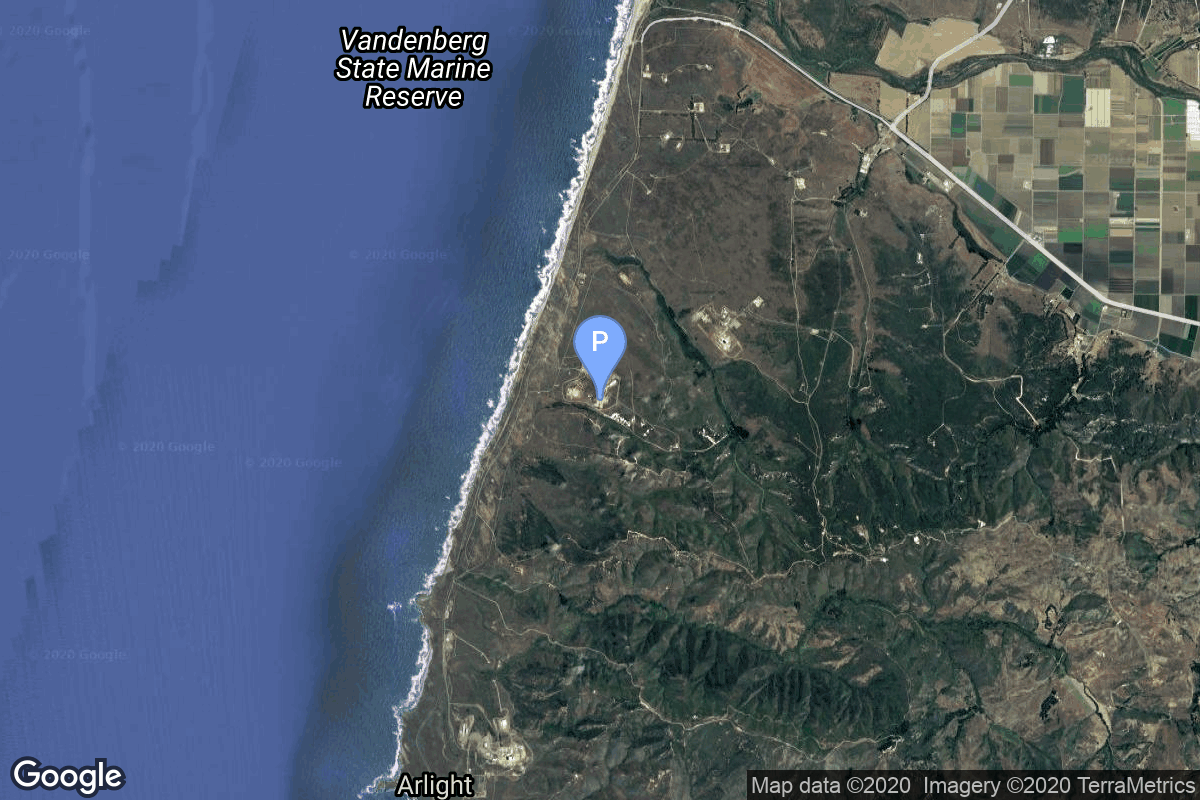
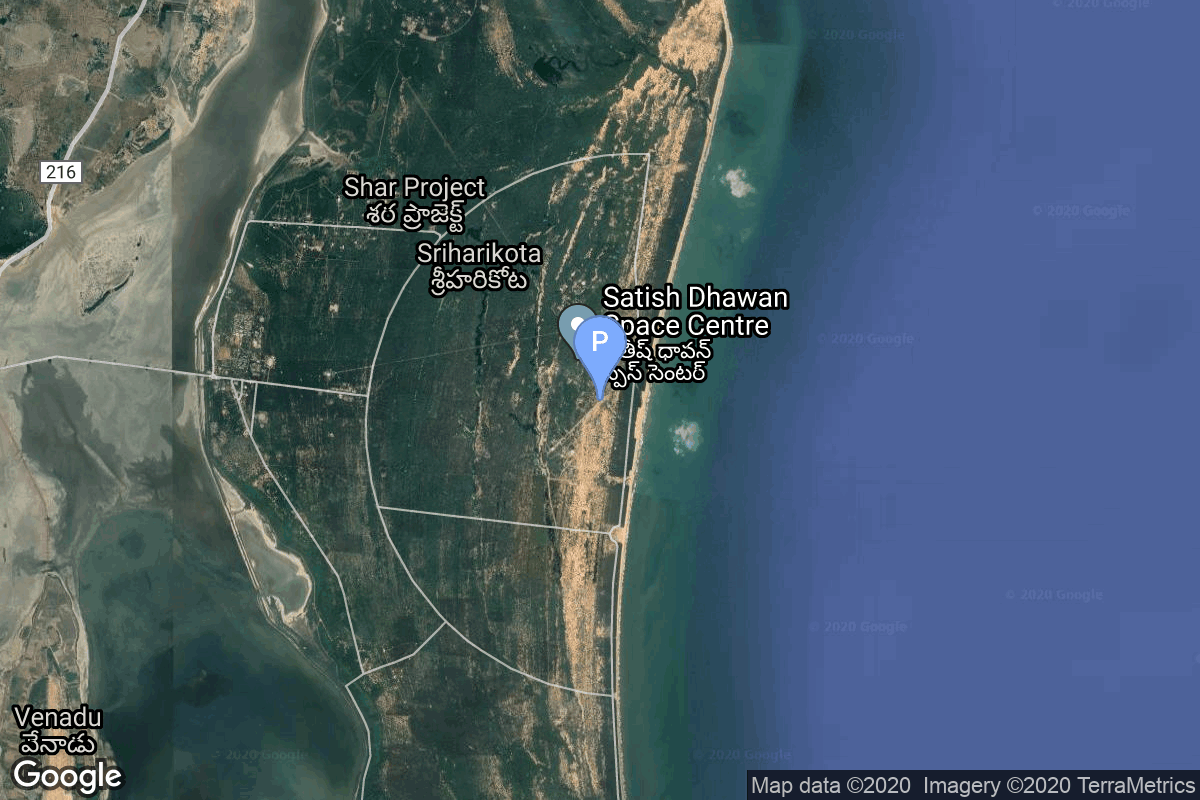
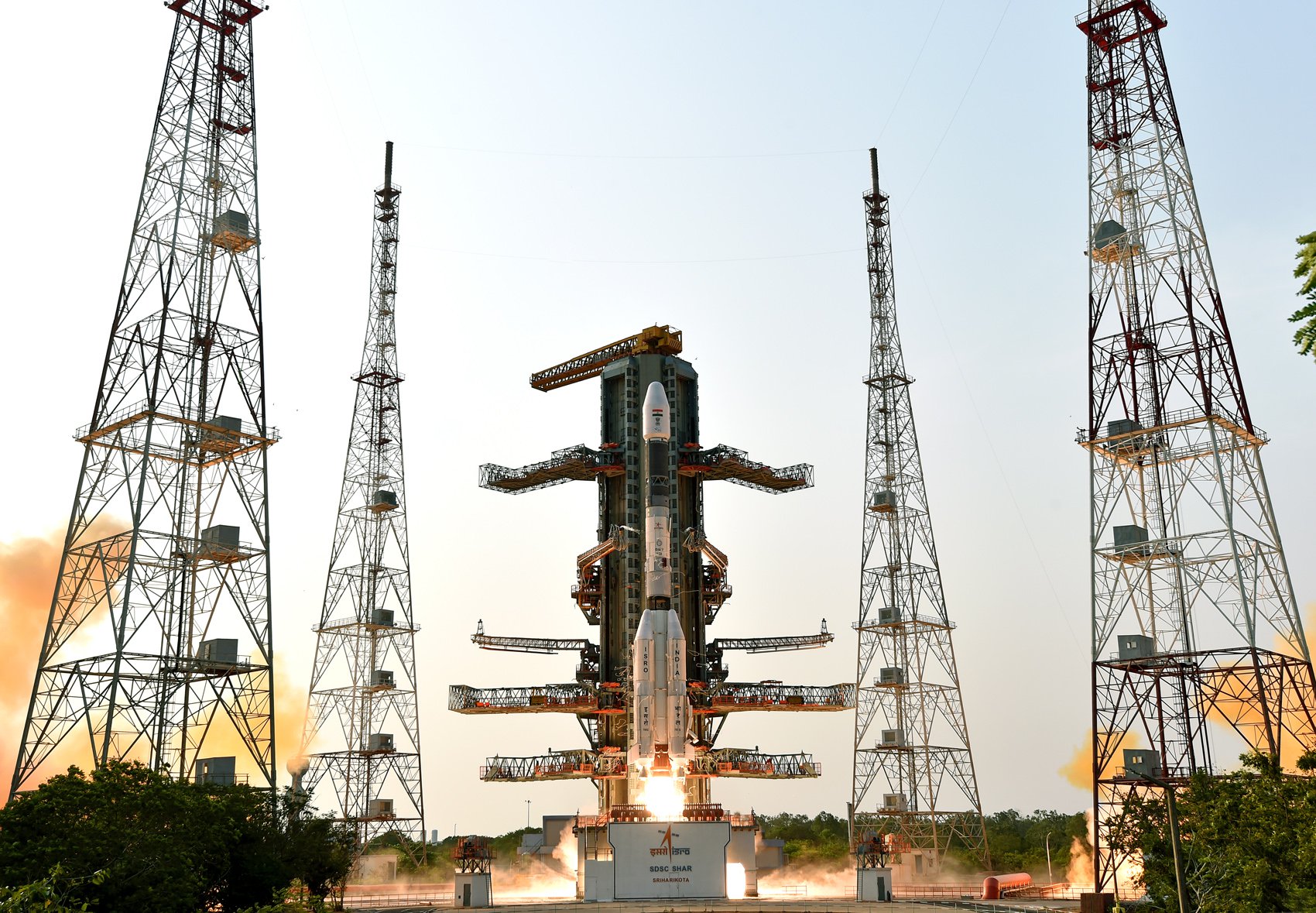
Launch Pad: Satish Dhawan Space Centre Second Launch Pad
Satish Dhawan Space Centre, India
The second launch pad was built between 1999 and 2003. It became functional in 2005 and has since been used for various rockets. This launch pad supports missions by PSLV, GSLV, LVM3 rockets and is…
Geosynchronous Satellite Launch Vehicle Mark II (GSLV Mk II) is the largest launch vehicle developed by India, which is currently in operation. This fourth generation launch vehicle is a three stage vehicle with four liquid strap-ons. The indigenously developed cryogenic Upper Stage (CUS), which is…
A classified mission for the United States Space Force. It is possibly a batch of classified LEO satellites based on SpaceX’s Starshield satellite bus, based on locations of rocket stage drop zones being exact fits with previous Starlink Group 15 launches.
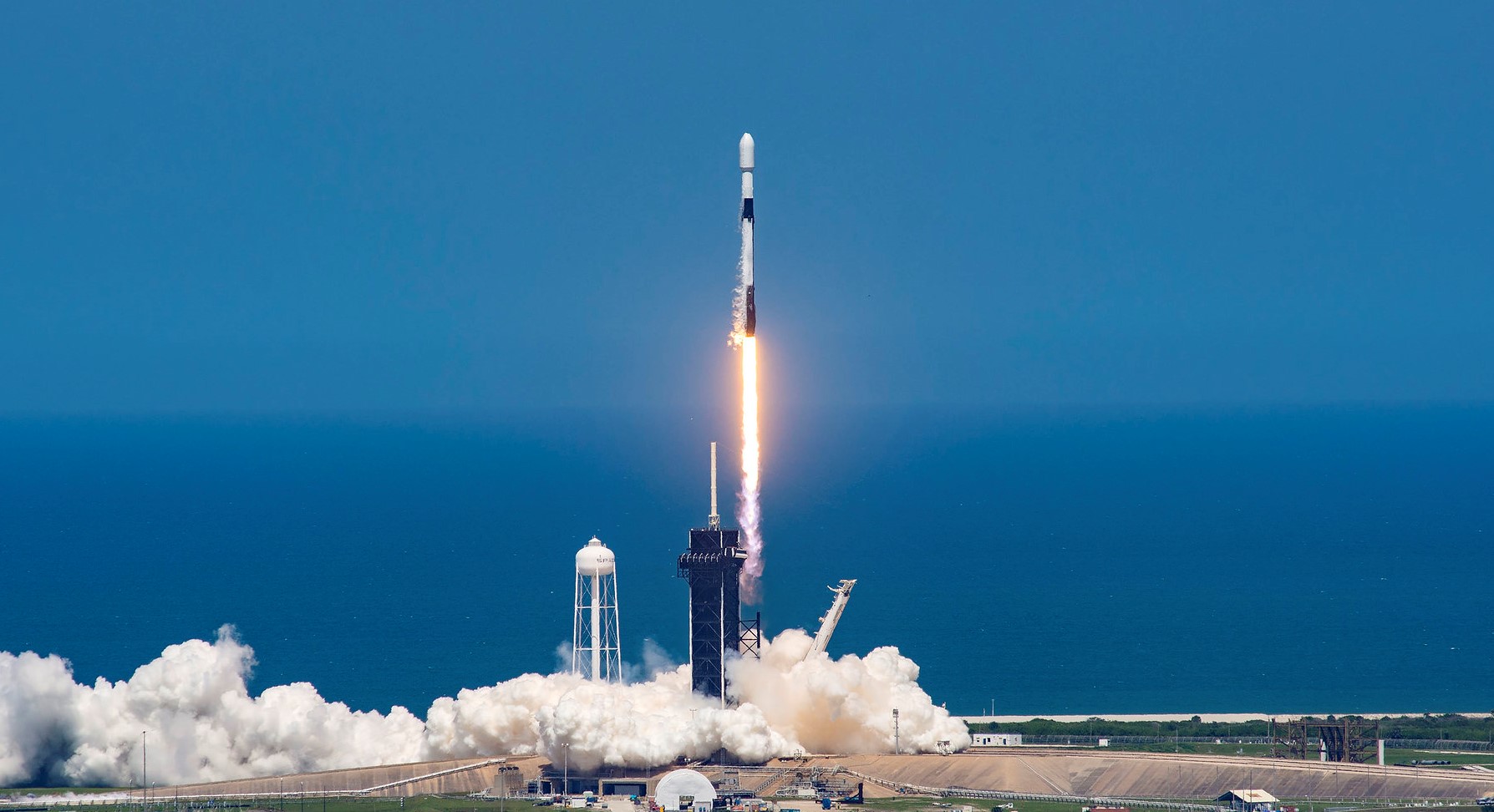
Falcon 9 is a two-stage rocket designed and manufactured by SpaceX for the reliable and safe transport of satellites and the Dragon spacecraft into orbit. The Block 5 variant is the fifth major interval aimed at improving upon the ability for rapid reusability.
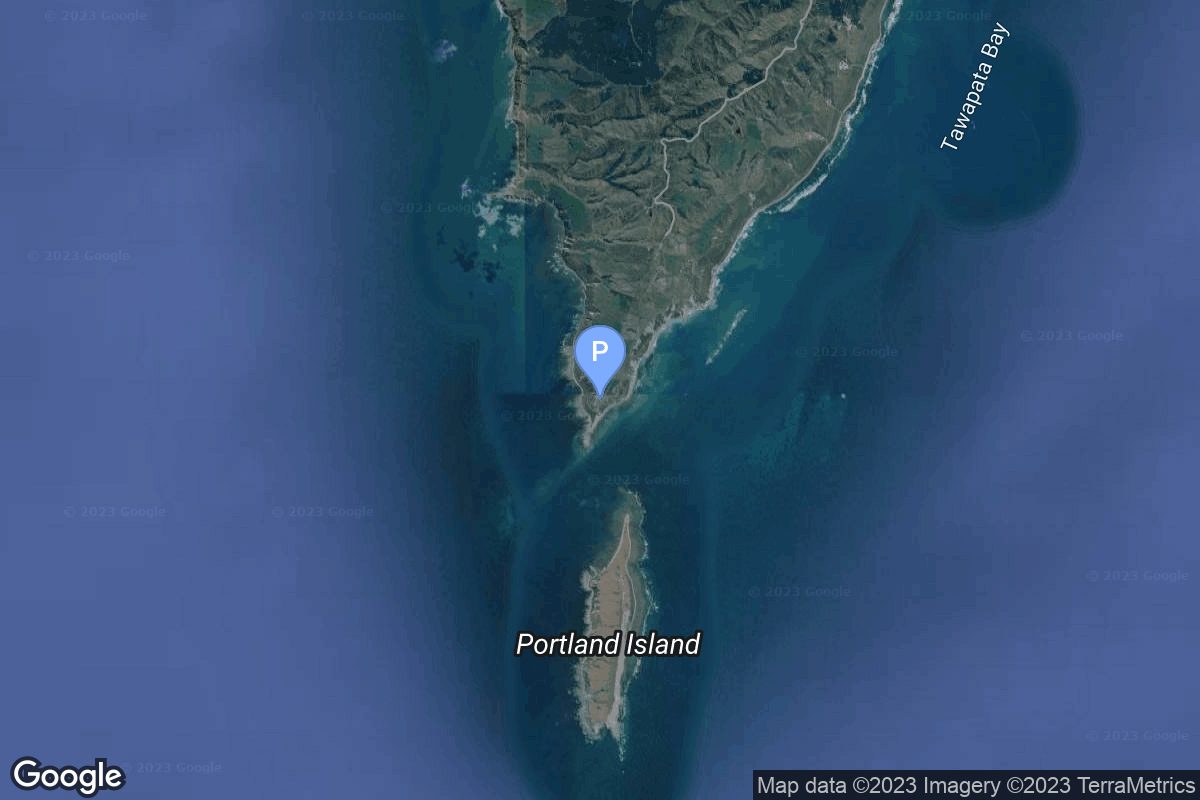
Rocket Lab Launch Complex 1, Mahia Peninsula, New Zealand
Total launches from this pad: 0
Vehicle: Electron
Electron is a two-stage orbital expendable launch vehicle (with an optional third stage) developed by the American aerospace company Rocket Lab. Electron is a small-lift launch vehicle designed to launch small satellites and cubesats to sun-synchronous orbit and low earth orbit. The Electron is the…
Falcon 9 is a two-stage rocket designed and manufactured by SpaceX for the reliable and safe transport of satellites and the Dragon spacecraft into orbit. The Block 5 variant is the fifth major interval aimed at improving upon the ability for rapid reusability.
Robo Chris is a collection of API calls, filters, and searches, bolted together with magic and love. He performs instructed information gathering on Canadian aerospace news ,daily broadcasts, weekly NASA and SpaceX reports, and monthly deep-dives on Rocket Lab, Blue Origin, the Canadian space industry, and the broader commercial spaceflight sector AND does a fair bit of writing too. Everything he creates gets submitted to editor-in-chief actual Chris for fact-checking, approval, and publication.









Leave a Reply