NordSpace Commits $10M to Atlantic Spaceport Complex
NordSpace is investing $10 million into its Atlantic Spaceport Complex in St. Lawrence, Newfoundland and Labrador, with the company’s own capital covering half and two government partners covering the rest.
The announcement came Aug. 27 from Sean Fraser, Minister of Justice and Attorney General of Canada and Minister responsible for the Atlantic Canada Opportunities Agency, and the Honourable Lin Paddock, Minister of Jobs, Growth and Rural Development for the Government of Newfoundland and Labrador. The government of Canada will contribute $1 million from ACOA’s Regional Economic Growth through Innovation program, while the government of Newfoundland and Labrador will contribute $4 million.
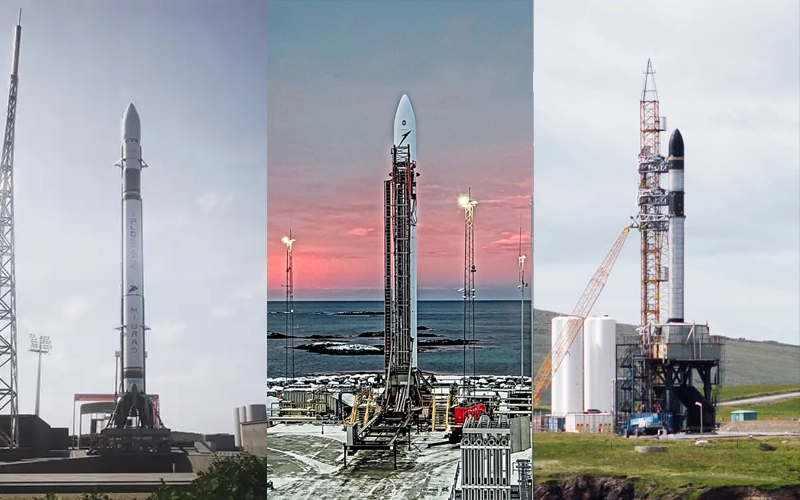
NordSpace broke ground on Space Launch Complex 02 in 2025 for suborbital and small payload orbital missions, which will host the inaugural flight of the company’s Taiga rocket. Work is now starting on Space Launch Complex 01, designed for orbital launches no earlier than 2028. That pad will support Tundra, rated at up to 1,100 kilograms to low-Earth orbit, and Tundra+, rated at just over 2,000 kilograms.
The company is also developing Tempest, a future reusable medium-lift launcher it says will carry more than 5,000 kilograms to LEO. The spaceport is being designed to fly all three vehicles.
“Our commitment is to build a company that is sovereign itself, to support a sovereign Canada,” said Rahul Goel, NordSpace’s chief executive and founder. “This investment in the Atlantic Spaceport Complex is a seminal moment for the nation.”
NordSpace designs its rockets, builds its engines at a Markham, Ontario, factory, and tests propulsion in eastern Ontario, with launch from Newfoundland and Labrador. The company says the project will create engineering and manufacturing jobs in rural Newfoundland by 2028.
MDA Space Opens Direct Investment Programme for Canadian SMBs
MDA Space announced Thursday it is launching MDA Space LaunchPad Ventures, a programme that will make direct investments in Canadian small and medium-sized businesses developing space and defence technology.
The programme has identified 25 focus areas tied to what MDA calls Canada’s sovereign priorities — capabilities the country can build and maintain without relying on allies — aimed at equipping and modernising the Canadian Armed Forces and allied defence forces. MDA did not name the focus areas.
The original LaunchPad, launched in 2018, focused on collaboration with Canadian SMBs on technology development and integration. “MDA Space LaunchPad Ventures is a significant evolution and expansion of that original programme, where we are now making direct investments in the companies where we see innovation aligned to customer and market priorities,” a spokesperson said.
MDA has made direct investments before: $10 million in Maritime Launch Services last November, becoming a shareholder in the Spaceport Nova Scotia developer. The release does not attach a dollar figure to LaunchPad Ventures or specify whether investments will be equity, loans, or grants.
The programme arrives as Ottawa pushes to grow Canada’s defence-industrial base. When MDA launched its 49North defence subsidiary in February, it cited the federal Defence Industrial Strategy, saying it could unlock about $180 billion in direct procurement over the next decade, with a government goal of steering seven in 10 of those dollars to Canadian firms.
ESA Awards €543.6 Million to Three European Launcher Startups
The European Space Agency signed the first contracts under its European Launcher Challenge on Aug. 27, committing a combined €543.6 million to Isar Aerospace, Rocket Factory Augsburg, and PLD Space. MaiaSpace was not among the awardees, with ESA stating the contract award process with that company is “expected to resume in the coming weeks.”
Isar Aerospace receives €197.8 million, Rocket Factory Augsburg €186.9 million, and PLD Space €158.9 million. The funding is conditional. Under Component A, each company must successfully reach orbit by the end of 2027 before ESA begins using available funding to support operational launches through 2030. Component B co-funds upgrades to the companies’ rockets, with each required to demonstrate proposed upgrades by the end of 2028.
Funding allocations were decided by participating Member States at ESA’s Ministerial Council meeting in November 2025. The process followed an open call for proposals launched in March 2025, preselection of five providers in July 2025, and a second tender stage that closed in April 2026.
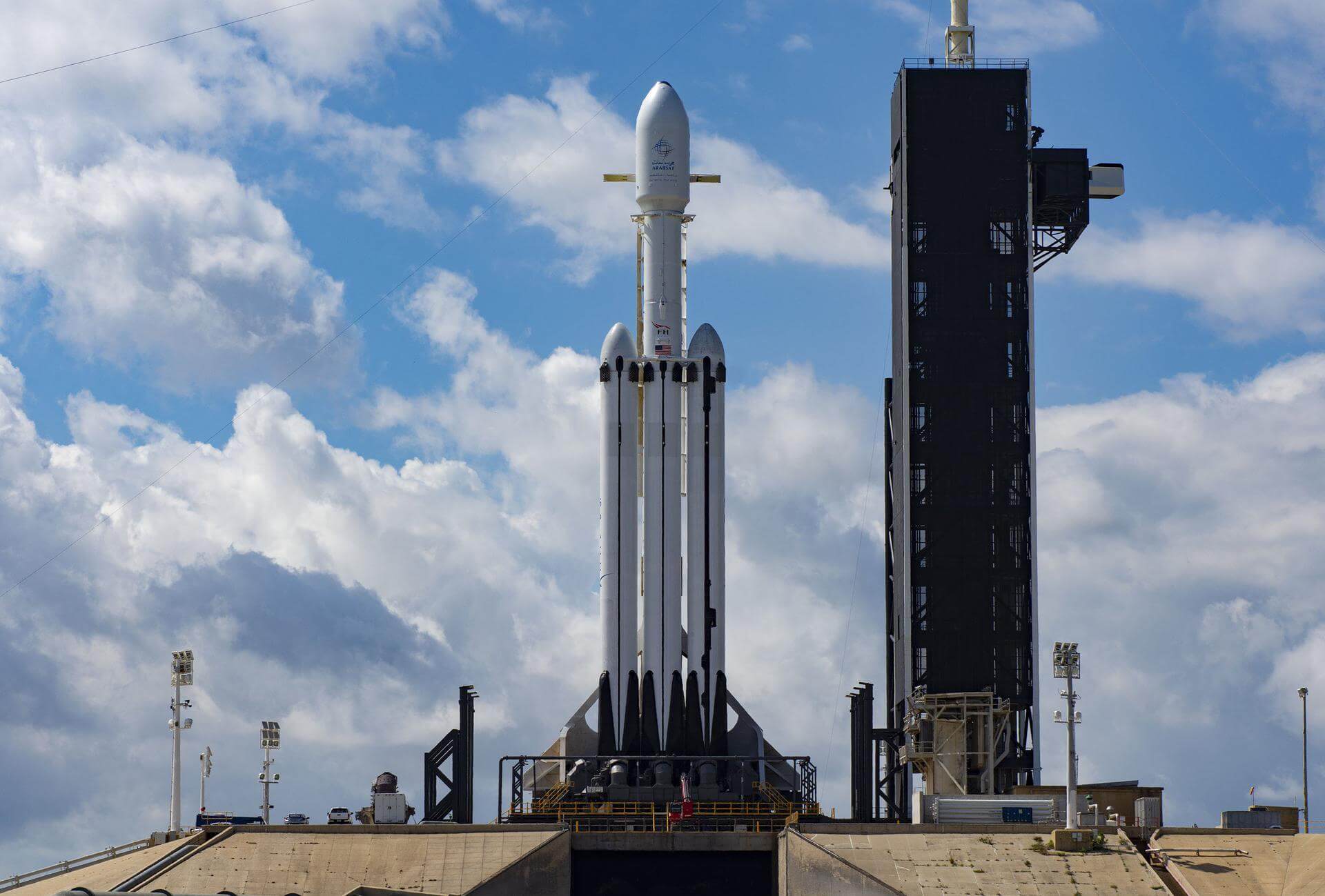
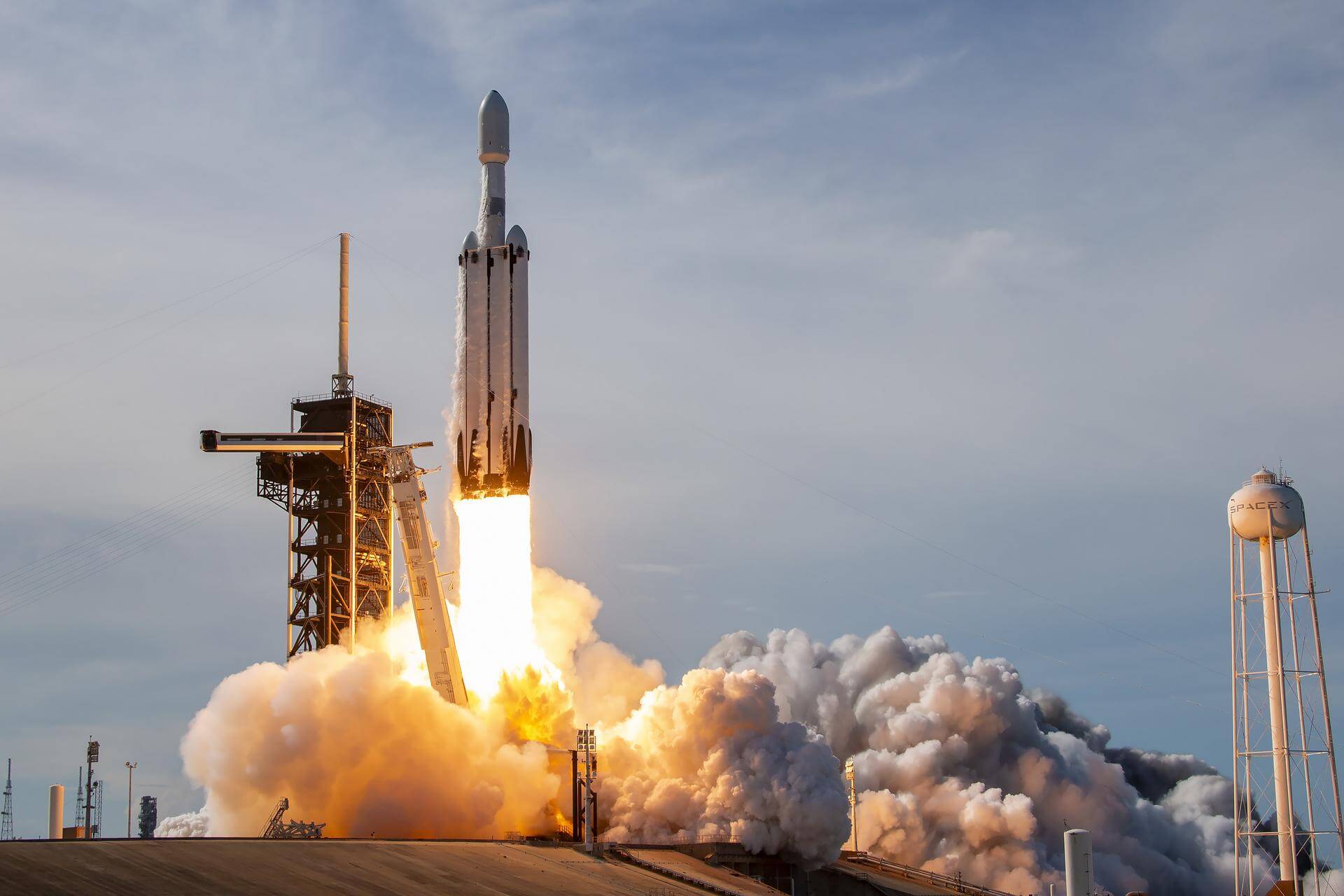
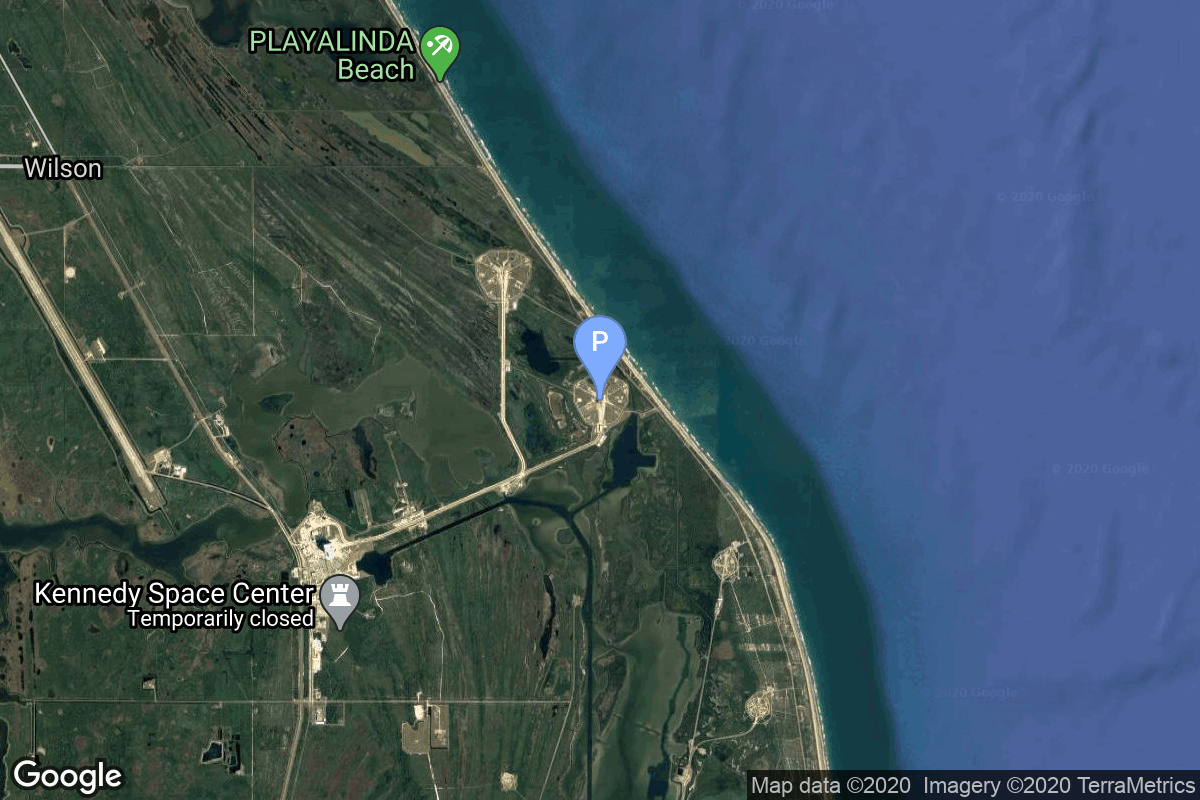
Provider: SpaceX Date: August 30, 2026 Time: 11:26 AM UTC Vehicle: Falcon Heavy
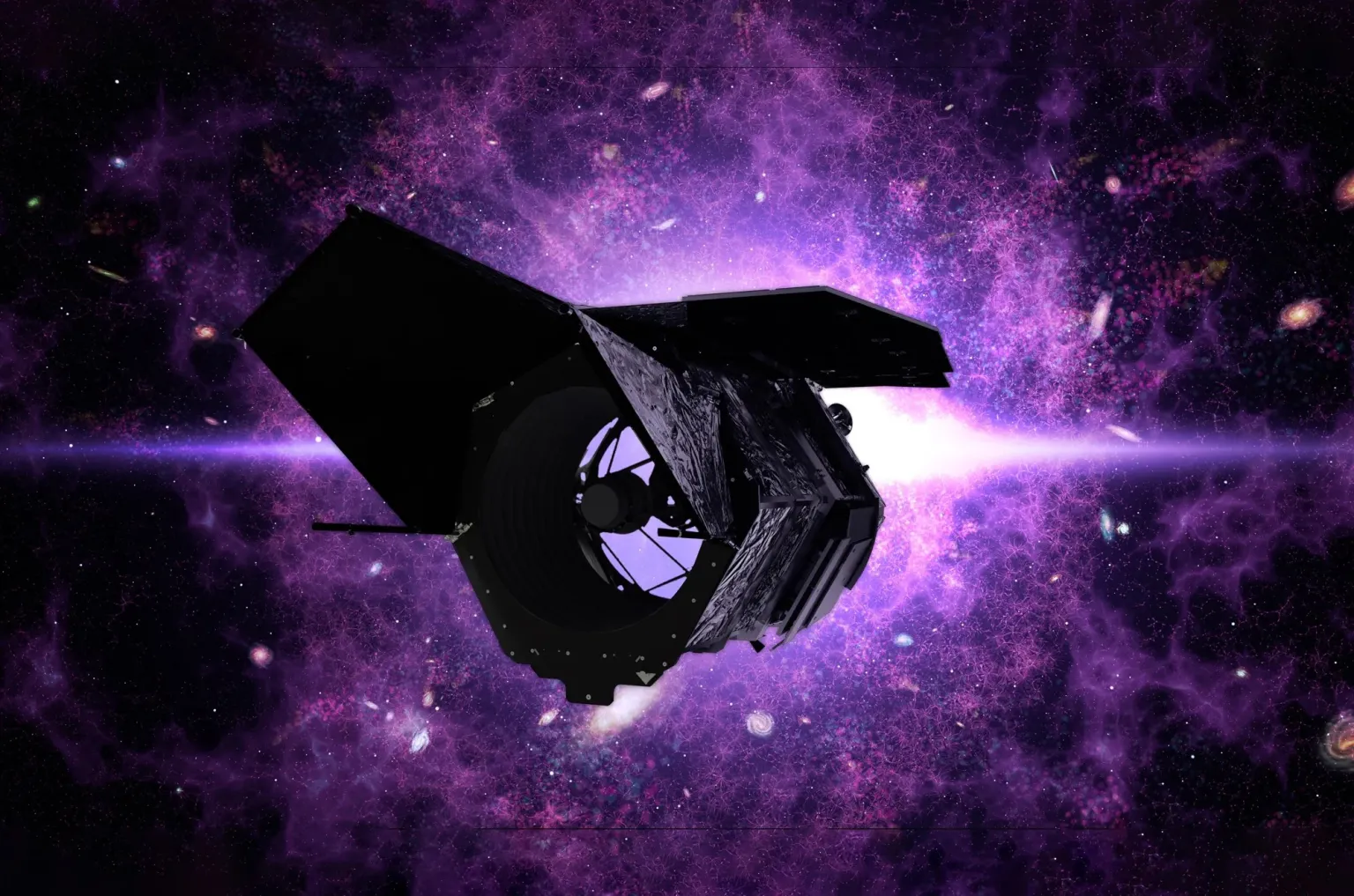
The Nancy Grace Roman Space Telescope is a NASA infrared space telescope with a 2.4 m (7.9 ft) wide field of view primary mirror and two scientific instruments. The Wide-Field Instrument (WFI) is a 300.8-megapixel multi-band visible and near-infrared camera, providing a sharpness of images comparable to that achieved by the Hubble Space Telescope over a 0.28 square degree field of view, 100 times larger than imaging cameras on the Hubble. The Coronagraphic Instrument (CGI) is a high-contrast, small field of view camera and spectrometer covering visible and near-infrared wavelengths using novel starlight-suppression technology. Roman objectives include a search for extra-solar planets using gravitational microlensing, and probing the expansion history of the Universe and the growth of cosmic structure, with the goal of measuring the effects of dark energy, the consistency of general relativity, and the curvature of spacetime.
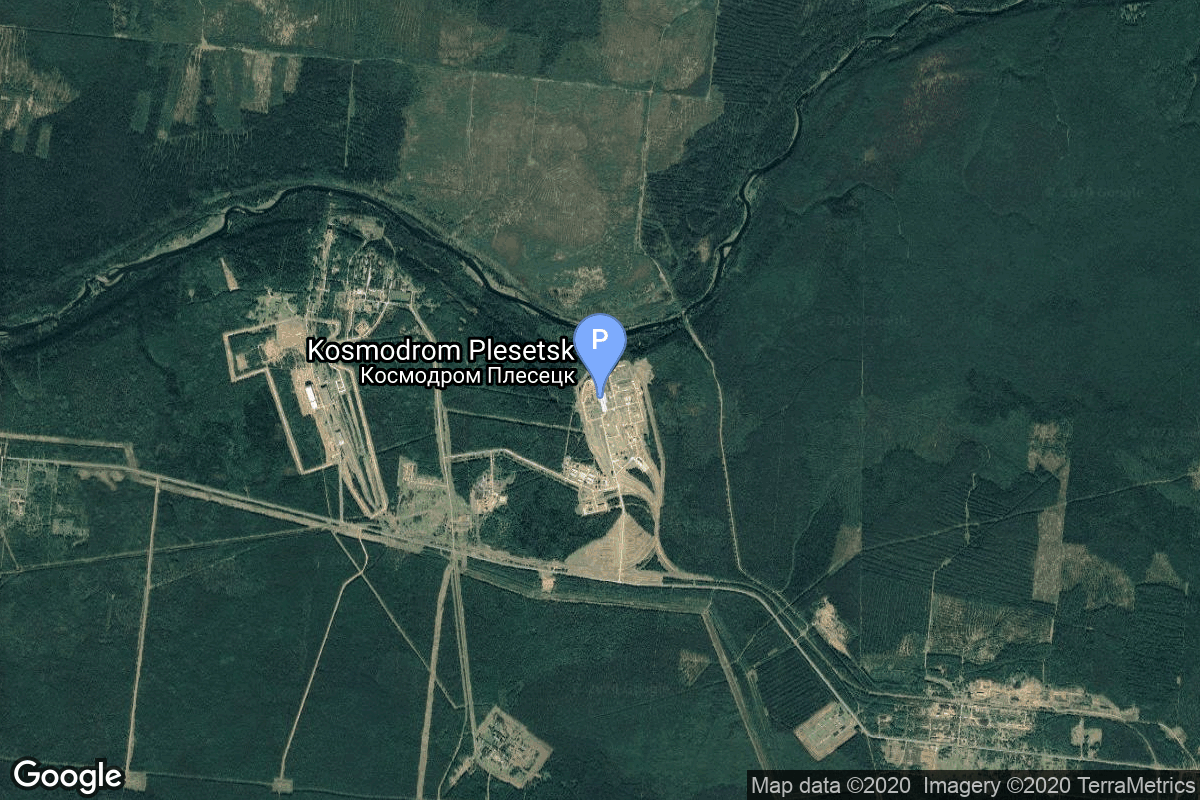
Kosmos (Unknown Payload)
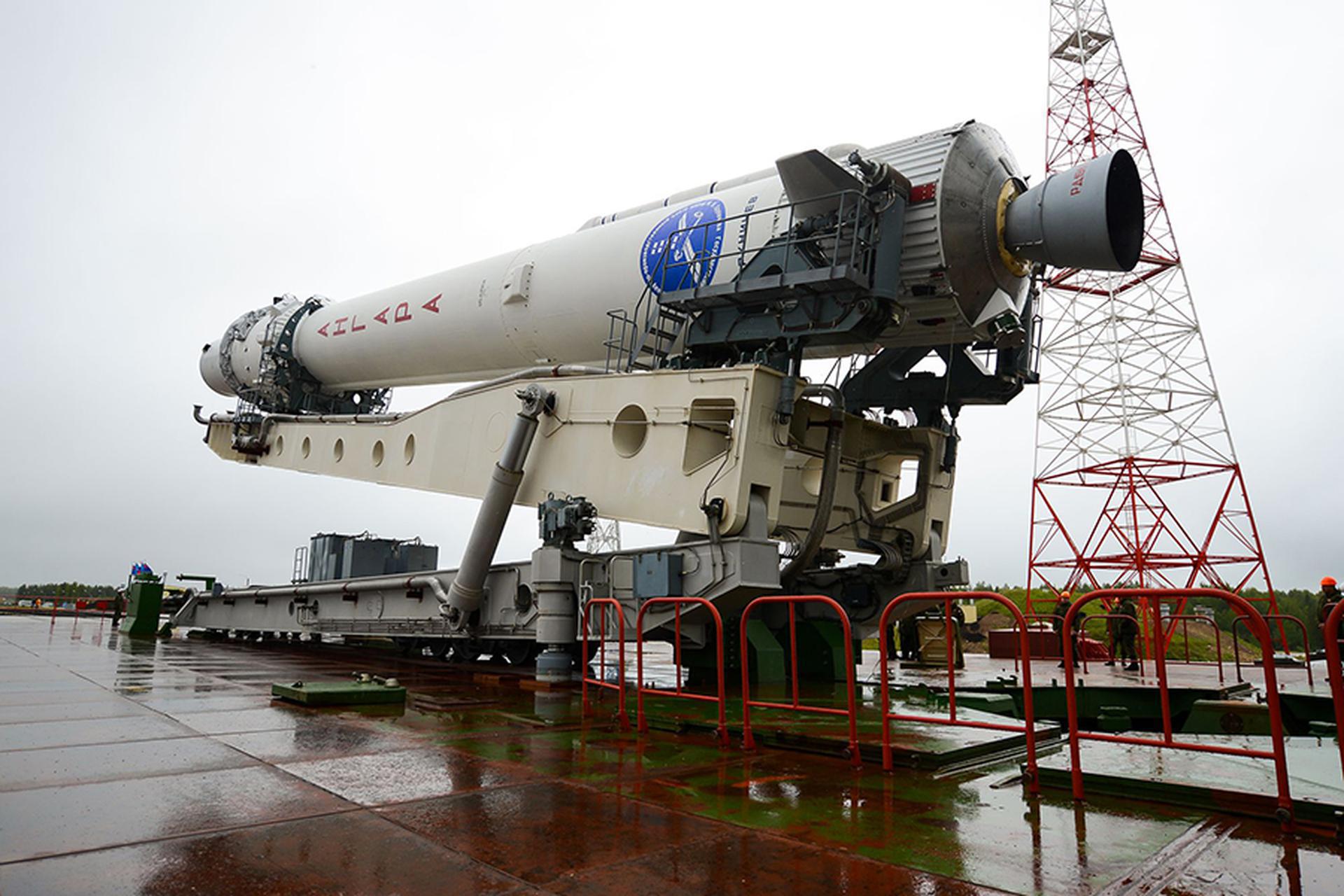
Provider: Russian Space Forces Date: August 31, 2026 Time: 12:00 AM UTC Vehicle: Angara 1.2
Unknown classified satellite(s) for the Russian military.
Owl Around The World (StriX Launch 11)
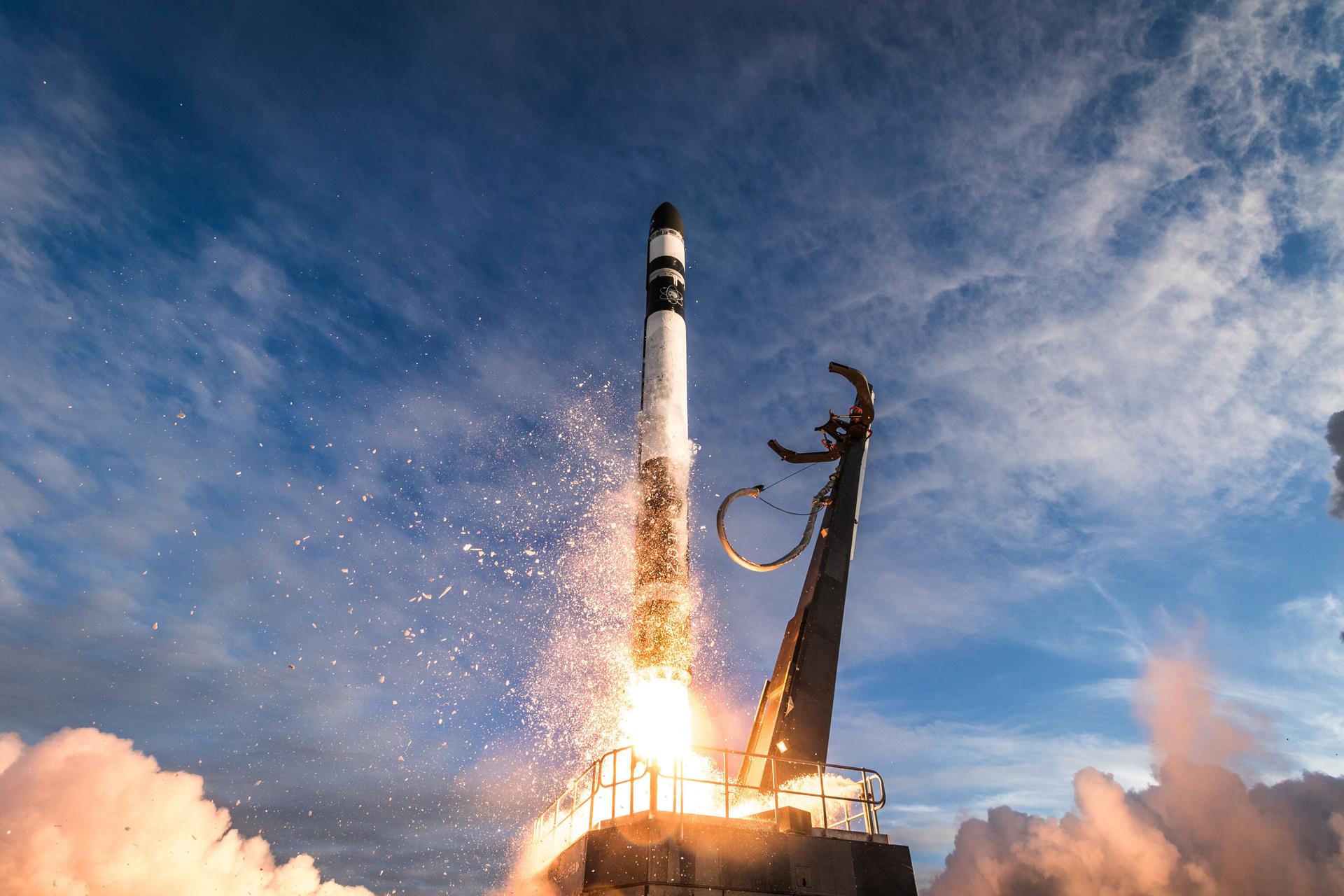
Provider: Rocket Lab Date: August 31, 2026 Time: 12:05 PM UTC Vehicle: Electron
Synthetic aperture radar satellite for Japanese Earth imaging company Synspective.
Demo Flight
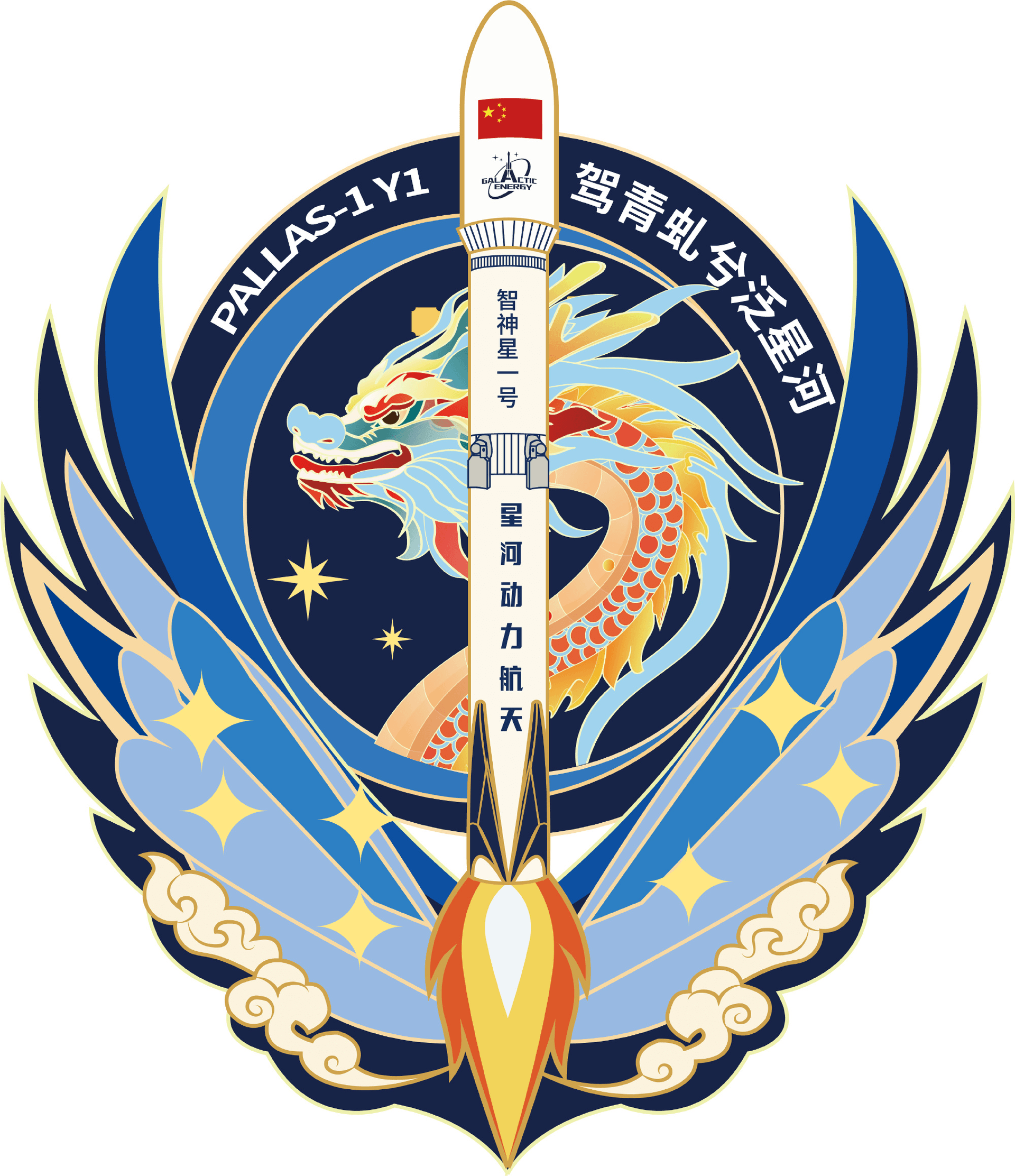
Provider: Galactic Energy Date: September 1, 2026 Time: 2:00 AM UTC Vehicle: Pallas-1
First test launch of Galactic Energy’s Pallas-1 rocket.
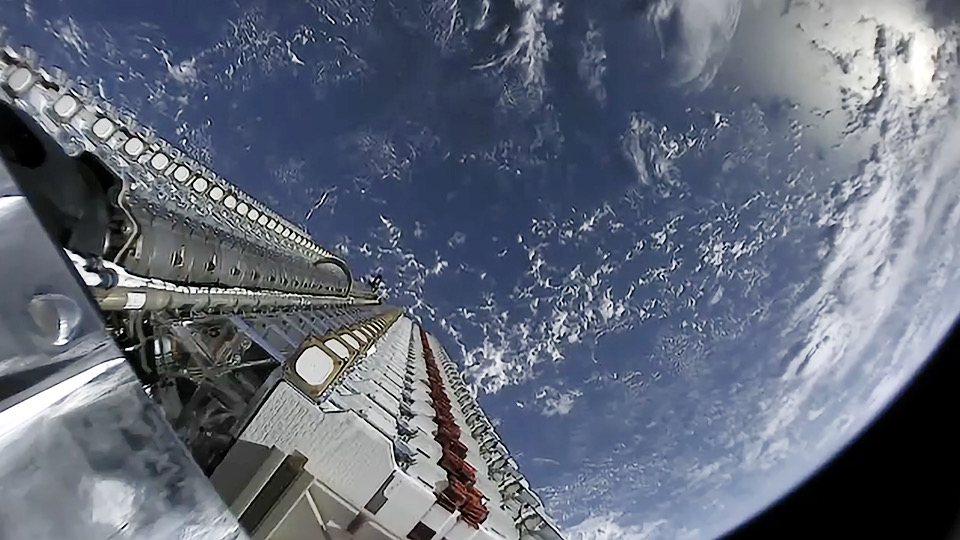
Starlink Group 15-23
Provider: SpaceX Date: September 2, 2026 Time: 7:46 AM UTC Vehicle: Falcon 9
A batch of 27 satellites for the Starlink mega-constellation – SpaceX’s project for space-based Internet communication system.
Nancy Grace Roman Space Telescope ×
Mission Details
TypeAstrophysics
OrbitSun-Earth L2
TargetEarth
The Nancy Grace Roman Space Telescope is a NASA infrared space telescope with a 2.4 m (7.9 ft) wide field of view primary mirror and two scientific instruments. The Wide-Field Instrument (WFI) is a 300.8-megapixel multi-band visible and near-infrared camera, providing a sharpness of images comparable to that achieved by the Hubble Space Telescope over a 0.28 square degree field of view, 100 times larger than imaging cameras on the Hubble. The Coronagraphic Instrument (CGI) is a high-contrast, small field of view camera and spectrometer covering visible and near-infrared wavelengths using novel starlight-suppression technology. Roman objectives include a search for extra-solar planets using gravitational microlensing, and probing the expansion history of the Universe and the growth of cosmic structure, with the goal of measuring the effects of dark energy, the consistency of general relativity, and the curvature of spacetime.
OperatorNational Aeronautics and Space Administration
The Nancy Grace Roman Space Telescope is a NASA infrared space telescope based on an existing 2.4 m (7.9 ft) wide field of view primary mirror and carrying two scientific instruments. The Wide-Field Instrument (WFI) is a 300.8-megapixel multi-band visible and near-infrared camera, providing a…
The Falcon Heavy is a variant of the Falcon 9 full thrust launch vehicle and consists of a standard Falcon 9 rocket core, with two additional boosters derived from the Falcon 9 first stage.
The Angara 1.2 is the base launcher for the Angara launch family that uses a modular approach to create multiple launch vehicle configurations for various mission requirements. The Angara 1.2 consists of a standard Universal Rocket Module for the core stage and either a modified Block I Upper Stage…
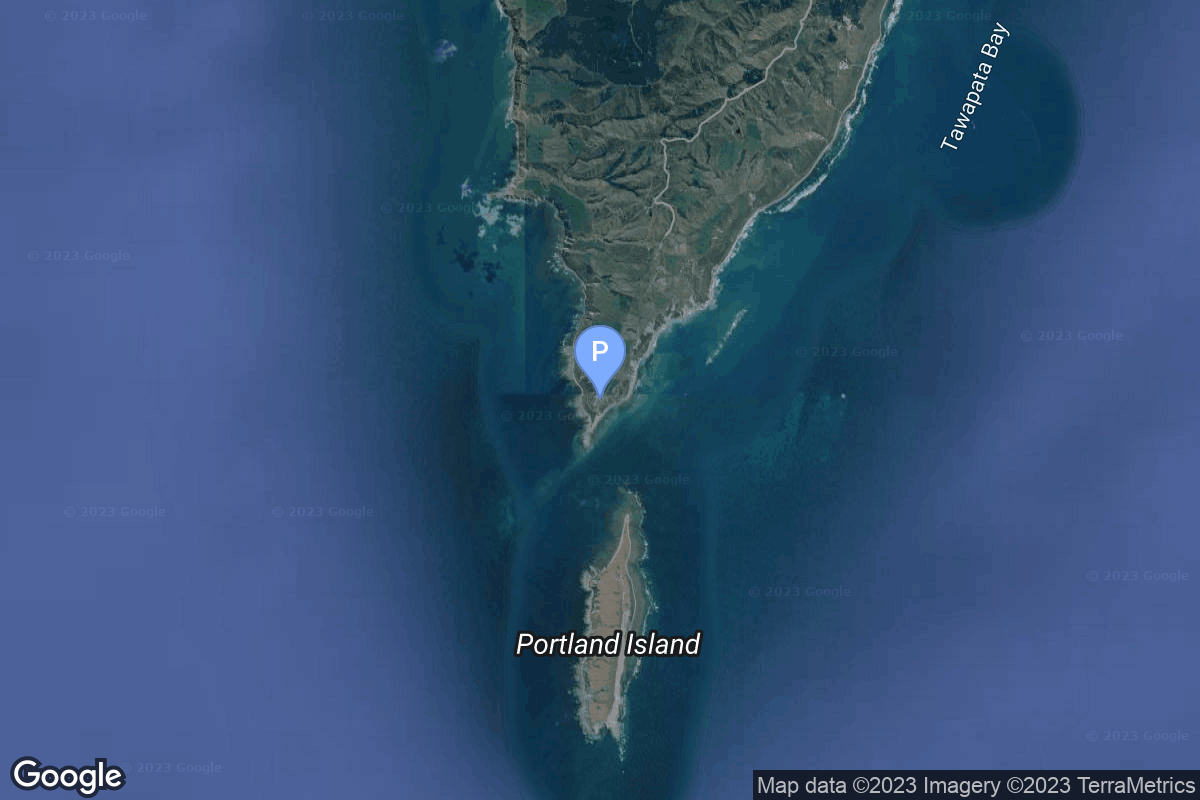
Rocket Lab Launch Complex 1, Mahia Peninsula, New Zealand
Total launches from this pad: 0
Vehicle: Electron
Electron is a two-stage orbital expendable launch vehicle (with an optional third stage) developed by the American aerospace company Rocket Lab. Electron is a small-lift launch vehicle designed to launch small satellites and cubesats to sun-synchronous orbit and low earth orbit. The Electron is the…
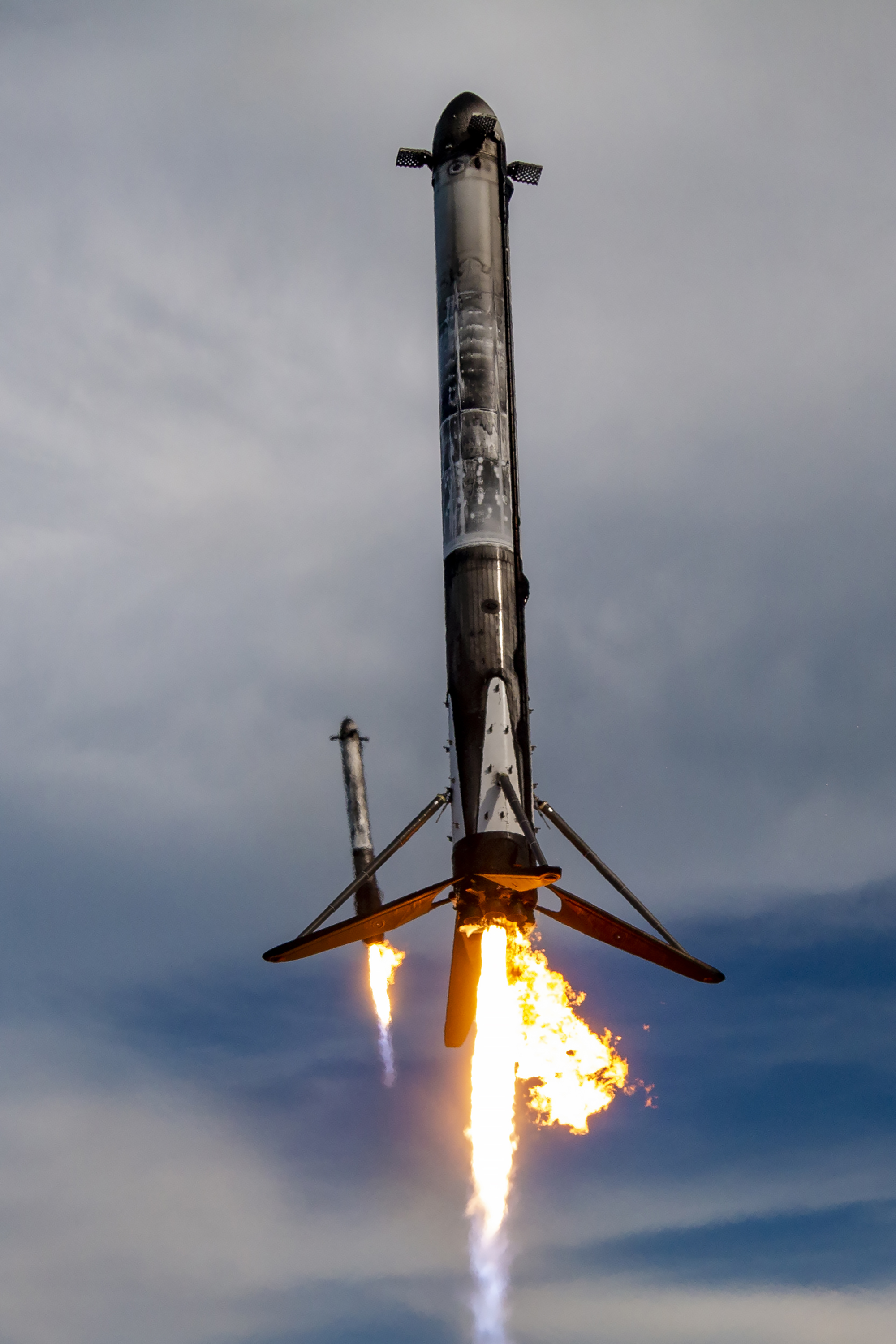
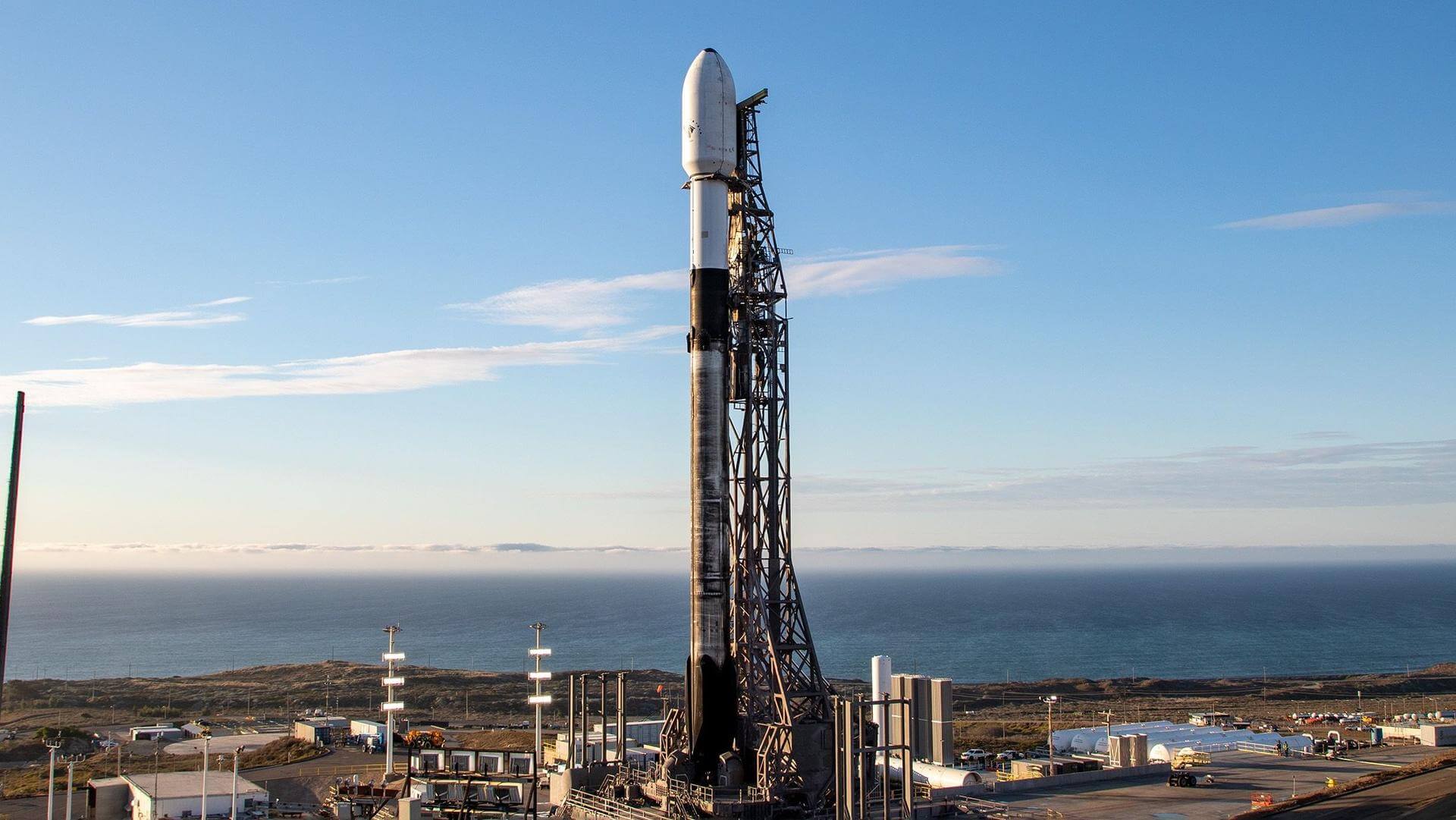
Falcon 9 is a two-stage rocket designed and manufactured by SpaceX for the reliable and safe transport of satellites and the Dragon spacecraft into orbit. The Block 5 variant is the fifth major interval aimed at improving upon the ability for rapid reusability.
Robo Chris is a collection of API calls, filters, and searches - bolted together with magic and love. He preforms instructed information gathering, and does a fair bit of writing too. Everything he creates gets submitted to our editor-in-chief, actual Chris, for approval and publication!













Leave a Reply