
NordSpace Lands $20M DND Deal, Space Caucus Launches
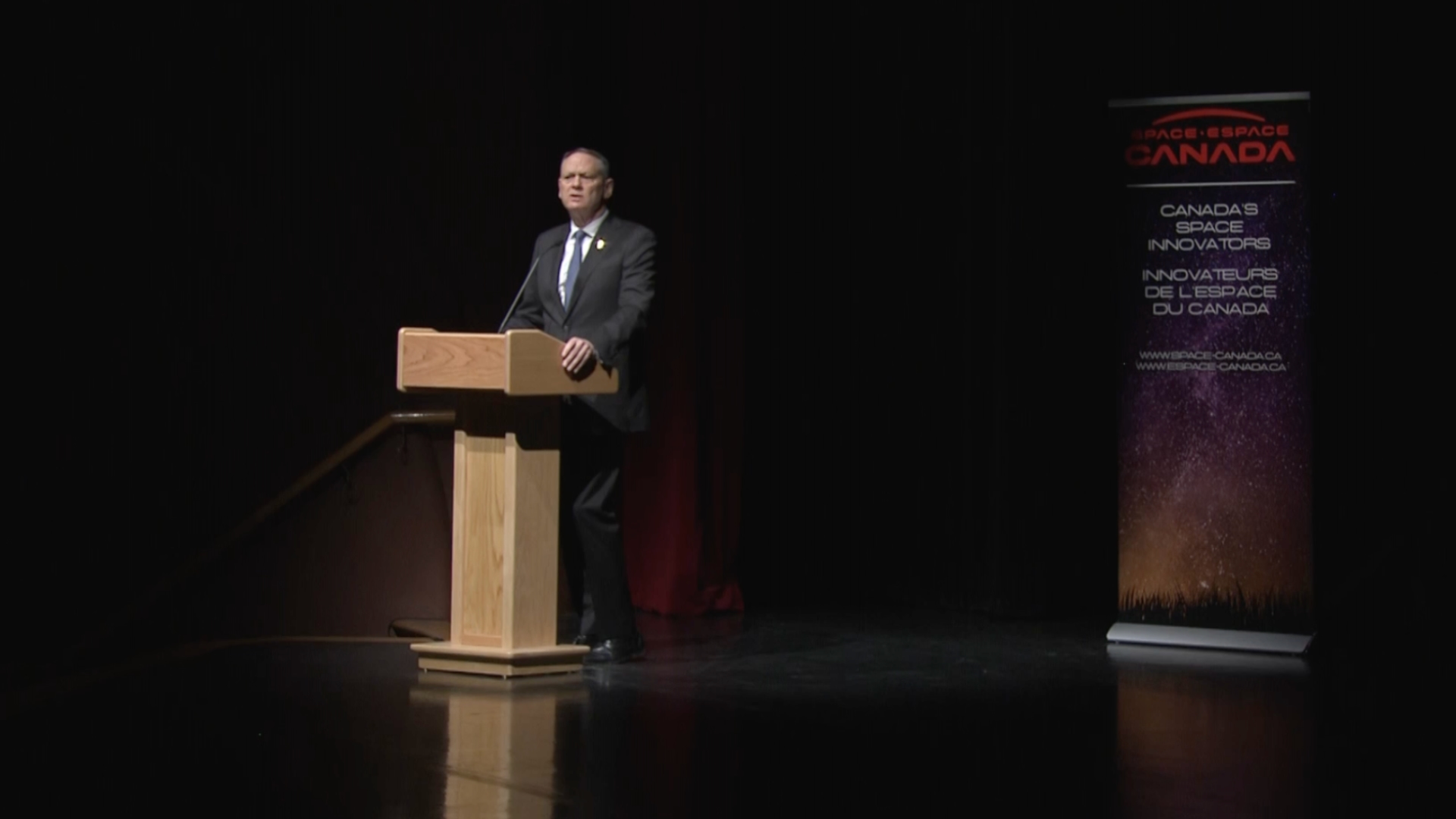
NordSpace Secures $20 Million for Sovereign Launch Standby
Defence Minister David McGuinty announced at Space Canada’s SpaceBound conference in Gatineau that NordSpace will receive a 20M DND deal: a $20 million, 10-year facility access agreement with the Department of National Defence for the Atlantic Spaceport Complex in St. Lawrence, N.L.
Under the agreement, DND gets priority access to a dedicated launch pad. NordSpace keeps the site maintained and on standby, and says it will continue hardening the facilities. The funding, about $2 million a year, covers that upkeep alone; each launch would be contracted separately when DND calls for one.
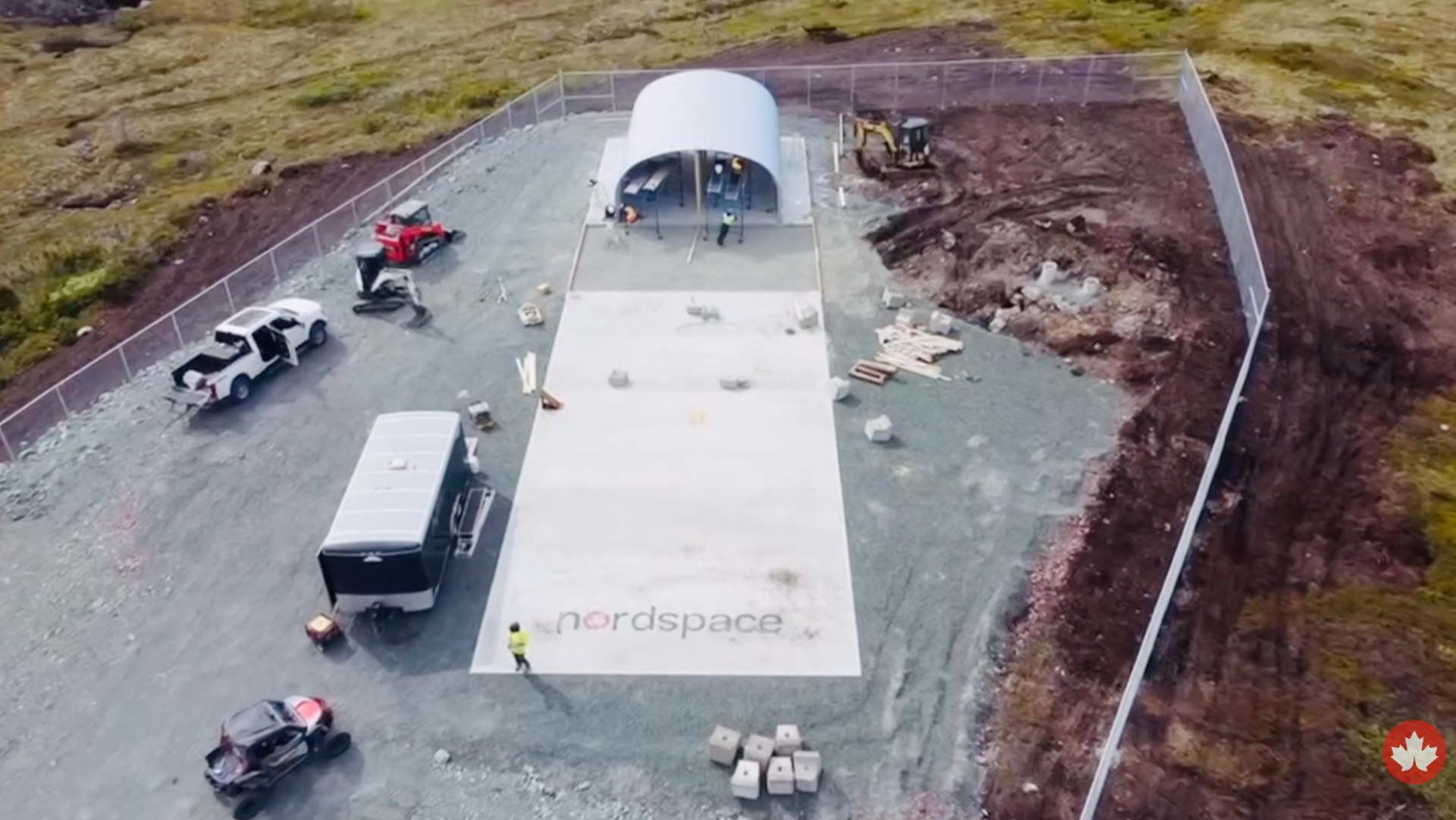
“Sovereign launch means Canada can replace damaged or threatened systems on our own terms and on our own timelines,” McGuinty said. He pointed to Canada’s Defence Industrial Strategy and listed four investment priorities: monitoring and surveillance, space domain awareness, secure satellite communications, and sovereign space launch.
NordSpace plans to go beyond the agreement’s minimum by keeping a Tundra rocket on standby at the spaceport, along with several of its Aquila spacecraft buses. Aquila is a larger bus than the Athena that carried the company’s first satellite, Terra Nova. The company says a DND payload could be mounted on an Aquila bus, launched on Tundra and operated in orbit within 24 to 72 hours of a call.
The deal aligns with DND’s Launch the North challenge, which asks for a Canadian rocket that can reach orbit on 96 hours’ notice by 2028. NordSpace is one of three companies conditionally approved in March for $8.3 million each in the first round. Chief executive Rahul Goel said in a release that “A sovereign spacefaring Canada needs the ability to launch a payload into orbit on its own schedule, from its own soil, on its own rocket when national security demands it.”
Tundra is being built at NordSpace’s Markham factory, and the company started Phase 2 construction at the spaceport last week with a six-kilometre road to its orbital launch site. Orbital pads, mission control and propellant storage are to follow once that phase is finished, which NordSpace is targeting for spring 2027. NordSpace’s suborbital Taiga rocket is waiting for its first flight.
The agreement arrives as industry speakers at SpaceBound pressed for faster government funding. An RBC statistic quoted at SpaceBound last year placed Canada at the bottom of ten OECD Space Forum members in spending as a percentage of GDP, with the Canadian Space Agency’s budget falling 18 per cent since 2015 to $414 million.
MPs Found Non-Partisan Parliamentary Space Caucus
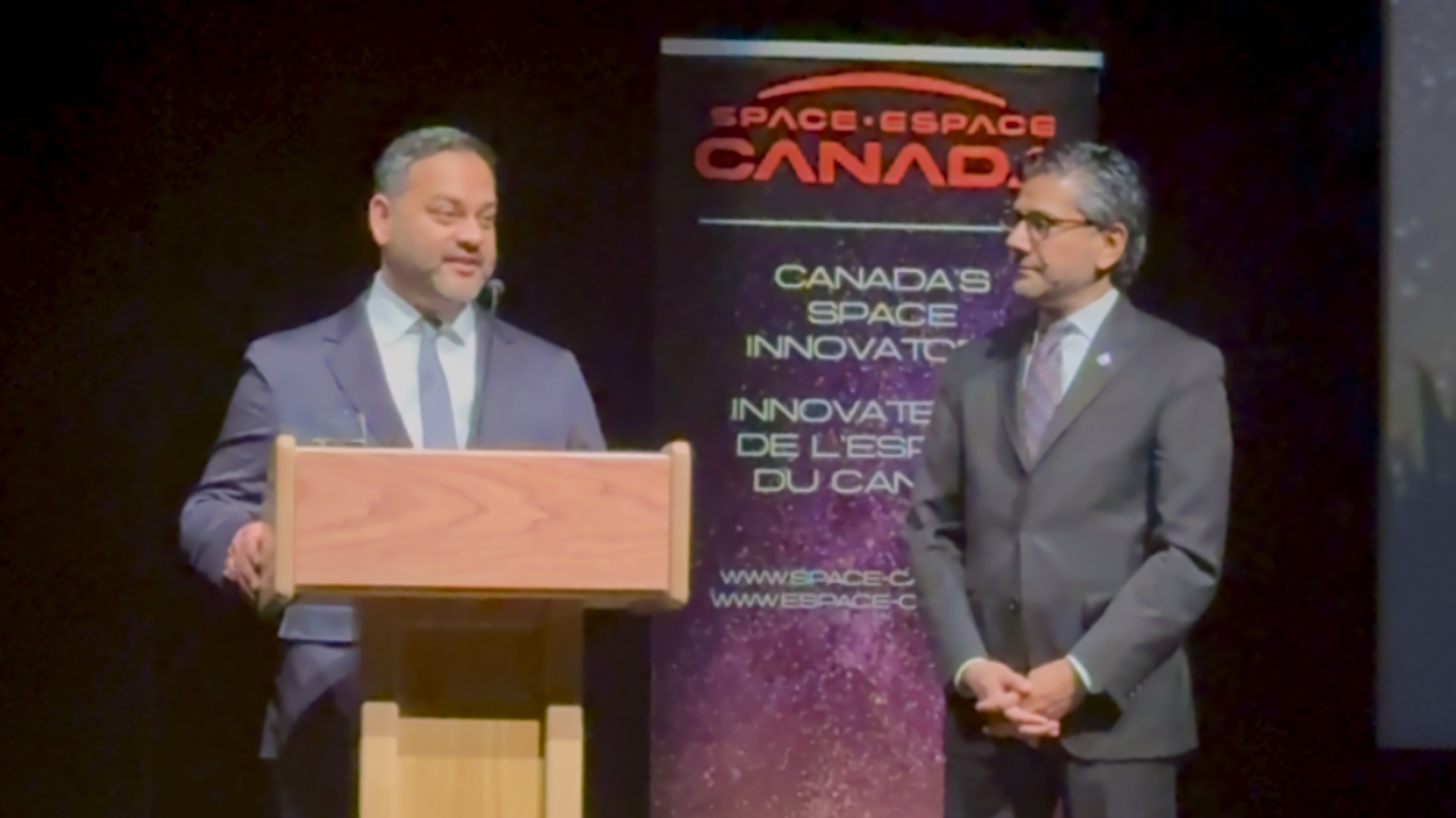
Liberal MP Yasir Naqvi and Conservative MP Shuvaloy Majumdar announced at SpaceBound on Wednesday that they are founding a non-partisan Parliamentary Space Caucus. Majumdar, who represents Calgary Heritage, said the caucus would rest on three pillars: space security, space prosperity and space cooperation.
“Space obviously is going to define our country and its potential in the next half century and beyond,” Majumdar told the conference. Naqvi, the MP for Ottawa Centre, said the work was about economic growth, defence and “the sovereignty of Canada,” which is why a Conservative and a Liberal were starting it together.
Space Canada chief executive Brian Gallant hosted the announcement and called it “great to see bipartisan support for space.” The two MPs said they would reach out in the coming days to members of the House of Commons and the Senate, and work with industry and Space Canada to bring “your voices forward in all the policy and legislative decisions that need to be made.”
In an interview with SpaceQ, Naqvi said specialty caucuses educate other parliamentarians “so that you have allies when these things are being discussed,” and advocate to the government for what members hear from industry. “We’re sort of elected, so we’re lobbyists who are in the lobby, if I can say those words,” he said. Membership will be open to any MP or senator who wants to take part.
Naqvi also said he expects Bill C-28, the Canadian Space Launch Act, to return for debate “very soon,” noting the House has sat only 10 days since it returned in September. He called it priority government legislation and said he was “hopeful that it will work through in a speedy fashion.” The bill is still at second reading. Industry Minister Mélanie Joly told SpaceBound on Tuesday that the bill would put “laws and regulations in place” for launches from Nova Scotia.
ESA Challenges Community to Navigate a Lost Lunar Rover

The European Space Agency’s Advanced Concepts Team is launching the Lunar X-view challenge on 1 November 2026, asking the space community to design an algorithm that can pinpoint a rover’s location on the Moon using only a ground-level panorama and an orbital map.
“A rover is alone on the Moon, has no contact with Earth and is unsure of its position. Armed only with a ground-level panorama and an orbital map, it must work out where it is before the lunar night arrives,” said Dario Izzo, ACT’s scientific coordinator.
The challenge mirrors work at NASA’s Jet Propulsion Laboratory, where researchers have developed and tested a system that matches panoramas from the Perseverance Mars rover with orbital maps to correct accumulated positioning errors. ESA’s competition brings a similar navigation problem to the wider scientific community through the ACT’s Kelvins website, a portal for public aerospace challenges.
Stefano Silvestrini from Politecnico di Milano helped design the competition. “I see it as an opportunity for lunar rovers to grow up: to leave the comfort of constant navigation support and learn to find their own way. Go and explore, without GPS or guidance from Earth,” he said.
The competition is run in collaboration with the Institute of Science Tokyo, the University of Adelaide and Politecnico di Milano. Datasets and rules will be available on 1 November. Participation is free and open to everyone, with all submissions scored automatically on the platform.
Citations
- SpaceBound 2026 defence: NordSpace deal and a call for capital — spaceq.ca
- NordSpace gets $20 million DND deal for standby launch pad at Atlantic Spaceport Complex — spaceq.ca
- Industry leaders urge Ottawa to accelerate funding for Canadian space sovereignty — spaceq.ca
- Liberal and Conservative MPs launch Parliamentary Space Caucus — spaceq.ca
- Help a lost lunar rover find its way in new ESA competition — esa.int

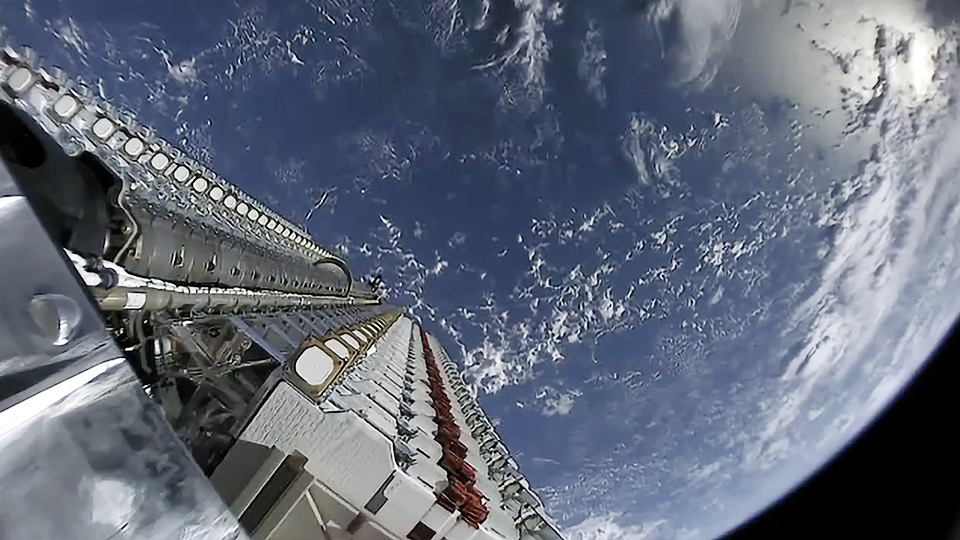
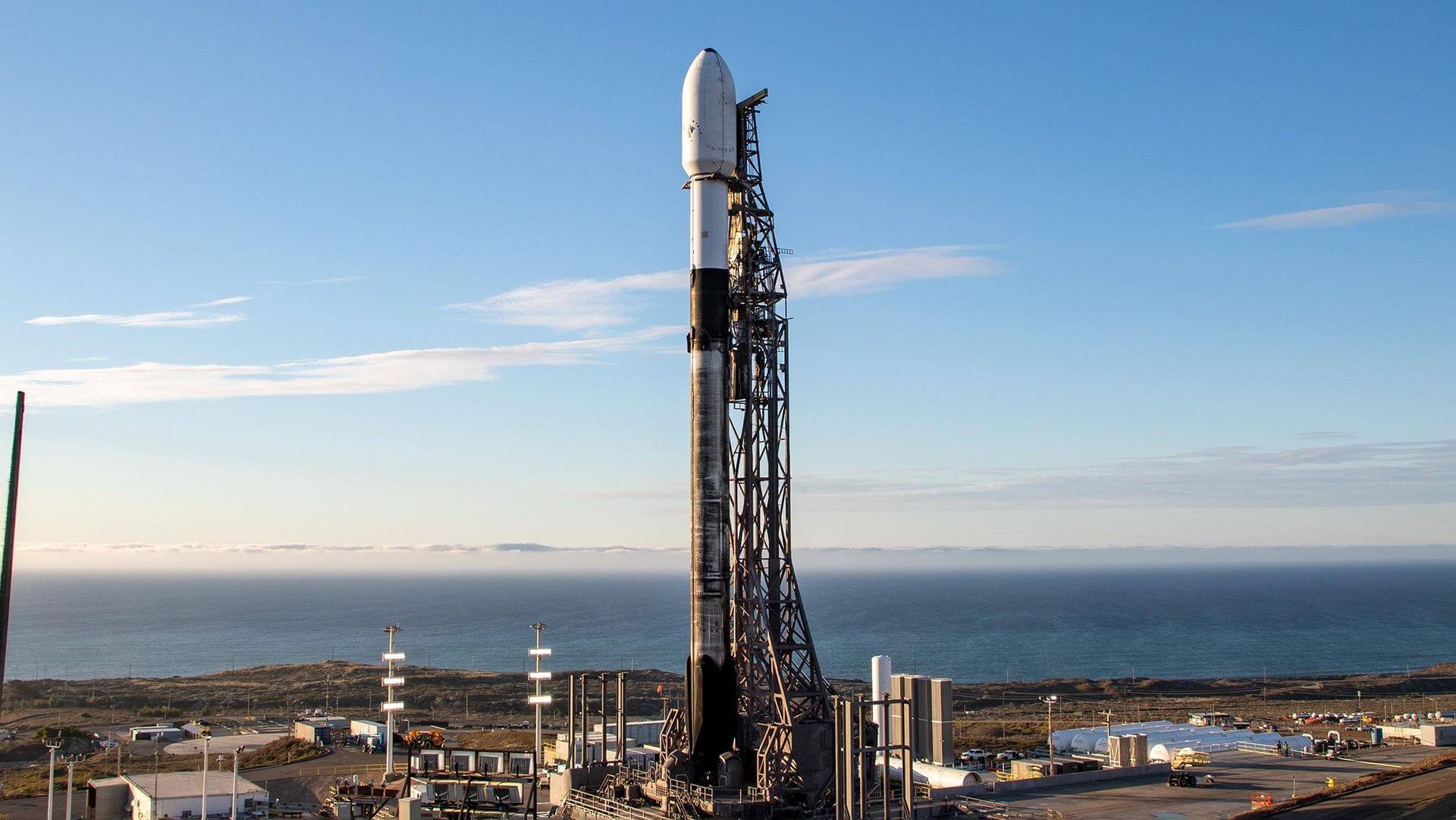
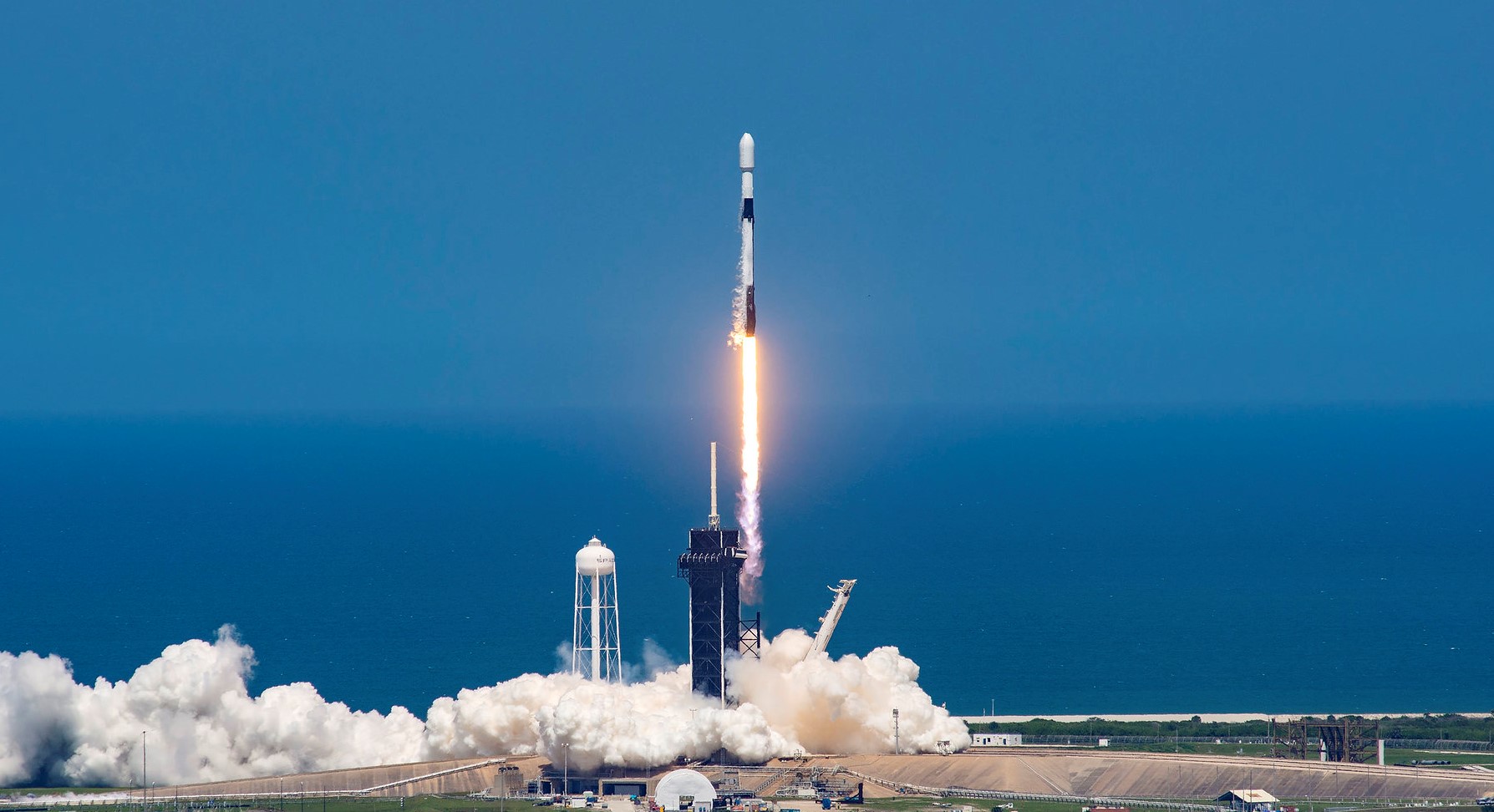
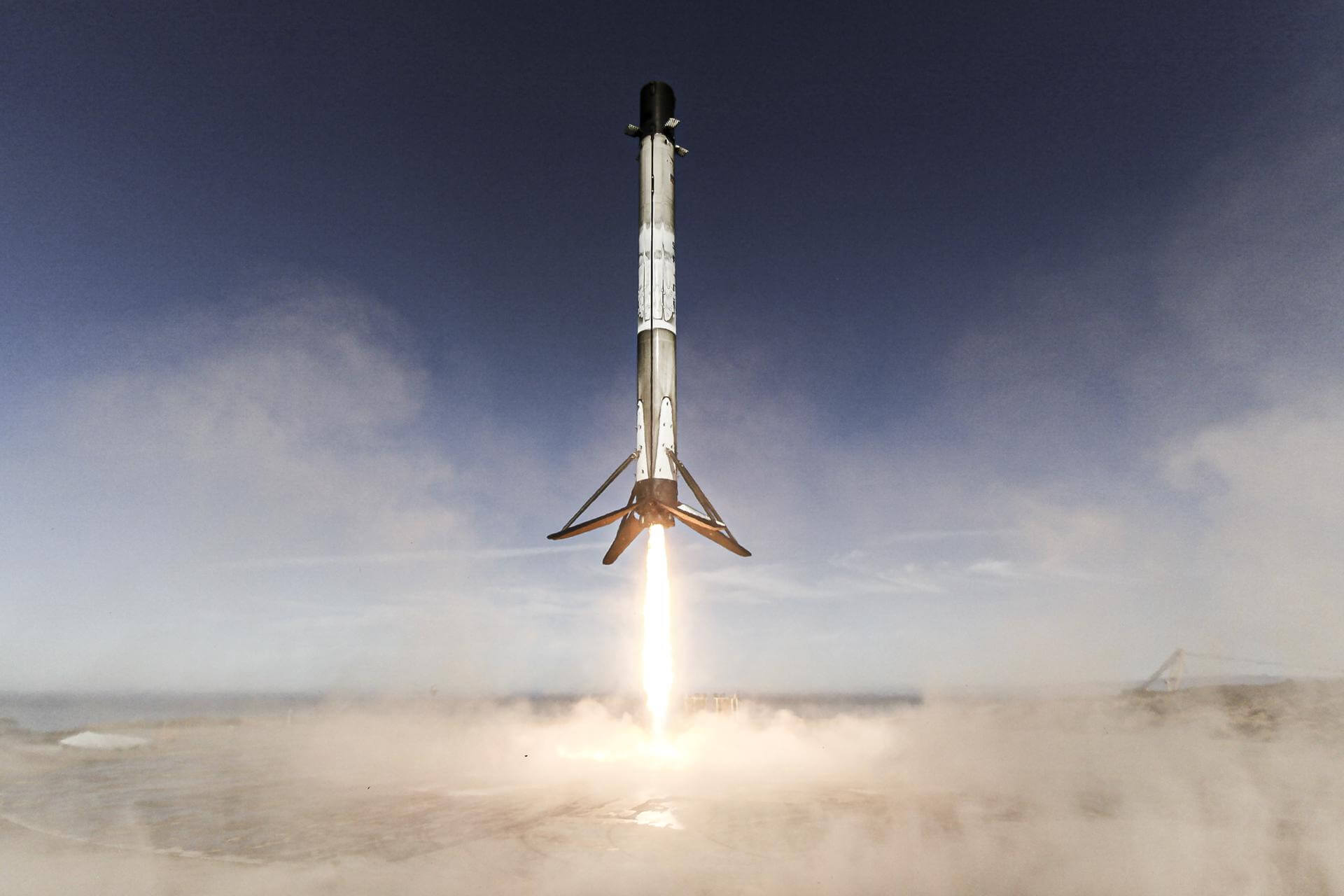
Starlink Group 15-15
Provider: SpaceX
Date: October 22, 2026
Time: 10:40 PM UTC
Vehicle: Falcon 9
A batch of 27 satellites for the Starlink mega-constellation – SpaceX’s project for space-based Internet communication system.
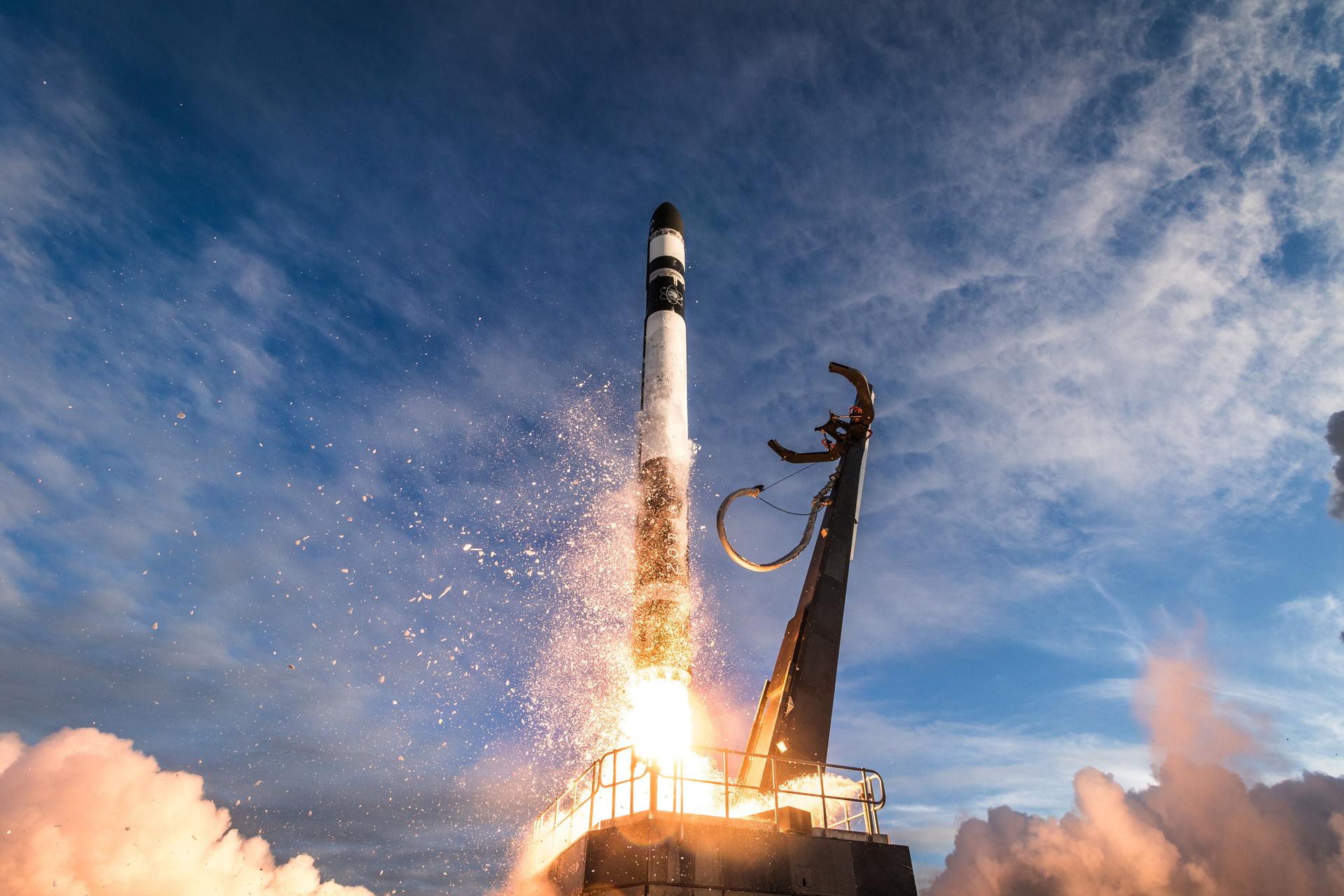
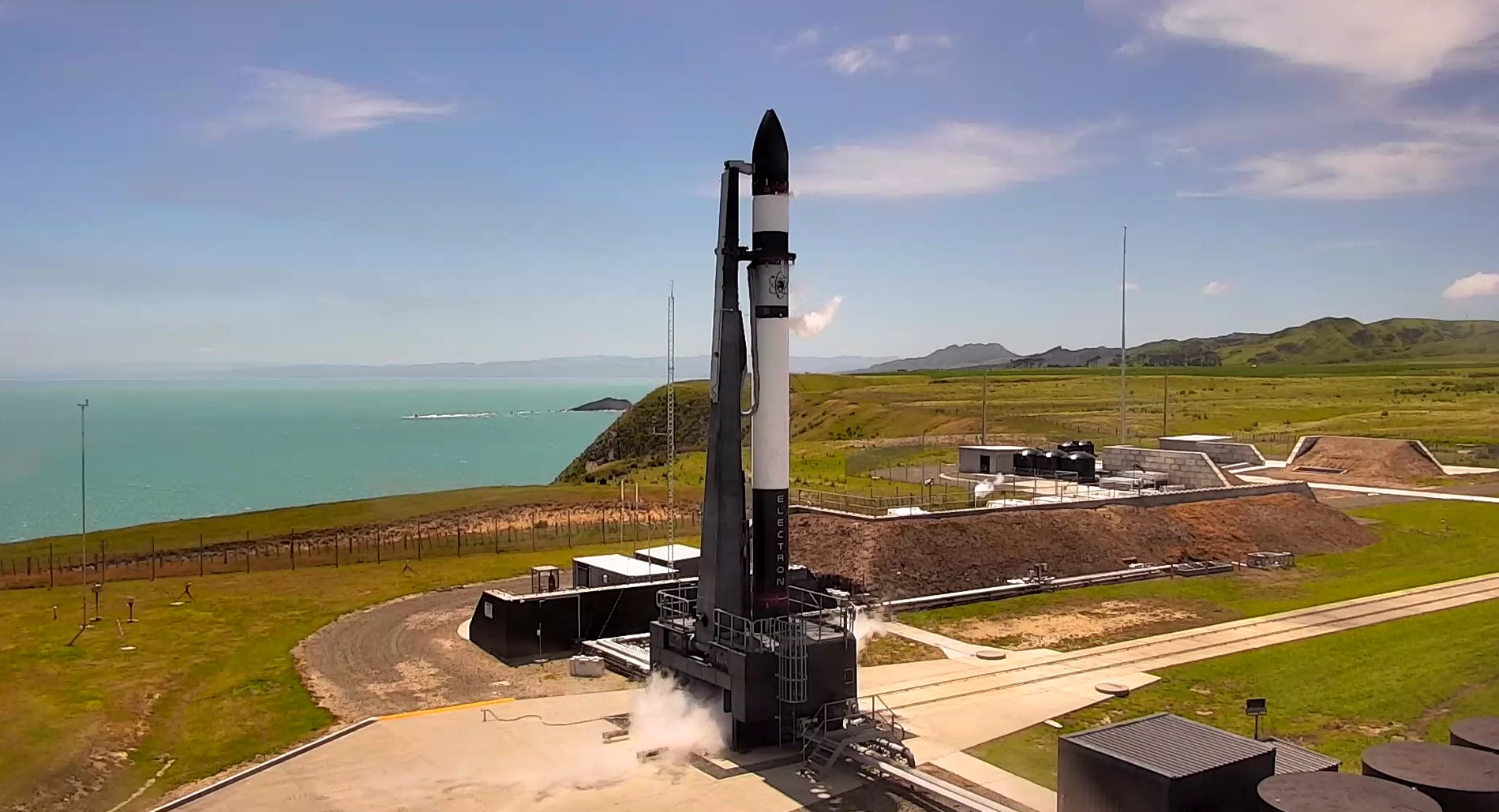
We’re Not Hawking Around (3x HawkEye 360)
Provider: Rocket Lab
Date: October 23, 2026
Time: 7:00 AM UTC
Vehicle: Electron
HawkEye 360 is a a space-based civil global intelligence satellite network using radio frequency (RF) technology to help monitor transportation across air, land and sea and assist with emergencies, and to provide civil SIGINT (Signal Intelligence) mission.
The constellation of small satellites (named Hawk ) will collect information on specific radio signals worldwide to provide high-precision radio frequency mapping and analytics from Low Earth orbit (LEO).
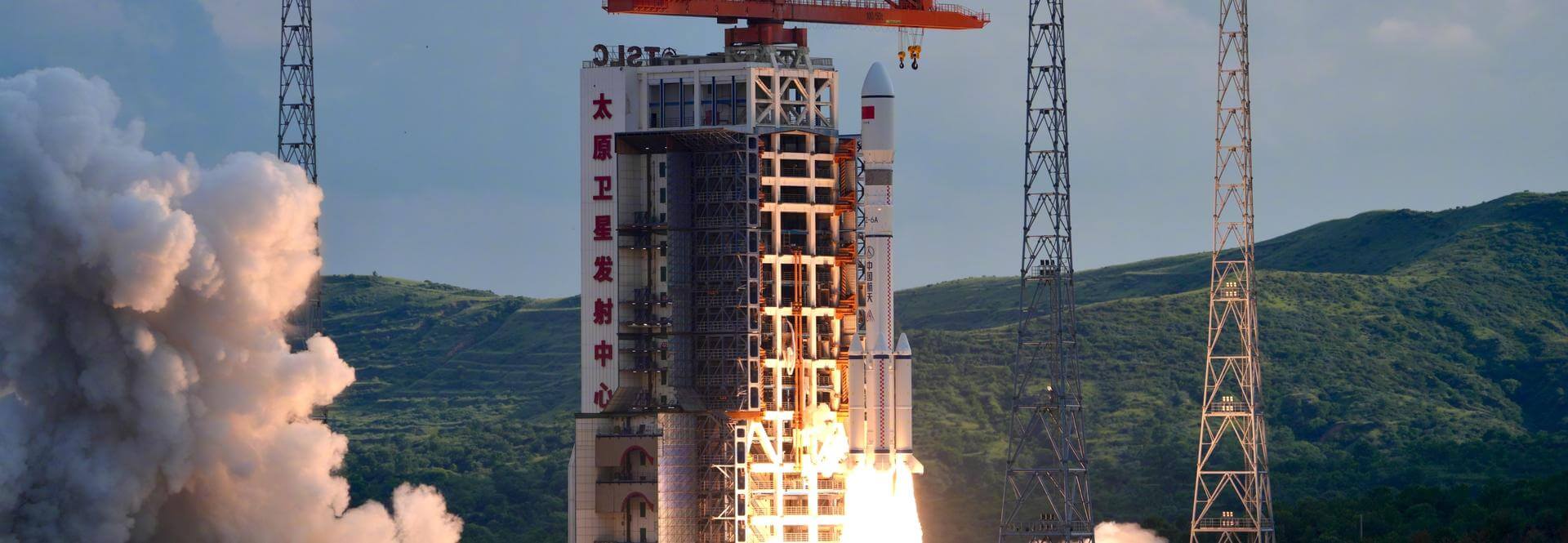
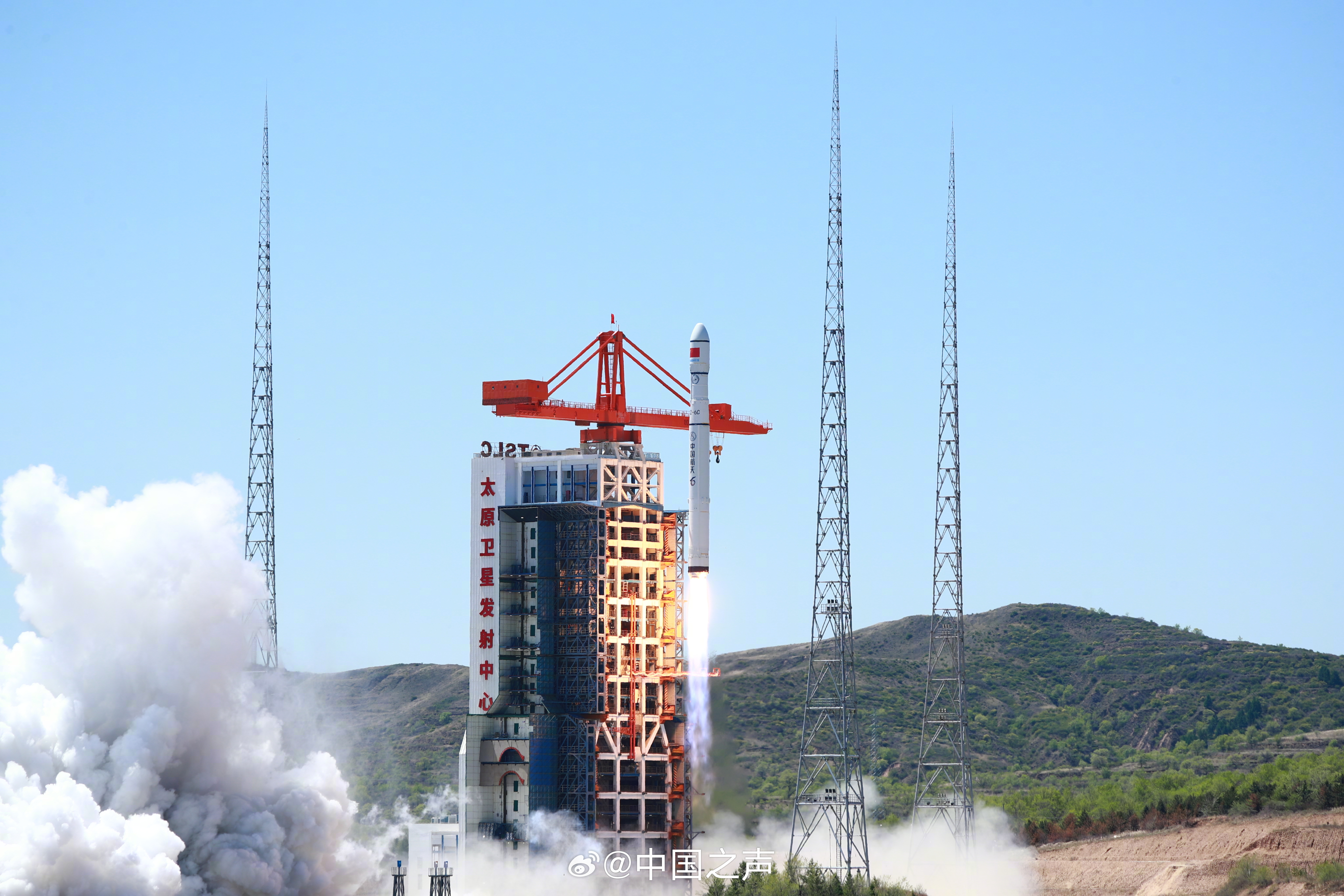
Unknown Payload
Provider: China Aerospace Science and Technology Corporation
Date: October 23, 2026
Time: 10:15 AM UTC
Vehicle: Long March 6A
Details TBD.
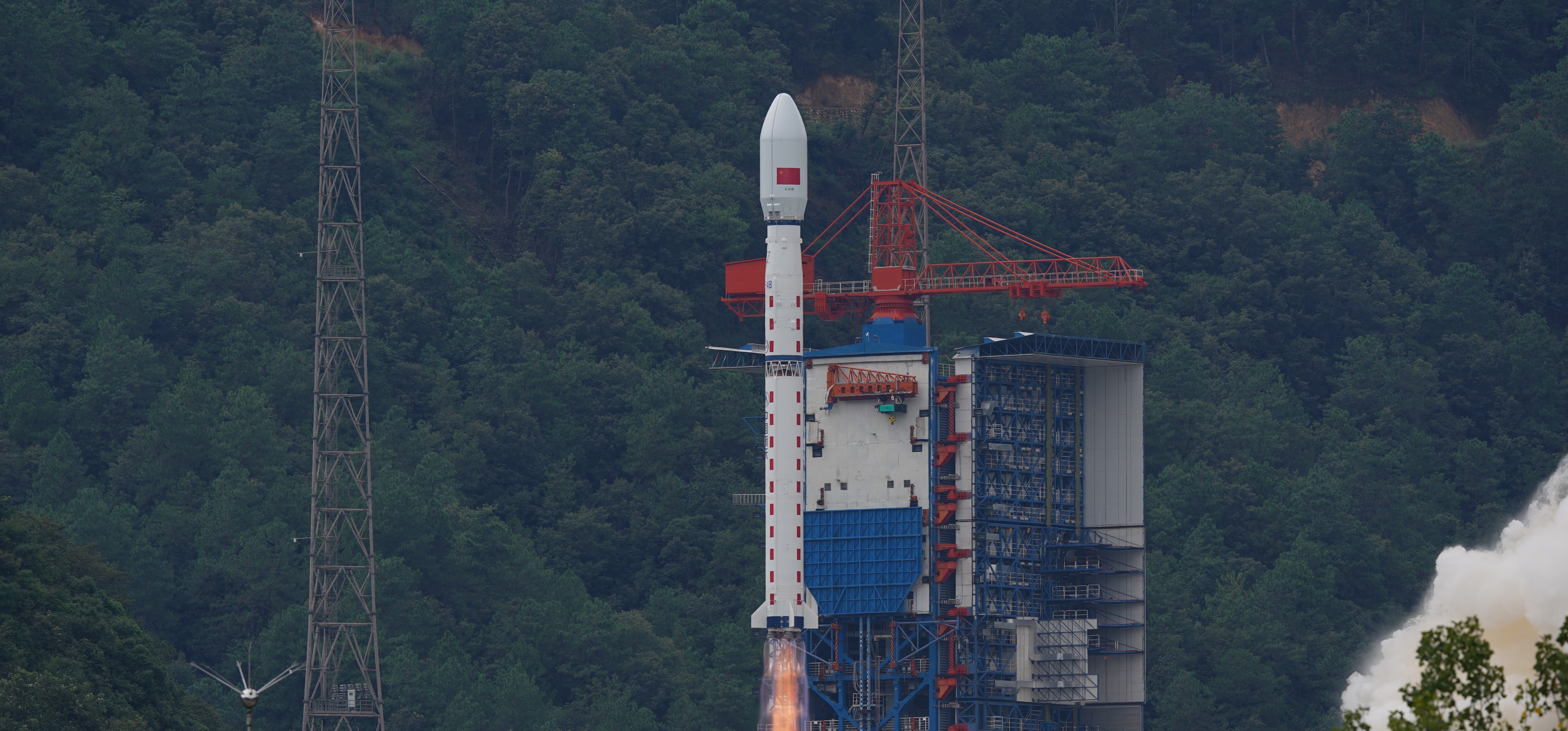
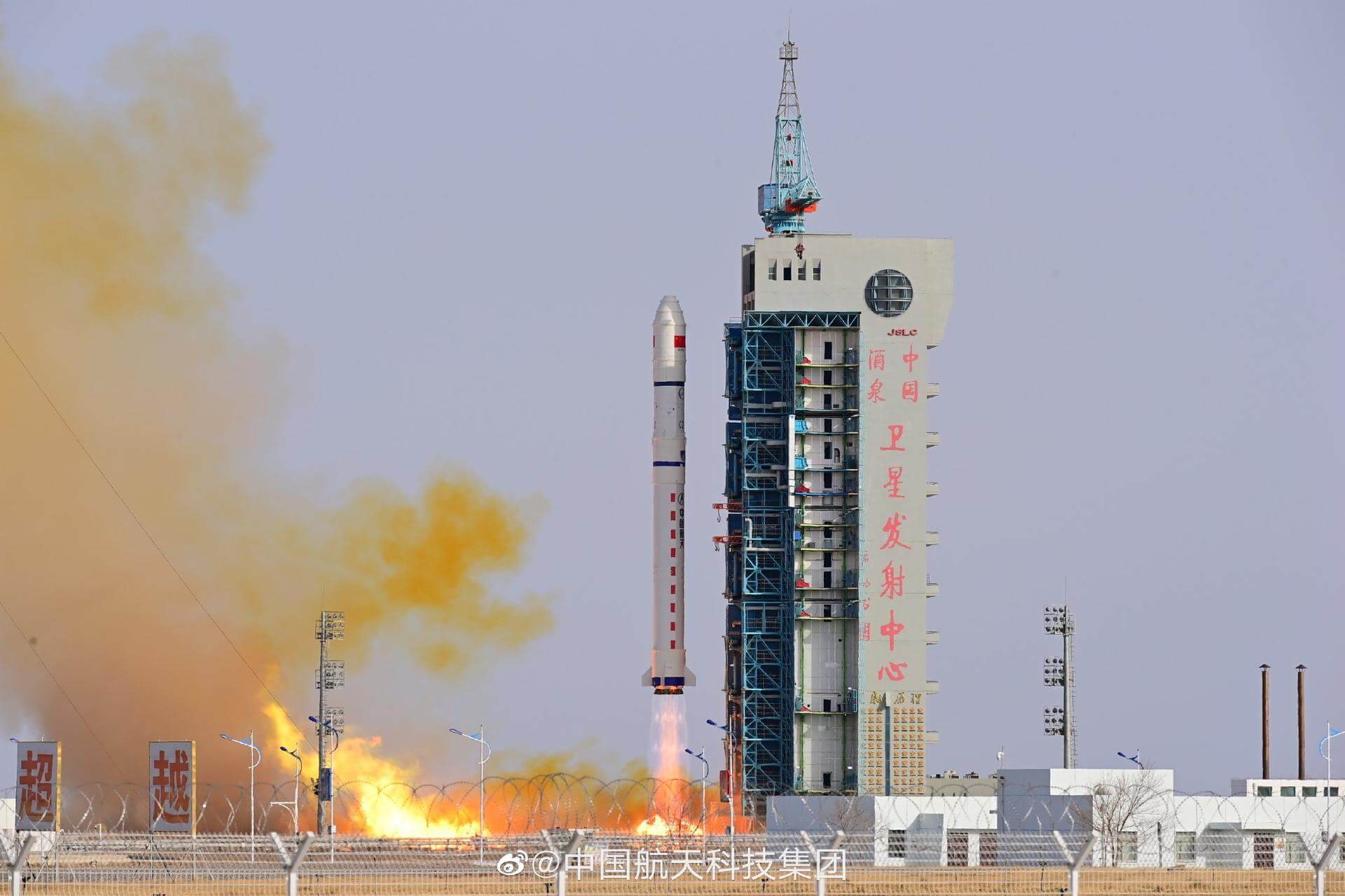
Unknown Payload
Provider: China Aerospace Science and Technology Corporation
Date: October 23, 2026
Time: 7:25 PM UTC
Vehicle: Long March 4B
Details TBD.
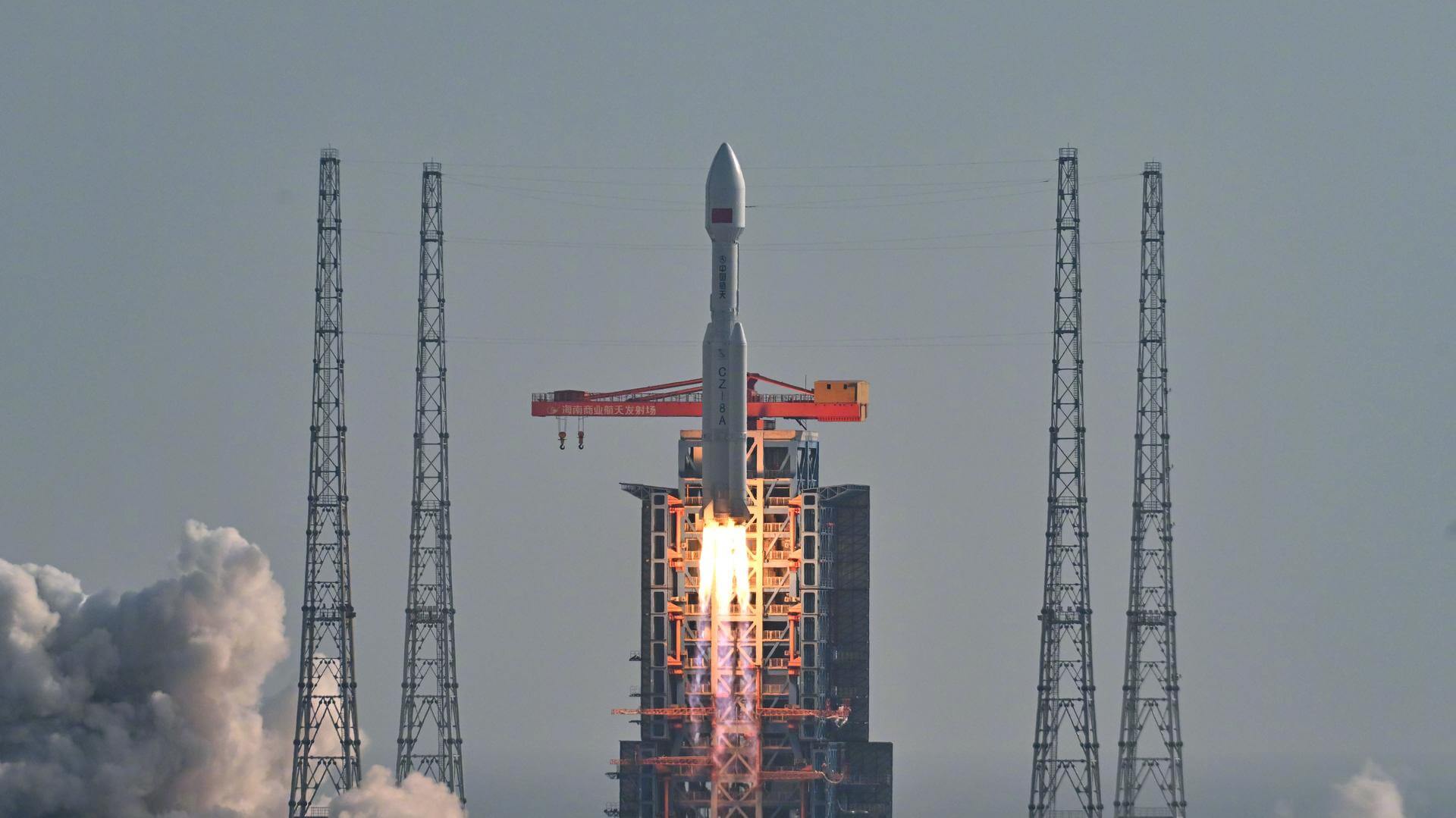
Unknown Payload
Provider: China Aerospace Science and Technology Corporation
Date: October 25, 2026
Time: 1:50 AM UTC
Vehicle: Long March 8A
Details TBD.


Enjoying the content? Stay up to date on everything happening behind the scenes by following our Patreon!


Leave a Reply