
Neutron Delayed to 2027; Synspective Secures 20 Launches
Neutron Pushed Back as Carbon Fibre Tank Fails
Rocket Lab has delayed its Neutron medium-lift launch vehicle to no earlier than 2027, citing carbon fibre manufacturing problems with the first stage propellant tank. The setback follows a tank rupture during hydrostatic pressure testing on January 21, 2026, when Rocket Lab was validating its design approach using a contractor-built qualification article.

The tank was manufactured using manual hand-layup, a manufacturing method Rocket Lab had employed as a workaround while commissioning its own large-scale automated fiber placement (AFP) machine for production. Hand-layup proved vulnerable to manufacturing defects — specifically voids in the carbon composite structure — that weakened the tank when pressurized. Rocket Lab has concluded that the in-house AFP process, which uses computer-controlled precision to lay carbon fibre strands at speeds up to 100 metres per minute, is essential for the structural consistency Neutron requires.

Production of the new forward dome for Stage 1 is now underway using the AFP system. Rocket Lab founder and CEO Peter Beck has indicated the first two manufacturing milestones are expected before year end, positioning Neutron’s first flight for 2027.

Synspective Inks Largest Electron Deal on Record
On September 30, Rocket Lab announced its single largest commercial launch contract in Electron’s history: a 20-mission agreement with Tokyo-based Earth observation company Synspective. The deal brings Synspective’s total Electron missions to 47 — more than any other Rocket Lab customer — and is the latest in a wave of multi-launch contracts awarded to Rocket Lab this year, pushing the company’s backlog beyond 100 missions.
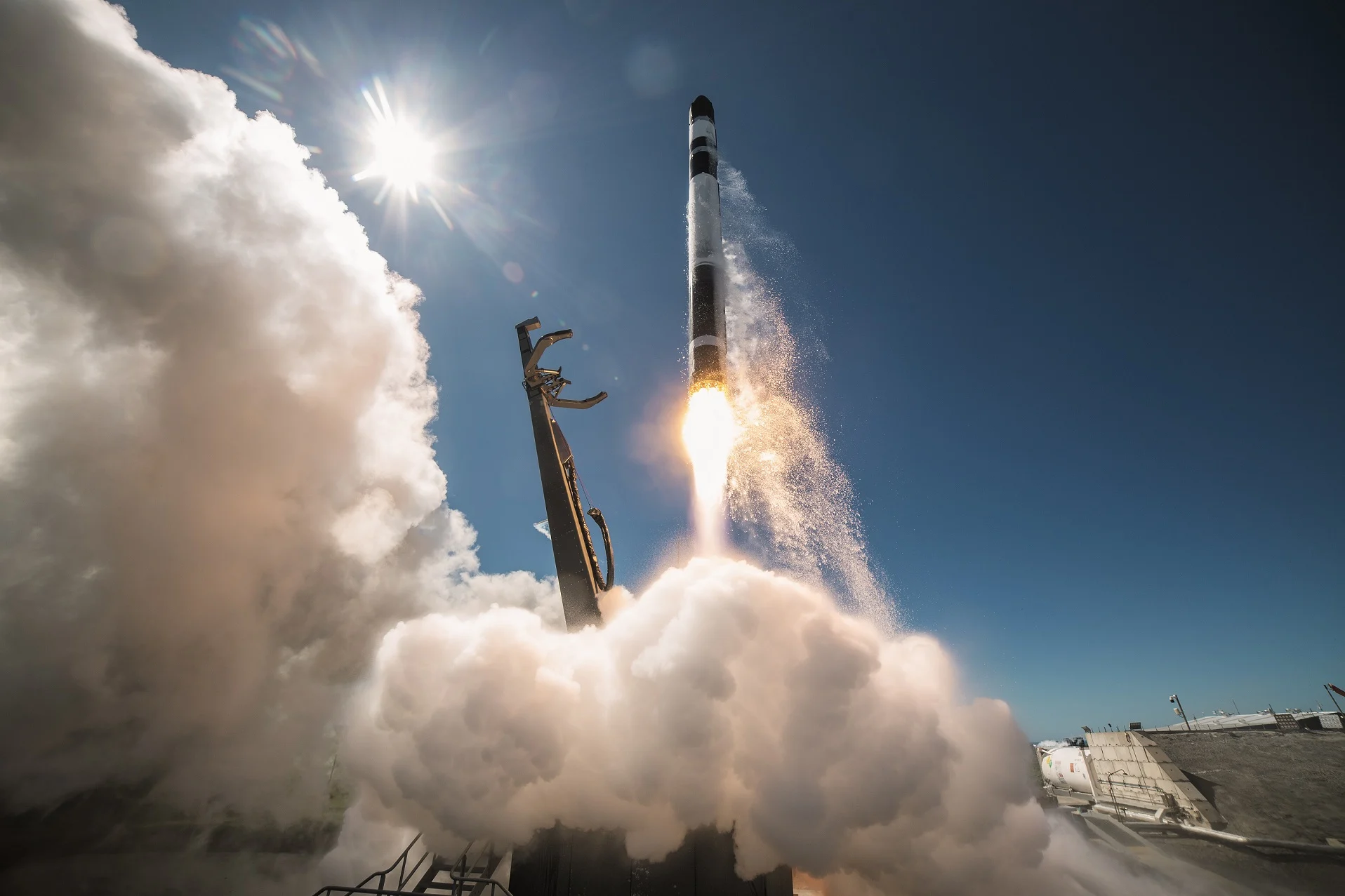
The 20 new missions are scheduled to take place annually from 2028 through 2031, deploying Synspective’s StriX synthetic aperture radar satellites to sun-synchronous orbit. The constellation will allow Synspective to image any location on Earth within hours, day or night, and through any weather condition.
Sir Peter Beck called the contract “a massive vote of confidence not just in Electron, but in the launch cadence, mission reliability, and orbital precision that Rocket Lab consistently delivers.” Synspective founder and CEO Dr. Motoyuki Arai said the partnership was built on “deep, team-level trust” and that securing 20 dedicated launches “gives us long-term certainty for our constellation expansion.”
97th Mission Sustains Synspective Success Streak
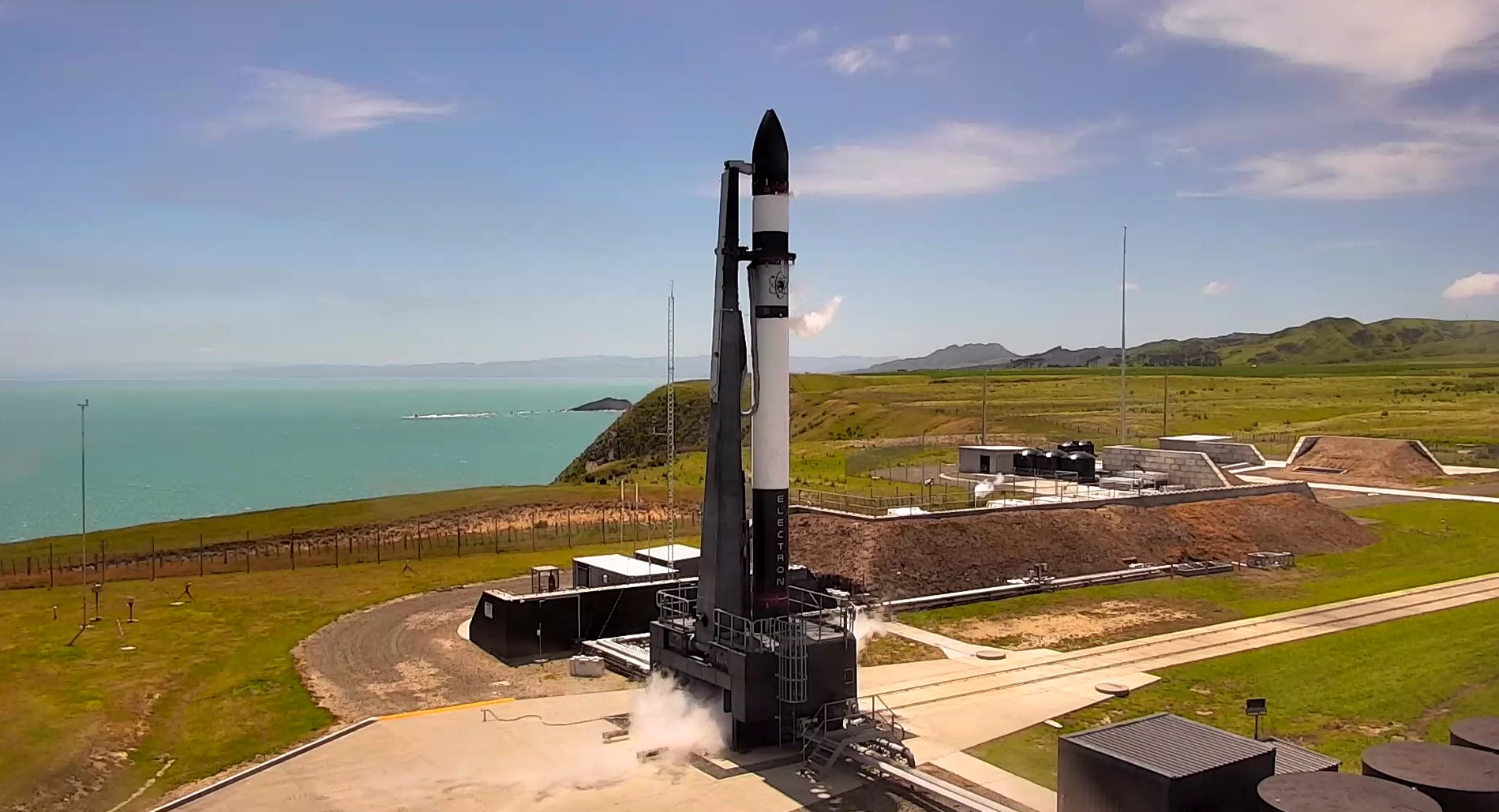
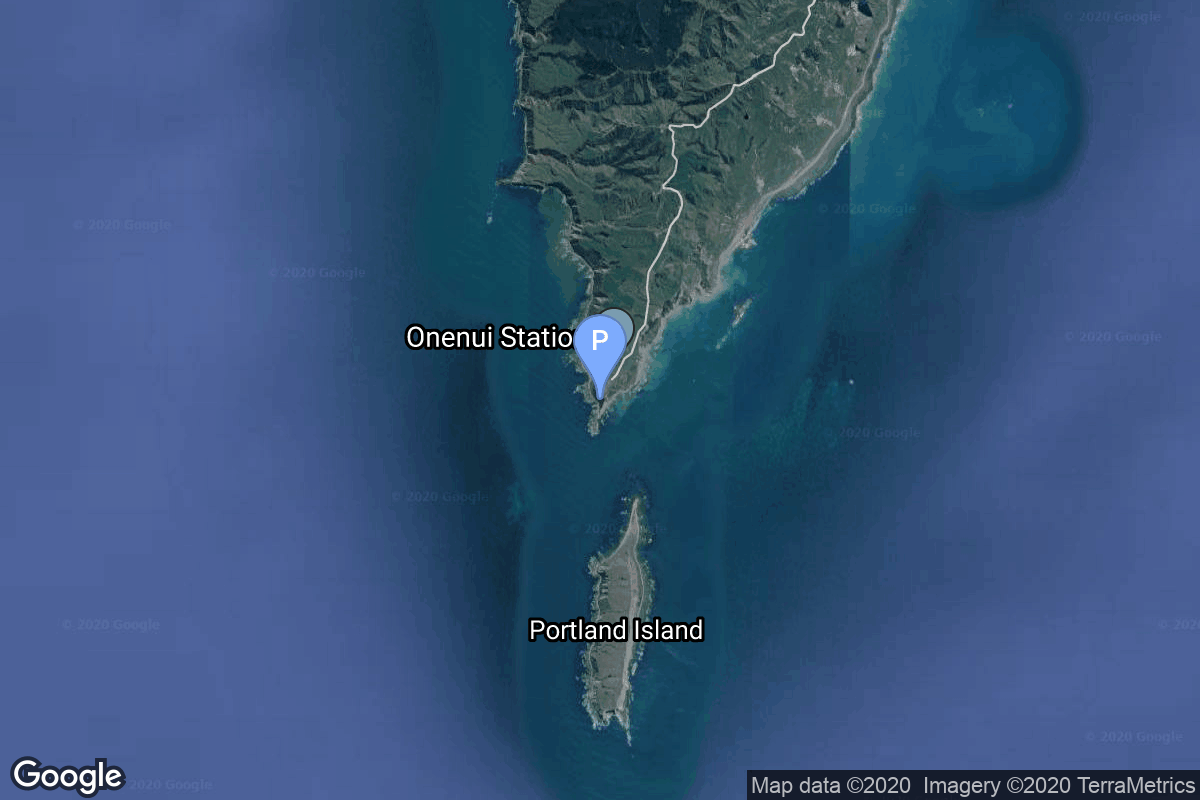
Three days before announcing the new contract, Rocket Lab launched its 97th Electron mission on September 26 from Launch Complex 1 in New Zealand. The ‘Owlright Owlright Owlright’ mission delivered Synspective’s 13th StriX satellite to a 559-kilometre low Earth orbit, extending a flawless deployment record: all 13 StriX satellites have reached orbit with 100% mission success.
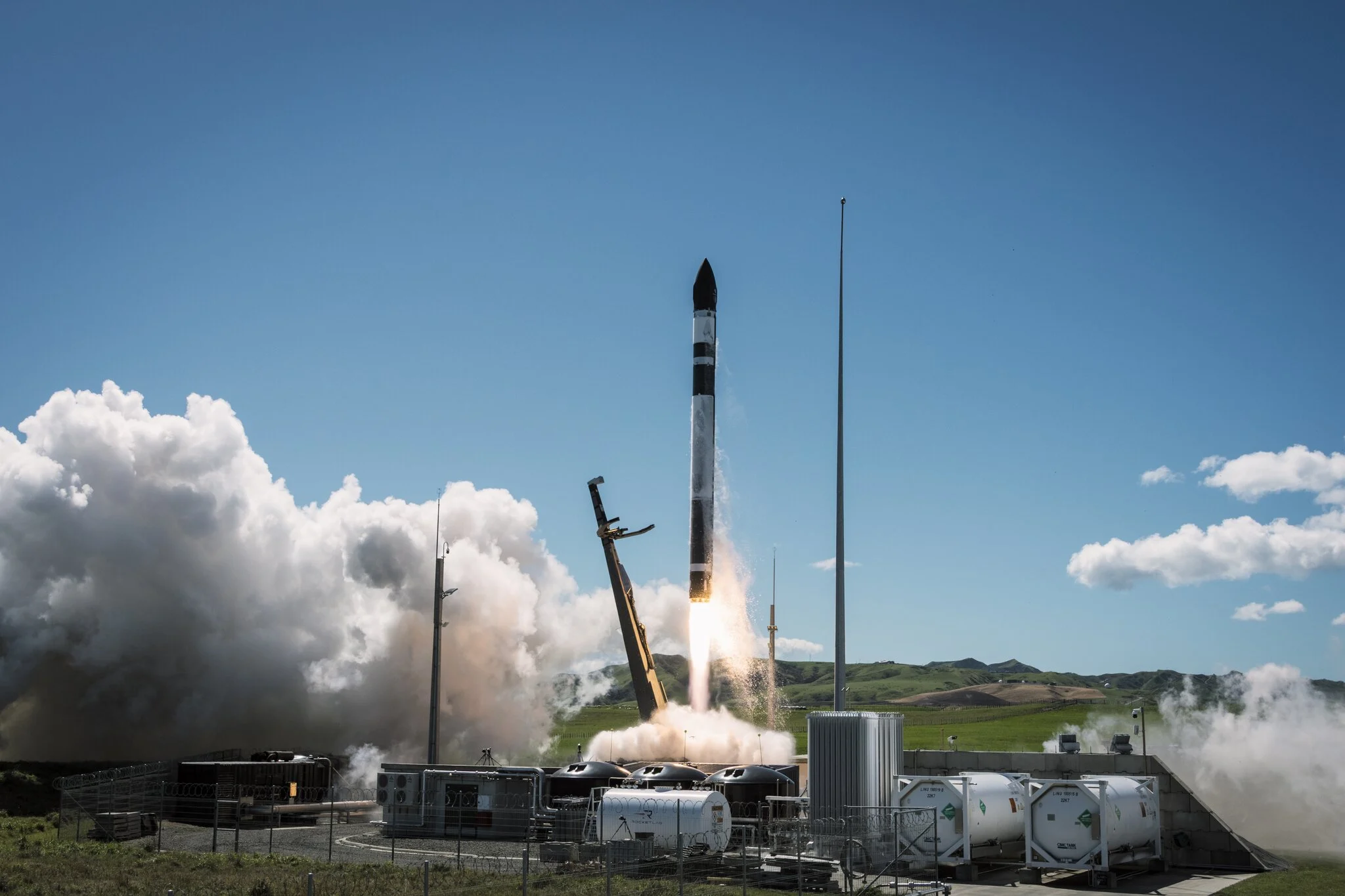
With 18 Electron launches in 2026 year-to-date, Rocket Lab continues to hold the title of world’s most frequently-launched small-lift orbital rocket. Fourteen additional Synspective missions remain scheduled through the end of the decade.
ESCAPADE Approaches Never-Before-Attempted Mars Burn
Rocket Lab’s twin spacecraft for NASA and UC Berkeley’s ESCAPADE mission are preparing for an unprecedented trans-Mars injection scheduled for November. Blue and Gold, built on Rocket Lab’s Explorer spacecraft platform and carrying Rocket Lab flight computers, star trackers, reaction wheels, and solar arrays, will conduct a simultaneous main engine burn using Earth’s gravity to amplify their trajectory toward Mars — a maneuver never before successfully executed. Once in Mars orbit, they will investigate how the solar wind strips away the Martian atmosphere.
HawkEye360 Mission Delayed for Telemetry Review
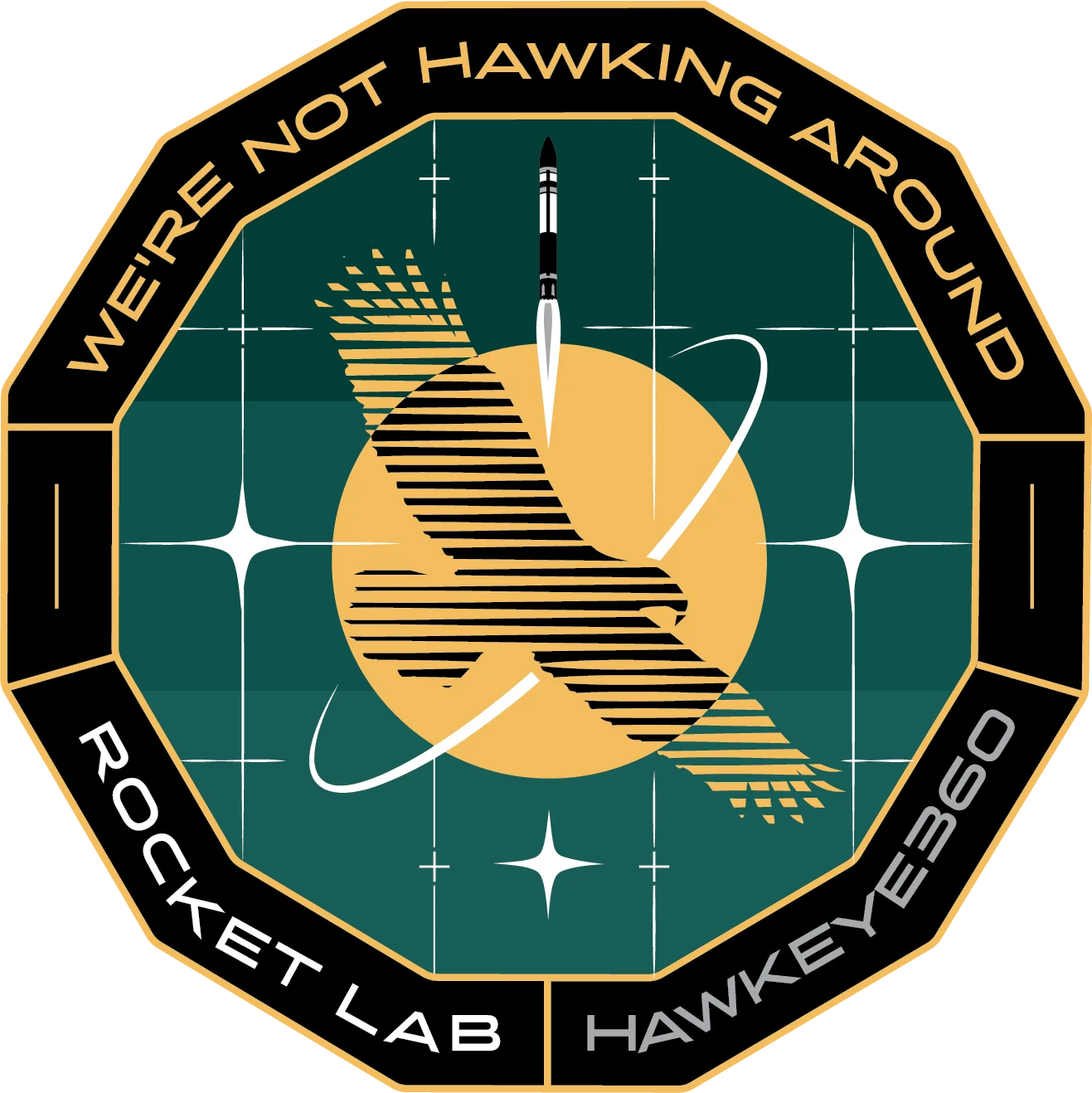
Rocket Lab stood down from a scheduled October 21 launch attempt for HawkEye360. The ‘We’re Not Hawking Around’ mission, planned to deploy three HAWK satellites to 520-kilometre low Earth orbit, was postponed to allow review of out-of-family telemetry data observed during vertical operations on the pad. A new launch date is pending.
Moon and Mars Through Rocket Lab Technology
Beyond low Earth orbit, Rocket Lab’s systems are integral to some of NASA’s most ambitious missions. Under contract with Lockheed Martin, thousands of Rocket Lab’s space-grade solar cell assemblies power the Orion spacecraft for NASA’s Artemis lunar missions, integrated into Orion’s European Service Module solar array wings. Rocket Lab Robotics — including systems from Motiv Space Systems, acquired in 2026 — supplies the primary robotic arm and Mastcam-Z optical systems aboard NASA’s Perseverance rover on Mars.
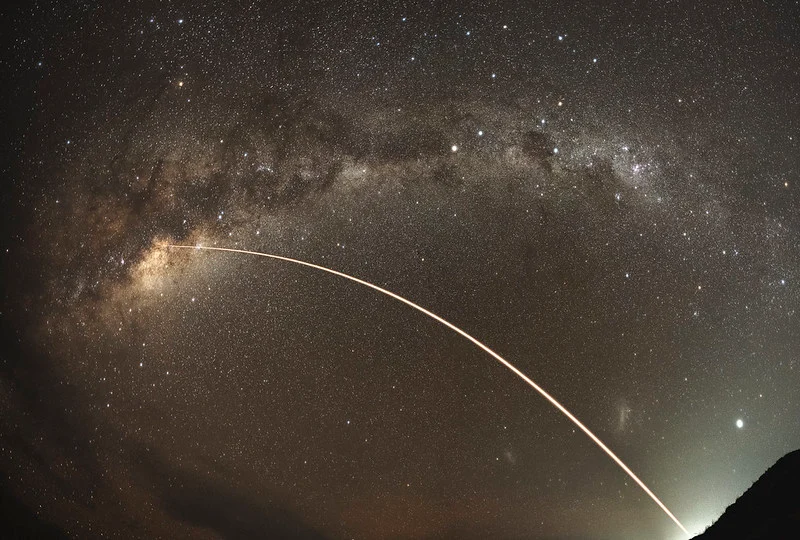
The company launched NASA’s CAPSTONE spacecraft in June 2022, using Electron for launch and the Lunar Photon spacecraft for trans-lunar injection into a near-rectilinear halo orbit around the Moon. Rocket Lab designed and built the ESCAPADE twin spacecraft (Blue and Gold) for deep space exploration. Separation systems from Planetary Systems Corporation, acquired by Rocket Lab in 2021, supported NASA’s GRAIL and LADEE lunar missions. SolAero, acquired in 2022, has powered Mars exploration rovers including Ingenuity, InSight, and Perseverance.
Citations
- “Carbon Fibre Troubles Force Rocket Lab to Delay Neutron Debut to No Earlier Than 2027” — https://www.nasaspaceflight.com/2026/10/carbon-fibre-force-rocket-lab-delay-neutron-debut/
- “Rocket Lab Secures Largest-Ever Electron Commercial Deal: 20-Launch Contract for Synspective” — https://rocketlabcorp.com/updates/rocket-lab-secures-largest-ever-electron-commercial-deal-20-launch-contract-for-synspective/
- “MISSION SUCCESS: Rocket Lab Launches 97th Electron Mission” — https://rocketlabcorp.com/updates/mission-success-rocket-lab-launches-97th-electron-mission/
- “Beyond Low Earth Orbit: The Rocket Lab Technology Powering Missions to the Moon and Mars” — https://rocketlabcorp.com/updates/beyond-low-earth-orbit-the-rocket-lab-technology-powering-missions-to-the-moon-and-mars/
- X — Rocket Lab (Official Rocket Lab account) — https://x.com/RocketLab
- X — Peter Beck (Rocket Lab founder/CEO) — https://x.com/Peter_J_Beck
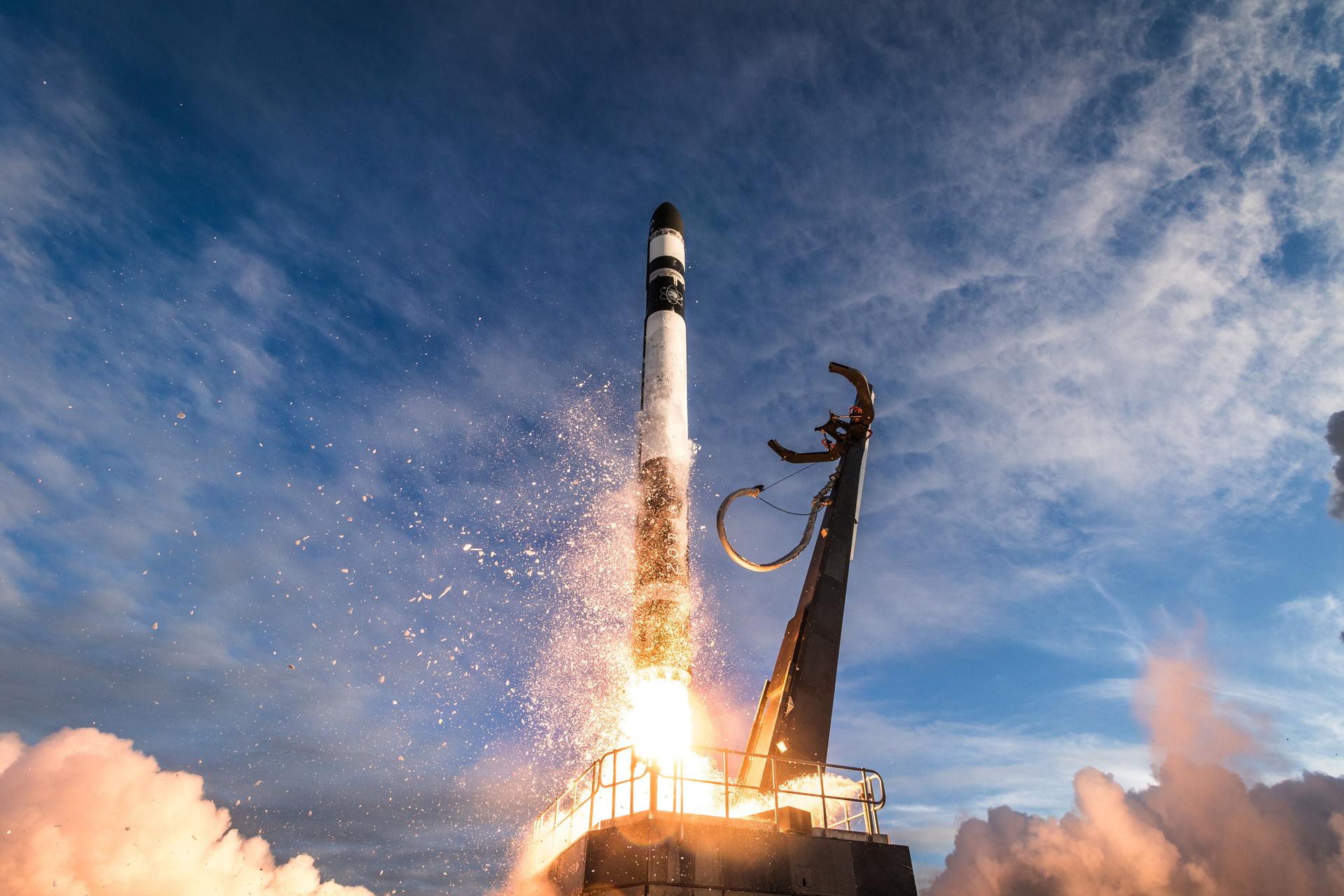
We’re Not Hawking Around (3x HawkEye 360)
Provider: Rocket Lab
Date: October 22, 2026
Time: 7:00 AM UTC
Vehicle: Electron
HawkEye 360 is a a space-based civil global intelligence satellite network using radio frequency (RF) technology to help monitor transportation across air, land and sea and assist with emergencies, and to provide civil SIGINT (Signal Intelligence) mission.
The constellation of small satellites (named Hawk ) will collect information on specific radio signals worldwide to provide high-precision radio frequency mapping and analytics from Low Earth orbit (LEO).
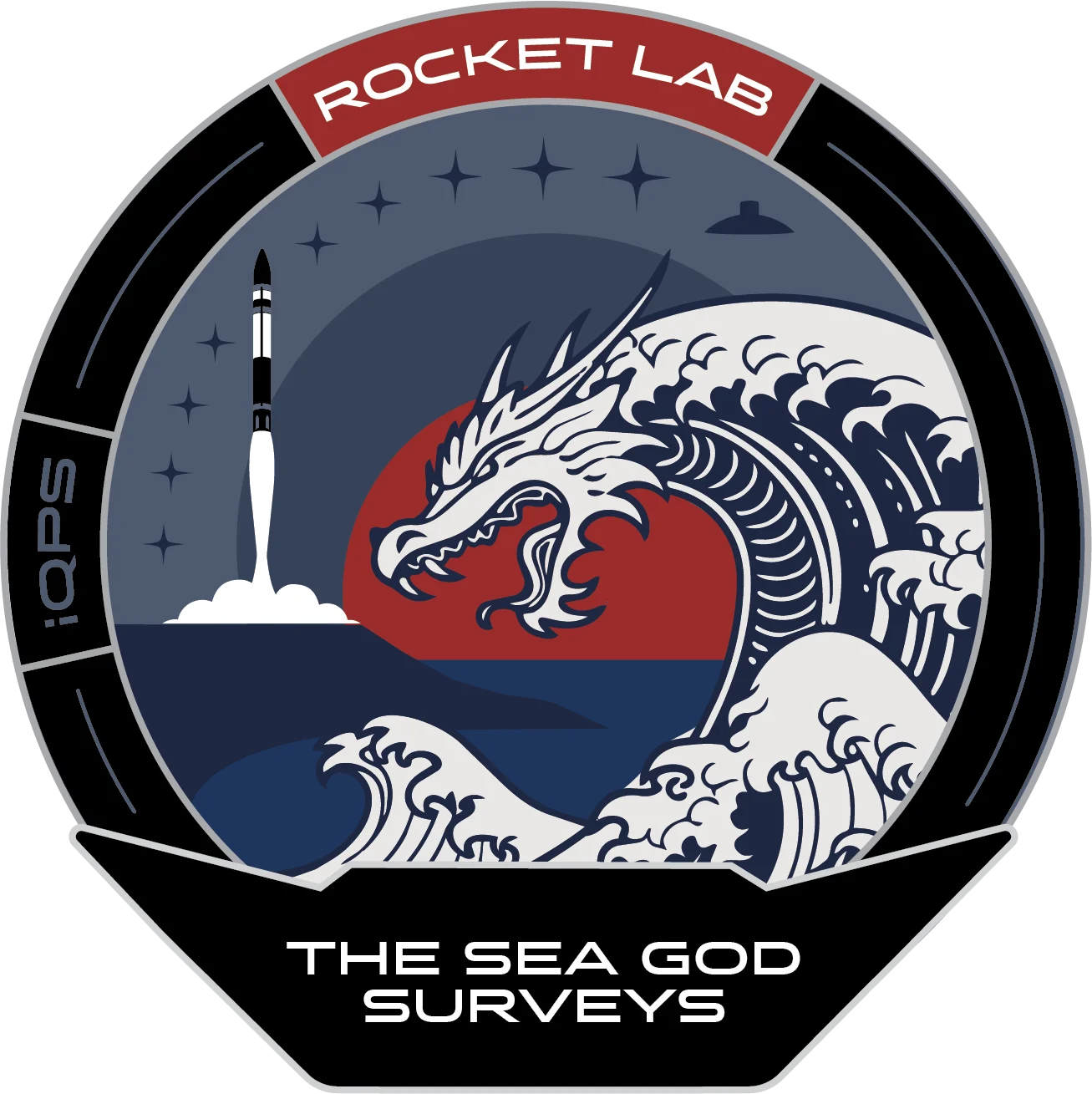
The Sea God Surveys (iQPS Launch 9)
Provider: Rocket Lab
Date: November 4, 2026
Time: 12:00 AM UTC
Vehicle: Electron
Synthetic aperture radar Earth observation satellite for Japanese Earth imaging company iQPS.
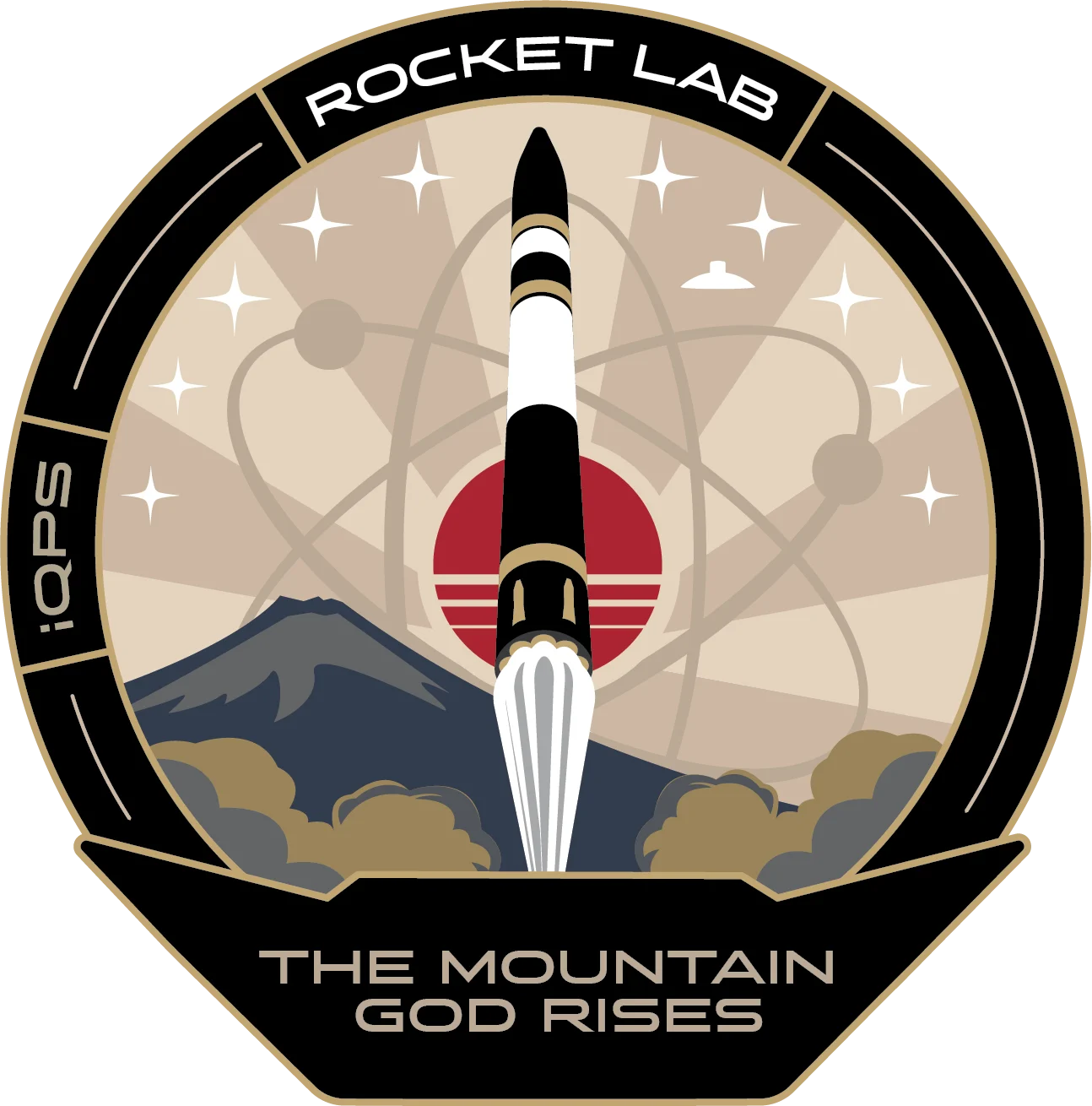
The Mountain God Rises (iQPS Launch 10)
Provider: Rocket Lab
Date: November 10, 2026
Time: 12:00 AM UTC
Vehicle: Electron
Synthetic aperture radar Earth observation satellite for Japanese Earth imaging company iQPS.
BlackSky Gen-3 6
Provider: Rocket Lab
Date: December 31, 2026
Time: 12:00 AM UTC
Vehicle: Electron
BlackSky Gen-3 Earth-imaging satellites
BlackSky Gen-3 7
Provider: Rocket Lab
Date: December 31, 2026
Time: 12:00 AM UTC
Vehicle: Electron
BlackSky Gen-3 Earth-imaging satellites

Enjoying the content? Stay up to date on everything happening behind the scenes by following our Patreon!


Leave a Reply