
The Daily Broadcast: NASA’s Williams Returns, Starship Flight 13 Succeeds
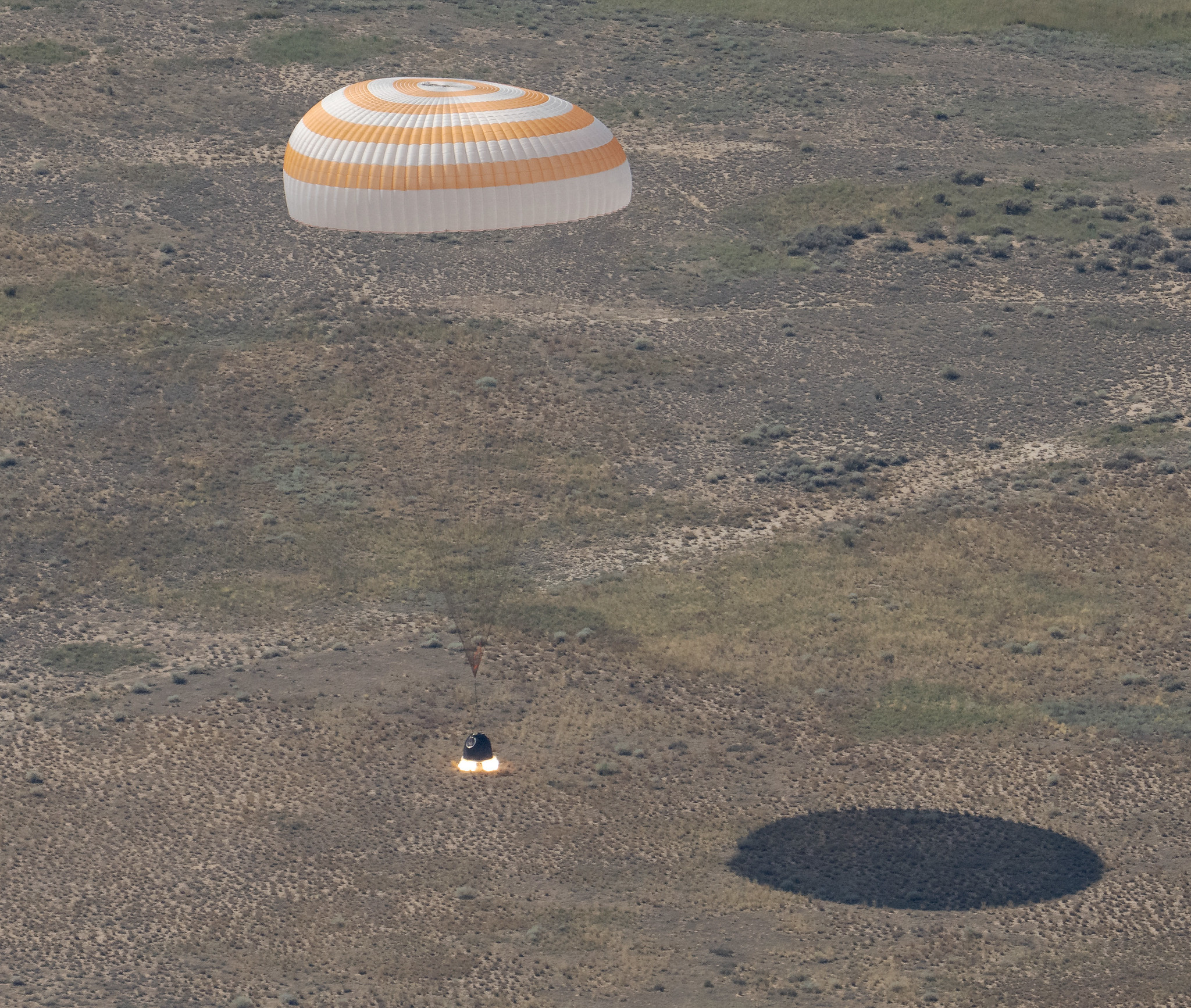
Chris Williams Home After Canadarm2 Repair Mission
NASA astronaut Chris Williams returned to Earth this morning after a 241-day mission aboard the International Space Station, touching down at 5:27 a.m. CDT (3:27 p.m. Kazakhstan time) southeast of Dzhezkazgan aboard the Soyuz MS-28 spacecraft.
Williams was joined by Roscosmos cosmonauts Sergey Kud-Sverchkov and Sergei Mikaev for the parachute-assisted landing. The crew departed the station at 2:03 a.m. after launching on 27 November 2025. The trio orbited the Earth 3,856 times and covered more than 102 million miles during the expedition. It was the first spaceflight for Williams and Mikaev, and the second for Kud-Sverchkov.
While aboard the orbiting laboratory, Williams completed two spacewalks — one to prepare for station power system upgrades, and the second to replace a faulty joint on the Canadarm2 robotic arm in late June. He also supported research into cancer treatments and in-space manufacturing of materials for high-performance electronics.
Following post-landing medical checks in Karaganda, Kazakhstan, Williams is scheduled to fly back to NASA’s Johnson Space Center in Houston.
Starship Flight 13 Deploys First Operational Starlink V3 Satellites

SpaceX launched Starship on its 13th suborbital test flight on Thursday, lifting off from Starbase at 6:51 p.m. Eastern after a 24-hour weather delay. It is the second flight of Starship V3 and came two weeks after a pad abort caused by frozen moisture in the oxidizer turbopumps of six Super Heavy engines.
During ascent, all 33 Raptor 3 engines on the Super Heavy booster fired through the vehicle’s highest recorded maximum aerodynamic pressure. The launch pad’s flame diverter system — pumping 650,000 gallons of water per minute — held up under the liftoff loads.
Following hot-stage separation, the booster executed its boost-back burn but suffered a partial engine ignition failure during the final landing sequence, producing a higher-velocity splashdown in the Gulf of Mexico. SpaceX did not attempt a return to the launch tower on this flight, targeting a soft splashdown instead.
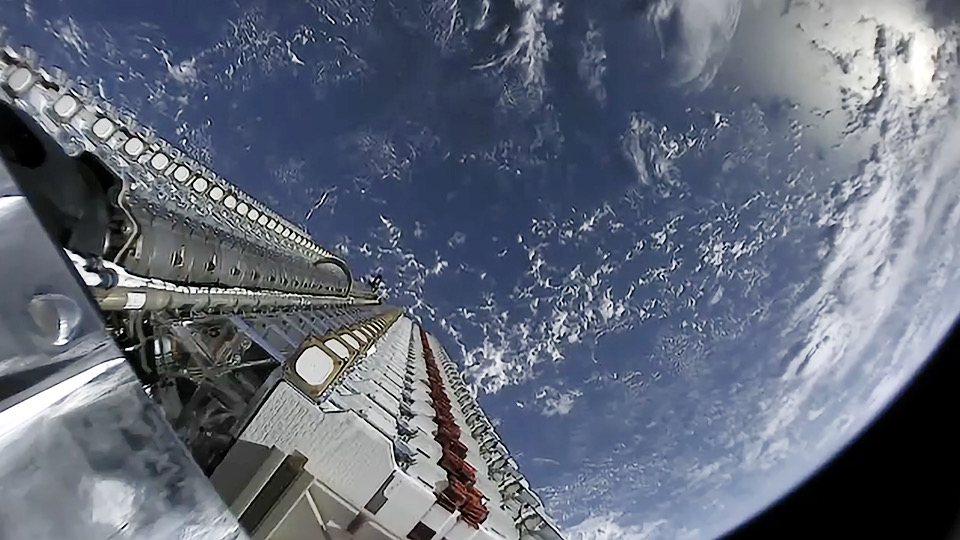
The Starship upper stage relit a single sea-level Raptor engine in space for 14 seconds — significantly longer than previous tests — and deployed 20 operational Starlink Version 3 satellites. The satellites, carrying one terabit per second of downlink capacity and optical space lasers, were put through roughly 20 minutes of solar array, antenna, and communications testing before planned reentry. Six of them deployed onboard cameras and flashlights to inspect Starship’s heat shield in orbital darkness.
“We’ve successfully communicated with all sats using RF and laser links and been able to download key telemetry,” SpaceX executive Michael Nicolls said on social media.
About 65½ minutes after liftoff, Starship performed a soft splashdown in the Indian Ocean. Unlike previous flights, the vehicle toppled into the water without immediately exploding, floating while continuing to return imagery.
“This is the first time we’ve put an intact Starship in the water,” SpaceX spokesperson Dan Huot said on the launch webcast. “This is a dream scenario for the team that’s trying to get this heat shield data.”
SpaceX introduced a new countdown hold at T-minus 60 seconds for this flight, allowing controllers to pause for up to eight minutes to monitor propellant temperatures and clear faults before ignition.
Madrid Deep Space Station Evacuated, Avoids Major Damage

Spaniard wildfires prompted NASA to evacuate its Madrid Deep Space Communications Complex on Friday. All 90 workers at the Robledo de Chavela site — roughly 65 kilometres west of Madrid — were safely removed as fires swept through the area.
An initial inspection on Saturday found wildfire damage “primarily to pavement and surrounding vegetation, with no significant structural damage observed to antennas or buildings,” NASA press secretary Bethany Stevens said on July 25. The Madrid site hosts a 70-metre antenna and five 34-metre antennas supporting spacecraft throughout the solar system. None of the antennas had been actively communicating with spacecraft since at least July 24.
Operations were shifted to the Goldstone complex in California and the Canberra station in Australia, which are continuing to manage the Deep Space Network under the agency’s “follow the sun” approach.
The disruption comes as the Deep Space Network was already under a capacity crunch, worsened by damage to Goldstone’s 70-metre antenna that is expected to take it out of service until 2028. NASA has not yet confirmed how long the Madrid site will remain offline.
An ESA ground station near Cerberos, 77 kilometres west of Madrid, was also in the path of the fires but appears to have survived without damage. ESA confirmed all station personnel were safe on July 25.
Citations
- “NASA Astronaut Chris Williams, Crewmates Return from Space Station” — https://www.nasa.gov/news-release/nasa-astronaut-chris-williams-crewmates-return-from-space-station/
- “Flight 13 success clears path for Starship catch attempts and lunar mission timelines” — https://spaceq.ca/flight-13-success-clears-path-for-starship-catch-attempts-and-lunar-mission-timelines/
- “SpaceX conducts 13th Starship test flight” — https://spacenews.com/spacex-conducts-13th-starship-test-flight/
- “Critical NASA Deep Space ground station in Spain evacuated due to wildfires” — https://spaceflightnow.com/2026/07/24/critical-nasa-deep-space-ground-station-in-spain-evacuated-due-to-wildfires/
- “NASA and ESA facilities avoid major damage from wildfires in Spain” — https://spacenews.com/nasa-and-esa-facilities-avoid-major-damage-from-wildfires-in-spain/

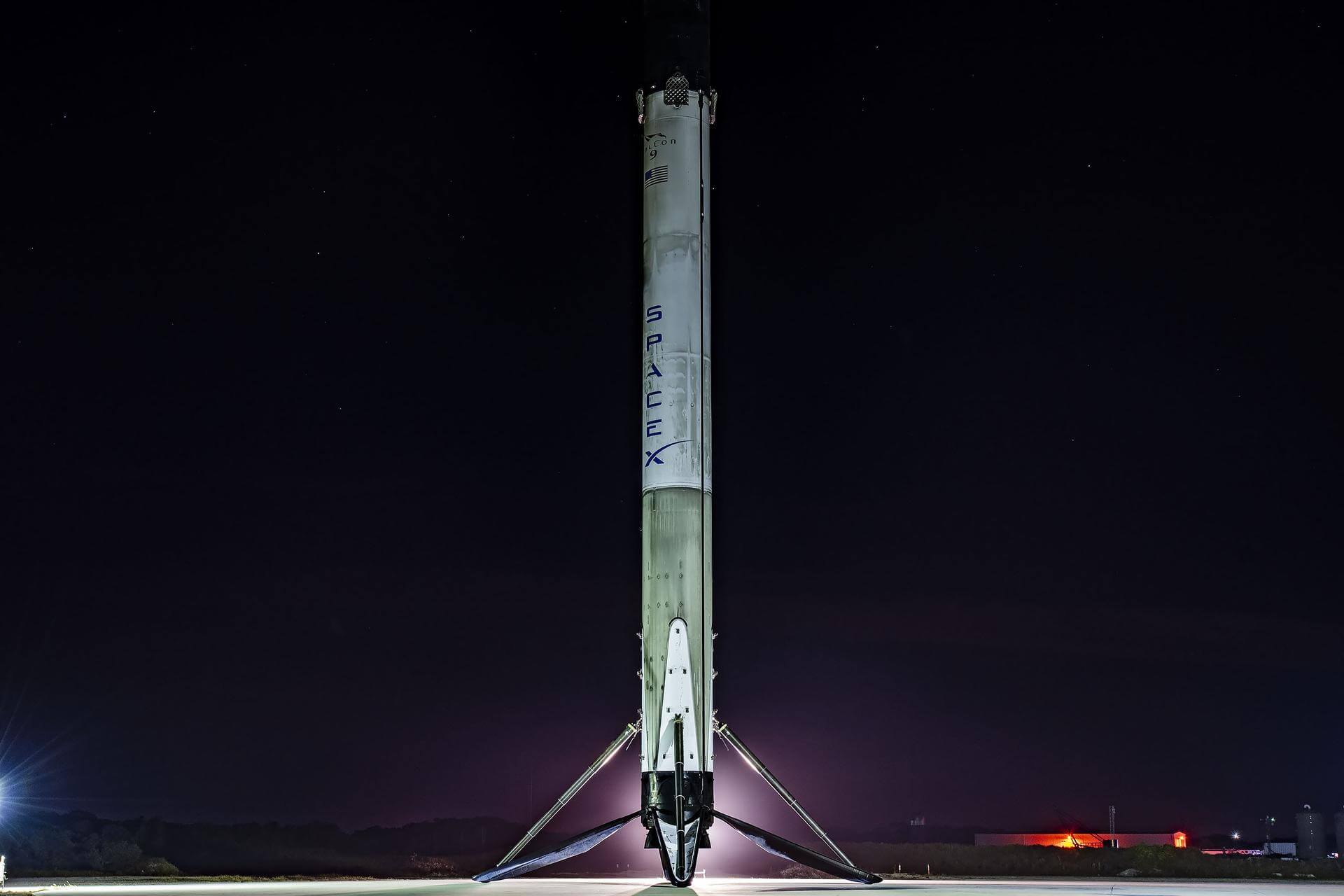
Starlink Group 17-52
Provider: SpaceX
Date: July 29, 2026
Time: 2:00 AM UTC
Vehicle: Falcon 9
A batch of 24 satellites for the Starlink mega-constellation – SpaceX’s project for space-based Internet communication system.
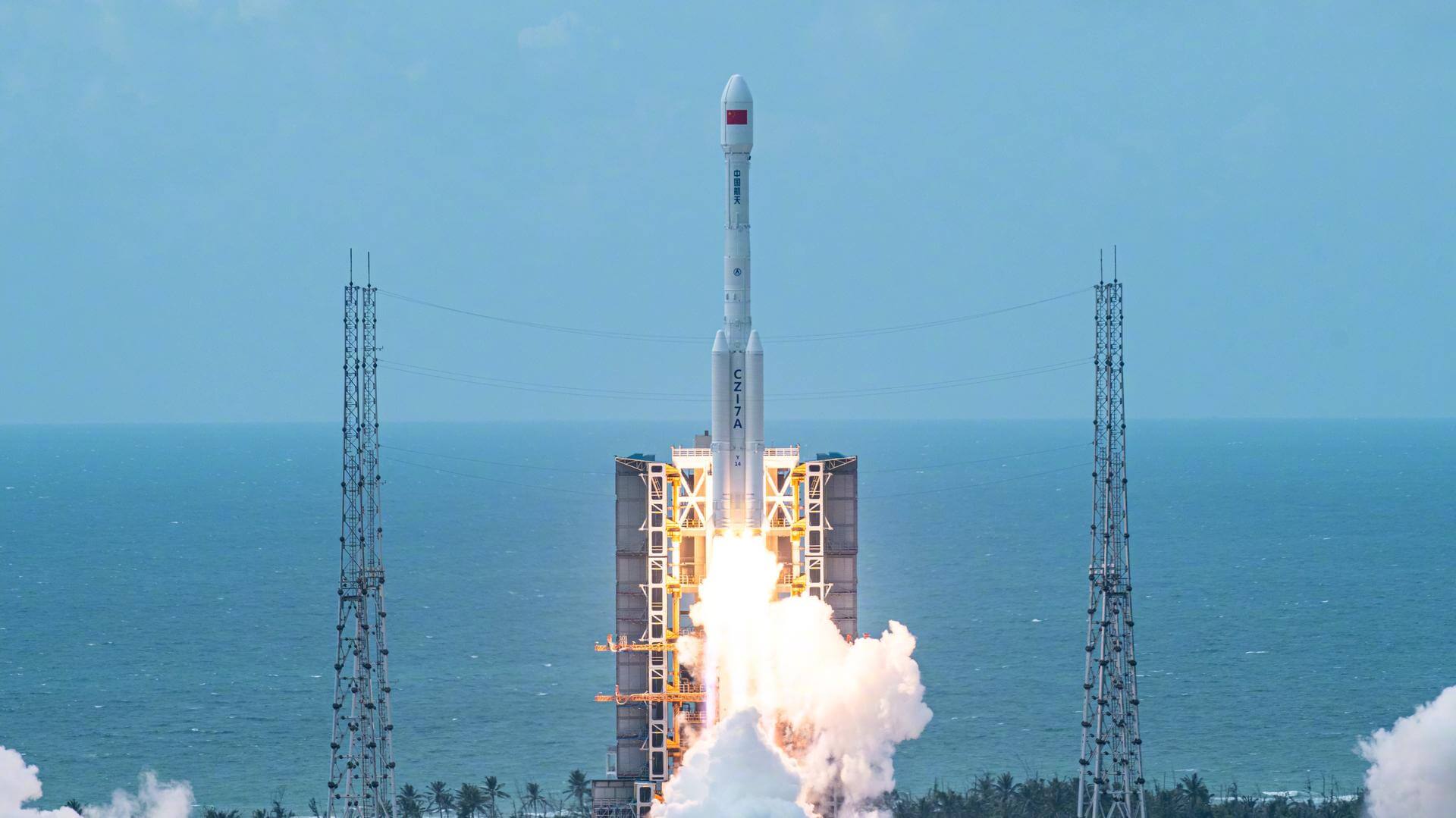
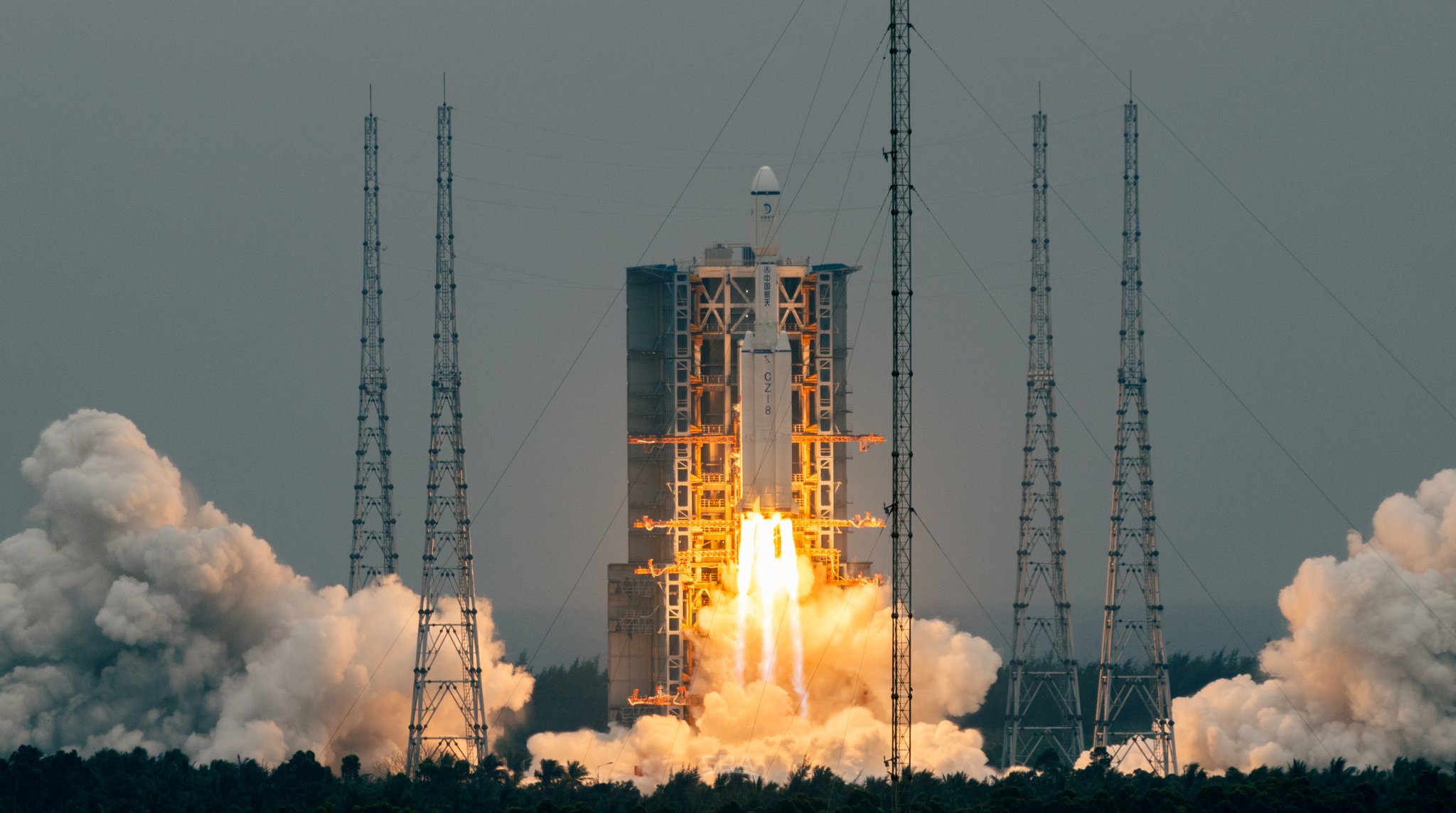
Unknown Payload
Provider: China Aerospace Science and Technology Corporation
Date: July 29, 2026
Time: 11:50 AM UTC
Vehicle: Long March 7A
Details TBD.
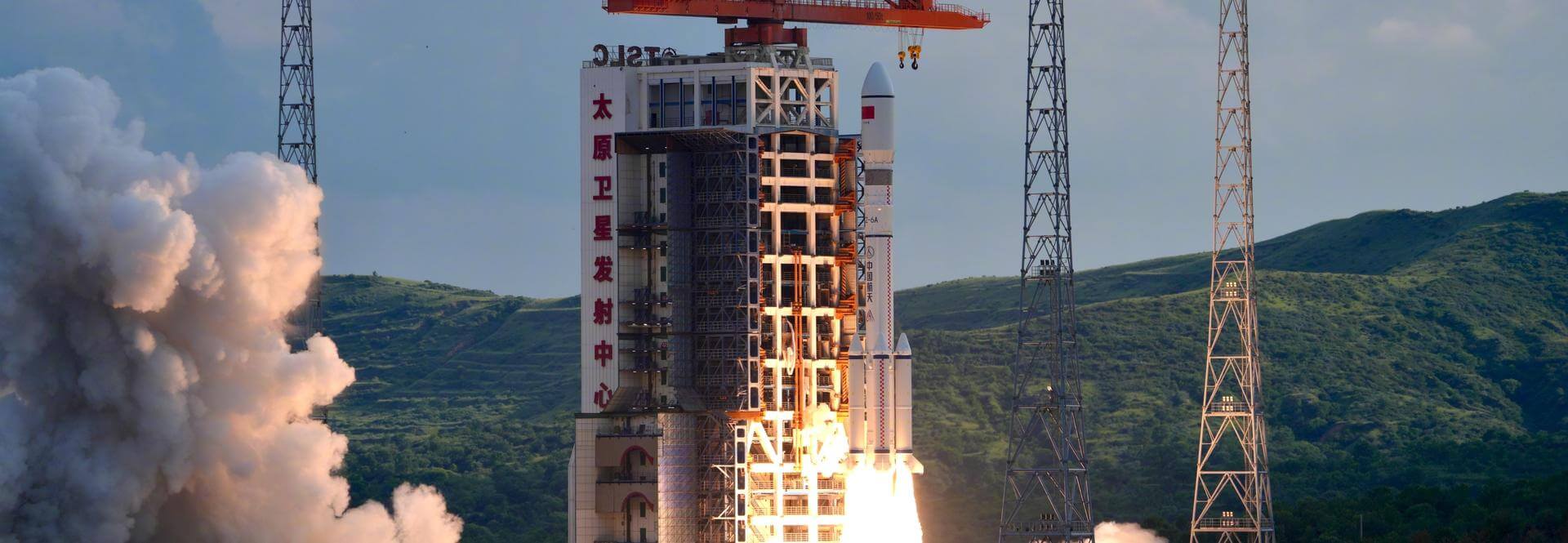
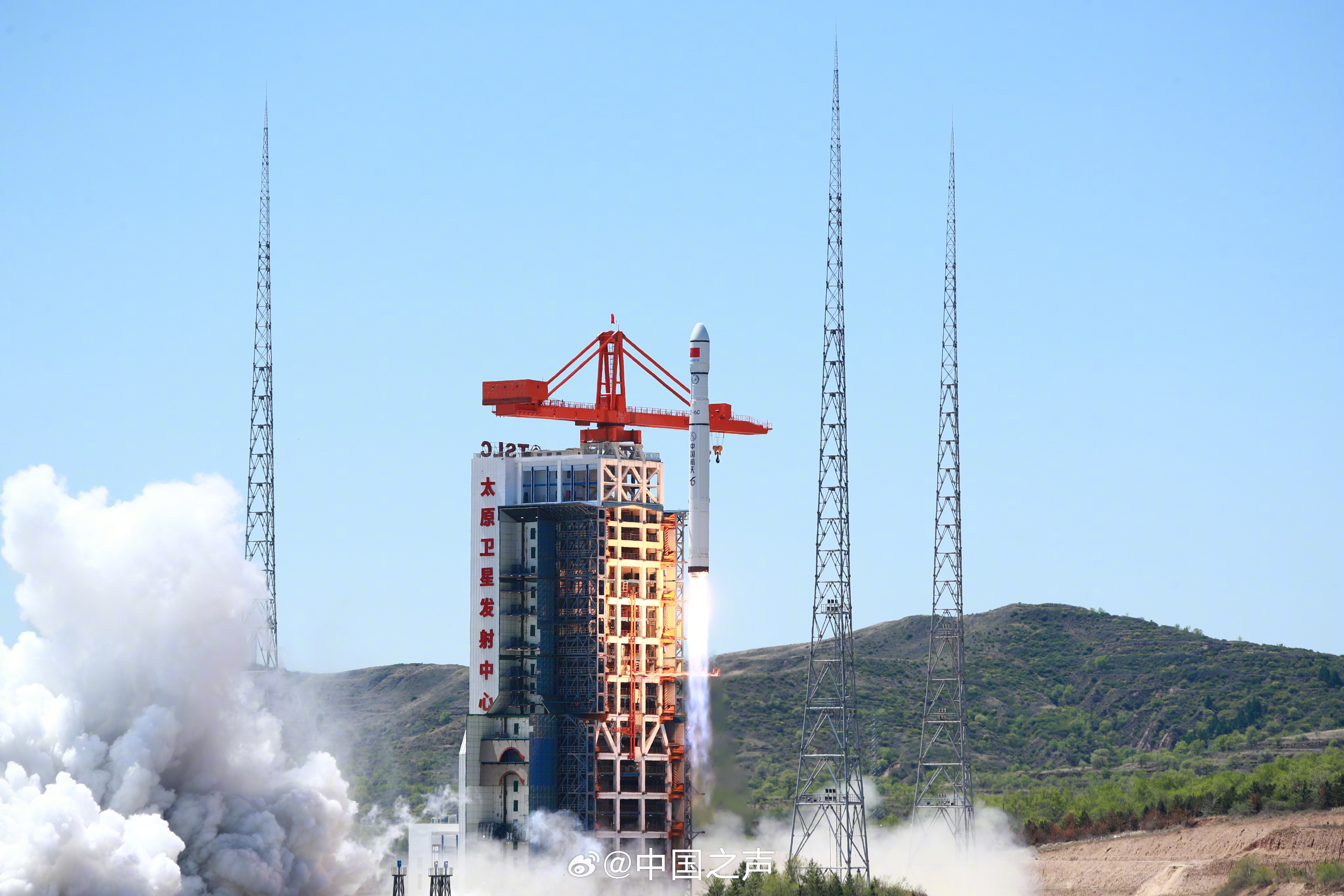
Unknown Payload
Provider: China Aerospace Science and Technology Corporation
Date: July 30, 2026
Time: 1:00 AM UTC
Vehicle: Long March 6A
Details TBD.
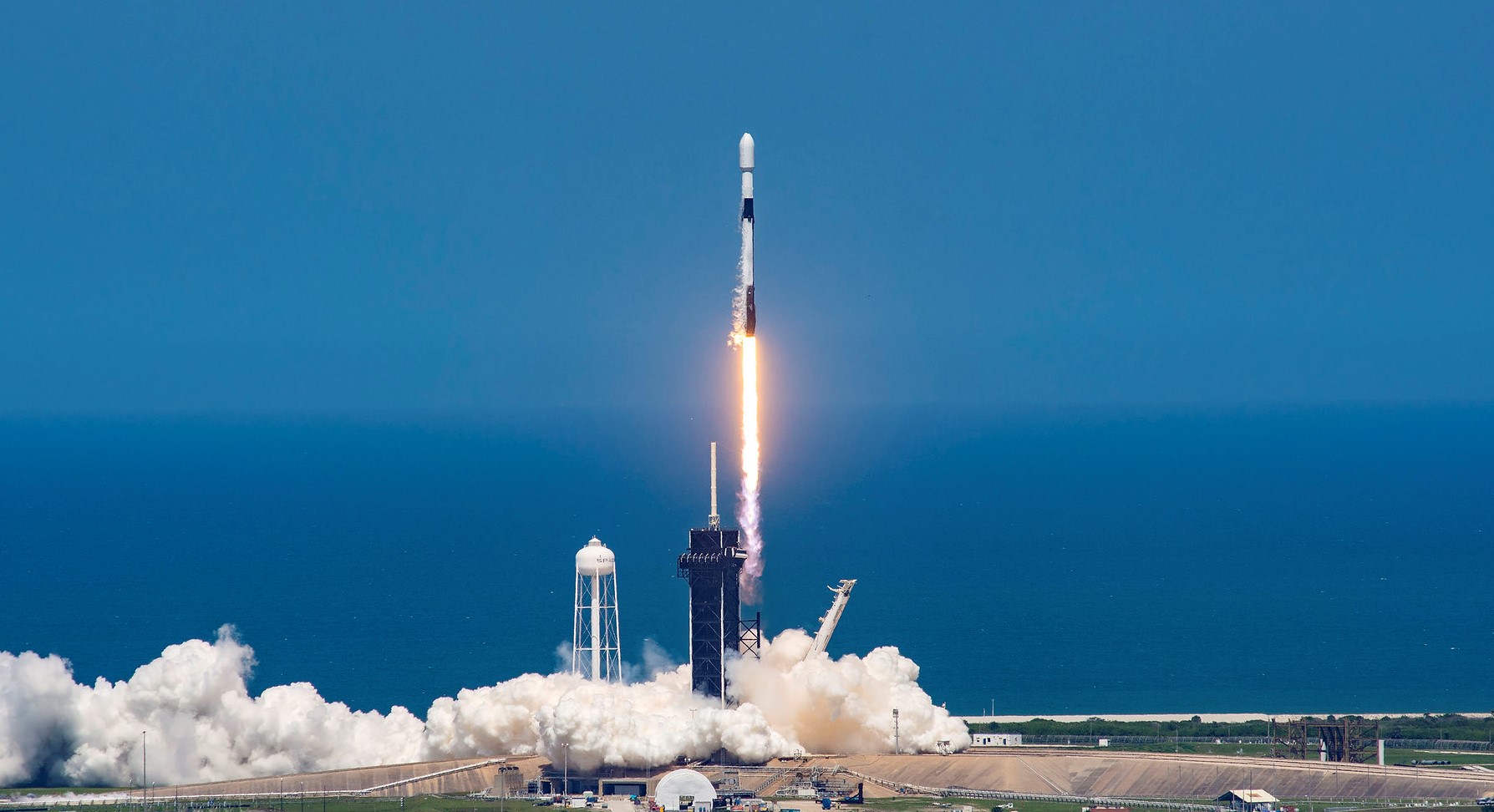
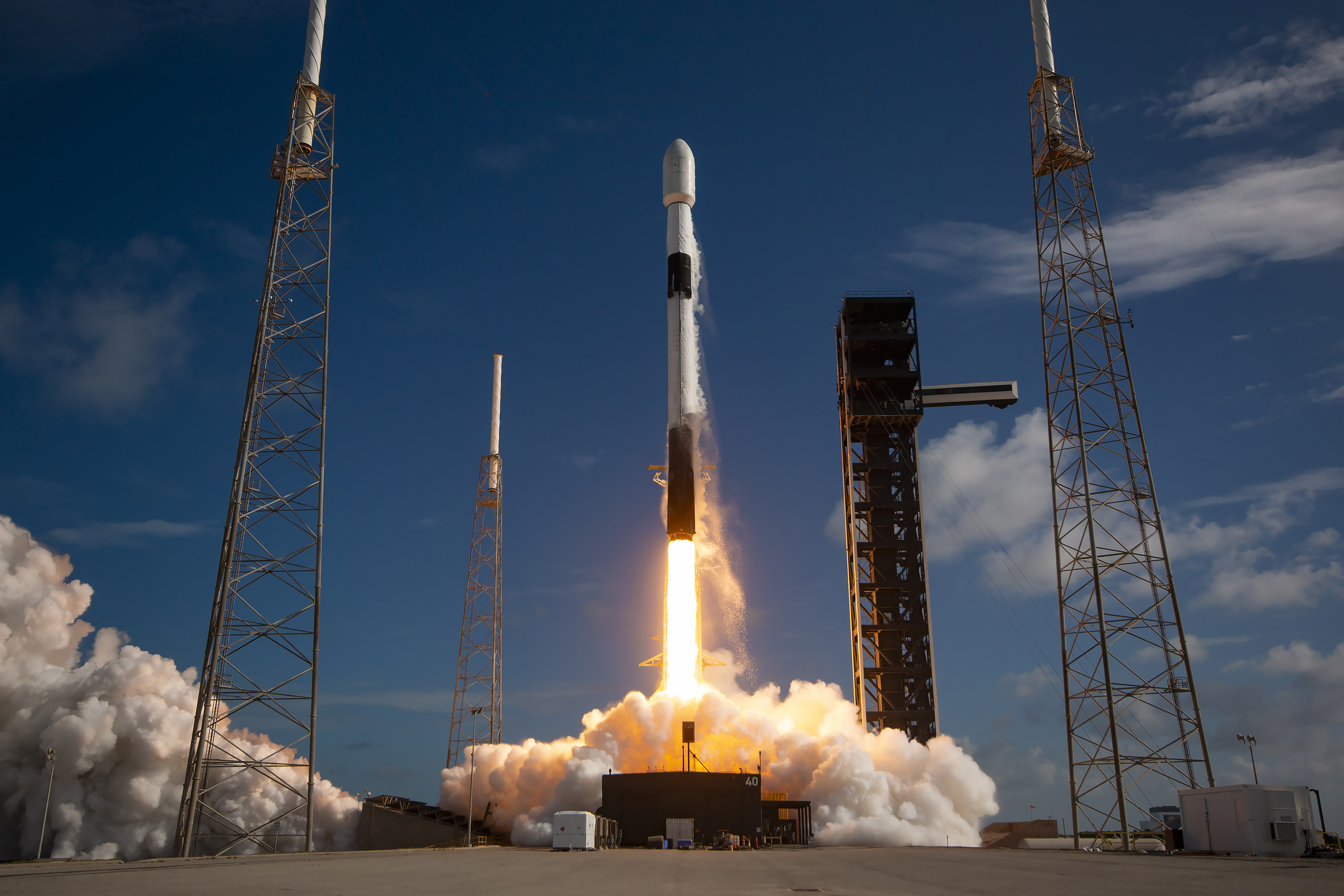
NROL-95
Provider: SpaceX
Date: July 30, 2026
Time: 7:09 AM UTC
Vehicle: Falcon 9
Classified payload for the US National Reconnaissance Office.
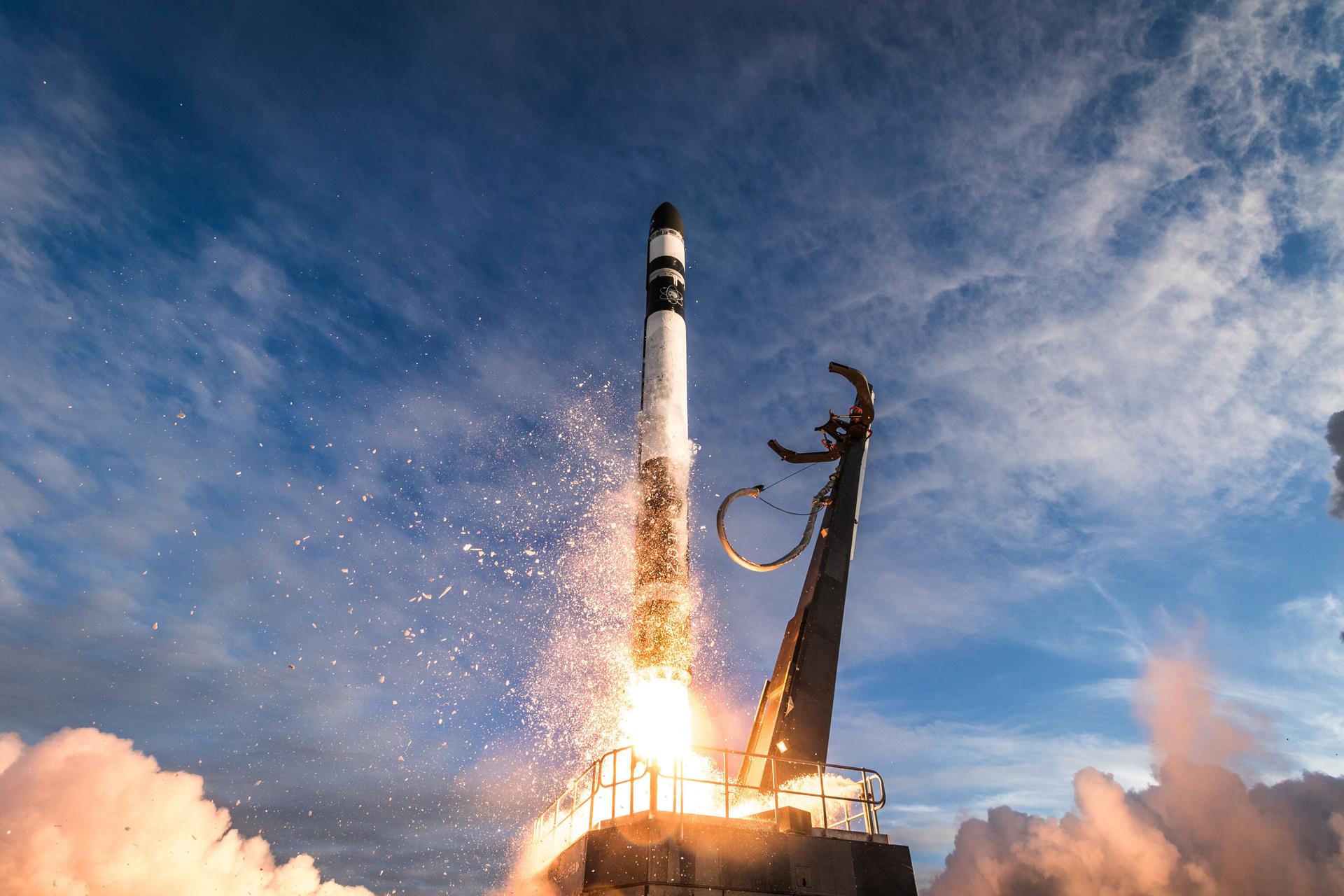
LOXSAT 1
Provider: Rocket Lab
Date: July 31, 2026
Time: 12:00 AM UTC
Vehicle: Electron
LOXSAT 1 is a demonstration satellite of a complete cryogenic oxygen fluid management system in orbit, developed by Eta Space and sponsored by NASA’s Tipping Point program.
The system will be integrated on a Rocket Lab Photon-LEO satellite bus and collect critical cryogenic fluid management data in orbit for 9 months, demonstrating capabilities of in-space cryogenic storage and transferal. Eta Space plans to use technology developed for this mission to develop a truly commercial depot intended to serve multiple customers in the future.








Enjoying the content? Stay up to date on everything happening behind the scenes by following our Patreon!

