NASA’s Dexterous Robotics Team Advances Humanoid Robots for Space
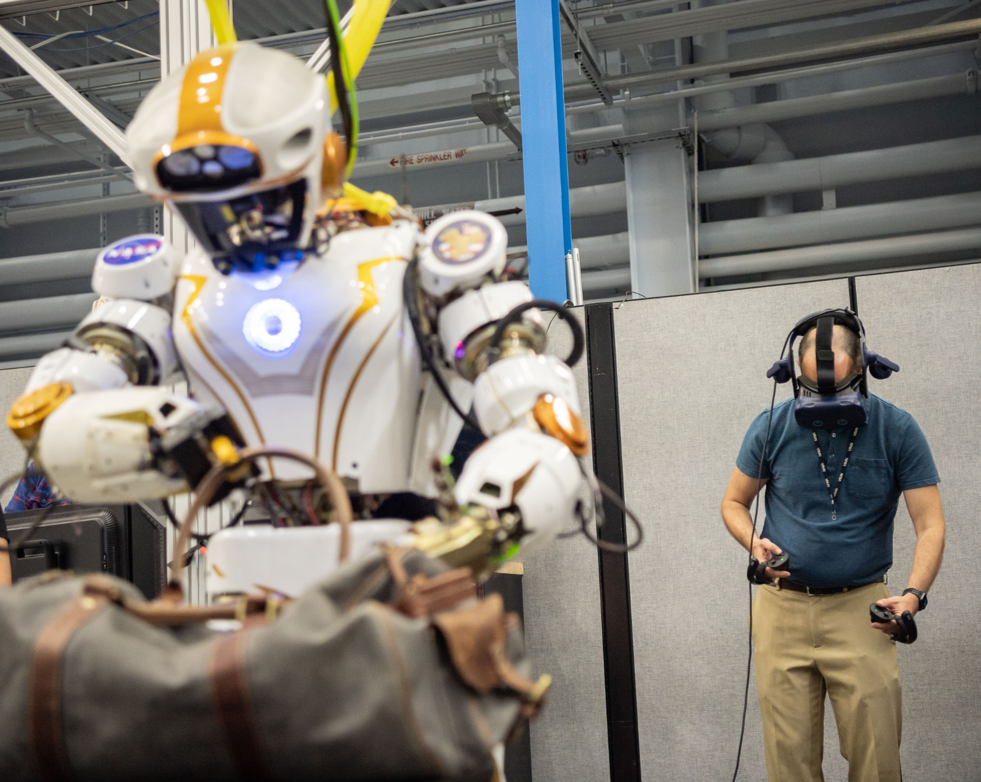
The Dexterous Robotics Team at NASA’s Johnson Space Center in Houston is developing robotic hardware and software designed to complete tasks humans do with their hands — a capability the agency sees as critical for future deep-space missions.
Lead by Shaun Azimi, the team focuses on robots that can work alongside astronauts in extreme environments rather than replacing them. “Our team is not trying to replace human explorers with robots but instead make human exploration safer and more sustainable by developing highly capable, reliable, and trustworthy robots to work in extreme environments,” Azimi said. “If we can send more capable robots, we can reduce the risk and make people more effective in doing the things that people do best.”
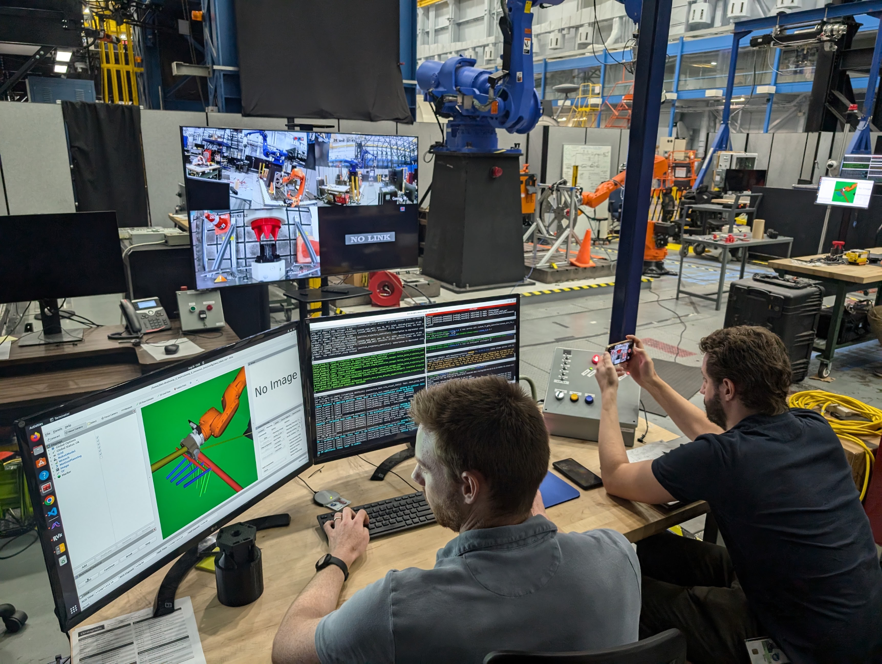
Recent demonstrations have included work with NASA’s Valkyrie humanoid robot, with team members conducting robotic arm tests in the lab. The team’s approach centres on building systems that enhance crew performance and productivity while expanding what explorers can accomplish beyond Earth.
ESA’s PANGAEA Geology Training Marks 10th Anniversary
ESA’s PANGAEA programme — the agency’s leading geology training course for astronauts — has reached its 10th edition, turning extraordinary landscapes across Europe into classrooms for lunar and Martian exploration.
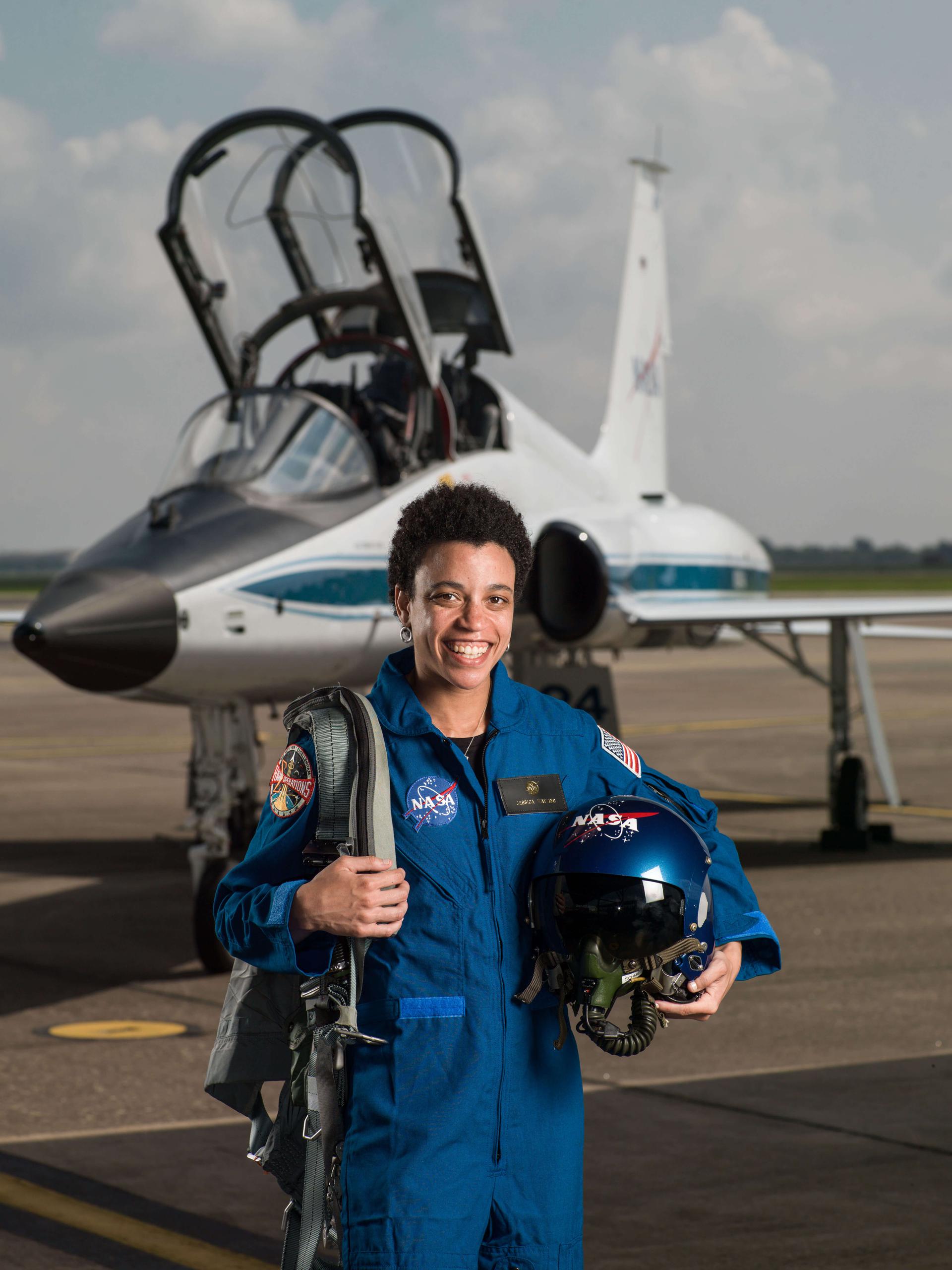
The 10th edition brought together ESA astronaut Pablo Álvarez Fernández, NASA astronaut Jasmin Moghbeli, and Kimiya Yui from the Japanese space agency for three intensive weeks of training that progressed from theory-based lessons to fieldwork in geologically significant sites.
The training took the crew to the Bletterbach canyon in Italy, the Ries crater in Germany, and the volcanic landscapes of Lanzarote in Spain. Astronauts learned to identify Moon and Mars rocks, interpret their geological origin, and understand the history recorded in the terrain — skills directly applicable to future surface exploration missions. As the crew progressed, they faced exploration challenges in real environments, with the science journey growing in complexity throughout the course.
Agile Space Industries Names Jason Wright President
Agile Space Industries announced today that Jason Wright will join the company as President in early October, as the Durango, Colorado-based propulsion manufacturer strengthens its leadership for its next growth phase.
CEO Chris Pearson, who continues in his role, said the company has experienced significant growth since 2022 and is expected to reach approximately five times its 2022 revenue by the end of 2026. Agile now employs more than 165 people and operates across Colorado, Pennsylvania, Oklahoma, and Washington state.
Growth has been driven by demand for the company’s monopropellant and bipropellant engines, propellant tanks, integrated propulsion subsystems, and expanding propulsion testing services. As President, Wright will lead day-to-day management across all company locations and oversee near-term sales, marketing, and business development.
Wright brings more than 25 years of space industry experience spanning propulsion engineering, manufacturing, testing, operations, and programme management. He previously served as a Lockheed Martin subject matter expert for monopropellant and bipropellant thrusters and dual-mode propulsion systems, and held leadership positions including operations director for a propulsion manufacturing centre with more than $100 million in profit-and-loss responsibility. His career has supported NASA, the U.S. Air Force, U.S. Navy, U.S. Space Force, DARPA, the intelligence community, and commercial satellite operators.
Provider: SpaceX Date: September 28, 2026 Time: 12:48 PM UTC Vehicle: Starship
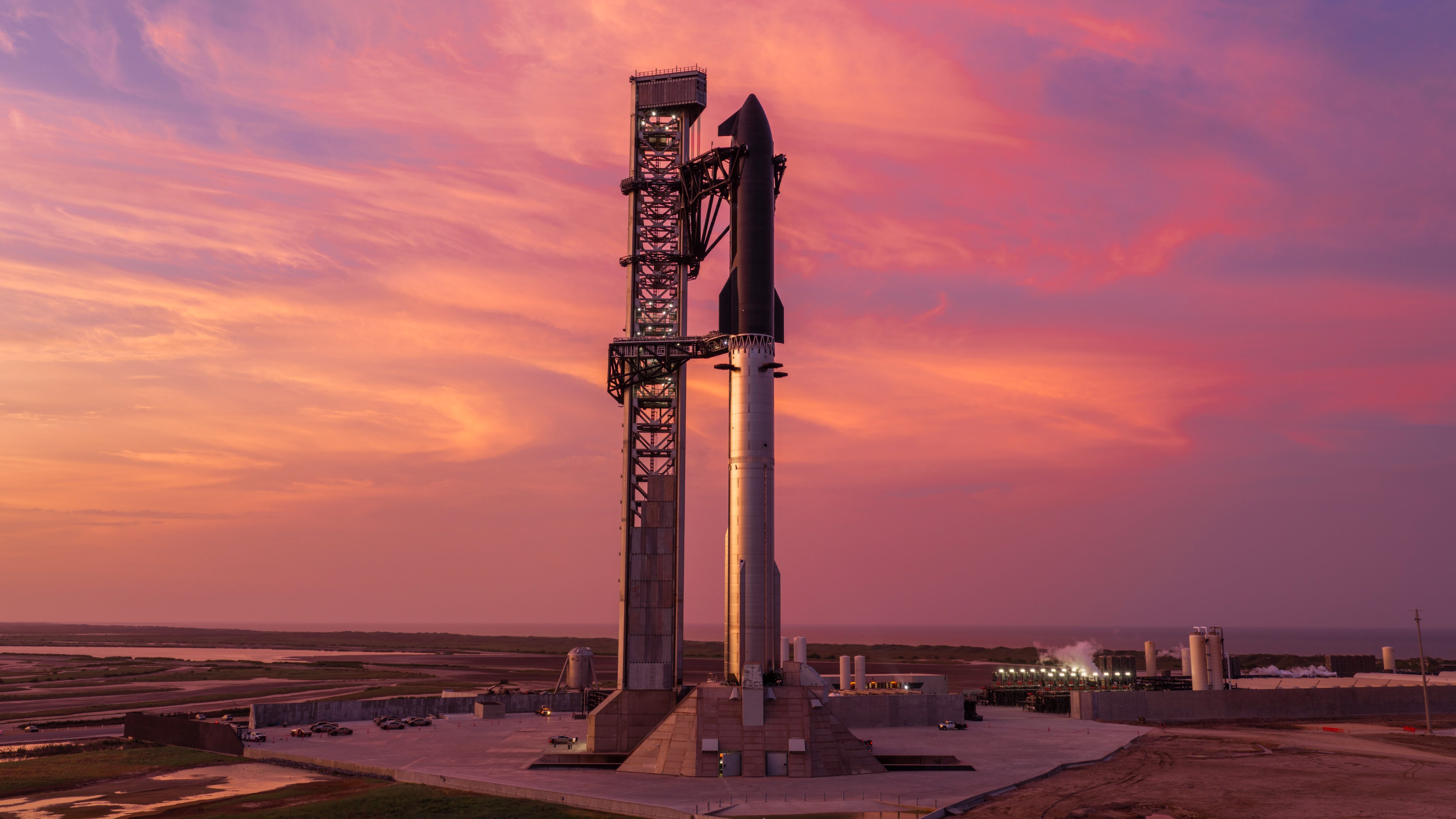
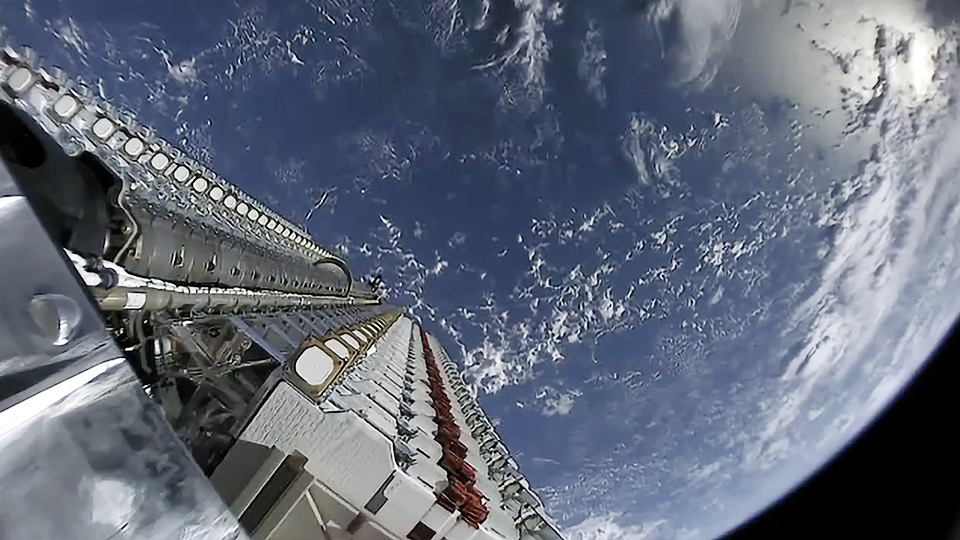
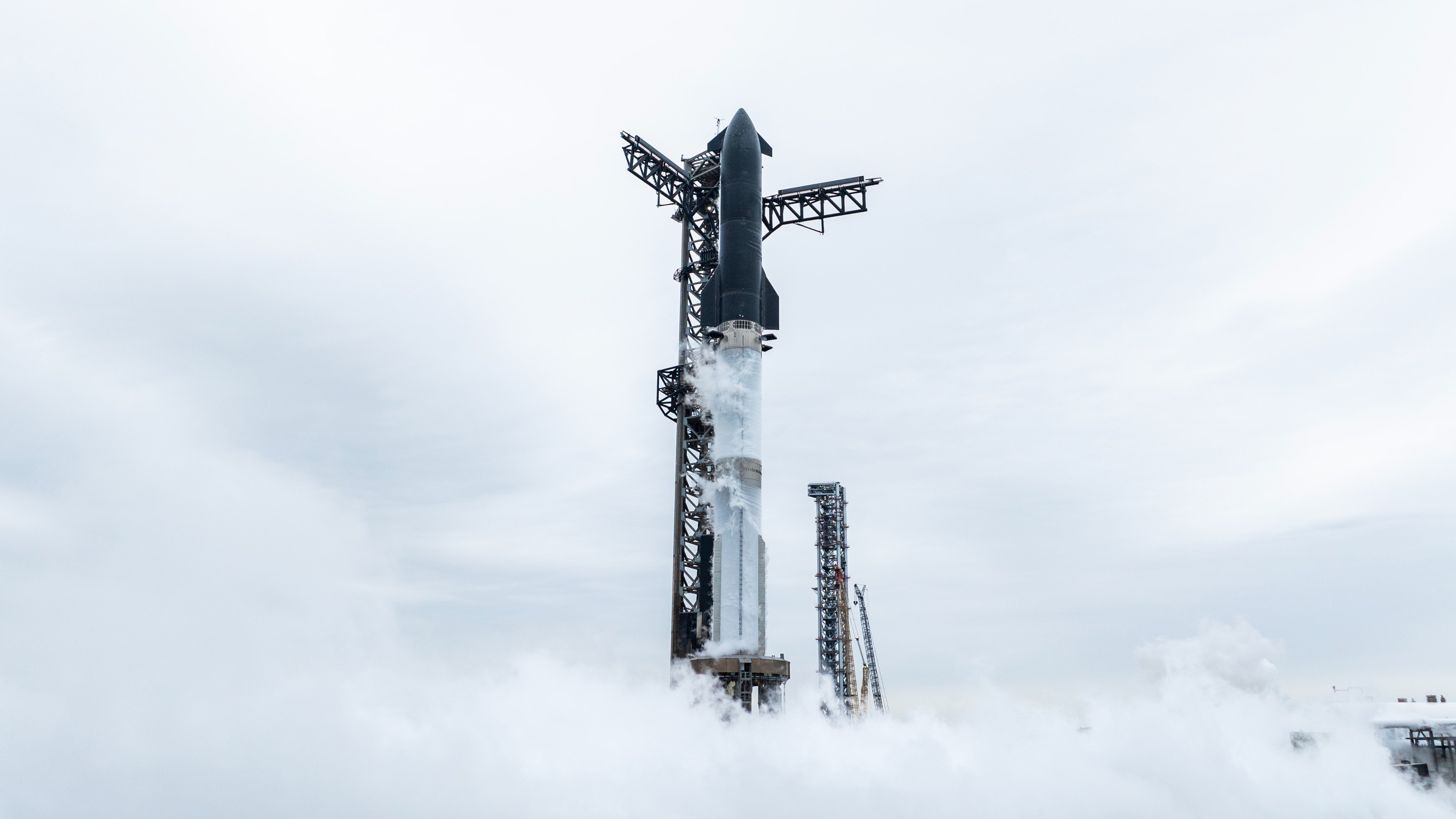
14th test flight of the two-stage Starship launch vehicle. 3rd flight of Starship V3 and the first Starship flight to deploy satellites (a group of Starlink satellites known as Starlink Group 31-1) into stable Low Earth Orbit.
The ship is expected to fly at an altitude approximately 275 km above Earth and complete approximately 6 orbits around the planet for nearly 10 hours, with splashdown targeted in the Pacific Ocean west of Chile.
The booster’s primary test objective on Flight 14 will be executing a successful launch, ascent, stage separation, boostback burn, and landing burn at an offshore landing point in the Gulf.
Starship will deliver 26 Starlink V3 satellites to orbit for the first time, which aim to greatly expand the network’s capacity and user speeds. Each Starlink V3 satellite will add 1 Tbps of capacity to the constellation.
Crew-13
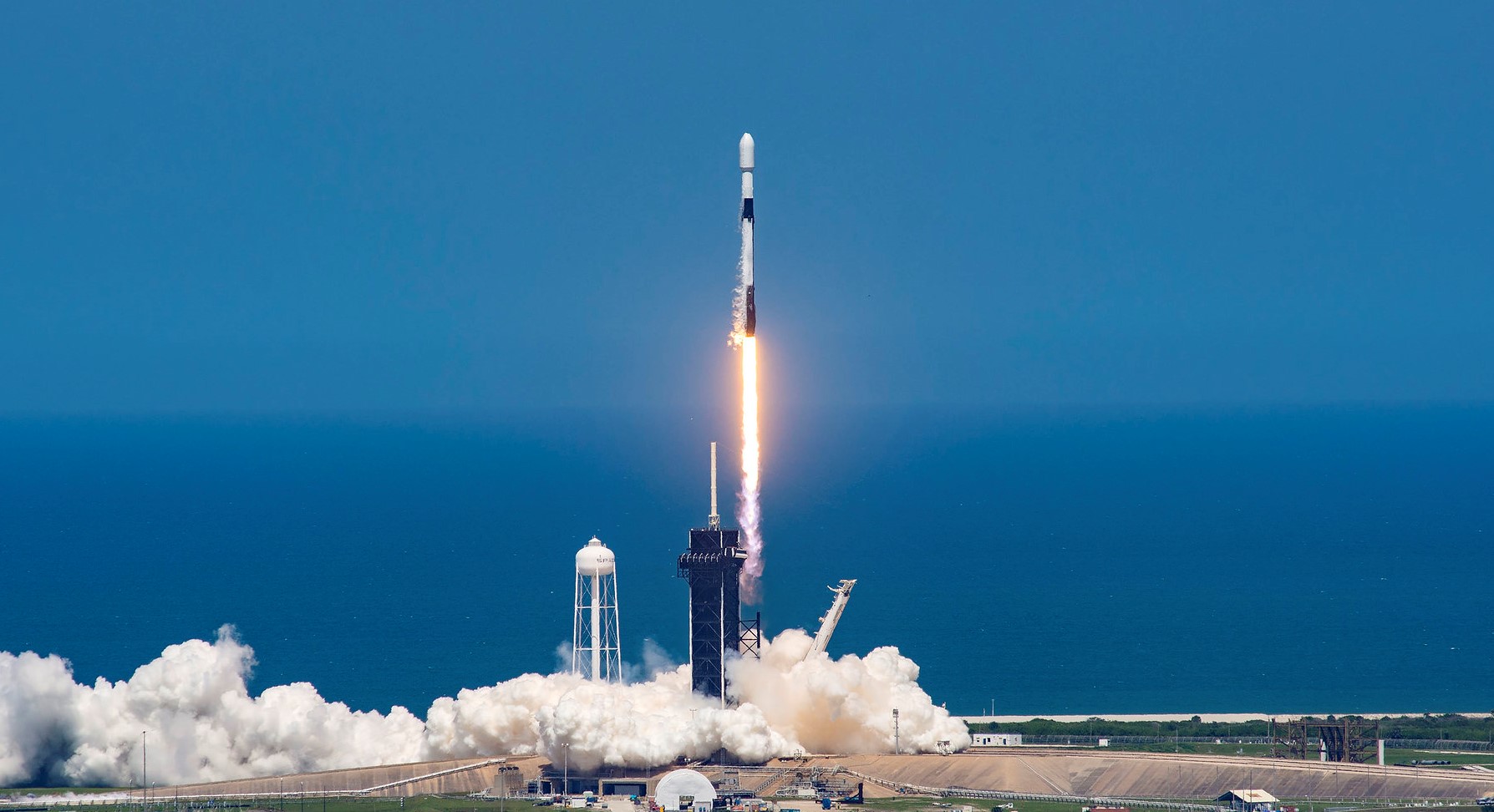
Provider: SpaceX Date: October 1, 2026 Time: 3:10 PM UTC Vehicle: Falcon 9
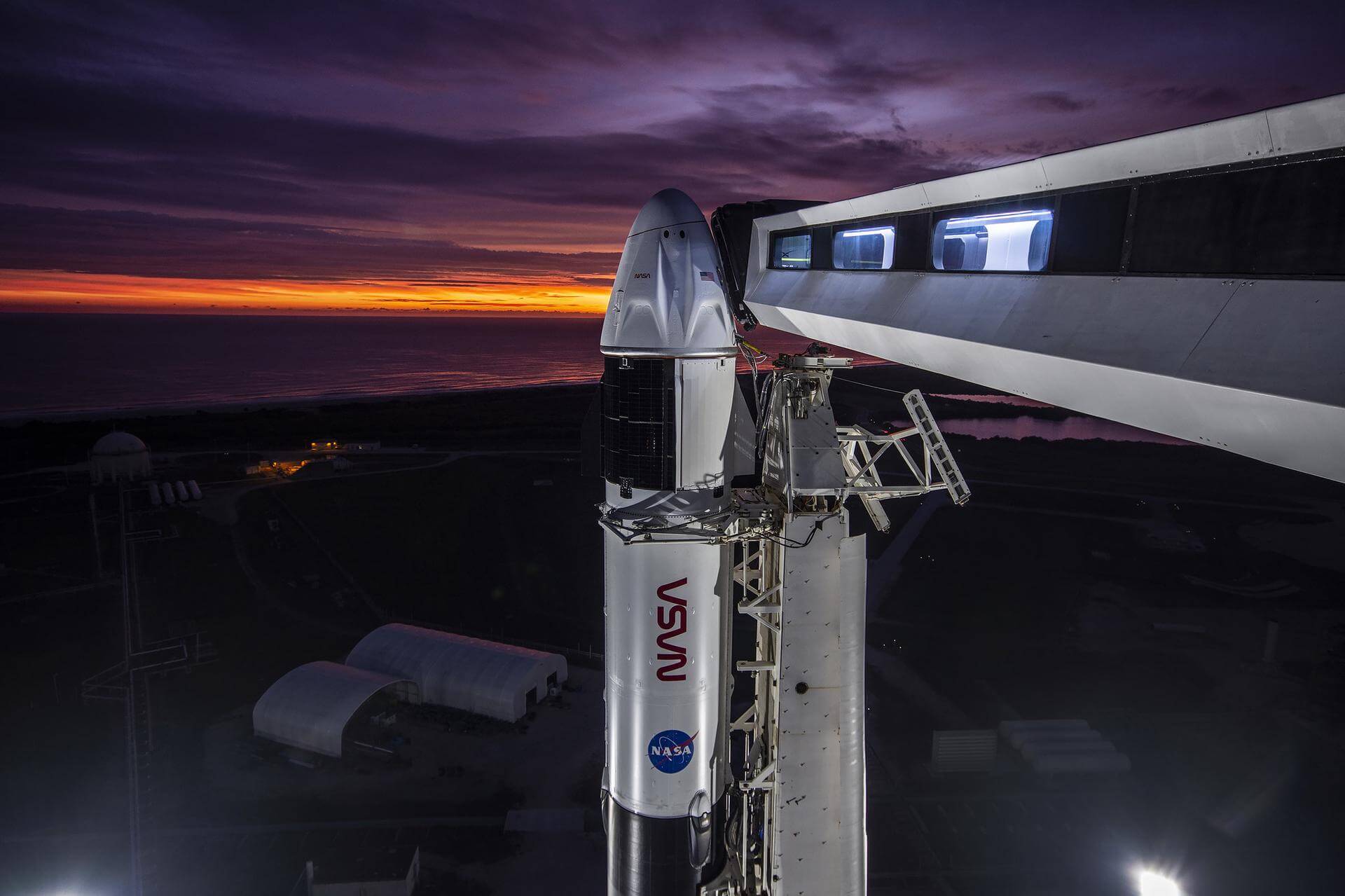
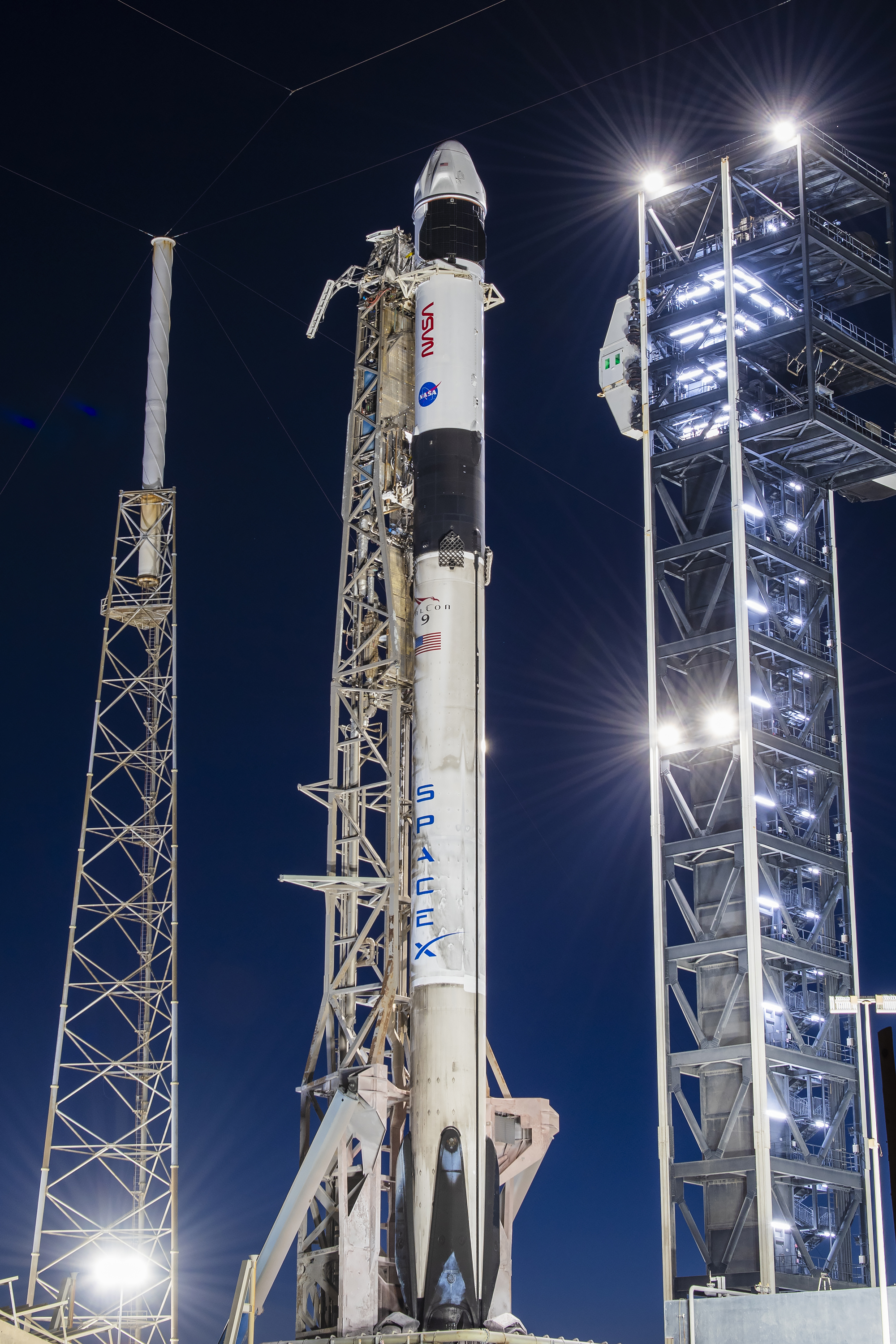
SpaceX Crew-13 is the thirteenth crewed operational flight of a Crew Dragon spacecraft to the International Space Station as part of NASA’s Commercial Crew Program.
Transporter 18 (Dedicated SSO Rideshare)
Provider: SpaceX Date: October 1, 2026 Time: 6:18 PM UTC Vehicle: Falcon 9
Dedicated rideshare flight to a sun-synchronous orbit with dozens of small microsatellites and nanosatellites for commercial and government customers.
NROL-97
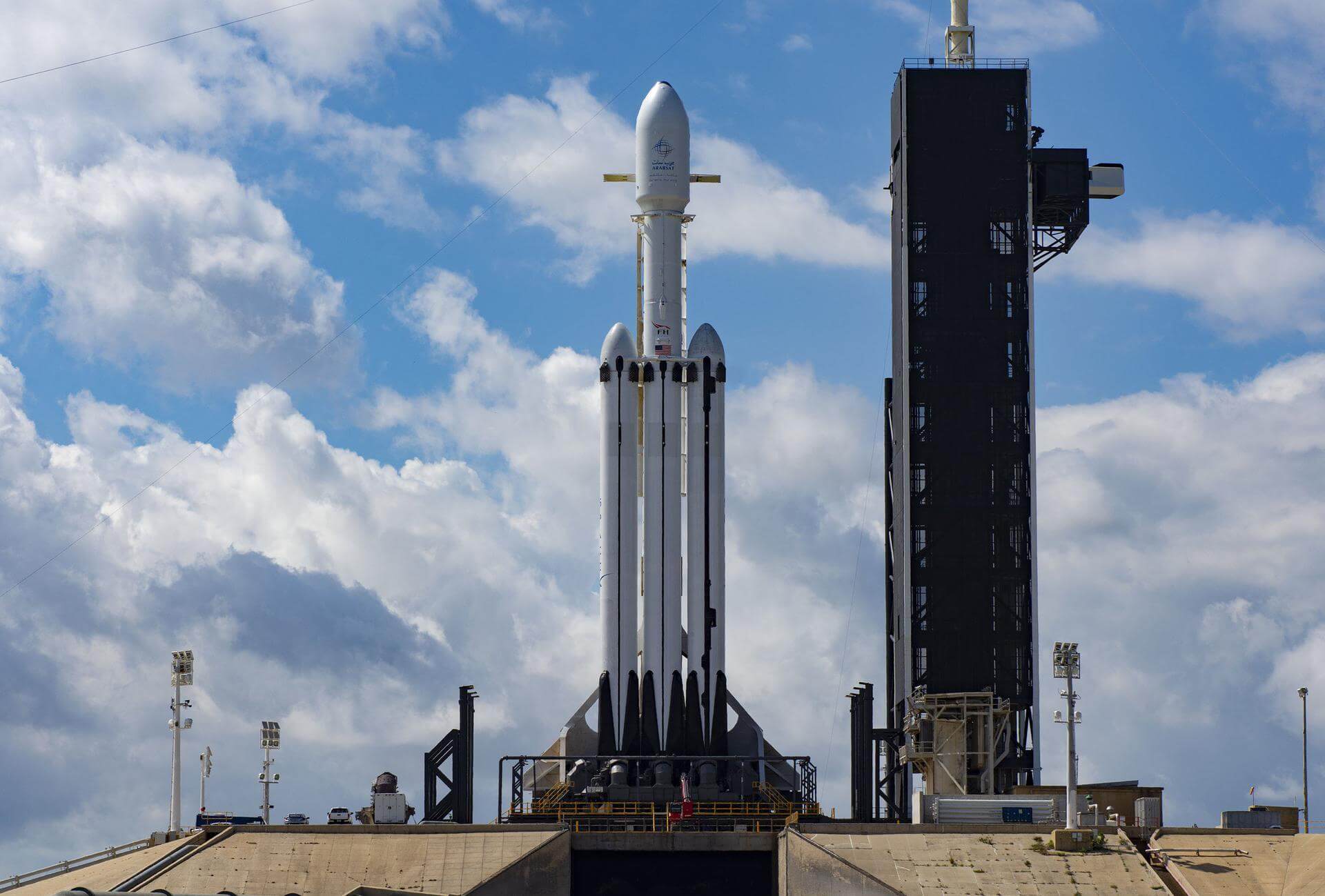
Provider: SpaceX Date: October 2, 2026 Time: 3:53 AM UTC Vehicle: Falcon Heavy
Classified payload for the US National Reconnaissance Office.
Flight 2
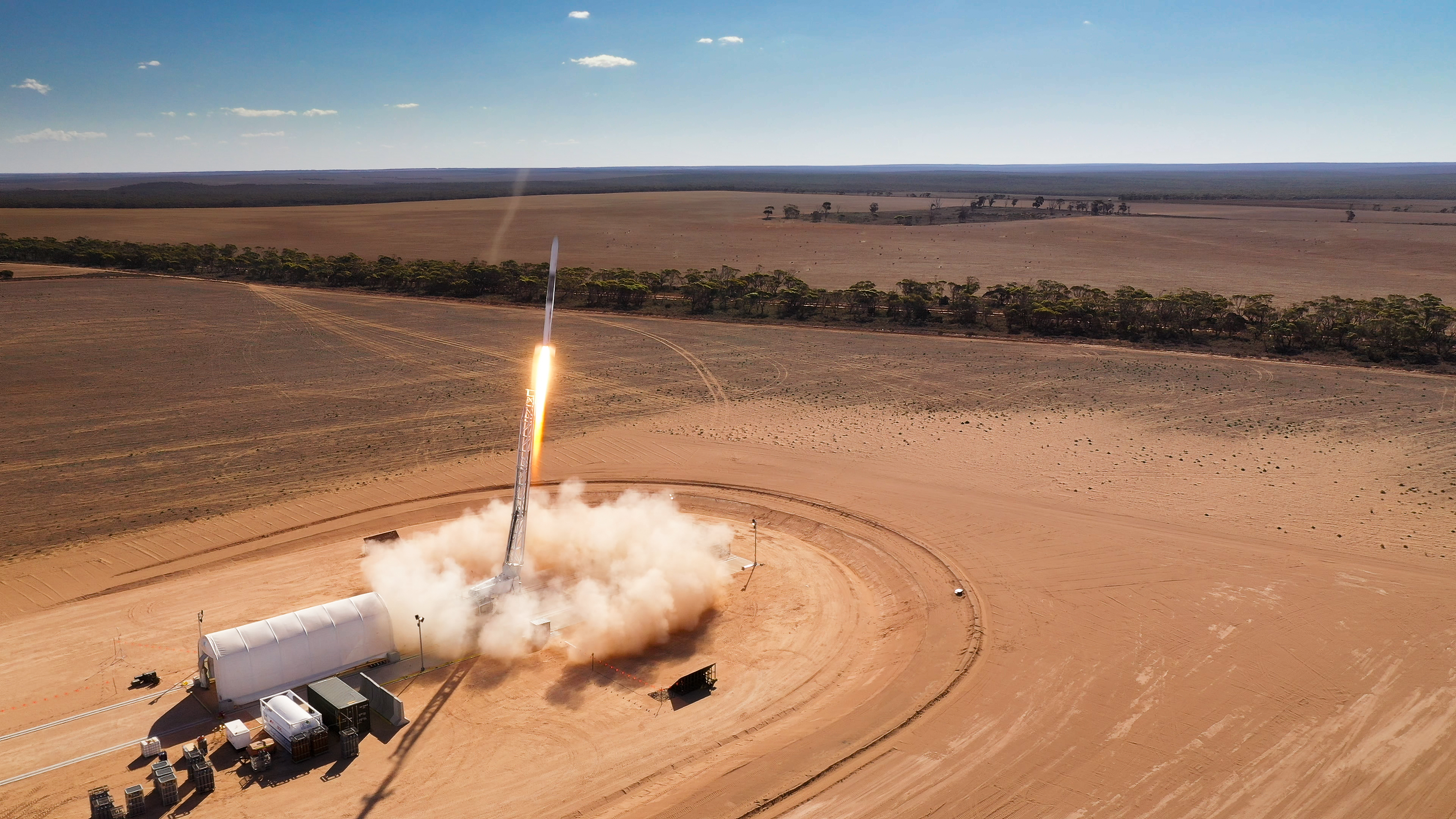
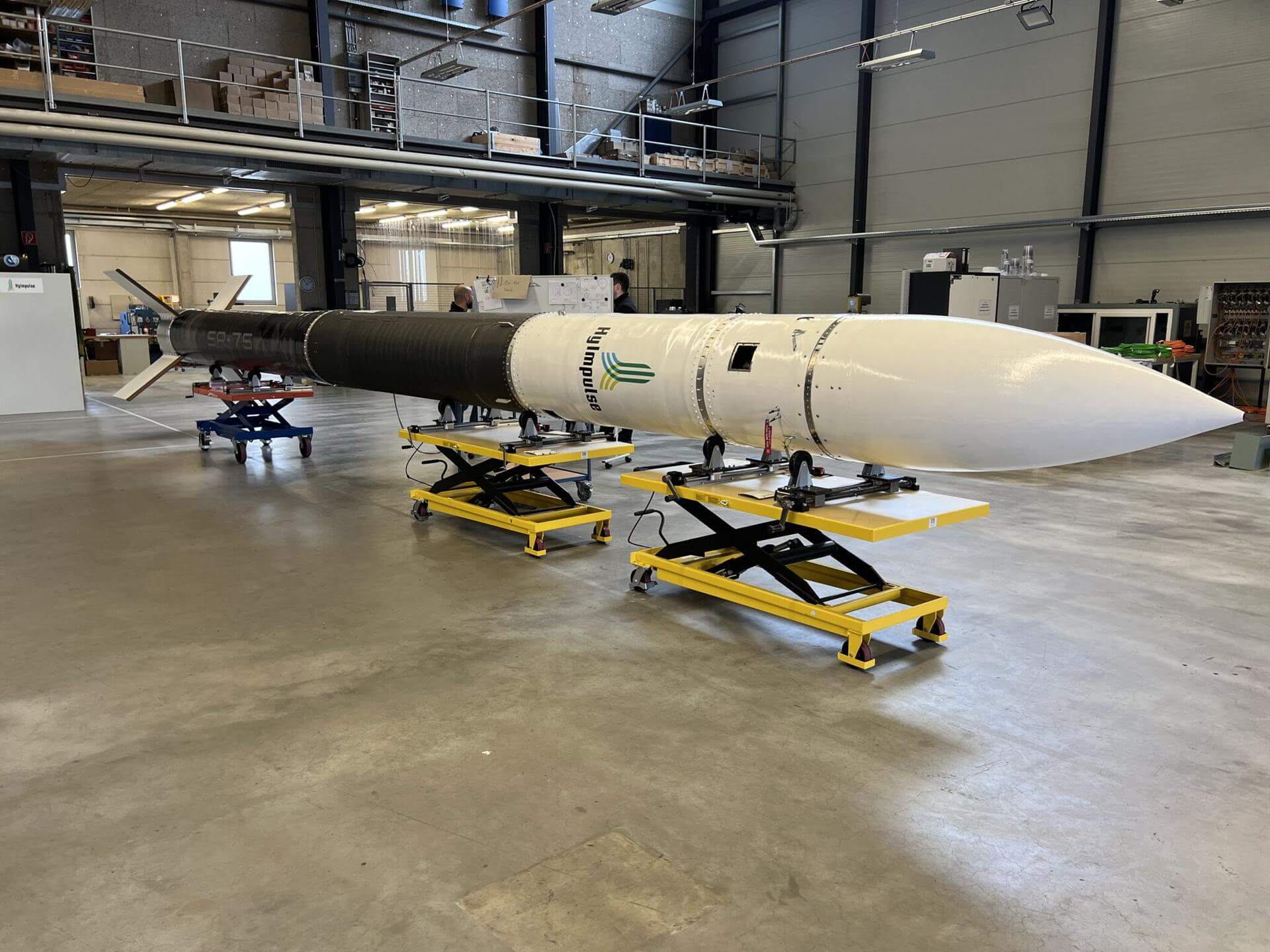
Provider: HyImpulse Date: October 5, 2026 Time: 12:00 AM UTC Vehicle: SR75
Test flight of HyImpulse’s SR75 sounding rocket.
Starlink Group 31-1 (Starship Flight 14) ×
Mission Details
TypeCommunications
OrbitLow Earth Orbit
TargetEarth
14th test flight of the two-stage Starship launch vehicle. 3rd flight of Starship V3 and the first Starship flight to deploy satellites (a group of Starlink satellites known as Starlink Group 31-1) into stable Low Earth Orbit.
The ship is expected to fly at an altitude approximately 275 km above Earth and complete approximately 6 orbits around the planet for nearly 10 hours, with splashdown targeted in the Pacific Ocean west of Chile.
The booster’s primary test objective on Flight 14 will be executing a successful launch, ascent, stage separation, boostback burn, and landing burn at an offshore landing point in the Gulf.
Starship will deliver 26 Starlink V3 satellites to orbit for the first time, which aim to greatly expand the network’s capacity and user speeds. Each Starlink V3 satellite will add 1 Tbps of capacity to the constellation.
The SpaceX Starship is a fully reusable super heavy-lift launch vehicle under development by SpaceX since 2012, as a self-funded private spaceflight project. The second stage of the Starship — is designed as a long-duration cargo and passenger-carrying spacecraft. It is expected to be initially used without any booster stage at all, as part of an extensive development program to prove out launch-and-landing and iterate on a variety of design details, particularly with respect to the vehicle’s atmospheric reentry.
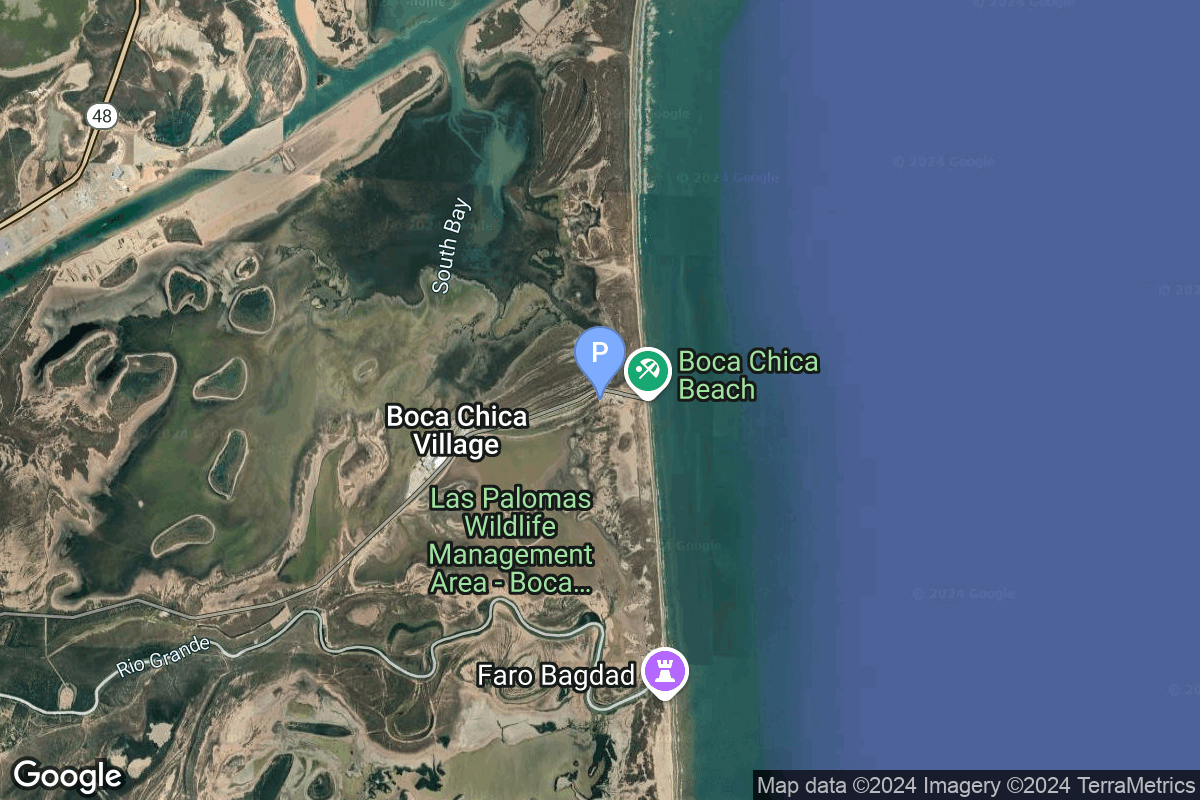
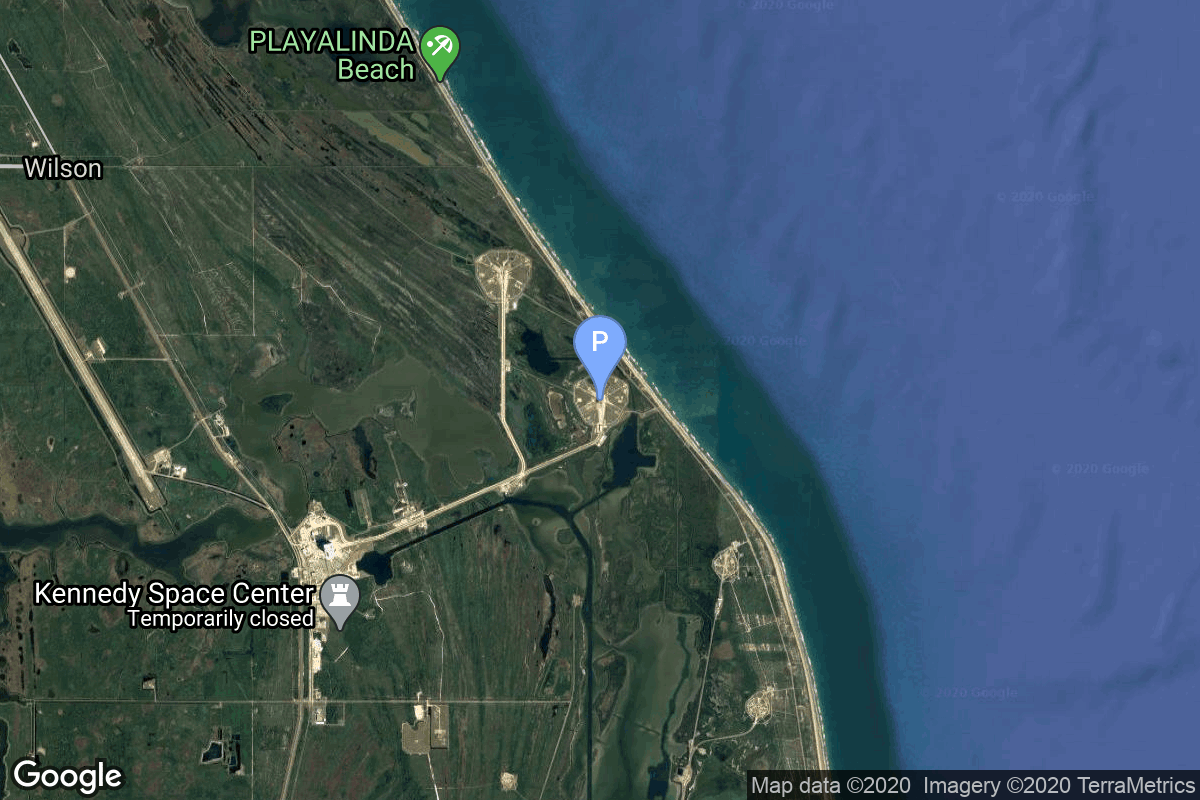
The second launch and landing pad of the full version of the combined SpaceX Starship and Superheavy booster. To be first used for launch in 2025 with version 3 of Starship and the Superheavy…
The Super Heavy Booster 21 will attempt to perform a soft splashdown in the Gulf of Mexico.
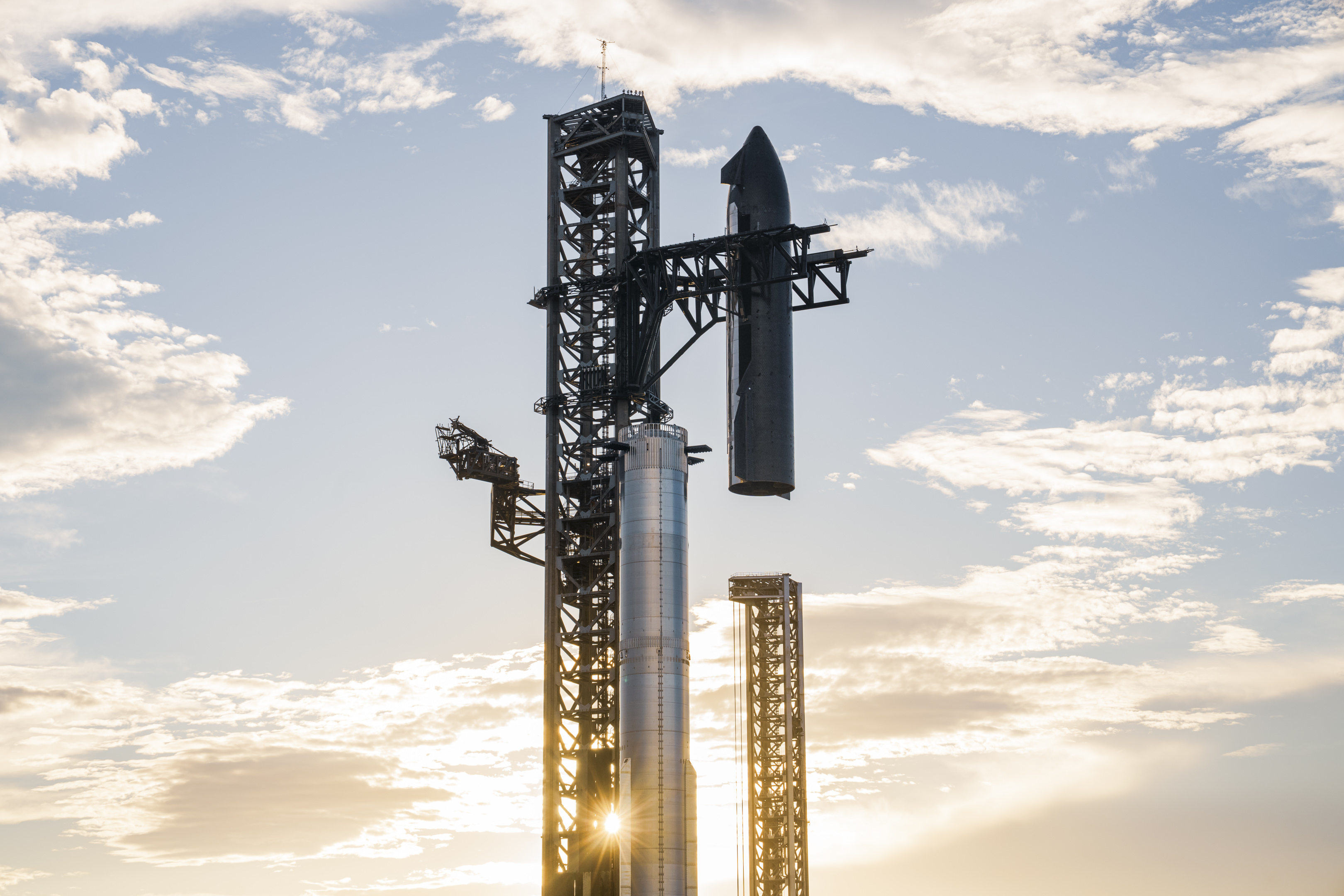
Spacecraft: Ship 41
Third V3 Starship to fly with various enhancements, to be used on the 14th Starship test flight, the first Starship flight to deploy satellites into stable Low Earth Orbit.
Specifications
SerialS41
TypeReuseable Upper Stage
StatusActive
DestinationLow Earth Orbit
Height52.1 m
Diameter9 m
Maiden Flight2026-05-22
History
The third-generation Starship upper stage will be introduced on flight 12.
Capability
More than 100 tons to Earth orbit
Details
Third-generation second stage of the two-stage Starship super heavy-lift launch vehicle.
SpaceX Crew-13 is the thirteenth crewed operational flight of a Crew Dragon spacecraft to the International Space Station as part of NASA’s Commercial Crew Program.
• National Aeronautics and Space Administration (Government)
• Russian Federal Space Agency (ROSCOSMOS) (Government)
Program: Commercial Crew Program
The Commercial Crew Program (CCP) is a human spaceflight program operated by NASA, in association with American aerospace manufacturers Boeing and SpaceX. The program conducts rotations between the expeditions of the International Space Station program, transporting crews to and from the International Space Station (ISS) aboard Boeing Starliner and SpaceX Crew Dragon capsules, in the first crewed orbital spaceflights operated by private companies.
The International Space Station programme is tied together by a complex set of legal, political and financial agreements between the sixteen nations involved in the project, governing ownership of the various components, rights to crewing and utilization, and responsibilities for crew rotation and resupply of the International Space Station. It was conceived in 1984 by President Ronald Reagan, during the Space Station Freedom project as it was originally called.
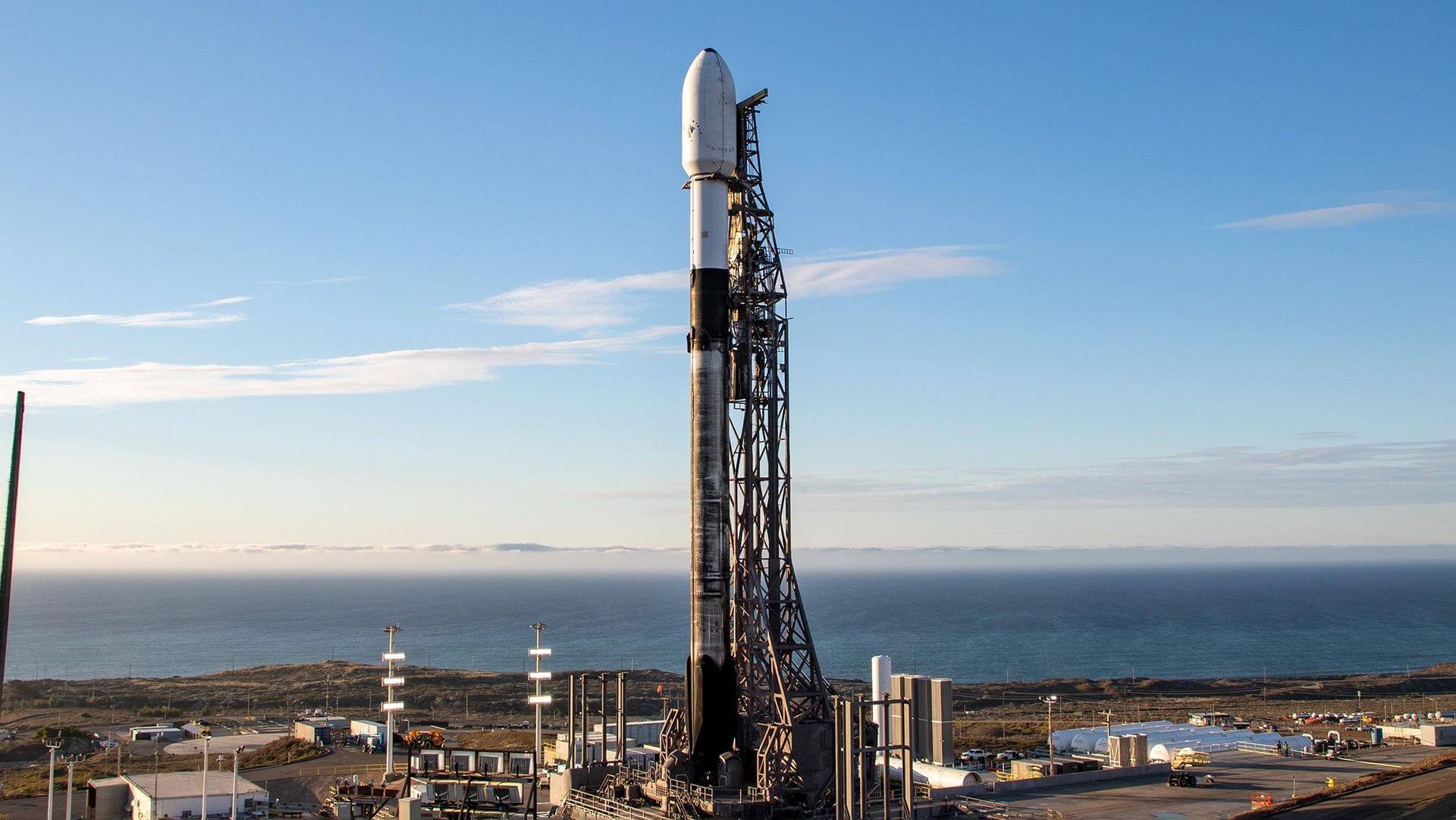
Falcon 9 is a two-stage rocket designed and manufactured by SpaceX for the reliable and safe transport of satellites and the Dragon spacecraft into orbit. The Block 5 variant is the fifth major interval aimed at improving upon the ability for rapid reusability.
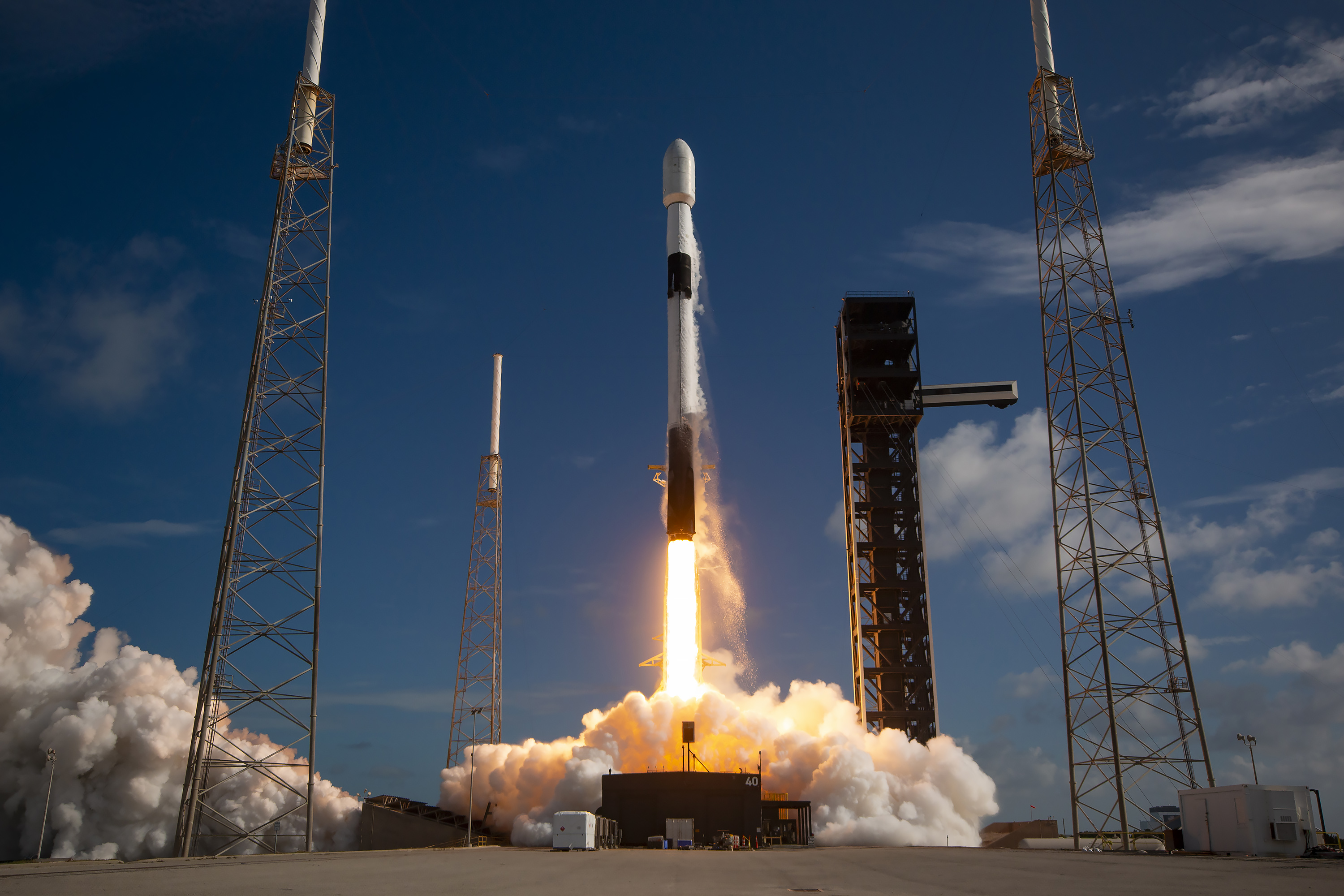
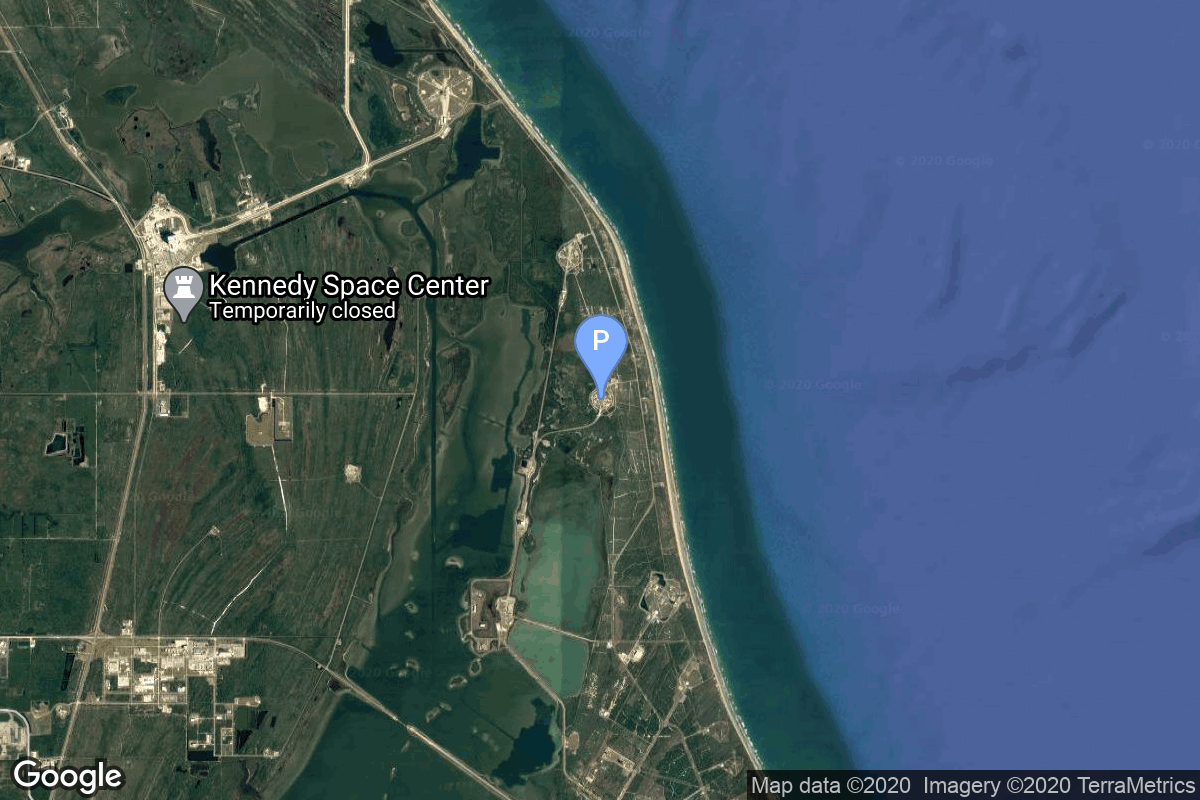
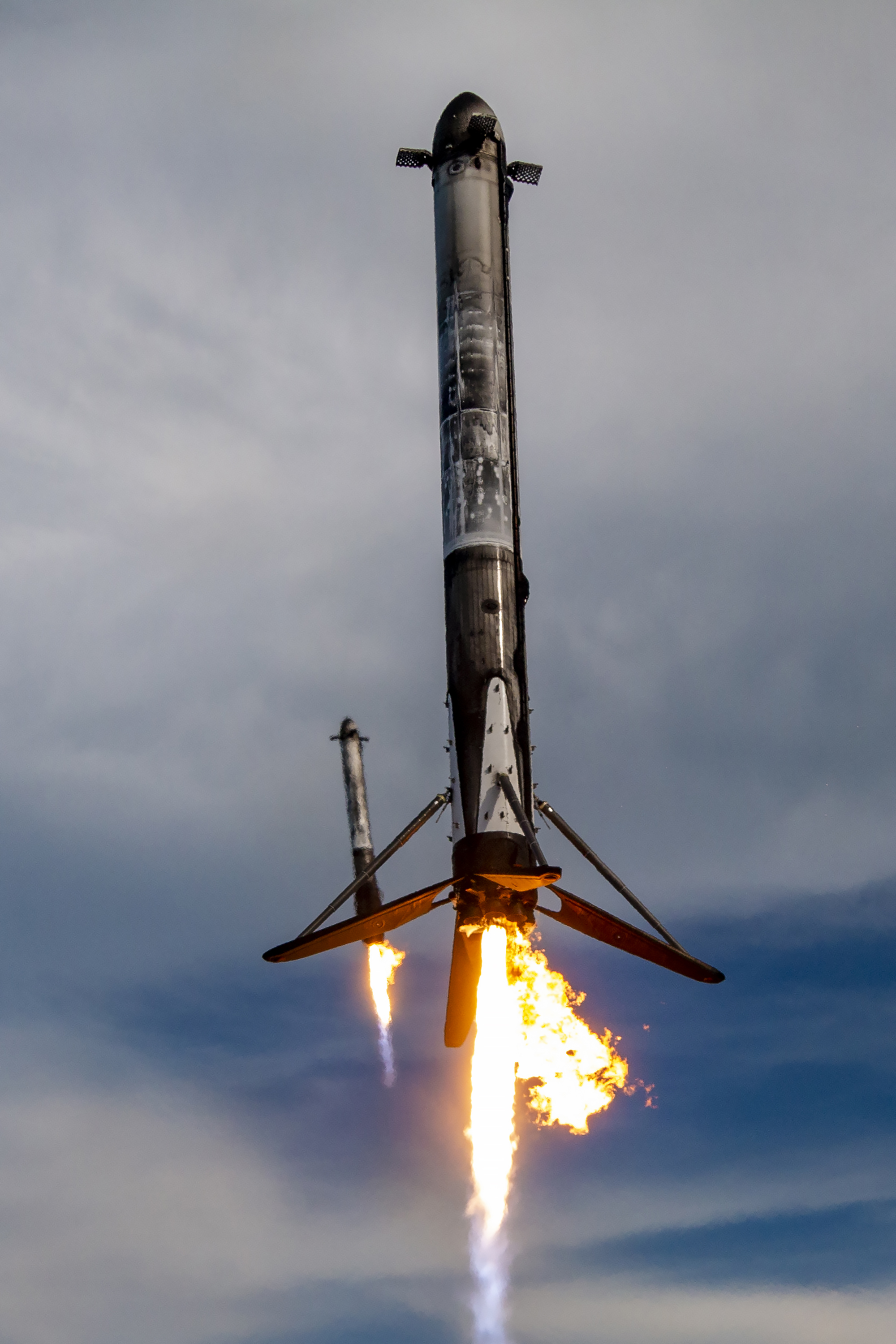
The Falcon 9 first stage B1101 will land back at the launch site at Landing Zone 40 after its 3rd flight.
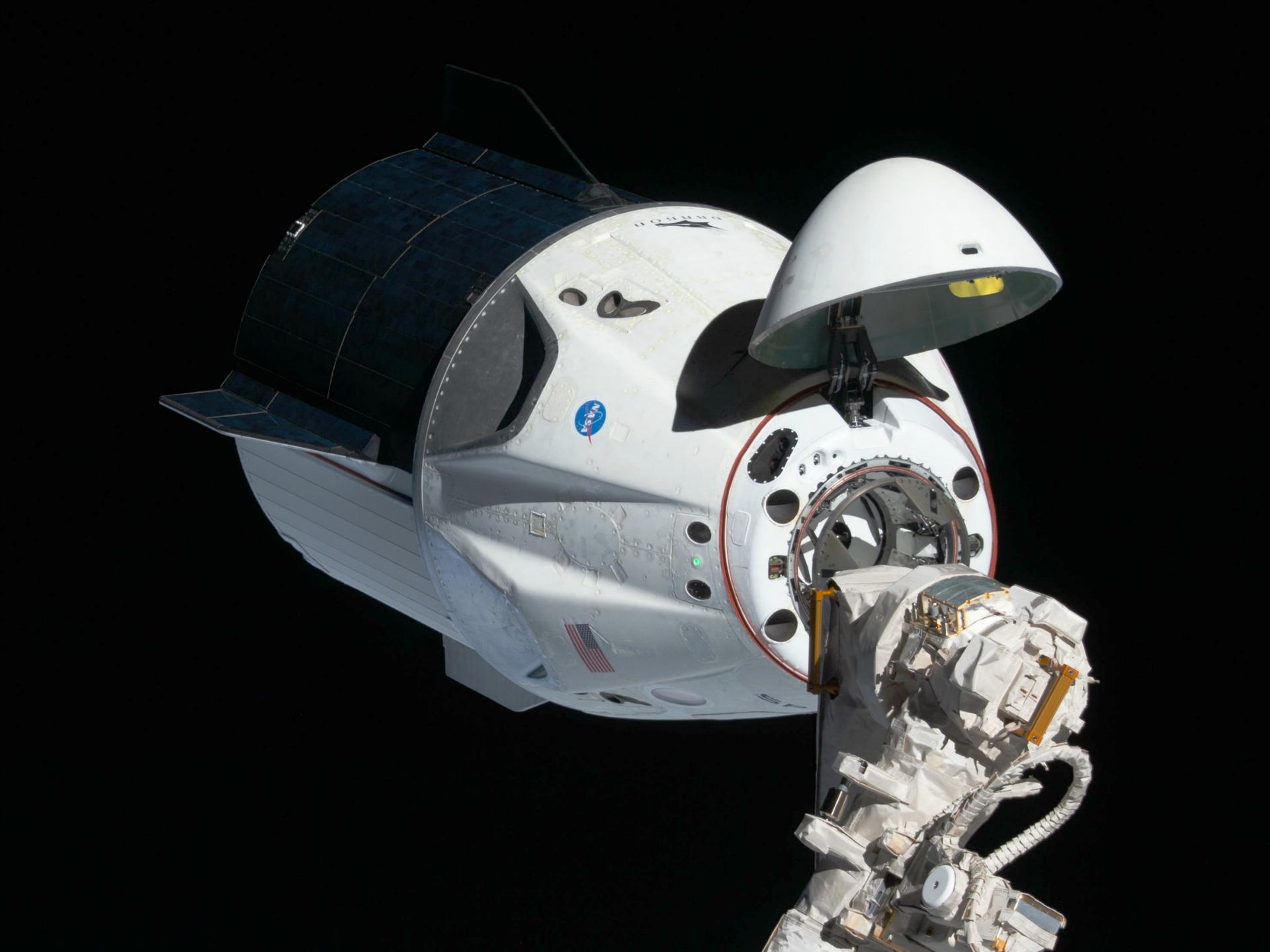
Spacecraft: Crew Dragon Grace
Crew Dragon spacecraft first used for Axiom-4.
Specifications
SerialC213
TypeCapsule
StatusActive
DestinationInternational Space Station
Crew Capacity4
Height7.2 m
Diameter3.7 m
Maiden Flight2019-03-02
Payload Capacity6,000 kg
Time in Space20 Days, 2 Hours, 58 Minutes
Missions Flown1
Turnaround443 Days, 5 Hours, 40 Minutes
History
Crew Dragon 2 is a spacecraft developed by SpaceX, an American private space transportation company based in Hawthorne, California. Dragon is launched into space by the SpaceX Falcon 9 two-stage-to-orbit launch vehicle. It is one of two American Spacecraft being develeoped capable of lifting American Astronauts to the International Space Station.
The first crewed flight, launched on 30 May 2020 on a Falcon 9 rocket, and carried NASA astronauts Douglas Hurley and Robert Behnken to the…
Capability
Crew Flights to ISS or Low Earth Orbit
Details
Crew Dragon 2 is capable of lifting four astronauts, or a combination of crew and cargo to and from low Earth orbit. Its heat shield is designed to withstand Earth re-entry velocities from Lunar and Martian spaceflights.
Flight Life
Able to fly for up to one week of free flight or two years docked.
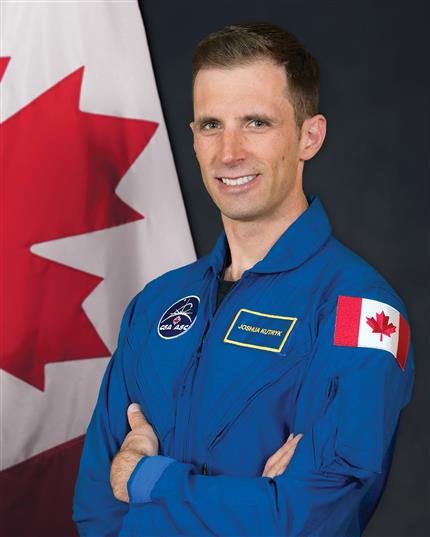
Joshua Kutryk, a Royal Canadian Air Force lieutenant colonel, is from Beauvallon, Alberta. He has a bachelor’s degree in mechanical engineering, as well as master’s degrees in space studies, flight test engineering, and defense studies.
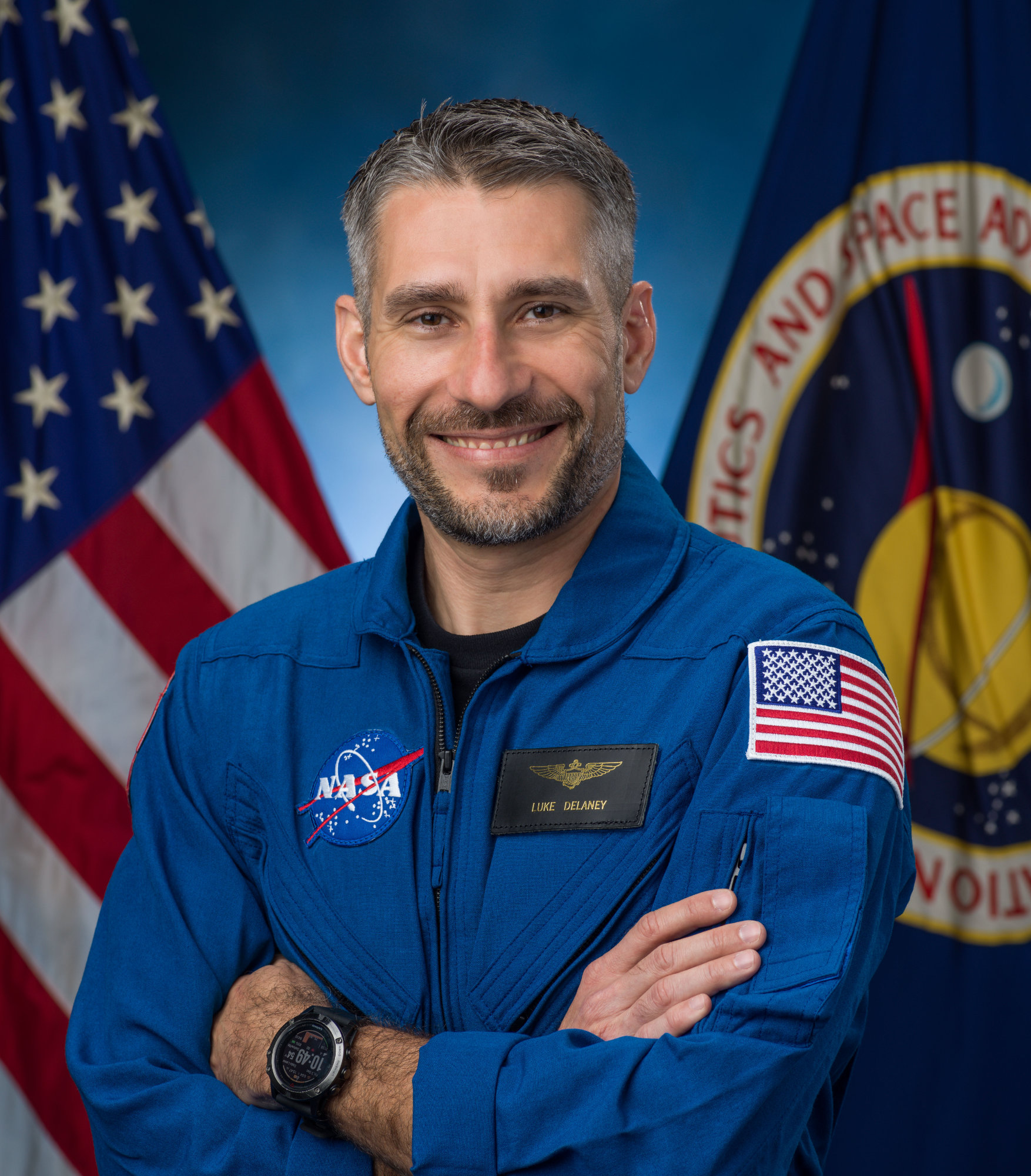
Luke Delaney is a retired US Marine Corps major who grew up in Debary, Florida. He holds a degree in mechanical engineering from University of North Florida and a master’s degree in aerospace engineering from the Naval Postgraduate School.
Falcon 9 is a two-stage rocket designed and manufactured by SpaceX for the reliable and safe transport of satellites and the Dragon spacecraft into orbit. The Block 5 variant is the fifth major interval aimed at improving upon the ability for rapid reusability.
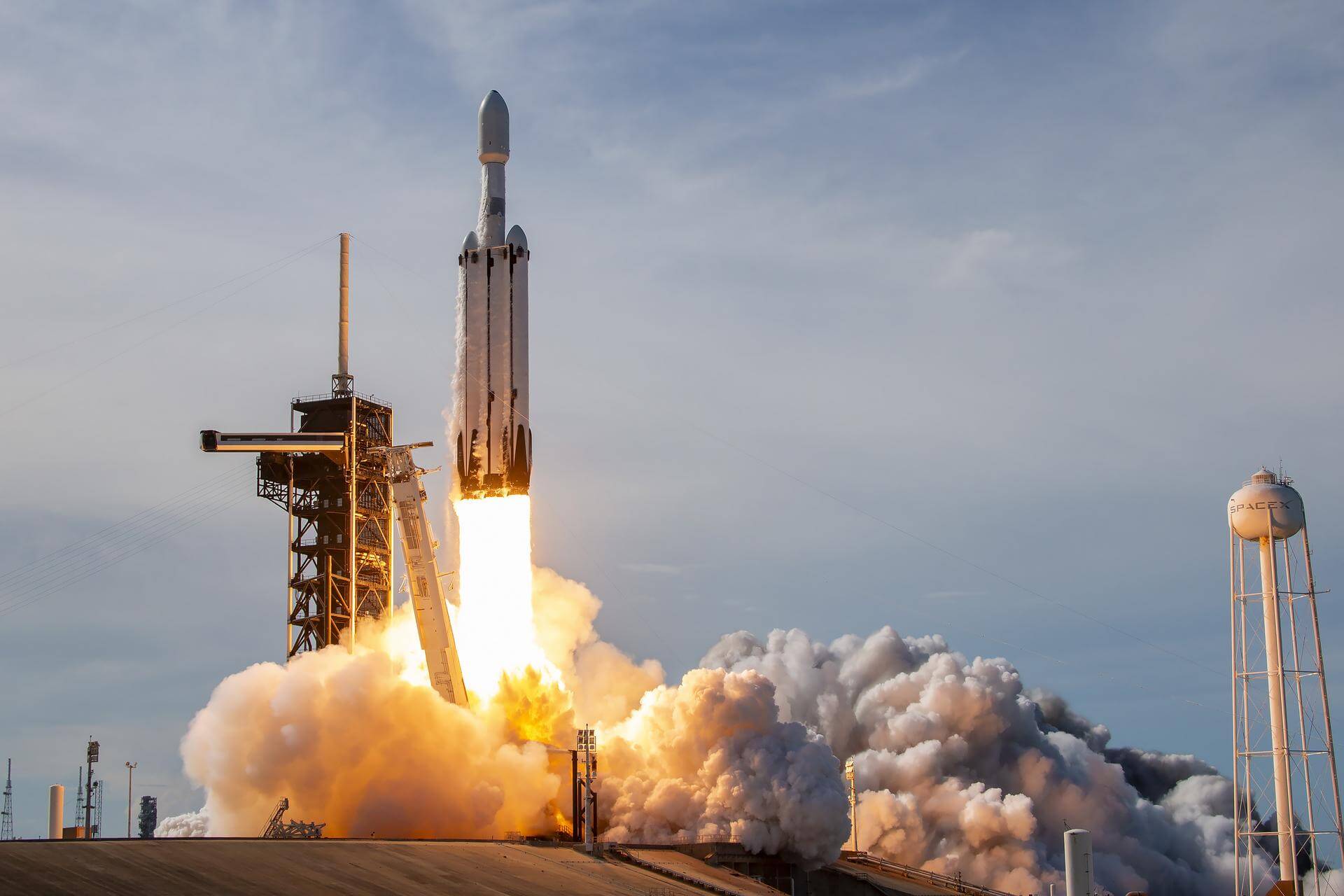
The Falcon Heavy is a variant of the Falcon 9 full thrust launch vehicle and consists of a standard Falcon 9 rocket core, with two additional boosters derived from the Falcon 9 first stage.
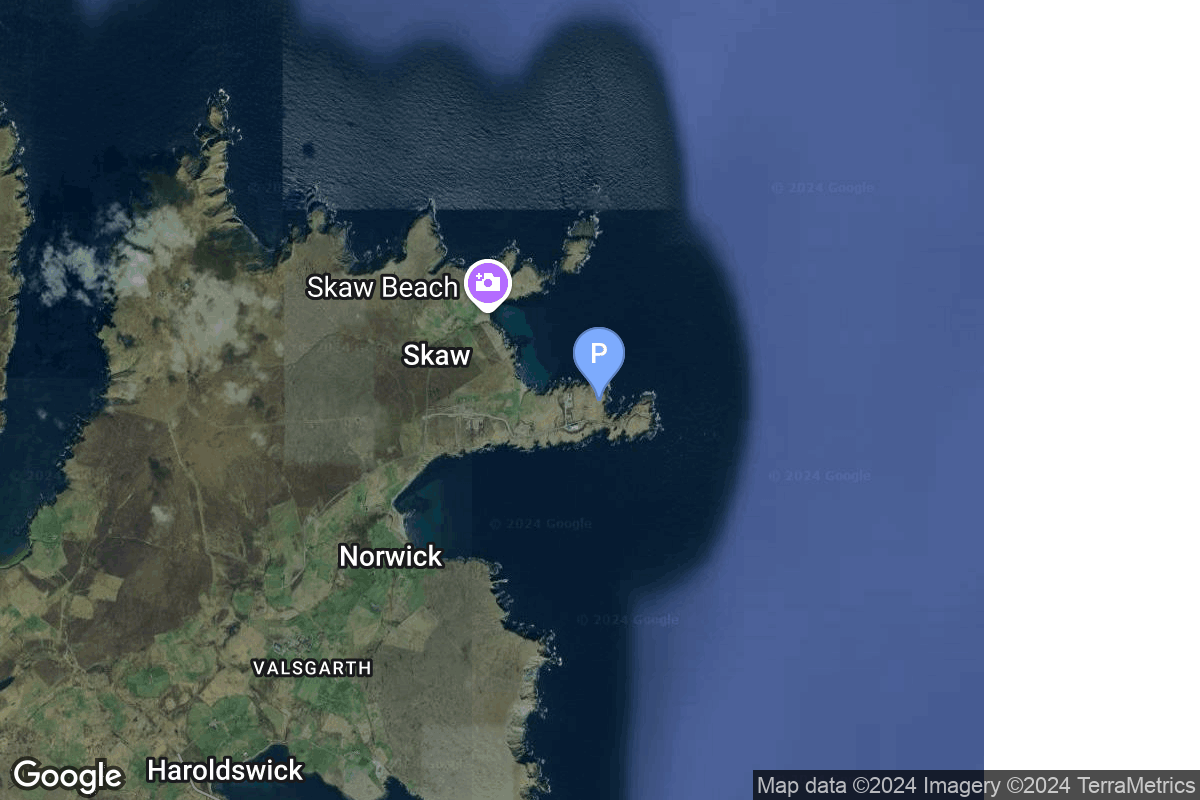
Single-stage suborbital sounding rocket developed by German private company HyImpulse. Used to offer commercial microgravity services and as a test bed for the company’s SL1 orbital rocket.
Specifications
Diameter0.64 m
Liftoff Thrust75 kN
Max Apogee200 km
ReusableNo
Maiden Flight2024-05-03
Launch Record
1 successful / 1 total launches
Current streak: 1 successful
Enjoying the content? Stay up to date on everything happening behind the scenes by following our Patreon!
Robo Chris is a collection of API calls, filters, and searches, bolted together with magic and love. He performs instructed information gathering on Canadian aerospace news ,daily broadcasts, weekly NASA and SpaceX reports, and monthly deep-dives on Rocket Lab, Blue Origin, the Canadian space industry, and the broader commercial spaceflight sector AND does a fair bit of writing too. Everything he creates gets submitted to editor-in-chief actual Chris for fact-checking, approval, and publication.