Artemis III Engines Arrive as Moon Base Momentum Builds
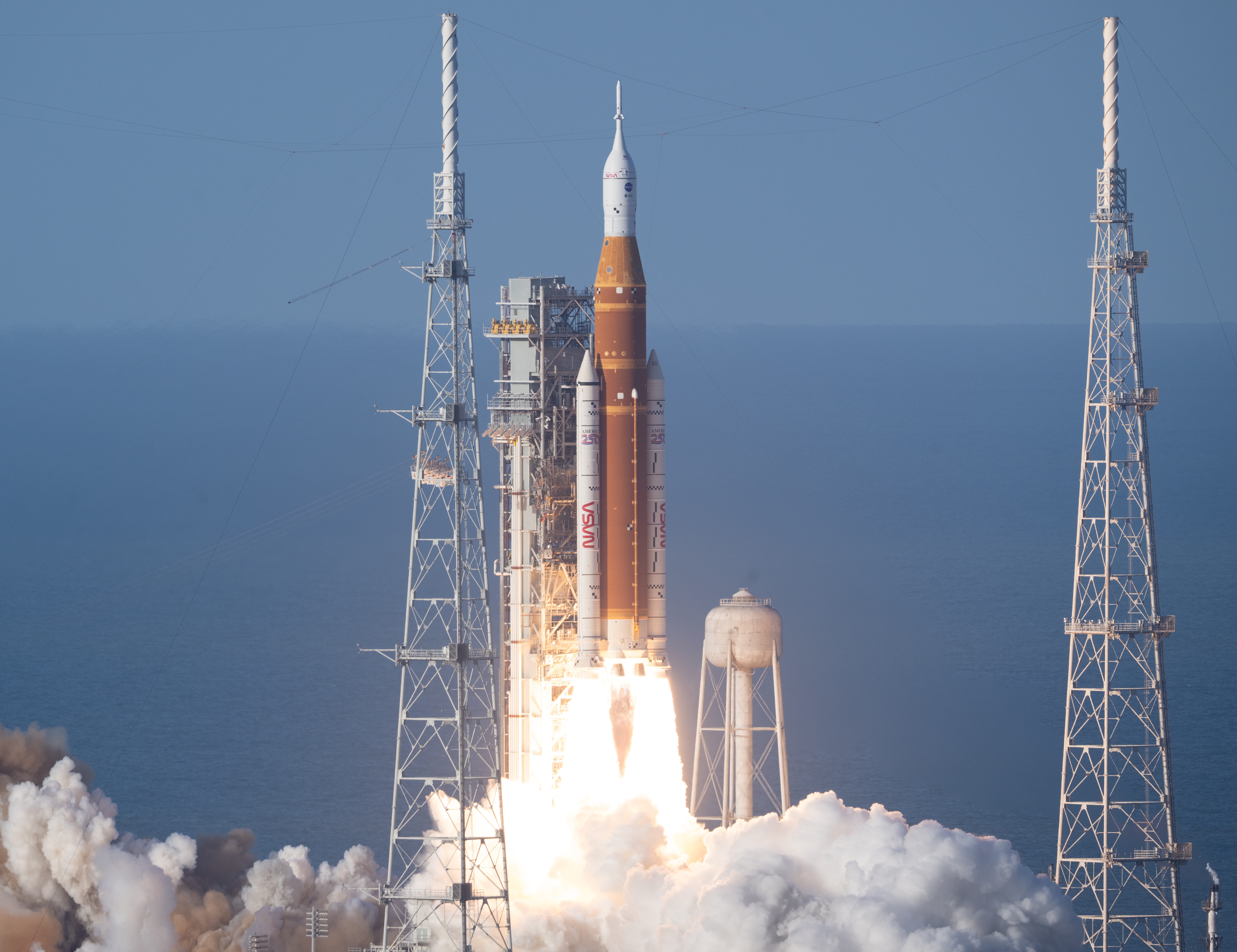
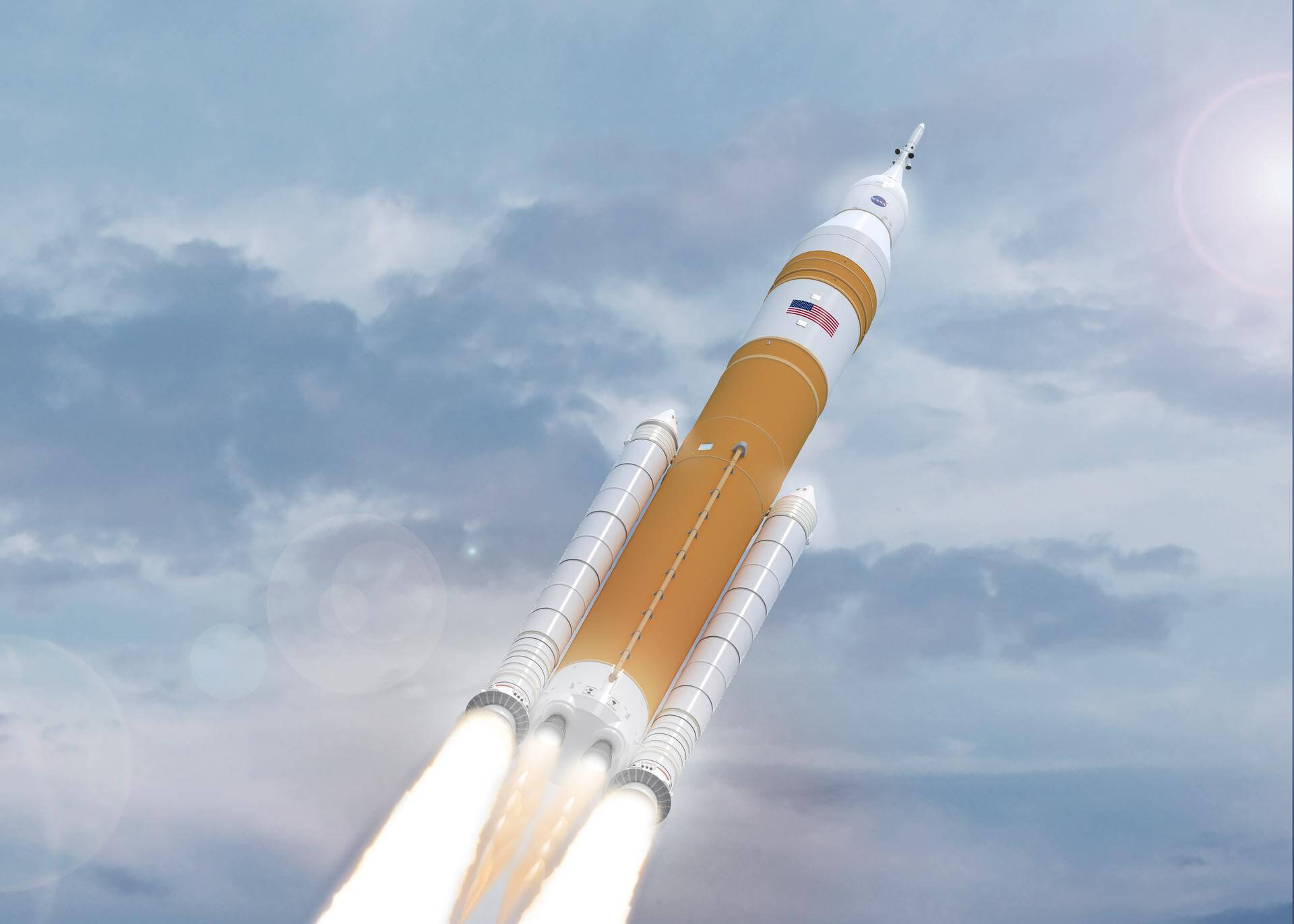
The second of four RS-25 rocket engines destined for NASA’s Space Launch System core stage arrived at Kennedy Space Center this past week, marking continued progress on hardware for the Artemis III mission. These engines will power SLS during Artemis III’s scheduled launch, propelling the Orion spacecraft toward the Moon.
Meanwhile, NASA celebrated its space exploration legacy as the Wright Flyer swatch that flew aboard Artemis II during its lunar orbit mission returned home to the Smithsonian’s National Air and Space Museum. The historic textile—a piece of the aircraft that first achieved powered flight—bridged aviation’s past and spaceflight’s future.
Four Commercial Landers to Deliver NASA Payloads Across the Lunar Surface
NASA announced four new commercial lunar lander missions this week as part of its Moon Base Phase One programme, significantly increasing the cadence of lunar exploration. Administrator Jared Isaacman unveiled the awards during a virtual event, highlighting the agency’s commitment to building a sustained human presence on the Moon.
The four lander missions will carry NASA science and technology payloads to expand scientific discovery and advance the capabilities needed for crewed lunar operations. Blue Origin remains a central partner, with its Mk. 1 cargo lander planning its first mission—called Endurance—to land on the lunar surface, and its Mk. 2 human-rated lander in development for eventual crewed delivery.
The expanded lander cadence represents a major acceleration of Moon Base development, with each mission building the infrastructure and operational experience needed for long-duration lunar habitation.
Mars Rovers Rest as Lunar Ambitions Grow
This week saw no major active science updates from NASA’s Mars rovers, a quiet moment on the Red Planet. However, the agency is looking ahead to future lunar exploration: NASA is considering PROMISE, a Polar Rover for Observation, Mapping, and In-Situ Exploration, for deployment on the Moon. The rover design builds on proven technology from Curiosity and Perseverance, suggesting NASA’s lunar strategy increasingly draws on Mars rover expertise.
Swift Observatory to Receive Orbital Boost from Commercial Robotic Servicing
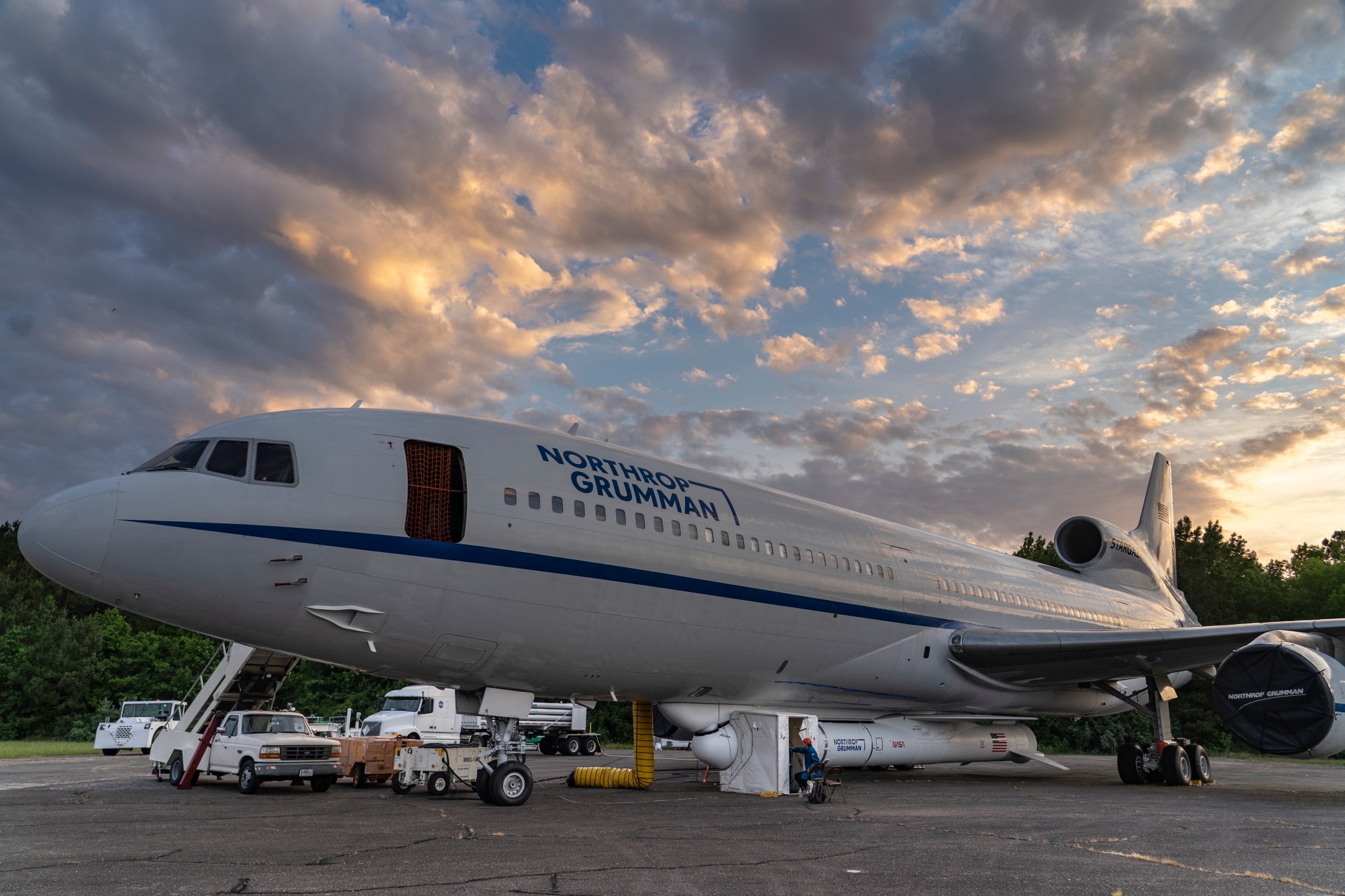
A historic mission to rescue a NASA space telescope is poised for launch this week. The LINK spacecraft, built by Katalyst Space, is scheduled to launch no earlier than Thursday, July 2, at 5:09 a.m. EDT aboard a Northrop Grumman Pegasus XL rocket from Kwajalein Atoll in the Marshall Islands. If successful, LINK will rendezvous with, grapple, and gradually raise the orbit of NASA’s Neil Gehrels Swift Observatory, preventing it from re-entering Earth’s atmosphere later this year.
This will mark the first time a commercial robotic servicing spacecraft has captured an uncrewed NASA spacecraft not originally designed for in-space servicing—a significant milestone for the emerging on-orbit servicing industry.
On the astrophysics front, NASA’s James Webb Space Telescope revealed a stunning portrait of star formation in the FS Tau system. Webb’s infrared vision penetrated dense dust clouds, unveiling numerous protostars—baby stars aged 1 to 3 million years old—shaping their surroundings through energetic outflows and accretion. The young stellar objects are already reshaping their environment despite their low mass, evidence that even nascent stars leave a mark on the cosmos around them.
Expedition 74 Completes Canadarm2 Overhaul Following Successful Spacewalk
Astronauts Chris Williams and Jessica Meir completed a 7-hour, 20-minute spacewalk on Tuesday, June 30, conducting critical maintenance on the International Space Station’s Canadian-built Canadarm2 robotic arm. Working 260 miles above Earth, the pair replaced a malfunctioning wrist joint using a spare already aboard the station. The spacewalk, which began at 8:20 a.m. EDT and concluded at 3:40 p.m. EDT, kept the station’s most versatile robotic appendage operational for future cargo operations and maintenance tasks.
Following the EVA, Expedition 74 crew members turned their attention to science and station upkeep. The crew advanced cartilage repair research and cardiac studies whilst cosmonauts focused on laboratory maintenance. Mid-week, the ISS also performed a reboost manoeuvre on Wednesday to raise its orbital altitude.
Blue Origin Rebuilds; NASA Recruits for Future Deep Space Missions
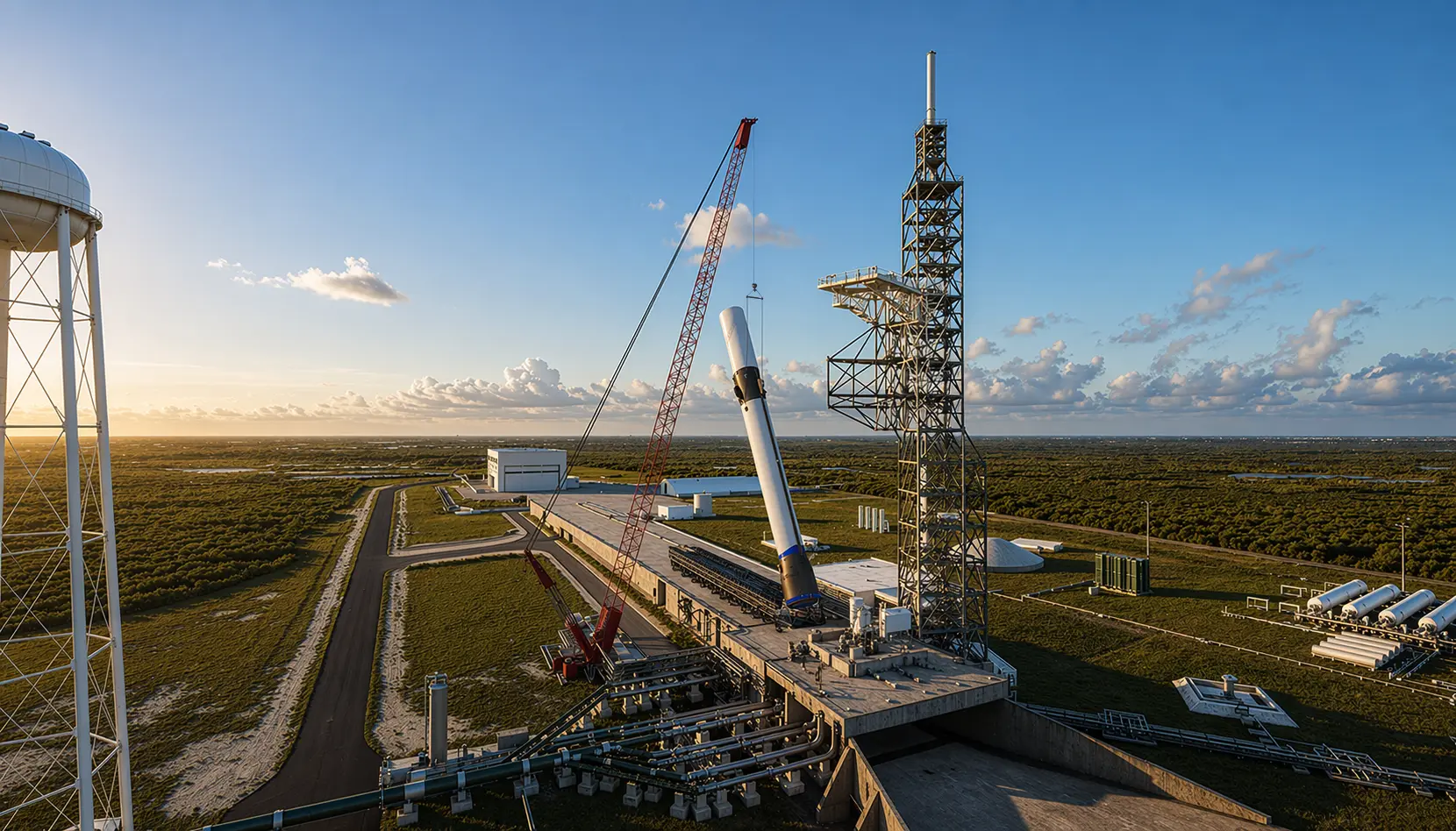
Blue Origin is making “almost beyond impressive” progress rebuilding Launch Complex 36 after the May 28 explosion that destroyed its primary New Glenn launch pad, according to NASA Administrator Jared Isaacman. The company is collaborating with the US Space Force and aiming for a year-end return to flight, though independent observers expect a 12- to 18-month timeline to be more realistic.
NASA’s Mk. 1 lander Endurance mission—scheduled to carry two NASA science payloads to the lunar surface—remains Plan A for launch on New Glenn, though the agency is evaluating contingency launch options given the recovery timeline.
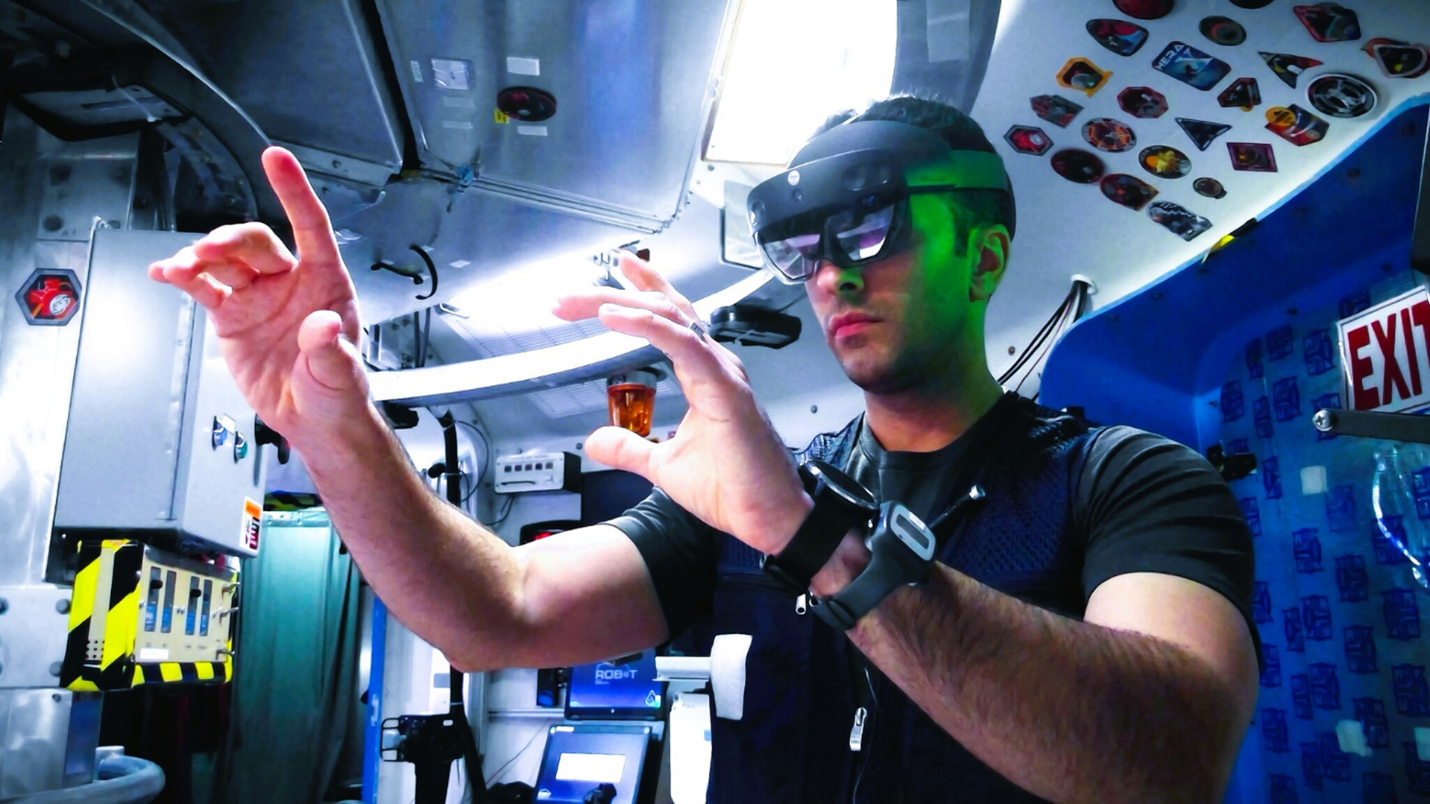
On the workforce front, NASA is recruiting volunteers for the Moon and Mars Exploration Analog (MMEA), a yearlong simulated deep space mission beginning no earlier than August 2027. Participants will live in confined, isolated habitats at Johnson Space Center in Houston, simulating transit to and operations on the Moon and Mars. The programme combines elements of NASA’s HERA and CHAPEA analogue missions to evaluate crew health, performance, and technology under realistic long-duration exploration scenarios.
Provider: National Aeronautics and Space Administration Date: June 30, 2027 Time: 12:00 AM UTC Vehicle: Space Launch System (SLS)
Artemis III is the second crew mission as part of the Artemis program. Artemis III will send a crew of 4 on a Low Earth Orbit mission, with the Orion rendezvous and dock with one or both commercial lunar landers in development by SpaceX and Blue Origin, performing in-space tests of the docked vehicles, integrated checkout of life support, communications, and propulsion systems, as well as tests of the new Extravehicular Activity (xEVA) suits.
Artemis IV
Provider: National Aeronautics and Space Administration Date: June 30, 2028 Time: 12:00 AM UTC Vehicle: Space Launch System (SLS)
Artemis IV is planned to be the first human lunar landing mission since the Apollo Program.
Artemis V
Provider: National Aeronautics and Space Administration Date: December 31, 2028 Time: 12:00 AM UTC Vehicle: Space Launch System (SLS)
Artemis V is planned to be the second human lunar landing mission since the Apollo Program.
SLS Block 1B | Artemis VI
Provider: National Aeronautics and Space Administration Date: September 30, 2030 Time: 12:00 AM UTC Vehicle: Space Launch System (SLS)
No description available
SLS Block 1B | Artemis VII
Provider: National Aeronautics and Space Administration Date: September 30, 2031 Time: 12:00 AM UTC Vehicle: Space Launch System (SLS)
No description available
Artemis III ×
Mission Details
TypeHuman Exploration
OrbitLow Earth Orbit
TargetEarth
Artemis III is the second crew mission as part of the Artemis program. Artemis III will send a crew of 4 on a Low Earth Orbit mission, with the Orion rendezvous and dock with one or both commercial lunar landers in development by SpaceX and Blue Origin, performing in-space tests of the docked vehicles, integrated checkout of life support, communications, and propulsion systems, as well as tests of the new Extravehicular Activity (xEVA) suits.
Agencies Involved
• National Aeronautics and Space Administration (Government)
Program: Artemis
The Artemis program is a US government-funded crewed spaceflight program that has the goal of landing “the first woman and the next man” on the Moon, specifically at the lunar south pole region.
The Space Launch System (SLS) is an American Space Shuttle-derived heavy expendable launch vehicle. It is part of NASA’s deep space exploration plans including as the main launch vehicle of the Artemis program. SLS follows the cancellation of the Constellation program, and is to replace the retired…
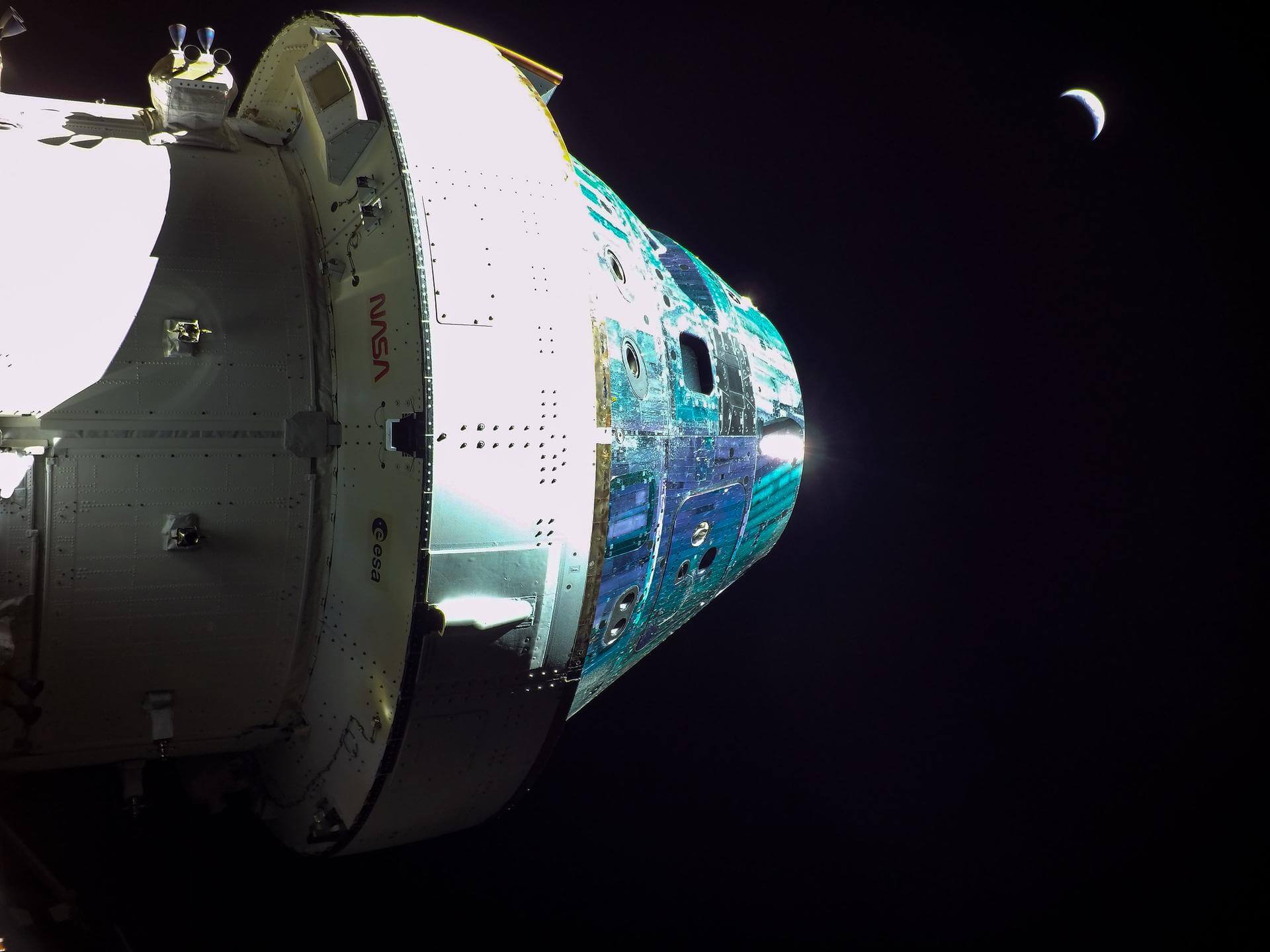
The Orion Multi-Purpose Crew Vehicle (Orion MPCV) is an American spacecraft intended to carry a crew of four astronauts to destinations at or beyond low Earth orbit (LEO). Currently under development by NASA for launch on the Space Launch System, Orion is intended to facilitate human exploration of asteroids and of Mars, as well as to provide a means of delivering or retrieving crew or supplies from the ISS if needed.
Capability
Lunar Missions.
Details
The Orion MPCV takes basic design elements from the Apollo Command Module that took astronauts to the moon, but its technology and capability are more advanced. It is designed to support long-duration deep space missions, with up to 21 days active crew time plus 6 months quiescent. During the quiescent period crew life support would be provided by another module such as a Deep Space Habitat. The…
Flight Life
21.1 days
Manufacturer: National Aeronautics and Space Administration (NASA)
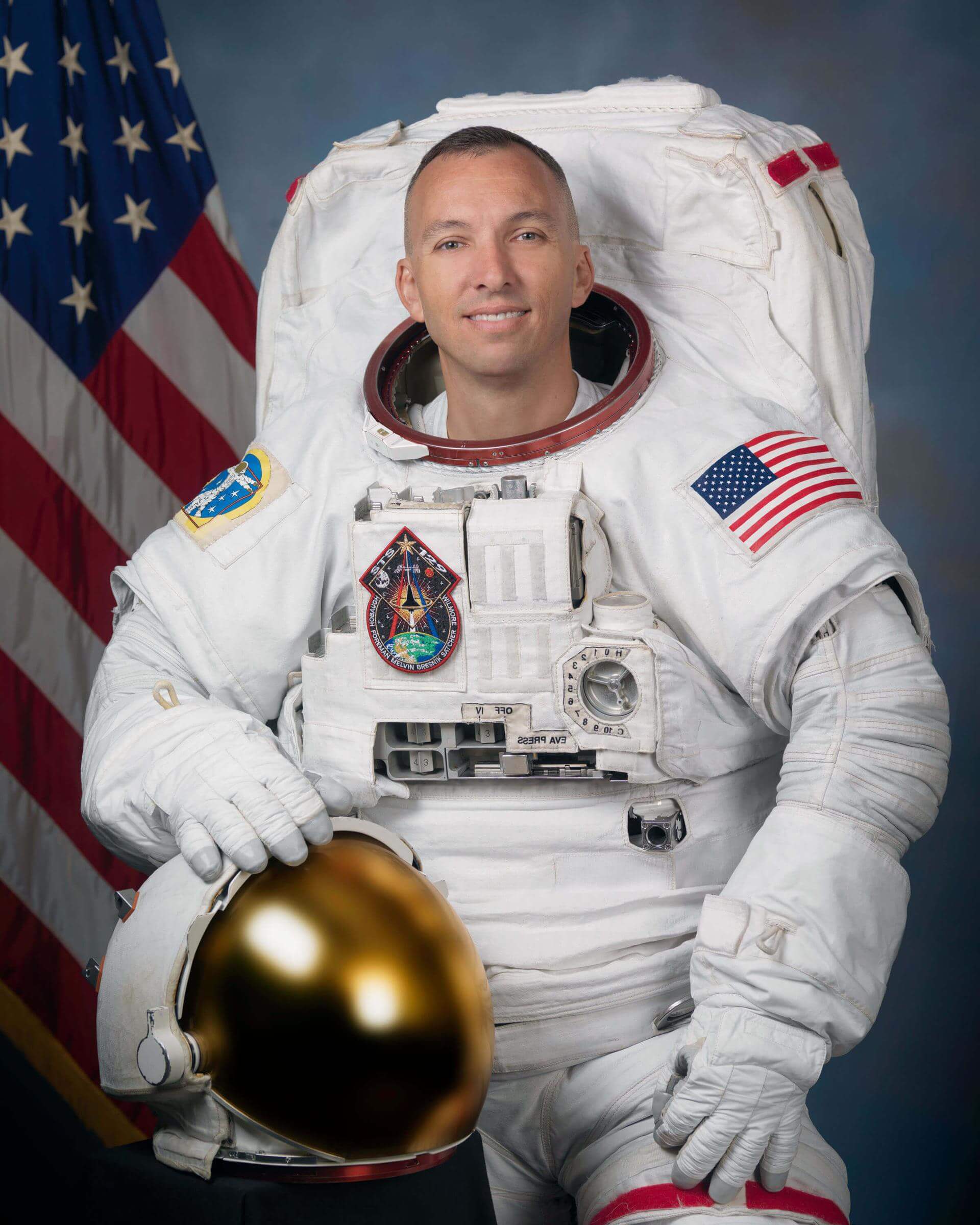
NASA • American • Age: 58 • Time in space: 149 Days, 12 Hours, 12 Minutes • EVA time: 1 Day, 8 Hours
Born: Sep 11, 1967 • First Flight: Nov 16, 2009 • Last Flight: Jul 28, 2017
Randolph James “Komrade” Bresnik is an officer in the United States Marine Corps and a NASA astronaut. A Marine Aviator by trade, Bresnik was selected as a member of NASA Astronaut Group 19 in May 2004.[5] First launched to space on STS-129.
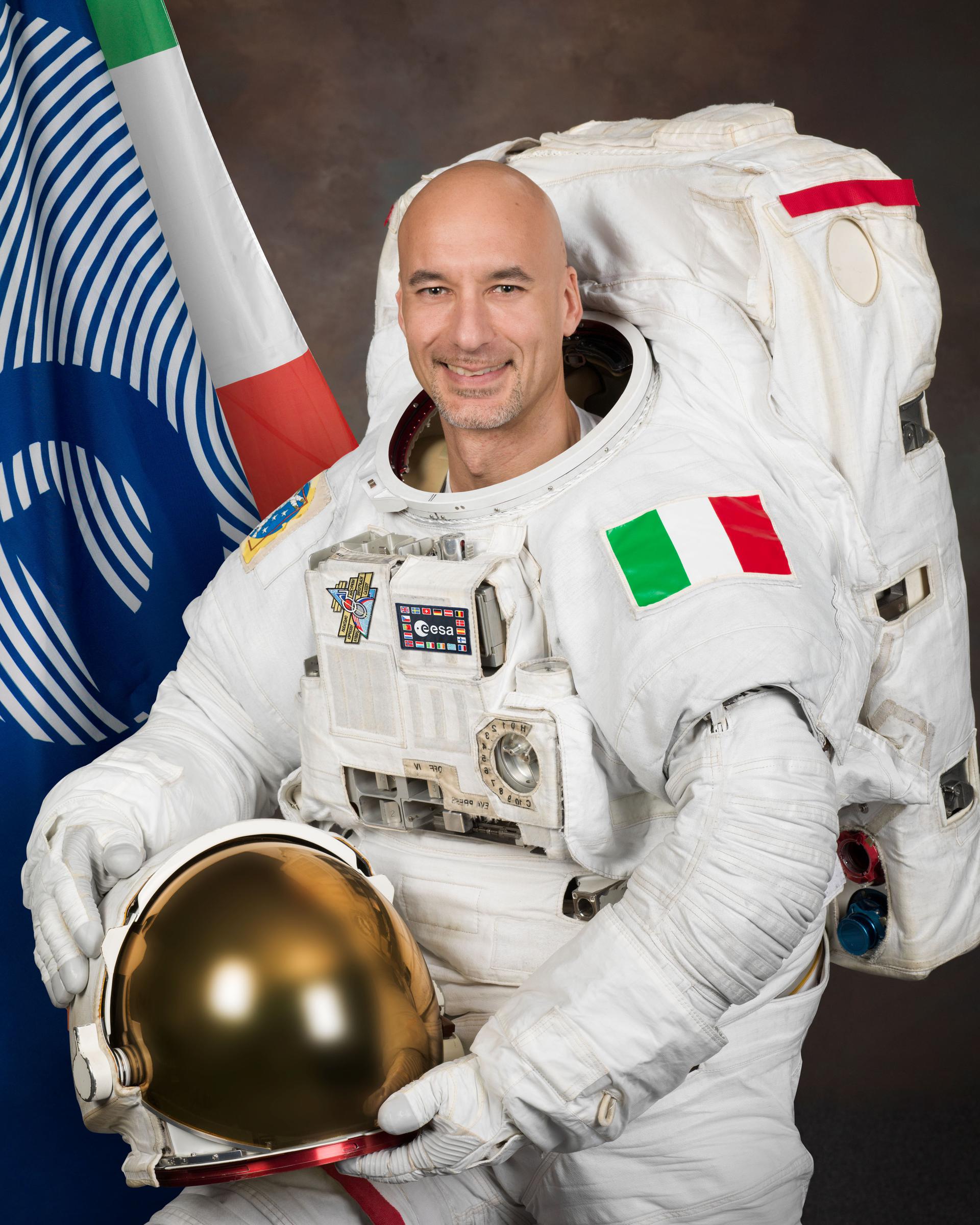
ESA • Italian • Age: 49 • Time in space: 366 Days, 23 Hours, 2 Minutes • EVA time: 1 Day, 9 Hours, 9 Minutes
Born: Sep 27, 1976 • First Flight: May 28, 2013 • Last Flight: Jul 20, 2019
Luca Parmitano (born 27 September 1976 in Paternò, Sicily) is an Italian engineer and astronaut in the European Astronaut Corps for the European Space Agency (ESA). The astronauts work on missions at the International Space Station. He was selected as an ESA astronaut in May 2009.
Artemis IV is planned to be the first human lunar landing mission since the Apollo Program.
Agencies Involved
• National Aeronautics and Space Administration (Government)
Program: Artemis
The Artemis program is a US government-funded crewed spaceflight program that has the goal of landing “the first woman and the next man” on the Moon, specifically at the lunar south pole region.
The Space Launch System (SLS) is an American Space Shuttle-derived heavy expendable launch vehicle. It is part of NASA’s deep space exploration plans including as the main launch vehicle of the Artemis program. SLS follows the cancellation of the Constellation program, and is to replace the retired…
Artemis V is planned to be the second human lunar landing mission since the Apollo Program.
Agencies Involved
• National Aeronautics and Space Administration (Government)
Program: Artemis
The Artemis program is a US government-funded crewed spaceflight program that has the goal of landing “the first woman and the next man” on the Moon, specifically at the lunar south pole region.
The Space Launch System (SLS) is an American Space Shuttle-derived heavy expendable launch vehicle. It is part of NASA’s deep space exploration plans including as the main launch vehicle of the Artemis program. SLS follows the cancellation of the Constellation program, and is to replace the retired…
The Artemis program is a US government-funded crewed spaceflight program that has the goal of landing “the first woman and the next man” on the Moon, specifically at the lunar south pole region.
The Space Launch System (SLS) is an American Space Shuttle-derived heavy expendable launch vehicle. It is part of NASA’s deep space exploration plans including as the main launch vehicle of the Artemis program. SLS follows the cancellation of the Constellation program, and is to replace the retired…
The Artemis program is a US government-funded crewed spaceflight program that has the goal of landing “the first woman and the next man” on the Moon, specifically at the lunar south pole region.
The Space Launch System (SLS) is an American Space Shuttle-derived heavy expendable launch vehicle. It is part of NASA’s deep space exploration plans including as the main launch vehicle of the Artemis program. SLS follows the cancellation of the Constellation program, and is to replace the retired…
Robo Chris is a collection of API calls, filters, and searches, bolted together with magic and love. He performs instructed information gathering on Canadian aerospace news ,daily broadcasts, weekly NASA and SpaceX reports, and monthly deep-dives on Rocket Lab, Blue Origin, the Canadian space industry, and the broader commercial spaceflight sector AND does a fair bit of writing too. Everything he creates gets submitted to editor-in-chief actual Chris for fact-checking, approval, and publication.