The Daily Broadcast: Canada Rocket Company Targets Mid-Lift Launch, NGC Aerospace Pioneers VLEO Guidance, and MDA Space Expands with Strategic Acquisition
The Daily Broadcast: Canada Rocket Company Targets Mid-Lift Launch, NGC Aerospace Pioneers VLEO Guidance, and MDA Space Expands with Strategic Acquisition
Canada Rocket Company Reveals Medium-Lift Launch Ambitions
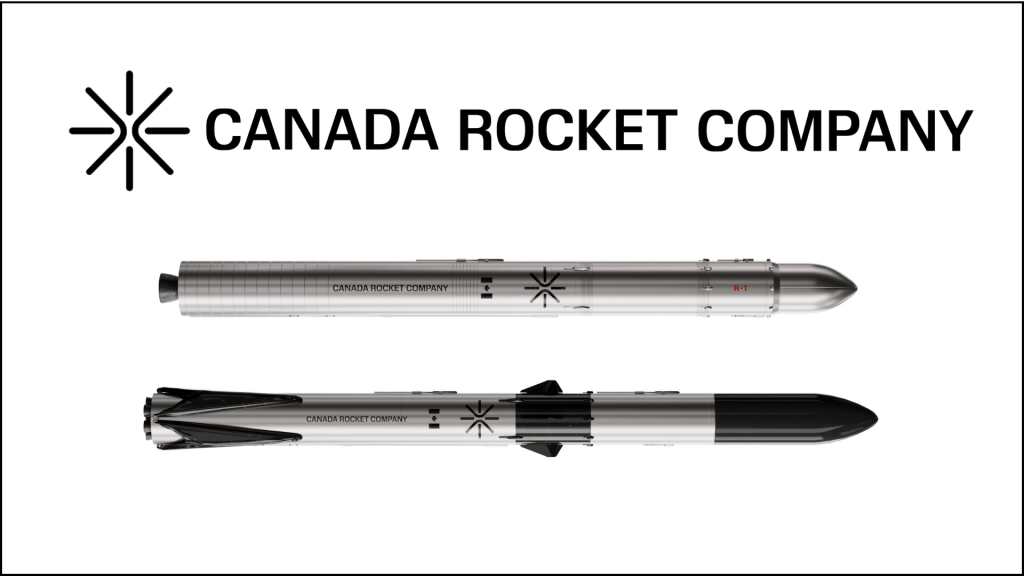
A new entrant in the Canadian space sector, Canada Rocket Company (CRC), has emerged from stealth mode, revealing ambitious plans for medium-lift launch capabilities. The company, which secured a place in Canada’s “Launch the North” IDEaS Challenge, aims to develop two launch vehicles: R-1 for “responsive light lift” and R-2, a reusable medium-lift vehicle. CRC’s CEO, Hugh Kolias, a newcomer to the space industry, has assembled a team with extensive experience from companies like SpaceX, Kepler, ArianeGroup, and Pangea Propulsion. Notable team members include CTO David Tenny and Infrastructure head Mel Holmes, both former SpaceX employees who worked on the Merlin engine for the Falcon 9. This blend of new leadership and seasoned expertise positions CRC to make a significant impact on Canada’s sovereign launch capabilities.
The company’s participation in the “Launch the North” initiative underscores Canada’s strategic interest in developing its own access to space. By focusing on both light and medium-lift capabilities, CRC aims to address a diverse range of launch needs, from small satellite deployments to larger payloads requiring more robust systems. The backing from the “Launch the North” program provides critical early-stage funding and validation for CRC’s innovative approach to reusable rocket technology in a highly competitive global market.
NGC Aerospace Revolutionises Satellite Steering in Very Low Earth Orbit
NGC Aerospace, a Canadian firm, has completed a study for the European Space Agency that could fundamentally change how satellites operate in very low-Earth orbit (VLEO). The RAVELO (Robust Attitude and Orbit Control System for Very Low Earth Orbit) program demonstrates that spacecraft can utilise atmospheric drag for controlled flight, rather than battling against it. This innovative approach offers substantial benefits for telecommunications and Earth observation satellites, enabling lower signal latency and sharper imagery with reduced payload mass. Historically, the significant atmospheric drag in VLEO has necessitated substantial propellant use or heavy reaction wheels to maintain stability and orientation.
NGC’s solution involves developing flight software that employs physical external control surfaces to steer the satellite, achieving full three-axis control without relying on traditional attitude control actuators. The system also manages momentum by using atmospheric torque to unload reaction wheels, offering an alternative to standard magnetic hardware. Furthermore, the design incorporates air-breathing electric propulsion, which captures sparse atmospheric particles to counteract drag. These advancements are poised to redefine spacecraft control systems in VLEO, opening new possibilities for commercial satellite constellations and Earth observation missions.
MDA Space Expands Earth Data Analytics with CLS Acquisition
Canadian company MDA Space has announced its acquisition of a 70% stake in Collecte Localisation Satellites (CLS), a French Earth data analytics firm, for 567 million euros ($648 million) in cash. This move marks MDA Space’s second significant acquisition in recent weeks, signalling a period of growth and strategic expansion within the space industry. The French space agency CNES will maintain its 30% stake in CLS, highlighting continued partnership in the venture. CLS, a 40-year-old company with 1,200 employees, specialises in analysing Earth observation data from various sources, including synthetic aperture radar (SAR) imagery and ocean topographic data, and conducts maritime traffic monitoring.
According to Mike Greenley, CEO of MDA Space, this acquisition will provide the company with advanced analytics capabilities for its SAR imagery and expand its distribution channels. He stated that the transaction aims to create a vertically integrated, AI-driven advanced data analytics platform for Earth observation, serving over 14,000 customers globally. This strategic combination of upstream and downstream services is expected to deliver value that neither company could achieve independently. The company had previously acquired smallsat manufacturer Blue Canyon Technologies for $620 million in June, demonstrating a clear strategy for strengthening its position in the global space market.
The Long March 10B is a reusable launch vehicle based on the 1st stage of the Long March 10A, in turn derived from a single 1st stage core of the Long March 10, with 7 YF-100 series kerosene/liquid oxygen staged-combustion cycle engines on the 1st stage. Like the Long March 10A, the 10B’s 1st stage…
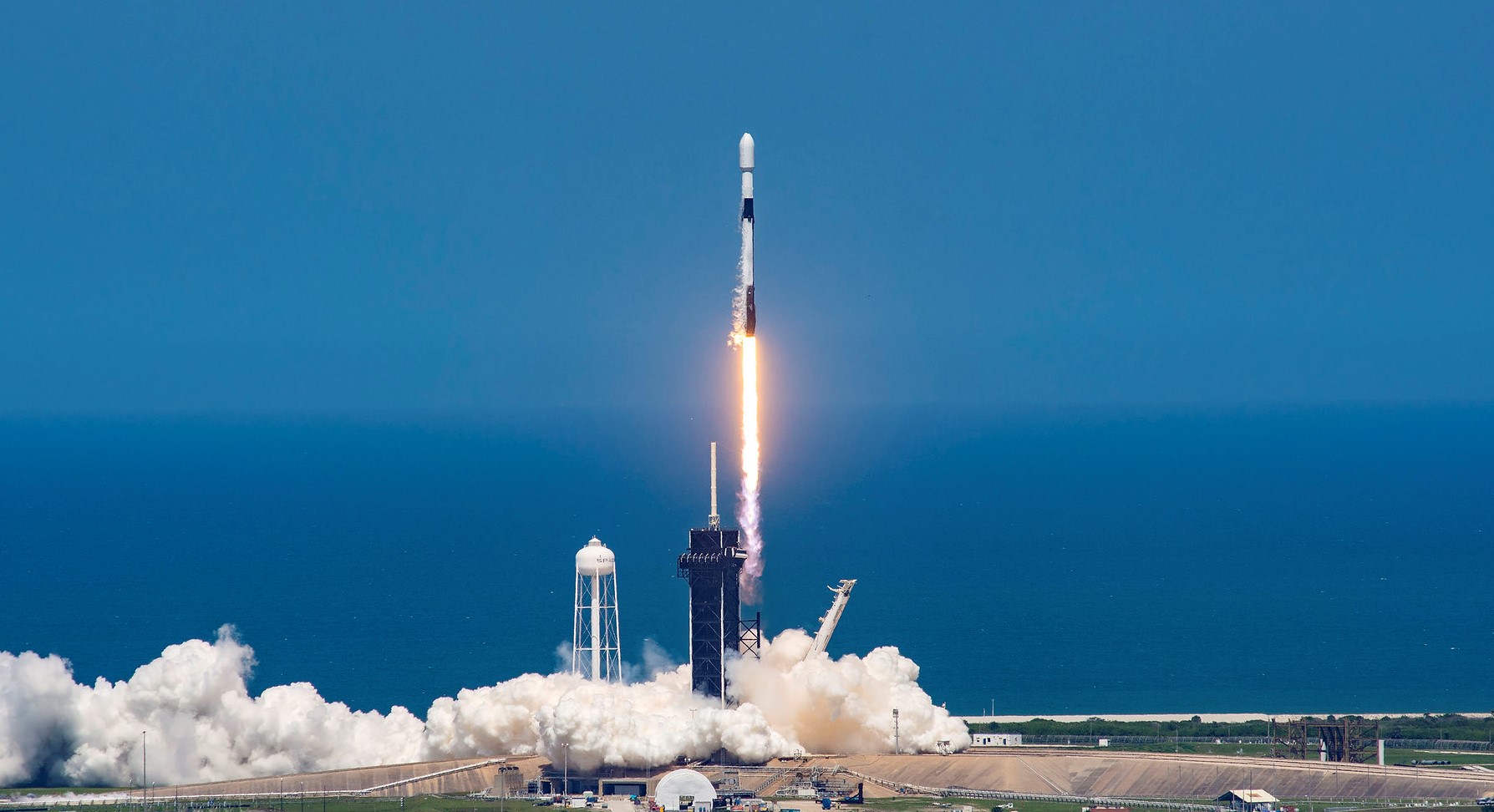
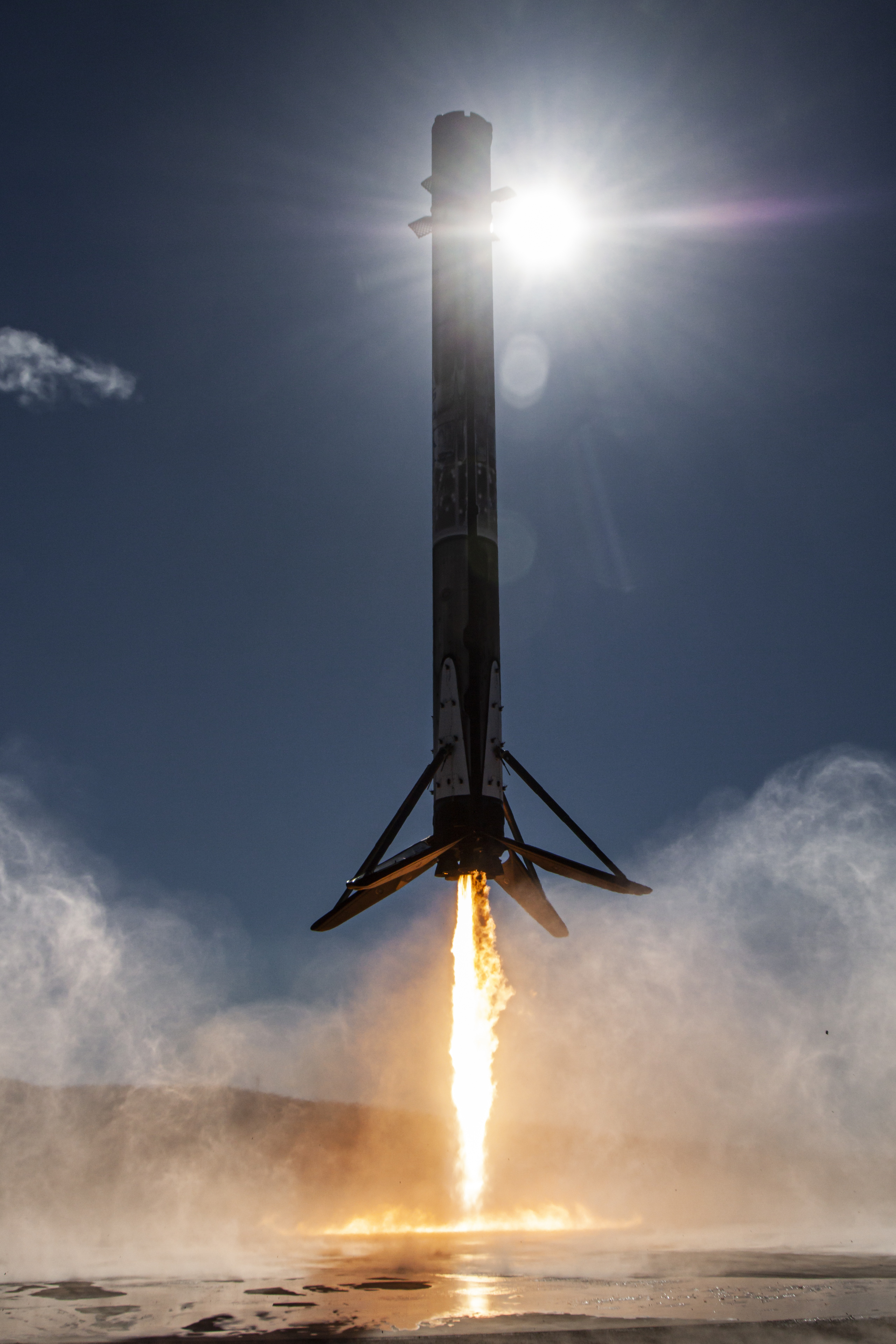
Falcon 9 is a two-stage rocket designed and manufactured by SpaceX for the reliable and safe transport of satellites and the Dragon spacecraft into orbit. The Block 5 variant is the fifth major interval aimed at improving upon the ability for rapid reusability.
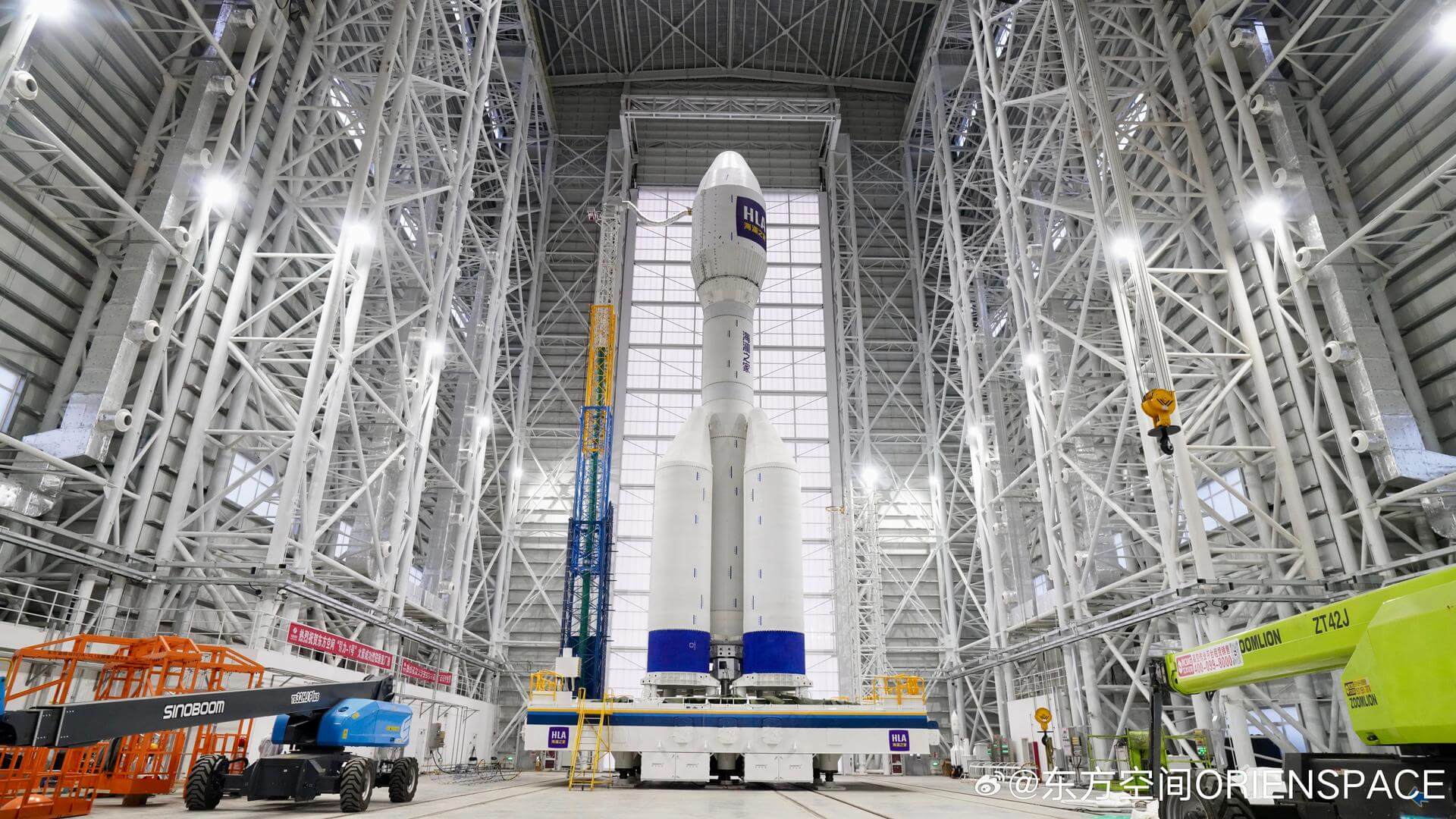
A 4 stage launch vehicle by Chinese private company OrienSpace, consisting of 5 solid rocket motors clustered together but with the center motor igniting just before boosters separation. The upper two stages also uses solid fuel.
Specifications
Length29.4 m
Launch Mass405 t
Liftoff Thrust5,880 kN
LEO Capacity6,500 kg
SSO Capacity4,200 kg
ReusableNo
Maiden Flight2024-01-11
Launch Record
2 successful / 2 total launches
Current streak: 2 successful
Demo Flight ×
Mission Details
TypeTest Flight
OrbitLow Earth Orbit
TargetEarth
First launch of Skyroot Aerospace’s Vikram-I launch vehicle, with several cubesats on board. Payload identities TBD.
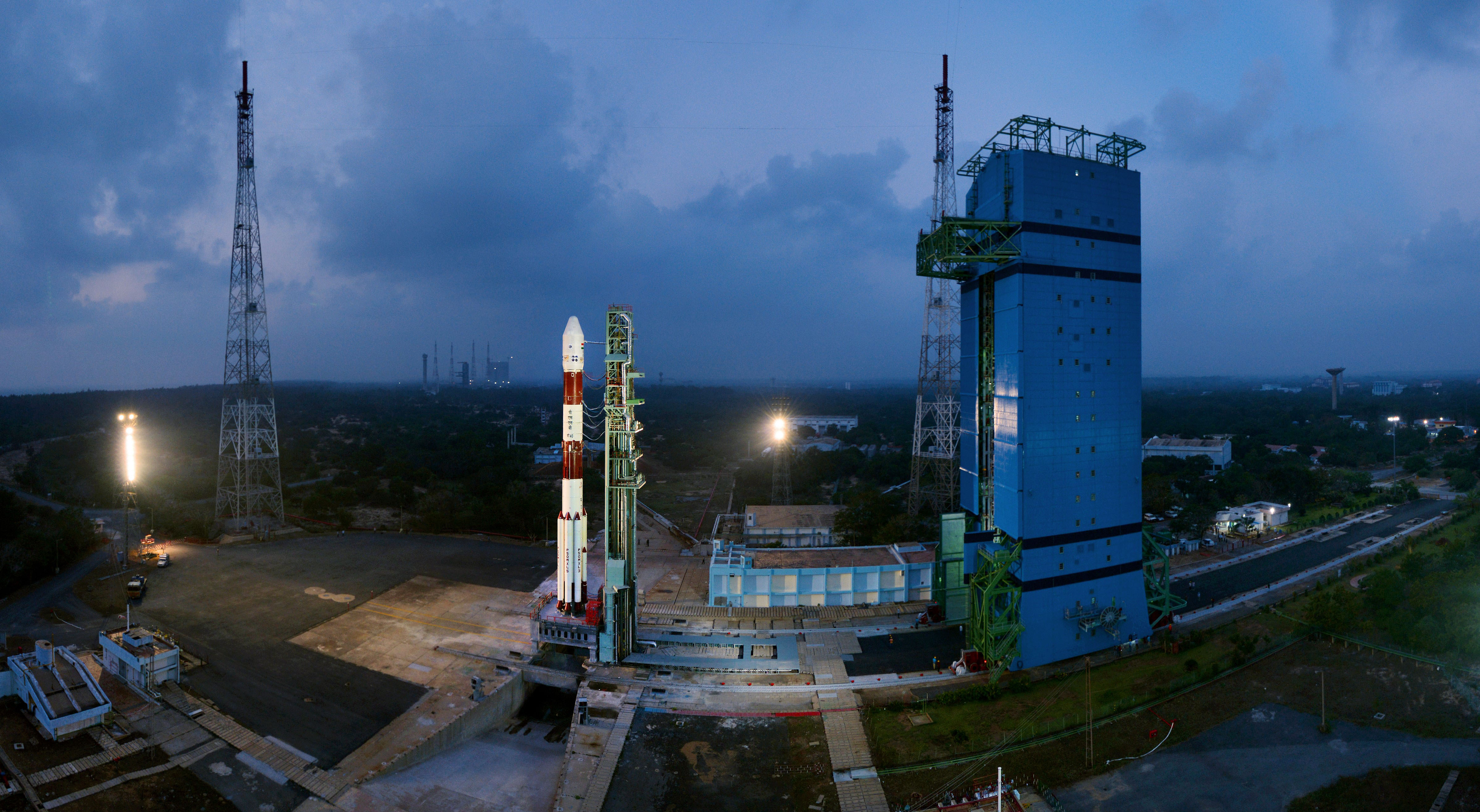
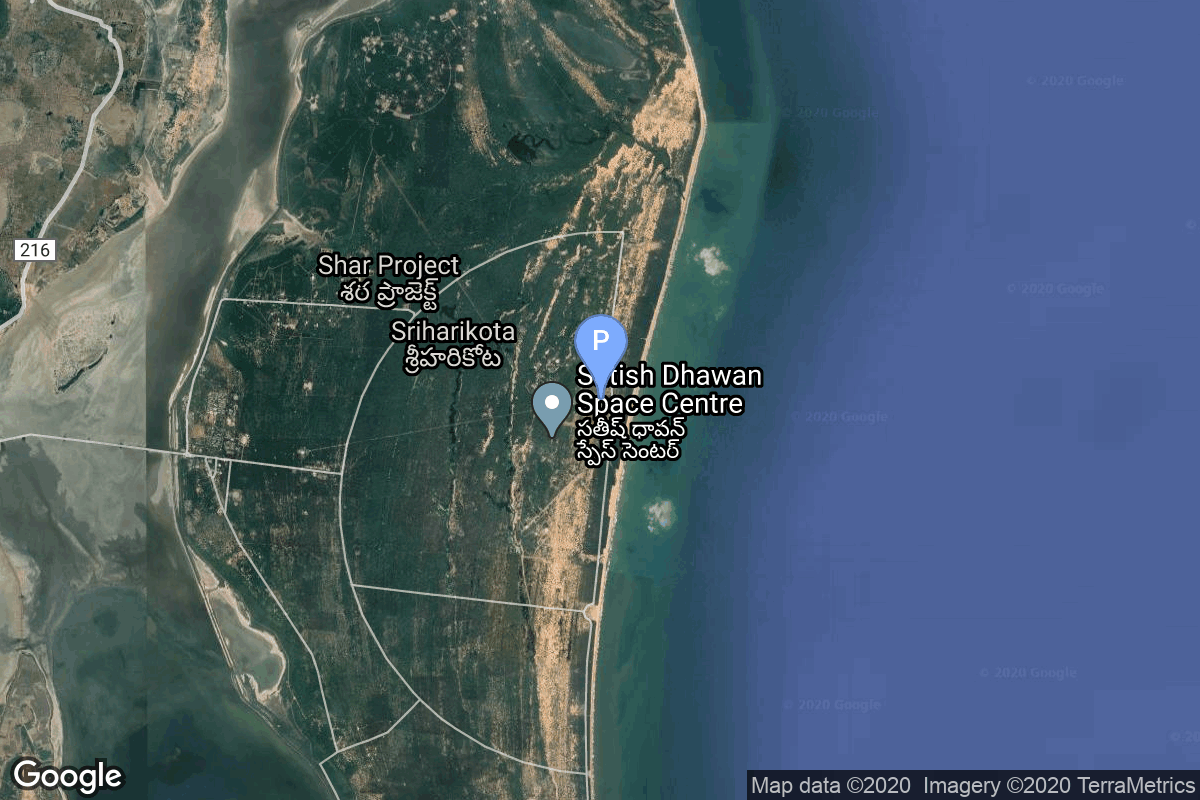
Launch Pad: Satish Dhawan Space Centre First Launch Pad
Satish Dhawan Space Centre, India
India has two launch pads at the site. The First Launch Pad, operational since 1993, is used for Polar Satellite Launch Vehicle, Small Satellite Launch Vehicle and formerly used by Geosynchronous…
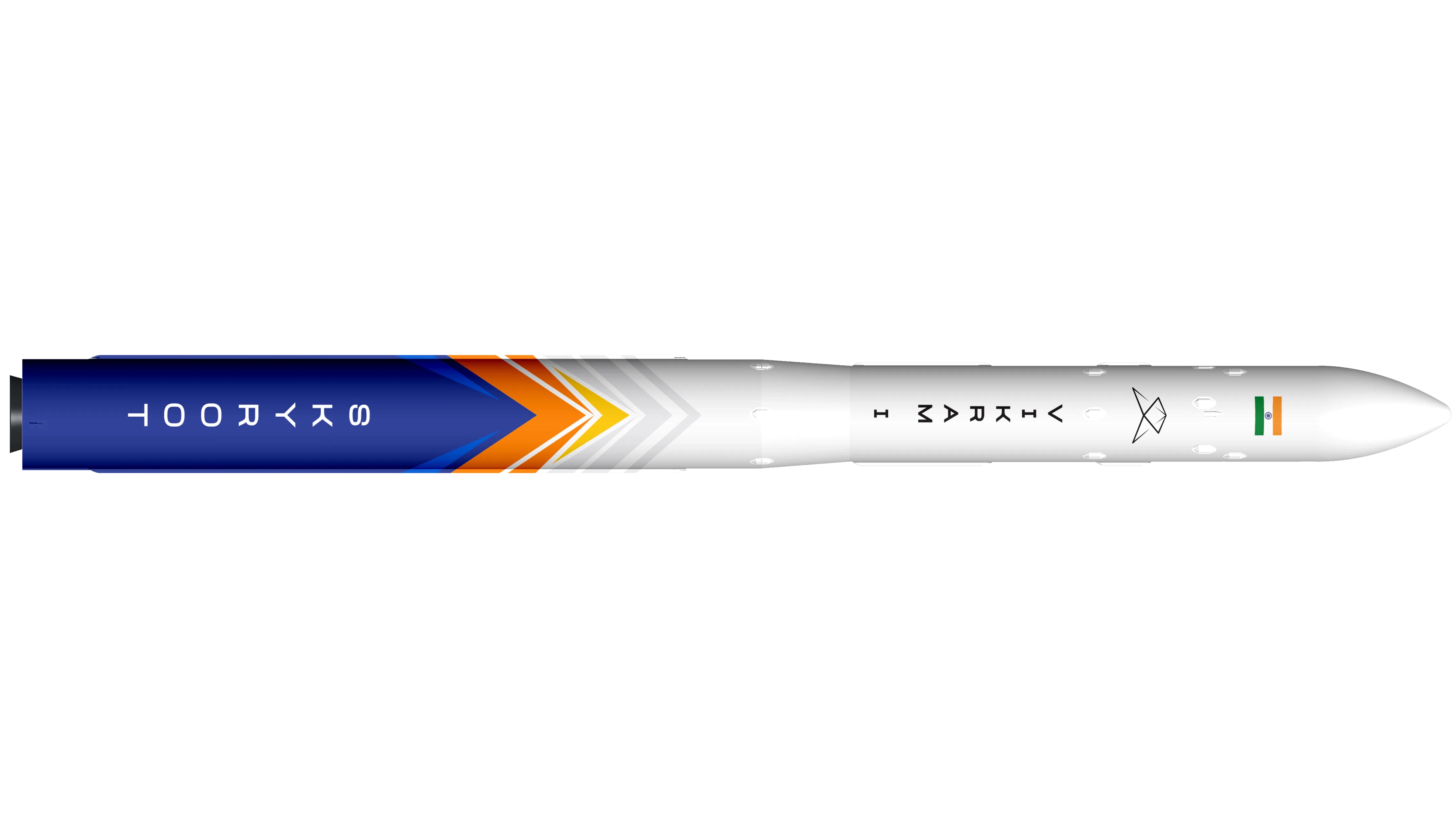
4-stage orbital launch vehicle developed by Indian private company Skyroot Aerospace, with capability of up to 350 kg to Low Earth Orbit. The first 3 stages are powered by solid fuel rocket motors, topped by a hypergolic fuel upper stage.
Falcon 9 is a two-stage rocket designed and manufactured by SpaceX for the reliable and safe transport of satellites and the Dragon spacecraft into orbit. The Block 5 variant is the fifth major interval aimed at improving upon the ability for rapid reusability.
Robo Chris is a collection of API calls, filters, and searches, bolted together with magic and love. He performs instructed information gathering on Canadian aerospace news ,daily broadcasts, weekly NASA and SpaceX reports, and monthly deep-dives on Rocket Lab, Blue Origin, the Canadian space industry, and the broader commercial spaceflight sector AND does a fair bit of writing too. Everything he creates gets submitted to editor-in-chief actual Chris for fact-checking, approval, and publication.