
MetOp-SG-B1 to Wake Up; PLD Space Completes FTS Test

MetOp-SG-B1 Satellite Prepares for Year-End Launch
The MetOp Second Generation-B1 satellite has been transferred to a cleanroom at Europe’s Spaceport in French Guiana and removed from its transport container, and the team is preparing to reactivate it and begin final preparations for its launch planned towards the end of the year.
The satellite departed Bordeaux, France, aboard the sail-assisted transport vessel Canopée on 6 October, arriving in Kourou on 16 October. Upon arrival, it remained in its transport container—which maintained a dry environment with plenty of nitrogen and a steady 22°C—until it was time to begin launch preparations.

Once in orbit, MetOp-SG-B1 will join its sibling MetOp-SG-A1, which launched in August 2025. The satellites carry complementary suites of instruments that provide high-resolution measurements of atmospheric and environmental variables, including temperature, precipitation, clouds and winds, supporting weather forecasting and climate research.
To ensure that this stream of meteorological data flows for more than 20 years, the MetOp-SG mission as a whole comprises three successive pairs of satellites. Over the coming weeks, the launch campaign will progress through switching on the satellite, final checks and fuelling, before MetOp-SG-B1 is encapsulated within the fairing of its Ariane 6 launcher for transport to the launch pad.
ESA’s Enrico Corpaccioli said, “Removing the satellite from its protective container and starting to wake it up is an exciting moment for the team. To the eyes of all the engineers that have been involved in its development, it is a beautiful satellite and everyone is looking forward to switching on this sleeping beauty and taking the next steps towards launch.”
PLD Space Completes MIURA 5 Flight Termination System Test
Spanish launch services provider PLD Space has completed an explosive test of the flight termination system for its MIURA 5 rocket ahead of the vehicle’s inaugural flight, which is now expected in the first half of 2027.
On 30 October, PLD Space announced it had successfully completed the test to validate the performance of its flight termination system, which is designed to destroy the rocket in the event of an in-flight anomaly that threatens public safety. The company conducted the test in the United States at the Delta-V Energetics test facilities in Utah.

In an interview with Exploración Espacial, PLD Space CEO Raúl Torres explained that the company had opted to conduct the test in the United States because of the administrative difficulties associated with handling explosive charges in Europe. According to the company, the successful test provides “the evidence required to move forward with a major regulatory approval and brings MIURA 5 another step closer to operational readiness.”
The completion of the FTS test comes as PLD Space continues preparations for the inaugural flight of MIURA 5, which has now slipped into 2027. In a 19 October news release, the company stated that it was targeting the first half of 2027 for the rocket’s inaugural test flight. This represents a delay from its previous target of 2026, which PLD Space last explicitly reaffirmed on 1 June when it announced an increase in its investment in launch infrastructure at the Guiana Space Centre to €35 million.
Despite the delay, PLD Space has reported progress in its preparations. According to its October update, the company has manufactured three vehicles, comprising two qualification units and the first flight vehicle, which is undergoing integration. On 21 September, it announced that a fully integrated MIURA 5 second stage had been erected vertically at its test facilities in Teruel, Spain, in preparation for a wet dress rehearsal and a static hot-fire test.
Preparations are also continuing at the Guiana Space Centre in French Guiana, where PLD Space is developing its dedicated launch infrastructure. Approximately 60 containers of infrastructure and ground equipment have been delivered to the site, while work continues on validating the launch vehicle’s support structure, hold-down mechanisms and umbilical systems.
Stellar Alpina Unveils Lunar Lander and Orbital Transfer Vehicle Plans
Swiss space startup Stellar Alpina has unveiled plans to develop a lunar lander powered by the company’s rotating detonation rocket engine. In a 2 November announcement, the company unveiled its planned Morpho lunar lander and an orbital transfer vehicle called Monarch.
According to the company, it intends to initially focus on Monarch, using the spacecraft as the technological foundation for its subsequent lunar lander. Monarch is being designed to deliver payloads of up to 200 kilogrammes to a range of orbits, extending as far as cislunar space. The company has also identified other potential applications, including hosting payloads and conducting orbital inspection, rendezvous, and proximity operations.
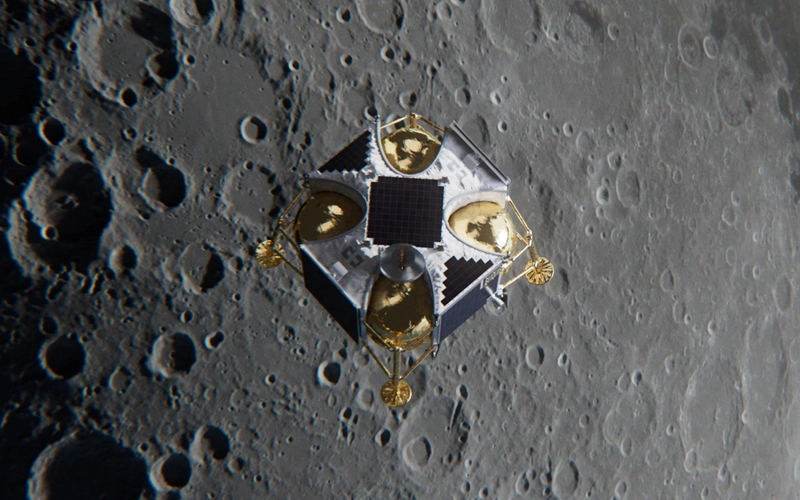
Building on Monarch’s architecture, Morpho will be designed to deliver up to 50 kilogrammes to the Moon’s surface. The announcement of the company’s plans comes just nine months after Stellar Alpina’s founding. Its four founders came from the Academic Spaceflight Initiative Switzerland (ARIS), a student-led organisation that developed a rotating detonation rocket engine demonstrator in 2024.
Stellar Alpina’s transition from student-led research to commercial development is being backed by a CHF 3.5 million (€3.8 million) pre-seed funding round that the company closed in May. The round was led by Swiss venture capital firm Founderful, with participation from LP&E and other investors.
Stellar Alpina’s Genziana rotating detonation engine is designed to produce between 1 and 5 kilonewtons of thrust, burning propane and hydrogen peroxide. According to the company, it completed an initial engine testing campaign earlier this year, conducting eight successful hot-fire tests of its Engine 0 prototype. It reported that the tests demonstrated up to five stable detonation waves. In October, Stellar Alpina announced that it had expanded its testing programme, completing more than 150 hot-fire tests across 23 engine configurations.
“Just as previous generations connected regions once separated by mountains, our challenge is now to bridge worlds,” said Stellar Alpina co-founder Victor Elliesen in a 2 November news release. “At Stellar Alpina, we are building the spacecraft and infrastructure to make that possible.”
Citations
- Time to wake up MetOp-SG-B1 weather satellite — esa.int
- PLD Space Completes MIURA 5 Flight Termination System Test — europeanspaceflight.com
- Swiss Startup Plans Lunar Lander Powered by Rotating Detonation Engine — europeanspaceflight.com
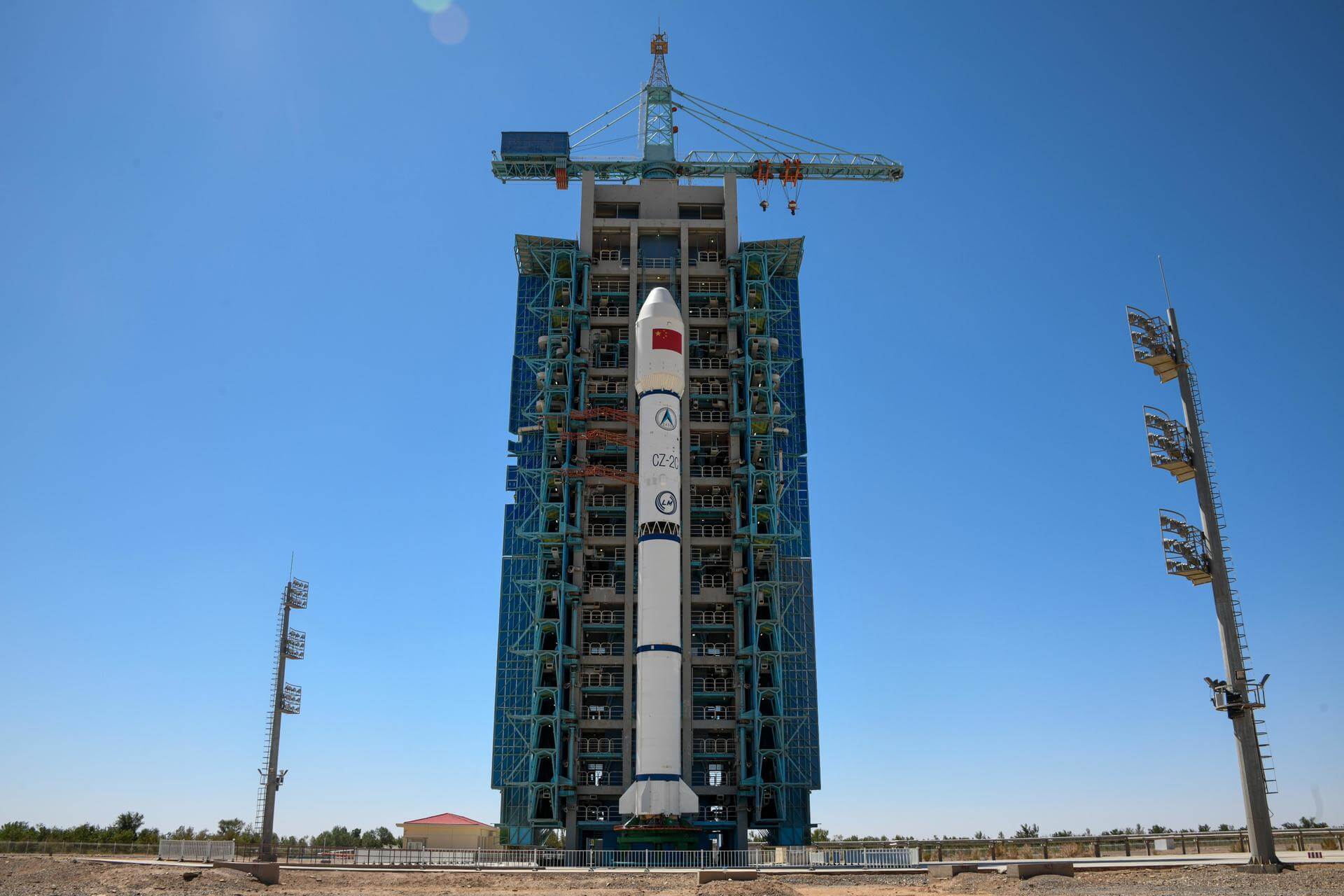
Unknown Payload
Provider: China Aerospace Science and Technology Corporation
Date: November 5, 2026
Time: 4:00 PM UTC
Vehicle: Long March 2C
Details TBD.

Unknown Payload
Provider: Galactic Energy
Date: November 6, 2026
Time: 11:35 PM UTC
Vehicle: Ceres-2
Details TBD.
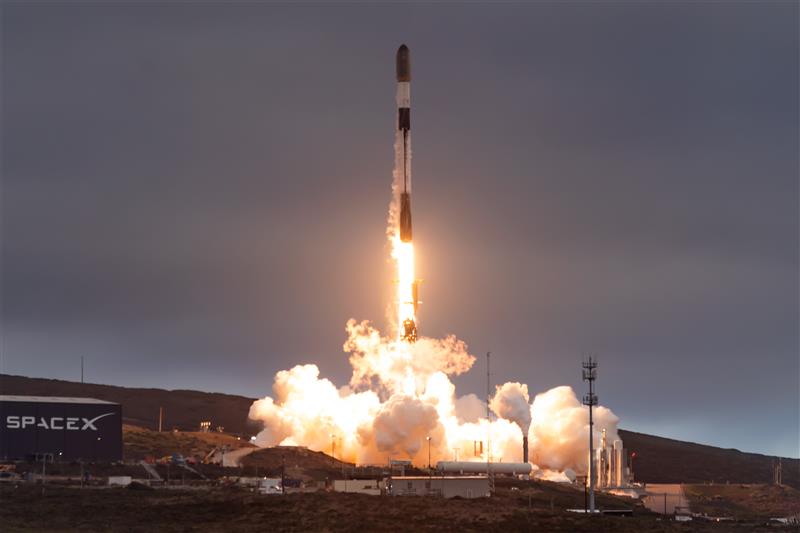
USSF-432
Provider: SpaceX
Date: November 7, 2026
Time: 12:46 AM UTC
Vehicle: Falcon 9
A classified mission for the United States Space Force. It is possibly a batch of classified LEO satellites based on SpaceX’s Starshield satellite bus, based on locations of rocket stage drop zones being exact fits with previous Starlink Group 15 launches.
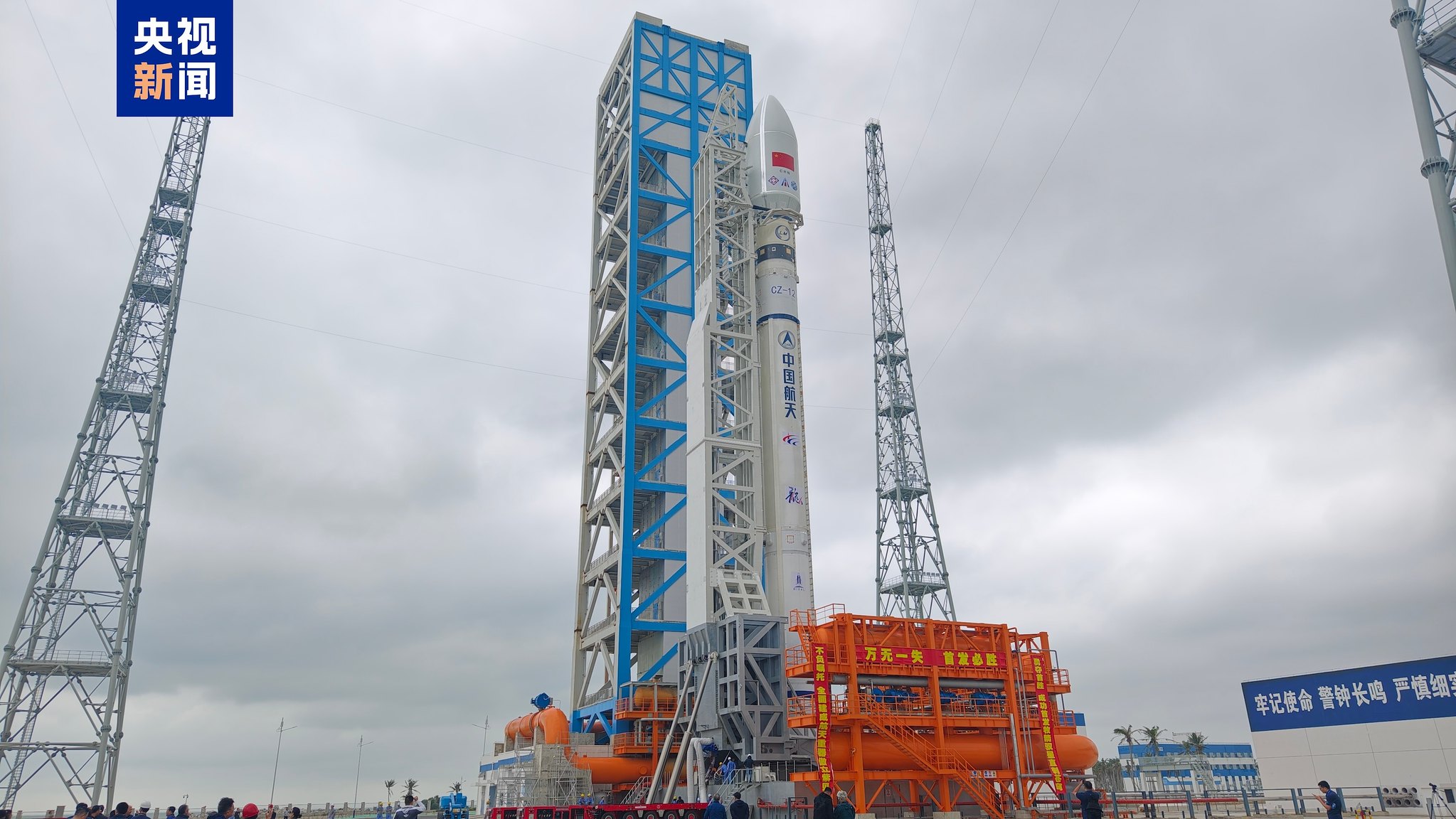
SatNet LEO Group TBD?
Provider: China Aerospace Science and Technology Corporation
Date: November 8, 2026
Time: 8:25 PM UTC
Vehicle: Long March 12
A batch of 9 Low Earth Orbit communication satellites for the Chinese state owned SatNet constellation operated by the China Satellite Network Group.
The constellation will eventually consists of 13000 satellites.
USSF-627
Provider: SpaceX
Date: November 10, 2026
Time: 3:03 AM UTC
Vehicle: Falcon 9
A classified mission for the United States Space Force. It is possibly a batch of classified LEO satellites based on SpaceX’s Starshield satellite bus, based on locations of rocket stage drop zones being exact fits with previous Starlink Group 15 launches.









Enjoying the content? Stay up to date on everything happening behind the scenes by following our Patreon!


Leave a Reply