MDA Secures IRIS² Antenna Work; Space Index Drops 2.2 Per Cent
MDA Space announced on Oct. 30 it will build digital antennas for the first 66 satellites of IRIS², the European Union’s planned secure-communications constellation. The initial agreement with Thales Alenia Space is worth more than $100 million, with the satellites due to launch in 2029.
The announcement came the same day Canada and the EU agreed at their Montreal summit to start exploratory talks on IRIS².
MDA’s defence business, 49North, also signed a memorandum of understanding on Oct. 26 with UNWAVE, a Ukrainian counter-drone manufacturer, to work together on producing and supporting counter-drone systems. The companies gave no value or timeline for the arrangement.
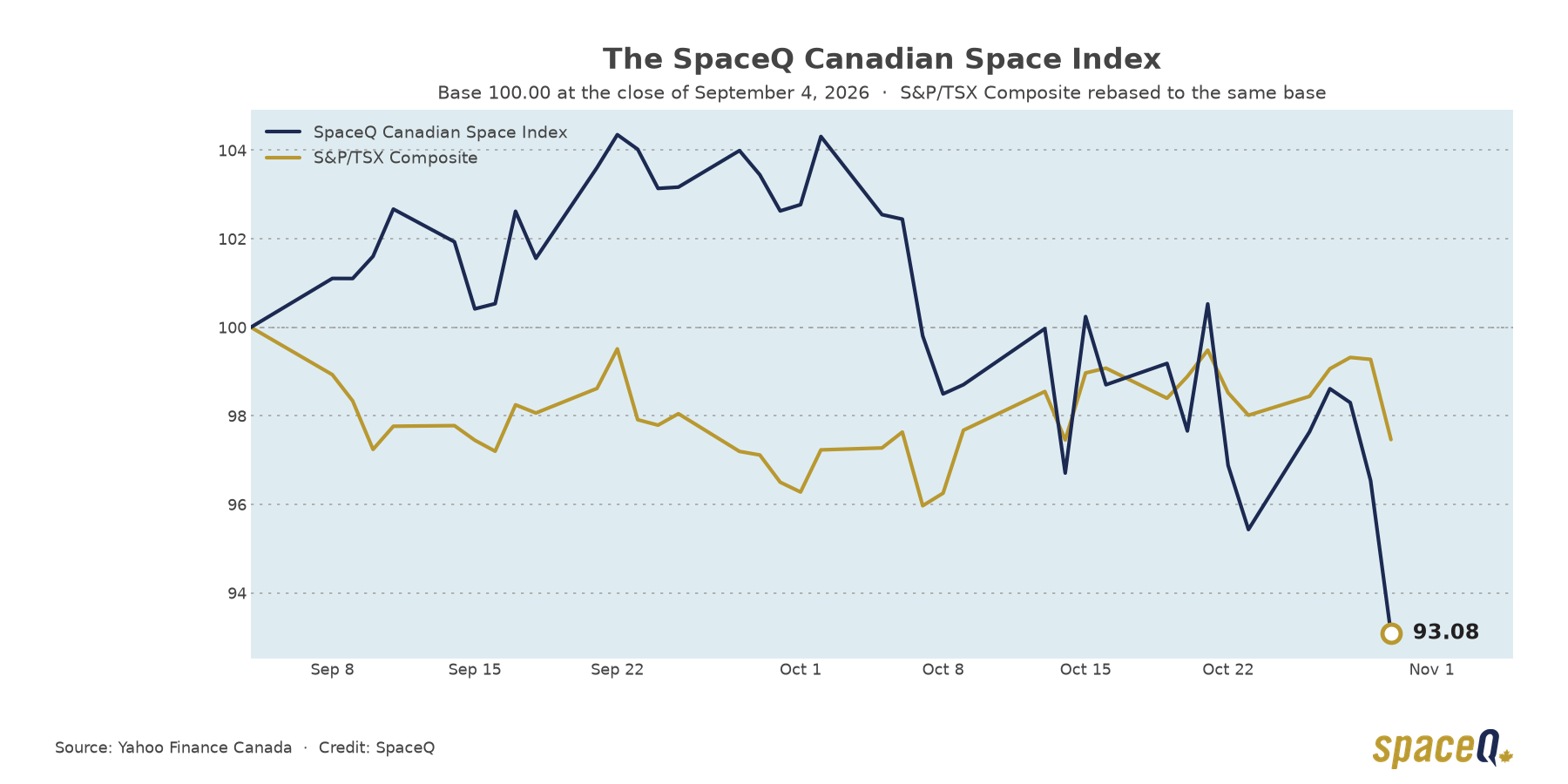
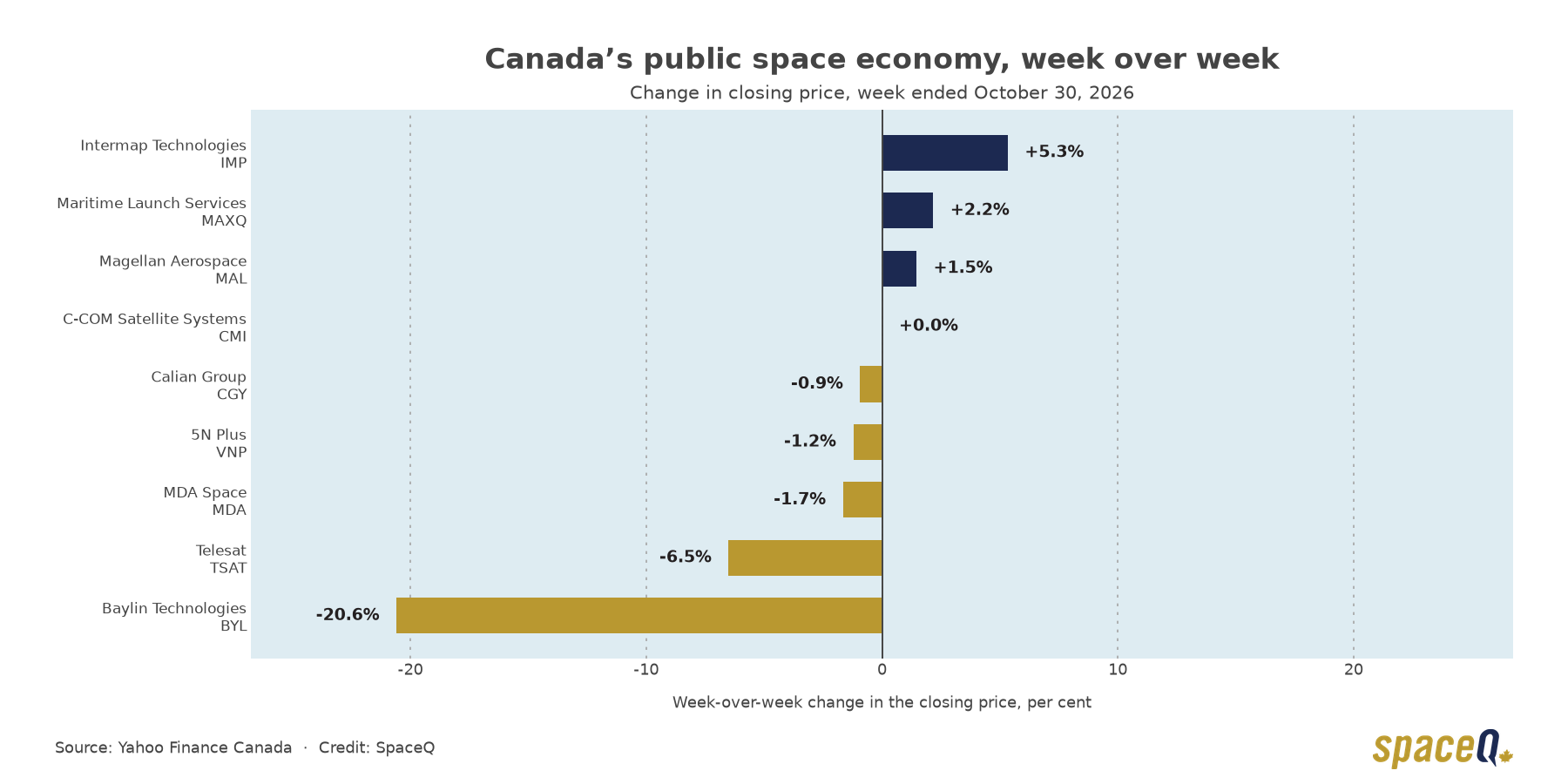
The SpaceQ Canadian Space Index fell 2.2 per cent to 93.08 for the week ending Oct. 30, its second consecutive weekly decline. The S&P/TSX Composite slipped 0.5 per cent over the same period. Baylin Technologies drove most of the damage with an 18.2 per cent drop; because every company carries the same weight in the index, Baylin’s fall outweighed gains at Intermap Technologies, Maritime Launch Services and Magellan Aerospace. C-COM Satellite Systems was unchanged.
Among other index components, Magellan Aerospace closed at $33.30, up 1.5 per cent for the week and 80.8 per cent year-to-date. Maritime Launch Services ended at $0.47, up 2.2 per cent weekly and 67.9 per cent YTD. MDA Space itself closed at $38.00, down 1.7 per cent for the week but up 42.6 per cent this year. Calian Group fell 1.6 per cent to $82.98, and 5N Plus slipped 1.2 per cent to $25.93. Intermap Technologies rose 5.3 per cent to $0.79, though it remains down 57.3 per cent YTD.
Telesat pushed back the start of global service on its Lightspeed constellation by three months to the end of the second quarter of 2028, announcing the delay alongside its third-quarter results on Oct. 29. Before the results, the shares had risen 5.0 per cent on Oct. 26 and 4.8 per cent on Oct. 27, reaching $65.82. They then fell 6.9 per cent on Oct. 29 and 6.1 per cent more on Oct. 30, ending the week down 6.6 per cent at $55.84. The shares remain up 41.1 per cent this year.
MDA Space is still assembling the first two Lightspeed satellites, which will now launch no earlier than June 2027 on another customer’s Falcon 9. Chief executive Dan Goldberg said Arctic service for Canada’s military will still start at the end of the first quarter of 2028.
Telesat’s geostationary subsidiary still owes about $2.4 billion in December, with the first payment due Dec. 6. Goldberg would not discuss a settlement proposal that the plaintiffs in the lenders’ lawsuit made on Oct. 23.
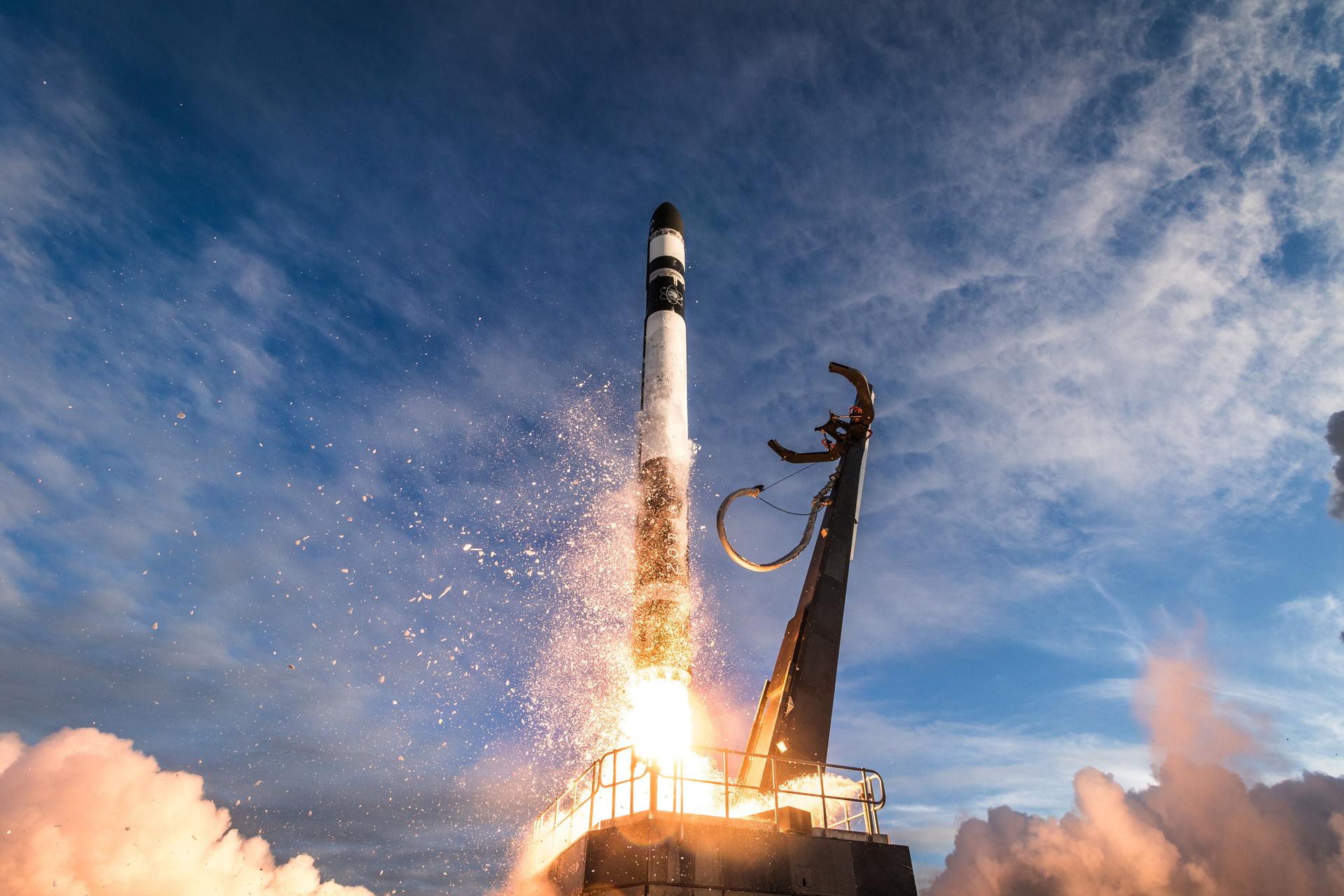
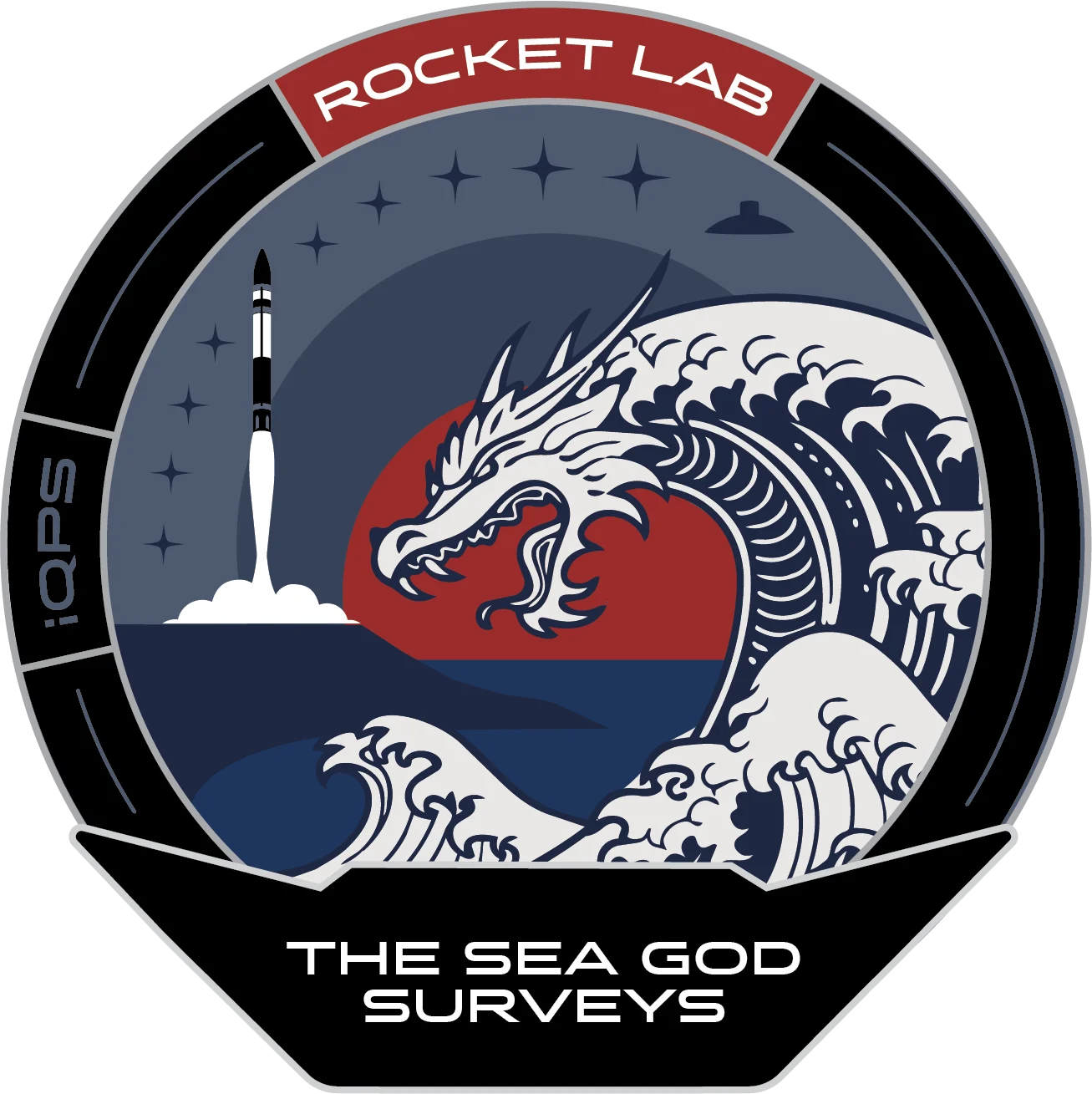
Provider: Rocket Lab Date: November 2, 2026 Time: 4:41 PM UTC Vehicle: Electron
Synthetic aperture radar Earth observation satellite for Japanese Earth imaging company iQPS.
SpaceSail Polar Group TBD?
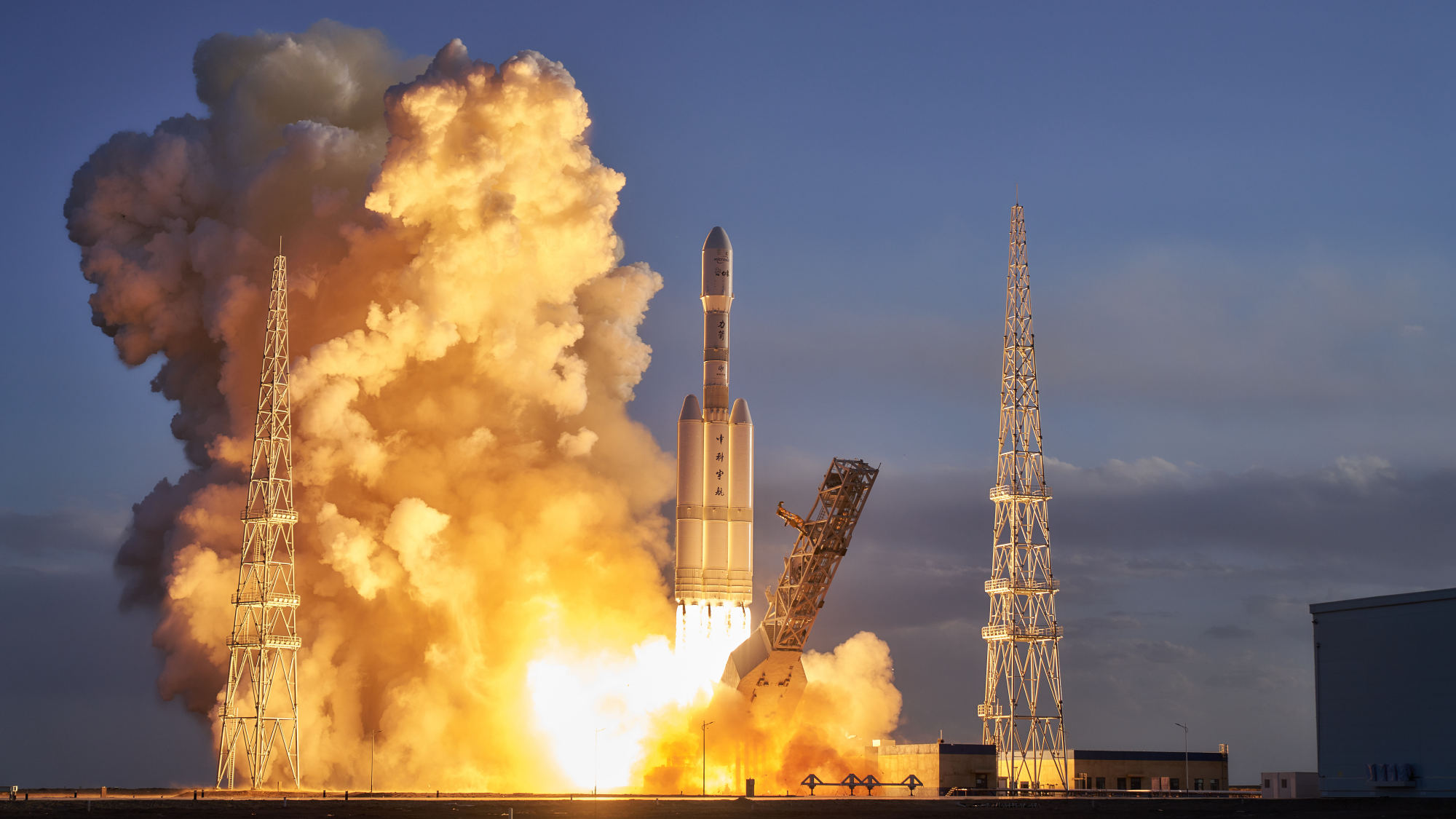
Provider: CAS Space Date: November 3, 2026 Time: 12:10 AM UTC Vehicle: Kinetica 2
Low Earth Orbit communication satellites with Ku, Q and V band payloads for the G60 constellation operated by Shanghai Spacesail Technologies with funding backed by the Shanghai local government.
Initial constellation will consist of 1296 satellites by 2027 with long term plans to expand it to 12000 satellites.
USSF-432
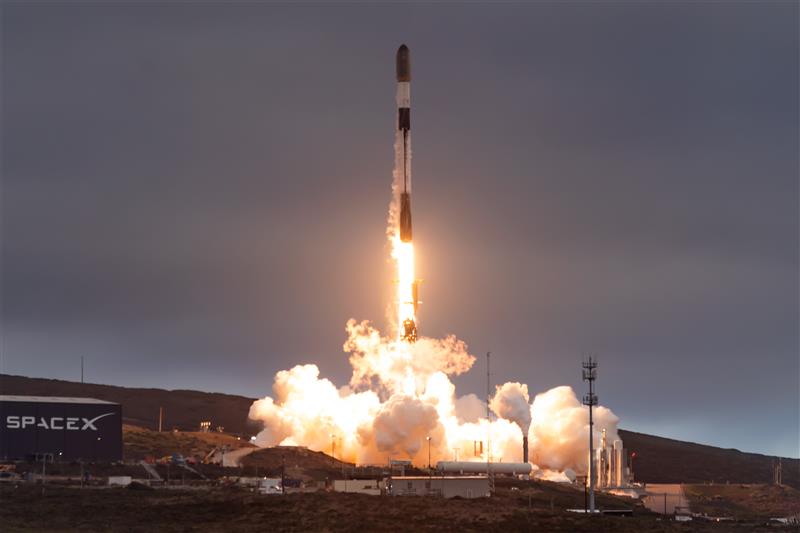
Provider: SpaceX Date: November 3, 2026 Time: 1:42 AM UTC Vehicle: Falcon 9
A classified mission for the United States Space Force. It is possibly a batch of classified LEO satellites based on SpaceX’s Starshield satellite bus, based on locations of rocket stage drop zones being exact fits with previous Starlink Group 15 launches.
Demo Flight
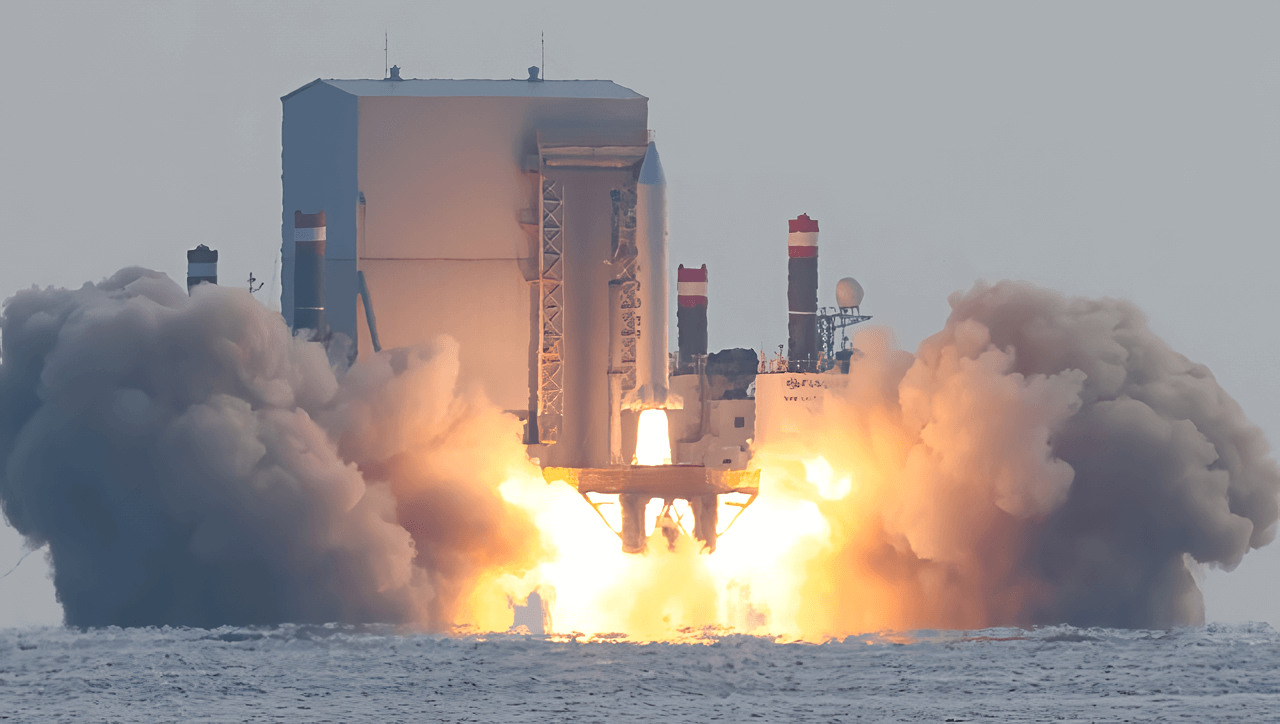
Provider: Agency for Defense Development Date: November 4, 2026 Time: 5:00 AM UTC Vehicle: Mir
Note: Launch vehicle name is provisional.
First orbital full version launch of the South Korean military small satellite launch vehicle, after 2 sub-orbital tests of individual stages on 30 March and 30 December 2022, and 1 orbital test flight without the 2nd stage on 4 December 2023. Details TBD.
Unknown Payload
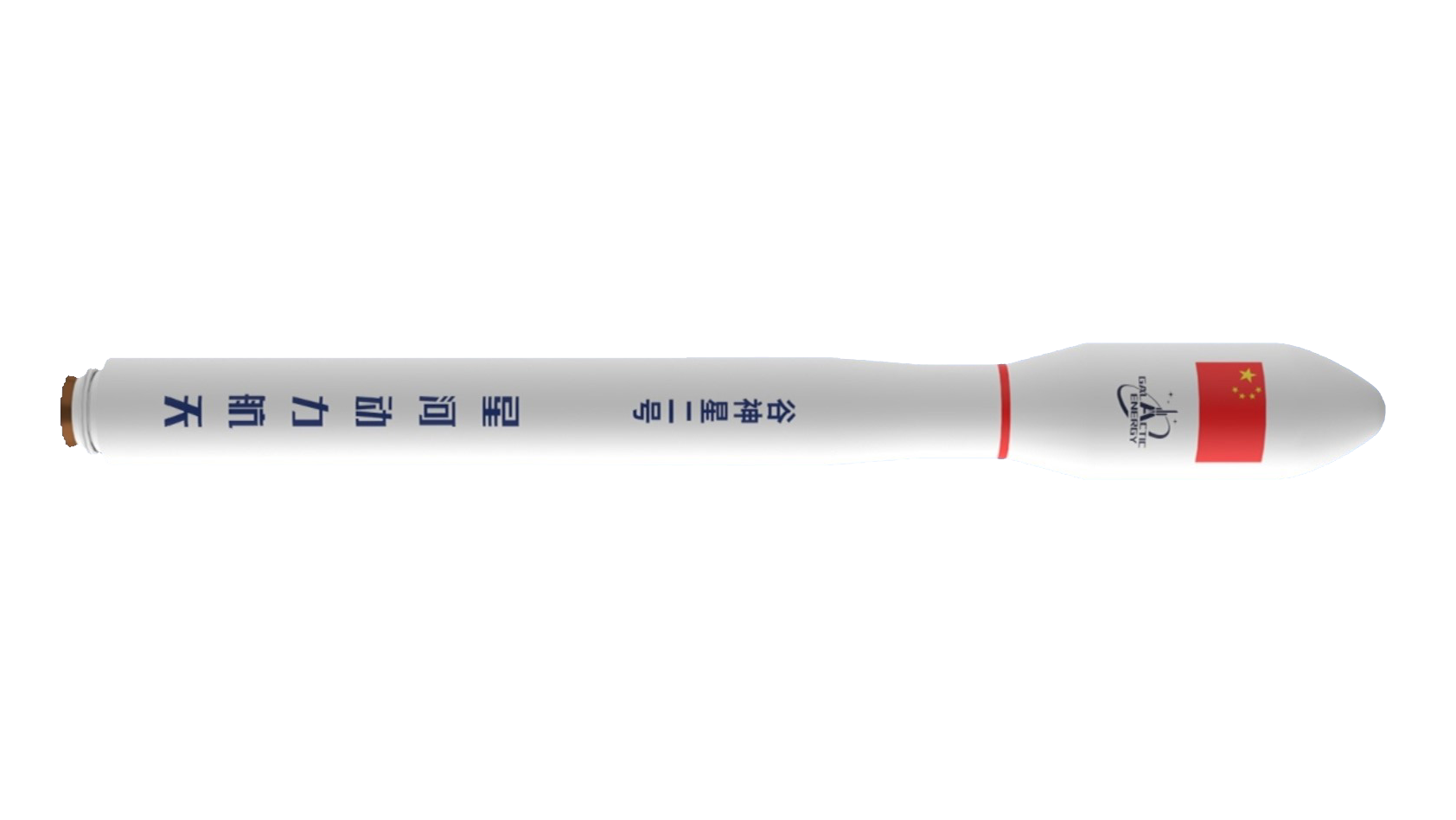
Provider: Galactic Energy Date: November 4, 2026 Time: 9:00 PM UTC Vehicle: Ceres-2
Details TBD.
The Sea God Surveys (iQPS Launch 9) ×
Mission Details
TypeEarth Science
OrbitLow Earth Orbit
TargetEarth
Synthetic aperture radar Earth observation satellite for Japanese Earth imaging company iQPS.
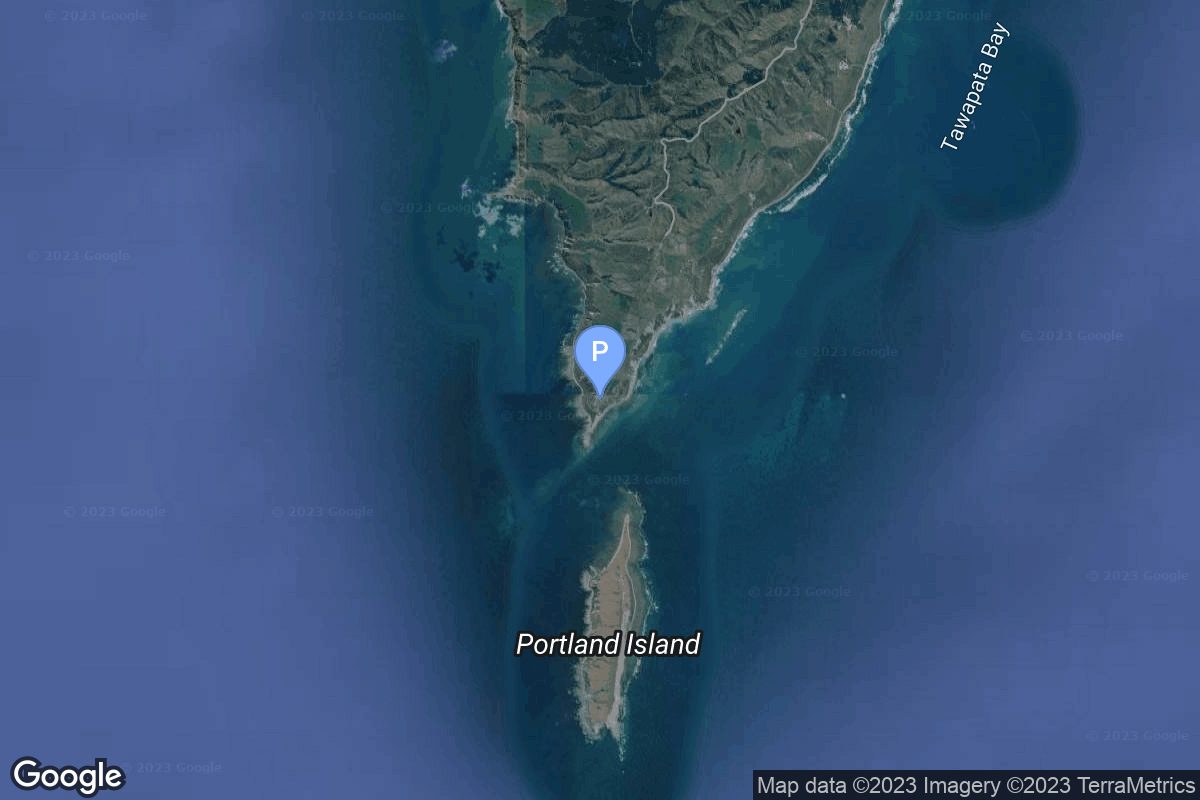
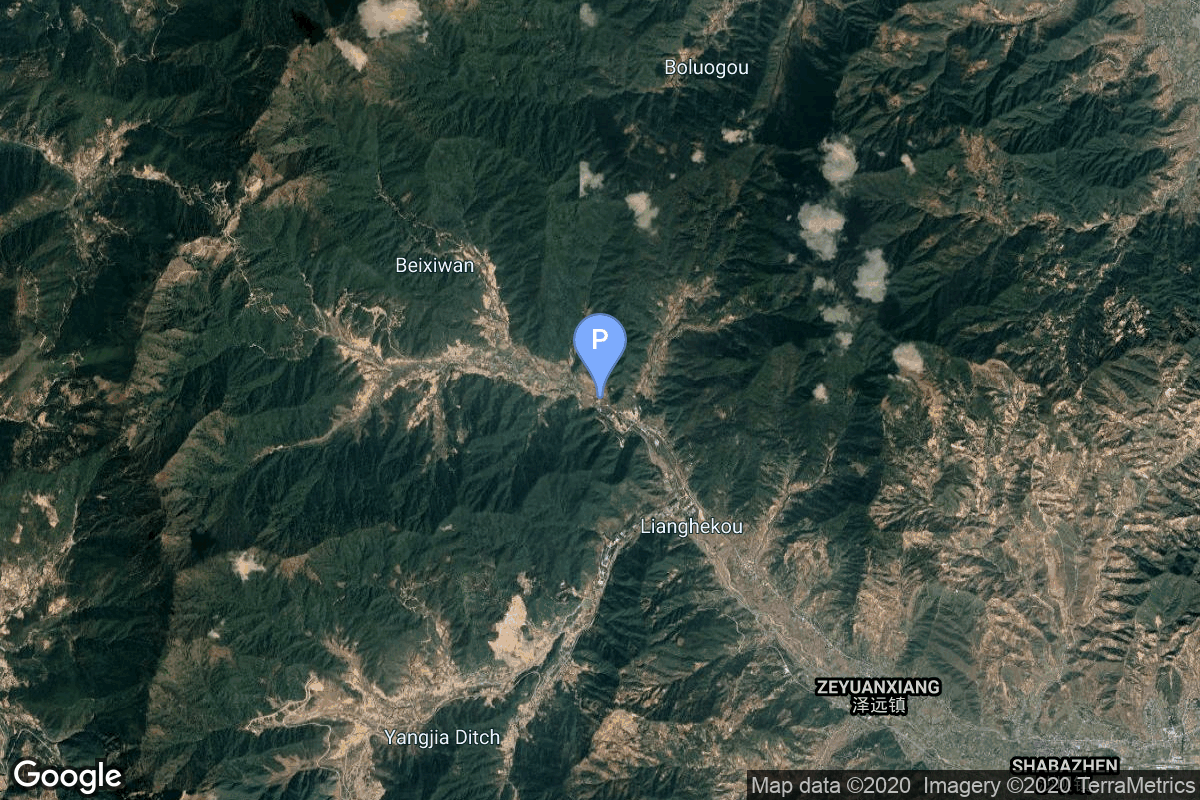
Rocket Lab Launch Complex 1, Mahia Peninsula, New Zealand
Total launches from this pad: 0
Vehicle: Electron
Electron is a two-stage orbital expendable launch vehicle (with an optional third stage) developed by the American aerospace company Rocket Lab. Electron is a small-lift launch vehicle designed to launch small satellites and cubesats to sun-synchronous orbit and low earth orbit. The Electron is the…
Low Earth Orbit communication satellites with Ku, Q and V band payloads for the G60 constellation operated by Shanghai Spacesail Technologies with funding backed by the Shanghai local government.
Initial constellation will consist of 1296 satellites by 2027 with long term plans to expand it to 12000 satellites.
A classified mission for the United States Space Force. It is possibly a batch of classified LEO satellites based on SpaceX’s Starshield satellite bus, based on locations of rocket stage drop zones being exact fits with previous Starlink Group 15 launches.
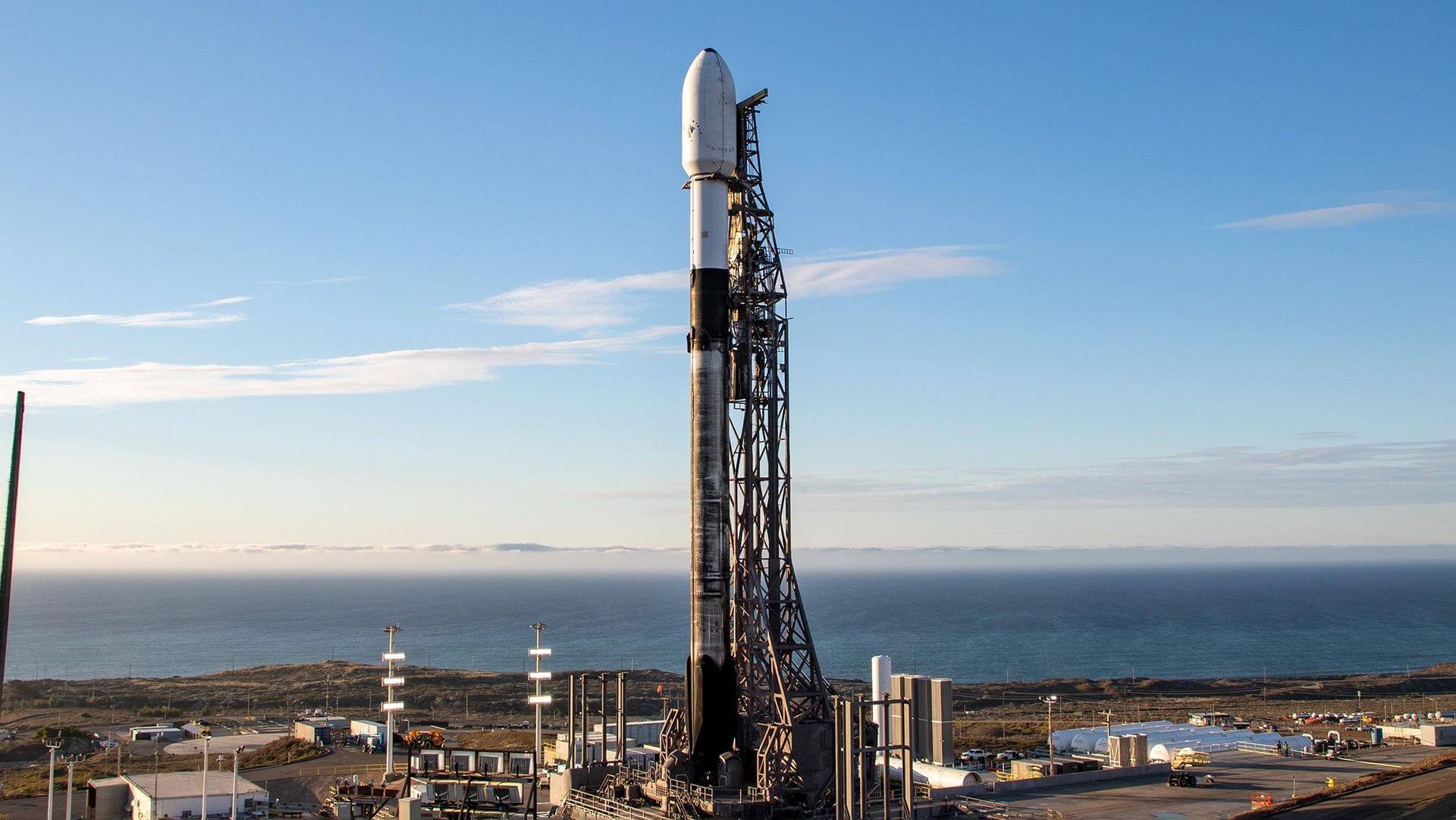
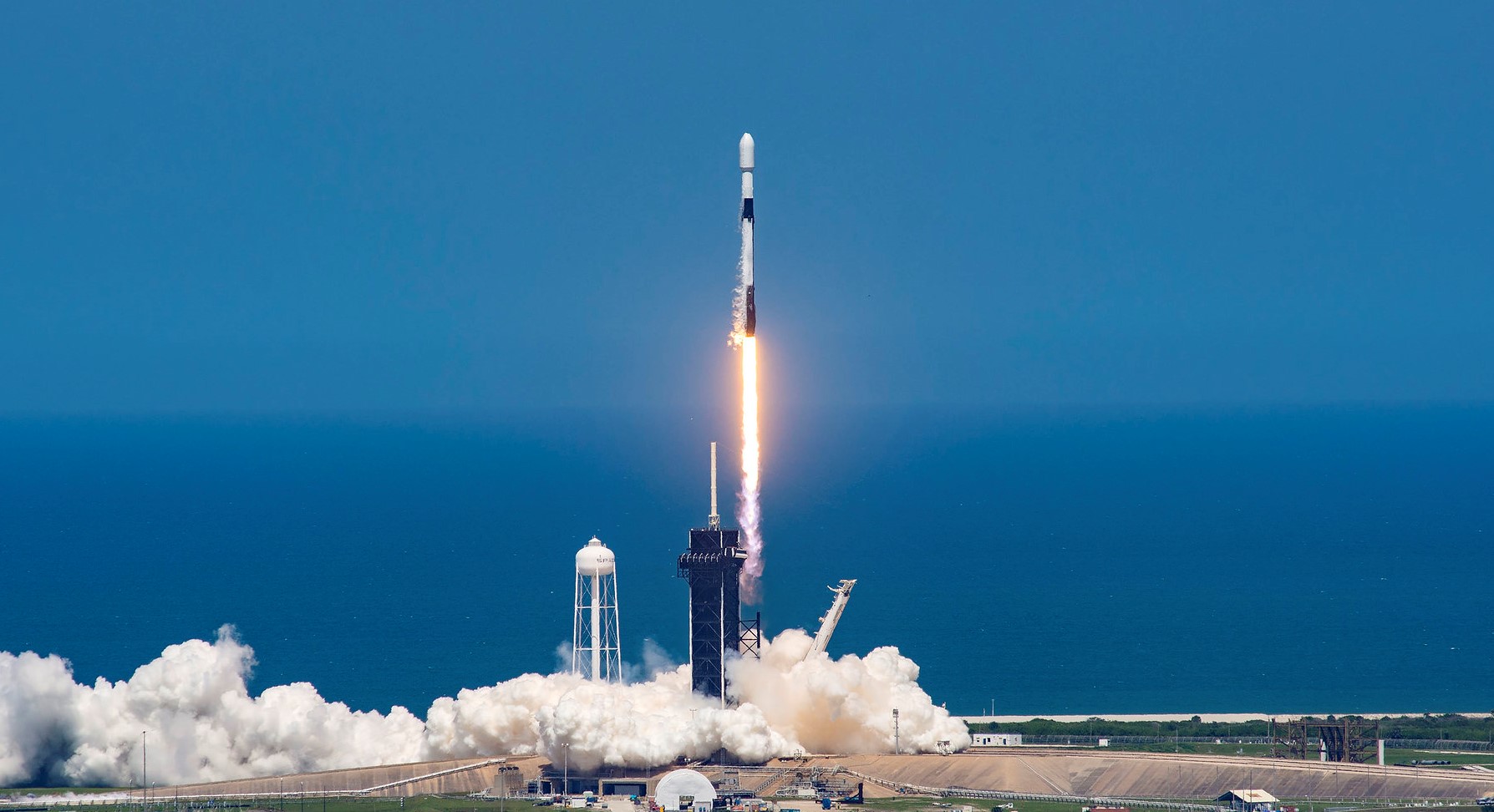
Falcon 9 is a two-stage rocket designed and manufactured by SpaceX for the reliable and safe transport of satellites and the Dragon spacecraft into orbit. The Block 5 variant is the fifth major interval aimed at improving upon the ability for rapid reusability.
The Falcon 9 first stage B1095 will land on ASDS OCISLY after its 8th flight.
Demo Flight ×
Mission Details
TypeTest Flight
OrbitLow Earth Orbit
TargetEarth
Note: Launch vehicle name is provisional.
First orbital full version launch of the South Korean military small satellite launch vehicle, after 2 sub-orbital tests of individual stages on 30 March and 30 December 2022, and 1 orbital test flight without the 2nd stage on 4 December 2023. Details TBD.
Offshore launch platform for the South Korean military small satellite launch vehicle.
Total launches from this pad: 1
Vehicle: Mir
Mir (Korean for a kind of dragon, and previously only known as “Solid-fuel space launch vehicle”) is a South Korean military developed small satellite launch vehicle for “quick response” usage. First orbital test launch in December 2023 omits the 2nd stage but still carries satellite into orbit.
Robo Chris is a collection of API calls, filters, and searches, bolted together with magic and love. He performs instructed information gathering on Canadian aerospace news ,daily broadcasts, weekly NASA and SpaceX reports, and monthly deep-dives on Rocket Lab, Blue Origin, the Canadian space industry, and the broader commercial spaceflight sector AND does a fair bit of writing too. Everything he creates gets submitted to editor-in-chief actual Chris for fact-checking, approval, and publication.











Leave a Reply