
Maritime Launch Services Set to Begin TSX Trading
Maritime Launch Services Set to Begin Trading on the TSX
Maritime Launch Services has won final approval from the Toronto Stock Exchange and its shares will begin trading on the exchange at the market open today, Tuesday, November 3, under the symbol MAXQ. The Halifax-based company and developer of Spaceport Nova Scotia received conditional approval in mid-October. Its shares stopped trading on Cboe Canada at the close yesterday.
Chief executive Stephen Matier said in a news release that the move “is another key milestone as we execute on that vision,” which he described as building national infrastructure that gives Canada sovereign access to space. He said the listing would broaden the company’s visibility with investors.
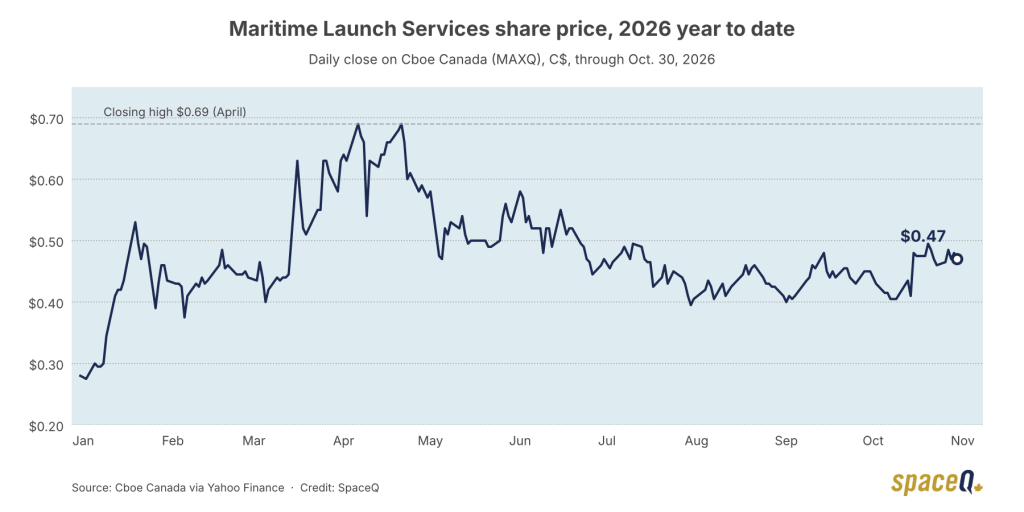
Maritime Launch shares closed last Friday at 47 cents on Cboe Canada, up 68 per cent since the start of the year. They have traded mostly between 40 and 50 cents since July, well below their April peak.
The company went public in April 2022 through a merger with a dormant listed shell and began trading on the NEO Exchange, now Cboe Canada. A senior TSX listing generally brings wider access to capital, more analyst coverage and more institutional interest. It also starts the clock on index eligibility: S&P Dow Jones Indices requires six full calendar months on the TSX before a company can join the S&P/TSX Composite, so Maritime Launch could qualify by mid-2027 at the earliest, provided it also meets the index’s share-price, size and liquidity tests.
Canada’s New Security Plan Names Space Technology
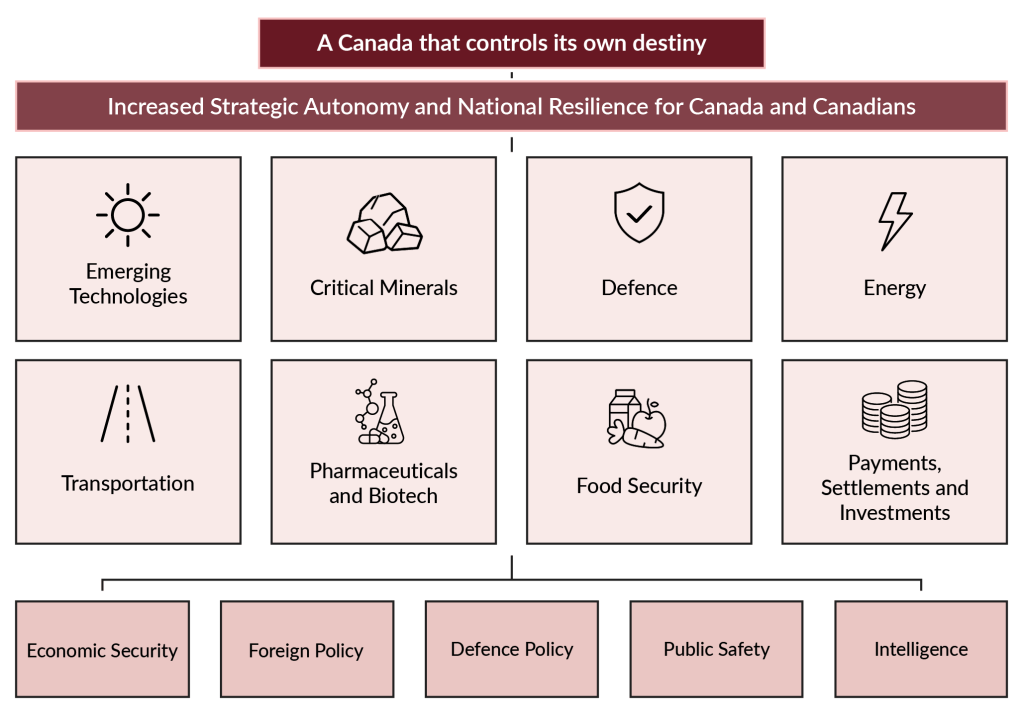
Prime Minister Mark Carney released Canada’s first national security strategy in more than 20 years on October 29, naming space-based communications and navigation among the technologies the country needs in its sovereignty push. The Plan for a Stronger Canada is built around eight “Strategic Capabilities” that Ottawa wants to develop at home or with allies. Emerging technologies top the list, a category that includes space-based communications and navigation, along with artificial intelligence computing, quantum computing, semiconductors and telecommunications.
Elsewhere the plan says Canada must have access to “reliable intelligence, space-based communications, secure telecommunications, and data storage,” and wants the country to be “a major player in developing and commercializing advanced technologies, including AI, quantum computing, space-based technology, and energy.” The defence section promises military options to deter and defend “against hybrid warfare and threats in space and cyberspace.”
Industry Minister Mélanie Joly told Space Canada’s SpaceBound conference in Gatineau on October 20 that the government is writing a national space strategy, with Artemis II astronaut Jeremy Hansen advising her and Carney. Her department and National Defence released Canada’s first positioning, navigation and timing (PNT) resilience framework the same day. Joly also put $15 million into a Xona Space Systems centre in Montreal that will build and operate satellites for its navigation constellation, funded through the Strategic Response Fund — one of two industrial funds the security plan names.
The plan promises to “significantly deepen our connections and cooperate on Strategic Capabilities” with Europe. A day after it came out, Canada and the European Union said at their Montreal summit that they will open negotiations on Canadian access to Galileo, the EU’s satellite navigation system, and begin exploratory talks on IRIS², its planned secure-communications constellation.
Canada spent 2 per cent of its gross domestic product on defence in 2025–26, and the plan puts it on a path to the NATO target of 5 per cent by 2035. It gives the Canadian Armed Forces a single mission, defending Canada and Canadian interests, and tells the government to prepare “for all contingencies up to and including war.” Protecting the country’s geography, “including in the Arctic,” is what the plan calls the forces’ defining task.
China Details Crewed Moon Landing Timeline
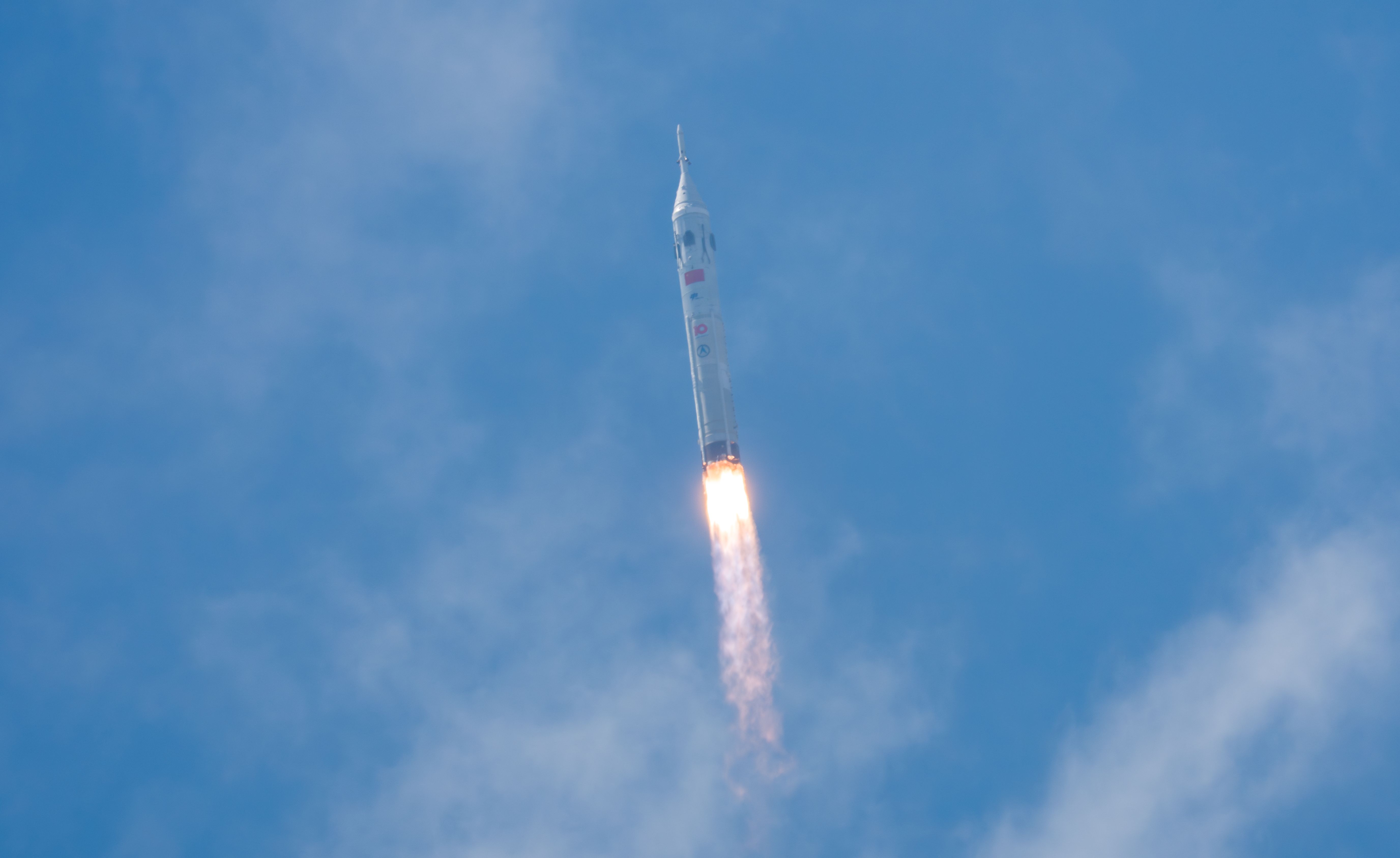
Chinese space officials confirmed this weekend that the country plans to land its astronauts on the Moon within three years. At the Seventh Manned Spaceflight Conference in Beijing, officials including Wang Xiang, chief designer for the lunar exploration program, laid out the country’s most publicly detailed plans yet for a series of missions leading up to a crewed lunar landing “before 2030.”
China’s lunar landings will involve a lunar-orbit rendezvous similar to what NASA did in the 1960s and early 1970s with the Apollo program. However, lacking a rocket as powerful as the Saturn V, the crew and lunar lander will launch separately to the Moon. The overall plan uses a “two launches, lunar orbit rendezvous” strategy where Mengzhou (“dream vessel”) and Lanyue (“embracing the Moon”) will be launched separately and dock in lunar orbit. Two of the three taikonauts will transfer from Mengzhou into Lanyue for the trip down to and back from the surface.
According to slides shared at the conference, the current plan involves three uncrewed test flights before the crewed landing:
- An uncrewed test of the Long March 10A rocket (a single-stick variant, with no boosters) and the Mengzhou spacecraft to low-Earth orbit, targeting early 2027.
- An uncrewed test of the larger Long March 10 rocket (a core stage with two boosters) and the Lanyue lunar lander, including descent and ascent from the Moon’s surface, targeting 2028.
- A concurrent launch of two Long March 10 rockets, one carrying uncrewed Mengzhou and the other the Lanyue vehicle, docking in lunar orbit, targeting 2029.
- Dual launch of Long March 10 rockets, this time with crew on the Mengzhou spacecraft, leading to the crewed landing mission, targeting “before 2030.”
NASA has set a target of landing humans on the Moon by 2028, a year or so ahead of China. NASA contracted with SpaceX in 2021 and Blue Origin in 2023 to build U.S. landers. Blue Origin will use a similar approach to China’s, with the Blue Moon MK2 lander launching on a New Glenn rocket. By contrast, SpaceX’s Starship will dock with Orion in Earth orbit and push Orion to lunar orbit.
Citations
- Maritime Launch Services gets final approval to list on the TSX — spaceq.ca
- National security strategy gives space tech a supporting role — spaceq.ca
- China Plans ‘Two Launches, Lunar Orbit Rendezvous’ to Land Taikonauts on Moon — spacepolicyonline.com
- China releases timeline for lunar landing on the Moon, targeting ‘before 2030’ — arstechnica.com
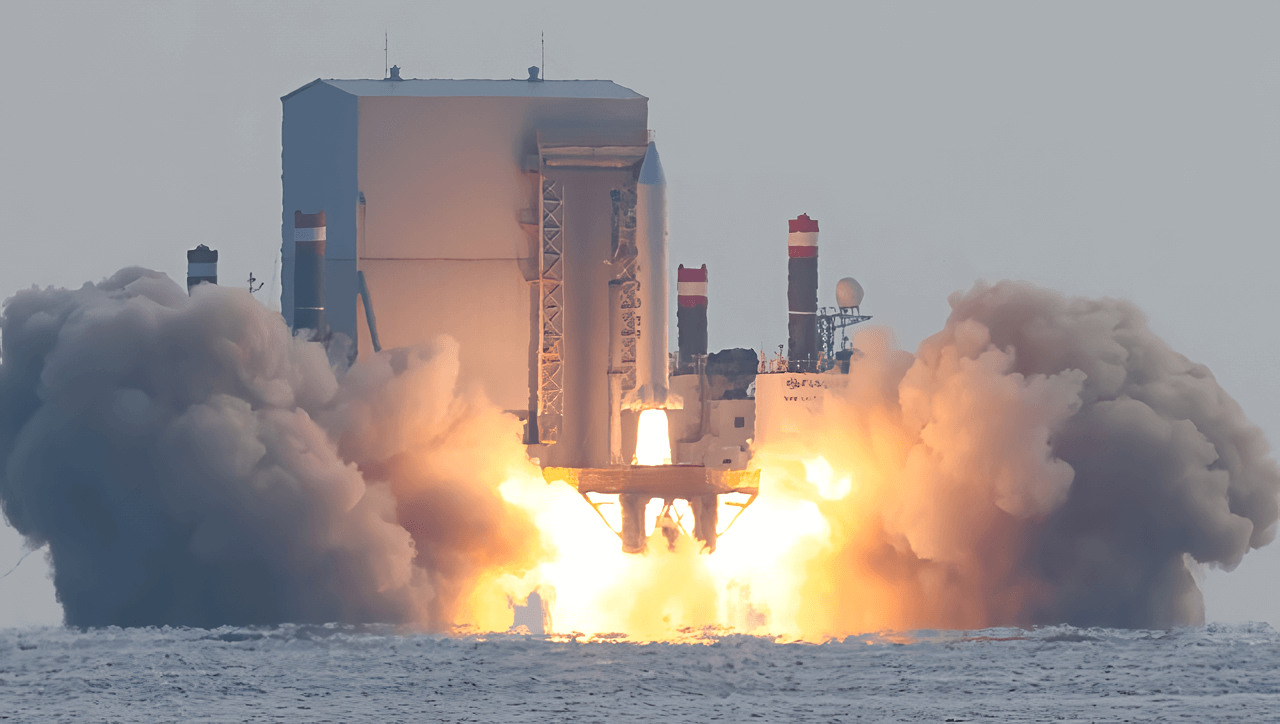
Demo Flight
Provider: Agency for Defense Development
Date: November 4, 2026
Time: 5:00 AM UTC
Vehicle: Mir
Note: Launch vehicle name is provisional.
First orbital full version launch of the South Korean military small satellite launch vehicle, after 2 sub-orbital tests of individual stages on 30 March and 30 December 2022, and 1 orbital test flight without the 2nd stage on 4 December 2023. Details TBD.
Unknown Payload
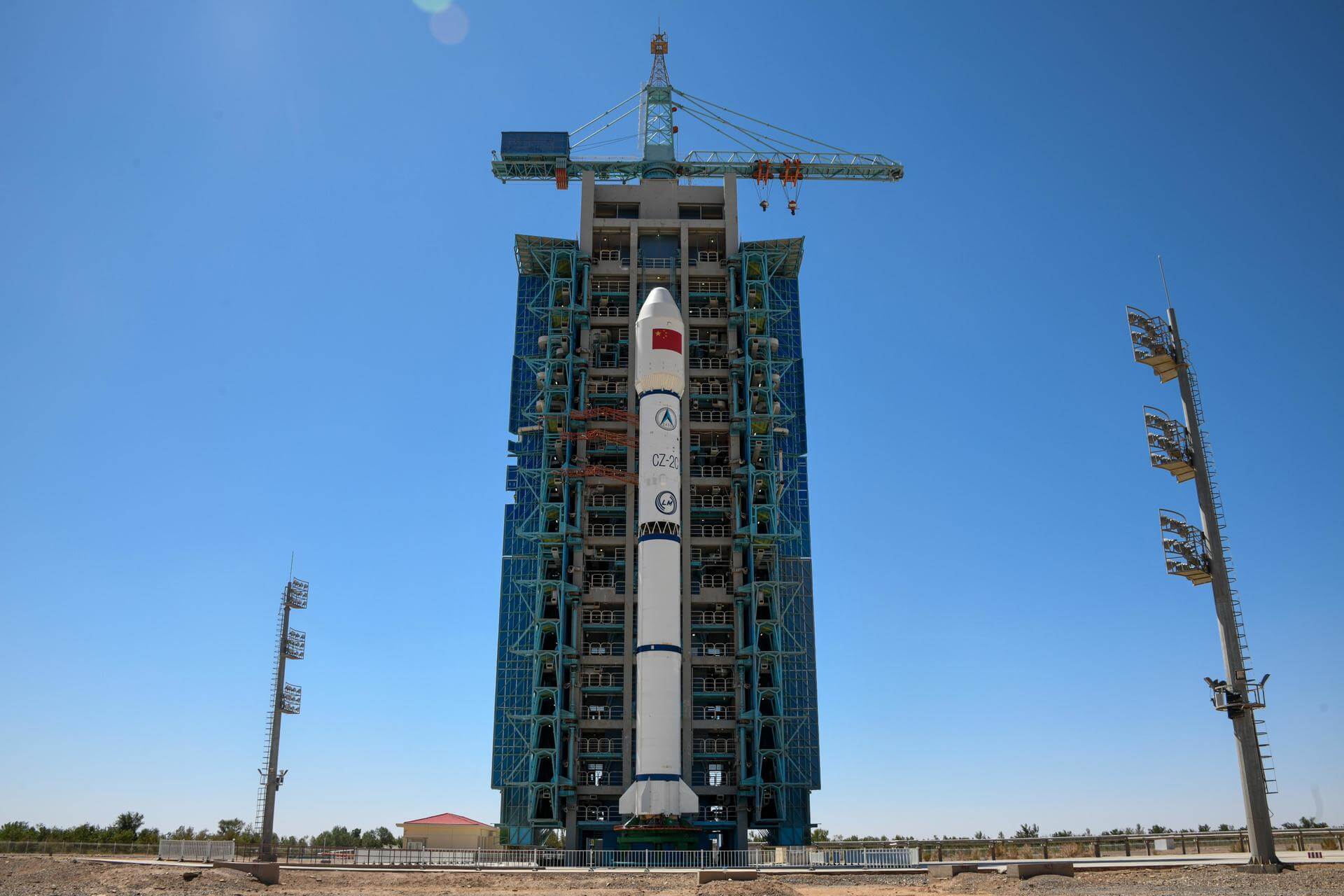
Provider: China Aerospace Science and Technology Corporation
Date: November 5, 2026
Time: 4:00 PM UTC
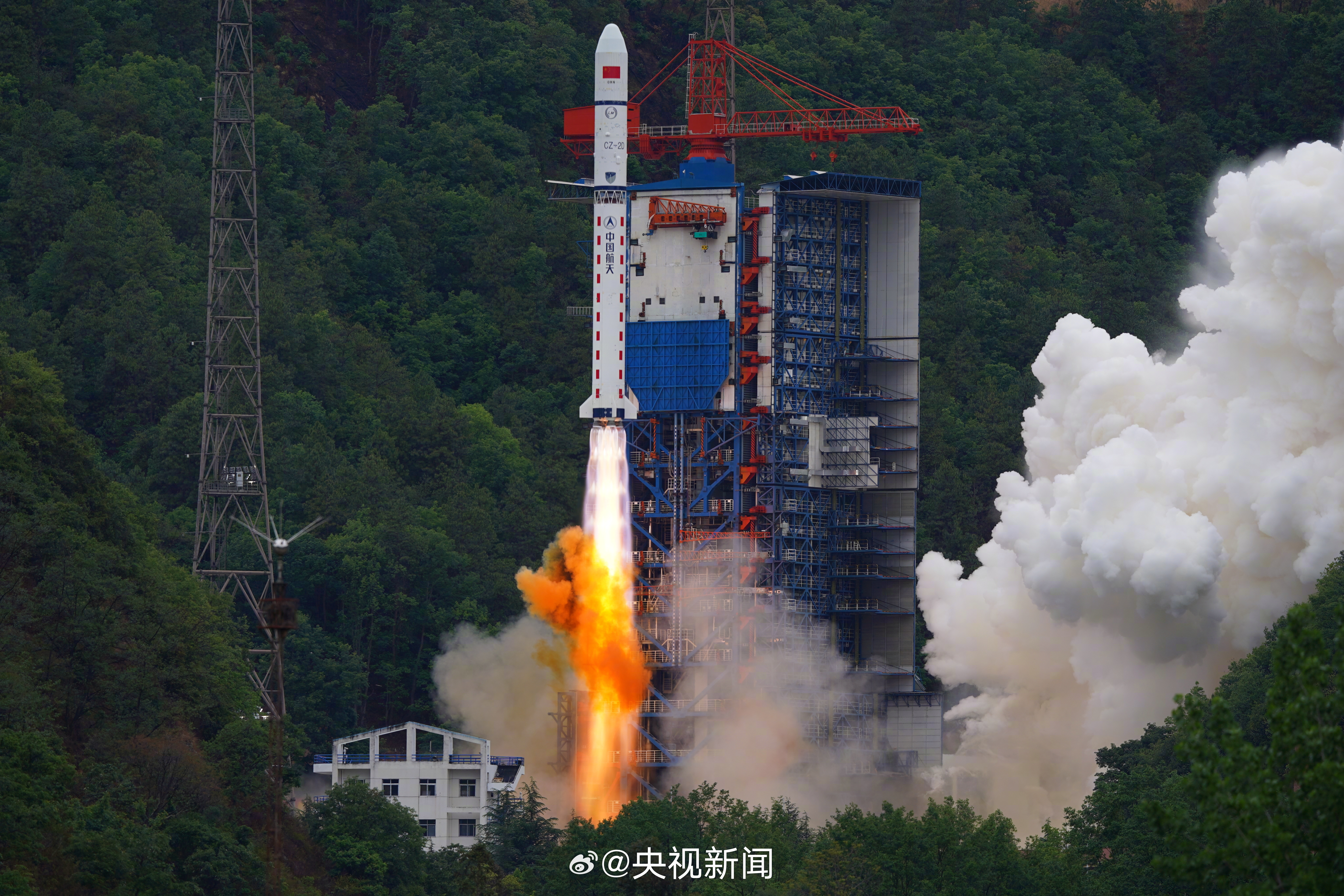
Vehicle: Long March 2C
Details TBD.
SatNet LEO Group TBD?
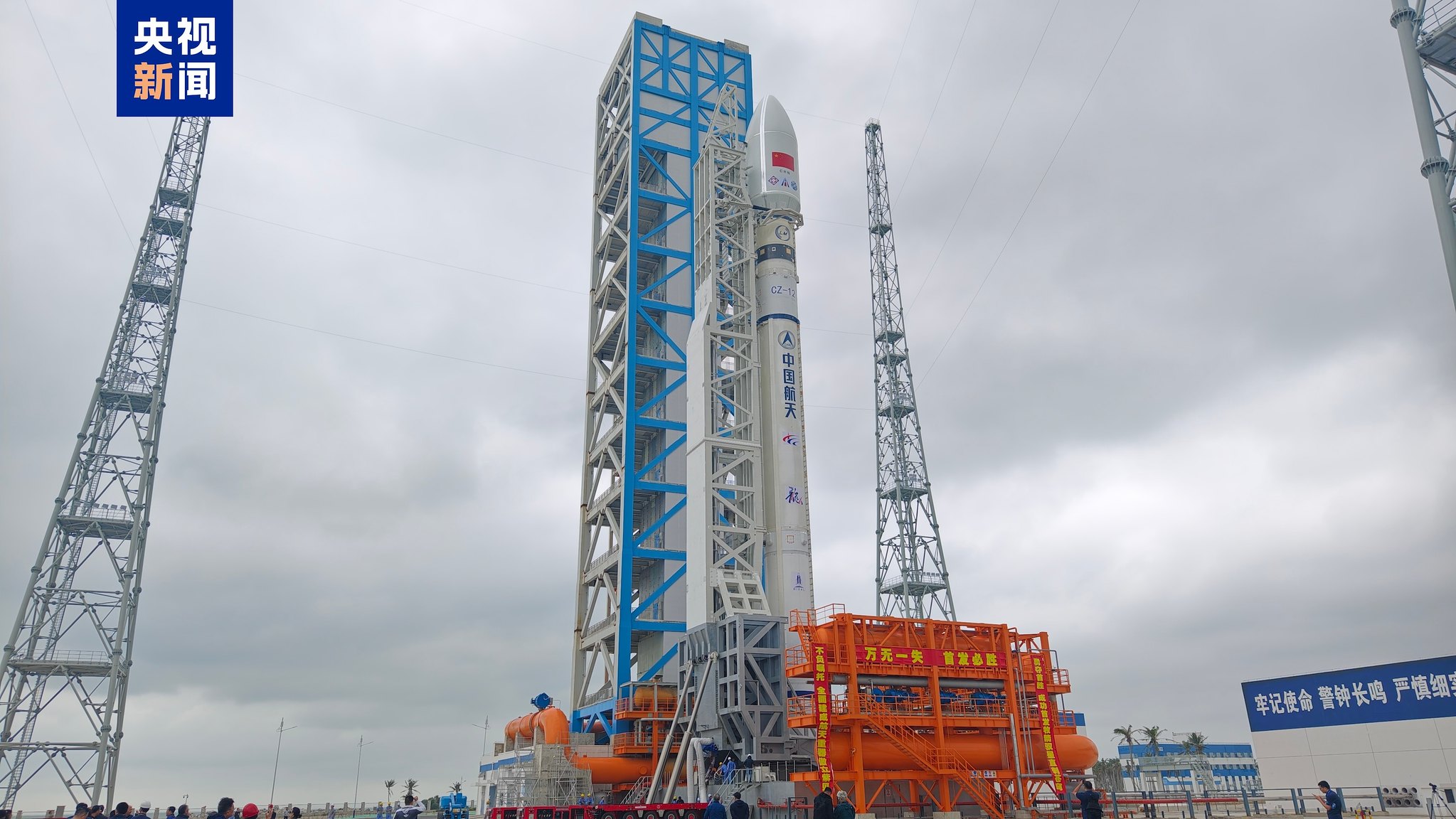
Provider: China Aerospace Science and Technology Corporation
Date: November 5, 2026
Time: 9:15 PM UTC
Vehicle: Long March 12
A batch of 9 Low Earth Orbit communication satellites for the Chinese state owned SatNet constellation operated by the China Satellite Network Group.
The constellation will eventually consists of 13000 satellites.
Unknown Payload
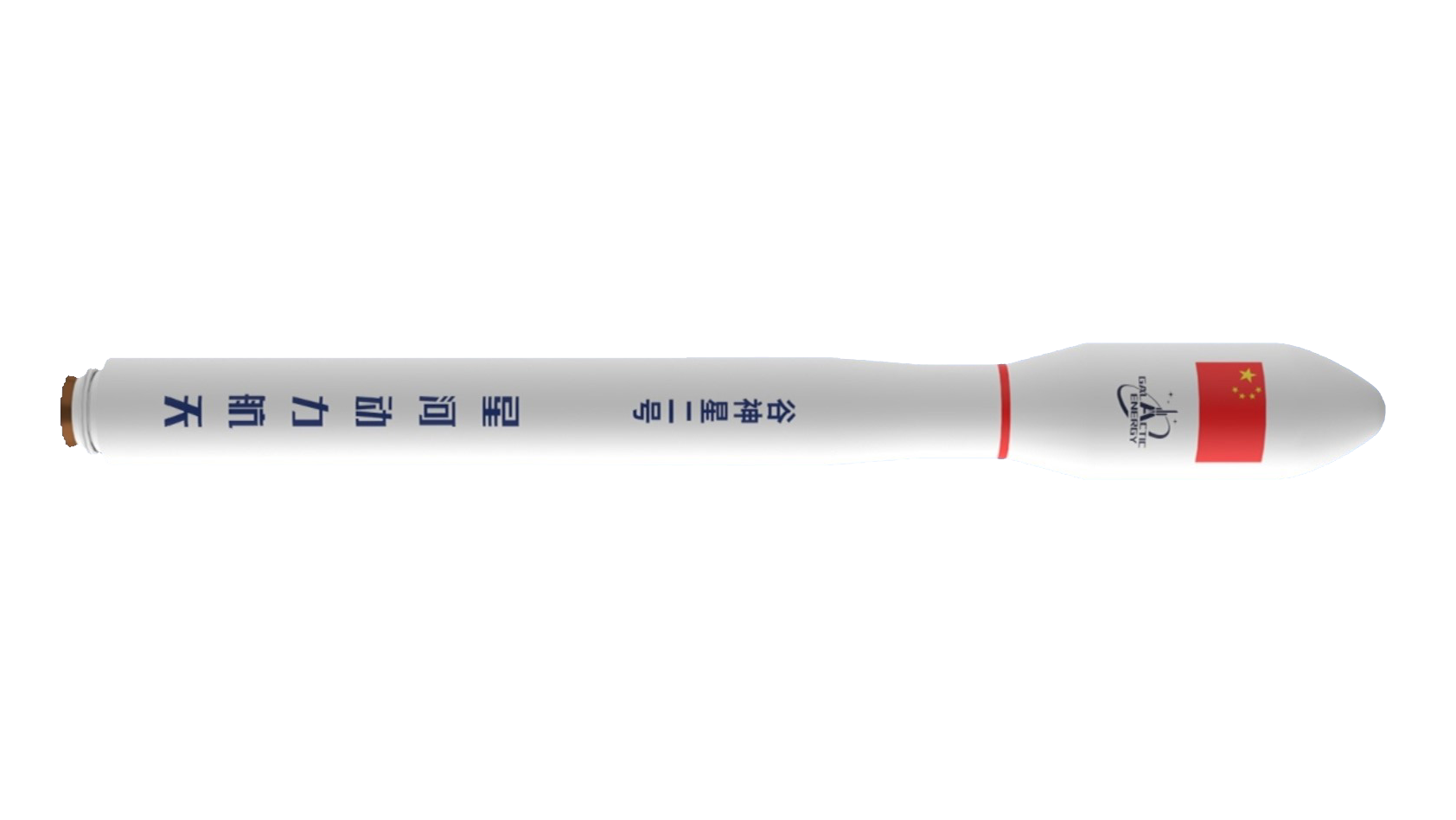
Provider: Galactic Energy
Date: November 6, 2026
Time: 11:35 PM UTC
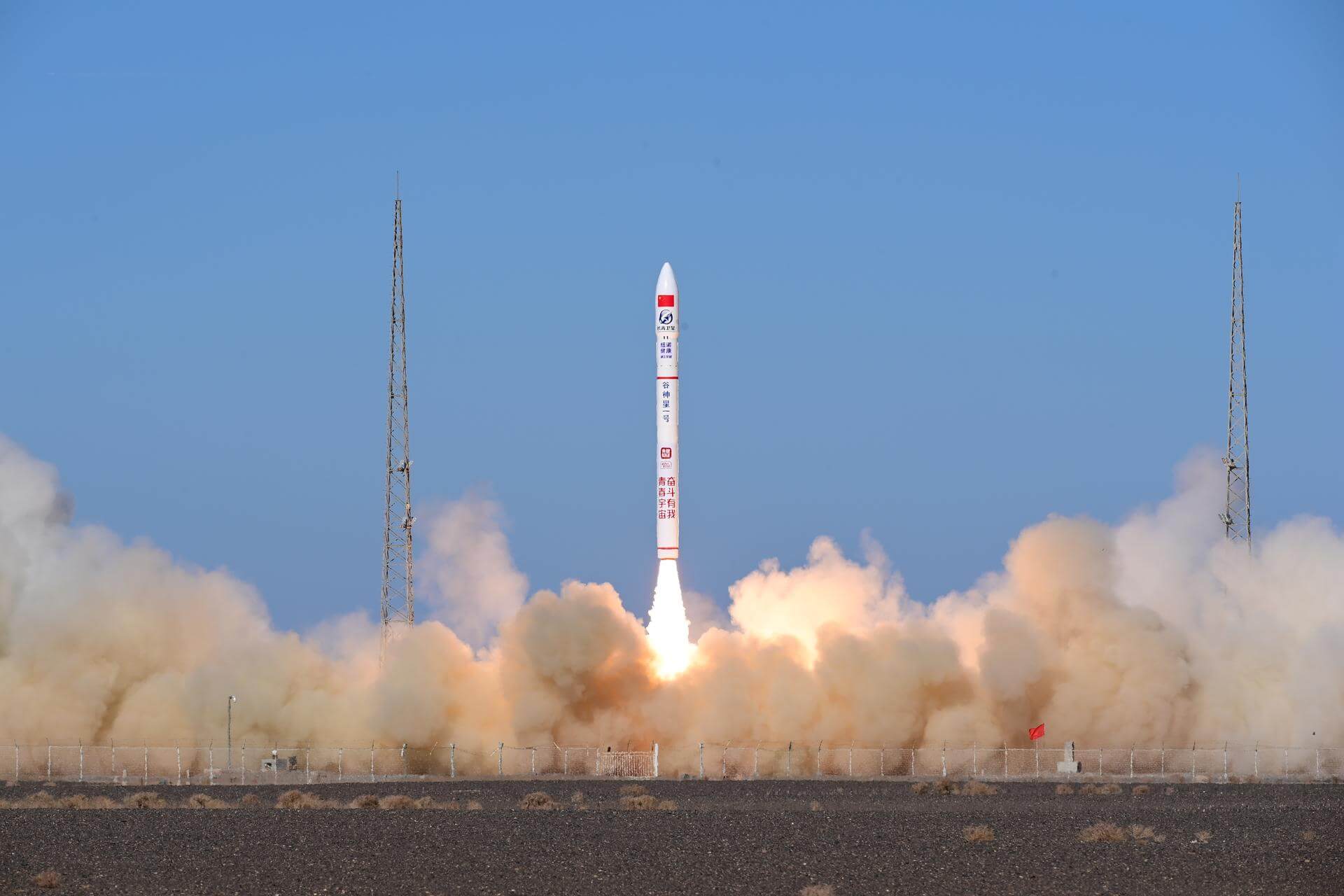
Vehicle: Ceres-2
Details TBD.
USSF-432
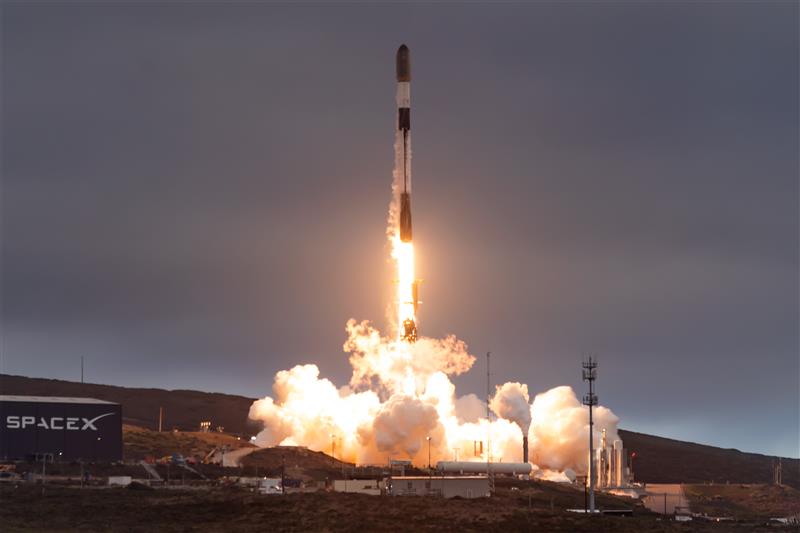
Provider: SpaceX
Date: November 7, 2026
Time: 12:46 AM UTC
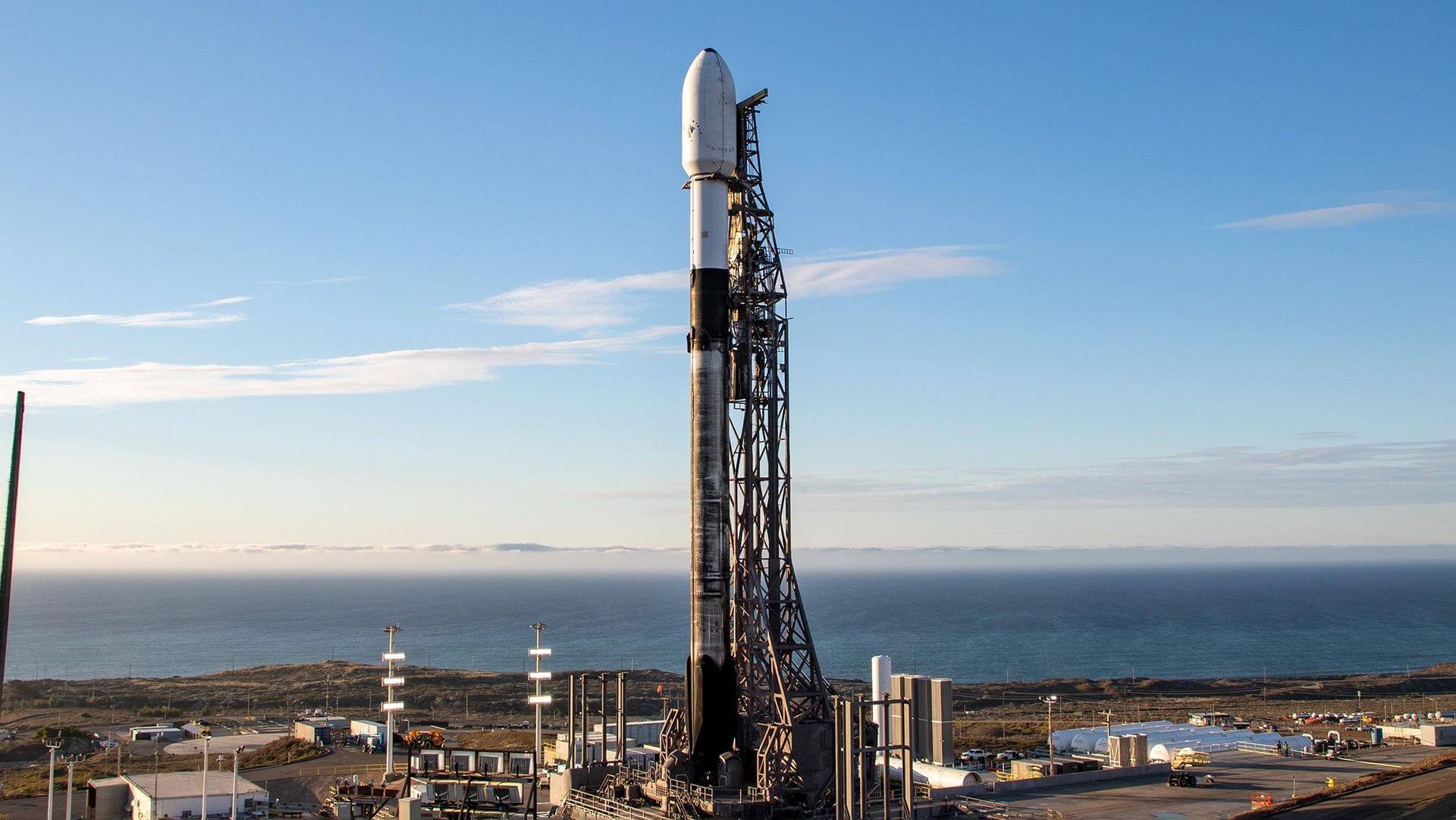
Vehicle: Falcon 9
A classified mission for the United States Space Force. It is possibly a batch of classified LEO satellites based on SpaceX’s Starshield satellite bus, based on locations of rocket stage drop zones being exact fits with previous Starlink Group 15 launches.









Enjoying the content? Stay up to date on everything happening behind the scenes by following our Patreon!


Leave a Reply