Spaceport Nova Scotia Turns First Operating Profit
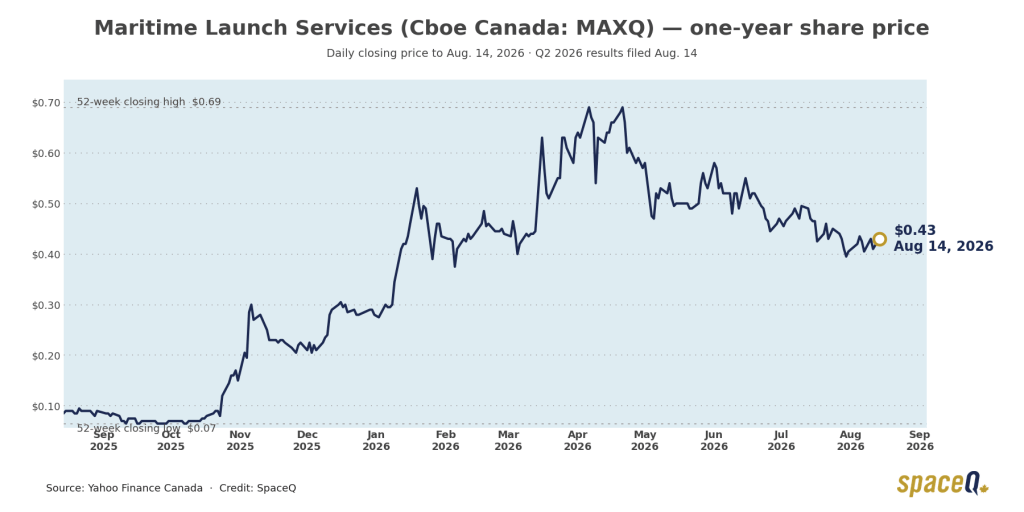
Maritime Launch Services earned its first operating profit in the second quarter of 2026, as its launch-pad lease with the Department of National Defence delivered the company’s first full quarter of revenue at Spaceport Nova Scotia. Revenue for the three months ended June 30 was $5.6 million, against nothing a year earlier, and net income was $3.2 million, according to the Halifax-based company’s Aug. 14 filings.
The anchor tenant is DND itself, which signed a 10-year lease in March for a dedicated launch pad at $20 million a year. Behind that deal sit a ground-station customer, Italy’s Leaf Space, and two launch companies: Quebec’s Reaction Dynamics, which holds a small stake in Maritime Launch, and Germany’s Isar Aerospace.
The business the company runs today is not the one it was founded to operate. When Maritime Launch picked the Canso, N.S., site in 2017, the plan rested on a Ukrainian partnership: Yuzhnoye and Yuzhmash would build the Cyclone-4M rocket, and Maritime Launch would market and launch it from what became Spaceport Nova Scotia. That plan did not survive Russia’s invasion of Ukraine. The company pivoted to an airport model, where it owns the pads, roads and processing buildings, and launch companies and government agencies pay to use them.
After a decade of fits and starts mostly due to financial constraints, the launch site under development near Canso has begun paying its own way.
Adenot Preps for First Spacewalk With Canadarm2 Support
ESA astronaut Sophie Adenot will venture into the vacuum of space for her first-ever spacewalk on Tuesday, 18 August, alongside NASA astronaut Anil Menon. The pair will exit the International Space Station’s Quest airlock at approximately 13:35 BST (14:35 CEST) to replace a Space-to-Ground Antenna, a critical communication system NASA uses to transmit data between mission control in Houston and the station.
The 97th U.S. spacewalk is expected to last about six and a half hours. Adenot has spent more than 150 hours underwater at ESA’s European Astronaut Centre in Cologne and NASA’s Johnson Space Center in Houston training and qualifying for extravehicular activities. From inside the station, commander Jessica Meir and flight engineer Jack Hathaway will operate the Canadarm2 robotic arm to assist the spacewalkers.
Meir and Hathaway will also help Adenot and Menon into their suits before egress. As Extravehicular Crew Member 1, Menon will wear red stripes on his spacesuit; Adenot, as EV2, will wear a suit without stripes. Livestream coverage begins at 12:00 BST on ESA WebTV and ESA’s YouTube channel.
Long March 12 Launches Guowang Batch After 7A Failure
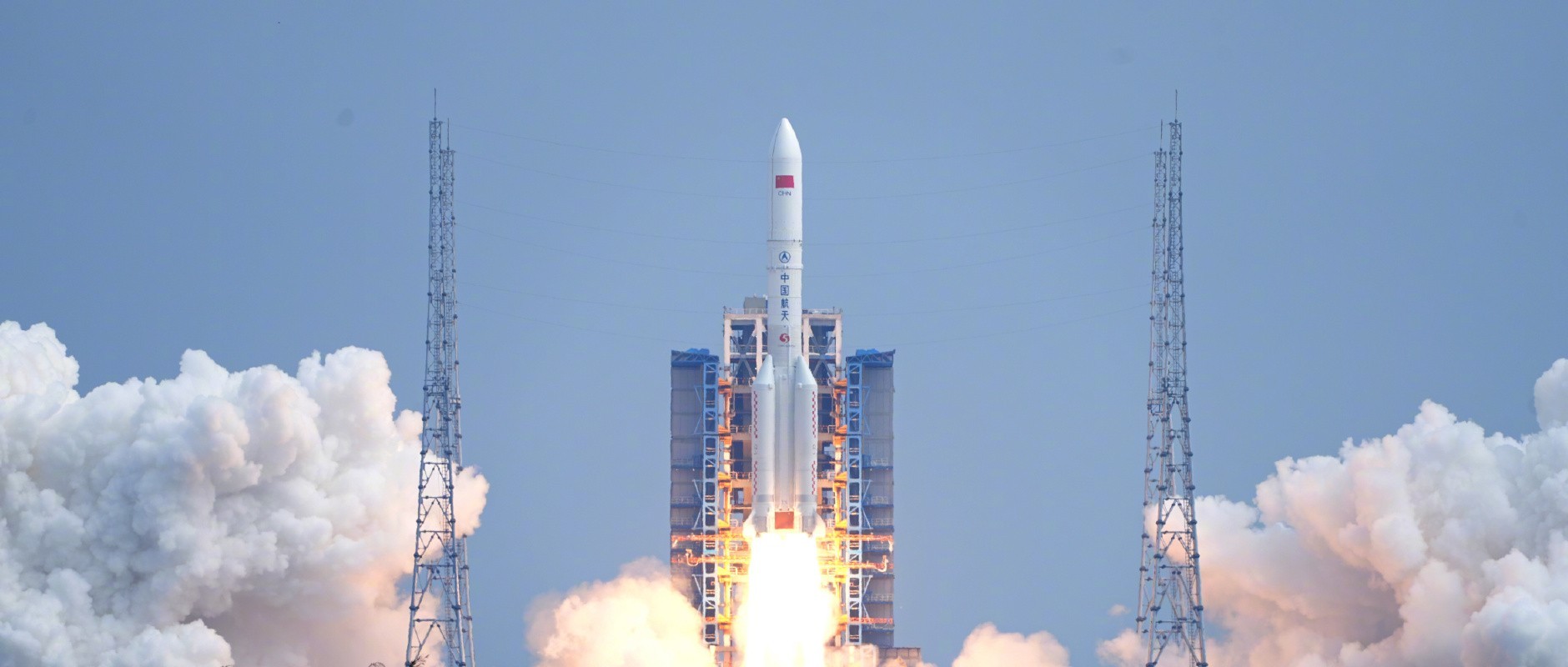
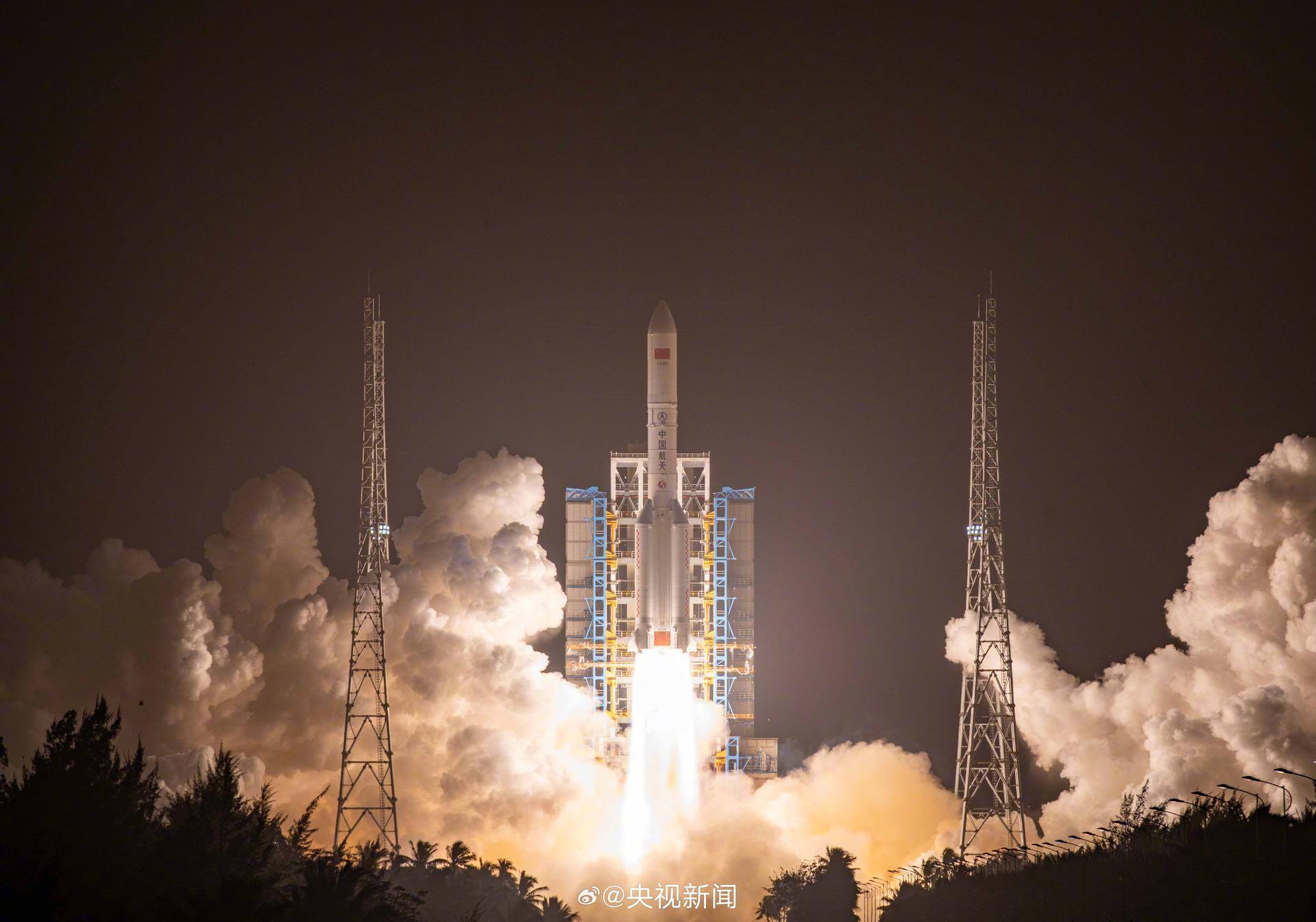
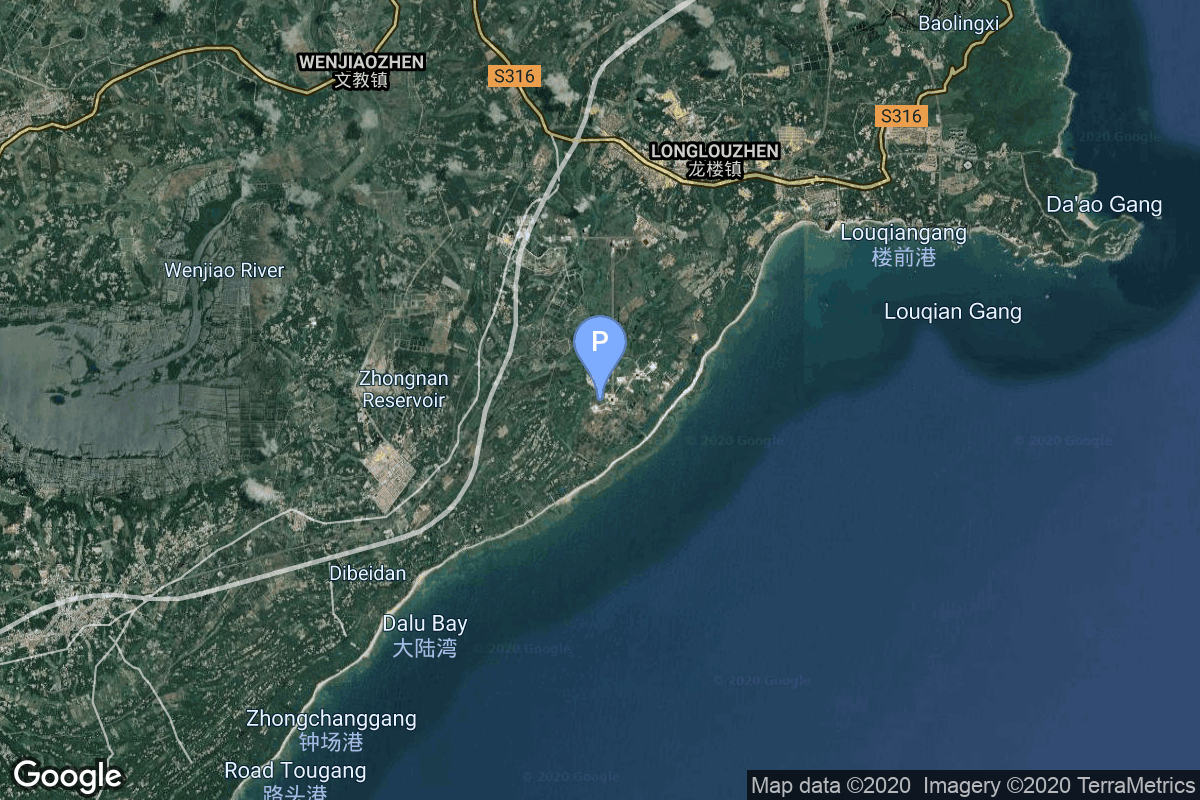
China launched a new batch of Guowang megaconstellation satellites early Aug. 16, less than a week after the explosive failure of a Long March 7A rocket. The Long March 12 lifted off at 12:10 a.m. Eastern (0410 UTC) from pad 2 at the Hainan commercial space launch center, carrying the 24th operational batch of Guowang satellites.
The mission brings the number of satellites in orbit for the program to 195, not including related experimental satellites. The program calls for around 13,000 satellites in low Earth orbit. The satellites were built by CASC’s China Academy of Space Technology. The launch was operated by CASC’s China Commercial Rocket, which uses the acronym CACL.
The mission was the seventh launch of the standard, expendable Long March 12. Local reports highlighted that the pad quickly switched from a 5-meter rocket to a 4-meter rocket, having supported the Long March 10B flight in early July, and that the Long March 12 occupied the pad for just 2.5 days ahead of launch. CASC also operates the potentially reusable Long March 12A and Long March 12B launchers; both have reached orbit on debut flights, but neither first stage was recovered.
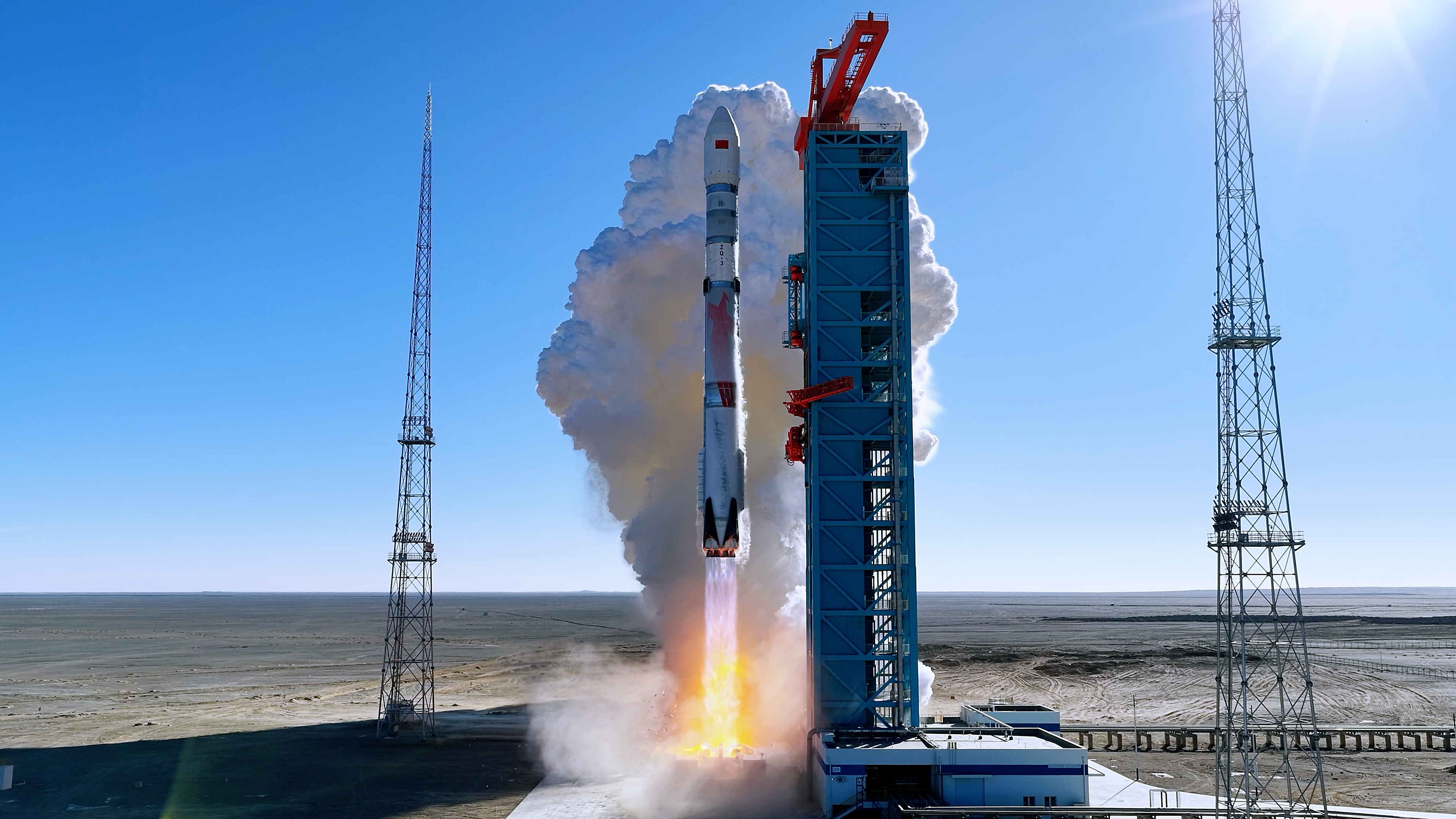
Provider: LandSpace Date: August 18, 2026 Time: 11:35 PM UTC Vehicle: Zhuque-3
Second test launch of LandSpace’s ZQ-3 rocket. Payload identities are TBD.
Starlink Group 17-50
Provider: SpaceX Date: August 19, 2026 Time: 2:00 AM UTC Vehicle: Falcon 9
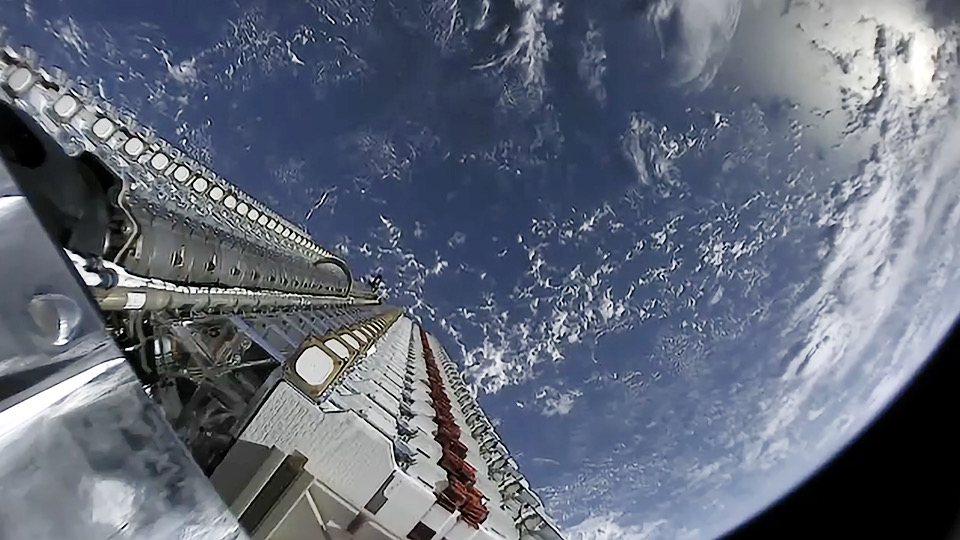
A batch of 24 satellites for the Starlink mega-constellation – SpaceX’s project for space-based Internet communication system.
Starlink Group 10-39
Provider: SpaceX Date: August 20, 2026 Time: 3:19 PM UTC Vehicle: Falcon 9
A batch of 29 satellites for the Starlink mega-constellation – SpaceX’s project for space-based Internet communication system.
Starlink Group 15-20
Provider: SpaceX Date: August 22, 2026 Time: 7:25 AM UTC Vehicle: Falcon 9
A batch of 27 satellites for the Starlink mega-constellation – SpaceX’s project for space-based Internet communication system.
Chang’e 7
Provider: China Aerospace Science and Technology Corporation Date: August 24, 2026 Time: 12:00 AM UTC Vehicle: Long March 5
Chang’e 7/CE-7 is scheduled to launch in 2026, including an orbiter, a lander, a mini-hopping probe, and a rover. The mission will land in the South Pole regions of the Moon to study lunar surface environment around the South Pole, especially in looking for water ice in lunar soil.
Flight 2 ×
Mission Details
TypeTest Flight
OrbitLow Earth Orbit
TargetEarth
Second test launch of LandSpace’s ZQ-3 rocket. Payload identities are TBD.
Zhuque-3 (ZQ-3) is a reusable orbital launch vehicle developed by Chinese private company LandSpace. The rocket is built using stainless steel and shares the same series of gas generator cycle methane/liquid oxygen powered rocket engines as in the currently active ZQ-2E rocket.
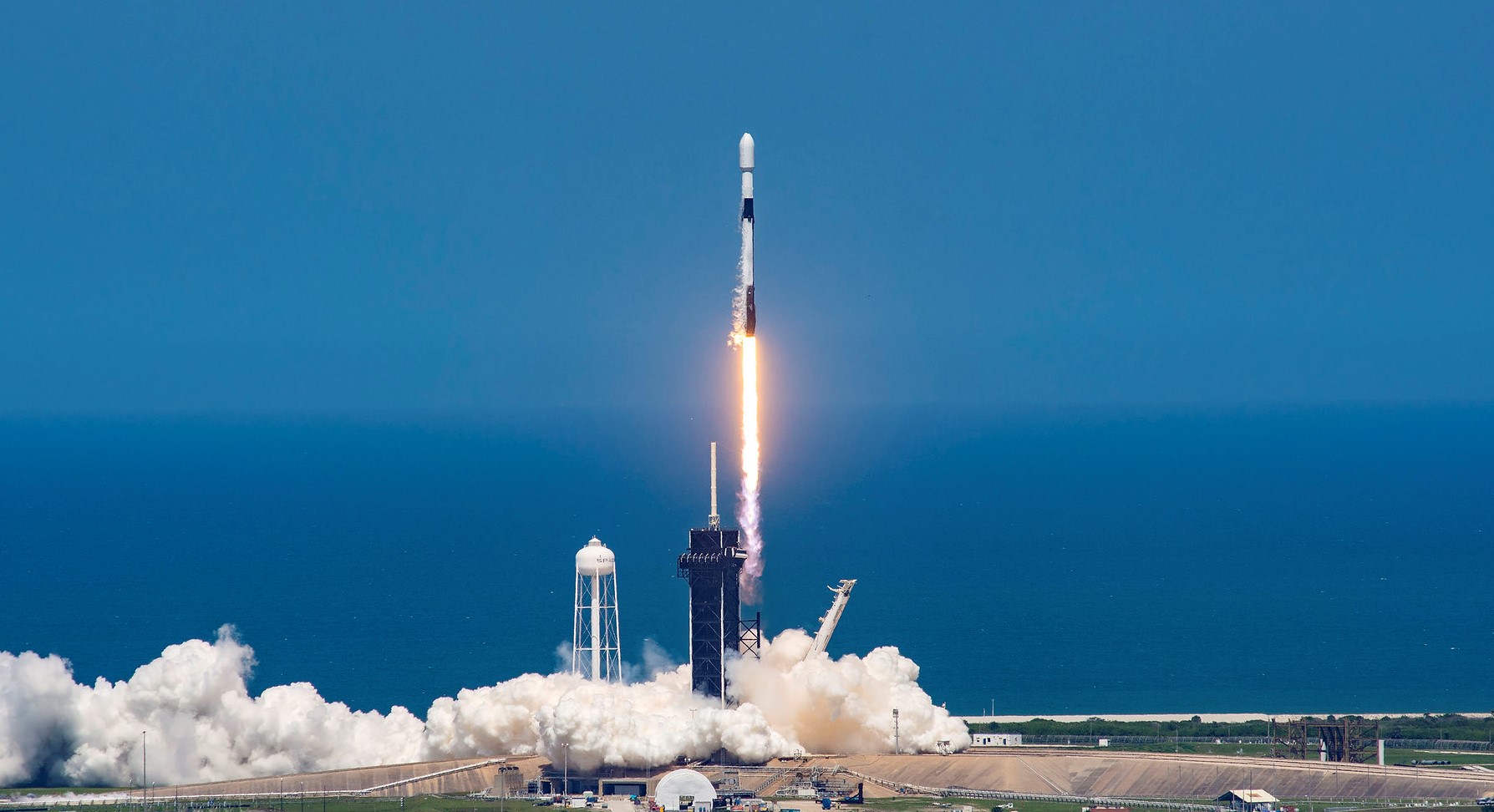
Falcon 9 is a two-stage rocket designed and manufactured by SpaceX for the reliable and safe transport of satellites and the Dragon spacecraft into orbit. The Block 5 variant is the fifth major interval aimed at improving upon the ability for rapid reusability.
Falcon 9 is a two-stage rocket designed and manufactured by SpaceX for the reliable and safe transport of satellites and the Dragon spacecraft into orbit. The Block 5 variant is the fifth major interval aimed at improving upon the ability for rapid reusability.
Falcon 9 is a two-stage rocket designed and manufactured by SpaceX for the reliable and safe transport of satellites and the Dragon spacecraft into orbit. The Block 5 variant is the fifth major interval aimed at improving upon the ability for rapid reusability.
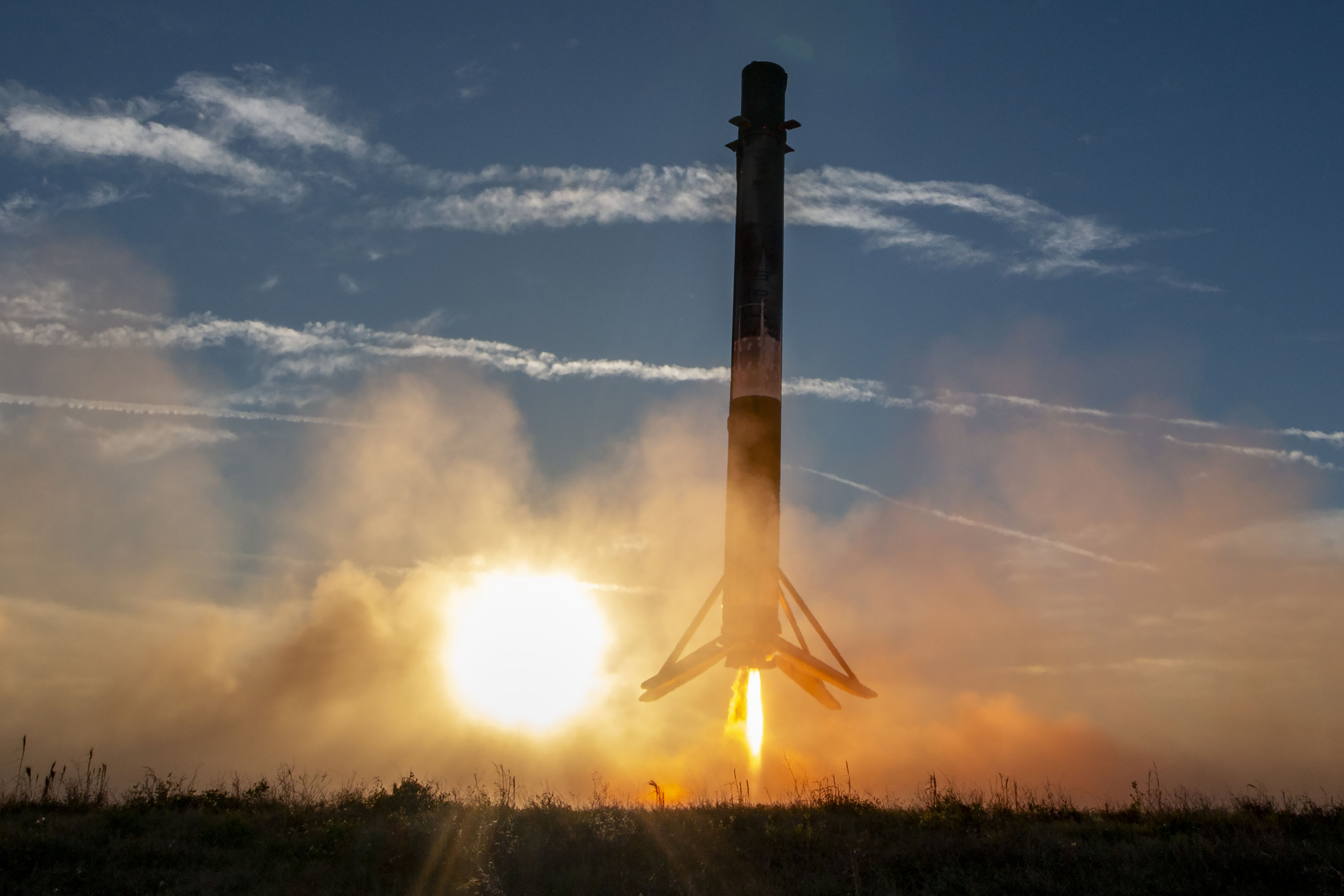
The Falcon 9 first stage B1100 will land on ASDS OCISLY after its 9th flight.
Chang’e 7 ×
Mission Details
TypePlanetary Science
OrbitLunar Orbit
TargetEarth
Chang’e 7/CE-7 is scheduled to launch in 2026, including an orbiter, a lander, a mini-hopping probe, and a rover. The mission will land in the South Pole regions of the Moon to study lunar surface environment around the South Pole, especially in looking for water ice in lunar soil.
Launch Provider: China Aerospace Science and Technology Corporation
Long March 5 is a Chinese heavy lift launch system developed by China Academy of Launch Vehicle Technology (CALT). CZ-5 is the first Chinese vehicle designed from the ground up to focus on non-hypergolic liquid rocket propellants. Currently, two CZ-5 vehicle configurations are planned, with maximum…
Robo Chris is a collection of API calls, filters, and searches, bolted together with magic and love. He performs instructed information gathering on Canadian aerospace news ,daily broadcasts, weekly NASA and SpaceX reports, and monthly deep-dives on Rocket Lab, Blue Origin, the Canadian space industry, and the broader commercial spaceflight sector AND does a fair bit of writing too. Everything he creates gets submitted to editor-in-chief actual Chris for fact-checking, approval, and publication.