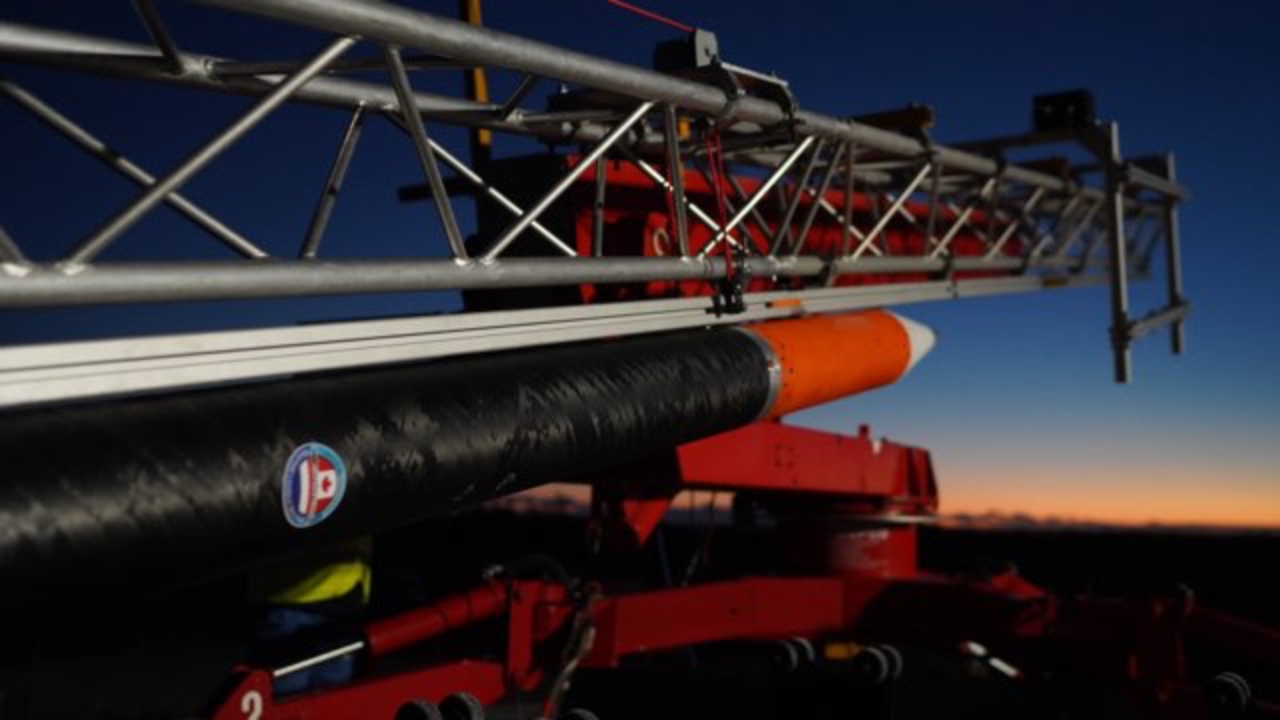
Two Canadian space companies received conditional approval to list on the Toronto Stock Exchange this week. Maritime Launch Services and NorthStar Earth & Space both won the conditional TSX approval.
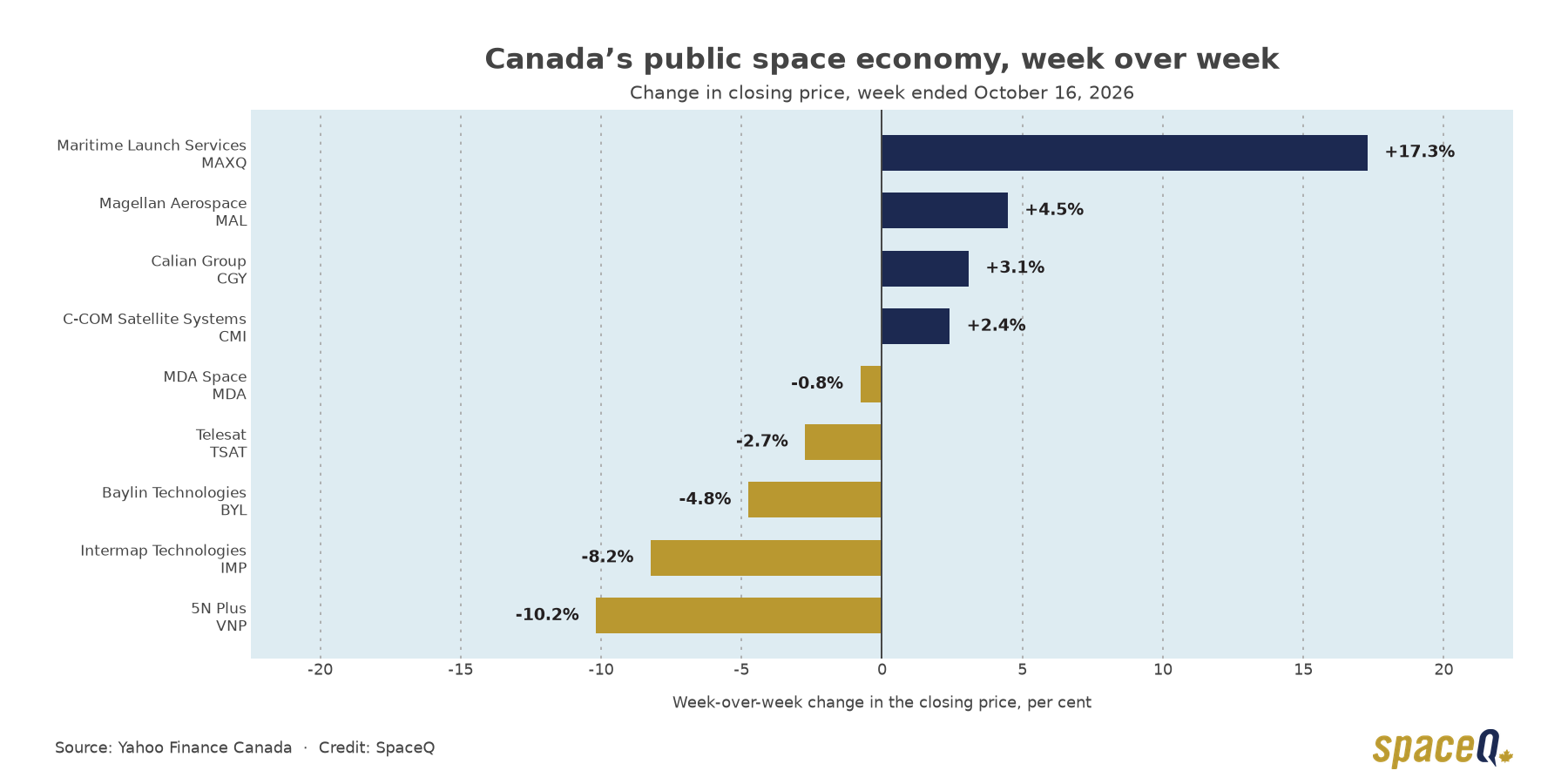
Maritime Launch Services saw its shares jump 17 per cent on the day of the announcement. The company’s shares currently trade on Cboe Canada, and Maritime Launch has not yet set a date for the move to the TSX. Maritime Launch closed at $0.475 on October 16, up 17.3 per cent for the week and 69.6 per cent year to date — the best weekly performance among the Canadian space stocks tracked by SpaceQ.
The SpaceQ Canadian Space Index finished the holiday-shortened week where it began, at 98.70, after falling to 96.70 on Wednesday and recovering above its 100.00 base on Thursday.
CSG Becomes MDA’s Largest Shareholder
In a separate disclosure, Czechoslovak Group (CSG), a Prague-based defence and industrial group, revealed a 9.5 per cent stake in MDA Space in a U.S. securities filing on Wednesday, October 14. The filing shows CSG paid 6.2 per cent more than MDA’s closing price the previous Friday, and CSG said it is now MDA’s largest shareholder. MDA closed at $39.87 on October 16, down 0.8 per cent for the week but up 49.7 per cent year to date.
Calian Group also closed at $83.01, up 3.1 per cent for the week. The company announced Wednesday it had won a five-year contract worth about $47 million to design training scenarios for NATO’s Joint Warfare Centre in Stavanger, Norway. Calian’s shares now sit closer to their 52-week high than any other stock on the SpaceQ board.
Magellan Aerospace rose 4.5 per cent for the week, and its 77.5 per cent gain since January is the best year-to-date performance of the nine companies tracked. C-COM Satellite Systems also edged up, closing at $0.85.
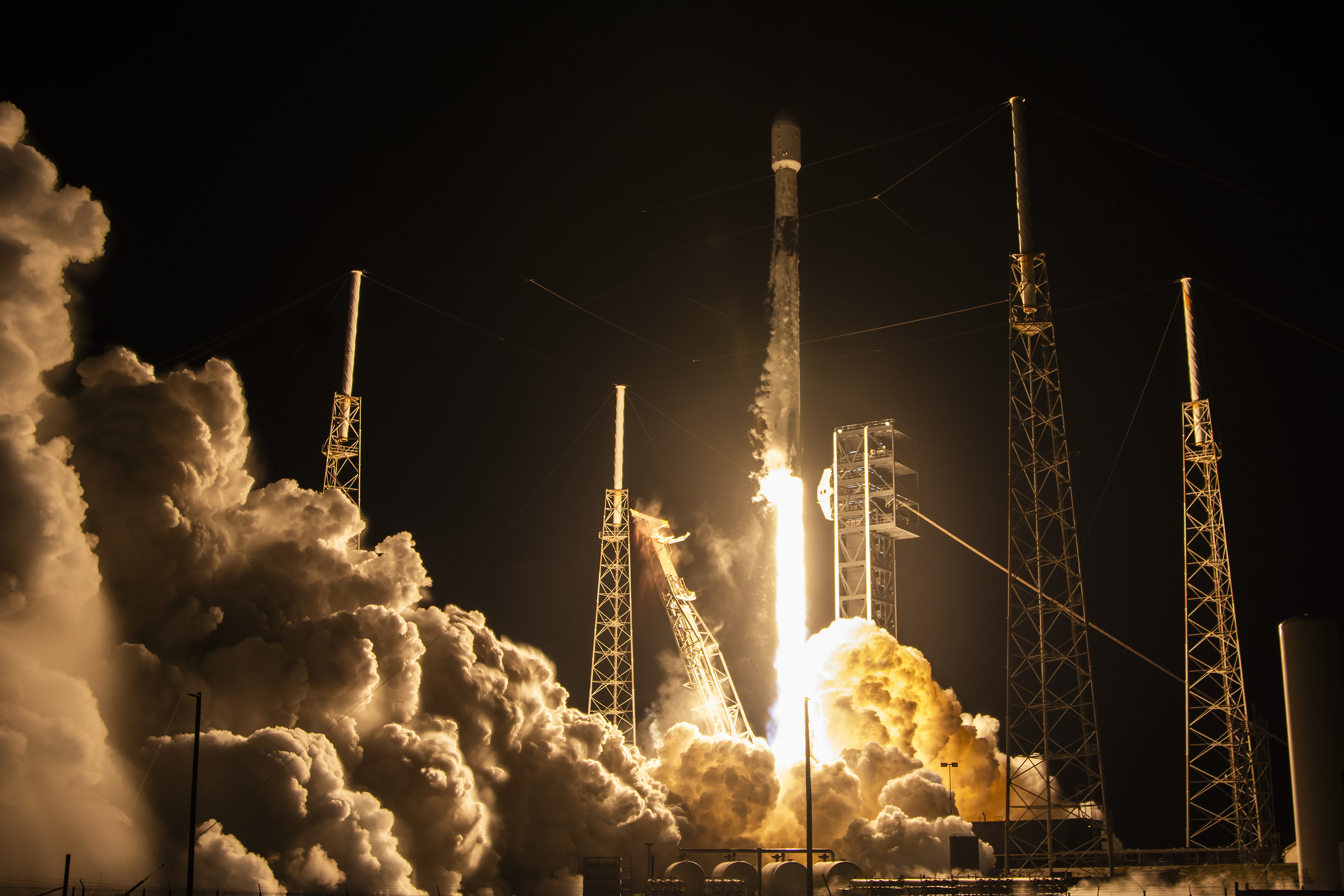
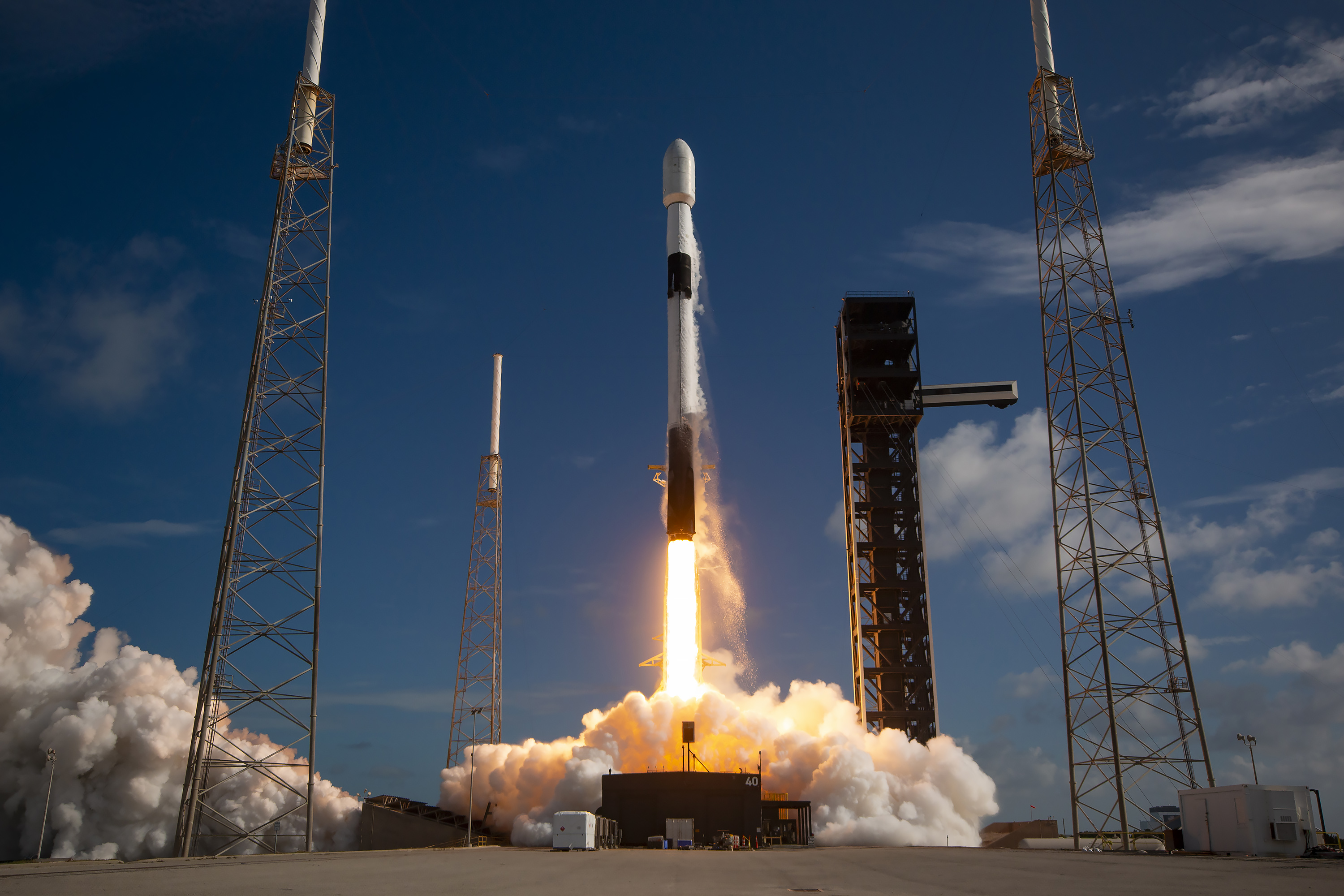
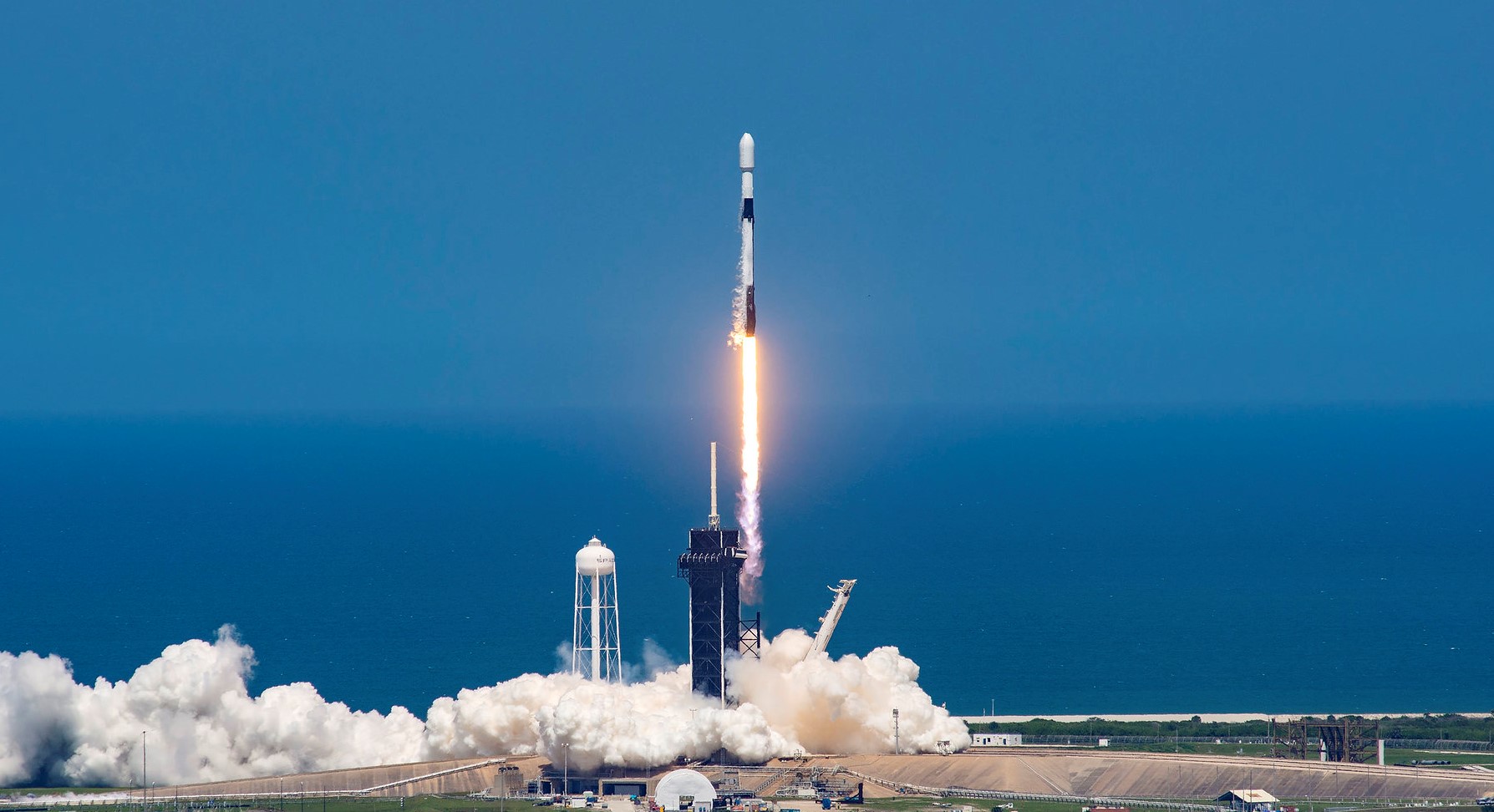
Provider: SpaceX Date: October 19, 2026 Time: 10:30 AM UTC Vehicle: Falcon 9
Dedicated rideshare flight to a mid-inclination orbit with dozens of small microsatellites and nanosatellites for commercial and government customers.
This launch also carries the second demonstration mission for SpaceX’s Project Starfall, which aims to mass-produce reentry capsules designed to autonomously transport valuable customer experiments and other payloads safely back from space to Earth, including for in-orbit manufacturing.
Starfall is a cylindrical shaped capsule approximately 0.75 meters tall with a diameter of 3.1 meters, weighing approximately 2100 kilograms, and capable of carrying 1000 kilograms of payload. It is designed to be carried on Starship flights.
Martian Moons eXploration (MMX)
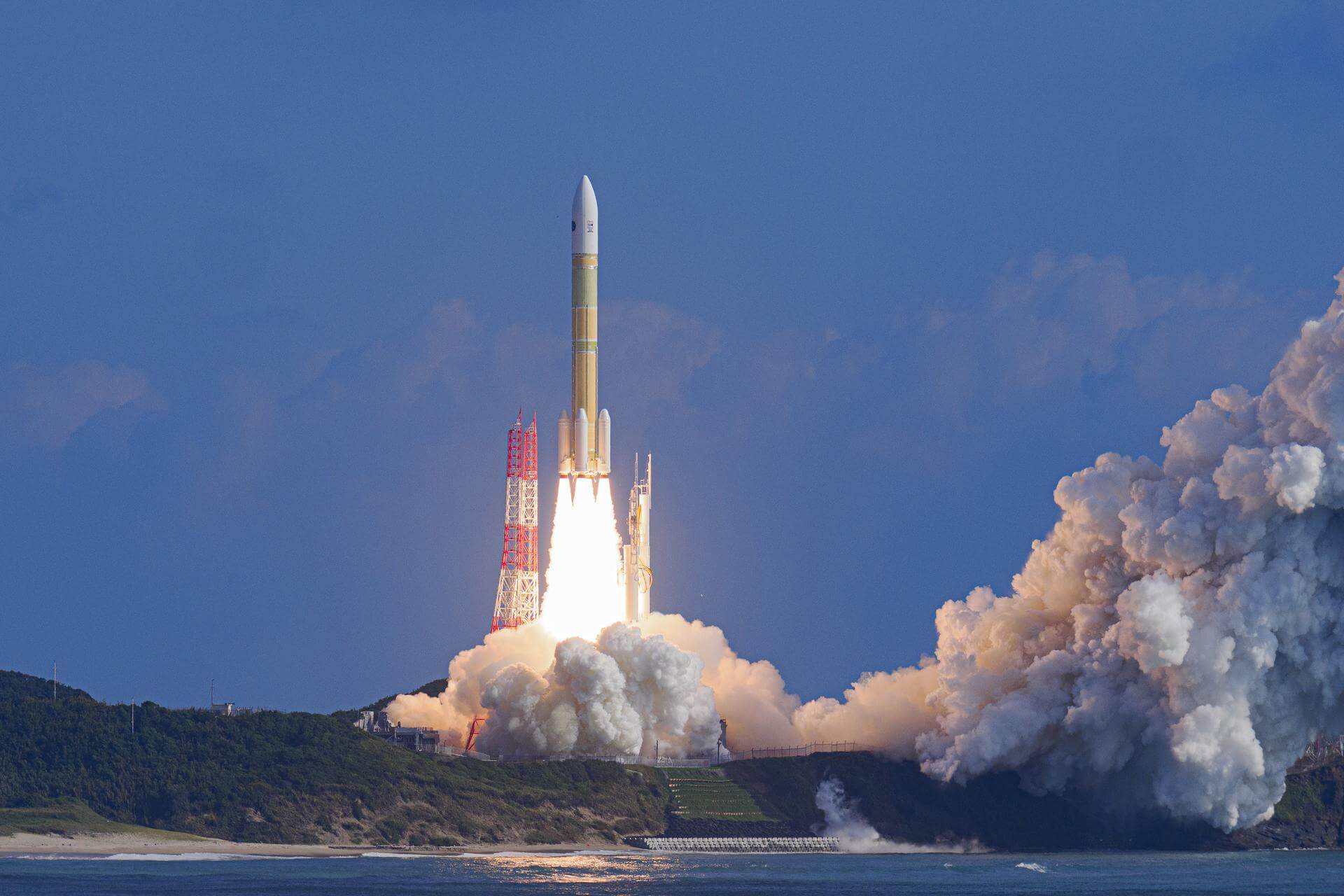
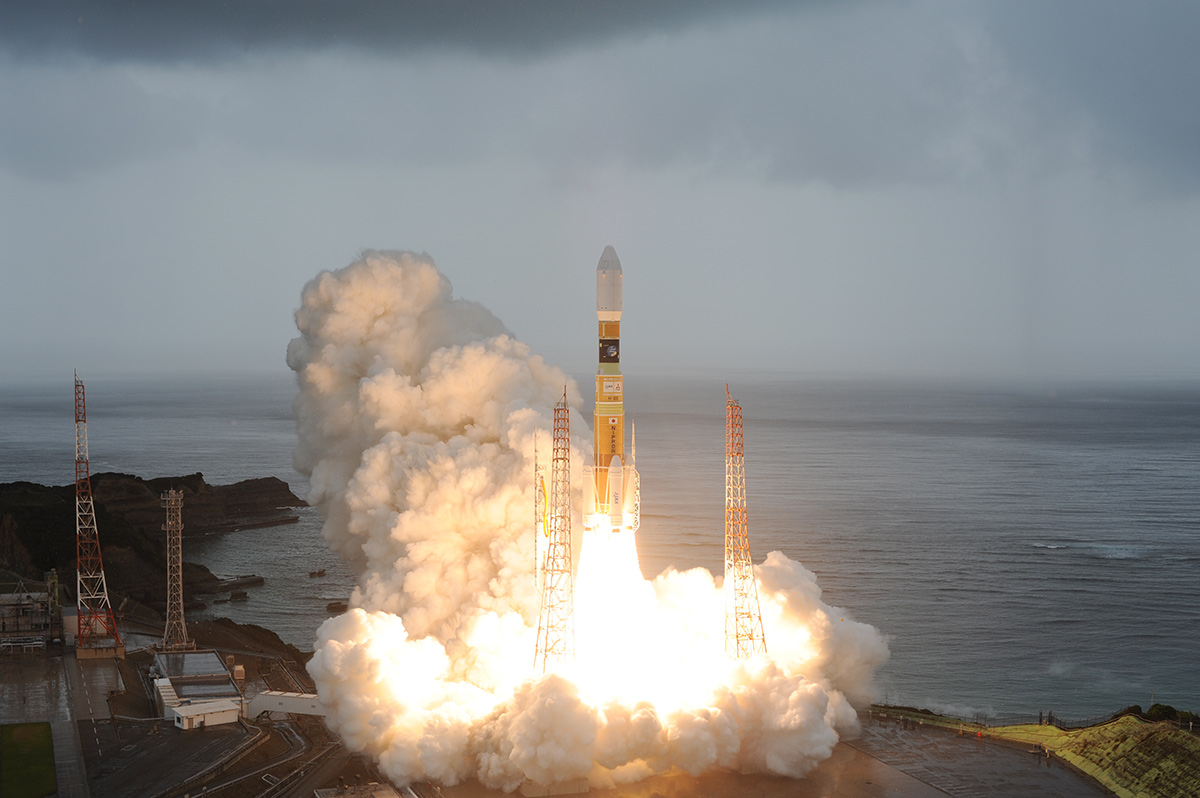
Provider: Mitsubishi Heavy Industries Date: October 19, 2026 Time: 7:41 PM UTC Vehicle: H3-24
MMX is a Japanese scientific mission to land on Phobos, one of the two moons of Mars, to collect samples before bringing them back to Earth.
The mission includes a small French/German rover to explore the surface of Phobos.
Starlink Group 15-15
Provider: SpaceX Date: October 20, 2026 Time: 10:14 PM UTC Vehicle: Falcon 9
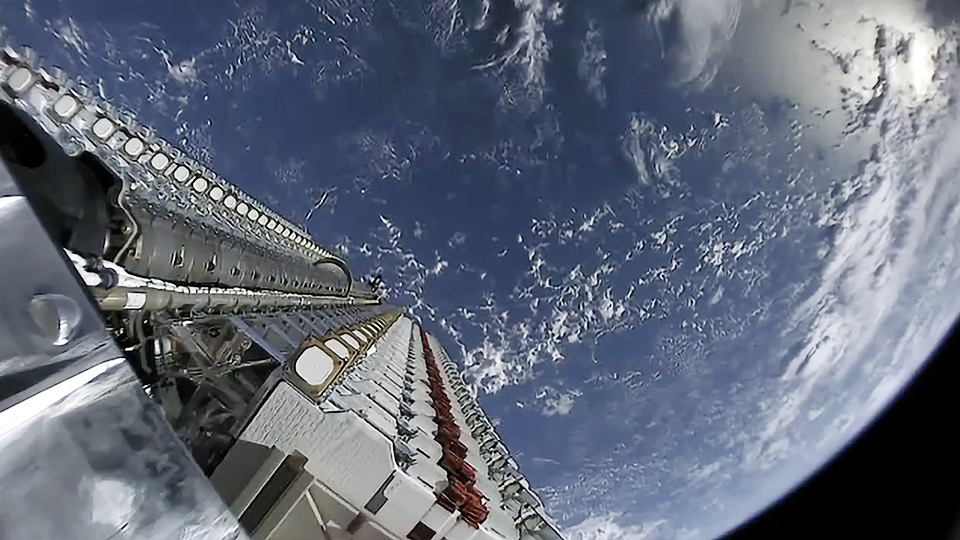
A batch of 27 satellites for the Starlink mega-constellation – SpaceX’s project for space-based Internet communication system.
Unknown Payload
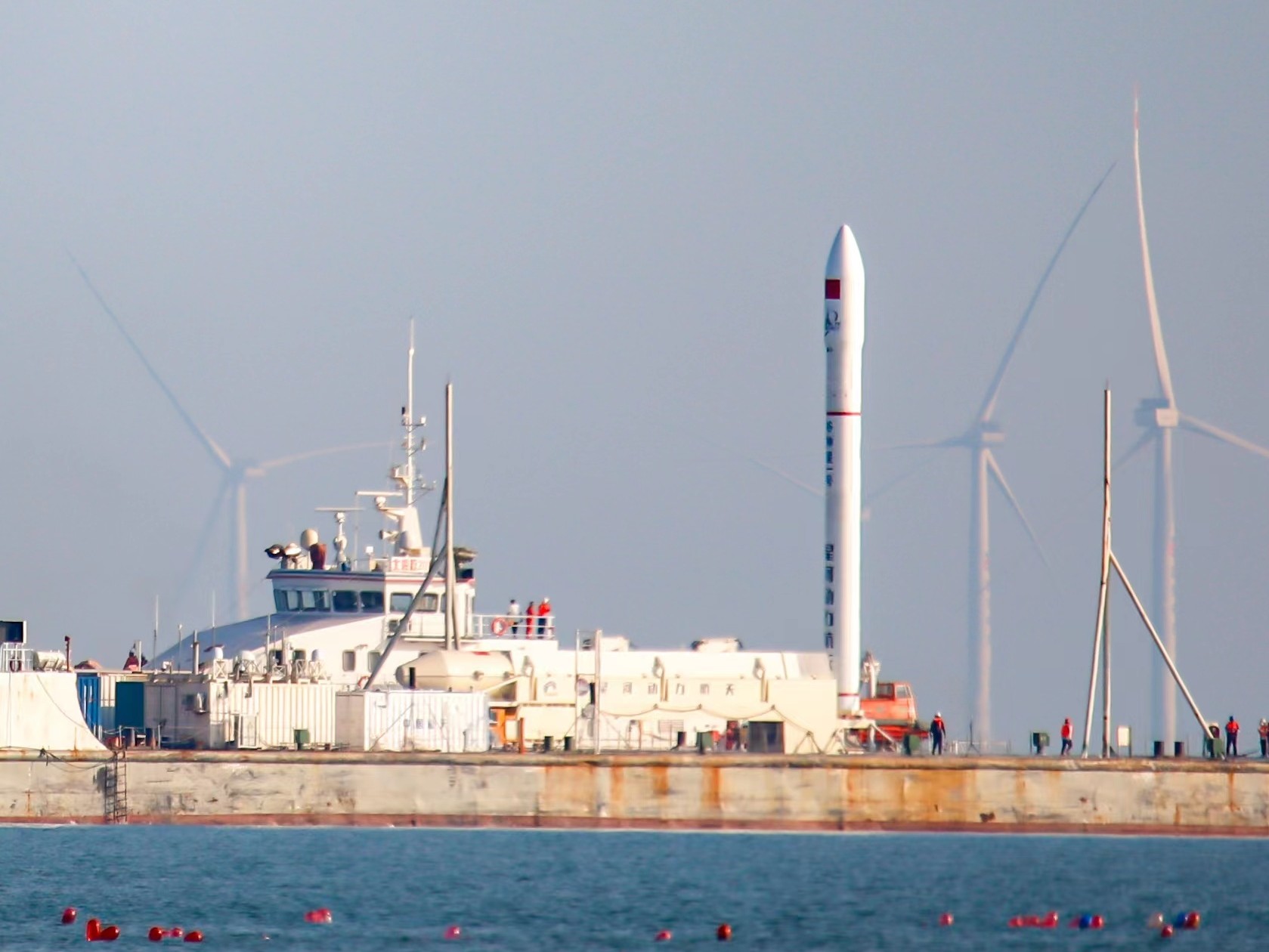
Provider: Galactic Energy Date: October 21, 2026 Time: 3:35 AM UTC Vehicle: Ceres-1S
Details TBD.
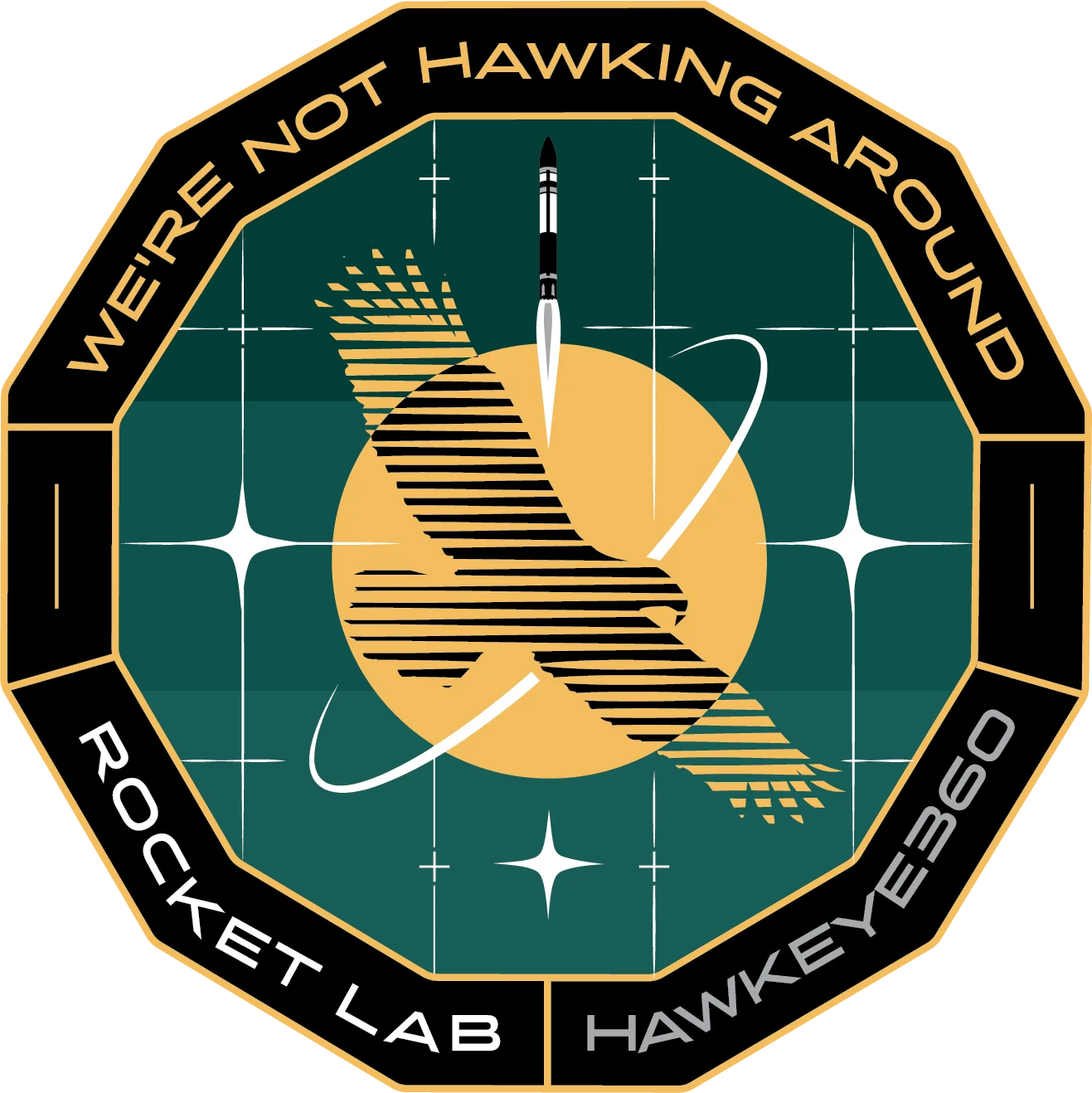
We’re Not Hawking Around (3x HawkEye 360)
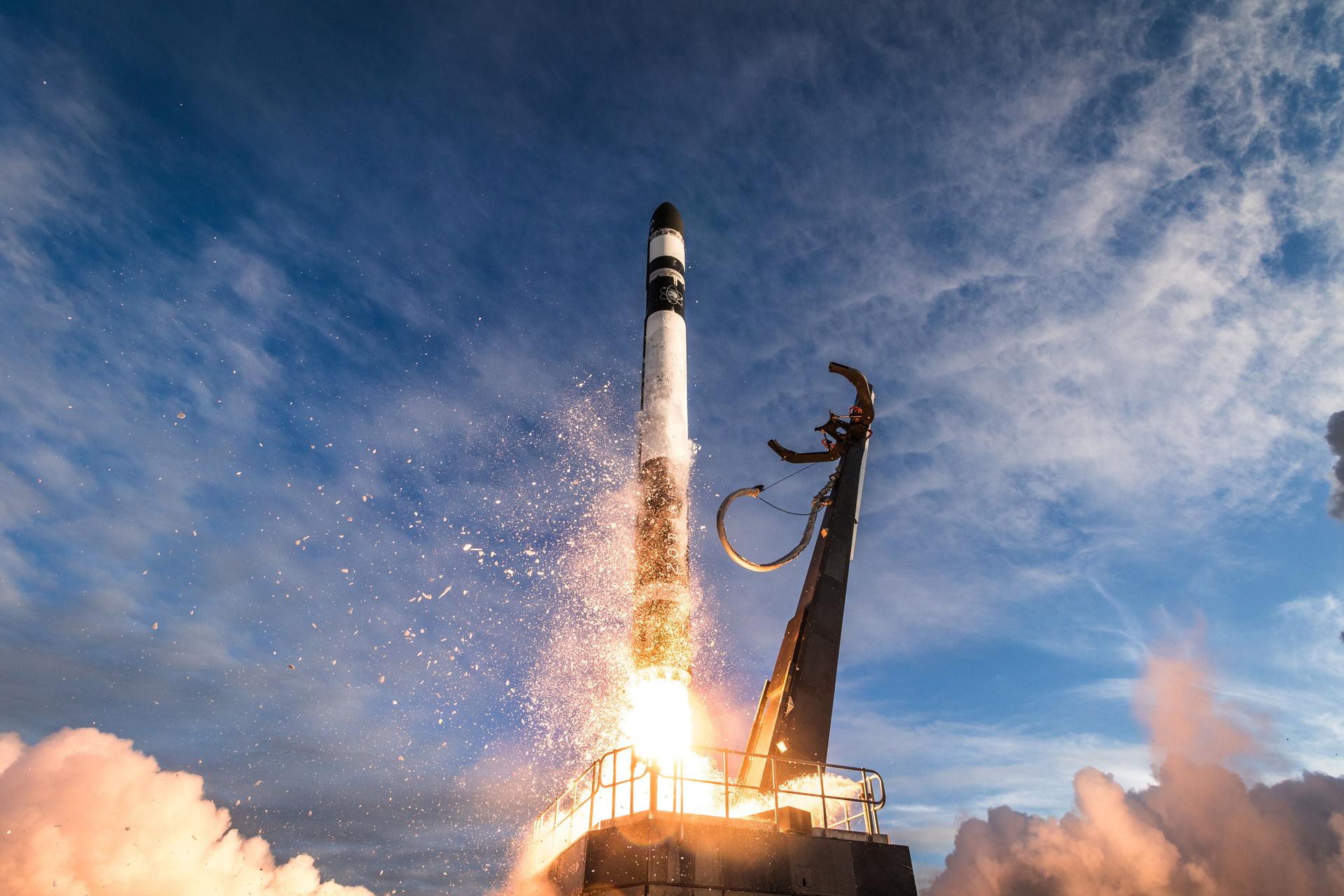
Provider: Rocket Lab Date: October 21, 2026 Time: 5:00 AM UTC Vehicle: Electron
HawkEye 360 is a a space-based civil global intelligence satellite network using radio frequency (RF) technology to help monitor transportation across air, land and sea and assist with emergencies, and to provide civil SIGINT (Signal Intelligence) mission.
The constellation of small satellites (named Hawk ) will collect information on specific radio signals worldwide to provide high-precision radio frequency mapping and analytics from Low Earth orbit (LEO).
Dedicated rideshare flight to a mid-inclination orbit with dozens of small microsatellites and nanosatellites for commercial and government customers.
This launch also carries the second demonstration mission for SpaceX’s Project Starfall, which aims to mass-produce reentry capsules designed to autonomously transport valuable customer experiments and other payloads safely back from space to Earth, including for in-orbit manufacturing.
Starfall is a cylindrical shaped capsule approximately 0.75 meters tall with a diameter of 3.1 meters, weighing approximately 2100 kilograms, and capable of carrying 1000 kilograms of payload. It is designed to be carried on Starship flights.
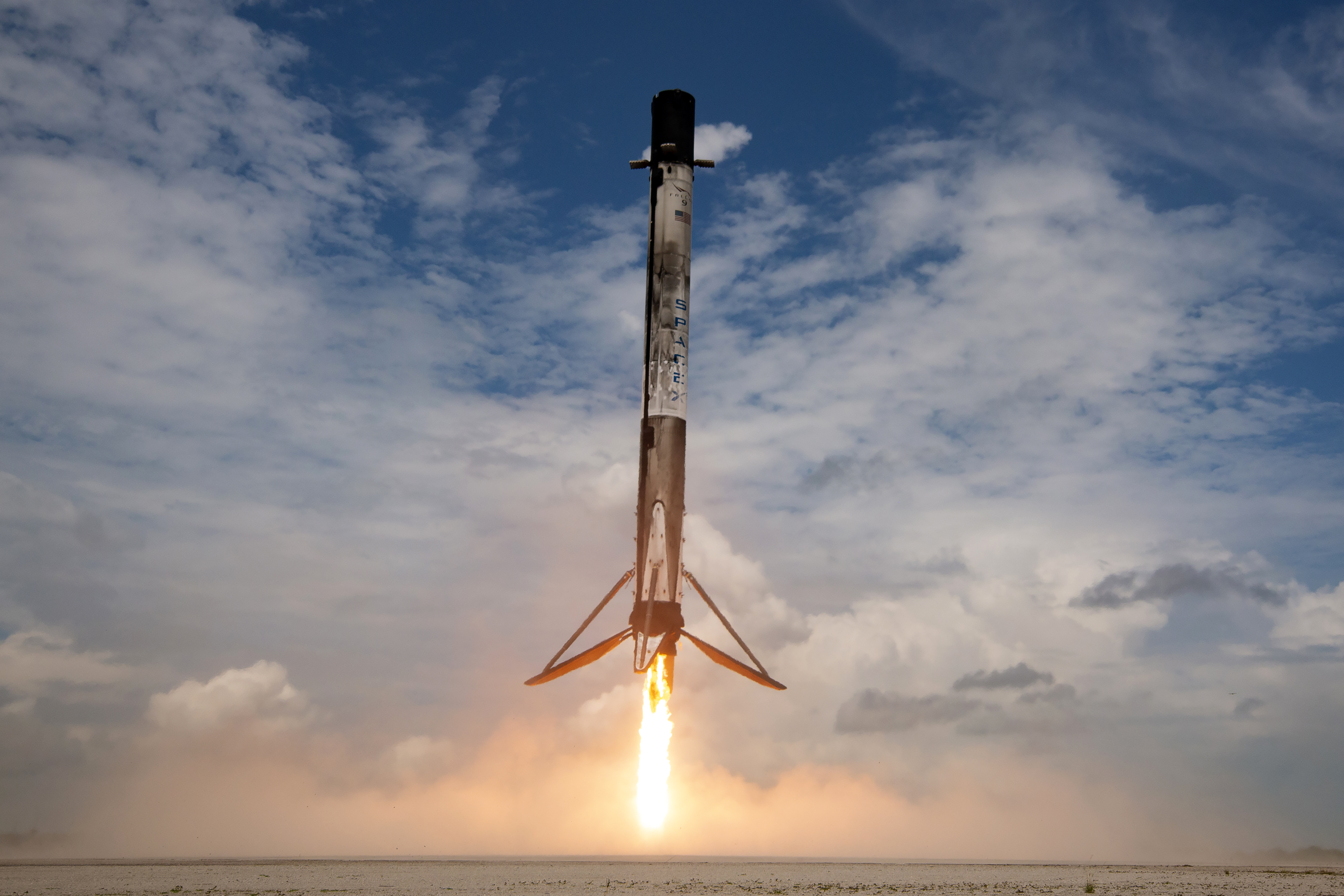
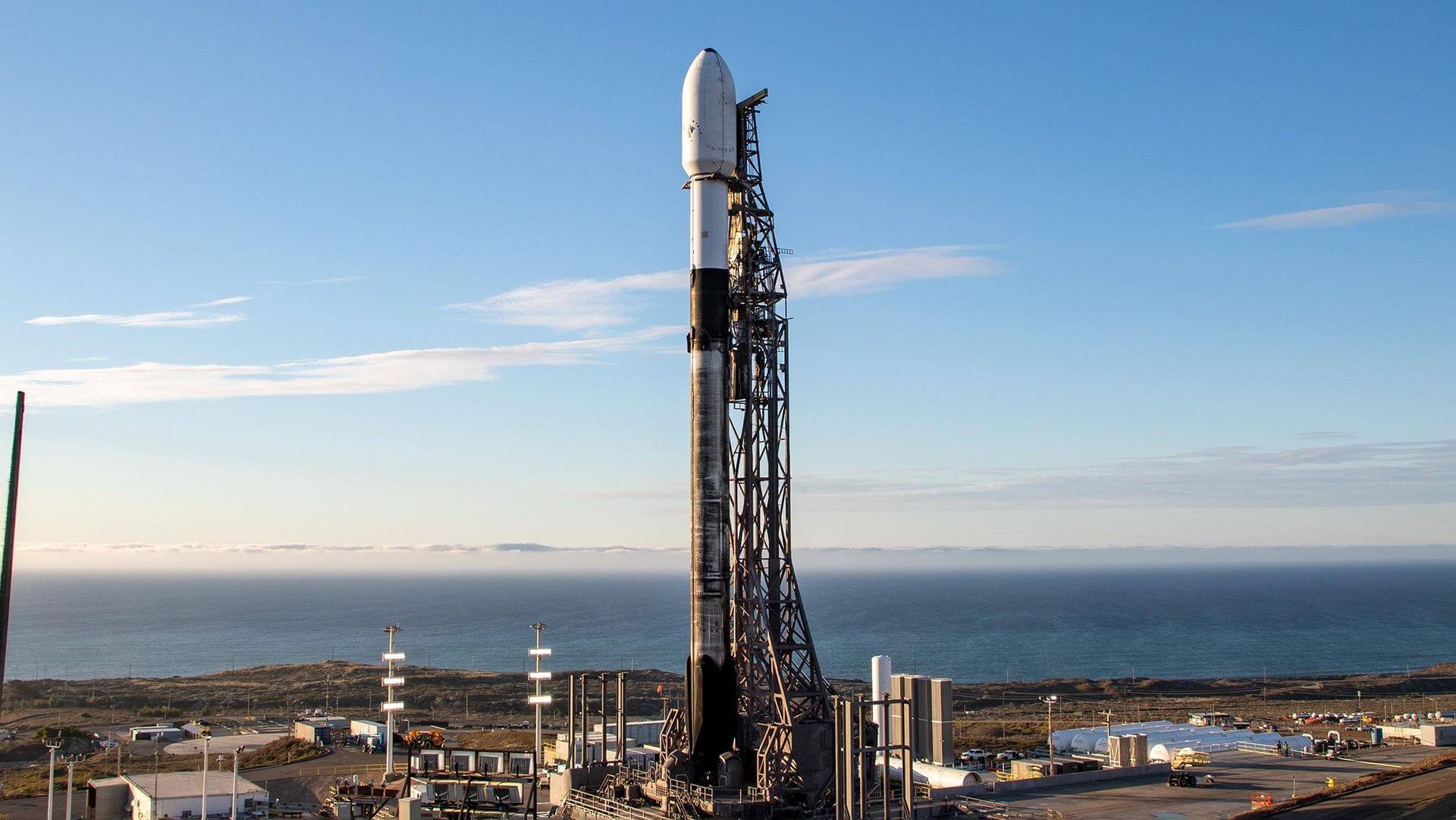
Falcon 9 is a two-stage rocket designed and manufactured by SpaceX for the reliable and safe transport of satellites and the Dragon spacecraft into orbit. The Block 5 variant is the fifth major interval aimed at improving upon the ability for rapid reusability.
The H3 Launch Vehicle is a Japanese expendable launch system.
Each H3 booster configuration has a two-digit and a letter designation that indicates the features of that configuration. The first digit represents the number of LE-9 engines on the main stage, either “2” or “3”. The second digit…
Falcon 9 is a two-stage rocket designed and manufactured by SpaceX for the reliable and safe transport of satellites and the Dragon spacecraft into orbit. The Block 5 variant is the fifth major interval aimed at improving upon the ability for rapid reusability.
Ceres-1S is the sea launched version of Ceres-1 from Galactic Energy.
Specifications
Liftoff Thrust598 kN
LEO Capacity350 kg
SSO Capacity230 kg
ReusableNo
Maiden Flight2023-09-05
Launch Record
6 successful / 6 total launches
Current streak: 6 successful
We’re Not Hawking Around (3x HawkEye 360) ×
Mission Details
TypeEarth Science
OrbitSun-Synchronous Orbit
TargetEarth
HawkEye 360 is a a space-based civil global intelligence satellite network using radio frequency (RF) technology to help monitor transportation across air, land and sea and assist with emergencies, and to provide civil SIGINT (Signal Intelligence) mission.
The constellation of small satellites (named Hawk ) will collect information on specific radio signals worldwide to provide high-precision radio frequency mapping and analytics from Low Earth orbit (LEO).
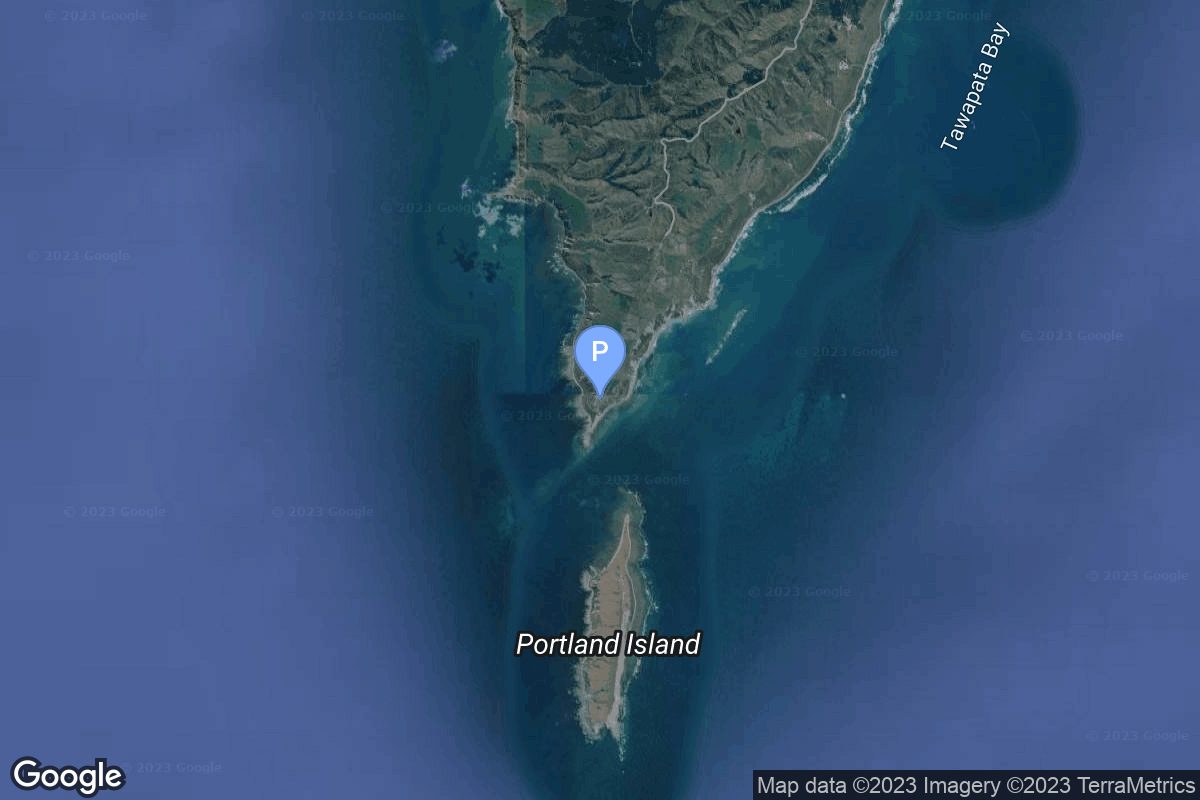
Rocket Lab Launch Complex 1, Mahia Peninsula, New Zealand
Total launches from this pad: 0
Vehicle: Electron
Electron is a two-stage orbital expendable launch vehicle (with an optional third stage) developed by the American aerospace company Rocket Lab. Electron is a small-lift launch vehicle designed to launch small satellites and cubesats to sun-synchronous orbit and low earth orbit. The Electron is the…
Robo Chris is a collection of API calls, filters, and searches, bolted together with magic and love. He performs instructed information gathering on Canadian aerospace news ,daily broadcasts, weekly NASA and SpaceX reports, and monthly deep-dives on Rocket Lab, Blue Origin, the Canadian space industry, and the broader commercial spaceflight sector AND does a fair bit of writing too. Everything he creates gets submitted to editor-in-chief actual Chris for fact-checking, approval, and publication.











Leave a Reply