
The NASA Overview: LEMS Ready for Moon, SR-1 Nears Space Nuclear Debut
Lunar Environment Monitor Ready for Artemis Deployment
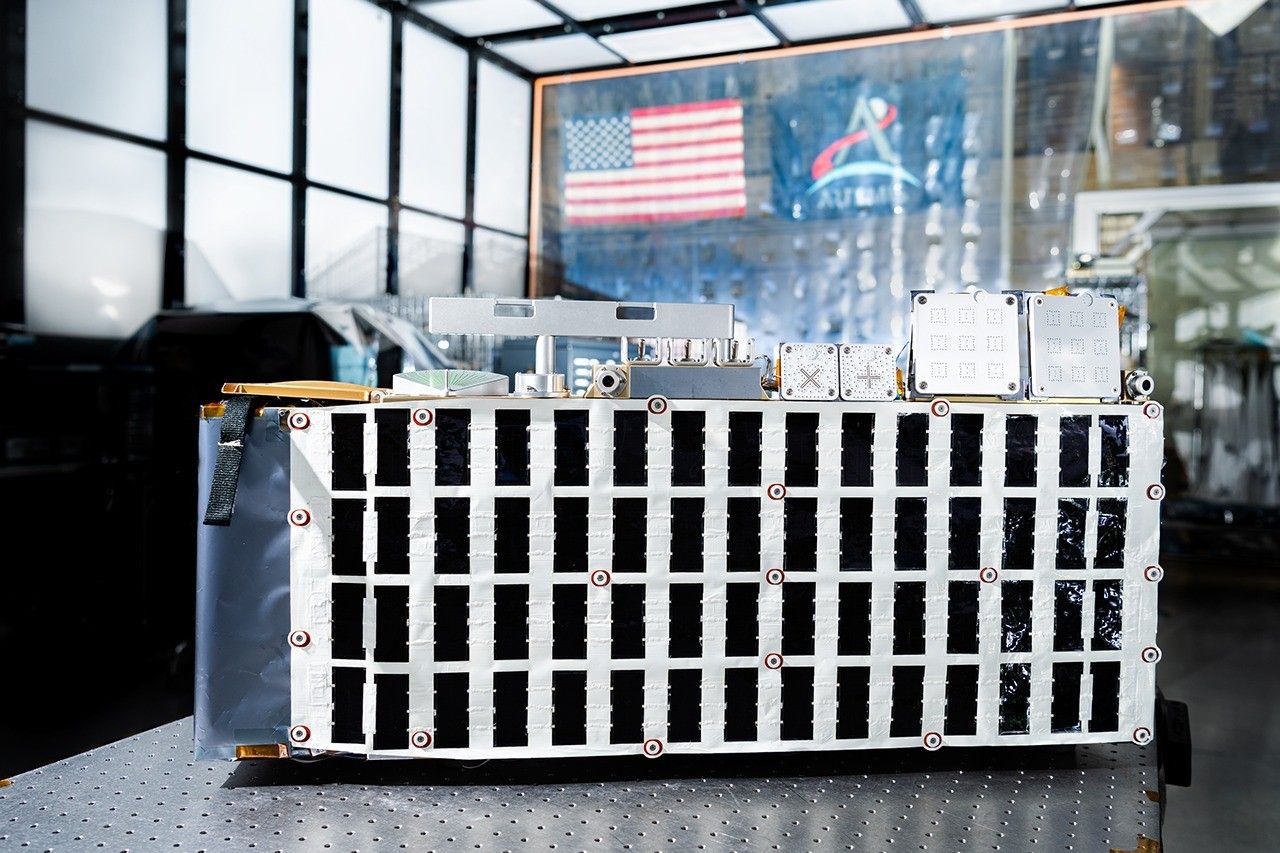
NASA engineers have completed hardware development on the Lunar Environment Monitoring Station (LEMS), the first science instrument designed to be deployed by astronauts on the Moon’s surface during Artemis missions. The fully integrated payload is now ready for environmental testing and eventual installation near the lunar South Pole. LEMS contains two highly sensitive seismometers that will monitor ground vibrations from moonquakes and meteorite impacts, providing crucial data on the Moon’s interior structure and identifying seismic hazards that astronauts may encounter during extended surface operations. The modular design allows the system to expand as scientific priorities evolve, creating a reusable platform capable of hosting new instruments in the future.
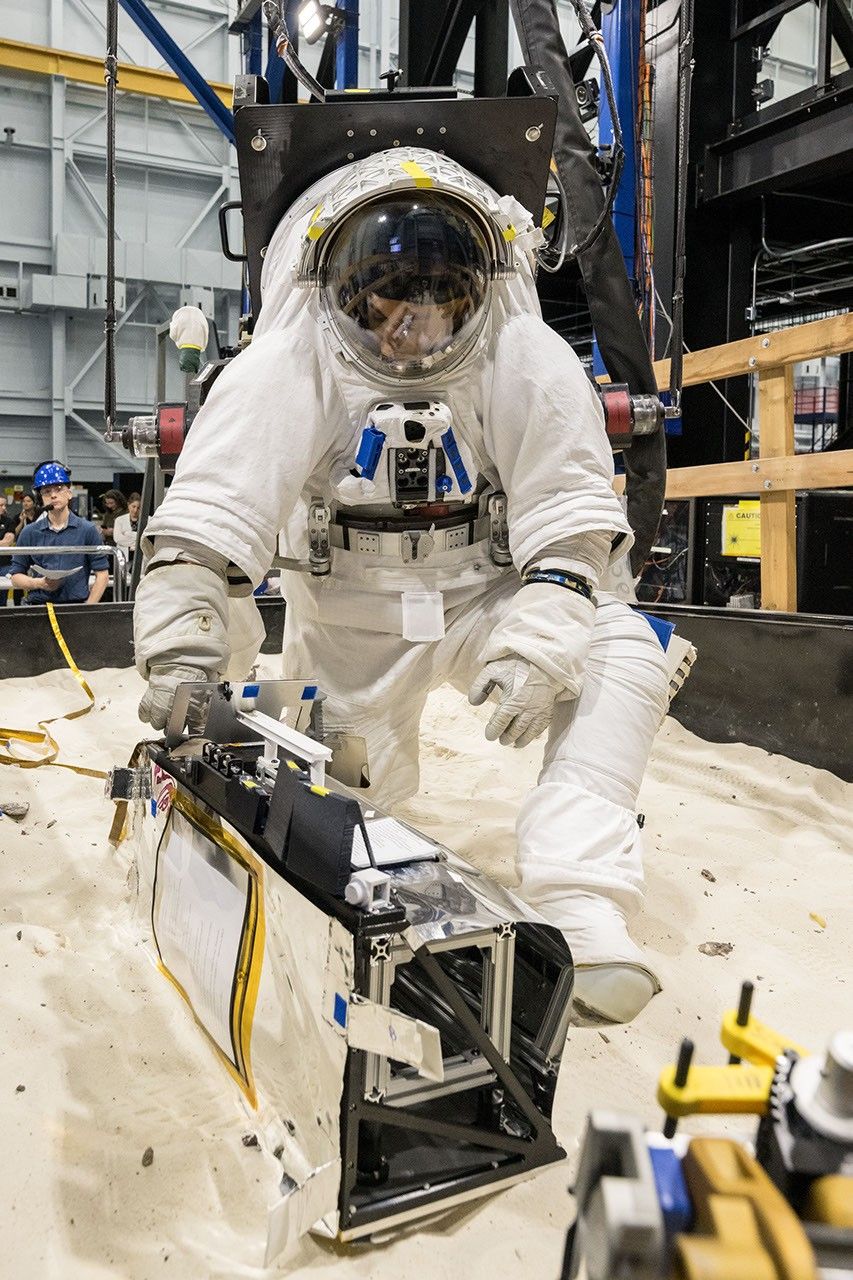
Complementing LEMS’s readiness, NASA astronauts and mission support teams recently trained in Iceland, one of Earth’s best geological analogues for the lunar surface. Teams conducted geology observations, sampling protocols, and autonomous navigation drills—skills directly transferable to future Artemis surface missions. These field campaigns represent the hands-on preparation astronauts will need to safely and productively work on the polar Moon.
Commercial Partners Map Lunar Resources as NASA Shares Decades of Data
Commercial space companies are using NASA’s six decades of lunar observation data to plan mining and habitation infrastructure on the Moon. Lunar Station Corp., a Cambridge, Massachusetts-based firm, is combining satellite imagery, robotic rover data, and historical observations using the Ames Stereo Pipeline—an open-source tool that automatically processes multi-sensor imagery to create high-resolution 3D terrain models. The company’s MoonHacker platform fuses all available lunar datasets from NASA’s Planetary Data System to identify shallow water ice deposits, optimal landing sites, communications relay geometry, and hazard patterns for both rovers and stationary equipment. “With 60 years of lunar data available to us, we help our clients understand the environmental factors for any given location on the Moon,” said Blair DeWitt, CEO of Lunar Station. “We can find sites for landing pads, for cultivating the best paths for roving, and inform our clients about communications.”
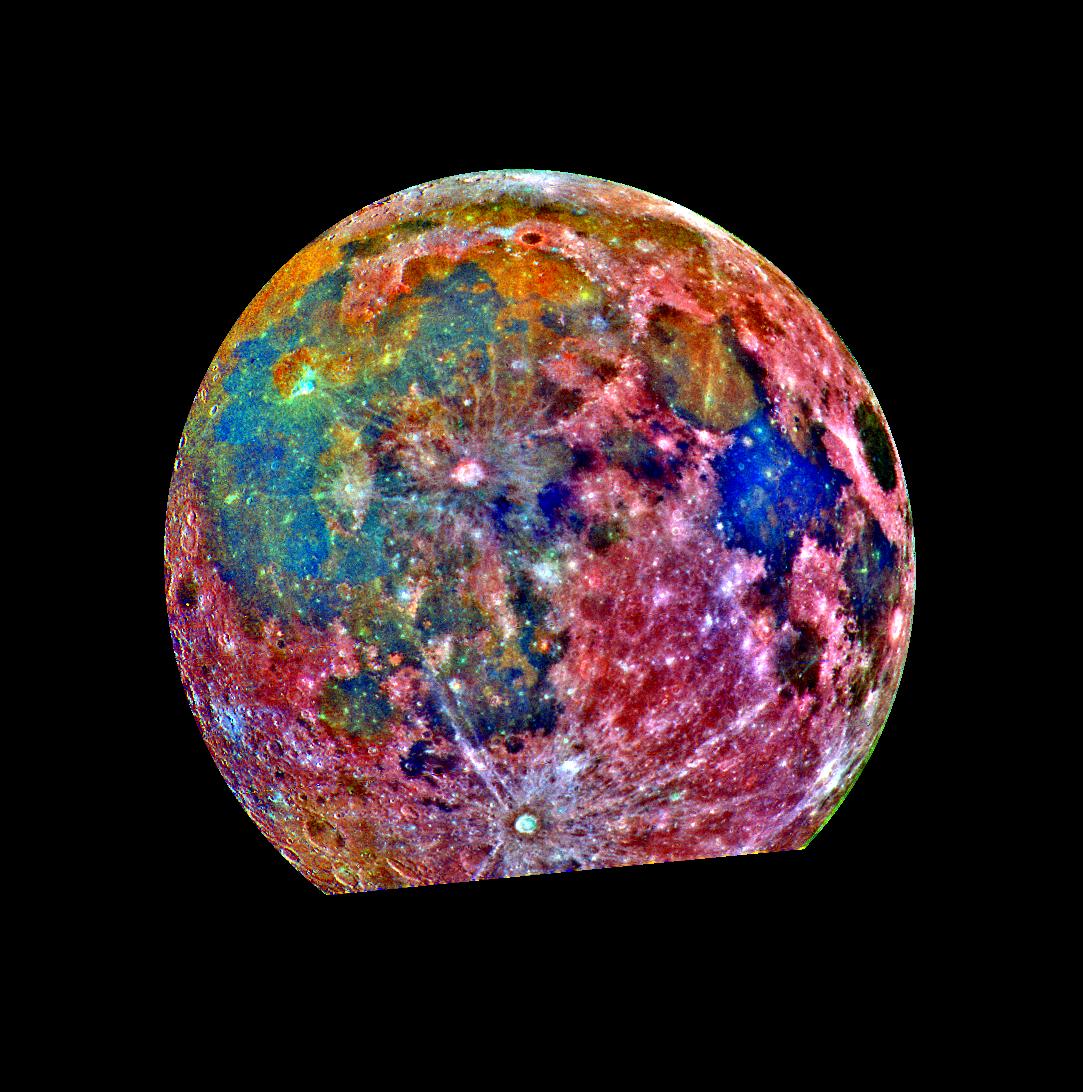
In parallel, NASA is soliciting research proposals to define how human health and performance should be studied during extended stays on the Moon Base. The agency is seeking community input on research questions for long-duration lunar surface missions, data collection protocols for early Moon Base development flights, and technologies that could support astronaut monitoring in the extreme polar environment—a signal that sustained human presence on the lunar surface is transitioning from concept to near-term operational planning.
Mars Observes Its Own Eclipse as Perseverance Continues Exploration
While Earth experienced a total solar eclipse on August 12, Mars was observing its own eclipse millions of kilometres away. Perseverance captured footage in 2024 of Phobos, Mars’s smaller moon, transiting across the Sun. Unlike Earth’s solar eclipses, where the Moon completely blocks the solar disc, Phobos is too small to fully cover the Sun, creating a distinctive silhouette as it crosses. NASA shared the comparison to illustrate how eclipse phenomena occur throughout the solar system—a reminder that Earth is not unique in experiencing these events. Perseverance continues its exploration of Jezero Crater and remains a key asset for Mars Sample Return mission development.
NASA Tests Space Nuclear Power as Eclipse and Meteor Science Peak
NASA is increasing its confidence in a historic deep-space demonstration: the Space Reactor 1 Freedom (SR-1 Freedom) mission, scheduled to launch no later than the end of 2028. The spacecraft will carry a 20-kilowatt-electric nuclear reactor to power an electric propulsion system originally developed for the lunar Gateway station. NASA Administrator Jared Isaacman and senior agency leadership visited Idaho National Laboratory on August 7 to review reactor manufacturing and readiness. Isaacman stated after the tour that it “absolutely” increased his confidence in the 2028 launch timeline, noting that both government and commercial teams are “moving very quickly.”

SR-1 Freedom will use its nuclear-electric propulsion to travel to Mars, where it will deploy SkyFall—a set of rotorcraft modelled on the Ingenuity helicopter that accompanied Perseverance. Isaacman framed the mission as NASA’s “Nautilus moment,” drawing a parallel to the USS Nautilus, the first nuclear-powered submarine, and positioning SR-1 as a precursor to a series of increasingly capable nuclear-powered spacecraft. He outlined a vision of eventually developing a crewed Mars vehicle powered by these same technologies—the culmination of what he called a “third space race” after the original 1960s Apollo effort and the ongoing effort to return humans to the Moon.
This week also brought significant solar science and public engagement. On August 12, a total solar eclipse crossed Iceland and Spain, with NASA teams observing the Sun’s corona and measuring Earth’s atmospheric response from within the path of totality. Balloon-borne instruments collected data that will inform heliophysics research and understanding of solar variability. The Perseids meteor shower peaked overnight August 12–13, with NASA JPL hosting a livestream and directing observers to dark skies and northeast views toward the constellation Perseus. The next total solar eclipse will occur on August 2, 2027, crossing southern Spain, North Africa, and the Middle East.

Expedition 75 Readies for Critical Communications Antenna Repair
The International Space Station’s Expedition 75 crew is preparing for a spacewalk on August 18 to replace a Space-to-Ground antenna—a critical communication system that enables high-speed data transmission between Mission Control Houston and the orbital complex. NASA astronaut Anil Menon and ESA astronaut Sophie Adenot will conduct the replacement. Over the past week, the crew has run spacesuit checks, emergency response drills with ground controllers, and spacewalk procedure rehearsals to ensure mission success.
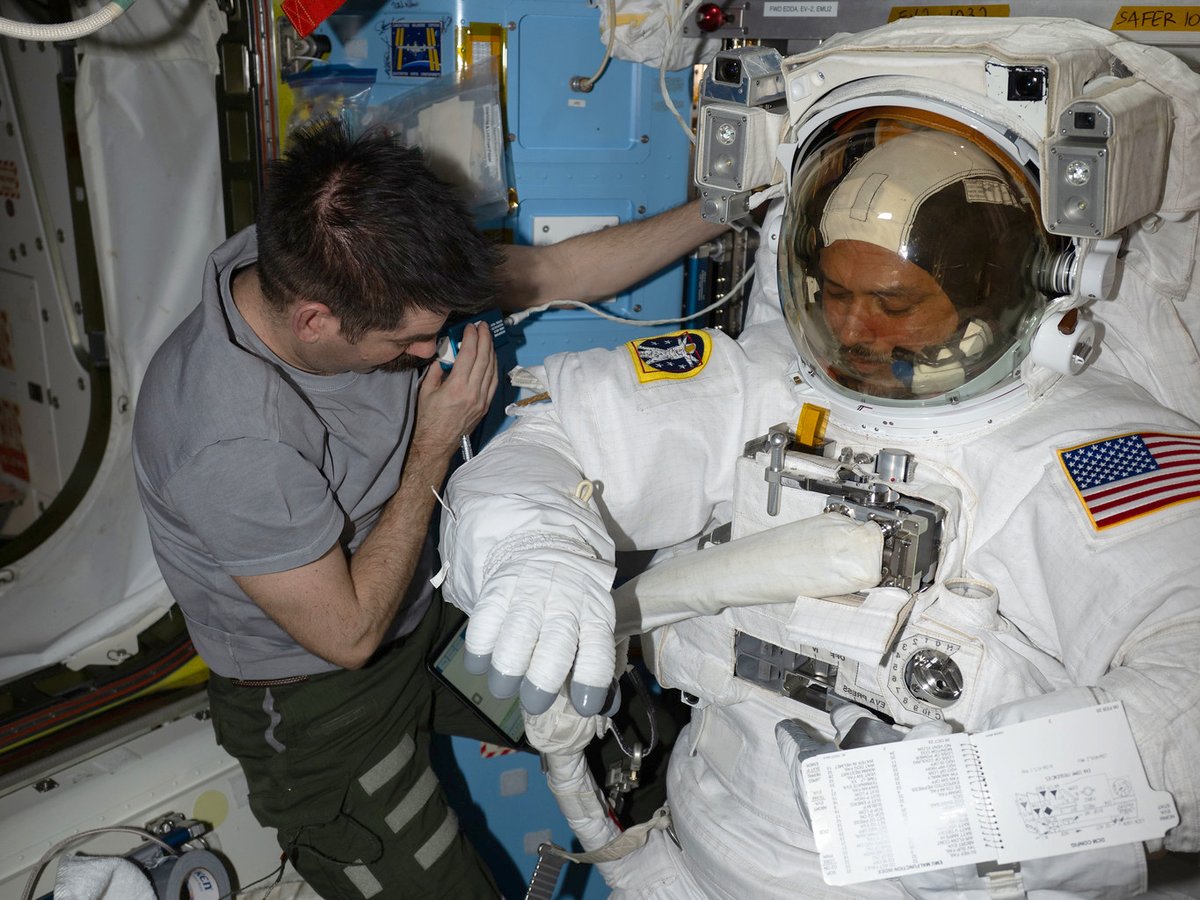
Beyond EVA preparation, Expedition 75 has maintained an active research tempo. The crew conducted ultrasound vein scans as part of ongoing astronaut health monitoring, tested virtual reality goggles paired with artificial intelligence tools for research applications, and continued critical work on spacecraft systems and life support testing. This research directly supports preparations for Artemis lunar missions and future Mars exploration.
In the human-spaceflight pipeline, NASA’s SpaceX Crew-13 team wrapped up training at SpaceX headquarters and is now headed to Kennedy Space Centre to prepare for launch no earlier than September 12. The crew will ferry the next rotation of expedition members to the station.

Fincke’s 30-Year Career Concludes; NASA Simulator Enters the Digital Age
NASA astronaut Mike Fincke is departing the agency after exactly 30 years of service. Fincke is one of only 13 people to have launched to orbit aboard three different spacecraft—he flew Soyuz TMA-4 (2004), Soyuz TMA-13 (2008), Space Shuttle Endeavour STS-134 (2011), and SpaceX Crew Dragon Endeavour (2025). Over his career, he spent 549 days in space and completed nine spacewalks, accumulating more time in orbit than all but three other NASA astronauts. He commanded the International Space Station during Expedition 18 (October 2008 – April 2009) and again during Expedition 74 (December 2025 – January 2026). His contributions span the full lifecycle of the ISS, from its earliest crewed operations through its transition to six-person crews and into the Artemis-preparation era. Fincke’s experience across multiple spacecraft architectures positions him as a unique bridge between shuttle-era spaceflight and modern commercial crew operations.
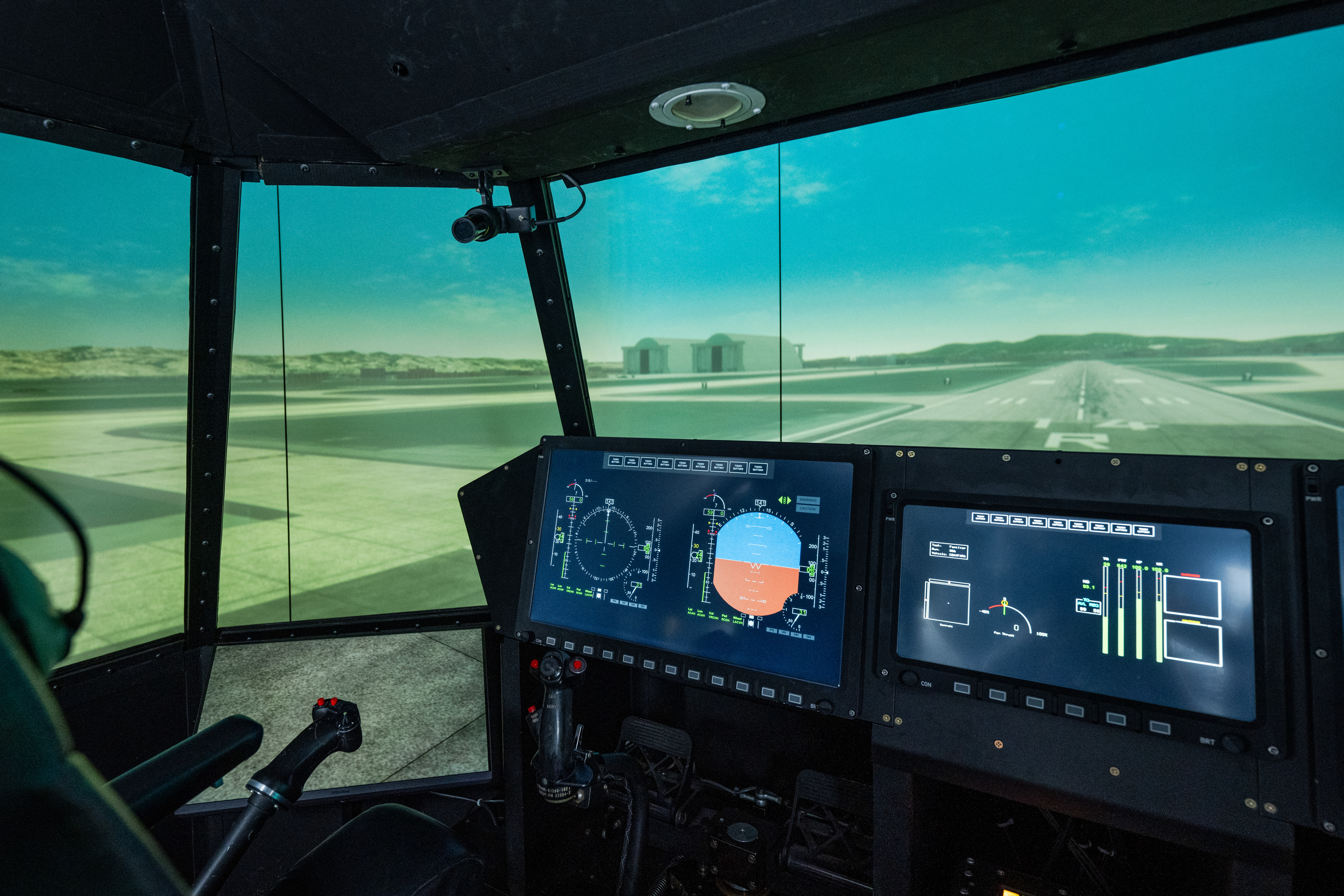
On the ground, NASA is modernising its training infrastructure. The Vertical Motion Simulator at NASA’s Ames Research Centre in California’s Silicon Valley—the largest simulator of its kind in the world—has undergone major upgrades. The system now runs on modern digital technology rather than legacy analog systems, featuring a 4K-capable dome surrounding the cockpit that provides near-20/20 visual clarity and an expanded field of view. The simulator can travel 60 feet vertically and 40 feet horizontally, supporting training for lunar landers, helicopters, and commercial air taxis. A new automated image alignment and colour-matching system now handles in seconds what previously required hours or days of manual work. “The new dome configuration and improved systems can support far more aggressive mission tasks while giving pilots and crews a more realistic environment to work in,” said Diana Acosta, aerospace simulation research and development branch chief at NASA Ames. “It strengthens how teams coordinate, react, and manage challenging scenarios, exactly the kind of preparation we need for the missions coming next.”
Citations
- “NASA Completes Astronaut-Deployed Science Instrument for Lunar Surface” — https://science.nasa.gov/missions/artemis/nasa-completes-astronaut-deployed-science-instrument-for-lunar-surface/
- “NASA Data Helps Commercial Space Plan Living Off Our Moon” — https://www.nasa.gov/technology/tech-transfer-spinoffs/nasa-data-helps-commercial-space-plan-living-off-our-moon/
- “National lab visit boosts NASA’s confidence in space nuclear propulsion mission” — https://spacenews.com/national-lab-visit-boosts-nasas-confidence-in-space-nuclear-propulsion-mission/
- “Mike Fincke, a 30-year astronaut with experience across four spacecraft, retires from NASA” — https://spaceflightnow.com/2026/08/12/mike-fincke-a-30-year-astronaut-with-experience-across-four-human-rated-spacecraft-retires-from-nasa/
- “NASA Astronaut Mike Fincke Leaves NASA, Career Includes 4 Spaceflights” — https://www.nasa.gov/news-release/nasa-astronaut-mike-fincke-leaves-nasa-career-includes-4-spaceflights/
- “NASA Upgrades Vertical Motion Simulator for Modern Mission Needs” — https://www.nasa.gov/centers-and-facilities/ames/nasa-upgrades-vertical-motion-simulator-for-modern-mission-needs/
- “Space Events This Week” — https://www.nasa.gov/news-release/nasa-to-cover-three-us-spacewalks-host-preview-news-conference/
- NASA official X account (@NASA) — Twitter content (eclipse coverage, ISS astronaut perspective)
- NASA JPL official X account (@NASAJPL) — Twitter content (Perseids meteor shower livestream)
- NASA Artemis official X account (@NASAArtemis) — Twitter content (LEMS completion, Iceland training)
- NASA Mars official X account (@NASAMars) — Twitter content (Phobos eclipse observations)
- International Space Station official X account (@Space_Station) — Twitter content (Expedition 75 preparations, Crew-13 training, EVA details)
- NASA Moon to Mars official X account (@NASAMoonBase) — Twitter content (Moon Base health research RFP, ISRO partnership)
- NASA Solar System official X account (@NASASolarSystem) — Twitter content (solar eclipse science, Perseids, next eclipse preview)
Artemis III
Provider: National Aeronautics and Space Administration
Date: June 30, 2027
Time: 12:00 AM UTC
Vehicle: Space Launch System (SLS)
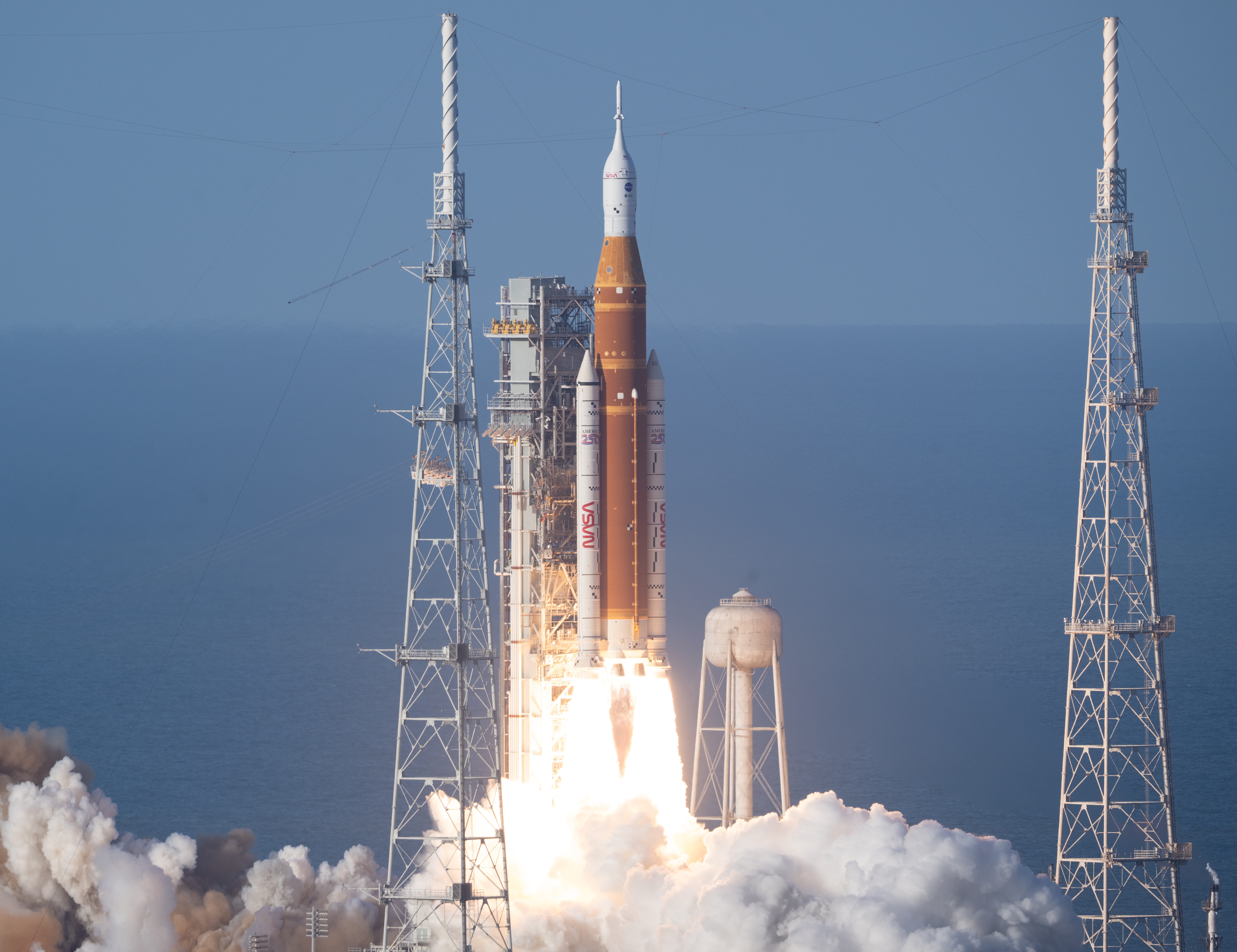
Artemis III is the second crew mission as part of the Artemis program. Artemis III will send a crew of 4 on a Low Earth Orbit mission, with the Orion rendezvous and dock with one or both commercial lunar landers in development by SpaceX and Blue Origin, performing in-space tests of the docked vehicles, integrated checkout of life support, communications, and propulsion systems, as well as tests of the new Extravehicular Activity (xEVA) suits.
Artemis IV
Provider: National Aeronautics and Space Administration
Date: June 30, 2028
Time: 12:00 AM UTC
Vehicle: Space Launch System (SLS)
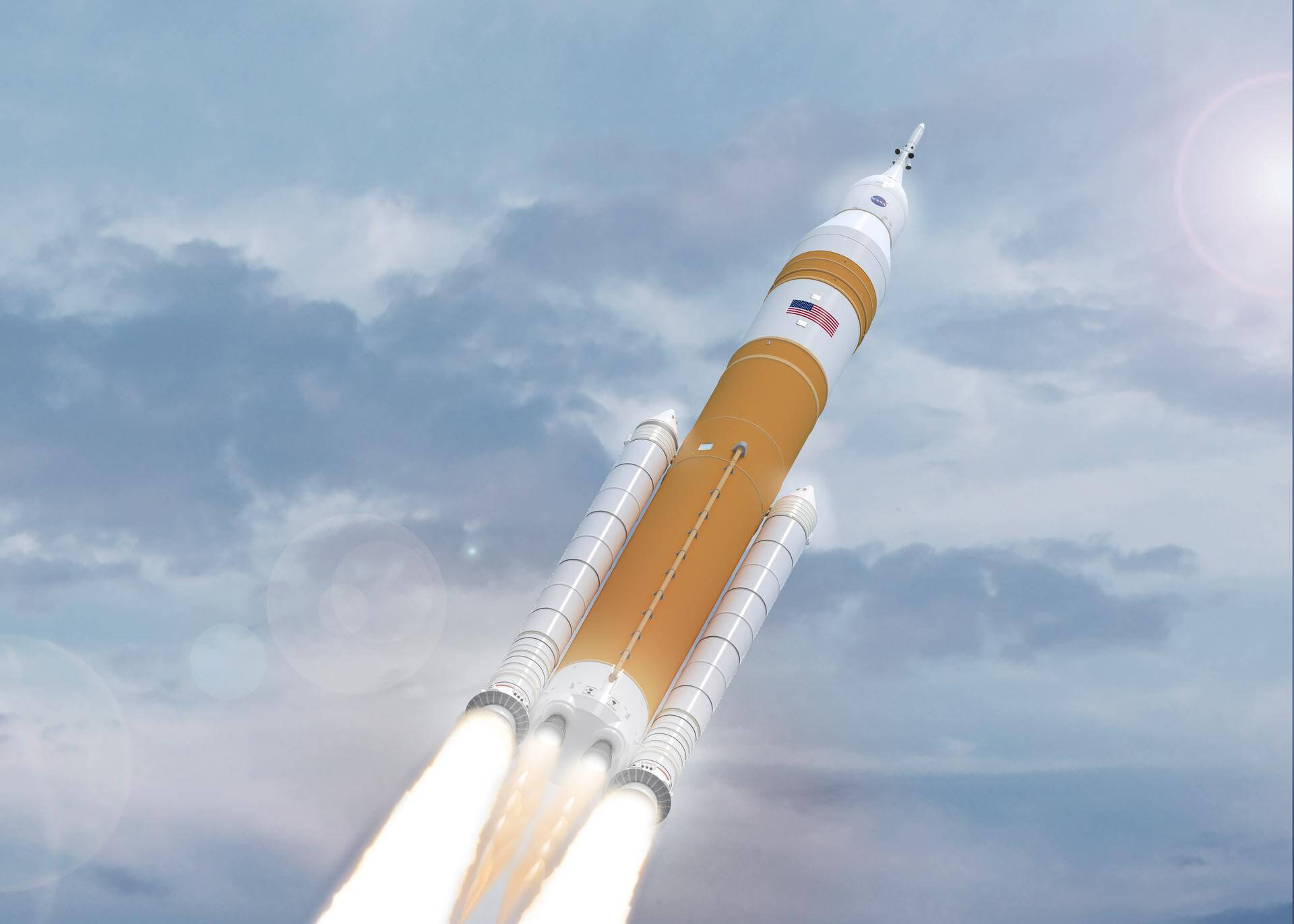
Artemis IV is planned to be the first human lunar landing mission since the Apollo Program.
Artemis V
Provider: National Aeronautics and Space Administration
Date: December 31, 2028
Time: 12:00 AM UTC
Vehicle: Space Launch System (SLS)
Artemis V is planned to be the second human lunar landing mission since the Apollo Program.
SLS Block 1B | Artemis VI
Provider: National Aeronautics and Space Administration
Date: September 30, 2030
Time: 12:00 AM UTC
Vehicle: Space Launch System (SLS)
No description available
SLS Block 1B | Artemis VII
Provider: National Aeronautics and Space Administration
Date: September 30, 2031
Time: 12:00 AM UTC
Vehicle: Space Launch System (SLS)
No description available
Enjoying the content? Stay up to date on everything happening behind the scenes by following our Patreon!

