
Kutryk’s First Spacewalk, MDA IRIS² Deal, Telesat Slips
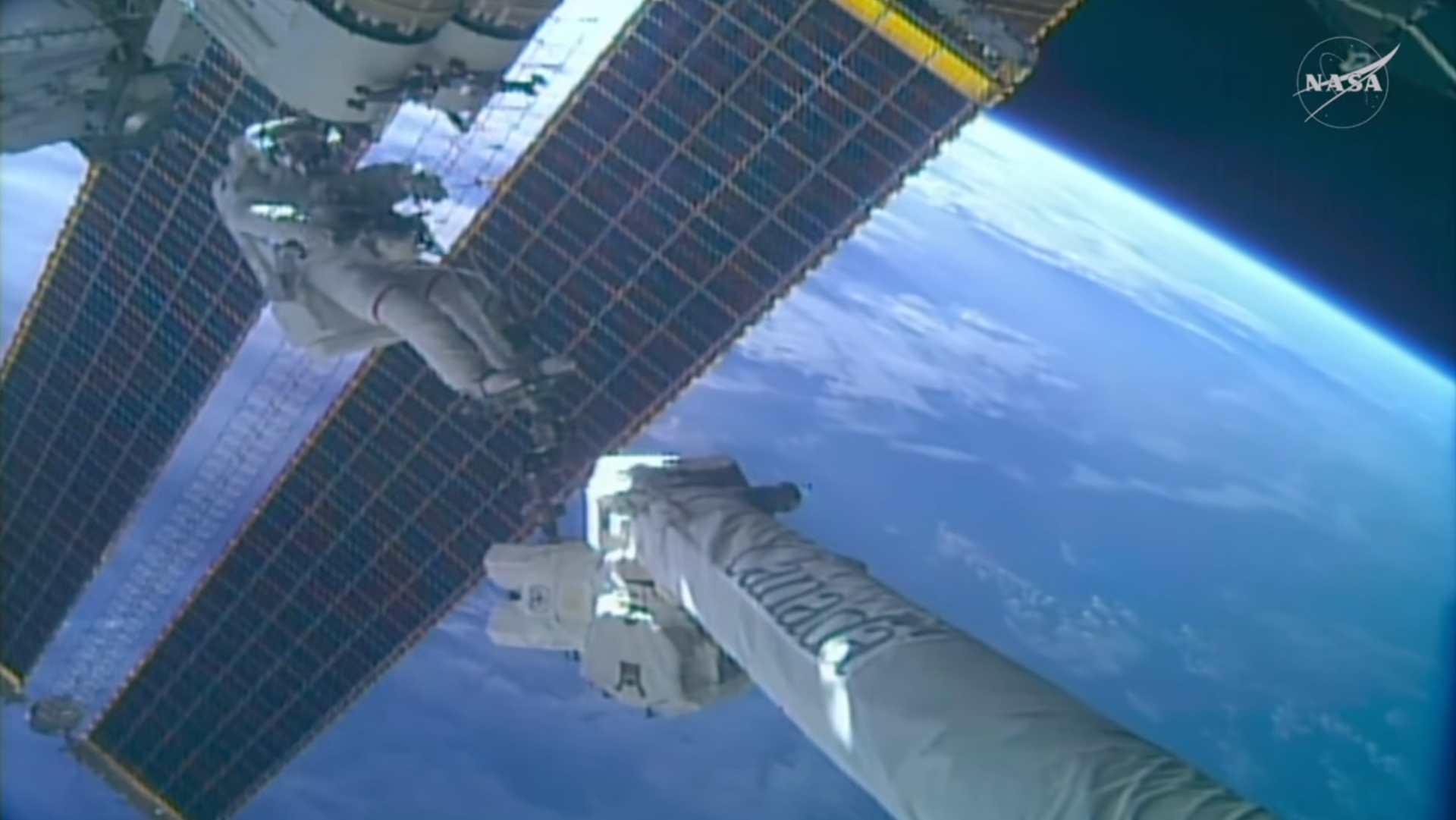
CSA’s Kutryk Completes First Spacewalk
Canadian astronaut Joshua Kutryk completed his first spacewalk on Thursday, October 29, alongside NASA’s Anil Menon, in a seven-hour, 11-minute extravehicular activity to install a new solar array on the International Space Station. It was the first Canadian Space Agency spacewalk in more than seven years, following David Saint-Jacques’ excursion on April 8, 2019.
Menon, on his fourth spacewalk, exited the Quest airlock at 8:07 a.m. ET. Kutryk followed at 8:13 a.m. ET after Mission Control cleared him to egress. The excursion was the fifth overall by a CSA astronaut, after Chris Hadfield (2001), Steve MacLean (2006), Dave Williams (2007) and Saint-Jacques (2019).
The crew installed the seventh of eight ISS Roll-Out Solar Arrays (IROSA) on the P4 truss. Once all eight are in place, the IROSAs will boost station power by 30 per cent to 215 kilowatts, compensating for the station’s ageing original arrays.
Running ahead of schedule for most of the spacewalk, the astronauts completed get-ahead tasks for their next planned excursion on November 5, which will unfurl the last IROSA. The IROSA campaign has involved extensive Canadian participation: Saint-Jacques worked on IROSA procedures in the Neutral Buoyancy Laboratory in Houston, and CSA astronaut Jenni Gibbons — capcom for Thursday’s spacewalk — served as ground IV on five previous IROSA spacewalks.
“ISS is building towards future exploration missions, deep space and beyond. That’s why we’re doing this,” Kutryk said as the excursion wrapped up.
Canada and EU Open Space Talks as MDA Wins IRIS² Antenna Deal
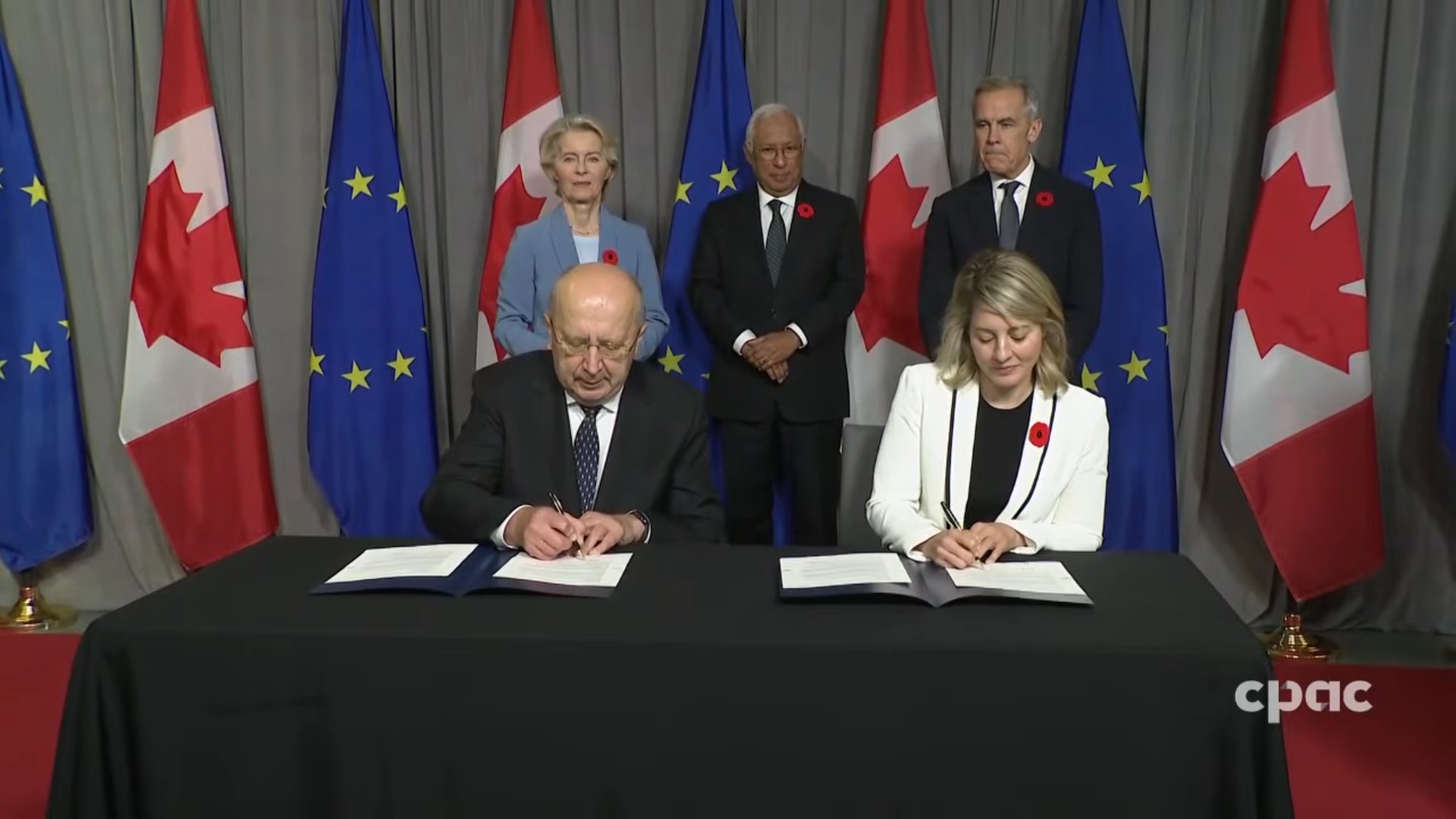
Canada and the European Union will negotiate Canadian access to Galileo and begin exploratory talks on the IRIS² secure-communications constellation, the two sides announced Friday, October 30, at their summit in Montreal. Prime Minister Mark Carney, European Council President António Costa and European Commission President Ursula von der Leyen unveiled what they called an “Alliance for the Future,” pledging to “expand cooperation on space, in particular on secure connectivity.”
Canada will formalize a geodetic partnership with Galileo’s High Accuracy Service, which has broadcast corrections sharpening positions to about 20 centimetres since January 2023. The Canadian Armed Forces currently rely on an encrypted U.S. military GPS signal; Galileo’s encrypted Public Regulated Service is available to countries outside the EU only under a formal agreement.
On IRIS² — Infrastructure for Resilience, Interconnectivity and Security by Satellite — Canada will pursue an administrative arrangement for dialogue and information sharing. The EU plans a network of about 290 satellites in low and medium Earth orbit. Norway and Iceland signed agreements in March to take part in IRIS² and GOVSATCOM.
On the same day, MDA Space announced it will build digital antennas for the first 66 IRIS² satellites under an initial agreement with Thales Alenia Space worth more than $100 million. MDA signed an authorization to proceed while the final contract is negotiated. The company’s AURORA phased-array antennas, which steer beams electronically, will go into Thales Alenia Space’s payloads. MDA will design, build and test the antennas at its Montreal facility, ahead of the first layer’s launch in 2029.
Telesat Delays Lightspeed Service Amid Launch Shortage

Telesat pushed back the start of global service on its Lightspeed constellation by three months, to the end of the second quarter of 2028, as it reported third-quarter results on Thursday. The company’s first two pathfinder satellites, still being assembled by MDA Space, are now scheduled no earlier than June 2027 — down from a previous target of December 2026.
Chief executive Dan Goldberg said the Arctic service for Canada’s military will still start on time at the end of the first quarter of 2028, because Telesat has changed the deployment order so the far north is covered first. Total revenue fell 20 per cent to $80.6 million, and the company has spent about $3.1 billion on the constellation so far, $368 million in the third quarter alone.
The pathfinder delay reflects both production and launch-market pressures. The two satellites will ride on another customer’s Falcon 9. “Given the very tight launch vehicle market, we are loath to use one of our valuable Falcon 9 launch slots to launch just two satellites,” Goldberg said. He added that even if a launch vehicle were available today, the satellites would not be ready: MDA still has hardware to finish and software to deliver, and Telesat has its own software to complete.
Telesat has 14 Falcon 9 launches under contract, each carrying 15 satellites, and has agreed on terms with SpaceX for a 15th. With the two pathfinders, that totals 227 satellites, with all 225 production satellites expected in orbit by the end of 2028.
The delay comes as a new report from Quilty Space estimates a shortfall of about 150 launches worldwide through 2030, excluding China. “What we learned is that the launch crisis is more severe than we thought and that it will not go away this decade for sure, and it might not abate until sometime late in the 2030s.” said Caleb Henry, Quilty’s director of research. The report cites the war in Ukraine removing Russian rockets, Amazon’s Leo demand, developmental delays in new vehicles, and the retirement of Falcon 9 for commercial service. SpaceX has stopped affirming Starship as a commercial launcher and has not committed to a conventional payload fairing. To book on Starship, Telesat may need to build flat satellites.
Citations
- Joshua Kutryk’s first spacewalk adds a new solar array to the ISS — spaceq.ca
- MDA Space to build IRIS² antennas for Thales Alenia Space — spaceq.ca
- Canada-EU summit opens talks on Galileo and IRIS² access — spaceq.ca
- Telesat Q3 2026: Lightspeed global service slips to mid-2028 — spaceq.ca
- Analysts find looming launch crisis is ‘more severe’ than anticipated — arstechnica.com
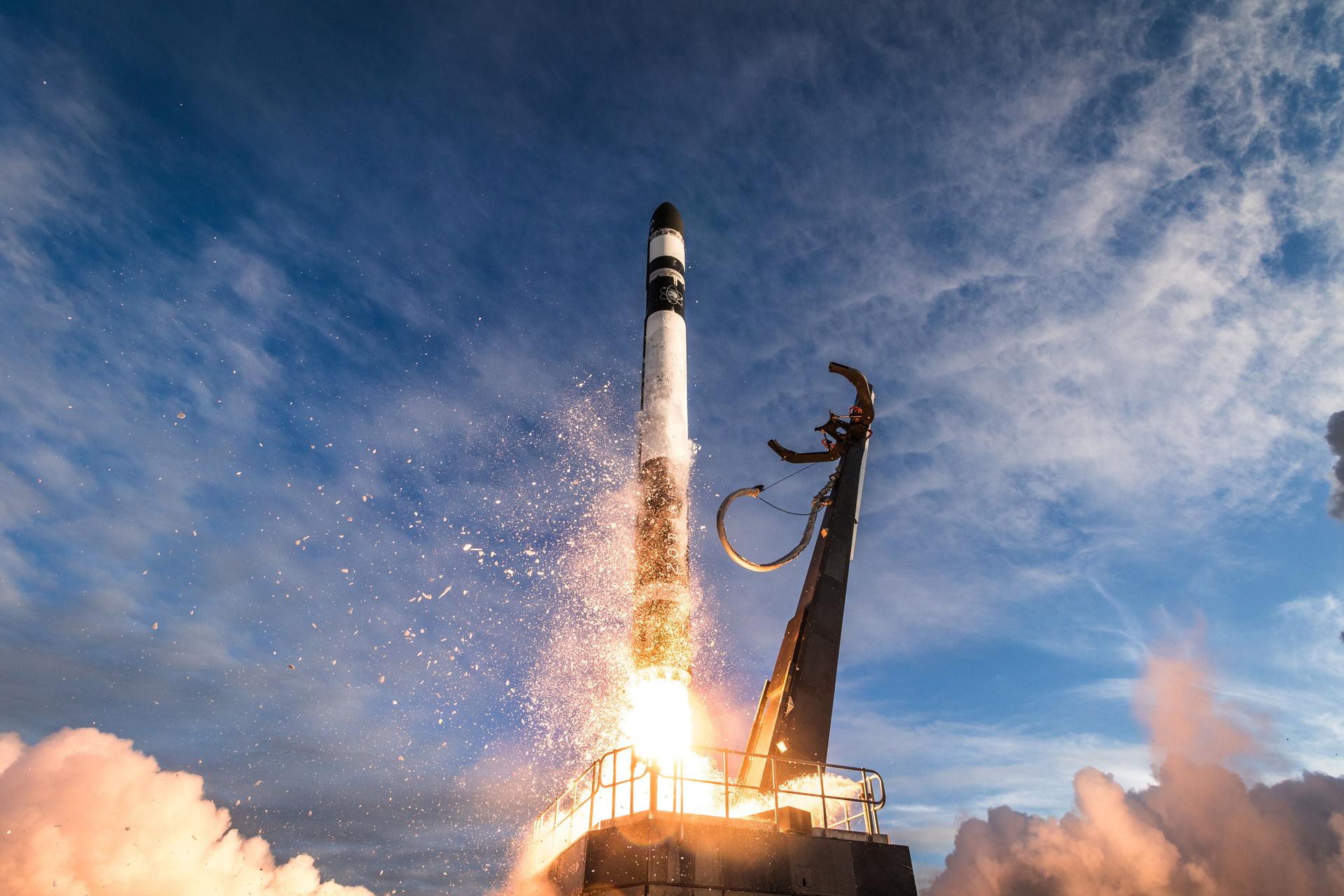
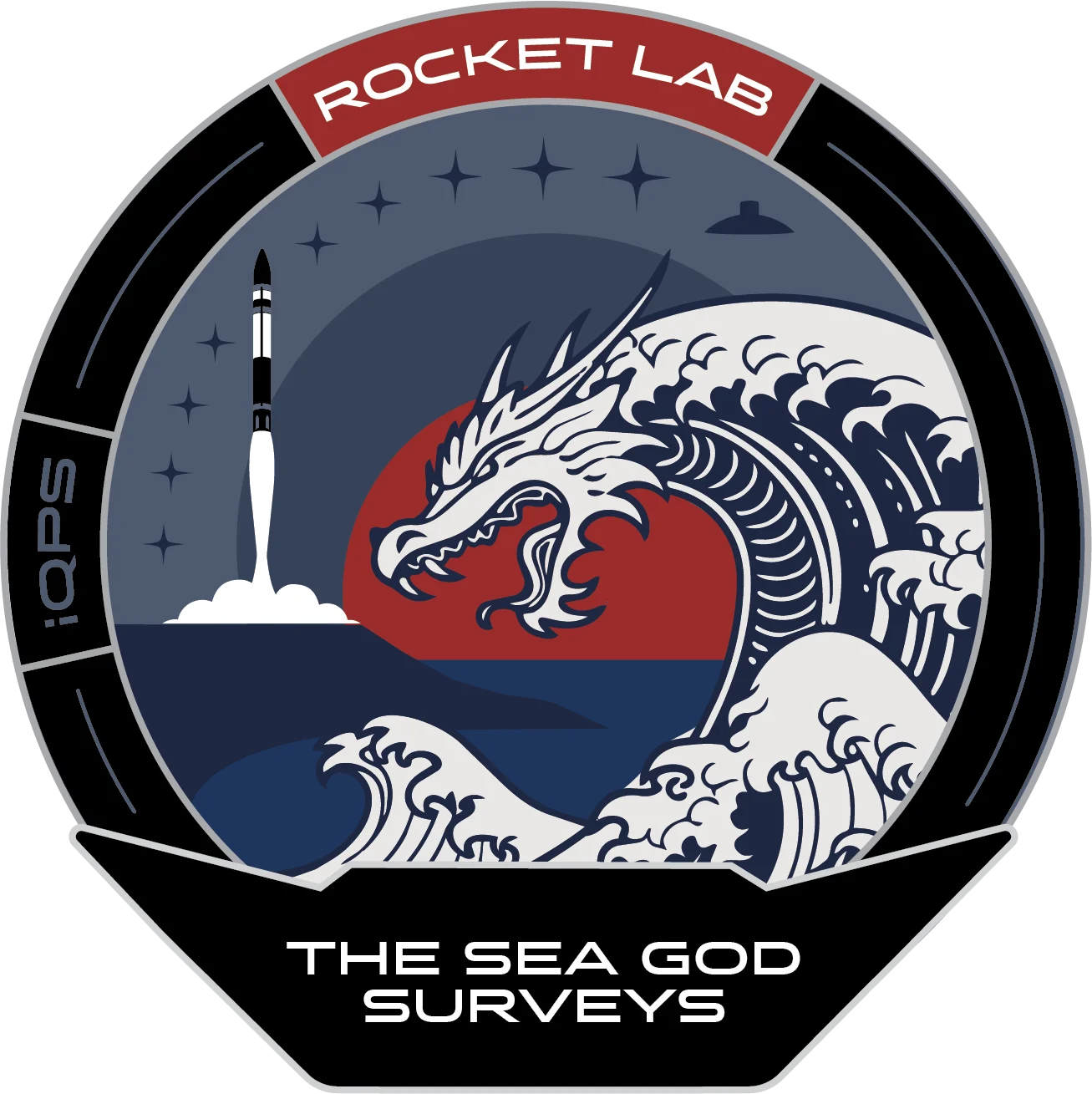
The Sea God Surveys (iQPS Launch 9)
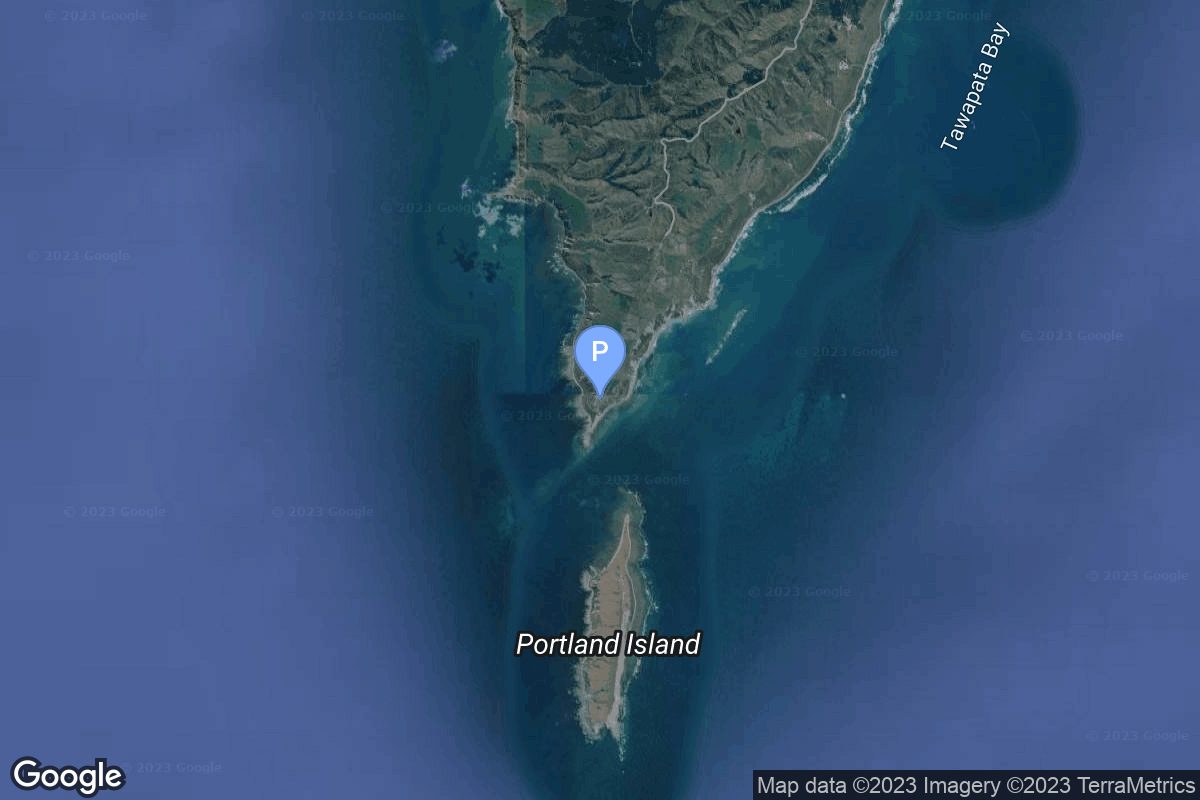
Provider: Rocket Lab
Date: November 2, 2026
Time: 4:00 PM UTC
Vehicle: Electron
Synthetic aperture radar Earth observation satellite for Japanese Earth imaging company iQPS.
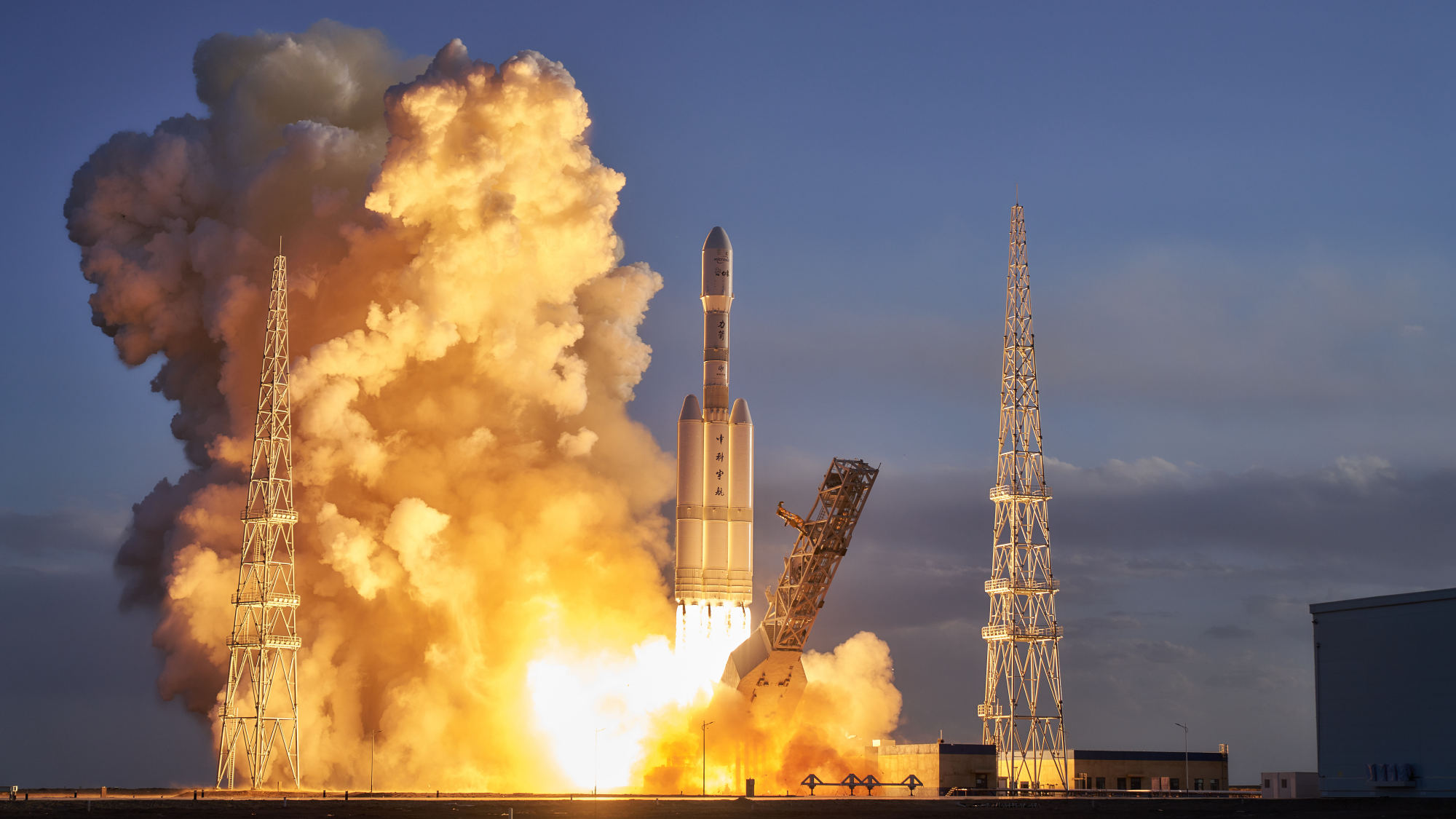
SpaceSail Polar Group TBD?
Provider: CAS Space
Date: November 3, 2026
Time: 12:10 AM UTC
Vehicle: Kinetica 2
Low Earth Orbit communication satellites with Ku, Q and V band payloads for the G60 constellation operated by Shanghai Spacesail Technologies with funding backed by the Shanghai local government.
Initial constellation will consist of 1296 satellites by 2027 with long term plans to expand it to 12000 satellites.
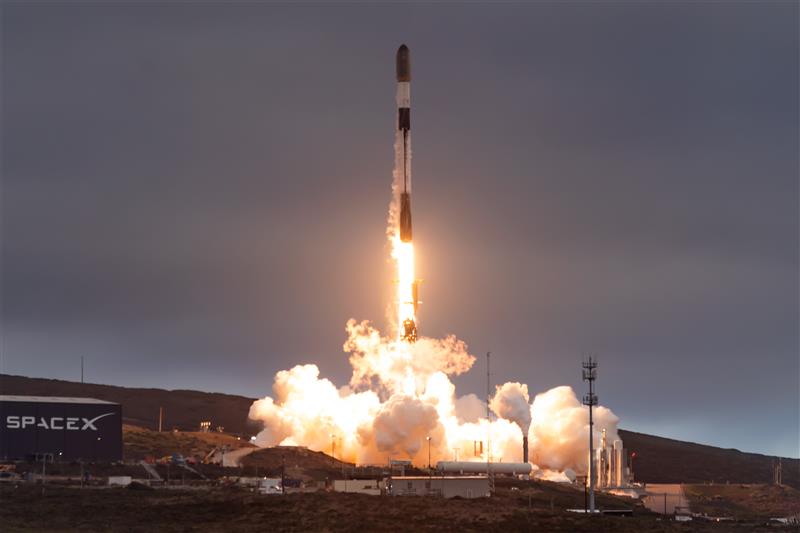
USSF-432
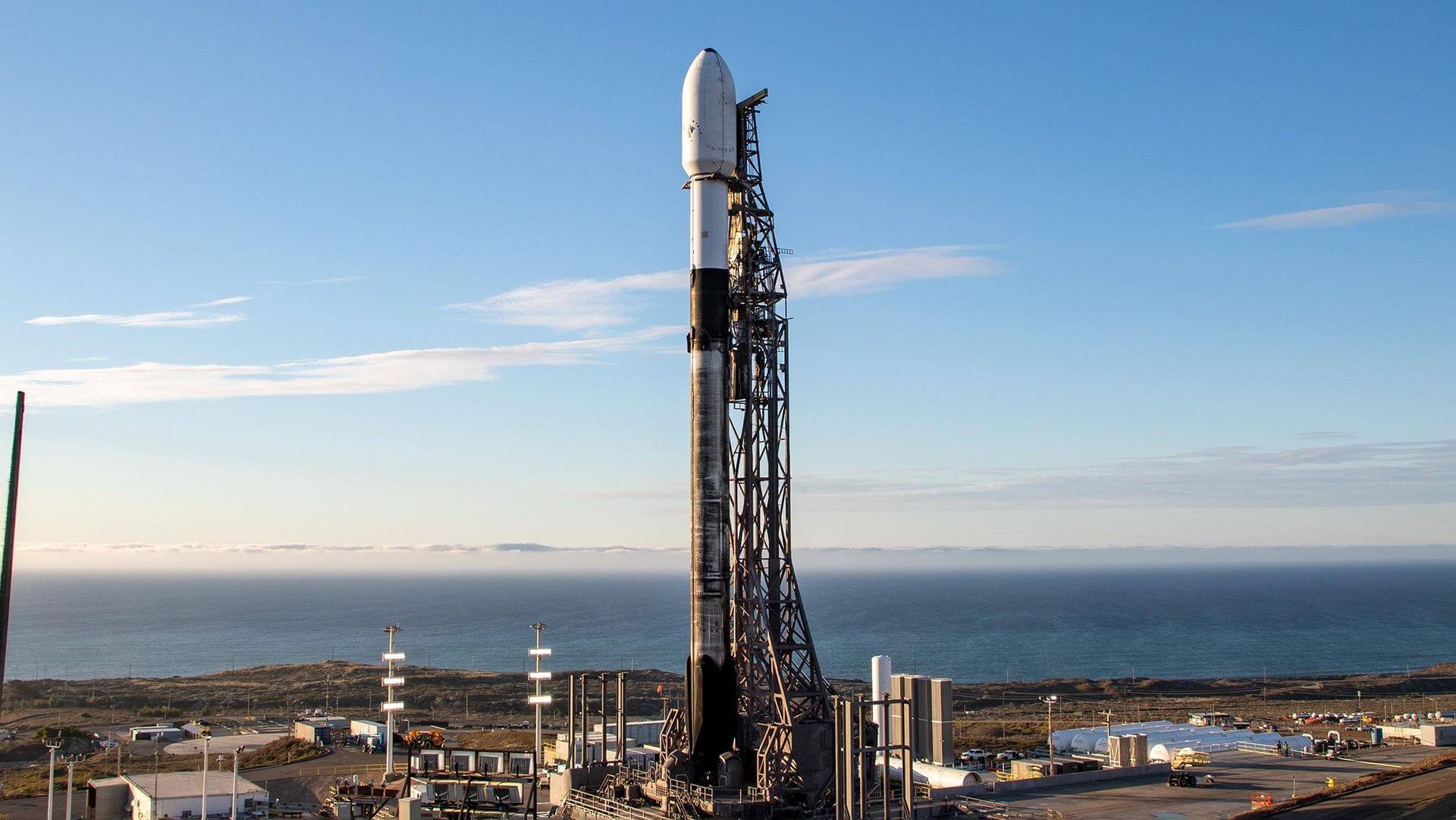
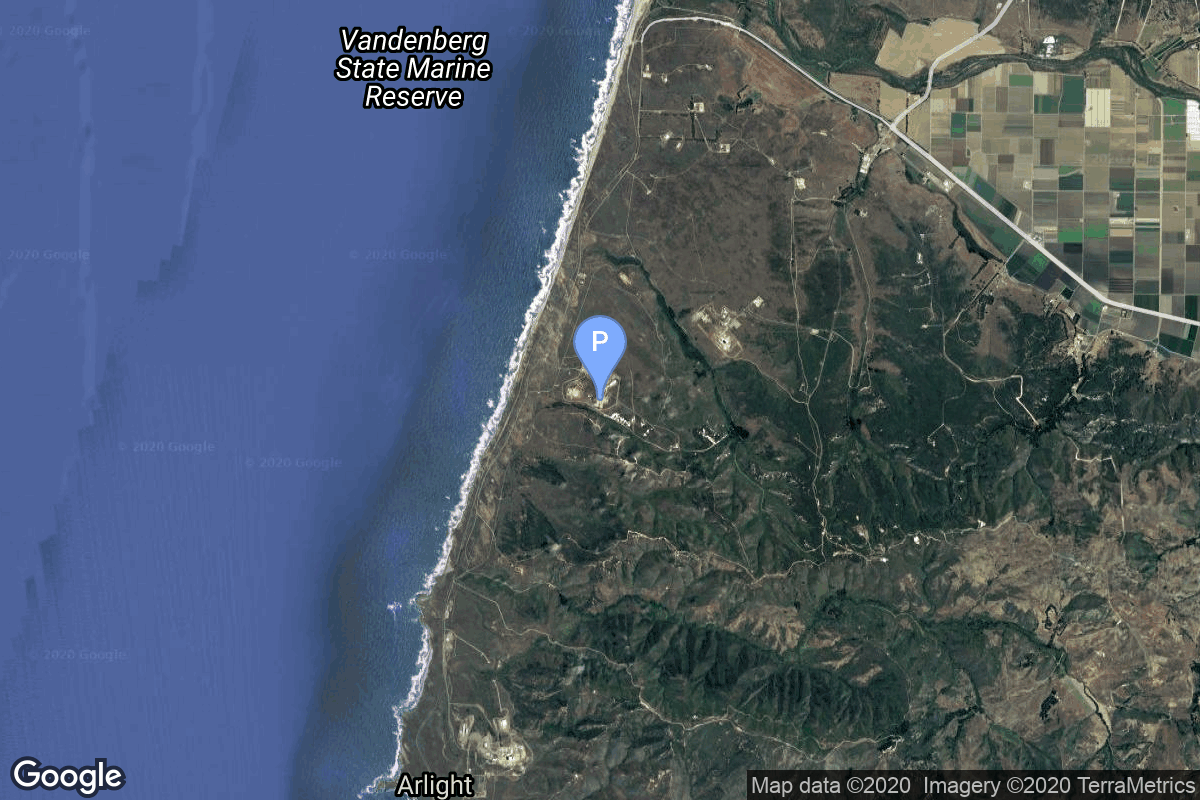
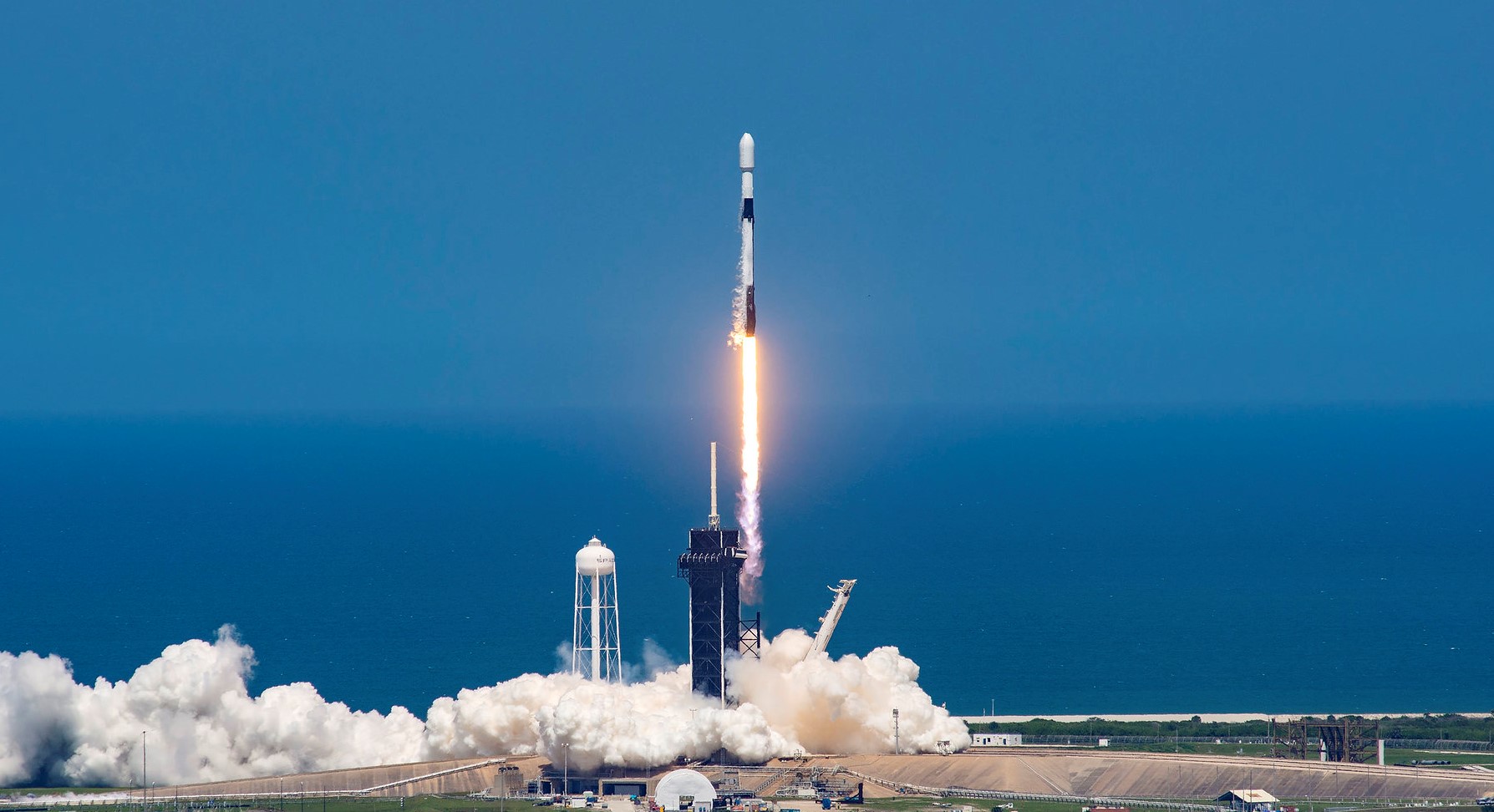
Provider: SpaceX
Date: November 3, 2026
Time: 1:42 AM UTC
Vehicle: Falcon 9
A classified mission for the United States Space Force. It is possibly a batch of classified LEO satellites based on SpaceX’s Starshield satellite bus, based on locations of rocket stage drop zones being exact fits with previous Starlink Group 15 launches.
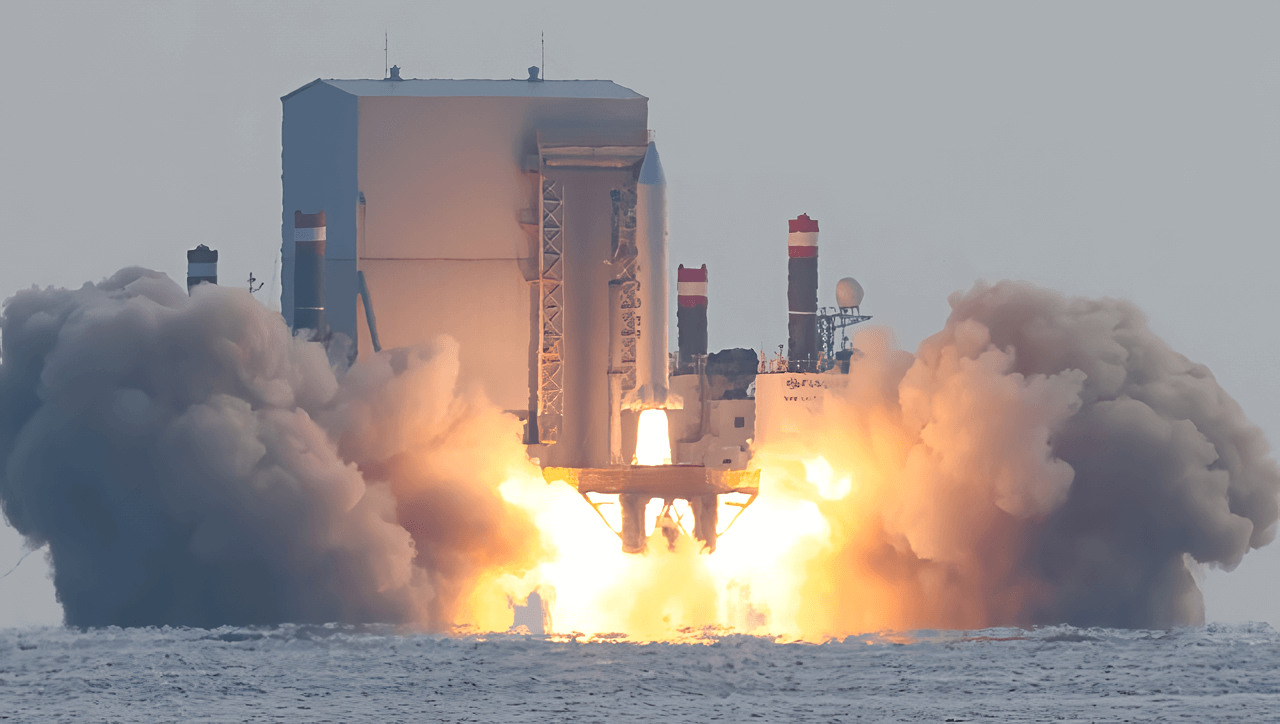
Demo Flight
Provider: Agency for Defense Development
Date: November 4, 2026
Time: 5:00 AM UTC
Vehicle: Mir
Note: Launch vehicle name is provisional.
First orbital full version launch of the South Korean military small satellite launch vehicle, after 2 sub-orbital tests of individual stages on 30 March and 30 December 2022, and 1 orbital test flight without the 2nd stage on 4 December 2023. Details TBD.
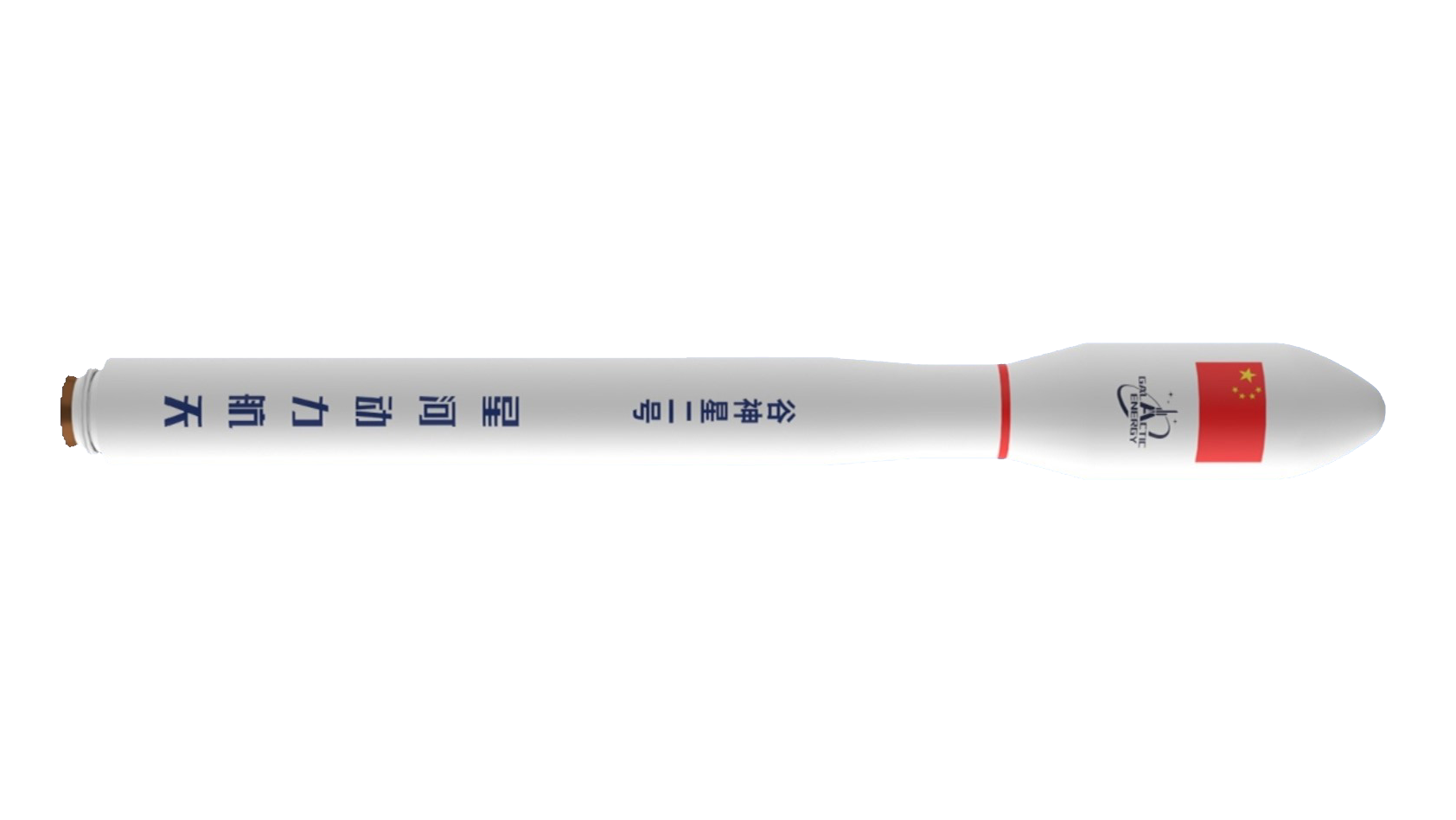
Unknown Payload
Provider: Galactic Energy
Date: November 4, 2026
Time: 9:00 PM UTC
Vehicle: Ceres-2
Details TBD.








Enjoying the content? Stay up to date on everything happening behind the scenes by following our Patreon!


Leave a Reply