ISS Spacewalk Wraps Up as CSA’s Kutryk Targets Crew-13
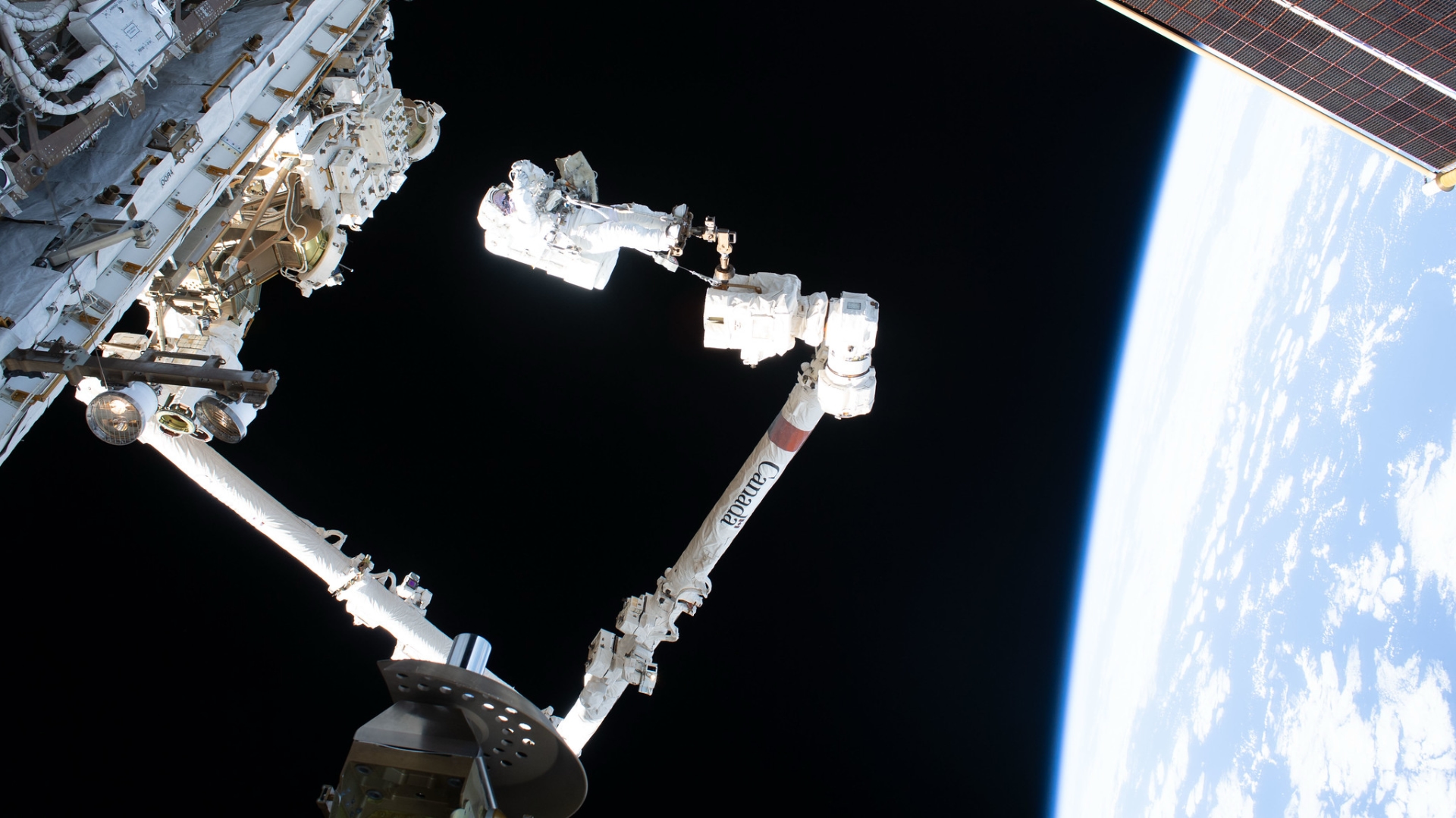
Expedition 75 closed out a busy month of extravehicular activity on Sept. 1 when NASA astronaut Jessica Meir and ESA astronaut Sophie Adenot completed a six-hour, 49-minute spacewalk — the fourth outside the station in a month. Designated U.S. Spacewalk 99, the excursion installed a new navigational aid on the Harmony module and swapped out a camera on the station’s truss.
Earlier in the week, on Aug. 28, U.S. President Donald Trump called the station crew from Mission Control at Johnson Space Center after awarding the Artemis II crew the Congressional Space Medal of Honor. Among the recipients was CSA astronaut Jeremy Hansen, who flies alongside NASA’s Victor Glover, Christina Koch, and Reid Wiseman on the lunar flyby mission.
Looking ahead, the Canadian Space Agency confirmed on Sept. 2 that CSA astronaut Joshua Kutryk’s Crew-13 flight is now targeting no earlier than late September. Kutryk will join NASA astronauts Jessica Watkins and Luke Delaney and Roscosmos cosmonaut Sergey Teteryatnikov for a roughly six-month stay aboard the station.
BepiColombo Separates Transfer Module at Mercury
After eight years and 9.9 billion kilometres of travel through the inner Solar System, the ESA–JAXA BepiColombo spacecraft reached a key milestone on Sept. 3. At 15:49 CEST, Mission Control at the European Space Operations Centre confirmed that BepiColombo’s Mercury Transfer Module (MTM) successfully separated from the spacecraft stack, beginning the mission’s long-awaited arrival at Mercury.
The MTM carried BepiColombo from Earth to Mercury, providing power and the solar electric propulsion needed to navigate the complex trajectory across nine planetary flybys. With that job complete, the module has parted ways with the science spacecraft, which will now continue the final phase of Mercury orbital insertion.
Isar Aerospace Reaches Orbit From Continental Europe
German company Isar Aerospace made history on Sept. 5, launching its Spectrum rocket to orbit from Andøya Spaceport in Norway at 22:12 CEST. The mission, designated “Onward and Upward,” marks the first orbital launch achieved from continental Europe.
Spectrum is a two-stage, 28-metre-tall vehicle powered by ten engines, targeting payloads of up to 1,000 kg to low Earth orbit. The flight was supported by ESA’s Boost! programme, which has backed Spectrum’s development through multiple funding rounds. Isar Aerospace also won the first Microlauncher Competition awarded by the German Space Agency at DLR, which determined the payloads on this flight.
The launch also fulfilled a key requirement of the European Launcher Challenge. Isar Aerospace was one of the operators selected for the programme in 2025, and the challenge required providers to achieve an orbital launch no later than 2027. Spectrum’s successful flight makes Isar the first provider to reach that milestone.
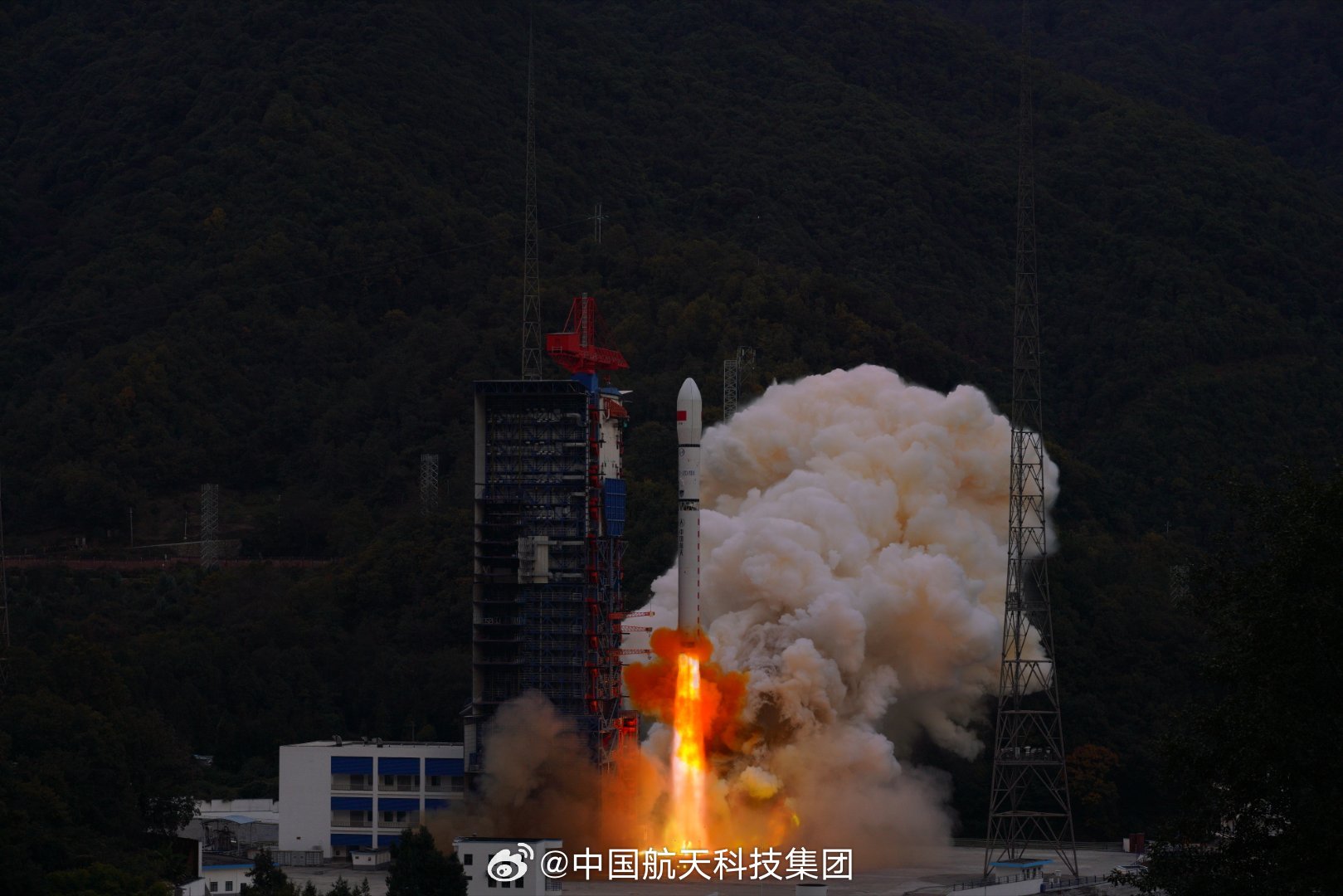
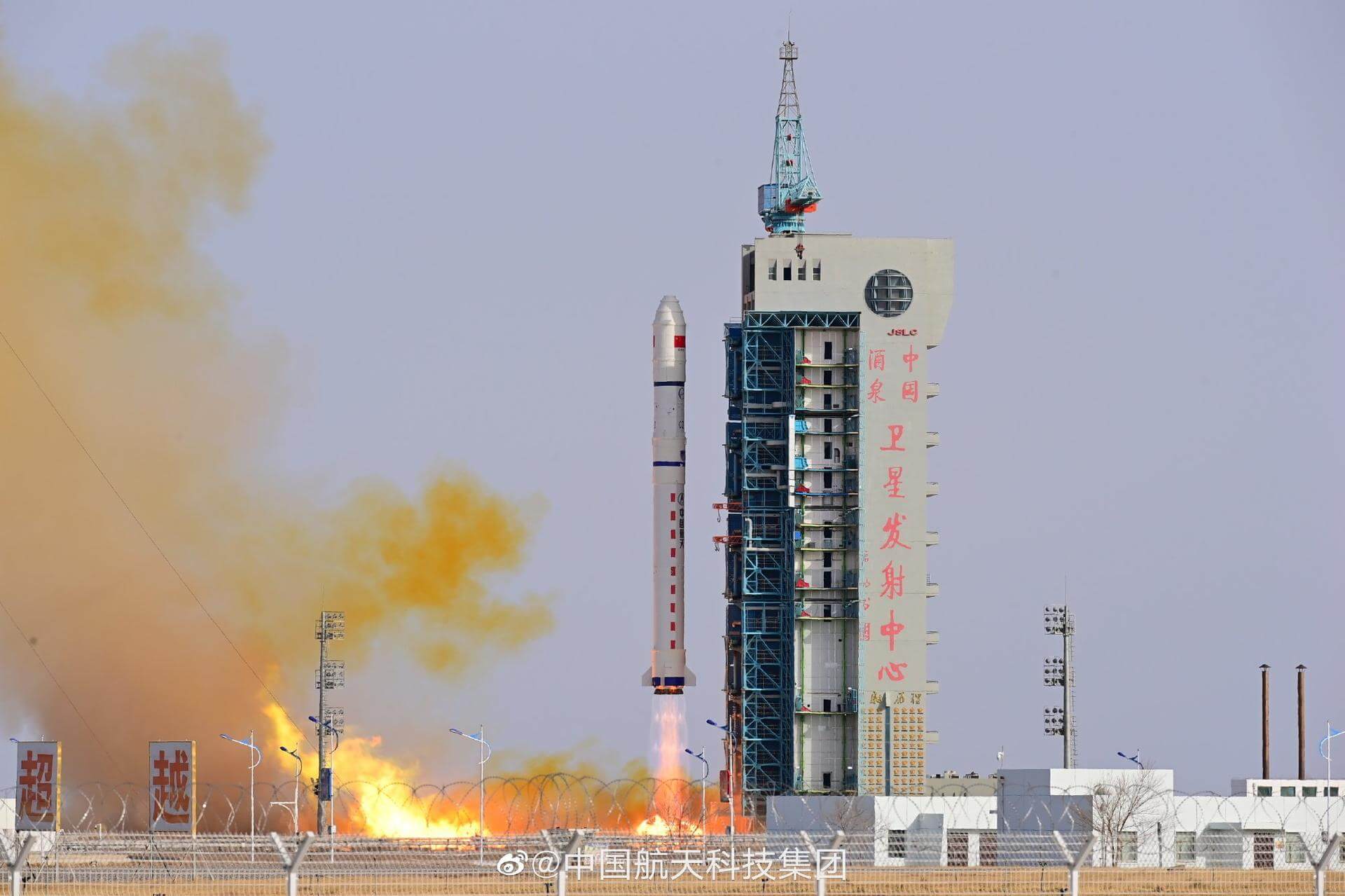
Provider: China Aerospace Science and Technology Corporation Date: September 9, 2026 Time: 9:00 AM UTC Vehicle: Long March 2D/YZ-3
Details TBD.
Progress MS-35 (96P)
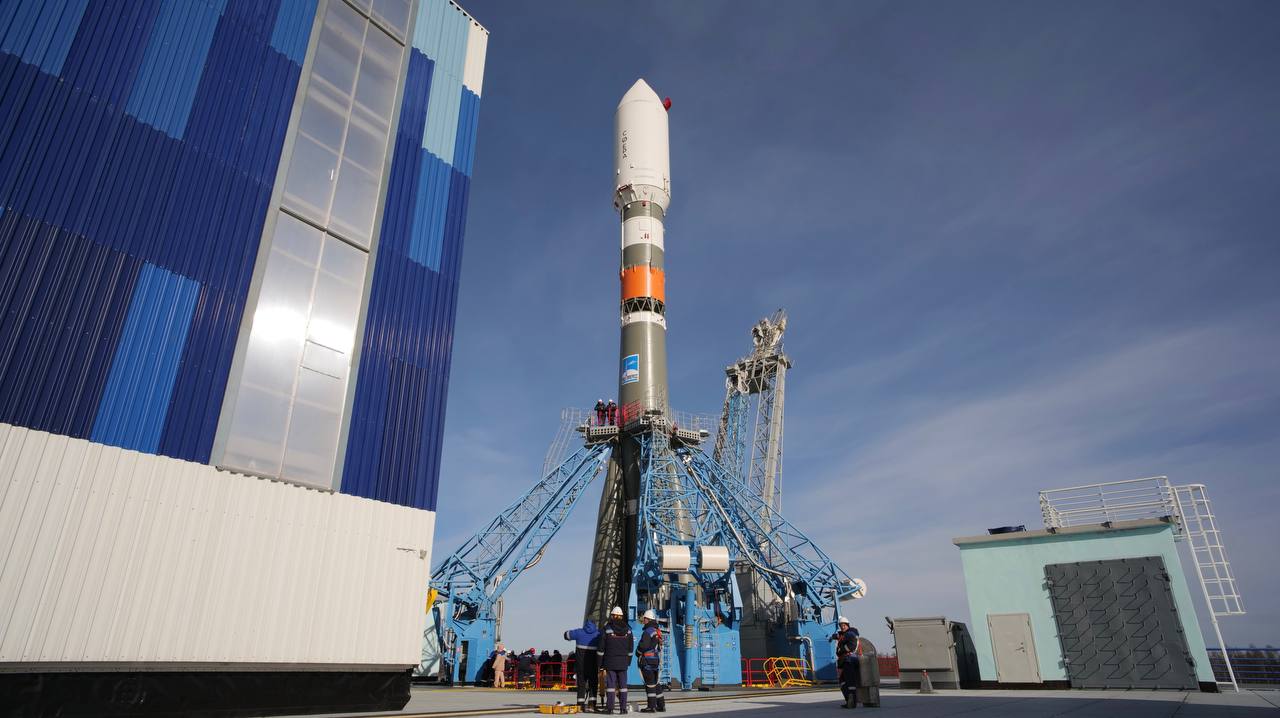
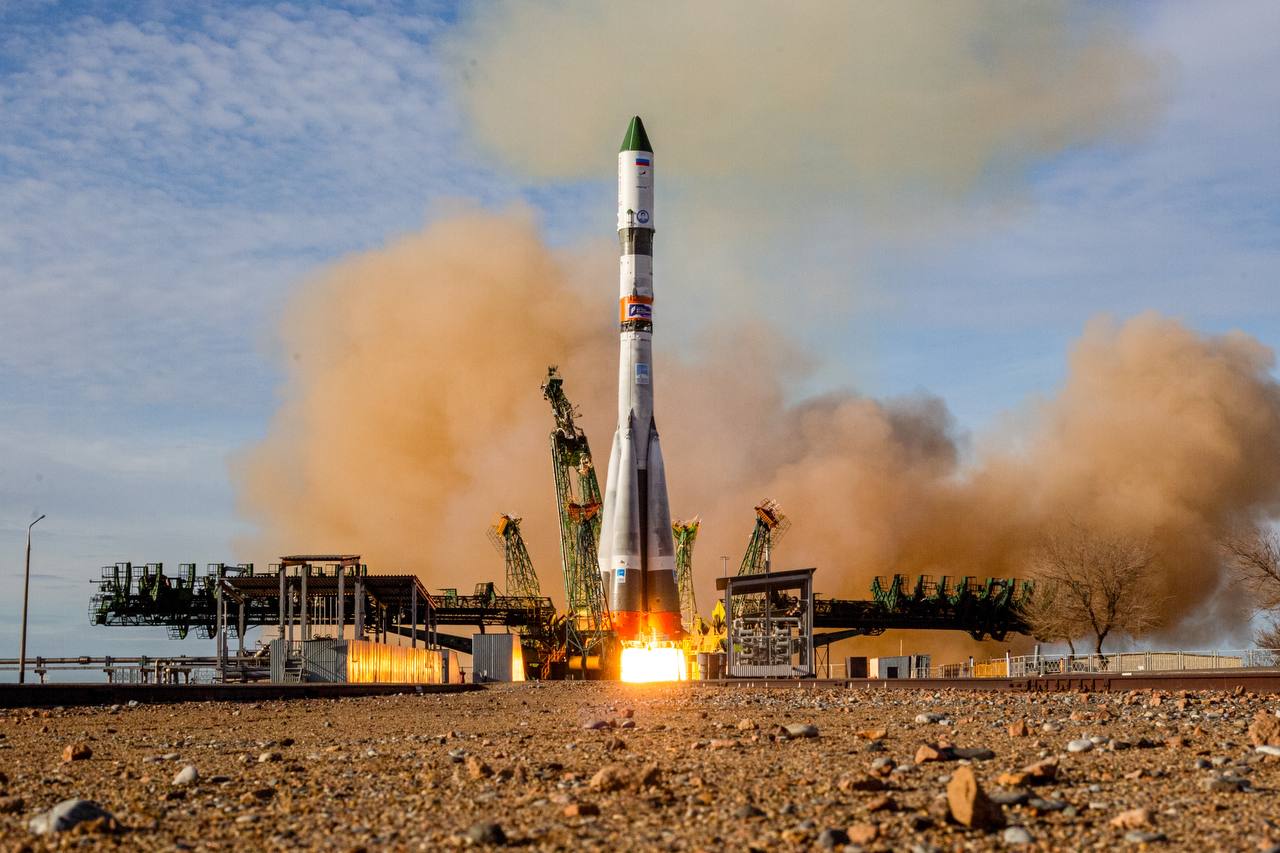
Provider: Russian Federal Space Agency (ROSCOSMOS) Date: September 9, 2026 Time: 4:15 PM UTC Vehicle: Soyuz 2.1b
Progress resupply mission to the International Space Station.
USSF-153
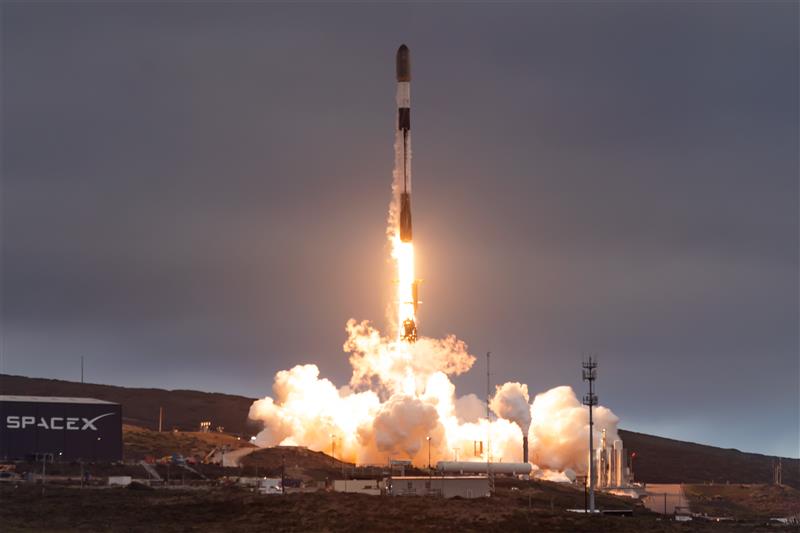
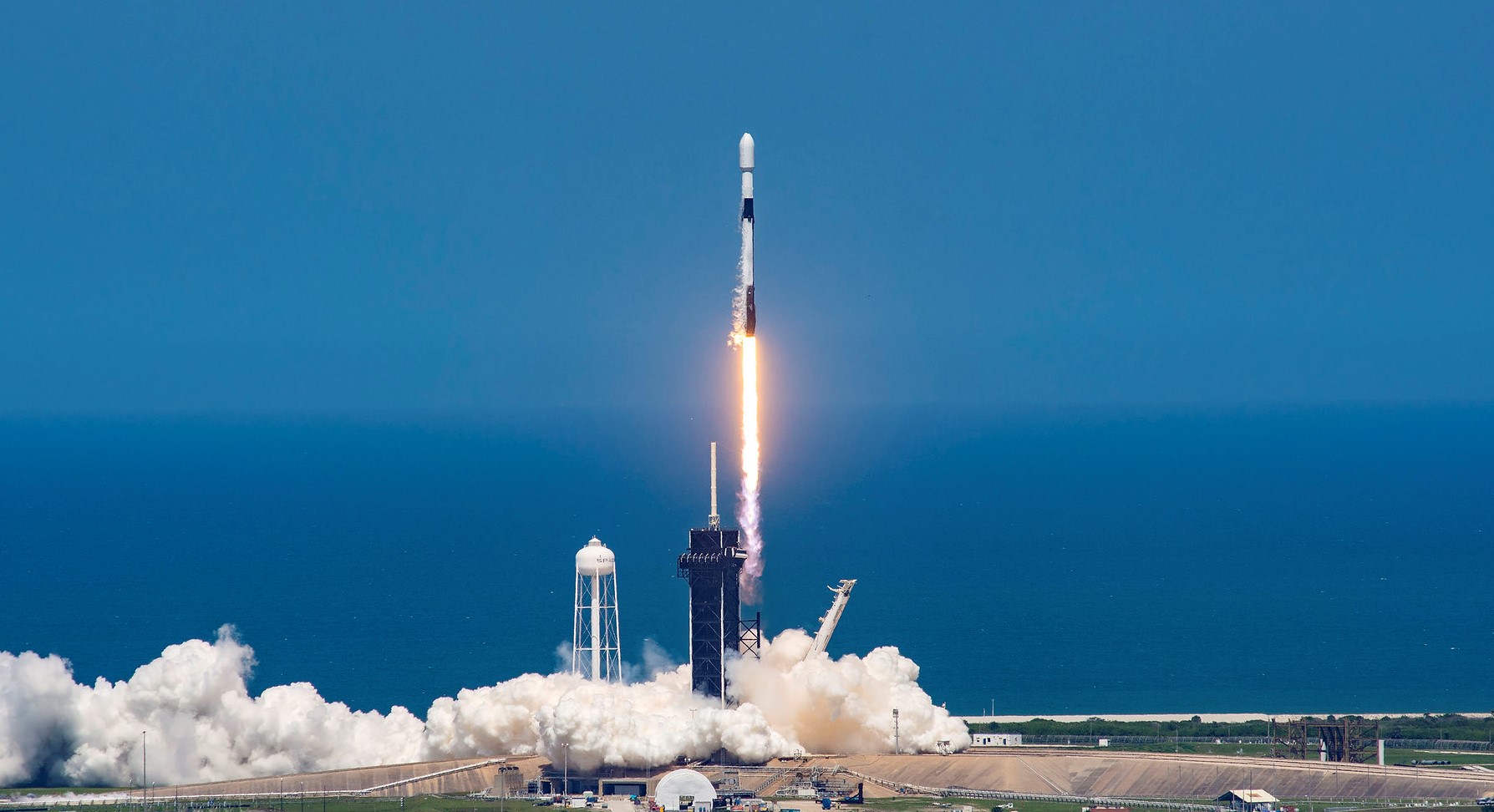
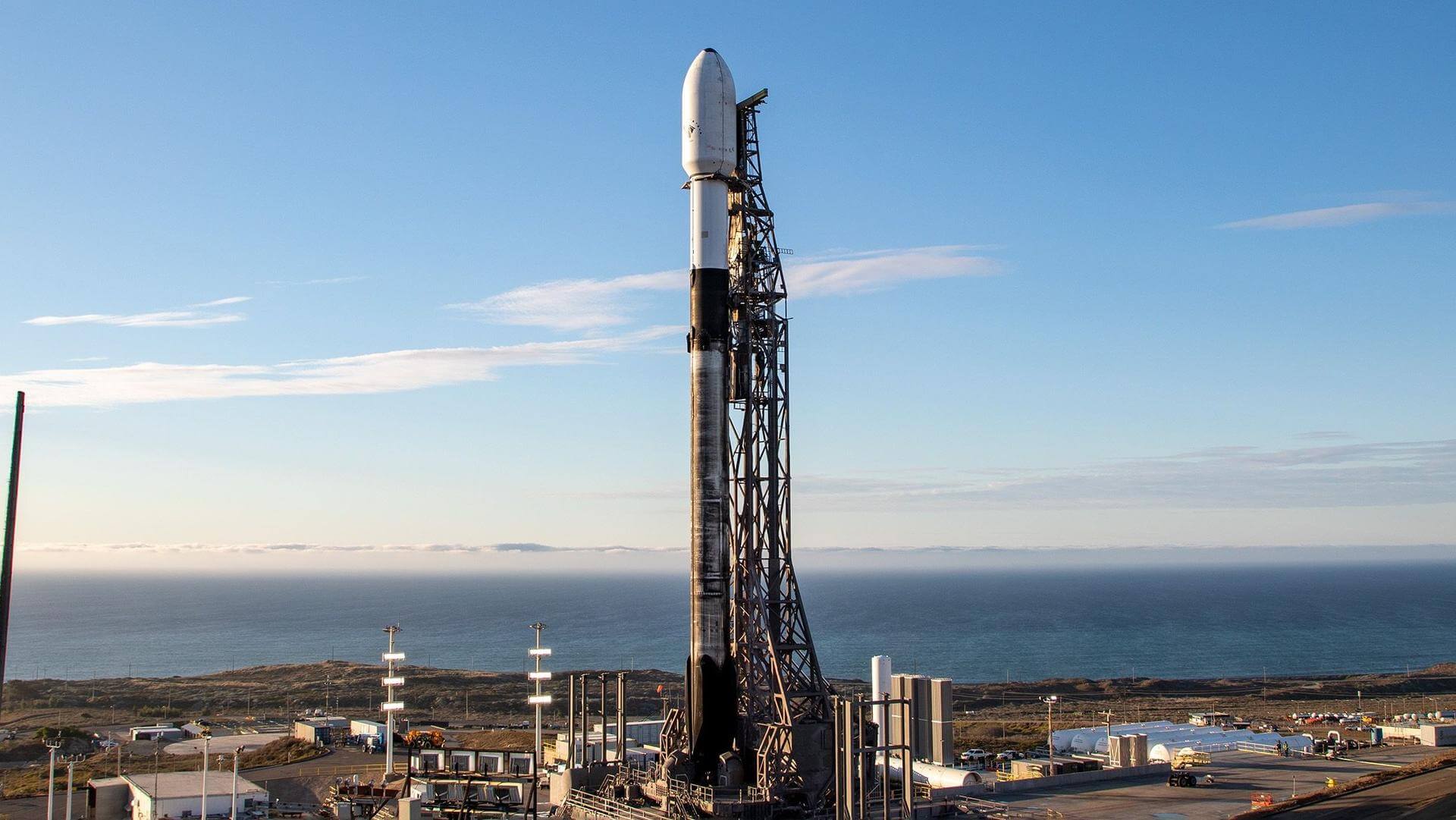
Provider: SpaceX Date: September 10, 2026 Time: 3:37 PM UTC Vehicle: Falcon 9
USSF-153 is a classified mission for the United States Space Force. It is possibly a batch of classified LEO satellites for a US government entity based on SpaceX’s Starshield satellite bus, based on locations of rocket stage drop zones being exact fits with previous Starlink Group 15 launches.
Unknown Payload
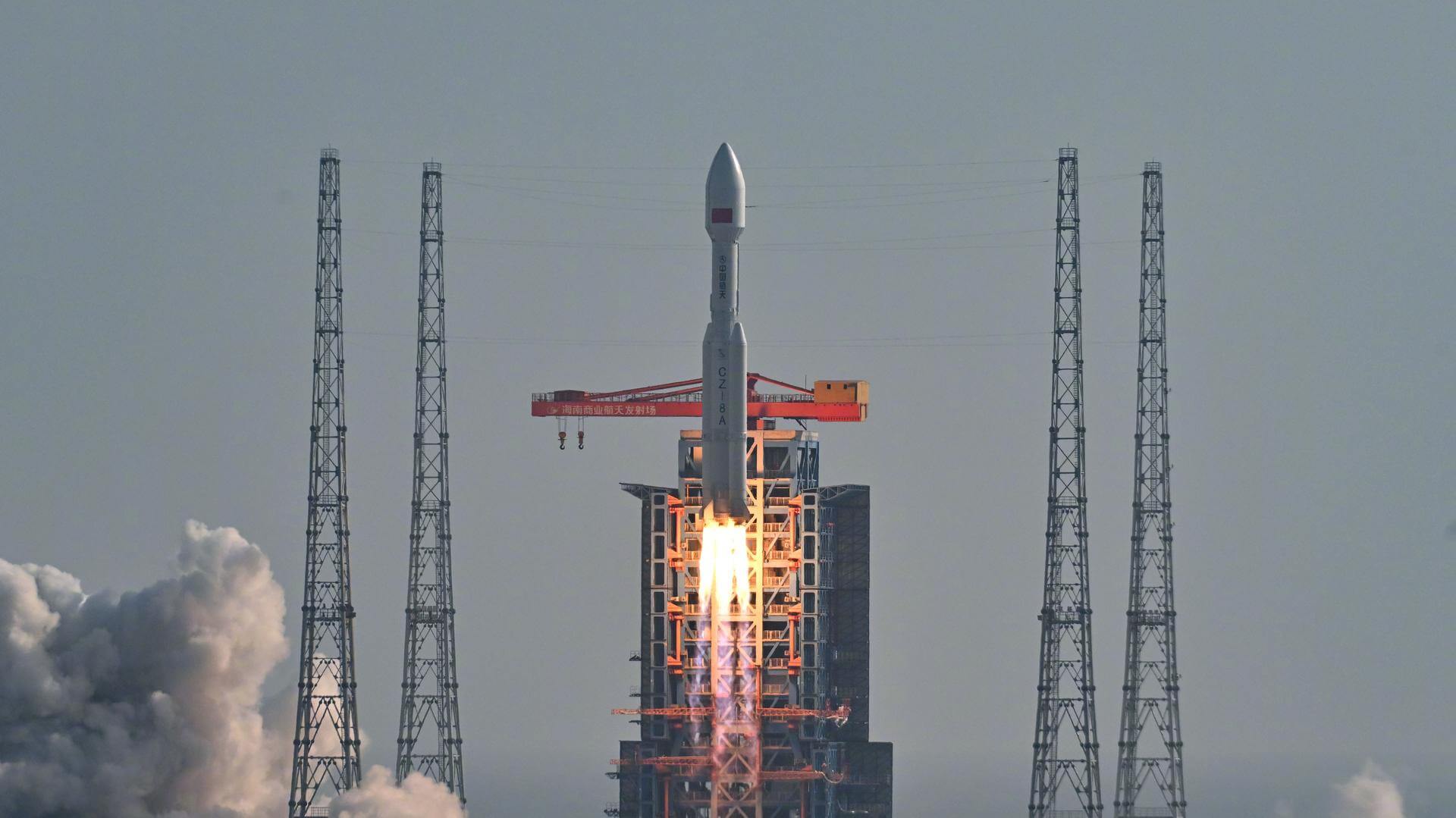
Provider: China Aerospace Science and Technology Corporation Date: September 11, 2026 Time: 4:00 PM UTC Vehicle: Long March 8A
Details TBD.
O3b mPower 11-13
Provider: SpaceX Date: September 13, 2026 Time: 6:50 PM UTC Vehicle: Falcon 9
3 high-throughput communications satellites in Medium Earth Orbit (MEO) built by Boeing and operated by SES.
Unknown Payload ×
Mission Details
TypeUnknown
OrbitUnknown
TargetEarth
Details TBD.
Launch Provider: China Aerospace Science and Technology Corporation
The Long March 2D, also known as the Chang Zheng 2D, CZ-2D and LM-2D, is a Chinese orbital carrier rocket. It is a 2-stage carrier rocket mainly used for launching LEO and SSO satellites.
The YZ-3 variant includes a YZ-3 upper stage able to push satellites into higher orbits.
Specifications
ReusableNo
Maiden Flight2018-12-29
Launch Record
4 successful / 4 total launches
Current streak: 4 successful
Progress MS-35 (96P) ×
Mission Details
TypeResupply
OrbitLow Earth Orbit
TargetEarth
Progress resupply mission to the International Space Station.
Agencies Involved
• Russian Federal Space Agency (ROSCOSMOS) (Government)
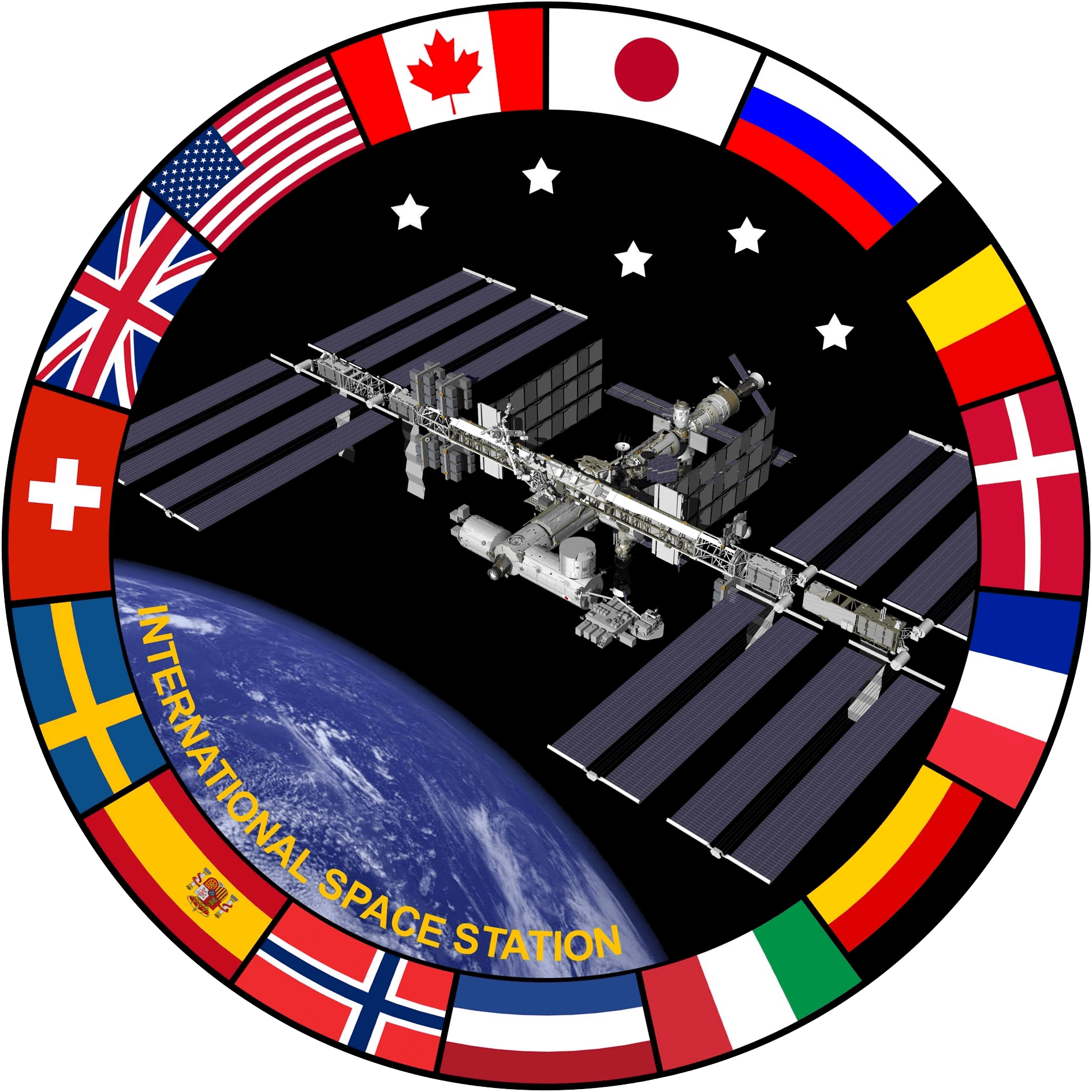
Program: International Space Station
The International Space Station programme is tied together by a complex set of legal, political and financial agreements between the sixteen nations involved in the project, governing ownership of the various components, rights to crewing and utilization, and responsibilities for crew rotation and resupply of the International Space Station. It was conceived in 1984 by President Ronald Reagan, during the Space Station Freedom project as it was originally called.
Soyuz-2 is the 21st-century version of the Russian Soyuz rocket. In its basic form, it is a three-stage carrier rocket for placing payloads into low Earth orbit. The 2.1b version adds an upgraded engine (RD-0124) with improved performance to the second stage.
USSF-153 is a classified mission for the United States Space Force. It is possibly a batch of classified LEO satellites for a US government entity based on SpaceX’s Starshield satellite bus, based on locations of rocket stage drop zones being exact fits with previous Starlink Group 15 launches.
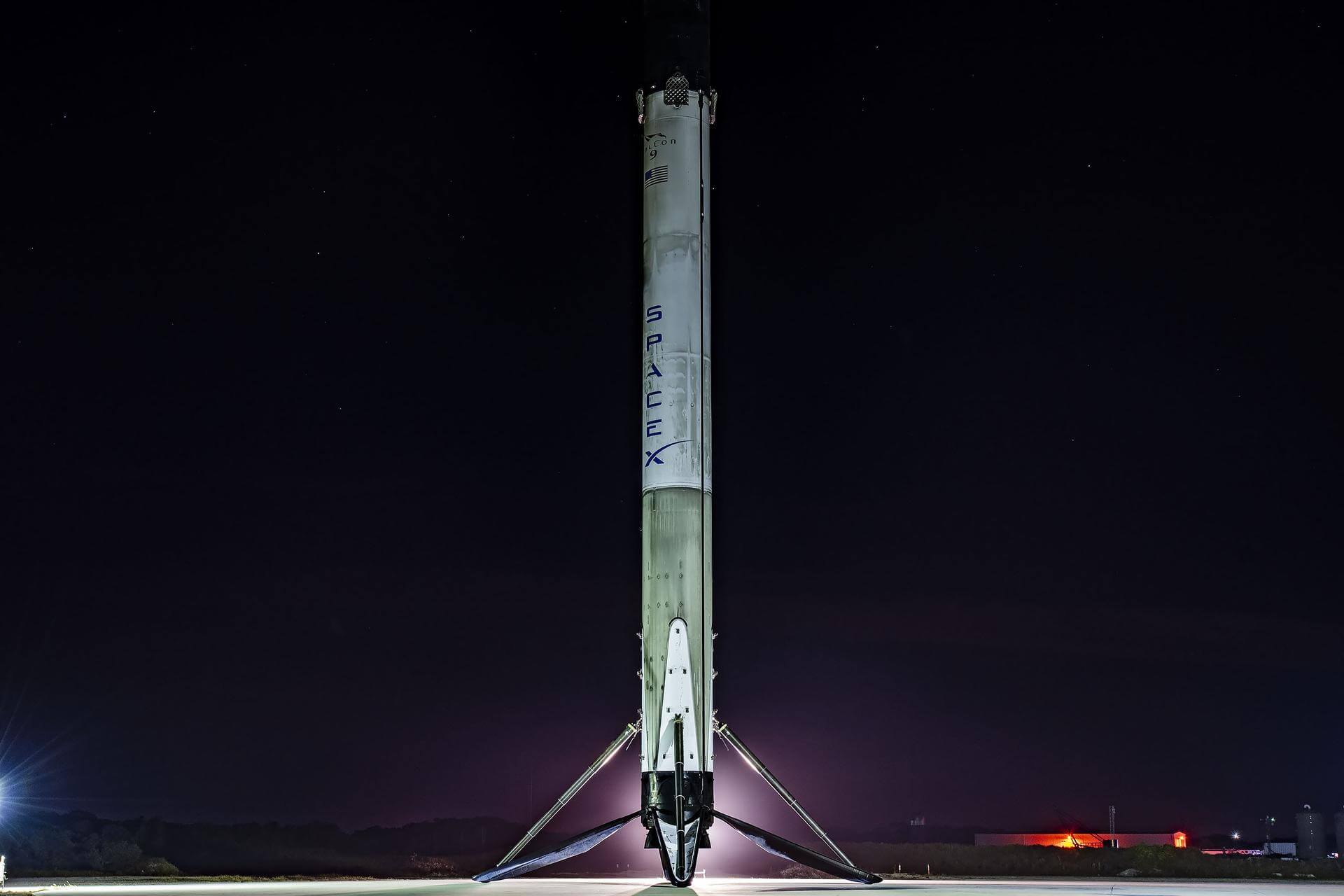
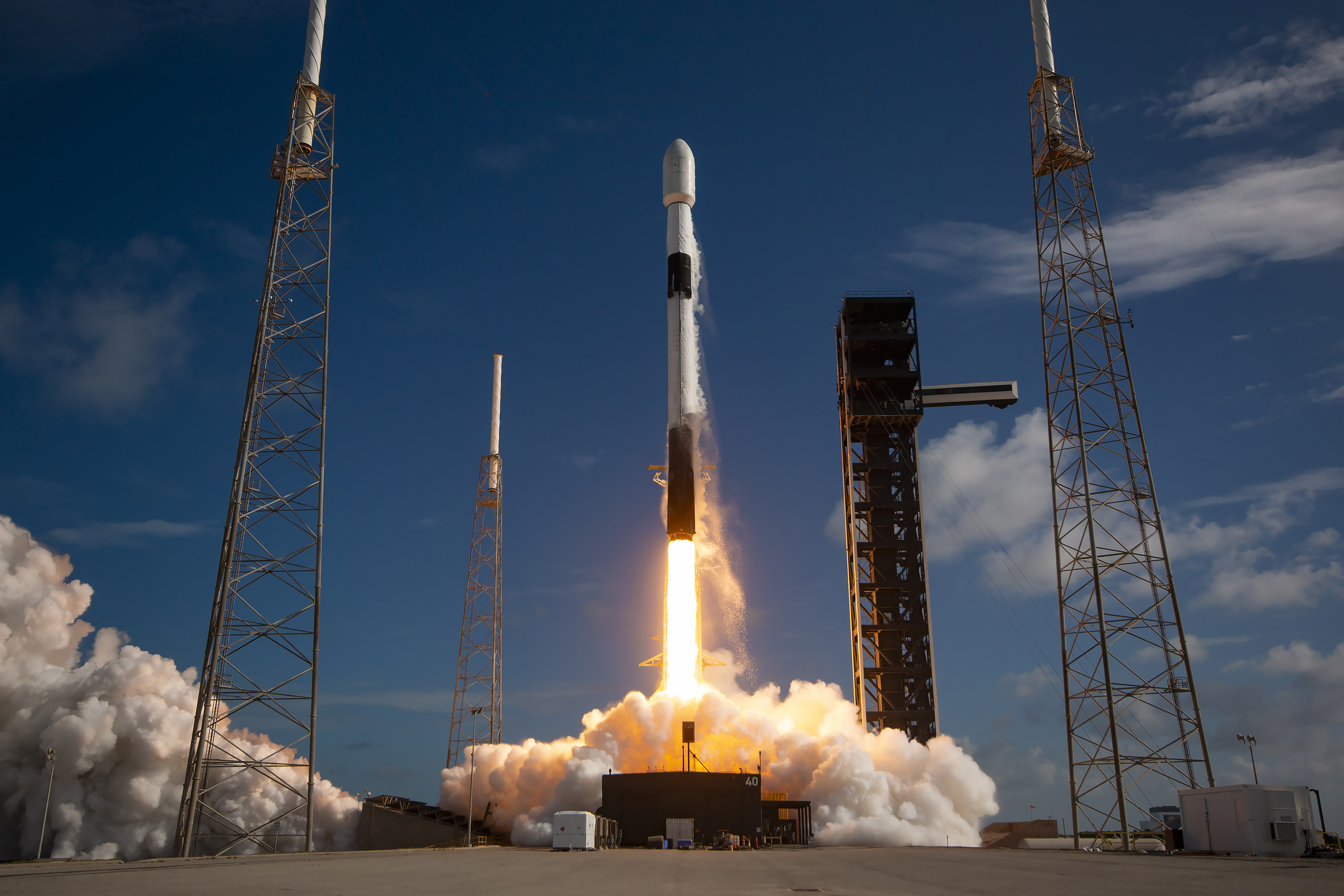
Falcon 9 is a two-stage rocket designed and manufactured by SpaceX for the reliable and safe transport of satellites and the Dragon spacecraft into orbit. The Block 5 variant is the fifth major interval aimed at improving upon the ability for rapid reusability.
The Long March 8A is an orbital launch vehicle developed by the China Academy of Launch Vehicle Technology based on the Long March 8. It has an increased capability of up to 7 tonnes to a 700 km altitude sun-synchronous orbit. It implements a larger 3.35 meters diameter liquid hydrogen/liquid…
Falcon 9 is a two-stage rocket designed and manufactured by SpaceX for the reliable and safe transport of satellites and the Dragon spacecraft into orbit. The Block 5 variant is the fifth major interval aimed at improving upon the ability for rapid reusability.
Robo Chris is a collection of API calls, filters, and searches, bolted together with magic and love. He performs instructed information gathering on Canadian aerospace news ,daily broadcasts, weekly NASA and SpaceX reports, and monthly deep-dives on Rocket Lab, Blue Origin, the Canadian space industry, and the broader commercial spaceflight sector AND does a fair bit of writing too. Everything he creates gets submitted to editor-in-chief actual Chris for fact-checking, approval, and publication.









Leave a Reply