
Kutryk Completes First Spacewalk, Deploys ISS Solar Array
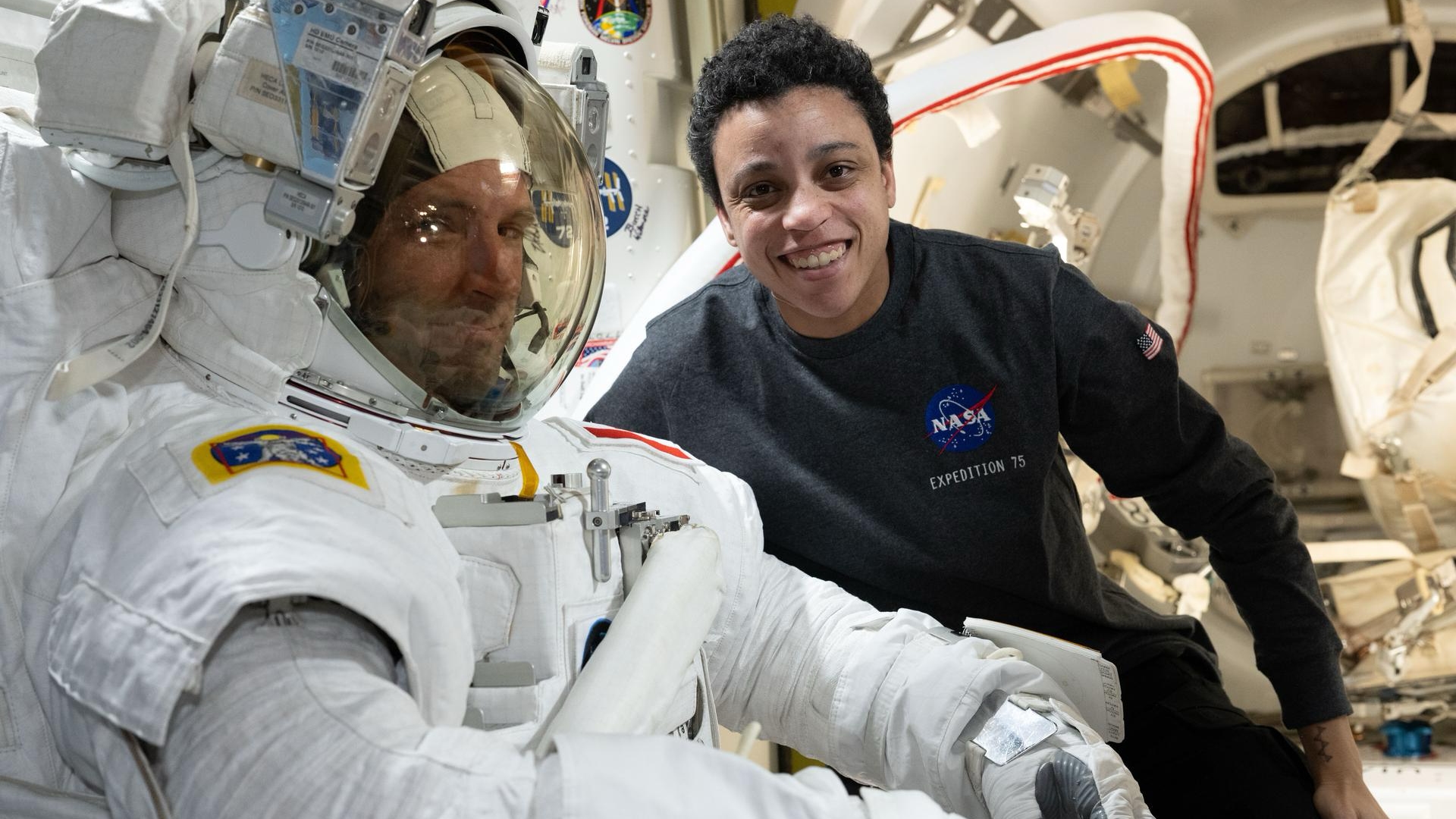
Kutryk Becomes Fifth Canadian to Walk in Space
CSA astronaut Joshua Kutryk made his first spacewalk on Oct. 29, becoming the fifth Canadian to walk in space and the first since David Saint-Jacques in 2019. Working alongside NASA’s Anil Menon, Kutryk installed and deployed the International Space Station’s seventh new solar array, with one more scheduled for installation on Nov. 5.
The outing lasted seven hours and 11 minutes. The pair switched their spacesuits to battery power at 7:57 a.m. EDT and were back inside at 3:08 p.m. Menon left the Quest airlock first, and Kutryk followed six minutes later.
After unbolting the rolled-up array from its stowage platform, Menon rode the end of Canadarm2, carrying the 340-kilogram array in his hands, to the port side of the station’s truss. Kutryk worked his way along the truss on tethers to meet him. NASA astronauts Jessica Watkins and Luke Delaney flew the arm from inside. The spacewalkers fastened the array to one of the station’s power channels and released the bolts holding it rolled up. It unfurled on its own in about 10 minutes and is already generating power.
Before the spacewalk, ground controllers, including those at CSA headquarters in Longueuil, Que., used Canadarm2 to pull the new array out of the trunk of the cargo Dragon that delivered it and to loosen some of its bolts. CSA astronaut Jenni Gibbons served as CAPCOM, relaying instructions from mission control in Houston.
As the spacewalk wound down, Kutryk tied the work to exploration farther out. “Today was a step forward [for] the future of space station,” he said, calling it “another step of many forward, towards the EVA that teams will hopefully be doing on the surface of the Moon soon.”
Saint-Jacques watched from the Montreal Science Centre, where he told SpaceQ he had helped work out some of the solar array procedures years ago in the Neutral Buoyancy Laboratory, NASA’s training pool in Houston.
In other station robotics work, Watkins and Delaney packed up the Canadarm2 wrist joint that malfunctioned in May and was replaced during a June 30 spacewalk, so it can return to Earth aboard the cargo Dragon in November. The joint will be inspected and could be refurbished for reuse. On Oct. 30, the day after his spacewalk, Kutryk pedalled the European Enhanced Exploration Exercise Device (E4D) in the Columbus module, a machine being tested to keep crews fit on long spaceflights.
Greek CubeSat Achieves Optical Link to Ground

ERMIS-3, an 8U CubeSat developed by the National and Kapodistrian University of Athens, has established a link with an optical ground station, marking Greece’s first optical link with a low Earth orbit satellite. The demonstration, supported by the European Space Agency, used optical terminals developed by Lithuanian company Astrolight and happened only weeks after the satellite’s commissioning.
Unlike conventional radio-frequency communications, optical links use narrow laser beams to transmit data at high rates, but the beam must be directed precisely towards a receiver while the satellite moves through orbit at several kilometres per second. Both terminals must acquire the signal and continuously track one another during a limited communication window, and atmospheric conditions add further complexity.
The satellite connected with the Greece-based Holomondas Optical Ground Station (HolOGS-1), developed by the Aristotle University of Thessaloniki. The quickly established link demonstrated one of the mission’s main objectives: precise pointing, acquisition and tracking. ERMIS-3 carries Astrolight’s ATLAS-1 optical terminal, paired with a terminal at the ground station.
Launched on 30 March 2026 alongside ERMIS-1 and ERMIS-2, ERMIS-3 is part of an in-orbit demonstration programme testing communications technologies for small satellites. The mission is part of Greece’s National Space Programme, implemented by ESA on behalf of the Greek government.
“This achievement demonstrates that Europe can deliver world-class innovation through close cooperation between industry, academia and institutions,” said Frederic Rouesnel, Head of the Resilience Initiatives Implementation Management Office at ESA.
U.S. Midterms and Space Policy Take Centre Stage

The big event in U.S. space policy this week is the midterm elections on Tuesday, November 3. The House and Senate are in recess, except for pro forma sessions, until after the vote. Whatever the results, Congress returns next Monday, November 9, with a long list of unfinished business before the 119th Congress closes no later than noon on January 3, 2027. All 12 FY2027 appropriations bills and the FY2027 National Defense Authorization Act remain pending.
Also this week, NASA Administrator Jared Isaacman’s “MAX POWER aerospace expo and air show” at Kennedy Space Center runs through the weekend. Media opportunities are available on Friday, November 5, with the main event on Saturday and Sunday. NASA will display its quiet supersonic X-59 plane, and agency partners will showcase Moon rovers, spacecraft and more.
The Space + Defense Investor Summit takes place in Beverly Hills on Tuesday and Wednesday, with a panel on “Succession: Who Replaces the ISS?” featuring representatives from Vast, Axiom and Starlab.
The Secure World Foundation’s annual Summit for Space Sustainability lands in Brazil on Wednesday and Thursday — the first time the summit has been held in Latin America and the Caribbean. Space sustainability in the region is a main focus, with representatives from many countries including the U.S., Canada, Europe, China and South Africa. A virtual option is available.
Citations
- Weekly ISS update: one solar array to go after Kutryk’s spacewalk — spaceq.ca
- CubeSat achieves challenging laser link to ground — esa.int
- What’s Happening in Space Policy November 1-8, 2026 — spacepolicyonline.com
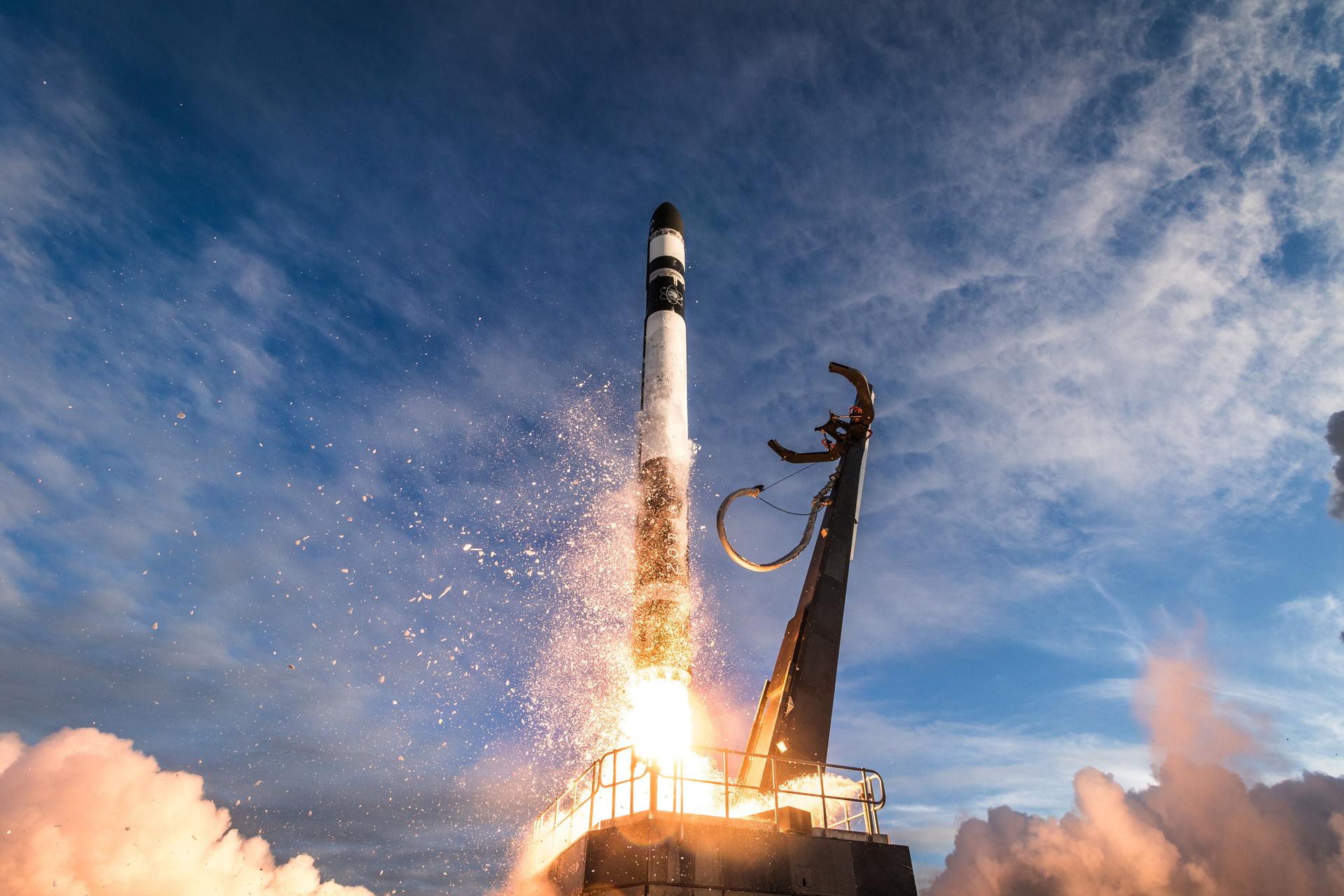
The Sea God Surveys (iQPS Launch 9)
Provider: Rocket Lab
Date: November 2, 2026
Time: 4:41 PM UTC
Vehicle: Electron
Synthetic aperture radar Earth observation satellite for Japanese Earth imaging company iQPS.
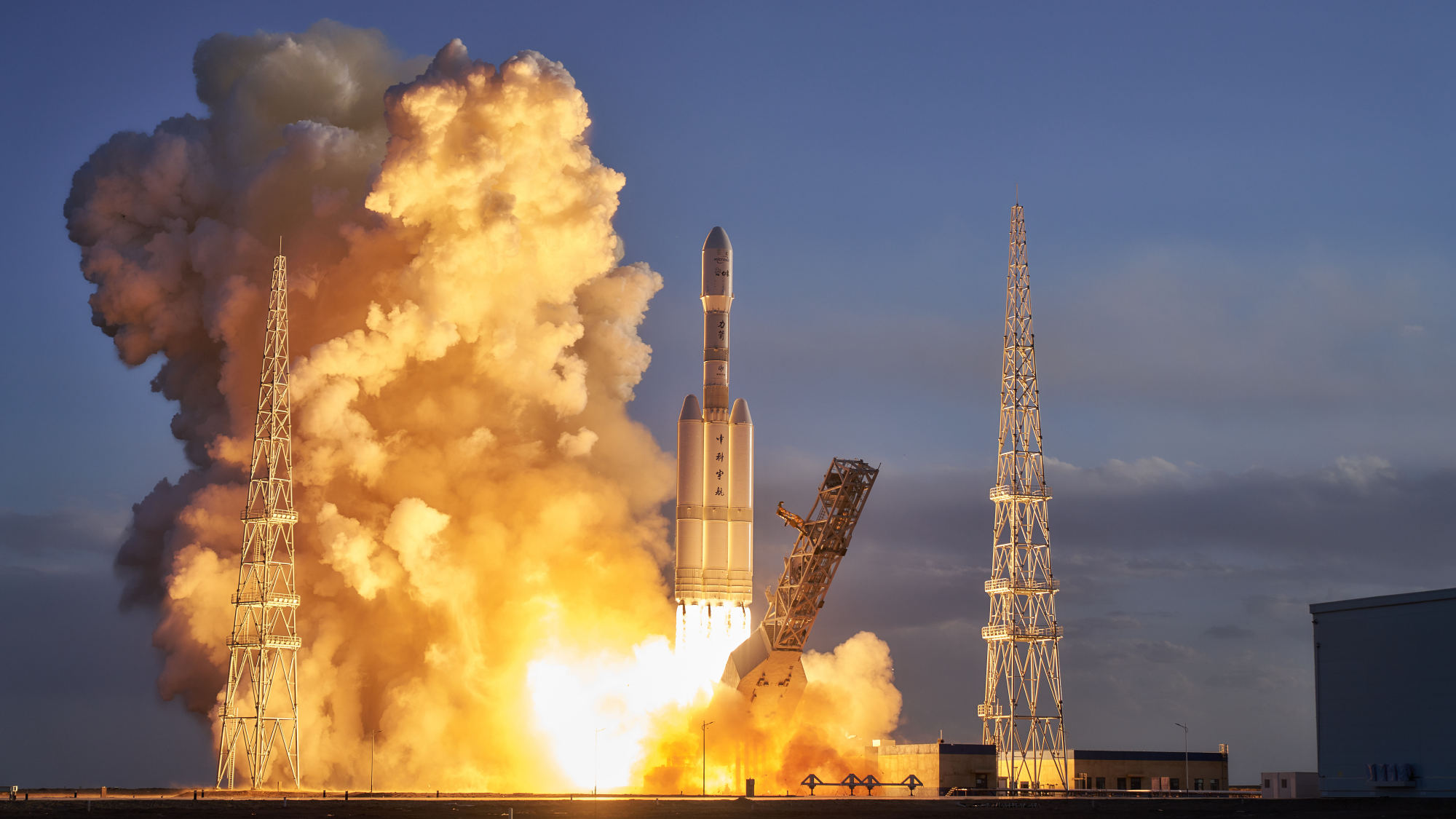
SpaceSail Polar Group TBD?
Provider: CAS Space
Date: November 3, 2026
Time: 12:10 AM UTC
Vehicle: Kinetica 2
Low Earth Orbit communication satellites with Ku, Q and V band payloads for the G60 constellation operated by Shanghai Spacesail Technologies with funding backed by the Shanghai local government.
Initial constellation will consist of 1296 satellites by 2027 with long term plans to expand it to 12000 satellites.
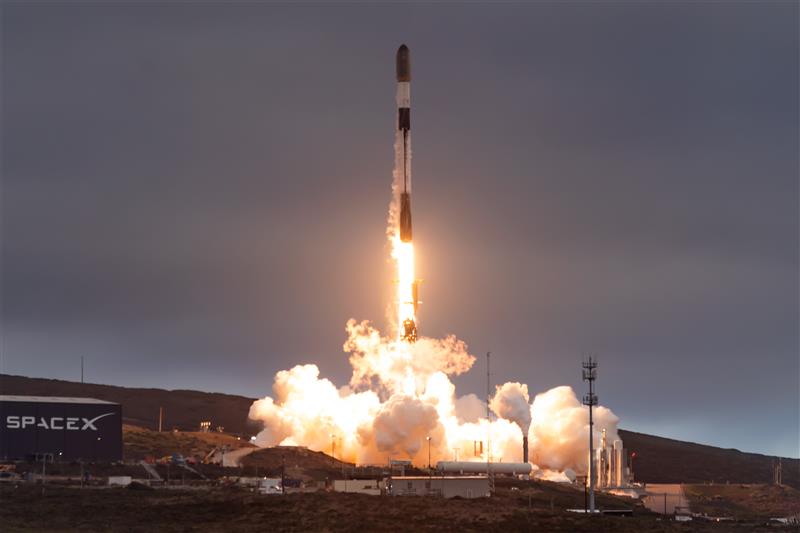
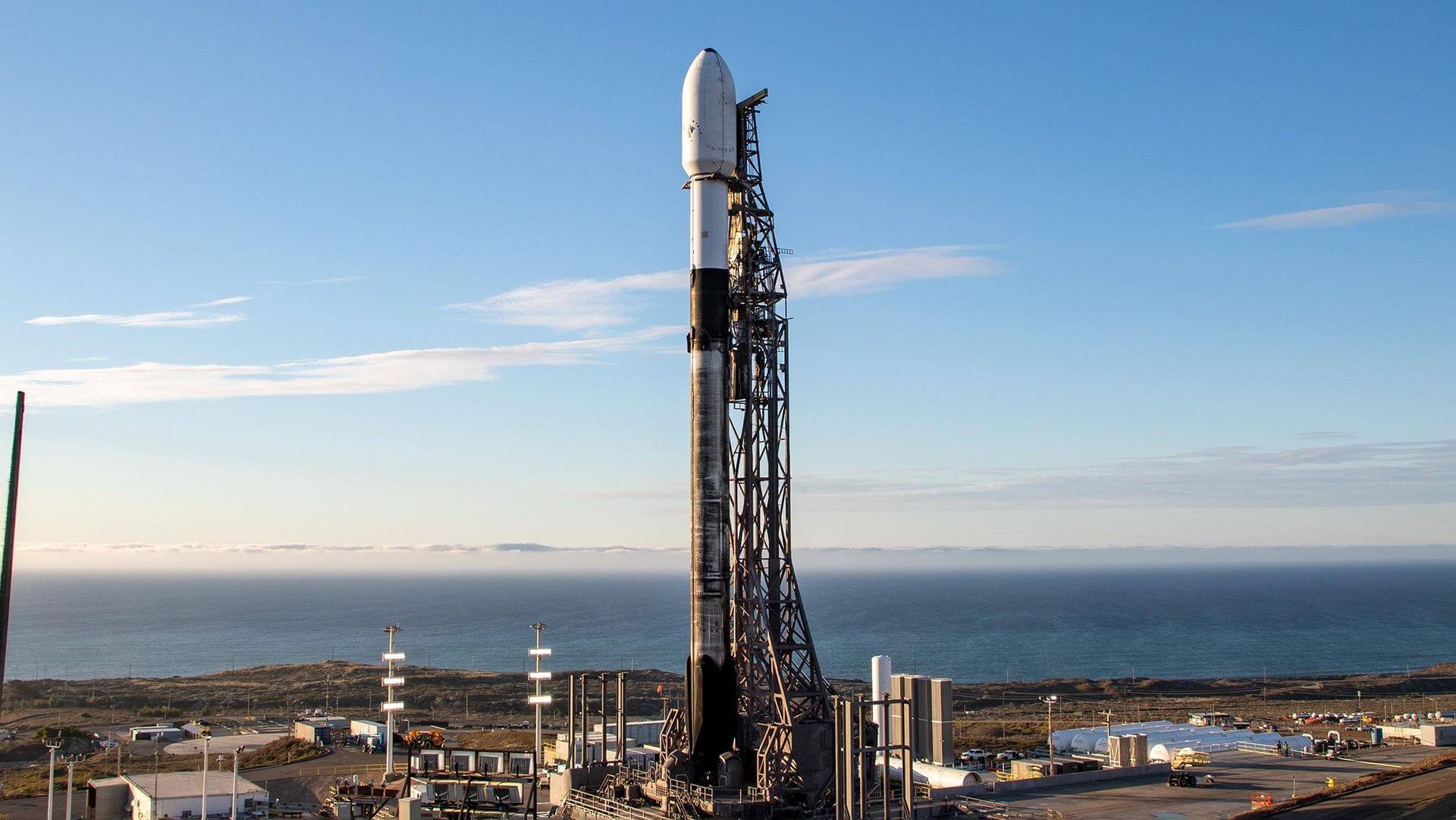
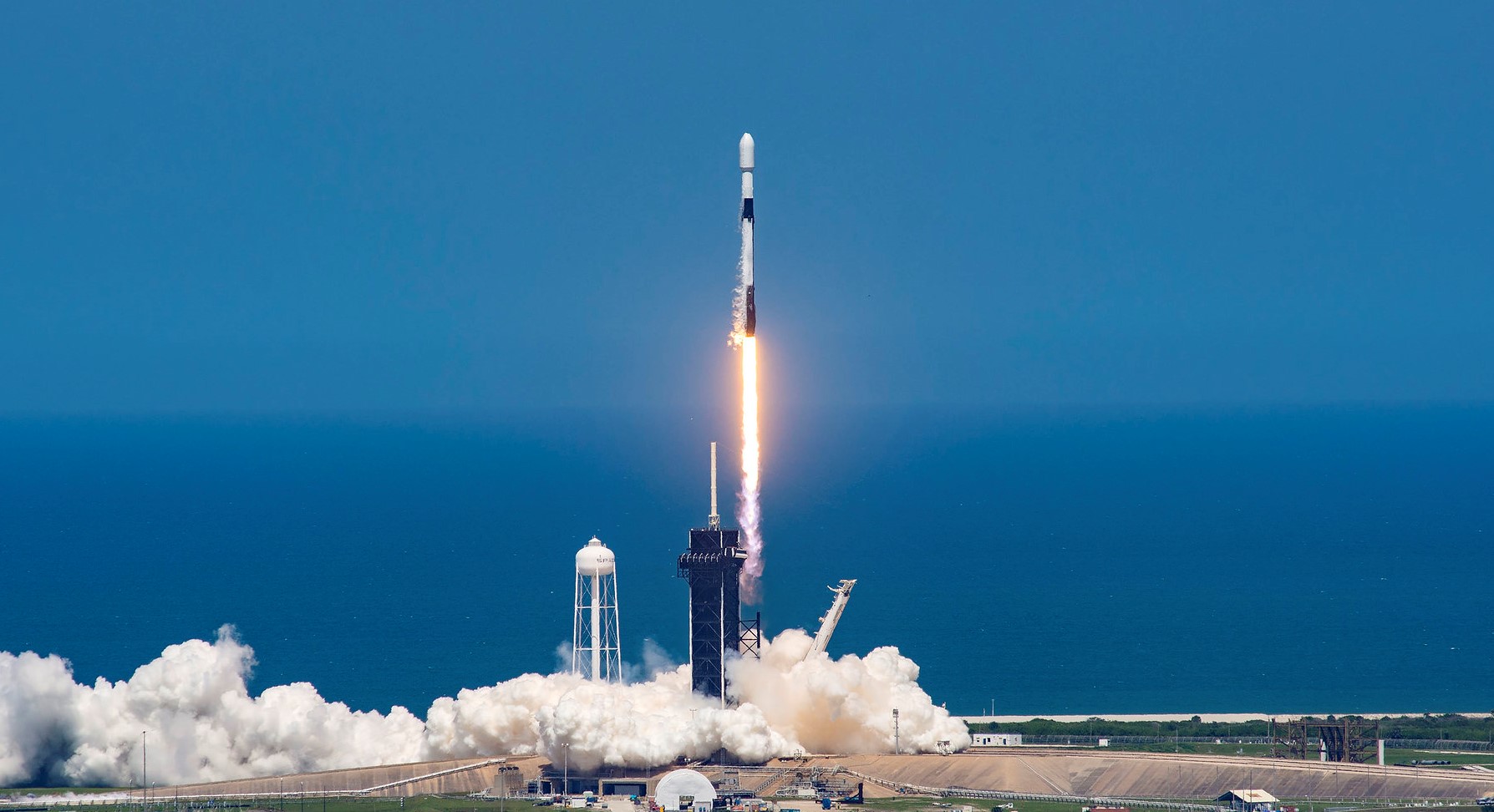
USSF-432
Provider: SpaceX
Date: November 4, 2026
Time: 1:28 AM UTC
Vehicle: Falcon 9
A classified mission for the United States Space Force. It is possibly a batch of classified LEO satellites based on SpaceX’s Starshield satellite bus, based on locations of rocket stage drop zones being exact fits with previous Starlink Group 15 launches.
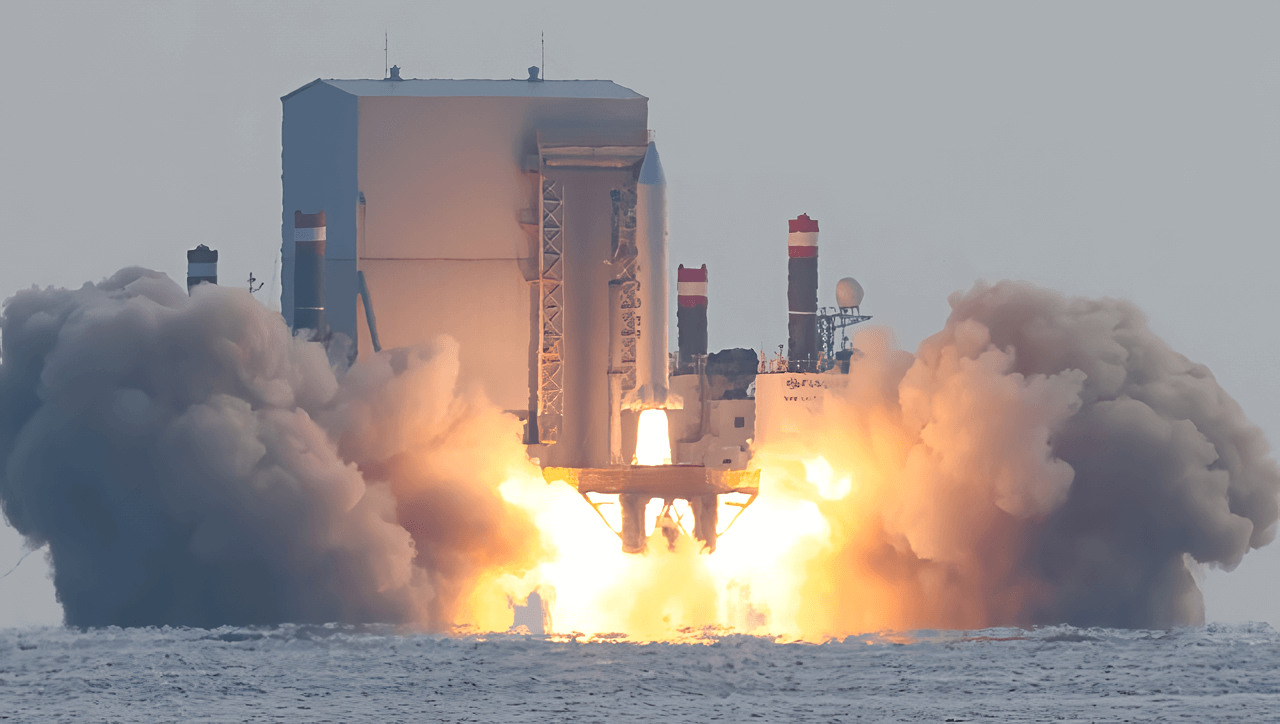
Demo Flight
Provider: Agency for Defense Development
Date: November 4, 2026
Time: 5:00 AM UTC
Vehicle: Mir
Note: Launch vehicle name is provisional.
First orbital full version launch of the South Korean military small satellite launch vehicle, after 2 sub-orbital tests of individual stages on 30 March and 30 December 2022, and 1 orbital test flight without the 2nd stage on 4 December 2023. Details TBD.
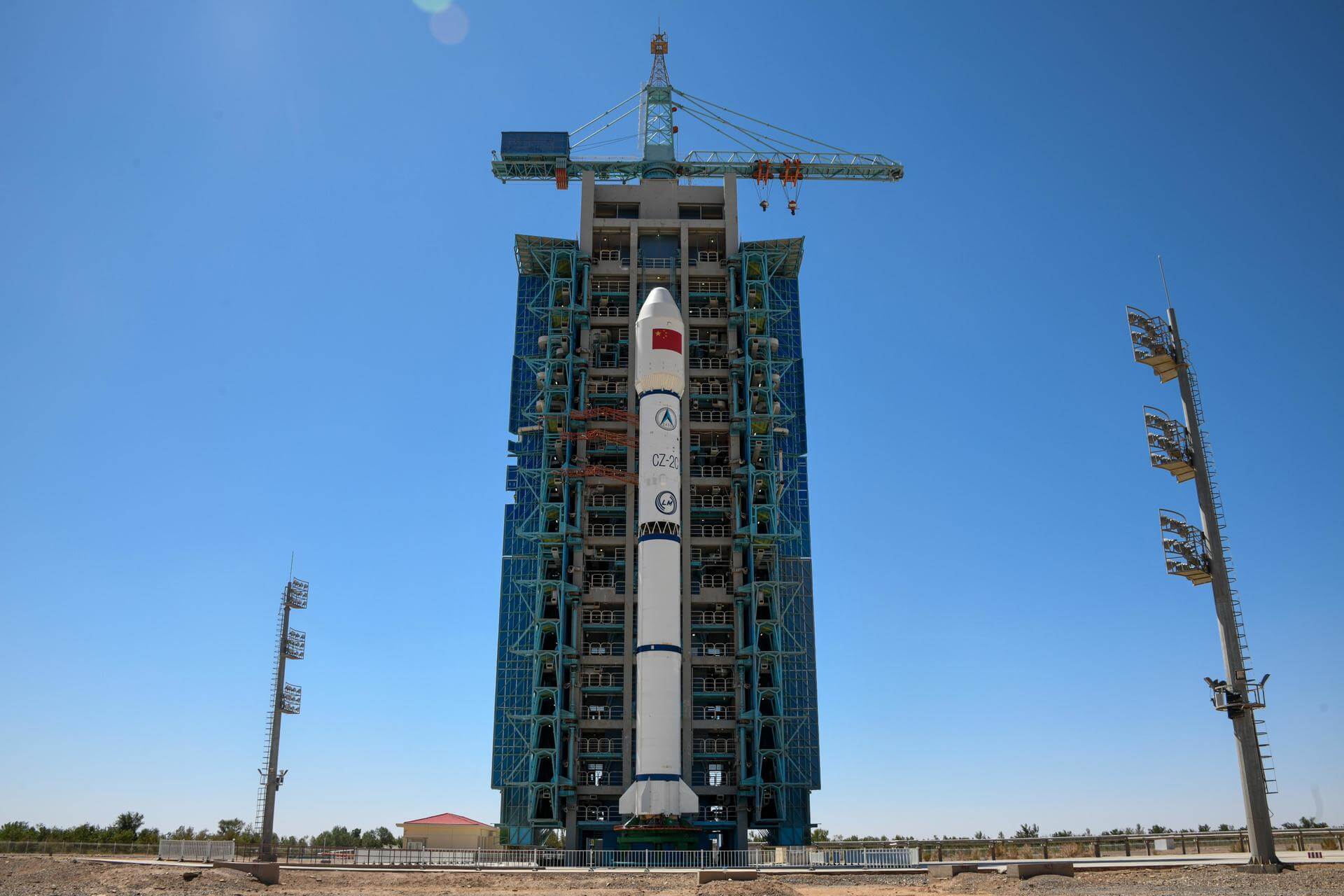
Unknown Payload
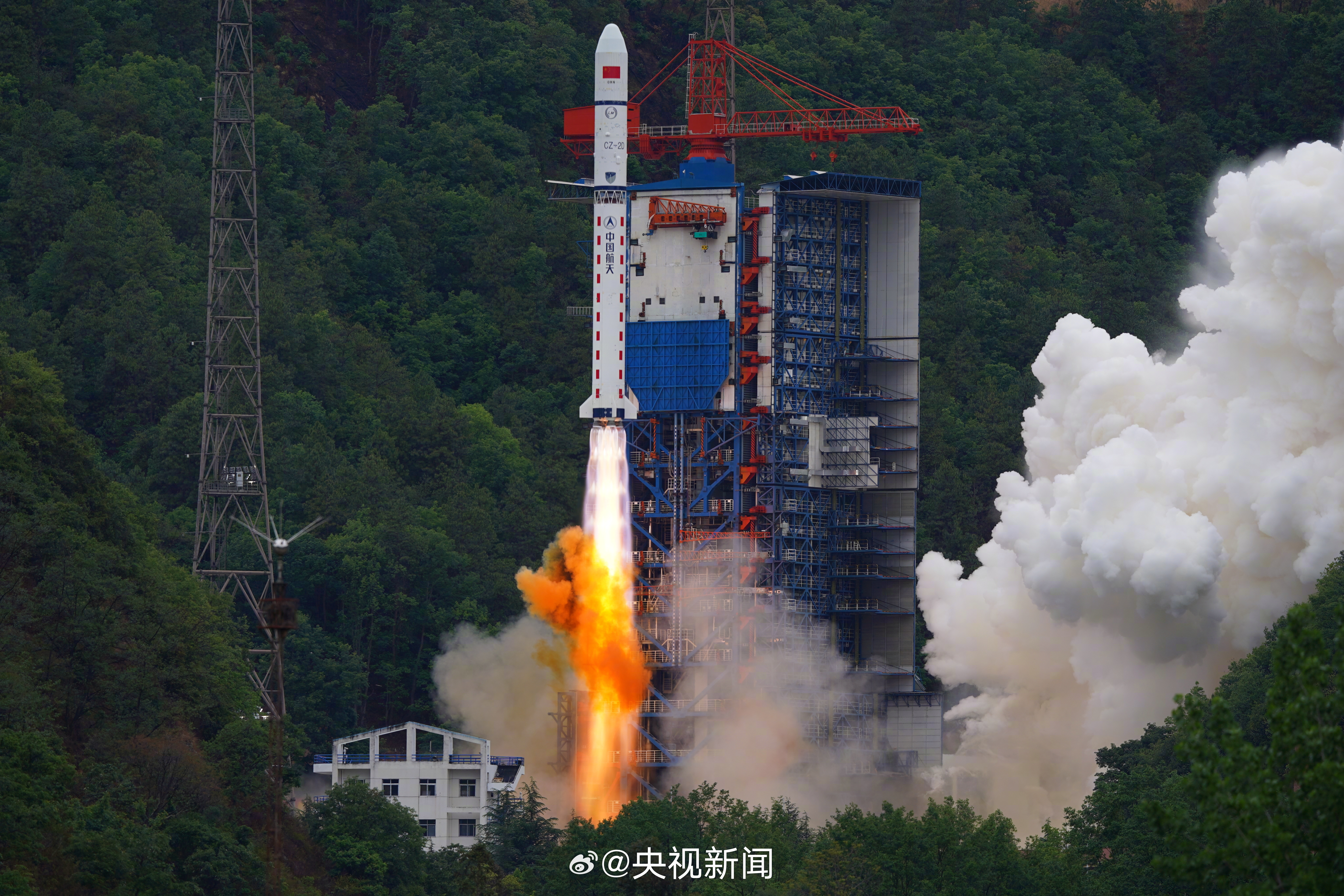
Provider: China Aerospace Science and Technology Corporation
Date: November 5, 2026
Time: 4:00 PM UTC
Vehicle: Long March 2C
Details TBD.








Enjoying the content? Stay up to date on everything happening behind the scenes by following our Patreon!


Leave a Reply