
Joshua Kutryk Set for Two ISS Spacewalks
Kutryk to Install Final Solar Arrays in Two Spacewalks
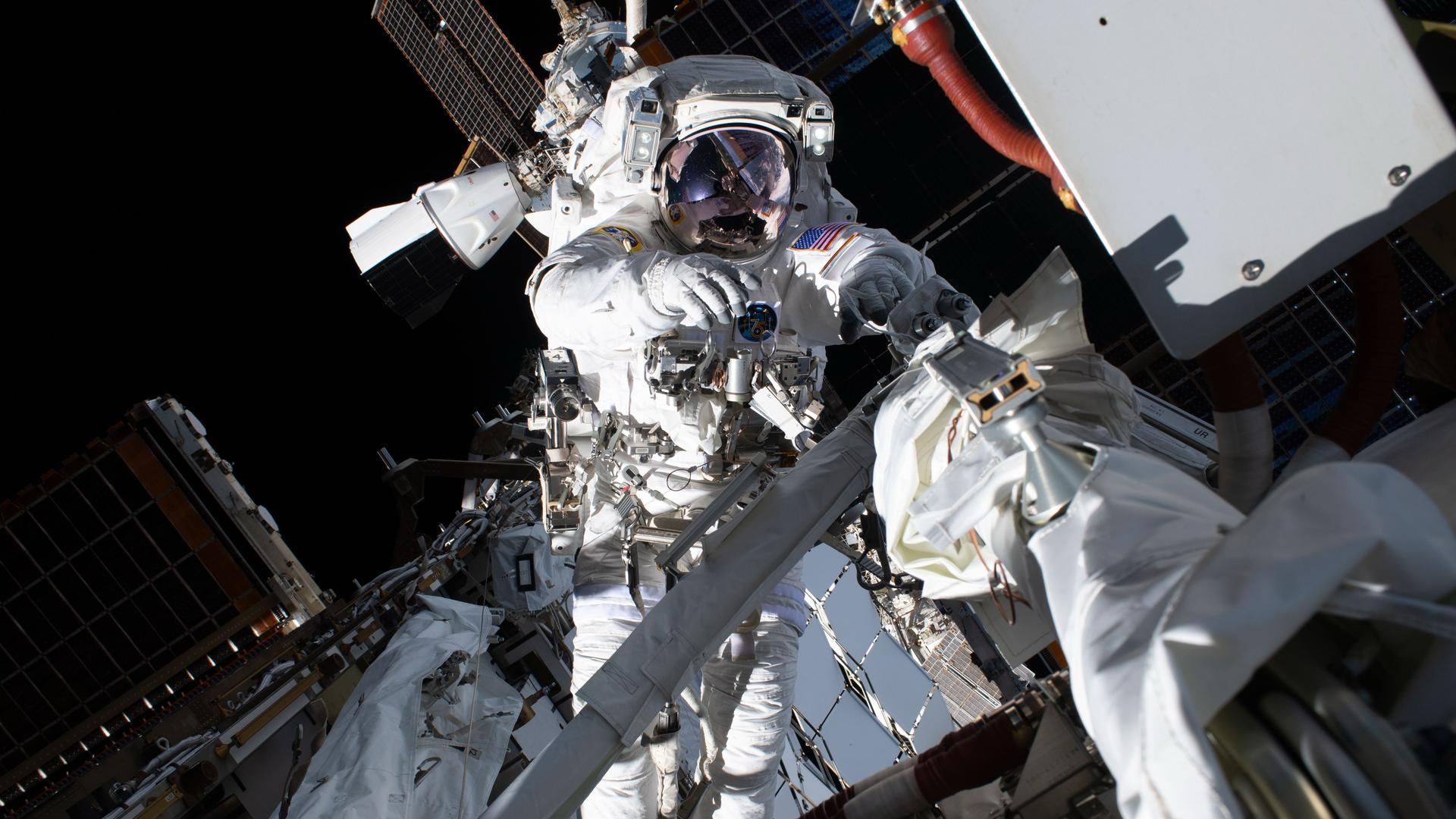
Canadian Space Agency astronaut Joshua Kutryk will perform two spacewalks from the International Space Station in the coming weeks to install the last two of the new solar arrays the station has been adding since 2021, NASA announced Wednesday.
Kutryk and NASA astronaut Anil Menon are scheduled to leave the station’s Quest airlock on Oct. 29 and again on Nov. 5. Each outing will fit and unroll one International Space Station Roll-Out Solar Array (IROSA), a thin, flexible panel mounted in front of one of the station’s original wings. The Oct. 29 array will be the seventh; the Nov. 5 array, the eighth and last.
NASA said the full set will lift the station’s generating capacity from 160 kilowatts to about 215. The agency said the upgraded array’s power will support critical station operations, including the controlled descent that will bring the station out of orbit at the end of its life, currently scheduled for 2030.
Canadarm2, the Canadian-built robotic arm, will serve as a platform for one of the two spacewalkers to stand on, the CSA said. Chris Hadfield helped attach that arm to the station on Canada’s first spacewalk, in April 2001.
Kutryk will be the fifth CSA astronaut to work outside the station, after Hadfield, Steve MacLean, Dave Williams and David Saint-Jacques, and the first since Saint-Jacques’s spacewalk in April 2019. He reached the station with SpaceX Crew-13 on Oct. 1, on his first spaceflight, and is due to stay about six months.
Menon spacewalked on Aug. 6 to ready the station’s starboard truss for one of the new arrays. NASA has designated the Oct. 29 outing U.S. spacewalk 100, the agency’s running count of U.S. station excursions. NASA will preview both spacewalks at a news conference from Johnson Space Center in Houston at 2 p.m. EDT on Tuesday, Oct. 20.
NordSpace Begins Phase 2 at Atlantic Spaceport Complex
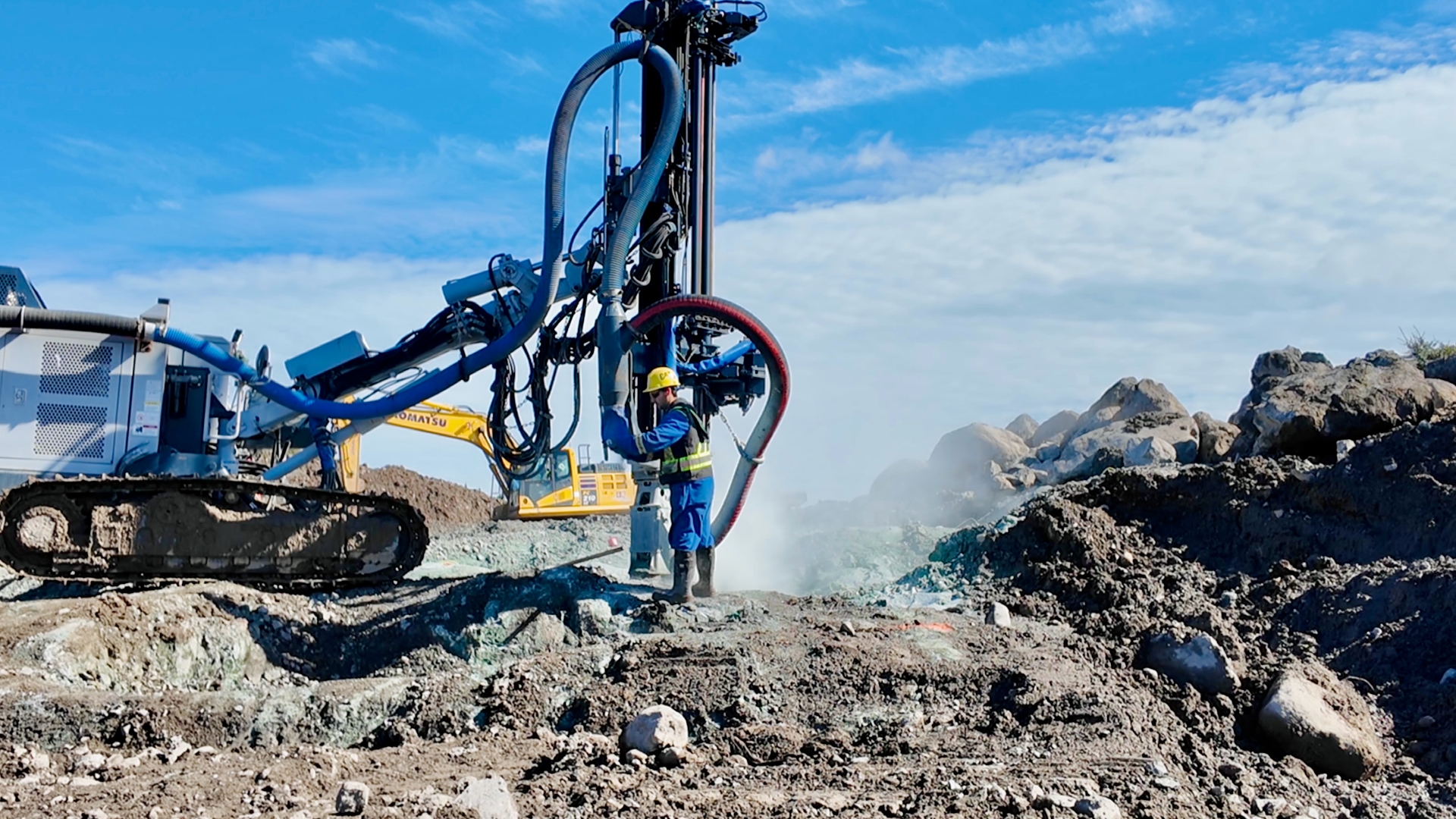
NordSpace said Thursday it has started the second phase of construction at its Atlantic Spaceport Complex in St. Lawrence, N.L., beginning with a six-kilometre road to the site from which it plans to launch rockets to orbit no earlier than 2028.
The company is building the road to Space Launch Complex 01 (SLC-01), where it intends to fly its Tundra light-lift rocket and, later, its Tempest medium-lift rocket. NordSpace aims to finish Phase 2 by spring 2027 and then install two orbital launch pads, mission control, propellant storage, integration hangars, ground stations and utilities.
NordSpace is paying for the work in part with $10 million announced in August, half from the company and half from two governments. The Atlantic Canada Opportunities Agency contributed $1 million through its Regional Economic Growth through Innovation program. Newfoundland and Labrador lent NordSpace $4 million; the province will forgive three-quarters of it if the company creates 100 full-time permanent jobs by 2033, with the rest as a term loan.
NordSpace received provincial environmental approval for the spaceport last December, during a first phase of work the company says began in 2024. That phase also brought crown land grants and Pad 2A at Space Launch Complex 02, the smaller of the spaceport’s two launch areas, built for suborbital flights and small orbital payloads.
NordSpace tried to launch Taiga from SLC-02 in August 2025, but a liquid-oxygen supply problem the company could not fix on site stopped the attempt. A second attempt planned for December was pushed to March 2026. Thursday’s release says Taiga is awaiting final regulatory approvals before its next attempt.
Blue Origin Plans New Florida Pads, Seeks 50 Flights Per Year
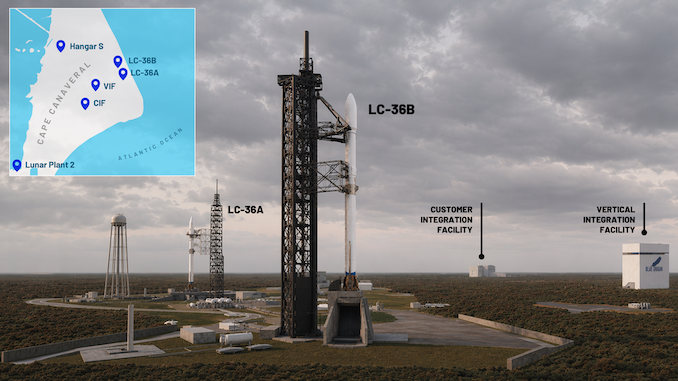
Blue Origin said it will add new launch pads on Florida’s Space Coast to help ramp up the flight rate of its New Glenn rockets, as the company recovers from a catastrophic test fire explosion in May.
Ian Richardson, Senior Vice President of Operations at Blue Origin, said the company was serious about launching and landing more rockets. “These investments are centered on one goal: building the capacity to support more missions, more reliably, and more efficiently,” Richardson said. “As we look ahead, this infrastructure is designed to support multiple flights per week by the end of the decade.”
The new pads would be modeled after Blue Origin facilities at Launch Complex 36 at Cape Canaveral Space Force Station. LC-36A, which is being rebuilt after the static test fire explosion, serves the New Glenn 7×2 rocket and LC-36B is under construction to support launches of the 9×4 variant of the rocket, which features nine BE-4 engines on the first stage and four BE-3U engines on the upper stage. The announcement did not reveal the exact locations of the new pad facilities.
The Federal Aviation Administration is in the middle of a 30-day comment period as it seeks public input on Blue Origin’s request to increase its launch cadence at LC-36A from 12 permitted flights up to 50. A virtual public hearing is scheduled for Thursday, Oct. 22, and public comment closes on Oct. 30.
Blue Origin said it will also introduce two new landing vessels to its marine fleet. Returned boosters will be serviced at the company’s new vertical integration facility, which is currently under construction just down the road from LC-36. A payload processing facility that can be used by both Blue Origin and others is being built in partnership with the U.S. Space Force.
On the manufacturing side, Blue Origin is investing $330 million in an expansion at its Rocket Park site to support the production of upper stages for the New Glenn 9×4 rockets. The 1.37-million-square-foot facility is anticipated to be completed by the summer of 2027 and would support the creation of up to 150 upper stages annually.
“Blue Origin has invested more than $3 billion in facilities and infrastructure across the state. More than 5,000 employees and 500 Florida suppliers support our work today,” Richardson said. “Our manufacturing and operations footprint has more than doubled in the last couple of years, now spanning more than 20 sites across Brevard and Orange Counties.”
Citations
- Josh Kutryk scheduled to do two spacewalks to finish station’s solar power upgrade — spaceq.ca
- NordSpace starts Phase 2 at Atlantic Spaceport Complex — spaceq.ca
- Blue Origin to add new Florida launch pads, seeks aggressive increase in New Glenn flight rate — spaceflightnow.com
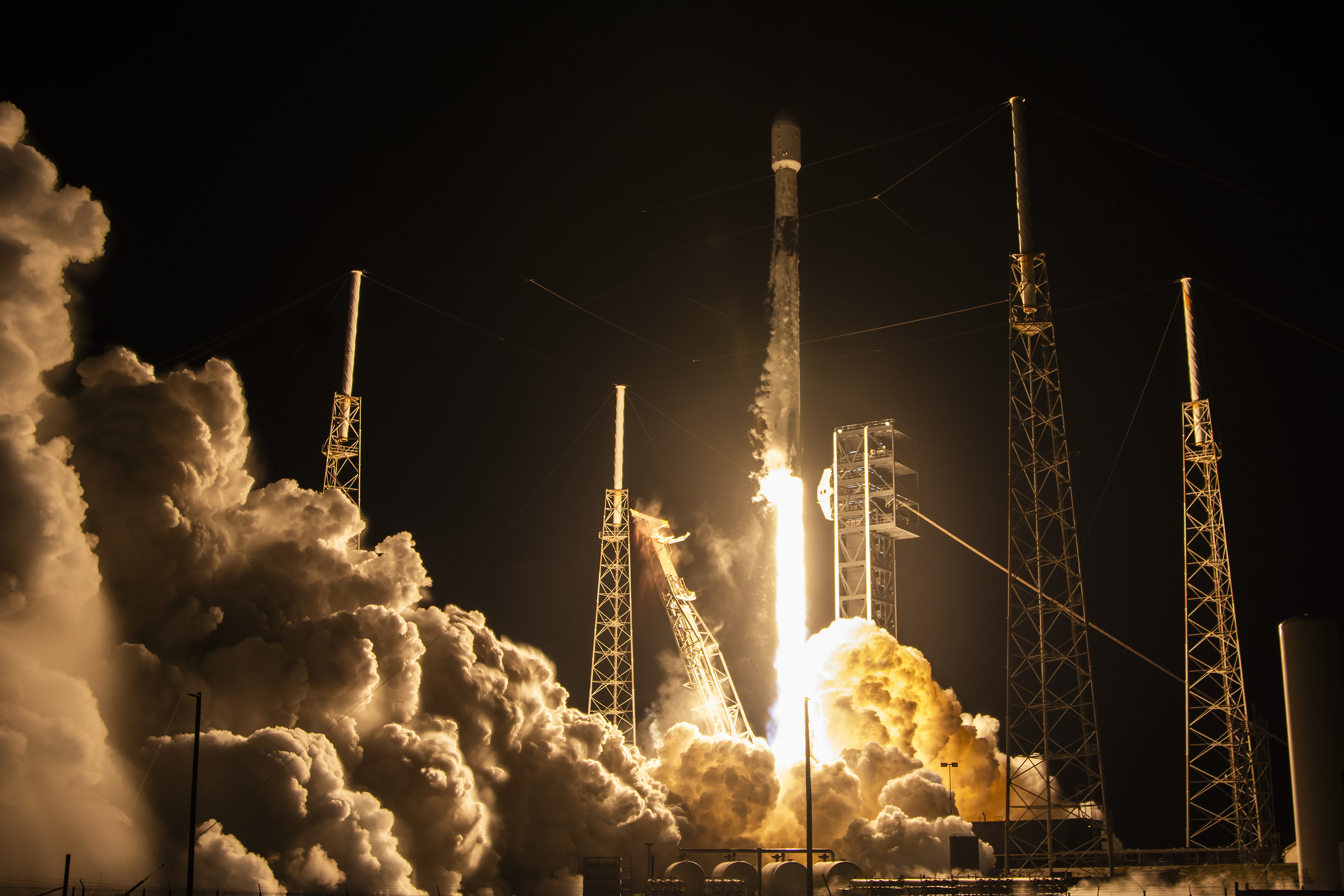
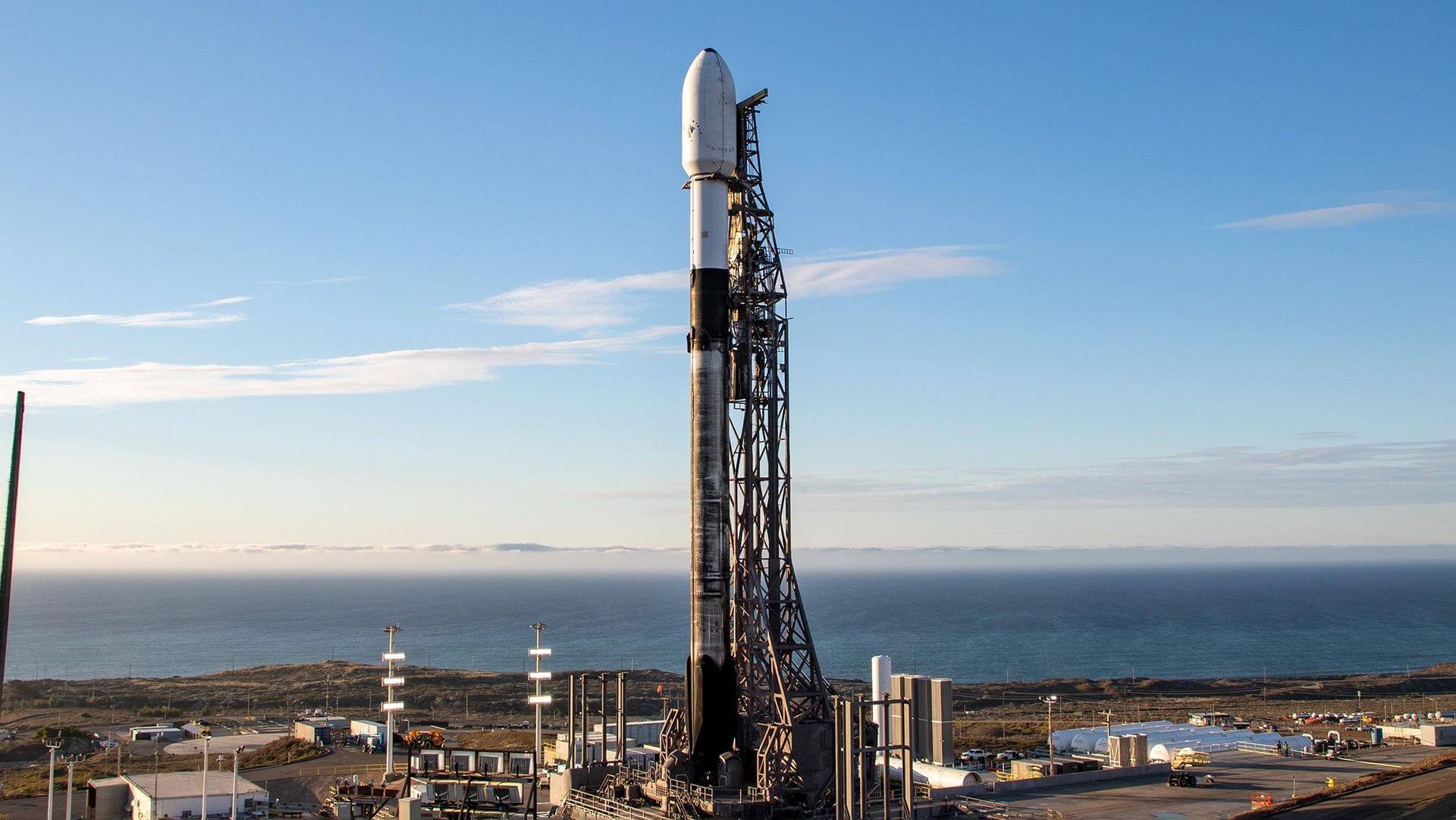
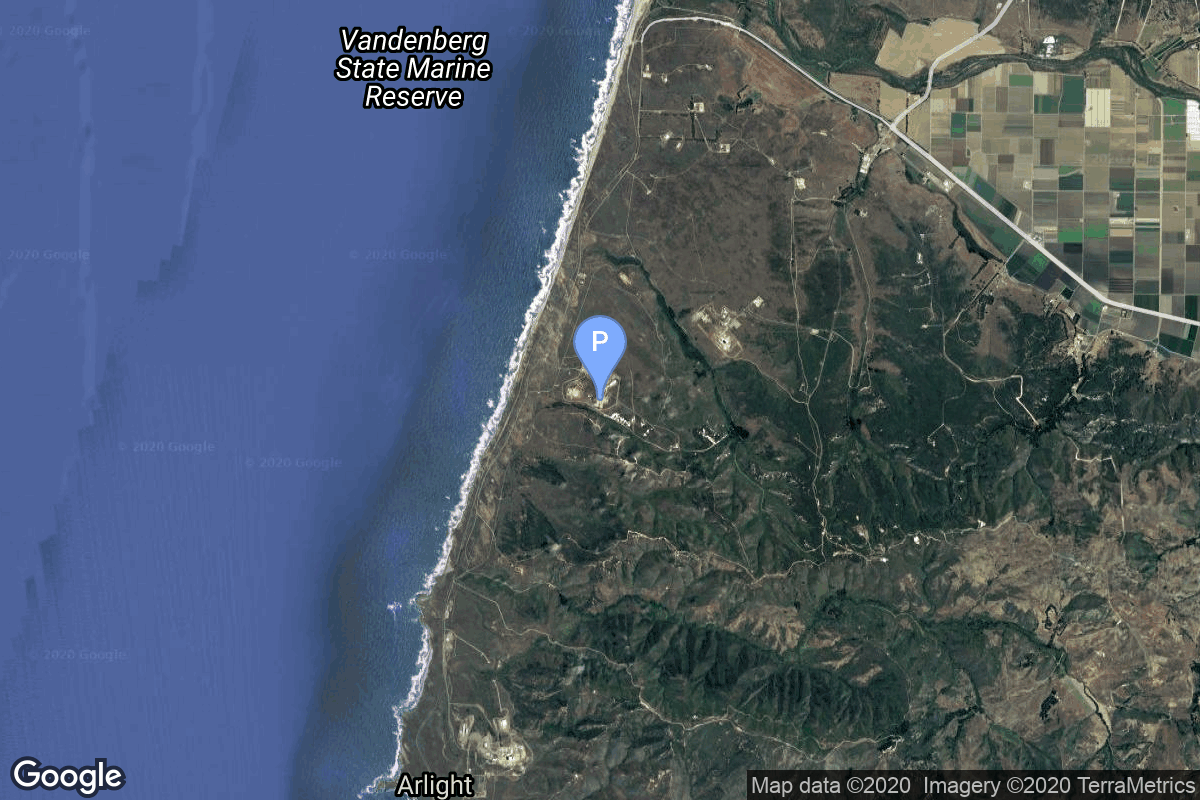
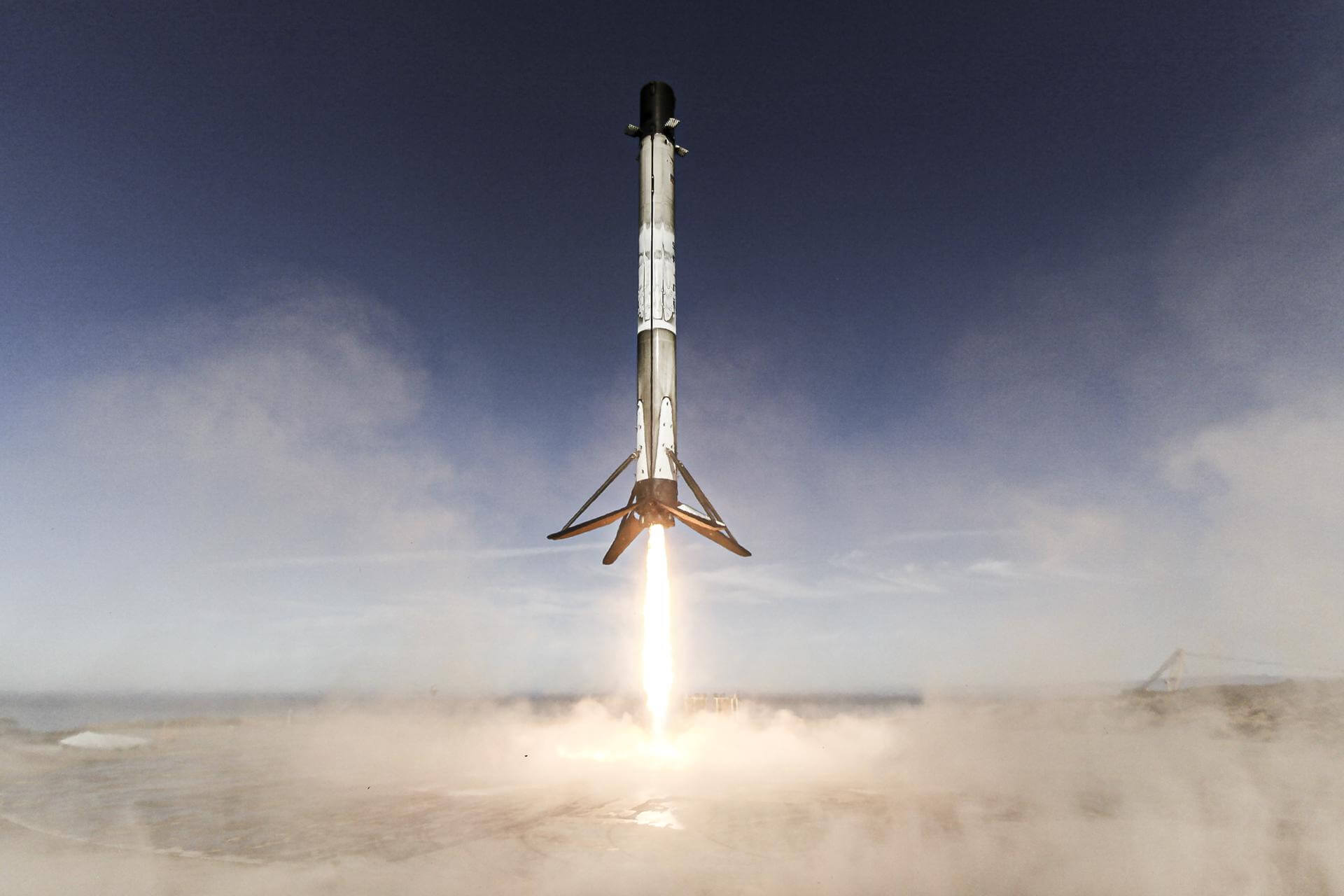
Bandwagon 5 (Dedicated Mid-Inclination Rideshare)
Provider: SpaceX
Date: October 19, 2026
Time: 10:30 AM UTC
Vehicle: Falcon 9
Dedicated rideshare flight to a mid-inclination orbit with dozens of small microsatellites and nanosatellites for commercial and government customers.
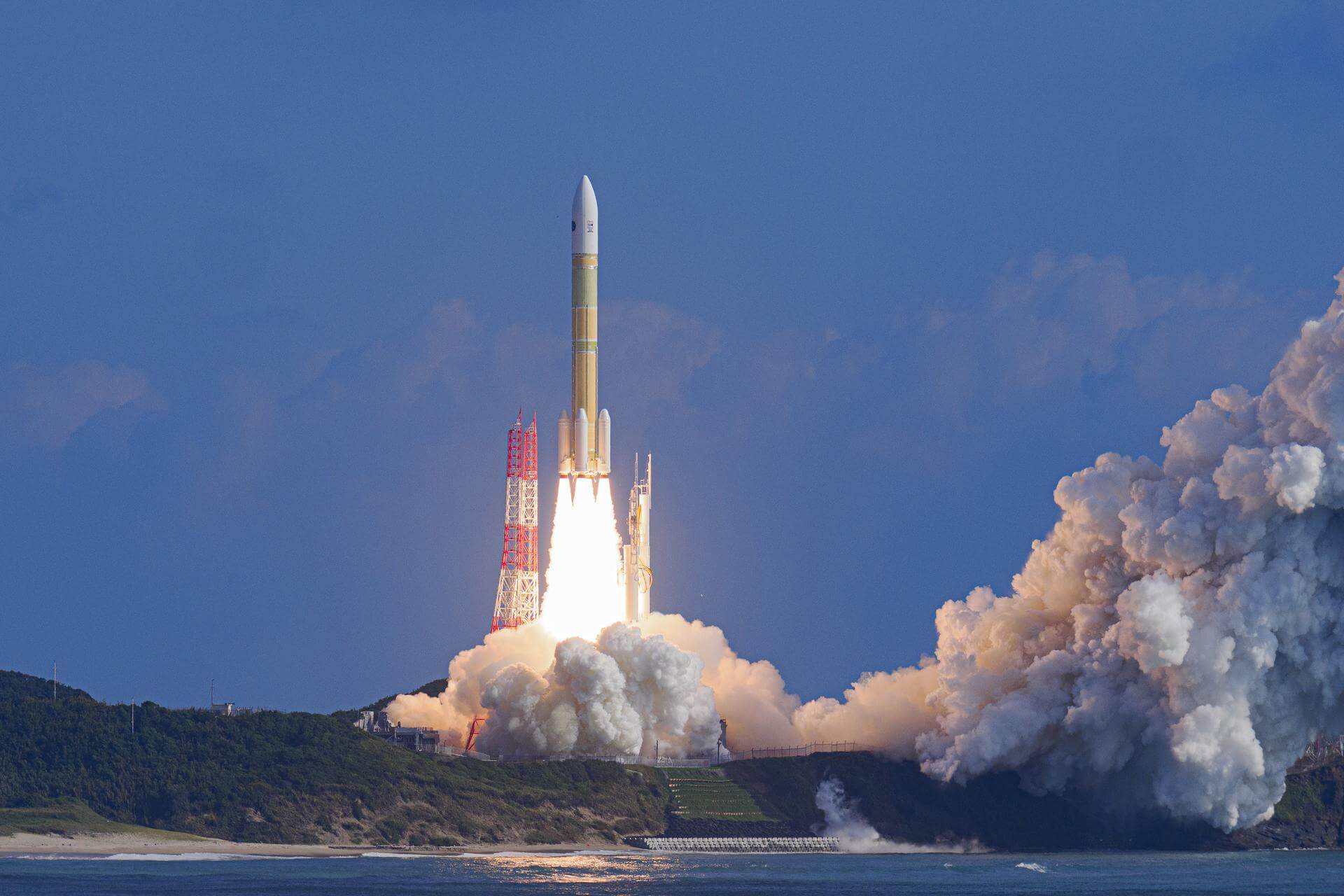
Martian Moons eXploration (MMX)
Provider: Mitsubishi Heavy Industries
Date: October 19, 2026
Time: 7:41 PM UTC
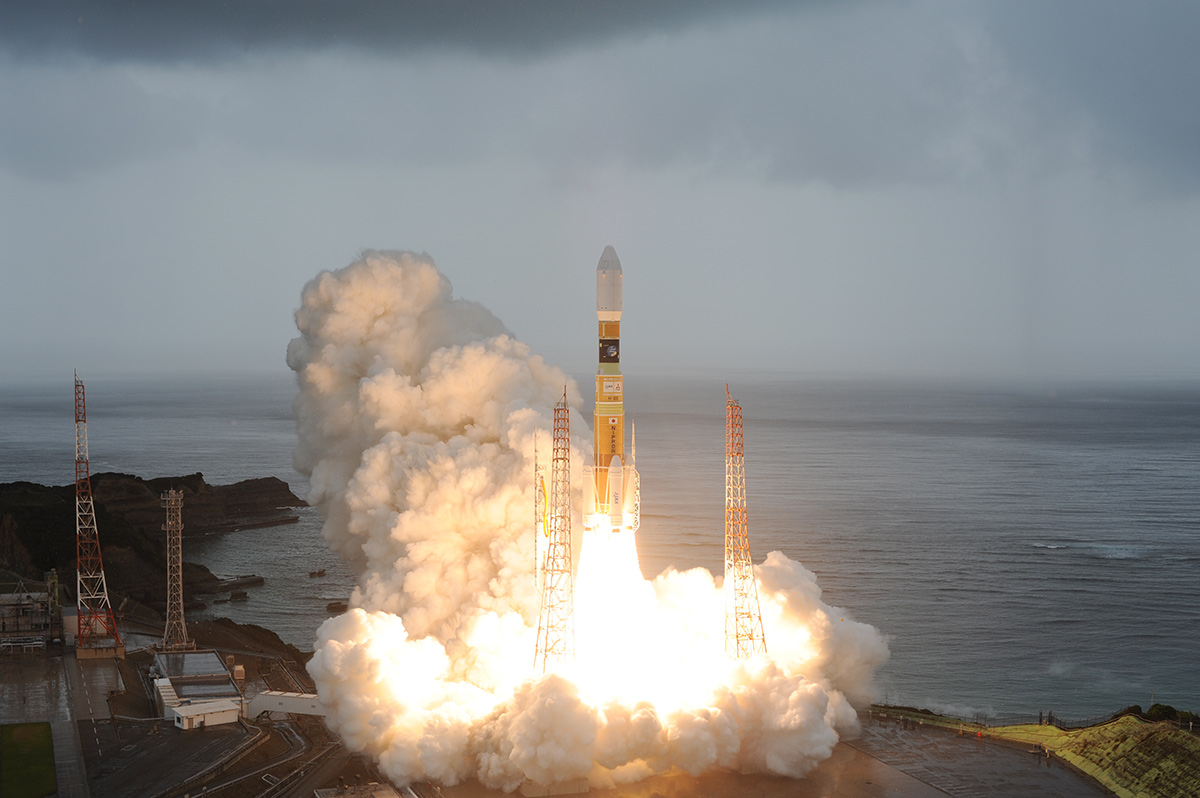
Vehicle: H3-24
MMX is a Japanese scientific mission to land on Phobos, one of the two moons of Mars, to collect samples before bringing them back to Earth.
The mission includes a small French/German rover to explore the surface of Phobos.

Starlink Group 15-15
Provider: SpaceX
Date: October 20, 2026
Time: 10:14 PM UTC
Vehicle: Falcon 9
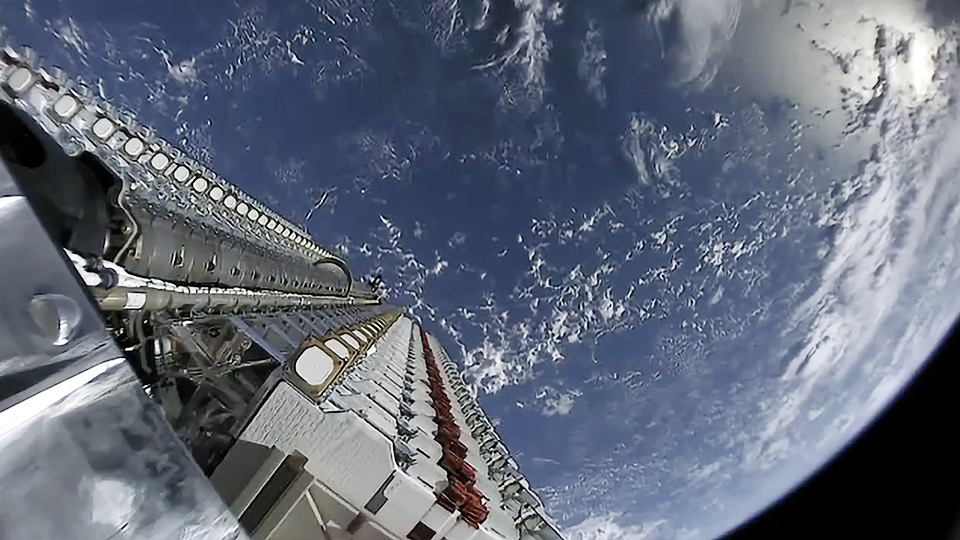
A batch of 27 satellites for the Starlink mega-constellation – SpaceX’s project for space-based Internet communication system.
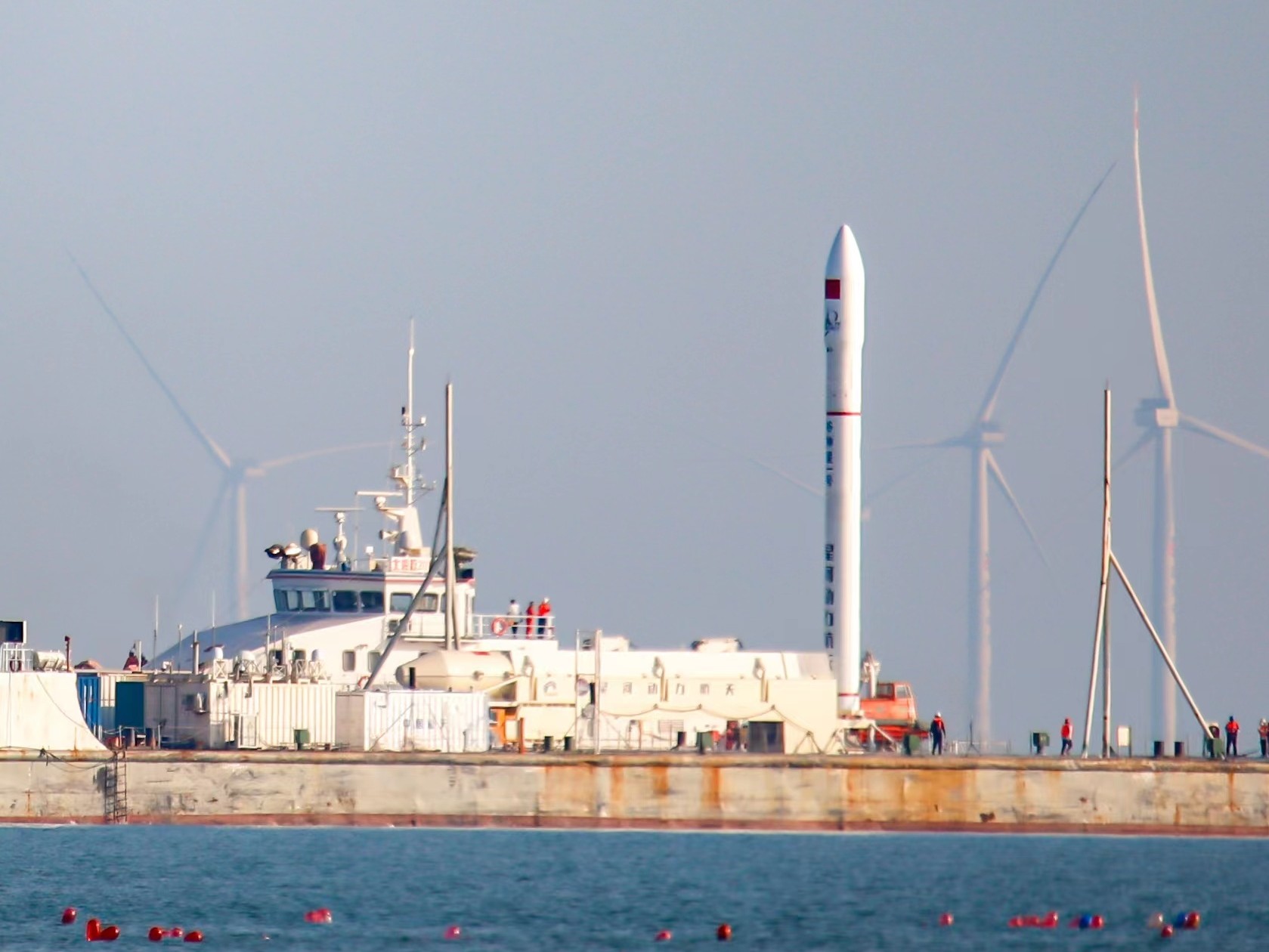
Unknown Payload
Provider: Galactic Energy
Date: October 21, 2026
Time: 3:35 AM UTC
Vehicle: Ceres-1S
Details TBD.
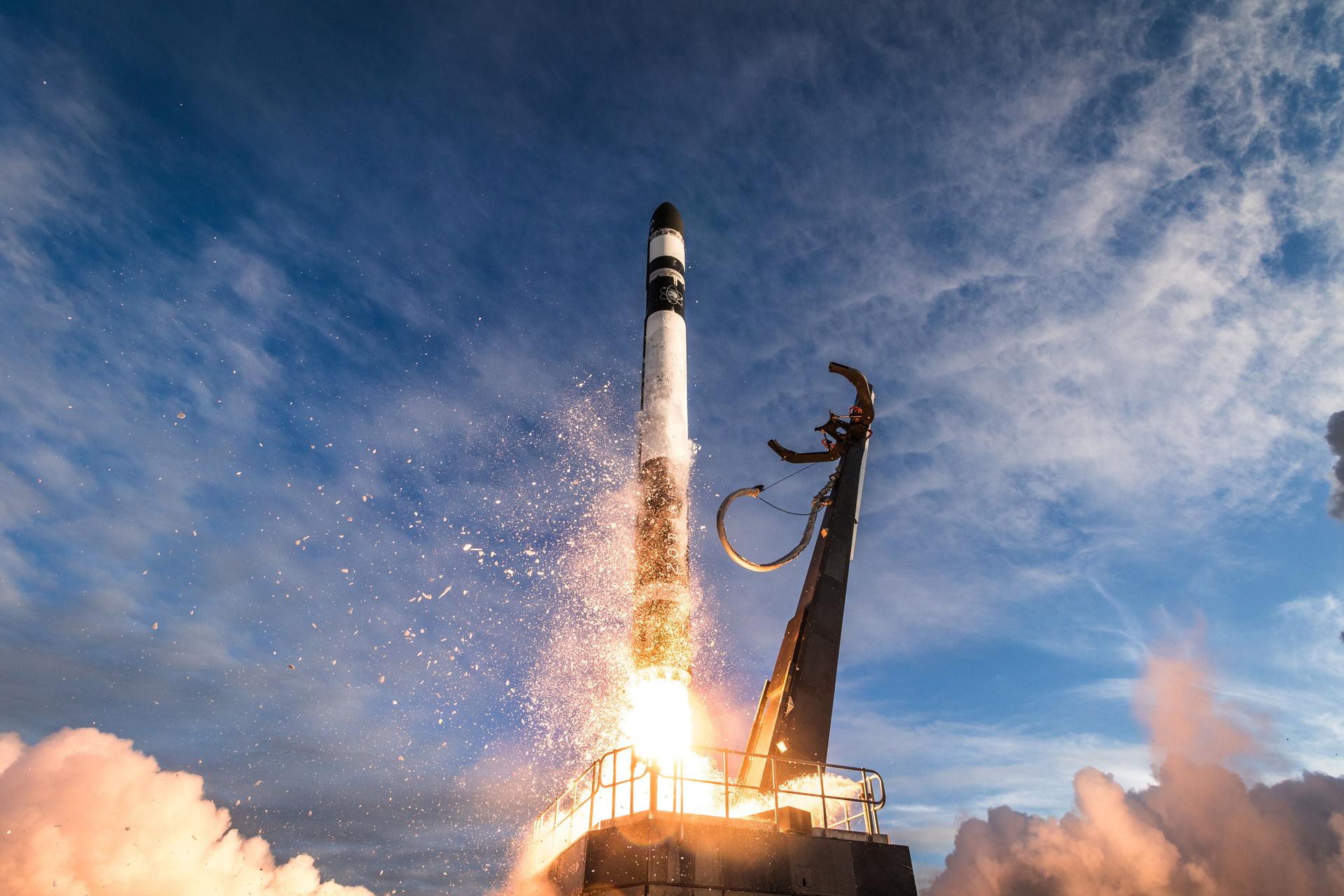
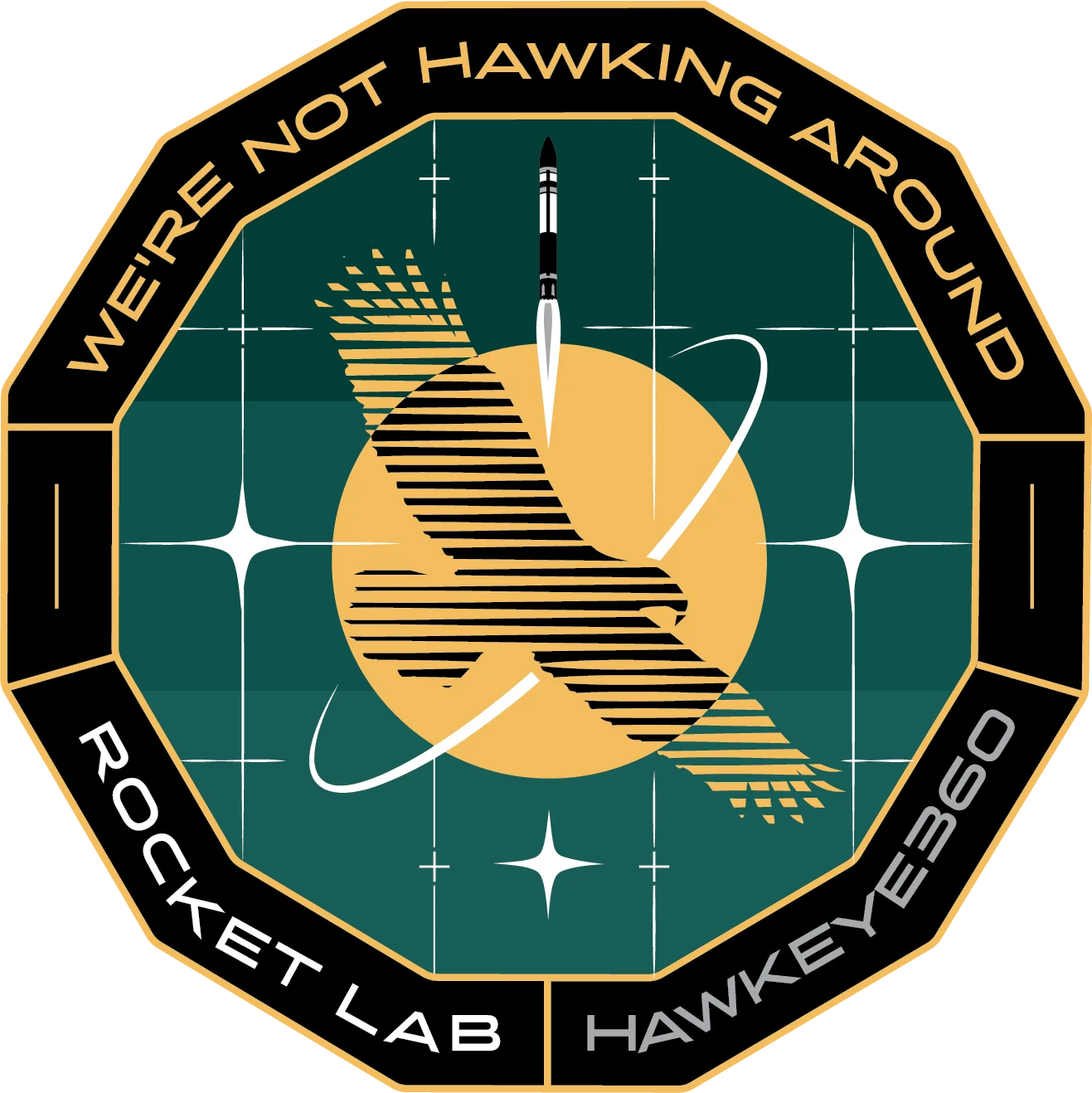
We’re Not Hawking Around (3x HawkEye 360)
Provider: Rocket Lab
Date: October 21, 2026
Time: 5:00 AM UTC
Vehicle: Electron
HawkEye 360 is a a space-based civil global intelligence satellite network using radio frequency (RF) technology to help monitor transportation across air, land and sea and assist with emergencies, and to provide civil SIGINT (Signal Intelligence) mission.
The constellation of small satellites (named Hawk ) will collect information on specific radio signals worldwide to provide high-precision radio frequency mapping and analytics from Low Earth orbit (LEO).






Enjoying the content? Stay up to date on everything happening behind the scenes by following our Patreon!


Leave a Reply