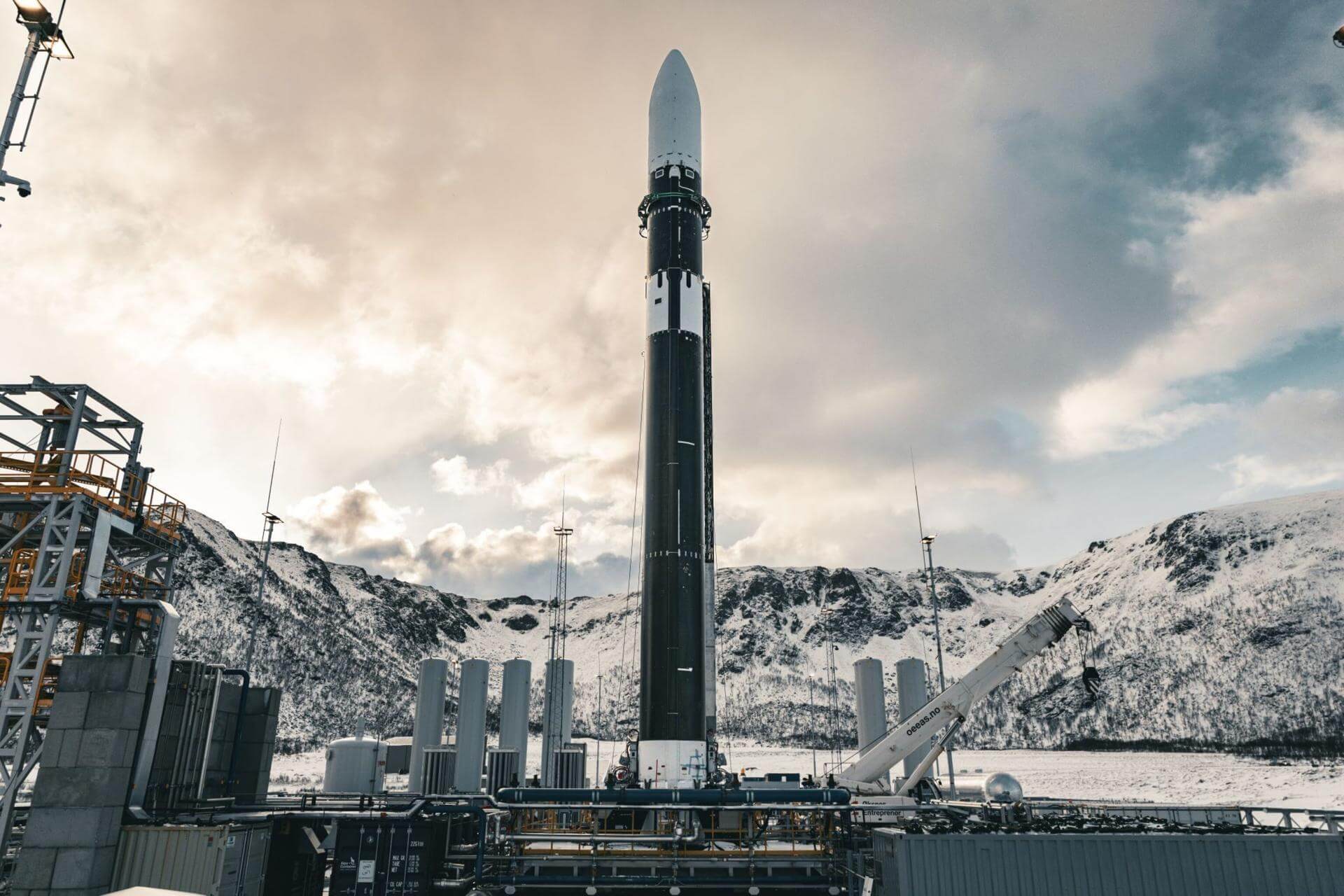
German launch provider Isar Aerospace appears to have scrubbed a planned September 4 attempt at the second flight of its Spectrum rocket, several hours after launch-related road closures went into effect around Norway’s Andøya Spaceport.
At 10:39 CEST on September 4, Nordland Police announced that land and maritime traffic restrictions around the spaceport had been activated in connection with what it described as a “planned rocket launch.” The land restriction, including road closures, was due to remain in force from midday until midnight. However, at 14:25 CEST, police issued a further update stating the traffic ban had been lifted. With the road closure lifted, no launch attempt was made.
Isar Aerospace has yet to publicly comment on the scrub or the attempt itself. The company has also not publicly acknowledged the broader approved launch window, which remains open until September 10. No official reason has been given, though weather may have played a role — conditions around Andøya were windy, with observations from nearby Andøya Airport recording winds of around 24 knots. Isar Aerospace has previously postponed Spectrum launch attempts due to unfavourable weather.
The Spectrum programme carries particular interest for Canada. Isar Aerospace has signed an agreement with Maritime Launch Services to develop a dedicated Spectrum launch site at Spaceport Nova Scotia, positioning the Canadian Atlantic coast as a future hub for the German rocket’s flights.
Blue Origin Lands NASA Mars Telecommunications Orbiter Contract
NASA officially confirmed on September 1 that it has selected Blue Origin to design and launch the Mars Telecommunications Orbiter by the end of 2028. The Mars Telecommunications Network contract aims to establish new communication capabilities to support missions on the surface of Mars.
Blue Origin’s winning proposal calls for delivering a Blue Ring spacecraft to Mars orbit, carrying a payload of large communication systems and potentially subspacecraft. Under the contract, the provider must also procure the launch service — the spacecraft will launch aboard Blue Origin’s New Glenn rocket. The mission targets the 2028 Mars transfer window, with the spacecraft operating at Mars by 2030.
The spacecraft will be operated by Blue Origin but owned by NASA. Owing to its use of an existing design, assembly has already begun, with Blue Origin National Security Group President Tory Bruno confirming the fourth Blue Ring vehicle is being built to fulfill the contract.
ESA Preps FLEX and Sentinel-3C for September 15 Launch
ESA held a media briefing on September 4 ahead of the upcoming dual-satellite launch of the FLEX and Copernicus Sentinel-3C satellites, scheduled for September 15 at 03:21 CEST (September 14 at 22:21 local time) aboard a Vega-C rocket from Europe’s Spaceport in French Guiana.
FLEX carries the Fluorescence Imaging Spectrometer, designed to detect the faint fluorescence plants emit as they absorb sunlight during photosynthesis. Though invisible to the human eye, this glow varies with plant health and environmental conditions. The satellite will orbit in tandem with a Sentinel-3 satellite, which provides information on clouds, aerosols, water vapour, land surface temperature, land cover and vegetation parameters. The integrated near-simultaneous measurements will deliver an unprecedented view of global vegetation function and status.
Sentinel-3C is the third satellite in the Copernicus Sentinel-3 series. Like its two predecessors in orbit, it carries instruments that measure Earth’s oceans, land, ice and atmosphere to monitor large-scale global dynamics, providing essential near-real-time information for ocean and weather forecasting.
The Vega-C rocket, an evolution of the Vega family, can launch up to 3300 kg into orbit and is designed for small scientific and Earth observation satellites.
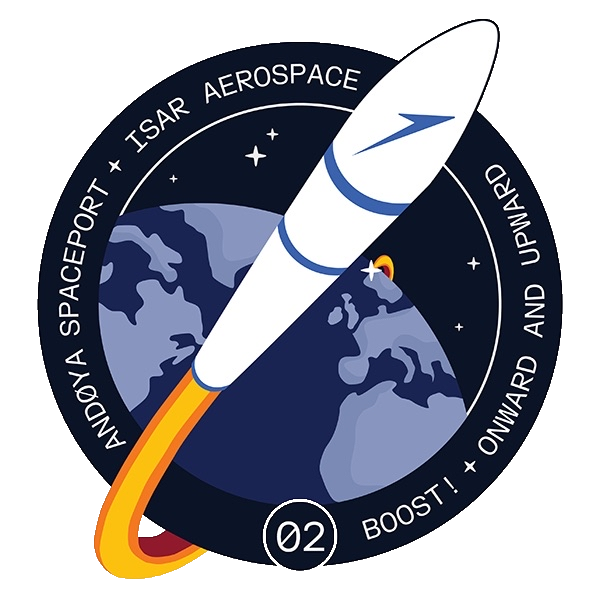
Provider: Isar Aerospace Date: September 5, 2026 Time: 8:00 PM UTC Vehicle: Spectrum
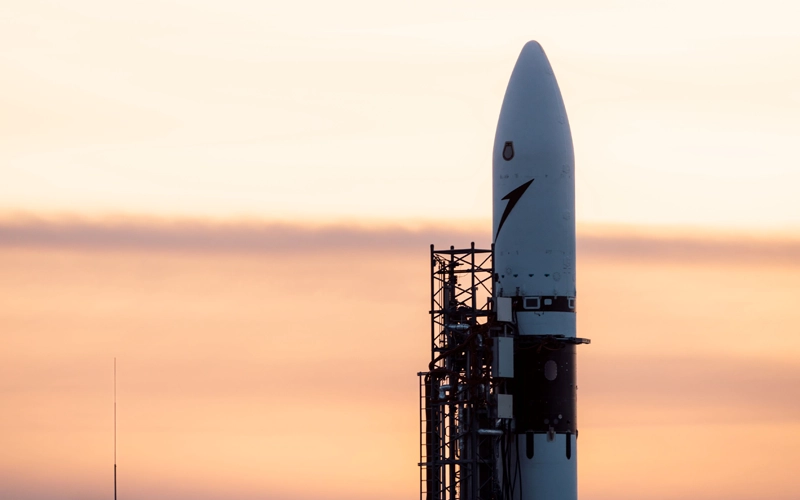
Second test flight of the Isar Spectrum launch vehicle. This launch will carry 5 cubesats and 1 non-separable experiment as part of European Space Agency (ESA)’s “Boost!” program:
* CyBEEsat (TU Berlin)
* TriSat-S (University of Maribor)
* Platform 6 (EnduroSat)
* FramSat-1 (NTNU)
* SpaceTeamSat1 (TU Wien Space Team)
* Let It Go (Dcubed, non-separable experiment)
Starlink Group 15-24
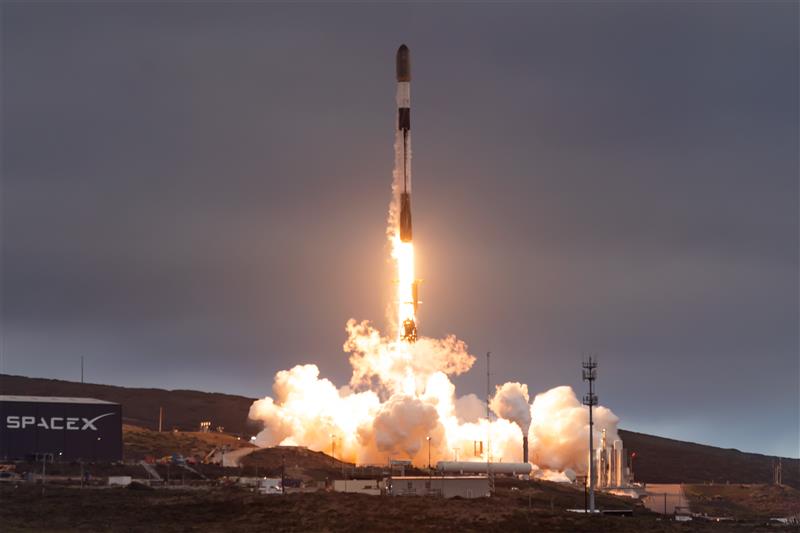
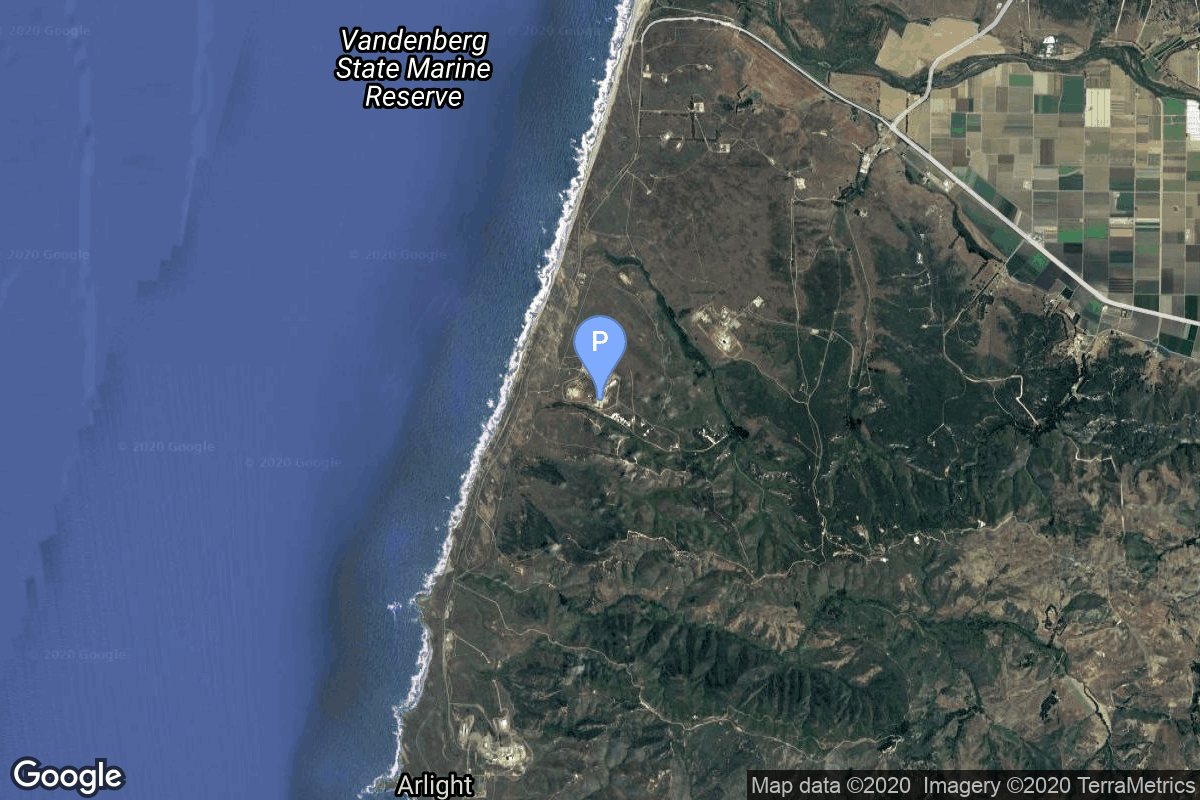
Provider: SpaceX Date: September 6, 2026 Time: 10:59 AM UTC Vehicle: Falcon 9
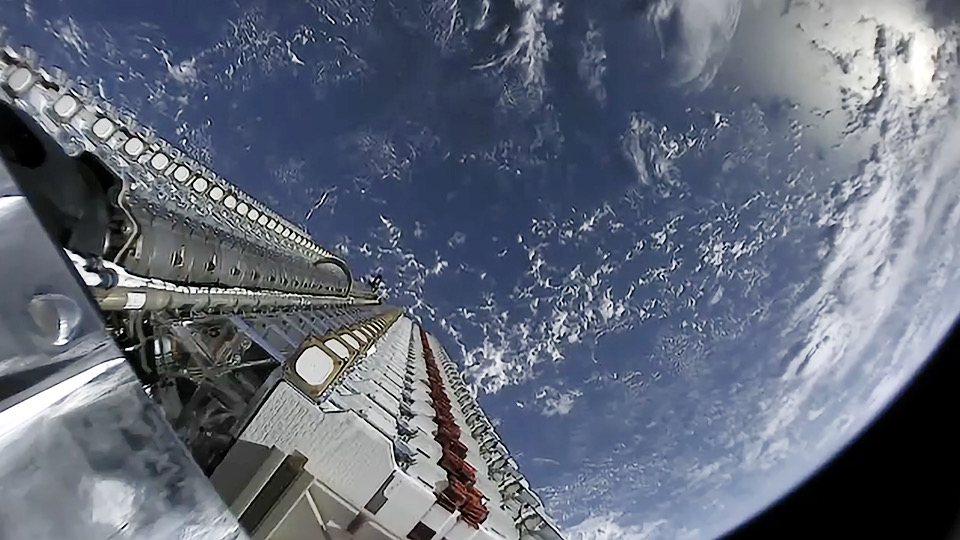
A batch of 27 satellites for the Starlink mega-constellation – SpaceX’s project for space-based Internet communication system.
Unknown Payload
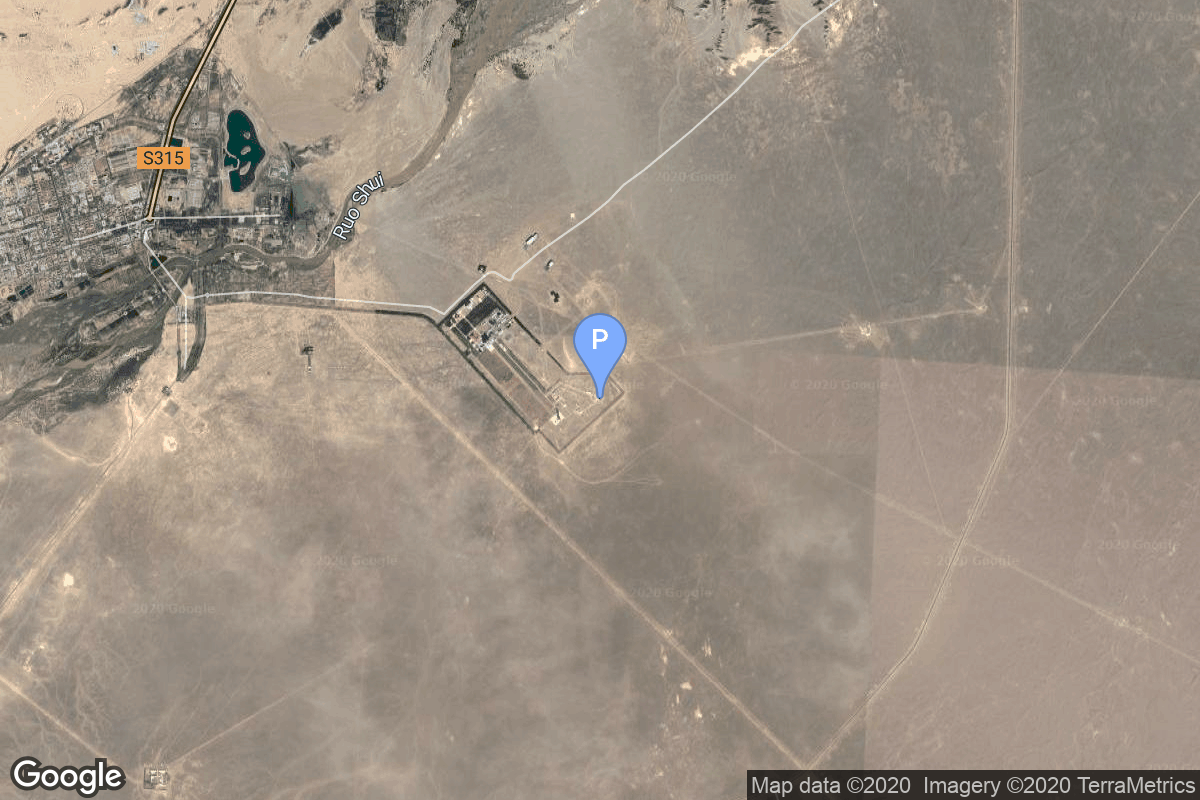
Provider: China Aerospace Science and Technology Corporation Date: September 9, 2026 Time: 9:00 AM UTC Vehicle: Long March 2D/YZ-3
Details TBD.
Progress MS-35 (96P)
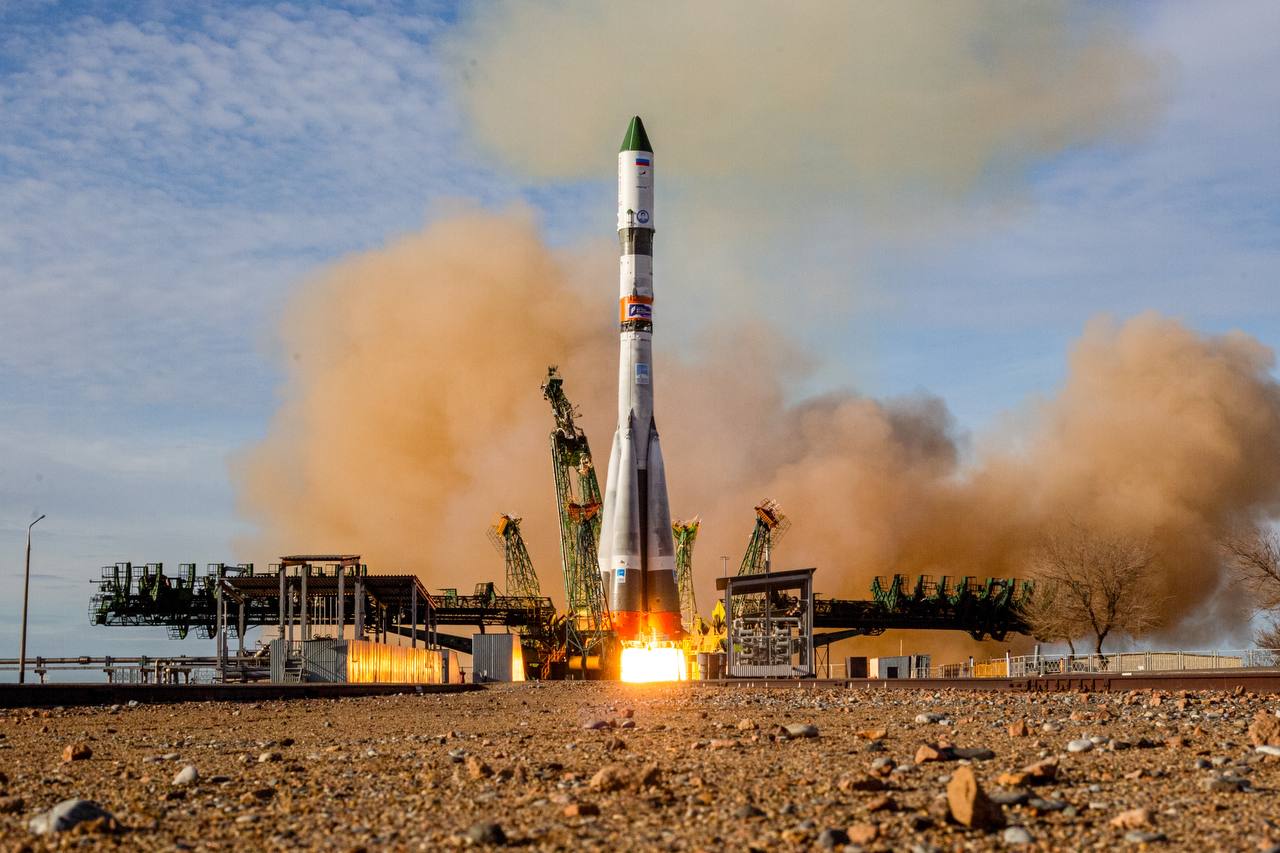
Provider: Russian Federal Space Agency (ROSCOSMOS) Date: September 9, 2026 Time: 4:15 PM UTC Vehicle: Soyuz 2.1b
Progress resupply mission to the International Space Station.
USSF-153
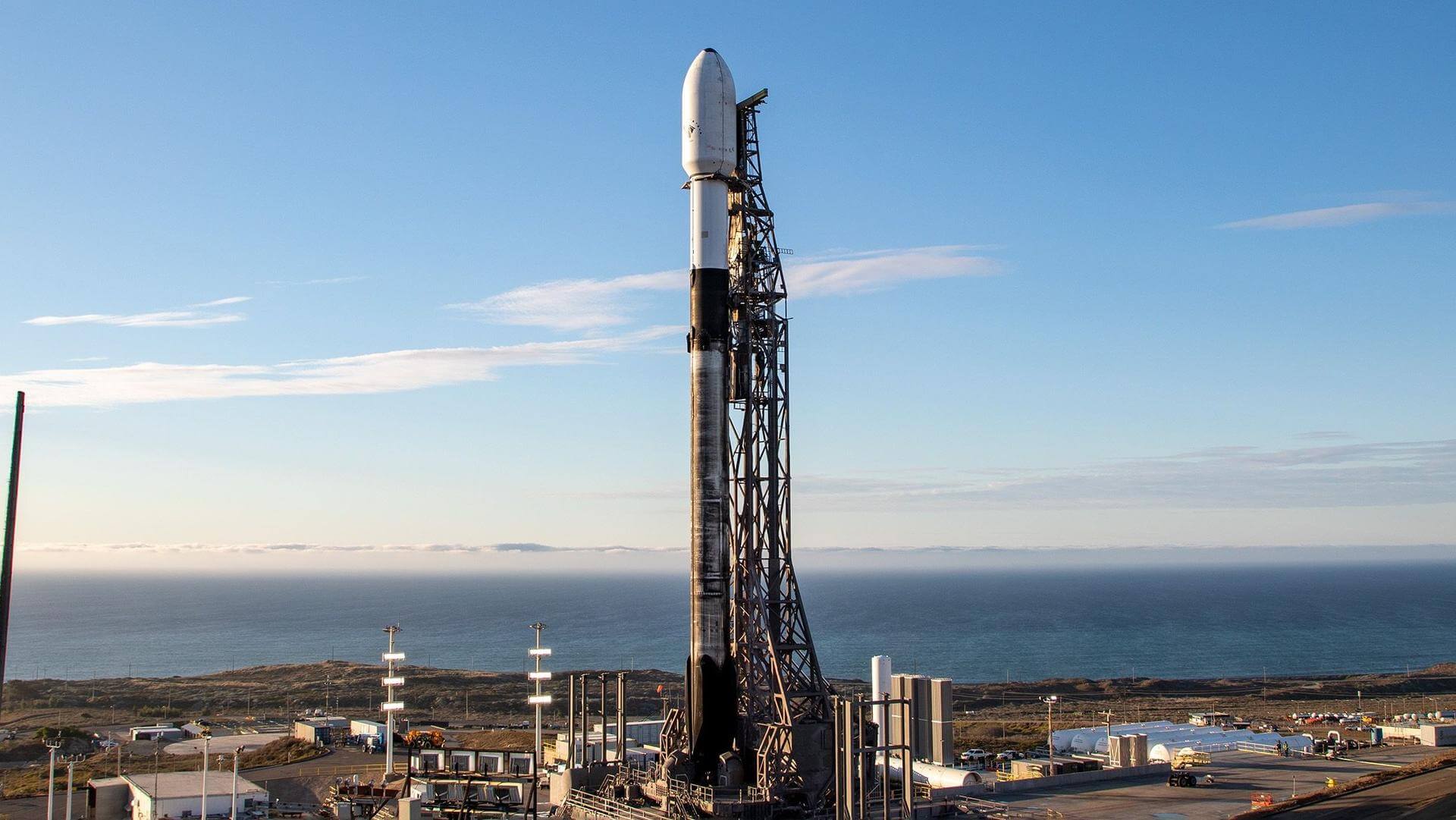
Provider: SpaceX Date: September 10, 2026 Time: 3:37 PM UTC Vehicle: Falcon 9
USSF-153 is a classified mission for the United States Space Force. It is possibly a batch of classified LEO satellites for a US government entity based on SpaceX’s Starshield satellite bus, based on locations of rocket stage drop zones being exact fits with previous Starlink Group 15 launches.
Onward and Upward ×
Mission Details
TypeTest Flight
OrbitSun-Synchronous Orbit
TargetEarth
Second test flight of the Isar Spectrum launch vehicle. This launch will carry 5 cubesats and 1 non-separable experiment as part of European Space Agency (ESA)’s “Boost!” program:
* CyBEEsat (TU Berlin)
* TriSat-S (University of Maribor)
* Platform 6 (EnduroSat)
* FramSat-1 (NTNU)
* SpaceTeamSat1 (TU Wien Space Team)
* Let It Go (Dcubed, non-separable experiment)
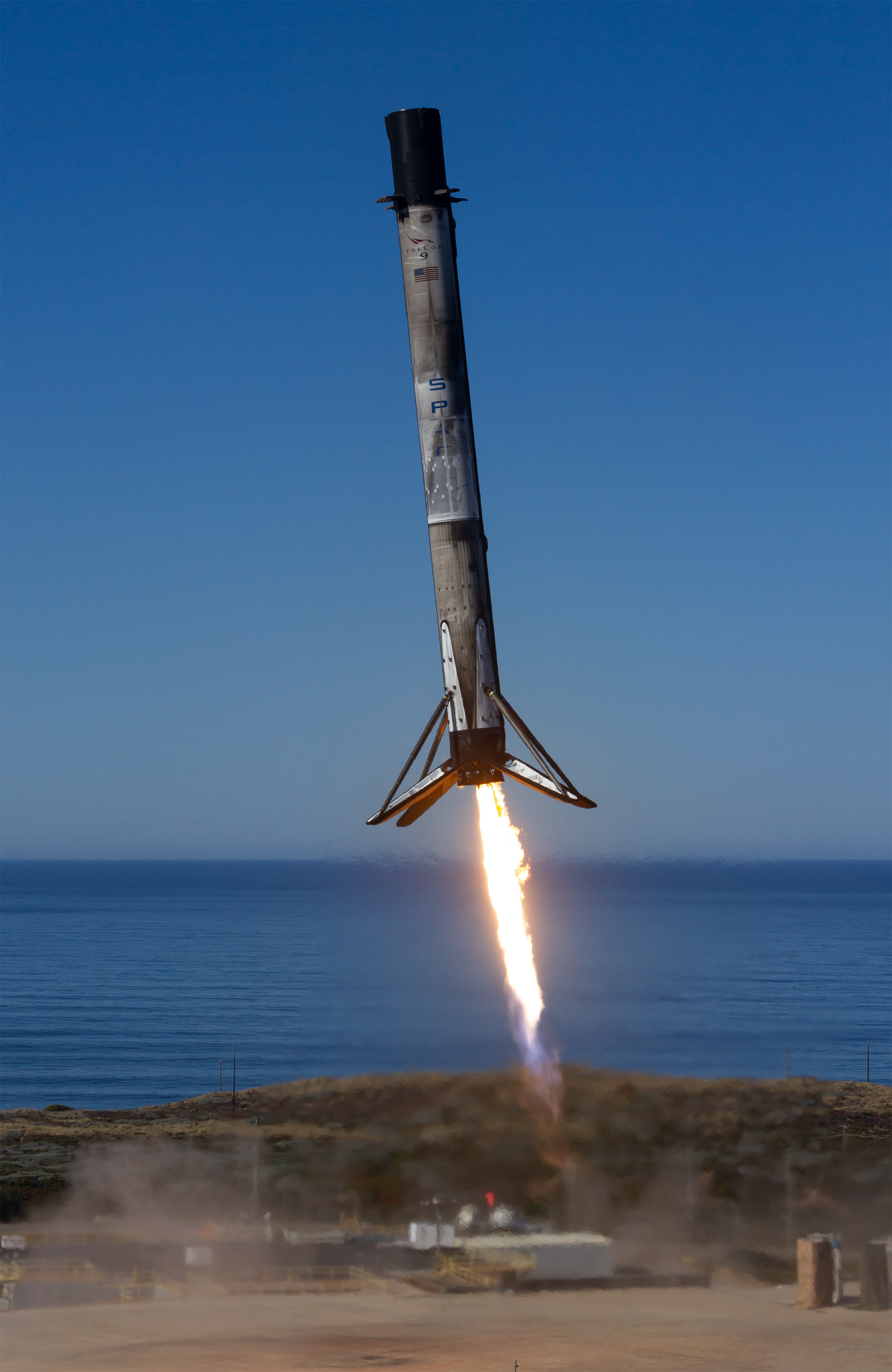
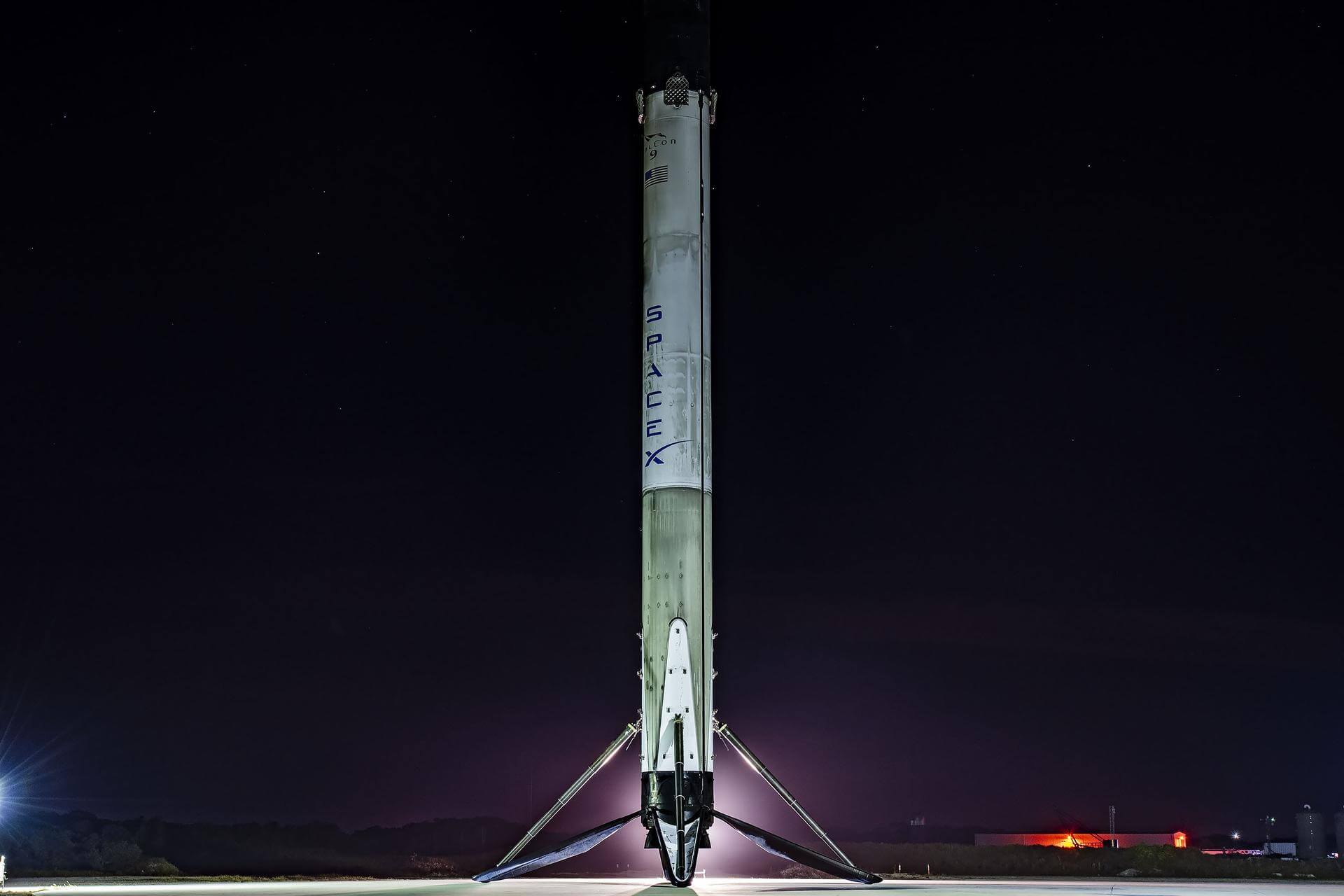
Falcon 9 is a two-stage rocket designed and manufactured by SpaceX for the reliable and safe transport of satellites and the Dragon spacecraft into orbit. The Block 5 variant is the fifth major interval aimed at improving upon the ability for rapid reusability.
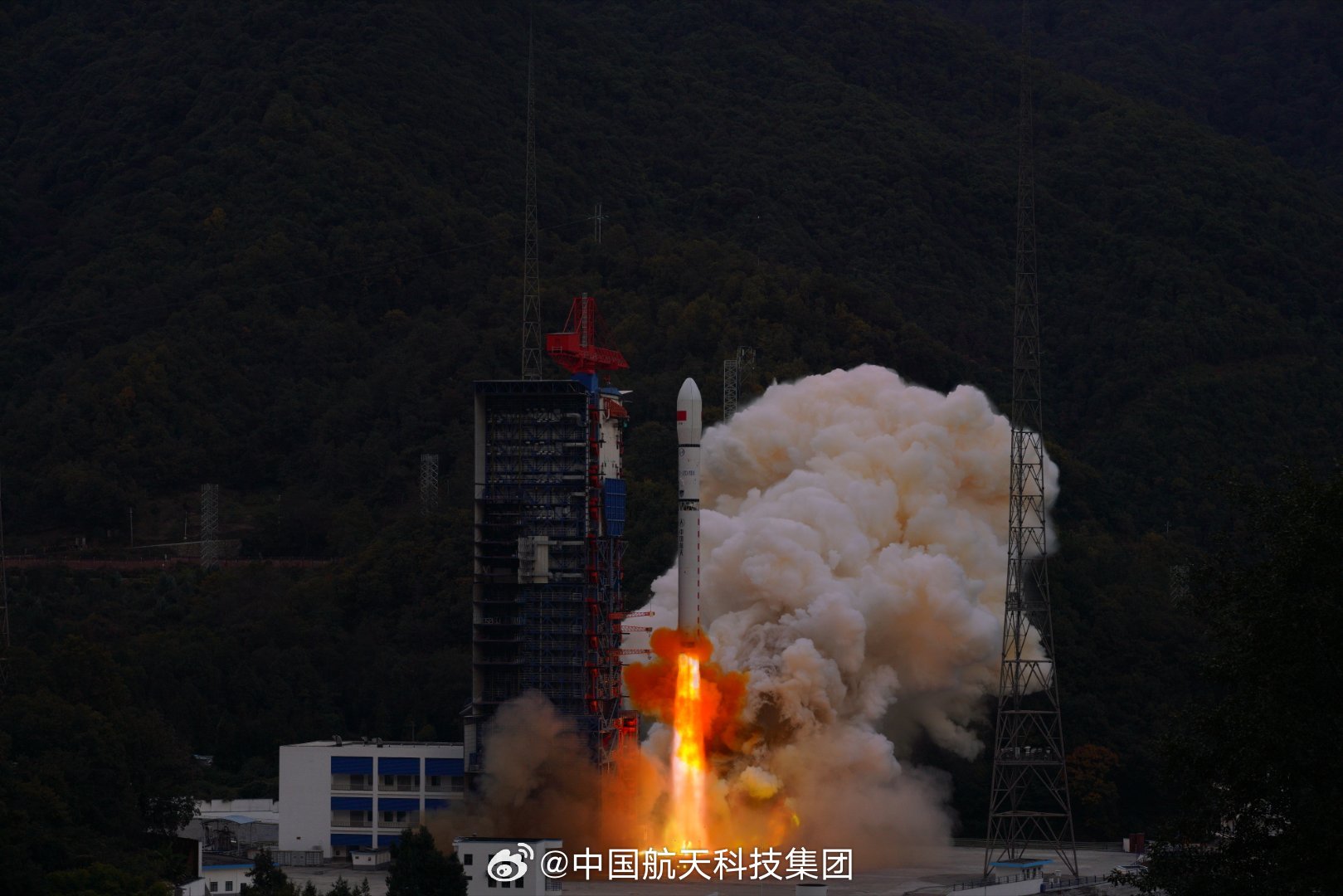
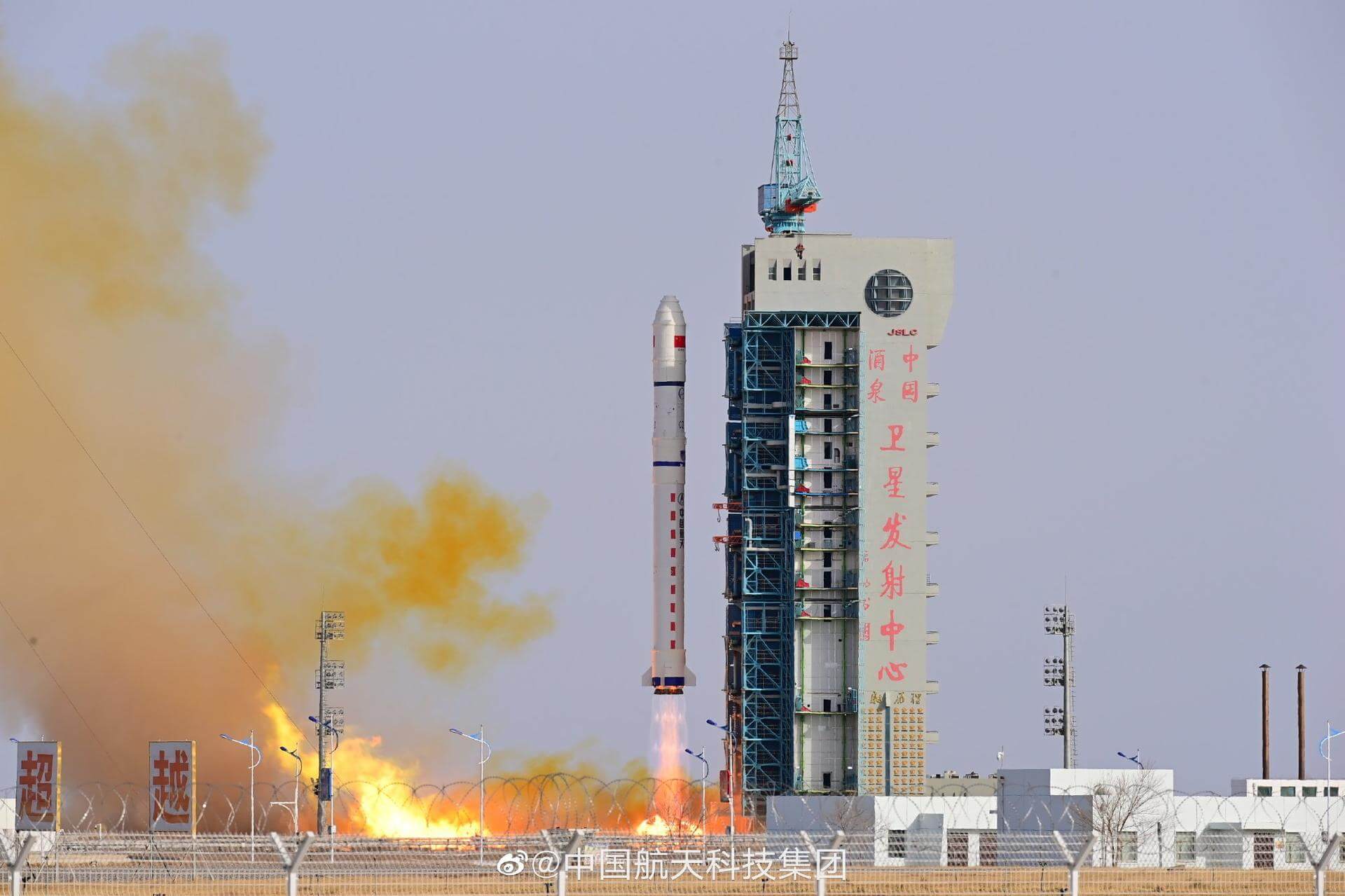
The Long March 2D, also known as the Chang Zheng 2D, CZ-2D and LM-2D, is a Chinese orbital carrier rocket. It is a 2-stage carrier rocket mainly used for launching LEO and SSO satellites.
The YZ-3 variant includes a YZ-3 upper stage able to push satellites into higher orbits.
Specifications
ReusableNo
Maiden Flight2018-12-29
Launch Record
4 successful / 4 total launches
Current streak: 4 successful
Progress MS-35 (96P) ×
Mission Details
TypeResupply
OrbitLow Earth Orbit
TargetEarth
Progress resupply mission to the International Space Station.
Agencies Involved
• Russian Federal Space Agency (ROSCOSMOS) (Government)
Program: International Space Station
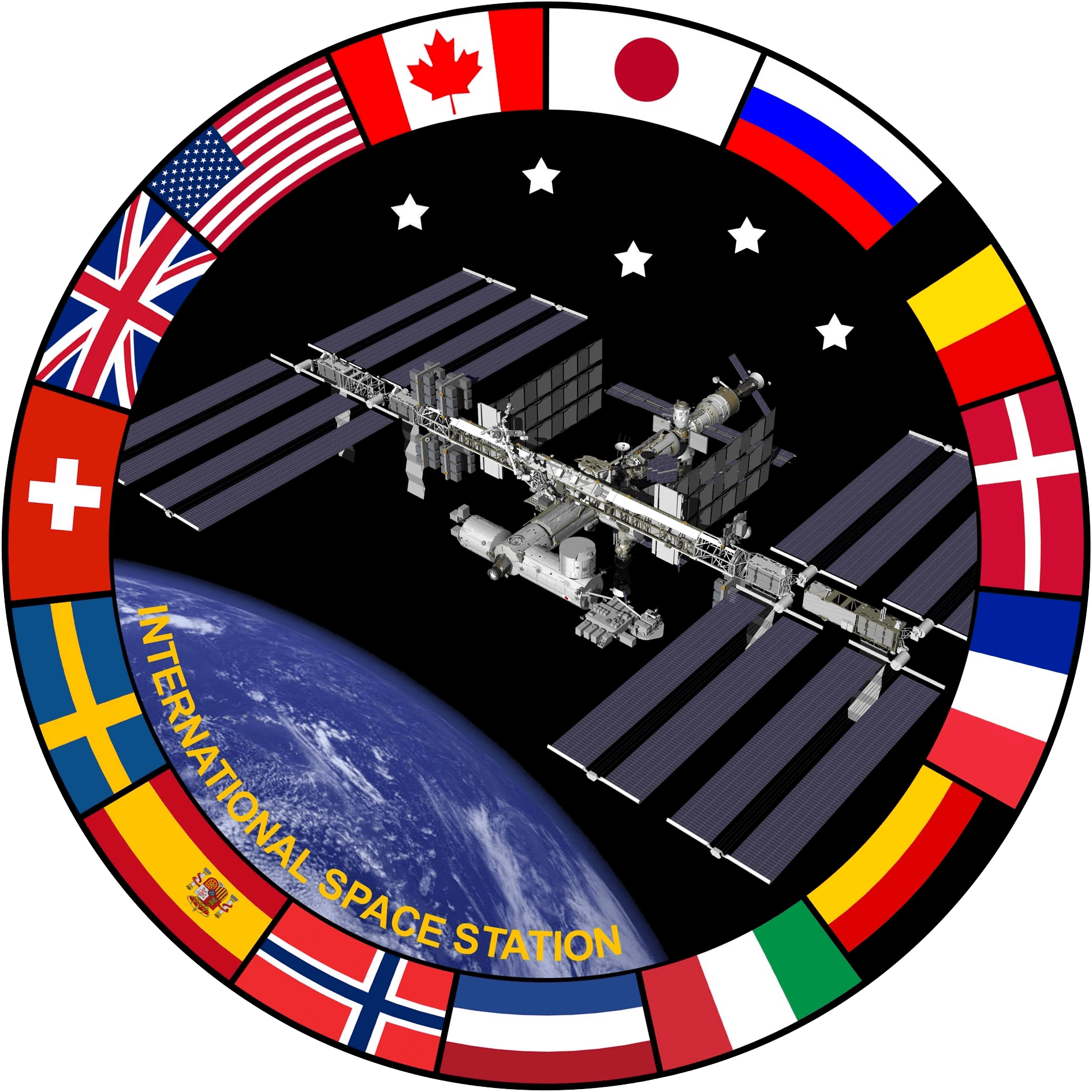
The International Space Station programme is tied together by a complex set of legal, political and financial agreements between the sixteen nations involved in the project, governing ownership of the various components, rights to crewing and utilization, and responsibilities for crew rotation and resupply of the International Space Station. It was conceived in 1984 by President Ronald Reagan, during the Space Station Freedom project as it was originally called.
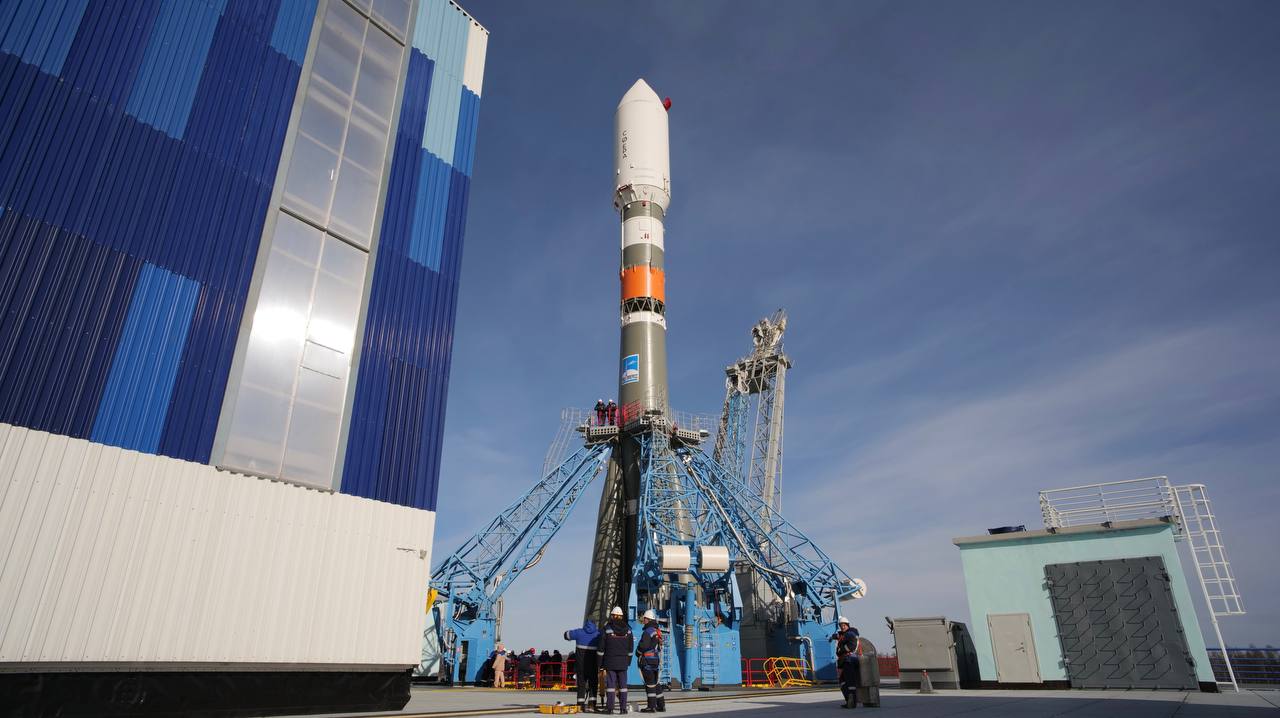
Soyuz-2 is the 21st-century version of the Russian Soyuz rocket. In its basic form, it is a three-stage carrier rocket for placing payloads into low Earth orbit. The 2.1b version adds an upgraded engine (RD-0124) with improved performance to the second stage.
USSF-153 is a classified mission for the United States Space Force. It is possibly a batch of classified LEO satellites for a US government entity based on SpaceX’s Starshield satellite bus, based on locations of rocket stage drop zones being exact fits with previous Starlink Group 15 launches.
Falcon 9 is a two-stage rocket designed and manufactured by SpaceX for the reliable and safe transport of satellites and the Dragon spacecraft into orbit. The Block 5 variant is the fifth major interval aimed at improving upon the ability for rapid reusability.
Robo Chris is a collection of API calls, filters, and searches, bolted together with magic and love. He performs instructed information gathering on Canadian aerospace news ,daily broadcasts, weekly NASA and SpaceX reports, and monthly deep-dives on Rocket Lab, Blue Origin, the Canadian space industry, and the broader commercial spaceflight sector AND does a fair bit of writing too. Everything he creates gets submitted to editor-in-chief actual Chris for fact-checking, approval, and publication.












Leave a Reply