
The Daily Broadcast: Isar, MLS Finalize Spaceport Nova Scotia Launch Pad Deal
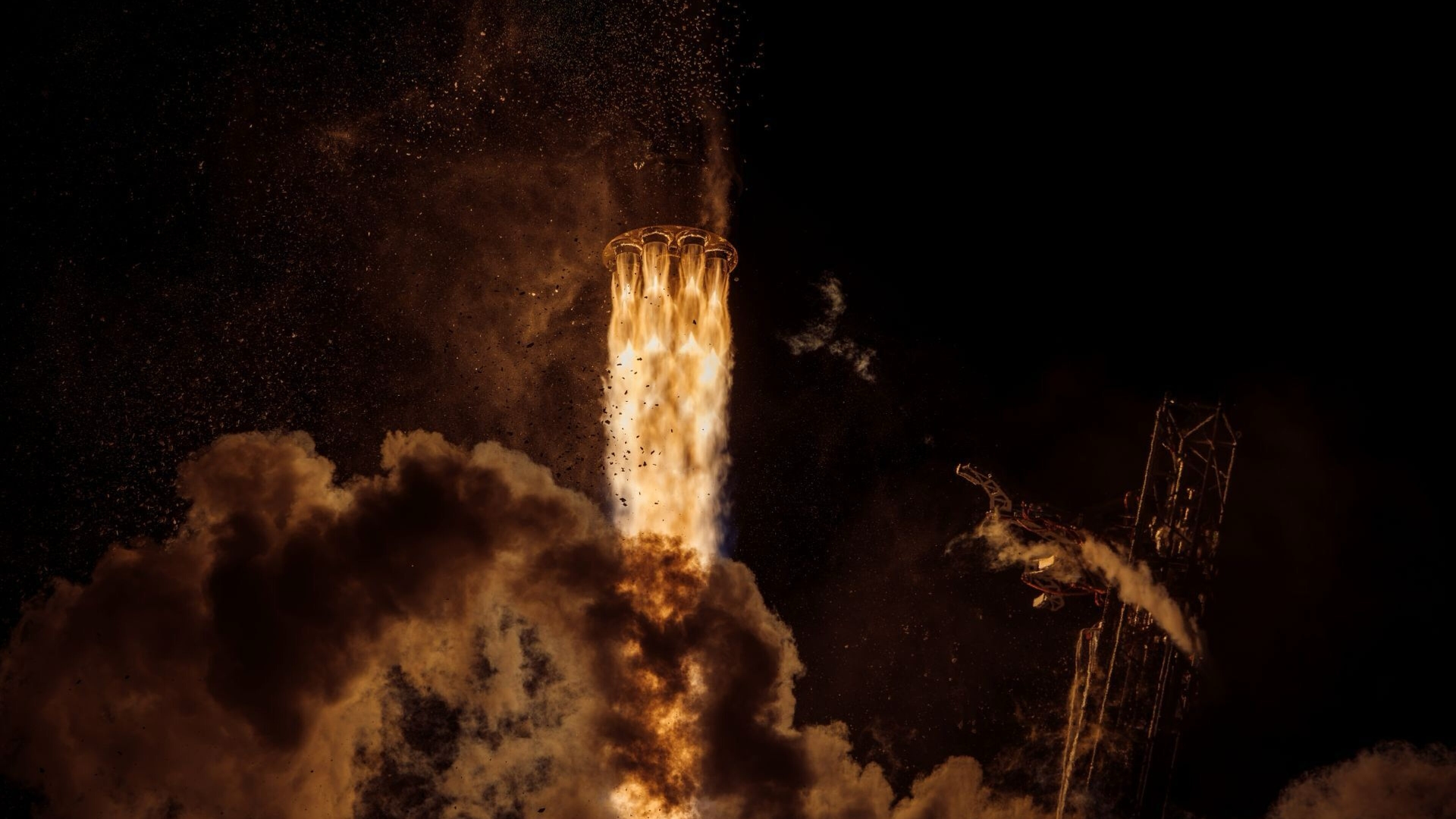
Spaceport Nova Scotia Moves to Execution Phase
Maritime Launch Services (MLS) and Isar Aerospace have finalized the statement of work and programmatic milestones for a dedicated launch complex at Spaceport Nova Scotia, shifting their agreement out of the planning phase and into execution. The completion meets an extended mid-September deadline and ensures site development proceeds without altering the core financial terms established in July.
The 10-year base agreement, valued at $112.5M USD, structures quarterly revenue for MLS while providing Isar Aerospace with the infrastructure to manage an end-to-end space access chain. On-site construction and domestic supply chain mobilization will now accelerate, with an inaugural orbital flight targeted for 2028.
“Finalizing the statement of work and programmatic milestones moves us directly into execution,” said Stephen Matier, president and CEO of Maritime Launch Services. “With the next phase of construction underway on site, our teams are focused on developing the infrastructure and operational readiness required to bring Spectrum launches to Nova Scotia.”
The milestone follows Isar Aerospace’s successful second Spectrum qualification flight on Sept. 5 from Andøya, Norway, which deployed five payloads and marked the first successful orbital launch by a commercial company from Western European soil. Validating the vehicle in Europe reduces operational risk as the company expands into Canada.
“Access to space is critical infrastructure for any sovereign nation,” said Alexandre Dalloneau, vice-president of mission and launch operations at Isar Aerospace. “Together with Maritime Launch Services, we are now bringing that capability to Canada.”
Spaceport Nova Scotia leverages its coastal geography to support high-inclination and polar trajectories over the Atlantic Ocean, offering domestic orbital access for commercial satellite operators and the defence sector.
Kepler Books 10 Satellites on Portal-Maverick Rideshare Mission
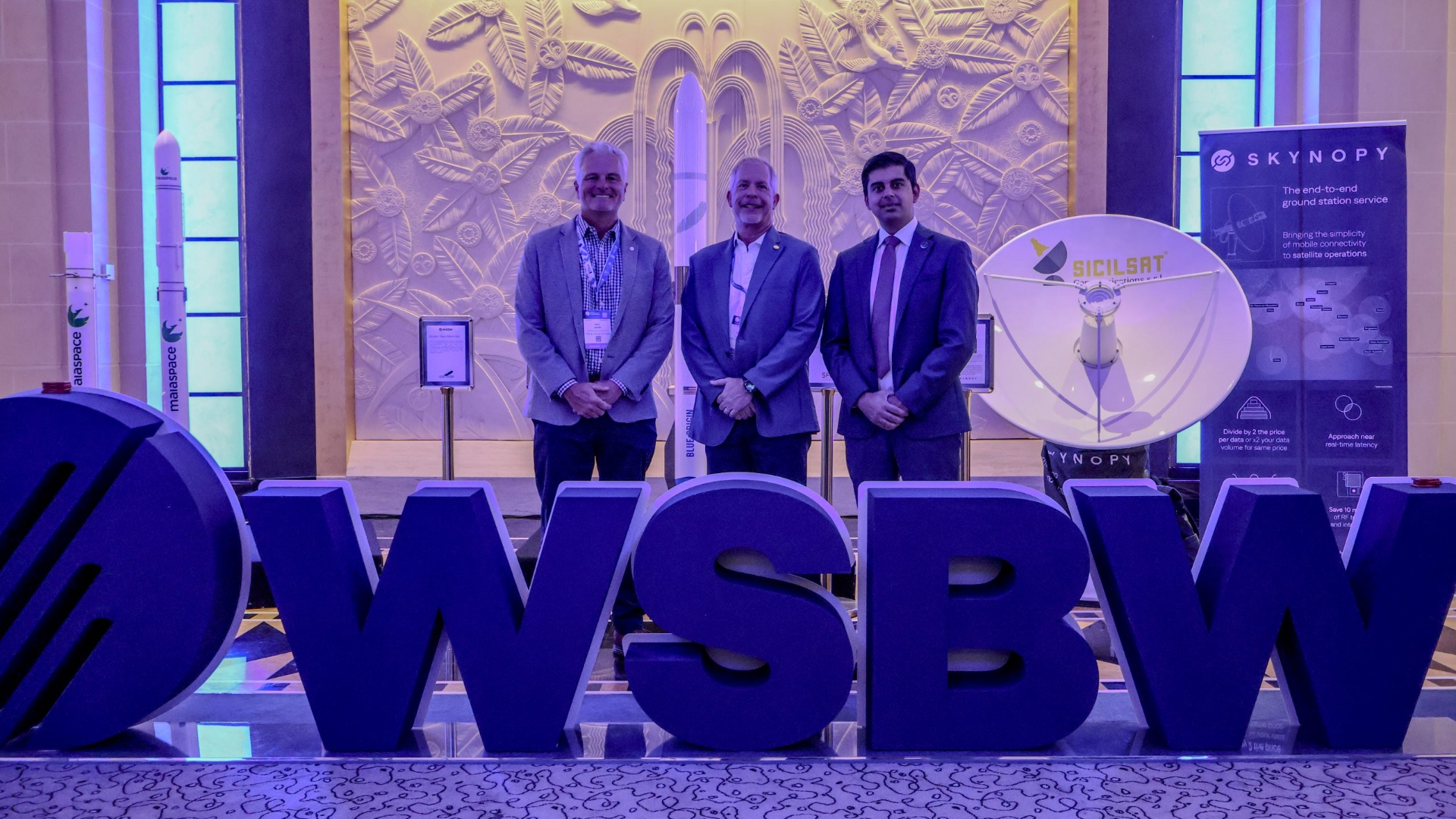
Maverick Space Systems secured launch capacity on Monday for 10 Kepler Communications satellites aboard Portal Space Systems’ Motus Via Sol mission, the companies announced. The satellites, part of Kepler’s 400-kilogram-class Tranche 2 line, are due to launch on a SpaceX Falcon 9 in mid-2028.
Portal announced the Motus Via Sol mission and its exclusive partnership with Maverick on Aug. 20. Monday’s release adds Kepler as the mission’s first named rideshare customer. The booking comes as SpaceX has reportedly paused new bookings for its Transporter and Bandwagon rideshare programs beyond late 2028, tightening near-term rideshare availability for smallsat operators.
Portal secured dedicated Falcon 9 capacity for its own spacecraft and brought in Maverick to fill the vehicle’s remaining volume. Maverick, based in San Luis Obispo, California, is handling payload accommodation and manifest optimization across the stack. Founded in 2019, the company says it has completed more than 30 launch campaigns from nearly every launch site in the world.
“Optimizing a dedicated vehicle’s full capacity with custom full-stack aggregation hardware, accommodating Portal’s spacecraft, and securing capacity for a partner like Kepler is a technically demanding job that we’re deeply proud to deliver on,” said Vidur Kaushish, chief operating officer at Maverick Space Systems.
Kepler is also pursuing dedicated capacity: the company booked its first dedicated mission on Rocket Lab’s Neutron rocket on Aug. 10, for launch no earlier than 2028.
Vega-C Launches FLEX and Sentinel-3C on Dual Earth Observation Mission
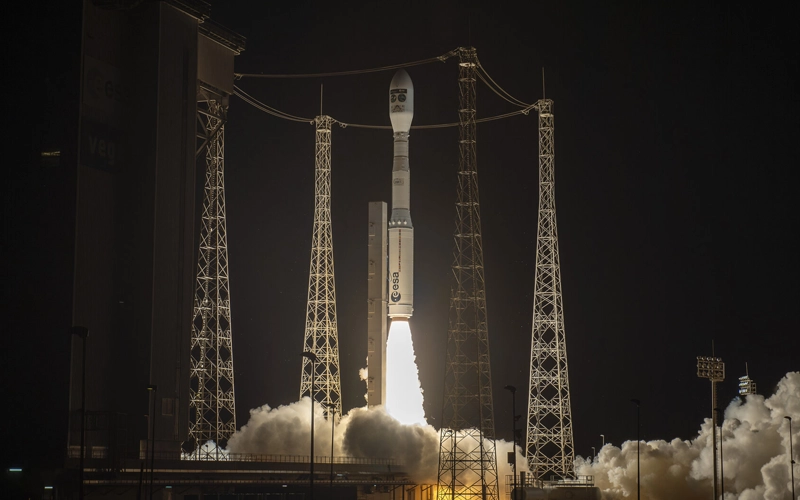
An Avio Vega-C rocket lifted off from the Guiana Space Centre at 01:21 UTC today, deploying the European Commission’s Sentinel-3C satellite and ESA’s FLEX mission on the vehicle’s first dual launch. Flight VV30 was the eighth Vega-C launch and the second successful flight of 2026.
Following two burns of the AVUM+ upper stage, the 1.15-tonne Sentinel-3C was deployed approximately one hour into the mission. The stage then performed two further burns before releasing FLEX 56 minutes later. Both satellites have been confirmed healthy and will begin commissioning.
Sentinel-3C joins Sentinel-3A and Sentinel-3B, launched in 2016 and 2018 respectively. The new satellite is intended to eventually replace Sentinel-3A, which has exceeded its planned seven-year design life and has operated for more than a decade. Its instruments monitor sea-surface temperature, ocean colour, sea level and sea-ice characteristics.
FLEX, ESA’s Earth Explorer mission, carries a Fluorescence Imaging Spectrometer designed to detect the faint fluorescence emitted by plants during photosynthesis. Because the signal varies with plant health and environmental conditions, the measurements will provide new data on photosynthetic activity and vegetation stress at a global scale.
The dual launch used the Vespa secondary payload adapter, with Sentinel-3C mounted on top of Vespa inside the main fairing. After Sentinel-3C deployed, the adapter opened to expose FLEX for its orbital injection.
“Today’s success confirms Avio as a reliable Launch Service Operator for Vega-C launches,” said Avio CEO Giulio Ranzo. “The launcher performed flawlessly, putting in orbit two strategic satellites for Europe.”
The 34.8-metre-tall Vega-C can deliver 2,300 kg to orbit. This was Avio’s second Vega-C flight since the company assumed launch service and operational responsibilities following its split from Arianespace.
Citations
- “MLS and Isar Aerospace finalize statement of work for Spaceport Nova Scotia launch pad” — https://spaceq.ca/mls-and-isar-aerospace-finalize-statement-of-work-for-spaceport-nova-scotia-launch-pad/
- “Maverick books 10 Kepler satellites onto Portal Space Systems’ Motus Via Sol mission” — https://spaceq.ca/maverick-books-kepler-satellites-motus-via-sol/
- “Avio Launches Second Successful Vega C Flight of 2026” — https://europeanspaceflight.com/avio-launches-second-successful-vega-c-flight-of-2026/
- “FLEX and Sentinel-3C launch highlights” — https://www.esa.int/ESA_Multimedia/Videos/2026/09/FLEX_and_Sentinel-3C_launch_highlights
- “Avio launches pair of climate monitoring European spacecraft” — https://spaceflightnow.com/2026/09/15/avio-launches-pair-of-climate-monitoring-european-spacecraft-to-study-plants-oceans-and-atmospheric-changes/
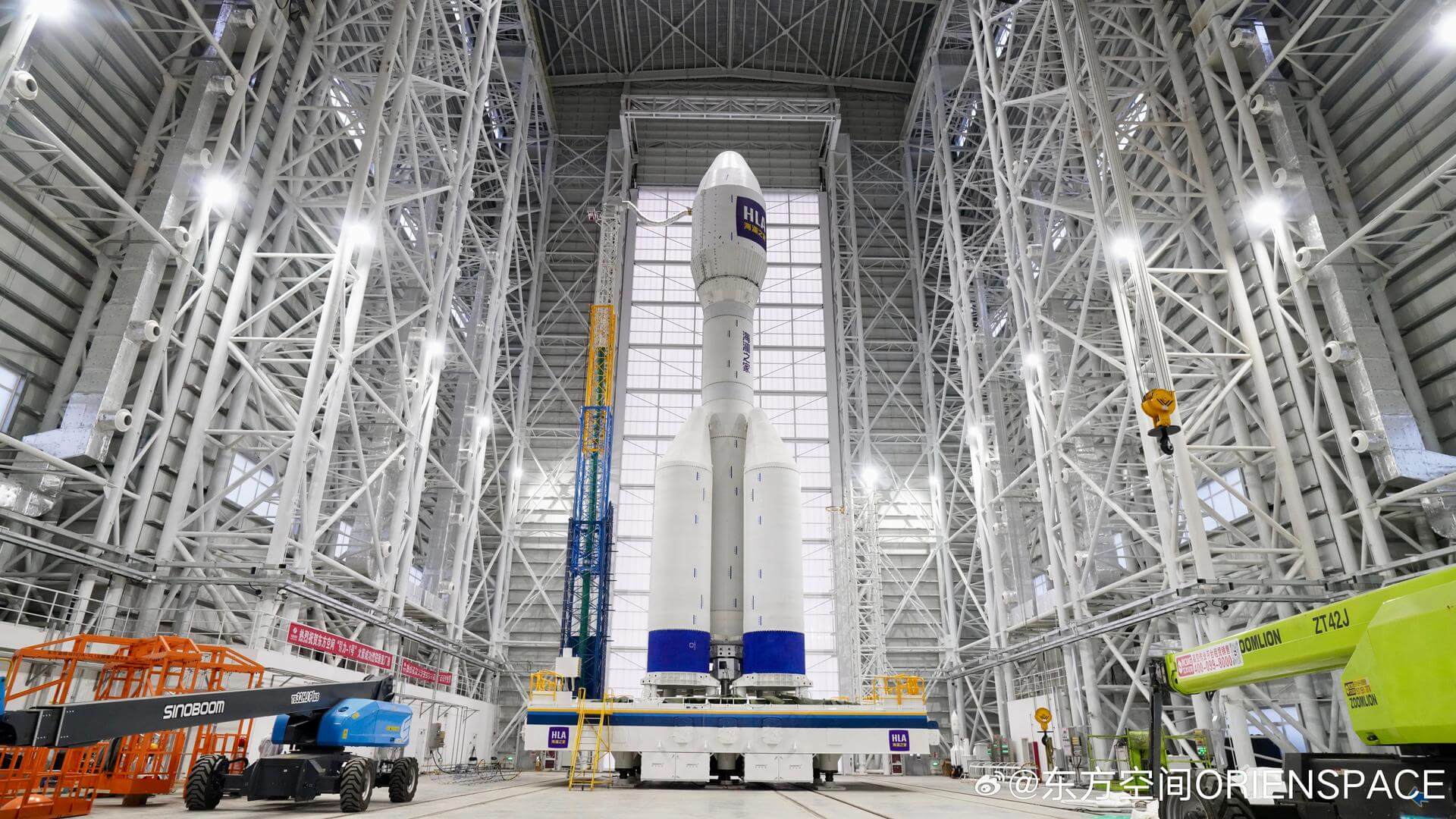
Unknown Payload
Provider: Orienspace Technology
Date: September 15, 2026
Time: 9:55 PM UTC
Vehicle: Gravity-1
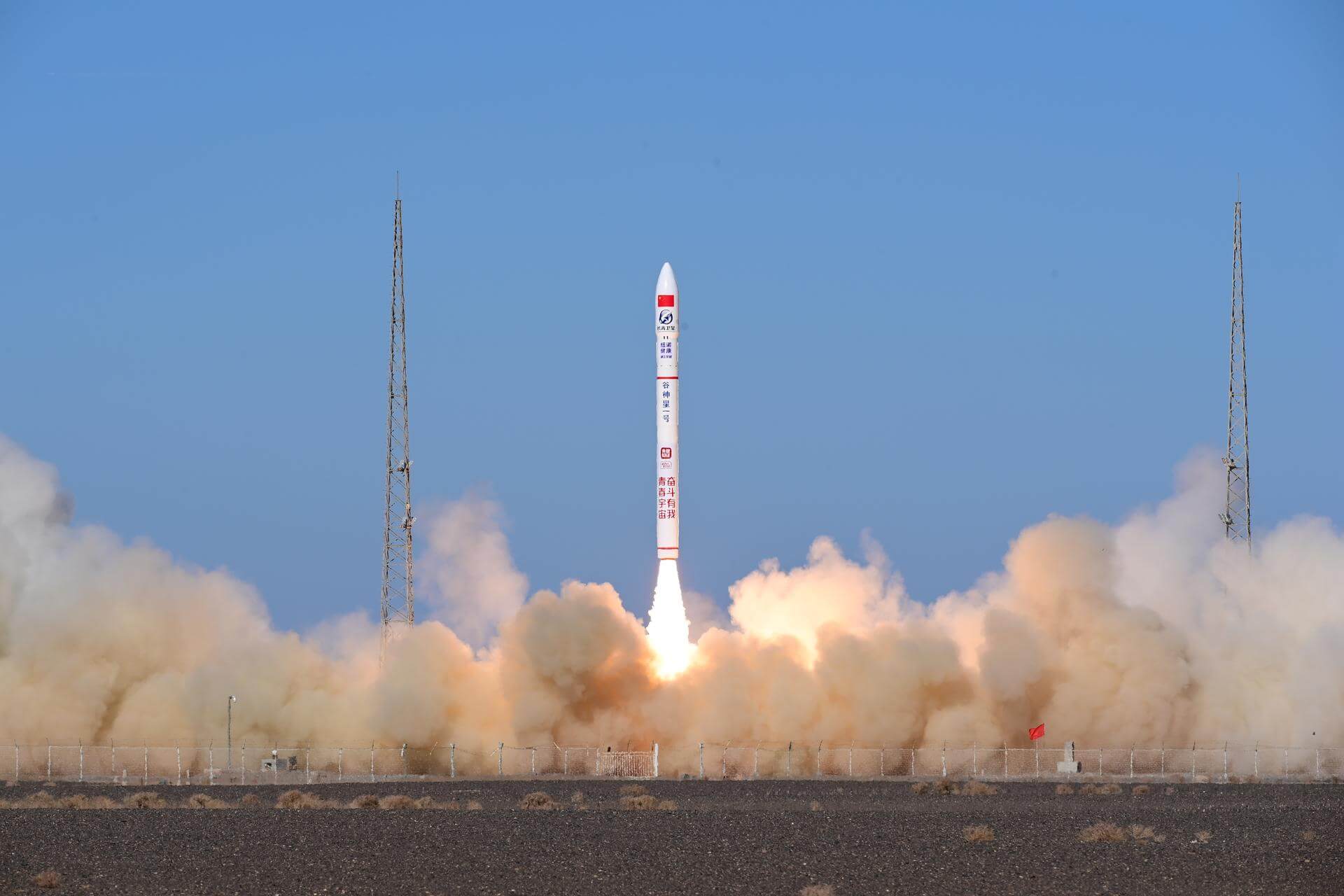
Possibly launch of a batch of SpaceSail LEO communication satellites. Details TBD.
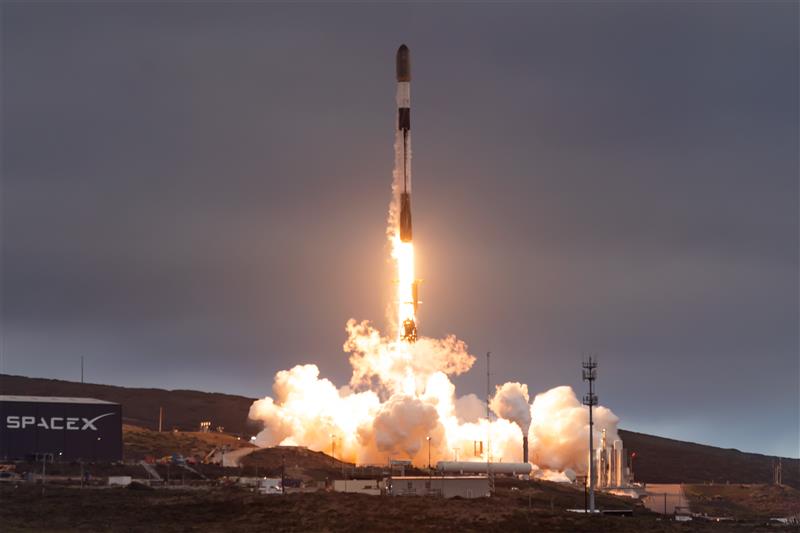
USSF-259
Provider: SpaceX
Date: September 16, 2026
Time: 1:00 AM UTC
Vehicle: Falcon 9
USSF-259 is a classified mission for the United States Space Force. It is possibly a batch of classified LEO satellites based on SpaceX’s Starshield satellite bus, based on locations of ascent rocket stage drop zones being fits with previous SDA Transport Layer launches.
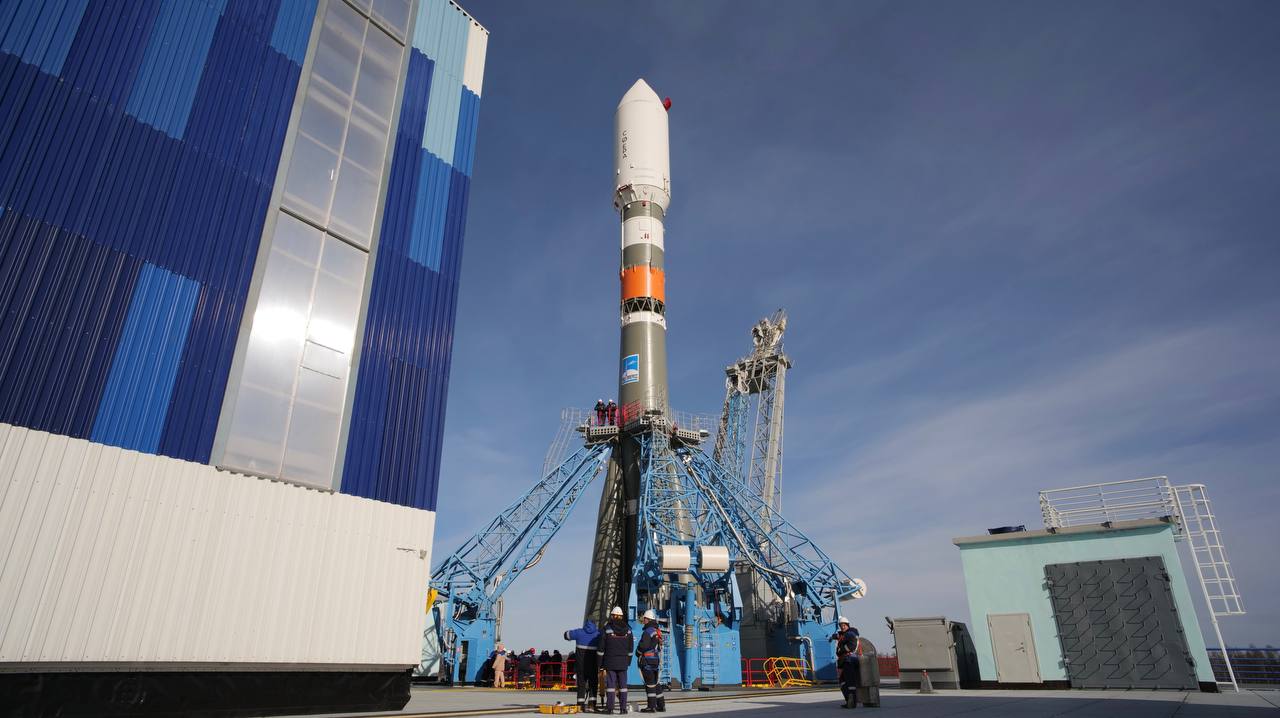
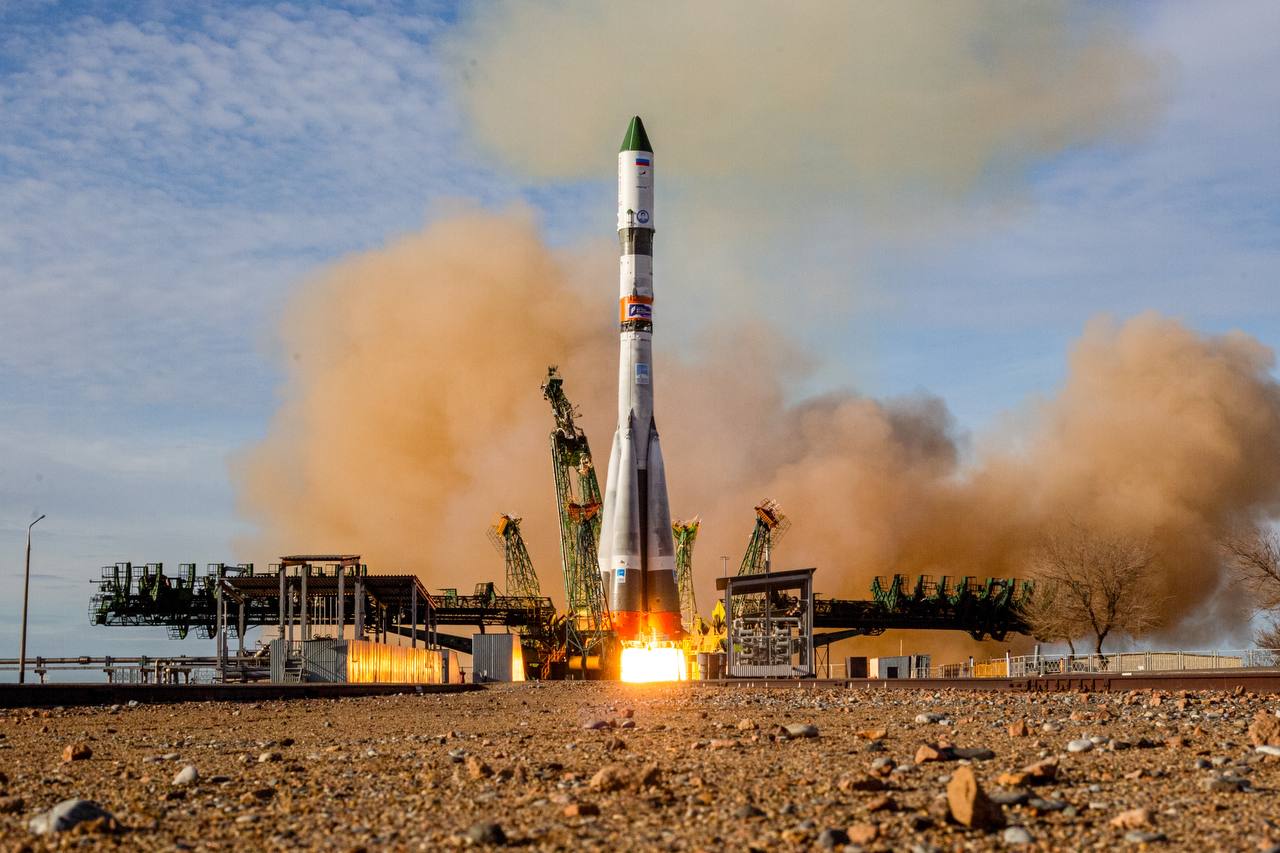
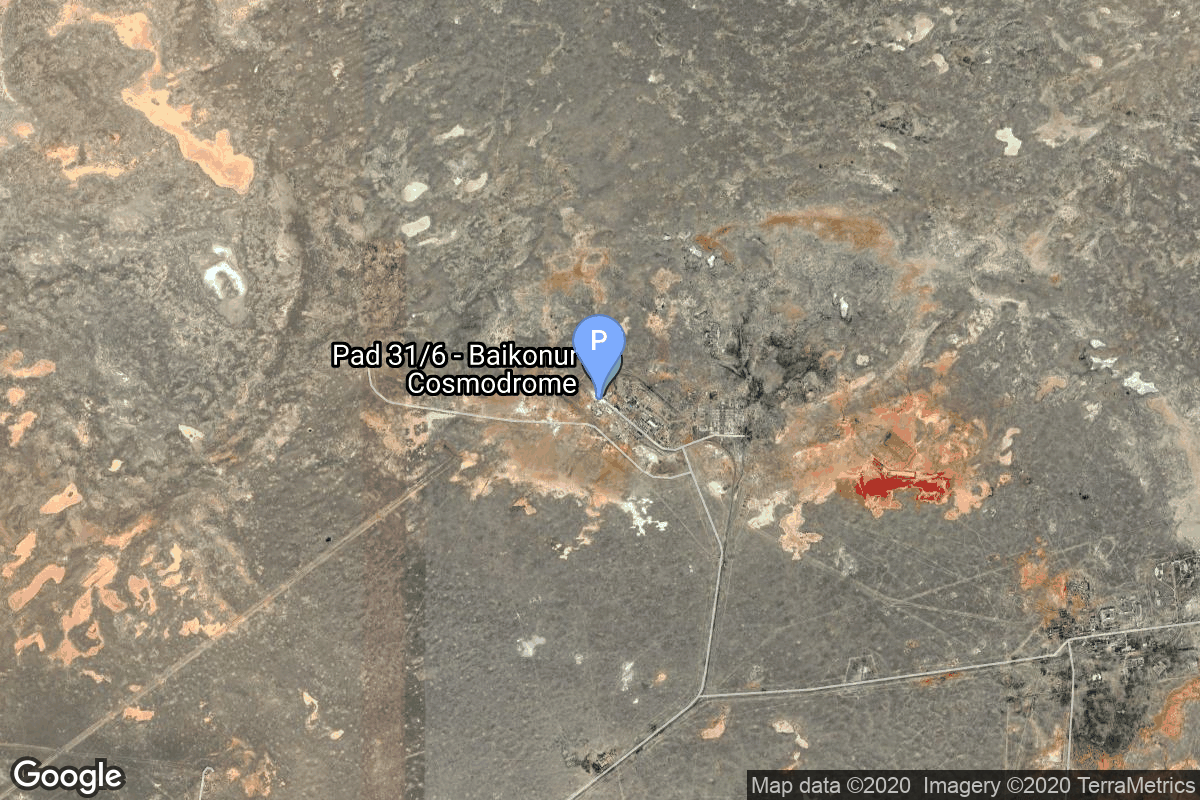
Progress MS-35 (96P)
Provider: Russian Federal Space Agency (ROSCOSMOS)
Date: September 16, 2026
Time: 1:33 PM UTC
Vehicle: Soyuz 2.1b
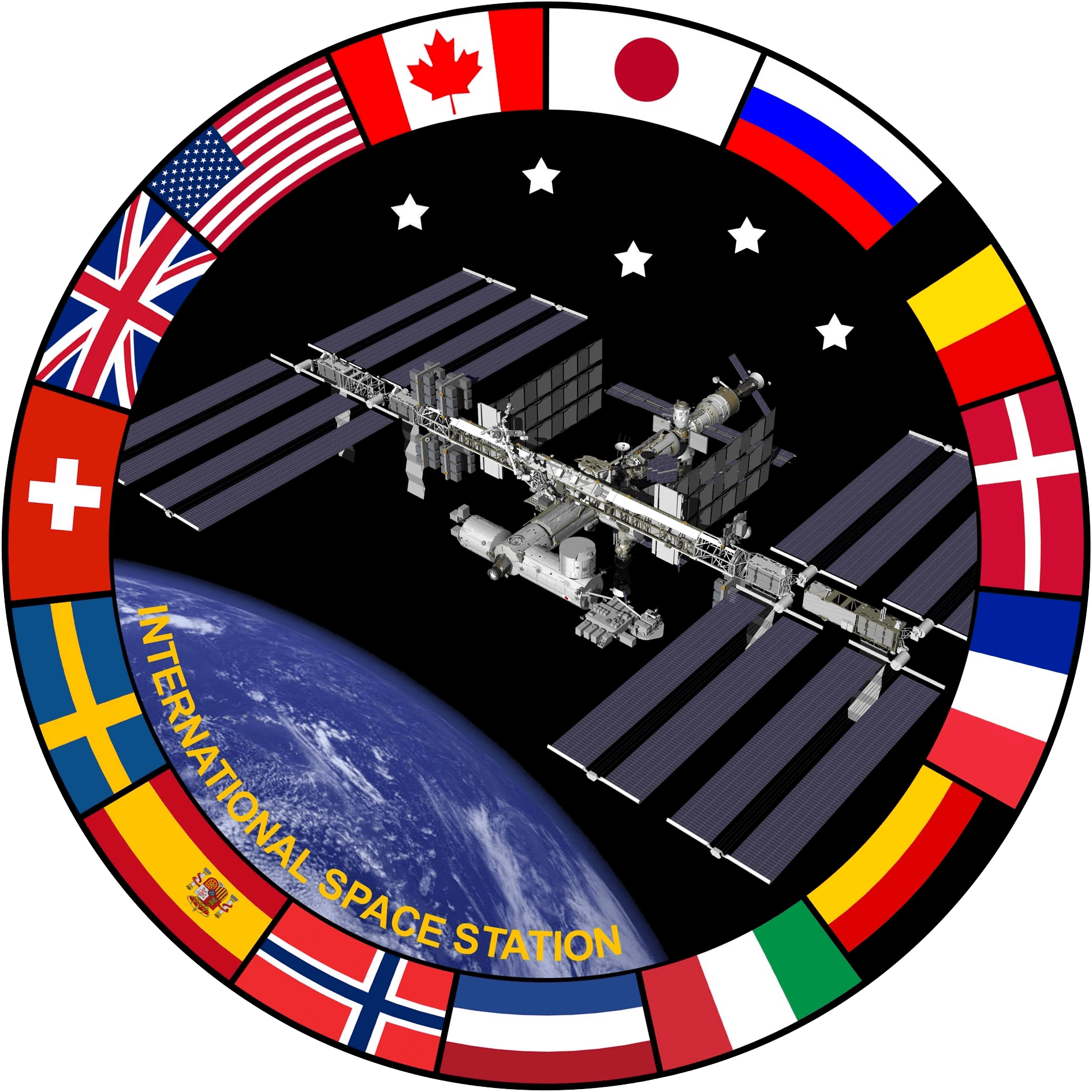
Progress resupply mission to the International Space Station.
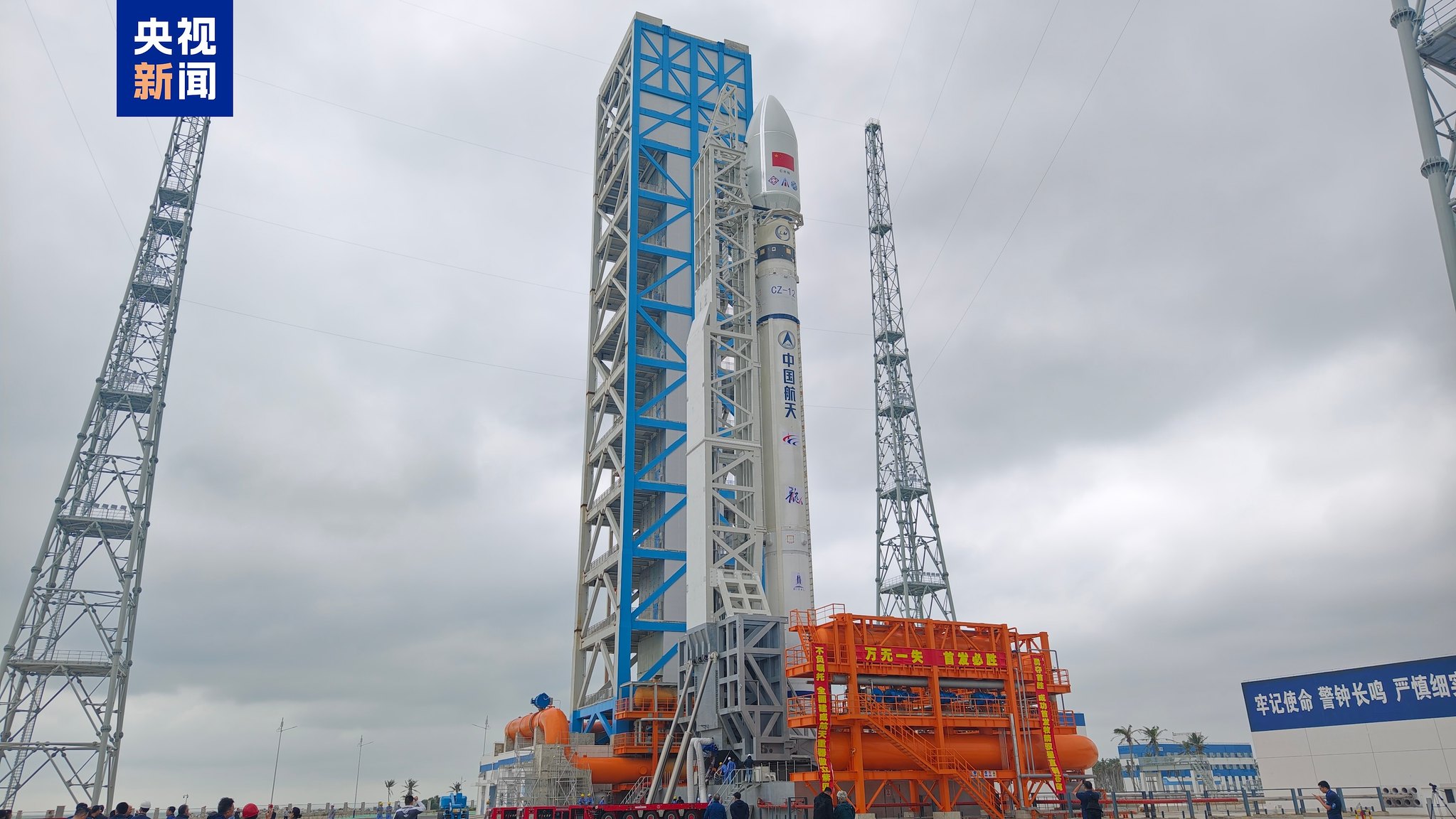
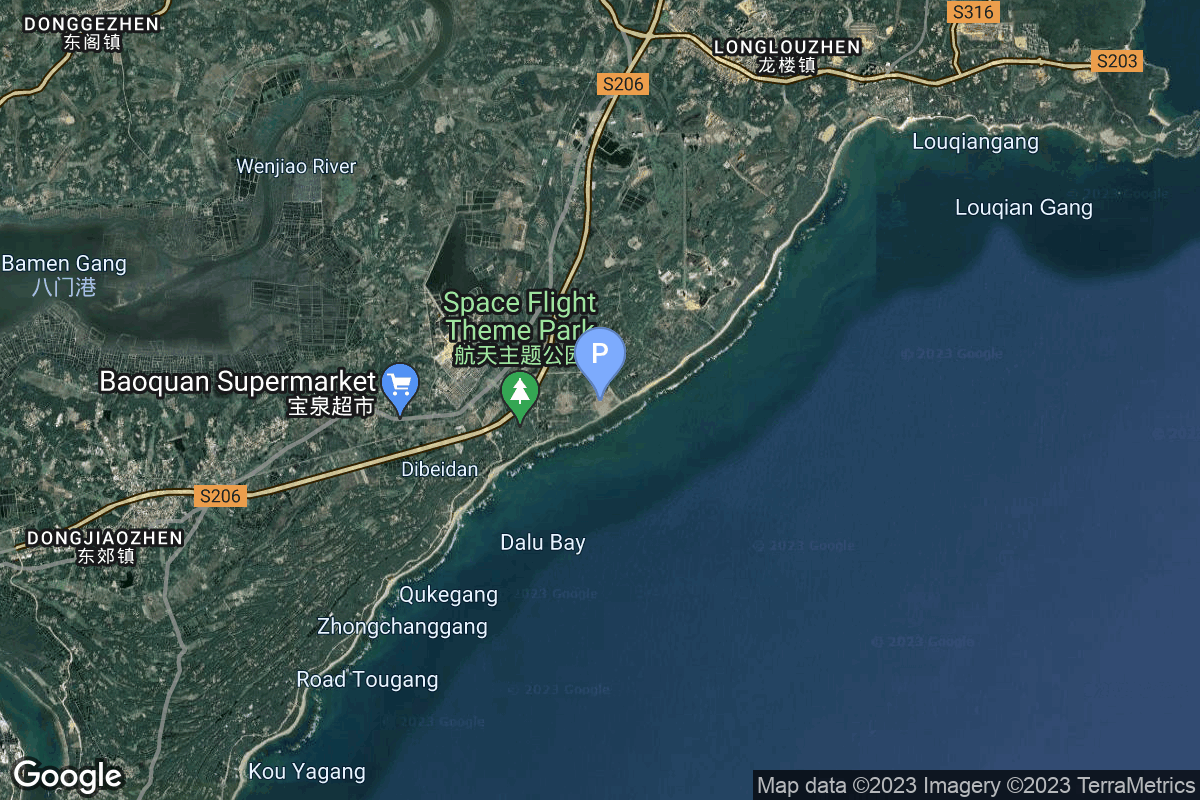
Unknown Payload
Provider: China Aerospace Science and Technology Corporation
Date: September 17, 2026
Time: 12:30 AM UTC
Vehicle: Long March 12
Details TBD.
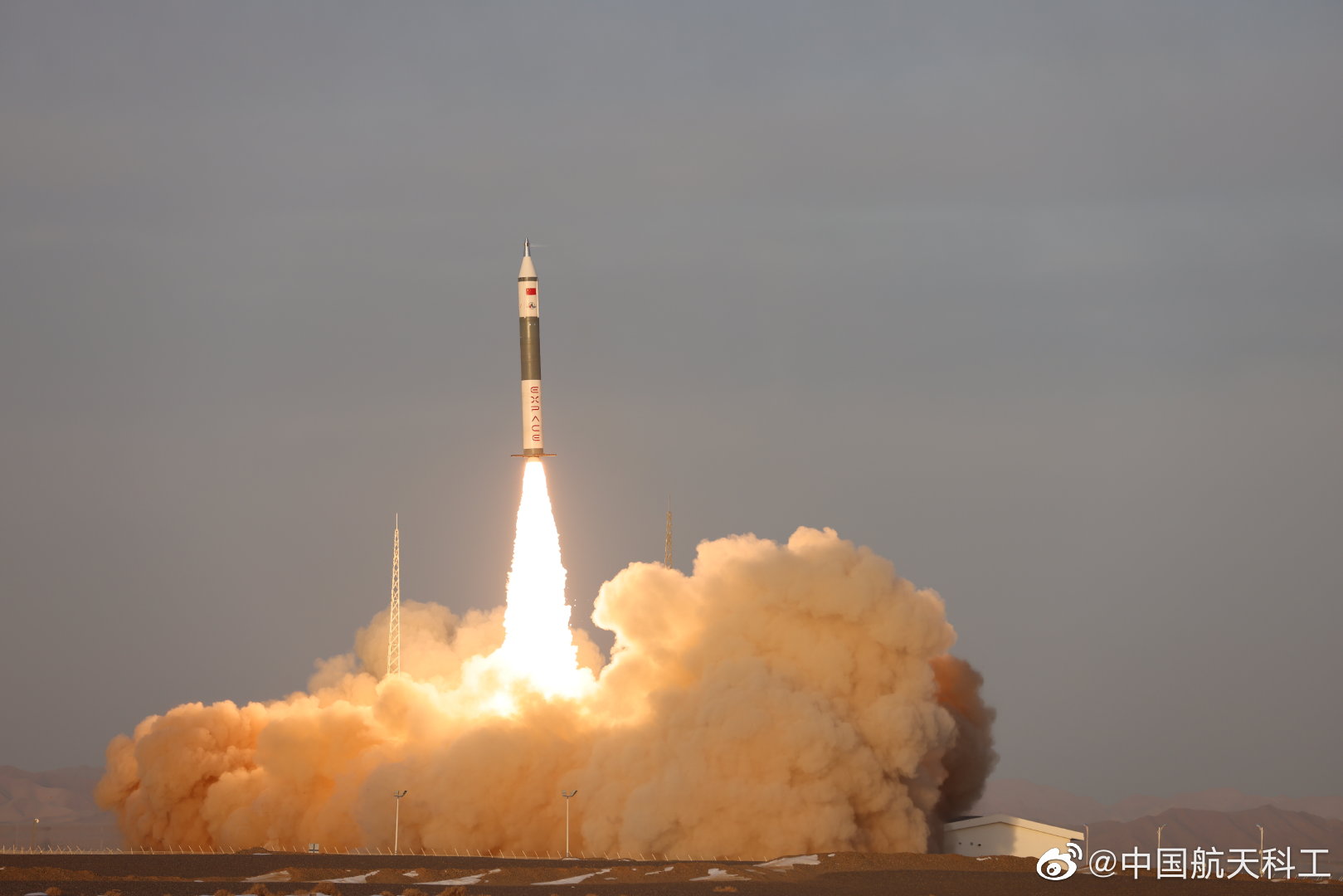
Unknown Payload
Provider: ExPace
Date: September 17, 2026
Time: 2:35 AM UTC
Vehicle: Kuaizhou 11
Details TBD.





Enjoying the content? Stay up to date on everything happening behind the scenes by following our Patreon!


Leave a Reply