Isar Aerospace Spectrum Reaches Orbit on First Successful Flight
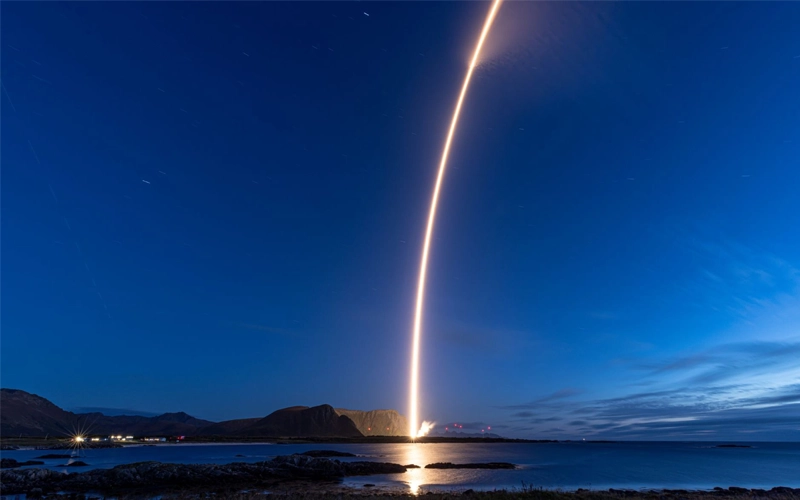
German launch services provider Isar Aerospace completed the first successful launch of its Spectrum rocket on September 5, deploying five CubeSats into low Earth orbit. The mission marked the first time a privately funded European orbital rocket had successfully reached orbit and the first successful orbital launch from continental Europe.
The two-stage Spectrum rocket lifted off from Andøya Spaceport in Norway at 20:12 UTC. The vehicle stands 28 metres tall, measures 2 metres in diameter, and is powered by ten engines, targeting payloads of up to 1,000 kg to low Earth orbit.
The mission’s livestream ended 18 minutes after liftoff following an expected loss of signal from the onboard cameras. Before losing the live feed, the rocket had successfully completed stage separation, upper-stage ignition, fairing deployment, and upper-stage engine cutoff. After a circularisation burn, Isar Aerospace announced at 10:14 UTC on September 6 that all five CubeSats aboard the rocket had been successfully deployed.
“A historic launch from Andøya Spaceport in Norway today, the first European Launcher Challenger to reach orbit,” said ESA Director General Josef Aschbacher. “Spectrum quite literally rose to the challenge and delivered its payloads in low Earth orbit. An astounding achievement by German company Isar Aerospace, founded only eight years ago, and backed by the European Space Agency.”
Isar Aerospace CEO Daniel Metzler framed the milestone as a turning point for the continent’s launch capabilities. “We achieved within a few years what had taken the European space industry decades before,” Metzler said. “Europe now has sovereign access to space. We have entered into a new chapter for European spaceflight.”
The successful flight follows a brief first test flight that flew for 30 seconds, clearing the launch pad and proving Spectrum could achieve liftoff. The mission, designated “Onwards and upwards,” is part of ESA’s European Launcher Challenge programme, which awarded €543.6 million in contracts to Isar Aerospace, RFA, and PLD Space to develop competitive European launch vehicles.
Metzler said the company would now “focus on rapidly scaling launch vehicle production, deliver on our order pipeline, and meet surging global demand.”
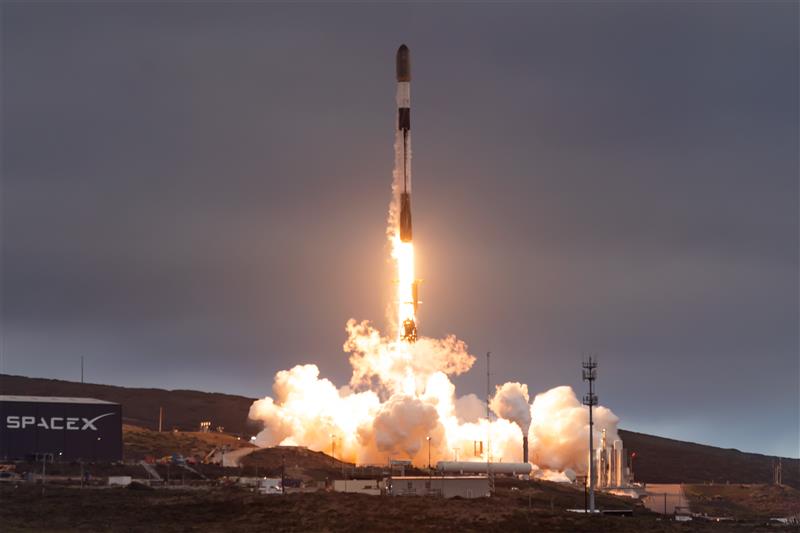
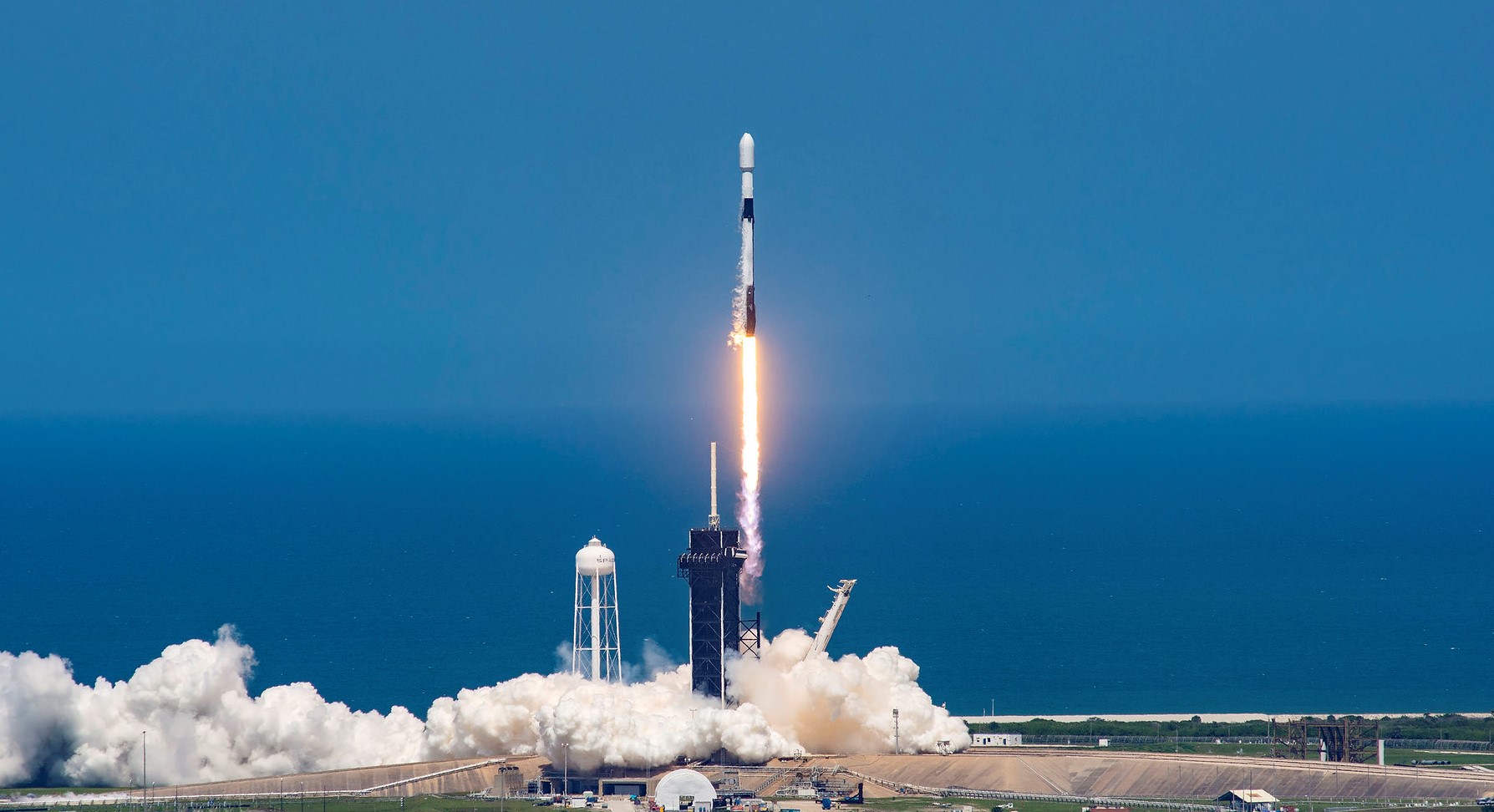
Provider: SpaceX Date: September 6, 2026 Time: 2:26 PM UTC Vehicle: Falcon 9
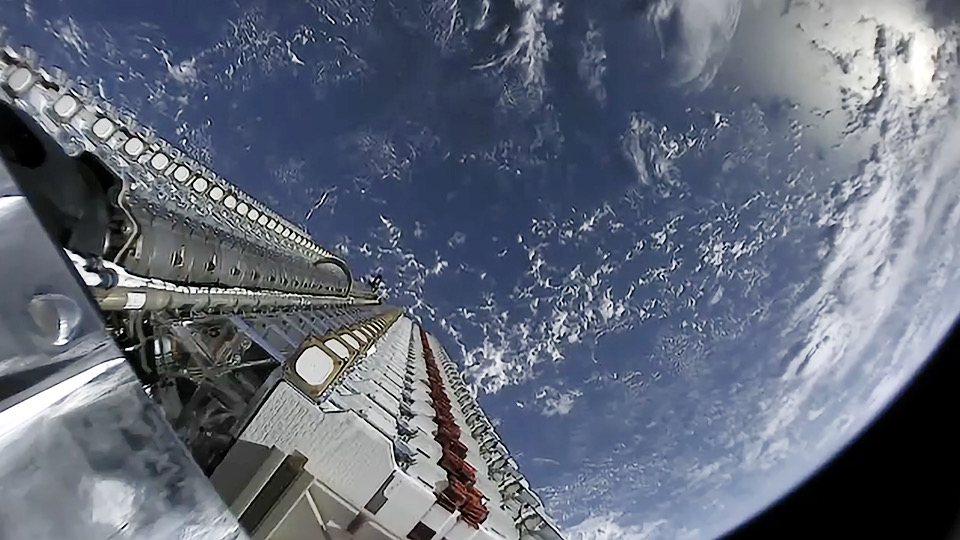
A batch of 27 satellites for the Starlink mega-constellation – SpaceX’s project for space-based Internet communication system.
Unknown Payload
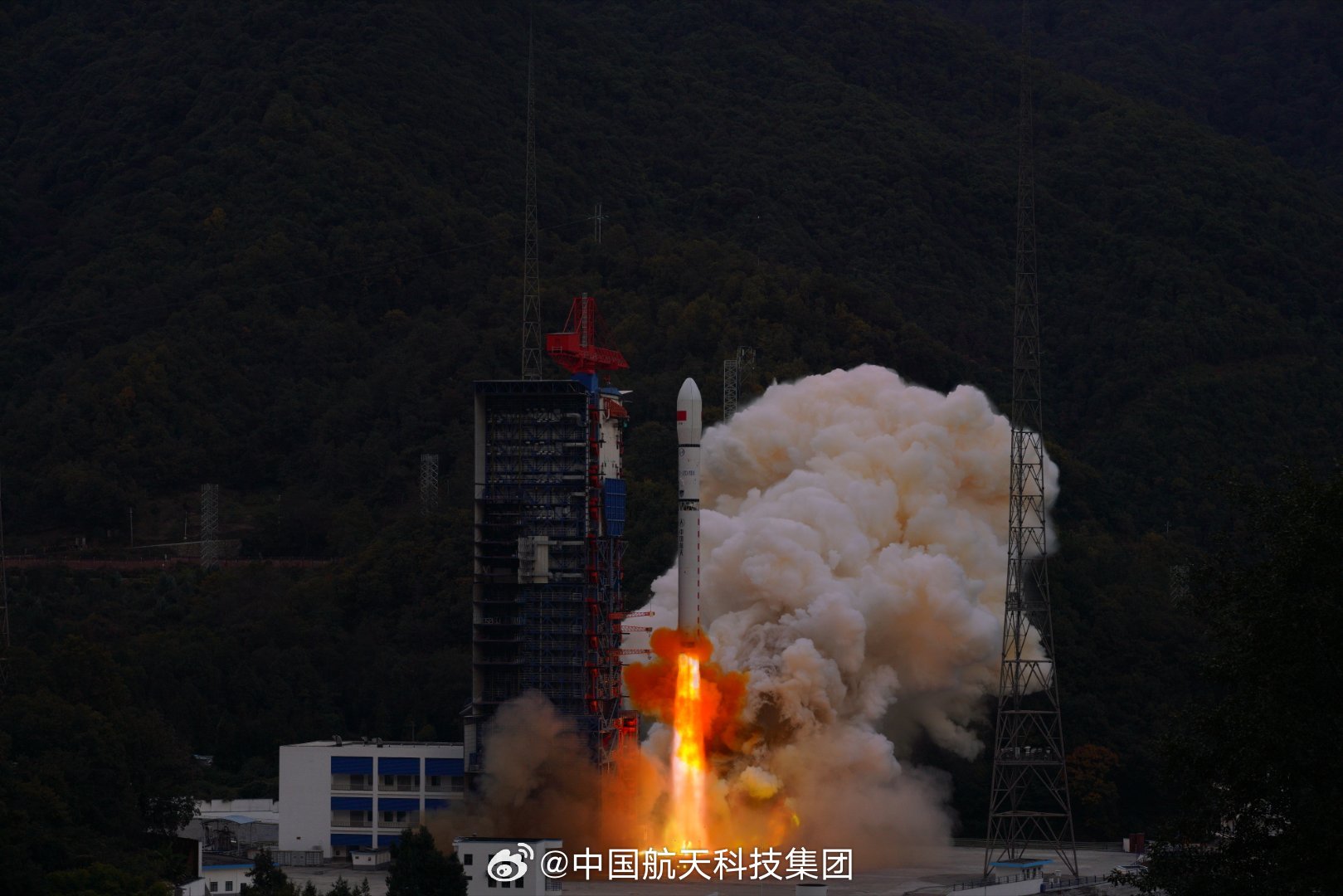
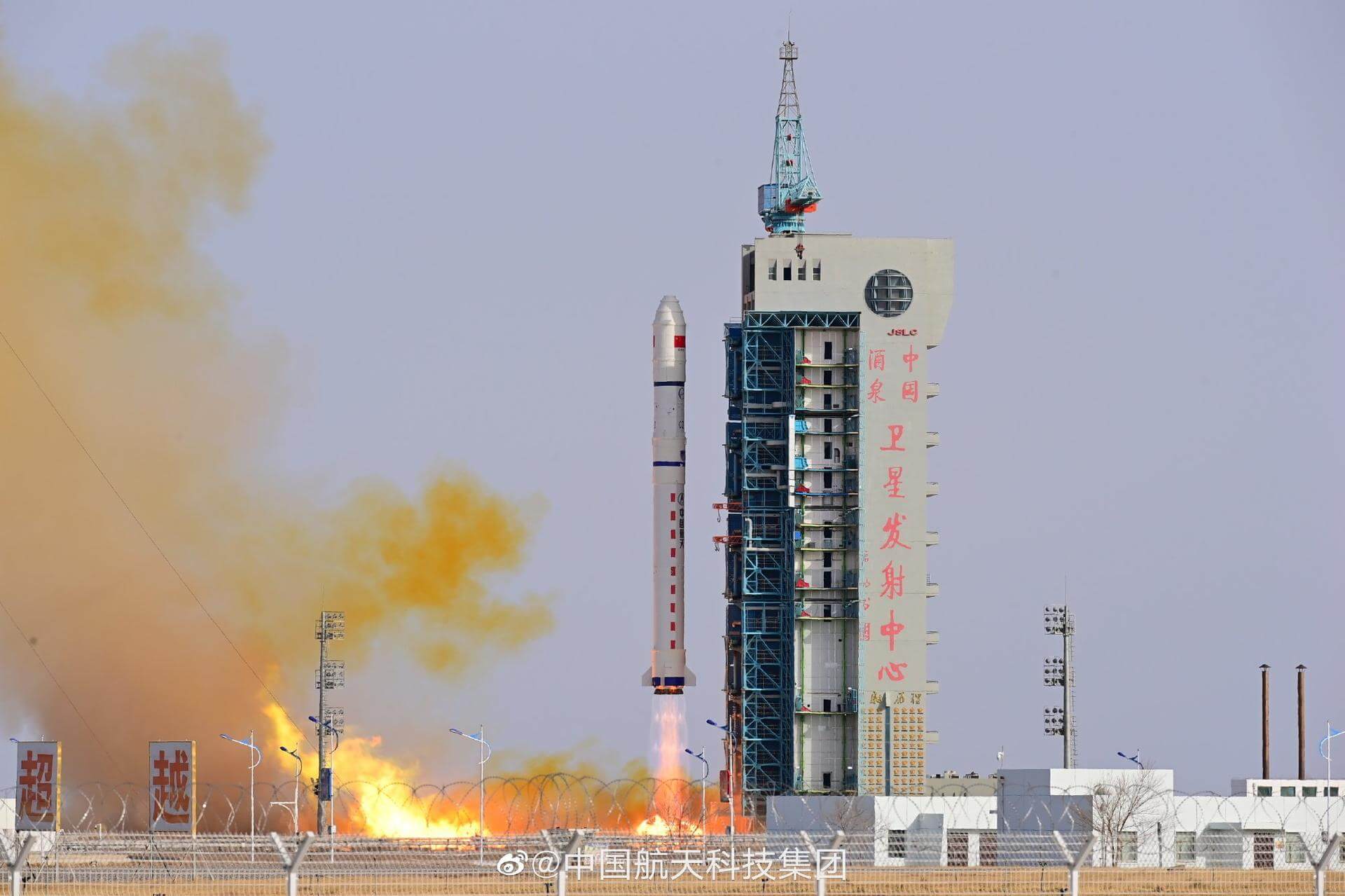
Provider: China Aerospace Science and Technology Corporation Date: September 9, 2026 Time: 9:00 AM UTC Vehicle: Long March 2D/YZ-3
Details TBD.
Progress MS-35 (96P)
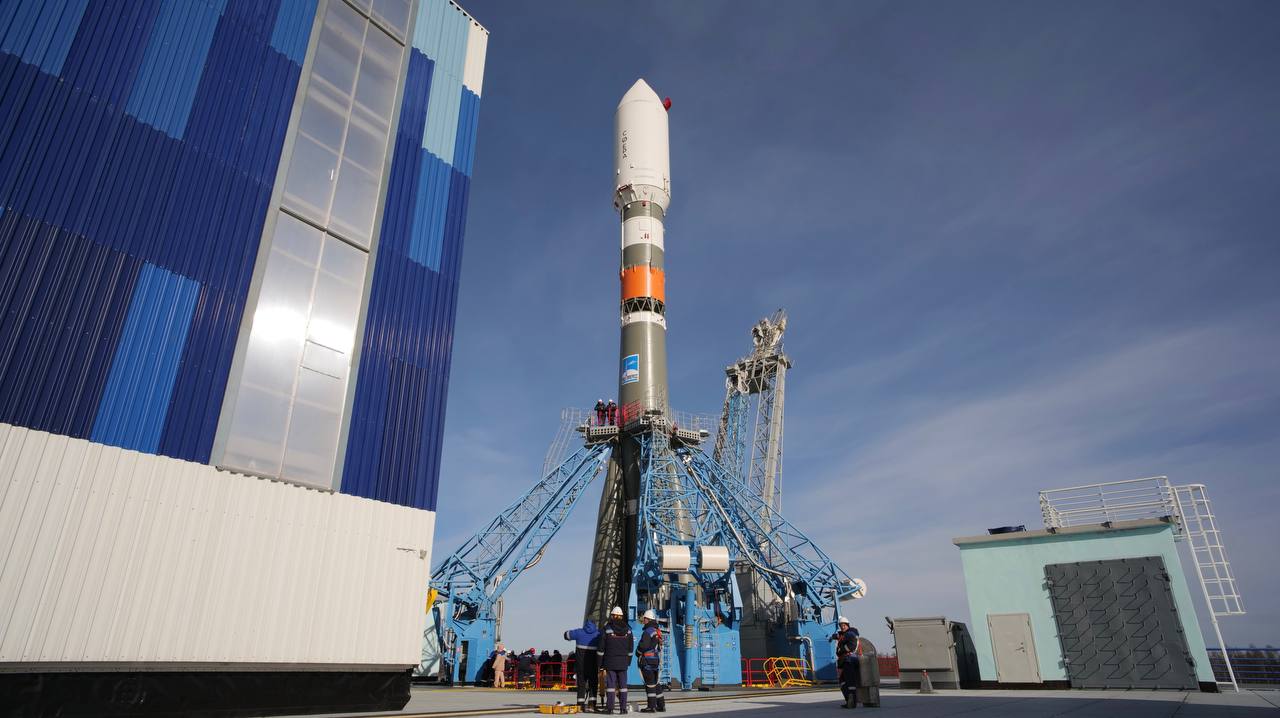
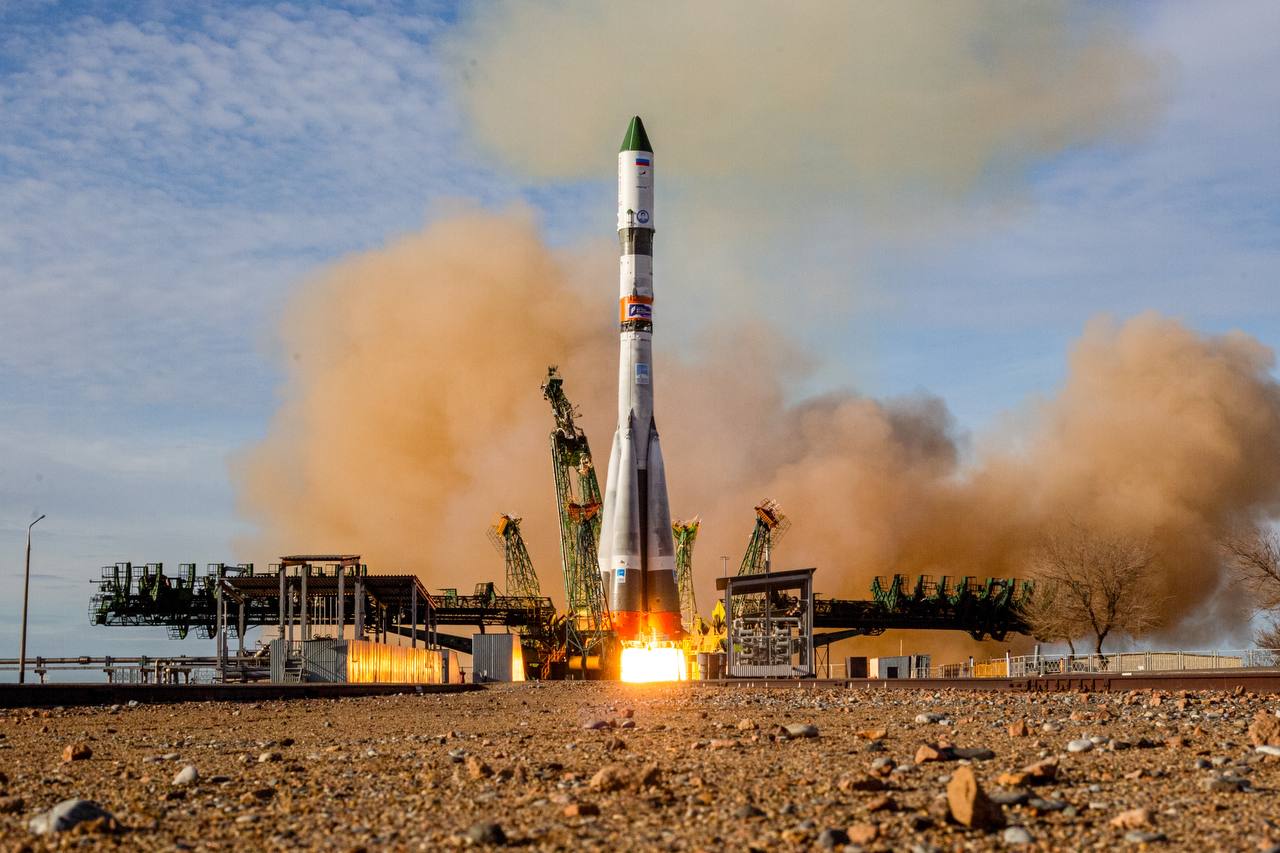
Provider: Russian Federal Space Agency (ROSCOSMOS) Date: September 9, 2026 Time: 4:15 PM UTC Vehicle: Soyuz 2.1b
Progress resupply mission to the International Space Station.
USSF-153
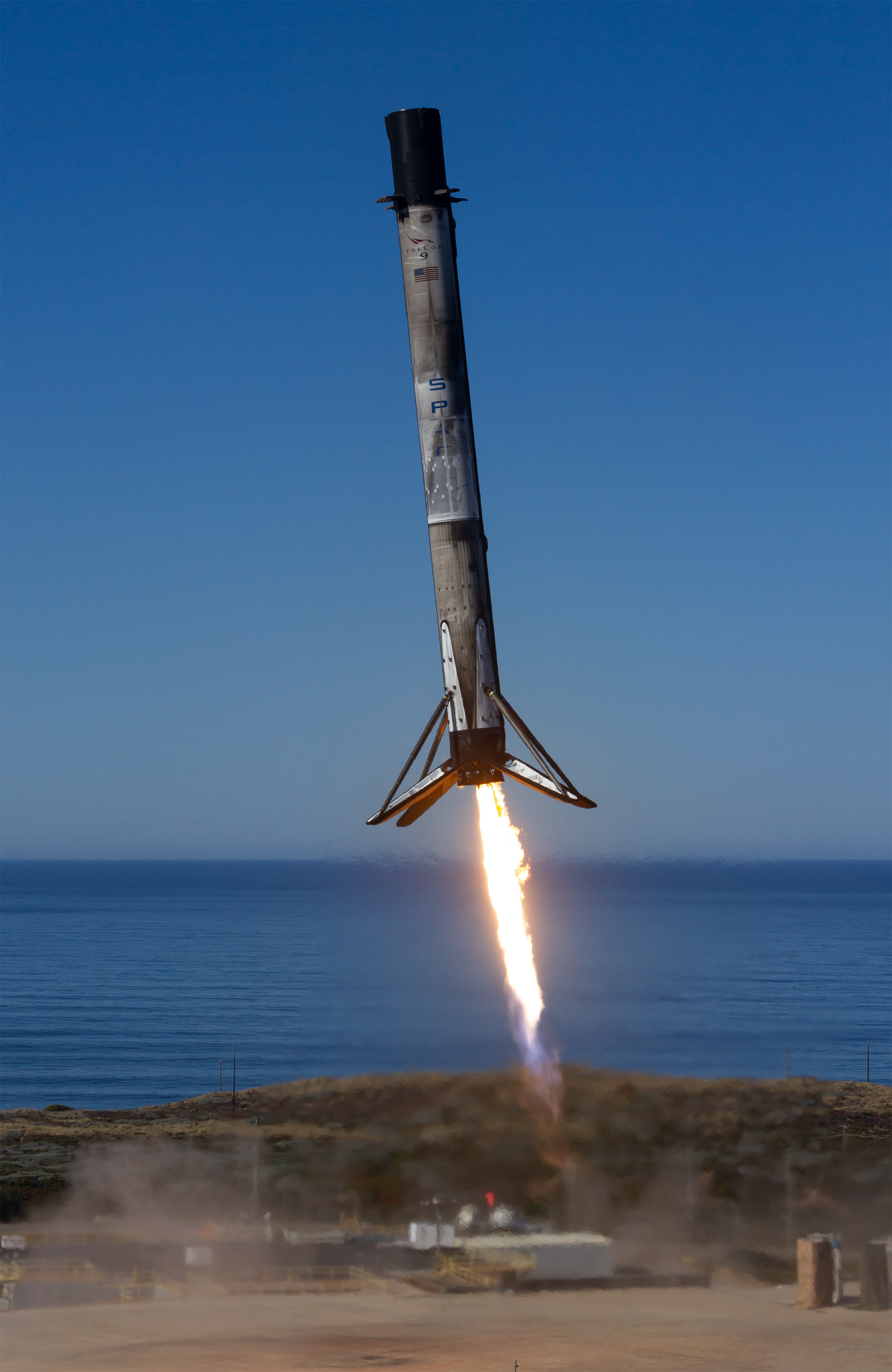
Provider: SpaceX Date: September 10, 2026 Time: 3:37 PM UTC Vehicle: Falcon 9
USSF-153 is a classified mission for the United States Space Force. It is possibly a batch of classified LEO satellites for a US government entity based on SpaceX’s Starshield satellite bus, based on locations of rocket stage drop zones being exact fits with previous Starlink Group 15 launches.
Unknown Payload
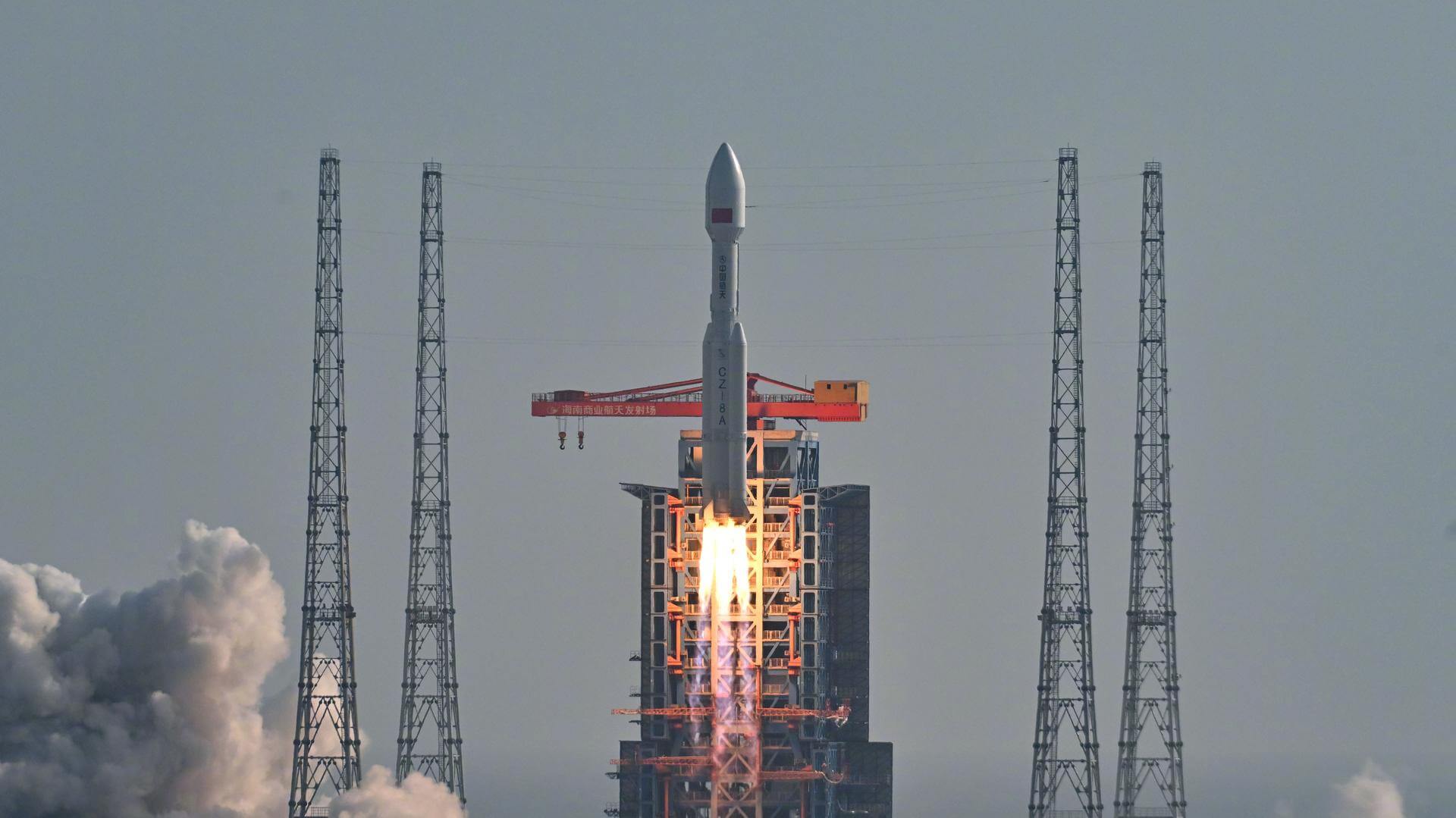
Provider: China Aerospace Science and Technology Corporation Date: September 11, 2026 Time: 4:00 PM UTC Vehicle: Long March 8A
Details TBD.
Starlink Group 15-24 ×
Mission Details
TypeCommunications
OrbitLow Earth Orbit
TargetEarth
A batch of 27 satellites for the Starlink mega-constellation – SpaceX’s project for space-based Internet communication system.
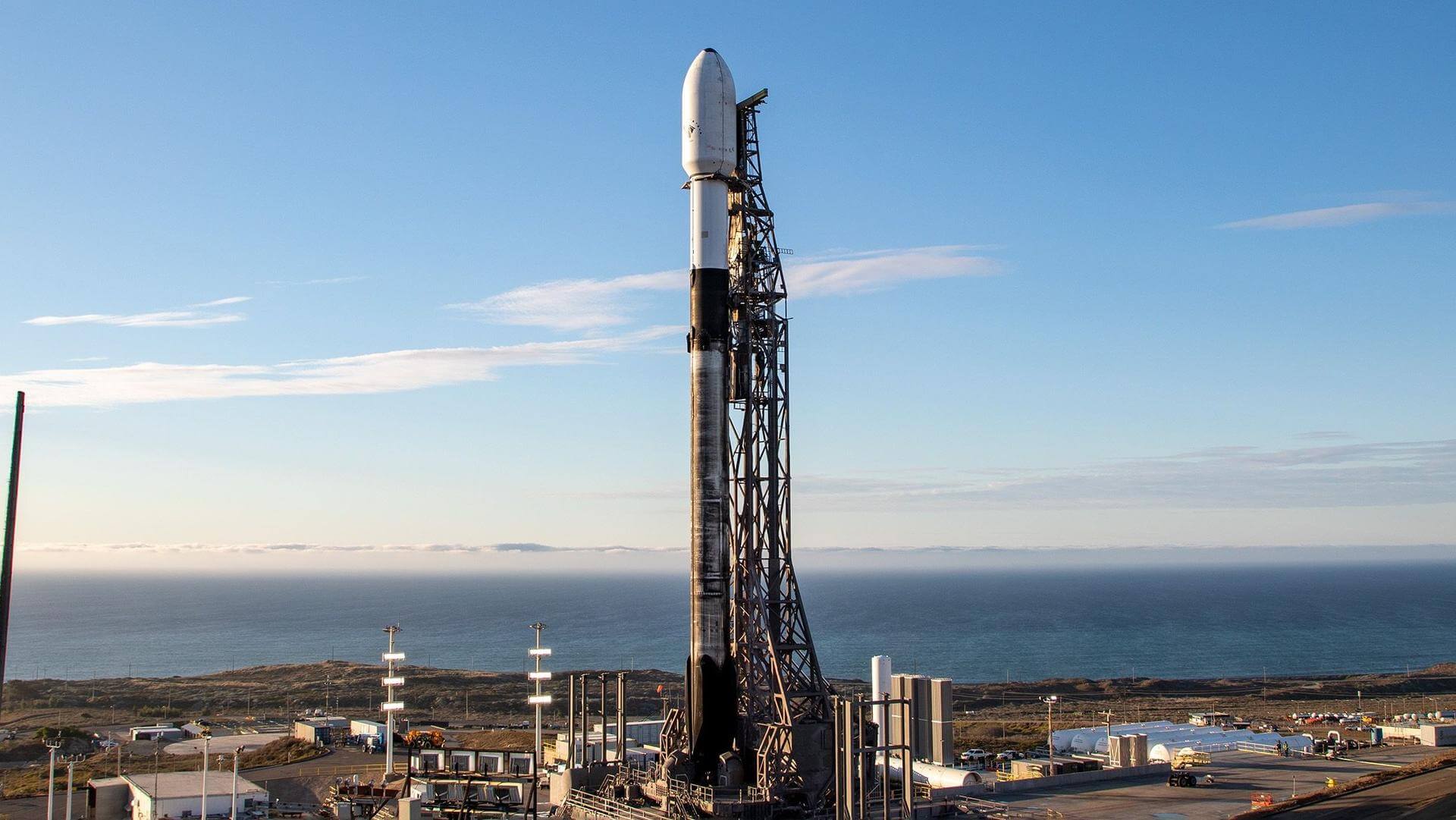
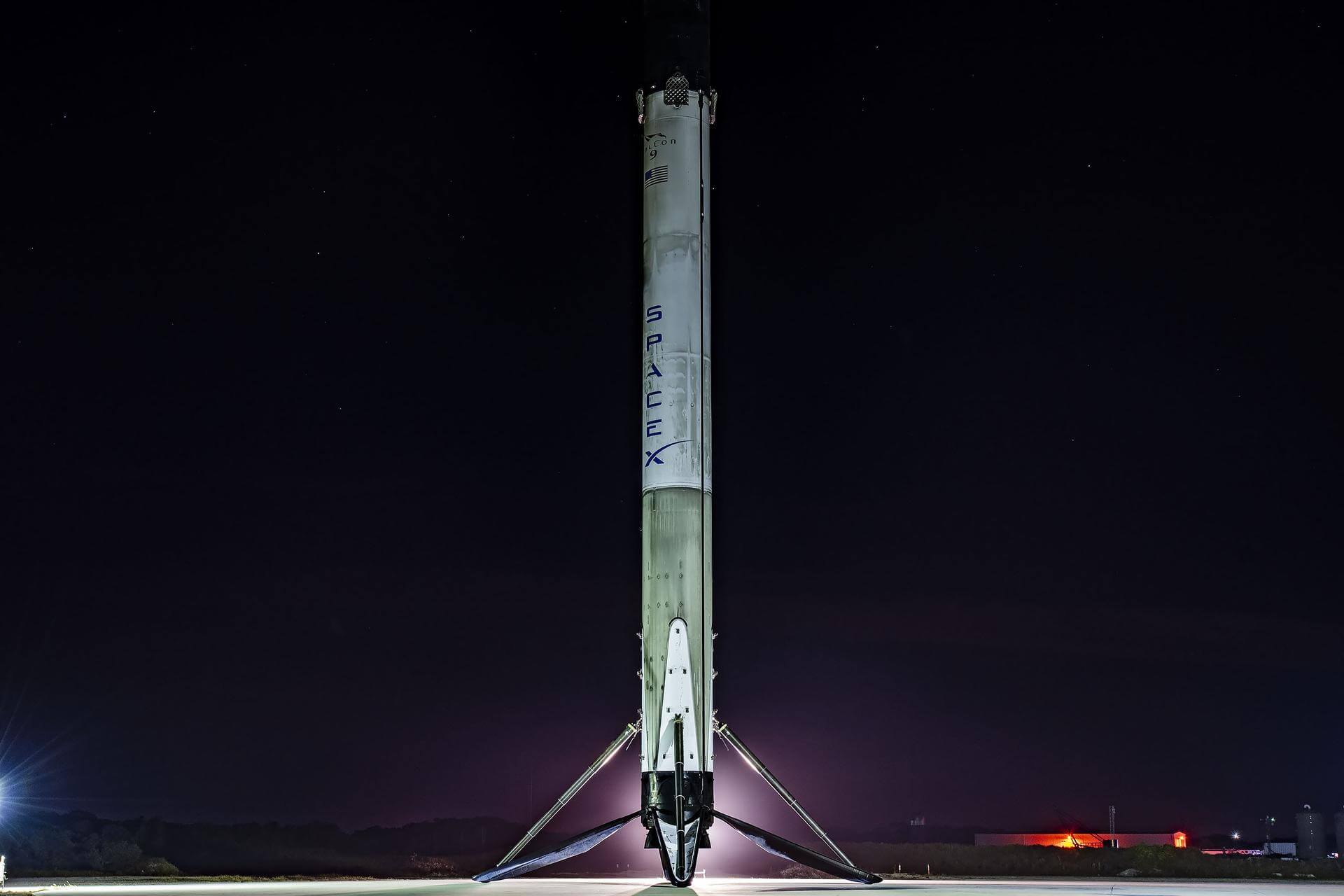
Falcon 9 is a two-stage rocket designed and manufactured by SpaceX for the reliable and safe transport of satellites and the Dragon spacecraft into orbit. The Block 5 variant is the fifth major interval aimed at improving upon the ability for rapid reusability.
The Long March 2D, also known as the Chang Zheng 2D, CZ-2D and LM-2D, is a Chinese orbital carrier rocket. It is a 2-stage carrier rocket mainly used for launching LEO and SSO satellites.
The YZ-3 variant includes a YZ-3 upper stage able to push satellites into higher orbits.
Specifications
ReusableNo
Maiden Flight2018-12-29
Launch Record
4 successful / 4 total launches
Current streak: 4 successful
Progress MS-35 (96P) ×
Mission Details
TypeResupply
OrbitLow Earth Orbit
TargetEarth
Progress resupply mission to the International Space Station.
Agencies Involved
• Russian Federal Space Agency (ROSCOSMOS) (Government)
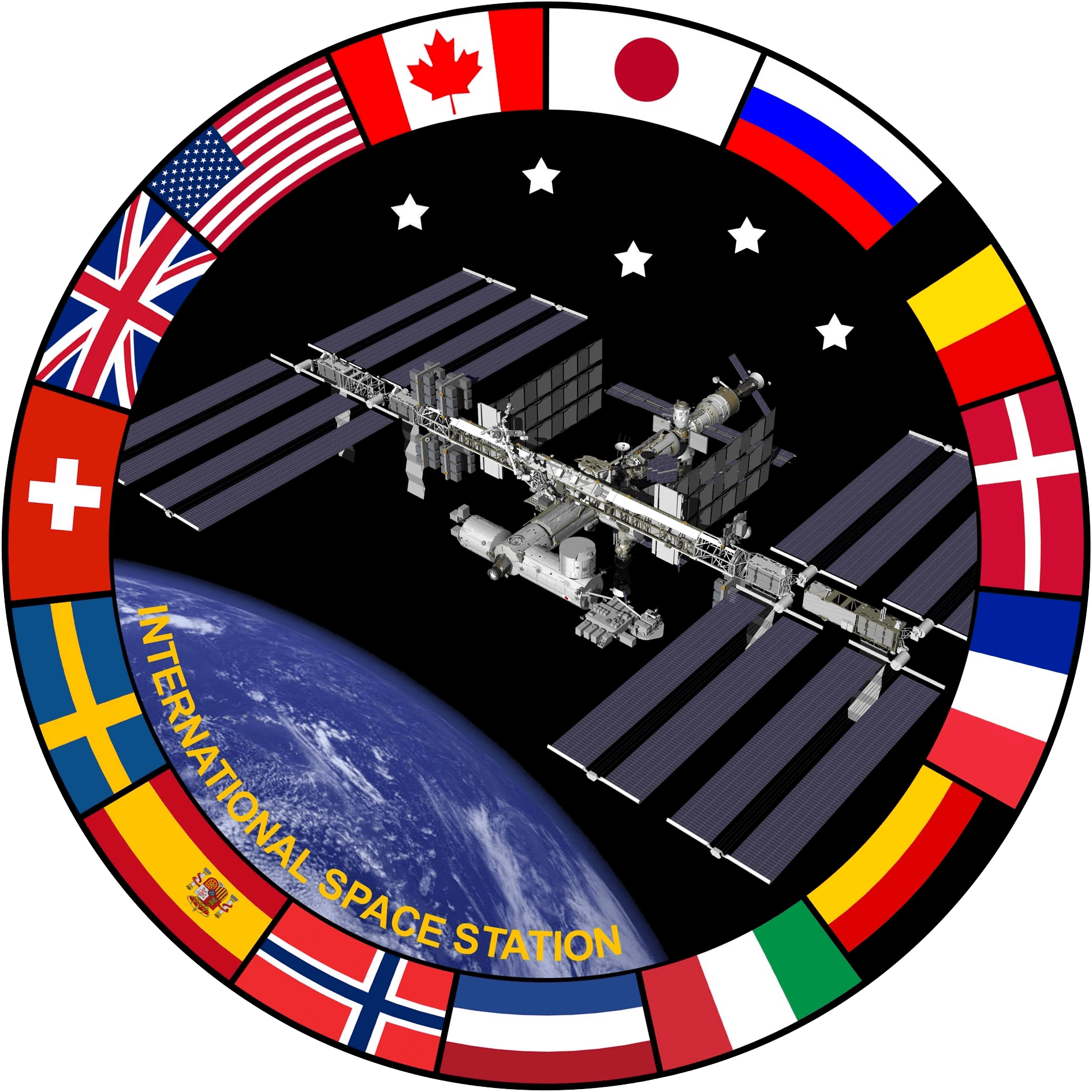
Program: International Space Station
The International Space Station programme is tied together by a complex set of legal, political and financial agreements between the sixteen nations involved in the project, governing ownership of the various components, rights to crewing and utilization, and responsibilities for crew rotation and resupply of the International Space Station. It was conceived in 1984 by President Ronald Reagan, during the Space Station Freedom project as it was originally called.
Soyuz-2 is the 21st-century version of the Russian Soyuz rocket. In its basic form, it is a three-stage carrier rocket for placing payloads into low Earth orbit. The 2.1b version adds an upgraded engine (RD-0124) with improved performance to the second stage.
USSF-153 is a classified mission for the United States Space Force. It is possibly a batch of classified LEO satellites for a US government entity based on SpaceX’s Starshield satellite bus, based on locations of rocket stage drop zones being exact fits with previous Starlink Group 15 launches.
Falcon 9 is a two-stage rocket designed and manufactured by SpaceX for the reliable and safe transport of satellites and the Dragon spacecraft into orbit. The Block 5 variant is the fifth major interval aimed at improving upon the ability for rapid reusability.
The Long March 8A is an orbital launch vehicle developed by the China Academy of Launch Vehicle Technology based on the Long March 8. It has an increased capability of up to 7 tonnes to a 700 km altitude sun-synchronous orbit. It implements a larger 3.35 meters diameter liquid hydrogen/liquid…
Robo Chris is a collection of API calls, filters, and searches, bolted together with magic and love. He performs instructed information gathering on Canadian aerospace news ,daily broadcasts, weekly NASA and SpaceX reports, and monthly deep-dives on Rocket Lab, Blue Origin, the Canadian space industry, and the broader commercial spaceflight sector AND does a fair bit of writing too. Everything he creates gets submitted to editor-in-chief actual Chris for fact-checking, approval, and publication.









Leave a Reply