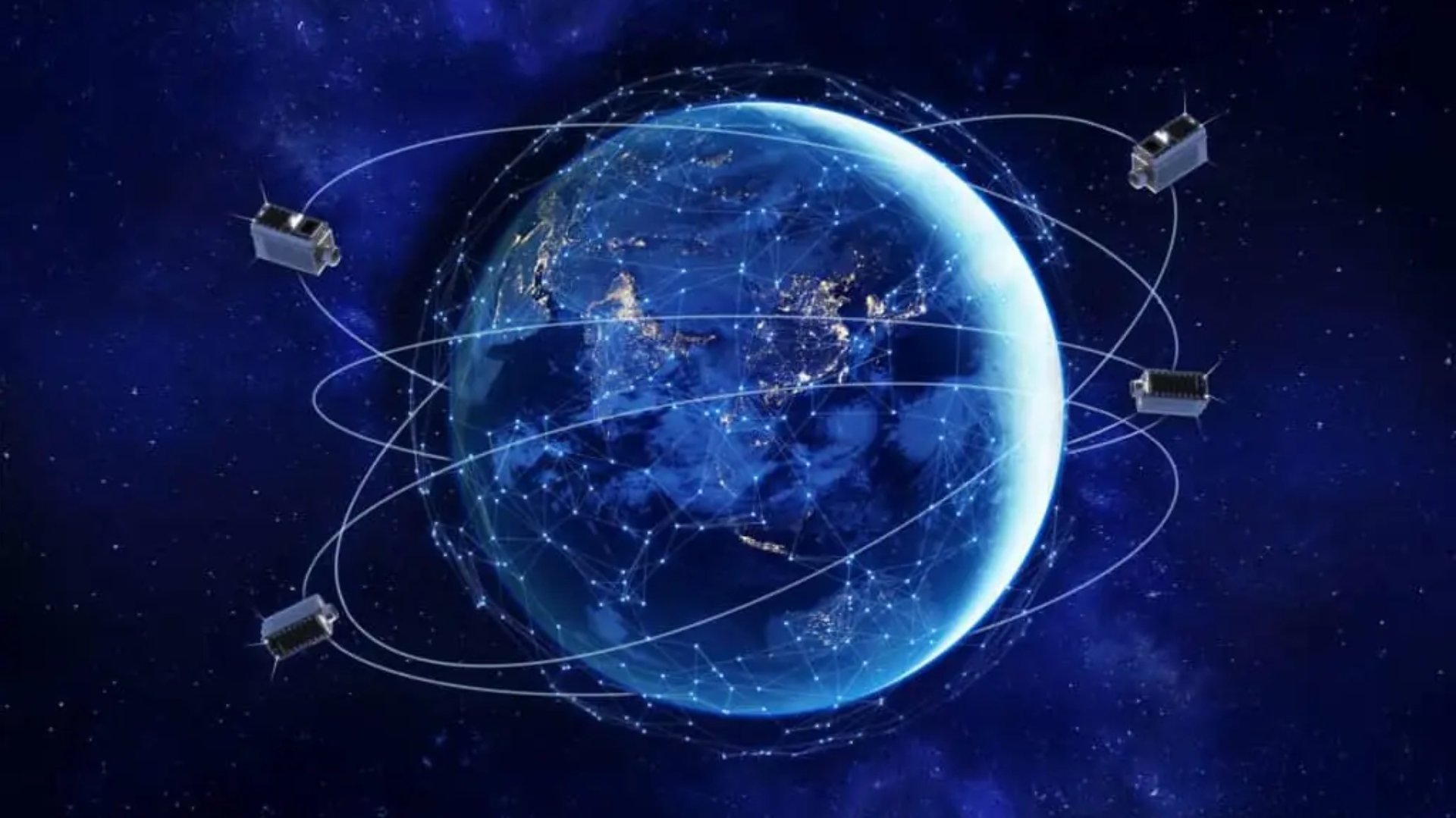
Montreal-based GHGSat is designing a second-generation satellite that will halve its methane leak detection threshold, the company announced Monday, with launch planned for early 2028.
The new satellite’s detection threshold — the smallest leak rate it can reliably pick up — will be 50 kilograms of methane per hour, down from about 100 kilograms per hour for GHGSat’s current first-generation fleet. Each satellite will also cover roughly 20,000 square kilometres a day, about twice the area its predecessors manage, with customers still receiving data within a day of each pass.
The company did not disclose who will build the satellite, what it will cost, or how many GHGSat intends to fly. Its existing satellites were built by Toronto’s SFL Missions and U.S.-based Spire Global, with sensor payloads from ABB in Quebec City. GHGSat raised $47 million in equity and debt in September 2025, saying part would go toward “the continued evolution” of its satellite technology.
The first-generation fleet is still growing. Satellites C-16 and C-17 returned their first methane images in late July, and two more — C-18 and C-19, ordered from SFL Missions — are due to launch this year. The fleet observed more than four million facilities in 2025.
“Our second-generation satellite is the next step in a decade of delivery: the next evolution of the only commercially operating methane monitoring constellation in the world,” chief executive officer Stephane Germain said in the company’s release.
GHGSat also plans to pair the new satellite with DATA.AIR, its aircraft-mounted sensor, in a tip-and-cue arrangement: a coarse satellite pass flags a region, the sharper satellite narrows it to a facility, and the aircraft measures the leak up close. DATA.AIR detects leaks approaching 3.5 kilograms per hour in tests at Colorado State University’s Methane Emissions Technology Evaluation Center — sensitive enough, the company says, for operators reporting under the Oil and Gas Methane Partnership 2.0, a United Nations-backed standard.
RSAT Space Wins INNOSPACE Launch Distribution Rights in Canada
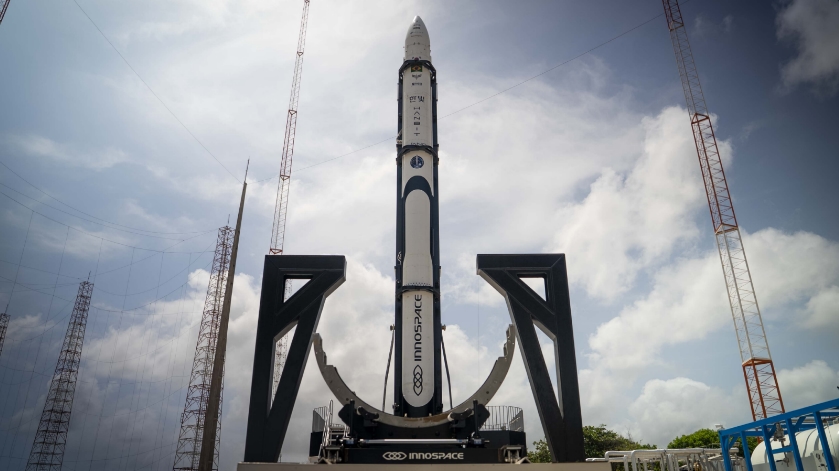
Montreal’s RSAT Space has signed a distribution agreement with South Korean rocket developer INNOSPACE, giving the Canadian company non-exclusive rights to sell launches on INNOSPACE’s HANBIT-Nano, HANBIT-Micro, and HANBIT-Mini small rockets to Canadian government and commercial satellite operators.
The deal, announced Monday, converts an April memorandum of understanding into a formal agreement. RSAT will find prospective customers, pitch launch services, and negotiate or close contracts. No Canadian launch contract has been signed yet.
It is the third distribution deal INNOSPACE has signed in about a year, following agreements with American companies Arrow Science and Technology in August 2025 and Ensemble Commercial Services in May 2026. RSAT is the first Canadian company in INNOSPACE’s growing international network, which already includes distributors in Japan, Italy, the Netherlands, Germany, and the U.K.
RSAT builds satellites and payloads, so the agreement puts it in a sales role rather than a technical one. The Montreal company rebranded in December 2025 from AQST Canada Inc.; chief executive officer Gurvinder Chohan previously ran commercial operations for MDA Space and Maxar’s Asia-Pacific business. RSAT has separately signed a deal this year with Japan’s WARSPACE on optical laser communications and points to work as a prime contractor on Canadian Department of National Defence projects.
The release does not mention that HANBIT-Nano’s debut orbital launch, from Brazil’s Alcântara Space Center on Dec. 22, 2025, ended in failure when a sealing problem in the first-stage engine caused the rocket to break apart less than a minute after liftoff. INNOSPACE has said it is working toward a second attempt; a firm date had not been publicly confirmed as of Monday.
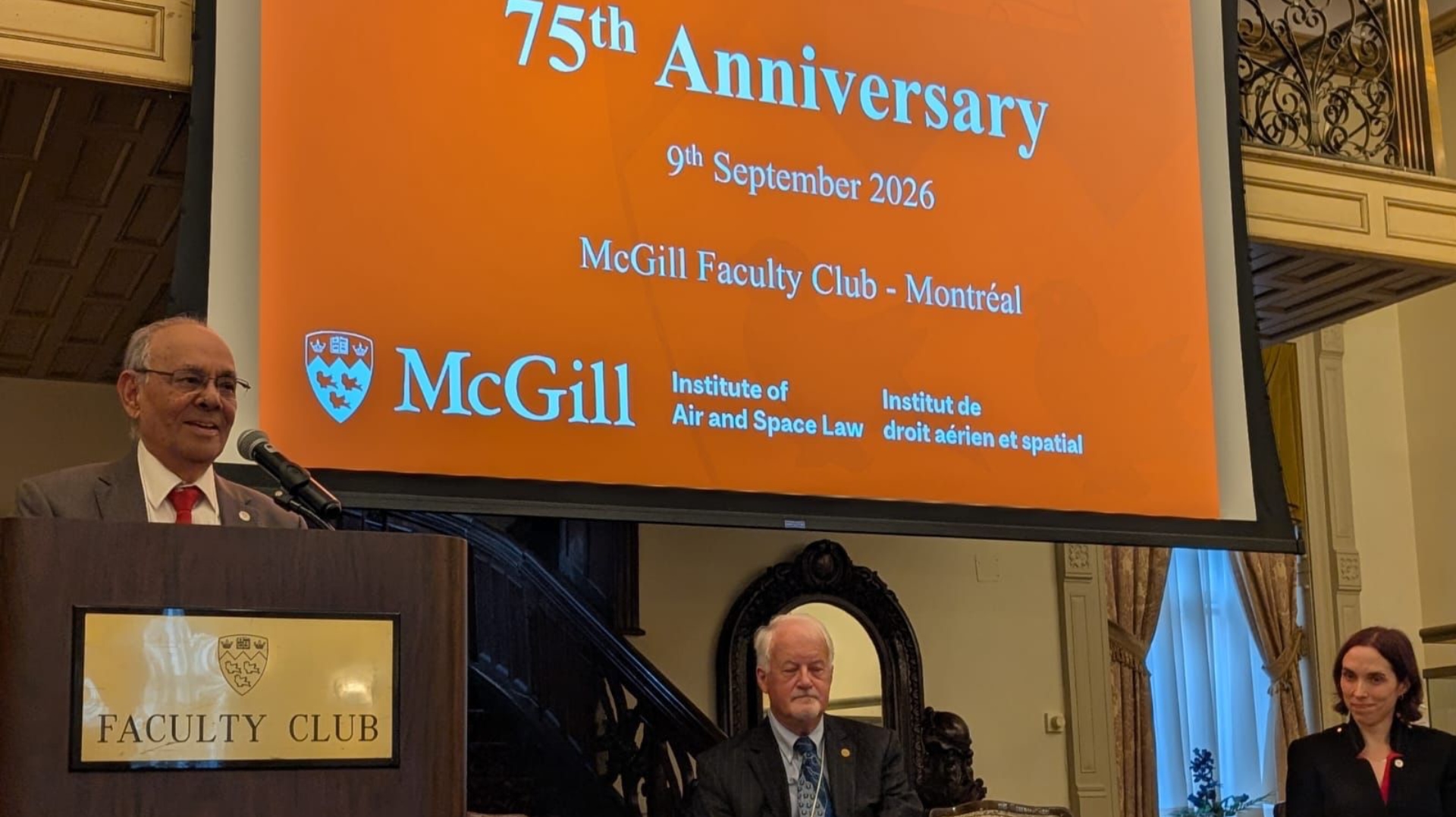
McGill’s Institute of Air and Space Law Marks 75 Years
The McGill Institute of Air and Space Law is celebrating its 75th anniversary this month — a milestone that arrived six years before Sputnik orbited in 1957.
Founded in 1951 by John Cobb Cooper, former counsel for the International Air Transport Association, the institute grew alongside Canada’s early space-related research. Upper-atmosphere measurements were underway at least from the 1930s, and the 1950s brought the Defence Research Telecommunications Establishment and suborbital launches from the Churchill Research Range in northern Manitoba.
Today, IASL offers a Master of Laws (thesis), Master of Laws (non-thesis), Doctor of Laws, and a graduate certificate in air and space law — the last open to individuals without a law degree. The institute’s two co-directors, Andrea Harrington and Vincent Correia, also co-edit the Annals of Air and Space Law. Fall courses include public international air law, international space law, and private international air law, reflecting the institute’s deliberate integration of both fields.
Applications remain competitive, with IASL often turning away high-quality applicants because of the program’s reputation, according to the institute.
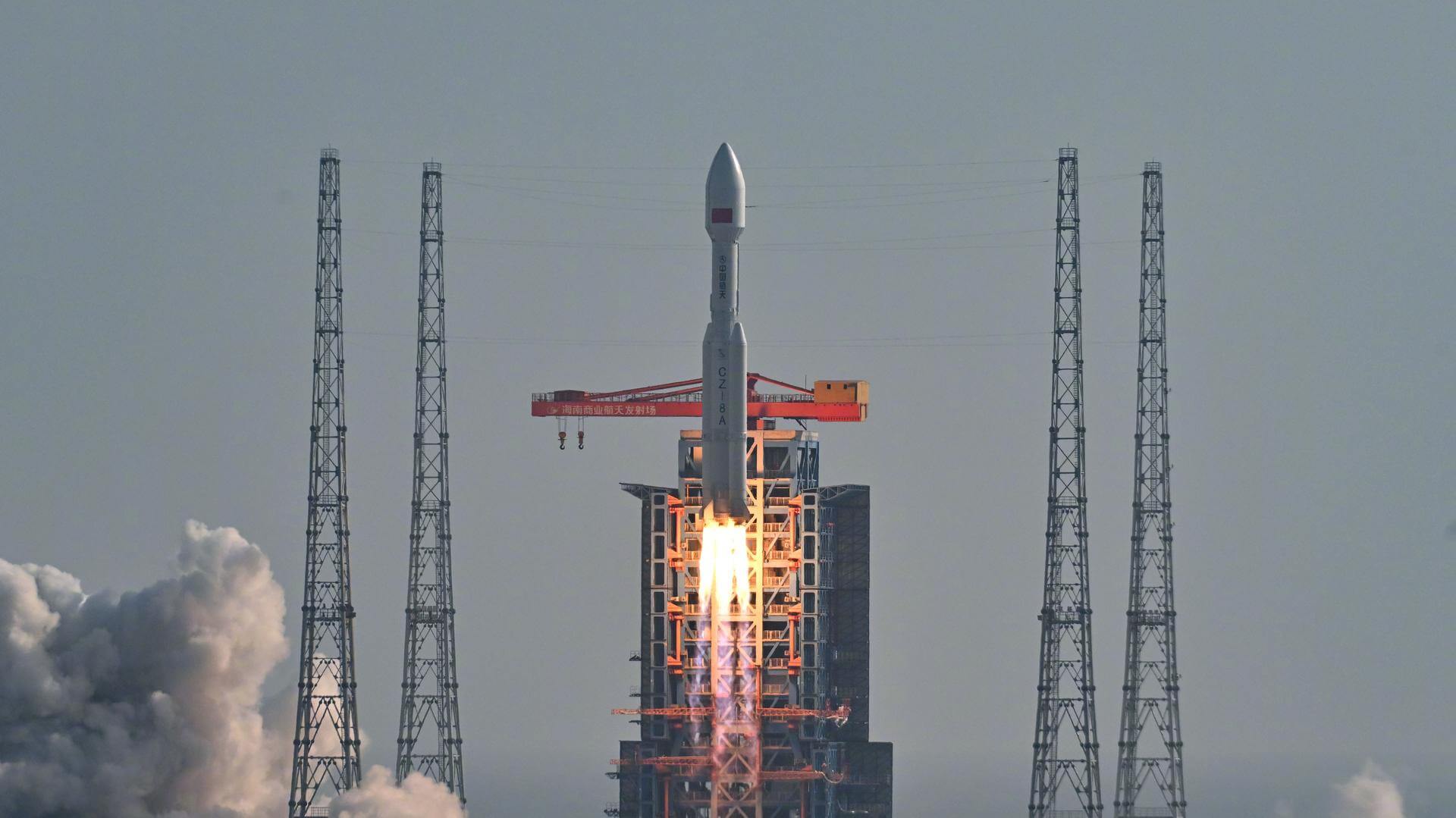
Provider: China Aerospace Science and Technology Corporation Date: September 23, 2026 Time: 1:30 PM UTC Vehicle: Long March 8A
Details TBD.
Unknown Payload
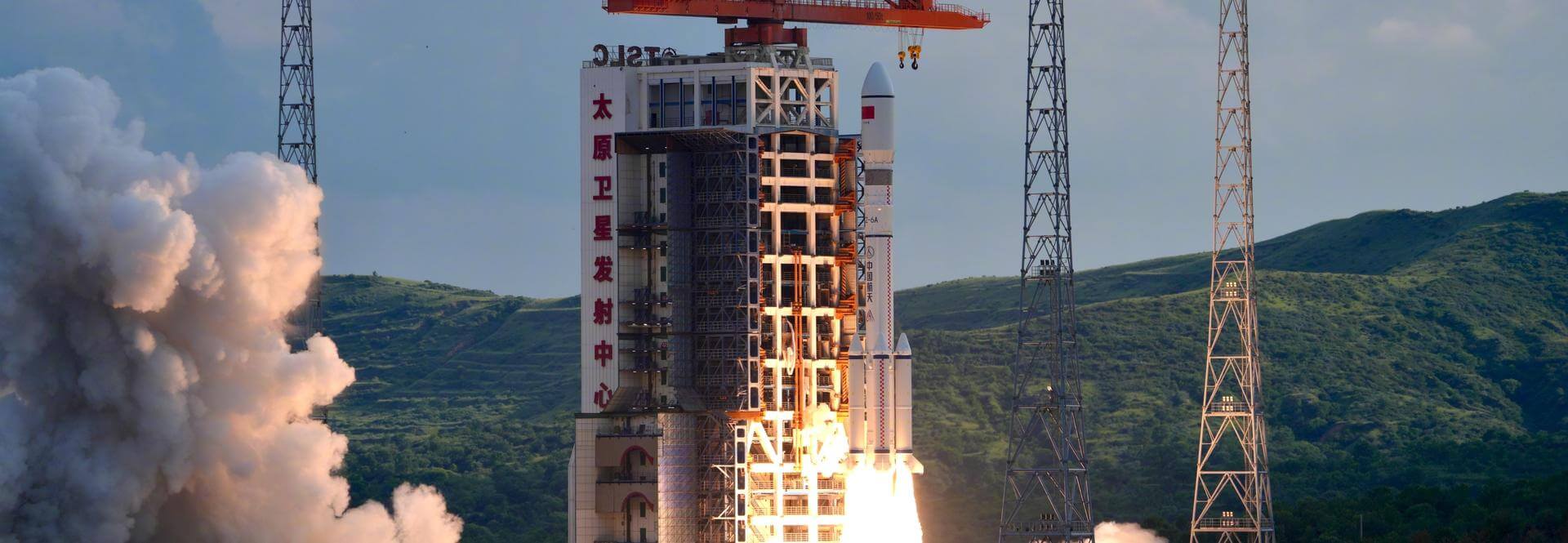
Provider: China Aerospace Science and Technology Corporation Date: September 24, 2026 Time: 8:45 AM UTC Vehicle: Long March 6A
Details TBD.
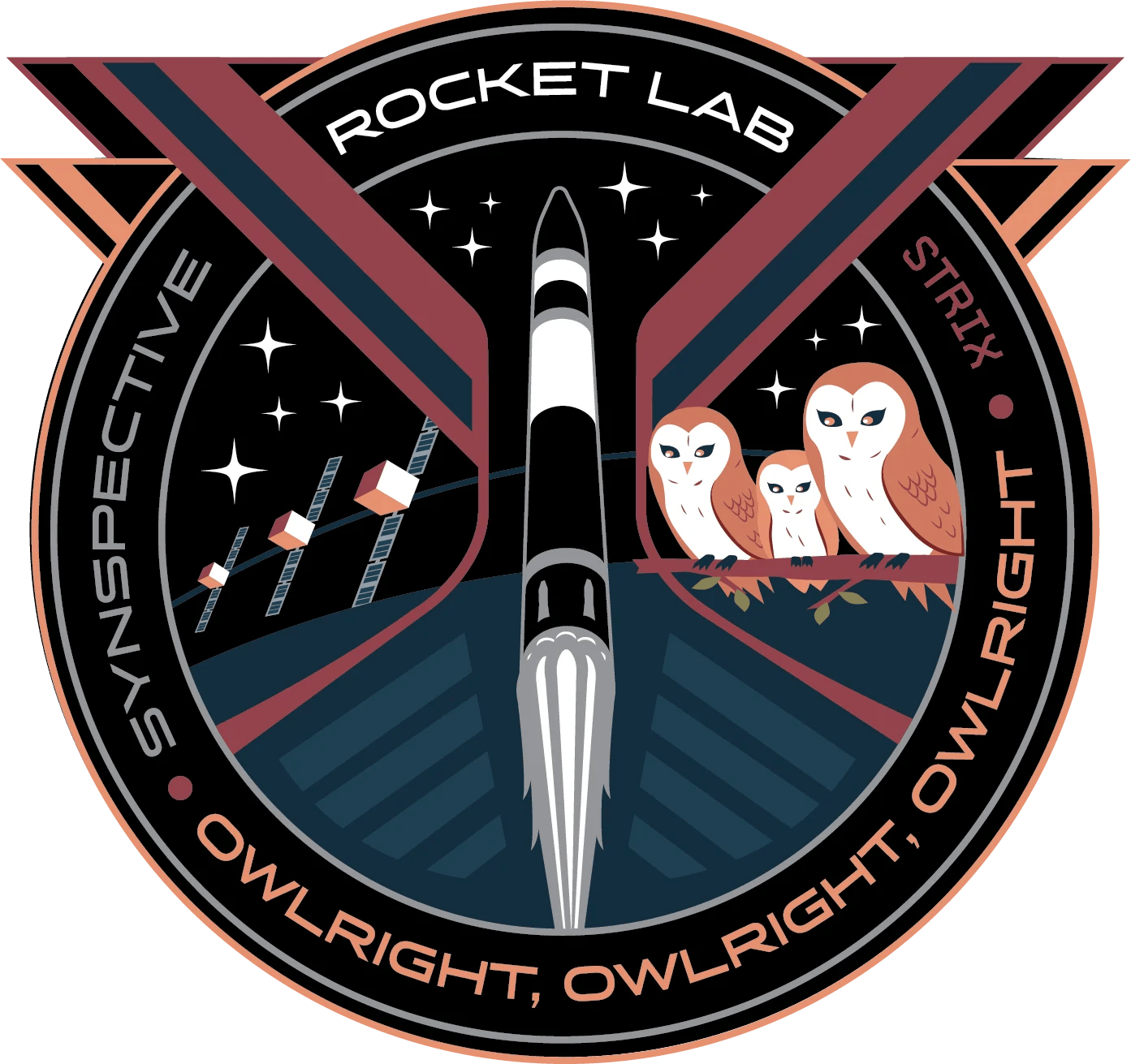
Owlright, Owlright, Owlright (StriX Launch 13)
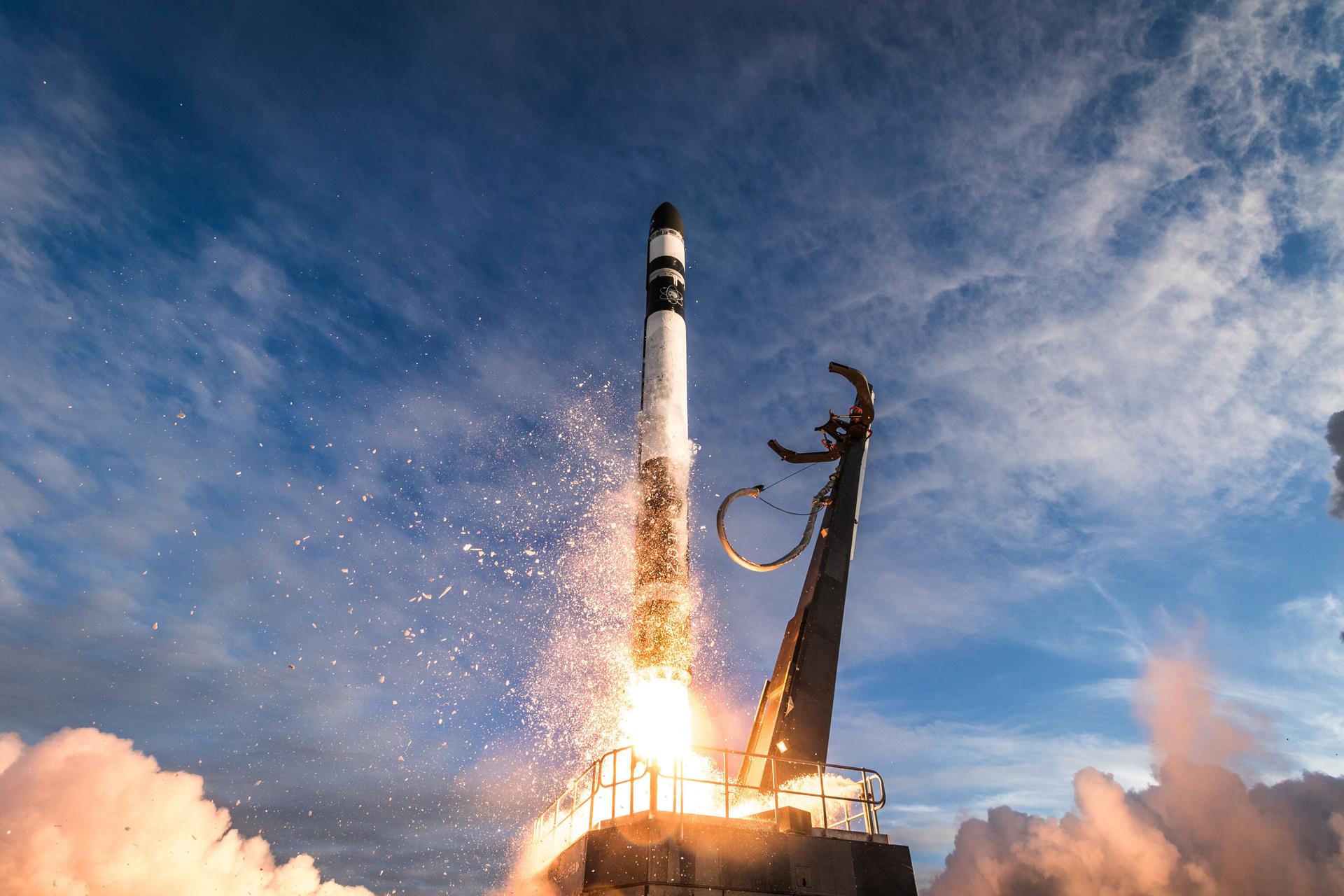
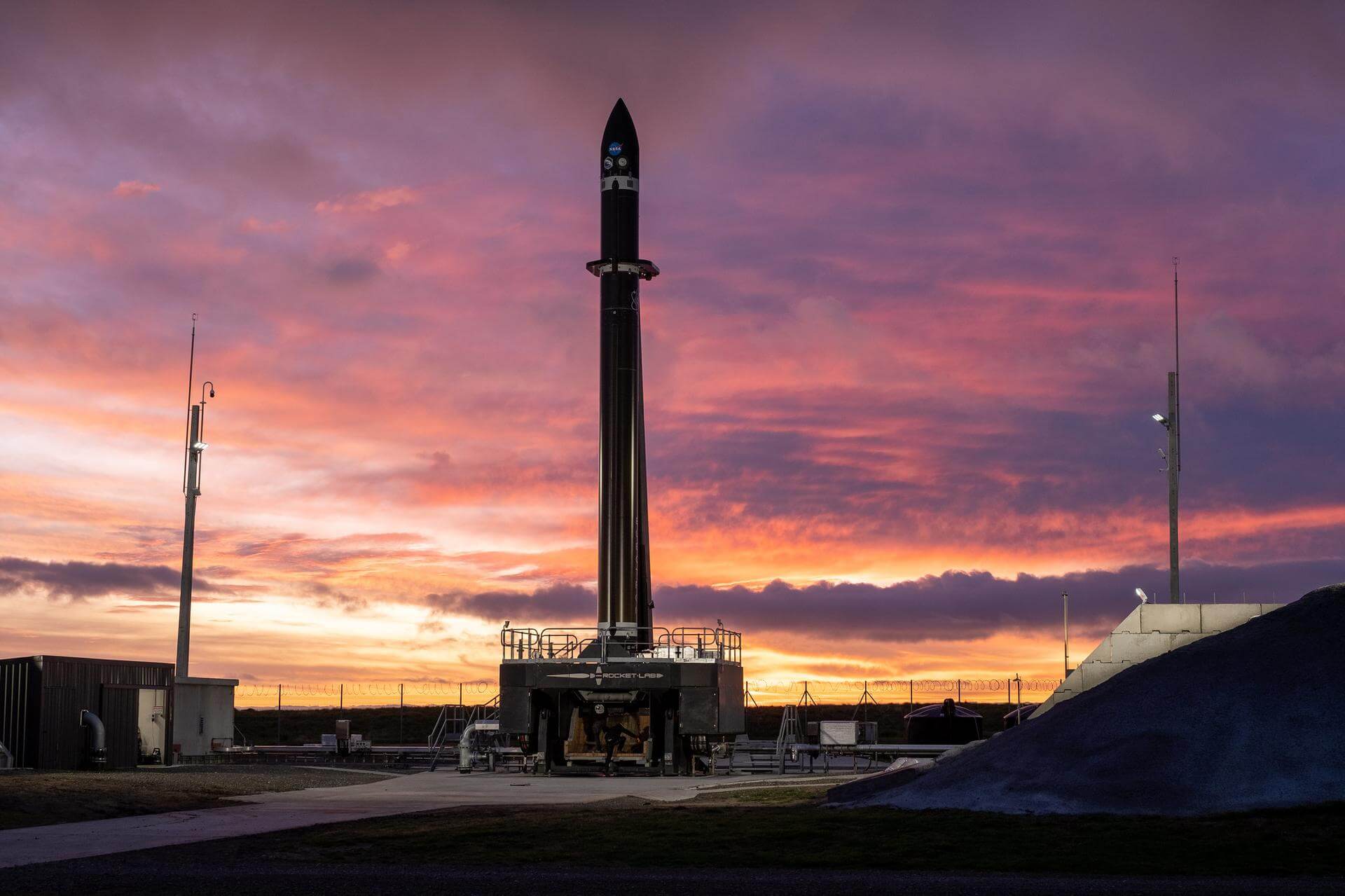
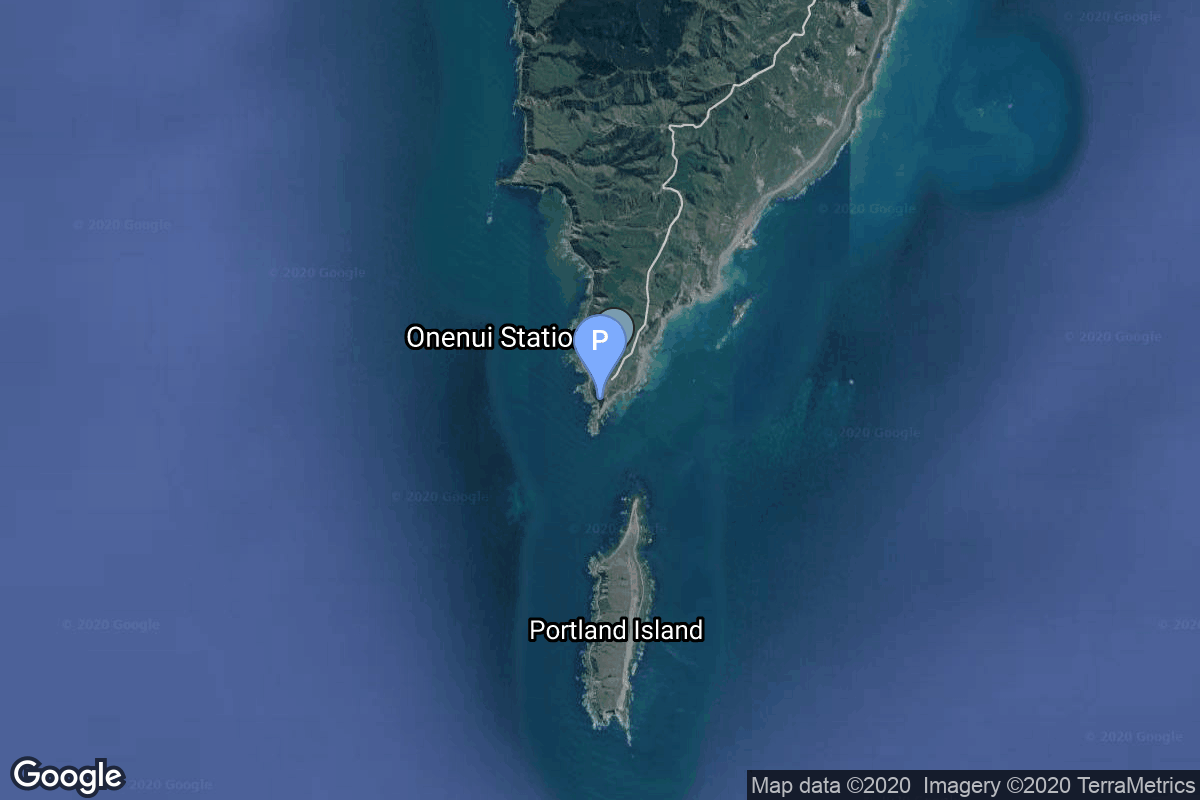
Provider: Rocket Lab Date: September 26, 2026 Time: 12:15 AM UTC Vehicle: Electron
Synthetic aperture radar satellite for Japanese Earth imaging company Synspective.
USSF-385
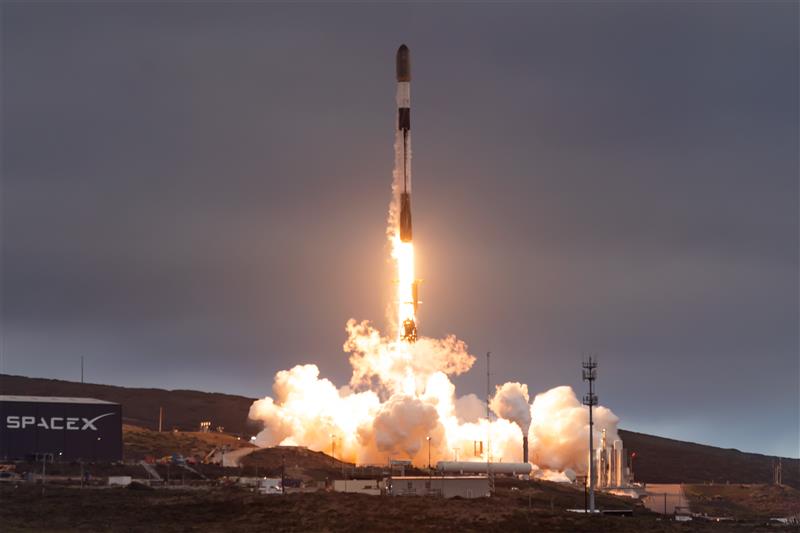
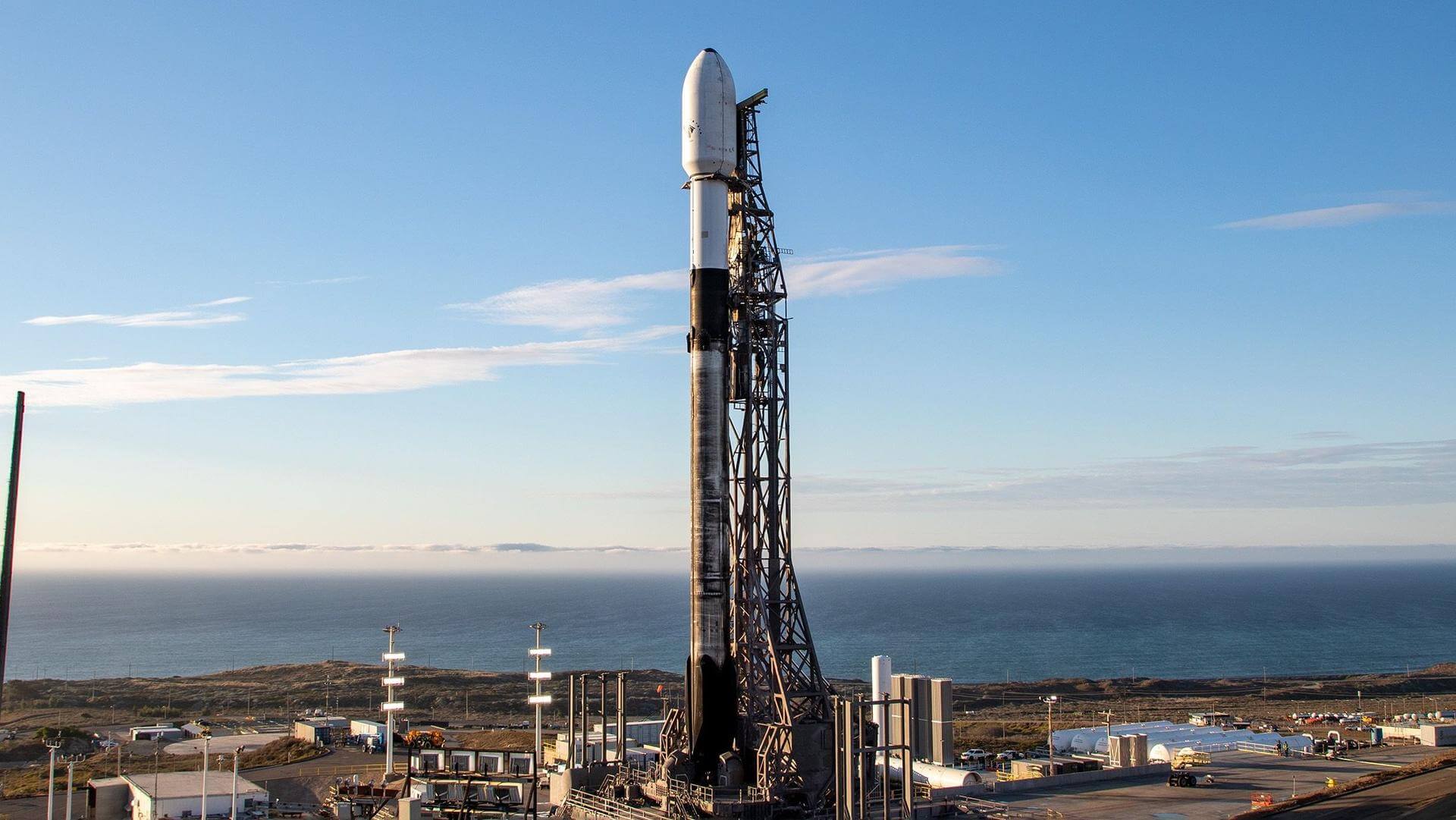
Provider: SpaceX Date: September 26, 2026 Time: 11:56 AM UTC Vehicle: Falcon 9
A classified mission for the United States Space Force. It is possibly a batch of classified LEO satellites based on SpaceX’s Starshield satellite bus, based on locations of rocket stage drop zones being exact fits with previous Starlink Group 15 launches.
Starlink Group 31-1 (Starship Flight 14)
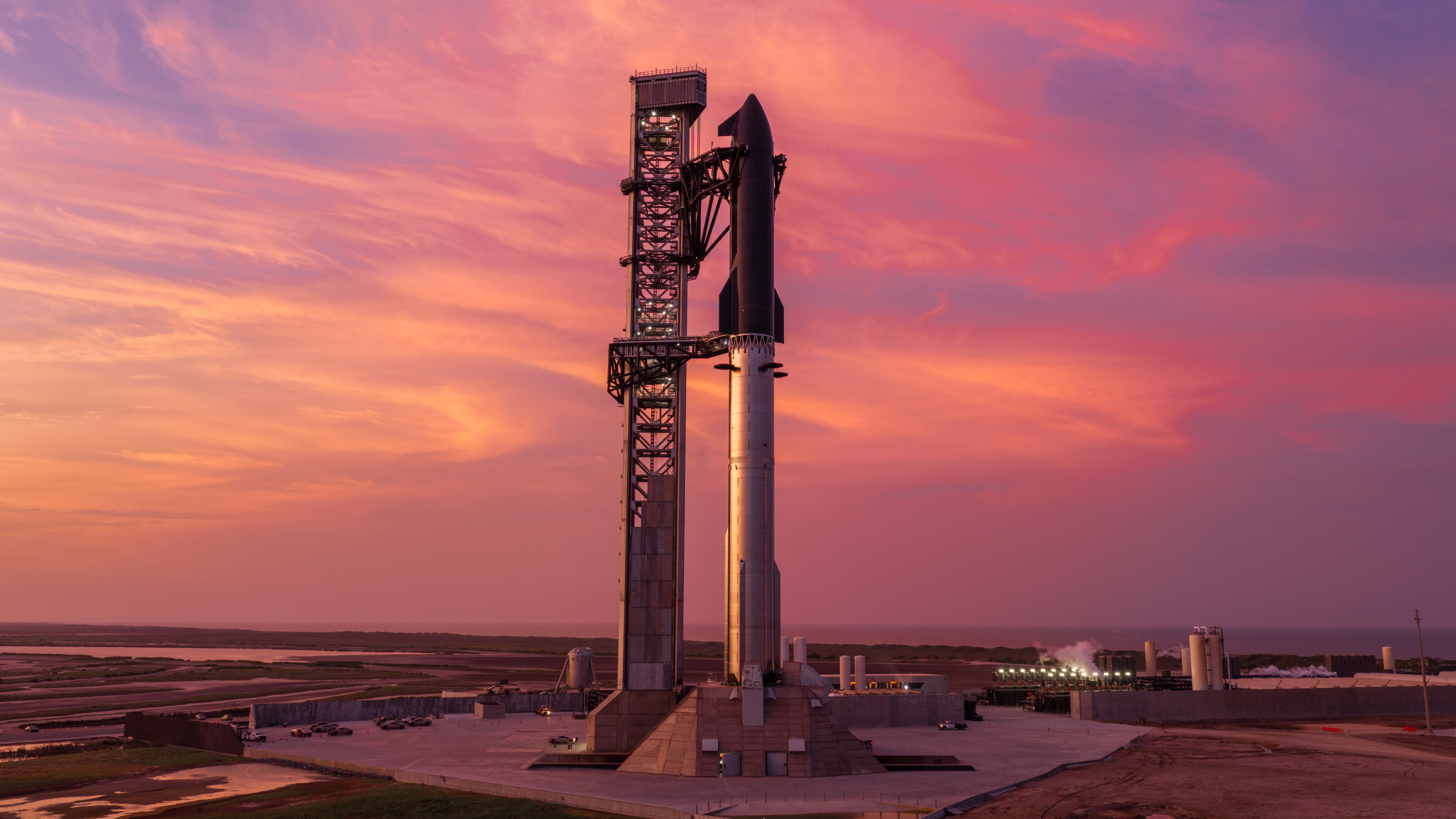
Provider: SpaceX Date: September 28, 2026 Time: 12:15 PM UTC Vehicle: Starship
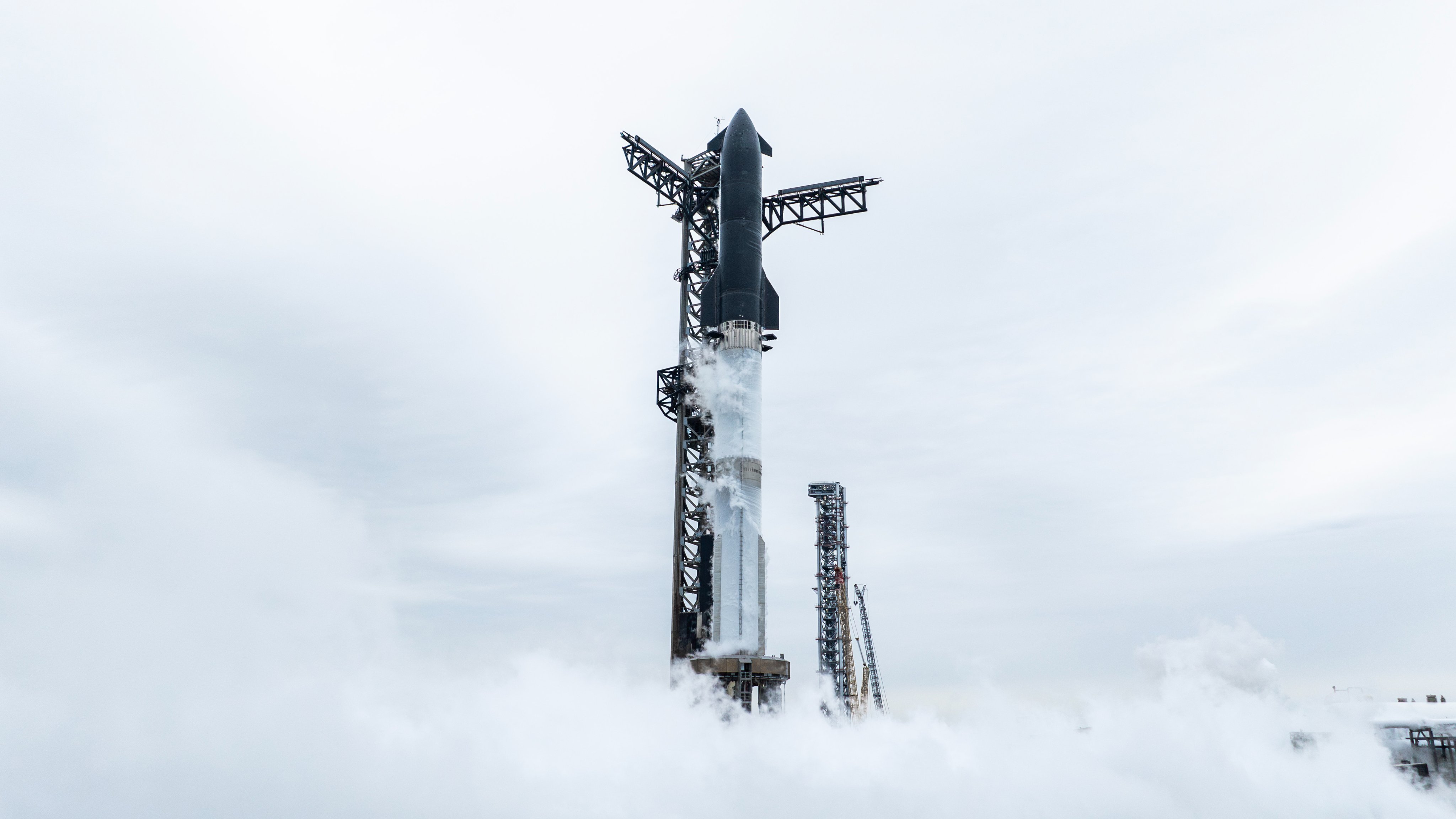
14th test flight of the two-stage Starship launch vehicle. 3rd flight of Starship V3 and the first Starship flight to deploy satellites (a group of Starlink satellites known as Starlink Group 31-1) into stable Low Earth Orbit.
The ship is expected to fly at an altitude approximately 275 km above Earth and complete approximately 6 orbits around the planet for nearly 10 hours, with splashdown targeted in the Pacific Ocean west of Chile.
The booster’s primary test objective on Flight 14 will be executing a successful launch, ascent, stage separation, boostback burn, and landing burn at an offshore landing point in the Gulf.
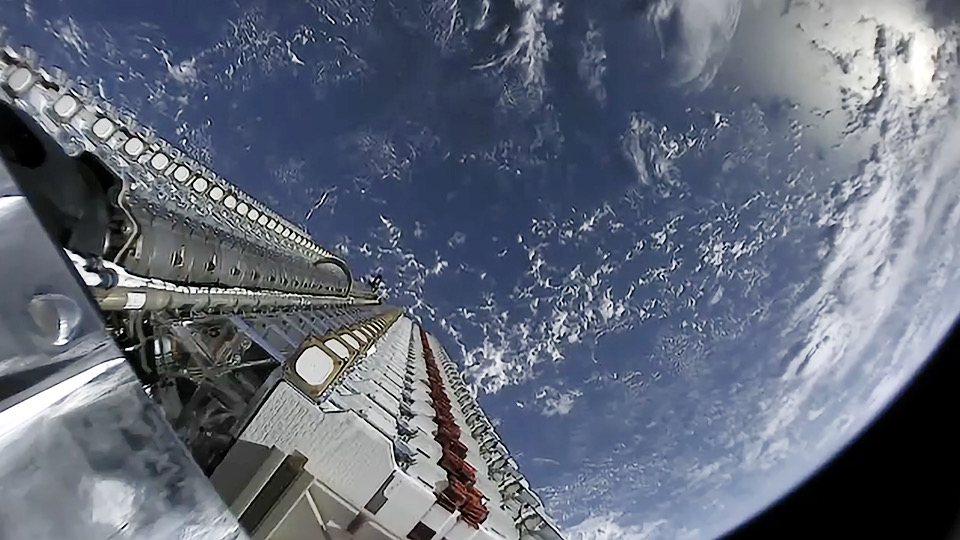
Starship will deliver 26 Starlink V3 satellites to orbit for the first time, which aim to greatly expand the network’s capacity and user speeds. Each Starlink V3 satellite will add 1 Tbps of capacity to the constellation.
Unknown Payload ×
Mission Details
TypeUnknown
OrbitUnknown
TargetEarth
Details TBD.
Launch Provider: China Aerospace Science and Technology Corporation
The Long March 8A is an orbital launch vehicle developed by the China Academy of Launch Vehicle Technology based on the Long March 8. It has an increased capability of up to 7 tonnes to a 700 km altitude sun-synchronous orbit. It implements a larger 3.35 meters diameter liquid hydrogen/liquid…
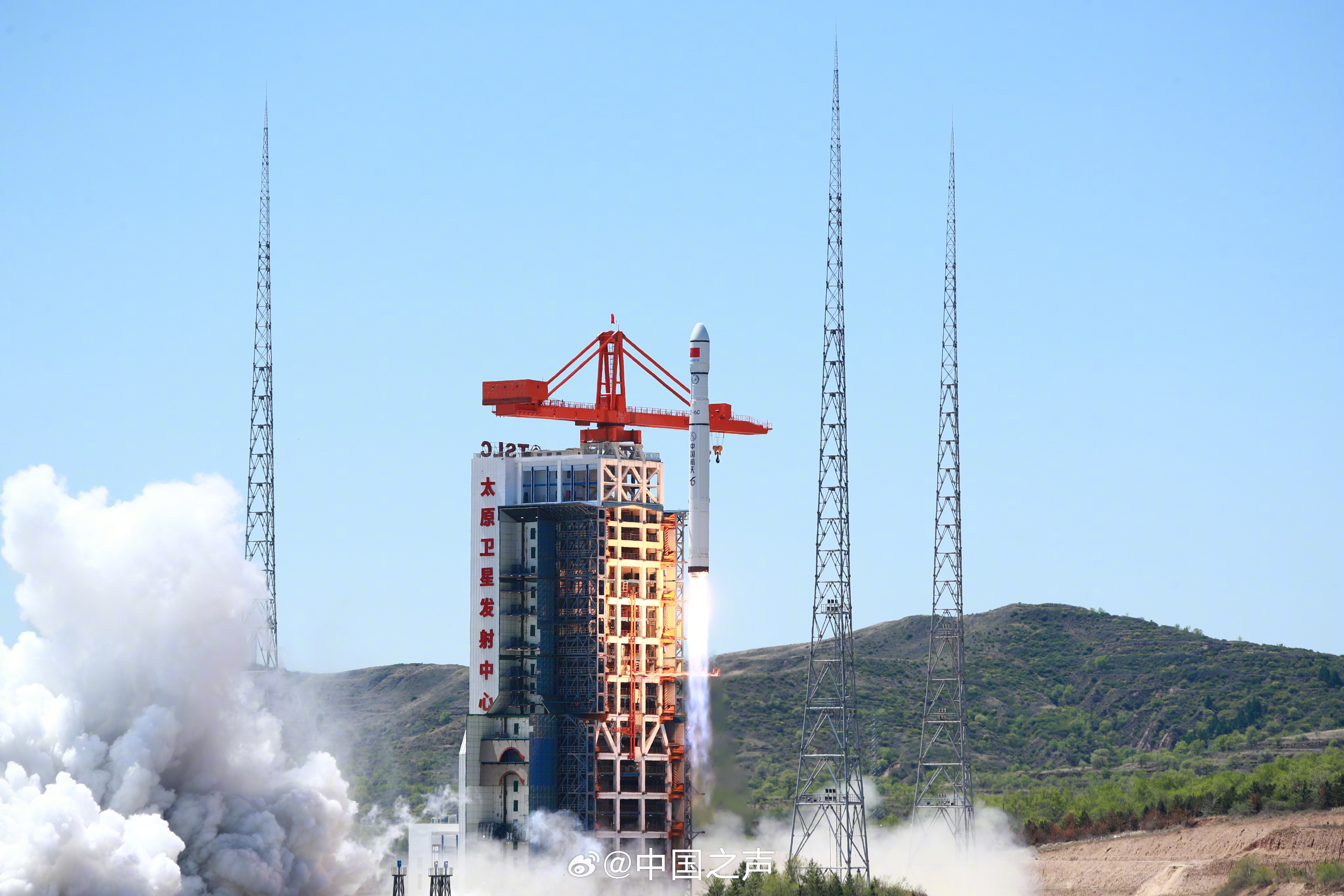
The Long March 6A is a Chinese launch vehicle of the Long March family, which was developed by the China Aerospace Science and Technology Corporation (CASC) and the Shanghai Academy of Spaceflight Technology (SAST). The vehicle is a further development of the Long March 6, with 2 YF-100 engines on…
Electron is a two-stage orbital expendable launch vehicle (with an optional third stage) developed by the American aerospace company Rocket Lab. Electron is a small-lift launch vehicle designed to launch small satellites and cubesats to sun-synchronous orbit and low earth orbit. The Electron is the…
A classified mission for the United States Space Force. It is possibly a batch of classified LEO satellites based on SpaceX’s Starshield satellite bus, based on locations of rocket stage drop zones being exact fits with previous Starlink Group 15 launches.
Falcon 9 is a two-stage rocket designed and manufactured by SpaceX for the reliable and safe transport of satellites and the Dragon spacecraft into orbit. The Block 5 variant is the fifth major interval aimed at improving upon the ability for rapid reusability.
The Falcon 9 first stage B1100 will land on ASDS OCISLY after its 10th flight.
Starlink Group 31-1 (Starship Flight 14) ×
Mission Details
TypeCommunications
OrbitLow Earth Orbit
TargetEarth
14th test flight of the two-stage Starship launch vehicle. 3rd flight of Starship V3 and the first Starship flight to deploy satellites (a group of Starlink satellites known as Starlink Group 31-1) into stable Low Earth Orbit.
The ship is expected to fly at an altitude approximately 275 km above Earth and complete approximately 6 orbits around the planet for nearly 10 hours, with splashdown targeted in the Pacific Ocean west of Chile.
The booster’s primary test objective on Flight 14 will be executing a successful launch, ascent, stage separation, boostback burn, and landing burn at an offshore landing point in the Gulf.
Starship will deliver 26 Starlink V3 satellites to orbit for the first time, which aim to greatly expand the network’s capacity and user speeds. Each Starlink V3 satellite will add 1 Tbps of capacity to the constellation.
The SpaceX Starship is a fully reusable super heavy-lift launch vehicle under development by SpaceX since 2012, as a self-funded private spaceflight project. The second stage of the Starship — is designed as a long-duration cargo and passenger-carrying spacecraft. It is expected to be initially used without any booster stage at all, as part of an extensive development program to prove out launch-and-landing and iterate on a variety of design details, particularly with respect to the vehicle’s atmospheric reentry.
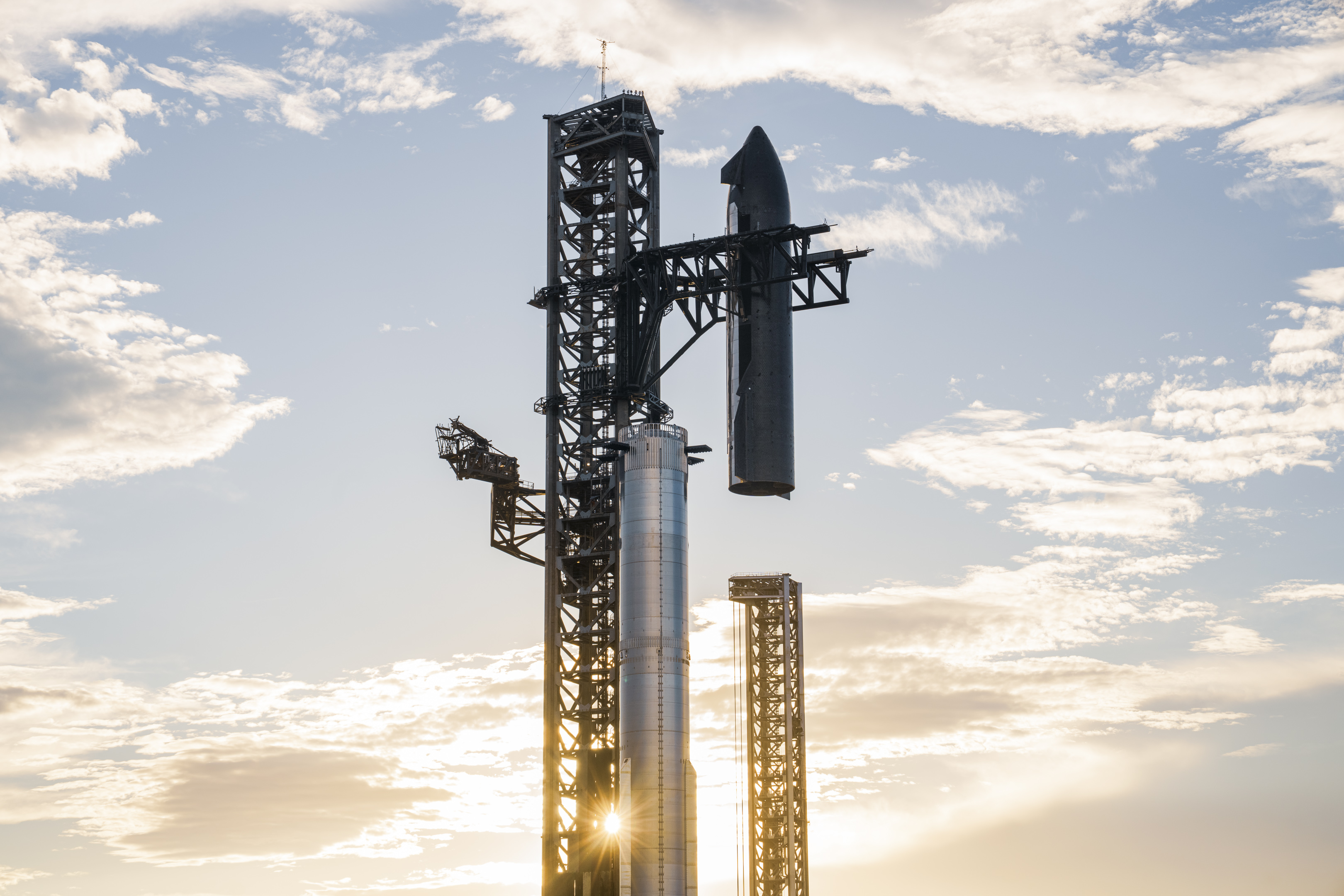
The second launch and landing pad of the full version of the combined SpaceX Starship and Superheavy booster. To be first used for launch in 2025 with version 3 of Starship and the Superheavy…
The Super Heavy Booster 21 will attempt to perform a soft splashdown in the Gulf of Mexico.
Spacecraft: Ship 41
Third V3 Starship to fly with various enhancements, to be used on the 14th Starship test flight, the first Starship flight to deploy satellites into stable Low Earth Orbit.
Specifications
SerialS41
TypeReuseable Upper Stage
StatusActive
DestinationLow Earth Orbit
Height52.1 m
Diameter9 m
Maiden Flight2026-05-22
History
The third-generation Starship upper stage will be introduced on flight 12.
Capability
More than 100 tons to Earth orbit
Details
Third-generation second stage of the two-stage Starship super heavy-lift launch vehicle.
Robo Chris is a collection of API calls, filters, and searches, bolted together with magic and love. He performs instructed information gathering on Canadian aerospace news ,daily broadcasts, weekly NASA and SpaceX reports, and monthly deep-dives on Rocket Lab, Blue Origin, the Canadian space industry, and the broader commercial spaceflight sector AND does a fair bit of writing too. Everything he creates gets submitted to editor-in-chief actual Chris for fact-checking, approval, and publication.







Leave a Reply