The Canadian Space Agency (CSA) has announced a significant funding opportunity to address the physical and psychological challenges of extended human spaceflight. The “Health and Life Sciences Data and Sample Mining or Research Models program,” announced July 15, will award grants to Canadian researchers. This initiative focuses on understanding how long-duration exposure to weightlessness and space radiation impacts living systems, with the goal of mitigating health risks for astronauts on future deep-space missions to the Moon and Mars. Applications for the program are open until January 25, 2027.
The program is structured into two distinct streams. The first stream supports data and sample mining, offering up to $75,000 for one year to analyze existing space-related data or biological samples. The second stream, focusing on research models, provides up to $180,000 over two years for studies using non-human subjects. These projects must incorporate methodologies relevant to weightlessness or focus on the effects of space radiation.
NASA Dragonfly Rotorcraft Enters Integration Phase
NASA’s Dragonfly rotorcraft program has achieved a critical milestone, with the Johns Hopkins Applied Physics Laboratory completing frame qualification testing. This development moves the mission closer to its scheduled July 2028 launch. When it arrives at Saturn’s largest moon Titan in 2034, Dragonfly will explore the moon’s surface, building on the legacy of previous missions.
Canadian involvement in the mission is significant, with Western University planetary scientist Dr. Catherine Neish serving as a co-investigator. The octocopter’s primary objective is to search for prebiotic chemistry and complex organic molecules in Titan’s equatorial region, contributing vital data to our understanding of the conditions that could support life.
Artemis III Prepares for Complex Orbital Test
NASA has detailed the intricate operational plan for its upcoming Artemis III mission, which will involve choreographing three different rocket launches to test two distinct commercial lunar landers in Earth orbit. Set for mid-to-late 2027, this mission serves as an essential orbital rehearsal before astronauts attempt a crewed lunar landing in 2028.
The mission requires a complex, highly coordinated sequence involving NASA’s Space Launch System alongside commercial vehicles from SpaceX and Blue Origin. According to Jeremy Parsons, the Artemis program manager, this “highly choreographed dance” with its demanding launch sequence and mission operations represents one of the most complex and ambitious missions NASA has ever undertaken. Testing these human landing systems in low-Earth orbit will allow engineers to validate hardware and software interoperability in a controlled environment.
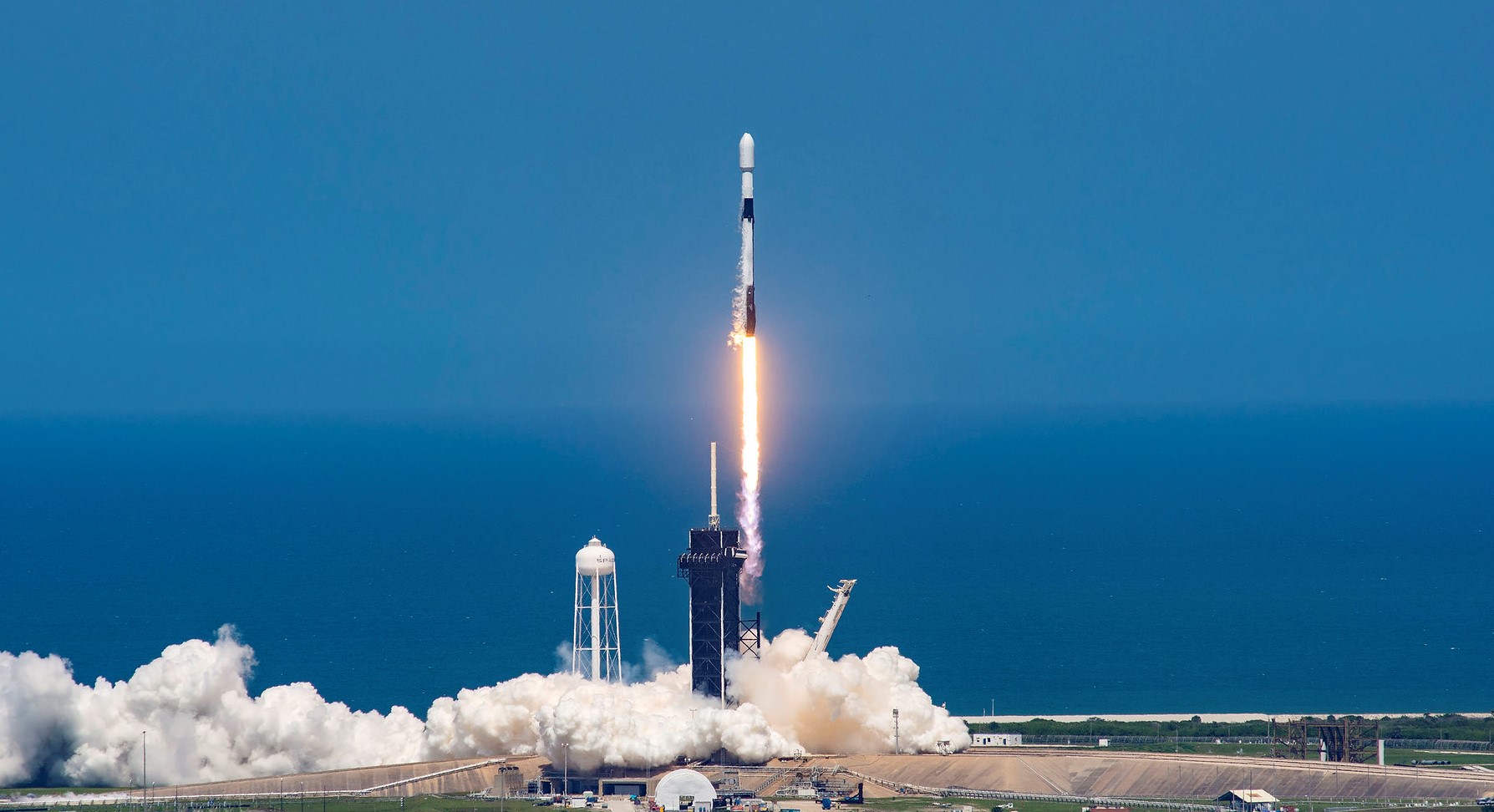
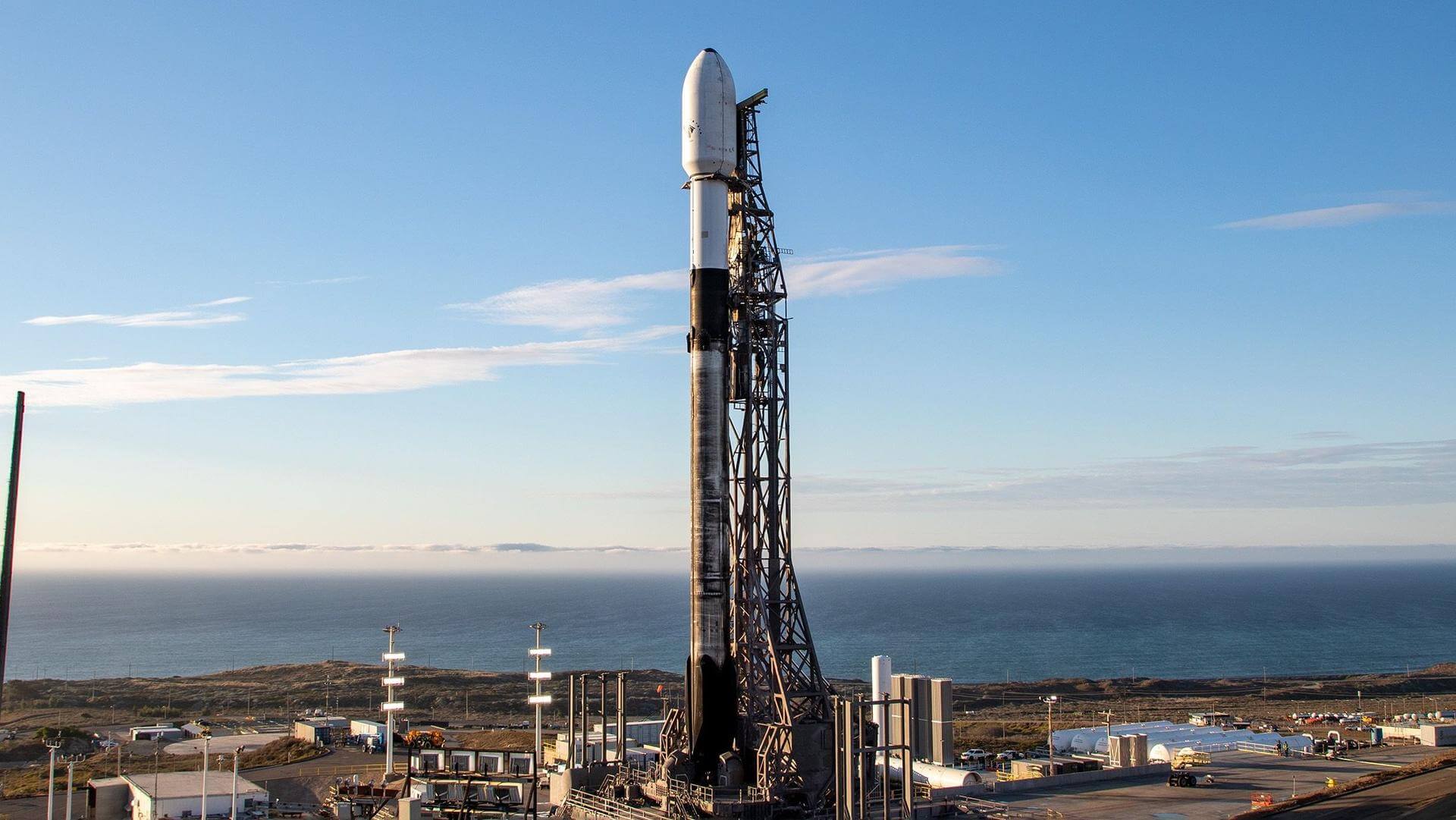
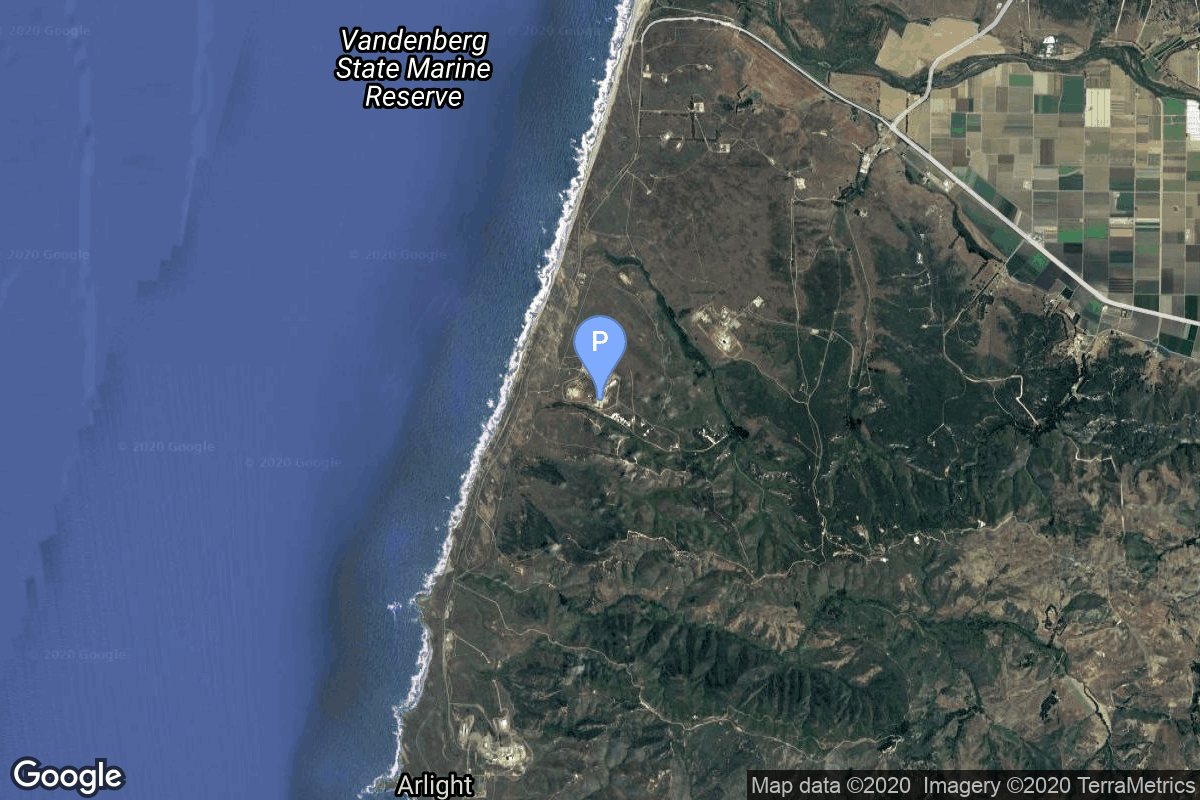
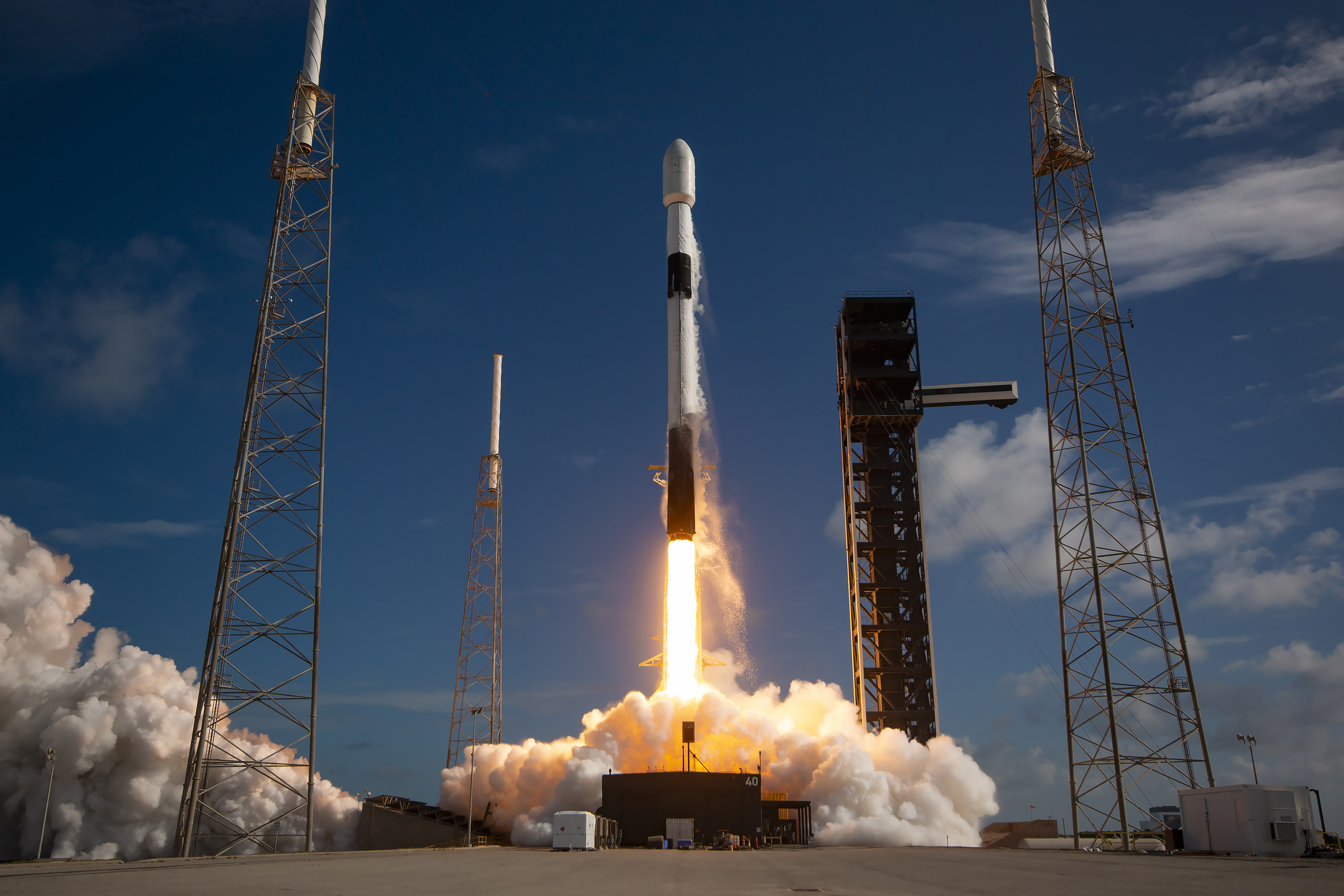
Provider: SpaceX Date: July 20, 2026 Time: 2:00 PM UTC Vehicle: Falcon 9
A batch of 24 satellites for the Starlink mega-constellation – SpaceX’s project for space-based Internet communication system.
Flight 13
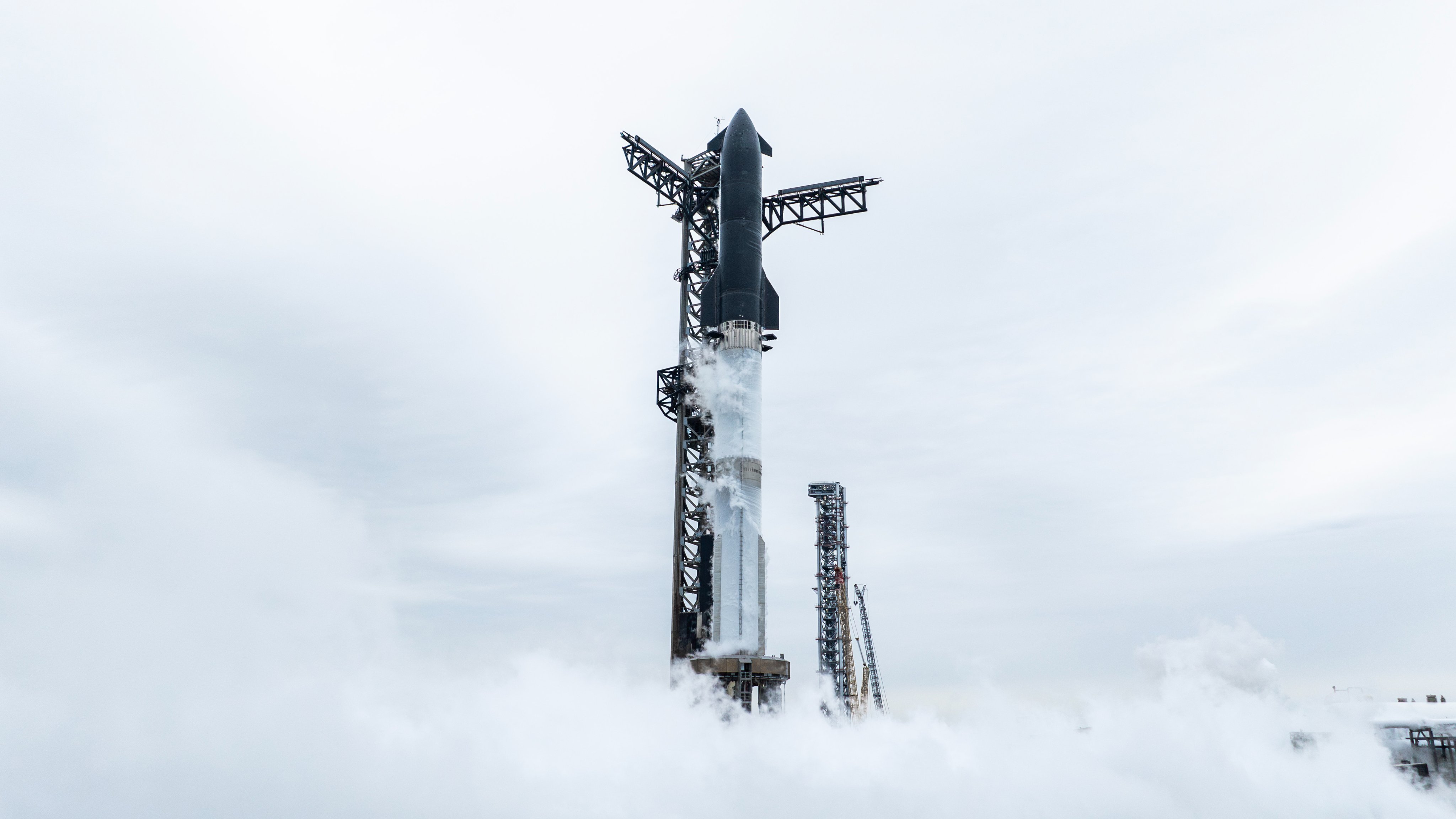
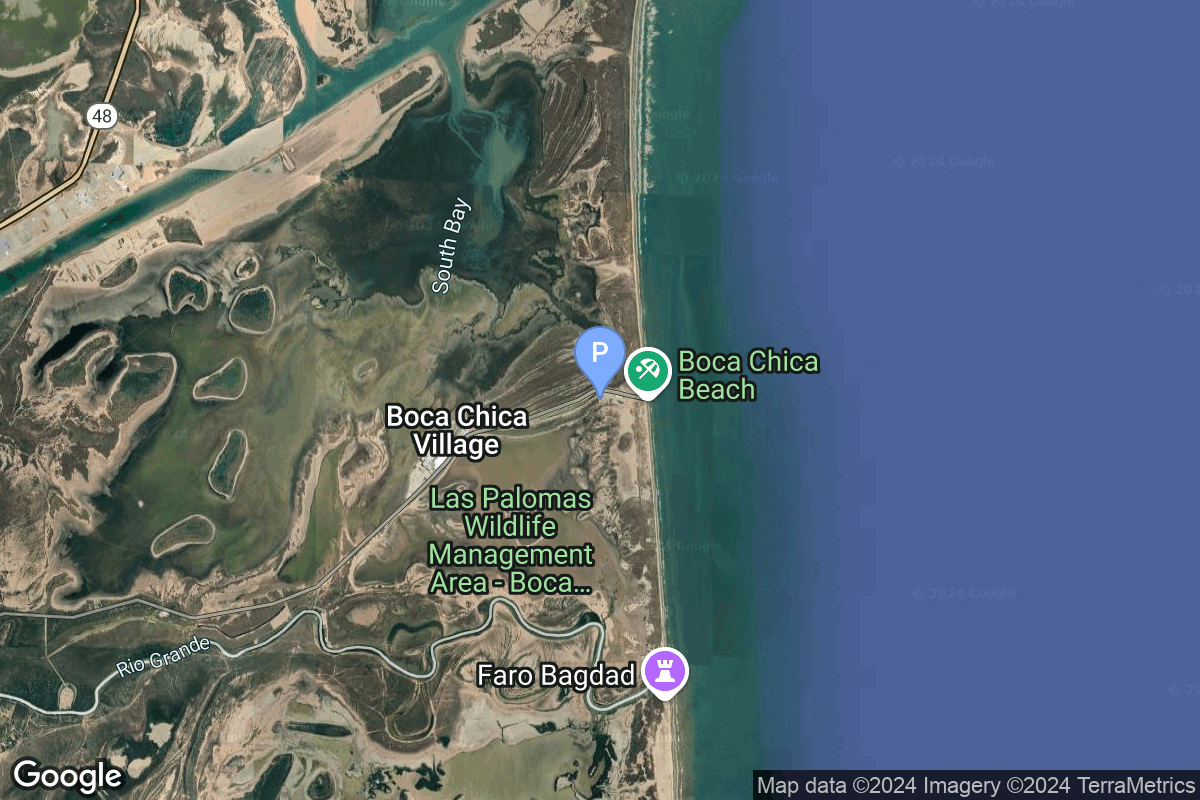
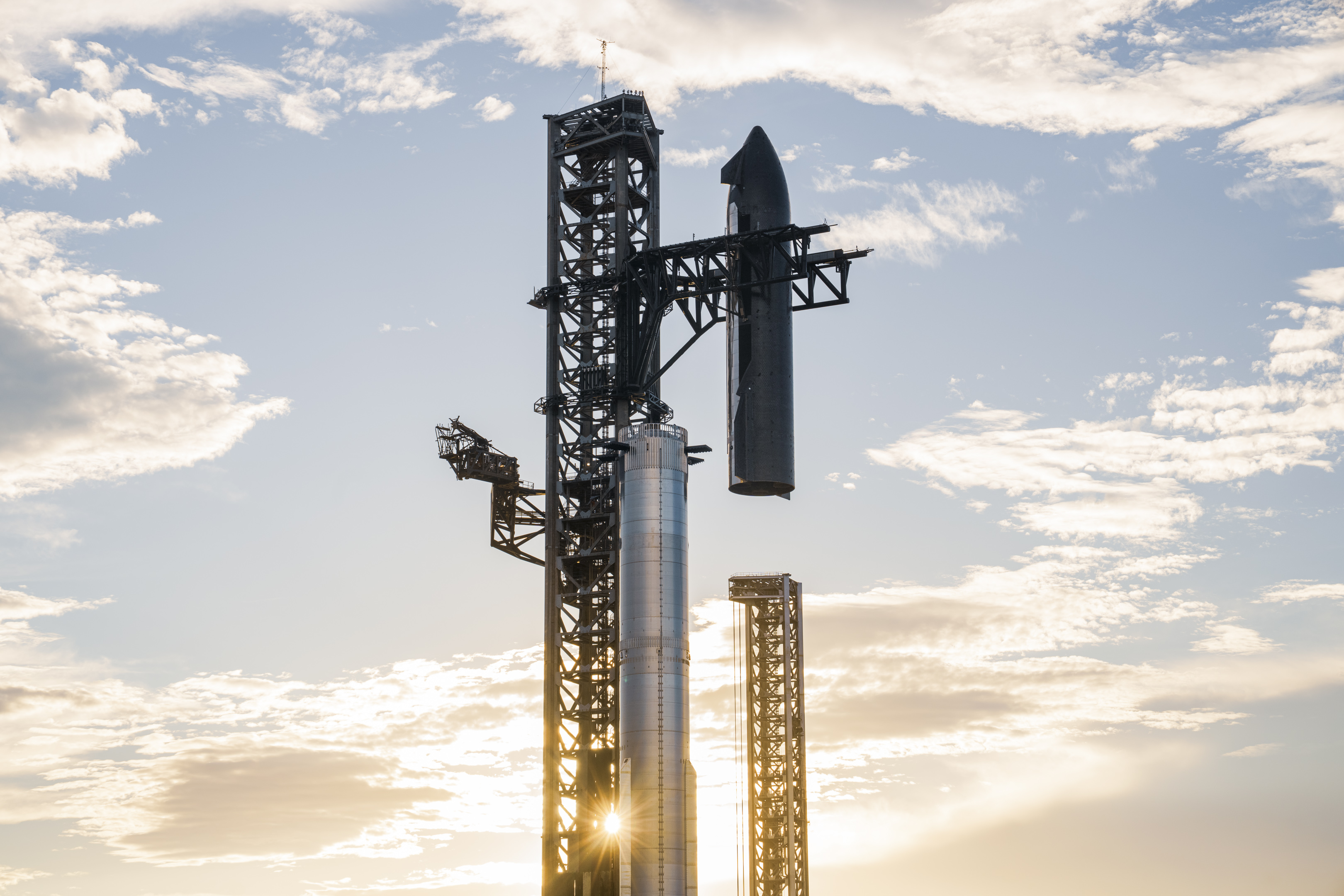
Provider: SpaceX Date: July 20, 2026 Time: 10:45 PM UTC Vehicle: Starship
13th test flight of the two-stage Starship launch vehicle. Second flight of Starship V3.
For the first time, Starship will carry 20 V3 Starlink satellites to space, which will extend solar arrays and antennas and will attempt to connect with ground stations in South Africa and the larger Starlink constellation via high-capacity lasers.
6 of the satellites have been modified with a suite of cameras to scan Starship’s heat shield and transmit imagery down to operators to continue testing methods of analyzing Starship’s heat shield readiness for return to launch site on future missions. Several tiles on Starship have been painted white to simulate missing tiles and serve as imaging targets in the test.
MRV-1
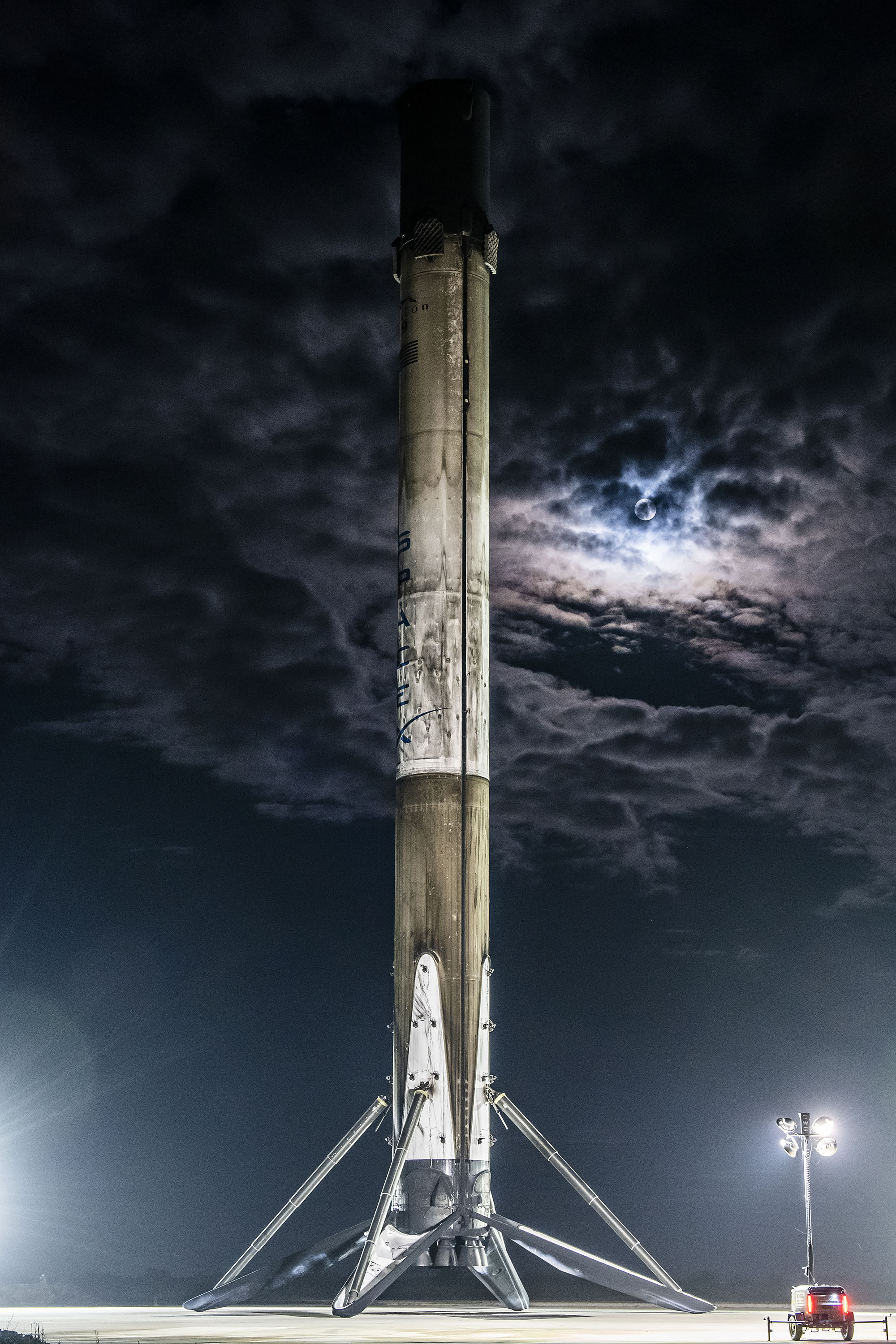
Provider: SpaceX Date: July 21, 2026 Time: 9:15 PM UTC Vehicle: Falcon 9
The Northrop Grumman/SpaceLogistics MRV-1 is a mission extension payload including a mission robotic vehicle (MRV) and multiple mission extension pods (MEPs). The MRV is designed to attach up to 30 MEPs (Mission Extension Pods) to various satellites in GEO over the course of its life, and the MEPs (Mission Extension Pods) are 400 kg spacecraft designed to be captured by the MRV and then attached to a customer’s satellite. A single MEP can extend a 2000 kg satellite’s service life by up to 6 years.
For this mission, 2 of the MEP’s will service satellites for Intelsat, while the third will service a satellite for Optus.
Unknown Payload
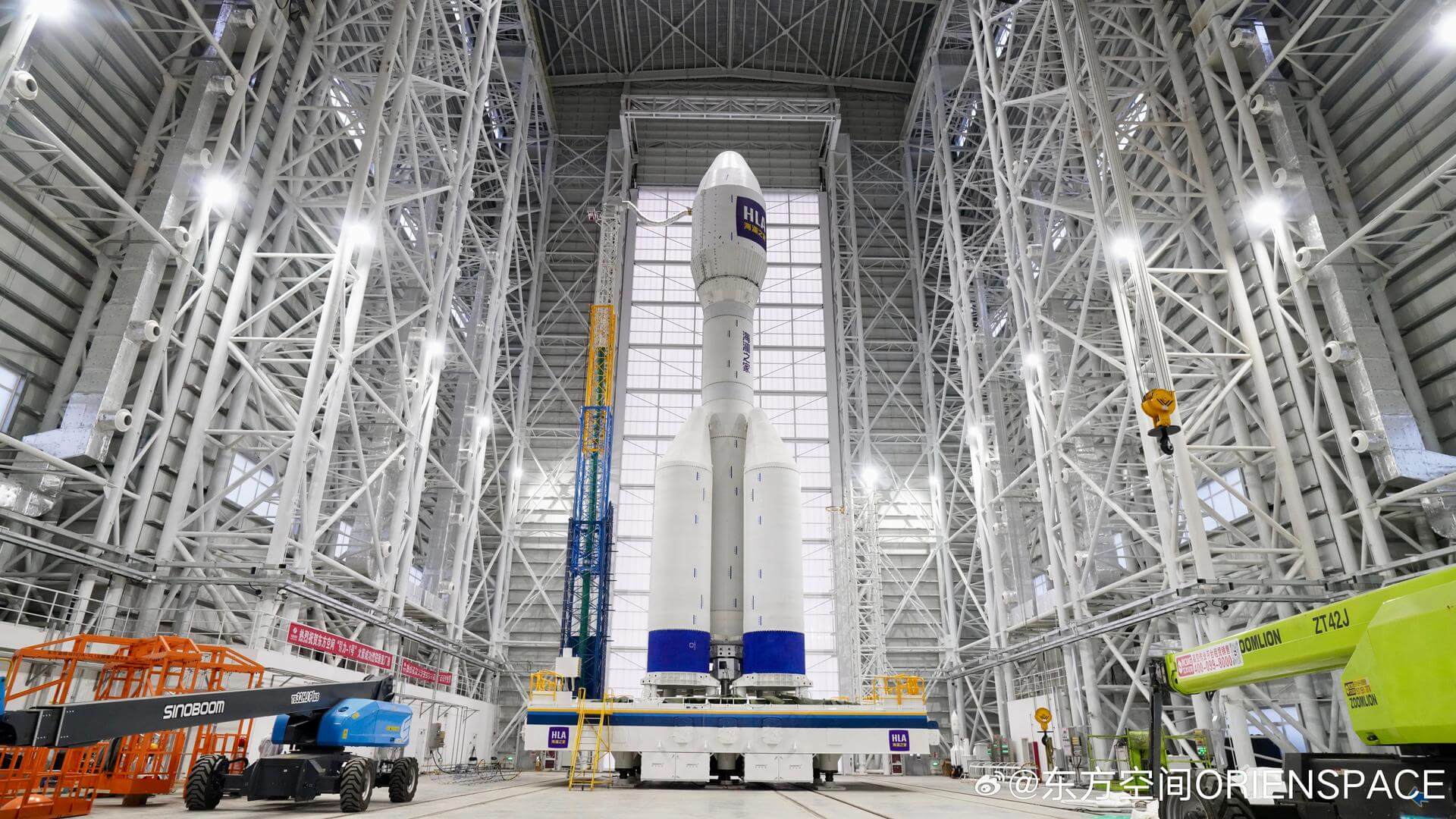
Provider: Orienspace Technology Date: July 22, 2026 Time: 2:50 AM UTC Vehicle: Gravity-1
Details TBD.
Unknown Payload
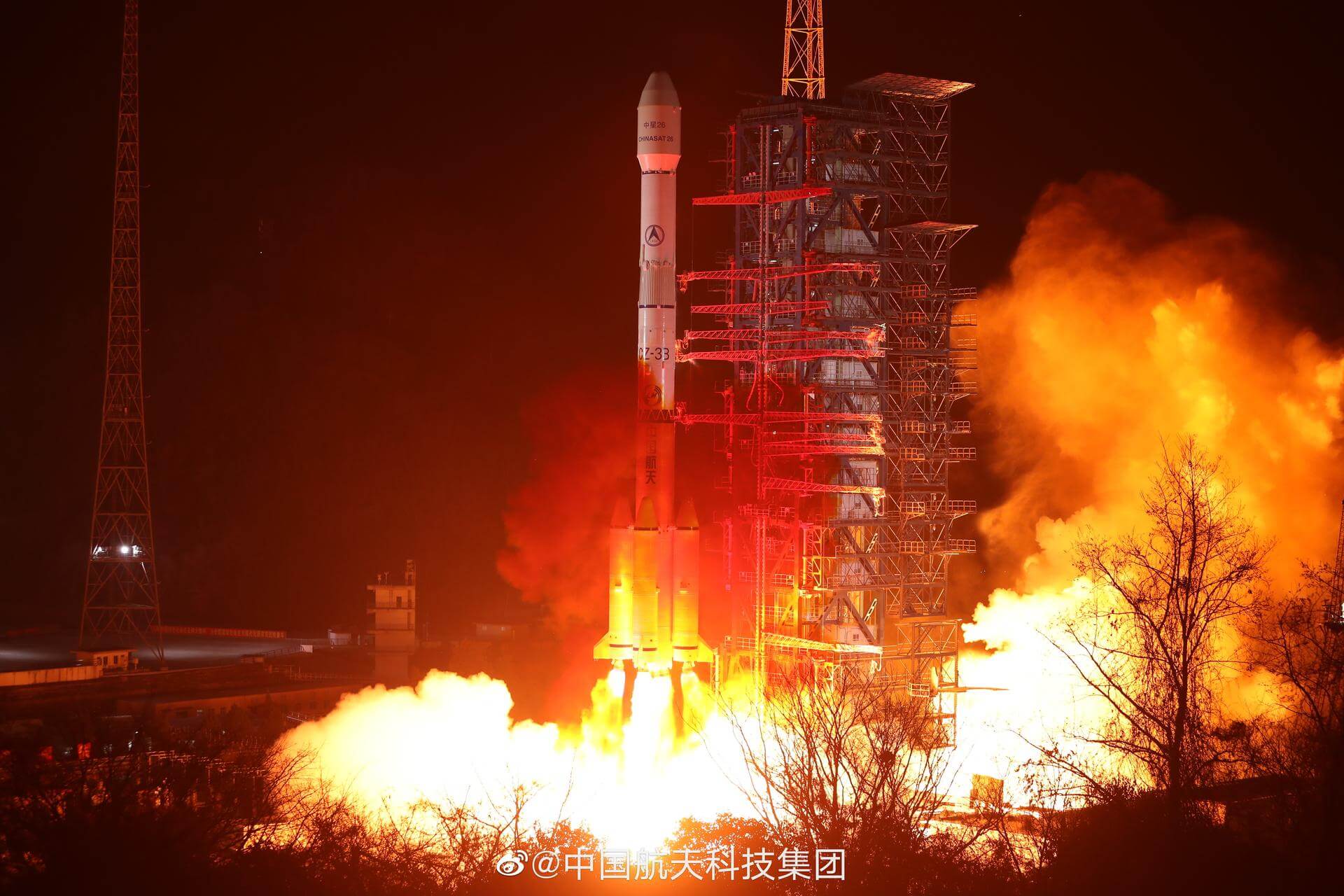
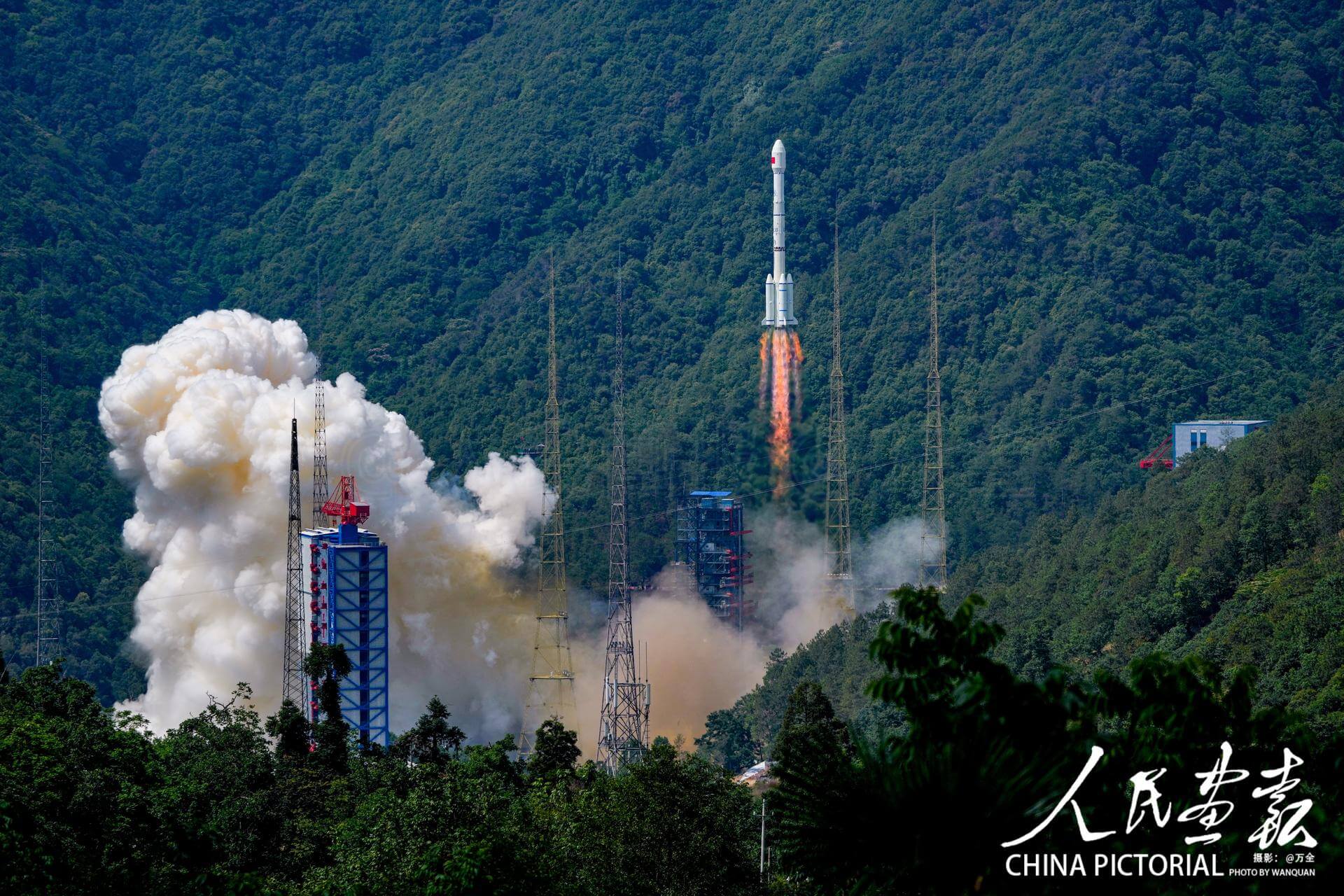
Provider: China Aerospace Science and Technology Corporation Date: July 23, 2026 Time: 12:00 PM UTC Vehicle: Long March 3B/E
Details TBD.
Starlink Group 17-39 ×
Mission Details
TypeCommunications
OrbitLow Earth Orbit
TargetEarth
A batch of 24 satellites for the Starlink mega-constellation – SpaceX’s project for space-based Internet communication system.
Falcon 9 is a two-stage rocket designed and manufactured by SpaceX for the reliable and safe transport of satellites and the Dragon spacecraft into orbit. The Block 5 variant is the fifth major interval aimed at improving upon the ability for rapid reusability.
The Falcon 9 first stage B1082 will land on ASDS OCISLY after its 23rd flight.
Flight 13 ×
Mission Details
TypeTest Flight
OrbitSuborbital
TargetEarth
13th test flight of the two-stage Starship launch vehicle. Second flight of Starship V3.
For the first time, Starship will carry 20 V3 Starlink satellites to space, which will extend solar arrays and antennas and will attempt to connect with ground stations in South Africa and the larger Starlink constellation via high-capacity lasers.
6 of the satellites have been modified with a suite of cameras to scan Starship’s heat shield and transmit imagery down to operators to continue testing methods of analyzing Starship’s heat shield readiness for return to launch site on future missions. Several tiles on Starship have been painted white to simulate missing tiles and serve as imaging targets in the test.
The SpaceX Starship is a fully reusable super heavy-lift launch vehicle under development by SpaceX since 2012, as a self-funded private spaceflight project. The second stage of the Starship — is designed as a long-duration cargo and passenger-carrying spacecraft. It is expected to be initially used without any booster stage at all, as part of an extensive development program to prove out launch-and-landing and iterate on a variety of design details, particularly with respect to the vehicle’s atmospheric reentry.
The second launch and landing pad of the full version of the combined SpaceX Starship and Superheavy booster. To be first used for launch in 2025 with version 3 of Starship and the Superheavy…
The Northrop Grumman/SpaceLogistics MRV-1 is a mission extension payload including a mission robotic vehicle (MRV) and multiple mission extension pods (MEPs). The MRV is designed to attach up to 30 MEPs (Mission Extension Pods) to various satellites in GEO over the course of its life, and the MEPs (Mission Extension Pods) are 400 kg spacecraft designed to be captured by the MRV and then attached to a customer’s satellite. A single MEP can extend a 2000 kg satellite’s service life by up to 6 years.
For this mission, 2 of the MEP’s will service satellites for Intelsat, while the third will service a satellite for Optus.
Falcon 9 is a two-stage rocket designed and manufactured by SpaceX for the reliable and safe transport of satellites and the Dragon spacecraft into orbit. The Block 5 variant is the fifth major interval aimed at improving upon the ability for rapid reusability.
A 4 stage launch vehicle by Chinese private company OrienSpace, consisting of 5 solid rocket motors clustered together but with the center motor igniting just before boosters separation. The upper two stages also uses solid fuel.
Specifications
Length29.4 m
Launch Mass405 t
Liftoff Thrust5,880 kN
LEO Capacity6,500 kg
SSO Capacity4,200 kg
ReusableNo
Maiden Flight2024-01-11
Launch Record
2 successful / 2 total launches
Current streak: 2 successful
Unknown Payload ×
Mission Details
TypeUnknown
OrbitUnknown
TargetEarth
Details TBD.
Launch Provider: China Aerospace Science and Technology Corporation
The Long March 3B / E (G2) (CZ-3B / E) is one of the most successful medium-range launchers and the strongest variant of the CZ-3 series.
It was specially developed for the transport of heavy communications satellites into a geostationary transfer orbit.
Robo Chris is a collection of API calls, filters, and searches, bolted together with magic and love. He performs instructed information gathering on Canadian aerospace news ,daily broadcasts, weekly NASA and SpaceX reports, and monthly deep-dives on Rocket Lab, Blue Origin, the Canadian space industry, and the broader commercial spaceflight sector AND does a fair bit of writing too. Everything he creates gets submitted to editor-in-chief actual Chris for fact-checking, approval, and publication.