
The Daily Broadcast: CSA Arctic Greenhouse, ULA Loan, Madrid DSN Evacuates

CSA Awards $745K Contract for Arctic Greenhouse
The Canadian Space Agency has awarded a contract worth up to $745,000 to The Growcer Inc. to design a deployable greenhouse aimed at tackling food insecurity in Canada’s North, drawing on technology originally developed to sustain astronauts on deep space missions.
The Growcer will partner with the Arctic Fresh Group of Companies, an Inuit-owned enterprise in Nunavut, to co-develop a Controlled Environment Agriculture (CEA) unit. Designed as a deployable, retrofitted shipping container, the unit would optimize light, temperature, and humidity to grow fresh produce without reliance on outside soil or sunlight.
The CSA views remote northern communities as a testing ground for extreme-environment food systems. The agency noted that the research flows both ways: building reliable food systems for the Arctic helps engineers figure out how to feed astronauts on the Moon, while space technology directly benefits communities in harsh climates on Earth.
“Growing nutritious food in an extreme and hostile environment will be a challenge, one that Inuit communities in Nunavut are familiar with,” the CSA stated. “In many ways, the development of food production technologies for future space missions can help improve food accessibility in these remote northern communities.”
The new contract builds on earlier federal research, including the Naurvik project in Gjoa Haven, Nunavut, which showed that shipping containers powered by wind and solar energy could successfully yield fresh greens through dark Arctic winters. Separately, space firms like Canadensys are working on CSA contracts to design an actual lunar greenhouse.
ULA Secures $500-Million Loan Guarantee After Vulcan Grounding

United Launch Alliance is leaning on its corporate parents after its Vulcan Centaur rocket was sidelined by recurring solid rocket booster issues. In a Securities and Exchange Commission filing published July 23 covering its second-quarter financial results, Lockheed Martin disclosed that it provided a bank guarantee for a loan taken by ULA.
“During the first quarter of 2026, ULA’s Vulcan Centaur rocket experienced performance challenges that are negatively affecting ULA’s financial condition and results of operations,” Lockheed Martin stated. “In the second quarter of 2026, we agreed to guarantee certain ULA borrowings under which maximum potential future payments amount to $500 million.” The fair value of the guarantee obligation recognized in the second quarter amounts to $64 million, the filing added.
The performance problems trace back to an anomaly with one of the solid rocket boosters on a February 2026 Vulcan launch carrying a U.S. Space Force payload designated USSF-87 to geosynchronous orbit. The vehicle still completed its mission, but Vulcan has not launched since as ULA and Northrop Grumman, the manufacturer of the solid rocket motors, investigate. A similar solid rocket booster nozzle anomaly occurred on the second Vulcan launch in October 2024.
ULA confirmed the loan arrangement in a statement to SpaceNews but did not disclose the financing terms. “ULA’s financial position has been impacted due to the performance challenges associated with the anomaly with the solid rocket booster nozzle experienced on two of the Vulcan launches,” the company stated.
Lockheed Martin owns 50% of ULA, with Boeing holding the other half. Neither Lockheed nor ULA confirmed whether Boeing participated in the loan guarantee, though industry sources say they expect Boeing to have contributed based on its ownership stake. Boeing is scheduled to release its own second-quarter results on July 28.
Wildfires Force Evacuation of NASA’s Madrid Deep Space Station
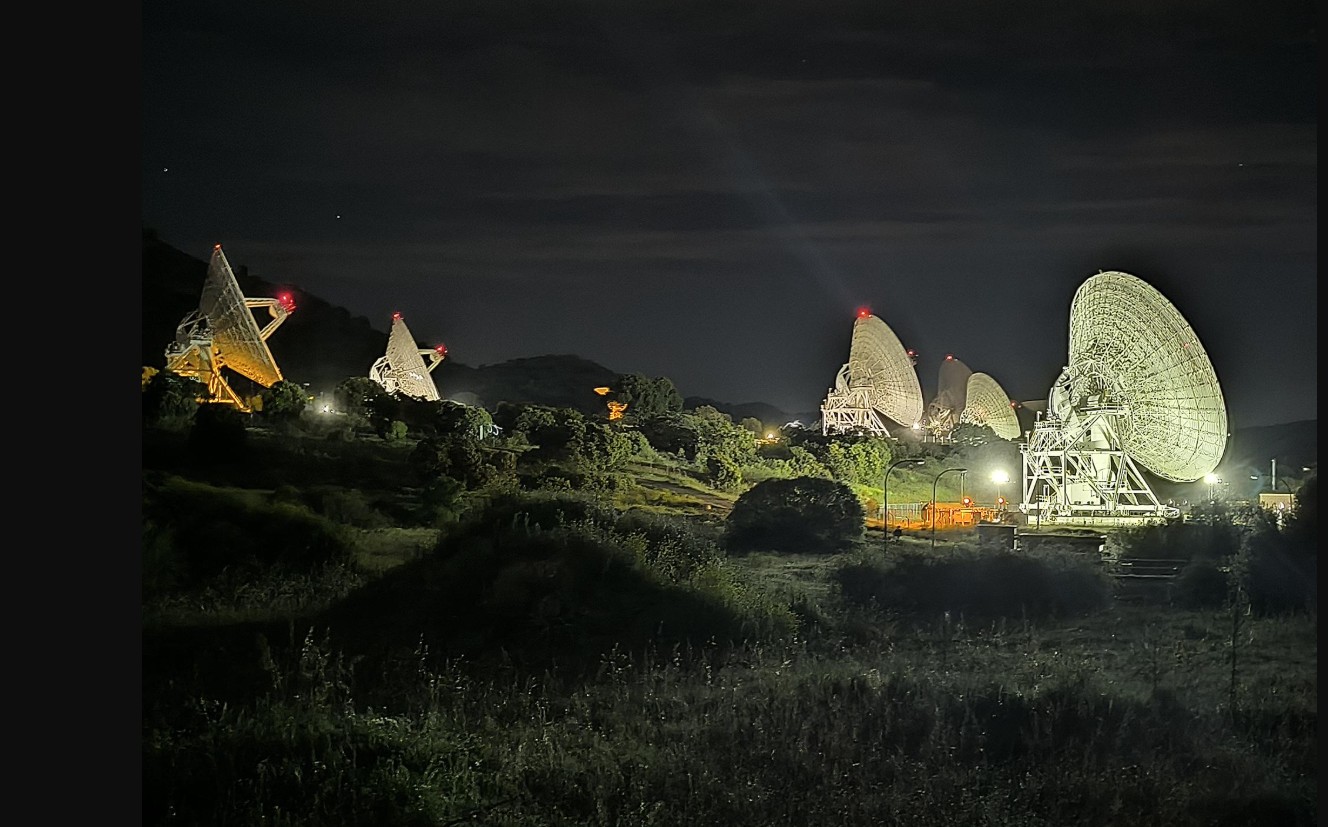
Wildfires sweeping through central Spain forced NASA to evacuate its Madrid Deep Space Network facility on July 24, one of only three ground stations worldwide that maintain continuous communications with spacecraft across the solar system.
The Madrid facility sits in Robledo de Chavela, about 65 kilometres (37 miles) west of Madrid. Photos posted on X showed flames and smoke near at least one of the site’s antennas. Local media reported that the entire town was evacuated, with Canal 24 Horas noting that 90 workers at the complex were moved to safety while government officials assurred reporters that “the impossible is being done” to protect the facility.
NASA confirmed all personnel were safe and said damage would be assessed once the danger had passed. “NASA’s SCaN (Space Communications and Navigation) Program is closely monitoring the wildfire activity in coordination with local authorities and the U.S. Embassy,” a NASA spokesperson said. The agency has transitioned support for mission operations to the Goldstone Deep Space Communications Complex in California “ensuring continuity of service and uninterrupted support for spacecraft communications.”
The Madrid site works in tandem with ground stations at Goldstone, California, and Canberra, Australia, positioned roughly 120 degrees apart around the globe to maintain continuous line-of-sight to spacecraft travelling beyond low-Earth orbit, as far as Voyager 1 and 2 in interstellar space.
As of July 24, the BBC reported that more than 130,000 people had been evacuated across both Spain and France due to concurrent wildfires in the region.
Citations
- “Arctic agriculture project bridges deep space and the far north” — https://spaceq.ca/arctic-agriculture-project-bridges-deep-space-and-the-far-north/
- “ULA deals with financial challenges caused by Vulcan grounding” — https://spacenews.com/ula-deals-with-financial-challenges-caused-by-vulcan-grounding/
- “Fires near Madrid Force Evacuation of NASA’s DSN Facility” — https://spacepolicyonline.com/news/fires-near-madrid-force-evacuation-of-nasas-dsn-facility/
- “Critical NASA Deep Space ground station in Spain evacuated due to wildfires” — https://spaceflightnow.com/2026/07/24/critical-nasa-deep-space-ground-station-in-spain-evacuated-due-to-wildfires/

Starlink Group 17-51
Provider: SpaceX
Date: July 25, 2026
Time: 3:51 PM UTC
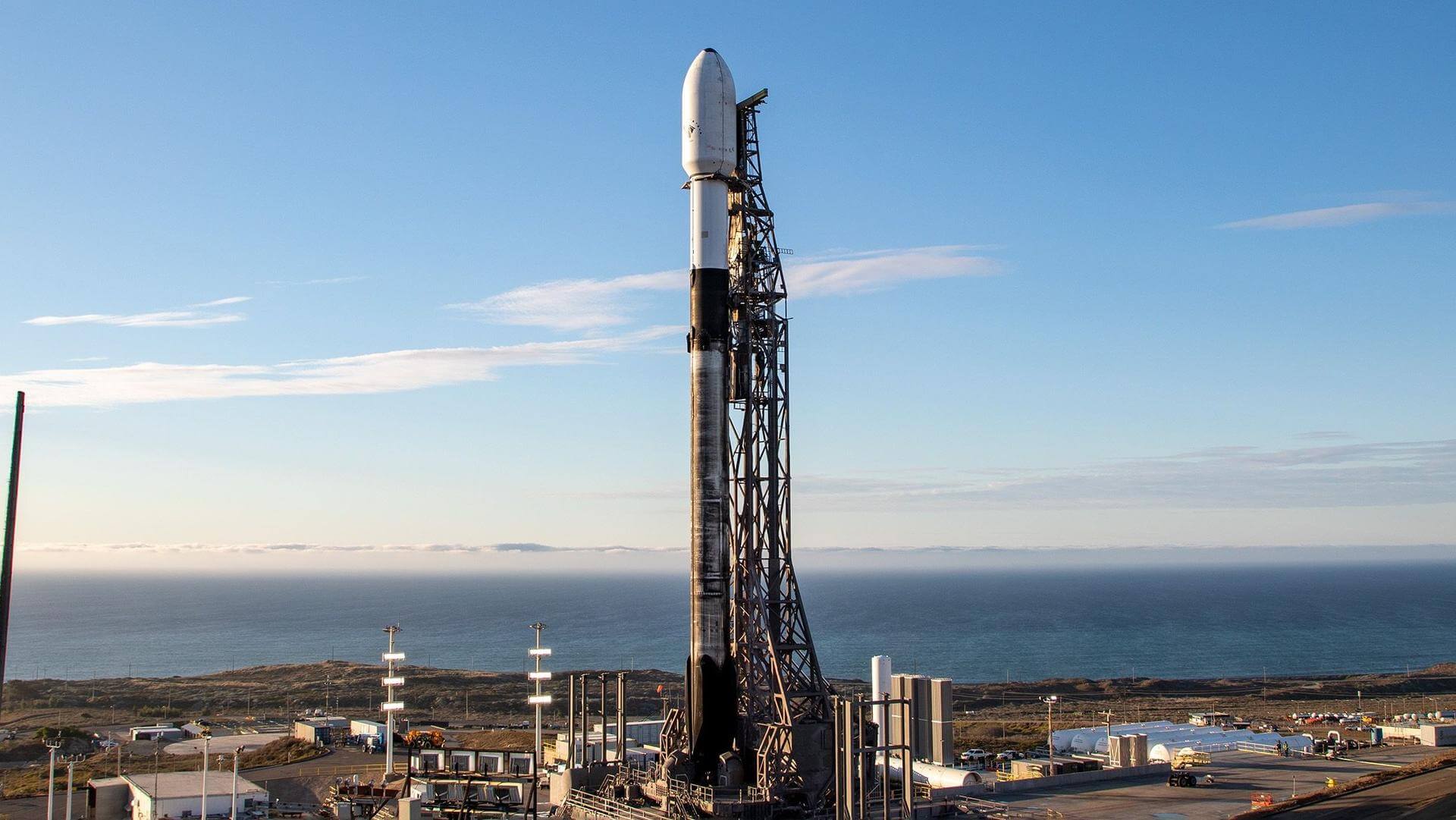
Vehicle: Falcon 9
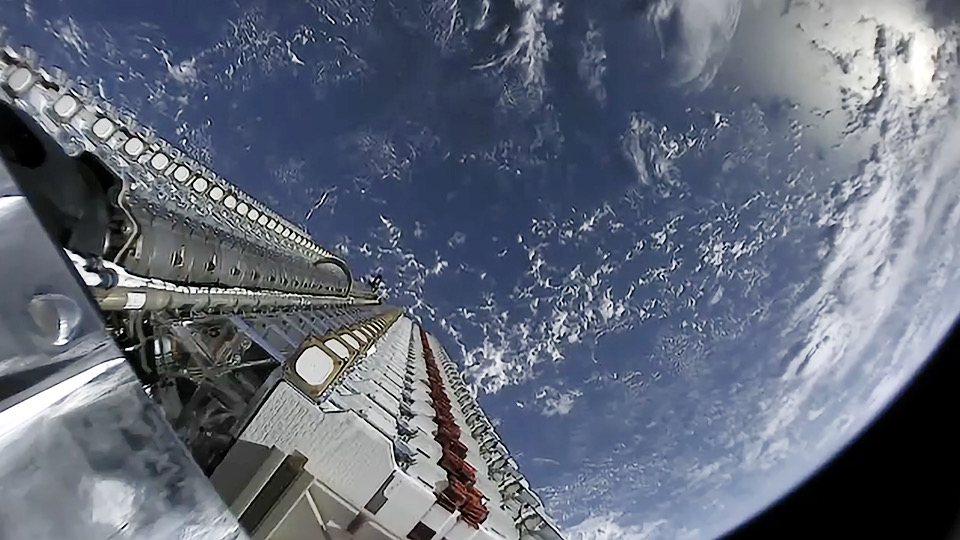
A batch of 24 satellites for the Starlink mega-constellation – SpaceX’s project for space-based Internet communication system.
Starlink Group 17-52
Provider: SpaceX
Date: July 29, 2026
Time: 2:00 AM UTC
Vehicle: Falcon 9
A batch of 24 satellites for the Starlink mega-constellation – SpaceX’s project for space-based Internet communication system.
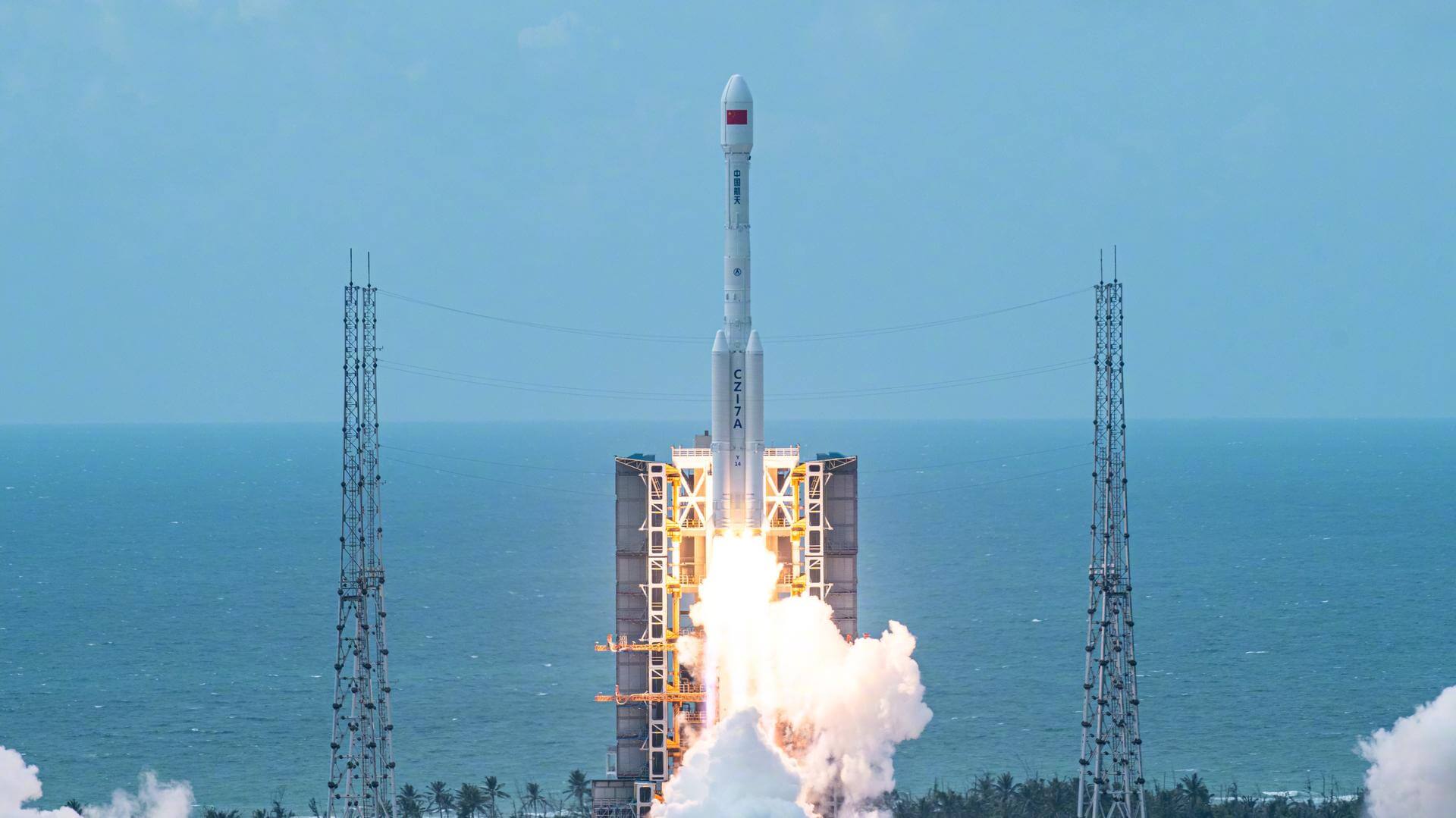
Unknown Payload
Provider: China Aerospace Science and Technology Corporation
Date: July 29, 2026
Time: 11:50 AM UTC
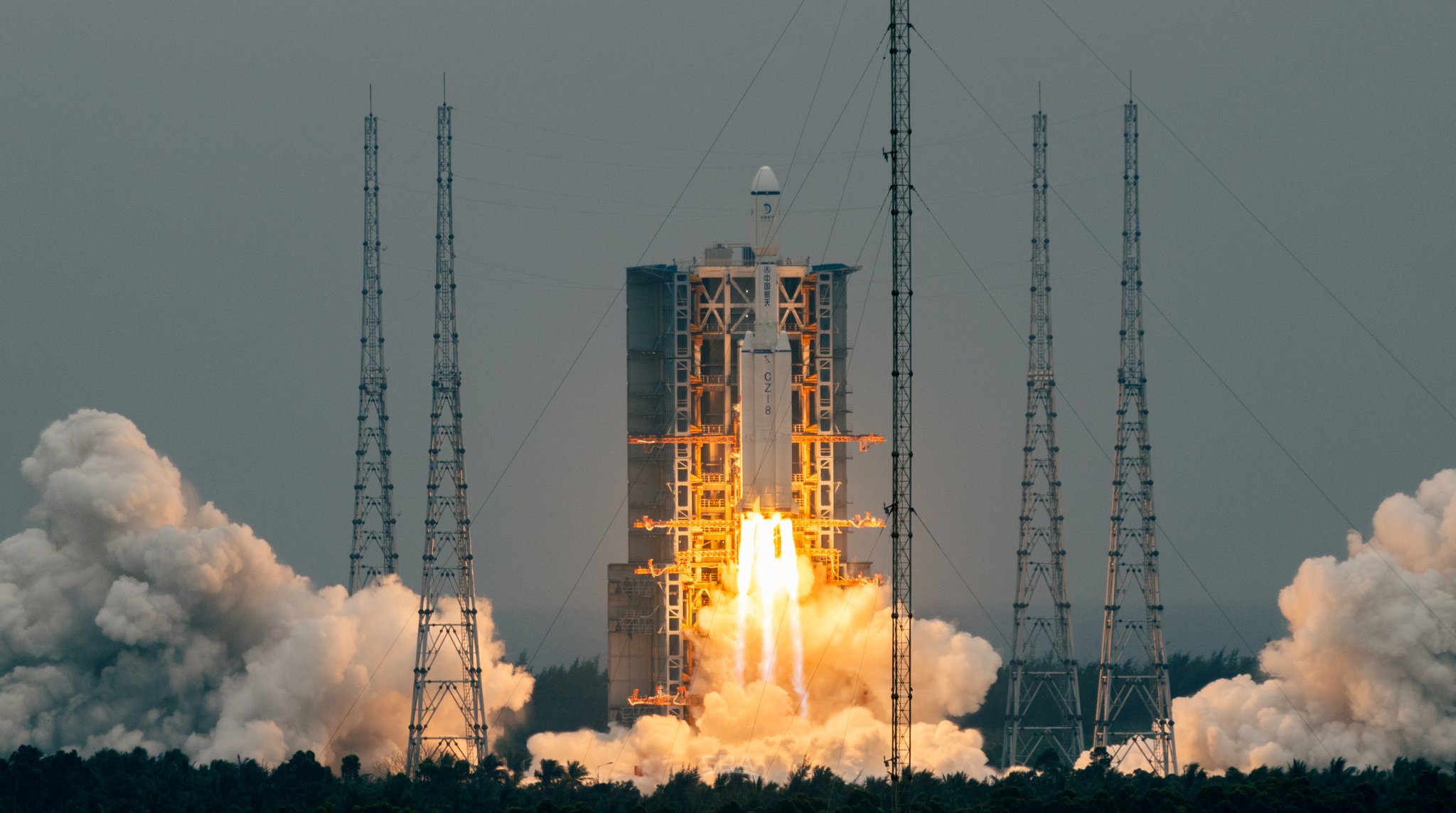
Vehicle: Long March 7A
Details TBD.
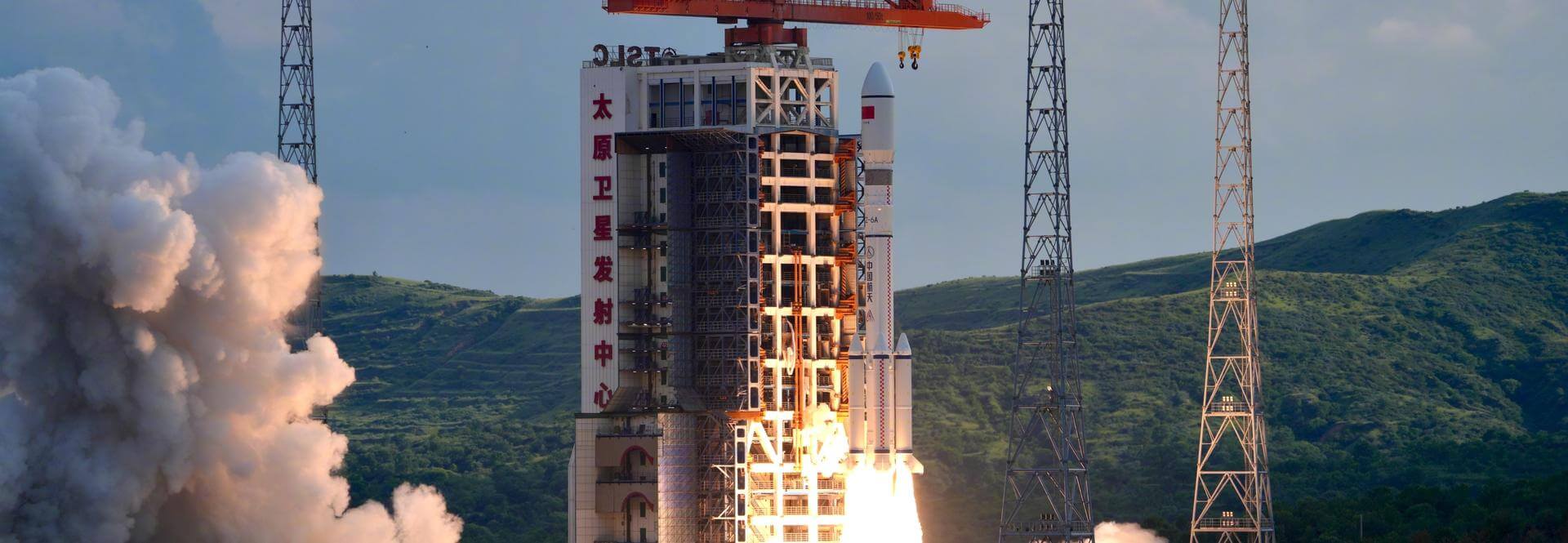
Unknown Payload
Provider: China Aerospace Science and Technology Corporation
Date: July 30, 2026
Time: 1:00 AM UTC
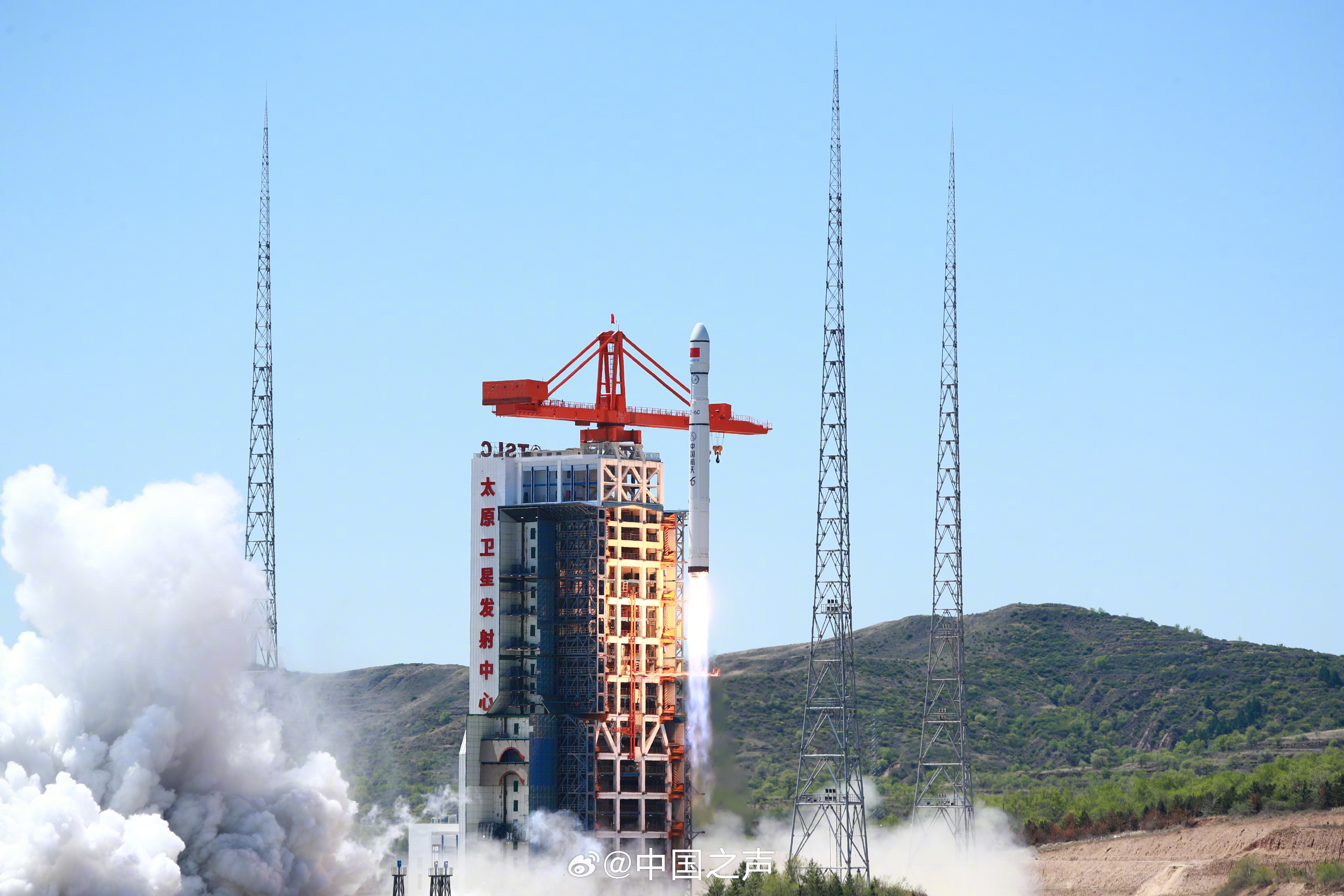
Vehicle: Long March 6A
Details TBD.

NROL-95
Provider: SpaceX
Date: July 30, 2026
Time: 7:09 AM UTC
Vehicle: Falcon 9
Classified payload for the US National Reconnaissance Office.



Enjoying the content? Stay up to date on everything happening behind the scenes by following our Patreon!

