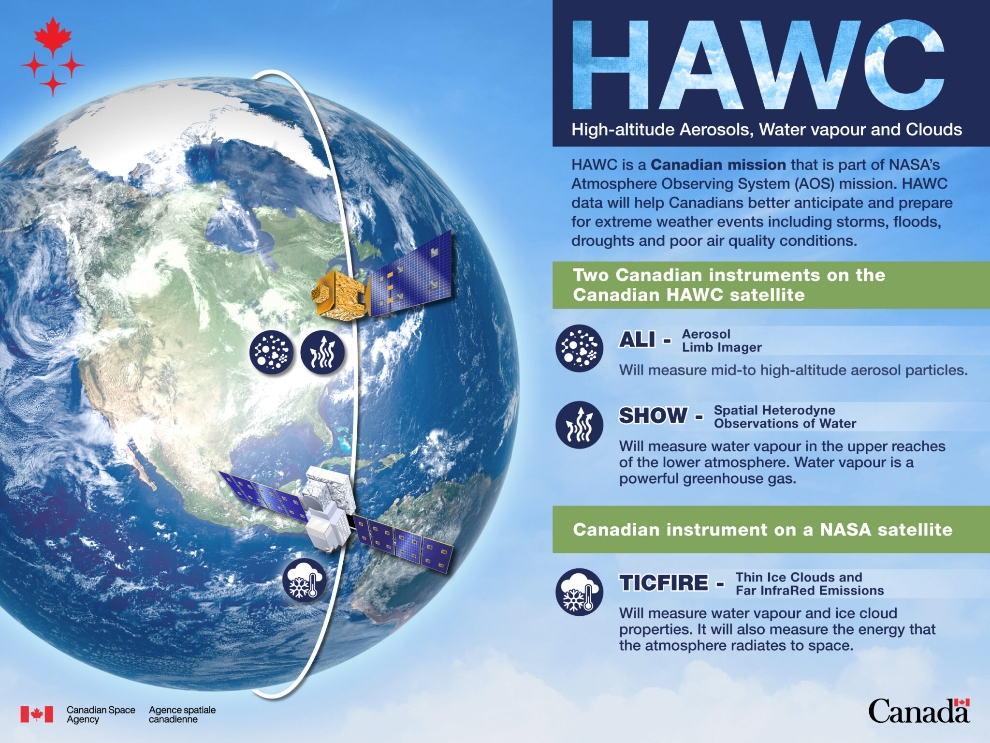
The Canadian Space Agency published a tender on Sept. 1 for the Phase A development of the Spatial Heterodyne Observations of Water (SHOW) instrument, part of the High-altitude Aerosols, Water vapour and Clouds satellite (HAWCsat). Interested contractors have until Oct. 12, 2026, to submit proposals.
HAWCsat is Canada’s contribution to the NASA-led Atmosphere Observing System (AOS), which measures connections between aerosols, clouds, precipitation and atmospheric convection. The mission is one element of the $200-million investment in Earth observation first announced in 2022. The SHOW instrument targets water vapour measurements in the upper atmosphere, data climate scientists use to understand atmospheric cooling and heating mechanisms.
The Phase A work requires contractors to update the SHOW hardware’s conceptual design using lessons from prior technology maturation cycles, define instrument requirements, develop a concept of operations, and verify designs meet mission parameters within cost, schedule and risk constraints. The CSA plans to award up to two contracts for this initial phase. The government did not disclose a total funding envelope or maximum contract value.
Completing Phase A is mandatory for future work — eligibility for the subsequent Phase B, C and D manufacturing and operations contracts is restricted to successful Phase A participants. A separate Phase A solicitation for the Aerosol Limb Imager instrument is expected in the coming weeks, and a tender for the HAWCsat spacecraft bus and systems integration will follow later this year.
CSA Maps Domestic Capabilities for Lunar Resource Operations
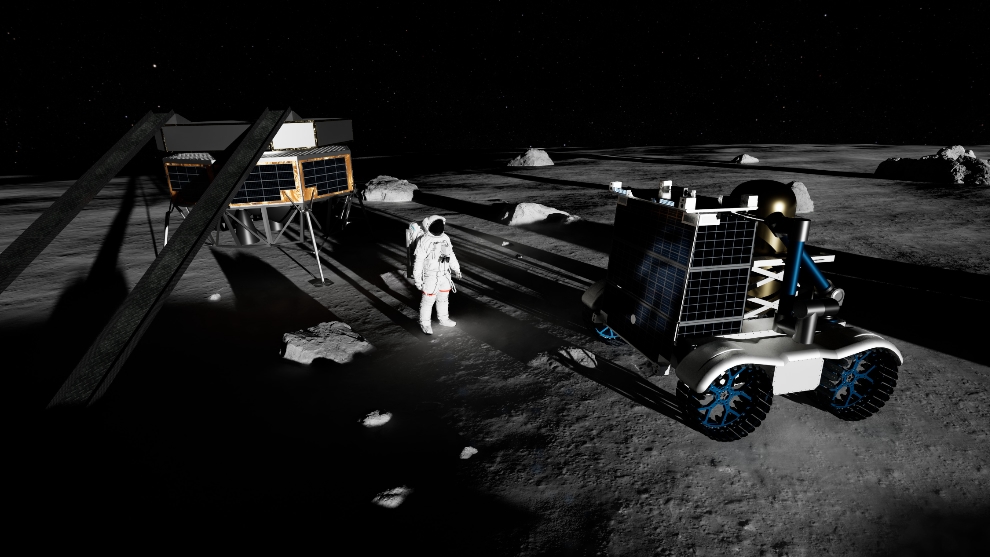
The CSA issued a Notice to Industry on Aug. 28 calling on organizations across space and terrestrial sectors — including Canada’s mining industry — to map domestic capabilities in resource extraction and regolith management for future lunar infrastructure. The notice falls under the Lunar Surface Exploration Initiative.
The agency is identifying domestic expertise early to keep Canadian technologies competitive, including for international lunar programmes. This follows $2 million awarded in June across four contracts for in-situ resource utilization studies under the same initiative.
The notice is a preliminary information-gathering exercise — not a call for tender or request for proposals — and no funding or contracts will be awarded from these submissions. The CSA outlined capability areas for future in-situ resource utilization: resource prospecting and characterization, excavation and regolith management, processing and extraction, feedstock and consumables production, in-situ construction and manufacturing, storage and transportation, and recycling and waste management. Potential lunar resources of interest include solar energy, oxygen from regolith, bulk regolith, water ice, metals and, on a longer time horizon, helium-3 and rare earth elements.
The deadline to submit responses is Sept. 20, 2026, at 2 p.m. EDT.
smartEarth Enabler Stream Opens $3M University Call
The CSA is accepting applications for its latest smartEarth Enabler stream round, offering Canadian universities up to $3 million to develop new applications using satellite data for climate, safety and resource questions.
The agency expects to fund around 20 projects, with individual grants capped at $150,000 over up to three years. This call splits into three parts: foundational research into new Earth observation methods, academic-industry partnerships to apply those methods, and projects mining data from Canada’s RADARSAT Constellation Mission — the trio of synthetic aperture radar satellites that monitors ice and the environment, detects ships and supports emergency crews during disasters.
Every project must address at least one of the call’s priorities: climate change, health and safety services, or training the next generation of Earth observation researchers. Only Canadian universities and post-secondary institutions can apply, with one project per institution. Proposals are due by Oct. 30. The CSA aims to respond within 17 weeks of the deadline, with successful projects set to start in March 2027.
smartEarth dates back to 2020, when the agency awarded $4.2 million under an early call for satellite data proposals, and has issued several rounds since as part of Ottawa’s push to get more use from data Canada’s own satellites collect.
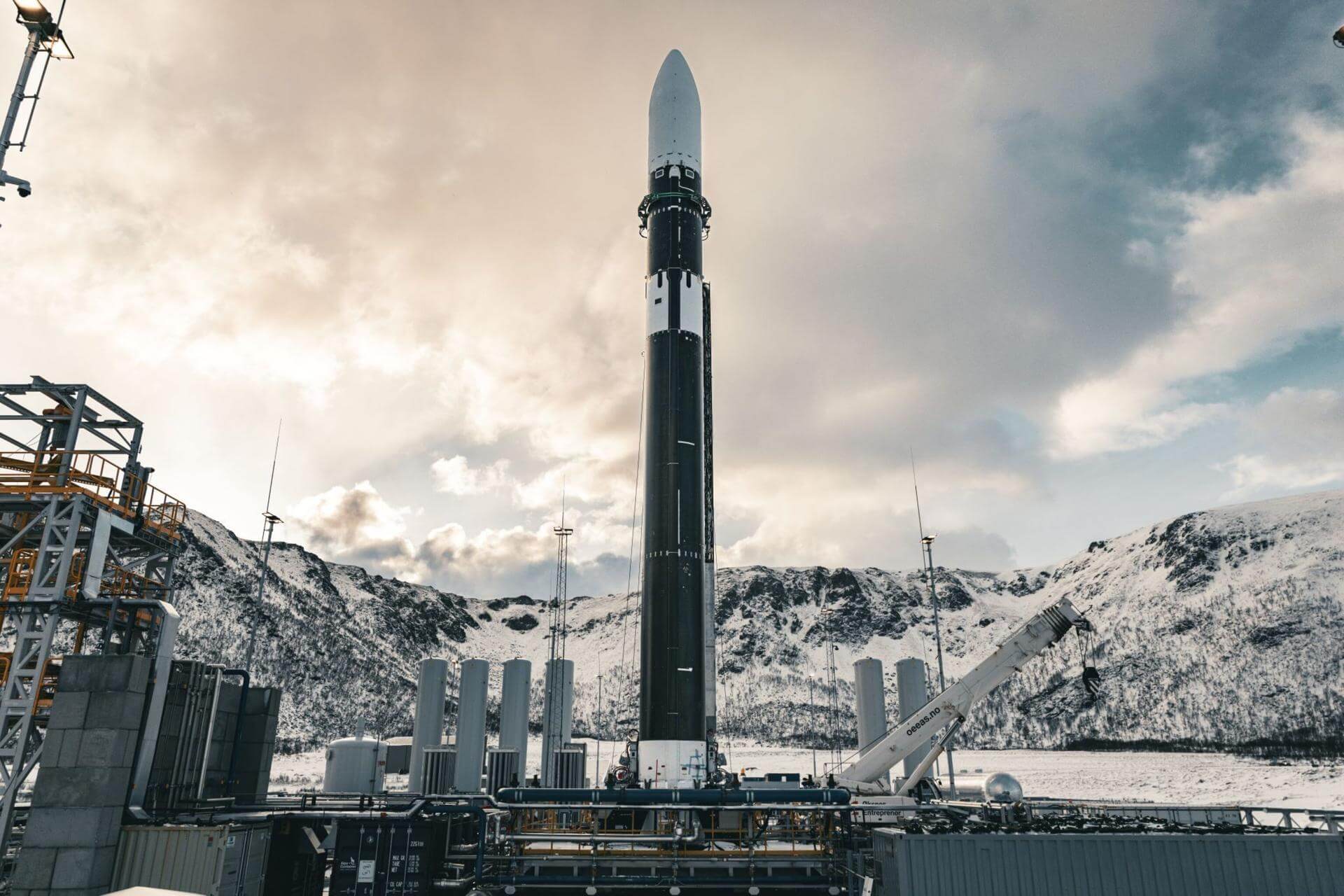
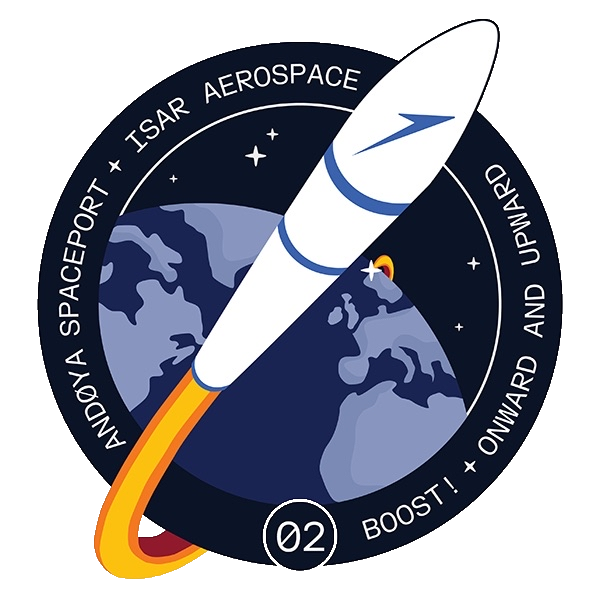
Provider: Isar Aerospace Date: September 4, 2026 Time: 8:00 PM UTC Vehicle: Spectrum
Second test flight of the Isar Spectrum launch vehicle. This launch will carry 5 cubesats and 1 non-separable experiment as part of European Space Agency (ESA)’s “Boost!” program:
* CyBEEsat (TU Berlin)
* TriSat-S (University of Maribor)
* Platform 6 (EnduroSat)
* FramSat-1 (NTNU)
* SpaceTeamSat1 (TU Wien Space Team)
* Let It Go (Dcubed, non-separable experiment)
Starlink Group 15-24
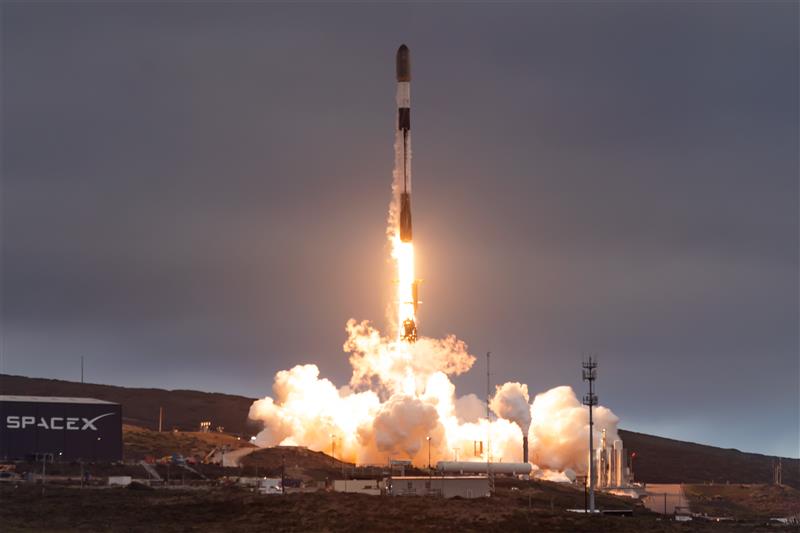
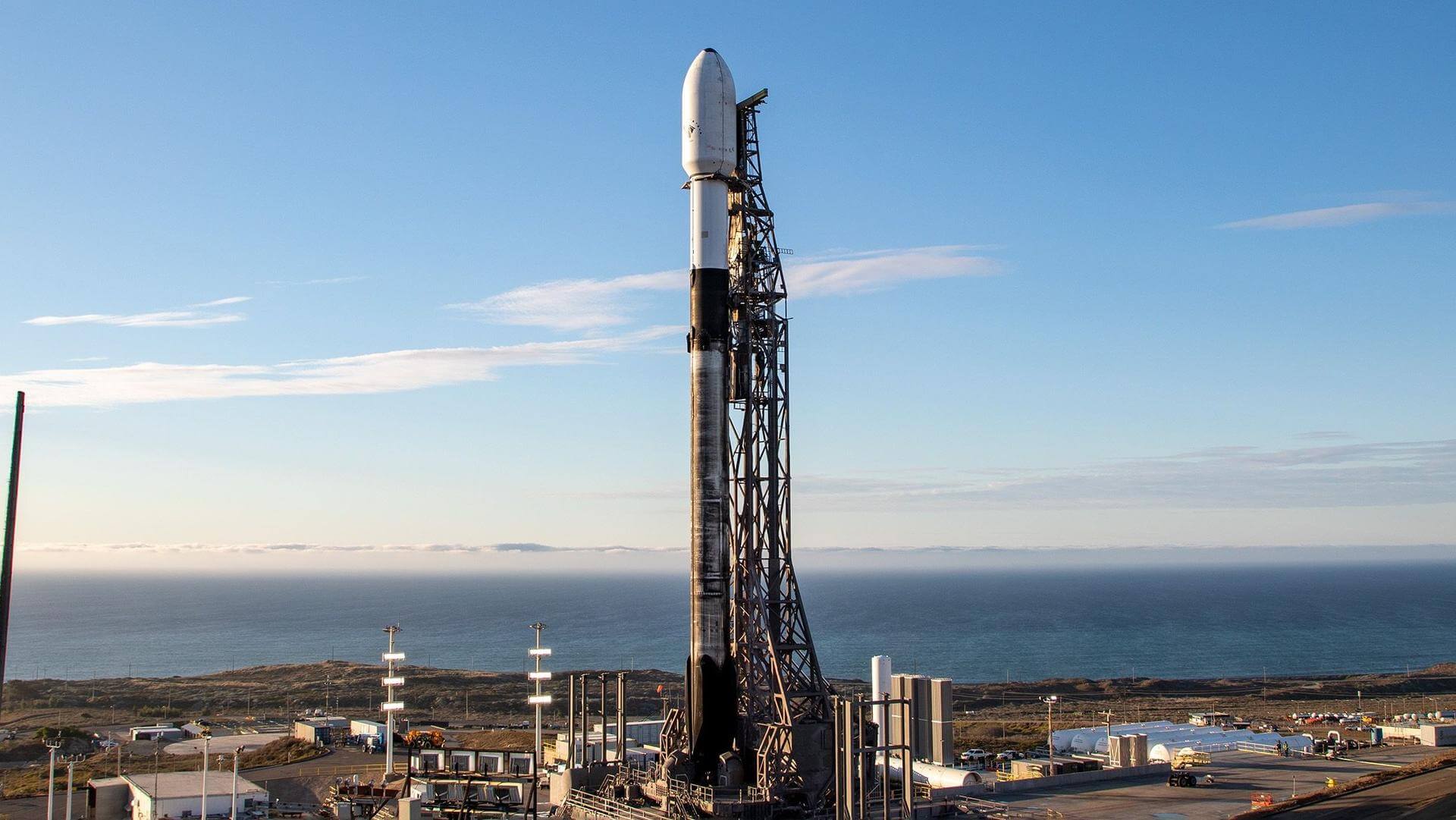
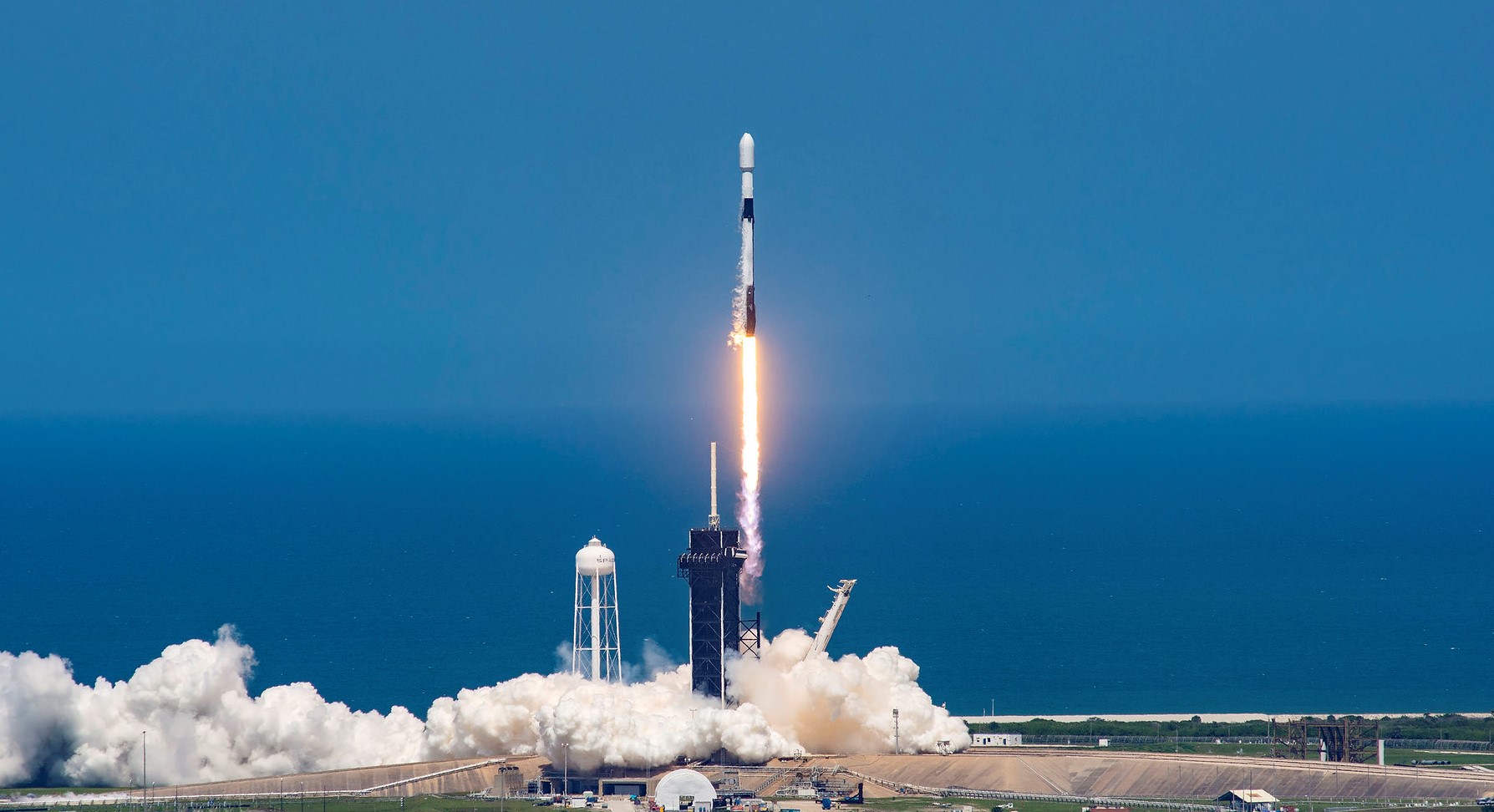
Provider: SpaceX Date: September 6, 2026 Time: 10:59 AM UTC Vehicle: Falcon 9
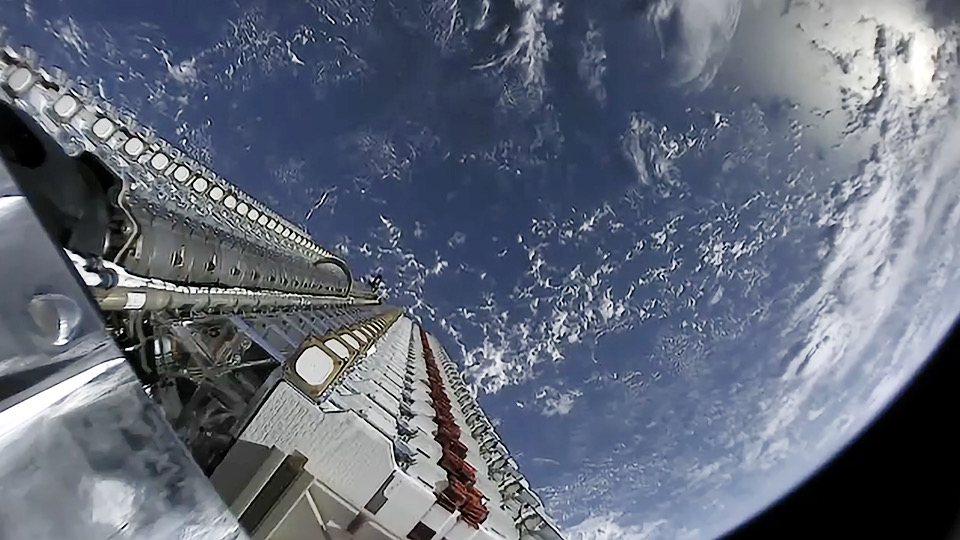
A batch of 27 satellites for the Starlink mega-constellation – SpaceX’s project for space-based Internet communication system.
Unknown Payload
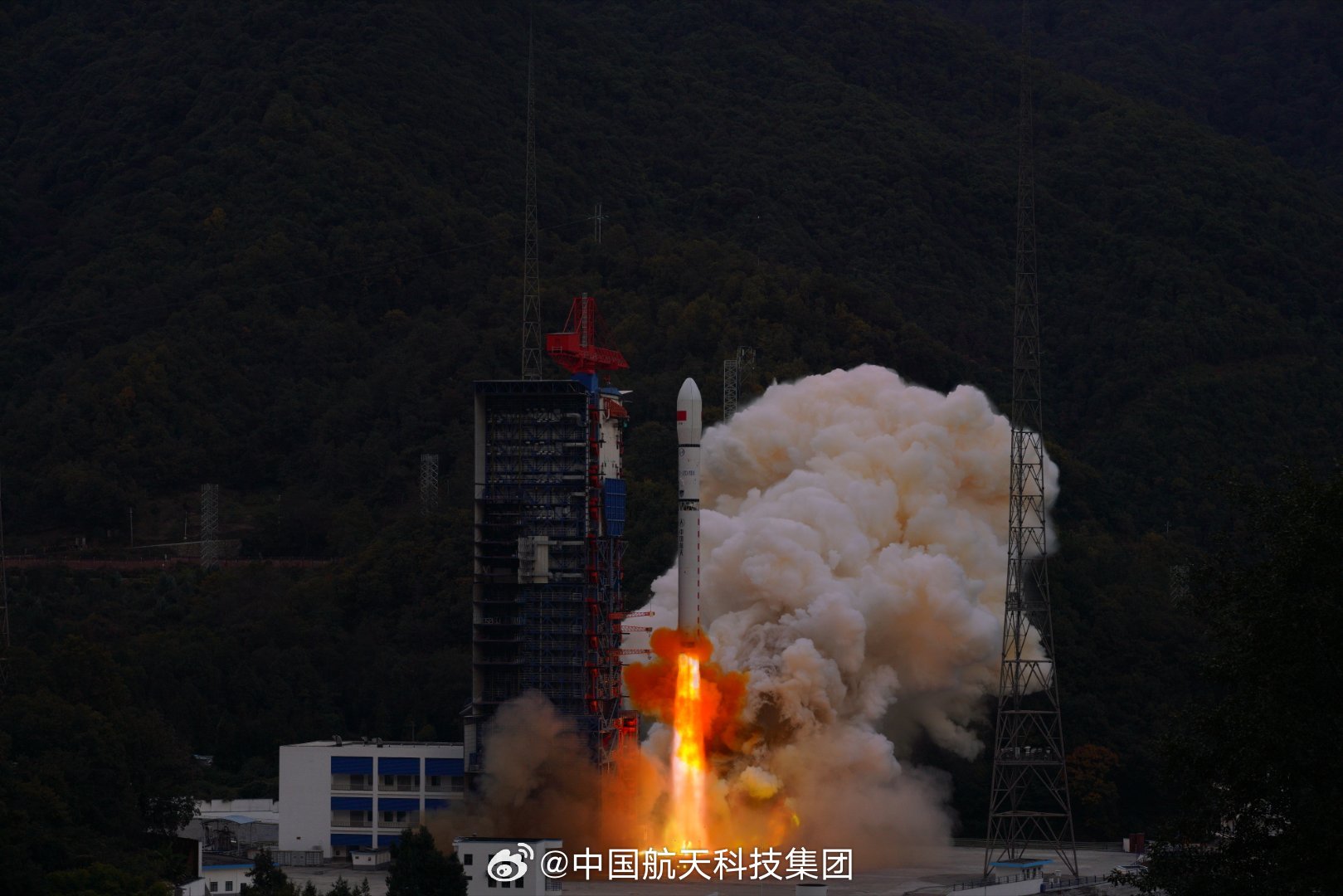
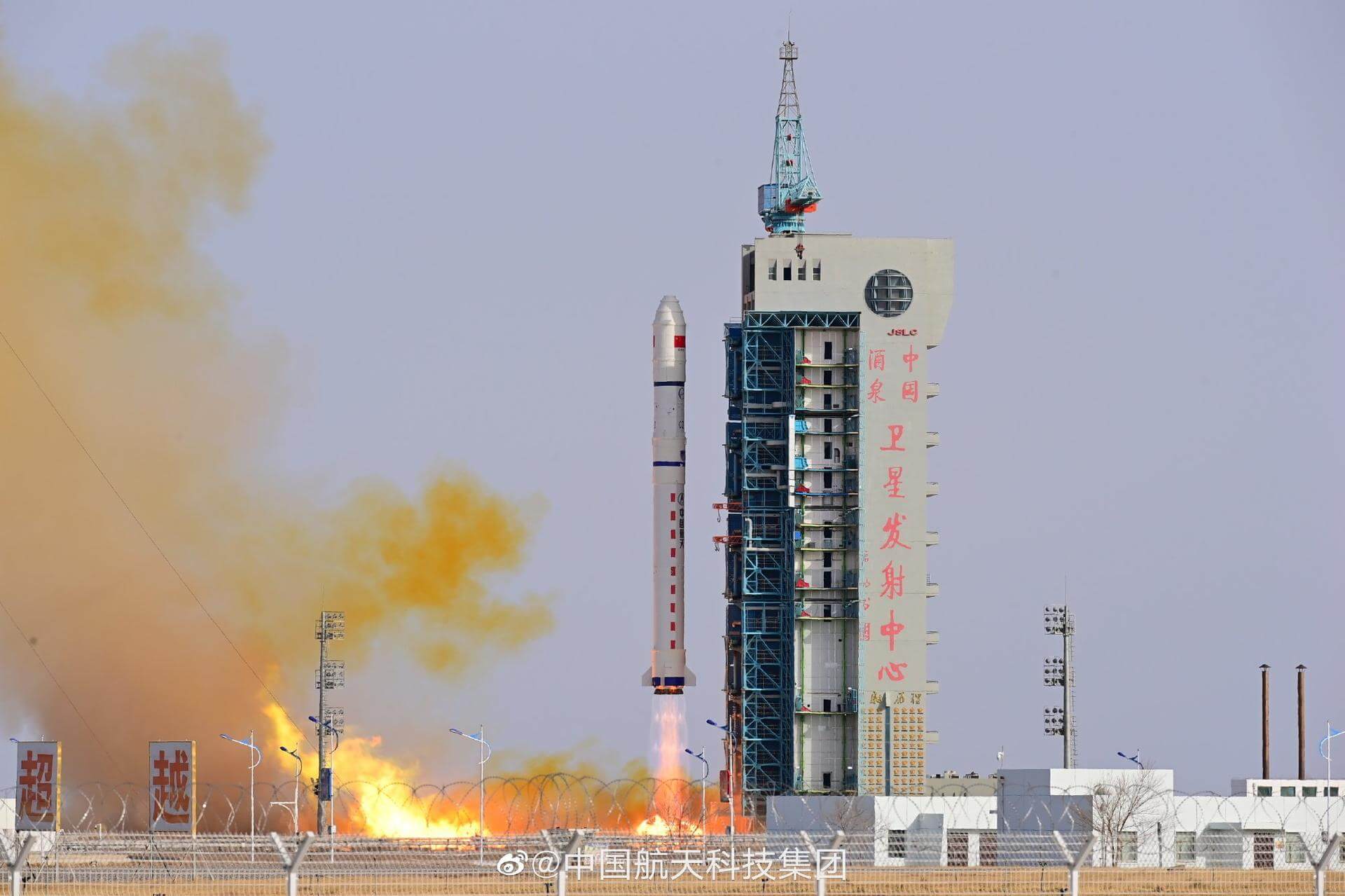
Provider: China Aerospace Science and Technology Corporation Date: September 9, 2026 Time: 9:00 AM UTC Vehicle: Long March 2D/YZ-3
Details TBD.
Progress MS-35 (96P)
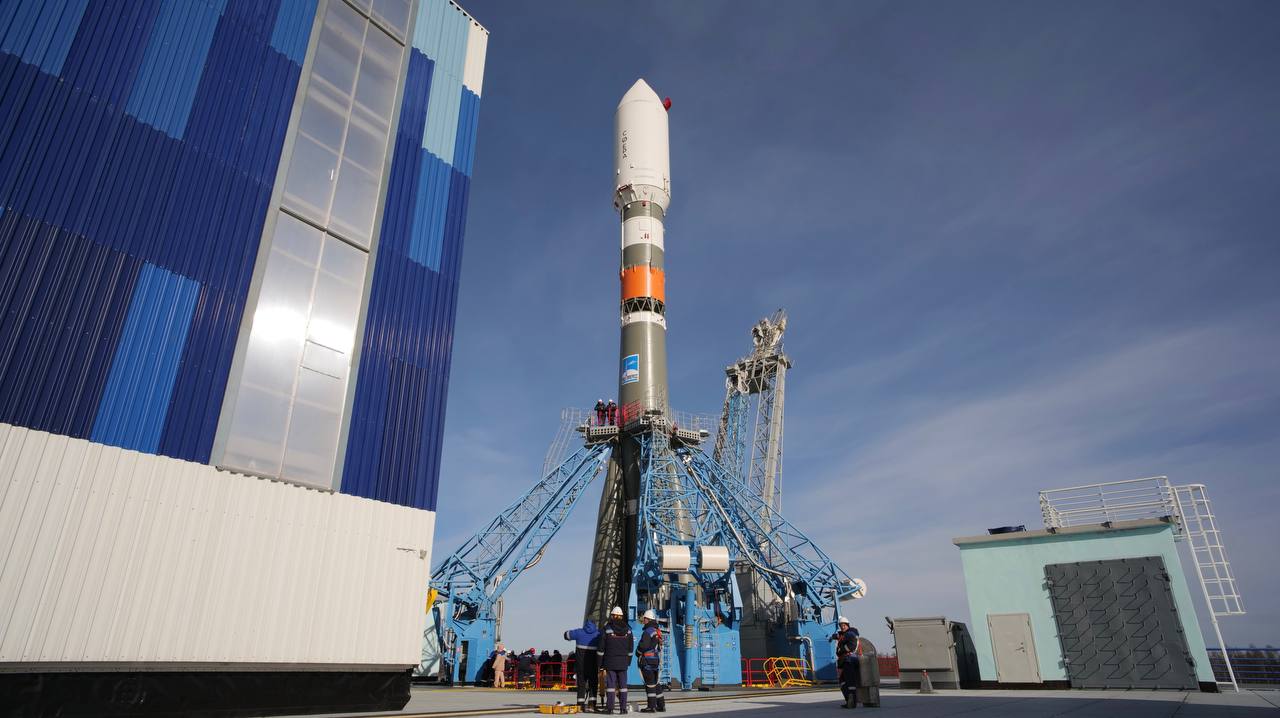
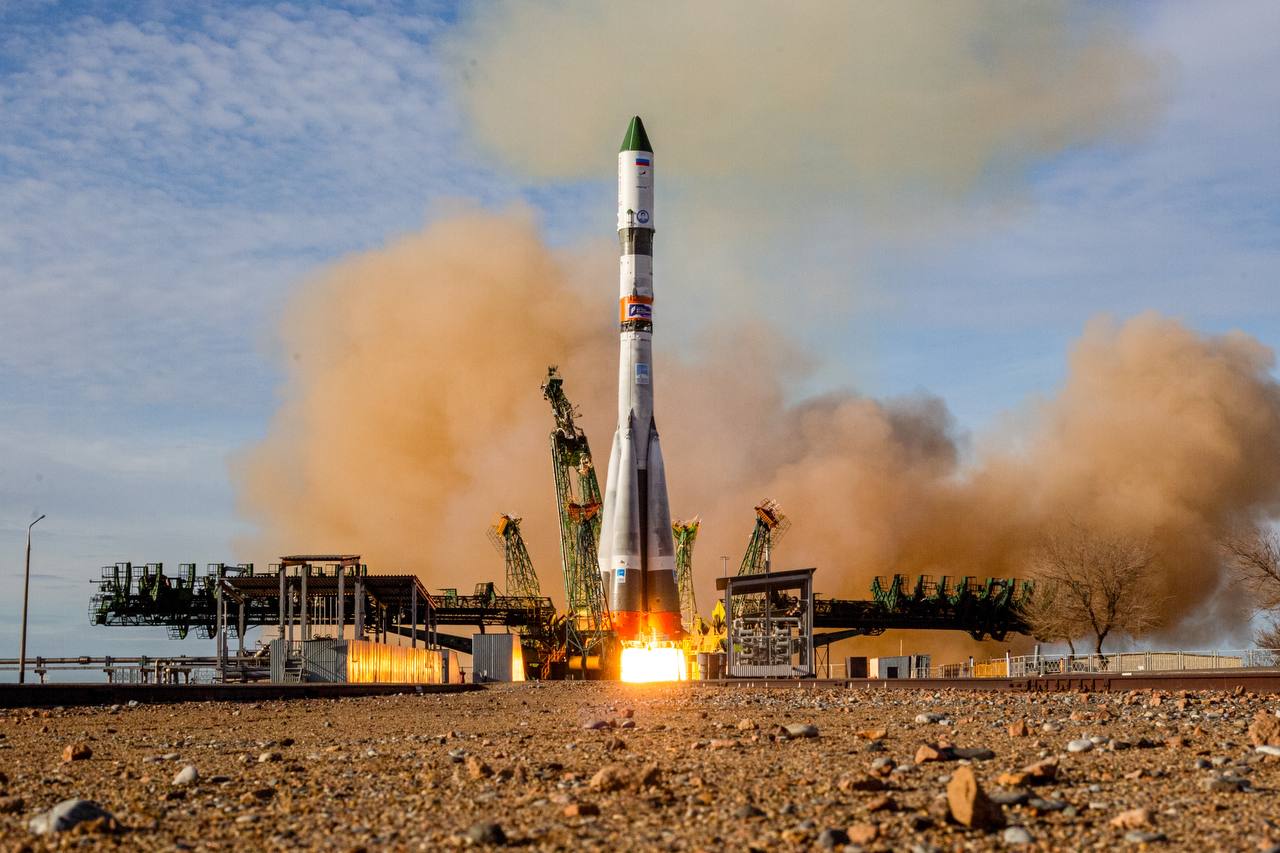
Provider: Russian Federal Space Agency (ROSCOSMOS) Date: September 9, 2026 Time: 4:15 PM UTC Vehicle: Soyuz 2.1b
Progress resupply mission to the International Space Station.
USSF-153
Provider: SpaceX Date: September 10, 2026 Time: 3:37 PM UTC Vehicle: Falcon 9
USSF-153 is a classified mission for the United States Space Force. It is possibly a batch of classified LEO satellites for a US government entity based on SpaceX’s Starshield satellite bus, based on locations of rocket stage drop zones being exact fits with previous Starlink Group 15 launches.
Onward and Upward ×
Mission Details
TypeTest Flight
OrbitSun-Synchronous Orbit
TargetEarth
Second test flight of the Isar Spectrum launch vehicle. This launch will carry 5 cubesats and 1 non-separable experiment as part of European Space Agency (ESA)’s “Boost!” program:
* CyBEEsat (TU Berlin)
* TriSat-S (University of Maribor)
* Platform 6 (EnduroSat)
* FramSat-1 (NTNU)
* SpaceTeamSat1 (TU Wien Space Team)
* Let It Go (Dcubed, non-separable experiment)
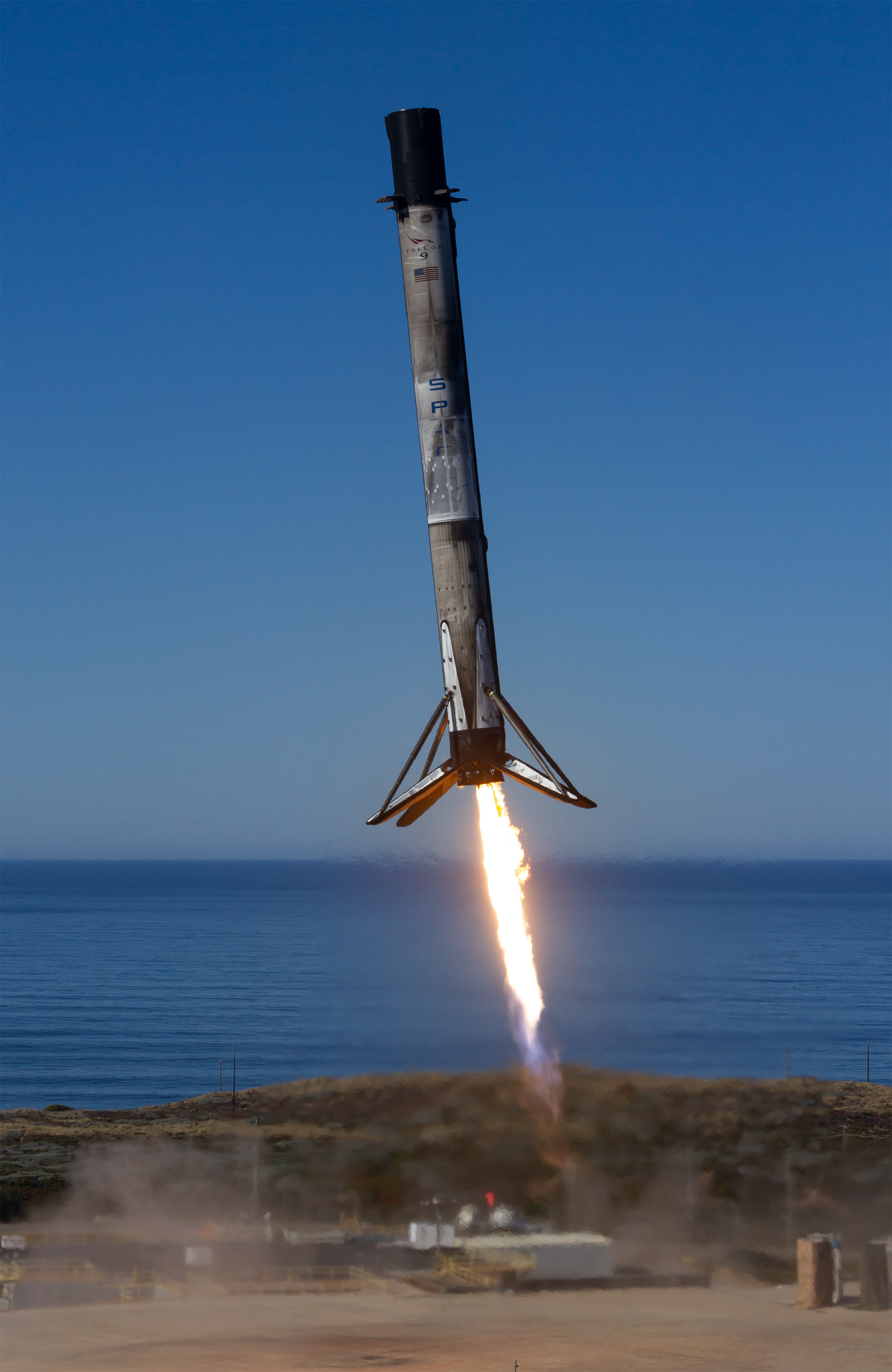
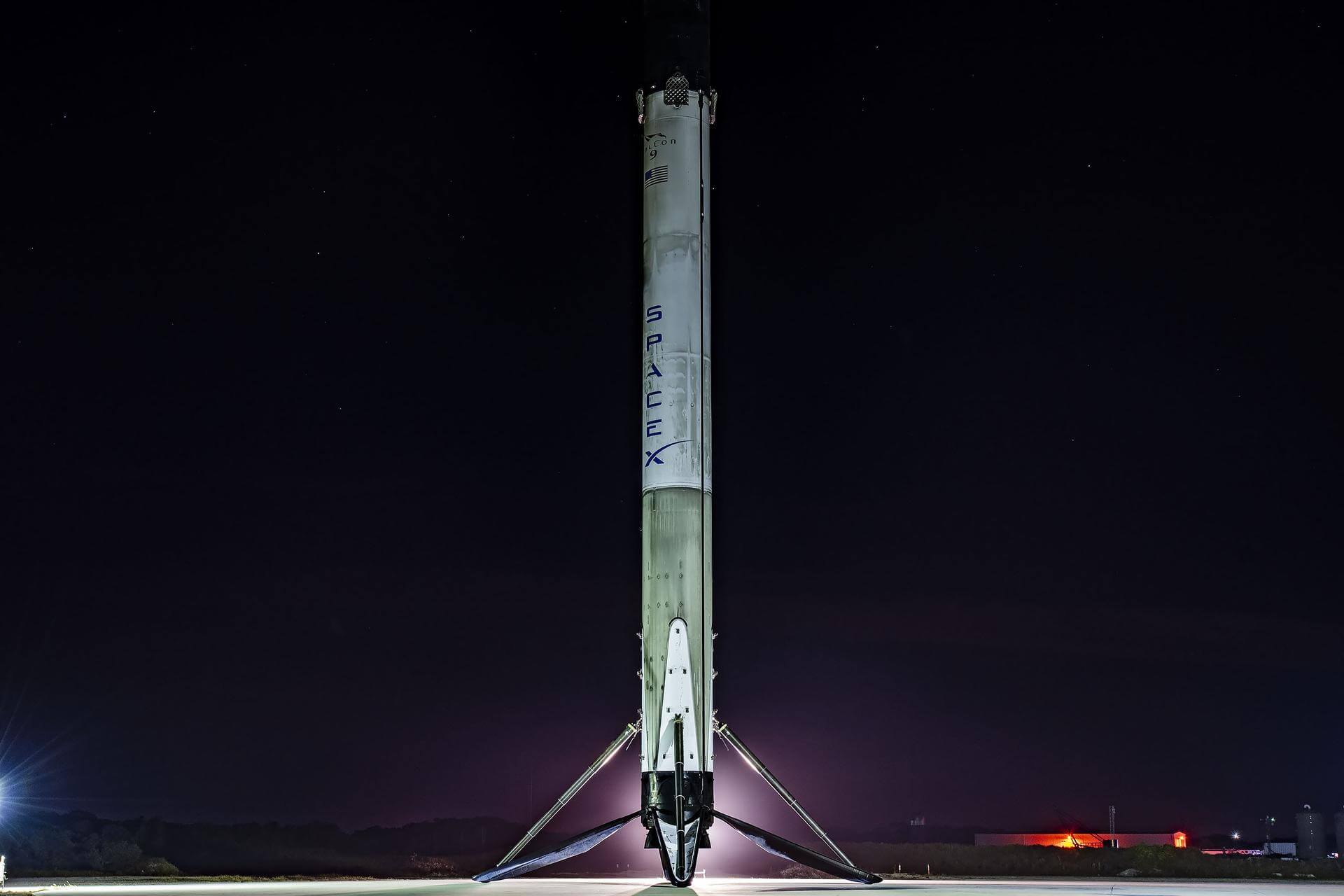
Falcon 9 is a two-stage rocket designed and manufactured by SpaceX for the reliable and safe transport of satellites and the Dragon spacecraft into orbit. The Block 5 variant is the fifth major interval aimed at improving upon the ability for rapid reusability.
The Long March 2D, also known as the Chang Zheng 2D, CZ-2D and LM-2D, is a Chinese orbital carrier rocket. It is a 2-stage carrier rocket mainly used for launching LEO and SSO satellites.
The YZ-3 variant includes a YZ-3 upper stage able to push satellites into higher orbits.
Specifications
ReusableNo
Maiden Flight2018-12-29
Launch Record
4 successful / 4 total launches
Current streak: 4 successful
Progress MS-35 (96P) ×
Mission Details
TypeResupply
OrbitLow Earth Orbit
TargetEarth
Progress resupply mission to the International Space Station.
Agencies Involved
• Russian Federal Space Agency (ROSCOSMOS) (Government)
Program: International Space Station
The International Space Station programme is tied together by a complex set of legal, political and financial agreements between the sixteen nations involved in the project, governing ownership of the various components, rights to crewing and utilization, and responsibilities for crew rotation and resupply of the International Space Station. It was conceived in 1984 by President Ronald Reagan, during the Space Station Freedom project as it was originally called.
Soyuz-2 is the 21st-century version of the Russian Soyuz rocket. In its basic form, it is a three-stage carrier rocket for placing payloads into low Earth orbit. The 2.1b version adds an upgraded engine (RD-0124) with improved performance to the second stage.
USSF-153 is a classified mission for the United States Space Force. It is possibly a batch of classified LEO satellites for a US government entity based on SpaceX’s Starshield satellite bus, based on locations of rocket stage drop zones being exact fits with previous Starlink Group 15 launches.
Falcon 9 is a two-stage rocket designed and manufactured by SpaceX for the reliable and safe transport of satellites and the Dragon spacecraft into orbit. The Block 5 variant is the fifth major interval aimed at improving upon the ability for rapid reusability.
Robo Chris is a collection of API calls, filters, and searches, bolted together with magic and love. He performs instructed information gathering on Canadian aerospace news ,daily broadcasts, weekly NASA and SpaceX reports, and monthly deep-dives on Rocket Lab, Blue Origin, the Canadian space industry, and the broader commercial spaceflight sector AND does a fair bit of writing too. Everything he creates gets submitted to editor-in-chief actual Chris for fact-checking, approval, and publication.












Leave a Reply