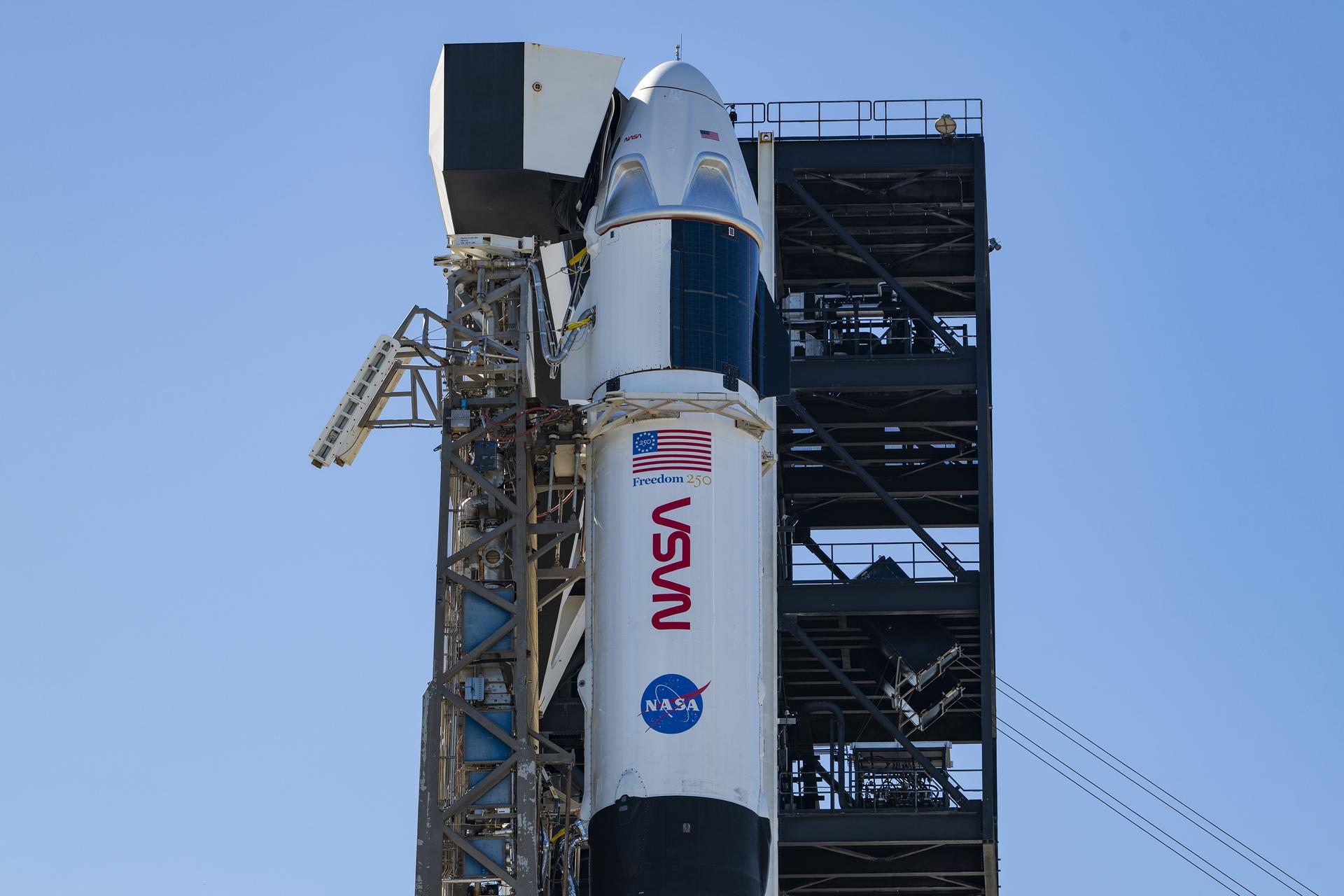
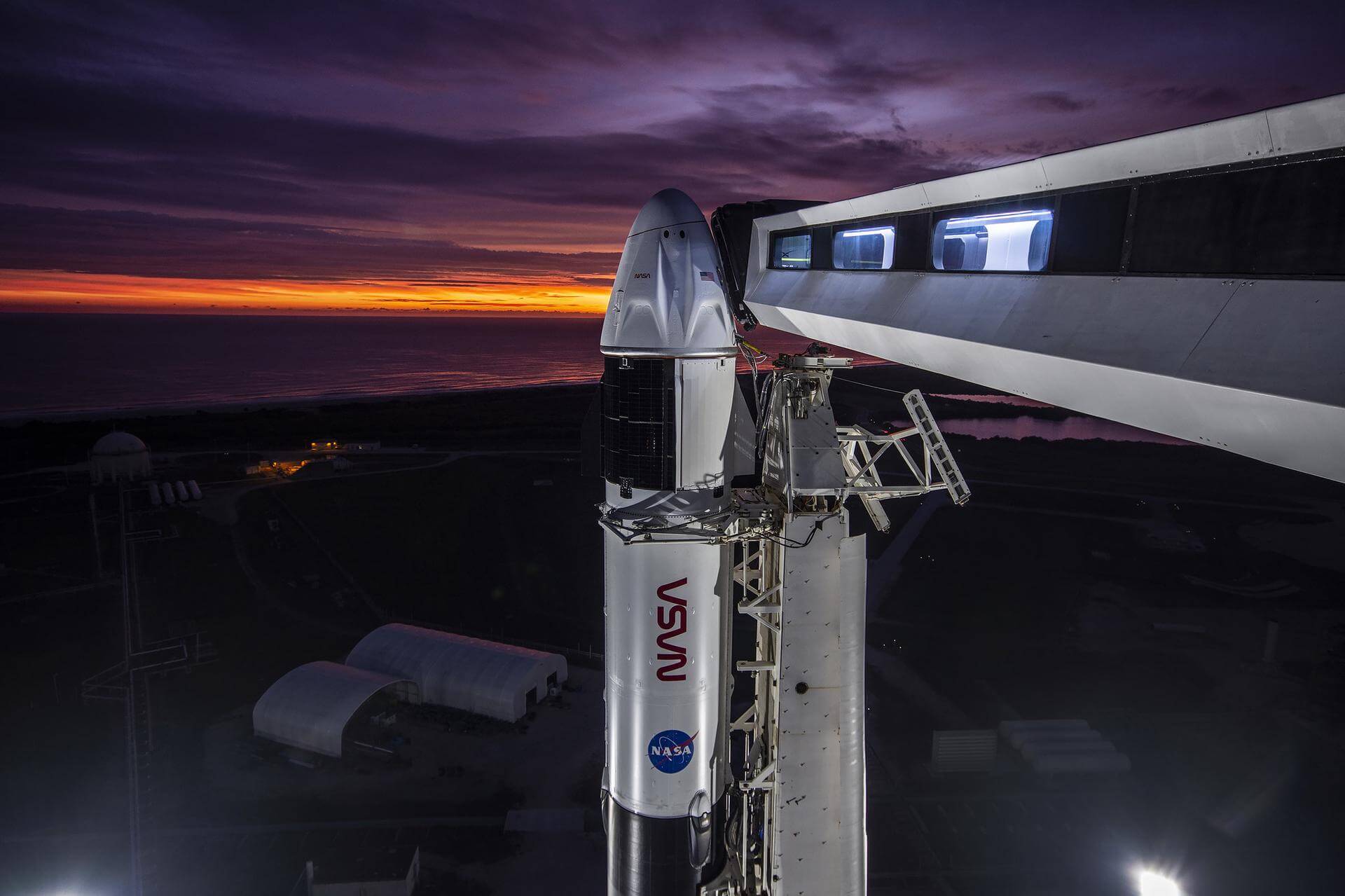
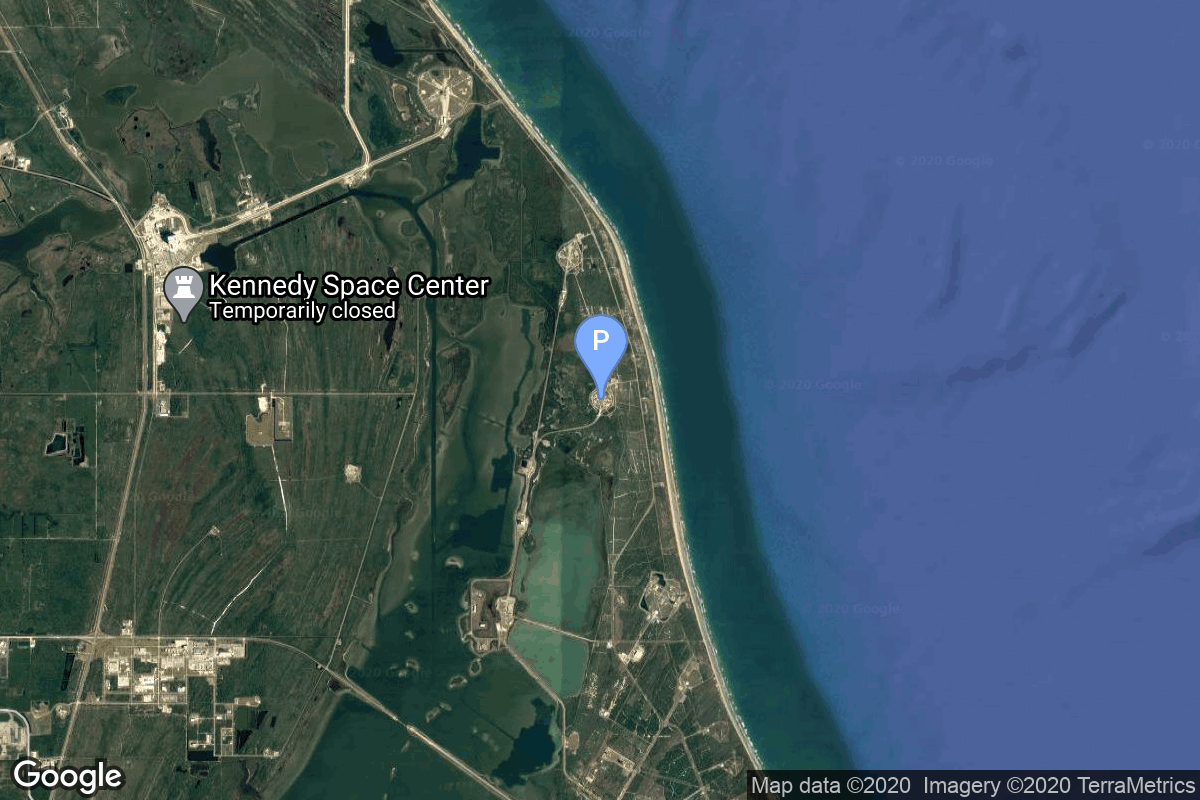
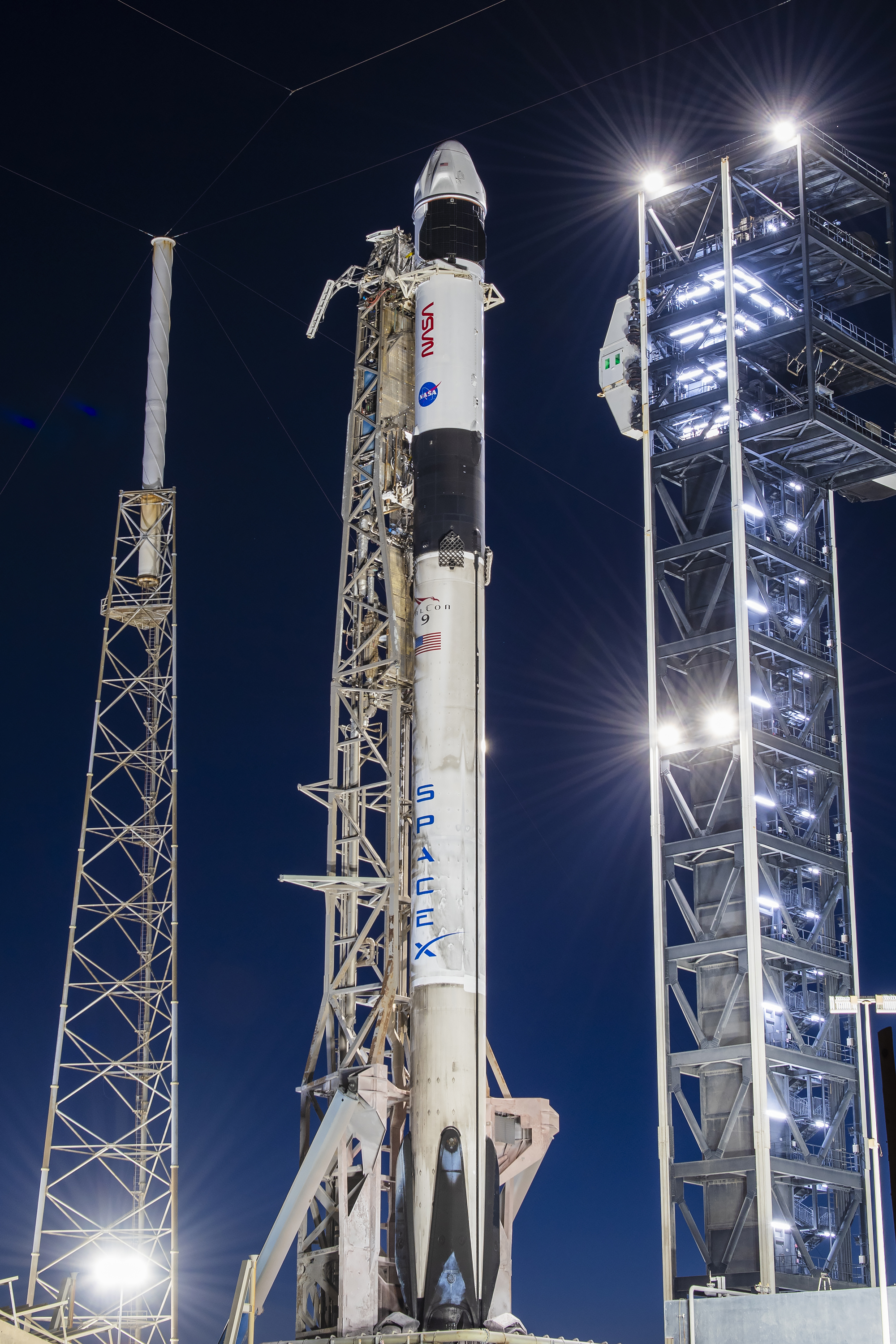
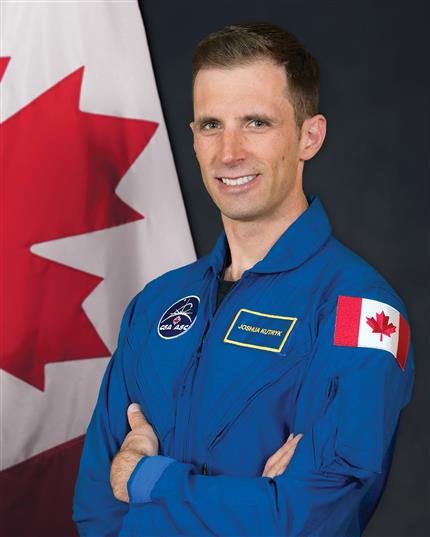
CSA astronaut Joshua Kutryk and his three Crew-13 crewmates suited up and climbed into their Dragon spacecraft at Space Launch Complex 40 on Tuesday, completing a dry dress rehearsal two days before their planned liftoff to the International Space Station.
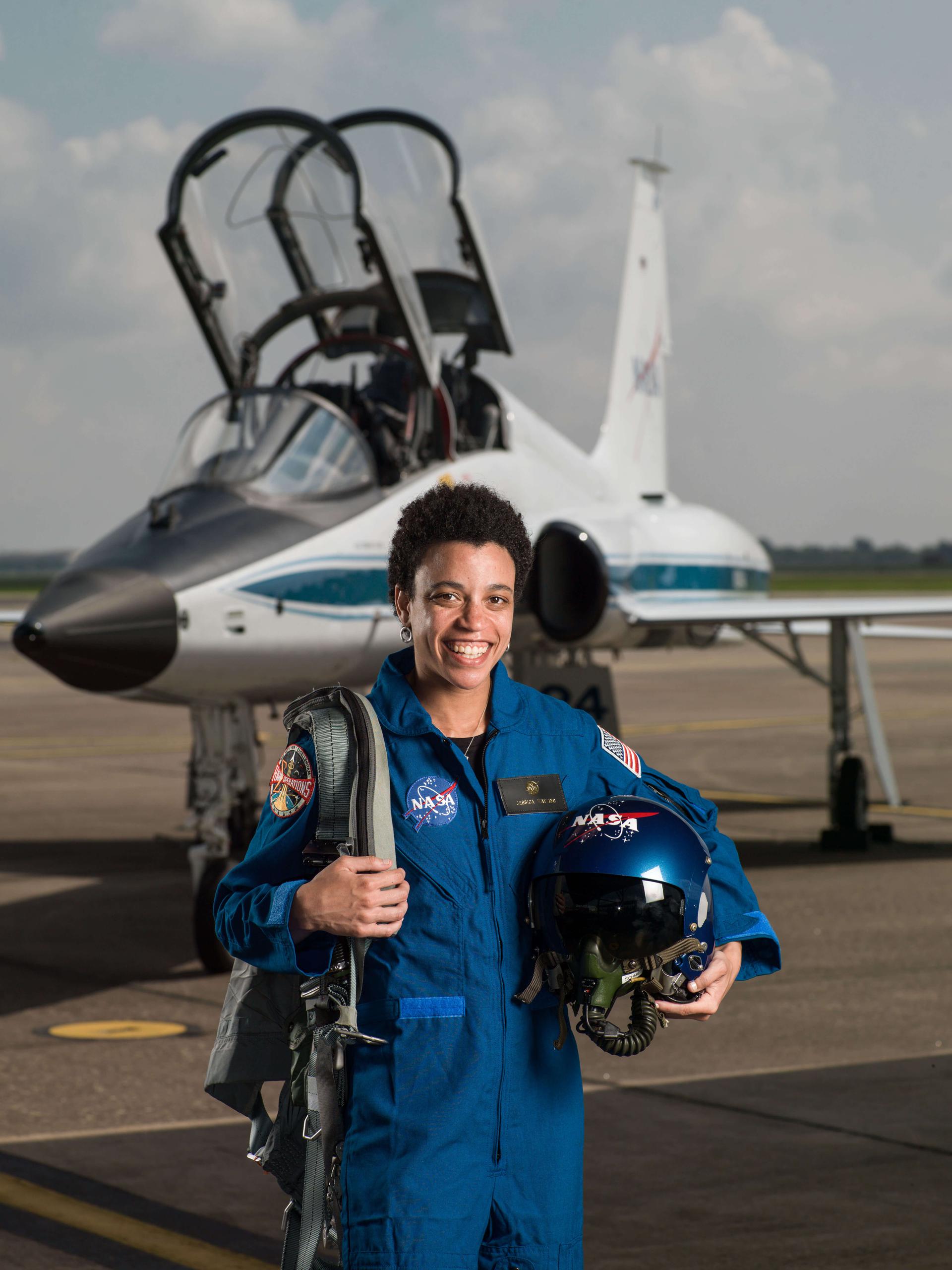
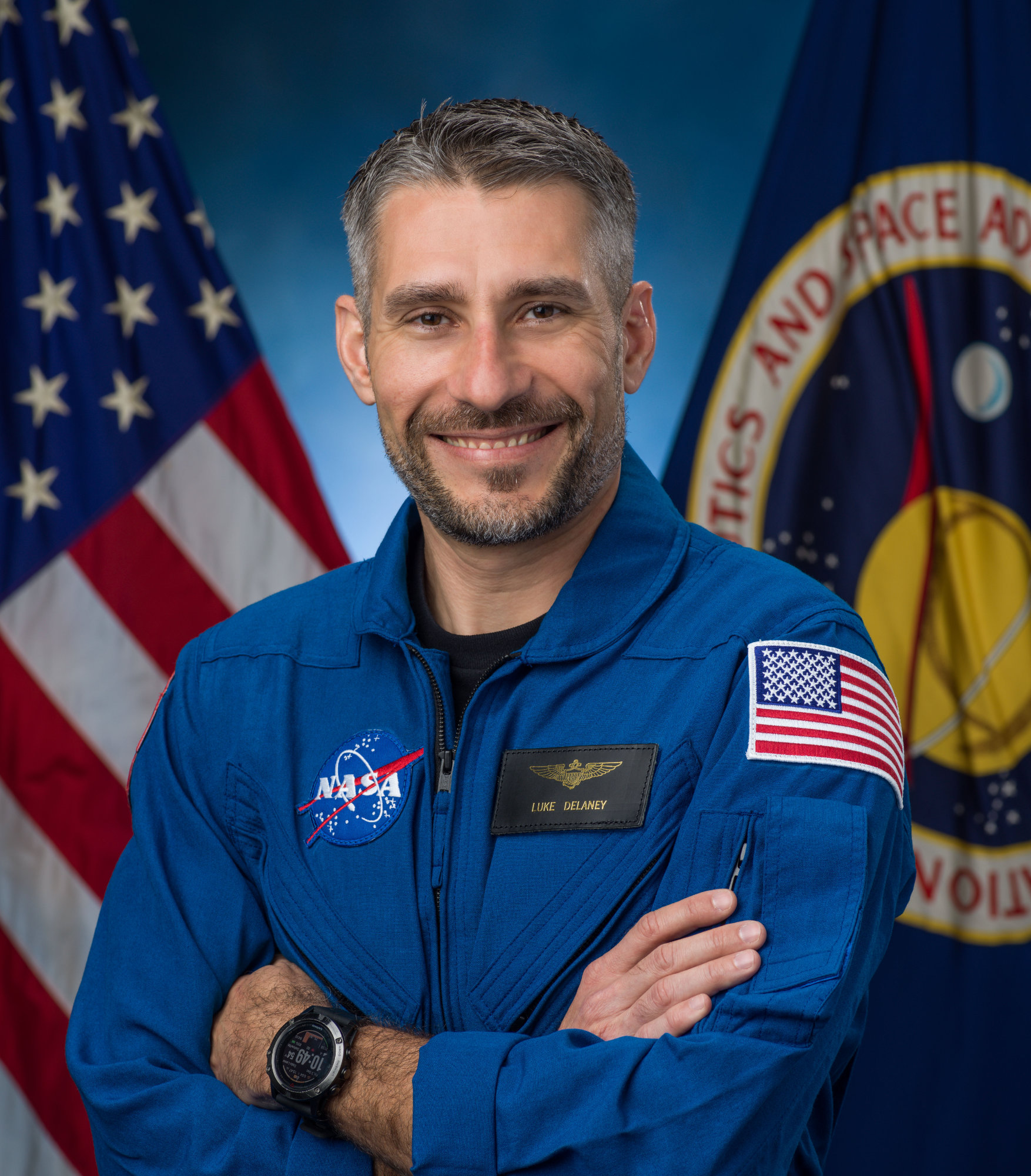
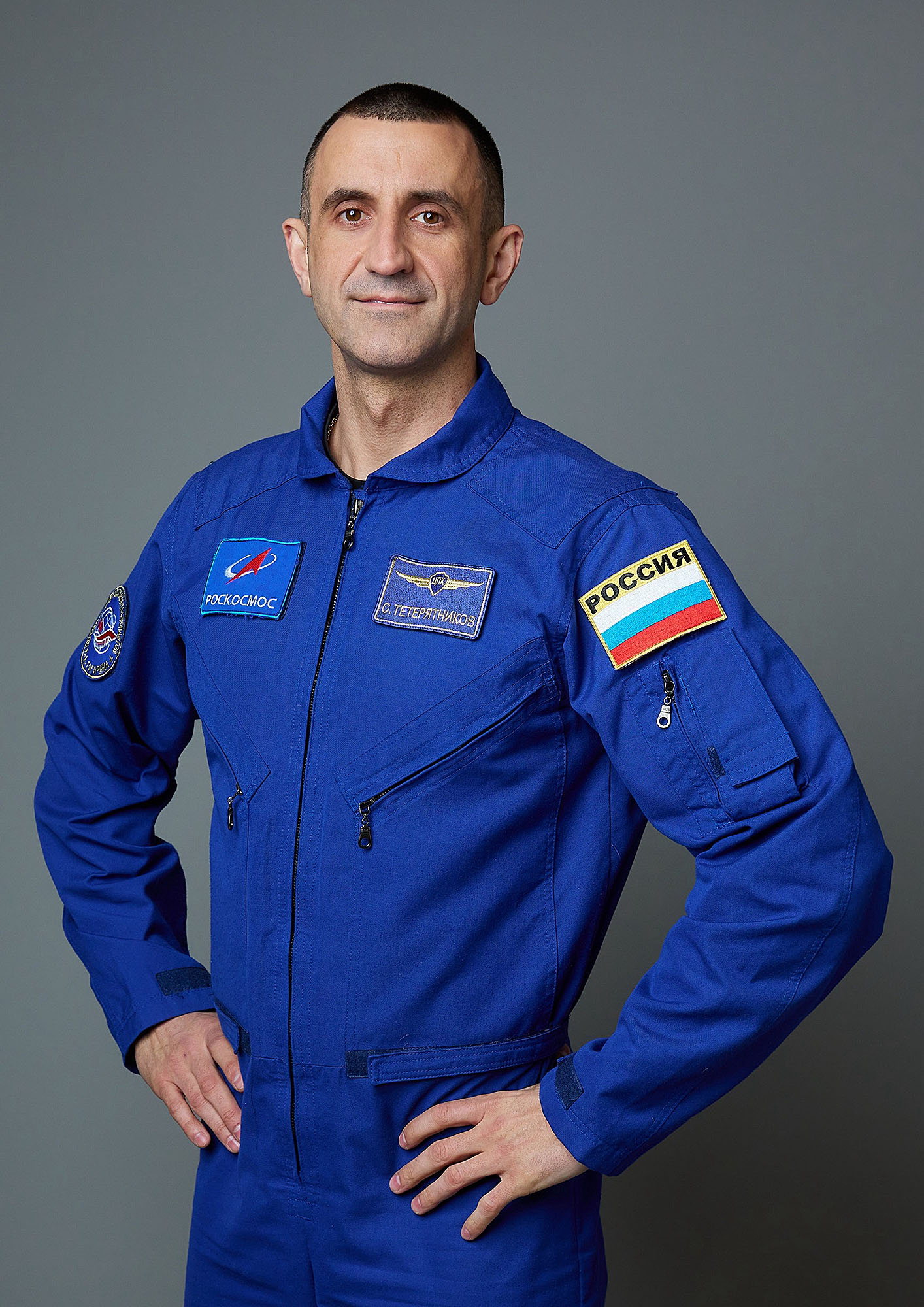
NASA said the crew spent the morning at the Neil A. Armstrong Operations and Checkout Building at Kennedy Space Center, where they donned spacesuits and ran air leak checks. Once suited, they rode to the Cape Canaveral Space Force Station pad and entered the capsule. Kutryk flies alongside NASA astronauts Jessica Watkins and Luke Delaney and Roscosmos cosmonaut Sergey Teteryatnikov.
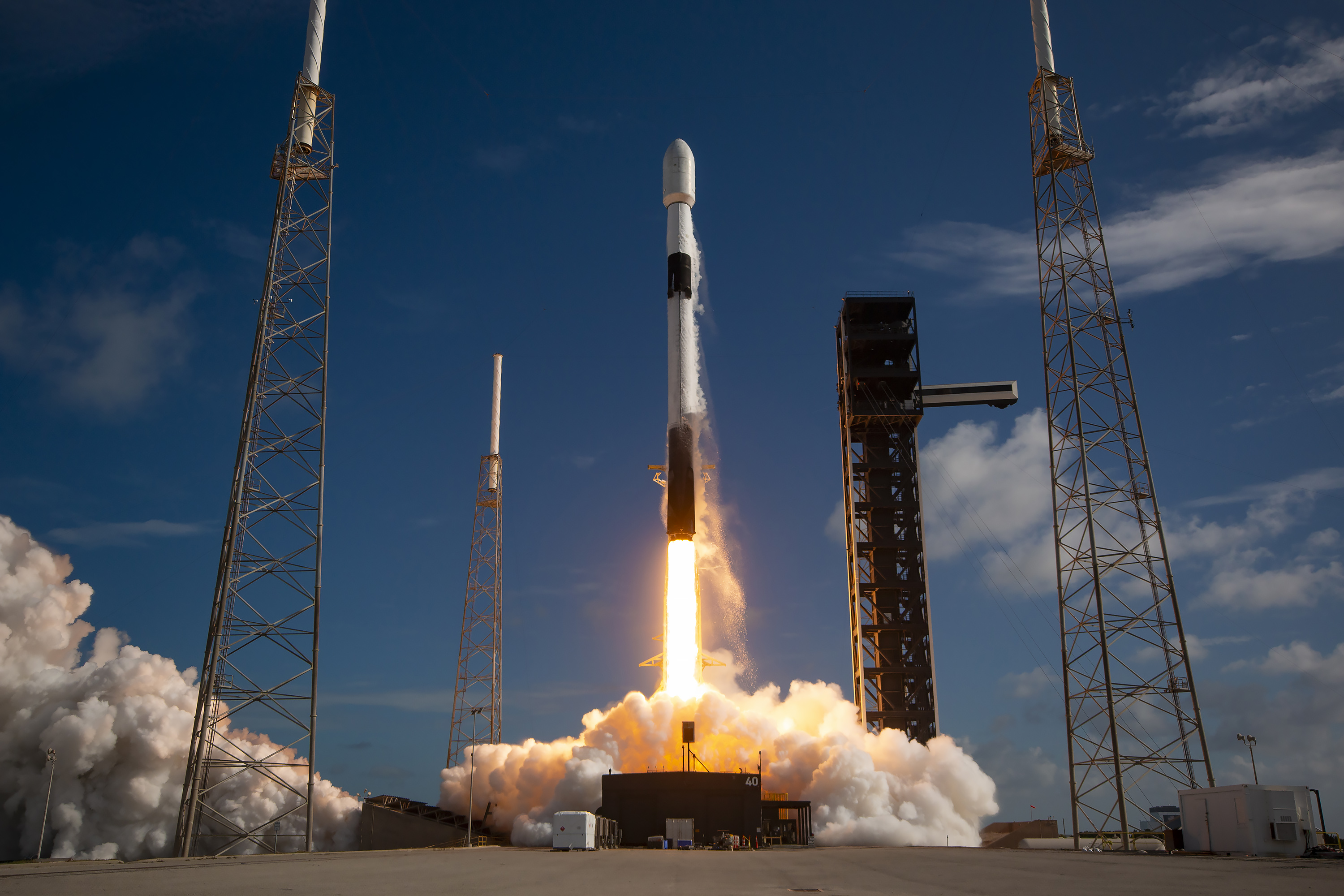
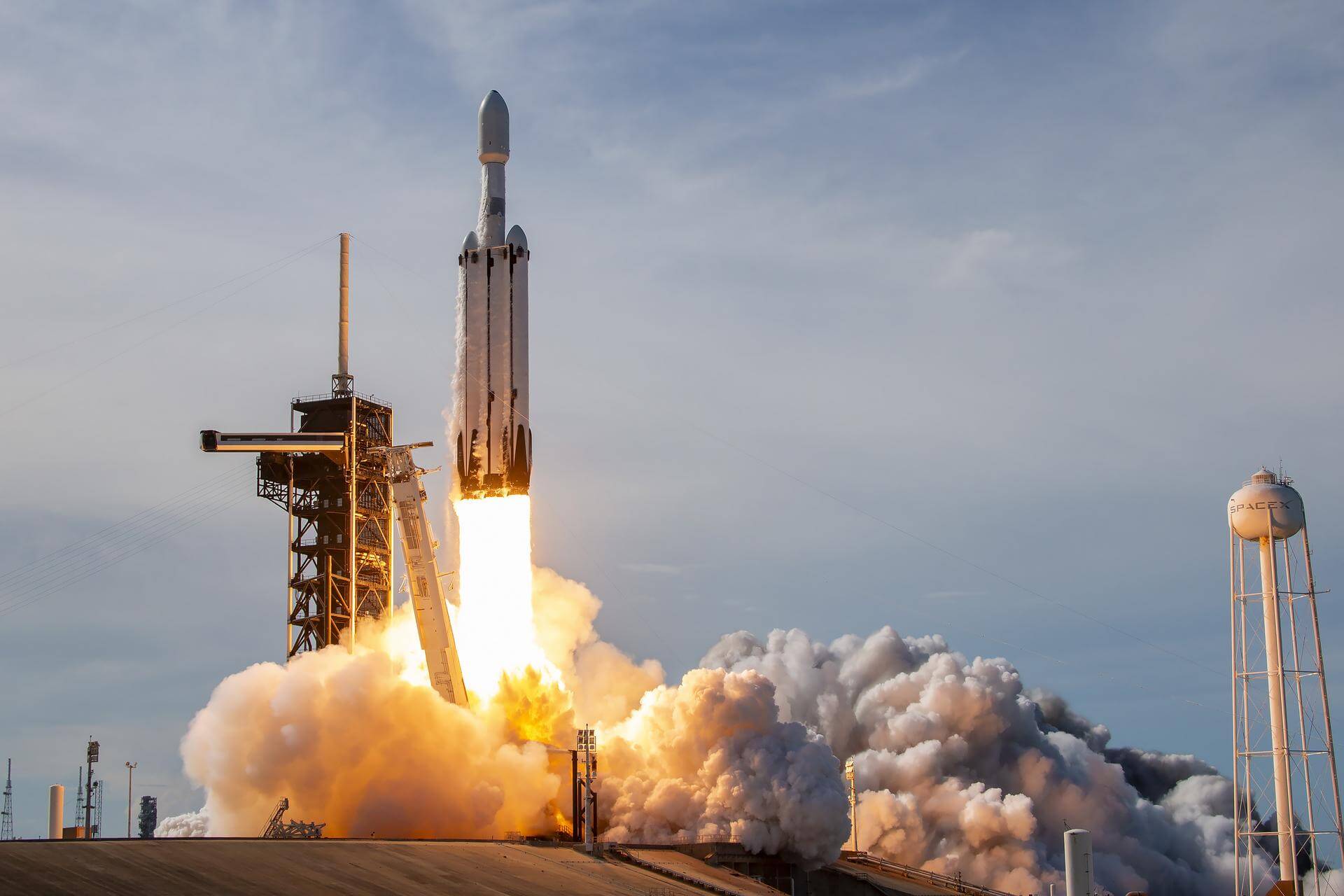
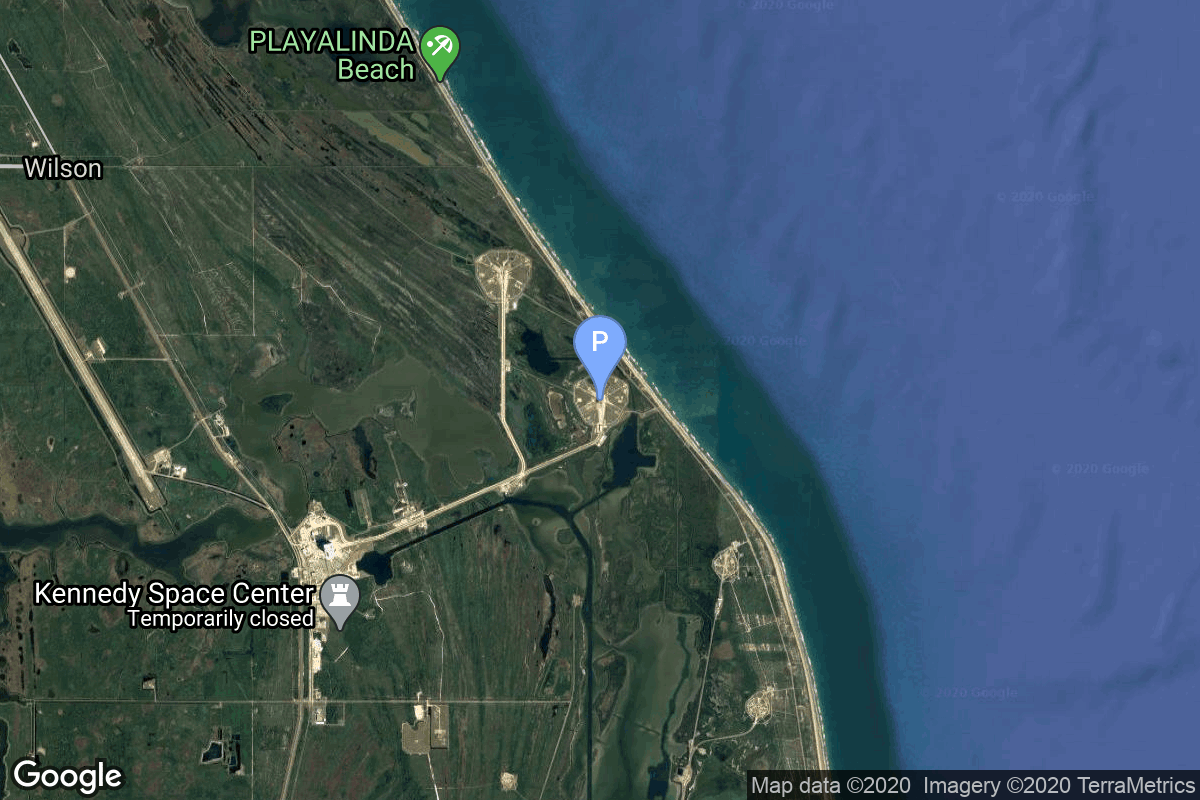
Liftoff is scheduled for no earlier than 11:10 a.m. EDT Thursday, Oct. 1. The Falcon 9 and Dragon rolled out to the pad Sunday and were raised upright; teams then ran an integrated static fire and reviewed the data. NASA’s live launch coverage begins at 9:20 a.m. EDT Thursday, with a pre-launch news conference set for 2:30 p.m. EDT today.
For Kutryk, the road to the pad has been unusually long. He was first assigned in November 2023 to Starliner-1, what was to have been Boeing’s first operational Starliner flight, alongside NASA astronauts Scott Tingle and Mike Fincke. Thruster flaws and other spacecraft problems delayed that mission indefinitely, and the CSA announced on April 23 that Kutryk had been reassigned to Crew-13 as a mission specialist.
Speaking to reporters after the crew landed in Florida, Kutryk said the vehicle change had been “nothing but wonderful” for him personally, giving him “a first row seat into the differences between the approaches taken and the companies.” Of his former Starliner-1 crewmates, he said, “we did everything but get in and launch.” Of Crew-13: “we’ve done everything – and we’re hopefully going to launch.”
Three Canadian Satellites Ride Transporter-18
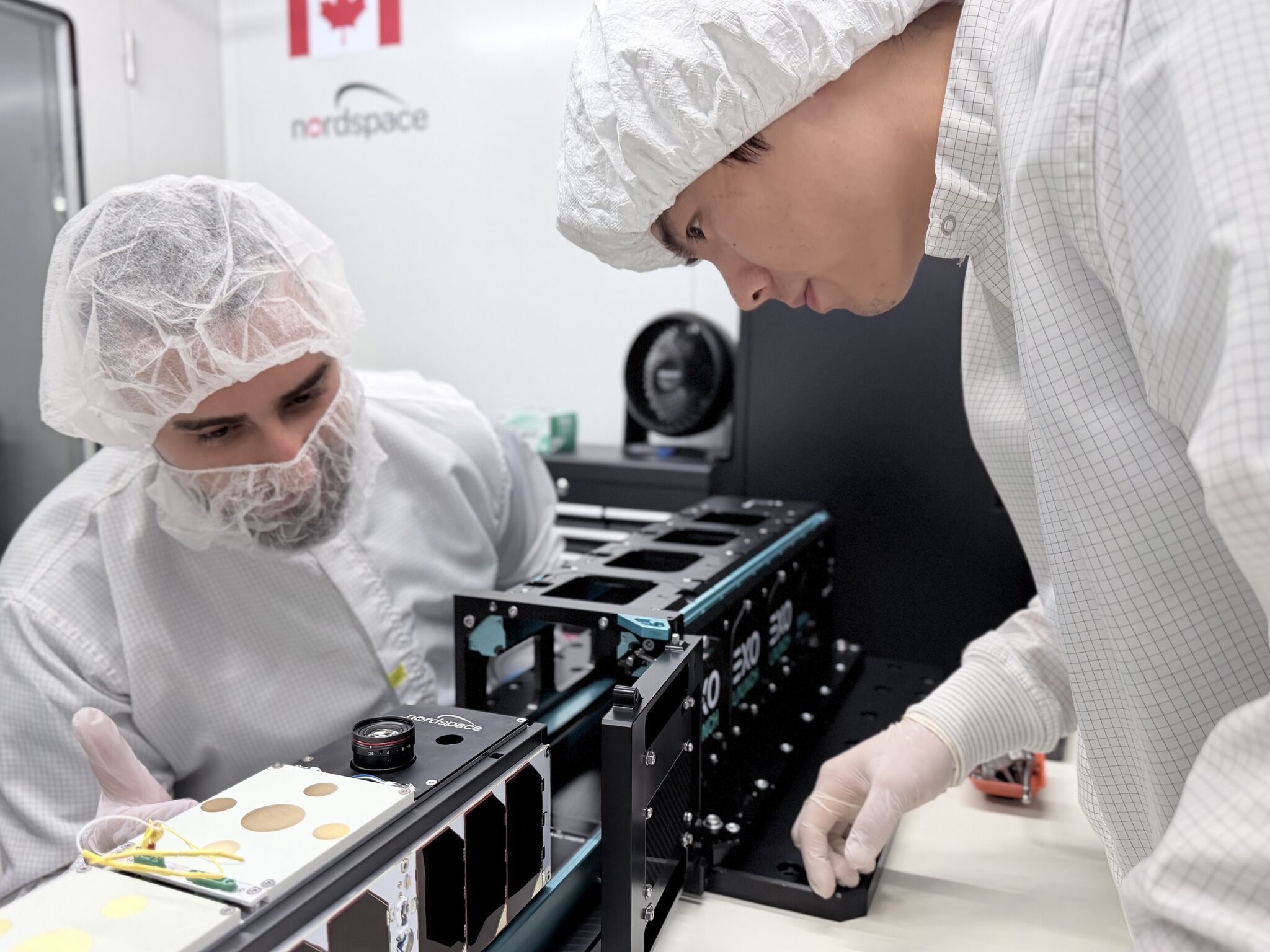
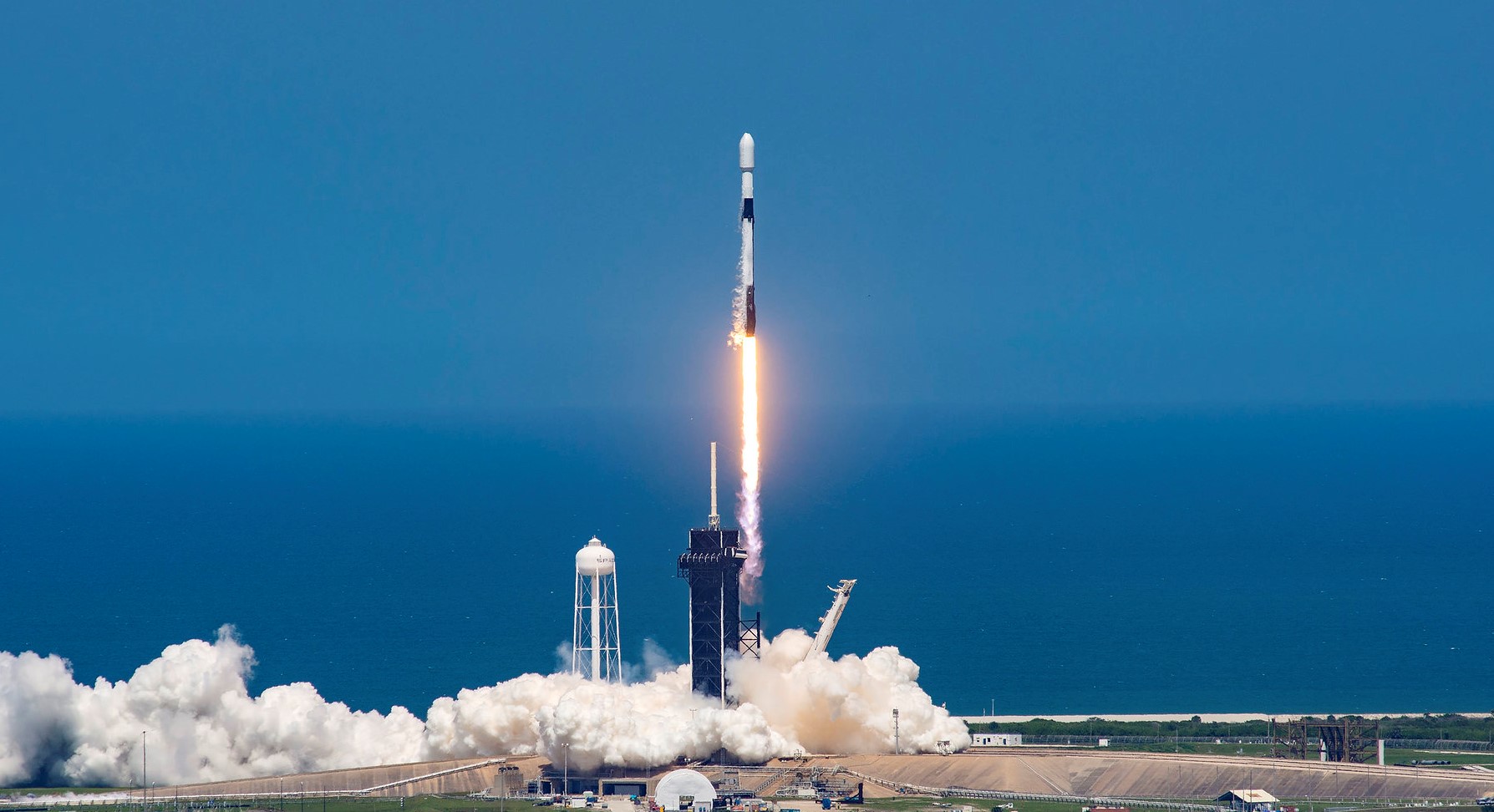
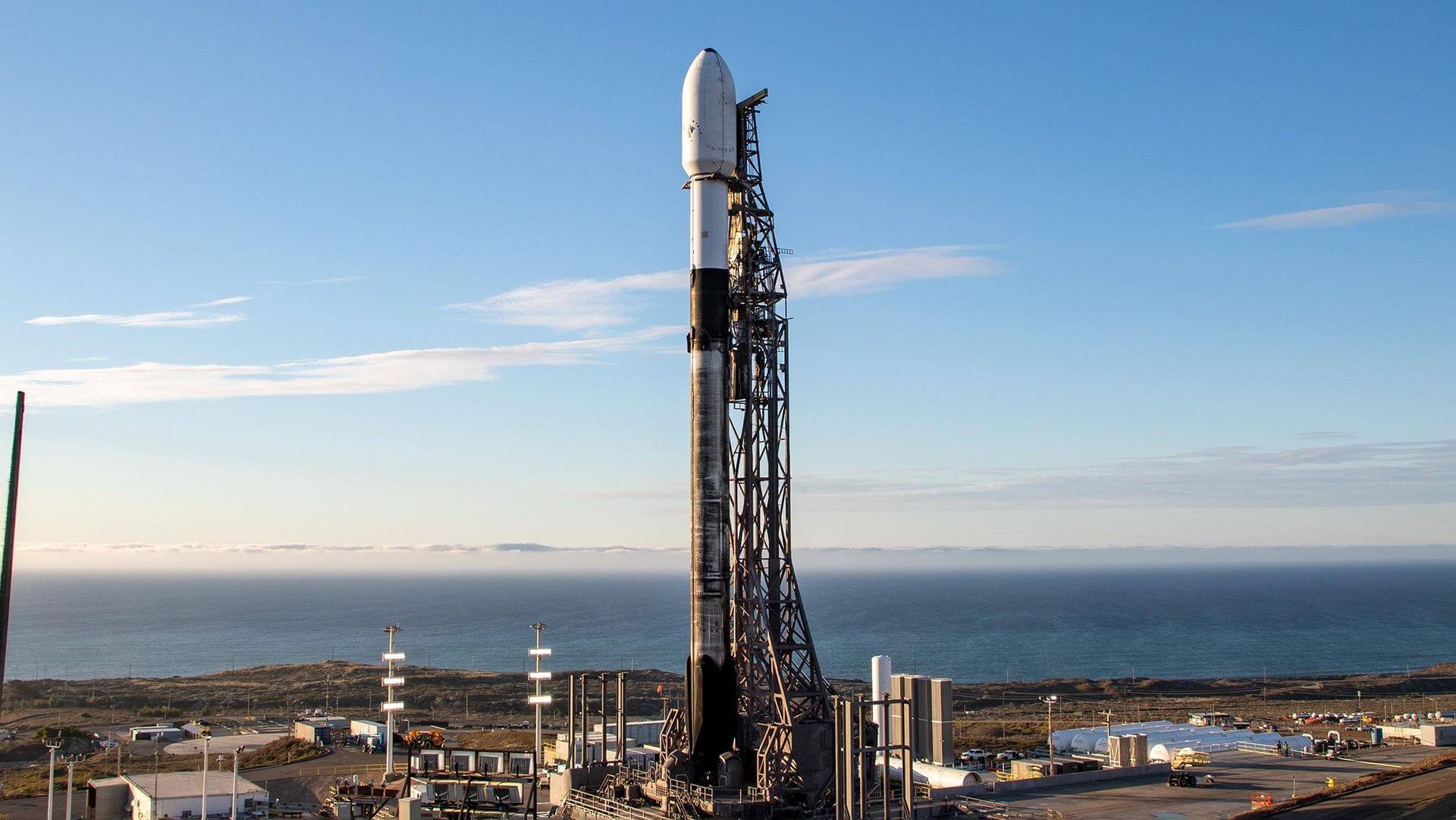
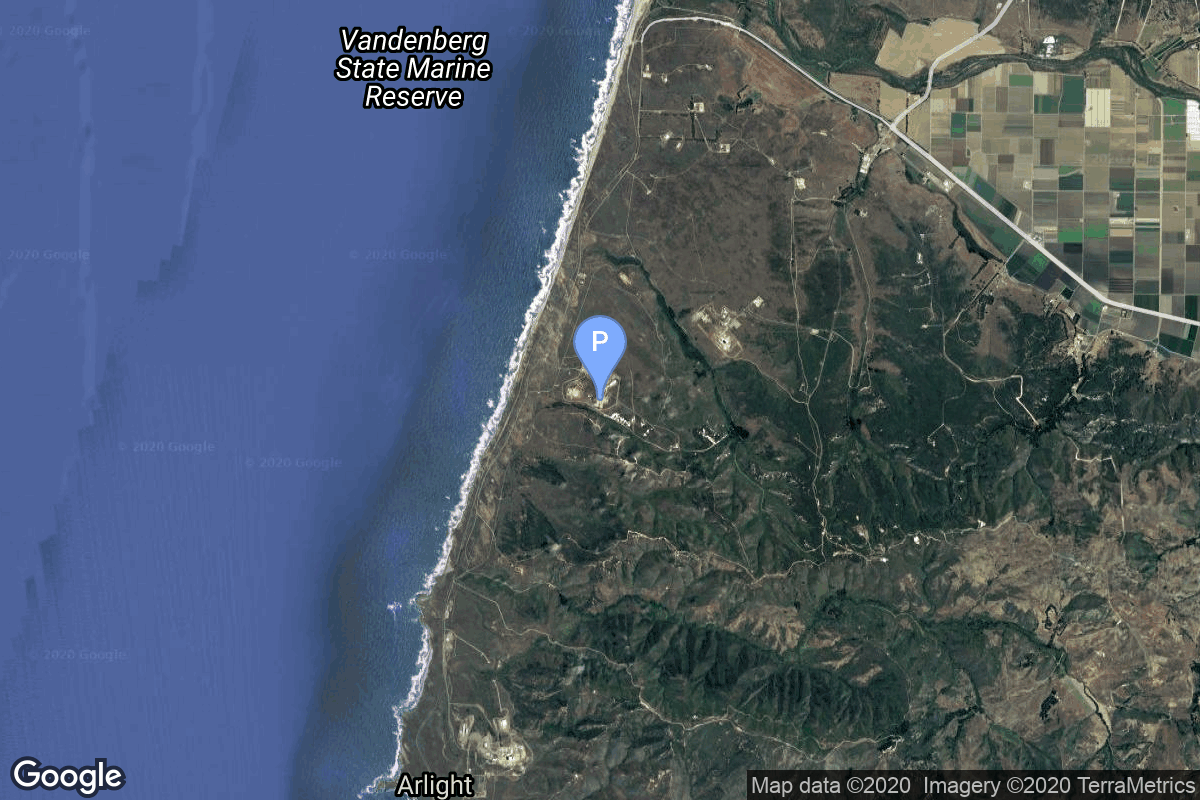
On the other side of the continent, a second Canadian-flavoured launch is set for Thursday. A SpaceX Falcon 9 is scheduled to lift off from Space Launch Complex 4E at Vandenberg Space Force Base in California with a 58-minute window opening at 11:18 a.m. Pacific time on Oct. 1, carrying two GHGSat methane-monitoring satellites and NordSpace’s first spacecraft among 130 reported payloads.
GHGSat, the Montreal-based company that tracks methane leaks from orbit, is flying satellites C18 and C19, named Eleanor and Aidan. The pair were built by SFL Missions in Toronto on its roughly 15-kilogram NEMO platform; SFL was contracted last November to build both satellites and manifested their place on the launch. The company’s previous pair, built by Spire Global, flew on Transporter-17 and returned their first methane detections within weeks.
NordSpace, which is building rockets and a launch site in Newfoundland and Labrador, is flying its first satellite. Terra Nova was built at the company’s Space Systems Lab in Markham, Ontario, and is described as a dual-use defence and commercial demonstrator. It carries NordSpace’s own spacecraft platform, an electric thruster, and a camera that analyses images on board using an NVIDIA processor. Planned tasks range from tracking objects in orbit to spotting wildfires.
“Terra Nova represents far more than a satellite for NordSpace,” the company said in a February post on X. “It’s the embodiment of our sovereign end-to-end space missions vision for Canada, allowing us to walk in the shoes of our future launch customers.” The satellite was manifested by Exolaunch of Berlin.
SpaceX’s deployment timeline has the two GHGSat satellites separating about 55 minutes after liftoff, with Terra Nova following roughly four minutes later. A backup launch opportunity is set for Oct. 2.
ESA Taps Airbus and OHB for Station Feasibility Studies
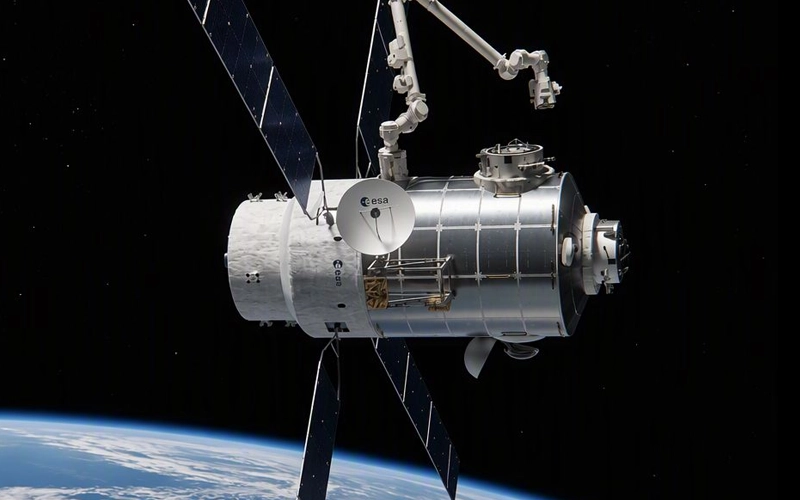
In Europe, the European Space Agency announced on Sept. 29 that it has selected consortia led by Airbus Defence and Space and OHB to carry out parallel studies examining the feasibility of a future European-led outpost in low Earth orbit. Six additional industrial and institutional partners will be involved, though ESA did not identify them.
ESA is weighing three scenarios for its post-ISS presence in low Earth orbit. The first would rely primarily on externally provided commercial infrastructure; the second would see a limited European contribution to a commercial station programme; the third calls for a European-led station open to international and commercial partners. The Airbus- and OHB-led studies focus on that third option.
ESA has asked the consortia to draw heavily on existing European human spaceflight heritage, including the Columbus ISS module and the European Service Module built by Airbus for NASA’s Orion spacecraft. The agency has also imposed strict cost constraints: according to a Sept. 29 SpaceNews report, development spending for an initial minimum viable product would be capped at €1 billion per three-year funding period, limited to two such periods.
“We are investigating to ensure our collective readiness, to offer the best possible options to our Member States and ensure Europe future in LEO,” said Daniel Neuenschwander, ESA’s Director of Human and Robotic Exploration.
Provider: SpaceX Date: October 1, 2026 Time: 3:10 PM UTC Vehicle: Falcon 9
SpaceX Crew-13 is the thirteenth crewed operational flight of a Crew Dragon spacecraft to the International Space Station as part of NASA’s Commercial Crew Program.
Transporter 18 (Dedicated SSO Rideshare)
Provider: SpaceX Date: October 1, 2026 Time: 6:18 PM UTC Vehicle: Falcon 9
Dedicated rideshare flight to a sun-synchronous orbit with dozens of small microsatellites and nanosatellites for commercial and government customers.
NROL-97
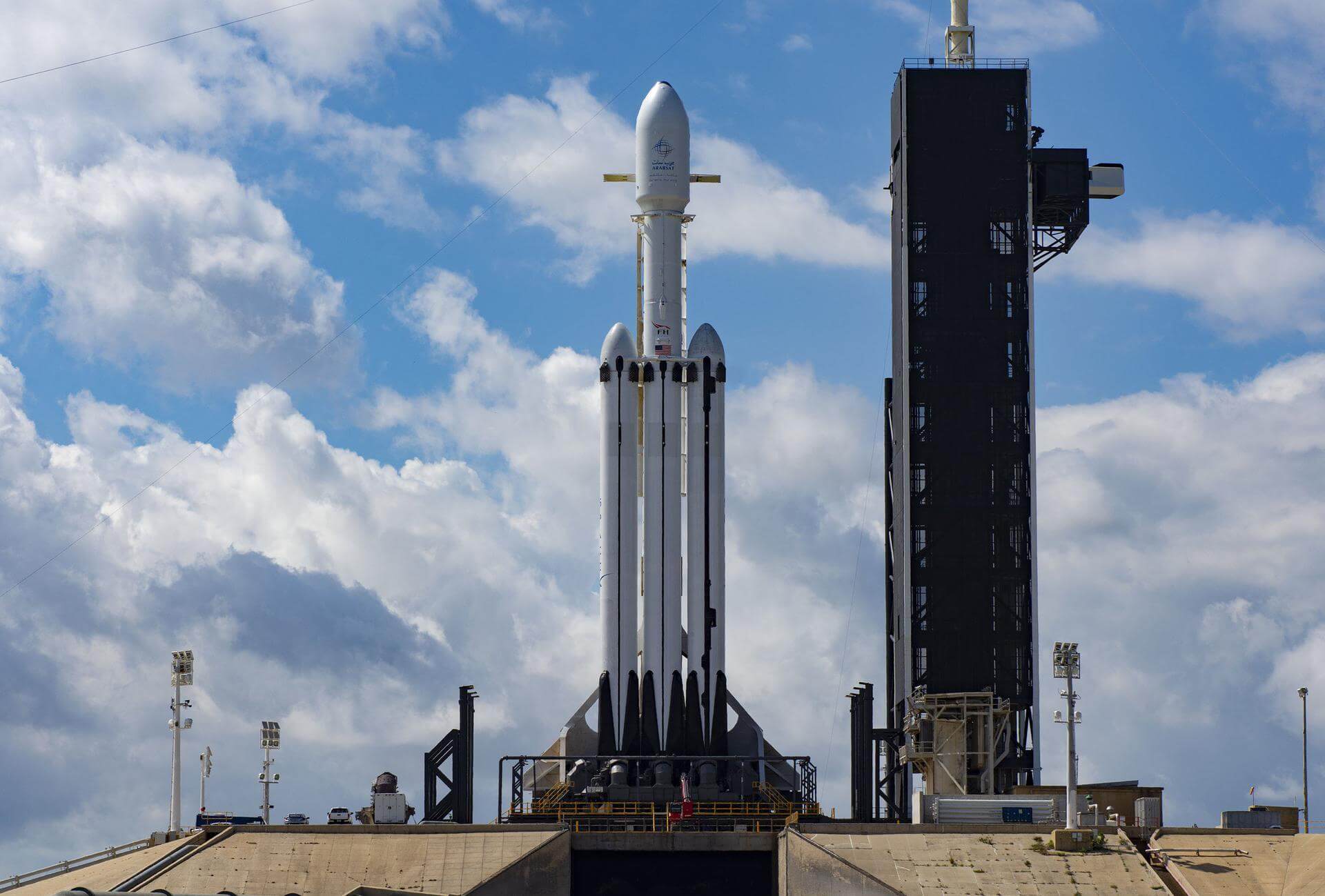
Provider: SpaceX Date: October 2, 2026 Time: 3:53 AM UTC Vehicle: Falcon Heavy
Classified payload for the US National Reconnaissance Office.
Flight 2
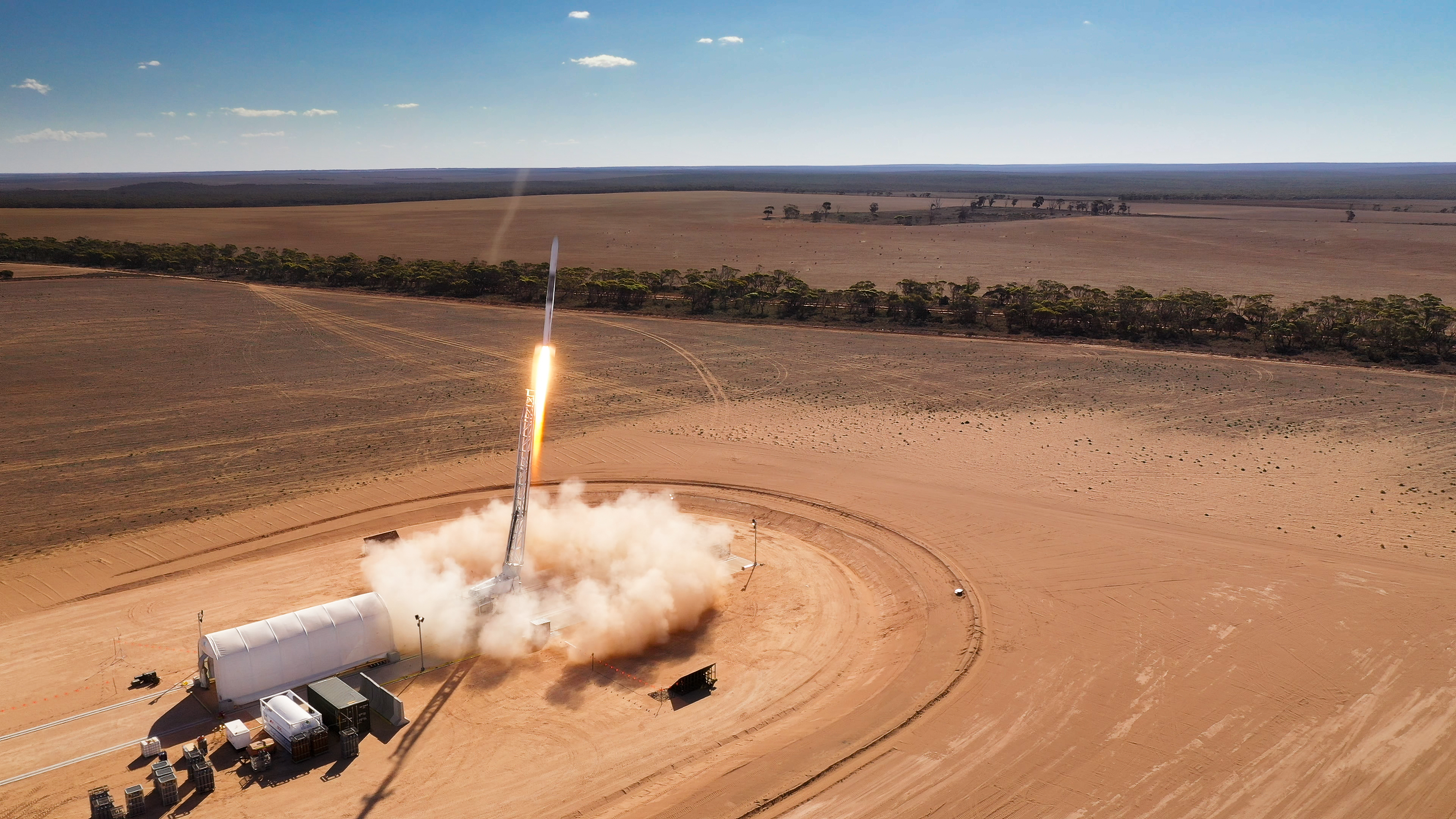
Provider: HyImpulse Date: October 5, 2026 Time: 12:00 AM UTC Vehicle: SR75
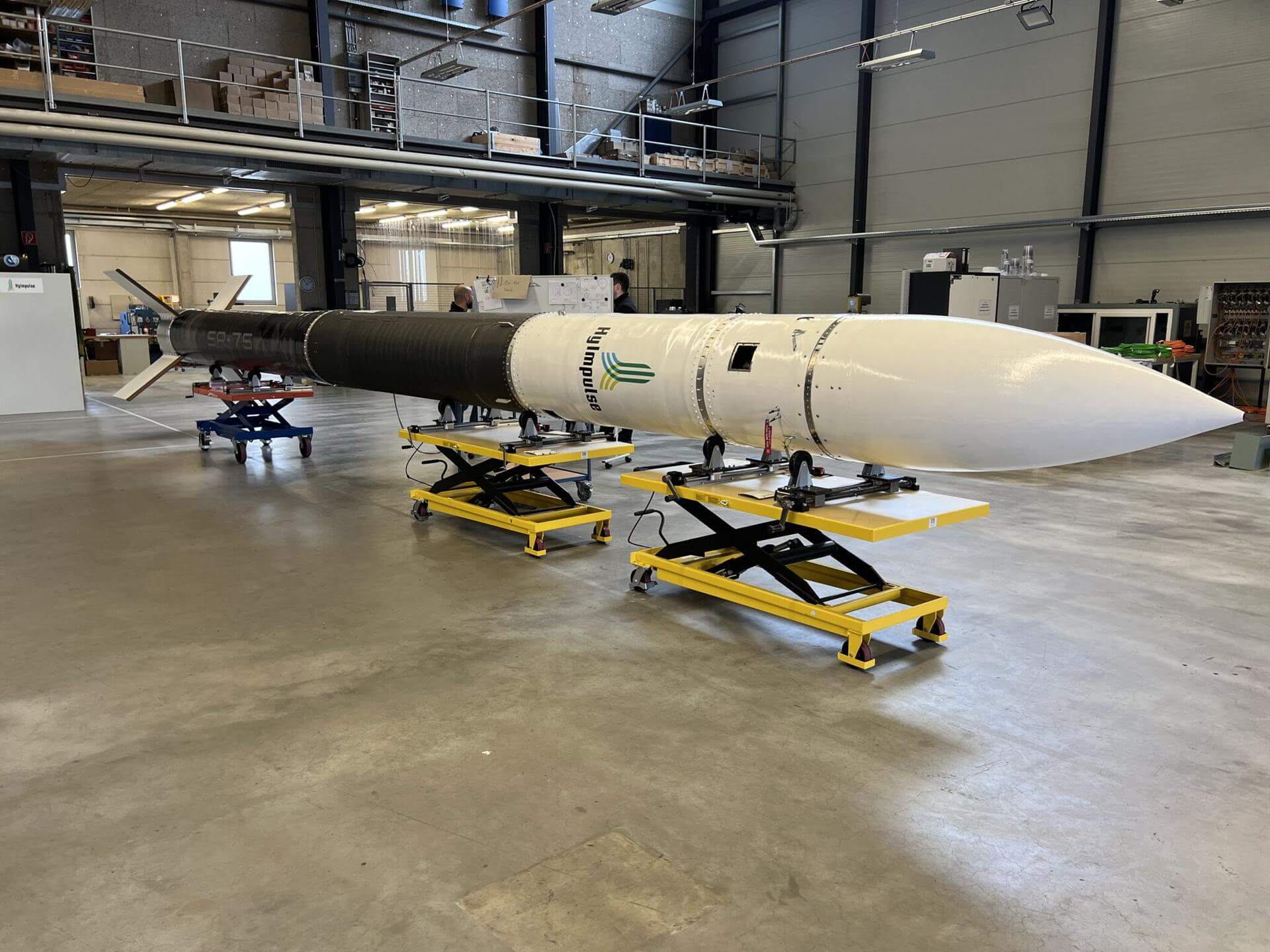
Test flight of HyImpulse’s SR75 sounding rocket.
SDA Tranche 1 Transport Layer A
Provider: SpaceX Date: October 5, 2026 Time: 8:06 AM UTC Vehicle: Falcon 9
Tranche 1 Transport Layer A is one of six missions by the United States Space Force Space Development Agency (SDA) for the Proliferated Warfighter Space Architecture (PWSA) Tranche 1 Transport Layer constellation, which will provide assured, resilient, low-latency military data and connectivity worldwide to the full range of warfighter platforms from Low Earth Orbit satellites.
The constellation will be interconnected with Optical Inter-Satellite Links (OISLs) which have significantly increased performance over existing radio frequency crosslinks. It is expected to operate over Ka band, have stereo coverage and be dynamically networked for simpler hand-offs, greater bandwidth and fault tolerance.
This launch carries 21 satellites manufactured by Northrop Grumman.
Crew-13 ×
Mission Details
TypeHuman Exploration
OrbitLow Earth Orbit
TargetEarth
SpaceX Crew-13 is the thirteenth crewed operational flight of a Crew Dragon spacecraft to the International Space Station as part of NASA’s Commercial Crew Program.
• National Aeronautics and Space Administration (Government)
• Russian Federal Space Agency (ROSCOSMOS) (Government)
Program: Commercial Crew Program
The Commercial Crew Program (CCP) is a human spaceflight program operated by NASA, in association with American aerospace manufacturers Boeing and SpaceX. The program conducts rotations between the expeditions of the International Space Station program, transporting crews to and from the International Space Station (ISS) aboard Boeing Starliner and SpaceX Crew Dragon capsules, in the first crewed orbital spaceflights operated by private companies.
The International Space Station programme is tied together by a complex set of legal, political and financial agreements between the sixteen nations involved in the project, governing ownership of the various components, rights to crewing and utilization, and responsibilities for crew rotation and resupply of the International Space Station. It was conceived in 1984 by President Ronald Reagan, during the Space Station Freedom project as it was originally called.
Falcon 9 is a two-stage rocket designed and manufactured by SpaceX for the reliable and safe transport of satellites and the Dragon spacecraft into orbit. The Block 5 variant is the fifth major interval aimed at improving upon the ability for rapid reusability.
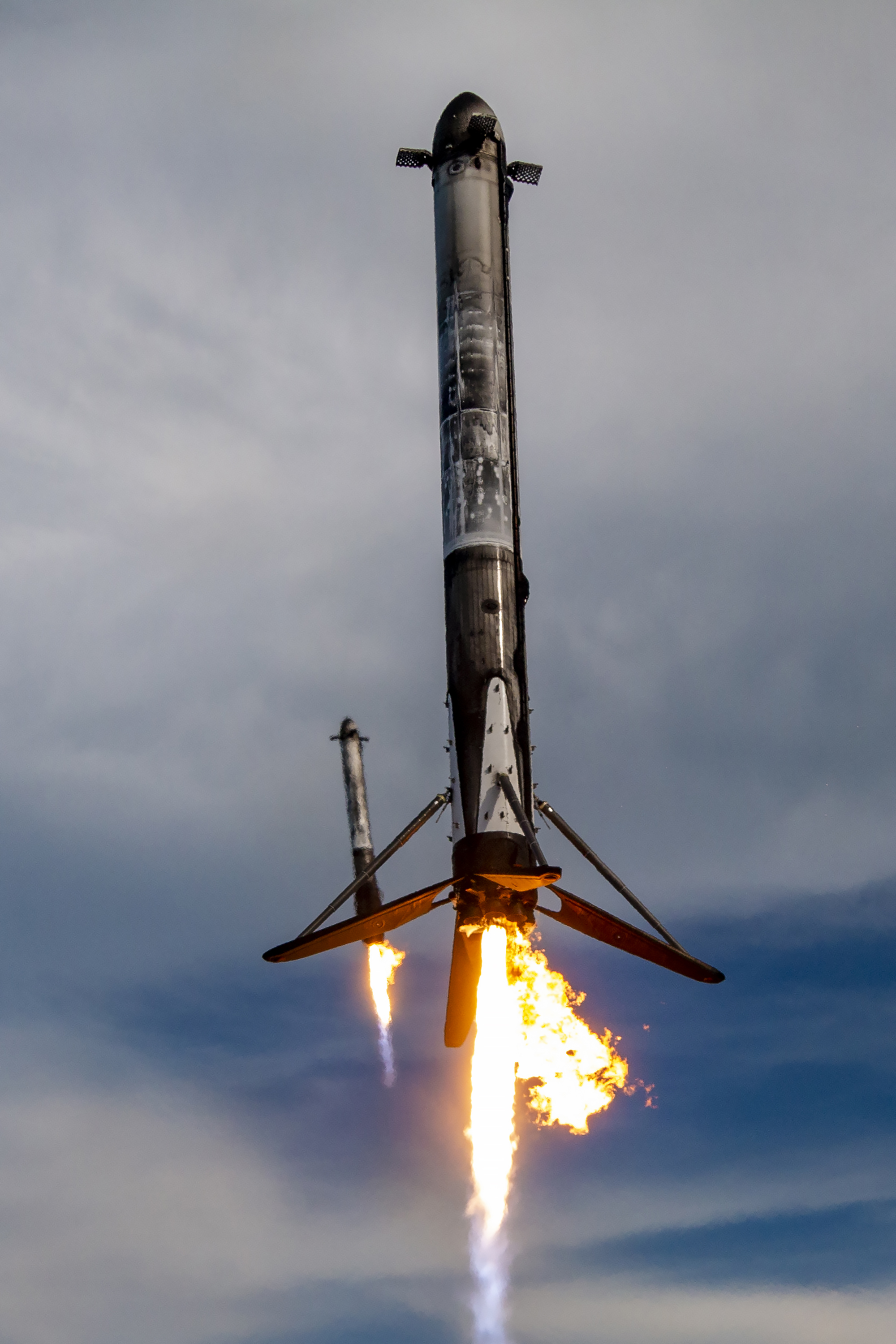
The Falcon 9 first stage B1101 will land back at the launch site at Landing Zone 40 after its 3rd flight.
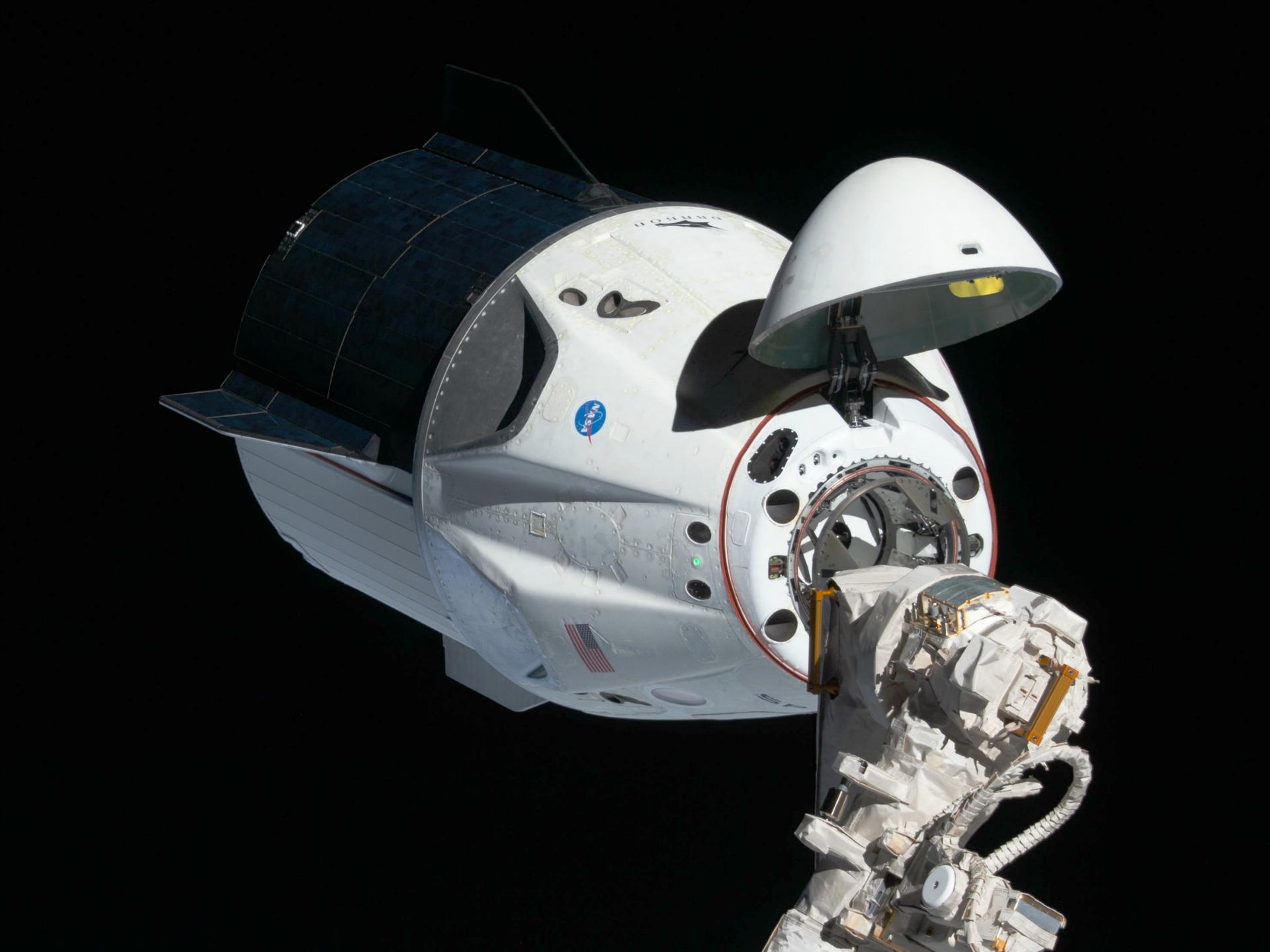
Spacecraft: Crew Dragon Grace
Crew Dragon spacecraft first used for Axiom-4.
Specifications
SerialC213
TypeCapsule
StatusActive
DestinationInternational Space Station
Crew Capacity4
Height7.2 m
Diameter3.7 m
Maiden Flight2019-03-02
Payload Capacity6,000 kg
Time in Space20 Days, 2 Hours, 58 Minutes
Missions Flown1
Turnaround443 Days, 5 Hours, 40 Minutes
History
Crew Dragon 2 is a spacecraft developed by SpaceX, an American private space transportation company based in Hawthorne, California. Dragon is launched into space by the SpaceX Falcon 9 two-stage-to-orbit launch vehicle. It is one of two American Spacecraft being develeoped capable of lifting American Astronauts to the International Space Station.
The first crewed flight, launched on 30 May 2020 on a Falcon 9 rocket, and carried NASA astronauts Douglas Hurley and Robert Behnken to the…
Capability
Crew Flights to ISS or Low Earth Orbit
Details
Crew Dragon 2 is capable of lifting four astronauts, or a combination of crew and cargo to and from low Earth orbit. Its heat shield is designed to withstand Earth re-entry velocities from Lunar and Martian spaceflights.
Flight Life
Able to fly for up to one week of free flight or two years docked.
Joshua Kutryk, a Royal Canadian Air Force lieutenant colonel, is from Beauvallon, Alberta. He has a bachelor’s degree in mechanical engineering, as well as master’s degrees in space studies, flight test engineering, and defense studies.
Luke Delaney is a retired US Marine Corps major who grew up in Debary, Florida. He holds a degree in mechanical engineering from University of North Florida and a master’s degree in aerospace engineering from the Naval Postgraduate School.
Falcon 9 is a two-stage rocket designed and manufactured by SpaceX for the reliable and safe transport of satellites and the Dragon spacecraft into orbit. The Block 5 variant is the fifth major interval aimed at improving upon the ability for rapid reusability.
The Falcon Heavy is a variant of the Falcon 9 full thrust launch vehicle and consists of a standard Falcon 9 rocket core, with two additional boosters derived from the Falcon 9 first stage.
Single-stage suborbital sounding rocket developed by German private company HyImpulse. Used to offer commercial microgravity services and as a test bed for the company’s SL1 orbital rocket.
Specifications
Diameter0.64 m
Liftoff Thrust75 kN
Max Apogee200 km
ReusableNo
Maiden Flight2024-05-03
Launch Record
1 successful / 1 total launches
Current streak: 1 successful
SDA Tranche 1 Transport Layer A ×
Mission Details
TypeGovernment/Top Secret
OrbitPolar Orbit
TargetEarth
Tranche 1 Transport Layer A is one of six missions by the United States Space Force Space Development Agency (SDA) for the Proliferated Warfighter Space Architecture (PWSA) Tranche 1 Transport Layer constellation, which will provide assured, resilient, low-latency military data and connectivity worldwide to the full range of warfighter platforms from Low Earth Orbit satellites.
The constellation will be interconnected with Optical Inter-Satellite Links (OISLs) which have significantly increased performance over existing radio frequency crosslinks. It is expected to operate over Ka band, have stereo coverage and be dynamically networked for simpler hand-offs, greater bandwidth and fault tolerance.
This launch carries 21 satellites manufactured by Northrop Grumman.
Agencies Involved
• Space Development Agency (Government)
Launch Provider: SpaceX
Commercial • United States of America • Founded 2002
Falcon 9 is a two-stage rocket designed and manufactured by SpaceX for the reliable and safe transport of satellites and the Dragon spacecraft into orbit. The Block 5 variant is the fifth major interval aimed at improving upon the ability for rapid reusability.
Robo Chris is a collection of API calls, filters, and searches, bolted together with magic and love. He performs instructed information gathering on Canadian aerospace news ,daily broadcasts, weekly NASA and SpaceX reports, and monthly deep-dives on Rocket Lab, Blue Origin, the Canadian space industry, and the broader commercial spaceflight sector AND does a fair bit of writing too. Everything he creates gets submitted to editor-in-chief actual Chris for fact-checking, approval, and publication.