Canadarm2 Wrist Joint Replacement Scheduled for June 30
NASA and the Canadian Space Agency have finalized preparations for a critical spacewalk on June 30 to replace a degraded wrist joint on Canadarm2. Astronauts Chris Williams and Jessica Meir will conduct the 6.5-hour spacewalk to swap a component that experienced elevated motor current on May 27, marking the 280th spacewalk for space station assembly and maintenance.
The procedure requires Williams and Meir to first detach a 408-kilogram latching end effector to access the faulty joint, then swap the 91-kilogram malfunctioning joint with a spare unit already stored on the station exterior. CSA astronaut Jenny Gibbons will guide the pair from mission control in Houston. The degraded component will be brought inside the station and eventually returned to Earth for analysis and refurbishment.
Launched in April 2001, Canadarm2 has operated well beyond its original 15-year lifespan. The robotic arm, designed by the Canadian Space Agency in partnership with MDA Space, remains critical for docking visiting spacecraft and manipulating heavy payloads. Jason Dyer, deputy liaison manager for the CSA, noted that Canadarm2 is “showing signs of wear” after 25 years in orbit but was built with replaceable, modular parts precisely for maintenance like this. If the arm were out of commission for an extended period, the station would face severe limitations in receiving cargo and conducting exterior repairs.
Bill Spetch, operations and integration manager for the space station programme, confirmed the arm is essential until the planned decommissioning of the facility in 2030. Following this repair, NASA anticipates three subsequent spacewalks and a crew rotation in July.
MDA Space and RSAT Space Secure Major Japanese Defence Contracts
A recent Canadian trade mission to Japan concluded with two major Canadian firms securing significant commercial agreements. MDA Space announced a contract with Mitsubishi Electric to supply the digital payload, antennas, and associated subsystems for a next-generation defence communications satellite ordered by the Japan Ministry of Defense to replace the DSN-2 satellite, known as Kirameki-2, in geostationary orbit.
The contract leverages MDA Space’s global operations. The company’s facility in the United Kingdom will provide the core technology for a dynamic, anti-jamming multi-beam payload equipped with digital beamforming capabilities, whilst the Montreal facility will manufacture and test the antenna solutions, including the analog repeater. Mitsubishi Electric will handle final assembly, integration, and testing in Japan.
The broader trade mission generated $1.7 billion in commercial agreements across Canadian companies, driven by the Canada-Japan Equipment and Technology Transfer Agreement (ETTA), which officially entered into force on June 16. The bilateral framework enables direct cooperation on projects requiring the exchange of restricted equipment, technology, and intellectual property. Beyond MDA Space, RSAT Space of Montreal signed a partnership agreement with Japanese aerospace firm WARSPACE to develop and integrate optical laser communications.
Mike Greenley, CEO of MDA Space, stated that the company’s “advanced dual-use technologies combined with the expertise and reach of our global satellite team ideally position MDA Space to respond to robust demand for sovereign missions with secure and flexible capabilities.” The MDA Space contract will enter the corporate backlog during the second quarter of fiscal 2026; financial terms remain undisclosed.
Rocket Lab Completes 10th Synspective Launch
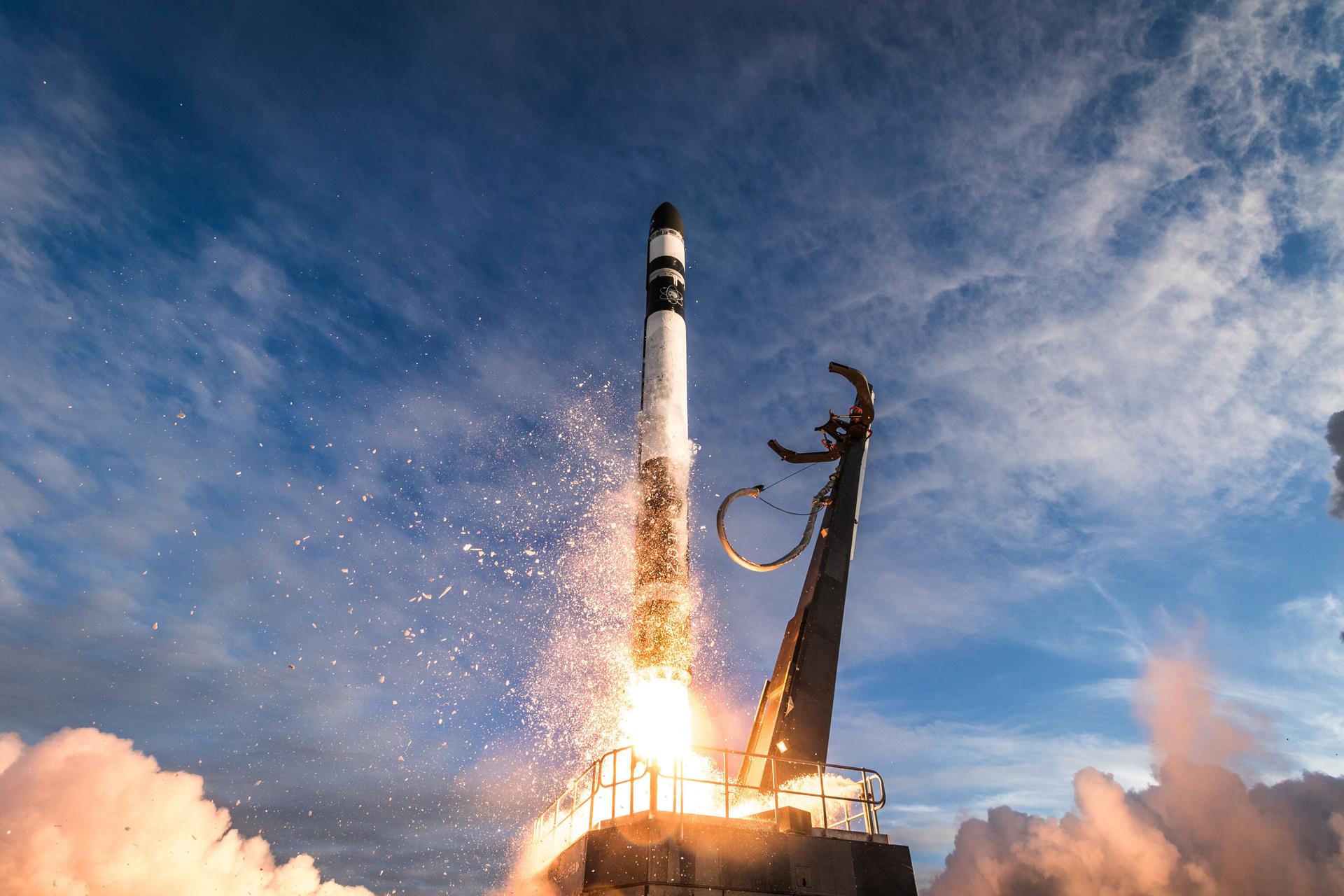
Rocket Lab successfully launched a radar-imaging satellite for Japanese company Synspective on June 26, completing the 10th Electron mission in the company’s ongoing constellation build-out. The Electron rocket lifted off from Launch Complex 1 in New Zealand at 1:43 p.m. Eastern on a mission called “10 Owl of 10.” The StriX satellite separated from the rocket’s kick stage 56 minutes later into a 552-kilometre orbit inclined at 42 degrees.
The launch was originally scheduled for as early as June 17 but was delayed while Rocket Lab conducted additional pre-flight checkouts. The company subsequently performed a responsive launch mission for the U.S. Space Force’s Victus Haze programme on June 19, further pushing back the Synspective flight.
Synspective has relied exclusively on Electron to deploy its satellites and maintains contracts for 17 additional Electron launches. The Japanese company also has agreements to launch seven spacecraft on future SpaceX rideshare missions, diversifying its lift options. Yesterday’s mission was the 12th Electron flight of 2026, including three flights of the HASTE suborbital variant.
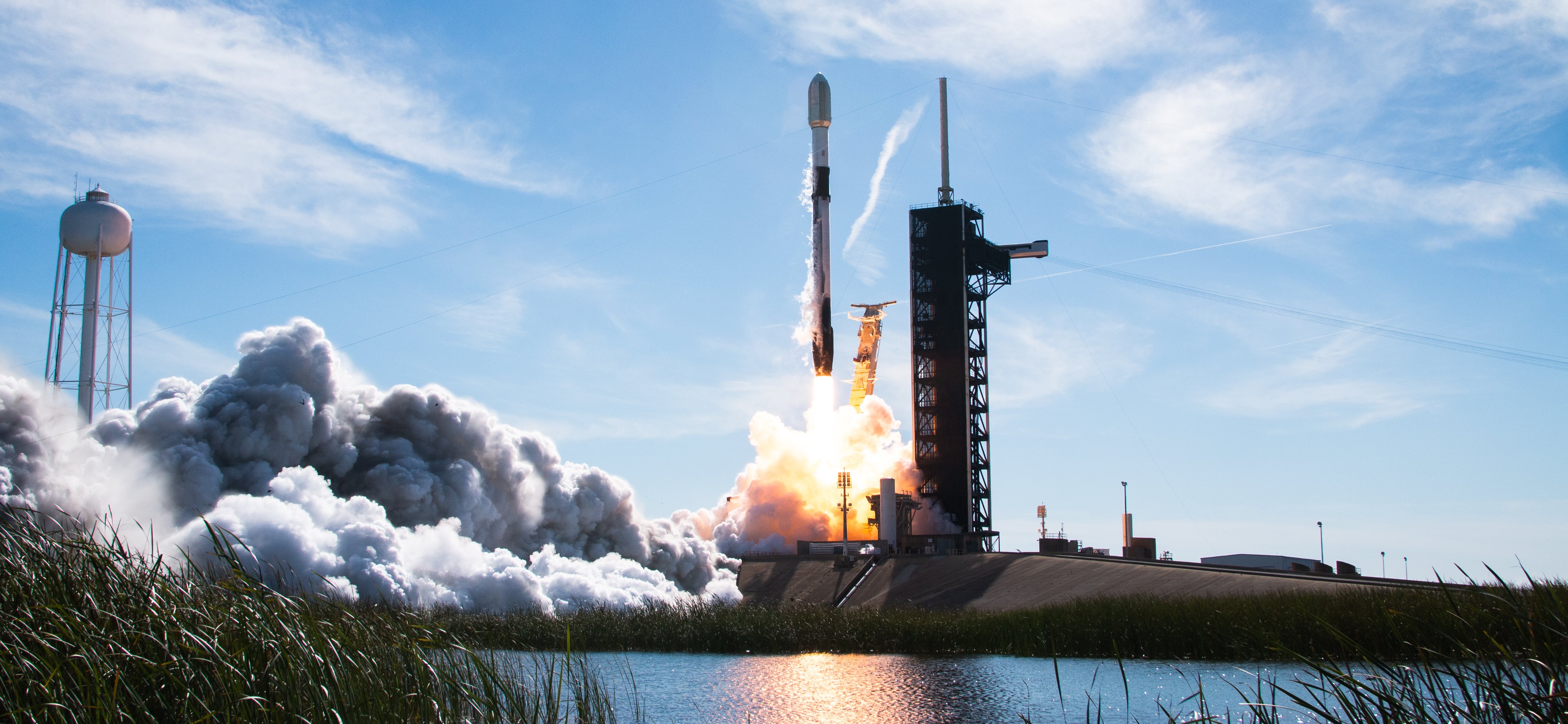
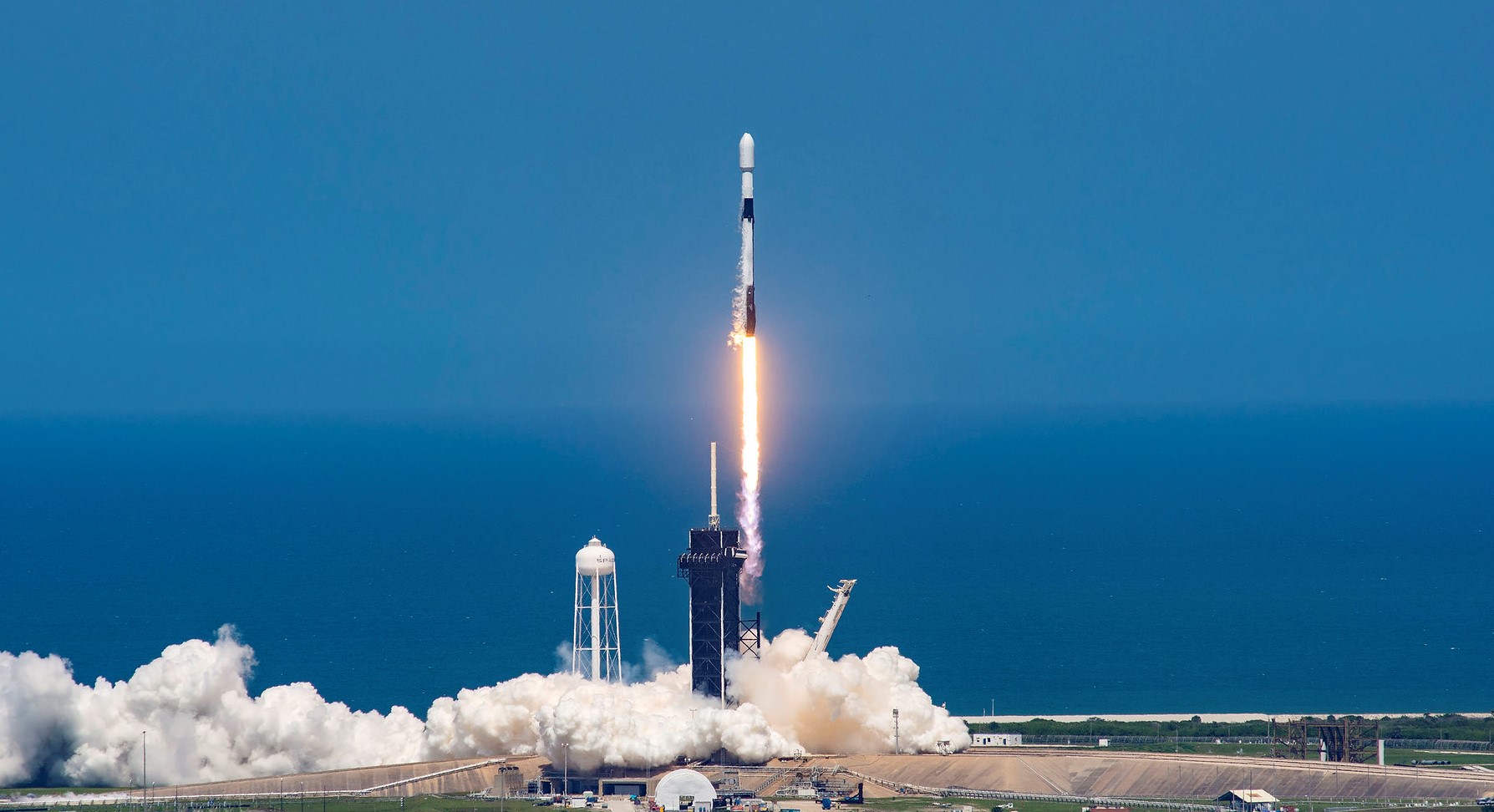
Provider: SpaceX Date: June 28, 2026 Time: 2:00 PM UTC Vehicle: Falcon 9
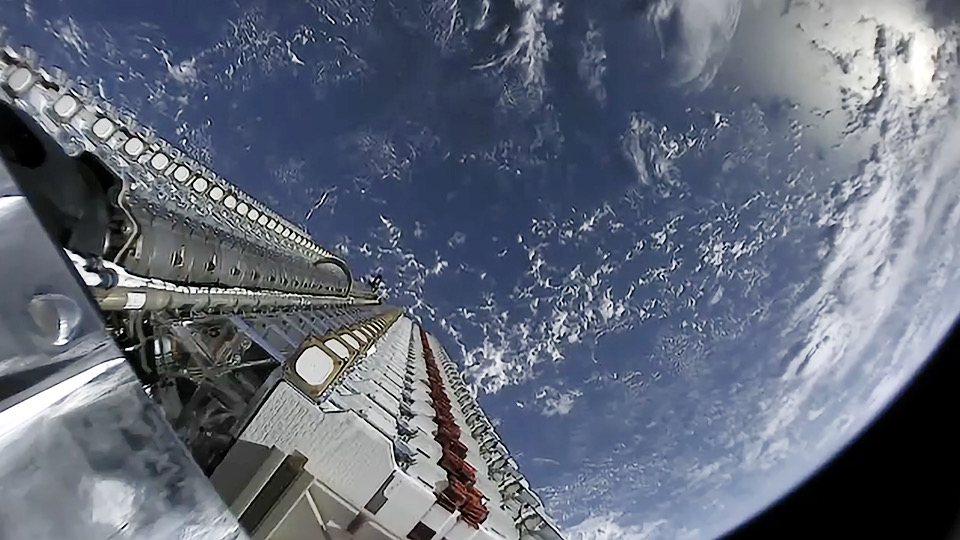
A batch of 24 satellites for the Starlink mega-constellation – SpaceX’s project for space-based Internet communication system.
Sirius SXM-11
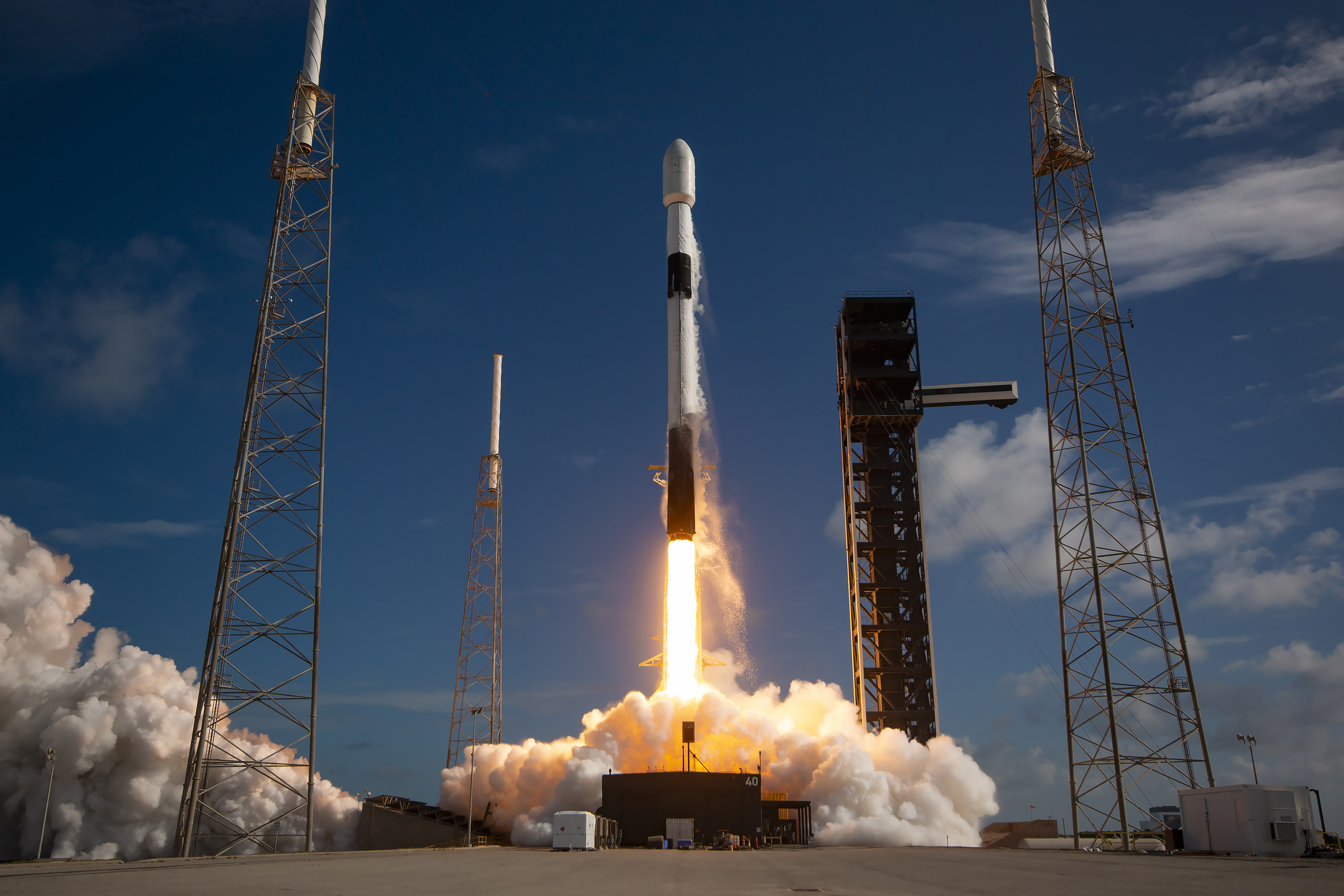
Provider: SpaceX Date: June 29, 2026 Time: 2:25 AM UTC Vehicle: Falcon 9
SXM-11 is the 12th high-powered, digital, audio radio satellite built by Lanteris Space (ex-Maxar, Space System/Loral) for SiriusXM. The SXM-11 satellite will be based on the proven IM-1300 (ex-LS-1300)-class platform and built at the company’s manufacturing facility in Palo Alto, California. SXM-11 has a large, mesh, unfurlable reflector almost 10 meters in diameter that allows SiriusXM programming to reach its radios, including those in moving vehicles.
Demo Flight
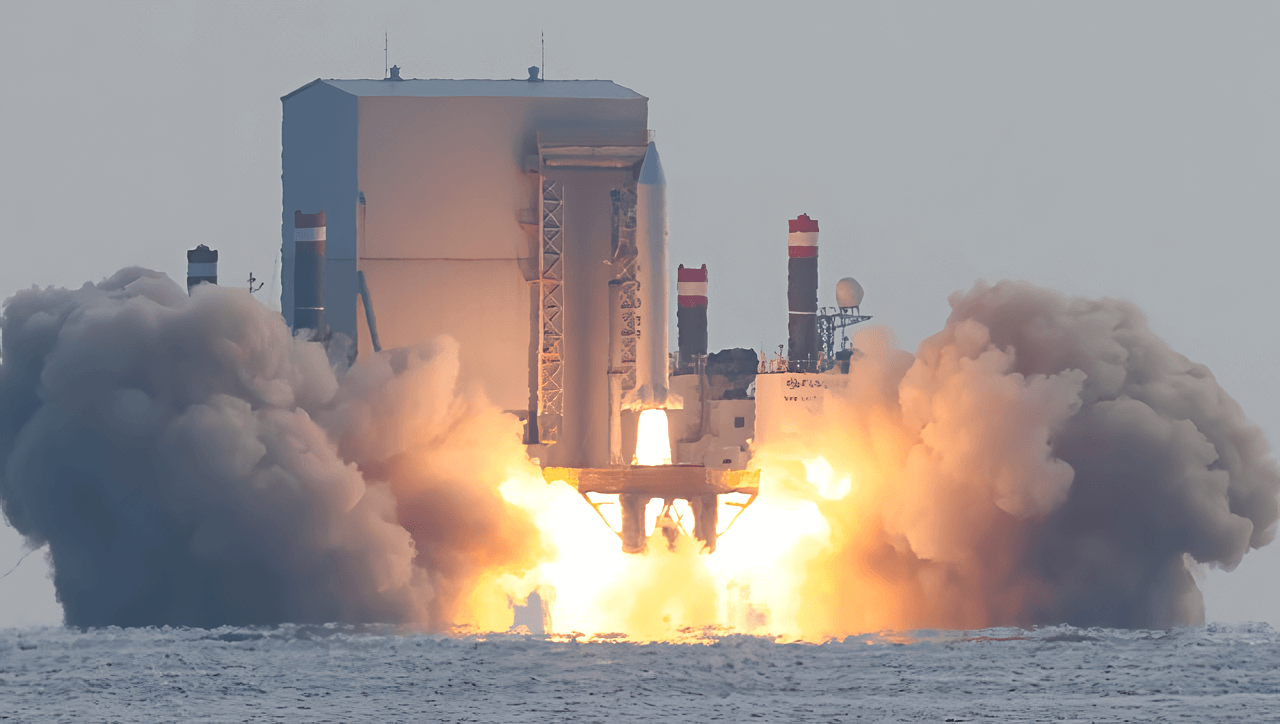
Provider: Agency for Defense Development Date: June 29, 2026 Time: 5:00 AM UTC Vehicle: South Korean ADD Solid-Fuel SLV
Note: Launch vehicle name is provisional.
First orbital full version launch of the South Korean military small satellite launch vehicle, after 2 sub-orbital tests of individual stages on 30 March and 30 December 2022, and 1 orbital test flight without the 2nd stage on 4 December 2023. Details TBD.
The Grain Goddess Provides (iQPS Launch 7)
Provider: Rocket Lab Date: June 30, 2026 Time: 12:00 AM UTC Vehicle: Electron
Synthetic aperture radar Earth observation satellite for Japanese Earth imaging company iQPS.
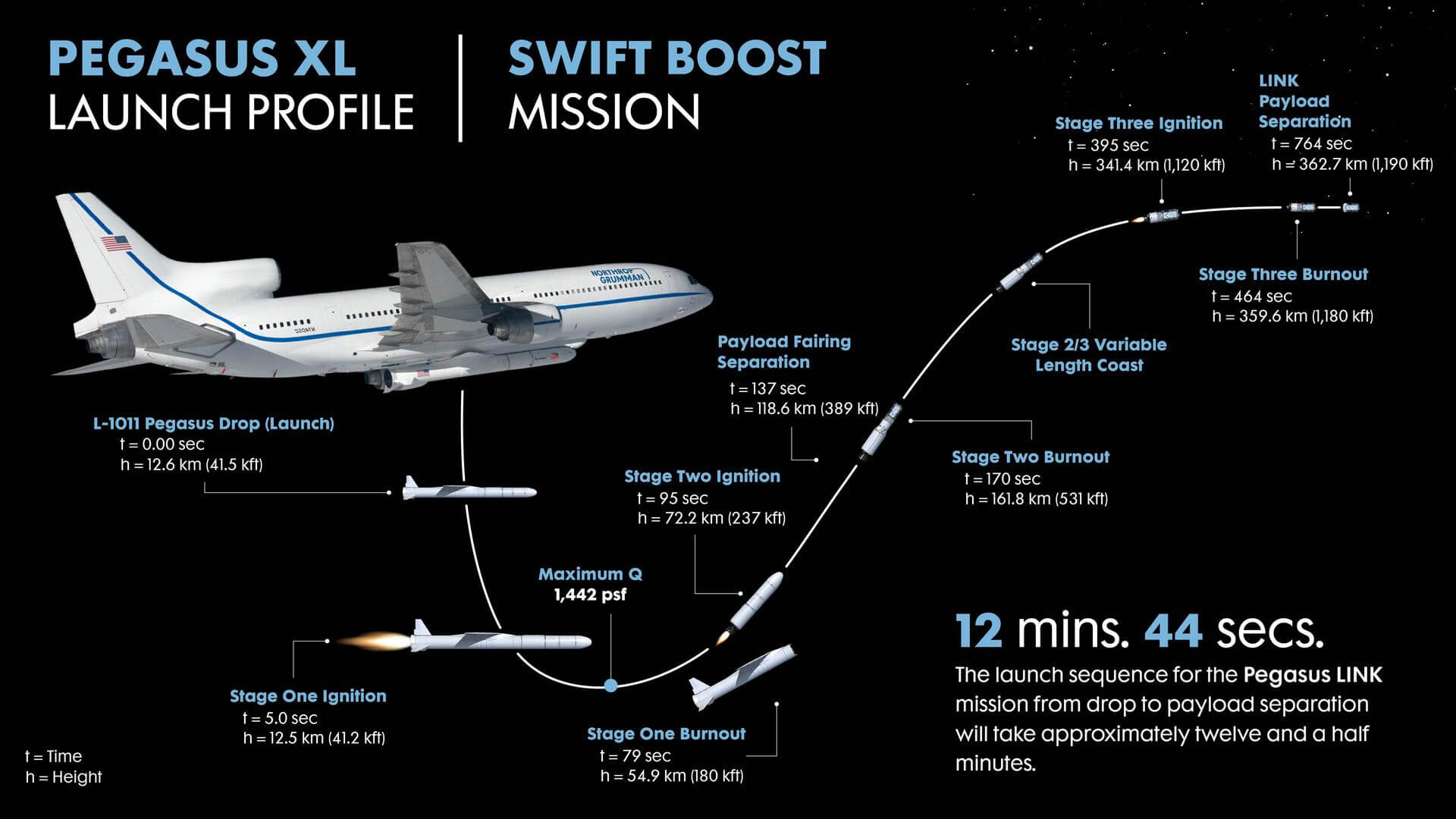
Swift Boost Mission
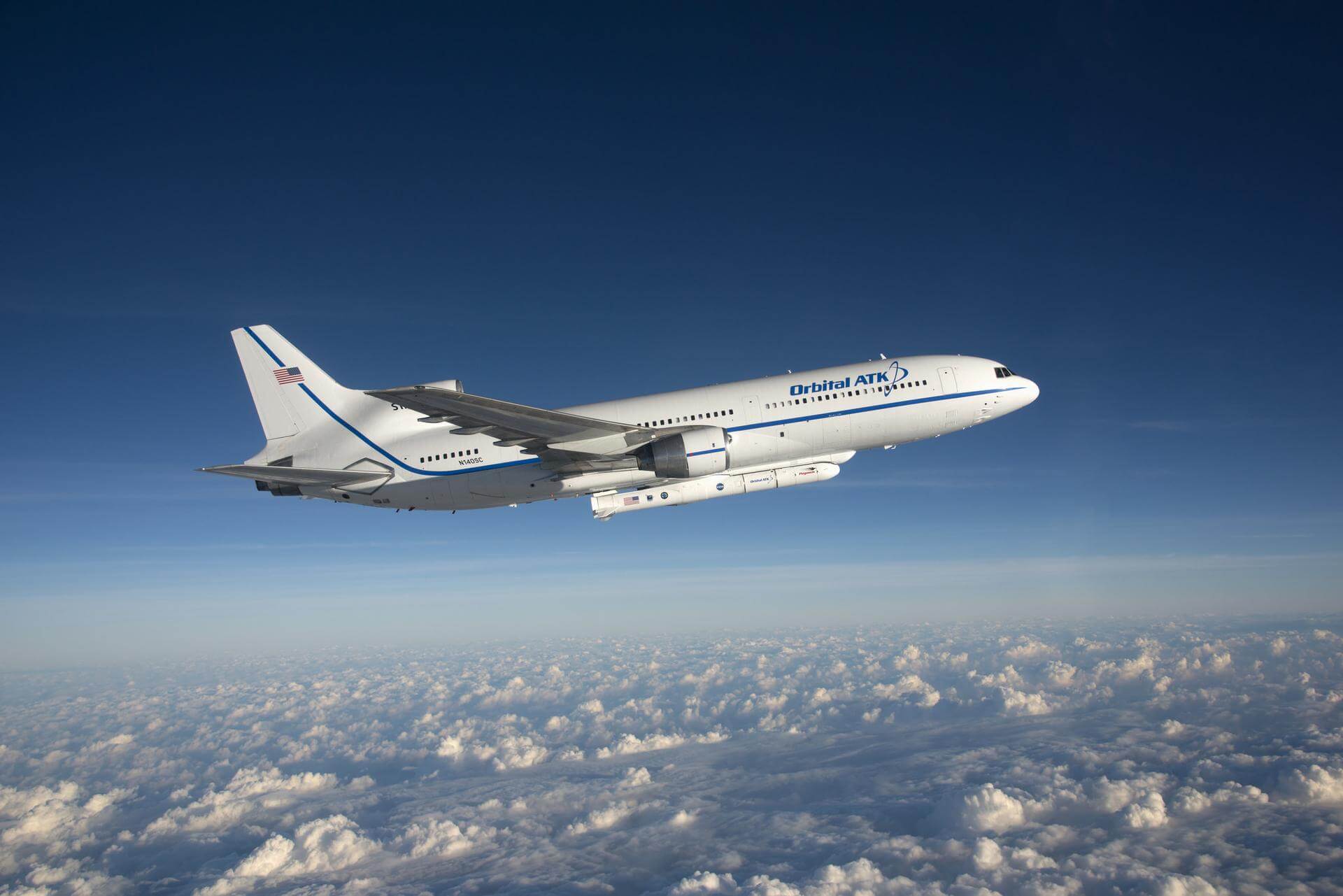
Provider: Northrop Grumman Space Systems Date: June 30, 2026 Time: 10:23 AM UTC Vehicle: Pegasus XL
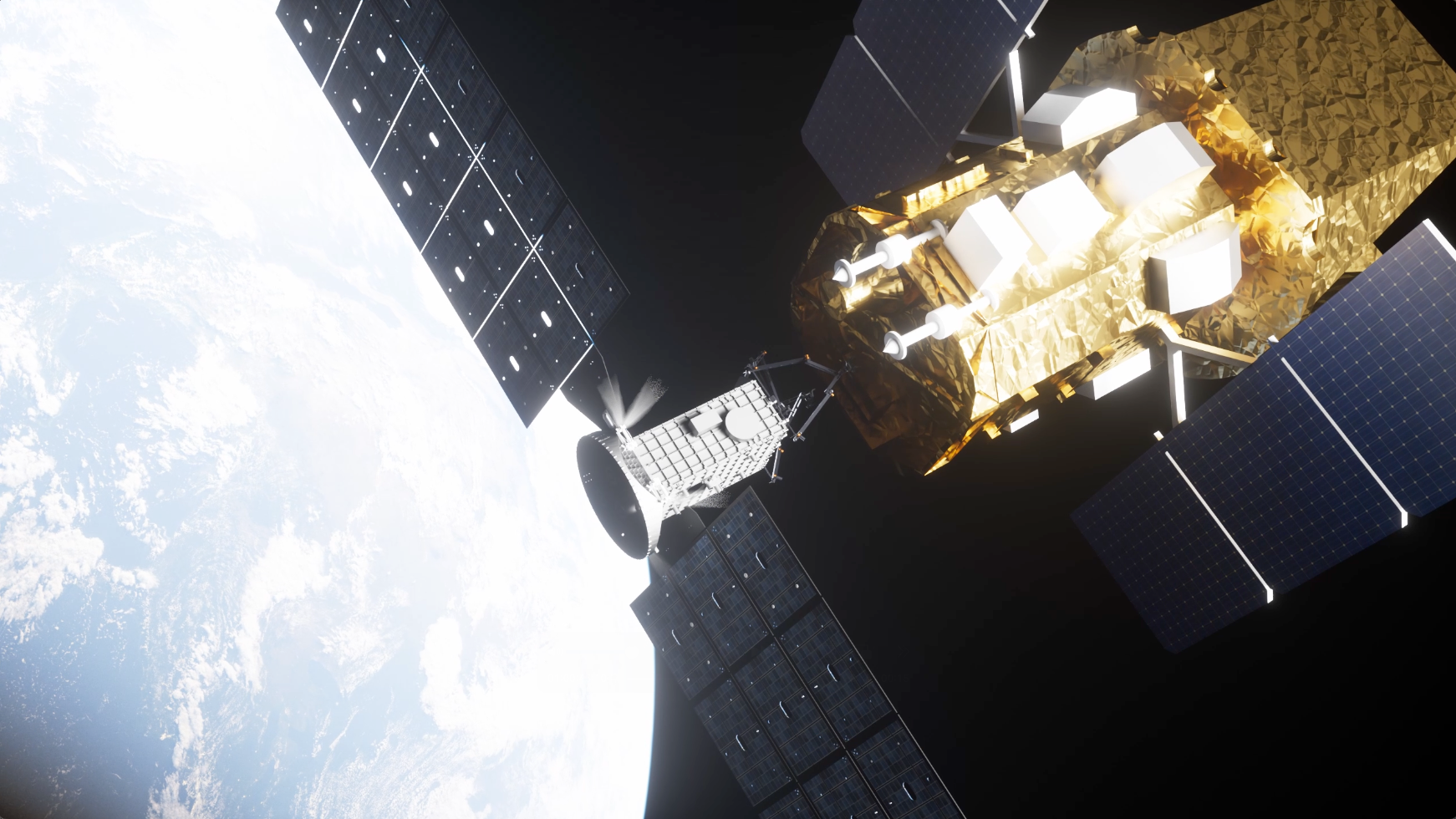
Contracted by NASA under the Small Business Innovation Research Phase 3 contract, Katalyst Space Technologies’ LINK servicing spacecraft will rendezvous and attach to NASA’s Neil Gehrels Swift Observatory to re-boost its orbit. This aims to demonstrate a key capability for the future of space exploration and extending the Swift mission’s science lifetime in gamma ray astronomy.
Starlink Group 17-40 ×
Mission Details
TypeCommunications
OrbitLow Earth Orbit
TargetEarth
A batch of 24 satellites for the Starlink mega-constellation – SpaceX’s project for space-based Internet communication system.
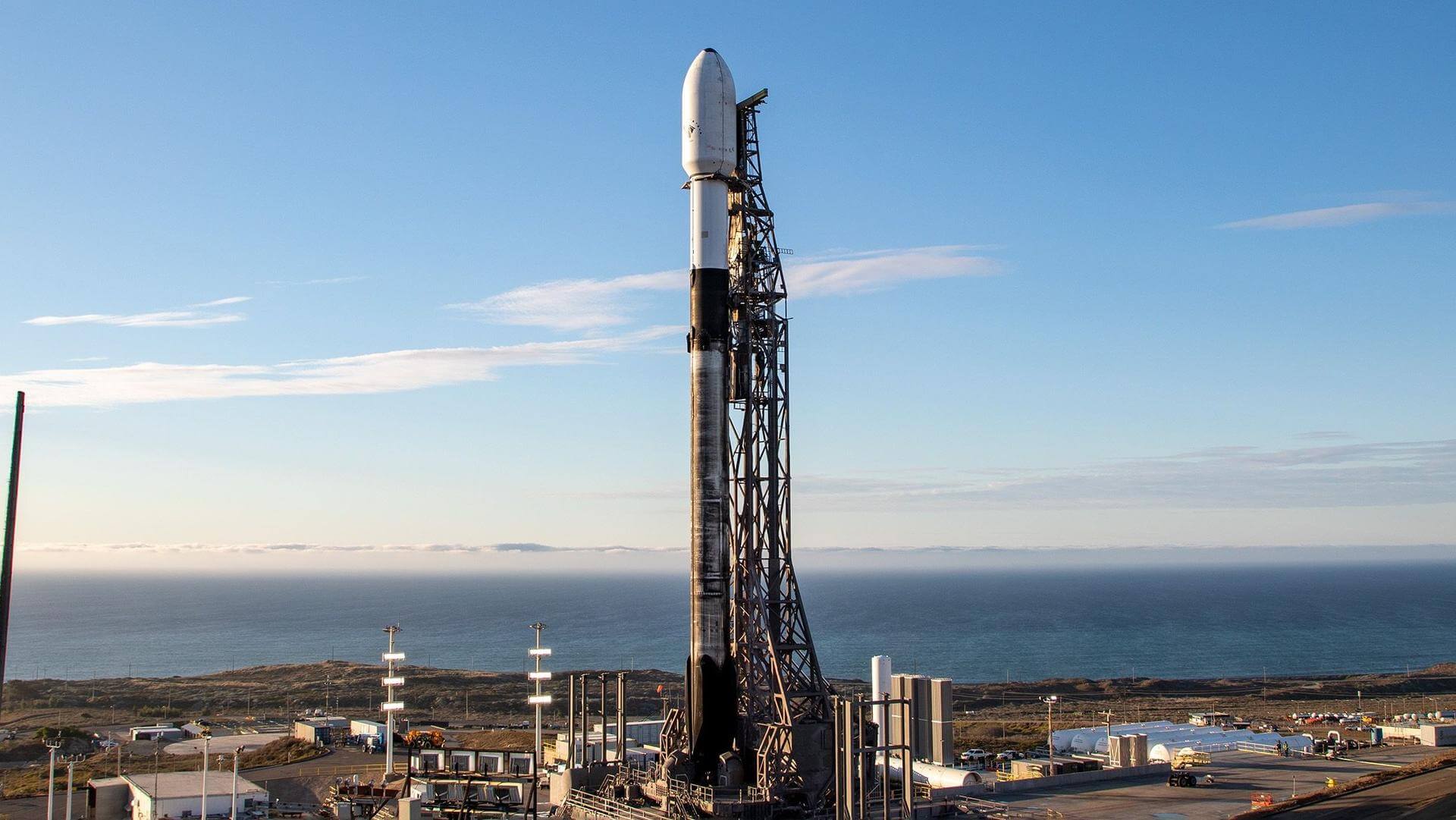
Falcon 9 is a two-stage rocket designed and manufactured by SpaceX for the reliable and safe transport of satellites and the Dragon spacecraft into orbit. The Block 5 variant is the fifth major interval aimed at improving upon the ability for rapid reusability.
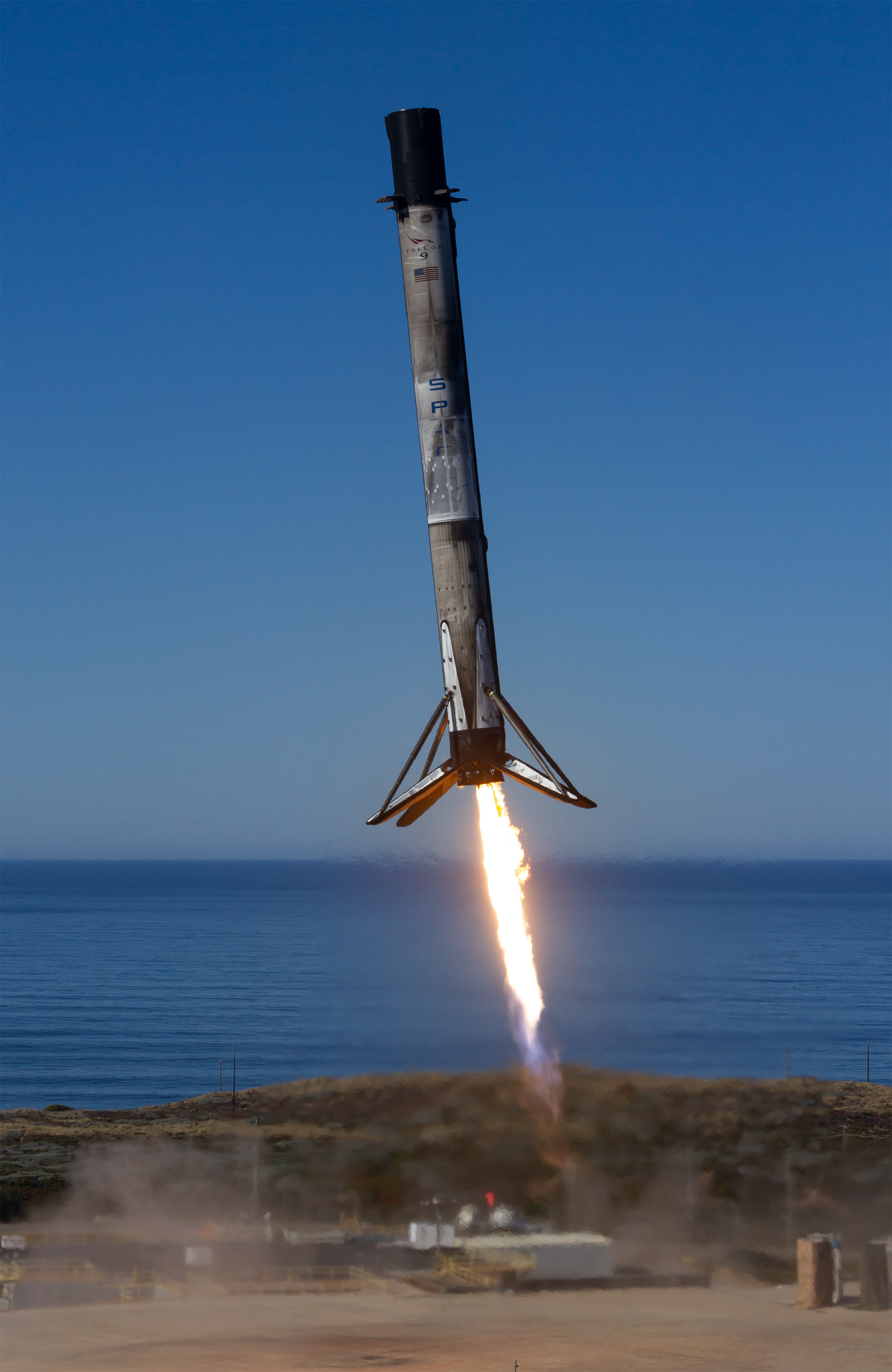
The Falcon 9 first stage B1088 will land on ASDS OCISLY after its 17th flight.
Sirius SXM-11 ×
Mission Details
TypeCommunications
OrbitGeostationary Transfer Orbit
TargetEarth
SXM-11 is the 12th high-powered, digital, audio radio satellite built by Lanteris Space (ex-Maxar, Space System/Loral) for SiriusXM. The SXM-11 satellite will be based on the proven IM-1300 (ex-LS-1300)-class platform and built at the company’s manufacturing facility in Palo Alto, California. SXM-11 has a large, mesh, unfurlable reflector almost 10 meters in diameter that allows SiriusXM programming to reach its radios, including those in moving vehicles.
Falcon 9 is a two-stage rocket designed and manufactured by SpaceX for the reliable and safe transport of satellites and the Dragon spacecraft into orbit. The Block 5 variant is the fifth major interval aimed at improving upon the ability for rapid reusability.
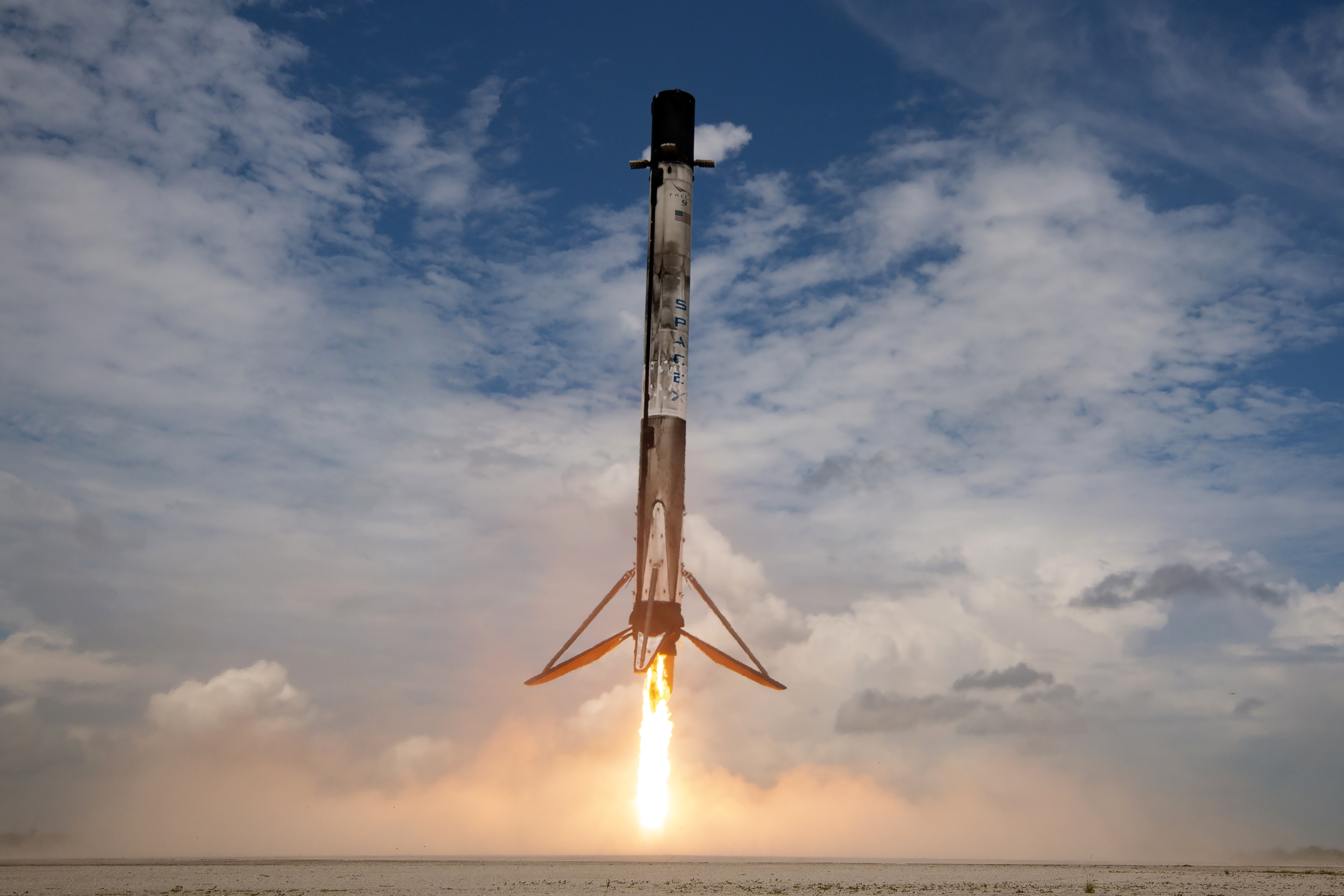
The Falcon 9 first stage B1085 will land on ASDS ASOG after its 17th flight.
Demo Flight ×
Mission Details
TypeTest Flight
OrbitLow Earth Orbit
TargetEarth
Note: Launch vehicle name is provisional.
First orbital full version launch of the South Korean military small satellite launch vehicle, after 2 sub-orbital tests of individual stages on 30 March and 30 December 2022, and 1 orbital test flight without the 2nd stage on 4 December 2023. Details TBD.
Rocket Lab Launch Complex 1, Mahia Peninsula, New Zealand
Total launches from this pad: 0
Vehicle: Electron
Electron is a two-stage orbital expendable launch vehicle (with an optional third stage) developed by the American aerospace company Rocket Lab. Electron is a small-lift launch vehicle designed to launch small satellites and cubesats to sun-synchronous orbit and low earth orbit. The Electron is the…
Contracted by NASA under the Small Business Innovation Research Phase 3 contract, Katalyst Space Technologies’ LINK servicing spacecraft will rendezvous and attach to NASA’s Neil Gehrels Swift Observatory to re-boost its orbit. This aims to demonstrate a key capability for the future of space exploration and extending the Swift mission’s science lifetime in gamma ray astronomy.
Agencies Involved
• Katalyst Space (Private)
• National Aeronautics and Space Administration (Government)
Payload: LINK
TypeIn-Orbit Servicing
Mass400 kg
DestinationSwift
Quantity1
ManufacturerKatalyst Space
OperatorKatalyst Space
Spacecraft designed, built and operated by Katalyst Space as part of the Swift rescue mission
The Pegasus is an air-launched rocket developed by Orbital Sciences Corporation (now part of Northrop Grumman Innovation Systems). Capable of carrying small payloads of up to 443 kilograms (977 lb) into low Earth orbit, the vehicle consists of three solid propellant stages and an optional…
Robo Chris is a collection of API calls, filters, and searches, bolted together with magic and love. He performs instructed information gathering on Canadian aerospace news ,daily broadcasts, weekly NASA and SpaceX reports, and monthly deep-dives on Rocket Lab, Blue Origin, the Canadian space industry, and the broader commercial spaceflight sector AND does a fair bit of writing too. Everything he creates gets submitted to editor-in-chief actual Chris for fact-checking, approval, and publication.