NASA astronauts Chris Williams and Jessica Meir completed a seven-hour and 20-minute spacewalk on June 30 to restore the International Space Station’s Canadarm2 to full operational capacity. Guided by Canadian Space Agency astronaut Jenni Gibbons from Mission Control in Houston, the pair removed and replaced a malfunctioning wrist joint—known as joint number five—that had degraded over the robotic arm’s 25 years in orbit.
Canadarm2 first signalled trouble on May 27, when it exhibited elevated motor current and failed to move as expected. The 25-year-old system, integral to ISS operations, was sidelined until the spacewalk could proceed. During the repair, the astronauts detached the latching end effector to access the failed joint, then used pistol grip tools to unthread multiple fasteners. Meir encountered a free-spinning fastener during installation of the spare joint but resolved it by applying direct axial force to properly thread the bolt.
Once the astronauts secured the new hardware and reconnected the electrical interfaces, ground controllers powered up Canadarm2. The robotics flight control team in Houston confirmed the arm was successfully receiving two functional strings of power and data. Full movement checks will continue throughout the week as operators verify the replacement joint’s performance. “For over 25 years, the Canadarm2 has been a crucial part of the International Space Station,” Williams said during the broadcast. “The arm was key to the construction of our orbiting laboratory and continues to be a workhorse that we rely on.”
The spacewalk took a physical toll on the astronauts. Williams experienced hand fatigue and struggled with a stiff actuator on his extravehicular mobility unit. While already inside the airlock, Meir navigated around their workstation to assist Williams in configuring his suit for repressurization.
Atlas 5 Launches Final Amazon Leo Mission
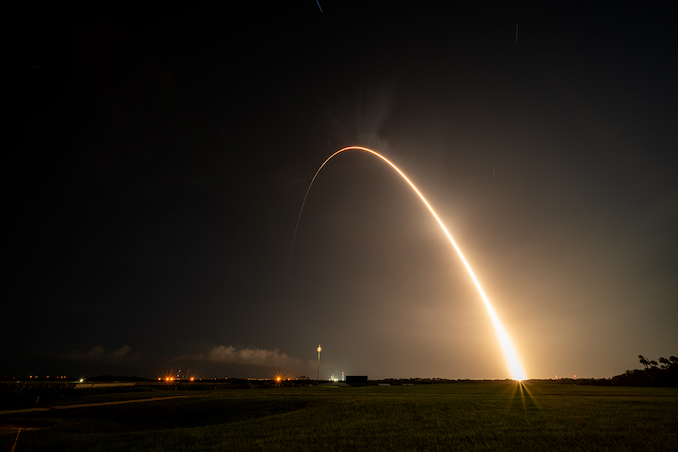
United Launch Alliance’s Atlas 5 rocket lifted off from Cape Canaveral Space Force Station at 12:30 a.m. EDT on July 2, marking the final flight of the Atlas 5 in its 551 configuration. The rocket delivered 29 broadband satellites for Amazon’s Leo constellation, completing the company’s initial deployment phase for broadband internet service, which aims to begin commercial operation later this year.
Deployment of the 29 Amazon Leo satellites began 21 minutes after liftoff and concluded 16 minutes later. With this mission, the constellation has surpassed 390 satellites in orbit. “Still lots of work ahead—including raising all these new satellites to their assigned altitude—but we’ve completed enough launches for initial service this year, and future missions just add coverage and capacity,” said Chris Weber, Amazon Leo vice president, in a post-launch statement.
The Atlas 5’s role in the constellation has been decisive: across eight missions, ULA launched 224 satellites for Amazon Leo with a 100 percent mission success rate. “Atlas 5 has played a critical role in the early deployment phase for Amazon Leo, launching 224 satellites with a 100% success rate across all eight missions, and we’re excited to build on that foundation with ULA as we transition to Vulcan,” said Melissa Wuerl, Amazon Leo Director of Launch Systems.
That transition will accelerate deployment cadence. Hundreds of flight-ready satellites are staged at Cape Canaveral alongside a new dedicated vertical integration facility to support Leo-Vulcan missions. However, ULA’s next-generation Vulcan rocket has faced delays—its last launch, a Space Force mission in February, encountered an anomaly with one of its solid-rocket boosters. The company has not disclosed when Vulcan will resume operations, but Amazon’s infrastructure is ready to increase launch rates once it does.
Events This Week
Soyuz MS-29 is scheduled to autonomously dock with the International Space Station on July 14 at 17:55 UTC, delivering fresh crew to the orbiting laboratory. The docking marks another routine crew rotation for the station, which has maintained continuous human presence for over two decades.
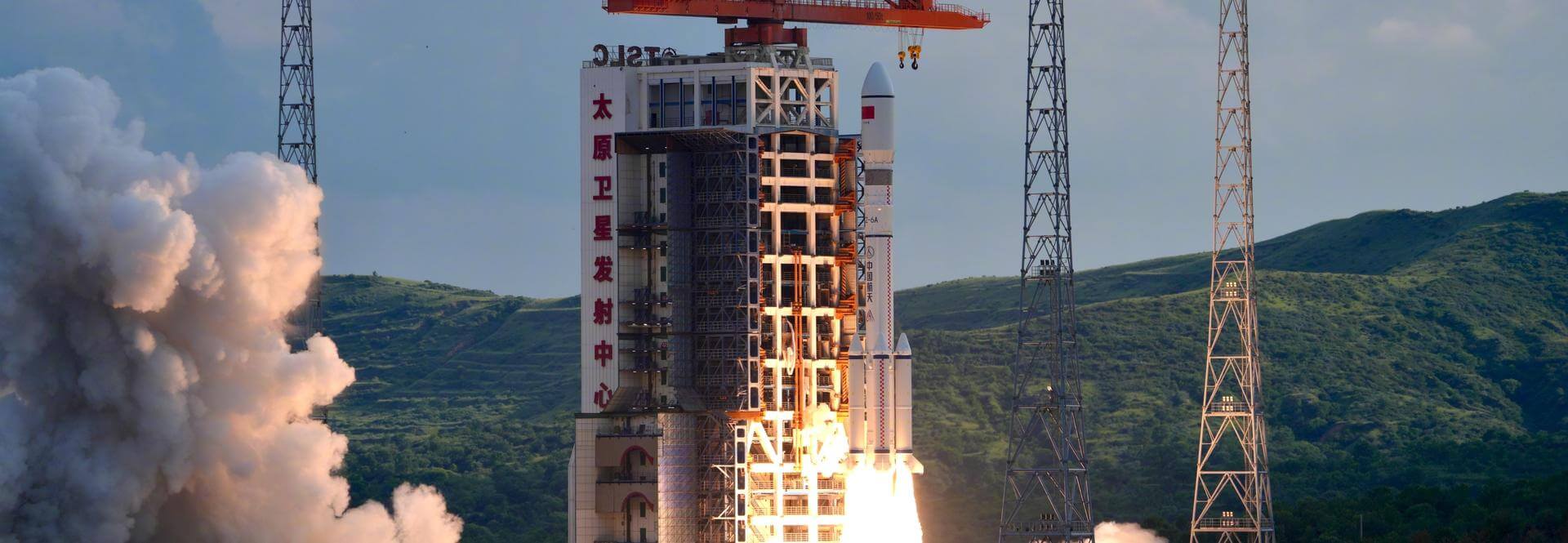
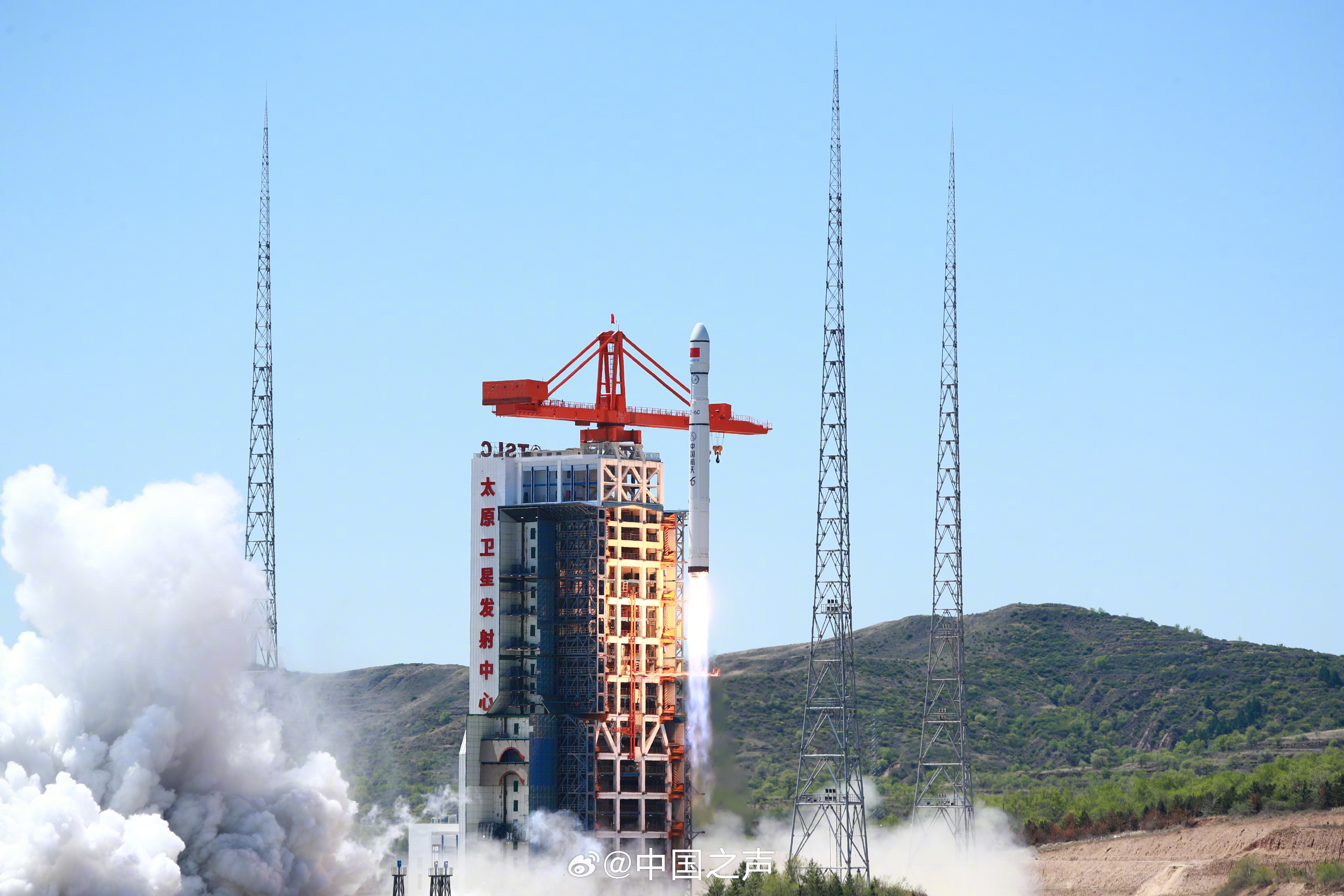
Provider: China Aerospace Science and Technology Corporation Date: July 4, 2026 Time: 9:31 AM UTC Vehicle: Long March 6A
Details TBD.
SpaceSail Polar Group TBD
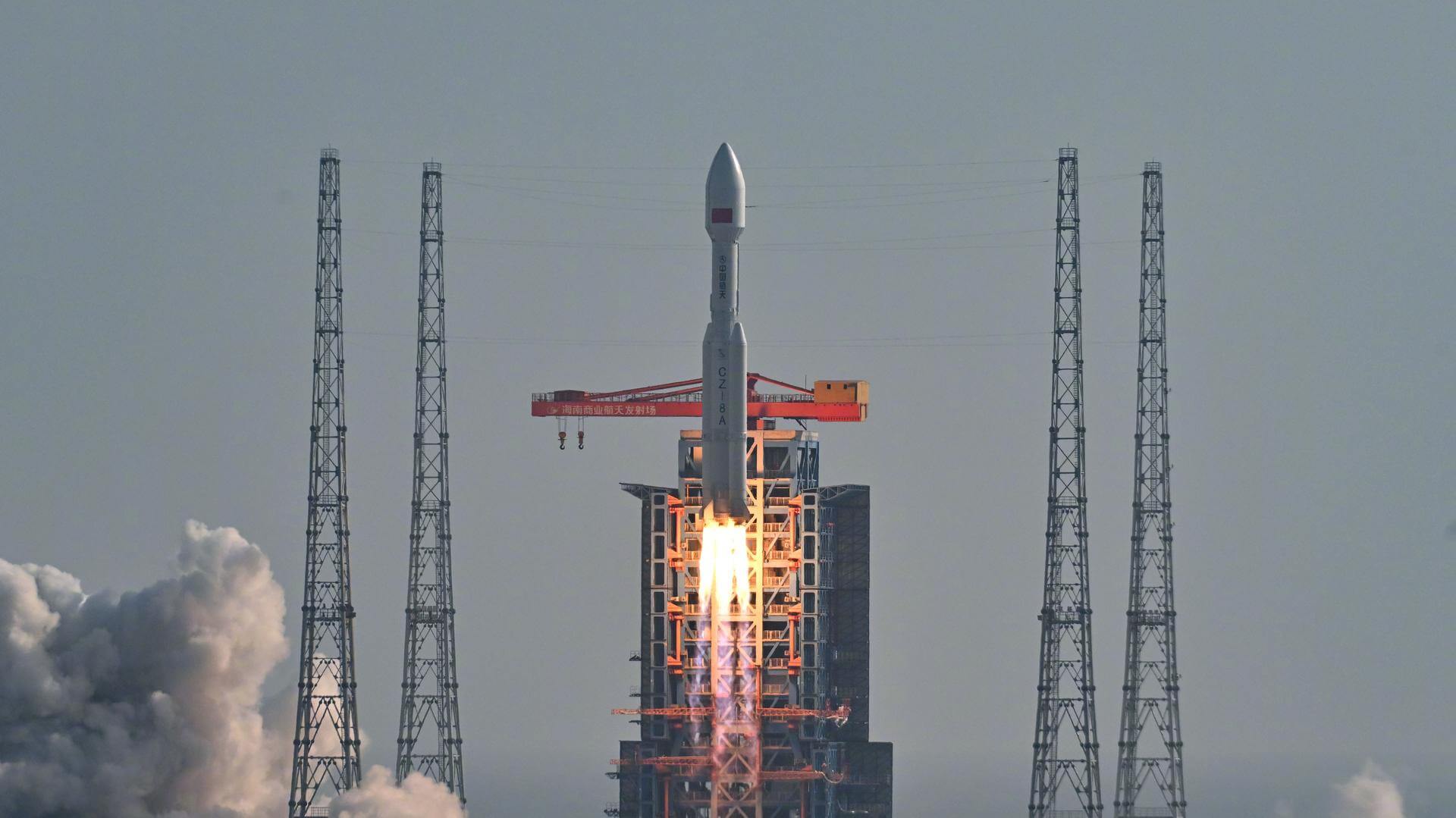
Provider: China Aerospace Science and Technology Corporation Date: July 5, 2026 Time: 12:00 AM UTC Vehicle: Long March 8A
Low Earth Orbit communication satellites with Ku, Q and V band payloads for the G60 constellation operated by Shanghai Spacesail Technologies with funding backed by the Shanghai local government.
Initial constellation will consist of 1296 satellites by 2027 with long term plans to expand it to 12000 satellites.
Starlink Group 10-50
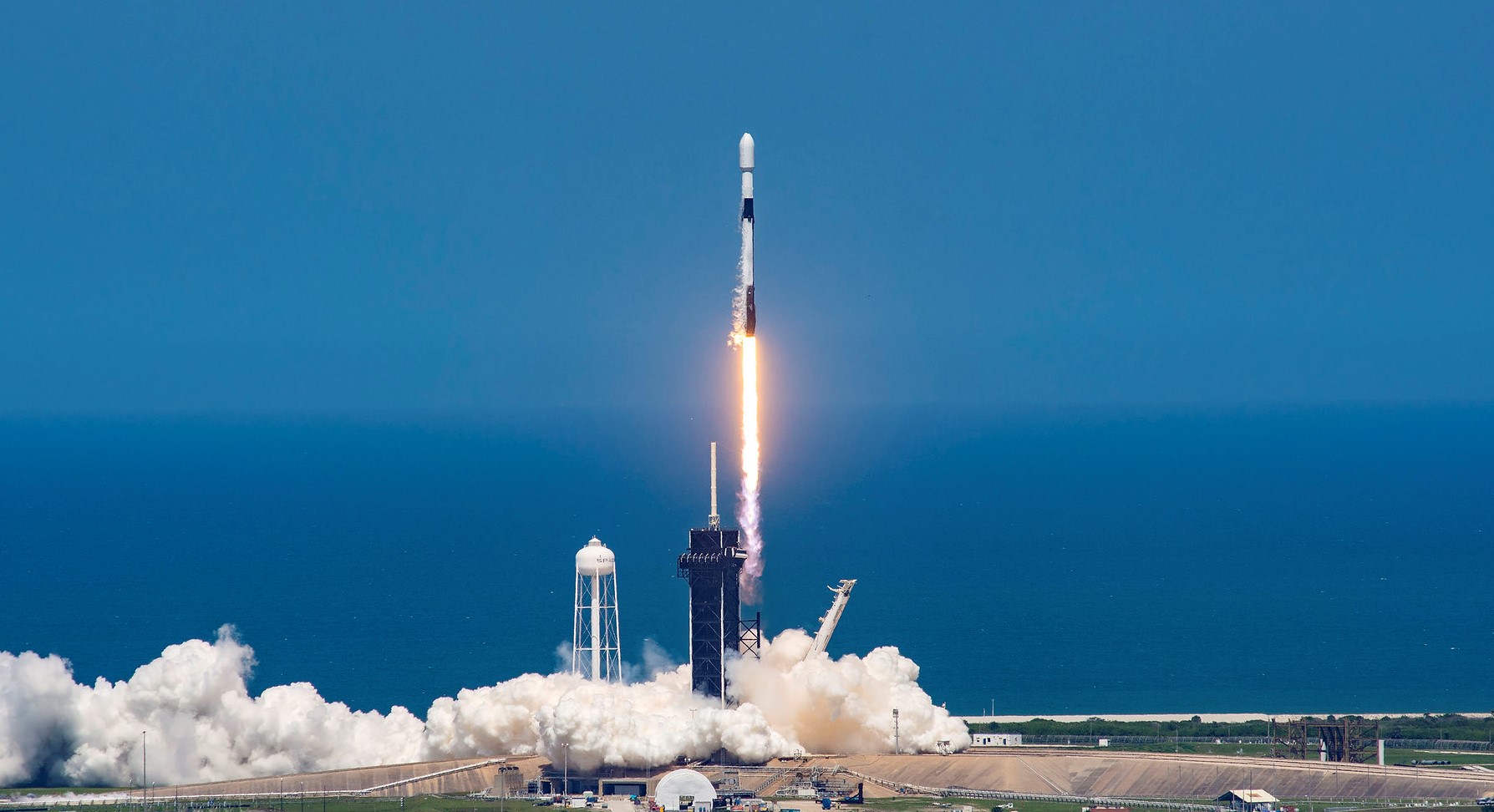
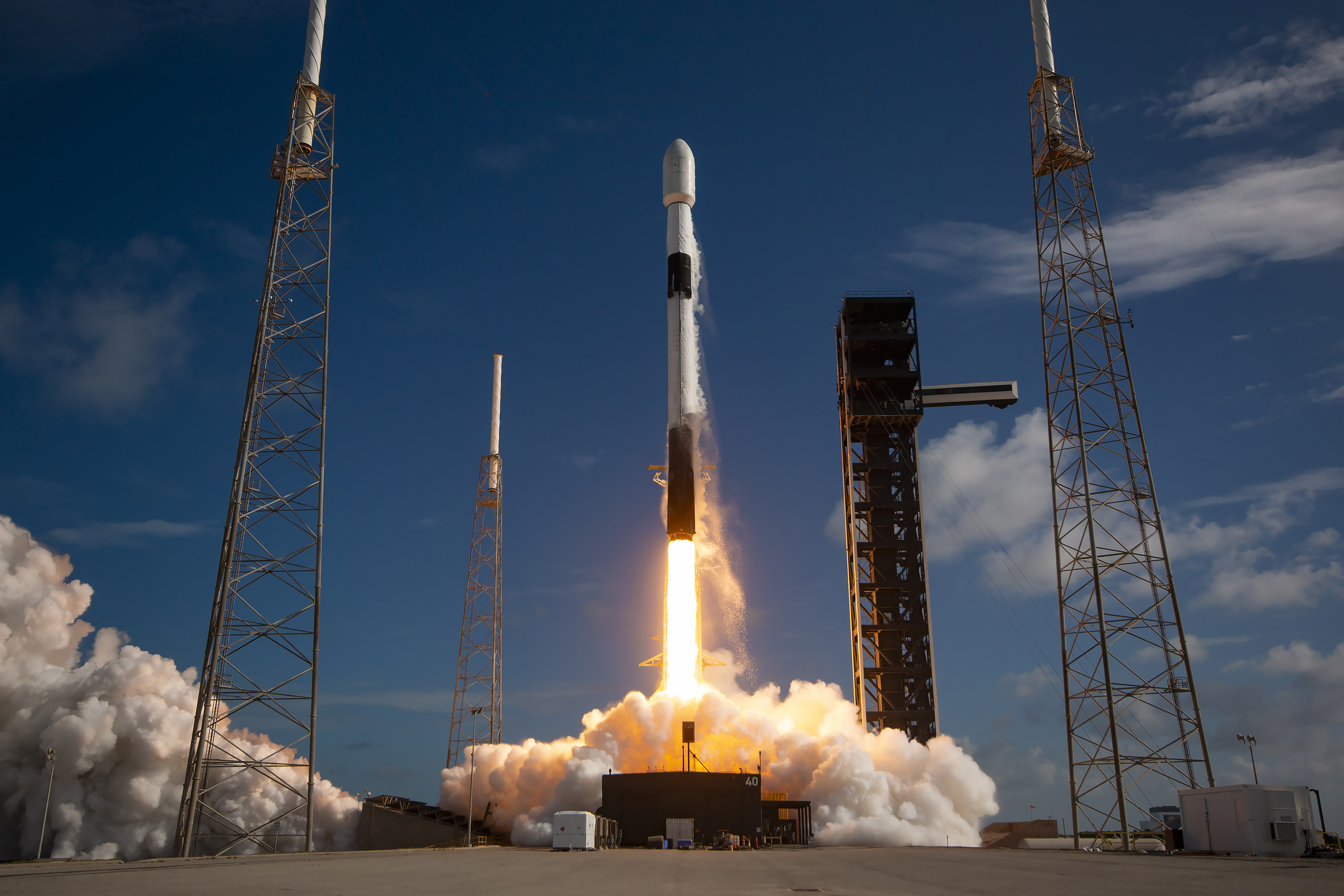
Provider: SpaceX Date: July 5, 2026 Time: 10:36 AM UTC Vehicle: Falcon 9
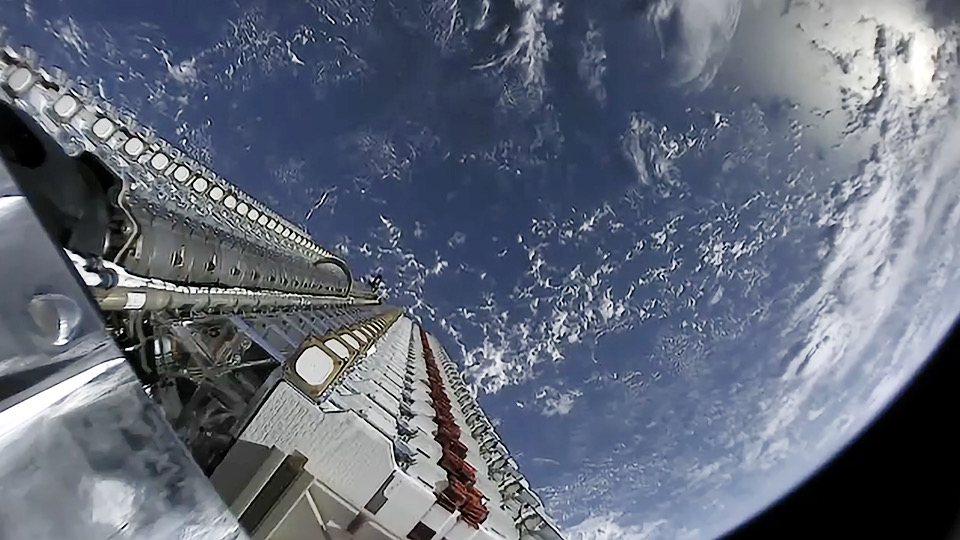
A batch of 29 satellites for the Starlink mega-constellation – SpaceX’s project for space-based Internet communication system.
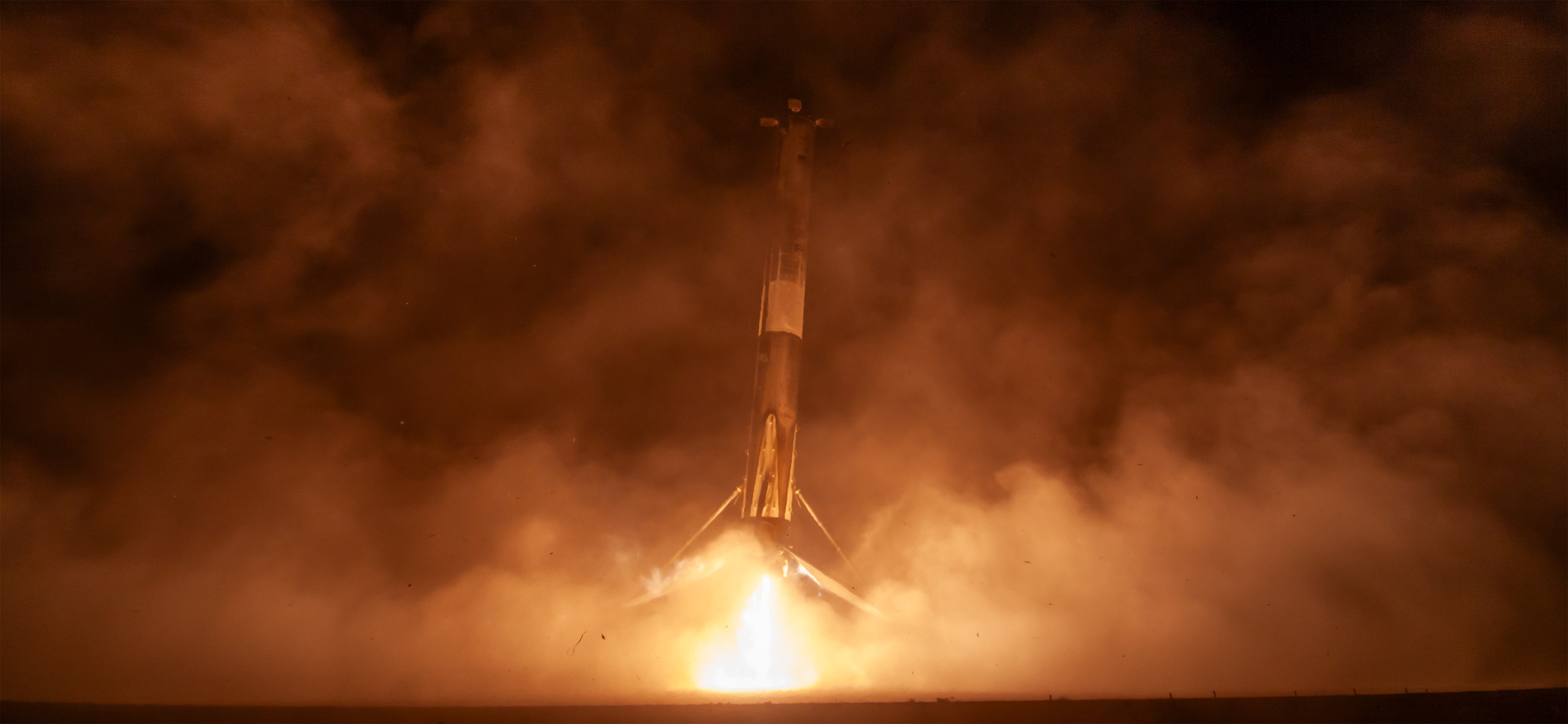
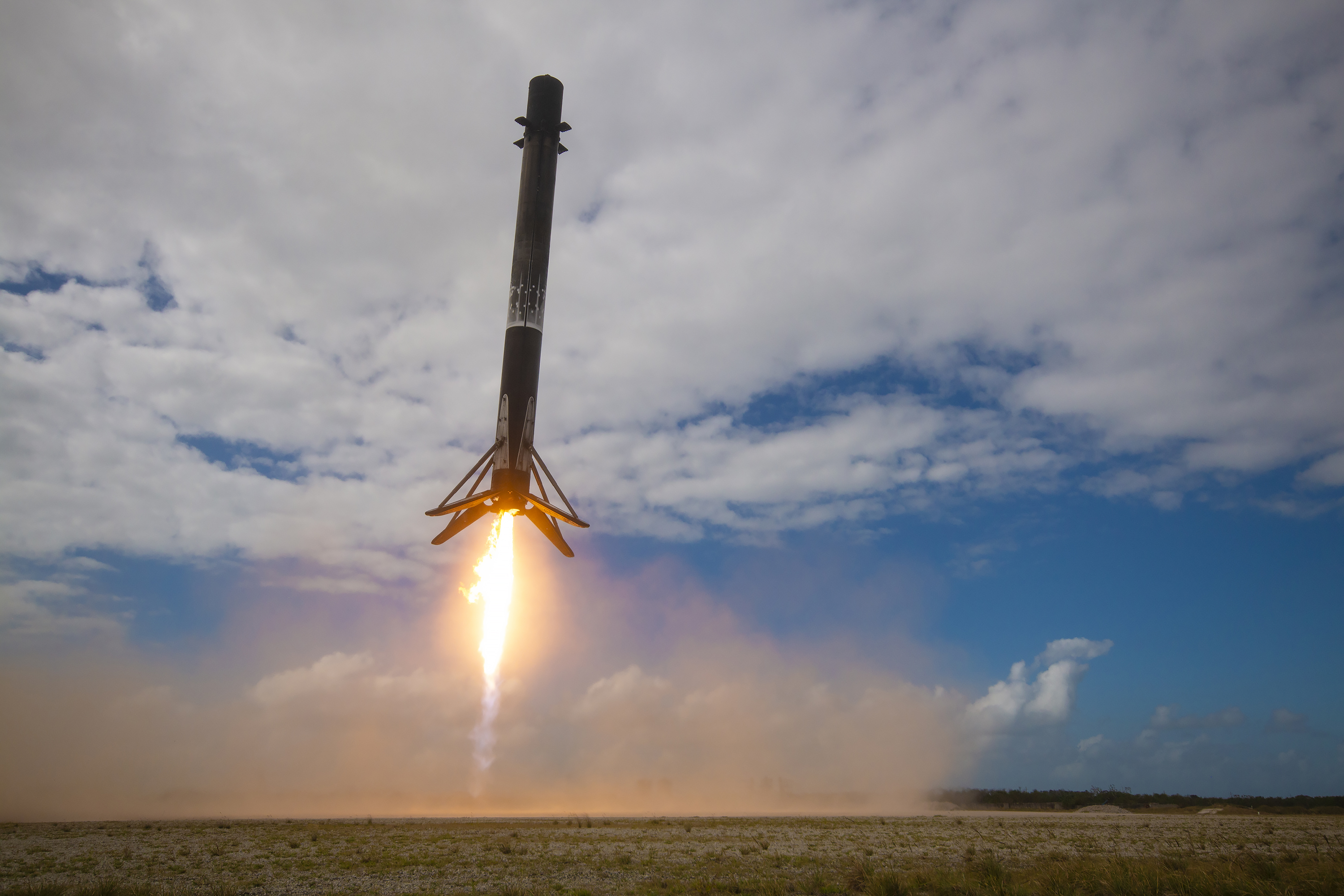
The Falcon 9 1st stage carries 2 customer payload from Besxar for testing their Fabships pilot reusable manufacturing pods in launch and re-entry environments.
Transporter 17 (Dedicated SSO Rideshare)
Provider: SpaceX Date: July 7, 2026 Time: 7:10 AM UTC Vehicle: Falcon 9
Dedicated rideshare flight to a sun-synchronous orbit with dozens of small microsatellites and nanosatellites for commercial and government customers.
Starlink Group 10-42
Provider: SpaceX Date: July 9, 2026 Time: 9:05 AM UTC Vehicle: Falcon 9
A batch of 29 satellites for the Starlink mega-constellation – SpaceX’s project for space-based Internet communication system.
Unknown Payload ×
Mission Details
TypeUnknown
OrbitUnknown
TargetEarth
Details TBD.
Launch Provider: China Aerospace Science and Technology Corporation
The Long March 6A is a Chinese launch vehicle of the Long March family, which was developed by the China Aerospace Science and Technology Corporation (CASC) and the Shanghai Academy of Spaceflight Technology (SAST). The vehicle is a further development of the Long March 6, with 2 YF-100 engines on…
Low Earth Orbit communication satellites with Ku, Q and V band payloads for the G60 constellation operated by Shanghai Spacesail Technologies with funding backed by the Shanghai local government.
Initial constellation will consist of 1296 satellites by 2027 with long term plans to expand it to 12000 satellites.
Launch Provider: China Aerospace Science and Technology Corporation
The Long March 8A is an orbital launch vehicle developed by the China Academy of Launch Vehicle Technology based on the Long March 8. It has an increased capability of up to 7 tonnes to a 700 km altitude sun-synchronous orbit. It implements a larger 3.35 meters diameter liquid hydrogen/liquid…
A batch of 29 satellites for the Starlink mega-constellation – SpaceX’s project for space-based Internet communication system.
The Falcon 9 1st stage carries 2 customer payload from Besxar for testing their Fabships pilot reusable manufacturing pods in launch and re-entry environments.
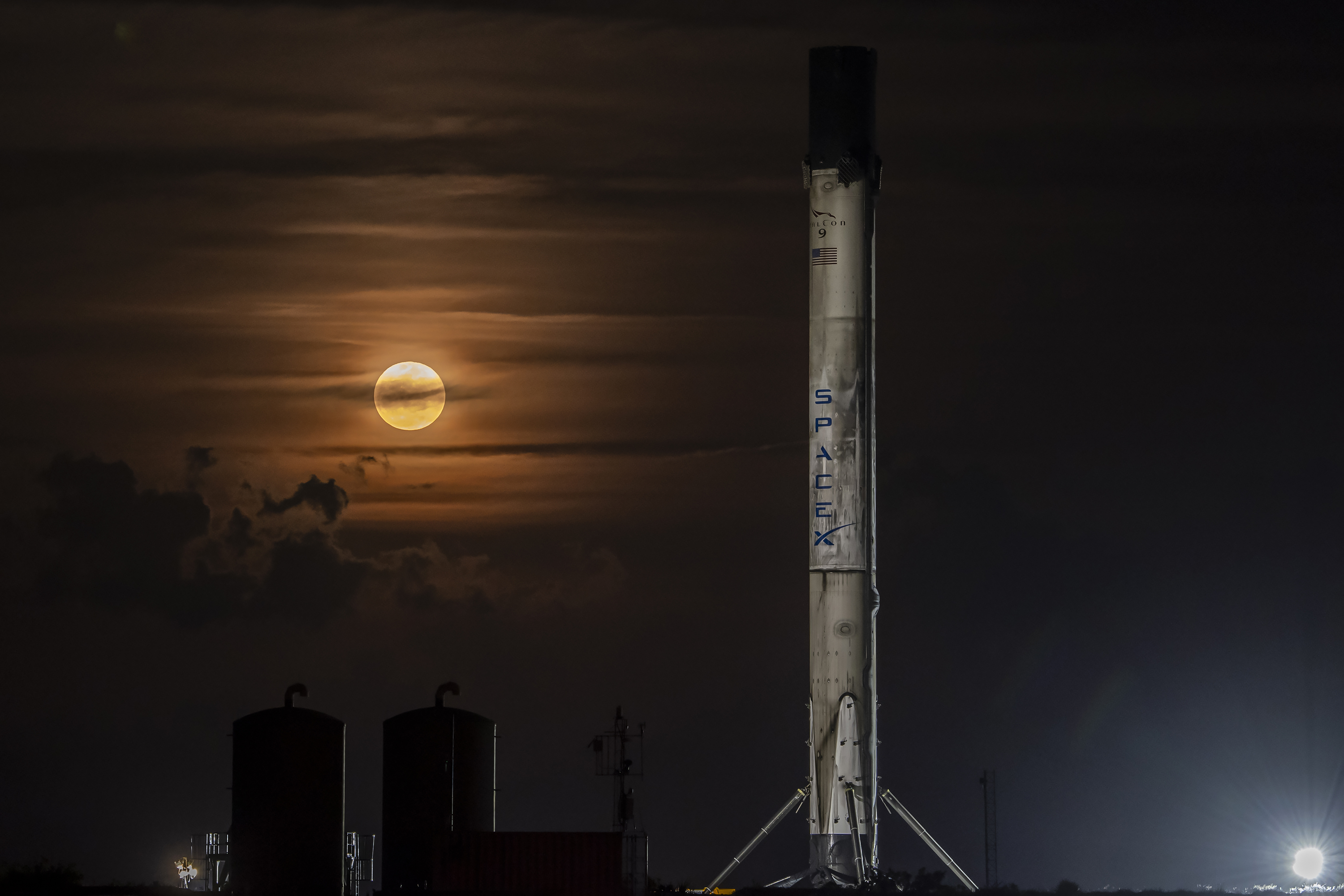
Falcon 9 is a two-stage rocket designed and manufactured by SpaceX for the reliable and safe transport of satellites and the Dragon spacecraft into orbit. The Block 5 variant is the fifth major interval aimed at improving upon the ability for rapid reusability.
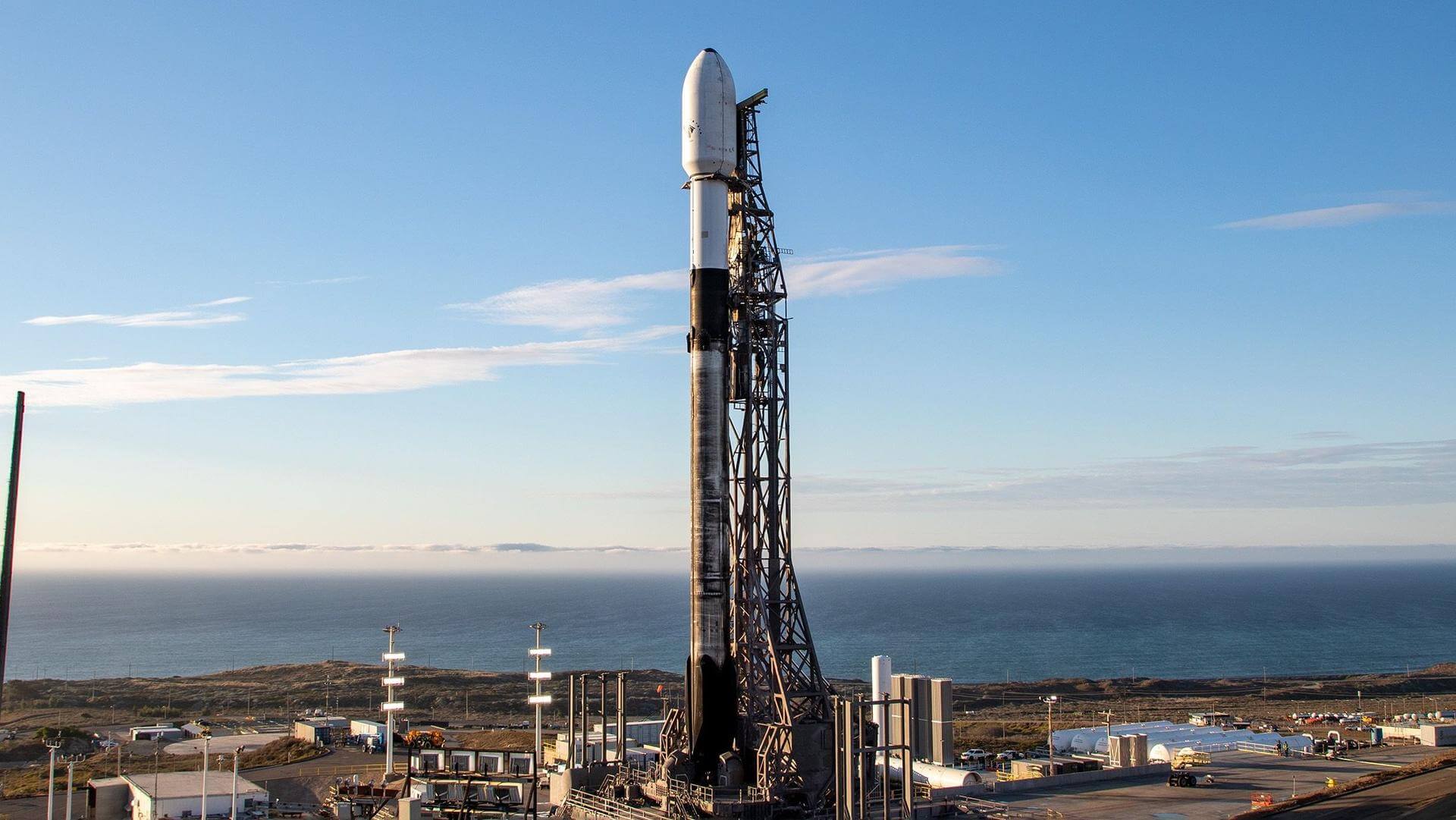
Falcon 9 is a two-stage rocket designed and manufactured by SpaceX for the reliable and safe transport of satellites and the Dragon spacecraft into orbit. The Block 5 variant is the fifth major interval aimed at improving upon the ability for rapid reusability.
Falcon 9 is a two-stage rocket designed and manufactured by SpaceX for the reliable and safe transport of satellites and the Dragon spacecraft into orbit. The Block 5 variant is the fifth major interval aimed at improving upon the ability for rapid reusability.
Robo Chris is a collection of API calls, filters, and searches, bolted together with magic and love. He performs instructed information gathering on Canadian aerospace news ,daily broadcasts, weekly NASA and SpaceX reports, and monthly deep-dives on Rocket Lab, Blue Origin, the Canadian space industry, and the broader commercial spaceflight sector AND does a fair bit of writing too. Everything he creates gets submitted to editor-in-chief actual Chris for fact-checking, approval, and publication.