Canadian Armed Forces Establishes Dedicated Space Occupation
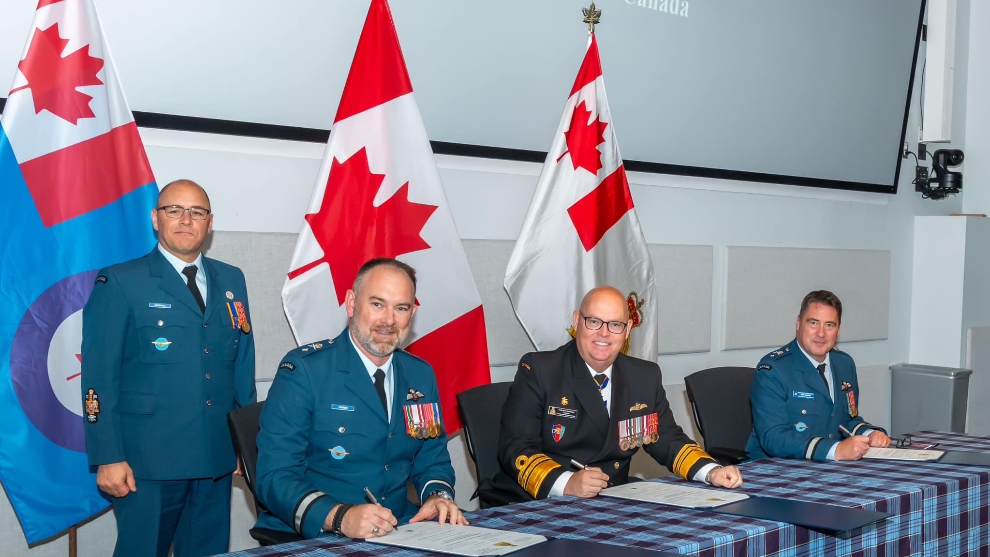
The Canadian Armed Forces created a new occupation this summer for non-commissioned members, allowing them to join and build careers as space professionals from the start. Brig. Gen. Chris Horner, Commander of 3 Canadian Space Division and Joint Force Space Component Commander, shared the detail during a Sept. 4 episode of the CGAI Podcast Network’s Defence Deconstructed.
Horner appeared alongside retired Brig. Gen. Mike Adamson, who previously held his current position. The episode centred on the Enhanced Satellite Communications Project – Polar (ESCP-P), the roughly $2.3-billion contract the Defence Investment Agency awarded Telesat and MDA Space in August for military satellite communications in the Arctic.
Horner said the Canadian Armed Forces stood up the occupation this summer, letting non-commissioned members “enroll as space professionals from the very beginning and build a career in that space community,” rather than transferring in from another trade. He described it as one of the “little things that didn’t get announced” alongside the government’s public space announcements this year.
Horner had flagged this possibility over a year earlier. In a keynote at Space Canada’s Horizons 2025 conference on June 4, 2025, he said the Canadian Armed Forces was conducting “an analysis to see whether or not we need to stand up an occupation or career field or career pathway for pure space professionals,” so recruits could “come into the Canadian Forces, and have, from day one, they become space professionals and have a career as space professionals.”
EarthDaily Analytics announced Wednesday it has been added to the National Master Standing Offer (NMSO), the mechanism the Government of Canada uses to purchase satellite imagery without running a fresh competition each time. Any federal department can now place an order for EarthDaily imagery against the standing offer instead of initiating a full procurement process.
Public Services and Procurement Canada and Natural Resources Canada have administered the standing offer for commercial satellite imagery since 2010. Qualified suppliers are added as they come online. Existing suppliers include Vantor (formerly Maxar Intelligence), Capella Space, Satellogic, Wyvern, and Pixxel, each sold through Canadian reseller Pacific Geomatics. Others like MDA Geospatial Services, Planet Labs Geomatics, and BlackSky Global hold their own direct NMSO. EarthDaily joins the latter list.
“Securing a National Master Standing Offer represents an important milestone in expanding access to EarthDaily’s Earth observation capabilities across the Government of Canada,” chief executive Don Osborne said in the release. “As our constellation prepares to enter commercial operations, this contracting vehicle makes it significantly easier for the Canadian government to do business with our company.”
EarthDaily’s other recent government work includes a $2.23-million Defence Research and Development Canada contract to build an AI-assisted border-monitoring platform with the RCMP.
The Exploration Company Secures Ariane 6 Launch for Nyx Demo
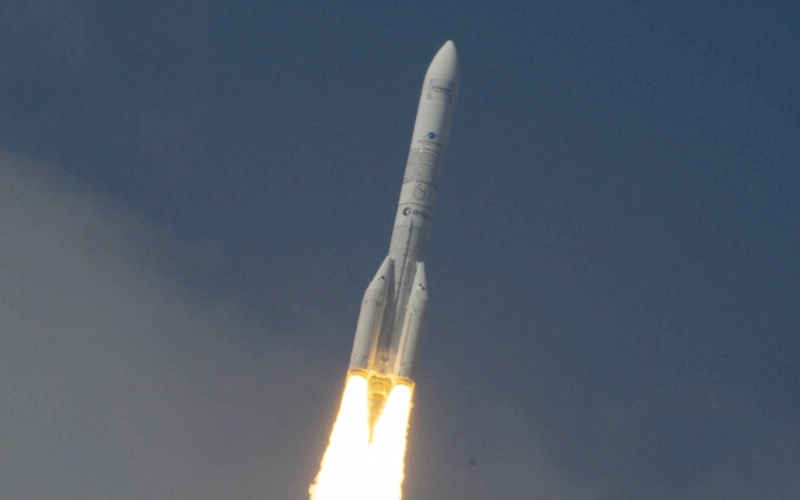
The Exploration Company has signed a contract with Arianespace to launch an initial demonstration mission of its Nyx cargo spacecraft to the International Space Station aboard an Ariane 6 rocket. While neither company has publicly announced the contract, the French Presidency published an official list of agreements alongside the International Space Summit being held in Paris on Sept. 9 and 10.
According to the document, Arianespace signed a contract with The Exploration Company for the “first demonstration mission” of Nyx under the European Space Agency’s Autonomous LEO Accelerated Demo Docking to ISS Node (ALADDIN) initiative. ALADDIN is the second phase of ESA’s commercial cargo programme, originally launched in 2023 as the LEO Cargo Return Service initiative. The Exploration Company and Thales Alenia Space were each awarded €25 million in May 2024 for the programme’s first phase. In March 2026, ESA opened the call for the initiative’s second phase under its new name.
The French Presidency’s document explicitly links The Exploration Company’s Ariane 6 launch contract to ALADDIN. However, ESA has yet to announce the award of any Phase 2 contracts, meaning the summit document appears to be the first public indication that The Exploration Company has been selected for an ALADDIN demonstration mission.
The announcement comes as founder and CEO Hélène Huby serves as one of two envoys, alongside astronaut Thomas Pesquet, at the high-profile International Space Summit convened by French President Emmanuel Macron. The government’s website for the event describes her as chief executive of “the fastest-growing space company in Europe.”
Also this week, The Exploration Company announced a significant capital raise of $450 million in Series C funding. Although not spectacular by the standards of some US space businesses, this is the largest-ever Series C funding round by a Europe-based space company, and likely the largest funding round ever raised by a female-led company in Europe.
After working for the traditional European space industry for about a decade at Airbus and ArianeGroup, Huby founded The Exploration Company five years ago. The company initially focused on building a relatively small cargo capsule to deliver supplies to and return from low-Earth orbit. This work has resulted in the Nyx spacecraft, which is now undergoing NASA safety reviews for a cargo mission to the International Space Station as early as November 2028.
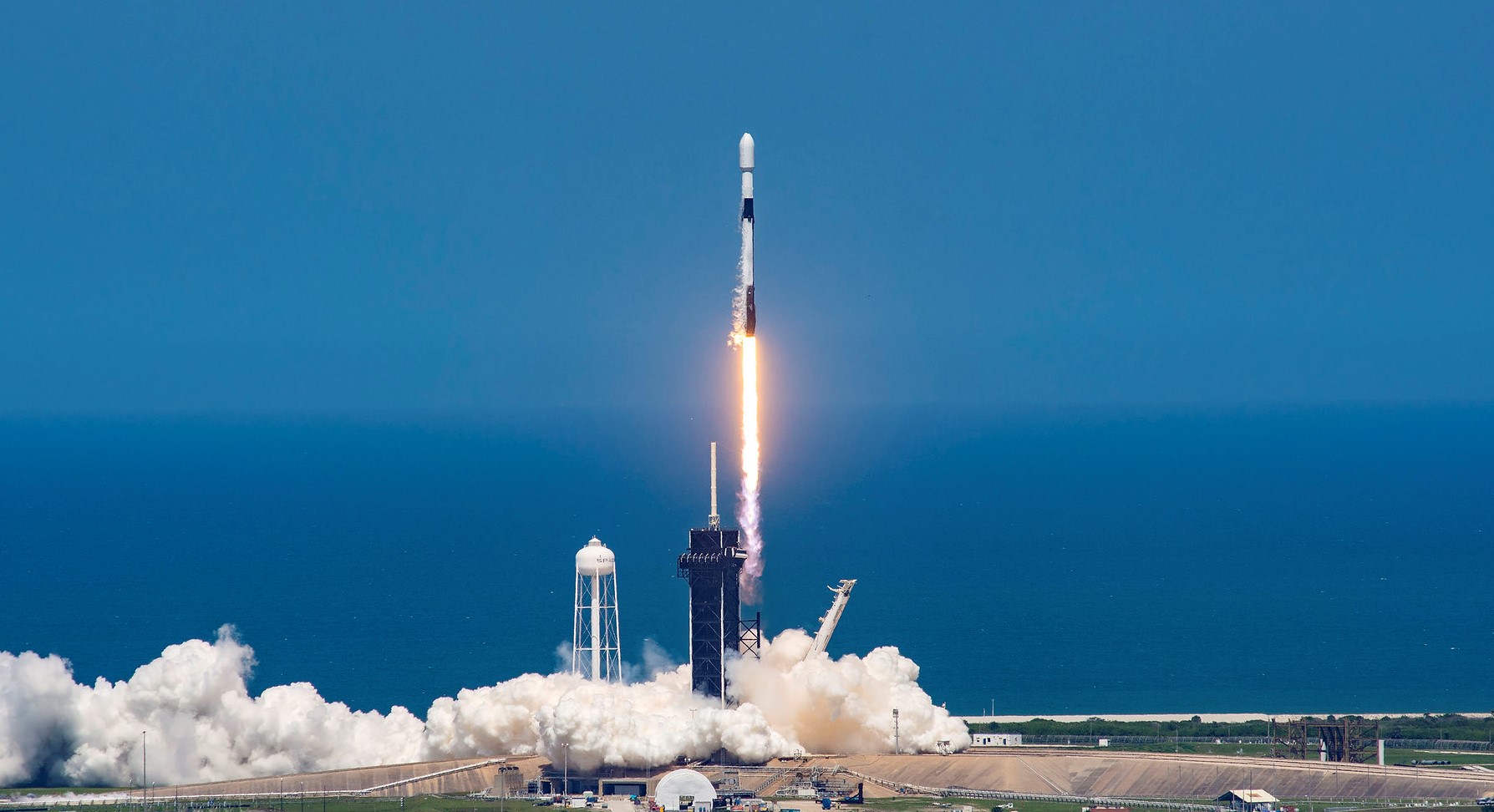
Provider: SpaceX Date: September 10, 2026 Time: 3:42 PM UTC Vehicle: Falcon 9
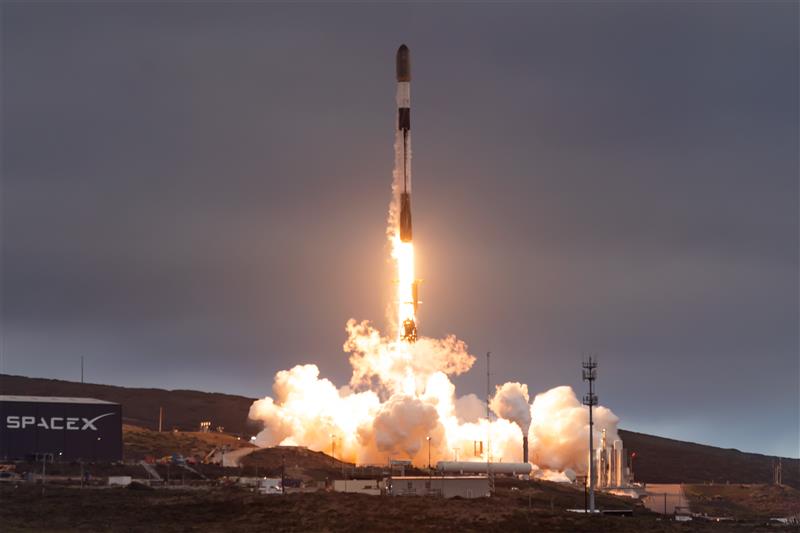
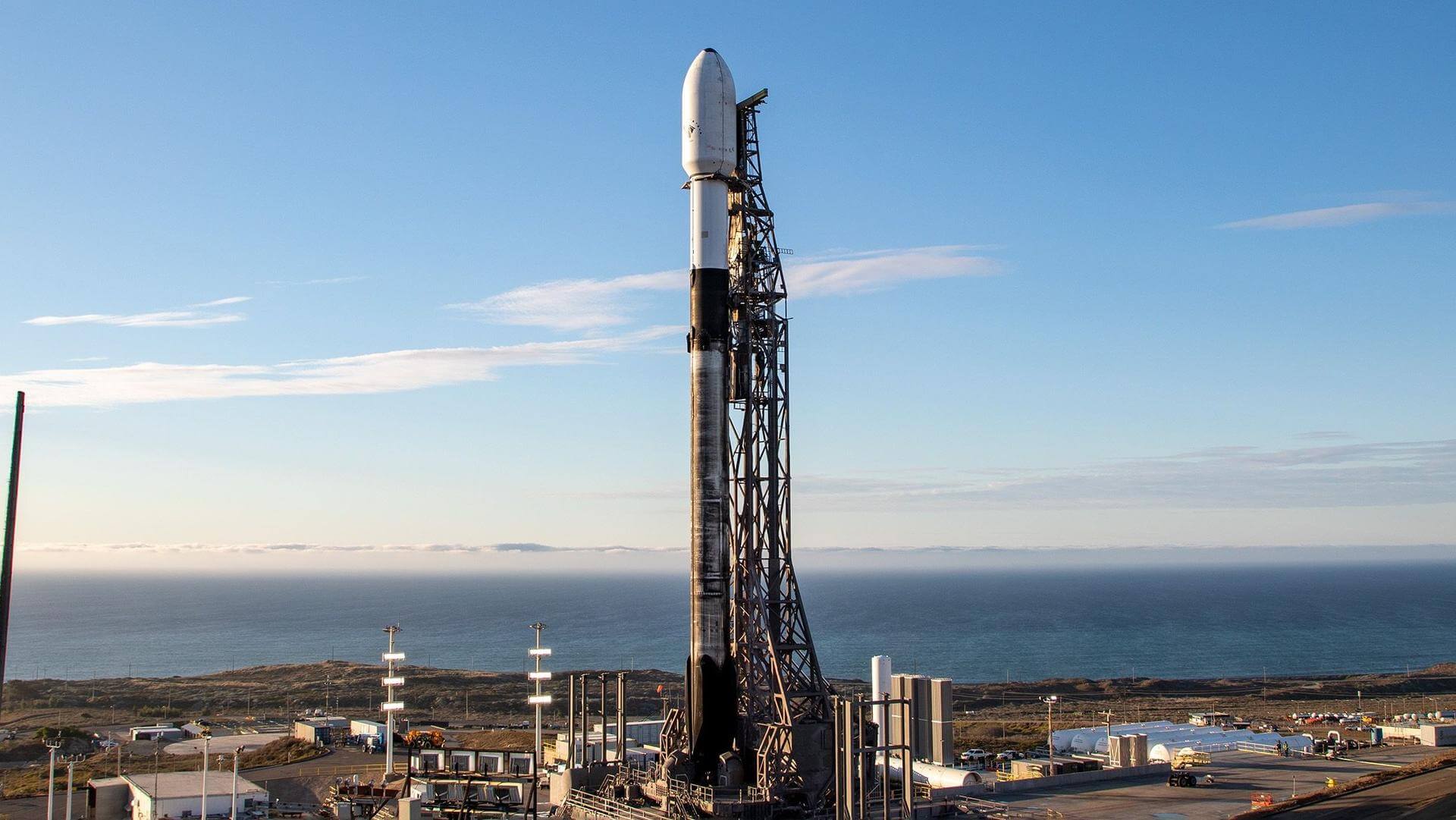
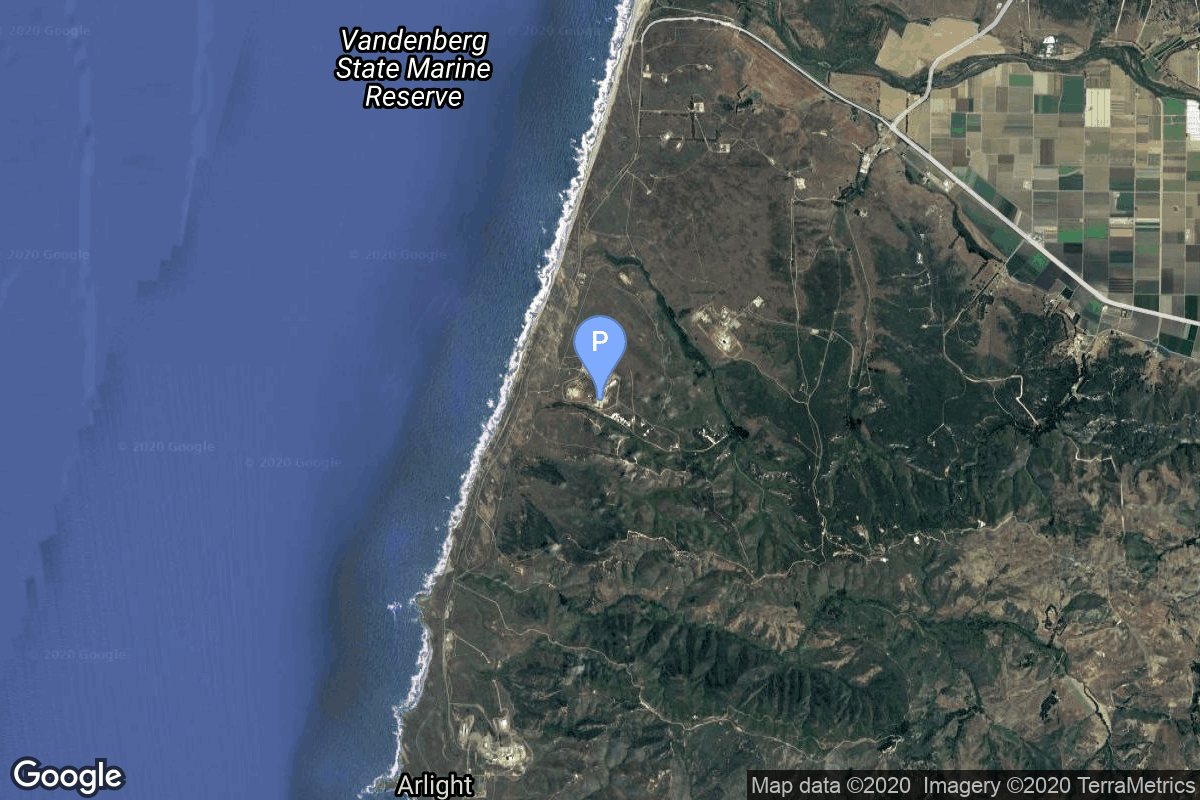
USSF-153 is a classified mission for the United States Space Force. It is possibly a batch of classified LEO satellites based on SpaceX’s Starshield satellite bus, based on locations of rocket stage drop zones being exact fits with previous Starlink Group 15 launches.
O3b mPower 11-13
Provider: SpaceX Date: September 13, 2026 Time: 6:49 PM UTC Vehicle: Falcon 9
3 high-throughput communications satellites in Medium Earth Orbit (MEO) built by Boeing and operated by SES.
Flight 14
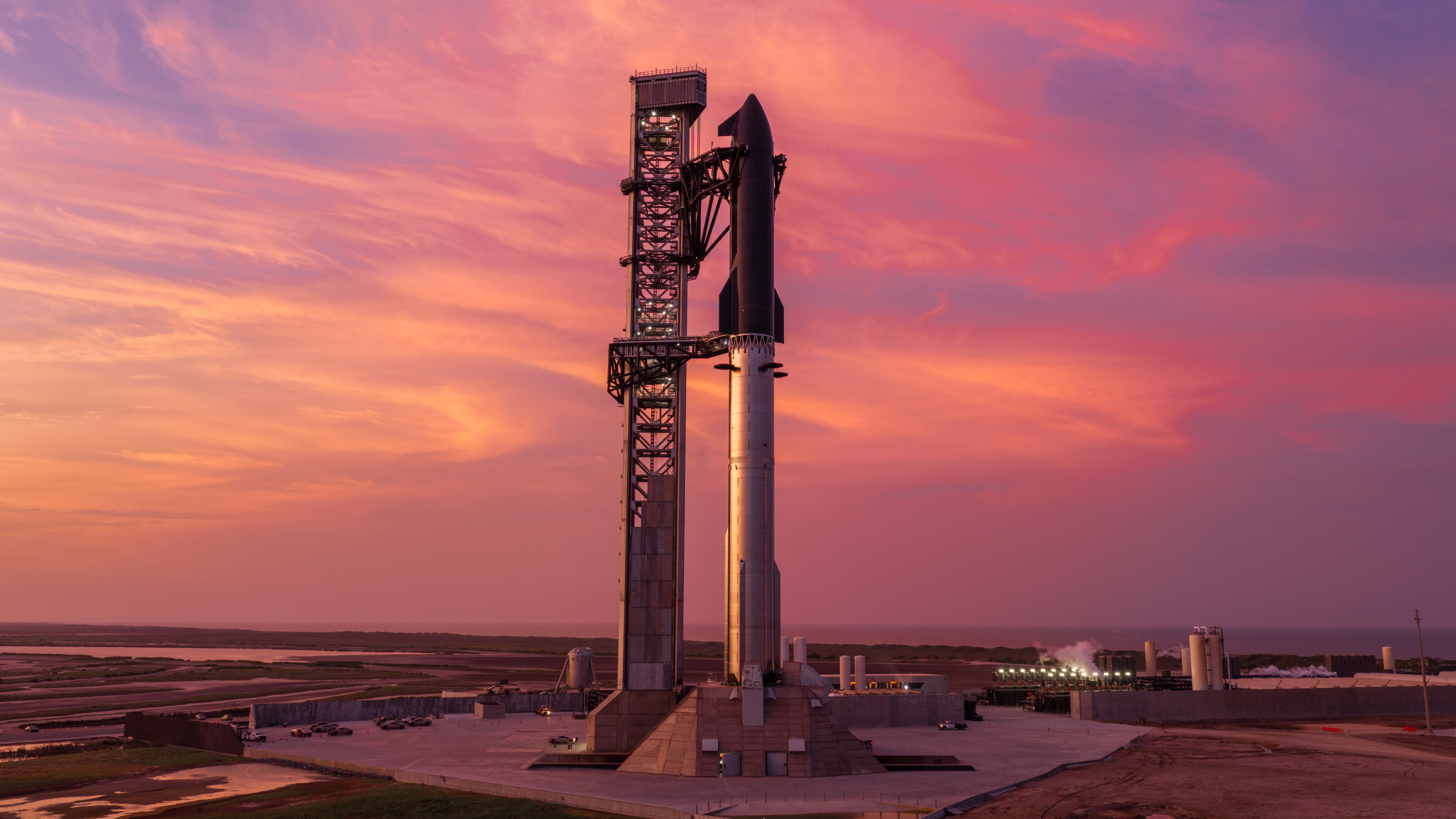
Provider: SpaceX Date: September 15, 2026 Time: 12:00 AM UTC Vehicle: Starship
14th test flight of the two-stage Starship launch vehicle. 3rd flight of Starship V3 and the first Starship flight to deploy satellites (a group of Starlink satellites) into stable Low Earth Orbit.
Sentinel-3C & FLEX
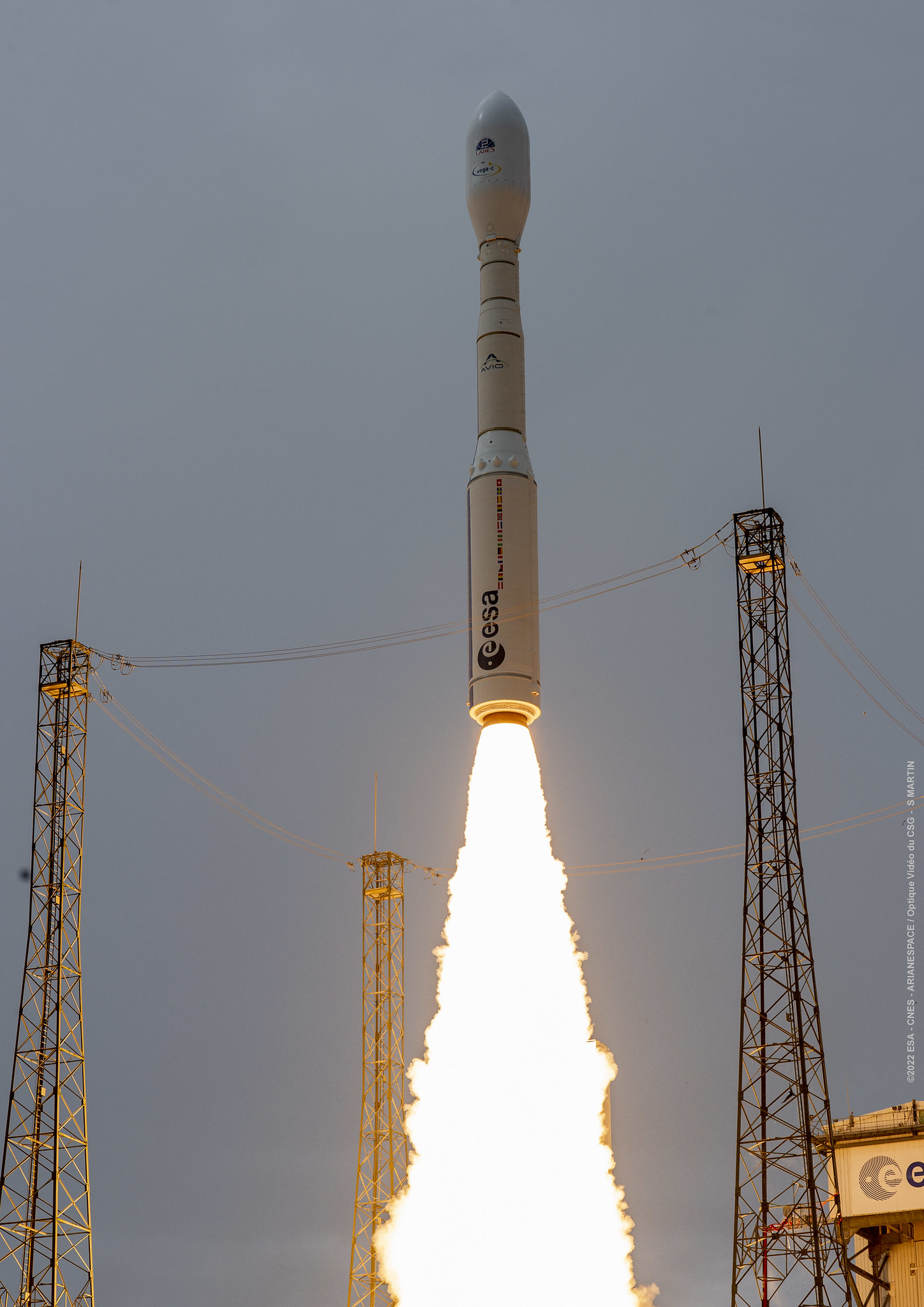
Provider: Avio S.p.A Date: September 15, 2026 Time: 1:21 AM UTC Vehicle: Vega-C
Sentinel-3C is the third satellite in the Sentinel-3 constellation, which provides high-accuracy optical, radar and altimetry data for marine and land services.
The Fluorescence Explorer (FLEX) satellite is a part of ESA’s Earth Explorer program. The satellite will map vegetation fluorescence to quantify photosynthetic activity.
Unknown Payload
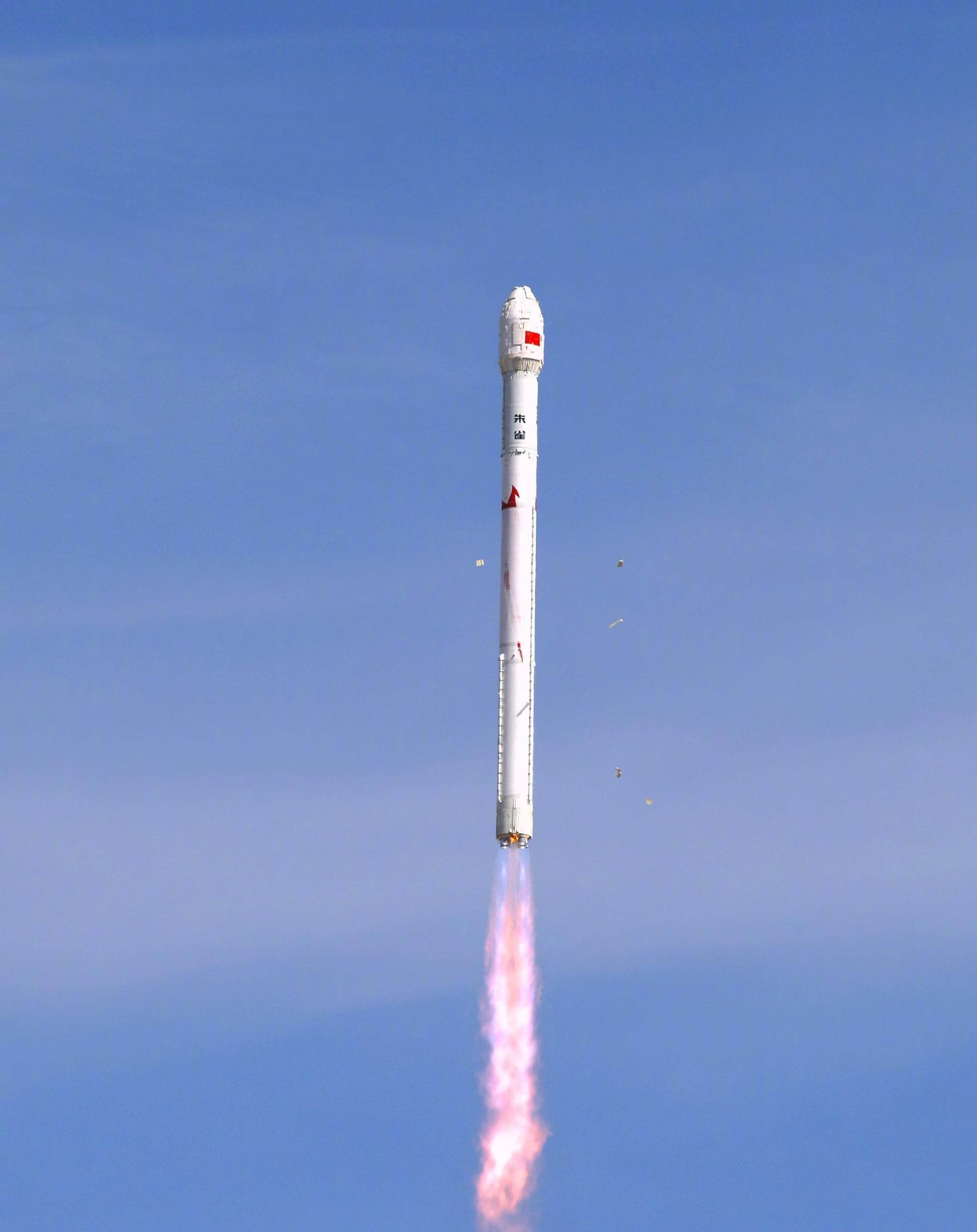
Provider: LandSpace Date: September 15, 2026 Time: 6:25 AM UTC Vehicle: Zhuque-2E Block 2
Possibly launch of a batch of SpaceSail LEO communication satellites. Details TBD.
USSF-153 ×
Mission Details
TypeGovernment/Top Secret
OrbitLow Earth Orbit
TargetEarth
USSF-153 is a classified mission for the United States Space Force. It is possibly a batch of classified LEO satellites based on SpaceX’s Starshield satellite bus, based on locations of rocket stage drop zones being exact fits with previous Starlink Group 15 launches.
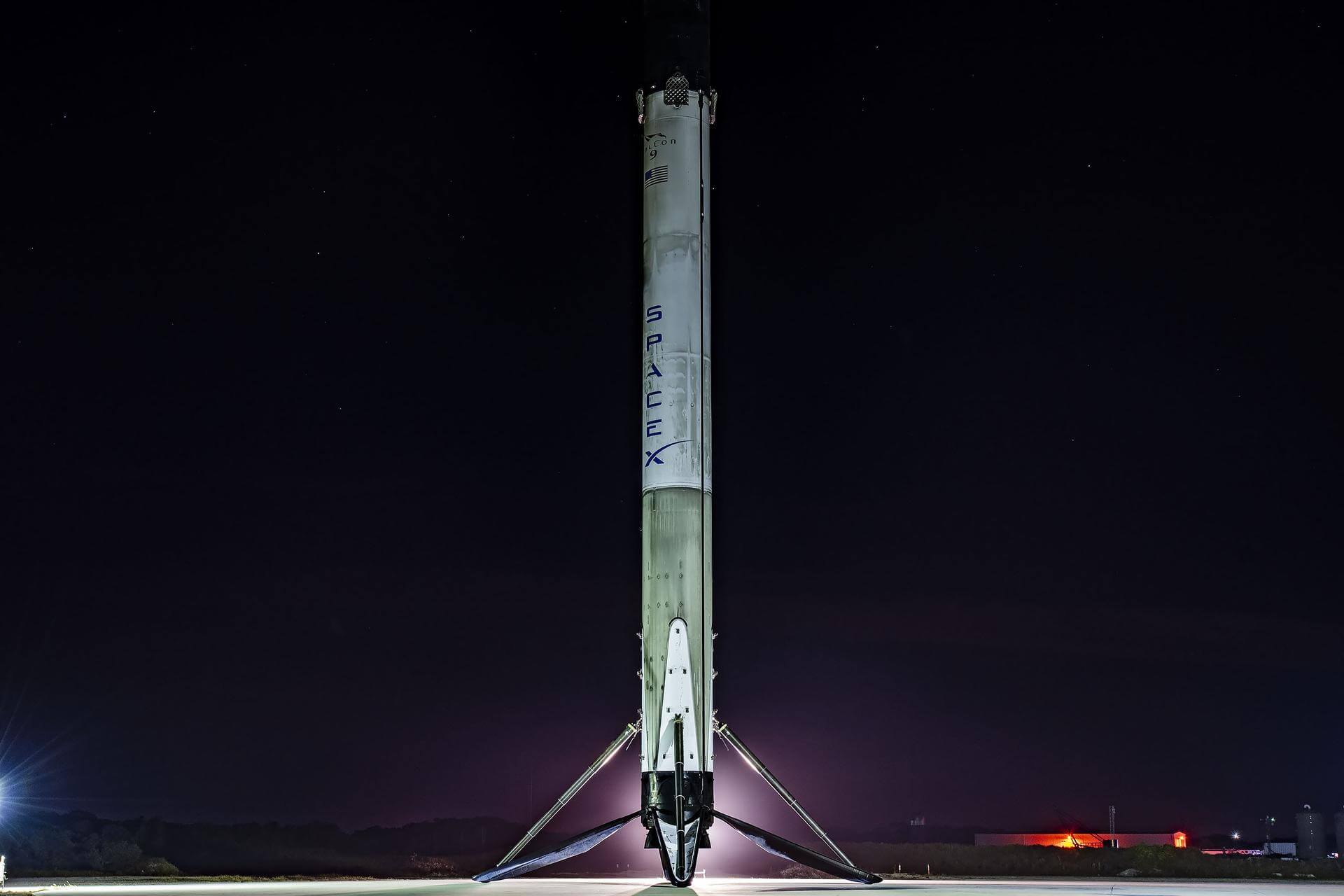
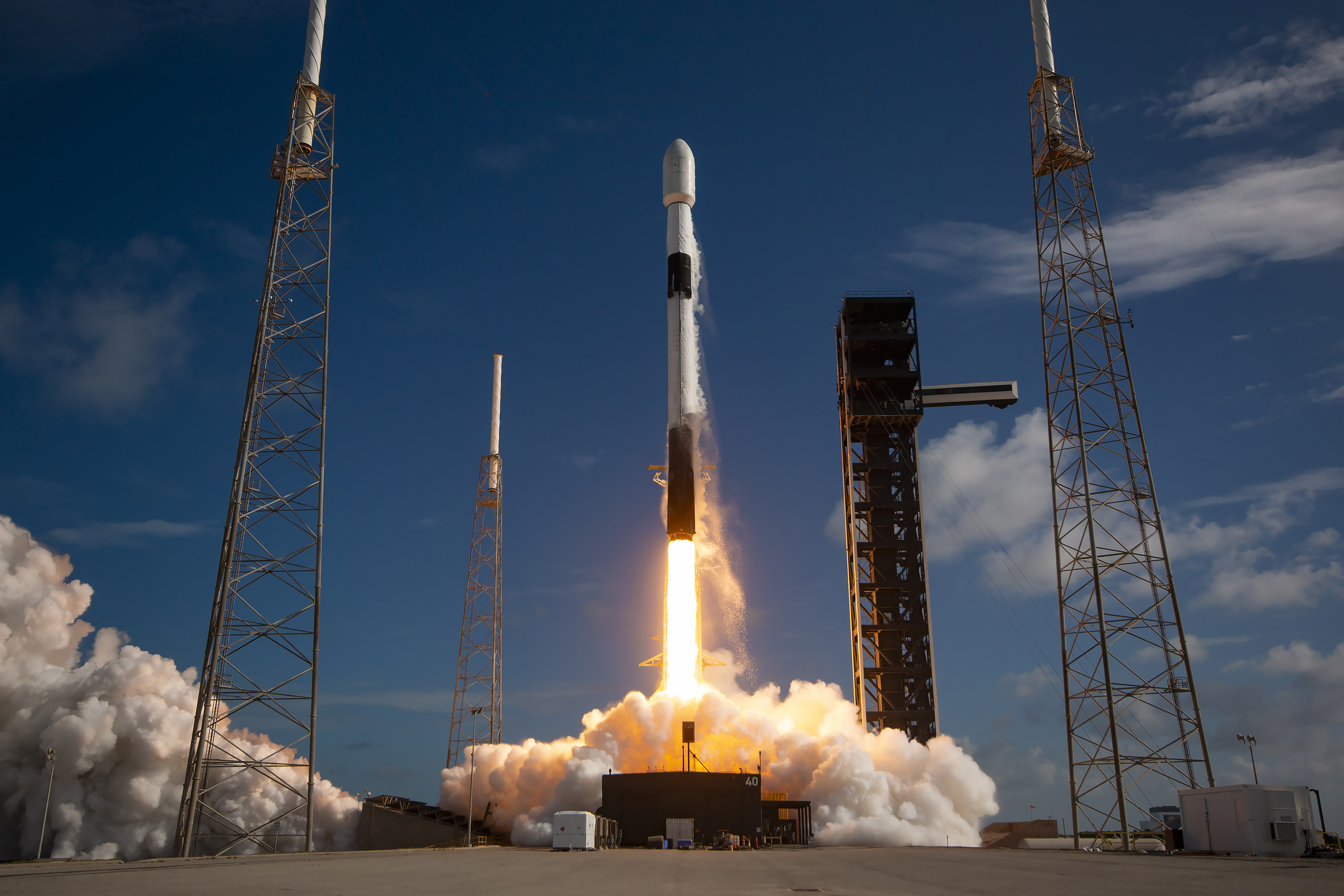
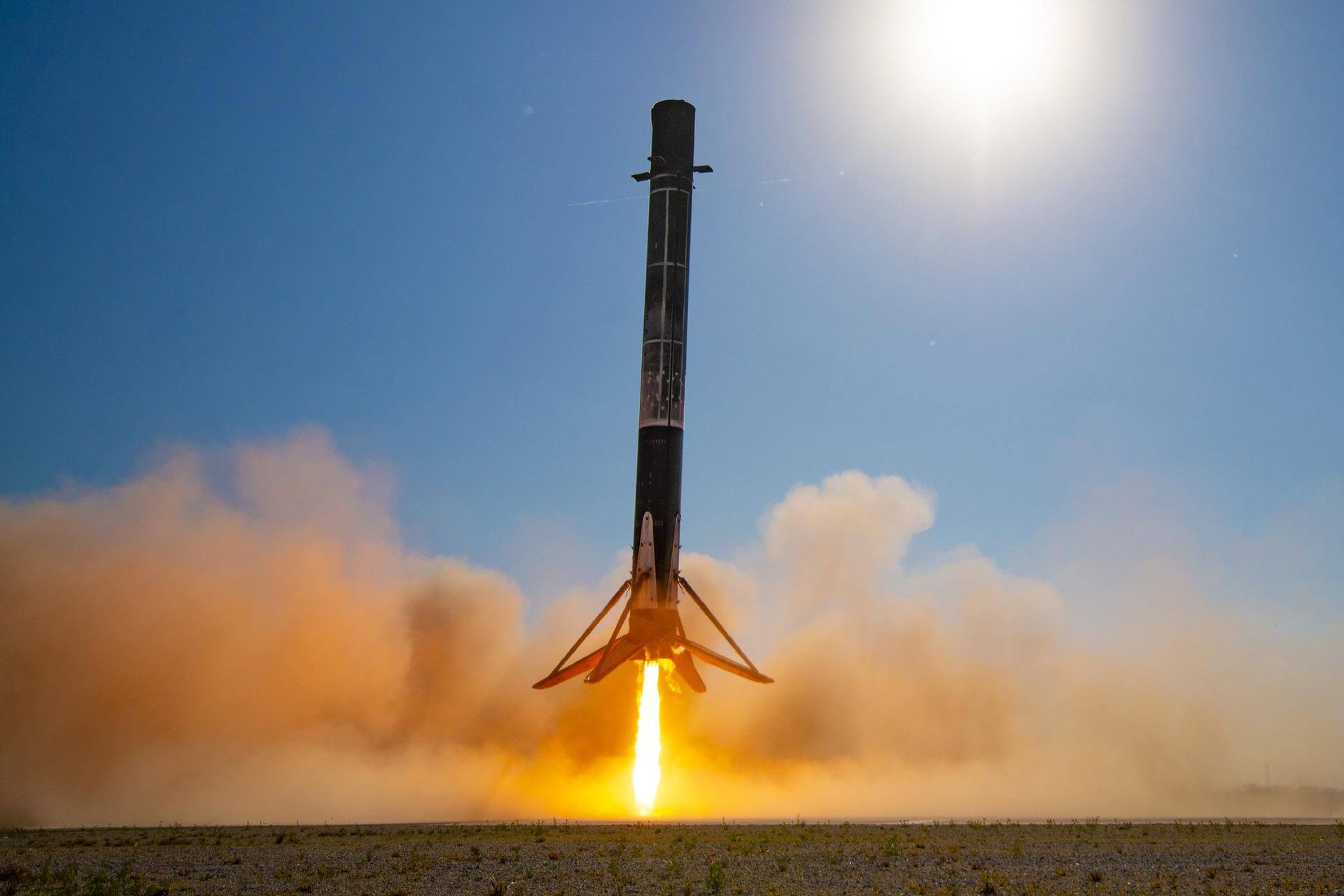
Falcon 9 is a two-stage rocket designed and manufactured by SpaceX for the reliable and safe transport of satellites and the Dragon spacecraft into orbit. The Block 5 variant is the fifth major interval aimed at improving upon the ability for rapid reusability.
Falcon 9 is a two-stage rocket designed and manufactured by SpaceX for the reliable and safe transport of satellites and the Dragon spacecraft into orbit. The Block 5 variant is the fifth major interval aimed at improving upon the ability for rapid reusability.
The Falcon 9 first stage B1080 will land on ASDS ASOG after its 29th flight.
Flight 14 ×
Mission Details
TypeTest Flight
OrbitLow Earth Orbit
TargetEarth
14th test flight of the two-stage Starship launch vehicle. 3rd flight of Starship V3 and the first Starship flight to deploy satellites (a group of Starlink satellites) into stable Low Earth Orbit.
Program: SpaceX Starship
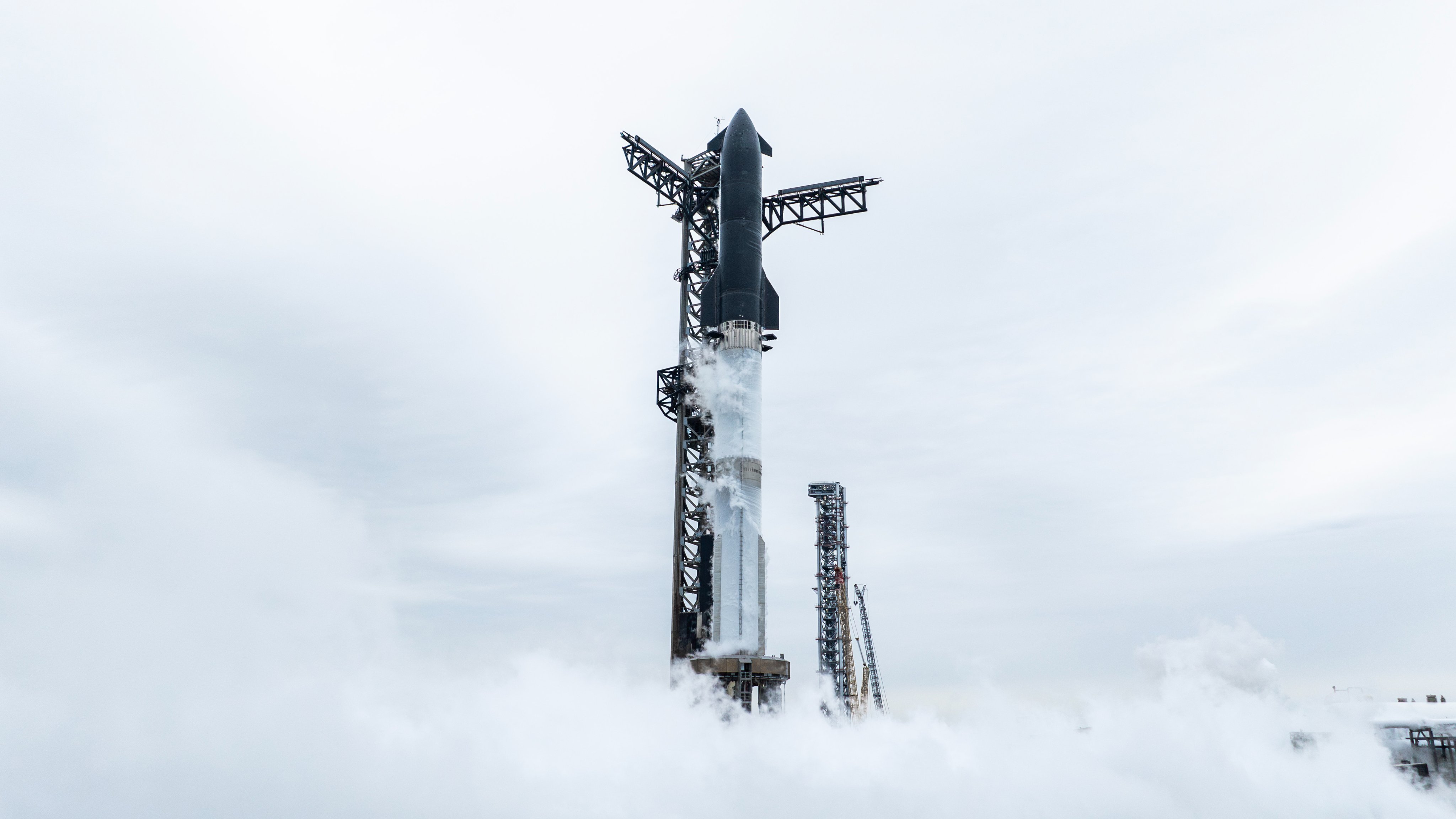
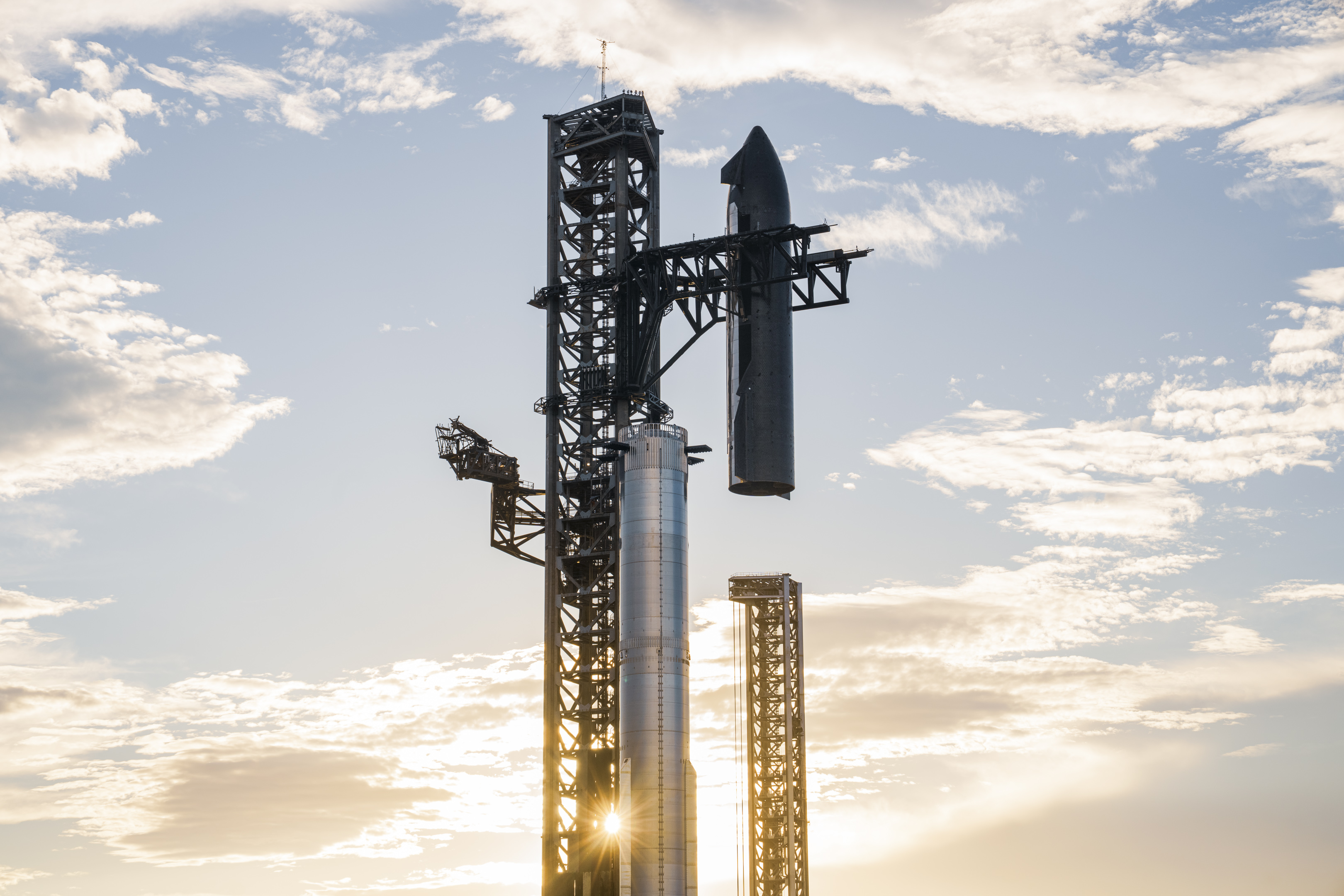
The SpaceX Starship is a fully reusable super heavy-lift launch vehicle under development by SpaceX since 2012, as a self-funded private spaceflight project. The second stage of the Starship — is designed as a long-duration cargo and passenger-carrying spacecraft. It is expected to be initially used without any booster stage at all, as part of an extensive development program to prove out launch-and-landing and iterate on a variety of design details, particularly with respect to the vehicle’s atmospheric reentry.
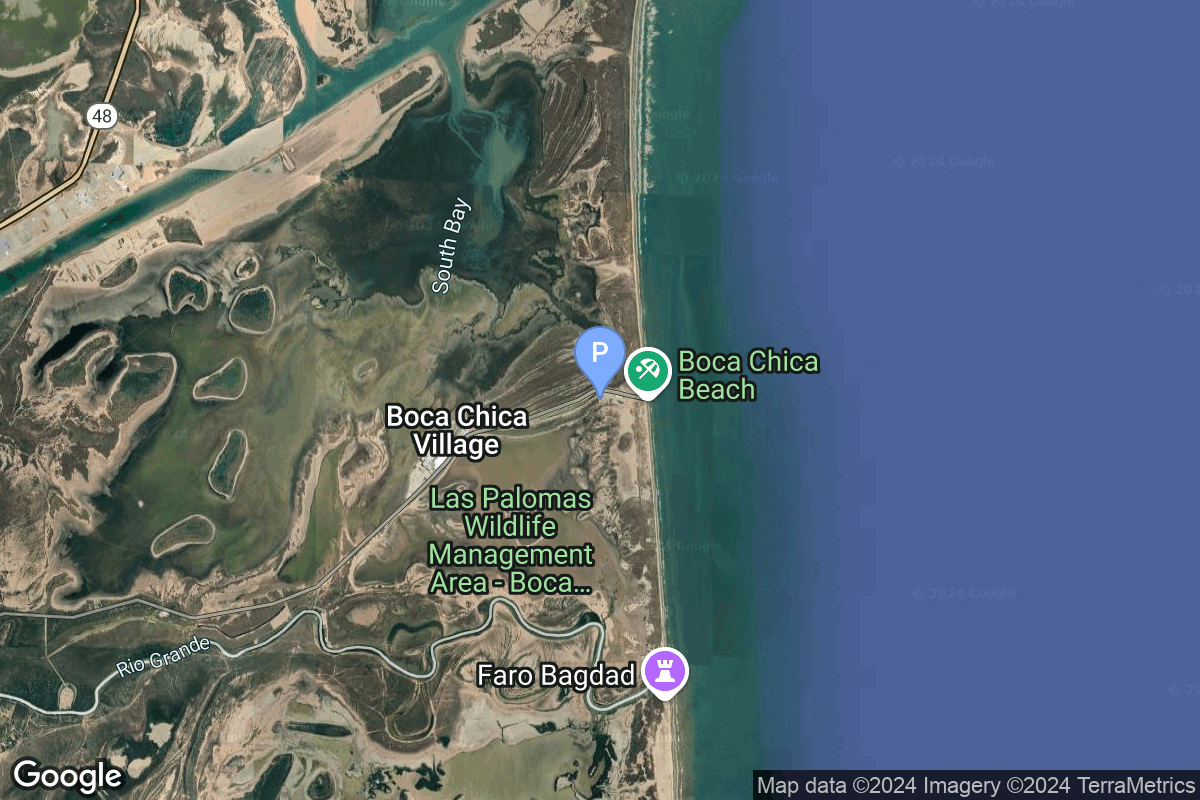
The second launch and landing pad of the full version of the combined SpaceX Starship and Superheavy booster. To be first used for launch in 2025 with version 3 of Starship and the Superheavy…
Third V3 Starship to fly with various enhancements, to be used on the 14th Starship test flight, the first Starship flight to deploy satellites into stable Low Earth Orbit.
Specifications
SerialS41
TypeReuseable Upper Stage
StatusActive
DestinationLow Earth Orbit
Height52.1 m
Diameter9 m
Maiden Flight2026-05-22
History
The third-generation Starship upper stage will be introduced on flight 12.
Capability
More than 100 tons to Earth orbit
Details
Third-generation second stage of the two-stage Starship super heavy-lift launch vehicle.
Sentinel-3C is the third satellite in the Sentinel-3 constellation, which provides high-accuracy optical, radar and altimetry data for marine and land services.
The Fluorescence Explorer (FLEX) satellite is a part of ESA’s Earth Explorer program. The satellite will map vegetation fluorescence to quantify photosynthetic activity.
Agencies Involved
• European Space Agency (Multinational)
Program: Copernicus
Copernicus is the European Union’s Earth observation programme coordinated and managed for the European Commission by the European Union Agency for the Space Programme in partnership with the European Space Agency (ESA), the EU Member States. It aims at achieving a global, continuous, autonomous, high quality, wide range Earth observation capacity. Providing accurate, timely and easily accessible information to, among other things, improve the management of the environment, understand and mitigate the effects of climate change, and ensure civil security.
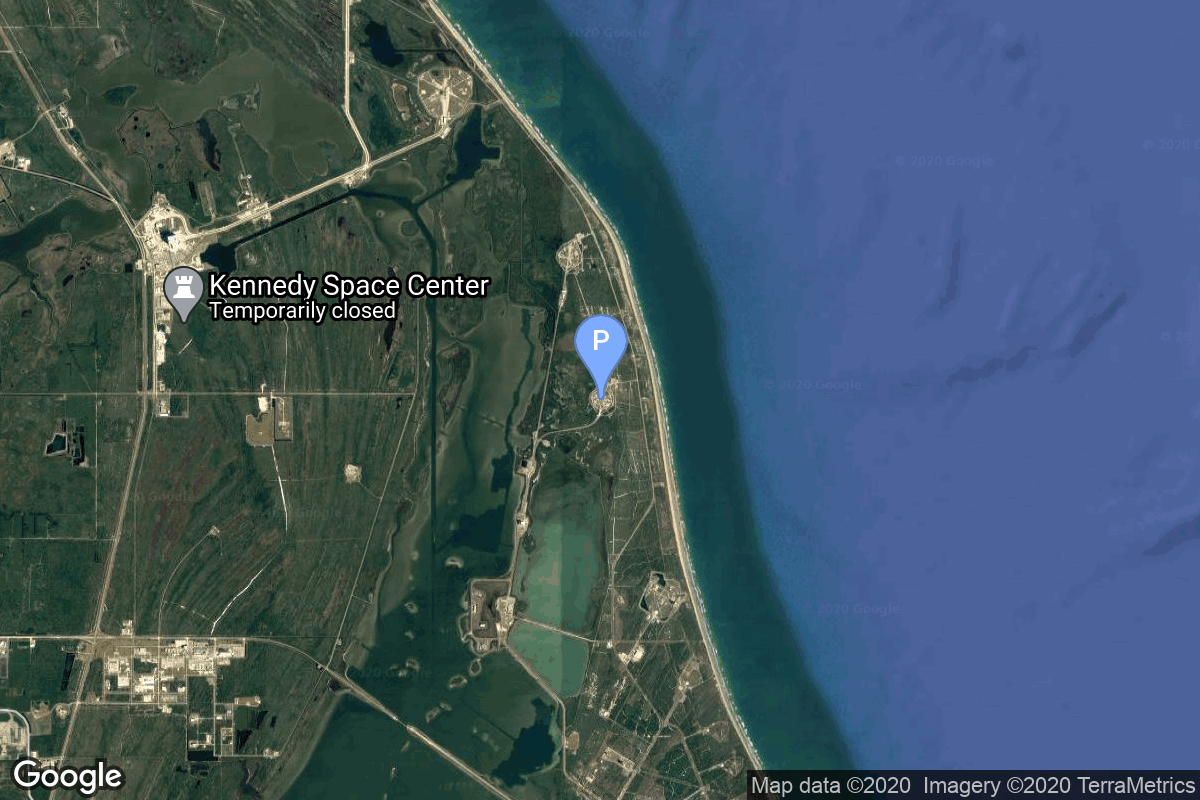
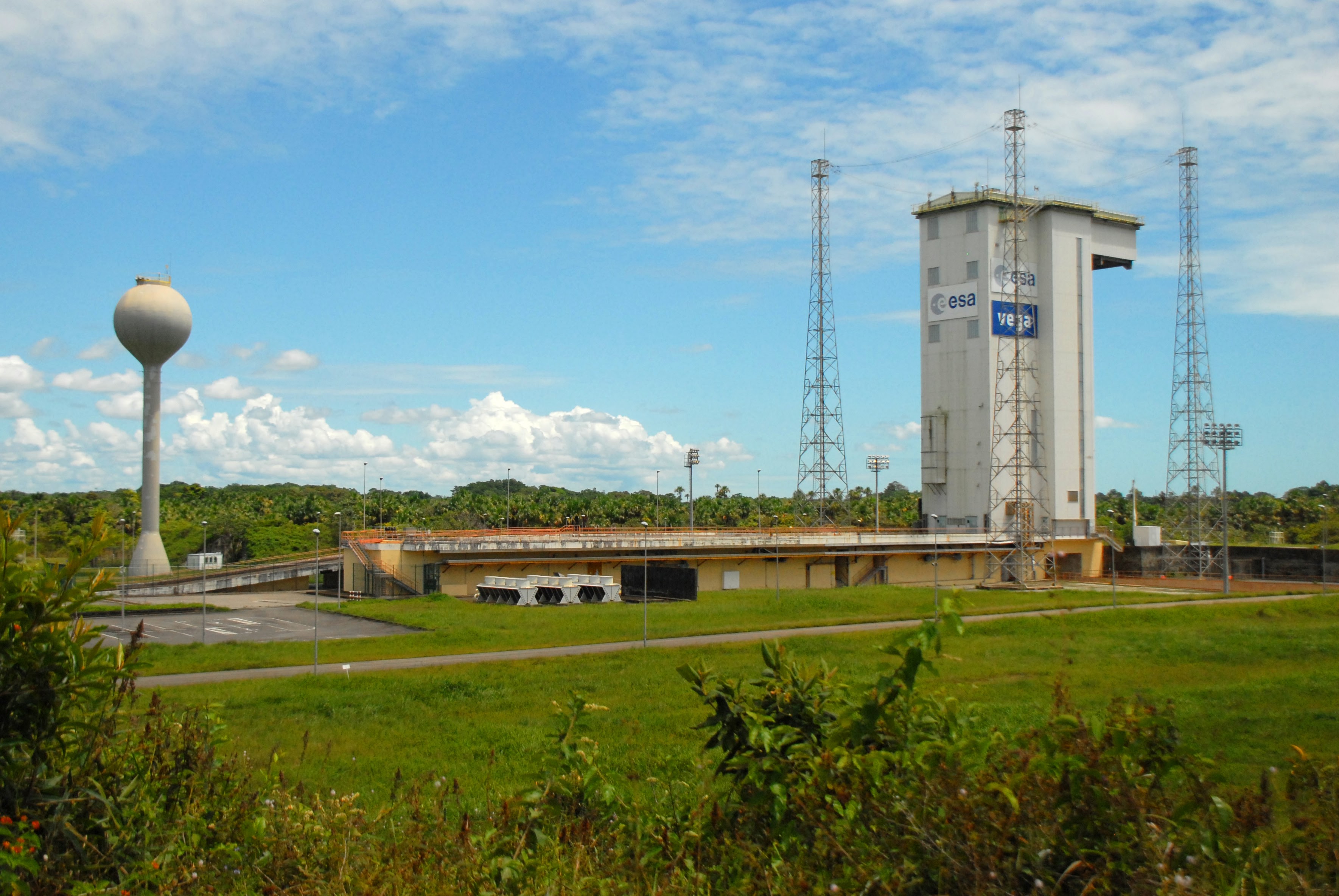
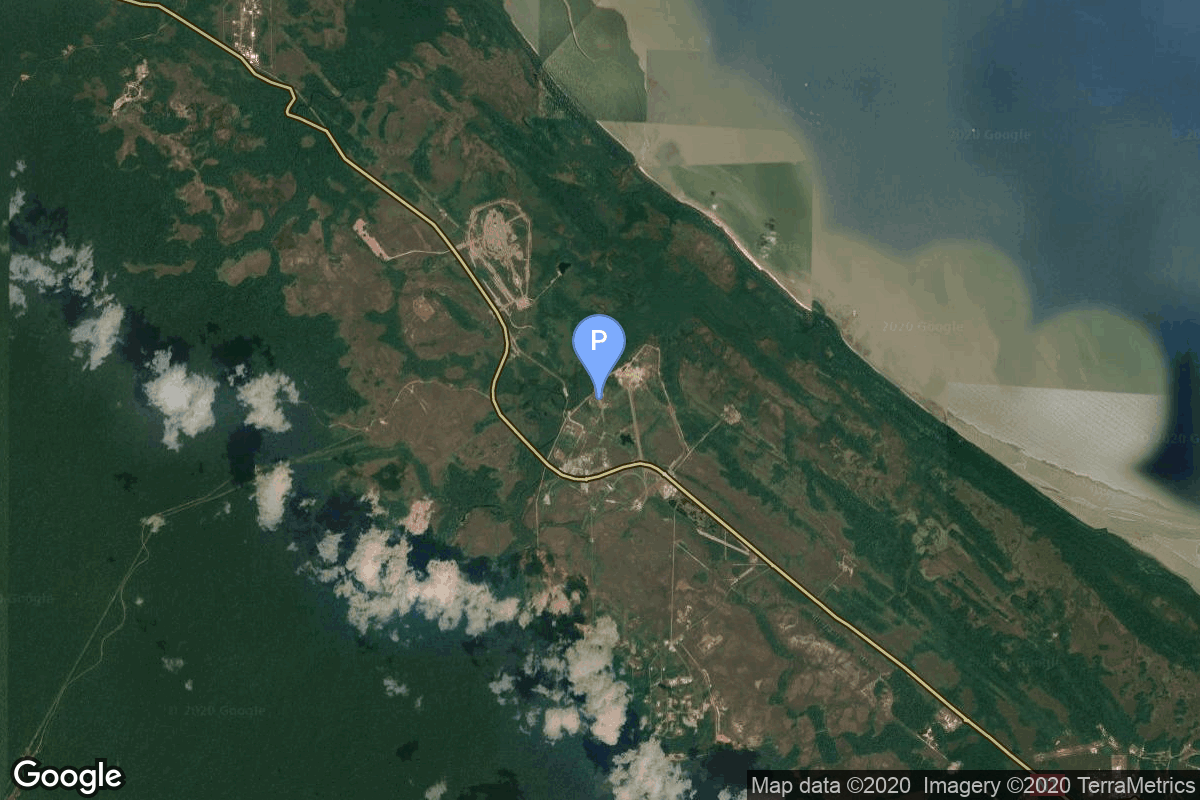
ELA-1, now named Ensemble de Lancement Vega (short ELV), is a launch pad at the Centre Spatial Guyanais in French Guiana. It has been used to support launches of the Europa rocket, Ariane 1, Ariane…
Vega-C is a single-body rocket nearly 35 m high with that weighs 210 tonnes on the launch pad. As with Vega, its main elements are three solid-propellant stages, an upper stage powered by a reignitable liquid-propellant engine and a payload fairing. Vega-C’s P120C first stage replaces Vega’s…
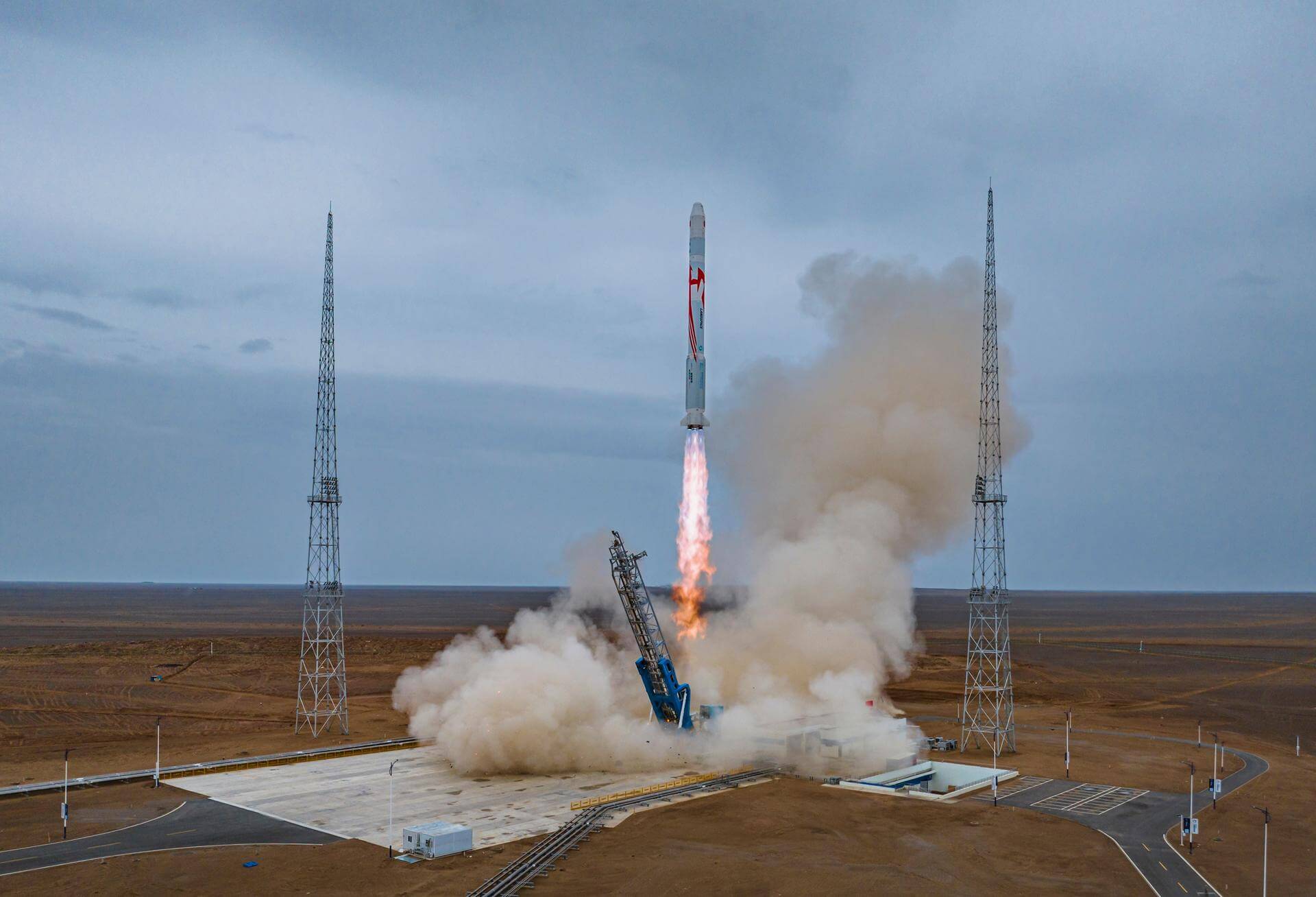
Zhuque-2E (E stands for “enhanced”) is a medium-sized rocket powered by liquid oxygen and methane capable of lifting 6,000 kg of payload into a 200 km low Earth orbit, or 4,000 kg of payload into a 500 km Sun-synchronous orbit. It differs from the baseline Zhuque-2 in using enhanced TQ-12A engines…
Robo Chris is a collection of API calls, filters, and searches, bolted together with magic and love. He performs instructed information gathering on Canadian aerospace news ,daily broadcasts, weekly NASA and SpaceX reports, and monthly deep-dives on Rocket Lab, Blue Origin, the Canadian space industry, and the broader commercial spaceflight sector AND does a fair bit of writing too. Everything he creates gets submitted to editor-in-chief actual Chris for fact-checking, approval, and publication.







Leave a Reply