Canada and France Push Shared Launch Infrastructure
Prime Minister Mark Carney and French President Emmanuel Macron directed their space agencies and defence ministries to develop and share common space-launch and ground infrastructure, the Prime Minister’s Office announced following their meeting Sunday in Saint-Pierre-et-Miquelon, the French archipelago off Newfoundland’s Burin Peninsula.
The readout stated the leaders “directed their space agencies, defence ministries, and industries to develop and share common space infrastructure, such as launch systems and ground reception and control infrastructure,” and pointed to “significant potential for collaboration among the industries of Canada, France, and the EU.” The Prime Minister’s Office later clarified that “ground-based reception facilities” referred to ground stations. No timeline or funding was attached to the directive.
The announcement follows a General Security of Information Agreement the two countries signed on June 12, covering aerospace and space systems and laying the groundwork for classified information exchanges on a legally binding basis.
Already in motion: a contract signed Friday between French firm Aldoria and Public Services and Procurement Canada to supply space-surveillance data to Canada’s military space division — 3 Canadian Space Division, responsible for space domain awareness. Aldoria, based in Toulouse and Paris, builds optical ground stations to track objects in orbit and already operates one station in Canada.
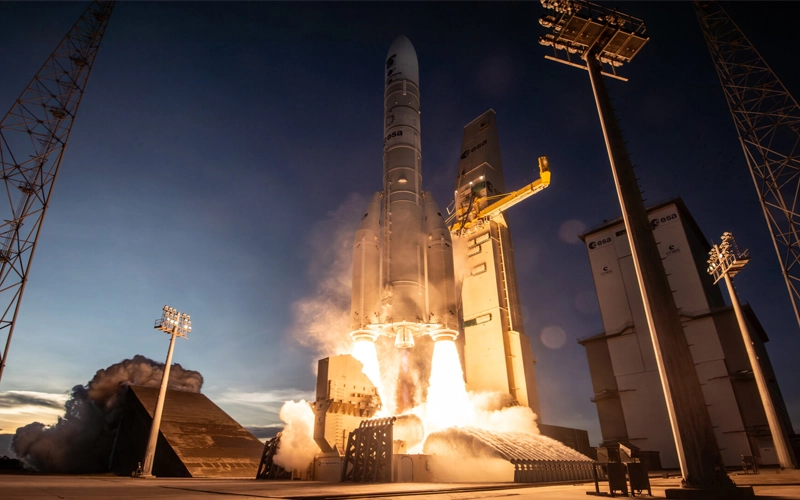
Ariane 6 Schedule Cut After Turbopump Anomaly
The European Space Agency has confirmed delays to the Ariane 6 launch schedule after an engine turbopump anomaly was discovered during ground evaluations in August. French outlet La Tribune first reported an unspecified component issue on September 17; a day later, Peter de Selding’s Space Intel Report identified the component as a turbopump.
The anomaly could limit Arianespace to just one or two additional Ariane 6 launches for the remainder of 2026, rather than the three or four extra missions previously planned. ESA declined to comment on the root cause, stating only that it was “aware of the delays.” ArianeGroup and Arianespace confirmed the 2026 mission schedule would need adjustment while additional checks are carried out within the production line.
In a separate development, ESA has confirmed that the proposed Ariane 6 Block 3 evolution, including the ICARUS lightweight upper stage, has been shelved. CNES is instead targeting 2028 for an initial hot-fire test of a subscale prototype of a future reusable high-thrust rocket engine.
LRO Finds Largest New Crater in the Solar System
Using NASA’s Lunar Reconnaissance Orbiter, a team of scientists has discovered the largest newly formed crater ever found in the solar system. Identified during a routine data-quality check, the crater has been named McGetchin.
The discovery also revealed an interesting thermal emission phenomenon at the site. Before-and-after imagery from LRO shows the roughly 38-mile-wide impact feature, providing a clear record of the event on the lunar surface.
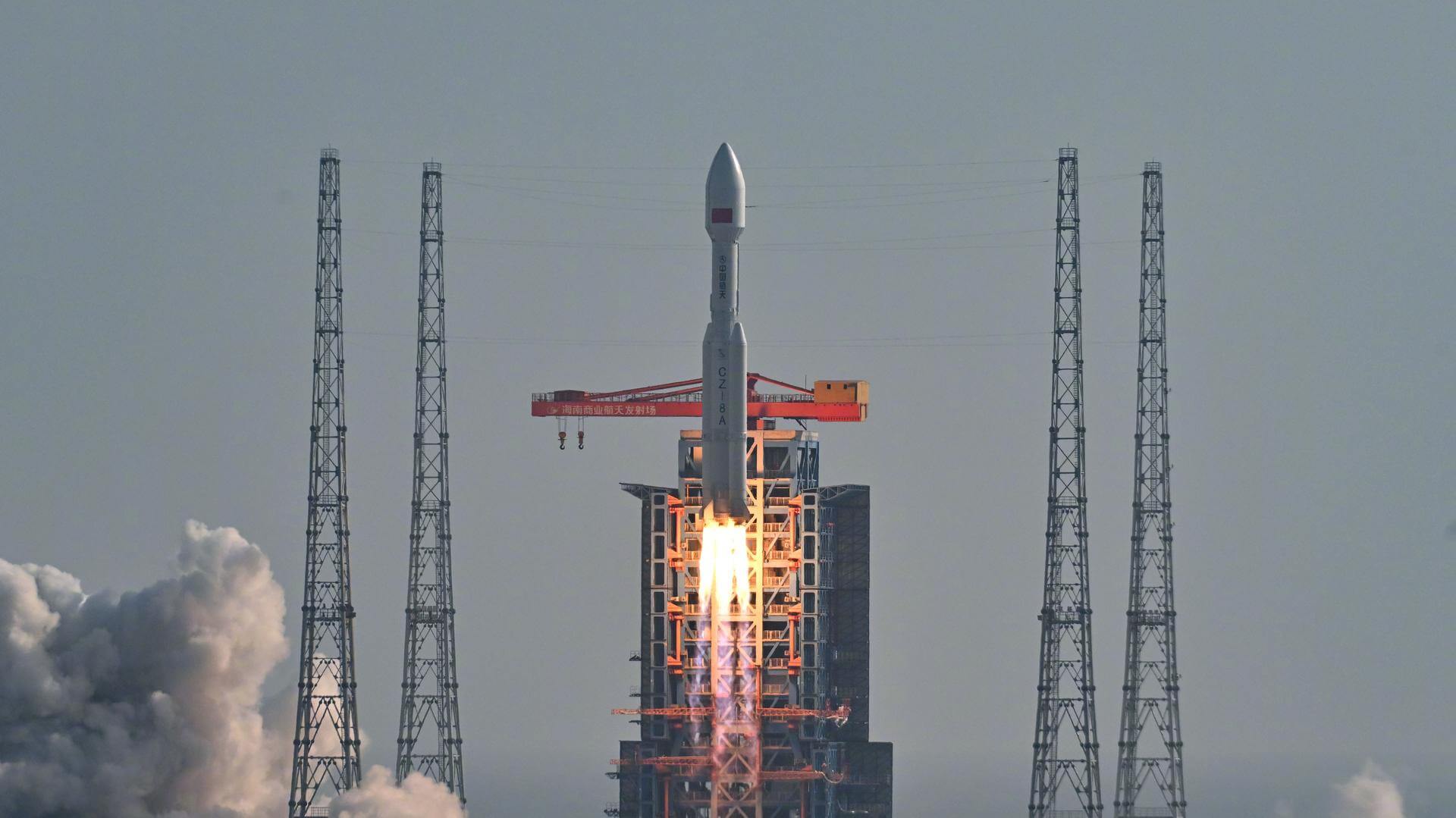
Provider: China Aerospace Science and Technology Corporation Date: September 23, 2026 Time: 1:30 PM UTC Vehicle: Long March 8A
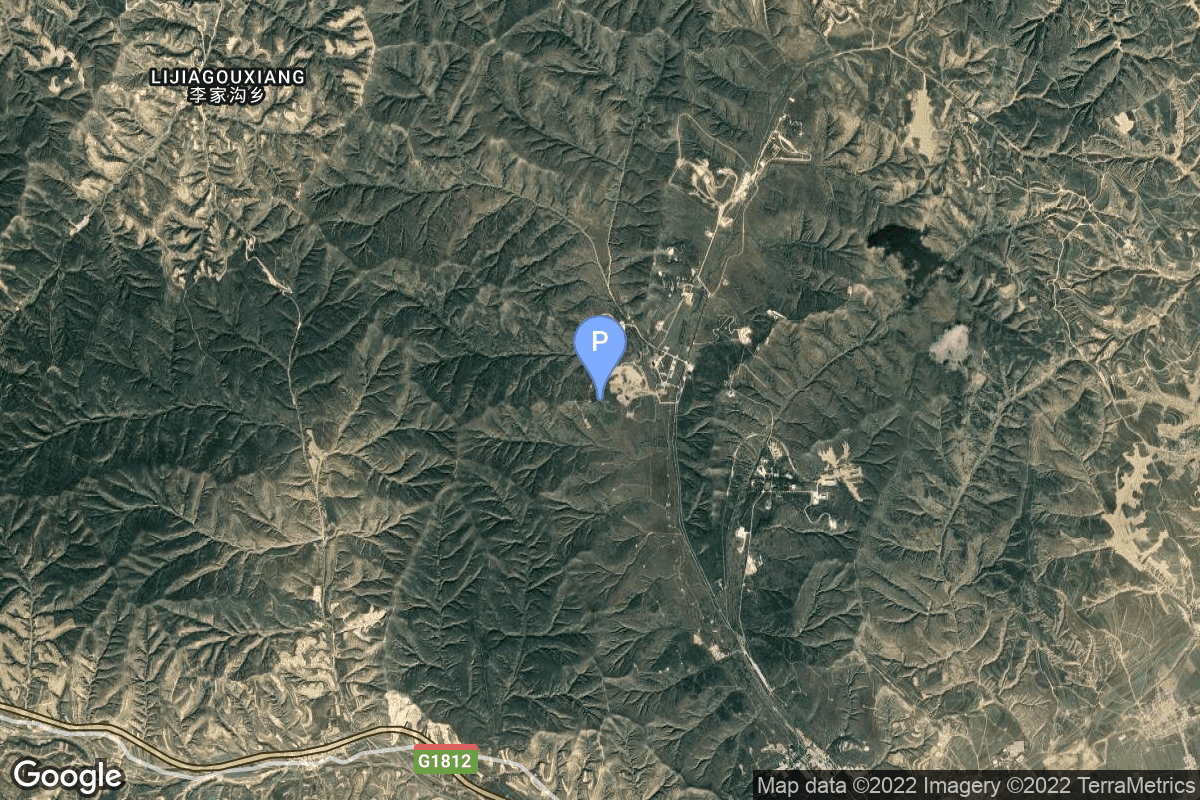
Details TBD.
Unknown Payload
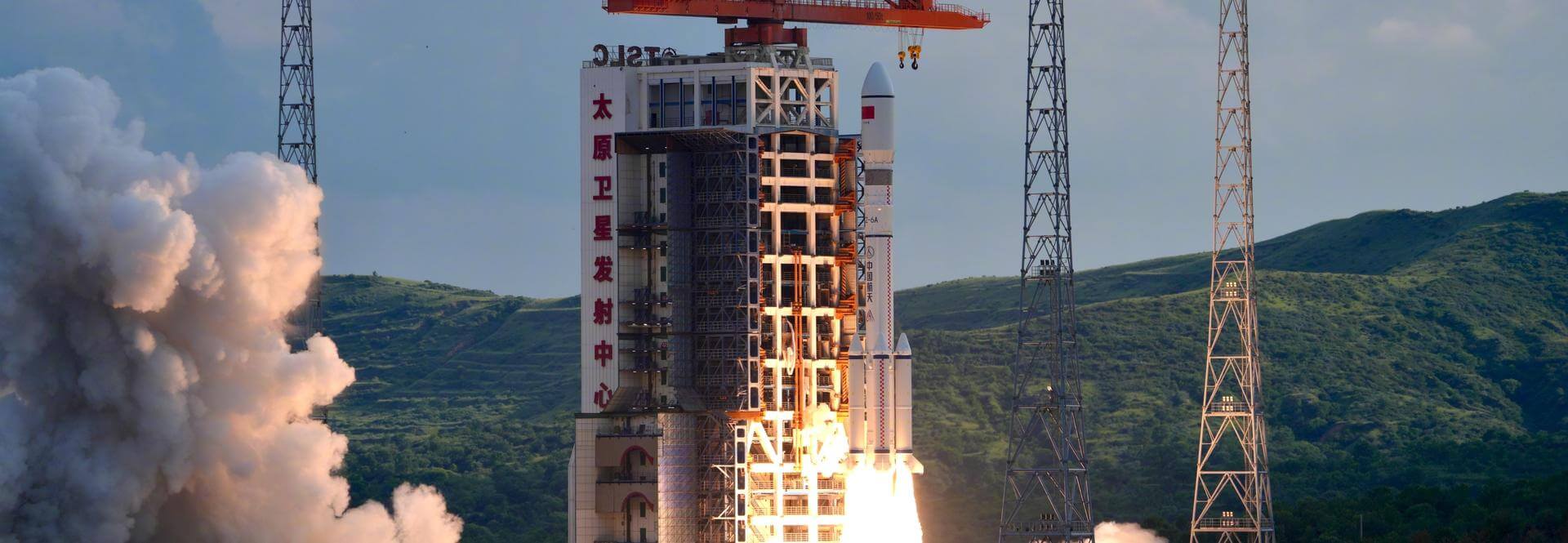
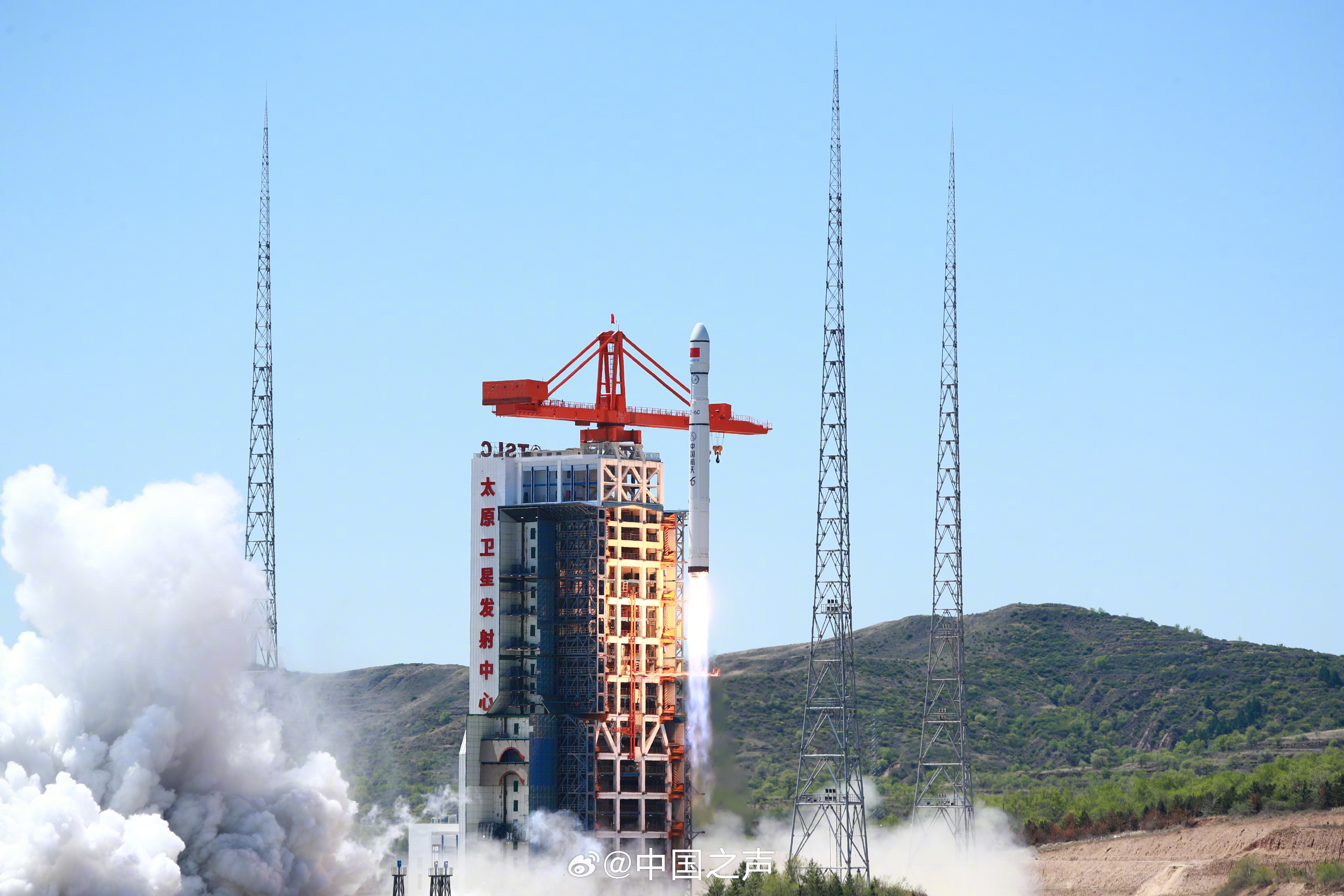
Provider: China Aerospace Science and Technology Corporation Date: September 24, 2026 Time: 8:45 AM UTC Vehicle: Long March 6A
Details TBD.
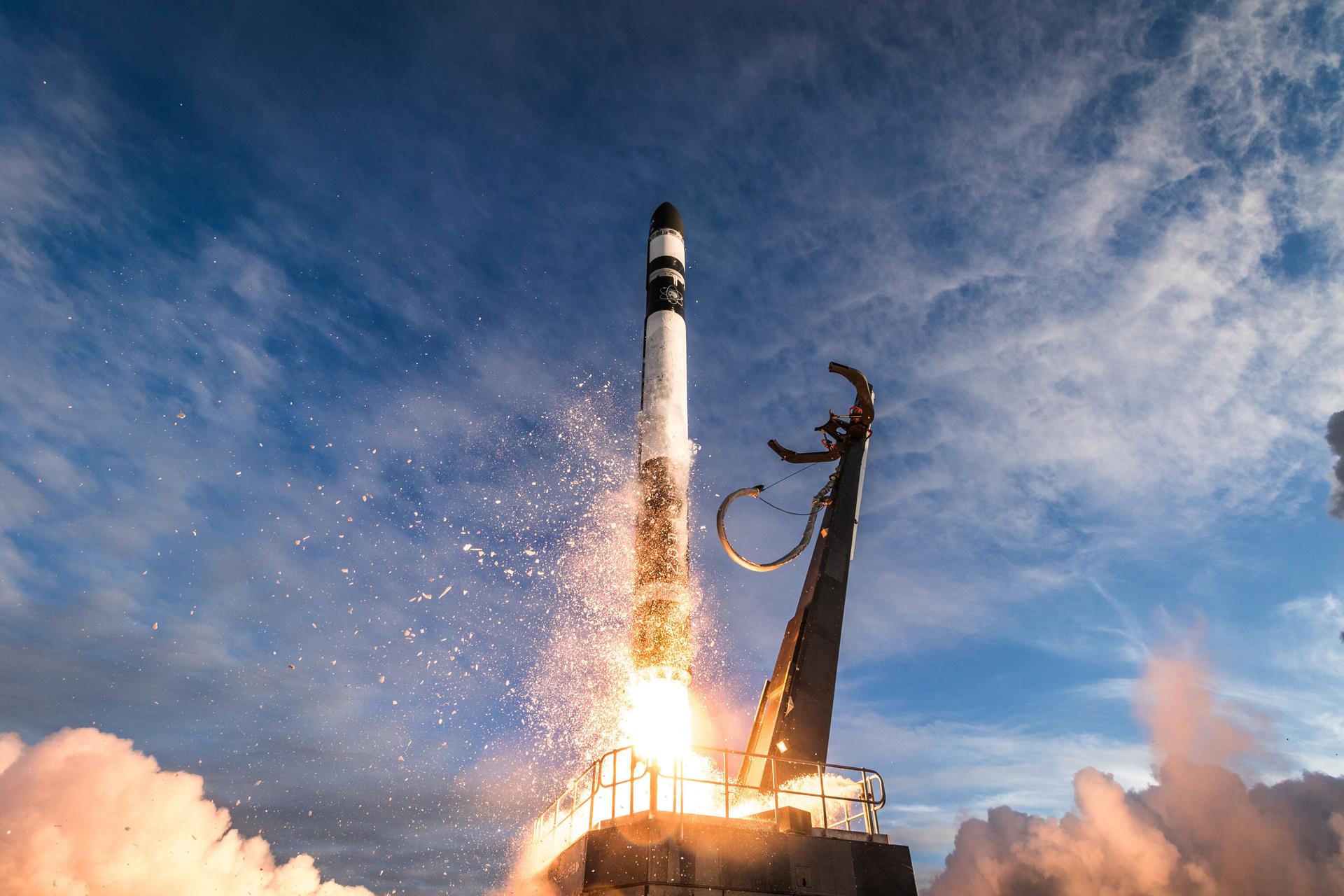
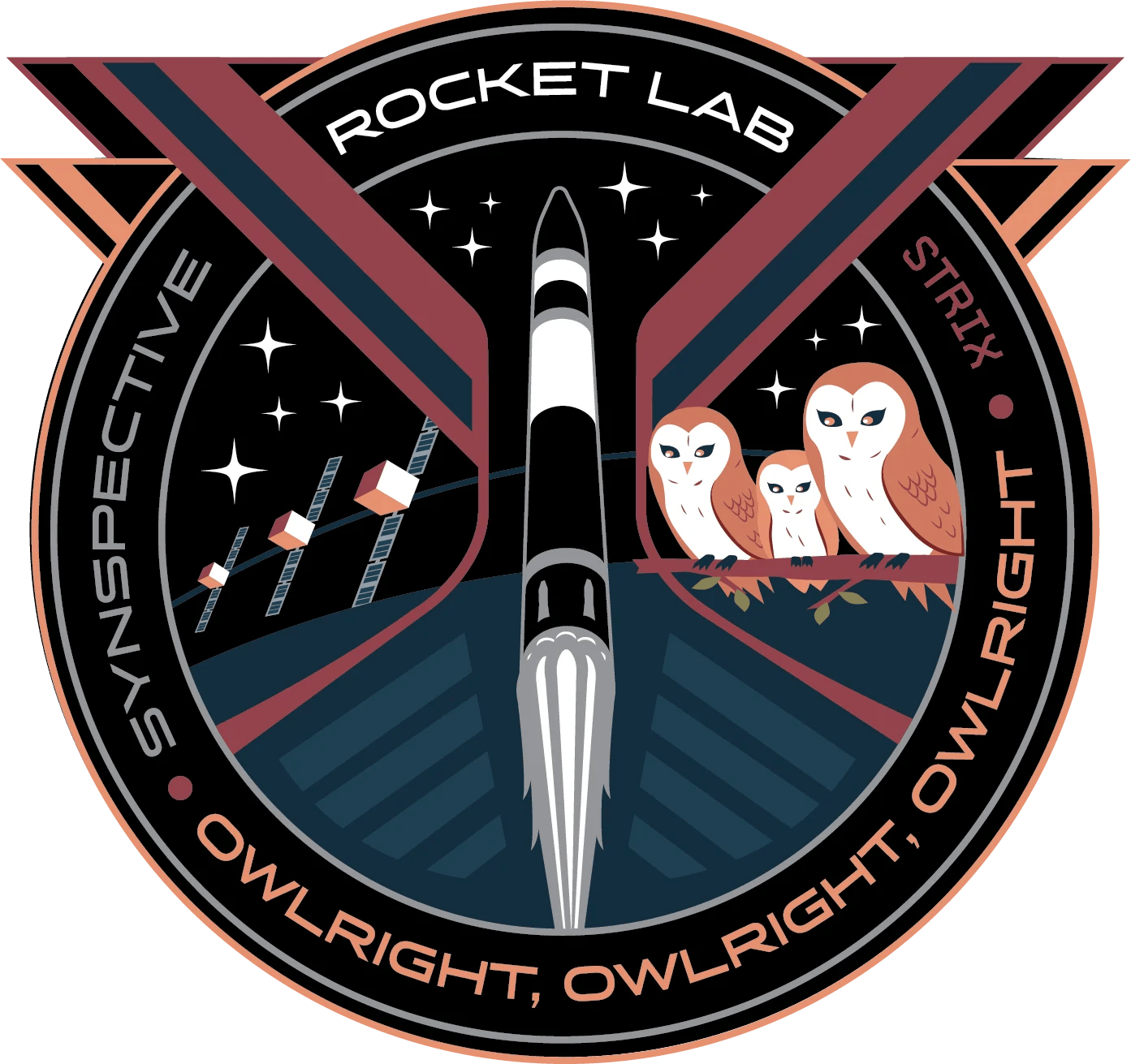
Owlright, Owlright, Owlright (StriX Launch 13)
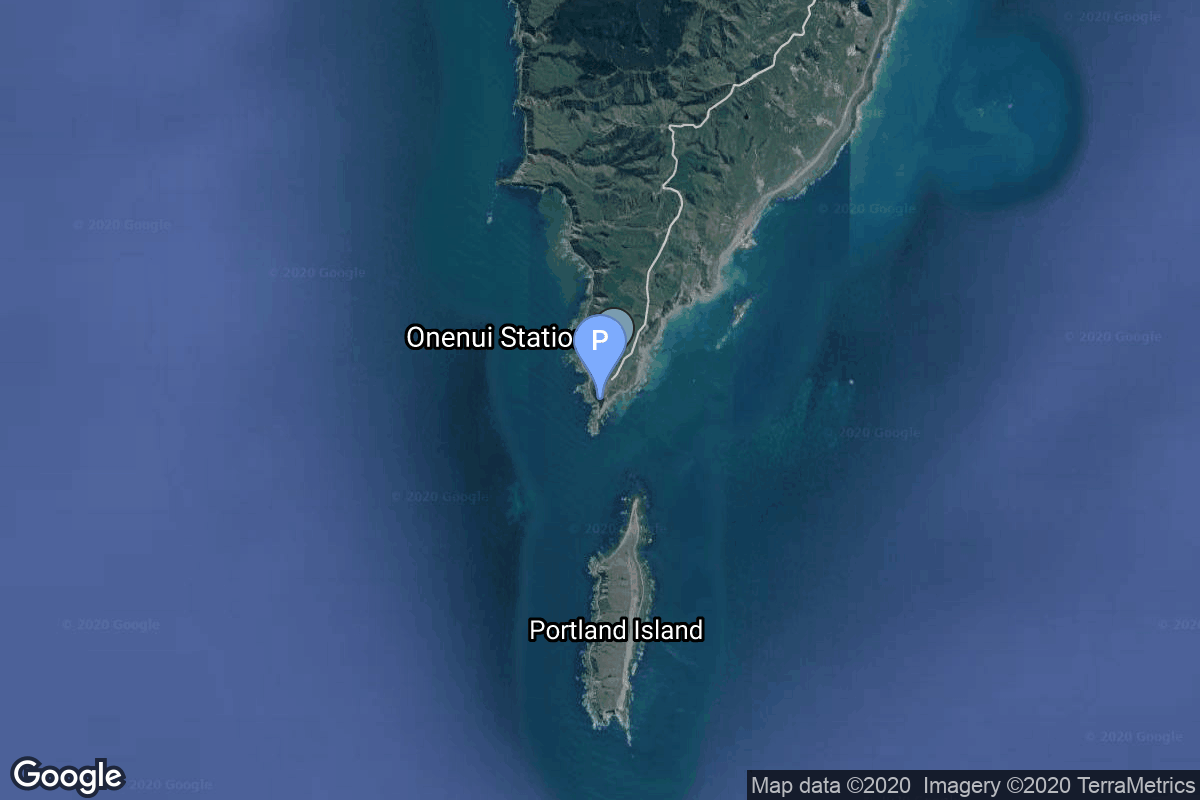
Provider: Rocket Lab Date: September 26, 2026 Time: 12:15 AM UTC Vehicle: Electron
Synthetic aperture radar satellite for Japanese Earth imaging company Synspective.
USSF-385
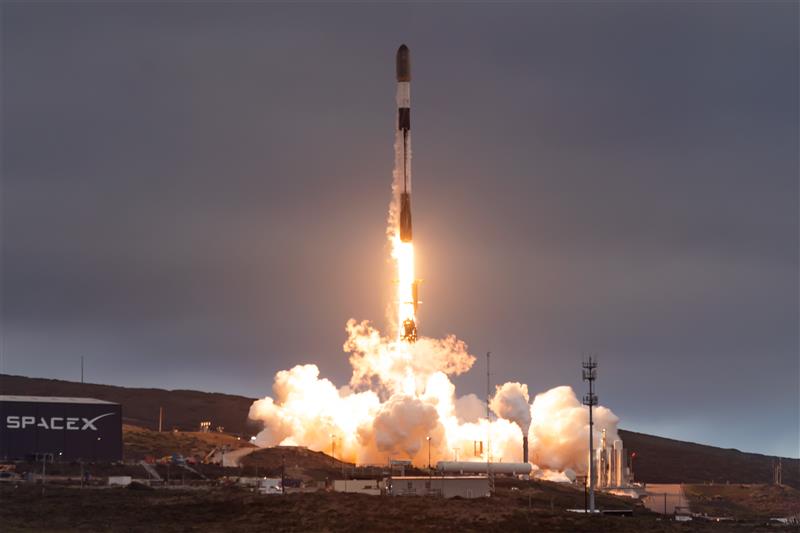
Provider: SpaceX Date: September 26, 2026 Time: 11:56 AM UTC Vehicle: Falcon 9
A classified mission for the United States Space Force. It is possibly a batch of classified LEO satellites based on SpaceX’s Starshield satellite bus, based on locations of rocket stage drop zones being exact fits with previous Starlink Group 15 launches.
Starlink Group 31-1 (Starship Flight 14)
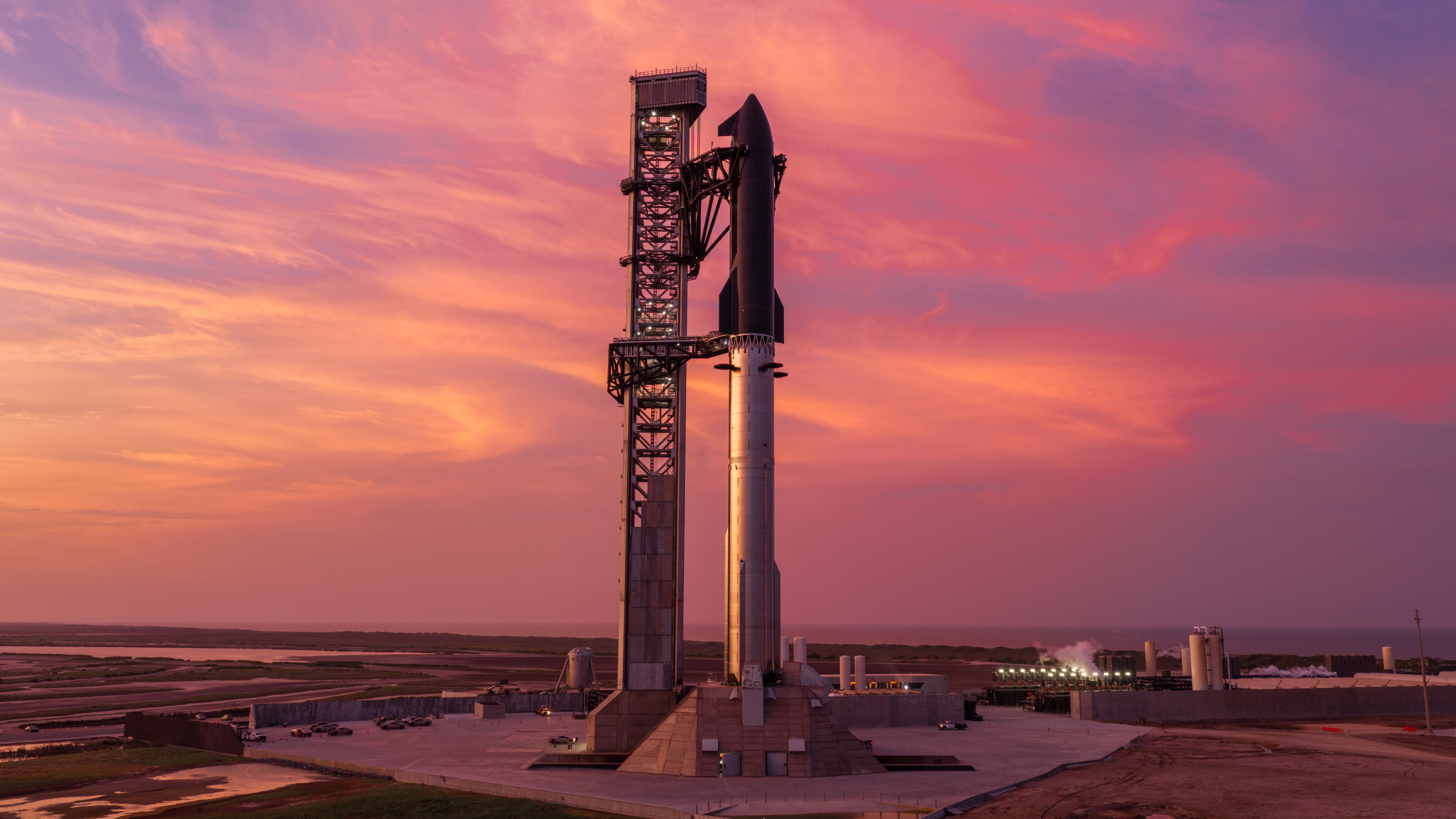
Provider: SpaceX Date: September 28, 2026 Time: 12:15 PM UTC Vehicle: Starship
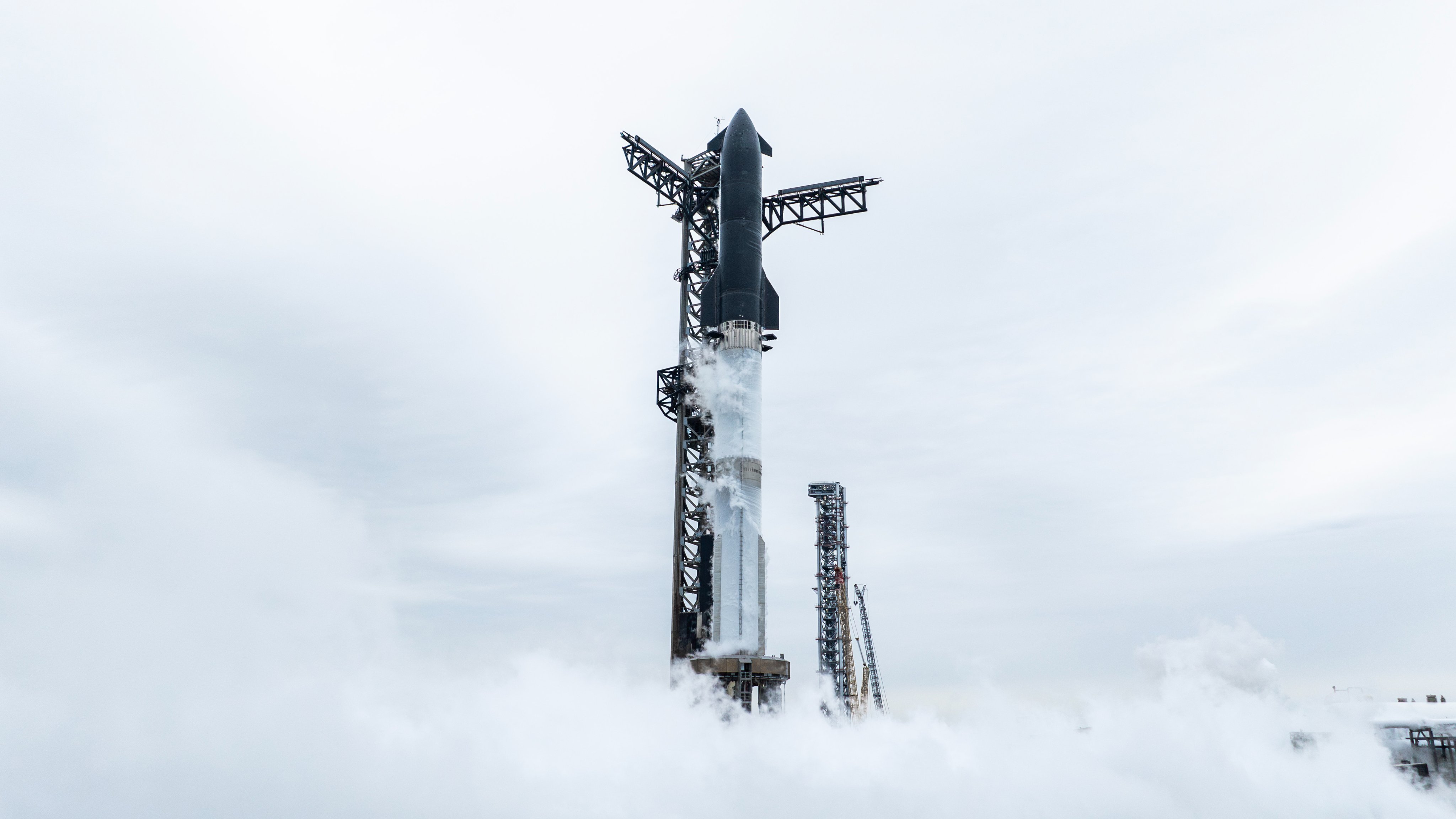
14th test flight of the two-stage Starship launch vehicle. 3rd flight of Starship V3 and the first Starship flight to deploy satellites (a group of Starlink satellites known as Starlink Group 31-1) into stable Low Earth Orbit.
The ship is expected to fly at an altitude approximately 275 km above Earth and complete approximately 6 orbits around the planet for nearly 10 hours, with splashdown targeted in the Pacific Ocean west of Chile.
The booster’s primary test objective on Flight 14 will be executing a successful launch, ascent, stage separation, boostback burn, and landing burn at an offshore landing point in the Gulf.
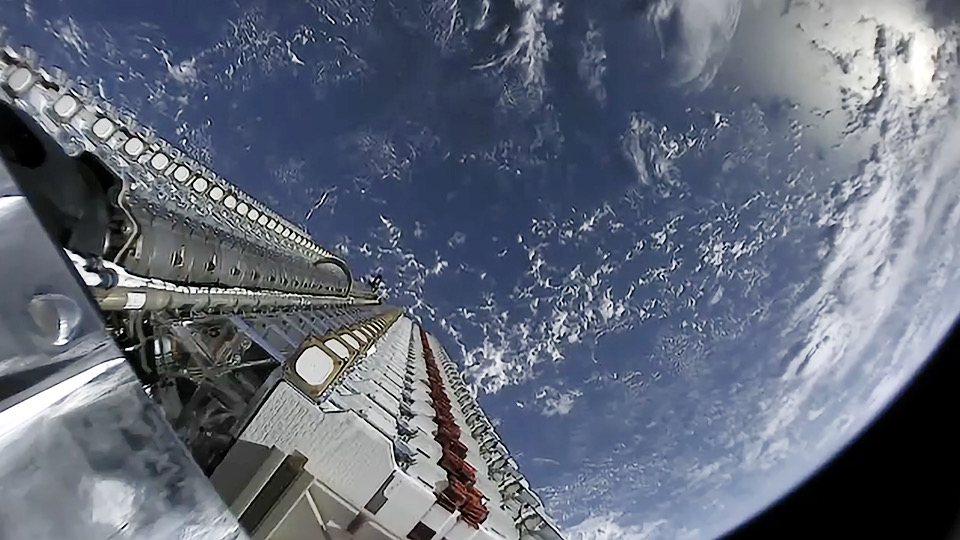
Starship will deliver 26 Starlink V3 satellites to orbit for the first time, which aim to greatly expand the network’s capacity and user speeds. Each Starlink V3 satellite will add 1 Tbps of capacity to the constellation.
Unknown Payload ×
Mission Details
TypeUnknown
OrbitUnknown
TargetEarth
Details TBD.
Launch Provider: China Aerospace Science and Technology Corporation
The Long March 8A is an orbital launch vehicle developed by the China Academy of Launch Vehicle Technology based on the Long March 8. It has an increased capability of up to 7 tonnes to a 700 km altitude sun-synchronous orbit. It implements a larger 3.35 meters diameter liquid hydrogen/liquid…
The Long March 6A is a Chinese launch vehicle of the Long March family, which was developed by the China Aerospace Science and Technology Corporation (CASC) and the Shanghai Academy of Spaceflight Technology (SAST). The vehicle is a further development of the Long March 6, with 2 YF-100 engines on…
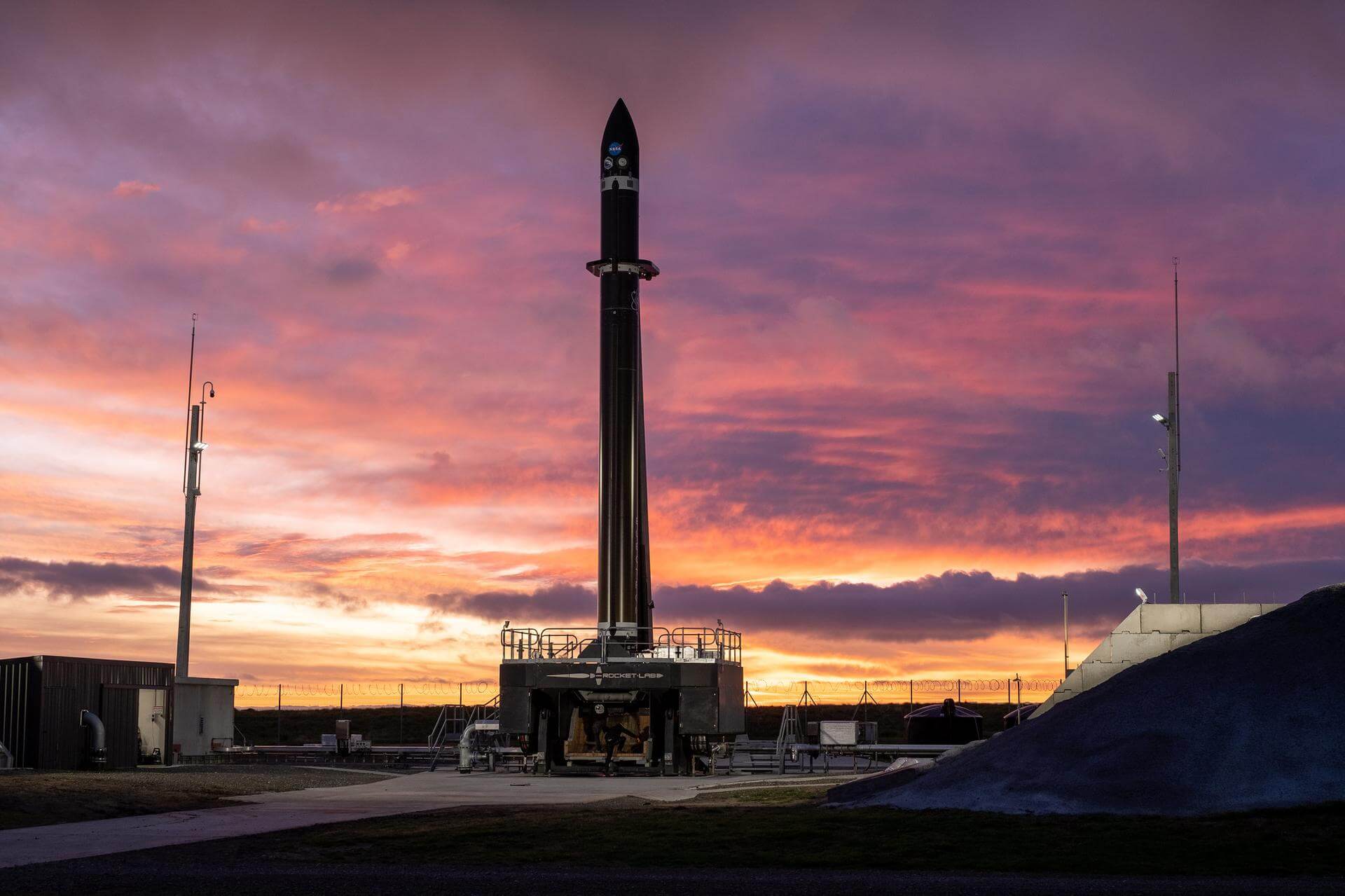
Electron is a two-stage orbital expendable launch vehicle (with an optional third stage) developed by the American aerospace company Rocket Lab. Electron is a small-lift launch vehicle designed to launch small satellites and cubesats to sun-synchronous orbit and low earth orbit. The Electron is the…
A classified mission for the United States Space Force. It is possibly a batch of classified LEO satellites based on SpaceX’s Starshield satellite bus, based on locations of rocket stage drop zones being exact fits with previous Starlink Group 15 launches.
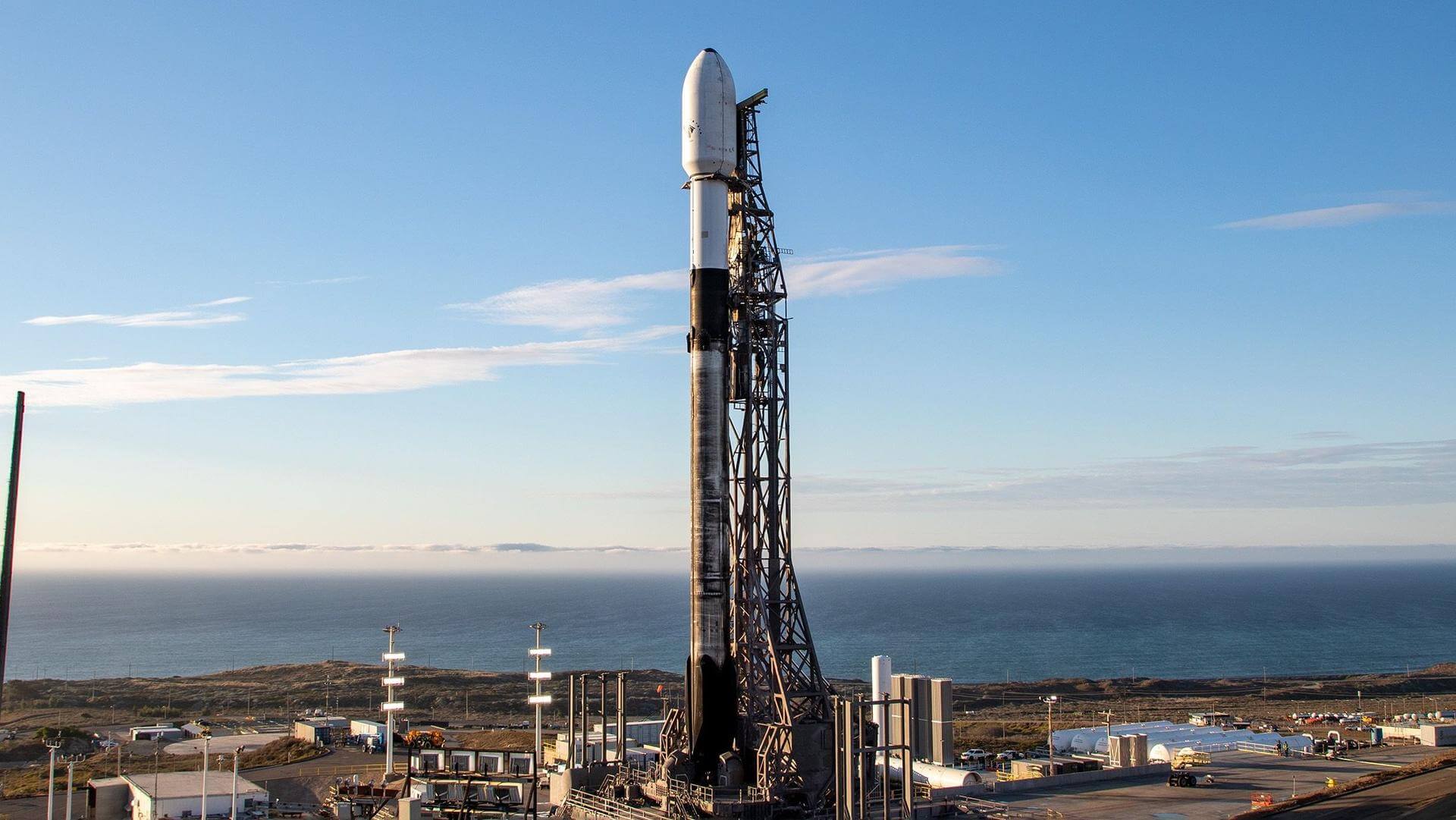
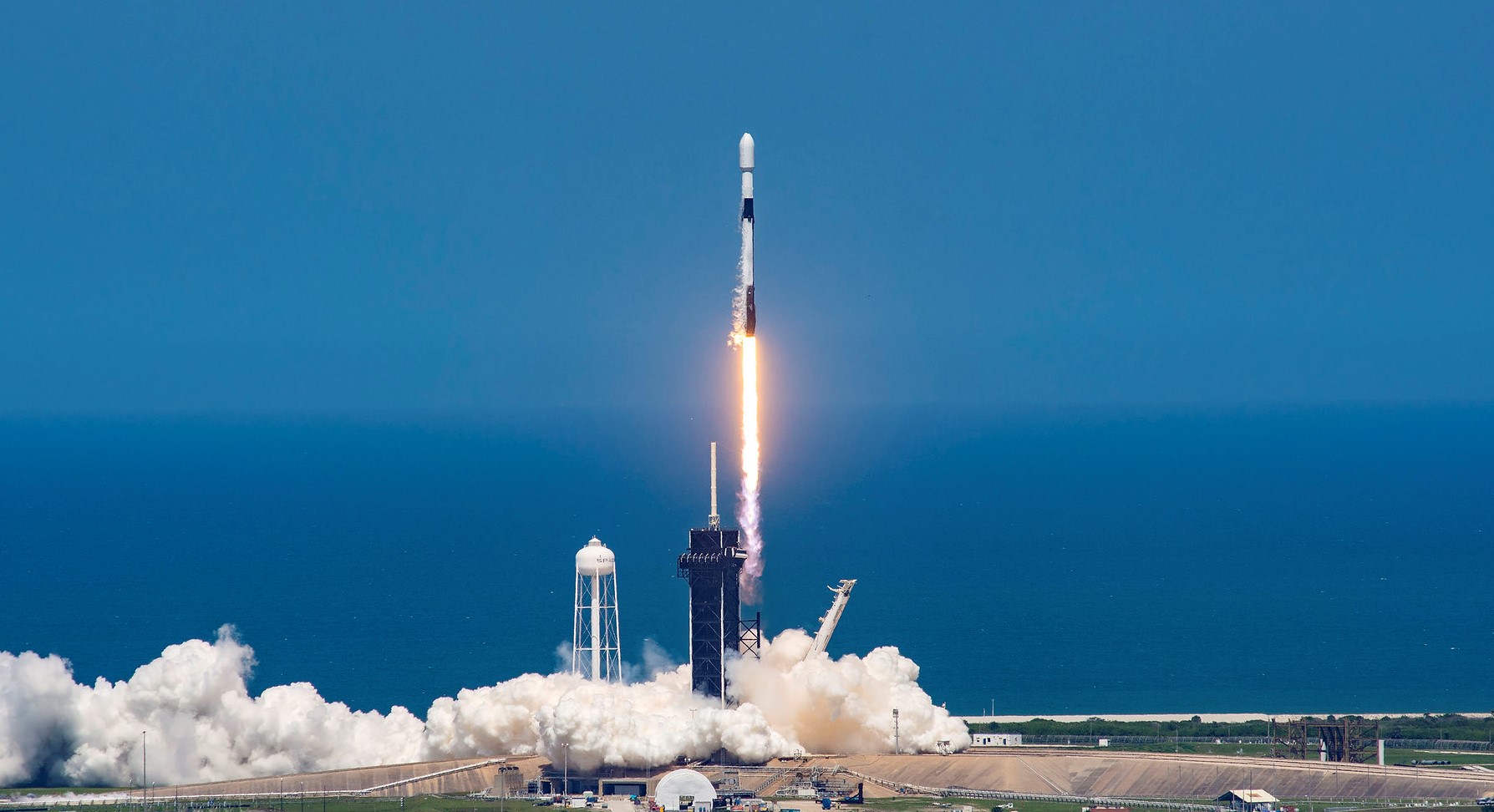
Falcon 9 is a two-stage rocket designed and manufactured by SpaceX for the reliable and safe transport of satellites and the Dragon spacecraft into orbit. The Block 5 variant is the fifth major interval aimed at improving upon the ability for rapid reusability.
The Falcon 9 first stage B1100 will land on ASDS OCISLY after its 10th flight.
Starlink Group 31-1 (Starship Flight 14) ×
Mission Details
TypeCommunications
OrbitLow Earth Orbit
TargetEarth
14th test flight of the two-stage Starship launch vehicle. 3rd flight of Starship V3 and the first Starship flight to deploy satellites (a group of Starlink satellites known as Starlink Group 31-1) into stable Low Earth Orbit.
The ship is expected to fly at an altitude approximately 275 km above Earth and complete approximately 6 orbits around the planet for nearly 10 hours, with splashdown targeted in the Pacific Ocean west of Chile.
The booster’s primary test objective on Flight 14 will be executing a successful launch, ascent, stage separation, boostback burn, and landing burn at an offshore landing point in the Gulf.
Starship will deliver 26 Starlink V3 satellites to orbit for the first time, which aim to greatly expand the network’s capacity and user speeds. Each Starlink V3 satellite will add 1 Tbps of capacity to the constellation.
The SpaceX Starship is a fully reusable super heavy-lift launch vehicle under development by SpaceX since 2012, as a self-funded private spaceflight project. The second stage of the Starship — is designed as a long-duration cargo and passenger-carrying spacecraft. It is expected to be initially used without any booster stage at all, as part of an extensive development program to prove out launch-and-landing and iterate on a variety of design details, particularly with respect to the vehicle’s atmospheric reentry.
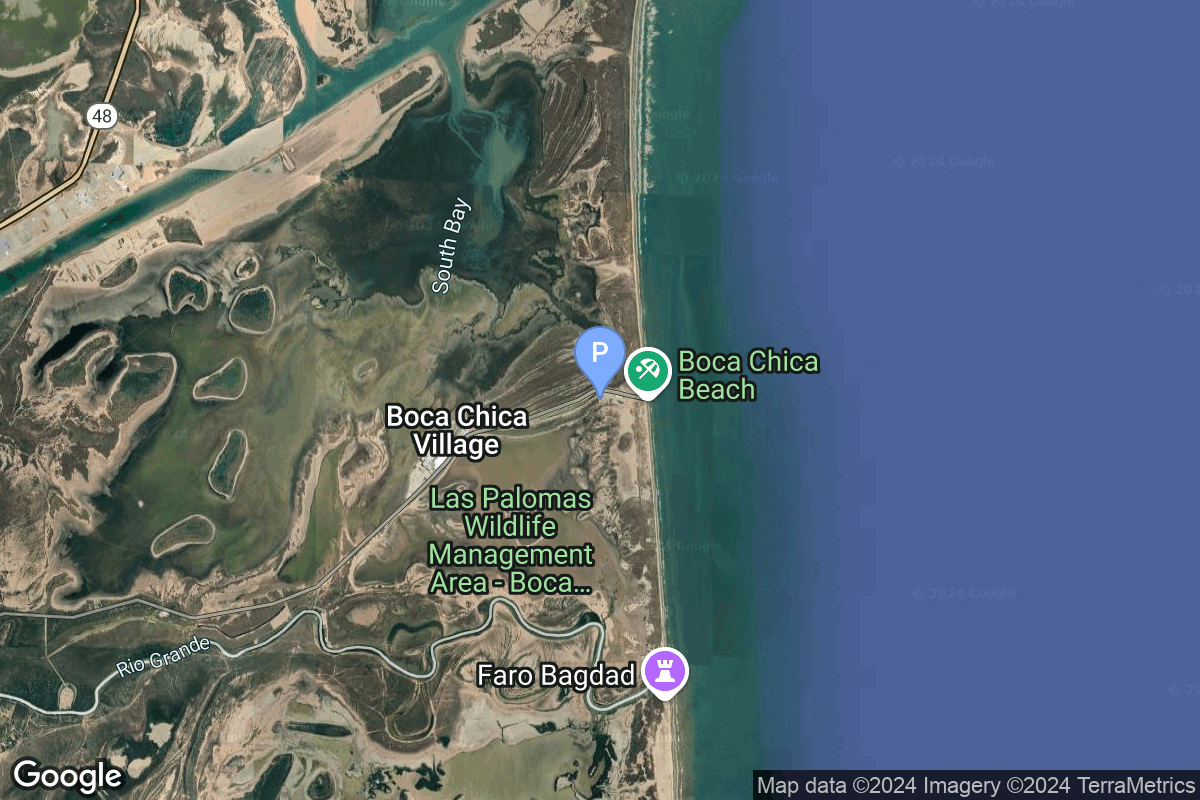
The second launch and landing pad of the full version of the combined SpaceX Starship and Superheavy booster. To be first used for launch in 2025 with version 3 of Starship and the Superheavy…
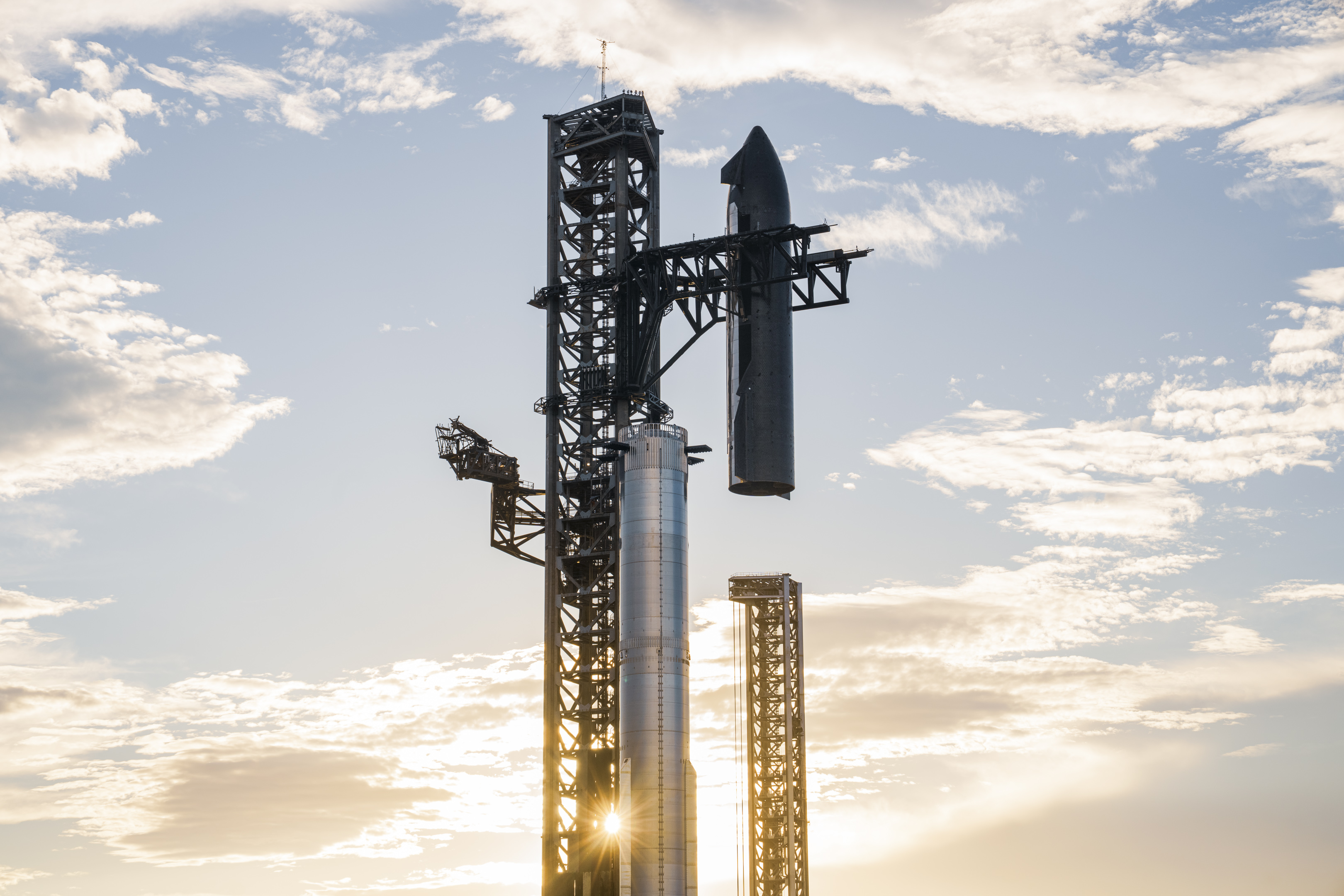
The Super Heavy Booster 21 will attempt to perform a soft splashdown in the Gulf of Mexico.
Spacecraft: Ship 41
Third V3 Starship to fly with various enhancements, to be used on the 14th Starship test flight, the first Starship flight to deploy satellites into stable Low Earth Orbit.
Specifications
SerialS41
TypeReuseable Upper Stage
StatusActive
DestinationLow Earth Orbit
Height52.1 m
Diameter9 m
Maiden Flight2026-05-22
History
The third-generation Starship upper stage will be introduced on flight 12.
Capability
More than 100 tons to Earth orbit
Details
Third-generation second stage of the two-stage Starship super heavy-lift launch vehicle.
Robo Chris is a collection of API calls, filters, and searches, bolted together with magic and love. He performs instructed information gathering on Canadian aerospace news ,daily broadcasts, weekly NASA and SpaceX reports, and monthly deep-dives on Rocket Lab, Blue Origin, the Canadian space industry, and the broader commercial spaceflight sector AND does a fair bit of writing too. Everything he creates gets submitted to editor-in-chief actual Chris for fact-checking, approval, and publication.










Leave a Reply