Canada Takes Dark Vessel Detection to Mexican Waters
The Government of Canada has committed $7 million to expand the Dark Vessel Detection program into Mexican waters. Minister of Foreign Affairs Anita Anand announced the funding following bilateral meetings in Ottawa with Roberto Velasco, Mexico’s Secretary of Foreign Affairs.
The initiative allows Mexican authorities to access data from the government-owned RADARSAT Constellation Mission and commercial assets including MDA Space’s RADARSAT-2 to locate ships that disable their automatic identification systems and operate undetected. Fisheries and Oceans Canada manages the program with support from the Defence Research and Development Canada (DRDC). MDA Space provides the underlying platform and synthetic aperture radar data, which can scan the ocean surface in any weather, day or night.
According to Global Affairs Canada, the investment aims “to protect ocean biodiversity and sustainable fisheries livelihoods in coastal communities.” Ships that disable their location transponders to evade authorities — the programme’s namesake dark vessels — are pinpointed using Canadian radar satellites layered with optical imagery from international commercial partners.
The Dark Vessel Detection program has previously assisted island nations in the Indo-Pacific and South America. The expansion to Mexico falls under the Canada-Mexico Action Plan, and in recent years MDA Space has secured contract extensions to provide geointelligence for the initiative.
Katalyst Link Enters Multi-Axis Spin on Swift Reboost Mission
Katalyst Space Technologies’ Link spacecraft, launched on July 3 to attempt a reboost of NASA’s Neil Gehrels Swift Observatory, is in a multi-axis spin that has disrupted communications and put the mission in question.
In a July 28 update posted on social media, Katalyst said Link had been in the spin state “over the last 72 hours,” causing a “temporary loss of communications and subsequent bus reset.” The company reported that two of the three reaction wheels used for attitude control are not functioning, and the spacecraft’s reaction control system thrusters are only partially working.
Link launched aboard a Pegasus XL into low Earth orbit on a mission to rendezvous and dock with Swift, a gamma-ray observatory in a decaying orbit expected to re-enter late this year or early next year without intervention. NASA awarded Katalyst a $30 million contract in September 2025 to attempt the reboost.
The July 28 update follows a July 15 statement in which Katalyst reported initial post-launch checkouts, including attitude control and communications anomalies that the team addressed with software patches. Those fixes, the company said at the time, had “restored reliable communications and enabled three-axis stabilized attitude control, allowing LINK to accurately point and orient itself in space.” No further updates have been shared since the July 28 disclosure.
ESA Opens Tender to Repurpose Lunar Link
ESA issued an invitation to tender on July 27 for studies into repurposing Lunar Link, the communications module developed for NASA’s Gateway station, as a standalone lunar communications asset. The agency plans to award up to two parallel firm-fixed-price contracts, each worth up to 3 million euros ($3.4 million).
The call follows a decision by ESA member states at the 347th Council meeting on June 16 and 17 to assess alternatives after NASA paused Gateway deployment in March. Studies will examine whether Lunar Link could complement and serve as a precursor to the agency’s Moonlight programme, a planned constellation providing communications and navigation services for lunar missions.
Contractors will be expected to use an existing satellite platform that is already qualified or requires minimal modification to host the Lunar Link hardware. ESA has scoped the work as fast-track Phase A/B1 studies lasting no more than 12 months. Phase A covers candidate lunar orbits and spacecraft configurations, with a Preliminary Concept Review about four months in. Phase B1 refines the concept ahead of an Intermediate System Requirements Review around 11 months after kickoff.
Thales Alenia Space France (TAS-FR), which developed Lunar Link, is a mandatory subcontractor; ESA recommends at least 750,000 euros of each contract be reserved for its work. ESA awarded TAS-FR a 296 million euro contract in 2021 to develop both Lunar Link and Lunar View, a combined communications and refuelling contribution to Gateway.
Flight hardware is already at an advanced stage. A Thales Alenia Space spokesperson told SpaceNews the complete Lunar Link payload, including all flight equipment, has been integrated and has successfully completed functional and environmental testing. A final antenna deployment test remains.
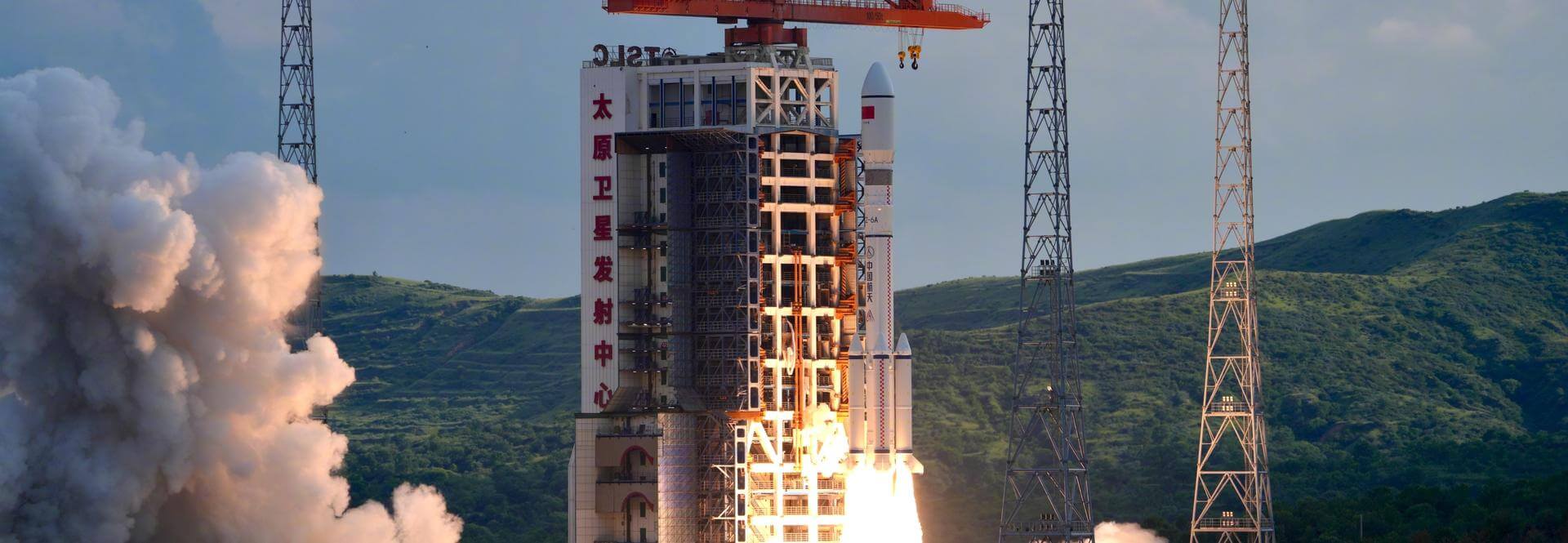
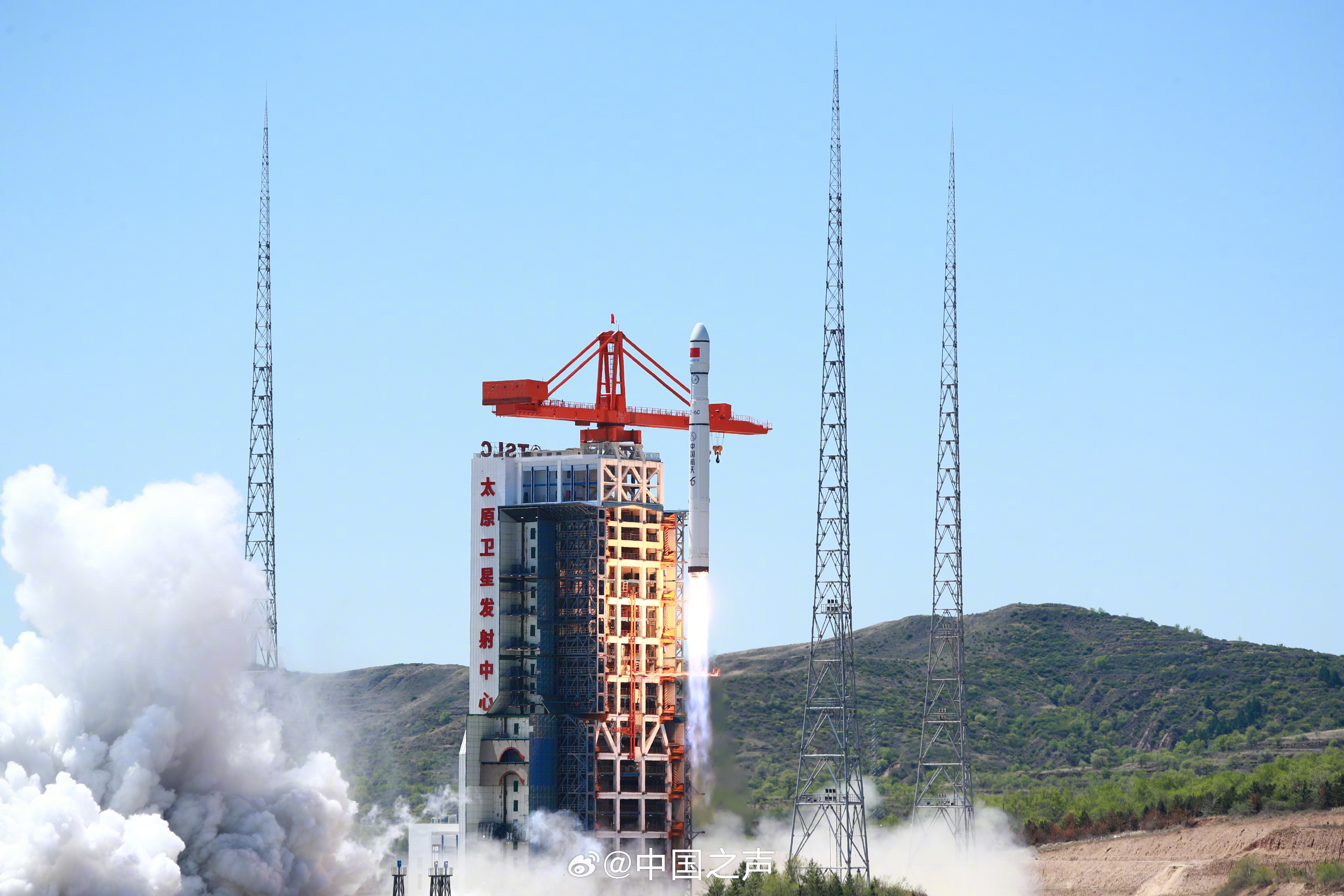
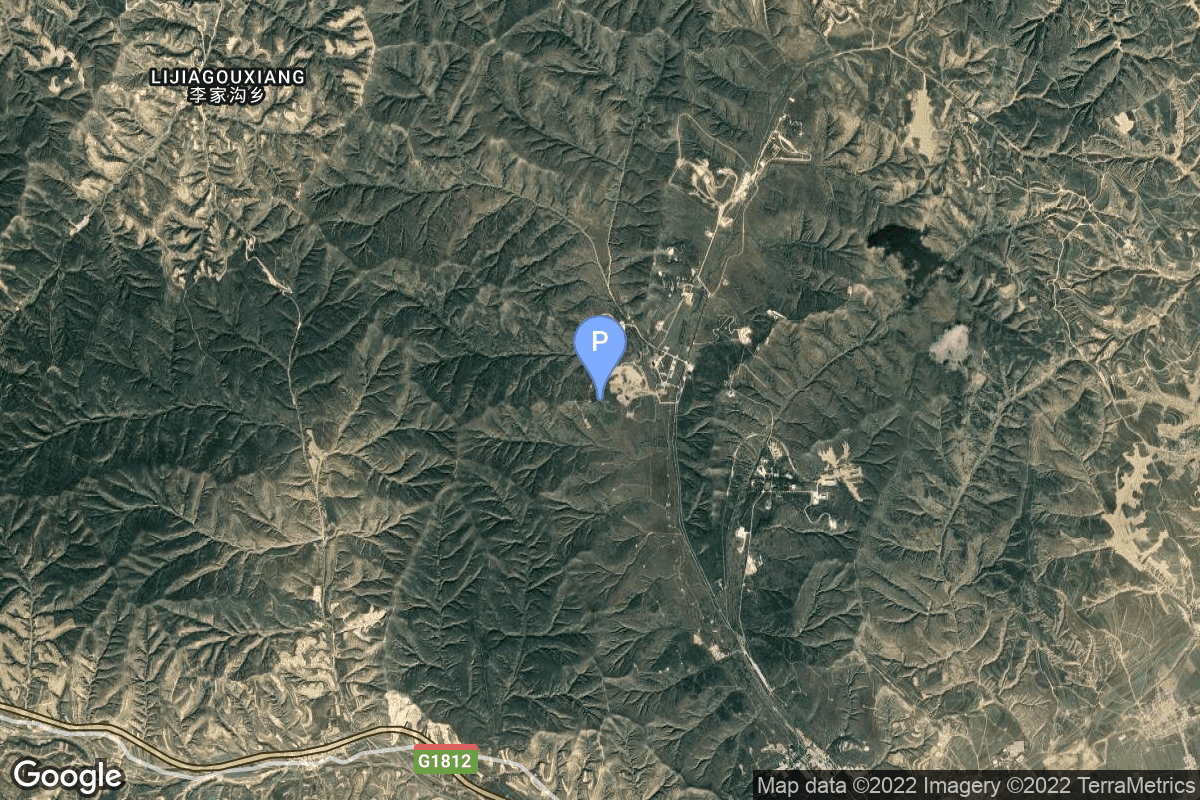
The Long March 6A is a Chinese launch vehicle of the Long March family, which was developed by the China Aerospace Science and Technology Corporation (CASC) and the Shanghai Academy of Spaceflight Technology (SAST). The vehicle is a further development of the Long March 6, with 2 YF-100 engines on…
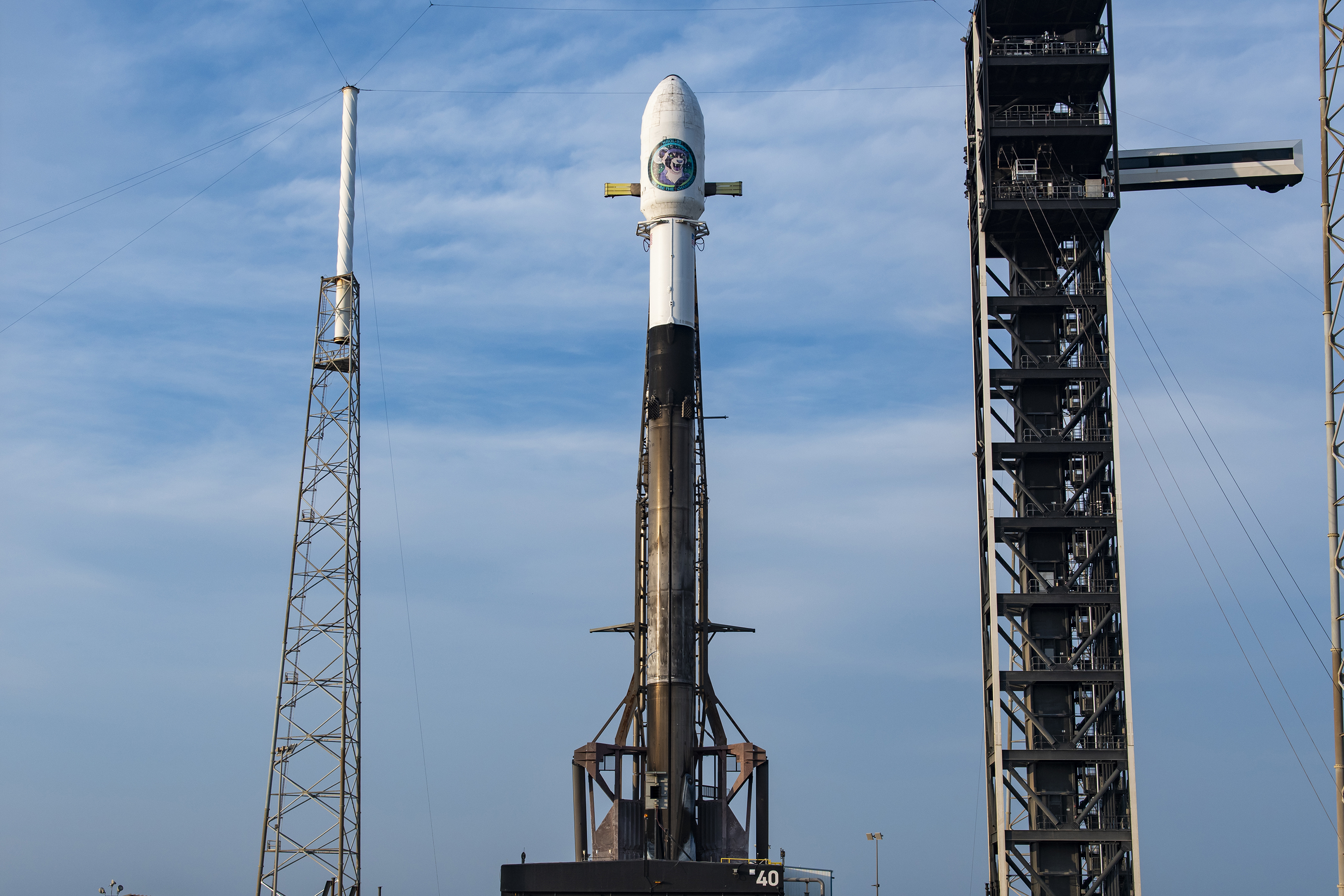
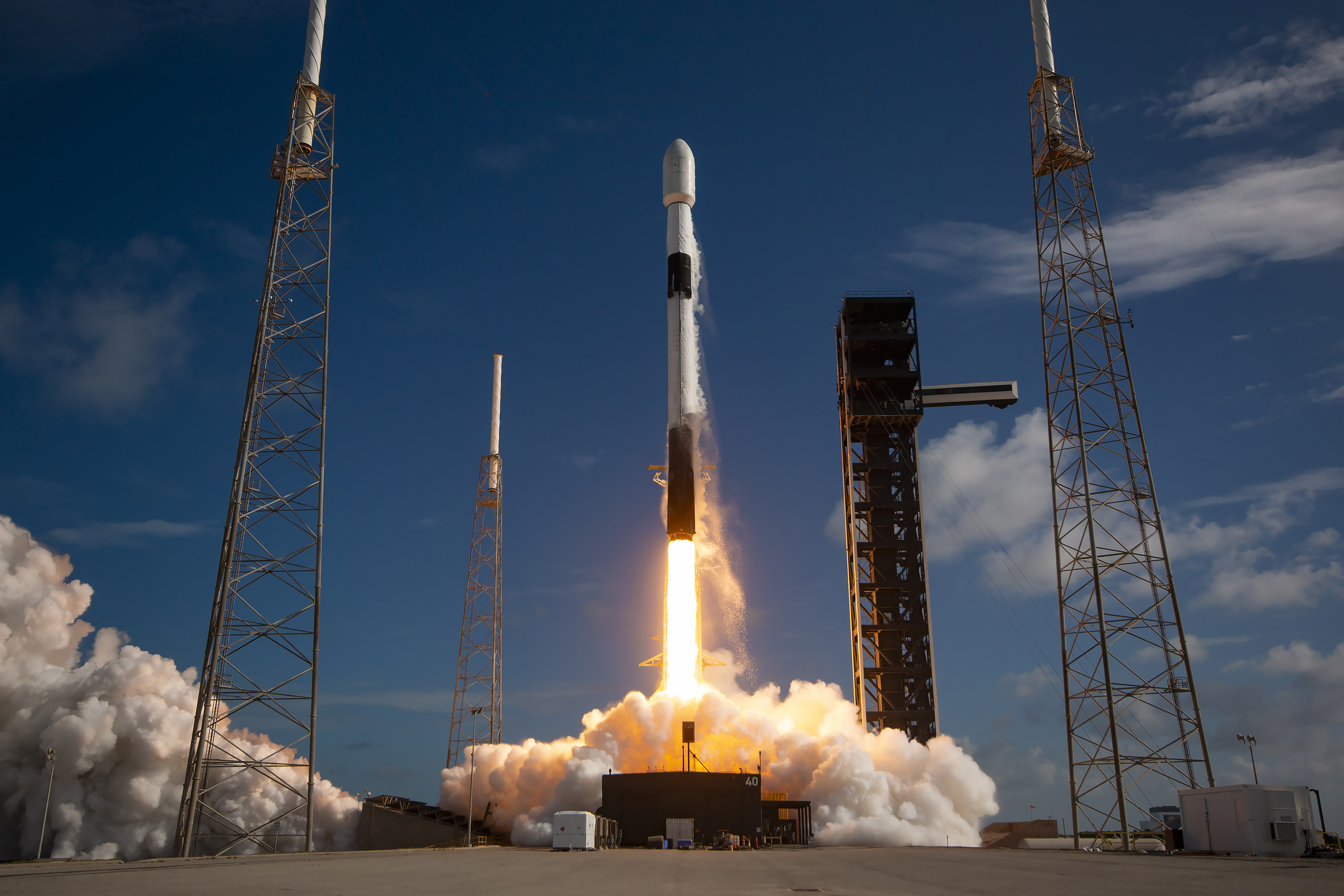
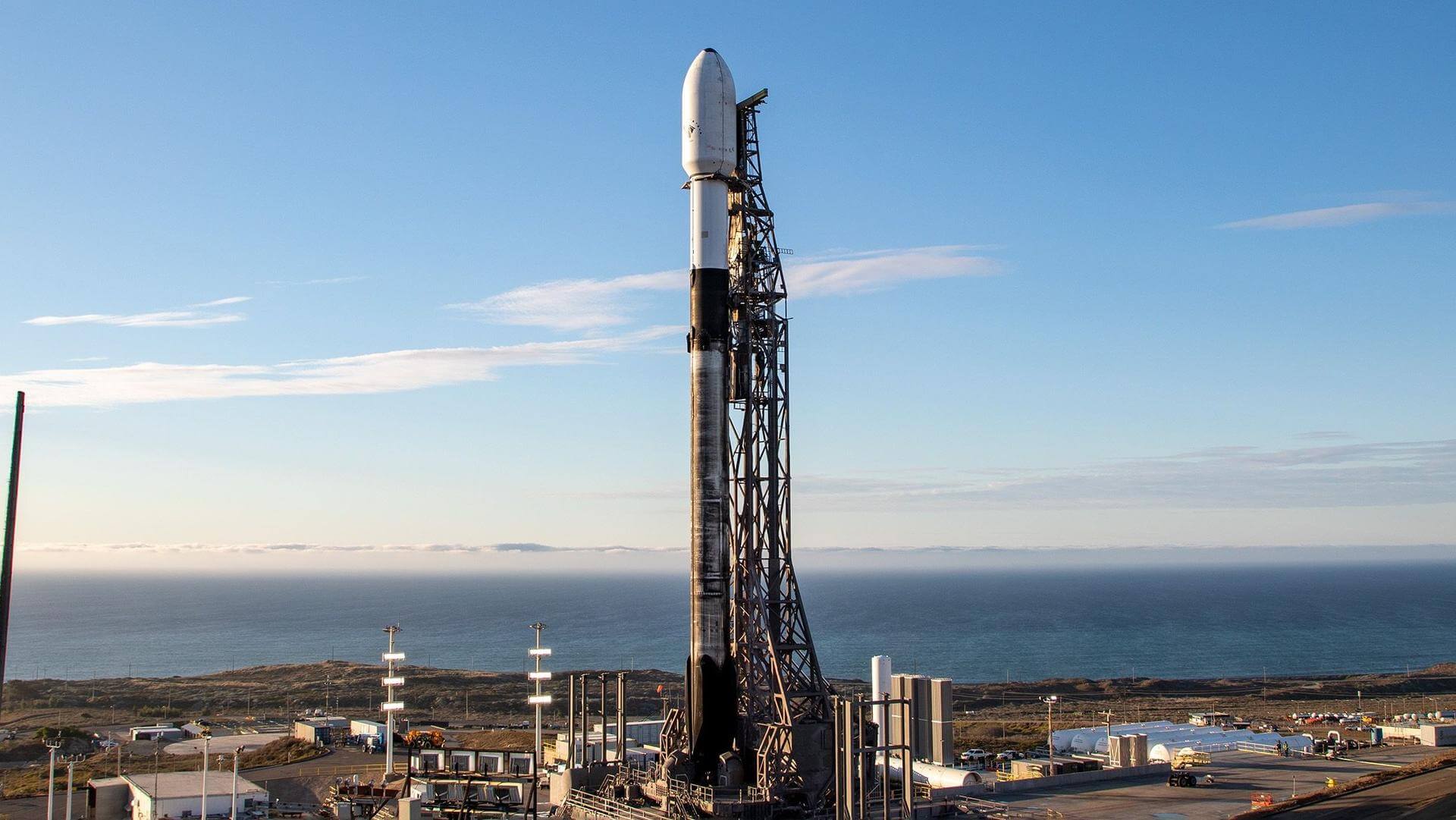
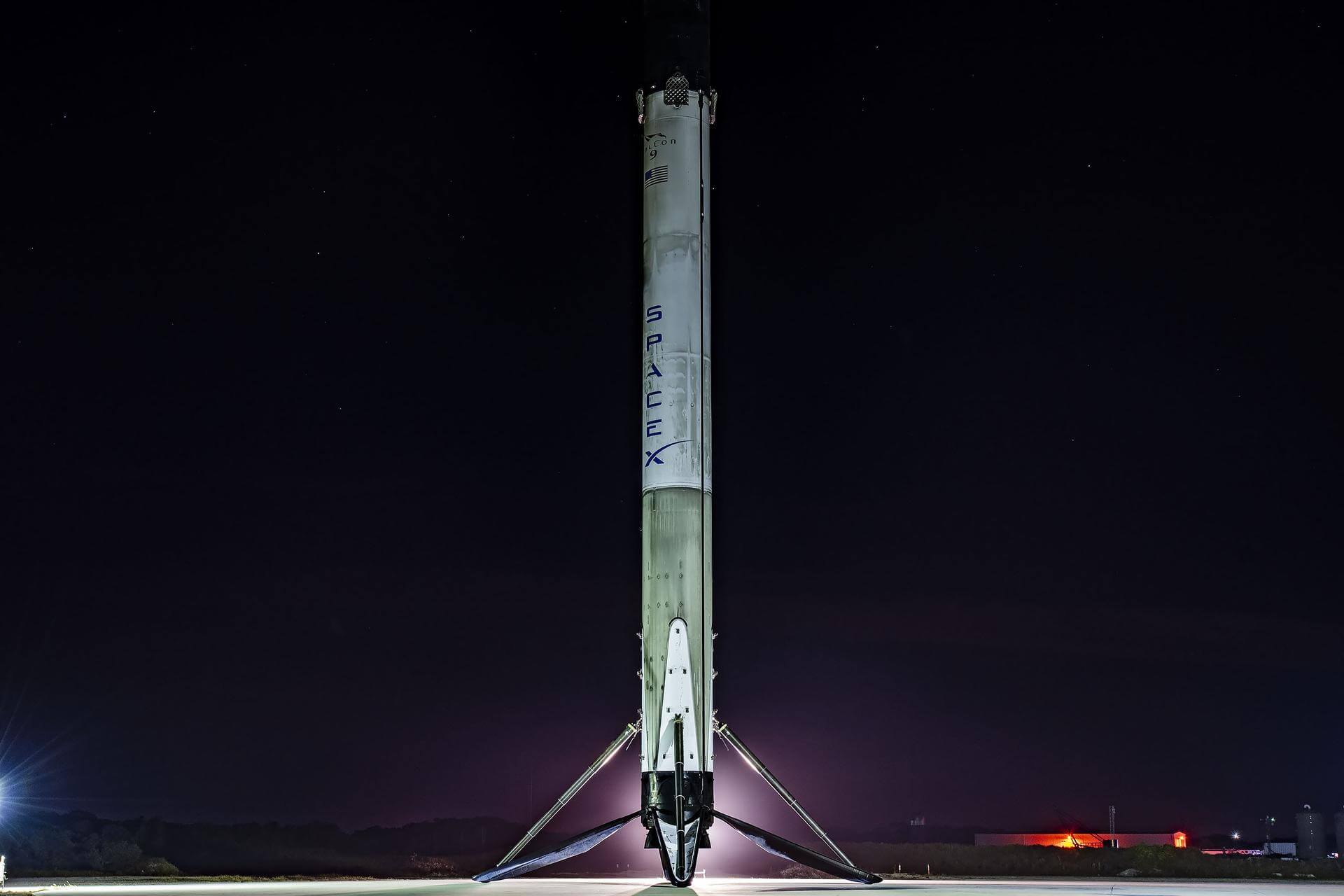
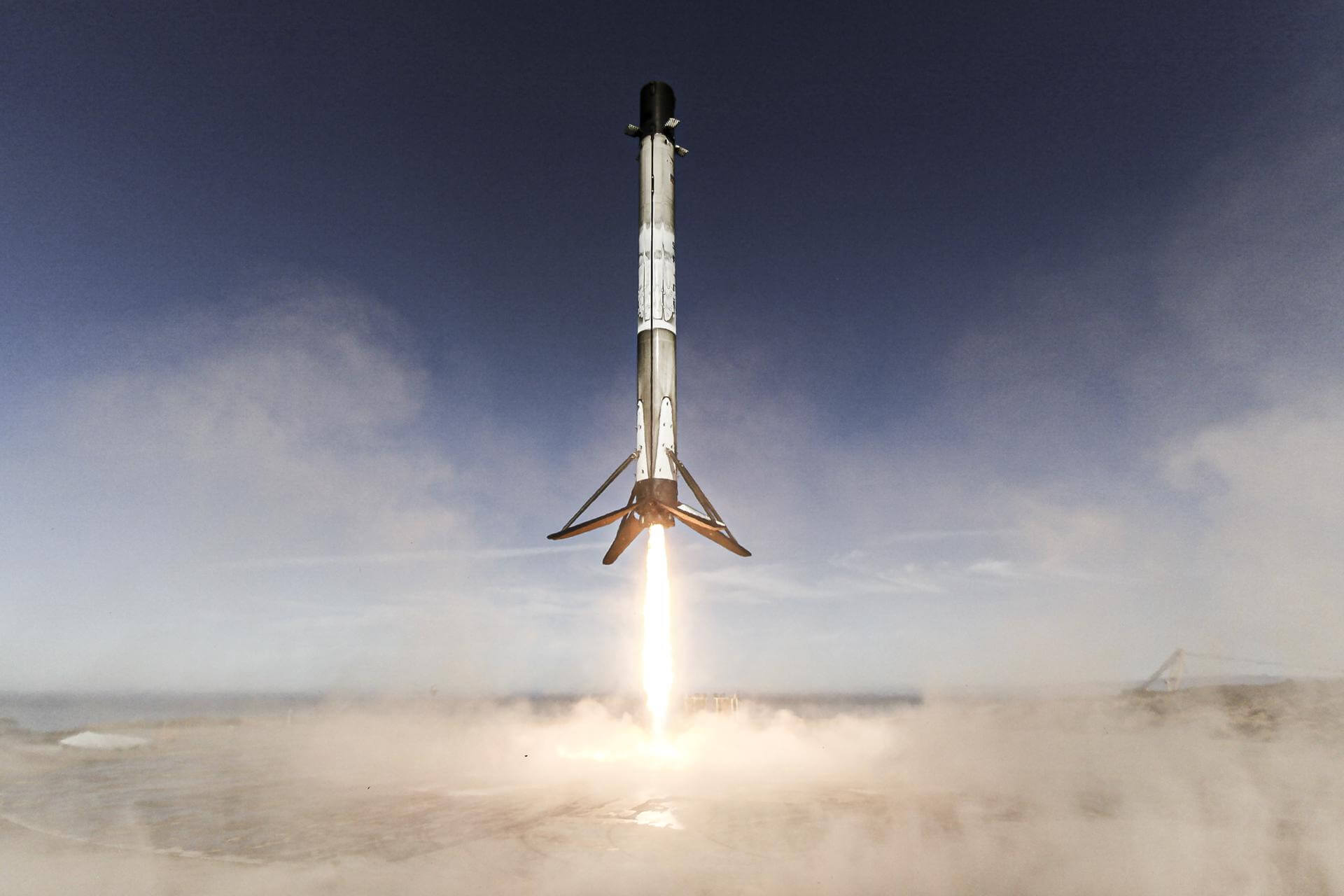
Falcon 9 is a two-stage rocket designed and manufactured by SpaceX for the reliable and safe transport of satellites and the Dragon spacecraft into orbit. The Block 5 variant is the fifth major interval aimed at improving upon the ability for rapid reusability.
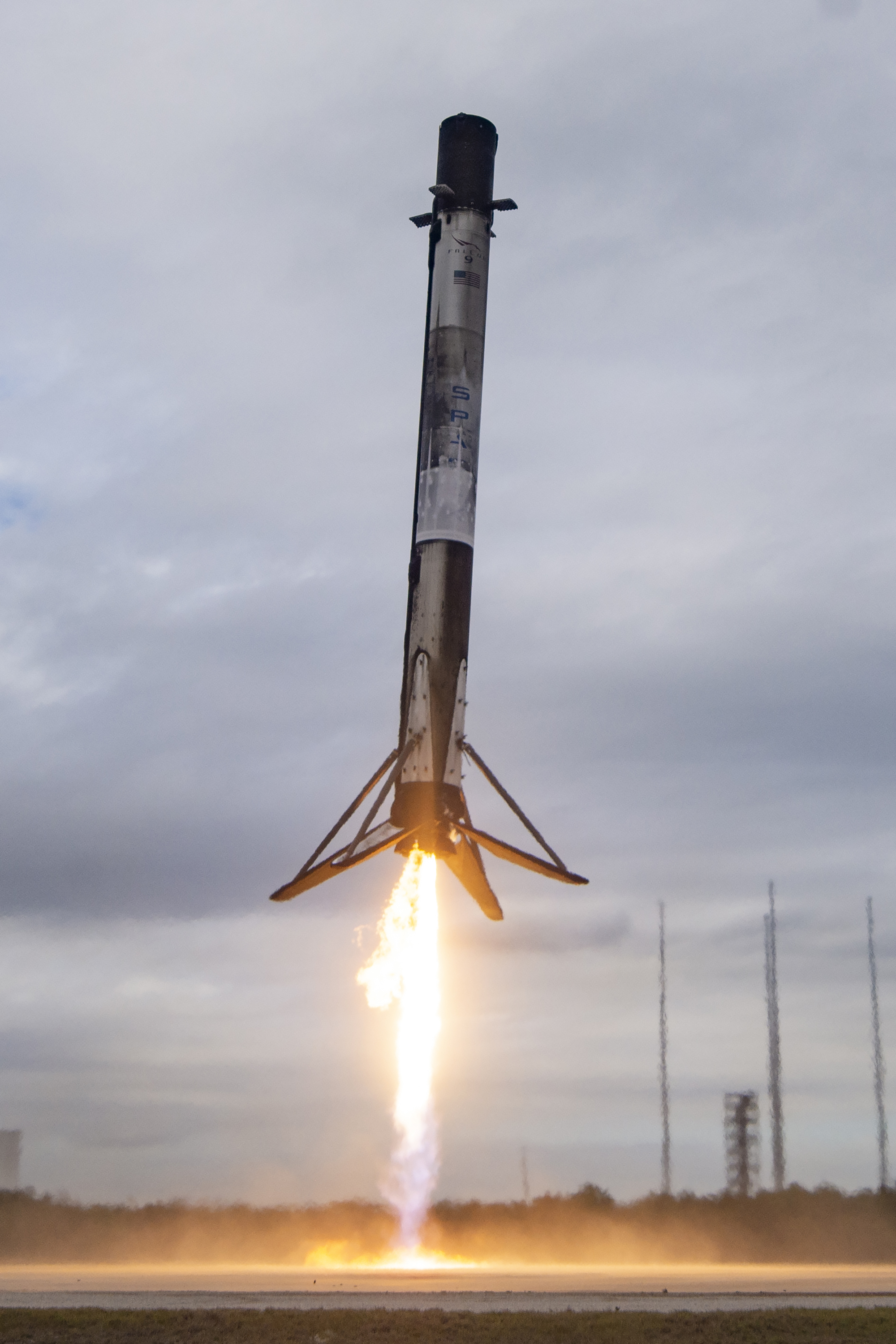
Falcon 9 is a two-stage rocket designed and manufactured by SpaceX for the reliable and safe transport of satellites and the Dragon spacecraft into orbit. The Block 5 variant is the fifth major interval aimed at improving upon the ability for rapid reusability.
Falcon 9 is a two-stage rocket designed and manufactured by SpaceX for the reliable and safe transport of satellites and the Dragon spacecraft into orbit. The Block 5 variant is the fifth major interval aimed at improving upon the ability for rapid reusability.
Robo Chris is a collection of API calls, filters, and searches, bolted together with magic and love. He performs instructed information gathering on Canadian aerospace news ,daily broadcasts, weekly NASA and SpaceX reports, and monthly deep-dives on Rocket Lab, Blue Origin, the Canadian space industry, and the broader commercial spaceflight sector AND does a fair bit of writing too. Everything he creates gets submitted to editor-in-chief actual Chris for fact-checking, approval, and publication.