
The Commercial Space: Blue Ghost Lands $144M; Axiom Closes $525M Funding
Firefly Aerospace: Three Contract Wins Set Strong Pace
Firefly Aerospace announced a $144 million NASA Commercial Lunar Payload Services (CLPS) contract to deliver a rapid Blue Ghost lunar lander mission, targeted for 2028. The company plans to design, build, test, and deliver the mission in approximately two years—half the time of its historic first Blue Ghost mission—by leveraging its proven lander design and streamlined operations.
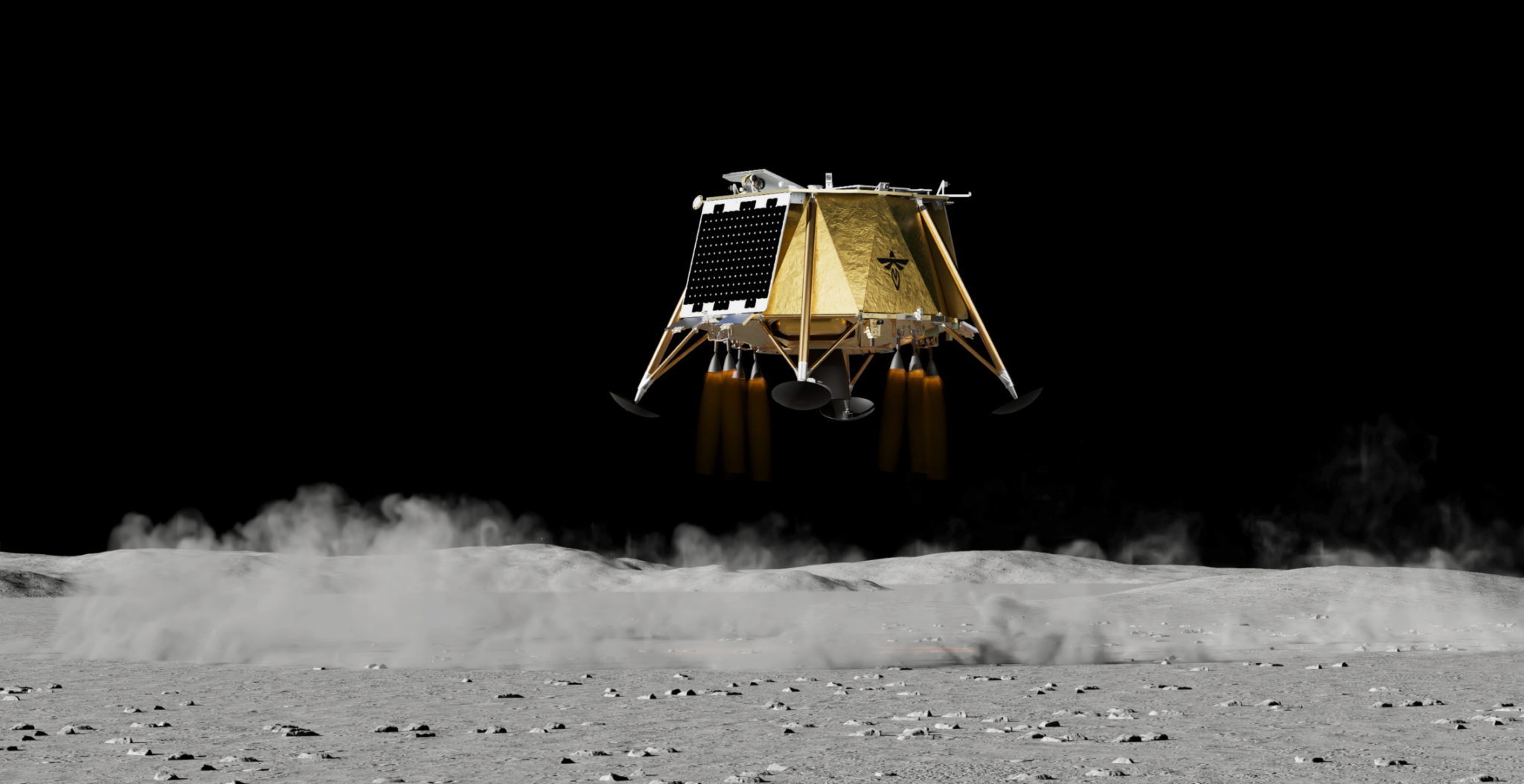
Firefly will return Blue Ghost to the Moon’s near side and deliver three NASA instruments: a Laser Retroreflector Array for precision laser ranging, a Linear Energy Transfer Spectrometer to measure the radiation environment, and Stereo Cameras for Lunar Plume Surface Studies to investigate plume-surface interactions during touchdown. “We’re not reinventing the wheel with each mission,” said Ray Allensworth, Vice President of Spacecraft at Firefly. “We’ve templated our Blue Ghost design to cut our lunar delivery time in half.”
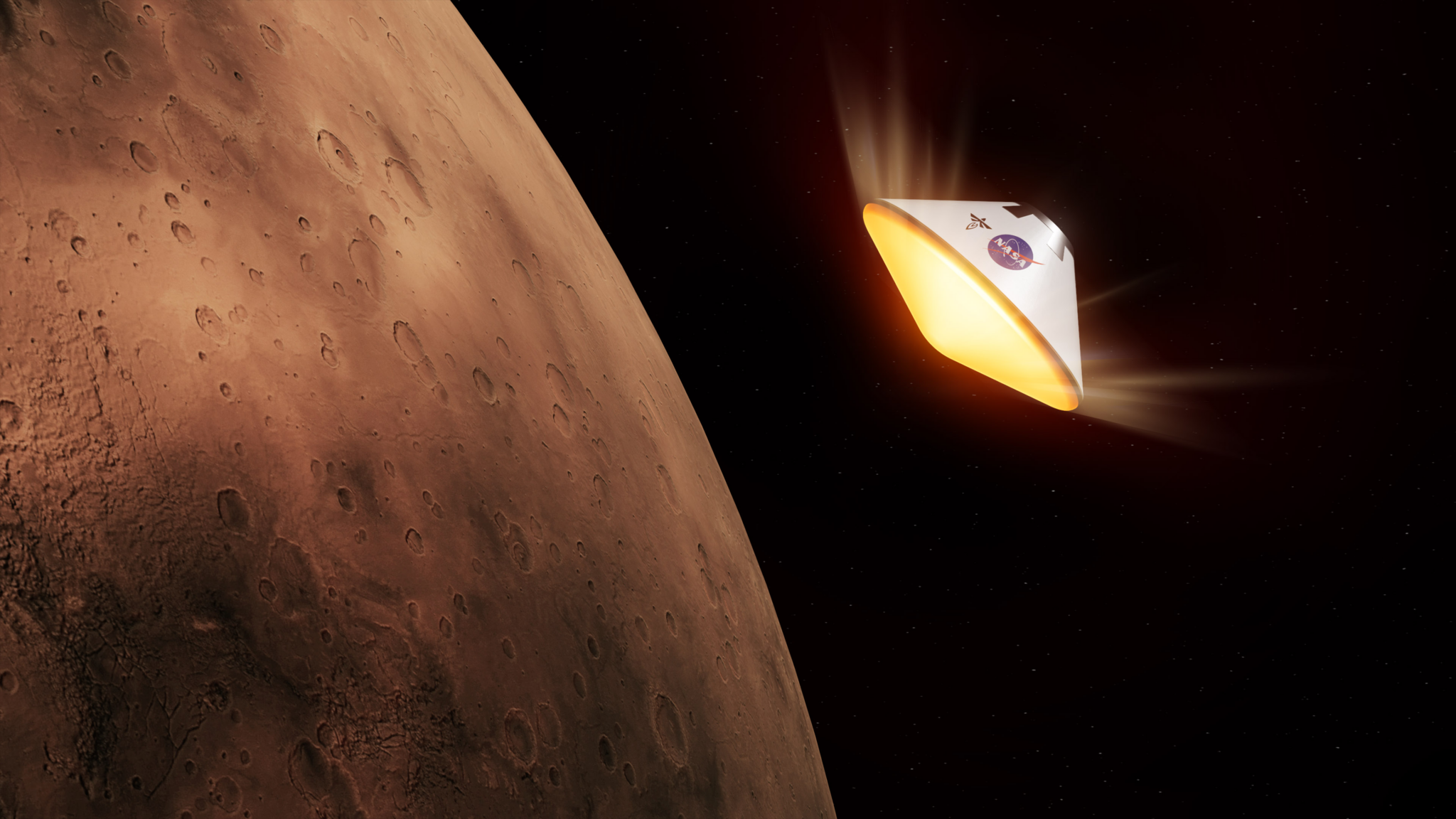
Earlier in July, Firefly also announced a $13 million subcontract from NASA’s Jet Propulsion Laboratory to manufacture, test, and deliver the aeroshell for NASA’s SkyFall mission to Mars, targeted for launch in late 2028. The aeroshell—comprising both the backshell and heatshield—will be developed within Firefly’s Gloworks innovation lab and manufactured at the company’s Rocket Ranch in Briggs, Texas, utilising advanced carbon composite technologies from Blue Ghost, Elytra orbital transfer vehicles, and the Alpha and Eclipse launch vehicles.
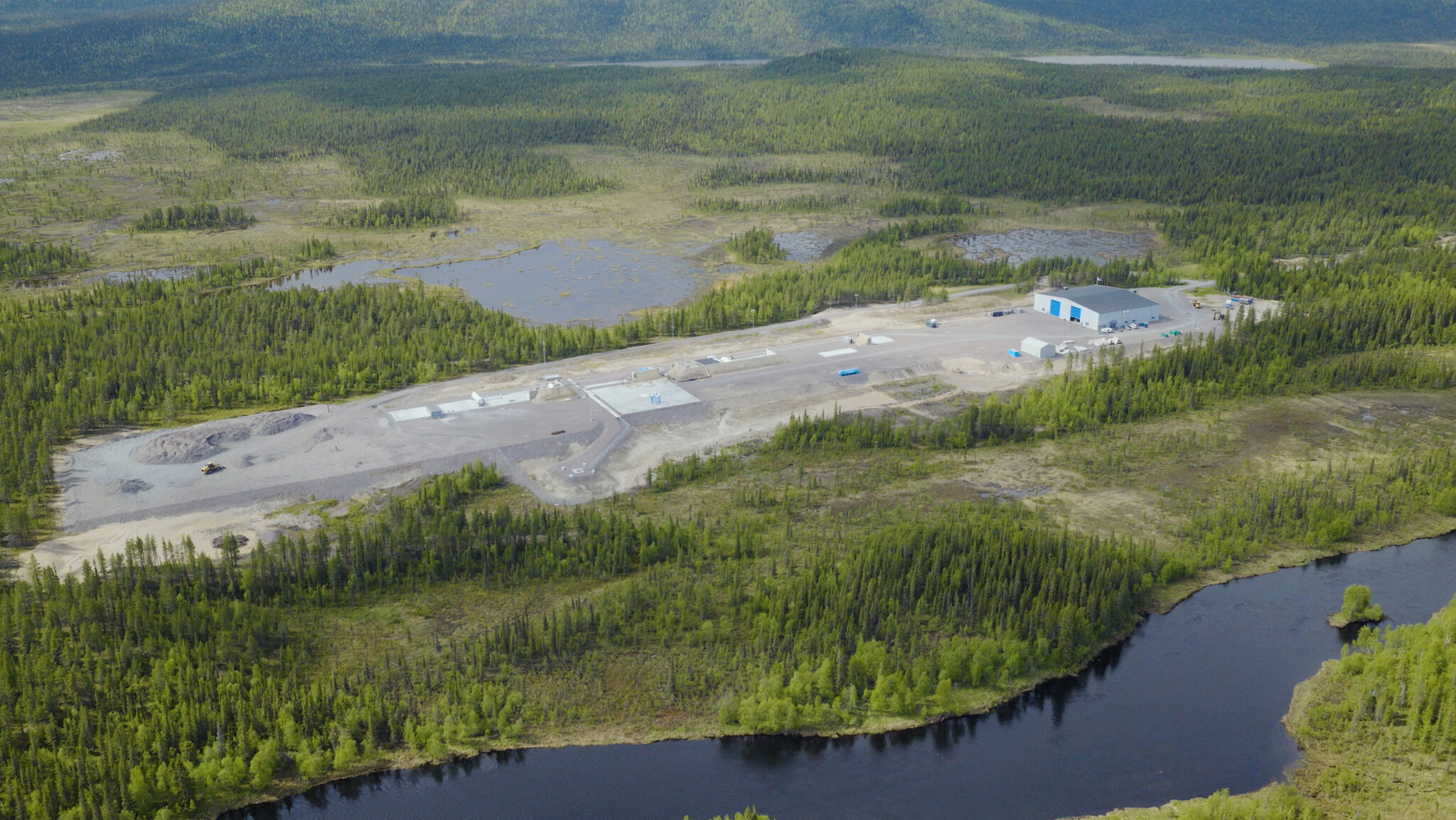
Beyond lunar and Mars hardware, Firefly and SSC Space reached critical milestones in establishing European launch infrastructure. The companies completed key construction work at Launch Complex 3C at Sweden’s Esrange Space Center and secured a $21.5 million contract with Sweden’s defence procurement agency. A Memorandum of Cooperation between the Swedish National Space Agency and the U.S. Federal Aviation Administration, signed in April 2026, streamlined the launch licensing process for American rockets like Firefly’s Alpha from Swedish soil. Firefly and SSC Space now target a first orbital launch of Alpha from Esrange in 2028.
Axiom Space: Capital Raise, Spacesuit Partnership, Regional Expansion
Axiom Space closed an oversubscribed financing round at more than $525 million, with investor demand exceeding the company’s initial raise target. The upsize reflected continued institutional and strategic interest in Axiom’s leadership of the commercial low-Earth orbit transition and the U.S. return to the Moon. MUFG Bank, Japan’s largest bank, joined the round as a new investor alongside existing backers.
“Investor interest in this round outpaced what we set out to raise, which speaks to the moment we’re in,” said Dr. Jonathan Cirtain, CEO and President of Axiom Space. “Our partners see what is possible in low-Earth orbit, and they see who is positioned to lead it.” The capital positions Axiom to accelerate its core programmes: human spaceflight missions, AxEMU spacesuits, and Axiom Station—the commercial successor to the International Space Station.
In June, Axiom and Prada unveiled the Liquid Cooling and Ventilation Garment (LCVG), the high-performance inner layer of the AxEMU spacesuit designed for the first crewed lunar missions in more than 50 years. The collaboration draws on Prada’s expertise in engineered knitting and materials innovation, with advanced 3D modelling techniques supporting up to eight-hour spacewalks on the lunar surface. “By bringing together the best in both aerospace engineering as well as luxury craftmanship and advanced product development,” Cirtain noted, “we have developed a garment that neither company could have created independently.”
Axiom is also expanding its Asia-Pacific footprint. The company announced during a press conference in Tokyo in May that it is establishing Axiom Space Japan, a wholly owned subsidiary set to become operational on July 1. Dr. Koichi Wakata, former JAXA astronaut, will lead the subsidiary as Chief Technology Officer for Asia-Pacific. The office will engage Japanese government agencies, research institutions, and industrial partners to expand hardware development and manufacturing, microgravity research, and orbital compute opportunities across the region.
Relativity Space: Florida Expansion and Space Force Certification
Relativity Space struck a deal with Space Florida to build manufacturing and test facilities for its Terran R rocket on Florida’s Space Coast, announced on July 21. Space Florida will provide up to $134 million in financing through the state’s Spaceport Improvement Programme to support both the new production facility and expanded test and launch infrastructure at Kennedy Space Center and Cape Canaveral Space Force Station.

“Expanding our capacity in Florida enables our ability to scale the Terran R programme to support commercial, scientific and national security missions,” said Eric Schmidt, CEO of Relativity Space. The new facility would complement Relativity’s existing Long Beach, California factory. The company did not disclose a specific timeline for the facility, though Space Florida indicated the investments would create thousands of high-paying jobs by the end of 2034.
Earlier in July, the U.S. Space Force added Relativity Space to its National Security Space Launch Phase 3 Lane 1 contract vehicle, admitting the company into a pre-qualified pool of providers eligible to compete for military launch missions. Relativity joins SpaceX, United Launch Alliance, Blue Origin, Rocket Lab, and Stoke Space on the roster. Lane 1 covers lower-risk national security missions that can use commercial launch services and is intended to give newer providers a pathway into Pentagon business once they demonstrate basic flight capability.
Stoke Space: Board Leadership and NASA Partnership
Stoke Space announced that technology executive Kevin Weil has joined its board of directors. Weil brings more than two decades of product leadership experience at firms including OpenAI, Planet Labs, Facebook, Instagram, and Twitter. He was vice president of science at OpenAI, where he focused on applying artificial intelligence to scientific discovery.

“Kevin understands how to transform breakthrough technologies into enduring businesses, build organisations that scale, and guide companies through pivotal moments of growth,” said Andy Lapsa, co-founder and CEO of Stoke Space. “As Stoke moves toward commercial operations, his experience will be invaluable as we advance our vision for fully and rapidly reusable space transportation.”
Stoke also secured a new partnership with NASA to advance upper stage re-entry capabilities for Nova, its fully reusable medium-lift rocket. Under NASA’s Space Technology Mission Directorate Announcement of Collaboration Opportunity, Stoke and NASA Ames will collaborate on entry, descent, and landing (EDL) technologies for Nova’s reusable second stage. The team will leverage NASA Ames’s hypervelocity free-flight test capabilities, aerodynamics expertise, and guidance, navigation, and control expertise to mature how Nova vehicles will re-enter Earth’s atmosphere.
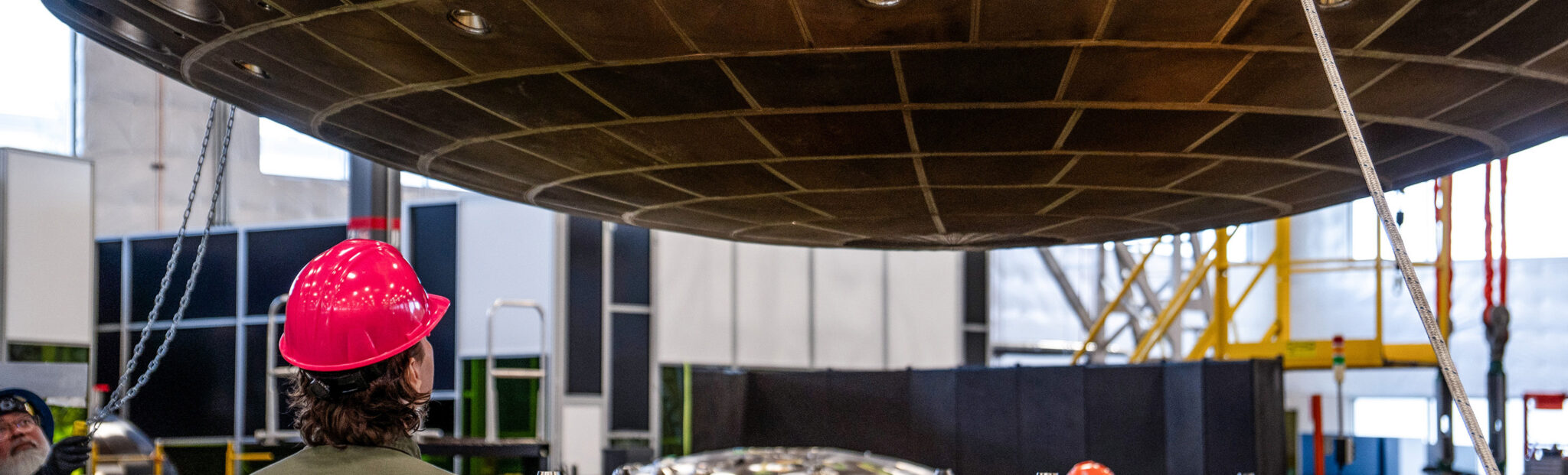
“Emerging markets, like microgravity manufacturing, require reliable downmass earthside just as much as affordable launch upmass,” Stoke noted. “Nova’s reusable upper stage will help make routine microgravity operations and return from space practical, consistent, and at scale.” This partnership builds on a Small Business Innovation Research award Stoke received in 2020 for development of a novel rocket engine configuration that resulted in the Stage 2 Andromeda integrated engine and regeneratively cooled re-entry heat shield.
Citations
- “Firefly Aerospace Awarded $144 Million NASA CLPS Contract for Accelerated Blue Ghost Lunar Mission” — https://fireflyspace.com/news/firefly-aerospace-awarded-144-million-nasa-clps-contract-for-accelerated-blue-ghost-lunar-mission/
- “Firefly Aerospace Receives $13 Million NASA JPL Subcontract to Build Aeroshell for SkyFall Mars Mission” — https://fireflyspace.com/news/firefly-aerospace-receives-13-million-nasa-jpl-subcontract-to-build-aeroshell-for-skyfall-mars-mission/
- “Firefly Aerospace and SSC Space Meet Next Critical Milestone for Orbital Launch from Esrange Space Center” — https://fireflyspace.com/news/firefly-aerospace-and-ssc-space-meet-next-critical-milestone-for-orbital-launch-from-esrange-space-center/
- “Axiom Space Closed Oversubscribed Financing at $525M+” — https://www.axiomspace.com/release/axiom-space-closes-oversubscribed-financing-at-525m
- “Axiom Space, Prada Unveil Inner Layer of Next-Gen Lunar Spacesuit” — https://www.axiomspace.com/release/axiom-space-prada-unveil-inner-layer-of-next-gen-lunar-spacesuit
- “Axiom Space to Establish Japan Subsidiary to Serve Growing Asia-Pacific Demand” — https://www.axiomspace.com/news/axiom-space-japan-subsidiary
- “Relativity Space to expand Terran R production in Florida” — https://spacenews.com/relativity-space-to-expand-terran-r-production-in-florida/
- “Space Force adds Relativity, Impulse Space to national security launch program” — https://spacenews.com/space-force-adds-relativity-impulse-space-to-national-security-launch-program/
- “Stoke Space Names Kevin Weil to Board of Directors” — https://www.stokespace.com/stoke-space-names-kevin-weil-to-board-of-directors/
- “Stoke Space and NASA partner to scale reusable launch and re-entry” — https://www.stokespace.com/stoke-space-and-nasa-partner-to-scale-reusable-launch-and-re-entry/
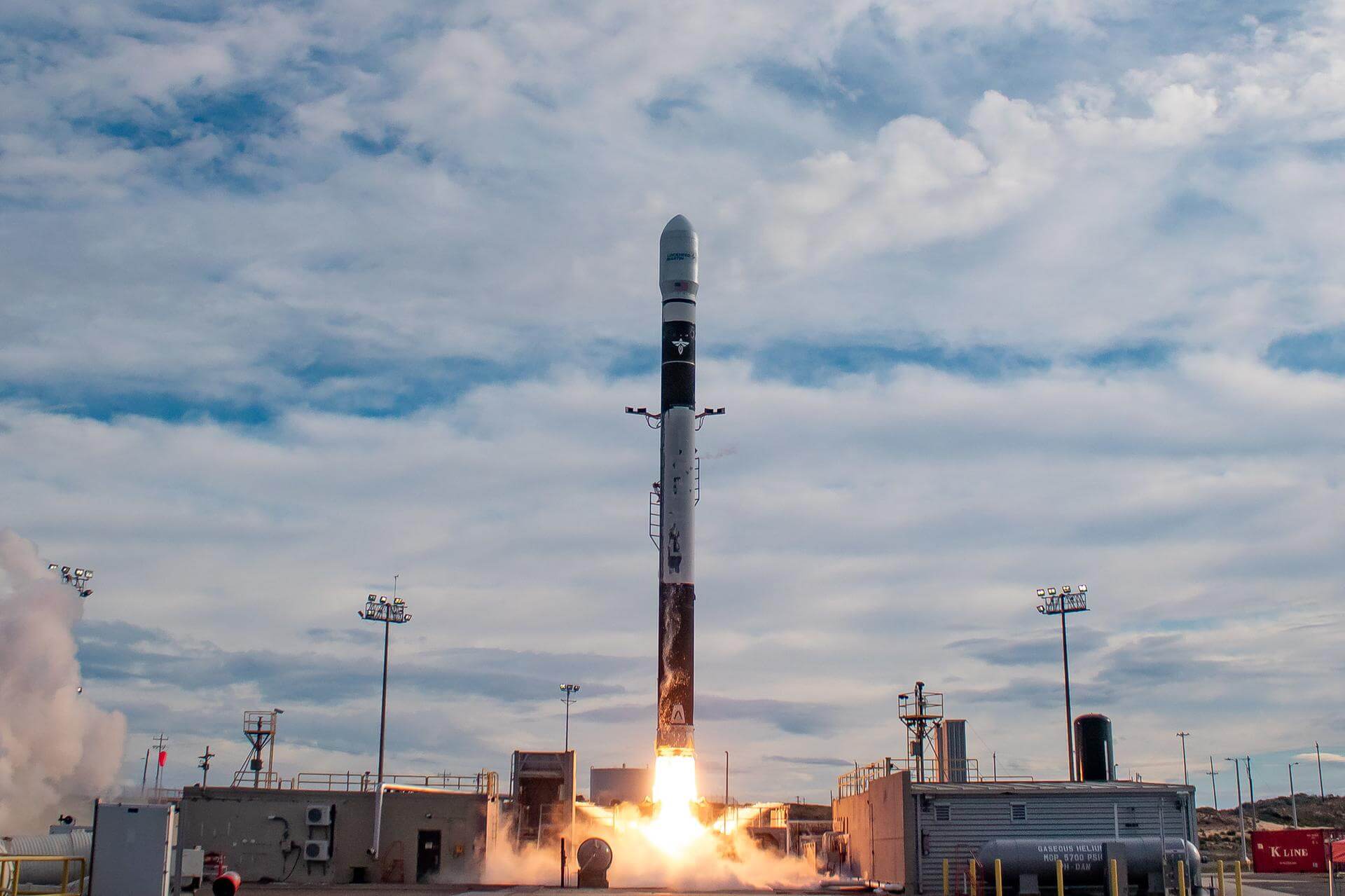
ConnectedCosmos Launch 1
Provider: Firefly Aerospace
Date: September 30, 2026
Time: 12:00 AM UTC
Vehicle: Firefly Alpha Block 2
First of at least four missions carrying 6 satellites for Open Cosmos’ secure LEO broadband constellation, designed to provide independent and resilient connectivity infrastructure for Europe and the world using high-priority Ka-band spectrum filings by the Principality of Liechtenstein.
QuickSounder
Provider: Firefly Aerospace
Date: September 30, 2026
Time: 12:00 AM UTC
Vehicle: Firefly Alpha Block 2
QuickSounder is the first satellite mission of the Near Earth Orbit Network (NEON) program of the National Oceanic and Atmospheric Administration (NOAA), which aims to replace the current Joint Polar Satellite System (JPSS) series of polar orbit weather satellites. This pathfinder mission will demonstrate NOAA’s ability to launch a small satellite within 3 years, flying a refurbished Advanced Technology Microwave Sounder (ATMS) instrument to polar orbit.
ConnectedCosmos Launch 2
Provider: Firefly Aerospace
Date: November 30, 2026
Time: 12:00 AM UTC
Vehicle: Firefly Alpha Block 2
Second of at least four missions carrying 6 satellites for Open Cosmos’ secure LEO broadband constellation, designed to provide independent and resilient connectivity infrastructure for Europe and the world using high-priority Ka-band spectrum filings by the Principality of Liechtenstein.
TacSat
Provider: Firefly Aerospace
Date: December 31, 2026
Time: 12:00 AM UTC
Vehicle: Firefly Alpha Block 2
First of up to 25 launches of Low Earth Orbit technology demonstration satellites to be built and operated by Lockheed Martin.
TacSat is an intelligence, surveillance and reconnaissance spacecraft with a mission to prove specialized sensing and communications capabilities on orbit. The satellite will participate in exercises that highlight cross-domain kill-web connectivity, enabling timely execution of tactical space missions.
TacSat will host a proven Lockheed Martin infrared sensor on board that brings previously developed technology to space for the first time. This sensor produces high quality imagery and it can interface with federated Battle Management Command & Control (BMC2) combat systems to provide joint forces with a comprehensive view of threats.
The satellite will also feature Lockheed Martin’s first 5G.MIL® payload on orbit. This provides cellular-like networking for military space assets, making satellite constellations more resilient. It also helps enable seamless connectivity with tools in the air, at sea and on land.
Launch operation will also again demonstrate responsive space pre-launch operation capabilities.
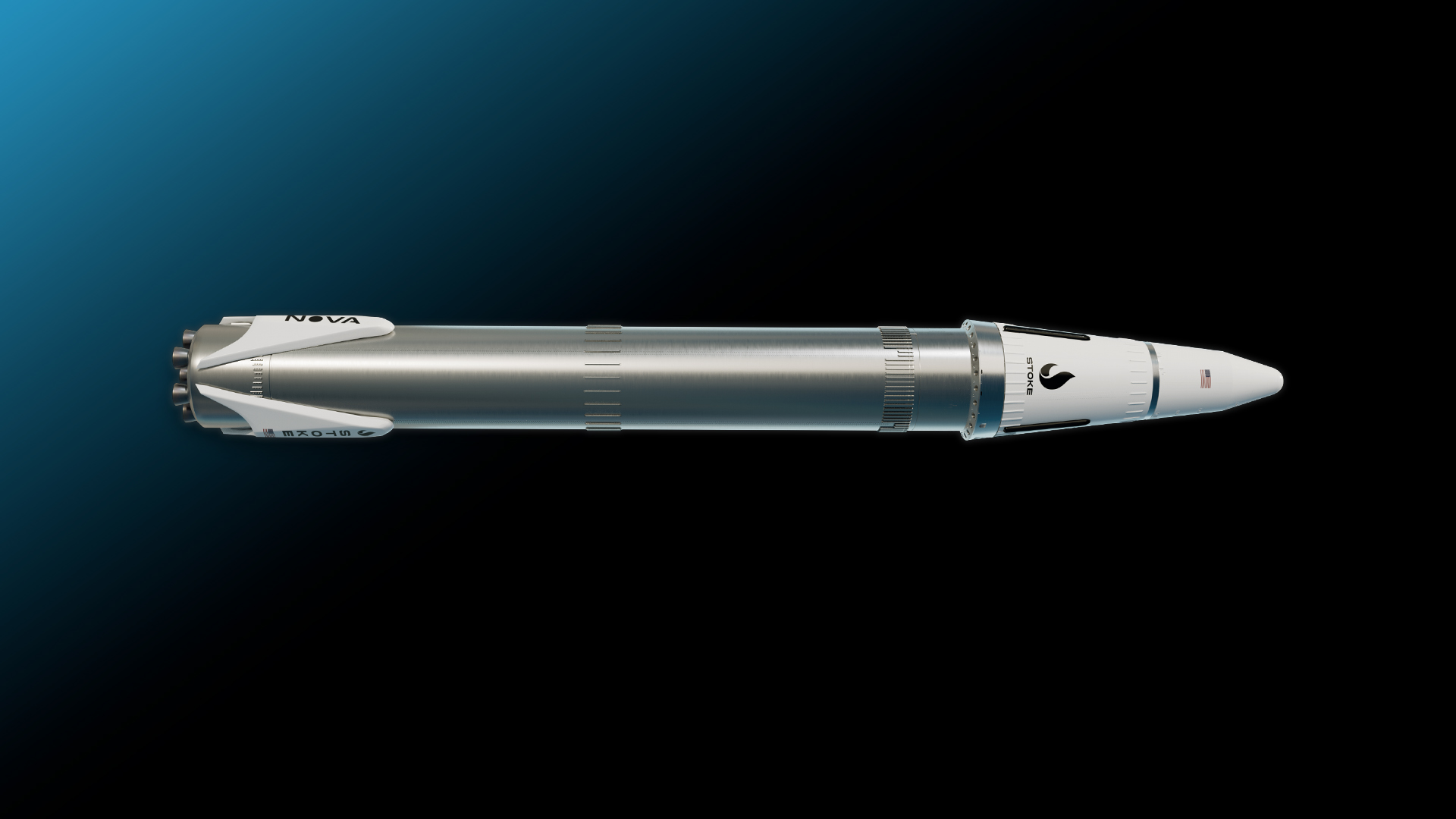
Demo Flight
Provider: Stoke Space
Date: December 31, 2026
Time: 12:00 AM UTC
Vehicle: Nova
First launch of Stoke Space’s Nova launch vehicle. Asteroid mining technologies company AstroForge will fly a spacecraft on this launch. Planned reusability of the 2 stages is TBD.

Enjoying the content? Stay up to date on everything happening behind the scenes by following our Patreon!

