
The NASA Overview: Artemis III Engines Arrive as Mars Surprises Scientists
Fourth SLS Engine Reaches Kennedy for Artemis III
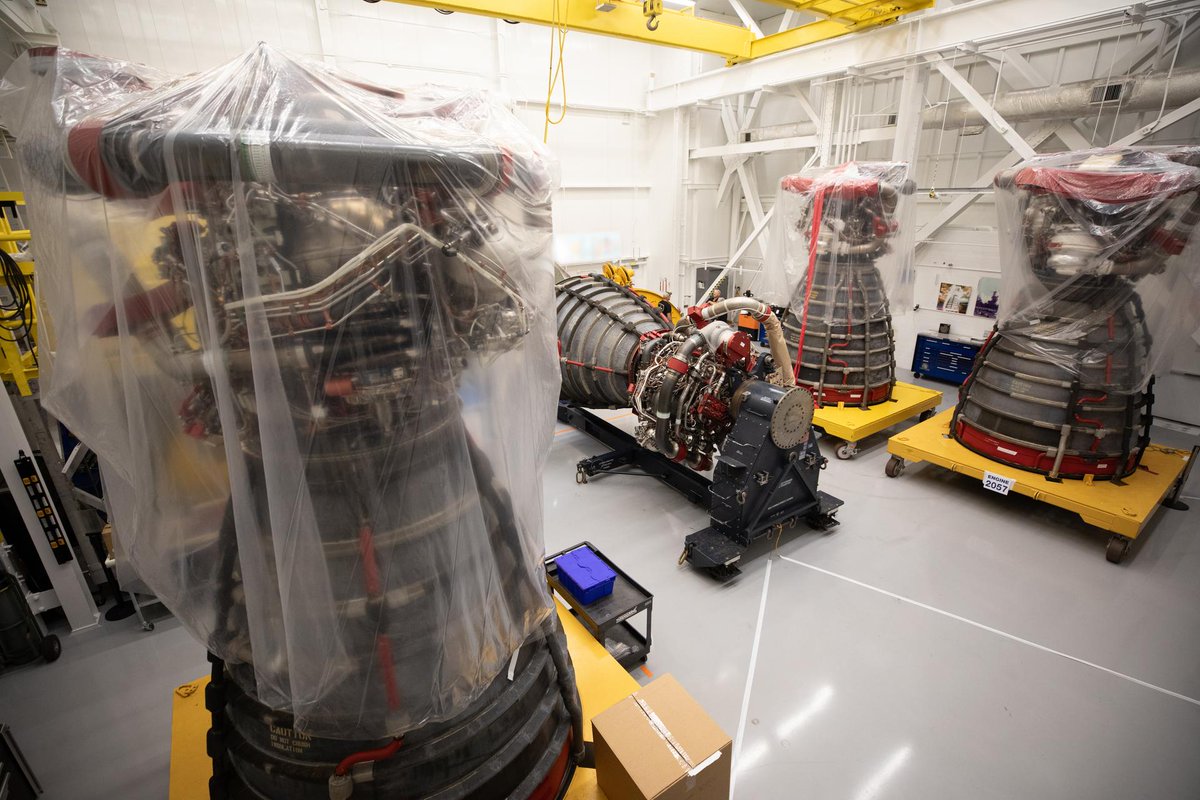
The fourth and final RS-25 engine for NASA’s Space Launch System rocket arrived in Florida on Wednesday after departing Stennis Space Center in Mississippi. The engine is now reunited with the other three Artemis III engines and is almost ready for installation at Kennedy Space Center.
NASA also announced Friday it has agreed to support Blue Origin’s New Glenn rocket testing at Stennis Space Center. The company will conduct second stage hot fire testing on the B-2 test stand near Bay St. Louis, Mississippi. Testing is targeted to begin this fall and directly supports Artemis missions in 2027 and beyond.
“Stennis continues to be a hub for the commercial space industry,” said Sen. Roger Wicker. “Mississippi warmly welcomes Blue Origin’s return to the coast and to our legendary rocket testing facilities.”
The annex to a reimbursable Space Act Agreement signed earlier this month highlights NASA’s commitment to working alongside commercial partners toward Artemis missions.
Lunar Infrastructure Gains Momentum with New Missions
NASA awarded a contract to Advanced Space for the CAPSTONE 02 mission, which will demonstrate rendezvous and proximity operations, autonomous navigation, and cislunar communication capabilities in lunar orbit. Targeted for launch in 2027, the mission will use two small spacecraft to support future lunar and deep space missions.
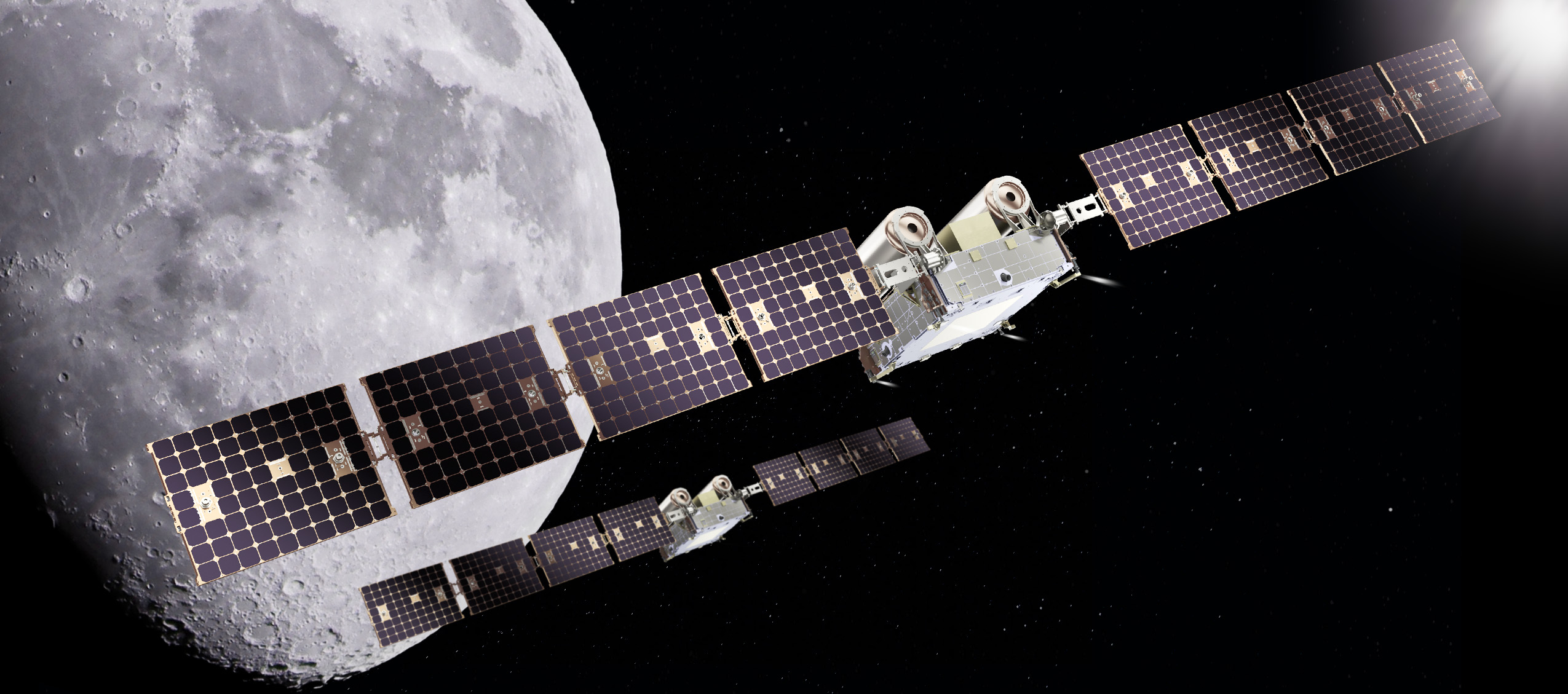
The original CAPSTONE mission became the first U.S. commercial mission to the Moon and the first spacecraft to operate in a near rectilinear halo orbit around the Moon. CAPSTONE 02 expands on those accomplishments by transitioning from orbit validation to demonstrations that will inform lunar exploration and infrastructure development.
“Achieving our most ambitious space exploration goals requires iterative, risk-tolerant demonstrations in partnership with industry,” said Christopher Baker, lead of the In-Space Infrastructure portfolio within the Research and Technology Mission Directorate at NASA Headquarters.
Voyager Technologies’ Griffin-1 lunar lander arrived at NASA’s Jet Propulsion Laboratory this week for environmental testing. The lander will undergo testing to verify it can withstand launch, landing, and the harsh conditions of space before its commercial mission supporting development of Moon Base.
Viking’s 50th Anniversary and Mars Aurora Discoveries
July 20 marked the 50th anniversary of NASA’s Viking 1 lander touching down on Mars, inaugurating five decades of Mars surface exploration. Scientists from the MAVEN mission also published findings Thursday in Nature Communications showing that some auroras on Mars form in a similar way to those on Earth.
Results show the same mechanism that circulates and catapults charged particles into Earth’s atmosphere is happening at Mars on much smaller scales. The study found a miniature version of the Dungey cycle is occurring over Mars’ strong crustal magnetic fields.
“We knew that magnetic reconnection was happening at Mars but did not expect it to be like the Dungey cycle,” said Shaosui Xu, lead author of the study and associate research physicist at the Space Sciences Laboratory at the University of California, Berkeley.
The MAVEN spacecraft experienced a loss of signal with ground stations on Earth on December 6, 2025. NASA declared the mission had concluded on June 3 after finding the spacecraft to be unrecoverable. However, data from the mission continues to inform NASA science and future missions to Mars.
Deep Space Probes Capture Earth and Reveal Moon Secrets
One of NASA’s two Mars-destined ESCAPADE spacecraft captured photos of Earth and the Moon on July 3 from 363,250 miles away. At the time, the spacecraft was 115,600 miles from the Moon, making it appear relatively large in the images.
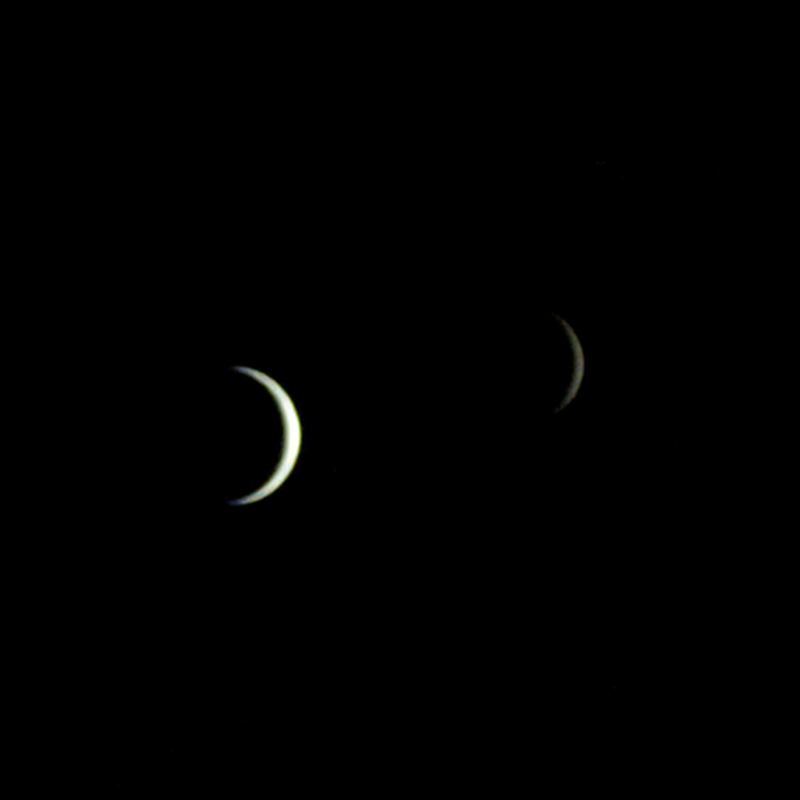
The visible light image shows both bodies as crescents with only around 8% of each face sunlit. In the thermal infrared image, Earth’s shadowed hemisphere glows from its own heat at minus 10 to minus 44 degrees Fahrenheit. Without the insulating blankets of oceans and atmospheres, the Moon’s far side remains at a much cooler minus 280 degrees Fahrenheit.
When the twin ESCAPADE spacecraft arrive at Mars in September 2027, they will study how the solar wind interacts with the Martian environment and how that drives atmospheric loss at the Red Planet.
NASA’s Juno mission provided the first measurements of temperature below the surface of Jupiter’s moon Io, revealing significant heating within the subsurface of the solar system’s most volcanically active world. The discoveries at Io have important implications for studying Earth’s volcanoes.
NASA will host a virtual news conference on July 29 to preview the Nancy Grace Roman Space Telescope mission, scheduled to launch from Kennedy Space Center on Sunday, August 30.
Expedition 74 Prepares for Command Change and Crew Return
The International Space Station will change commanders on Saturday when Roscosmos cosmonaut Sergey Kud-Sverchkov hands over command to NASA astronaut Jessica Meir. Three Expedition 74 crewmates are due to return to Earth aboard the Soyuz MS-28 spacecraft at 3:02 a.m. EDT on Sunday, July 26, landing near Dzhezkazgan, Kazakhstan.

NASA astronaut Chris Williams is returning Sunday after spending 241 days aboard the station during his first space mission. During his stay, Williams supported research that could improve future electronics and lead to new cancer treatments.
The Expedition 74 crew worked Thursday on a microscope, a bioprinter, and spacesuits before wrapping up its final weekend together on biomedicine and cargo packing. Blood pressure measurements, vein scans, and eye checks kept the crew busy earlier in the week as they prepared for Earth return.
SpaceX’s Crew-13 mission overview news conference is scheduled for August 3 at Johnson Space Center in Houston.
Wildfires Force Madrid DSN Evacuation as Operations Shift to California
NASA evacuated its Madrid Deep Space Network ground station Friday as wildfires swept through the area near the Spanish capital. The agency confirmed all 90 personnel at the site are safe. Officials told local media that “the impossible is being done” to safeguard the complex.
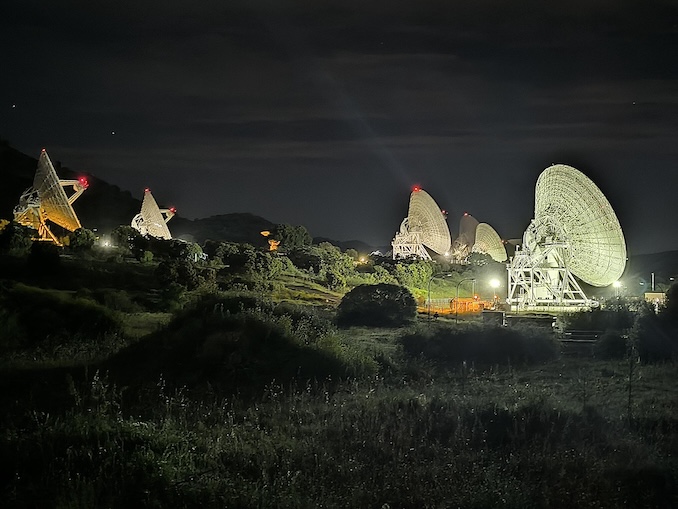
The Madrid facility is one of three around the world that communicate with spacecraft traveling throughout the solar system, working in concert with ground stations at Goldstone, California, and Canberra, Australia. By having these three stations positioned 120 degrees apart around the globe, continuous line-of-sight can be maintained.
NASA has transitioned support for mission operations to the Goldstone Deep Space Communications Complex in California, ensuring continuity of service and uninterrupted support for spacecraft communications. Any damage that may have occurred will be assessed when it is safe to do so.
Spain and France are battling wildfires in many regions. The BBC reports that more than 130,000 people have been evacuated in the two countries, with more than 25,000 evacuated in Spain and over 20,000 in lockdown.
Citations
- “NASA Announces New Spacecraft Technology Demonstration Mission at Moon” — https://www.nasa.gov/directorates/armd/nasa-announces-new-spacecraft-technology-demonstration-mission-at-moon/
- “NASA to Support Blue Origin New Glenn Rocket Testing, Advance Artemis” — https://www.nasa.gov/news-release/nasa-to-support-blue-origin-new-glenn-rocket-testing-advance-artemis/
- “Fires near Madrid Force Evacuation of NASA’s DSN Facility” — https://spacepolicyonline.com/news/fires-near-madrid-force-evacuation-of-nasas-dsn-facility/
- “Critical NASA Deep Space ground station in Spain evacuated due to wildfires” — https://spaceflightnow.com/2026/07/24/critical-nasa-deep-space-ground-station-in-spain-evacuated-due-to-wildfires/
- “NASA’s MAVEN Illuminates New Understanding of Auroras at Mars” — https://science.nasa.gov/missions/maven/nasas-maven-illuminates-new-understanding-of-auroras-at-mars/
- “NASA’s ESCAPADE Snaps Family Portrait of Earth, Moon” — https://science.nasa.gov/image-article/centers-and-facilities/goddard/nasas-escapade-snaps-family-portrait-of-earth-moon/
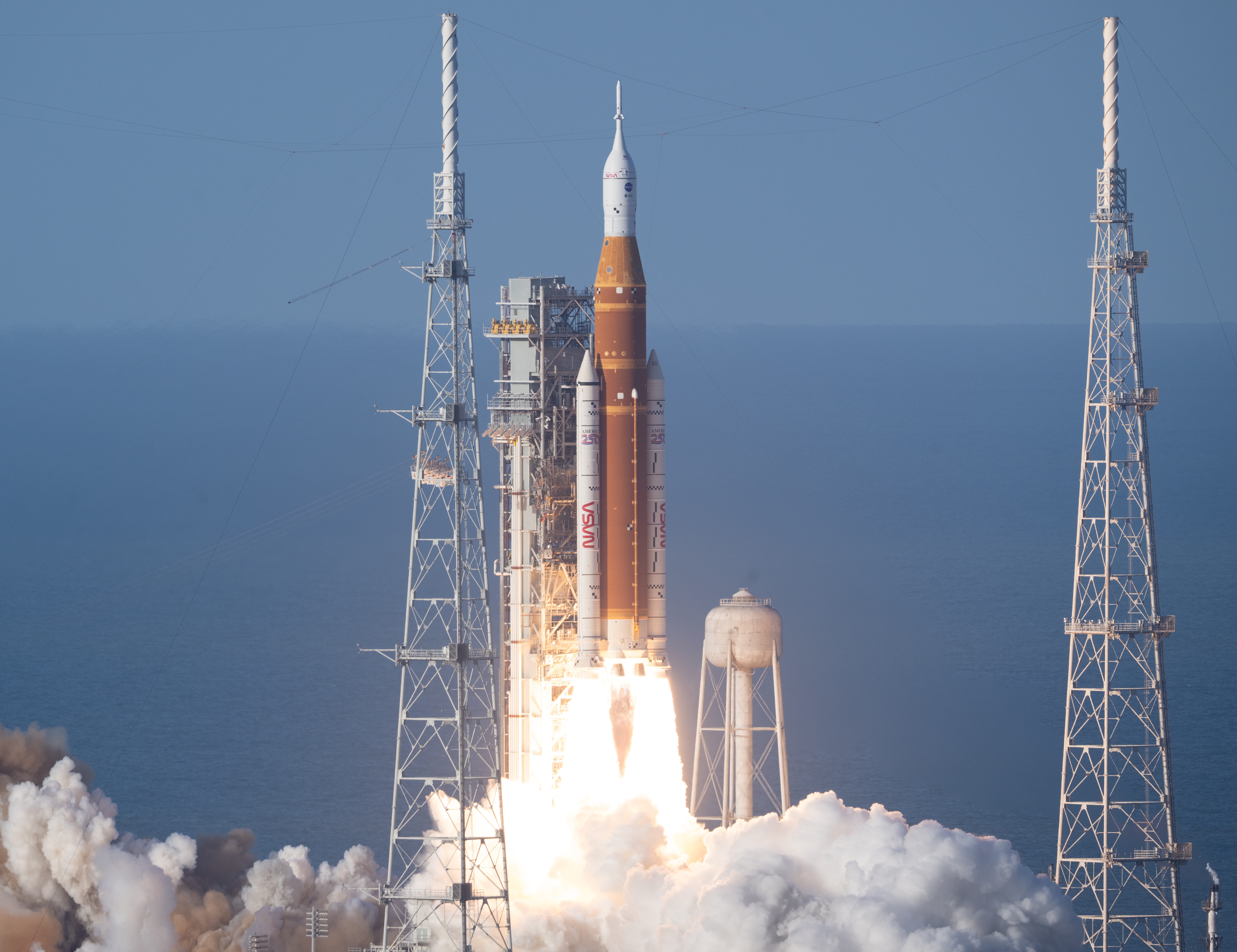
Artemis III
Provider: National Aeronautics and Space Administration
Date: June 30, 2027
Time: 12:00 AM UTC
Vehicle: Space Launch System (SLS)
Artemis III is the second crew mission as part of the Artemis program. Artemis III will send a crew of 4 on a Low Earth Orbit mission, with the Orion rendezvous and dock with one or both commercial lunar landers in development by SpaceX and Blue Origin, performing in-space tests of the docked vehicles, integrated checkout of life support, communications, and propulsion systems, as well as tests of the new Extravehicular Activity (xEVA) suits.
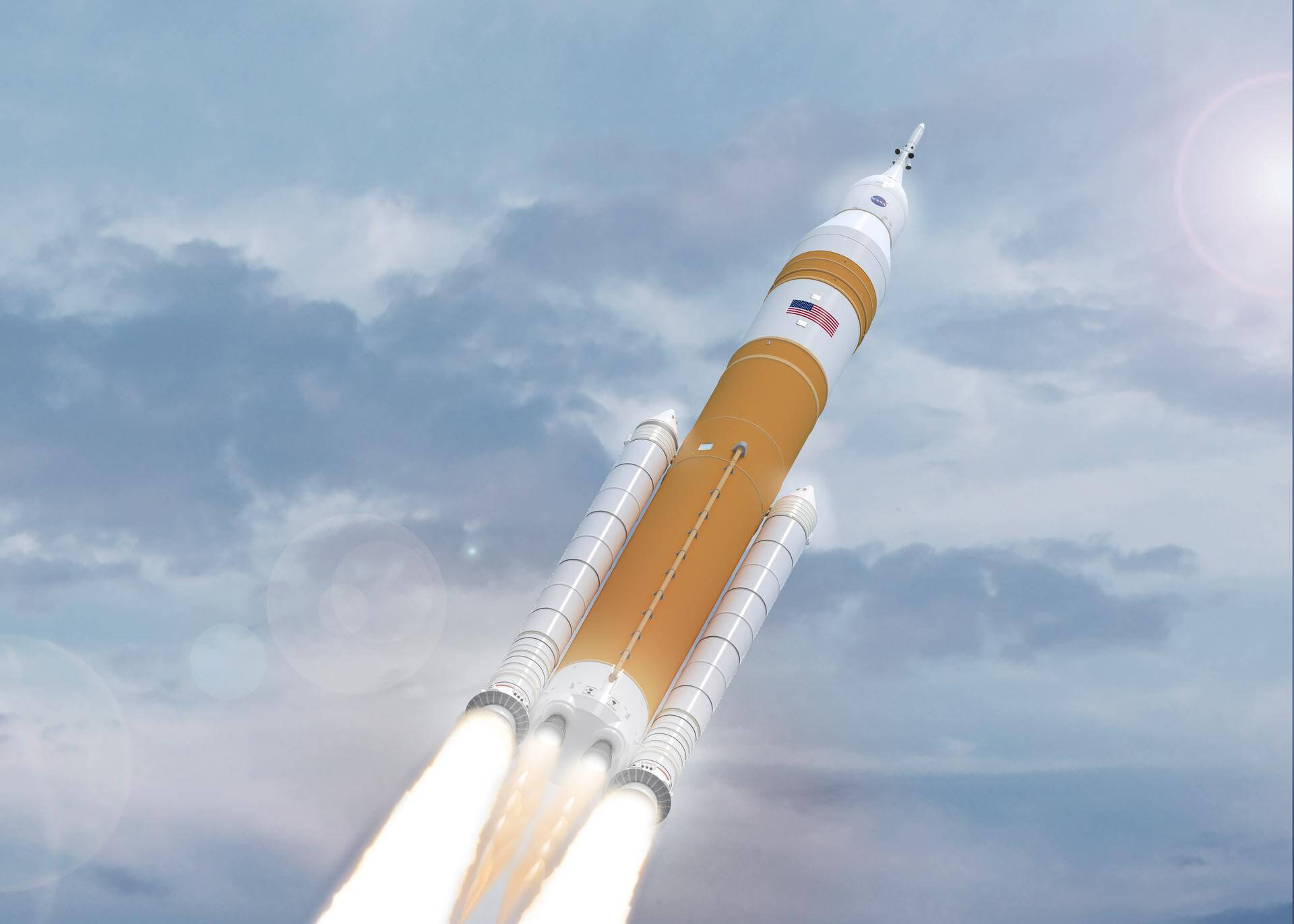
Artemis IV
Provider: National Aeronautics and Space Administration
Date: June 30, 2028
Time: 12:00 AM UTC
Vehicle: Space Launch System (SLS)
Artemis IV is planned to be the first human lunar landing mission since the Apollo Program.
Artemis V
Provider: National Aeronautics and Space Administration
Date: December 31, 2028
Time: 12:00 AM UTC
Vehicle: Space Launch System (SLS)
Artemis V is planned to be the second human lunar landing mission since the Apollo Program.
SLS Block 1B | Artemis VI
Provider: National Aeronautics and Space Administration
Date: September 30, 2030
Time: 12:00 AM UTC
Vehicle: Space Launch System (SLS)
No description available
SLS Block 1B | Artemis VII
Provider: National Aeronautics and Space Administration
Date: September 30, 2031
Time: 12:00 AM UTC
Vehicle: Space Launch System (SLS)
No description available


Enjoying the content? Stay up to date on everything happening behind the scenes by following our Patreon!

