Artemis III Core Stage Stacked as NASA Targets 2028 Lunar Landing
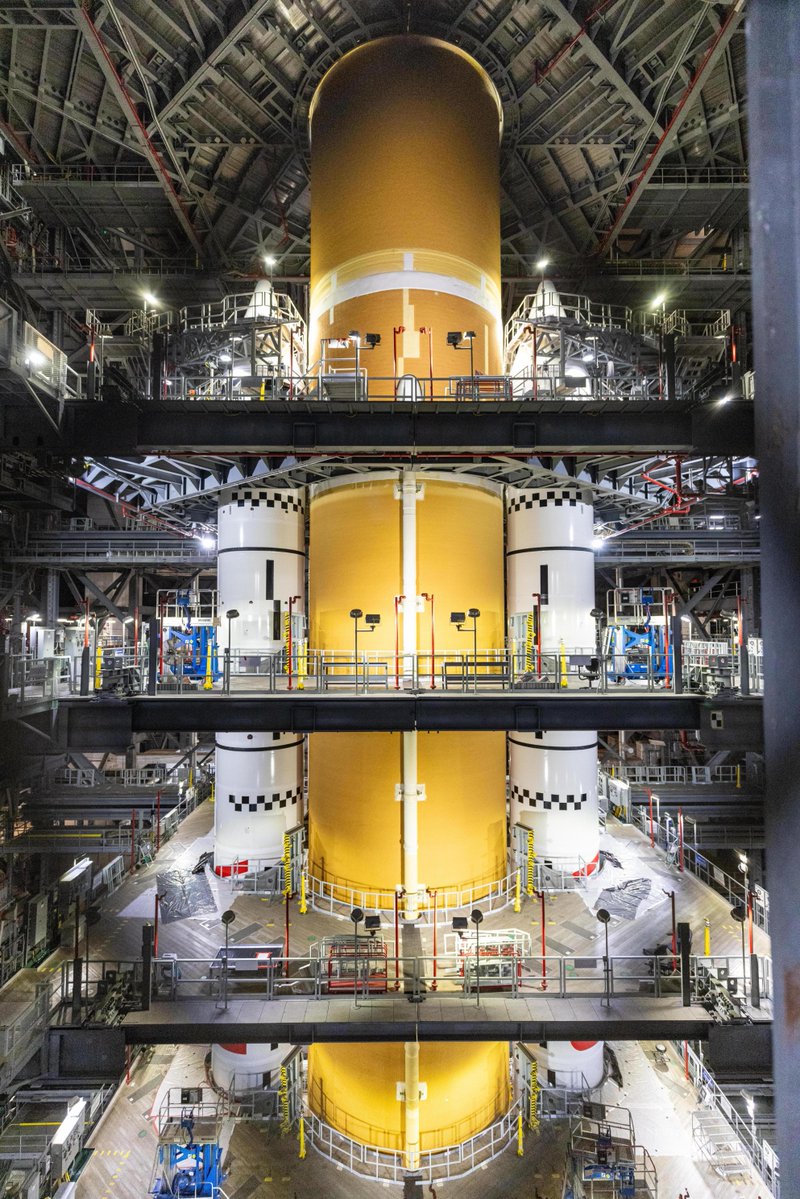
The Artemis III core stage is officially stacked, NASA announced on October 28.
NASA is accelerating its effort to return crews to the lunar surface by 2028. Administrator Jared Isaacman, Associate Administrator Amit Kshatriya, and Artemis program manager Jeremy Parsons discussed the acceleration at an October 23 press conference. Based on lander readiness, NASA will determine which company will be first selected to safely deliver astronauts to the Moon’s surface and back to lunar orbit in 2028.
Two human landing system options are in contention. SpaceX’s Starship HLS will perform a trans-lunar injection burn while docked with Orion, bringing two astronauts to the surface for several days. Blue Origin’s Blue Moon Mark 2 will use three transfer stages that operate like a multistage rocket to launch into low Earth orbit and then enter lunar orbit. Under that architecture, Orion with crew will dock with Mark 2 in lunar orbit, and two astronauts will transfer to the lander and descend to the South Pole.
The crew observed a solar eclipse from their vantage point in space, experiencing 54 minutes of totality. JPL welcomed Artemis II Commander Reid Wiseman to the team this week.
Lunar Geology Tools and a 2027 Investigators’ Workshop
NASA’s Moon to Mars account shared 3D-printable files replicating the lunar geology tools Apollo 17 astronauts used to collect samples on the Moon for Halloween.
Looking ahead, NASA announced its 2027 Investigators’ Workshop on human spaceflight research, scheduled for January 20–22. Scientists and experts will explore the latest advances in research supporting an enduring human presence on the Moon. Registration is open to attend in person or virtually.
Teghaza 001: One of the Oldest Mars Meteorites Ever Found
A NASA-funded study published Thursday in Science has detailed one of the oldest Mars meteorites ever found on Earth. Named Teghaza 001 after the salt plain in Mali where it was discovered in 2022, the nearly 2-pound (800-gram) rose-colored rock formed more than 4.1 billion years ago.
“It was only after we started looking closely that we realized this meteorite is really unique,” said lead author Yang Liu of NASA’s Jet Propulsion Laboratory in Southern California. “One of the paper’s reviewers called it a Rosetta Stone for Mars.”
Teghaza 001 is one of the three most ancient Martian meteorites found on Earth and is one of roughly 435 from the Red Planet. What sets it apart is its texture, age, and the uniqueness of its igneous minerals. A separate paper published in Science Advances in June detailed the meteorite’s water content.
In other Mars news, NASA’s Mars Odyssey spacecraft marked 25 years in orbit around the Red Planet. Having slipped into orbit on October 24, 2001, it remains the longest-operating orbiter ever at a planet beyond Earth, still conducting science and relaying messages from the rovers. Meanwhile, scientists are using instruments on the Perseverance rover to understand the risks of dust on Mars and find clues about how to protect future crews.
Voyager 1 Gets a Power Fix After 49 Years and 16 Billion Miles
Engineers turned off devices on Voyager 1 and substituted them with lower-power alternatives in a move nicknamed the “Big Bang.” The energy-saving effort, 49 years and 16 billion miles into the mission, will allow the remaining instruments to operate longer. Teams also resolved an unexpected loss of communication when the Deep Space Network did not detect the probe’s signal during two scheduled comms passes. Contact was reestablished on October 20, and the team has maintained communication since then.
In deep-space mission news, NASA’s Dragonfly rotorcraft successfully completed its most comprehensive flight simulation yet at the Johns Hopkins Applied Physics Laboratory, testing its ability to autonomously navigate and land safely on Saturn’s moon Titan. The test brought together flight software and avionics with simulated data input from the sensors Dragonfly will use at Titan, including its newly installed navigation cameras, inertial measurement units, and lidar system.
The public can also send their names aboard Dragonfly. The “Journey to Titan” campaign offers a microchip ride on the rotorcraft, which is scheduled to launch in 2028 and arrive at Titan in 2034. Names are being accepted until 11:59 p.m. EST January 15, 2027. Elizabeth Turtle of APL is the principal investigator.
Teams also completed work on integrating solar arrays onto the 20-foot-tall (6-meter-tall) sunshade for NASA’s NEO Surveyor mission, which will hunt for potentially hazardous asteroids and comets that cross Earth’s path. And Hubble took a new image of a barred spiral galaxy with gravitational lensing in the field, preparing the groundwork for future observations with the Nancy Grace Roman Space Telescope.
CSA’s Kutryk Completes US EVA-100 on the International Space Station
CSA astronaut Joshua Kutryk and NASA astronaut Anil Menon completed a spacewalk at 3:08 p.m. EDT on Thursday, October 29, after installing a roll-out solar array for power generation. The spacewalk, designated US EVA-100, began when the duo set their spacesuits to battery power at 7:57 a.m. EDT.
The solar array, measuring around 63 feet in length, is the seventh International Space Station Roll-Out Solar Array (IROSA) and will provide additional power to support critical station operations, including its safe and controlled deorbit. At about four-and-a-half hours into the spacewalk, the solar array began deployment and was fully deployed. Kutryk and Menon then returned to the Quest airlock.
The pair will conduct a final power upgrade spacewalk on Thursday, November 5. The Expedition 75 crew treated bioprinted blood vessels, studied relaxation techniques, swapped sample hardware inside a specialised research furnace that levitates samples with an electric field, and completed a plasma crystal study exploring the interaction of highly charged gases and microscopic particles.
Artemis Acceleration, Dragonfly Boarding Passes, and a New Caltech President
NASA held its Artemis Acceleration press conference on October 23 to discuss the status of upcoming crewed Moon missions and the agency’s push toward a 2028 lunar surface landing.
The Dragonfly “Journey to Titan” campaign, announced this week, lets the public claim a personalised digital boarding pass for the mission. Nicky Fox, associate administrator of NASA’s Science Mission Directorate, said: “By flying the first-ever rotorcraft science mission, NASA will explore Saturn’s largest moon, Titan, as we search for signs of habitability on a distant world that is most similar to our own.”
In institutional news, the JPL community celebrated the inauguration of Ray Jayawardhana as the 10th president of Caltech, which manages JPL for NASA.
Provider: National Aeronautics and Space Administration Date: June 30, 2027 Time: 12:00 AM UTC Vehicle: Space Launch System (SLS)
Artemis III is the second crew mission as part of the Artemis program. Artemis III will send a crew of 4 on a Low Earth Orbit mission, with the Orion rendezvous and dock with one or both commercial lunar landers in development by SpaceX and Blue Origin, performing in-space tests of the docked vehicles, integrated checkout of life support, communications, and propulsion systems, as well as tests of the new Extravehicular Activity (xEVA) suits.
Artemis IV
Provider: National Aeronautics and Space Administration Date: June 30, 2028 Time: 12:00 AM UTC Vehicle: Space Launch System (SLS)
Artemis IV is planned to be the first human lunar landing mission since the Apollo Program.
Artemis V
Provider: National Aeronautics and Space Administration Date: December 31, 2028 Time: 12:00 AM UTC Vehicle: Space Launch System (SLS)
Artemis V is planned to be the second human lunar landing mission since the Apollo Program.
SLS Block 1B | Artemis VI
Provider: National Aeronautics and Space Administration Date: September 30, 2030 Time: 12:00 AM UTC Vehicle: Space Launch System (SLS)
No description available
SLS Block 1B | Artemis VII
Provider: National Aeronautics and Space Administration Date: September 30, 2031 Time: 12:00 AM UTC Vehicle: Space Launch System (SLS)
No description available
Artemis III ×
Mission Details
TypeHuman Exploration
OrbitLow Earth Orbit
TargetEarth
Artemis III is the second crew mission as part of the Artemis program. Artemis III will send a crew of 4 on a Low Earth Orbit mission, with the Orion rendezvous and dock with one or both commercial lunar landers in development by SpaceX and Blue Origin, performing in-space tests of the docked vehicles, integrated checkout of life support, communications, and propulsion systems, as well as tests of the new Extravehicular Activity (xEVA) suits.
Agencies Involved
• National Aeronautics and Space Administration (Government)
Program: Artemis
The Artemis program is a US government-funded crewed spaceflight program that has the goal of landing “the first woman and the next man” on the Moon, specifically at the lunar south pole region.
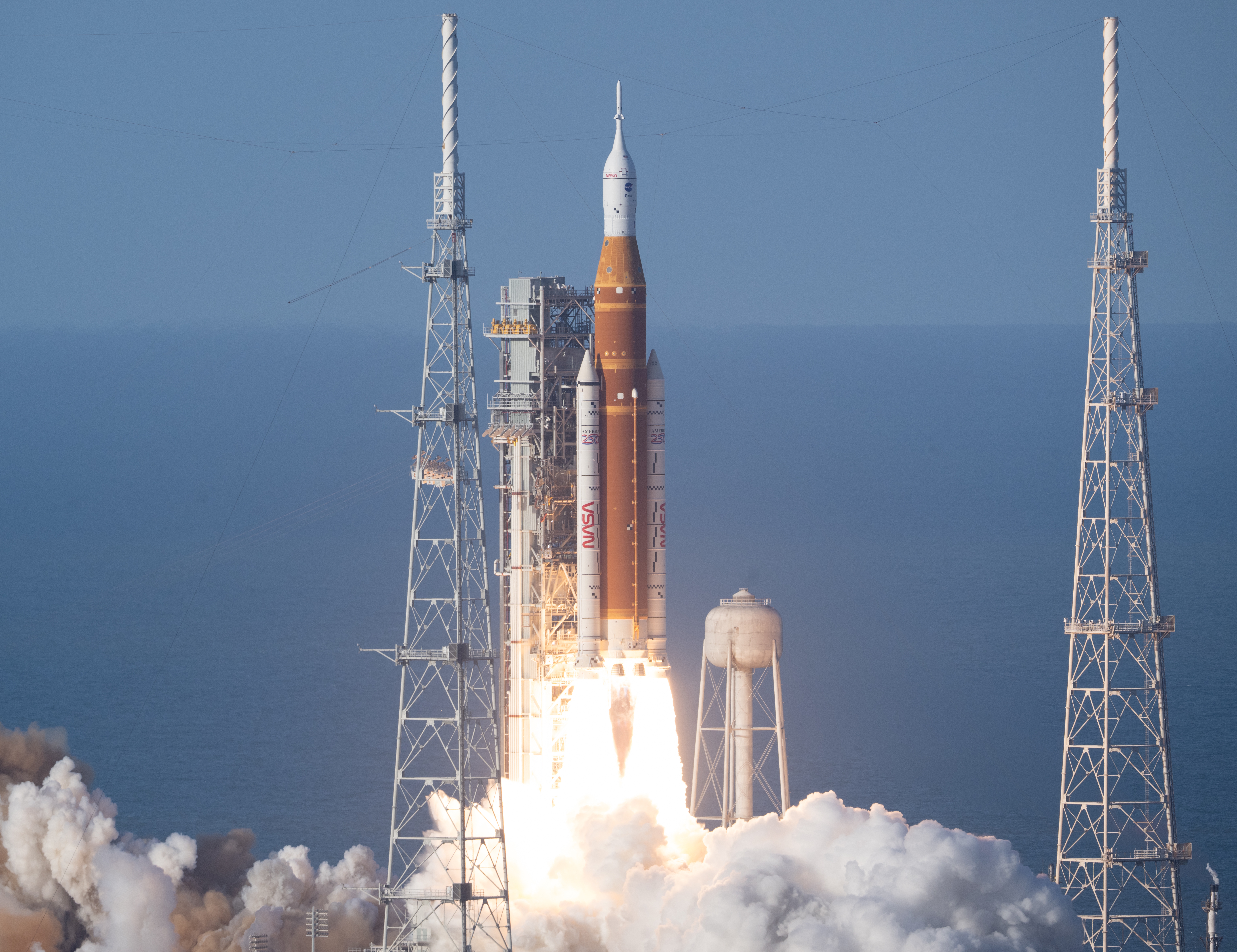
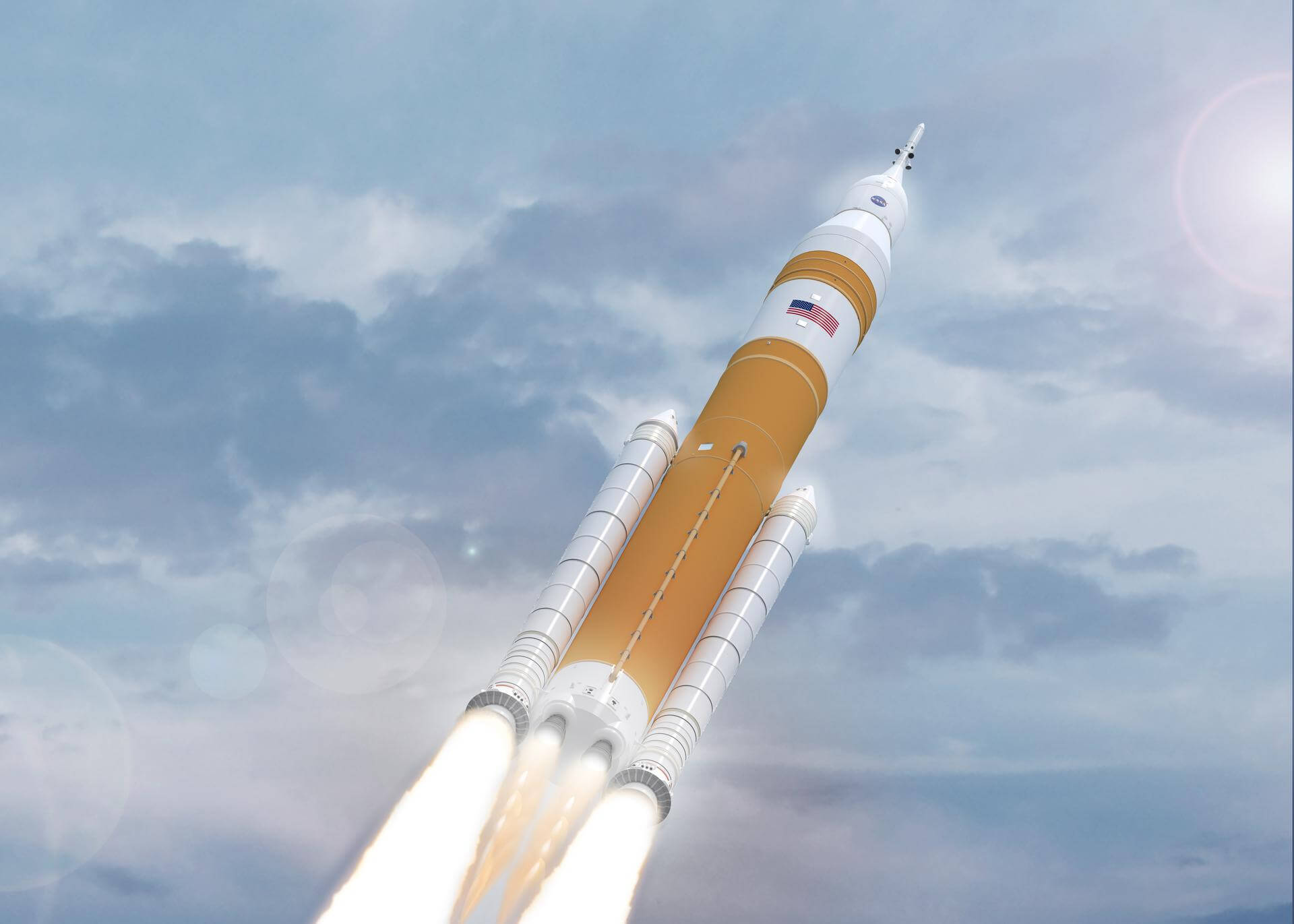
The Space Launch System (SLS) is an American Space Shuttle-derived heavy expendable launch vehicle. It is part of NASA’s deep space exploration plans including as the main launch vehicle of the Artemis program. SLS follows the cancellation of the Constellation program, and is to replace the retired…
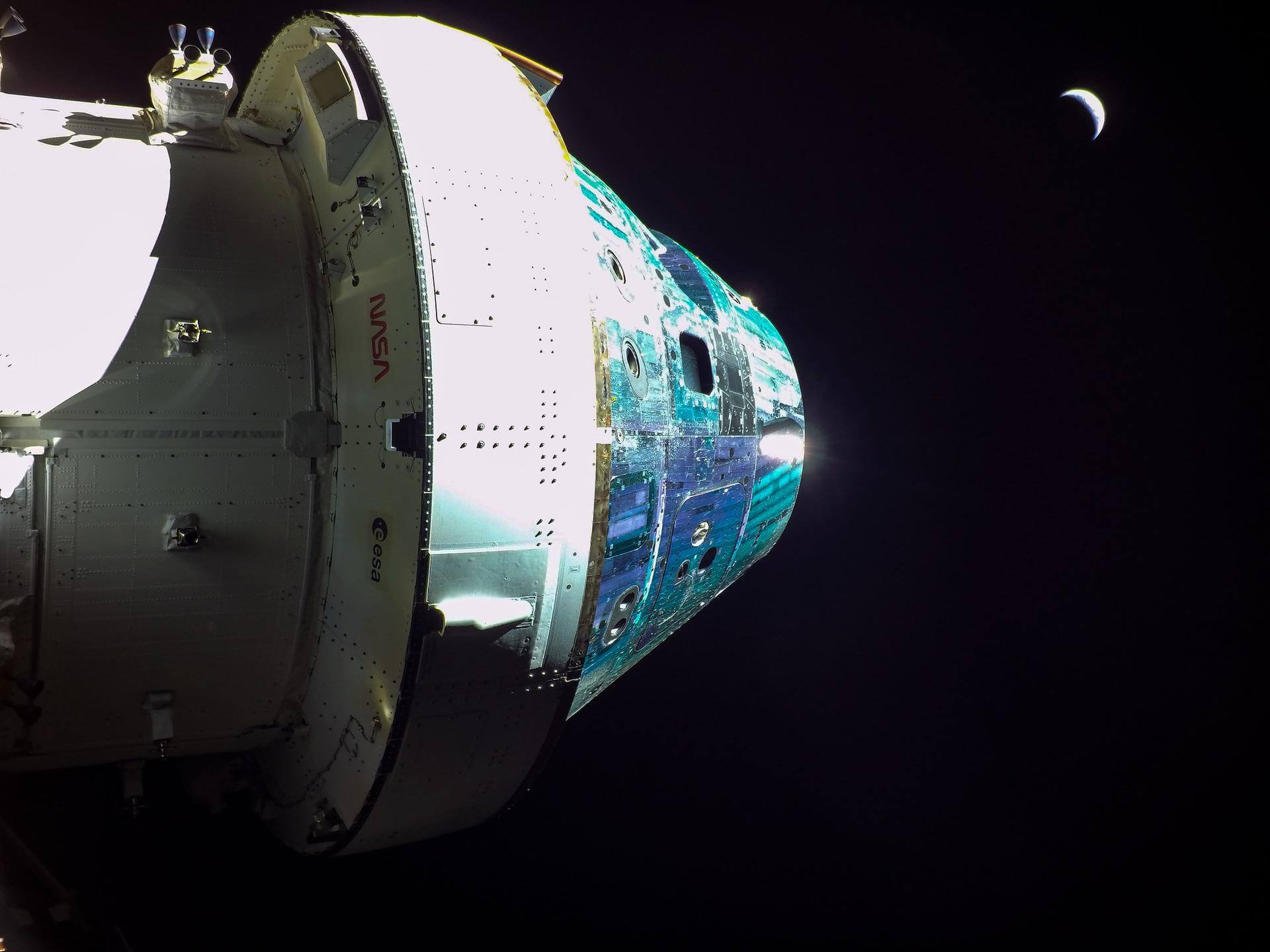
The Orion Multi-Purpose Crew Vehicle (Orion MPCV) is an American spacecraft intended to carry a crew of four astronauts to destinations at or beyond low Earth orbit (LEO). Currently under development by NASA for launch on the Space Launch System, Orion is intended to facilitate human exploration of asteroids and of Mars, as well as to provide a means of delivering or retrieving crew or supplies from the ISS if needed.
Capability
Lunar Missions.
Details
The Orion MPCV takes basic design elements from the Apollo Command Module that took astronauts to the moon, but its technology and capability are more advanced. It is designed to support long-duration deep space missions, with up to 21 days active crew time plus 6 months quiescent. During the quiescent period crew life support would be provided by another module such as a Deep Space Habitat. The…
Flight Life
21.1 days
Manufacturer: National Aeronautics and Space Administration (NASA)
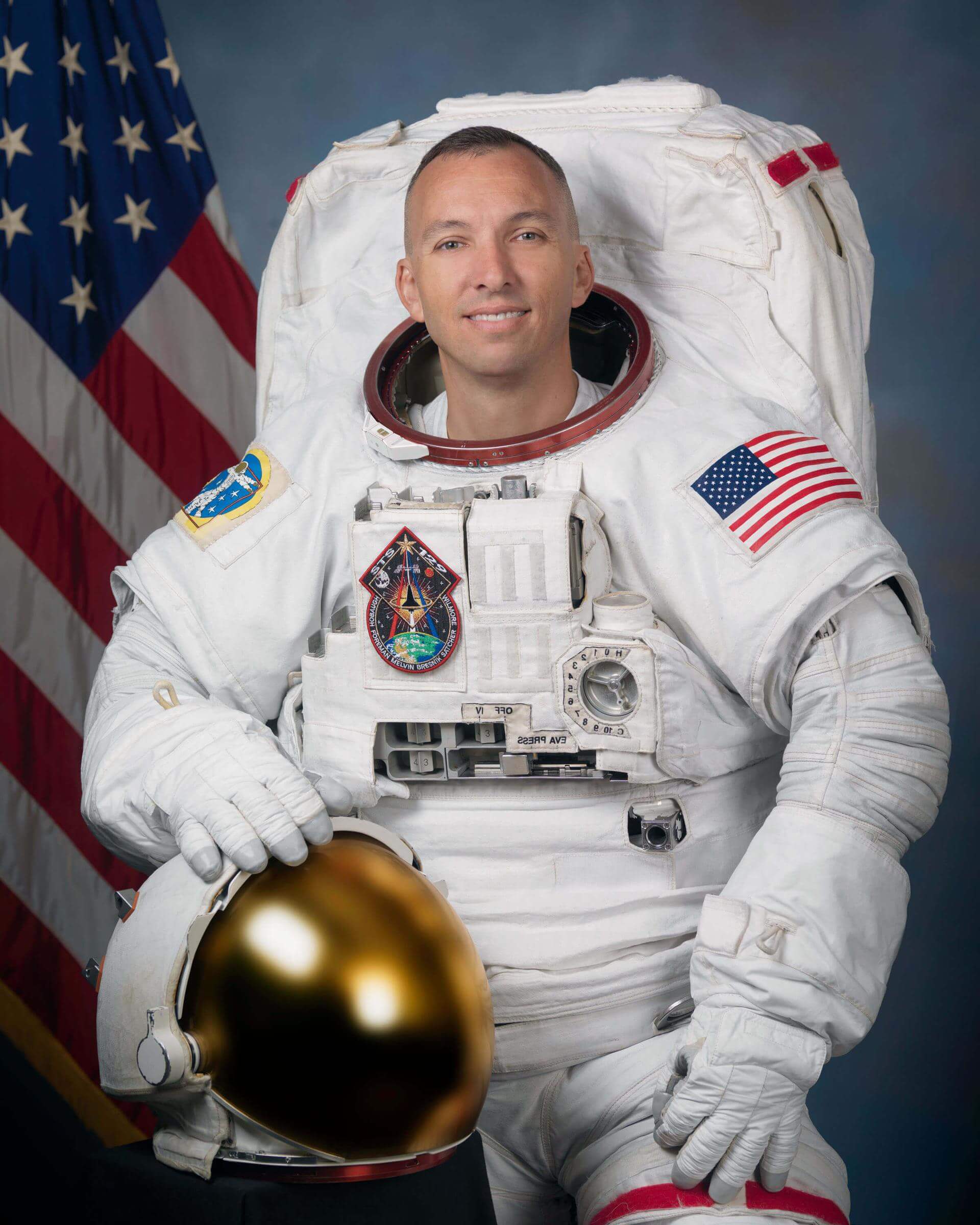
NASA • American • Age: 59 • Time in space: 149 Days, 12 Hours, 12 Minutes • EVA time: 1 Day, 8 Hours
Born: Sep 11, 1967 • First Flight: Nov 16, 2009 • Last Flight: Jul 28, 2017
Randolph James “Komrade” Bresnik is an officer in the United States Marine Corps and a NASA astronaut. A Marine Aviator by trade, Bresnik was selected as a member of NASA Astronaut Group 19 in May 2004.[5] First launched to space on STS-129.
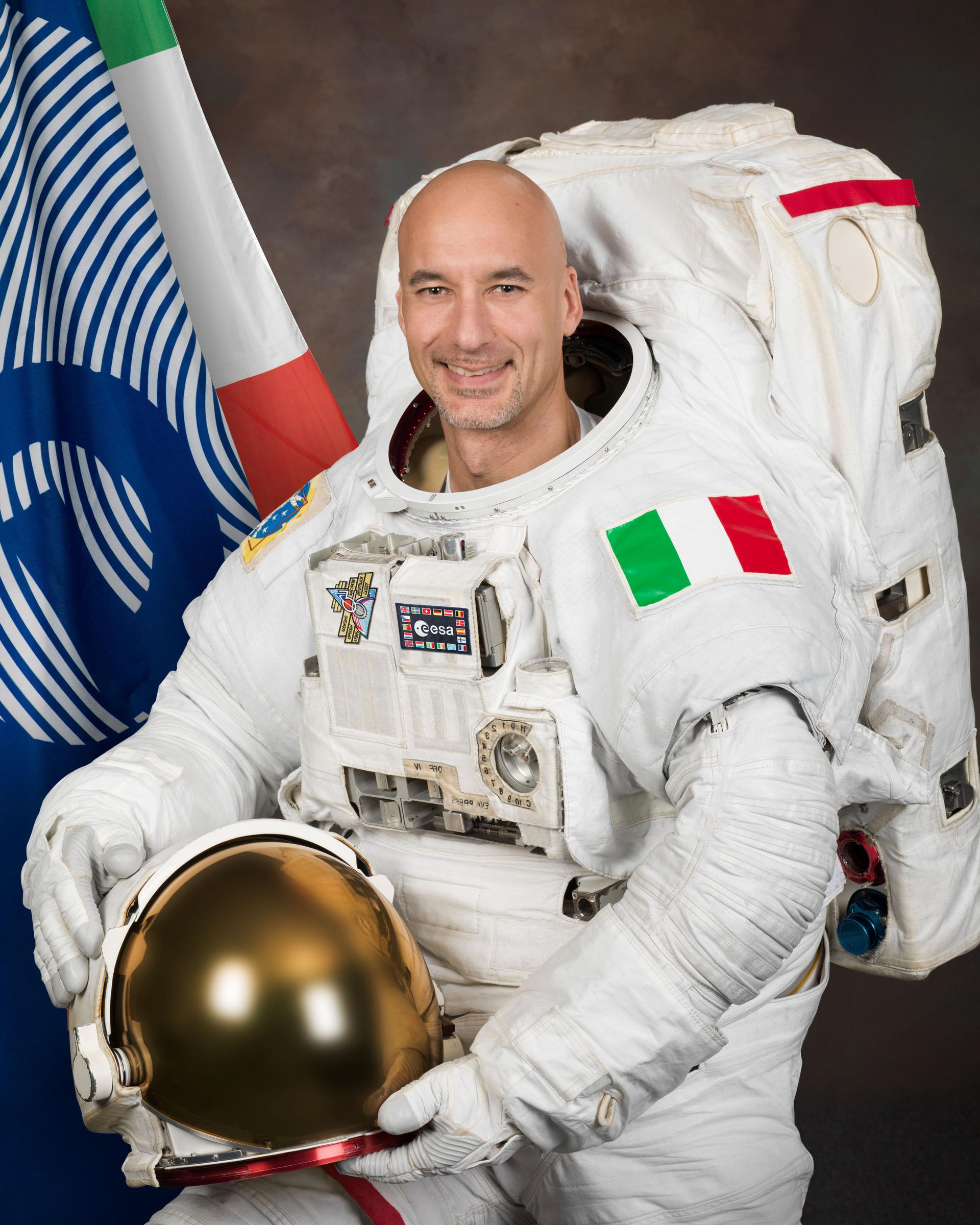
ESA • Italian • Age: 50 • Time in space: 366 Days, 23 Hours, 2 Minutes • EVA time: 1 Day, 9 Hours, 9 Minutes
Born: Sep 27, 1976 • First Flight: May 28, 2013 • Last Flight: Jul 20, 2019
Luca Parmitano (born 27 September 1976 in Paternò, Sicily) is an Italian engineer and astronaut in the European Astronaut Corps for the European Space Agency (ESA). The astronauts work on missions at the International Space Station. He was selected as an ESA astronaut in May 2009.
Artemis IV is planned to be the first human lunar landing mission since the Apollo Program.
Agencies Involved
• National Aeronautics and Space Administration (Government)
Program: Artemis
The Artemis program is a US government-funded crewed spaceflight program that has the goal of landing “the first woman and the next man” on the Moon, specifically at the lunar south pole region.
The Space Launch System (SLS) is an American Space Shuttle-derived heavy expendable launch vehicle. It is part of NASA’s deep space exploration plans including as the main launch vehicle of the Artemis program. SLS follows the cancellation of the Constellation program, and is to replace the retired…
Artemis V is planned to be the second human lunar landing mission since the Apollo Program.
Agencies Involved
• National Aeronautics and Space Administration (Government)
Program: Artemis
The Artemis program is a US government-funded crewed spaceflight program that has the goal of landing “the first woman and the next man” on the Moon, specifically at the lunar south pole region.
The Space Launch System (SLS) is an American Space Shuttle-derived heavy expendable launch vehicle. It is part of NASA’s deep space exploration plans including as the main launch vehicle of the Artemis program. SLS follows the cancellation of the Constellation program, and is to replace the retired…
Robo Chris is a collection of API calls, filters, and searches, bolted together with magic and love. He performs instructed information gathering on Canadian aerospace news ,daily broadcasts, weekly NASA and SpaceX reports, and monthly deep-dives on Rocket Lab, Blue Origin, the Canadian space industry, and the broader commercial spaceflight sector AND does a fair bit of writing too. Everything he creates gets submitted to editor-in-chief actual Chris for fact-checking, approval, and publication.






Leave a Reply